Culture Culture 6 min read

Monocles and mottos: Meet the 12 most beloved commercial icons in history
Image: Rubaitul Azad

They have crashed through brick walls, debated car insurance in British accents, and convinced us that a monocle is the height of legume fashion. Mascots are more than just corporate logos; for many of us, they are the familiar faces of childhood and the icons of American pop culture. But do you know the real stories behind the faces? We’ve compiled the ultimate list of the characters that defined American advertising history. Keep reading to see if your favorite character made the list!

1
Chester Cheetah
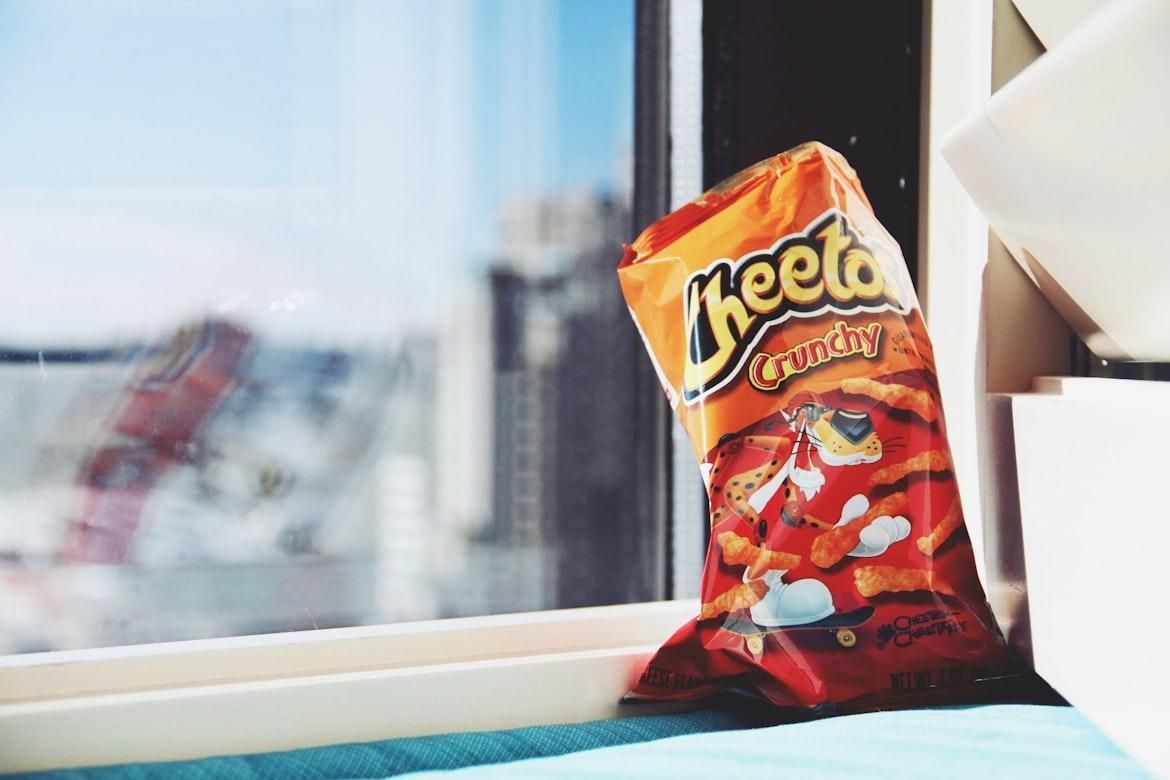
Image: Giorgio Trovato

Chester Cheetah joined Cheetos marketing in 1986 with a stylized, sunglasses-wearing design that reflected the youth-focused advertising of the time. His orange fur, black spots, and exaggerated long limbs gave him a modern appearance that differed from the more conventional mascots used in earlier decades.

Often depicted in cartoon adventures trying to get Cheetos from others using his hip attitude and humor, Chester began appearing in licensed merchandise and even two video games released for major home consoles. These additional uses helped increase his presence outside television ads and made him familiar to a wider audience.

2
Tony the Tiger
Image: Sten Ritterfeld

Tony the Tiger is probably one of children’s favorite mascots. Well, of course, he is gr-r-reat! Tony debuted in 1952 as part of Kellogg’s national push for its frosted cereal line. His early design resembled a traditional tiger on all fours, but by the 1960s, he was consistently illustrated standing upright. This adjustment to a more human-like figure made the character more attractive to children who started seeing him in print materials and television commercials. His striped orange coat and red scarf have remained stable features for decades, helping kids recognize the mascot across changing styles over the years.

3
Mr. Peanut
Image: Afif Ramdhasuma

Mr. Peanut entered American advertising as early as 1916, after Planters Nut & Chocolate Company held a public contest and selected a drawing submitted by a schoolboy from Virginia. The company later added the top hat, monocle, and cane, creating the formal look that became standard on packaging and billboards.

The suave, walking peanut we know and love appeared consistently in print ads and store displays, serving as a recognizable figure for the brand. During the mid-20th century, when packaged snacks and "gourmet" branding became more common in supermarkets, Mr. Peanut was used to reinforce the idea of a higher-quality product.

4
Colonel Sanders
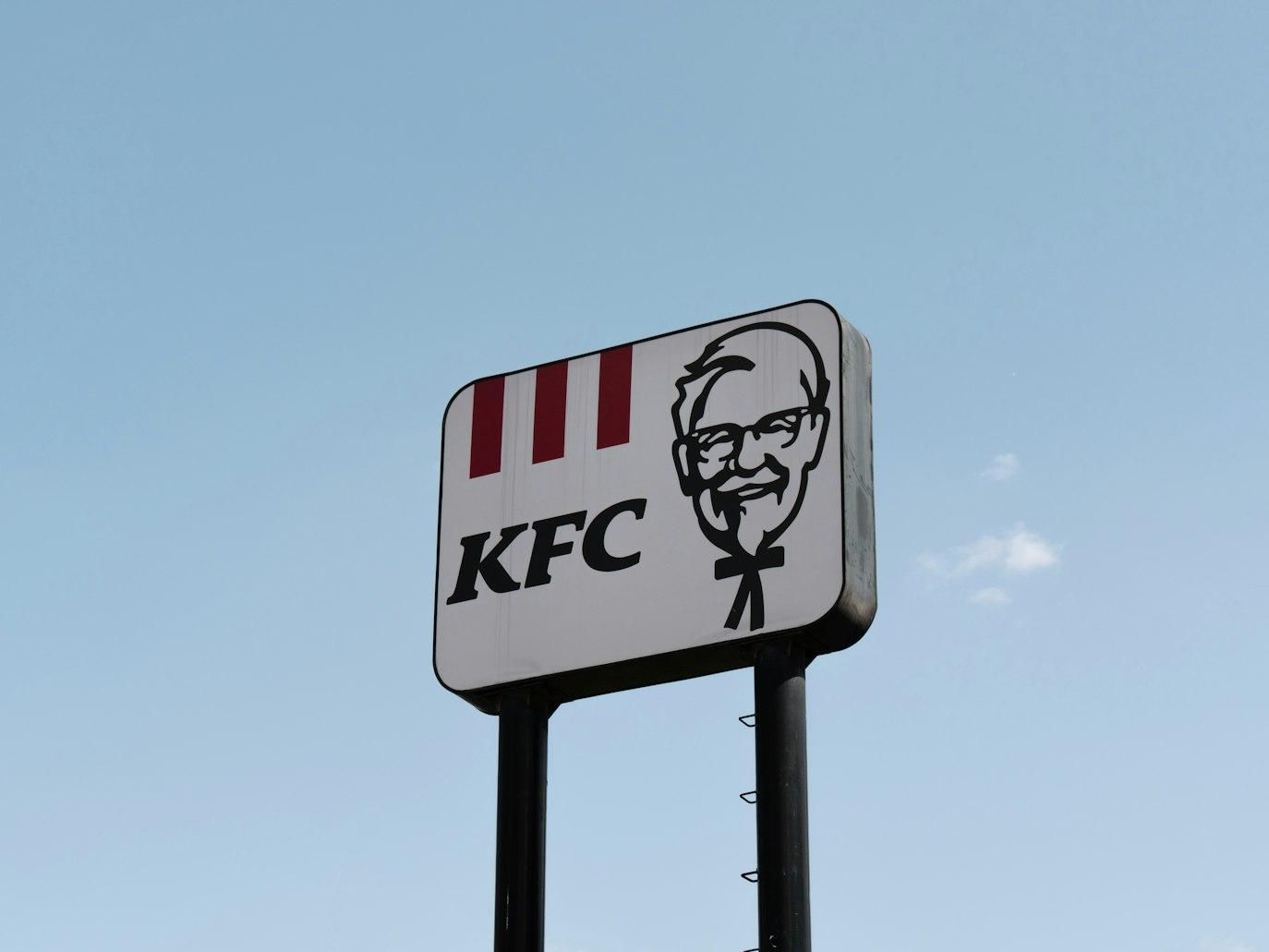
Image: He Junhui

In the 1950s, American entrepreneur Harland Sanders became the public face of his restaurant chain, Kentucky Fried Chicken, taking part in promotional photos, interviews, and appearances that helped introduce the brand to a wider audience. His white suit and black string tie were items he regularly wore, and the company adopted them as key visual elements to create a consistent look for KFC.

By the 1960s, his image was used on signs, packaging, and national advertising, giving customers a familiar figure associated with the product. Unlike most mascots, his portrayal was based on a real person whose small roadside business had grown into a national treasure.

5
Pillsbury Doughboy
Image: Nikoloz Gachechiladze

The Pillsbury Doughboy was introduced in 1965 using stop-motion animation in his early commercials, a common technique for character advertising at the time. His soft white body, chef’s hat, and neckerchief became standard symbols in Pillsbury promotions beginning in the late 1960s.

During the 1970s, he appeared regularly on national television, helping advertise refrigerated dough products that were marketed as convenient options for home cooks. His role remained consistent across these campaigns, making him one of the brand’s most recognizable features.

6
The Kool-Aid Man
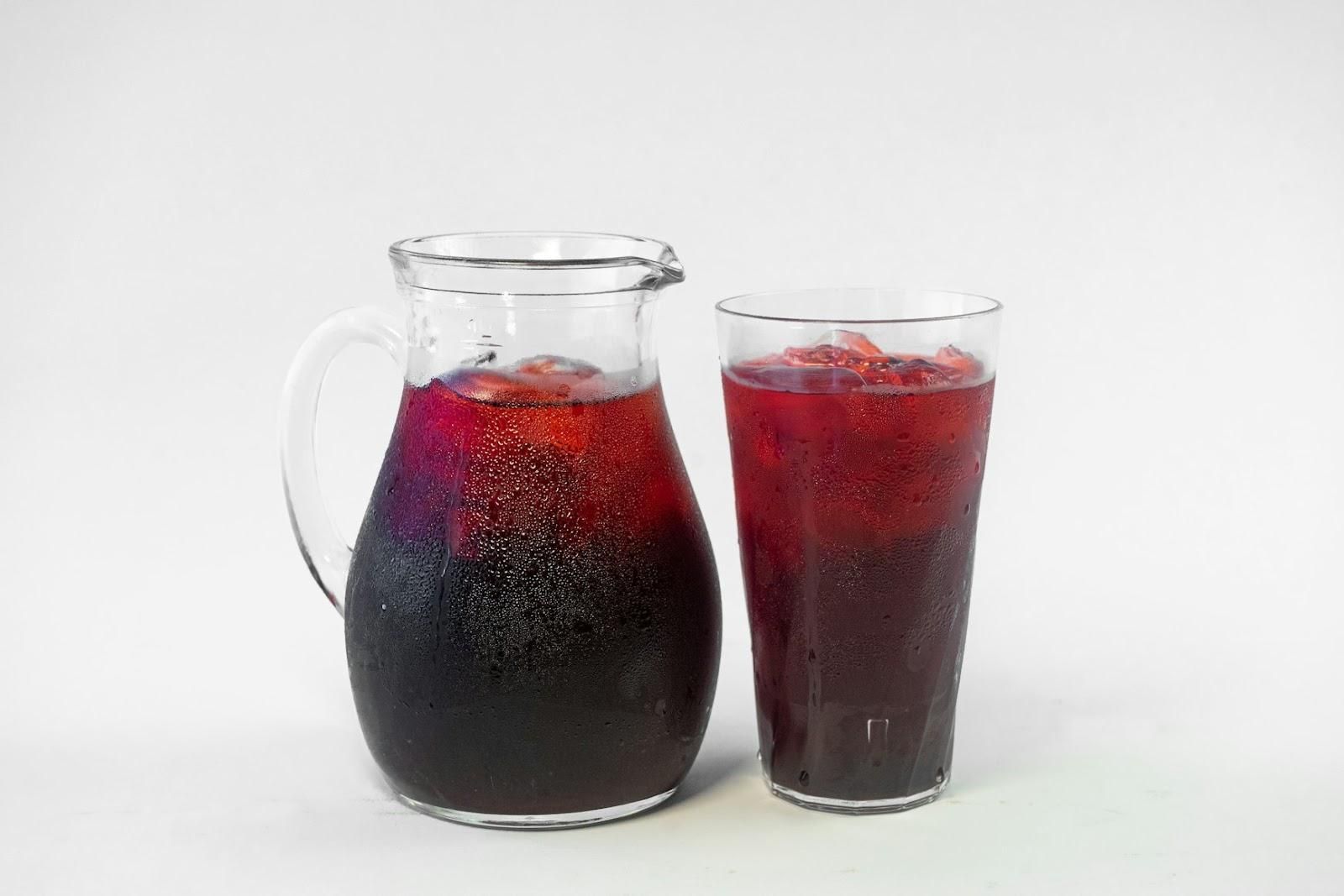
Image: Fotografía de Alimentos

In just a few years, this mascot evolved from a simple smiling pitcher to a whole pop culture icon. Oh yeah! The Kool-Aid Man’s first television appearances began in the 1970s, building on earlier print versions. His clear, rounded glass body and bright red interior were easy for children to recognize, and the short catchphrase became closely linked to the product.

During this period, he was featured regularly in Saturday-morning TV advertising and in-store promotions aimed at families. These campaigns emphasized Kool-Aid as an inexpensive, easy-to-prepare drink mix, thanks to a character that brings joy and fun, making sure people have a good time.

7
GEICO Gecko
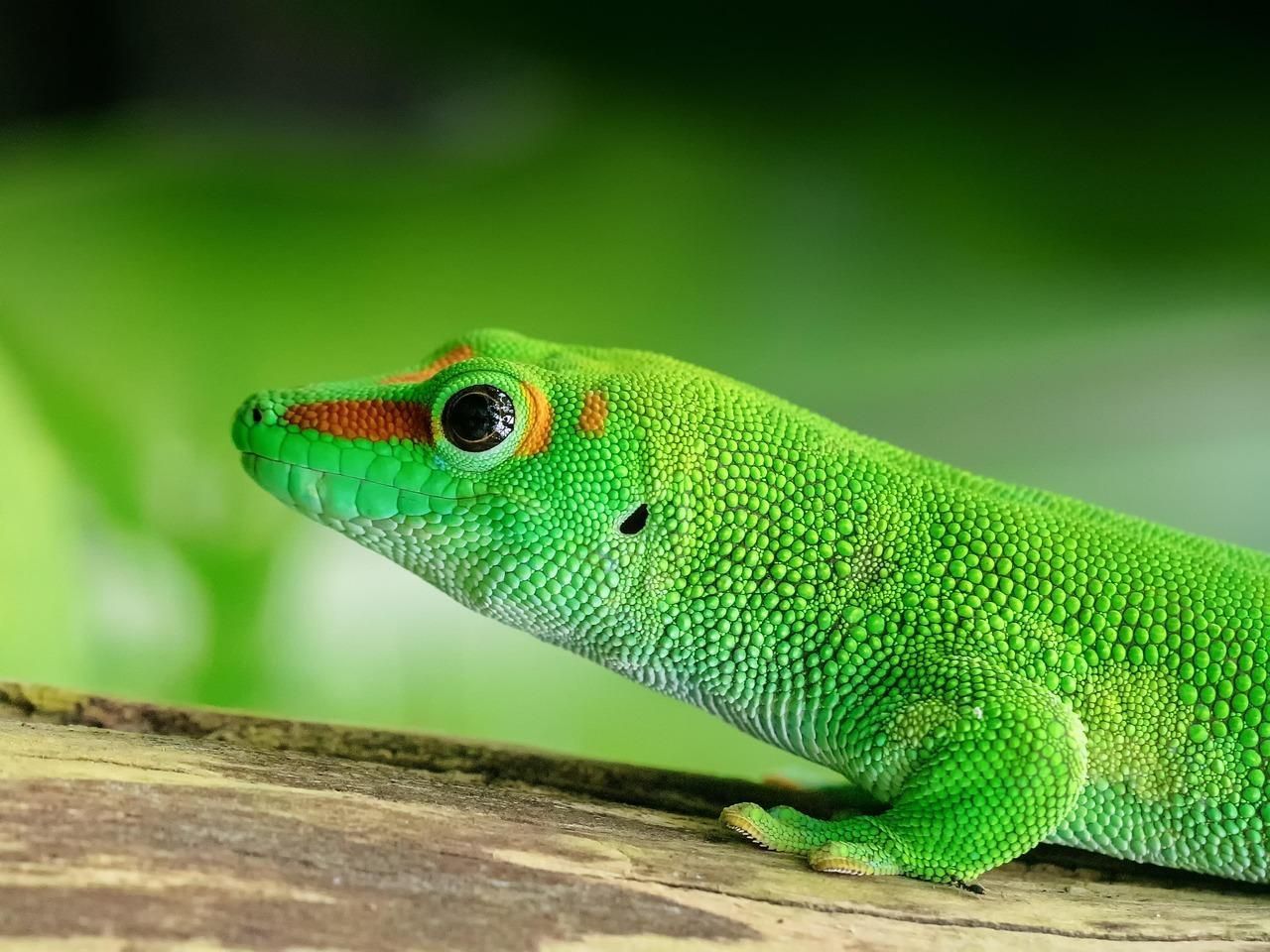
Image: moonzigg

Born after a 1999 SAG strike that limited live actors, the animated GEICO Gecko became a beloved, relatable brand ambassador who could present insurance information in a clear, approachable way. His small upright stance, green coloring, and British accent made him easy to identify and set him apart from the fast-paced commercials common at the time.

Over the years, he became a regular presence in campaigns that explained discounts, policy options, and general coverage details. His continued use across national TV, radio, and online platforms helped establish him as one of the brand’s most recognizable marketing tools. Can you quote his famous catchphrase?

8
Energizer Bunny
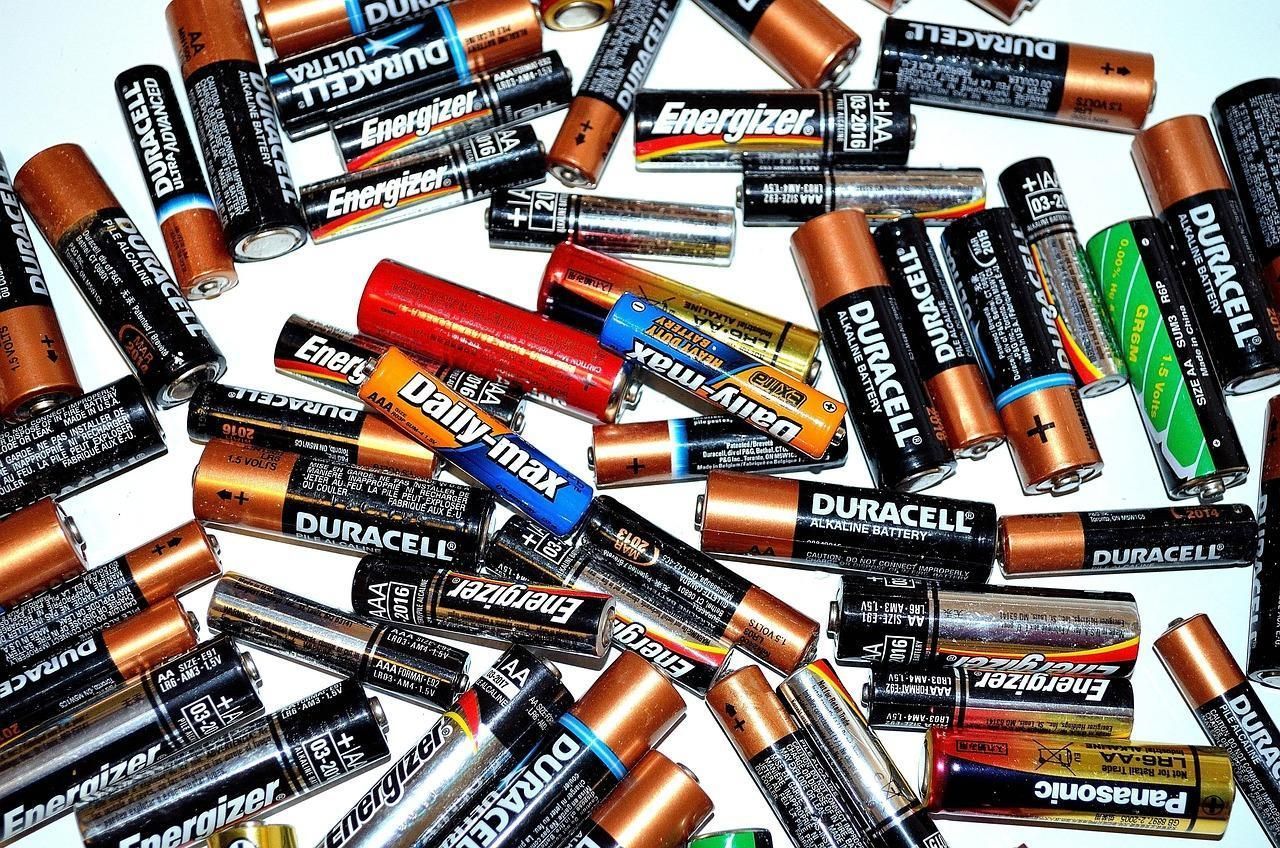
Image: PublicDomainPictures

Did you know the Energizer Bunny is actually a parody of the Duracell Bunny? Premiering in 1989, a year later than its main competitor, the pink rabbit was shown wearing sunglasses and flip-flops and carrying a large bass drum.

Throughout the 1990s, the Energizer Bunny was featured in several parody-style spots that placed him inside mock versions of other commercials before he continued walking and drumming. His image became closely linked to Energizer batteries' long-lasting power, becoming a pop culture icon representing the endurance and tenacity of the American People.

9
Ronald McDonald
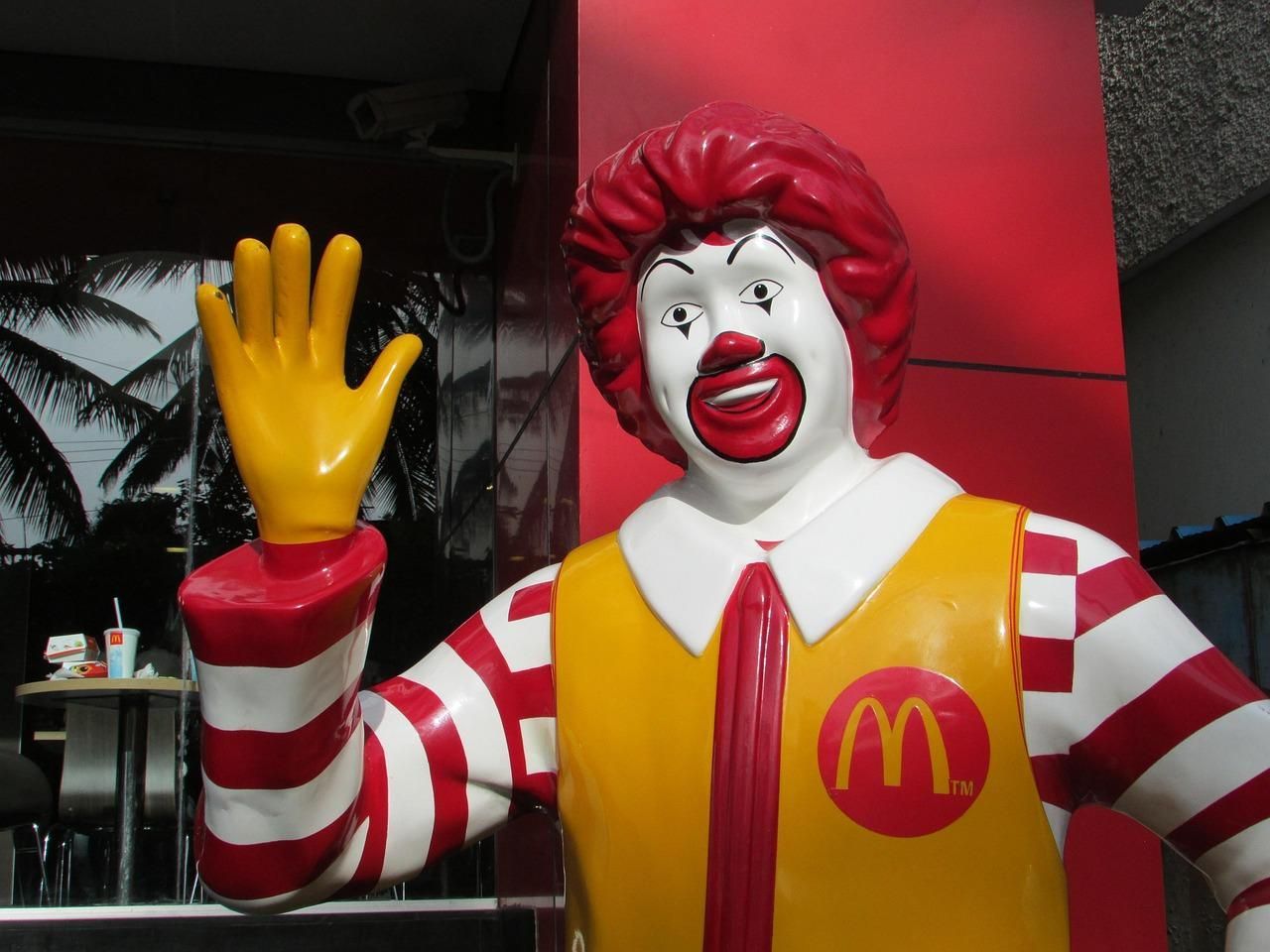
Image: Vijayanarasimha

Ronald McDonald is one of the most beloved characters among American children. He appeared nationally in 1963, adapted from earlier characters that had been used in local McDonald’s advertisements. With his red wig, white face makeup, and yellow jumpsuit, he lives in the magical McDonaldland with friends, representing fun and charity.

These key visual elements helped audiences recognize him instantly at store openings, public events, and televised commercials. From the 1960s through the 1980s, Ronald also participated in school visits and community programs that promoted basic safety messages and family-oriented activities. In just a few years, Ronald McDonald grew into a global icon that even inspired more characters synonymous with both fun and philanthropic missions .

10
Mr. Clean
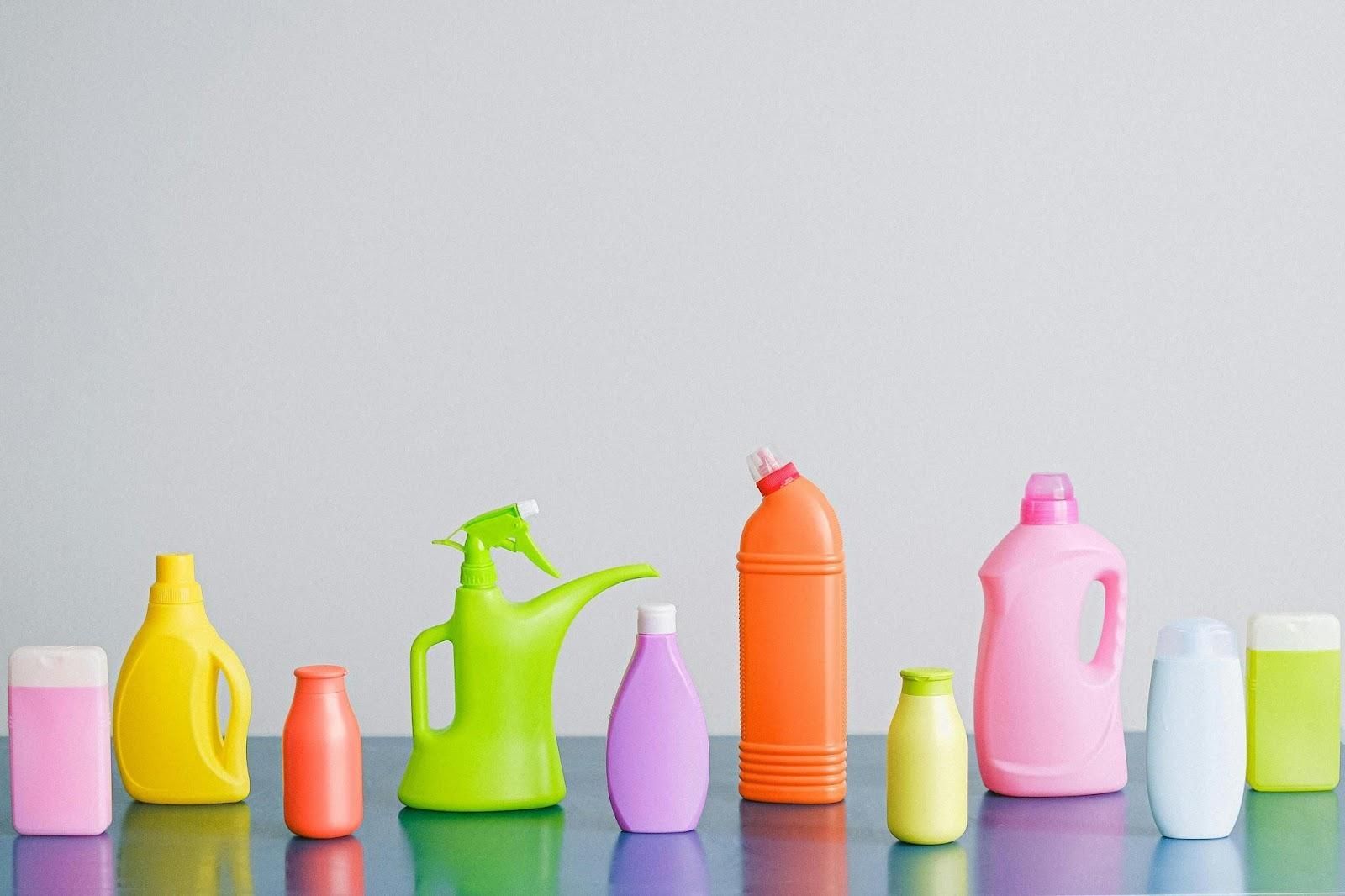
Image: Anna Shvets

Who wouldn't trust a product promoted by a strong, reliable, muscular man? Introduced in 1958 and inspired by a U.S. Navy sailor, Mr. Clean appeared in packaging and commercials with his arms crossed and wearing a white T-shirt and a gold earring. His image, symbolizing powerful, effortless cleaning magic, helped shoppers to quickly recognize the product on crowded shelves.

The character’s straightforward design also aligned with a broader mid-century trend toward household products marketed as time-saving solutions. Over time, Mr. Clean continued to serve as a stable visual symbol for the brand’s focus on reliability and ease of use.

11
Betty Crocker
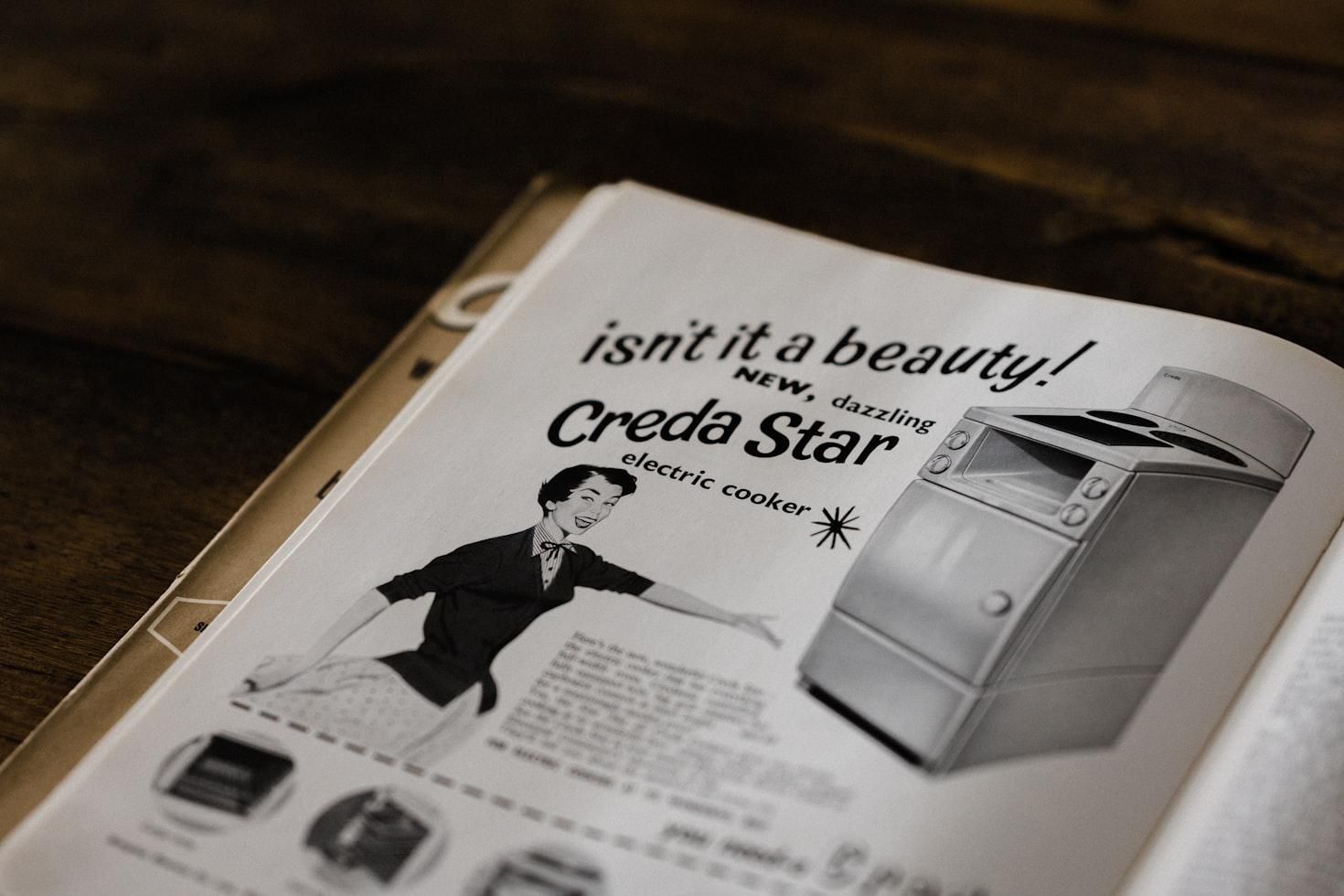
Image: Annie Spratt

Even more than a hundred years after her creation, Betty Crocker is still a beloved cultural icon representing home baking and American domesticity. She was first introduced in 1921 as a customer-response identity providing written answers to home-baking questions sent to the company. The name combined the friendly-sounding "Betty" with the surname of a retired company director, William G. Crocker.

She evolved from a voice on radio shows to the first portrait in 1936, which was repainted multiple times throughout the 20th century, and was adjusted to match changing American fashion while keeping the same general facial features. By the 1940s, she was widely recognized through cookbooks, recipe pamphlets, and radio guides that presented standardized instructions for home bakers.

12
"Rich Uncle" Pennybags
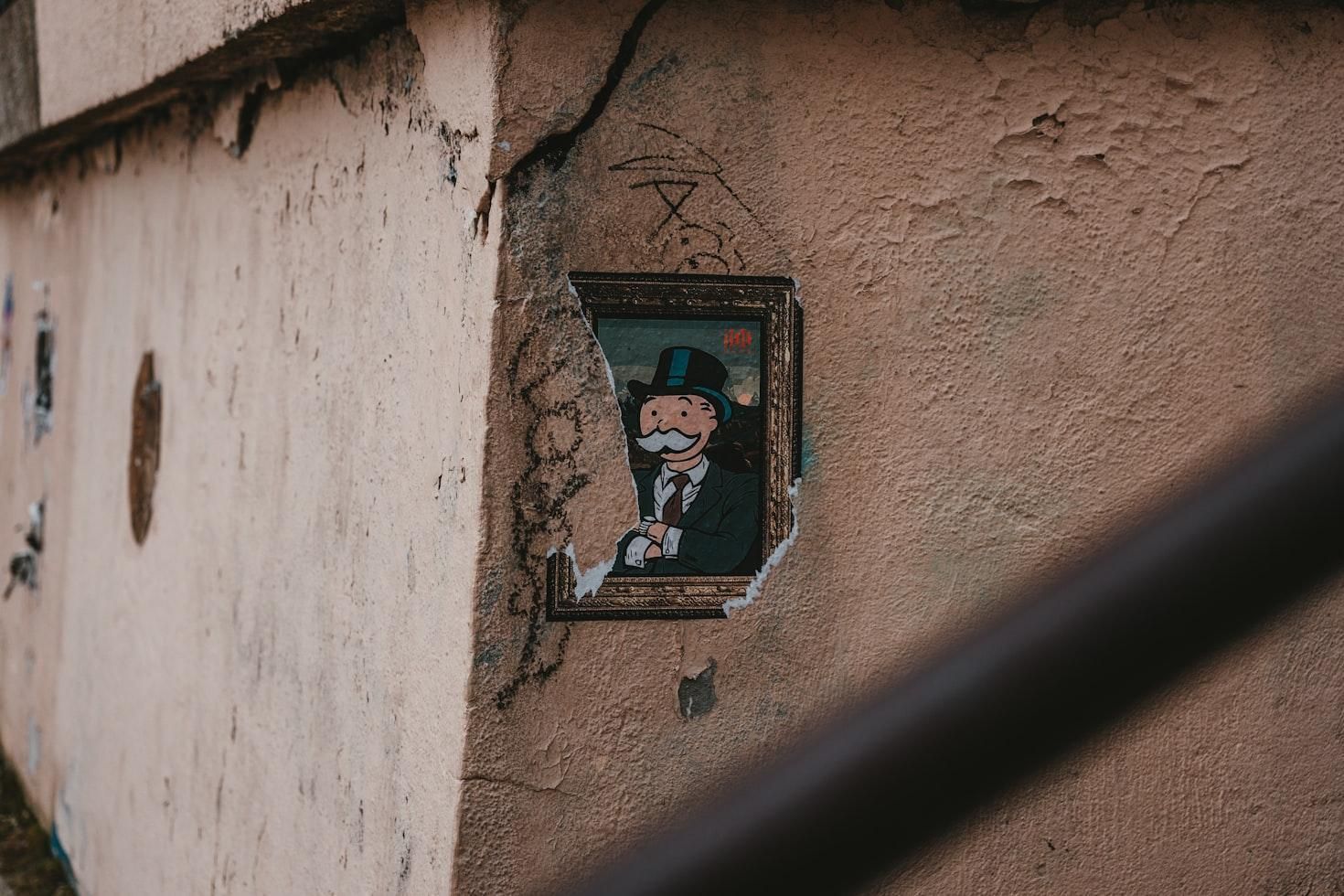
Image: Julian Hochgesang

Rich Uncle Pennybags is the mustachioed, top-hatted mascot of the Monopoly board game, a character designed to embody wealth and capitalism. His image, first introduced in 1936, was loosely based on Gilded Age tycoons like J.P. Morgan, which helped signal the game’s focus on property and finance.

When Monopoly grew in popularity and began distributing international editions in the 1970s, the mascot was added to rule books, game boxes, and licensed versions sold in different countries. Fun fact: Contrary to popular belief, Pennybags never wore a monocle. Think about that!
General General 5 min read

Dusting off some old memories

Playground love: 12 outdoor games everyone played as a child

Image: cottonbro studio

Playing outdoors is one of the most enjoyable and memorable experiences of childhood. Our childhoods didn’t require modern technology to feel complete or entertaining. We could spend hours at the park or during school breaks playing tag, jumping rope, or hiding for our friends to find us. Do you remember these games? If you’d like to jog your memory, read on to revisit the games you played most as a kid!

1
Hopscotch

Image: MOHAMMADREZA Kr

When we were kids, before computer games and smartphones, we didn’t need much to keep us entertained in the afternoons. Playing hopscotch, for example, required only a piece of chalk and a large enough asphalt area to draw on and jump around.

There are numerous variations, but children have played hopscotch for centuries . The basic principle remains the same: a series of numbered rectangles is outlined on the ground, and the player tosses a pebble into each one in turn. The player then hops through the course without touching the lines, picking up the pebble along the way, and returns—still hopping—to the starting point.

2
Tag

Image: Aleksandar Andreev

Tag is undoubtedly the most famous chasing and catching game of all time. It also serves as the foundation for many other games. This is no coincidence—tag has existed since ancient times, with different versions in civilizations as dissimilar as Greece and India.

In the simplest form of tag, one player tries to tap another player; the tagged player then becomes "it —a.k.a. "the chaser"—and it all starts all over again. Which version was your favorite? Ours was freeze tag!

3
Jump-rope and Double Dutch

Image: cottonbro studio

Jumping rope was another childhood favorite, whether on street corners or in school playgrounds. Whether alone or in a group, it kept us entertained for hours. Among the countless variations, Double Dutch—a version in which one or more players jump between two long ropes turning in opposite directions—was probably the most fun and most challenging of all.

The origin of Double Dutch is not entirely clear. Some claim Dutch settlers brought it to America, while others argue it was invented in the early 1900s in the U.S. What is certain is that this game, which combines motor skill training and physical exercise , became so popular that it evolved into a competitive sport with worldwide tournaments.

4
Simon says

Image: Arthur Krijgsman

"Simon says… touch your nose!" Remember these commands? As kids, we could spend hours playing this game, where one player took on the role of "Simon" and gave instructions that the rest of us had to follow to the letter.

Records of this game’s existence in the United States date back to the mid-19th century ; however, its origins may be traced back to ancient Rome. Some historians suggest that the name Simon comes from Simon de Montfort, a 13th-century French-English nobleman who was known for his ability to command authority over his subjects.

5
Hide-and-seek

Image: Annie Spratt

Hide-and-seek is one of the simplest games but, at the same time, one of the most fun when we were children. In this game, one player would close their eyes and count to a certain number while the others searched for a place to hide. The challenge was to find as many hidden players as possible before they reached "home base."

Hide-and-seek, which has different variants worldwide, has been played since ancient times. In fact, historians have discovered a strikingly similar game in ancient Greece called apodidraskinda , which followed rules much like the ones we know today.

6
Hula Hoop contest

Image: Annie Spratt

The hula hoop became popular in the late 1950s when the American toy company Wham-O introduced a plastic version to the market. However, hula hoops have been used by children since ancient times. Over the centuries, they have been made from a variety of materials, including willow, grapevines, rattan, stiff grasses, wood, and metal.

Growing up, most schools had hula hoops available during PE classes. It was the ideal game for young children to have fun and get fit at the same time. Teachers often organized contests in which players twirled the hula hoop around their waist for as long as possible. The winner was the one who kept the hoop spinning the longest before it dropped to the floor.

7
Marco Polo

Image: Library of Congress

This game, which shares its name with the 13th-century Italian explorer, was a summer-exclusive tradition we eagerly anticipated all year long. Many of us still vividly remember our friends, siblings, and cousins shouting "Marco!" and responding "Polo!" as kids.

Played in a swimming pool, Marco Polo is a location-based game in which players must find each other using auditory clues. It became popular in America in the 1960s and is now played worldwide with various adaptations.

8
Musical statues

Image: Robert Collins

Musical Statues, also known as Freeze Dance, is a variation of Musical Chairs that can be played outdoors. It was a popular game at birthday parties and involved running around while music played. When the music stopped, players had to freeze in place. Anyone who moved was instantly out, and the last one remaining won the game.

Musical Statues originated in the United Kingdom, likely in the mid-1950s , when music players became more common in people's homes.

9
Tug of war

Image: RDNE Stock project

Did you know that before the 19th century, the game we now call tug of war was known as French and English ? Tug of war—or rope pulling—is an ancient game , with different versions found in Egypt, Greece, India, China, and Cambodia.

In tug of war, two teams compete in a test of strength and strategy, pulling a rope in opposite directions. Though this game is popular at school events for its mix of teamwork, exercise, and friendly competition, it was once an official sport . In fact, from 1900 to 1920, tug of war was part of the Olympic Games.

10
Dodgeball

Image: Wan San Yip

Dodgeball is another game we used to play in school that is now also considered a sport . In this game, the objective is to eliminate all members of the opposing team by hitting them with thrown balls.

Though it’s now a fun and friendly game, that wasn’t always the case. Dodgeball originated in Africa approximately two hundred years ago. Back then, it was much more dangerous and violent. Instead of using soft balls, participants threw rocks found in nature. Fortunately, in the mid-19th century, an English missionary saw the game and transformed it into a more enjoyable, non-life-threatening activity.

11
Duck, duck, goose!

Image: Kampus Production

You probably haven’t played this game since preschool or kindergarten, and you might have even forgotten about it completely. However, it was one of the most popular games on the playground .

In this traditional children's game, participants sit in a circle, and one is chosen to touch the heads of the others. The player who is "it" goes around saying "duck" until they choose someone and say "goose." Then the chase begins!

12
Scavenger hunt

Image: Nellie Adamyan

This was a more complex game that required much more development and preparation time. But perhaps because of that, it was so appealing to us. Scavenger hunts were so much fun that we still play them as adults, and they remain a popular activity at some universities , for example.

This game, which involves finding specific items from a list, evolved from ancient folk games. The modern version we play today, however, was popularized by American gossip columnist and socialite Elsa Maxwell in New York City during the 1930s .

General General 4 min read

QUIRKY FRIENDS

America's most beloved characters: 10 mascots we all love

Image: Jacob Rice

Few things are more American than identifying your favorite sports team or favorite breakfast cereal with a beloved mascot. Marketing has found a great way to make consumers feel attached to specific brands and identify with their products and characters. Who doesn’t love Tony the Tiger or our fluffy friend, the Pillsbury Doughboy? They have found their way into our homes and hearts! In this article, we’ll talk about 10 of our favorite American mascots. Read on and enjoy!

1
Rich Uncle Pennybags

Image: Maria Lin Kim

Board games are popular, at least some of them. Clue, Pictionary, Monopoly—we’ve all played at least one of these. But Monopoly’s popularity is something else. And it’s not just the game’s popularity but the fine man who is the face of the brand.

Rich Uncle Pennybags was introduced in 1936 and is widely known as Mr. Monopoly. This rich guy, dressed in a smart tuxedo, turned out to be so popular that he’s been incorporated into the brand’s logo altogether.

2
Tony the Tiger

Image: Franki Chamaki

Introduced in 1951, Tony the Tiger has been a fixture in, possibly, every single household in the United States and many more countries around the world.

With his classic blue background, Tony the Tiger successfully helped Kellogg’s skyrocket as a brand and made not only the mascot but the cereal truly unforgettable. In spite of being a tiger, Tony is known for his courageous messages and friendly smile that invites consumers to take a scoop of cereal and be ready to face the day. Who doesn’t need this shot of inspiration every morning? We can definitely count on Tony the Tiger for that!

3
Pillsbury Doughboy

Image: Kelsey Todd

This fluffy, adorable mascot, affectionately known as Poppin’ Fresh has been making kitchens a little brighter since 1965.

His real name is the Pillsbury Doughboy, and he is famous for his infectious laugh that erupts whenever someone pokes his belly. Dressed in his signature white chef’s hat and scarf, this giggling, chubby fella is the best company one can have when baking. If you have any doubts, you can ask this baking master!

4
Gritty

Image: Lynda Sanchez

If chaos had a face, it would definitely be Gritty! This wild-eyed, orange furball took the world by storm as the official mascot of the Philadelphia Flyers NHL team.

He made his debut in 2018 and soon became a favorite thanks to his unpredictable antics and meme-worthy expressions, which you are surely familiar with!

Both his personality and his color are quite loud, making him quite unforgettable, as orange is also the color of the team. It represents their essence: unapologetically weird and proud of it!

5
Smokey Bear

Image: Brian Wangenheim

Nature is truly a wonder, but in order to keep it that way, we need to protect it. Now, when it comes to this, warning messages have effectively prevented people from accidentally starting wildfires, thanks to a strong brown bear with a powerful message "Only you can prevent wildfires."

The campaign started in 1944 when Smokey Bear was introduced to the nation to spread the message across radio, TV, and print media. In no time, he became a success and a mighty figure of environmental protection.

6
Mr. Met

Image: Lesly Juarez

The spring of 1963 must be a loving memory for Mets fans: that’s when their mascot, Mr. Met, was born. And he came to this world with only one purpose, to cheer the New York Mets for life, and oh-boy did he accomplish it!

For over four decades, and with a partner in crime who joined the family in the mid-1960s, Lady Met, this baseball-loving mascot with a giant baseball for a head, has not only been a mascot but has also become part of the family. Is he a part of yours?

7
Kool-Aid Man

Image: Reba Spike

This brand is one of the most consumed in America and, even though they didn’t need a mascot to be successful, the Kool-Aid man surely brought around a fair dose of cuteness and good marketing.

Originally known as Pitcher Man, which made sense since he is the drawing of a pitcher, he was later renamed Kool-Aid Man with a clear target audience: children. Once again, the brand mascot made it an undeniable success, and it soon became a cultural icon with an iconic "Oh, Yeah!" catchphrase that can make you thirsty just from reading it! Thank goodness we have the Kool-Aid man to assist us there!

8
The Laughing Cow

Image: Kenny Eliason

This brand has a namesake mascot which, ever since it was created in 1921, has undergone quite an evolution! The cheerful cow, known as the Laughing Cow, first appeared to promote high-quality dairy products when packaged cheese was a novelty.

The character, highly recognizable for its red color, has graced all kinds of the company’s product packages and has become a synonym for quality dairy products, so much so, that it continues to be the logo of the brand today!

9
Big Tex

Image: Ray Shrewsberry

If you are from Texas, or if you have attended its State Fair, you are probably familiar with this 55-foot-tall state mascot. Big Tex, the official mascot of the State Fair of Texas was introduced in 1952 as a repurposed Santa Claus figure!

At the time, he was completely transformed into the towering cowboy we all know today. With his classic cowboy hat and his iconic greeting "Howdy, folks!" However, it’s not entirely fair to call him just a mascot, as he actually serves as a cultural ambassador for everyone who visits the State Fair.

10
Cy the Cardinal

Image: Jacob Rice

Cereal, cleaning products, sports teams—mascots are everywhere. And universities also have their furry friends. In the case of Iowa State University, Cy the Cardinal is the one and he has been ever since 1954.

Born from a student contest to create a mascot that embodied the school pride, Cy was inspired by the university’s nickname, the Cyclones. He is characterized by his vibrant red plumage and his big smile, which is key to rallying fans at any sporting event. Isn’t he fierce?

Explore more American facts

Choose your favorite category!

General
General

As American as apple pie—the very best America has to offer!

Culture
Culture

Delve into the astounding richness of American lore.

Geography
Geography

Hop in and explore vast and diverse American landscapes.

History
History

Discover the key moments that shaped the United States.