History History 3 min read

How much would you pay?

The weirdest things ever sold at auction—and how much they went for

Image: Towfiqu barbhuiya

Sure, we can all understand why people bid high sums for historical artifacts or invaluable pieces of art. But would you pay any money, let alone millions of dollars, for a $20 note, a regular banana, or a grilled cheese sandwich? It would depend on the context, of course! Here, we’ll dive into the stories of very odd objects and how they sold for outrageous amounts.

1
Banana duct‑taped to a wall
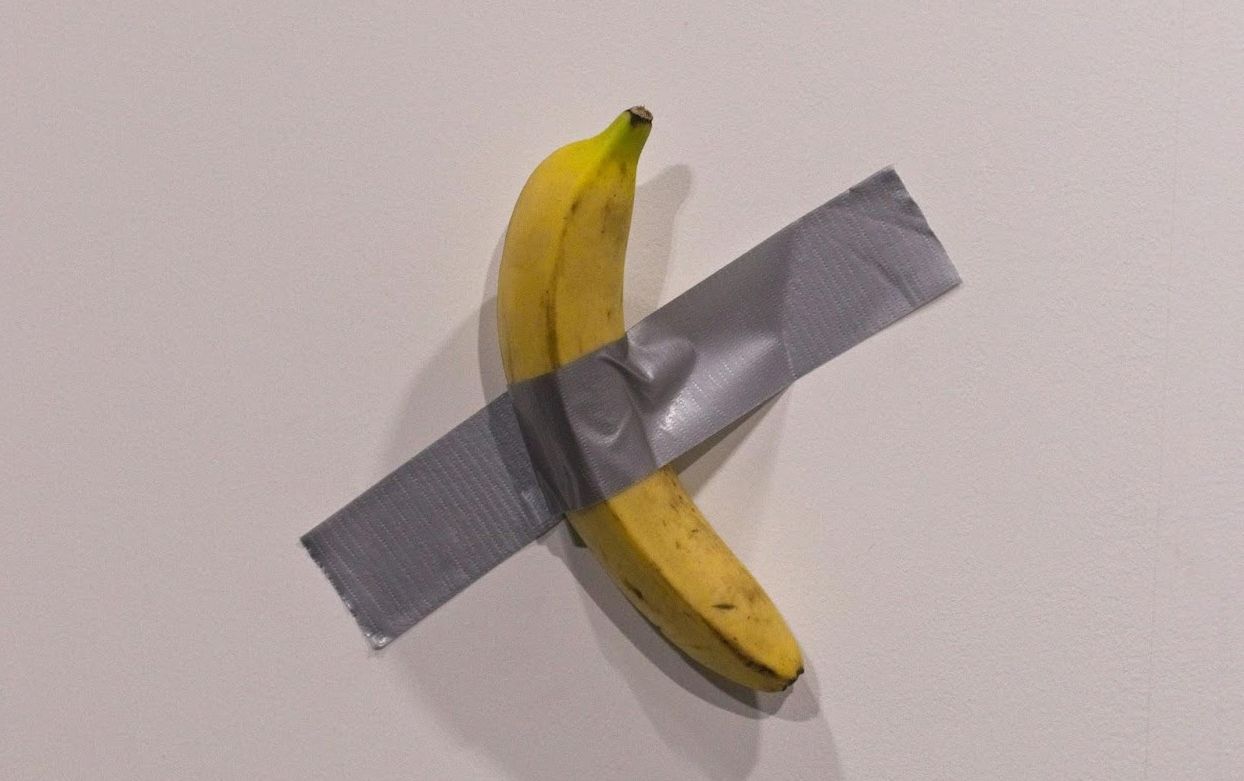
Image: Ussama Azam

The world was shocked in 2024 when an infamous piece consisting of a banana stuck to a wall via a piece of tape was sold… for $6.24 million !

The buyer was Justin Sun, a crypto mogul who saw it as a powerful statement of art and cryptocurrency culture. It was the certificate of authenticity he cared for, not the fruit itself.

2
Britney Spears’ chewing gum

Image: Markus Spiske

Pop stars do drive their fans crazy. Apparently, people are willing to pay any sum for anything they allegedly touched. That was made sufficiently clear when a piece of chewing gum, reportedly chewed by Britney Spears , sold on eBay for $14,000.

3
A Virgin Mary grilled cheese sandwich
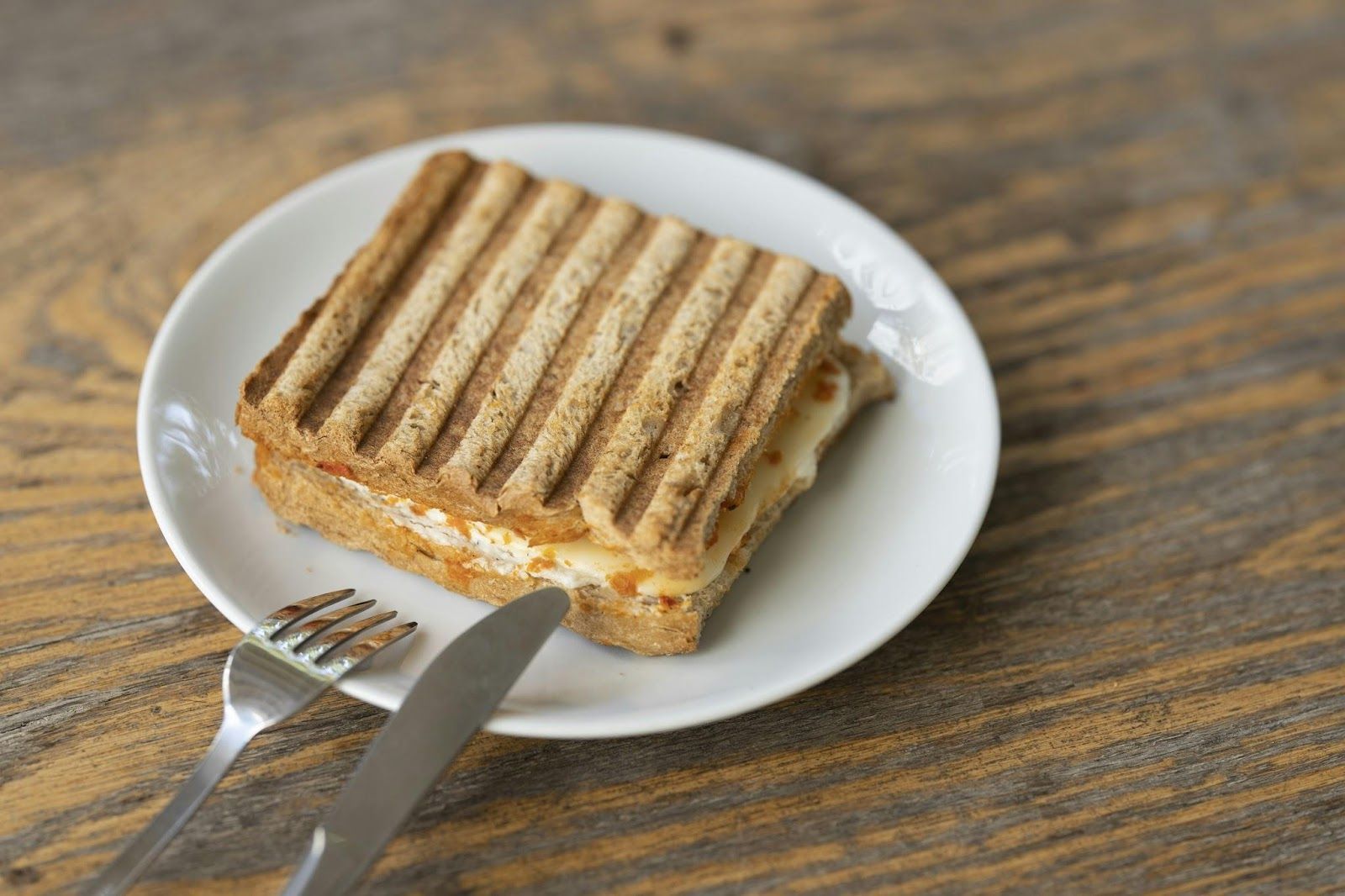
Image: engin akyurt

You might remember this story spreading through the internet many years ago. In 2004, a grilled cheese sandwich became famous because someone noticed, halfway through eating it, that it bore the burnt image of the Virgin Mary .

GoldenPalace.com, an online casino notorious for quirky purchases, bought it on eBay for $28,000.

4
Princess Diana’s sweatshirt

Image: Provincial Archives of Alberta

How much would you pay for a fleece sweatshirt worn by beloved Princess Diana ? In an auction held in Beverly Hills in 2025, a buyer paid $221,000 for it. The sale of several of her old belongings totaled around $5 million.

5
A ghost town
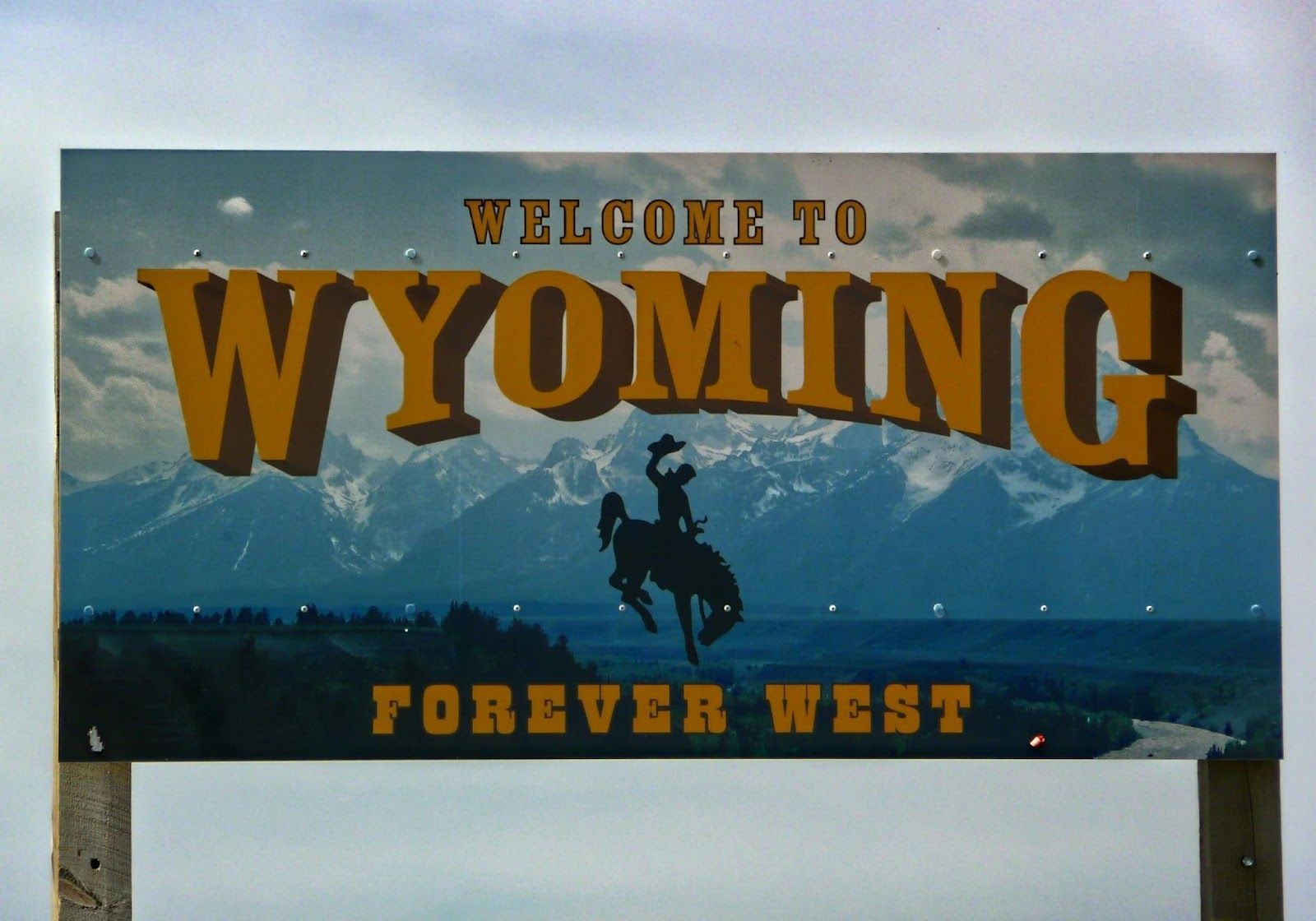
Image: Pascal Bernardon

A ghost town named Buford, Wyoming, was sold for $900,000 in 2012. Its population was one person, and it was nicknamed "the smallest town in America."

The winning bidder was Vietnamese entrepreneur Pham Dinh Nguyen, who purchased the 10-acre hamlet to launch PhinDeli Coffee. It might have all been a very expensive marketing stunt.

6
Wallace Hartley’s Titanic violin
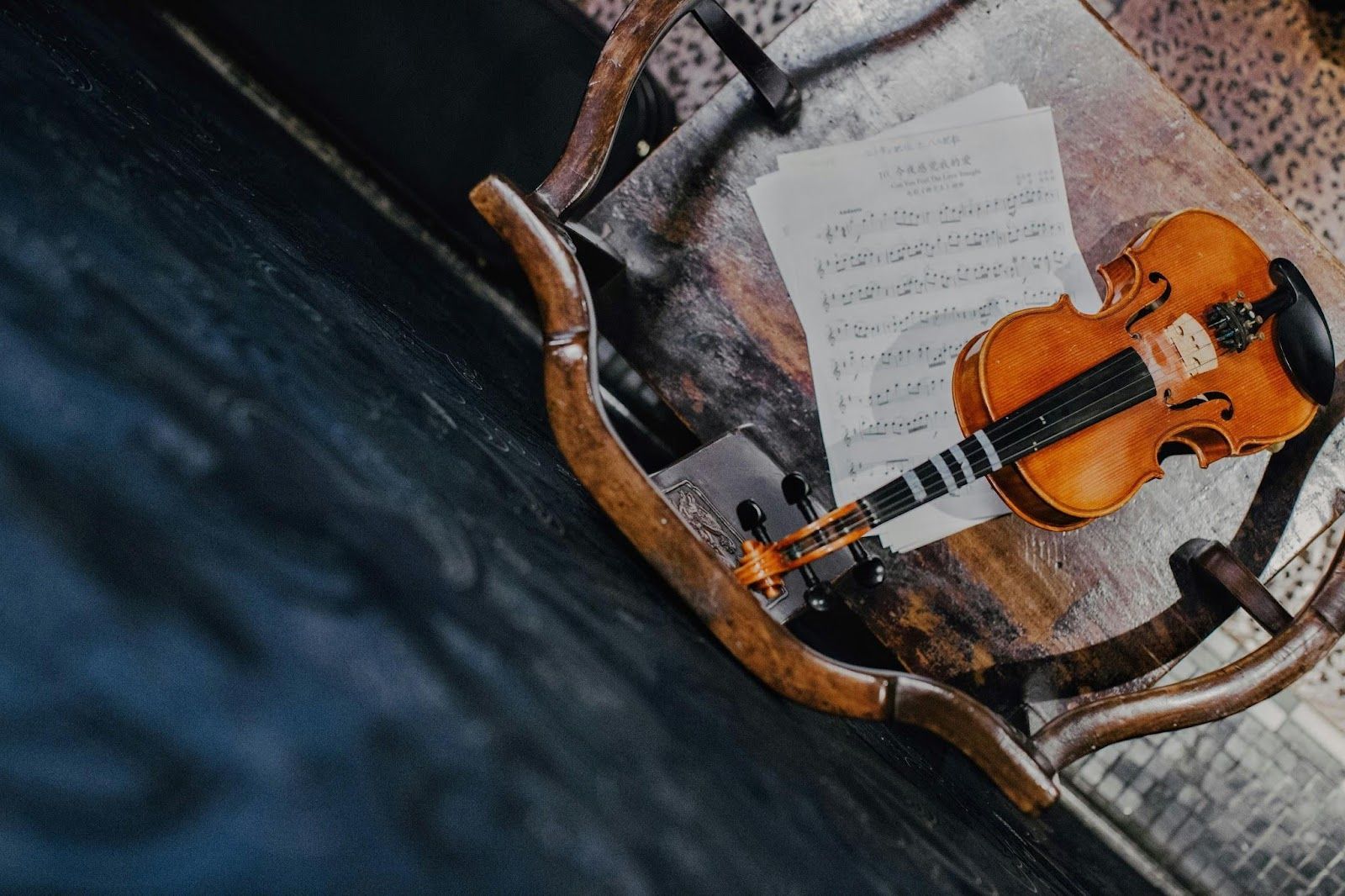
Image: Kin Li

A relic from the Titanic’s fateful maiden voyage fetched a remarkable $1.7 million in 2013. It was the violin that belonged to bandleader Wallace Hartley , who famously played music to calm passengers as the ship sank.

This one is not an odd object, but it shows how much value a well-told story can add!

7
Darth Vader’s mask

Image: Matthew Ball

Darth Vader’s original screen-worn helmet sold for around $1 million. The iconic mask came up for auction along with several other Star Wars treasures, each piece triggering nostalgic gasps among wealthy fans. Of all the memorabilia sold, this one fetched the highest price .

8
Olivia Newton-John’s jacket and pants from Grease
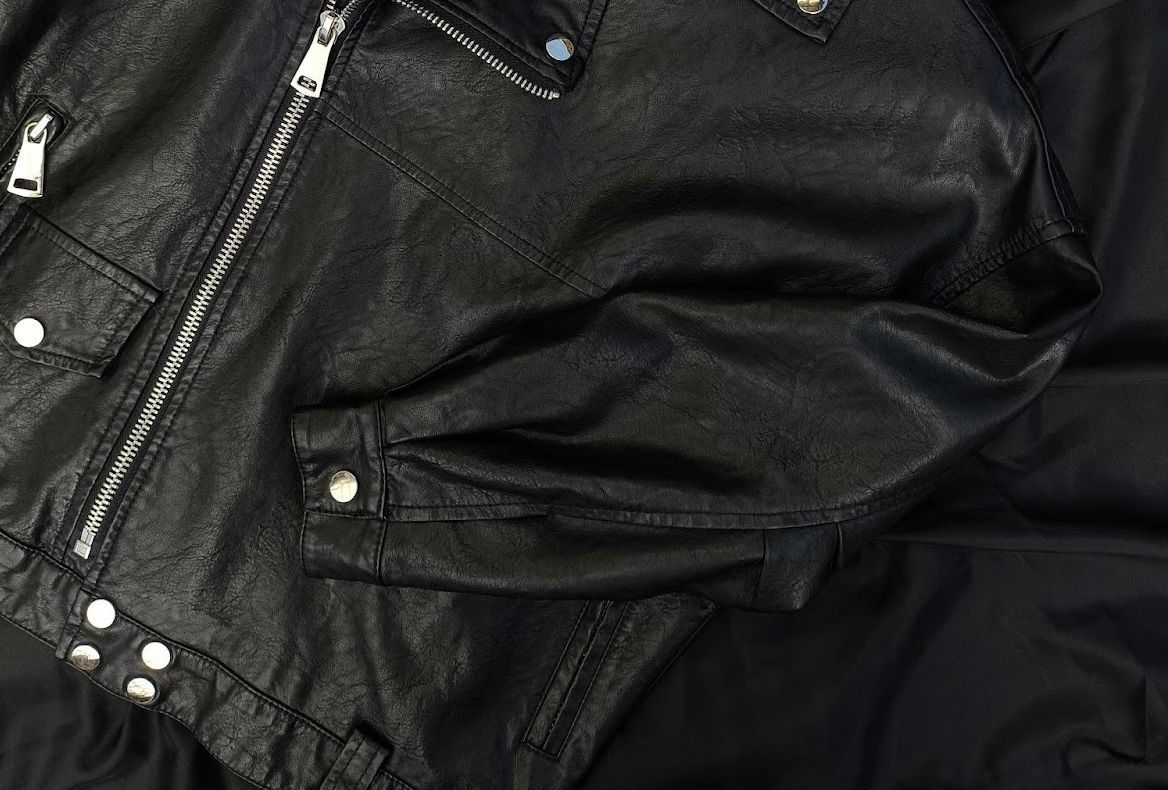
Image: Anna Evans

In a Beverly Hills auction, Olivia Newton-John’s iconic black jacket and pants from the legendary film Grease sold for a cool $405,700. The dark uniform represented the rebellious transformation of her character, Sandy Olsson. Pop culture and movie magic combined!

9
The "Del Monte Note"

Image: Giorgio Trovato

Back in 2003, a curious item known as the "Del Monte note" sold on eBay for $10,100. It was a piece of currency featuring a rare, collectible Del Monte label, famous for its canned fruits and vegetables.

What made it stand out was the mystery surrounding the random tag, which intrigued collectors. Another example of an inflated myth summoning a fortune!

10
Lincoln’s last gloves
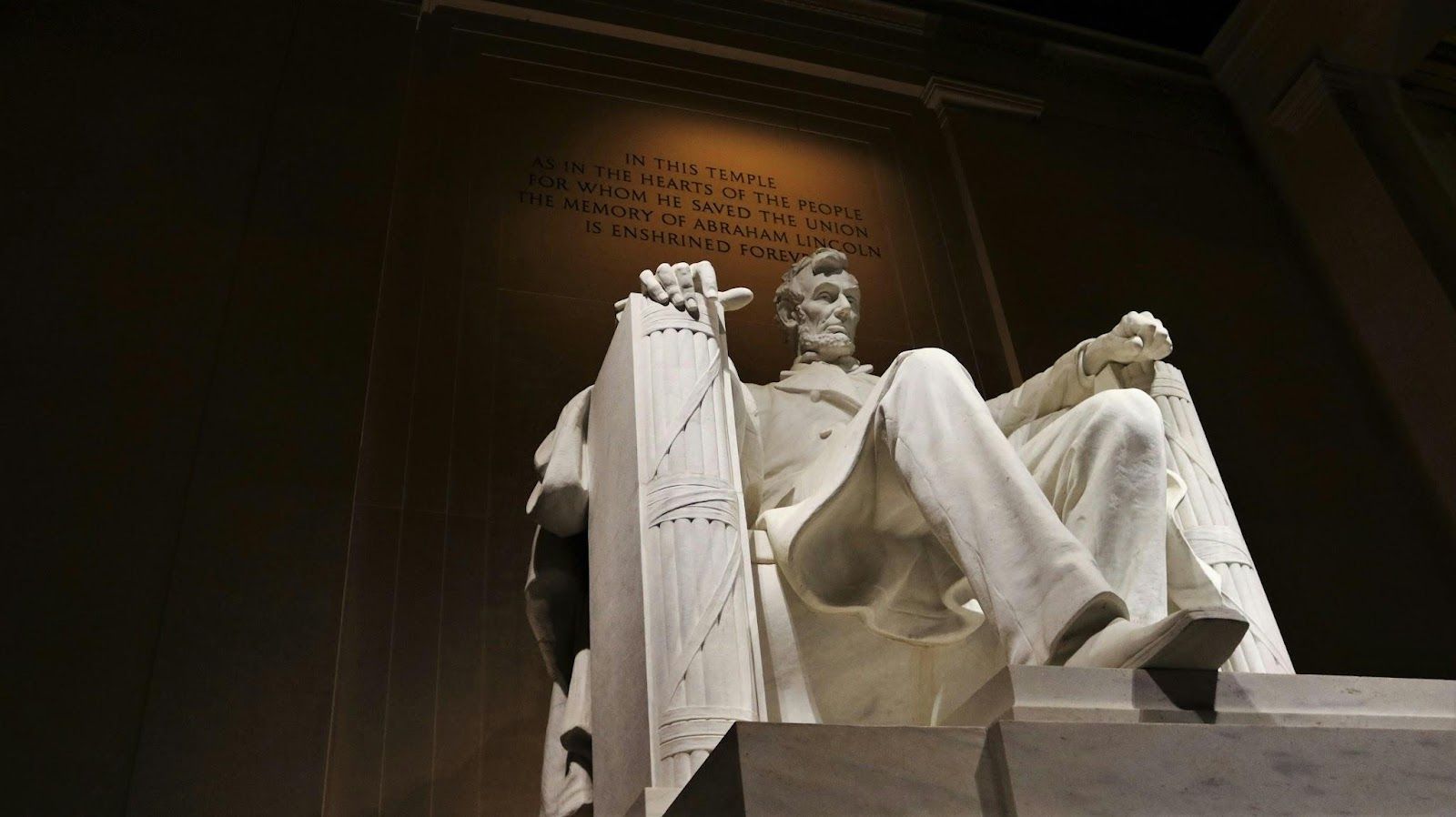
Image: Kelli Dougal

Dark and gory. In 2025, a pair of white leather gloves worn by Abraham Lincoln the night he was assassinated at Ford’s Theatre, sold for $1.52 million at a Chicago auction.

The gloves were the top lot among 144 items aimed at helping the Lincoln Presidential Foundation repay an $8 million loan.

General General 3 min read

On the road

Driving us crazy: Traffic rules too strange to be true (But they are!)

Image: Wolfgang Eckert

We all recognize the red octagon of STOP signs or notice the speed limits, but that’s not all to traffic laws. America’s roads are full of surprises, and if you don’t believe us, just read this article! Today, we’re taking a scenic (and slightly absurd) drive through some of the oddest traffic laws in the country. Buckle up: You won’t believe what’s technically illegal out there!

1
Florida – Meter feeding for elephants

Image: AJ Robbie

Florida’s traffic code once required that if you tied your elephant, goat, or alligator to a parking meter, you had to pay the fee, just as you would for a car. It sounds wild today, but it’s rooted in a time when people actually rode animals into town.

Though it’s not actively enforced (we checked), the law technically still lingers on the books. So, you'd better leave your pet elephant behind from now on!

2
Idaho – Seniors and motorcycles don’t mix

Image: Harley-Davidson

In Idaho Falls, it’s long been rumored that a local ordinance makes it illegal for anyone over 88 to ride a motorcycle. That sounds oddly specific—and a bit ageist. Whether it was meant to encourage safety, misinterpreted, or inspired by one daredevil granny, no one’s quite sure.

While there's no sign of active enforcement (or even proof it still exists), the message seems clear: once you’re nearing 90, it might be time to stick to the golf cart.

3
Arizona – Don’t even think about driving in reverse

Image: Jerry Kavan

Arizona doesn't mess around when it comes to driving in reverse. On public roads, moving backward is a big no-no. While it’s unlikely you’ll get arrested for backing out of a driveway, pulling a full-speed reverse cruise down Main Street might land you in hot water. Arizona wants you to move forward in life—literally.

4
Illinois – You need a steering wheel to drive

Image: Zach Wiley

Well, isn’t that obvious? Apparently not—because Illinois actually has a law stating that you can’t drive a car without a steering wheel.

Even if it seems like common sense, laws like this were created during the early days of car modifications, when people got creative (and sometimes reckless). So, if you were planning to steer your car using a rope-and-pulley system… maybe don’t.

5
Maine – No Sunday car shopping

Image: Hilbert Hill

In Maine, it’s illegal to buy a car on Sunday. Dealerships are closed by law, making it impossible to seal the deal on the most relaxing day of the weekend. Why? The rule has roots in so-called "blue laws," which were designed to preserve Sunday as a day of rest. So in Maine, if you get a wild urge to car shop after church, you’ll have to wait until Monday.

6
Michigan – Streets are not for reading

Image: bruce mars

Michigan has a law that says you can’t sit in the middle of the road and read a newspaper. Yeah, no joke!

We know—it’s hard to imagine someone actually doing this (unless it was a very juicy headline), but the law’s goal is clearly about safety. Still, you have to admit the mental image is pretty great—just don’t try it unless you want to make the evening news.

7
New Hampshire – Bus fumes are not a high

Image: Lizgrin F

New Hampshire takes a hard stance on inhaling bus fumes "with intent to cause euphoria." That’s a legal phrase, not a band name. It’s part of the state’s broader anti-huffing laws, aimed at curbing substance abuse.

Well, that’s odd!

8
Vermont – Backfiring is a no-go in Rutland

Image: RoonZ nl

In Rutland, Vermont, letting your car backfire could technically get you in trouble. This law was probably put in place to cut down on noise or prevent panic during quieter times in history.

Today, it’s unlikely to get you arrested, but a surprise backfire might still earn you some serious side-eye from the locals. If you ask us, this should be a law everywhere!

9
Wisconsin – Hands off the handlebars? Not allowed

Image: Darko Pribeg

In Wisconsin, you’re not allowed to ride a bicycle with no hands. Even if you’re showing off your balance skills from the 1970s, the law says at least one hand must stay on the handlebars.

It’s all about safety—but if you’re feeling rebellious, maybe show off at the park. Just don’t do it on public roads. Keep it hands-on!

10
South Carolina – No trash hoarding in Hilton Head

Image: Alireza Mirzabegi

In Hilton Head, it’s illegal to store trash in your car. That’s right—your vehicle can’t double as a mobile garbage can. The law aims to keep the area clean and tourist-friendly, but it also sounds like a not-so-subtle jab at anyone using their backseat as a trash bin. Hilton Head wants pristine beaches and clean cars!

General General 3 min read

Organized living is always better

Most Americans store these 10 items incorrectly. How about you?

Image: Alicia Christin Gerald

Most Americans store household items wherever they seem convenient. Of course they do, why wouldn’t they, right? But as it turns out, over time, heat, humidity, and clutter can quietly shorten an object’s lifespan or make it harder to use. Organizing experts say many common habits are actually working against us. The good news is that small storage changes can make everyday items last longer. Here are some of the most commonly misplaced ones.

1
Books

Image: Ed Robertson

Many of us stash books in closets or basements to save space , but these areas often trap moisture. Over time, humidity can warp covers, yellow pages, and encourage mold growth, especially in older homes.

A better option is open shelving in a living area where air can circulate freely. Keeping books visible not only helps protect them but also encourages reading and makes it easier to enjoy them regularly.

2
Medicine

Image: Joanna Stołowicz

Bathrooms are the most common place Americans store medication, yet heat and steam can reduce a drug’s effectiveness over time . Moisture can also cause pills to break down faster or labels to peel off.

A cool, dry place like a bedroom drawer or hallway cabinet is generally safer. Keeping medication out of the bathroom helps preserve its potency and makes expiration dates easier to track.

3
Important documents

Image: Sear Greyson

Birth certificates, insurance policies, and property deeds are frequently scattered across drawers or stacked in filing piles . This makes them hard to find during emergencies and leaves them vulnerable to damage.

Experts suggest using a dedicated fire-resistant file or document box kept in a consistent location. Centralizing paperwork saves time and reduces stress when documents are suddenly needed.

4
Photo albums and loose photographs

Image: Roman Kraft

Many families store photos in garages or basements, where temperature swings and moisture can cause fading and curling . Once damaged, photographs are often difficult or impossible to restore.

Photos last longest when stored in acid-free boxes kept in interior closets. Proper storage preserves memories and ensures future generations can enjoy family history without deteriorating.

5
Olive oil

Image: Dimitri Karastelev

Many Americans keep olive oil next to the stove for convenience. Unfortunately, exposure to heat, light, and air causes oil to turn rancid faster , affecting flavor and nutritional value.

A cool, dark cabinet away from appliances is ideal. Storing olive oil in a tightly sealed, opaque container further slows degradation. Proper storage helps olive oil retain its taste longer and prevents waste caused by premature spoilage.

6
Coffee

Image: Aldino Hartan Putra

Coffee is often kept in its original bag on the counter or in the pantry. Exposure to air, light, heat, and moisture gradually degrades its aromatic compounds, dulling its flavor , even if the beans are freshly roasted.

An airtight container stored in a cool, dark place is generally best for preserving aroma and taste. This simple change keeps coffee fresher and makes each cup more enjoyable.

7
Bread

Image: Vicky Ng

Many people refrigerate bread to keep it fresh, but cold temperatures actually dry it out faster . The result is a dry, stale texture and often unnecessary food waste.

Freezing bread preserves freshness far more effectively. When wrapped tightly to prevent freezer burn, sliced loaves can be toasted straight from the freezer, extending shelf life without sacrificing quality.

8
Spices

Image: Heather McKean

Spice racks near the stove are common, but heat and steam weaken flavors over time . Spices may still look fine while losing much of their potency and taste.

A drawer or cool cabinet away from heat helps spices last longer. Keeping containers tightly sealed further protects against moisture and oxidation. Better storage keeps meals flavorful and reduces how often spices need replacing.

9
Toothbrushes

Image: Peng Liu

Left uncovered near sinks or toilets, toothbrushes are exposed to moisture and airborne bacteria . This can lead to hygiene issues and faster wear.

Storing brushes upright in a well-ventilated holder that allows them to air-dry completely is generally recommended. Cleaner storage improves longevity and supports better personal hygiene.

10
Batteries

Image: John Cameron

Loose batteries tossed into junk drawers can rub against metal objects such as coins or paper clips, potentially causing short circuits, leaks, or loss of charge . Damaged batteries may ruin devices later.

Keeping batteries stored by type in a labeled container prevents contact issues. Organized storage extends battery life and makes replacements easy to find.

Explore more American facts

Choose your favorite category!

General
General

As American as apple pie—the very best America has to offer!

Culture
Culture

Delve into the astounding richness of American lore.

Geography
Geography

Hop in and explore vast and diverse American landscapes.

History
History

Discover the key moments that shaped the United States.