History History 5 min read

What’s in a speech?

10 speeches that marked America
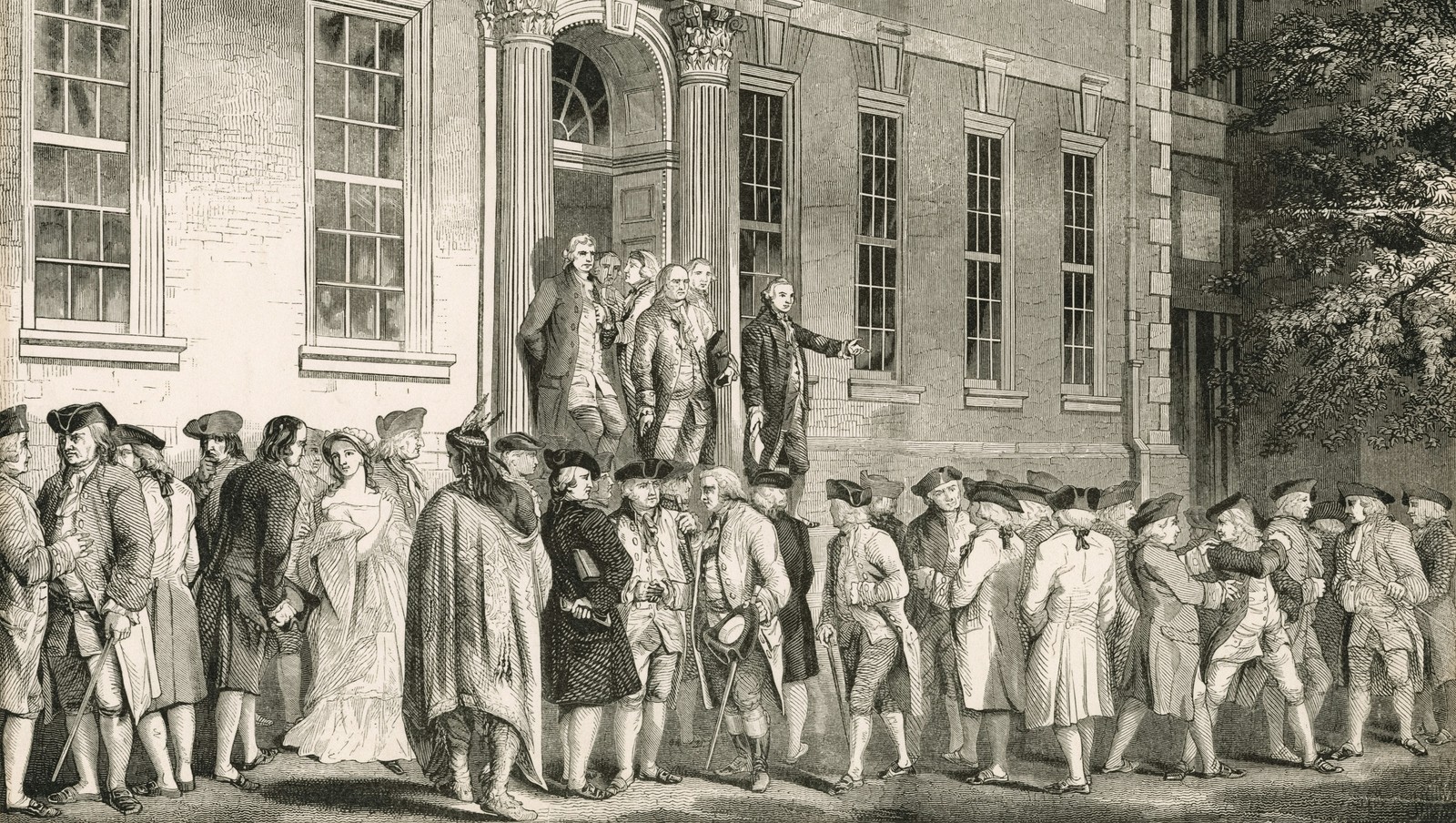
Image: The New York Public Library

In more than two centuries of American history, countless speeches and addresses have proven worthy of remembrance. These words and ideas were expressed by all kinds of Americans, from presidents to fugitive slaves , and each left a lasting mark on the hearts and memories of their audiences. Here are 10 speeches that earned their place in the nation’s memory.

1
Patrick Henry: Give Me Liberty or Give Me Death!
Image: Eric Wiser

On March 23, 1775, those gathered at the Second Virginia Convention debated whether Virginia should raise troops in preparation for armed resistance against Great Britain. Patrick Henry, a delegate from Hanover County, addressed the convention and argued that war had already started and the confrontation was inevitable , so an independent militia was necessary. Henry concluded with the famous declaration: "I know not what course others may take; but as for me, give me liberty or give me death!", a passionate appeal that helped secure the required votes.

2
Jimmy Carter: A Crisis of Confidence
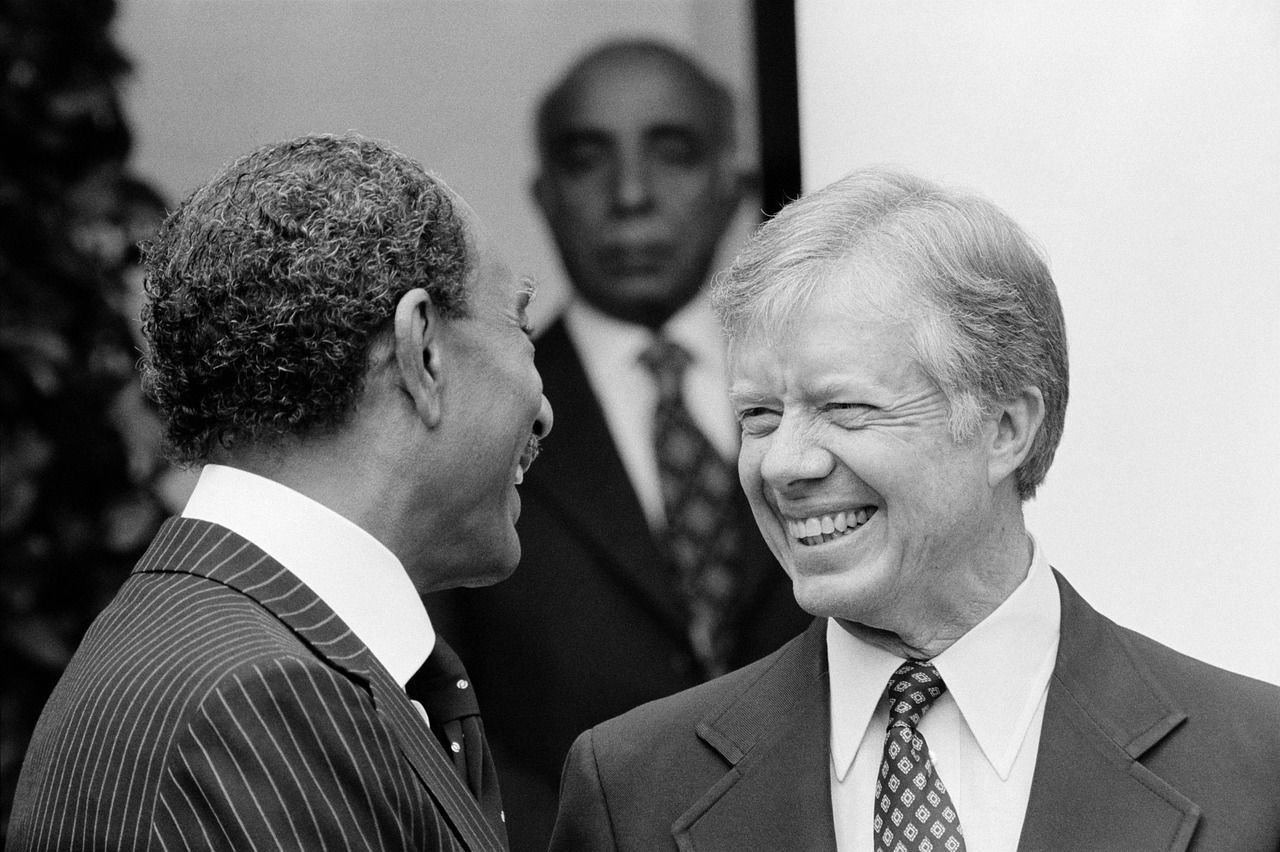
Image: WikiImages

Also known as the "malaise speech" (though Carter never used that word), this address by President Carter recognized a dire problem in 1979’s America: the people felt abandoned by the government in their time of need. The crisis was much more than an economic issue, and Carter wanted to know what everyday Americans thought and needed . In a speech shaped by conversations he had with ordinary Americans, Jimmy Carter declared that America’s crisis was " a crisis of confidence" that had struck at the very heart and soul of the nation.

3
Martin Luther King, Jr.: I Have a Dream
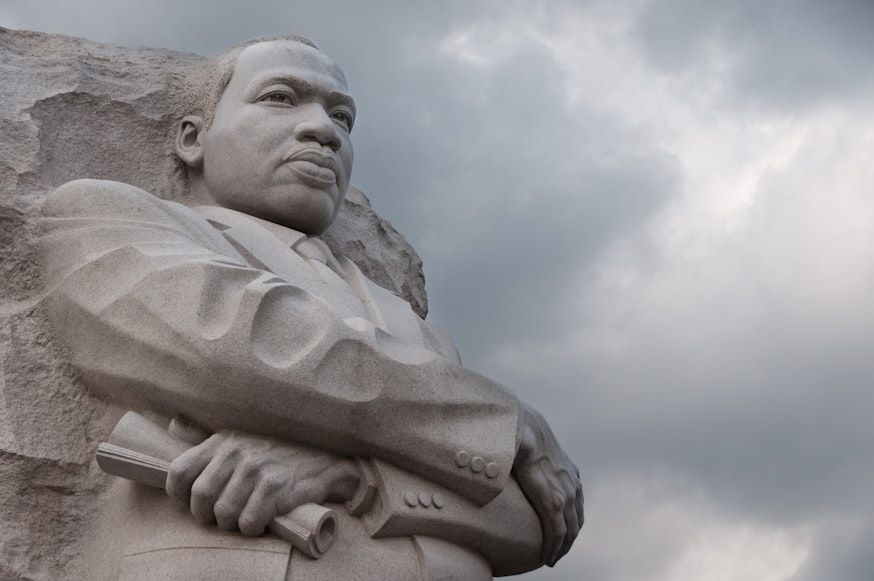
Image: Raffaele Nicolussi

In one of the most iconic speeches in civil rights history, Martin Luther King Jr. addressed more than 200,000 people at the Lincoln Memorial in Washington, D.C., on August 28, 1963, during the March on Washington for Jobs and Freedom. Nearly a century after the Emancipation Proclamation, those freed from slavery were still not really free . After denouncing the laws that legalized racism and segregation, MLK expressed his wish for a free and unified America with a phrase that would go down in history: "I have a dream!"

4
Abraham Lincoln: The Gettysburg Address
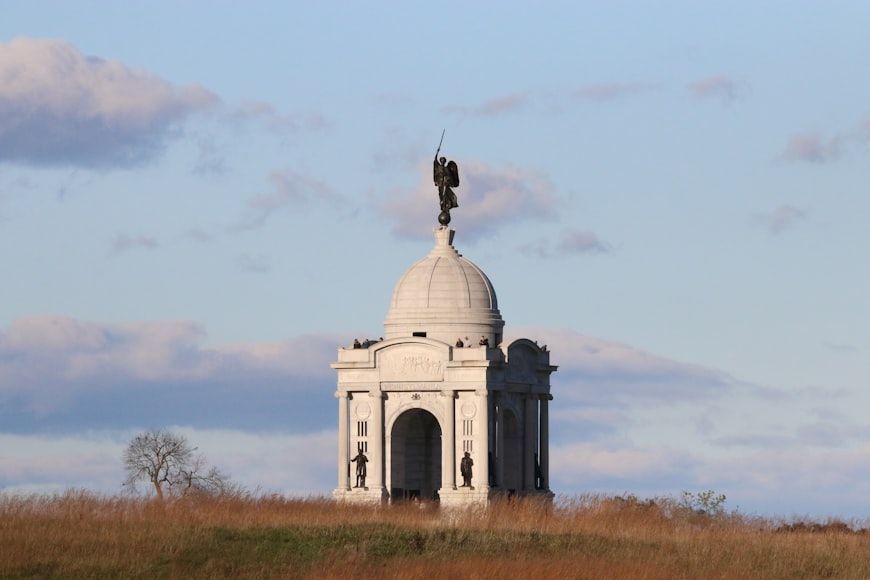
Image: Timothy Pierce

Fought between July 1 and July 3, 1863, the Battle of Gettysburg was one of the bloodiest engagements of the American Civil War and was a decisive victory for the Union. Four and a half months later, President Lincoln delivered this speech on the battlefield, now a cemetery for more than 50,000 fallen soldiers. Lasting only about two minutes, Lincoln’s address reminded those present that it was the responsibility of the living to ensure that the sacrifice of the fallen would not have been in vain .

5
Sojourner Truth: Ain’t I a Woman?

Image: Hussain Badshah

Born into slavery as Isabella Baumfree, Sojourner Truth escaped after her enslaver failed to honor a promise to free her early under New York’s gradual emancipation law and uphold the New York Anti-Slavery Law of 1827. She later became an itinerant preacher and was involved in both the women’s rights and abolitionist movements. At the 1851 Women’s Rights Convention, she delivered a speech highlighting the double discrimination suffered by Black women . Even without full rights, white women received deferential treatment from men. Her phrase "Ain’t I a woman?" denounced that, while she had done all the things white women did and more, she was not considered worthy of respect because of her race.

6
Franklin D. Roosevelt: Pearl Harbor Address to the Nation

Image: Winston Chen

The bombing of Pearl Harbor by the Imperial Japanese Navy on December 7, 1941, marked the United States’ entry into World War II. The next day, President Roosevelt addressed Congress during a joint session, asking for a declaration of war. This address, famously remembered by its opening line—"Yesterday, December 7, 1941—a date which will live in infamy"— reinforced the idea of the attack as an unprovoked aggression that had resulted in over 2,400 casualties, both civilian and military, and appealed to patriotic sentiments. The speech attracted the largest live audience in American history (over 80% of the adult population) and resulted in Congress unanimously declaring war on Japan that same day.

7
John F. Kennedy: Inaugural Address
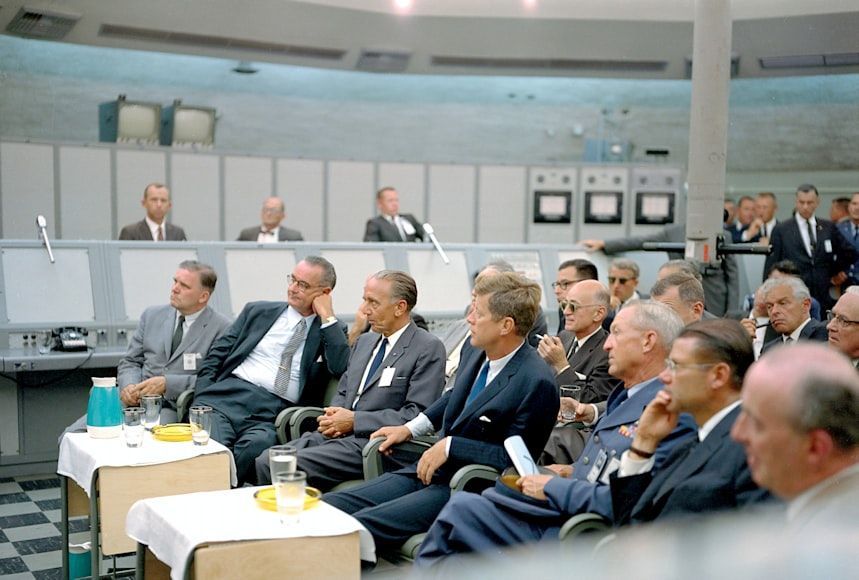
Image: History in HD

John F. Kennedy gave several memorable speeches during his presidency, but his inaugural address remains one of the most remarkable, and for good reason. According to accounts from his inner circle, the speech was meticulously crafted and reworked multiple times by Kennedy , who consulted the opinion of friends and advisors, and poured hours into making sure his first address as president would reflect the route he intended to take. As the youngest person elected to the presidency, Kennedy represented a generational change in the government. The central theme of his address was a call for civic responsibility and national service, an idea summarized in the address’s most memorable line: "Ask not what your country can do for you—ask what you can do for your country."

8
Frederick Douglass: What to the Slave is the Fourth of July?
Image: Stephanie McCabe

A writer, orator, and statesman, Frederick Douglass was a major figure of the abolitionist movement. Born into slavery, he became renowned for his autobiographical writings and powerful oratory, offering a living refutation against the slavist argument of the inferior capacity of African Americans. His most famous speech, What to the Slave Is the Fourth of July? , given to the Rochester Ladies' Anti-Slavery Society in 1852, is an acute analysis of how the American values of freedom and liberty were contradicted by the state and treatment of those in slavery.

9
Theodore Roosevelt: The Man in the Arena

Image: Rafael Camacho Greilberger

"Citizenship in a Republic" is one of Theodore Roosevelt’s most memorable speeches. He delivered it on April 23, 1910, at the Sorbonne in Paris, after leaving the presidency. In his long address, Roosevelt explains his convictions about democracy, civic virtue, and leadership. But there is a passage that stands out: "The Man in the Arena" highlights the value of those who strive and go on despite failure and ongoing challenges, and even those who fail in the end, but not for lack of effort . This passage has been quoted numerous times in American politics, including by Richard Nixon in both his 1968 victory speech and his 1974 resignation address.

10
Ronald Reagan: Tear Down this Wall
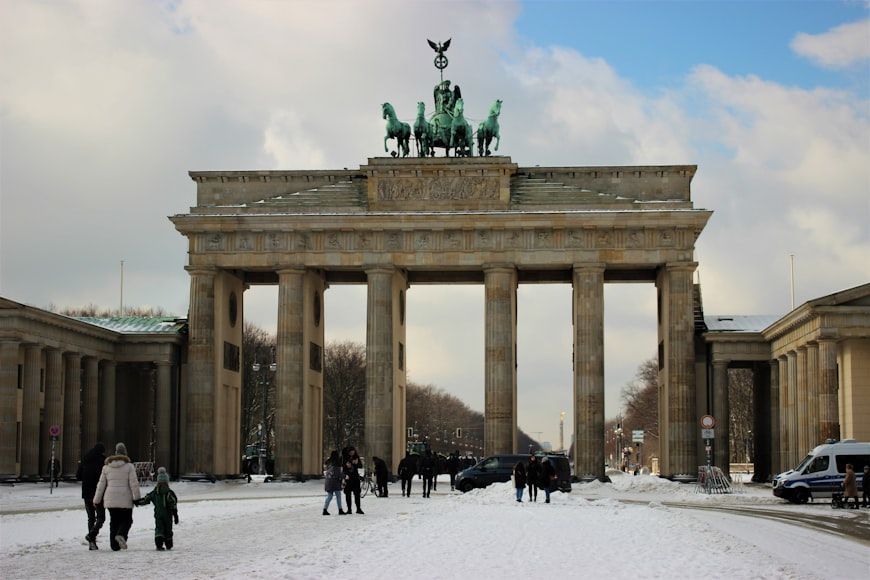
Image: André Fuck

More than two decades after Kennedy’s " Ich bin ein Berliner " speech, President Reagan delivered another historic address at the Berlin Wall. Speaking at the Brandenburg Gate in a Berlin much more hostile to the American president’s presence, aides and advisors had recommended a change in the tone of the speech to avoid straining the relationship between the American and Soviet administrations . Reagan retained the passage that had caused concerns, which contained the most iconic phrase. In a direct appeal to the Soviet leader Mikhail Gorbachev, he declared: "Mr. Gorbachev, open this gate! Mr. Gorbachev, tear down this wall!" The speech was not widely covered by the media, and the reactions were lukewarm. Only after the fall of the Berlin Wall in 1989 did the address gain widespread recognition as a symbol of American resolve during the final years of the Cold War.

General General 4 min read

Cash curiosities

What would you do with a $10,000 bill? 10 rare facts about US money!

Image: Photo By: Kaboompics.com

While cash is becoming less common, there's no denying the economic and historical value of banknotes and coins. That's why so many people collect them! You might think you know a lot about the money we use every day, but there are plenty of hidden details and surprising facts that most people don't realize. From a $10,000 bill featuring Salmon P. Chase to coins with unexpected features, join us as we uncover 10 fun facts about US currency that just might surprise you!

1
$10,000!

Image: Eyestetix Studio

Did you know that, for a time, there was a $10,000 bill? That's right! The bill featured the portrait of Salmon P. Chase, President Lincoln's Secretary of the Treasury, and it was the highest denomination of US currency ever to be publicly circulated! While there was also a $100,000 bill, the latter was only used for large transactions between Federal Reserve Banks.

2
The first President on a coin

Image: Sebastian Enrique

We're totally used to seeing Abraham Lincoln's face on a penny, but that wasn't always the case.

Lincoln's image first appeared on the penny in 1909 to commemorate the 100th anniversary of his birth, making him the first US president to appear on a coin, an honor befitting our great Honest Abe! More than 115 years have passed since that addition, and his face is still featured on the iconic penny.

3
Silver pennies

Image: Josh Appel

In addition to featuring Abraham Lincoln's face, pennies are famous for their classic copper color. However, there was one year when the penny took on a different hue.

During WWII, a copper shortage occurred, hindering the usual production of pennies. For that reason, in 1943, pennies were made of steel coated in zinc, giving them a silver color and making them closely resemble dimes.

4
2 and 3 cents?

Image: Towfiqu barbhuiya

Did you know that, in the 19th century, the US had 2- and 3-cent coins? That's right! The 2-cent coin was minted from 1864 to 1873. On the front, it featured a shield symbolizing the Union during the Civil War . On the reverse, it bore the phrase "In God We Trust," making it the first coin to use the motto . The 3-cent coin had two versions: the silver 3-cent coin (1851–1873) and the nickel 3-cent coin (1865–1889).

5
Long lifespan

Image: Shot by Cerqueira

While each coin is used with a different frequency, the average lifespan of a coin can be as long as 40 years ! Just think about all the places and situations it might pass through during that time. Of course, the more a coin circulates, the quicker it will wear down. That’s why the penny has the shortest lifespan , lasting about 25 years on average.

6
In God We Trust

Image: Kelly Sikkema

"In God We Trust" is not only the official motto of the United States (and the state of Florida), but also the phrase that appears on all US currency currently in circulation. But how long has this phrase been there?

"In God We Trust" first appeared on some coins during the Civil War, starting with the aforementioned 2-cent piece. By 1938, the motto appeared on all US coins, but it wasn't until 1955 that President Eisenhower signed a law requiring "In God We Trust" to be included on all US coins and paper money.

7
Precious metals

Image: Jingming Pan

Today, US coins are primarily made of zinc, copper, and nickel. However, back in the early days of the US Mint, things were quite different. In the past, US coins were made not just of copper, but also of silver and even gold!

Over time, using those materials for coins became too expensive, and production shifted to more affordable metals such as zinc and nickel.

8
Safety edges

Image: Joshua Hoehne

When coins were made of precious metals like gold and silver , there was always the risk that someone might tamper with or shave the edges to extract the valuable material. Fortunately, the brilliant Isaac Newton came to the rescue. He introduced the clever idea of adding reeded edges to coins, which helped protect them from opportunistic tampering. With these marked edges, any shaving of the coin would be immediately noticeable. Pretty smart, right?

9
The most coins in the world

Image: Sarbasri Bhaumik

The US Mint manufactures billions of coins each year for circulation, and while that’s nothing new, there’s something about it that might surprise you: the United States is actually the world’s largest producer of coins . No other country makes more!

Pennies, nickels, dimes, and quarters are produced in large quantities every day. But that’s not all—dollar coins and special collectors’ coins are also minted, though in much smaller amounts.

10
"Paper" currency

Image: Adam Nir

Our paper money isn’t actually made of paper . It’s composed of 25% linen and 75% cotton. This blend gives US bills greater strength and flexibility, making them not only more durable but also more difficult to counterfeit. Plus, if you accidentally toss a buck in the washing machine, there’s a good chance it’ll come out just fine!

History History 5 min read

A LESSON IN CULTURE HISTORY

Travel back in time to the fads and movements that defined America!

Image: Florida Memory

Do you remember the fads from your childhood and teenage years? Think back on those toys, objects, and clothing items that were once so dear to you: They might seem tacky or downright ridiculous now, but they surely hold a special place in our memories. America has gone through some rather spectacular fads and movements in the past century, so we have selected 10 of the most era-defying fads in our country’s history. We hope they bring back some good memories! Enjoy!

1
The Roaring Twenties

Image: Carrie Borden

We’ll begin with one of the first fads invented right here in America. The 1920s in America were characterized by a period of prosperity and well-being that resulted in a dynamic and distinct cultural rise in major American metropolises. There’s a reason why this period was known as "The Roaring 20s": It signified an upheaval in American music, arts, and fashion.

The 20s saw the birth of avant-garde art forms like jazz music, as well as groundbreaking novels by authors like F. Scott Fitzgerald and Ernest Hemingway. This era is also remembered for the surge of the "Flapper" subculture: Modern, young women with a more carefree attitude toward entertainment.

2
Pin-up models

Image: Florida Memory

Who do you think about whenever you think of the word "pin-up model"? Chances are your answer is Marilyn Monroe or Betty Grable : After all, they both got their start as pin-up models, portrayed in thousands of mass-produced photographs. However, these actresses helped cement the notion of what defines a pin-up model, now considered to be an essential icon in American pop culture history.

Pin-ups defined the aesthetic of an entire period, present in everything from movies to advertisements. Not only that, pin-up models were often depicted on the side of American fighter planes during World War 2, helping raise the morale of our troops.

3
Greasers

Image: Sümeyye Candan

Although the word "greaser" definitively got its start as a derogatory term for this subculture, it ended up being the name of one of America’s most beloved periods. The 1950s are still revered as a golden age by millions of Americans, particularly because of the surge of many icons that make our country so wonderful: Things like Cadillacs, Rock N’ Roll music, and soda fountains were all born in this era.

In that sense, the "Greaser" look was heavily influenced by musicians and actors like Elvis Presley and James Dean . Greasers would showcase their fast motorcycles, stylish hairstyles, and leather jackets wherever they went. By the 1970s, this style was so well-known that it provided the basis of one of America’s favorite TV characters: Fonzie, perhaps now considered the quintessential greaser.

4
The Hippie movement

Image: Jamie Street

The Hippie movement is synonymous with 1960s America: This subculture influenced almost every art form during this period, from music to television, film, and literature. While it is nowadays mostly looked at as an aesthetic or cultural movement, the influence of hippies in American politics and society shouldn’t be overlooked.

Perhaps the biggest representatives of the hippie movement are those groundbreaking bands and musicians aligned with this movement, like Jimi Hendrix, Janis Joplin, or Jefferson Airplane. Hippies were also characterized by their groundbreaking fashion, which featured bell-bottom jeans, sunglasses, and colorful shirts.

5
Beatnik movement

Image: Pereanu Sebastian

Speaking of hippies, let’s take a little detour and focus on an American artistic movement that laid the foundation from which the hippie movement emerged. Much like with "greaser," the term "beatnik" was first coined as an insult, aimed at followers of the "Beat Generation," a literary movement that included names like Jack Kerouac or William S. Burroughs.

The beatnik subculture had a defining image, often exaggerated by detractors: Think about the caricature of a modern poet, complete with a black turtleneck, beret, and bongos, and you’ll be thinking about a stereotypical beatnik. Regardless, historians believe that the term "hippie" comes from "hipsters," which is a term first used to describe the beatnik subculture.

6
The 80s

Image: Eric Nopanen

Fashion during the 1980s can be best summed up by this phrase from Charles Dickens's "A Tale of Two Cities": "It was the best of times, it was the worst of times." While it can’t be denied that this decade brought forward groundbreaking styles to music, films, and culture, it should also be noted that some of these changes were extreme, to say the least. At the end of the day, whether the 80s were good or bad will ultimately depend on who you are asking.

Personally, we would like to focus on those 80s things that we absolutely love: Things like synthesizer music, mullet hairstyles, and neon-bright clothing. This decade was also the birthplace of several subcultures, including the post-punk, preppy, and new-wave movements.

7
The 90s

Image: Panos Sakalakis

If the 70s and 80s were characterized by their loud and flamboyant styles, the 90s were defined by a more minimalist approach: Bands like Nirvana or Pearl Jam helped promote the "grunge" aesthetic, which featured simple items of clothing like jeans, flannel shirts or hoodies.

Although definitively minimalist, the 90s were also the birthplace of subcultures like the goth movement. During this era, numerous extreme sports like skateboarding gained popularity, in line with this decade’s alternative outlook on culture.

8
Disco

Image: Dustin Tramel

Ready to dance "The Hustle"? The late 60s and early 70s were determined by the emergence of one of America’s most remembered subcultures. While disco music first appeared in New York City and Philadelphia, it quickly swept over the nation: Think of a tornado filled with disco balls, roller skates, and nightclubs, and you might be able to paint a picture of how influential this subculture was.

Although disco got its start in iconic nightclubs like Studio 54, it soon expanded to other mediums like movies and television. Most notably, shows like "Soul Train" helped promote this genre’s appeal, while films like "Saturday Night Fever" cemented the ultimate aesthetic of the disco subculture.

9
Digital age

Image: Xiong Yan

We have now arrived at our modern times ! The advent of the internet represented such a groundbreaking innovation in our everyday lives that it stands to reason that the digital age also influenced many of our fads and movements. The late 2000s and early 2010s were determined by this new massive access to information, which completely changed the way we consume culture and entertainment.

In that sense, this new, instant way to share information immediately meant that culture was now not only limited to geographical locations: Your favorite band or fashion icon could easily live on the other side of the world. This cultural exchange resulted in a rich and diverse movement, which is still developing to this very day.

10
All those wonderful memories…

Image: COSMOH LOVE

We have reserved the final entry on this list for the many objects that defined each of these decades. It is sometimes easier to picture an era through a specific item: Think about the 50s and their timeless jukeboxes, or the 90s and the above-mentioned flannel shirts.

In that sense, we have selected a few of our top picks. Some, like the Hula Hoop or the Frisbee, have truly transcended time: Although they were created decades ago, they are still thoroughly enjoyed by children and adults alike. Time hasn’t been that kind with others, though, like with the now practically extinct Tamagotchi. This digital pet was all the rage during the late 90s and early 2000s, but it ultimately fell into obscurity thanks to other digital mediums.

Explore more American facts

Choose your favorite category!

General
General

As American as apple pie—the very best America has to offer!

Culture
Culture

Delve into the astounding richness of American lore.

Geography
Geography

Hop in and explore vast and diverse American landscapes.

History
History

Discover the key moments that shaped the United States.