General General 6 min read

Borrowed anthems

The songs you always loved weren't written by who you think
Image: Rawpixel.com

You're at a barbecue, and someone puts on "Hound Dog." Everyone loves it, and everyone assumes it's pure Elvis. Then someone says, "You know he didn't write that, right?" Or maybe you're at a summer party and "Livin' on a Prayer" comes on. Everyone screams the chorus, and nobody stops to think: who actually wrote this thing? A lot of the songs we sang in the car or danced to at parties were handed off, sold, recorded by someone else, and became massive hits under a different name . Let's take a look at 10 of the most famous examples.

1
"Hound Dog" , Elvis Presley
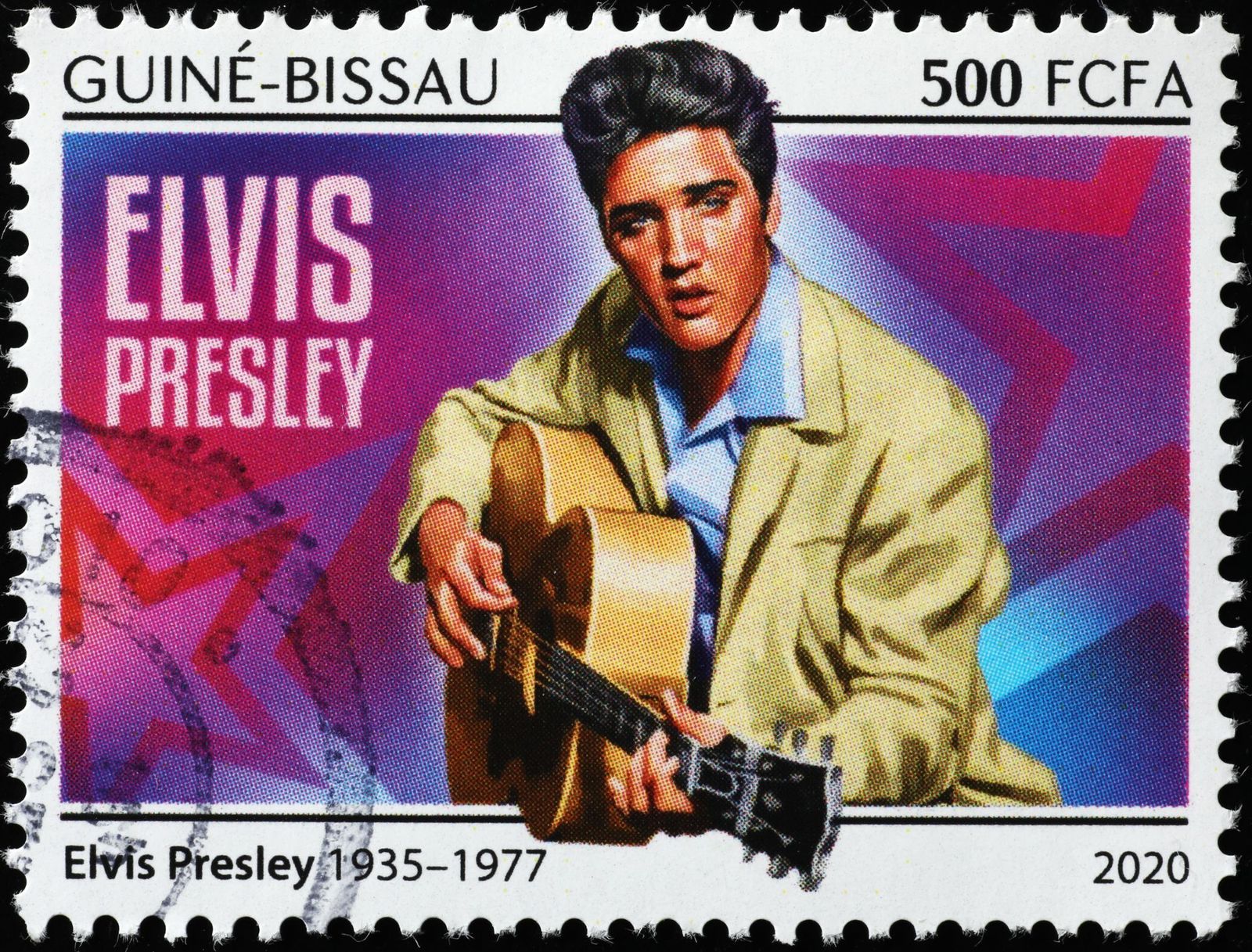
Image: spatuletail

Elvis made this song his signature, and it's hard to imagine it belonging to anyone else. But "Hound Dog" was written in 1952 by Jerry Leiber and Mike Stoller, and was first recorded by Big Mama Thornton, a blues singer from Alabama. Her version was a raw, powerful blues track, and it was a genuine hit.

Elvis recorded his version in 1956 and turned it into something faster, rockabilly, electrifying . For anyone who grew up in the '50s or '60s, it probably takes you right back to a specific moment: a sock hop, a drive-in, a transistor radio on a summer night. It carries a kind of pure rock-and-roll energy: rebellious, playful, unstoppable.

2
"Livin' on a Prayer" , Bon Jovi
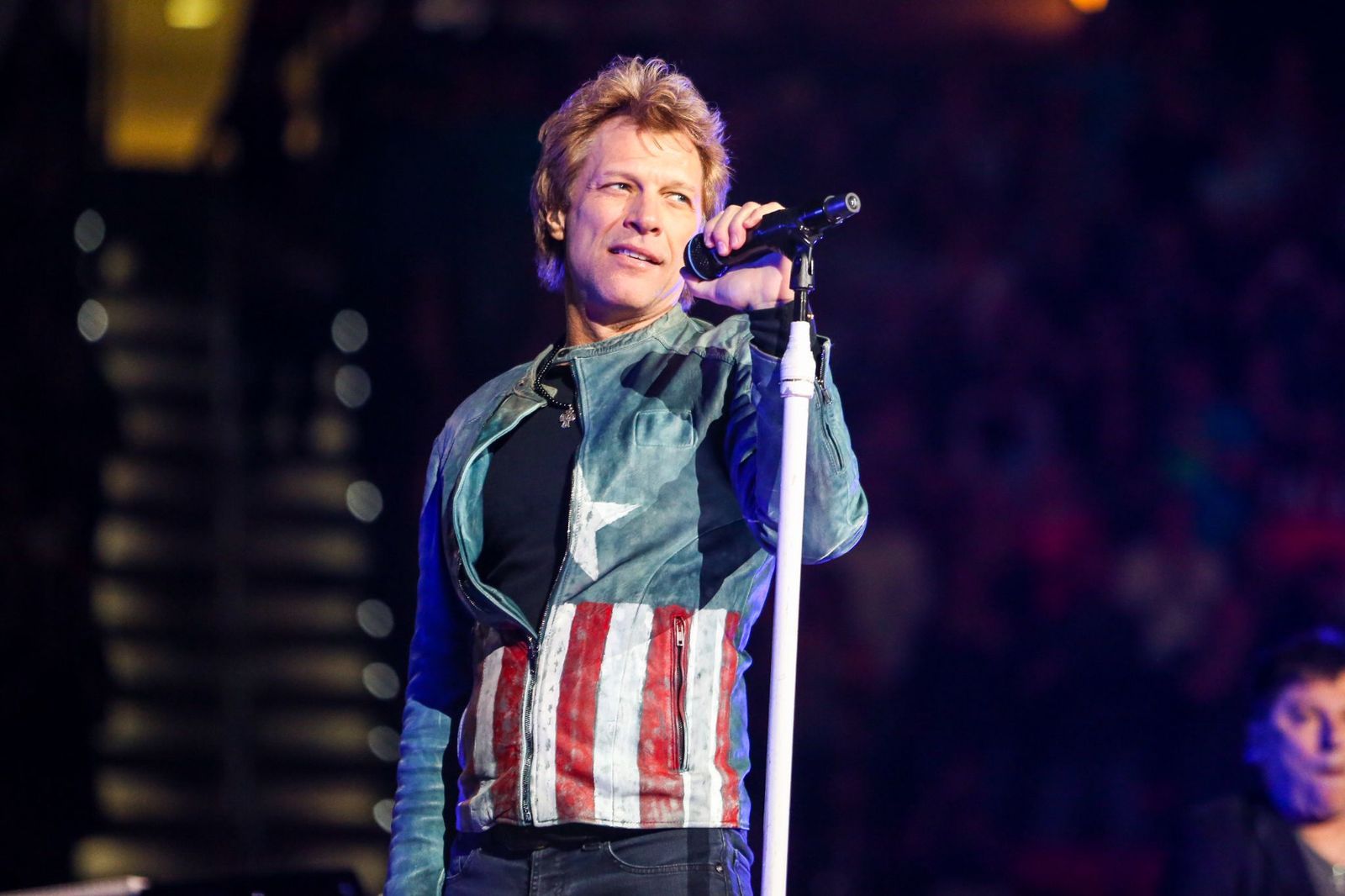
Image: Steve Sykes

Pumping fists, packed arenas, everyone screaming "Whooooa, we're halfway there!", it's the kind of energy that doesn't age. Jon Bon Jovi and Richie Sambora wrote it together in 1986, along with songwriter Desmond Child , pulling inspiration from the working-class New Jersey world around them.

The song hit number one in the U.S. and became an anthem for anyone who's ever had to scrape by and stay hopeful. It brings out something almost joyful in people: this defiant, communal "we're going to make it" spirit.

3
"I Will Always Love You" , Whitney Houston
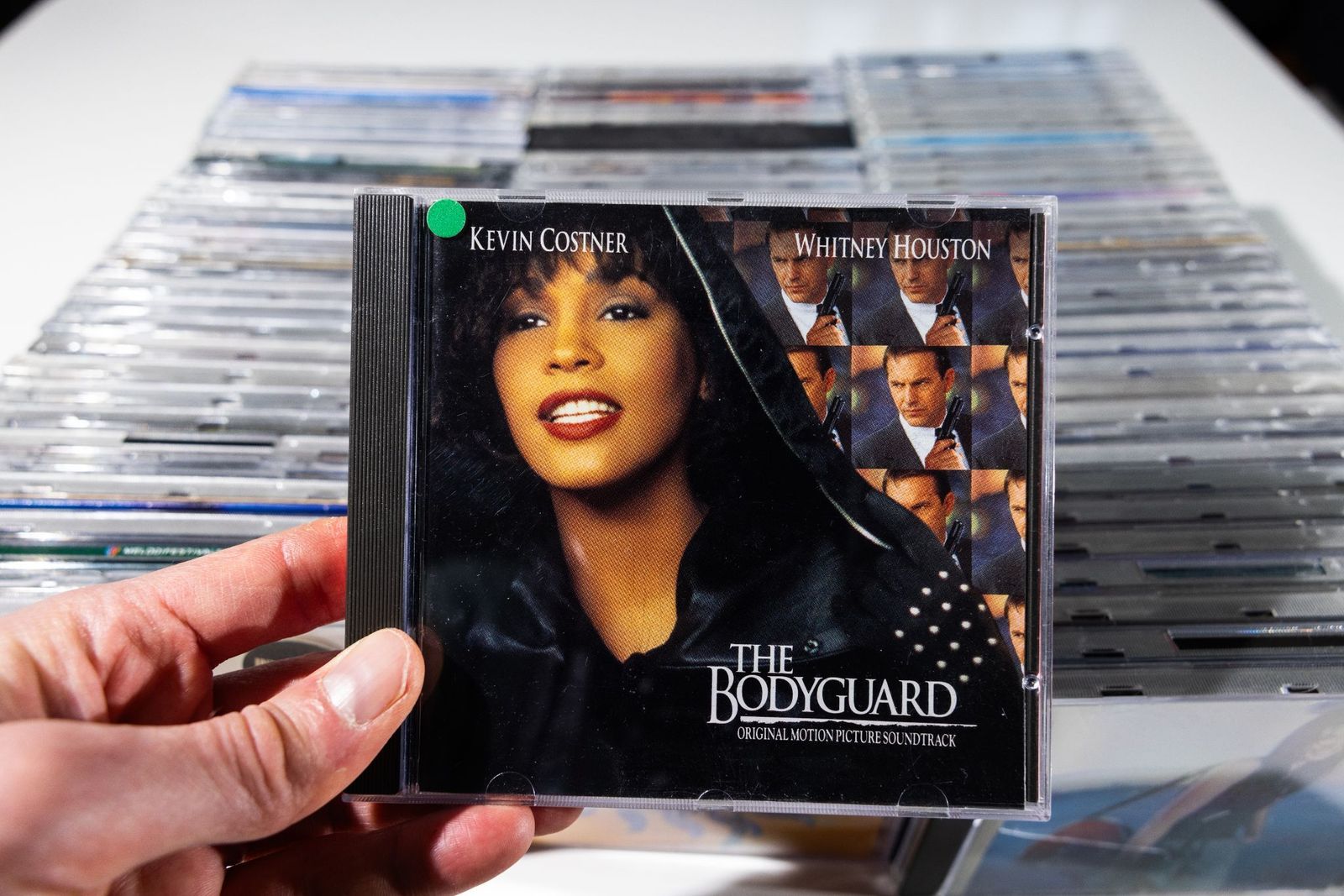
Image: Jeppe Gustafsson

Most people under 50 think this is a Whitney Houston song, but Dolly Parton wrote it back in 1973, sitting in Nashville. She was leaving her mentor and business partner, Porter Wagoner, to go solo, and the song was her way of saying goodbye: with love, but firmly.

Then Whitney came along in 1992 for The Bodyguard soundtrack and turned it into a stadium-sized emotional explosion. Where Dolly's version was warm and heartfelt, Whitney's was pure power. It connects to just about everyone, but especially to people who've ever had to let someone go. Which version do you like best?

4
"Respect" , Aretha Franklin
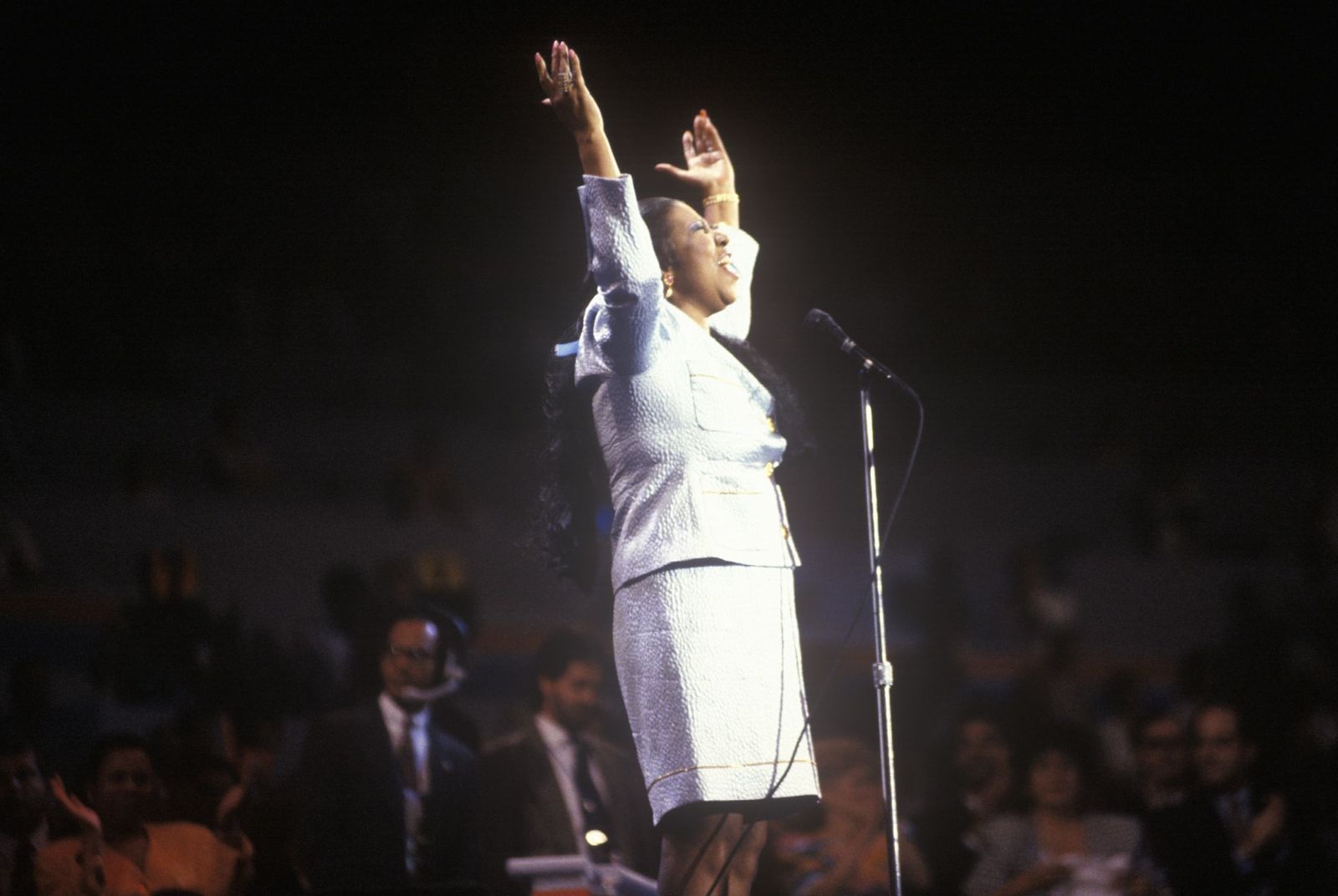
Image: Joseph Sohm

This is one of those cases where the cover so thoroughly eclipses the original that most people don't even know an original exists. Otis Redding wrote and recorded "Respect" in 1965, and it was a decent soul hit for him; a man asking his woman for a little respect when he comes home.

Then Aretha Franklin got hold of it in 1967, rewrote parts of it, added that now-iconic spelling-out of the word, and completely flipped the meaning . Suddenly, it was a woman demanding respect from men, from society, from everyone. It became an anthem of the civil rights movement, the women's movement, and basically every movement that involved people standing up and saying enough.

5
"Girls Just Want to Have Fun" , Cyndi Lauper
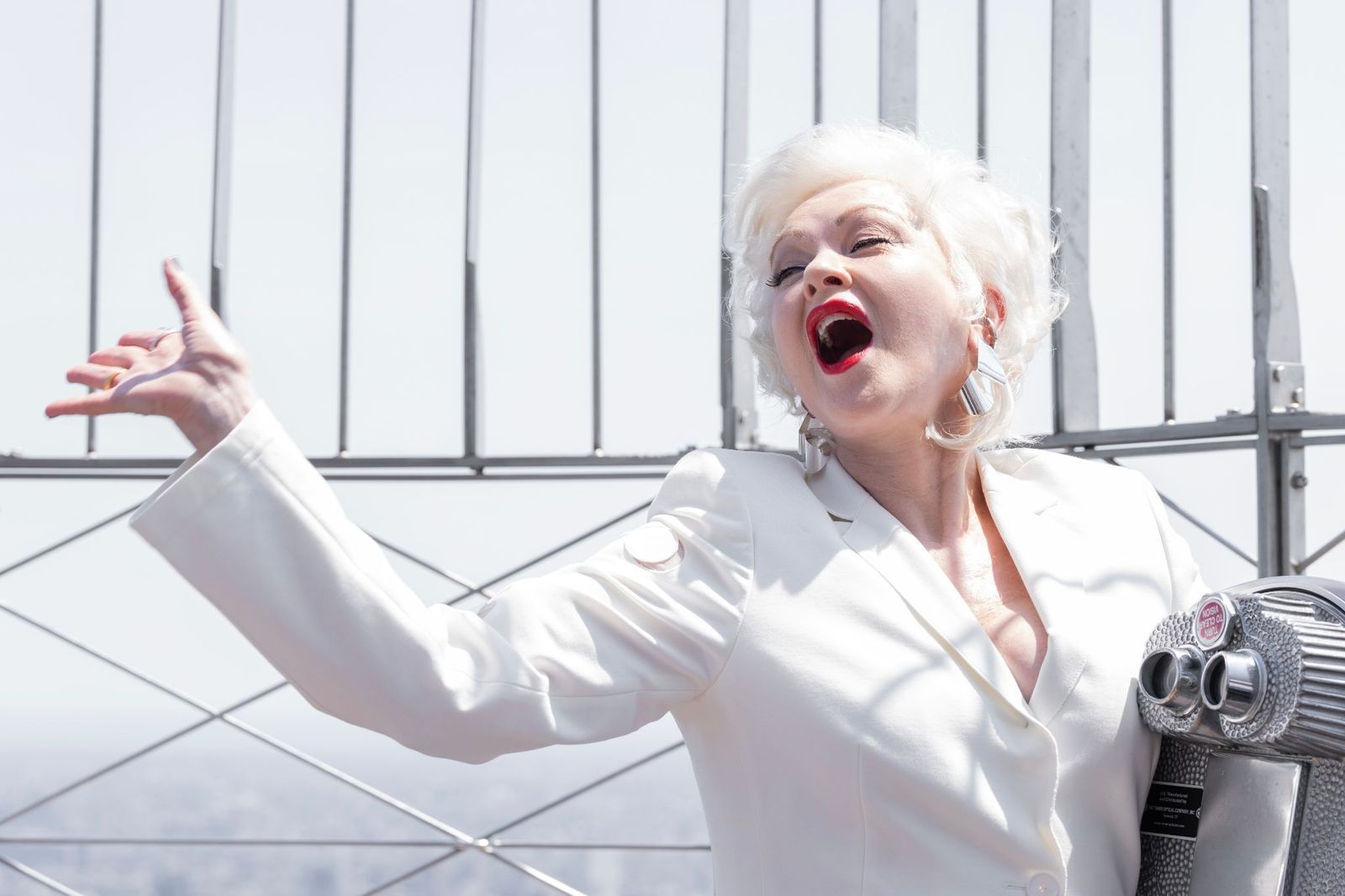
Image: lev radin

Cyndi Lauper made this song her own so completely that it's almost shocking to learn she didn't write it. Robert Hazard, a Philadelphia-based musician, wrote it around 1979 as a kind of tongue-in-cheek song from a man's point of view, about his own desire to just have fun without commitment.

When Cyndi recorded it in 1983, she completely reframed it: it became a declaration of independence for young women who just wanted to live their lives on their own terms . If you had a daughter, a niece, or any teenage girl in your life in the '80s, you heard this song approximately ten thousand times.

6
"Nothing Compares 2 U" , Sinead O'Connor
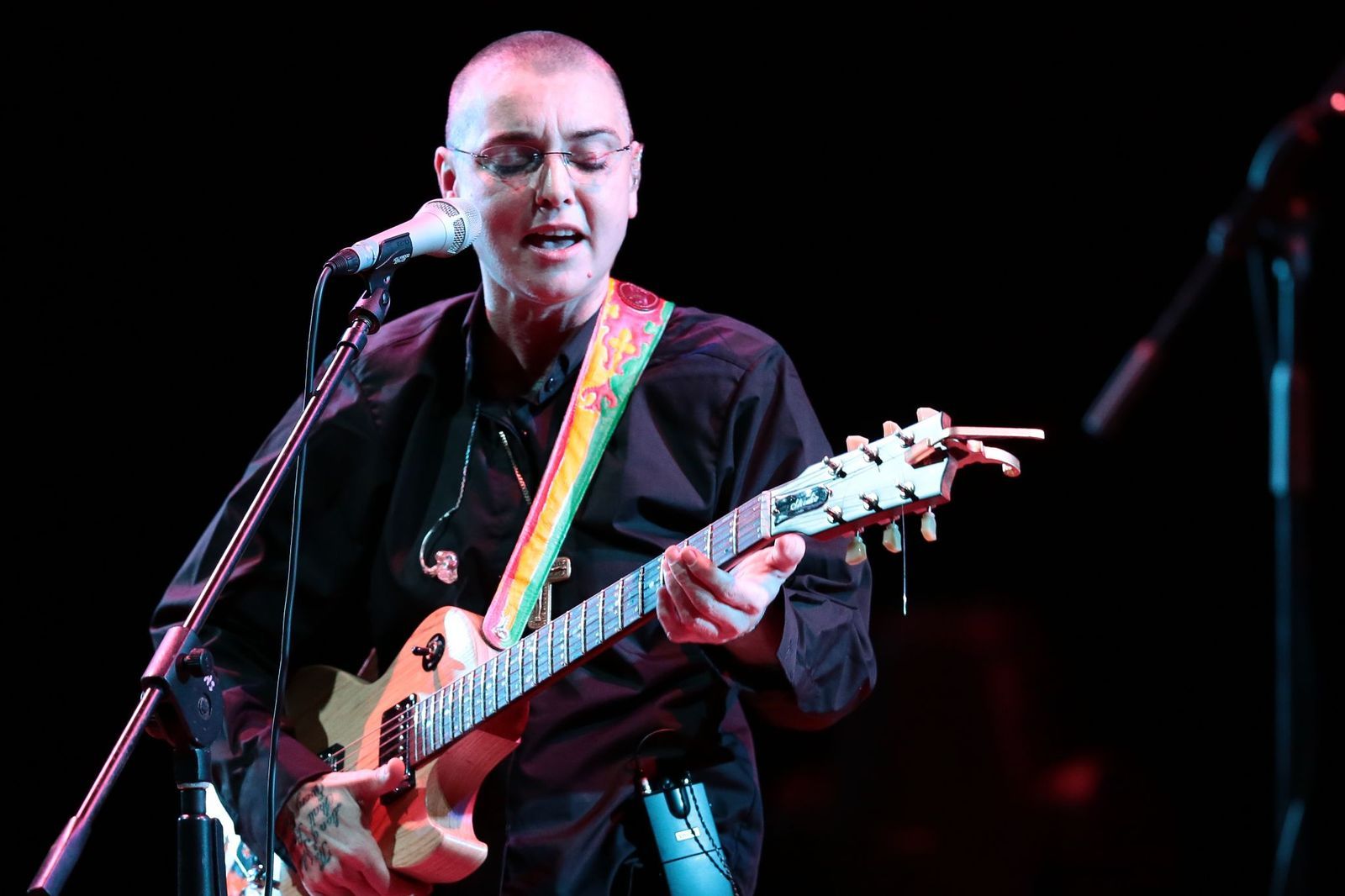
Image: Matteo Chinellato

Few music videos have hit people as hard as Sinead O'Connor, alone on screen, tears streaming down her face, singing this song in 1990. It felt impossibly raw and personal. But the song was written by Prince back in 1984, and was first recorded by a side project of his called The Family.

Sinead stripped it down and made it devastating. It became one of the most emotionally powerful recordings of the decade . You probably heard it on adult contemporary radio, or remember exactly where you were the first time you really listened to it. It's a song about grief and absence and not being able to fill a void someone left behind.

7
"I Love Rock 'n' Roll", Joan Jett & the Blackhearts
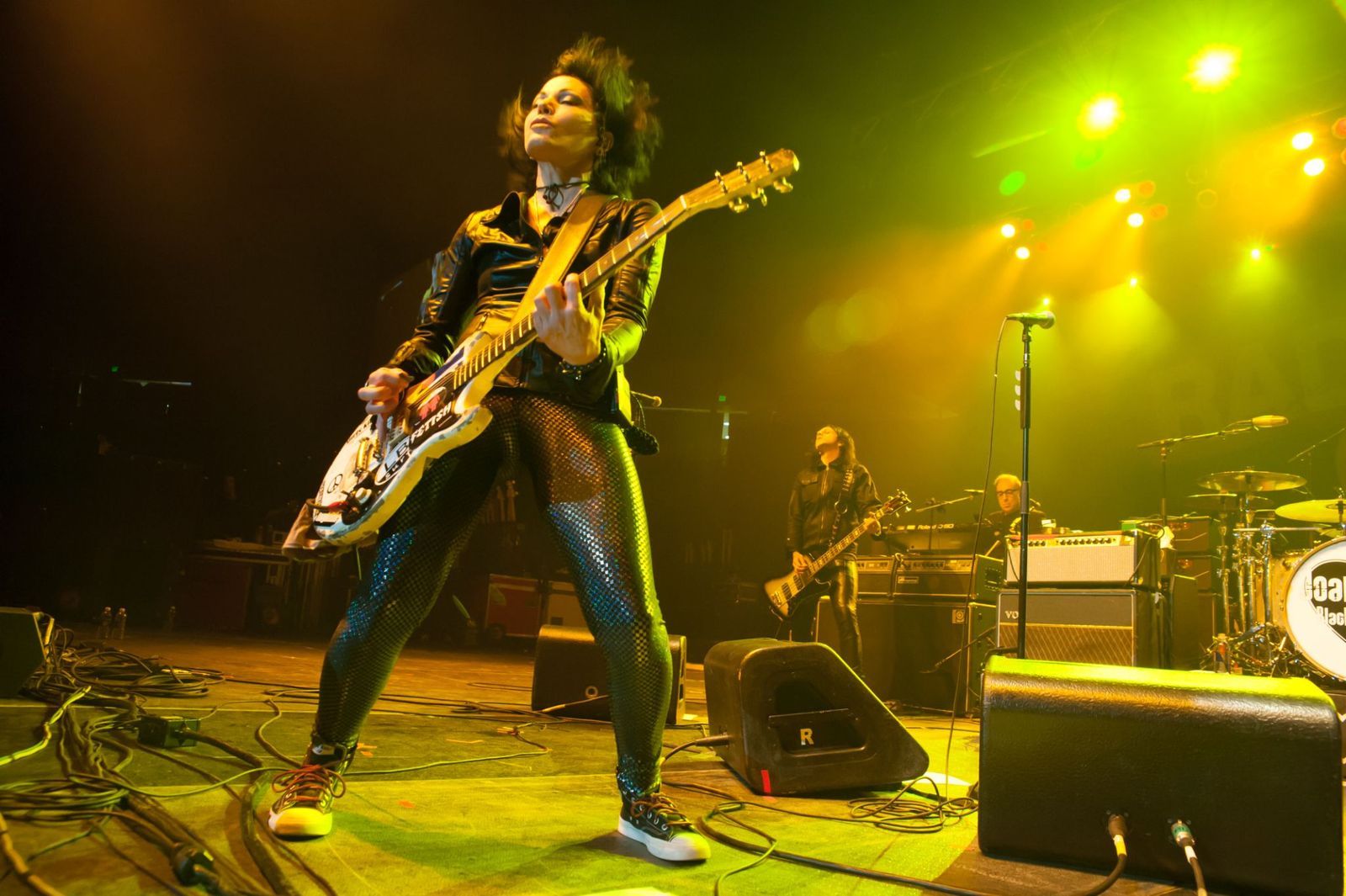
Image: Randy Miramontez

Few songs scream pure, unapologetic rock and roll like this one. But Joan Jett didn't write it: a British glam rock band called The Arrows did, back in 1975, in London. Lead singer Alan Merrill said he wrote it as a direct response to the Rolling Stones' "It's Only Rock 'n Roll," which he felt was a little too apologetic about loving the music.

Joan Jett saw The Arrows perform it on British TV in 1976 while touring the UK with The Runaways, and the song stuck with her . She recorded it in 1981, and it rocketed to number one, sitting there for seven weeks. You've heard it blasting from jukeboxes, at sports events, in movie montages, at pretty much every party where someone wanted to get the energy up fast.

8
"I Don't Want to Miss a Thing" , Aerosmith
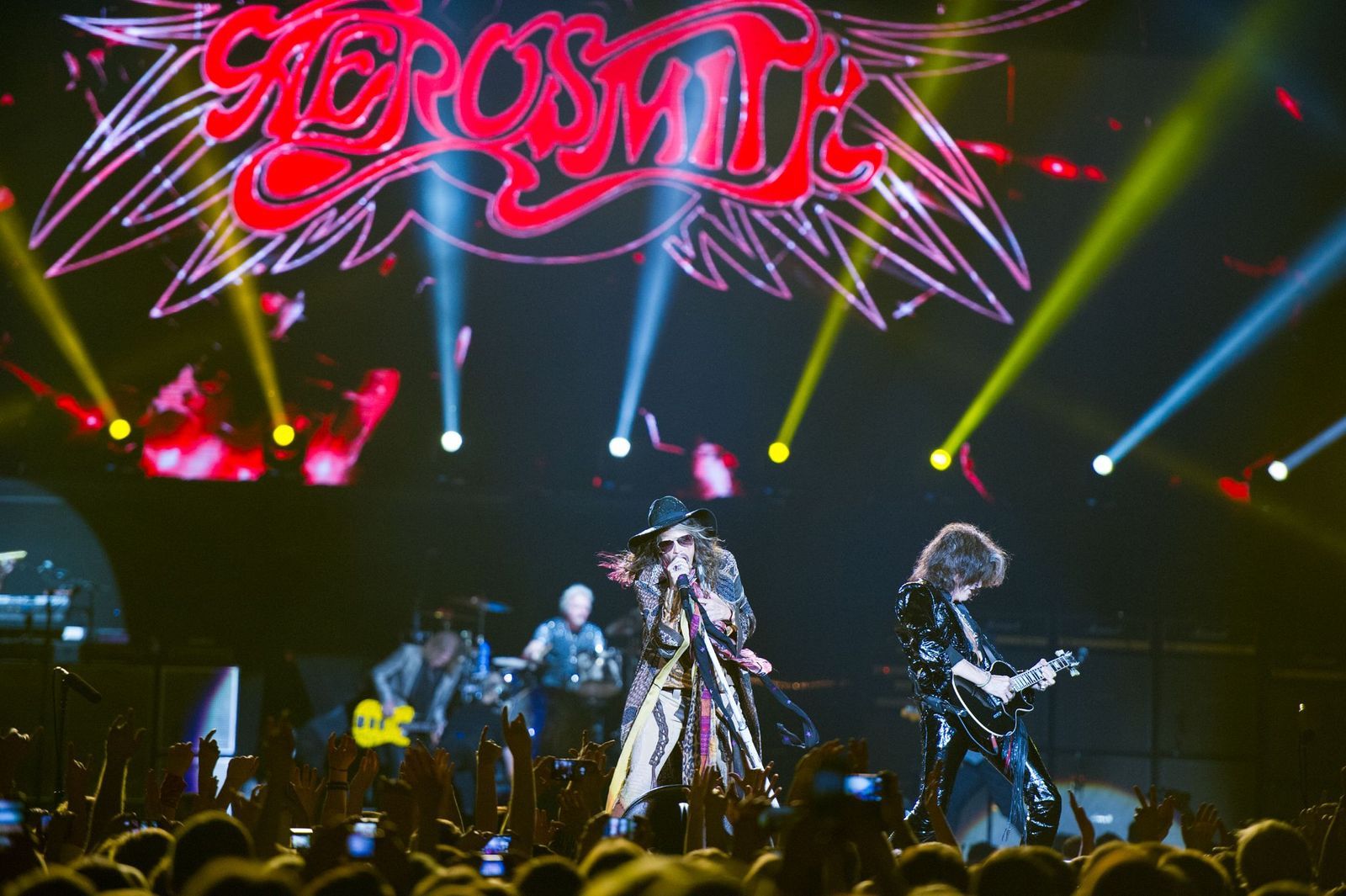
Image: JuliusKielaitis

Tyler belting it out, that unmistakable raspy voice: it feels so Aerosmith. But the song was actually written by Diane Warren, one of the most prolific and successful songwriters in pop history , who penned it in 1998 specifically for the movie Armageddon. Warren has said she wrote it while watching her boyfriend sleep, thinking about not wanting to miss a single moment with someone you love.

Aerosmith recorded it, and it became their first number-one pop hit. It hits hard for anyone who's ever been deeply in love, or who's lost someone and wishes they'd paid more attention while they had the chance.

9
"Bette Davis Eyes", Kim Carnes
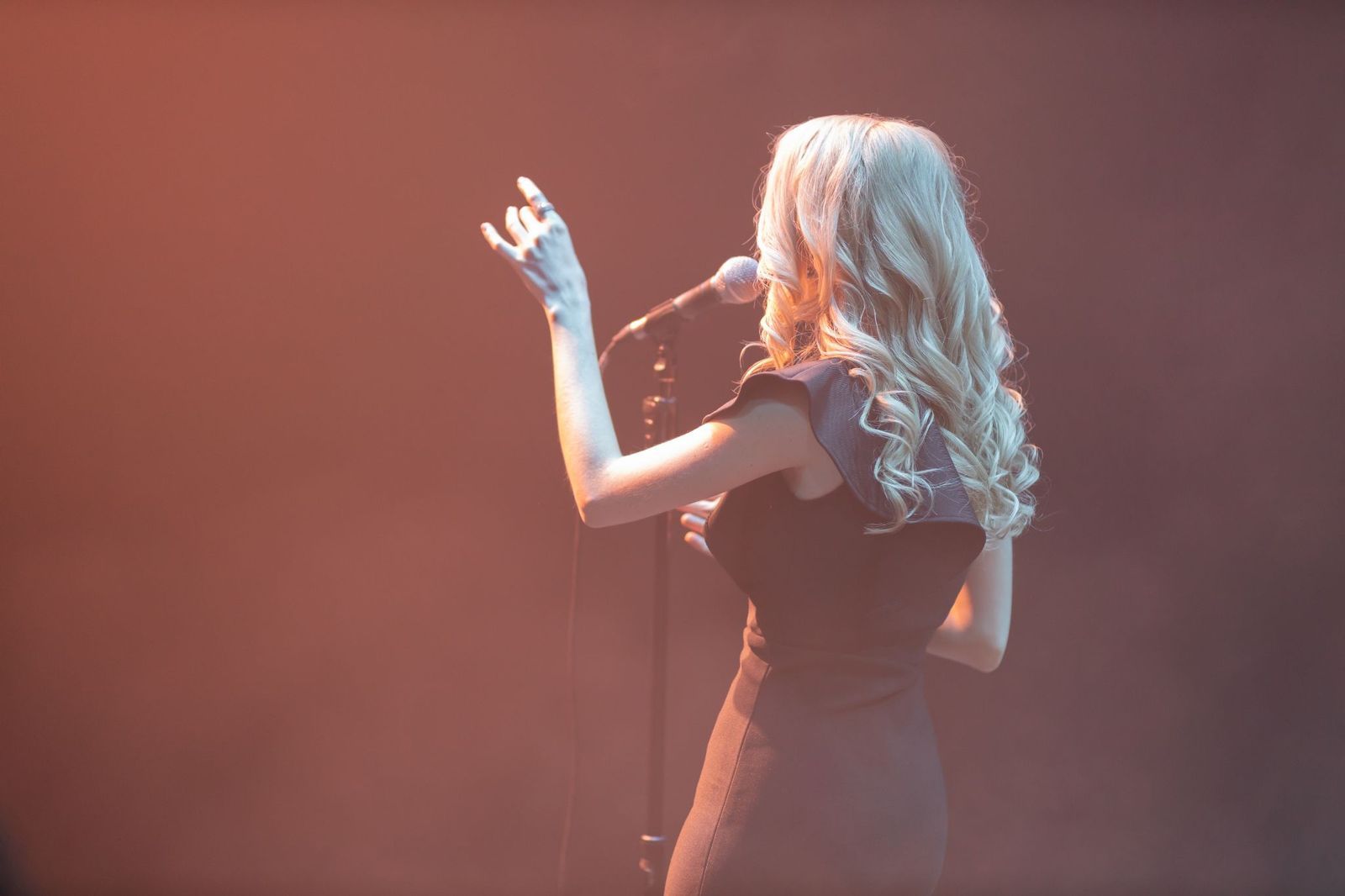
Image: IgorVer

This was the biggest song in America in 1981, and it spent nine weeks straight at number one on the Billboard Hot 100 . Kim Carnes' raspy, smoky delivery made it feel completely hers. But the song was written in 1974 by Jackie DeShannon and Donna Weiss, both inspired by a classic old Hollywood film . DeShannon recorded her own version, but it barely registered.

Seven years later, Carnes took it into a Los Angeles studio, added a driving synth arrangement that was pure early MTV, and transformed it into the sound of an era. The real-life Bette Davis, then 73 years old, wrote personal letters to the songwriters and to Carnes to thank them for making her "a part of modern times." The song connected with anyone who'd ever been dazzled by someone they couldn't quite figure out, which is pretty much everyone.

10
"Blame It on the Rain" , Milli Vanilli
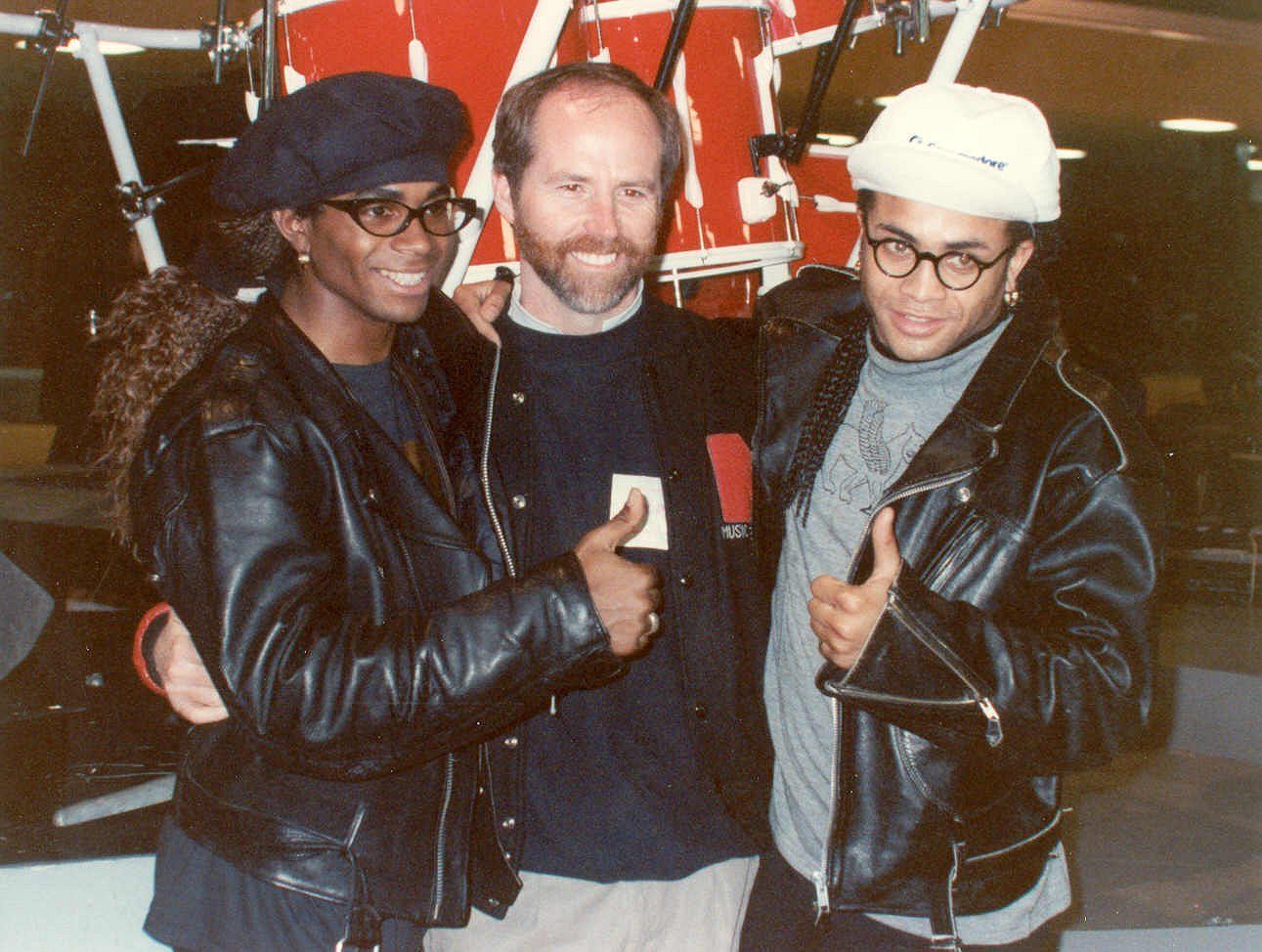
Image: photo by Alan Light, CC BY 2.0, via Wikimedia Commons

You probably remember the Milli Vanilli scandal: in 1990, it came out that Fab Morvan and Rob Pilatus, the two beautiful, dreadlocked faces of the duo, hadn't actually sung a single note on their records . The real vocals were by studio singers. Their Grammy was revoked. It was a whole thing.

But before all that exploded, "Blame It on the Rain" was a legit #1 pop hit in 1989. It was written by Diane Warren (yes, the same woman who wrote "I Don't Want to Miss a Thing"), and it's a smooth, sweet ballad about blaming the weather for a relationship going wrong. You probably heard it on pop radio, maybe slow-danced to it without knowing what you were slow-dancing to.
History History 4 min read

The nation’s best friends

Punxsutawney Phil and other timeless animal celebrities

Image: Maja7777 / Olga Nayda

Who hasn’t heard of Balto the dog or the famous groundhog, Punxsutawney Phil? Some animals that lived in the U.S. truly ascended to celebrity status after their remarkable feats. Some were commemorated in monuments, paintings, or movies—but others live on only in our stories. Let’s talk about famous animals in American history !

1
Punxsutawney Phil

Image: Steve Wrzeszczynski

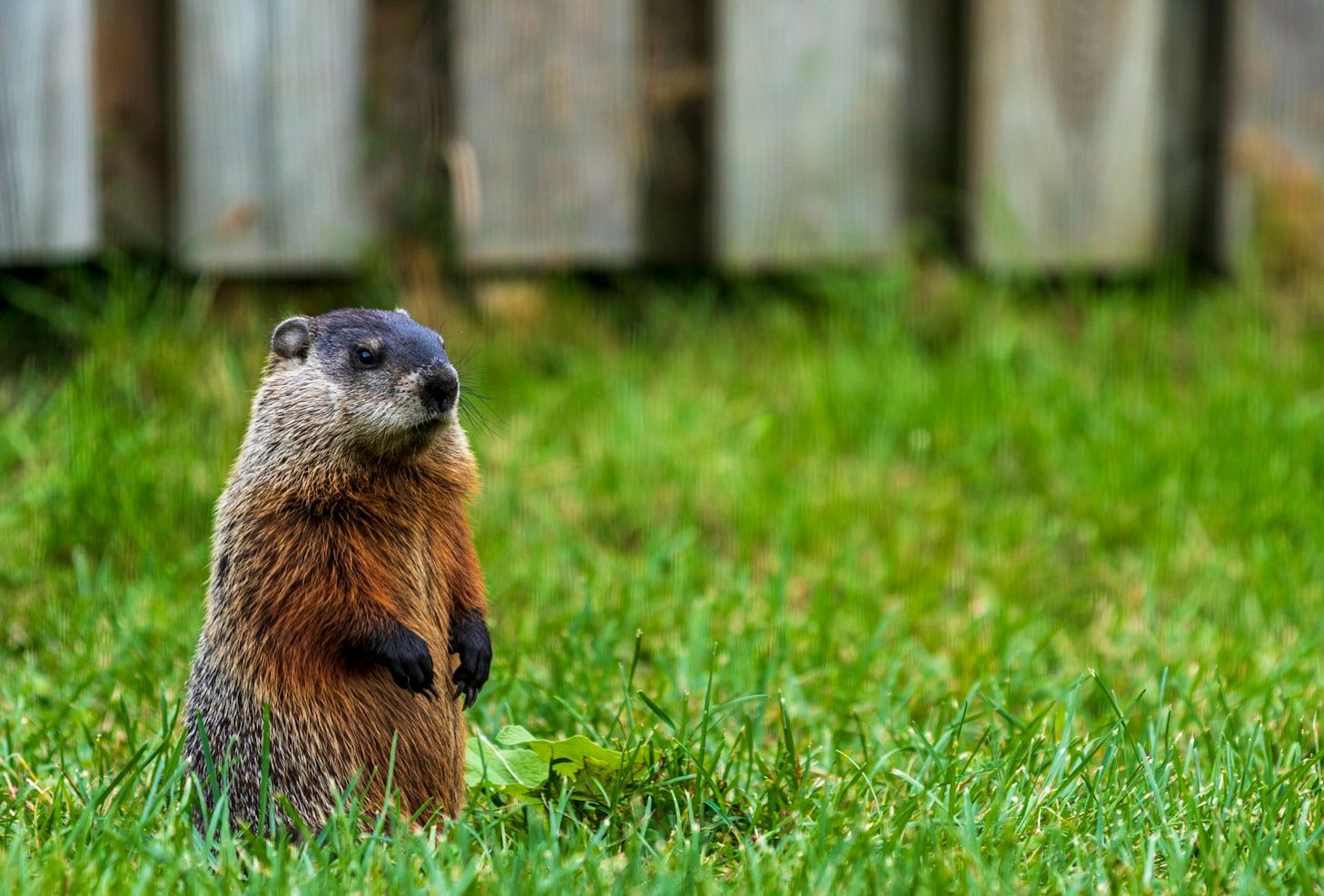
Every February 2nd, the eyes of the nation turn to a small town in western Pennsylvania. That’s where Punxsutawney Phil, a weather-predicting groundhog , is roused from his burrow on Gobbler’s Knob to look for his shadow.

According to tradition, if he sees it, we get six more weeks of winter; if not, spring is just around the corner. The quirky ritual began in 1887 and has since grown into a full-blown celebration.

2
Balto

Image: Meg von Haartman

In the winter of 1925, a deadly diphtheria outbreak threatened the remote town of Nome, Alaska. It was the sturdy Siberian Husky Balto who helped deliver the lifesaving antitoxin across snow and blizzard conditions to Nome.

Although dozens of dogs and mushers contributed to what became known as the Great Race of Mercy , Balto was hailed as a national hero. He even received his own statue in New York’s Central Park just a year later—a monument that still stands today, inscribed with the words: "Endurance, Fidelity, Intelligence."

3
Seaman (a.k.a. "Scannon")

Image: The New York Public Library

In 1803, explorer Meriwether Lewis purchased a Newfoundland dog for $20 and named him Seaman. The dog became a four-legged member of the famed Lewis and Clark Expedition .

He accompanied the Corps of Discovery as they crossed the North American continent, helping with hunting, standing guard, and even surviving a wound from a beaver attack.

The funny bit is that for a long time it was believed that William Clark’s journals referred to the dog as "Scannon," but it might have been a dizzy transcription of his handwriting.

4
Smoky the War Dog

Image: Simona Jašauskytė

Found in a foxhole in New Guinea during World War II, Smoky was a Yorkshire Terrier weighing just four pounds—but her size turned out to be her superpower .

She was trained by her rescuer, Corporal William Wynne, and famously ran communication wires through a narrow pipe beneath an airstrip in Luzon, Philippines.

After the war, Smoky became one of the first recorded therapy dogs, visiting wounded soldiers and performing tricks to lift their spirits. Today, she is honored with memorials in both the U.S. and Australia.

5
Sergeant Reckless

Image: Irina Nakonechnaya

During the Korean War, a small Mongolian mare purchased by U.S. Marines for $250 and nicknamed Reckless made multiple trips through enemy fire to deliver ammunition and evacuate wounded soldiers, sometimes entirely on her own.

For her bravery, she was promoted to Staff Sergeant , awarded two Purple Hearts, and allowed to eat scrambled eggs, Coca-Cola, and beer with the troops. Today, statues in Virginia and California honor her legacy.

6
Cher Ami

Image: William Chen

In the chaos of World War I, a pigeon named Cher Ami saved nearly 200 men from the "Lost Battalion" by flying a crucial message across enemy lines —despite being shot, blinded in one eye, and wounded in her leg during the flight.

Her message arrived, artillery fire was redirected, and the soldiers were rescued. For her bravery, Cher Ami was awarded the French Croix de Guerre and was later taxidermied after her death. You can still visit her at the Smithsonian National Museum of American History.

7
Old Bob

Image: Philippe Oursel

Abraham Lincoln’s beloved driving horse , Old Bob, was a familiar sight in Springfield, Illinois, often seen trotting through town pulling the future president’s buggy.

But his most memorable appearance came in 1865, when he walked riderless and draped in a mourning blanket during Lincoln’s funeral procession. The image of the grieving horse moved the nation and was widely reproduced in illustrations and prints.

8
Pauline Wayne

Image: Susan van Bragt

Pauline Wayne, a Holstein cow, was the last cow to reside at the White House. Gifted to President William Howard Taft by a Wisconsin senator, Pauline grazed on the White House lawn and provided fresh milk for the First Family.

She even survived a brief brush with danger when she was mistakenly sent to a slaughterhouse during a train trip—but was rescued just in time.

9
Macaroni

Image: Sergej Karpow

When Lyndon B. Johnson gifted a pony to young Caroline Kennedy in the early 1960s, he probably didn’t expect Macaroni to become a national sensation—but that’s exactly what happened.

The little white Shetland pony often grazed on the White House lawn, delighting photographers and stealing the spotlight during Camelot-era press coverage. Macaroni received fan mail, appeared in Life magazine, and even inspired a song by folk legend Pete Seeger.

10
Old Abe

Image: Arnaud Padallé

Old Abe was a bald eagle who became the mascot of the 8th Wisconsin Volunteer Infantry Regiment during the Civil War. Perched on a shield-topped staff, he accompanied troops into battle, reportedly screaming whenever gunfire broke out.

He survived multiple campaigns and quickly gained legendary status, later appearing on military insignia and even on U.S. war bond posters in both World Wars.

11
Fala

Image: D_Theodora

Franklin D. Roosevelt’s Scottish Terrier, Fala, traveled with him on countless trips, had a press secretary, and even appeared in cartoons and newsreels.

One of the most famous White House pets in history , Fala was awarded a unique honor: he is the only presidential pet with a statue near his owner’s memorial in Washington, D.C.

12
Checkers

Image: SlimMars 13

In 1952, then–vice presidential candidate Richard Nixon gave a nationally broadcast speech defending himself against accusations of financial impropriety. His emotional turning point was declaring that he would keep one gift no matter what: a black-and-white cocker spaniel named Checkers, beloved by his daughters.

Some believe the heartfelt mention of the pet was inspired by the earlier success of Fala. The speech struck such a chord that it is still known today as "the Checkers speech."

Culture Culture 5 min read

Obsolete occupations

12 forgotten jobs that once existed and became obsolete

Image: Igor Saikin

At various points in history, people earned a living performing jobs that sound downright strange today. Folks once knocked on windows to wake strangers for work. Others spent their days resetting bowling pins by hand, lighting streetlamps at dusk, or harvesting ice from frozen rivers. Machines have certainly made life easier in many ways, but they have replaced the livelihood of many. Here’s a small handful of some forgotten jobs that were once fundamental to everyday life in America and elsewhere in the world.

1
Town crier

Image: Birmingham Museums Trust

In early American towns (and elsewhere in the world), before printed media and mass communication were the norm, news didn’t arrive through newspapers or broadcasts: it arrived by voice. Town criers walked streets ringing bells and loudly announcing public notices, laws, and important events . They were essential in communities where literacy was limited, and information traveled slowly.

2
Factory lectors

Image: Amsterdam City Archives

Nowadays, when you have some manual, boring labor to do, you can turn on the radio, listen to some music, or a podcast. Of course, that wasn’t an option once upon a time. In some factories, workers hired a lector to read aloud while they worked .

Starting in the mid 1800s and into the beginning of the 1900s, lectors in factories shared newspapers, novels, and political texts, keeping workers informed and entertained during long hours.

3
Elevator operator

Image: Possessed Photography

Using an elevator seems easy enough today, but for decades, elevators didn’t run themselves. Operators manually controlled speed, direction, and stopping points using levers and switches , while also greeting passengers and announcing floors.

In luxury hotels and department stores, a skilled, often uniformed operator was part of the experience, expected to be polite, precise, and calm under pressure. The job peaked in the early 20th century, especially in big cities like New York and Chicago.

4
Switchboard operator

Image: Matt Benson

For early telephone calls, switchboard operators had to manually plug cords into panels to link callers together . The occupation rose shortly after Alexander Graham Bell patented the telephone in the 1870s, and became a fundamental job until the middle of the following century, when direct dialing was introduced.

Most operators were women, chosen for their calm voices, speed, and courtesy. They often memorized local names, numbers, and even callers’ personal habits and routines.

5
Bowling pinsetter

Image: engin akyurt

In early bowling alleys, pins did not magically reset themselves via machines. Pinsetters stood behind the lanes, manually rearranging pins after every roll.

It was noisy, repetitive, and sometimes dangerous work, often done by teenagers . It was only in the 1950s that automatic pinsetting machines were introduced.

6
Lamplighter

Image: Jason Peter

Since the beginning of the 19th century, every evening, lamplighters walked city blocks, lighting gas lamps one by one . At dawn, they returned to extinguish them. This job was vital for public safety because the lights helped prevent crime and accidents in dark streets.

It wasn’t until the 1880s that the first electric streetlights were introduced in some cities, but they weren’t the norm until the 1950s. At that point, the cost of maintaining gas pipes had become too high compared to electricity, so the last gas lamps were removed.

7
Milkman

Image: Nationaal Archief

For the first half of the 20th century, the milkman was a familiar sight on American streets. He delivered fresh milk in glass bottles, leaving them in insulated boxes by the door. Many families depended on daily or near-daily deliveries, since refrigeration was limited or unreliable. By the 1940s, however, most American homes owned a refrigerator and the role of milkmen slowly faded.

8
Typist

Image: Denise Jans

There was a time, before computers, autocorrect, and AI, when offices relied on professional typists to produce everything from letters to legal documents. Many large companies employed entire "typing pools," rooms filled with workers trained to type quickly and accurately on typewriters. Precision mattered more than you may think; unlike today, mistakes on paper (rather than the screen) sometimes meant starting the document over.

9
Human computer

Image: Roman Mager

There was also a time when "computers" were people; their occupation was first mentioned in texts from 1613. Their role was to develop complex mathematical calculations by hand for scientific research, engineering projects, and more. Astronomers during the Renaissance, navigators during the Age of Exploration, and NASA space missions all relied on human computing for their operations.

Imagine that: teams worked through equations for hours or days, checking each other’s math for accuracy. During World War II and the early Cold War, this work was vital to national defense.

10
Knocker-upper

Image: Annie Spratt

Before the Industrial Revolution, most people woke up with the sun. However, by the early 1800s, when factory systems took hold of big cities, being even five minutes late ceased to be an option for workers. To avoid oversleeping, which could mean lost wages, they paid a person to wake them up.

Knocker-uppers walked neighborhoods early in the morning, tapping on windows with long poles or shooting dried peas through blowpipes . Eventually, alarm clocks were introduced in the late 1800s, and the need for this occupation started declining.

11
Telegraph operator

Image: Amsterdam City Archives

A case in which the occupation disappeared along with the technology. Before phones and instant messaging, the telegraph, which was invented in 1837, was the fastest way to send information across long distances.

Telegraph operators translated messages into Morse code , sending dots and dashes through wires that spanned the country. Speed and accuracy were critical, especially for news, business, and wartime communication. With the introduction of radio transmissions and telephones in the late 1800s, the service became more and more obsolete, although Western Union, the major telegraph service in the US, continued to operate until 2006.

12
Iceman

Image: Joy Ru

Finally, there were the icemen. Before refrigerators became household staples, the iceman was an essential figure in American daily life. He delivered massive blocks of ice straight to people’s homes .

These blocks kept food fresh and milk cold in an era before electric cooling. Ice was harvested from frozen lakes in winter, stored in insulated warehouses, and rationed carefully during warmer months.

Explore more American facts

Choose your favorite category!

General
General

As American as apple pie—the very best America has to offer!

Culture
Culture

Delve into the astounding richness of American lore.

Geography
Geography

Hop in and explore vast and diverse American landscapes.

History
History

Discover the key moments that shaped the United States.