America's deadliest jobs
The real risks behind the 10 most dangerous jobs in the U.S.
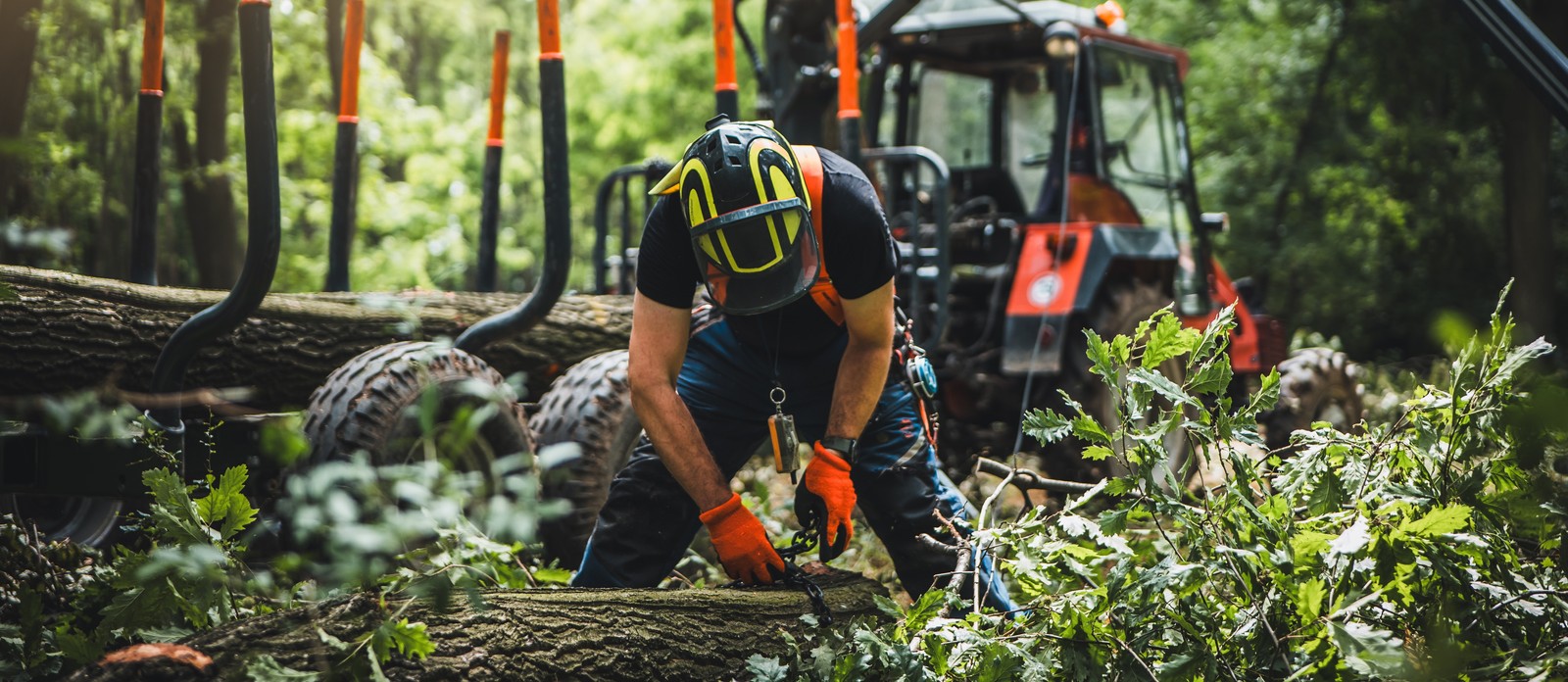
Image: Peter Kniez
Accidents can happen on just about any job, but a paper cut truly doesn't compare to what workers in logging or commercial fishing face every day. These jobs aren't for the faint of heart : chainsaws, hundred-foot trees, freezing seas, and machinery that doesn't care how careful you are. The folks who do this work train hard, build real skill, and summon the kind of bravery most of us never have to at the office. What’s more, they must follow strict safety rules—because one slip really can be their last.
1
Logging workers
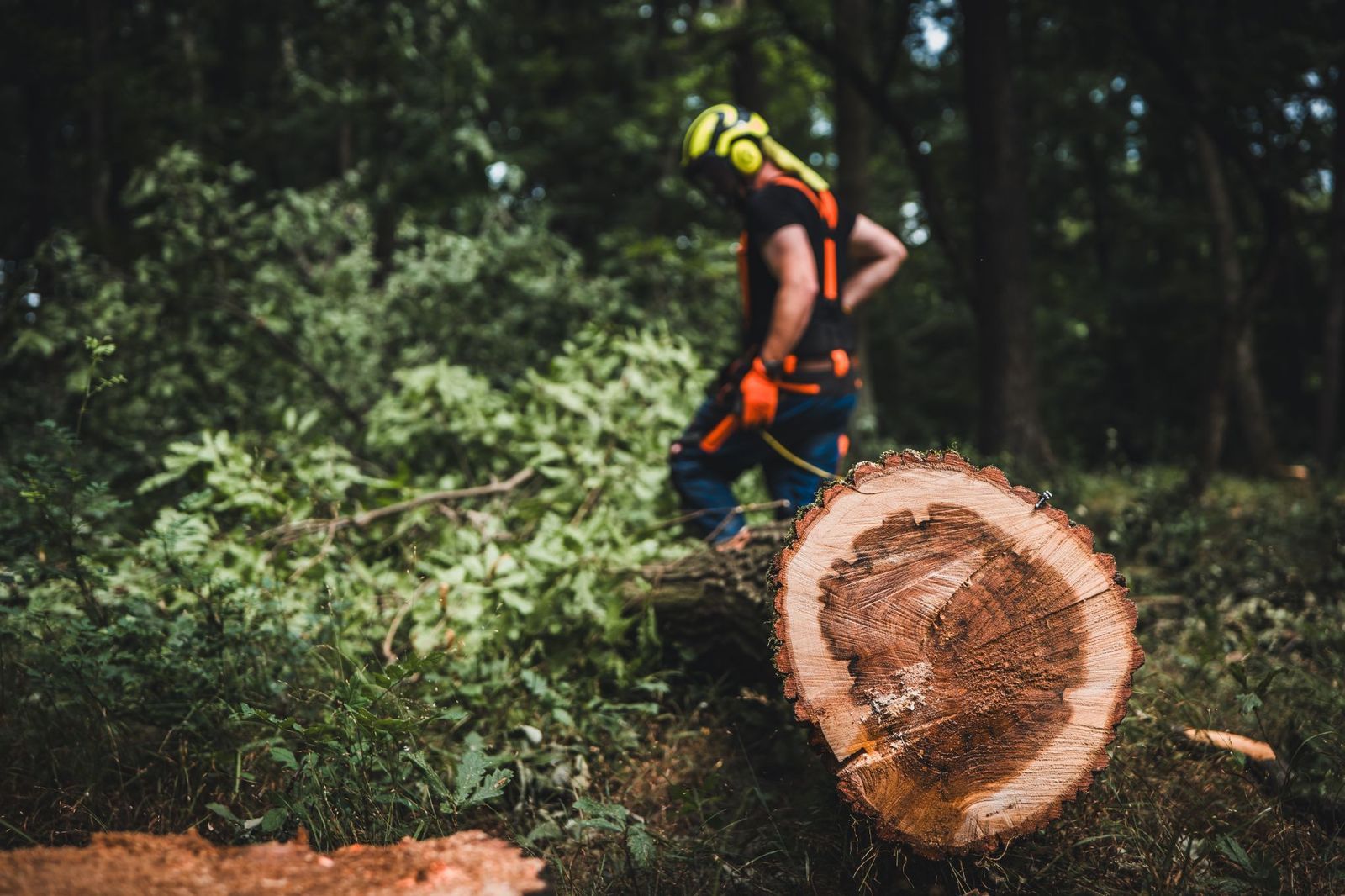
Loggers cut down trees for lumber, paper, and everything in between, often deep in remote forests using chainsaws and heavy equipment. It takes real physical stamina, sharp judgment, and constant awareness of your surroundings . A tree can fall the wrong way, equipment can jam, or a loose branch can drop from above.
Picture a veteran logger yelling "timber!" only for the wind to shift at the last second. Makes your worst office mishap look pretty tame by comparison.
2
Fishing and hunting workers
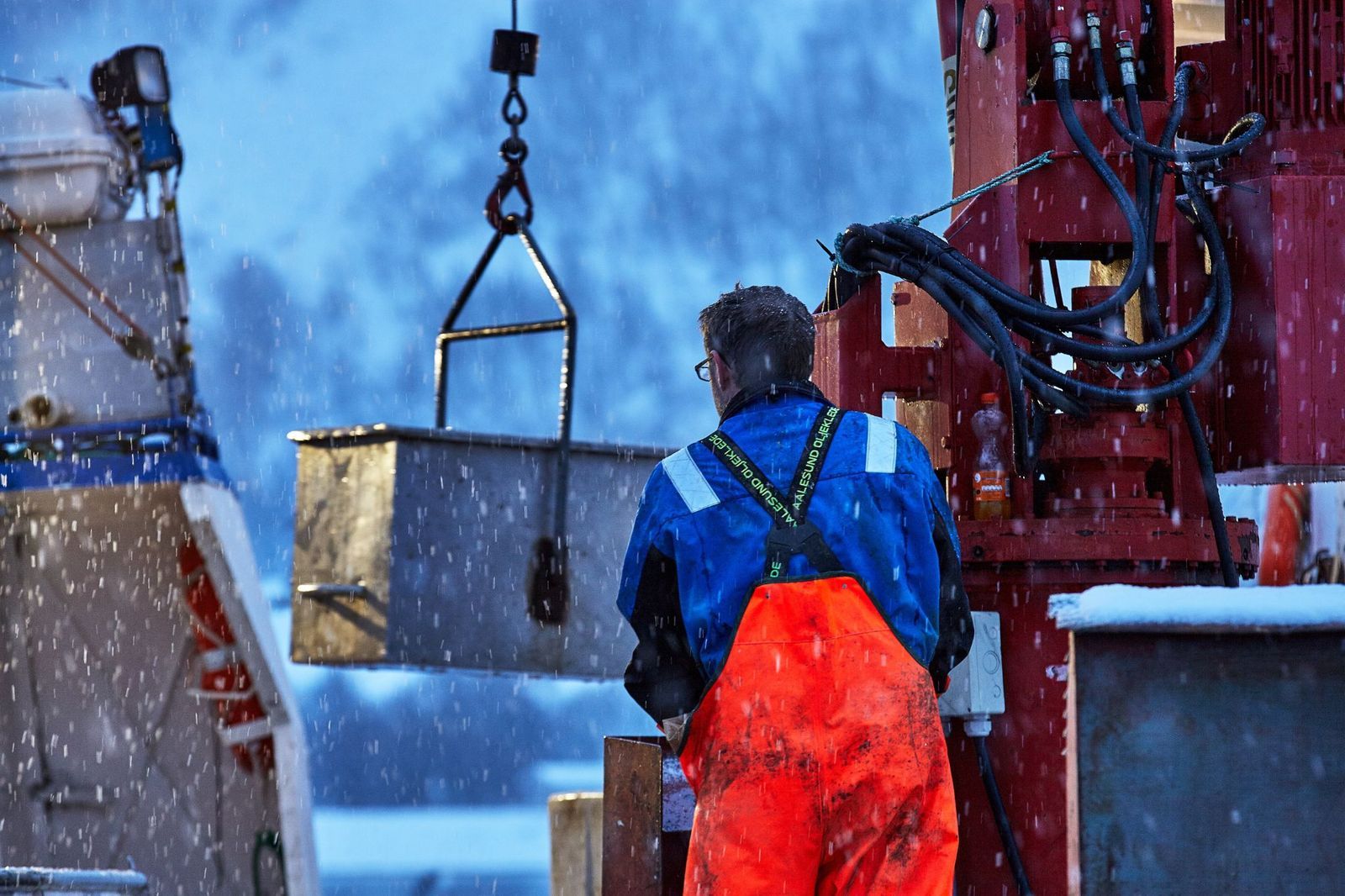
Commercial fishing and hunting crews work far from shore, sometimes for weeks, hauling in their catch through brutal weather. It takes endurance, boat-handling skills, and a tolerance for isolation most of us can't imagine. Storms, rogue waves, and equipment failures can turn routine into catastrophe fast .
Next time you order fish at a restaurant, spare a thought for the crew who braved the open ocean for it.
3
Aircraft pilots and flight engineers
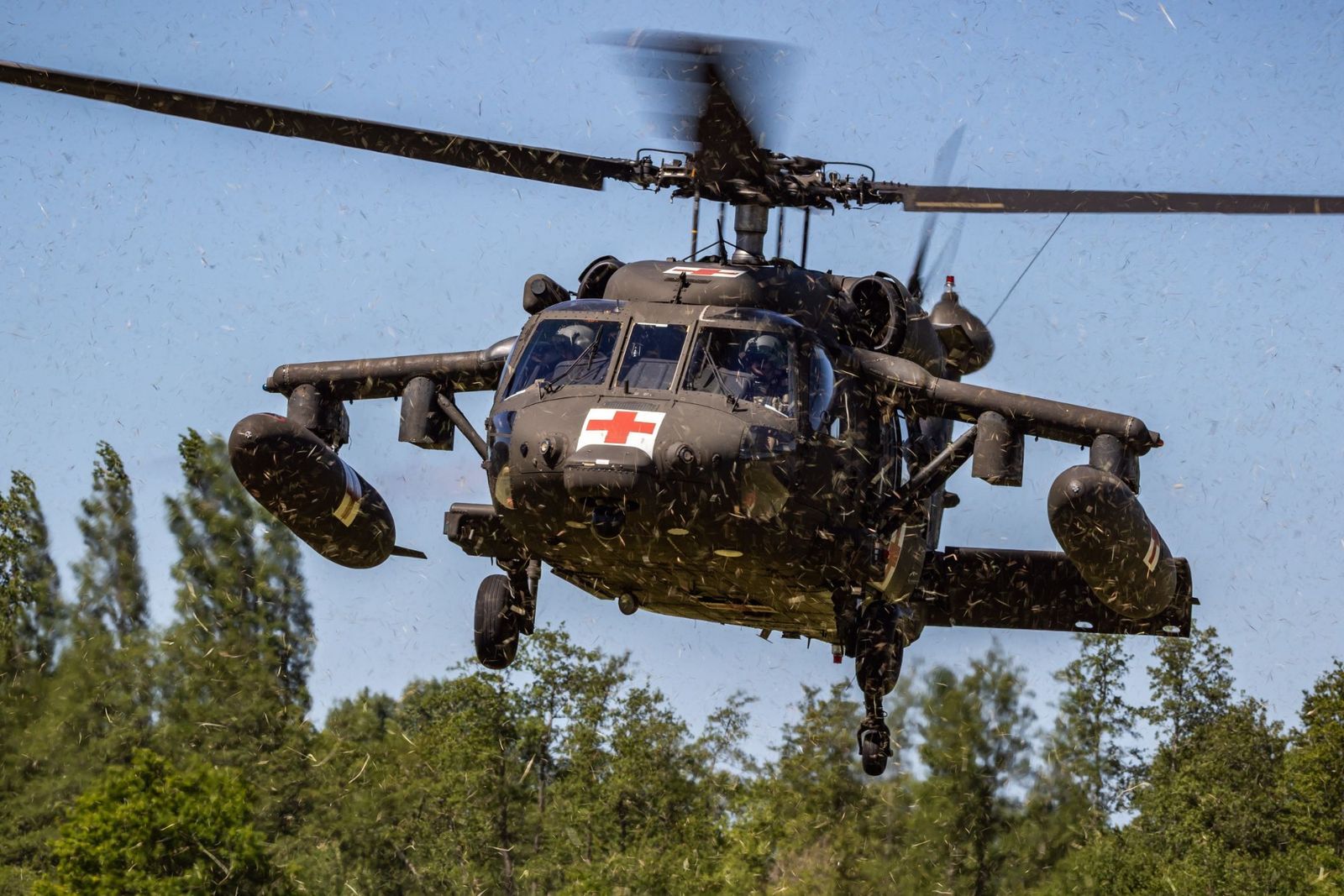
These pilots fly small planes and helicopters for cargo runs, aerial surveys, medevac flights, or crop-dusting: jobs far removed from a typical airline cockpit . It demands precision flying, split-second decisions, and calm under pressure . Mechanical failure, sudden weather, or a rough landing strip can spell disaster.
4
Roofers
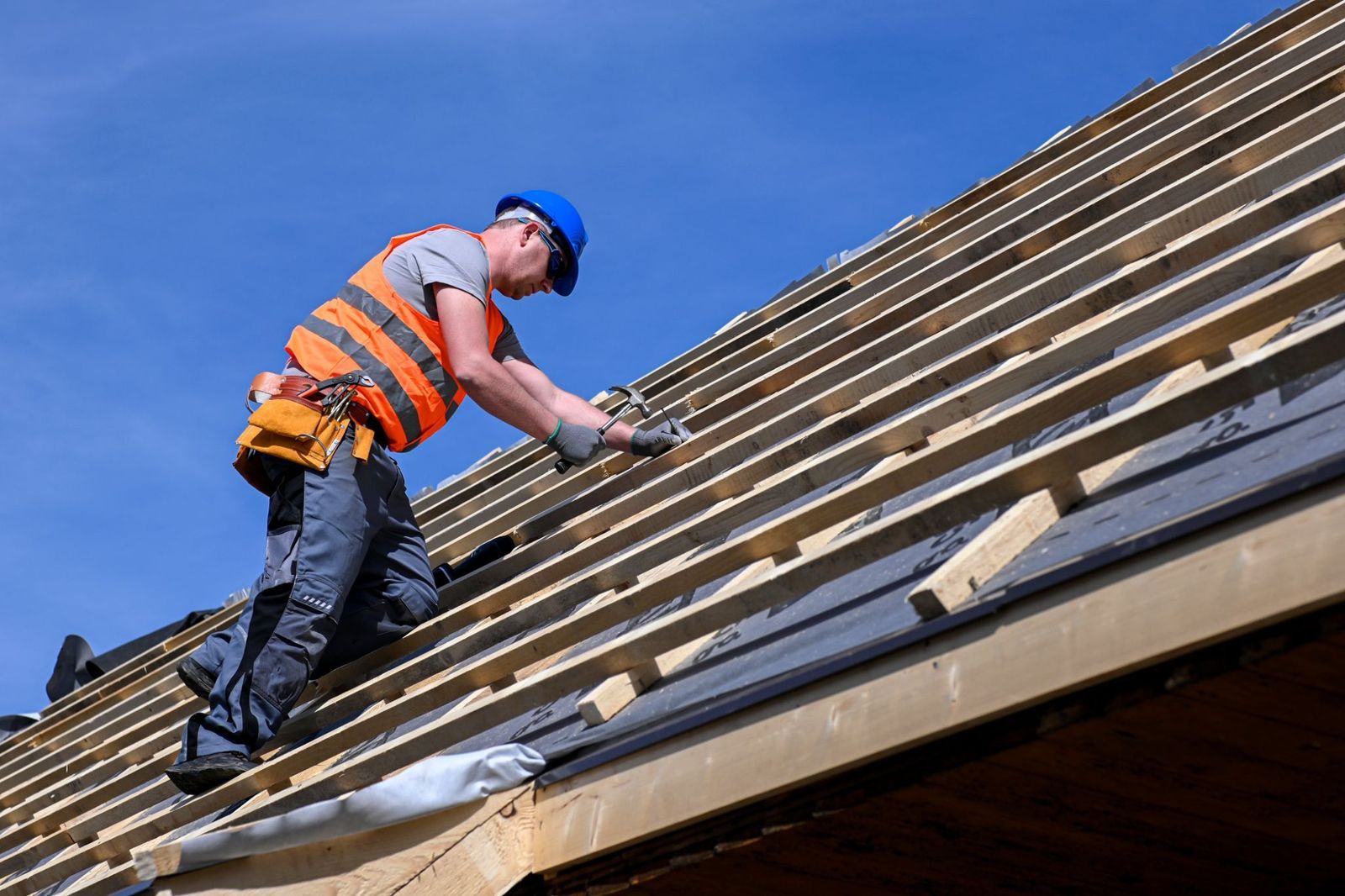
Roofers install and repair the roofs over our heads, balancing on slanted, sometimes slick surfaces in blazing heat or biting cold. The job demands balance, full-body strength, and total focus: one careless step is all it takes . Falls remain the biggest danger, especially without a proper harness.
Picture a roofer shingling a two-story house on a windy afternoon, steadying himself as a gust hits. Next time you gripe about cleaning gutters, remember someone does this all day, 30 feet up.
5
Refuse and recyclable material collectors
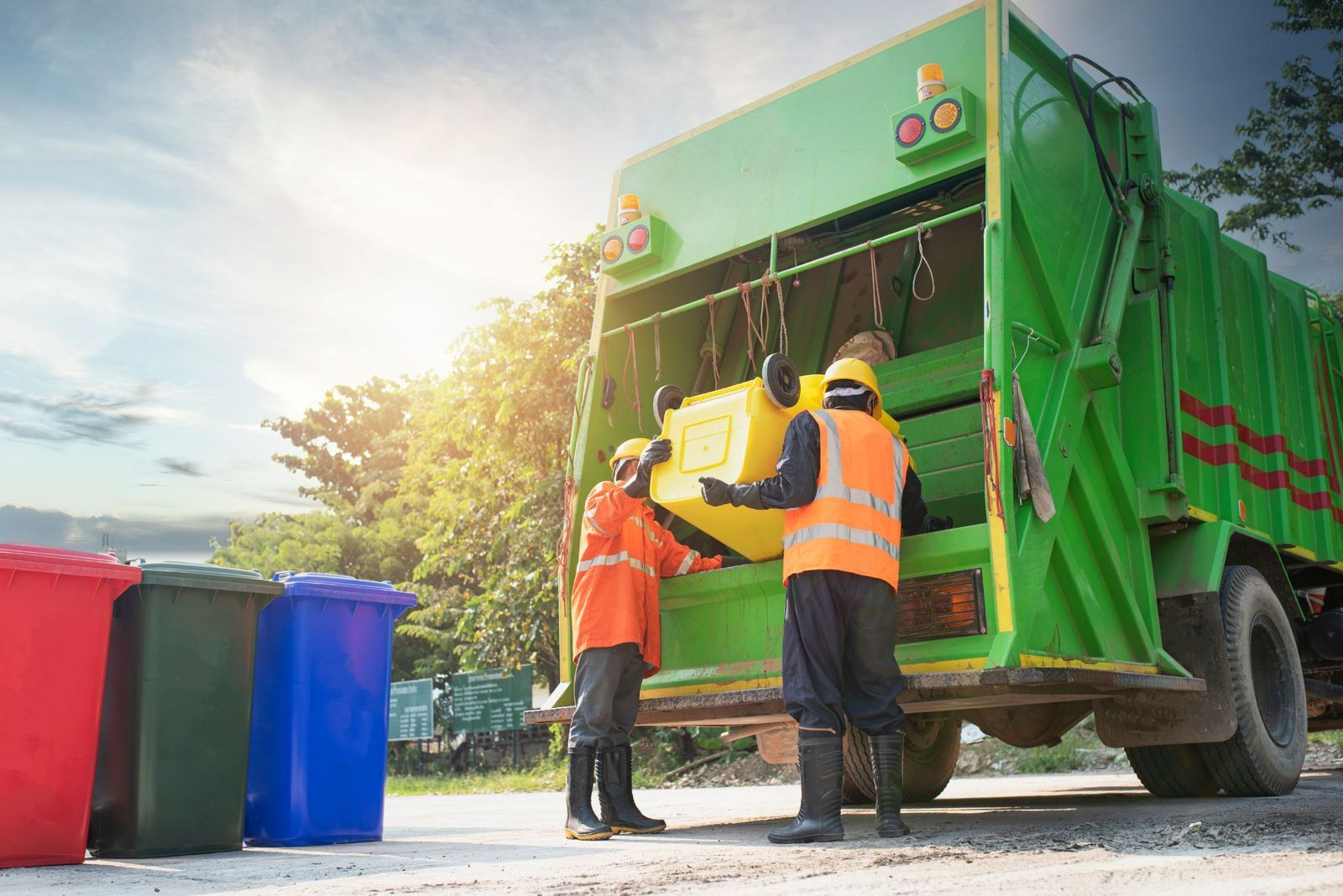
Garbage and recycling collectors keep neighborhoods running, riding trucks and lifting bins before most of us are even awake. It takes strength, stamina, and constant vigilance around fast-moving traffic and heavy machinery . Accidents often happen when a distracted driver doesn't see them, or a limb gets caught in equipment.
It's a job we rarely think about… until the week the bins don't get emptied.
6
Structural iron and steel workers
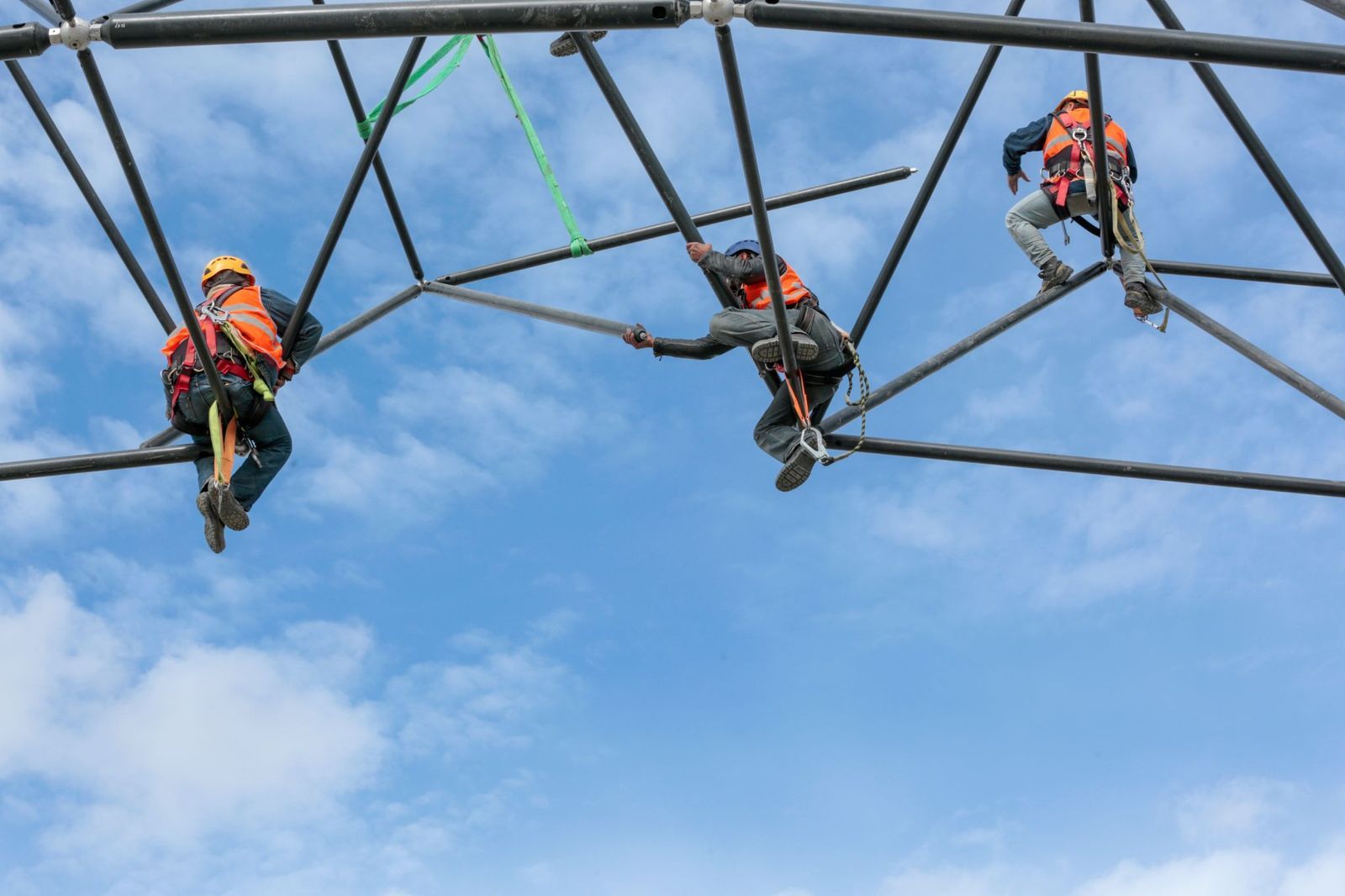
Ironworkers assemble the steel skeletons of skyscrapers and bridges, walking beams hundreds of feet up with only a harness for company. The job demands "nerves of steel" plus balance and precise coordination. A missed clip, a gust of wind, or a dropped tool can be fatal .
7
Truck drivers
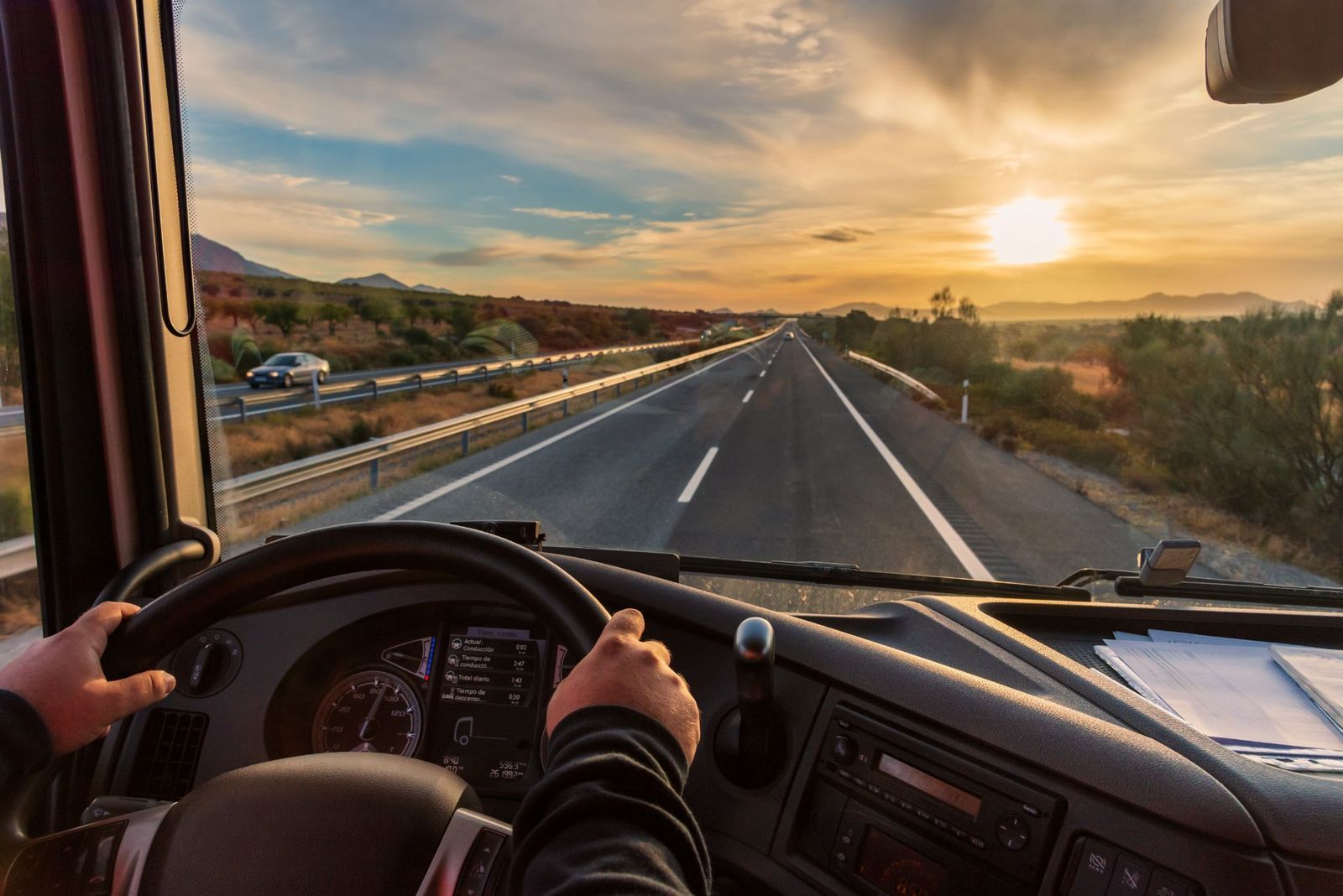
Truck drivers haul goods across the country, spending long hours behind the wheel through every kind of weather and traffic. The job demands discipline, endurance, and staying sharp on empty highways at 2 a.m. Fatigue, distracted drivers, and rough road conditions cause countless accidents .
Imagine a trucker fighting drowsiness on a dark interstate, energy drink in hand, still hours from the next rest stop. It's worth remembering: nearly everything in your house got there because someone pushed through exhaustion to deliver it.
8
Farmers, ranchers, and agricultural managers
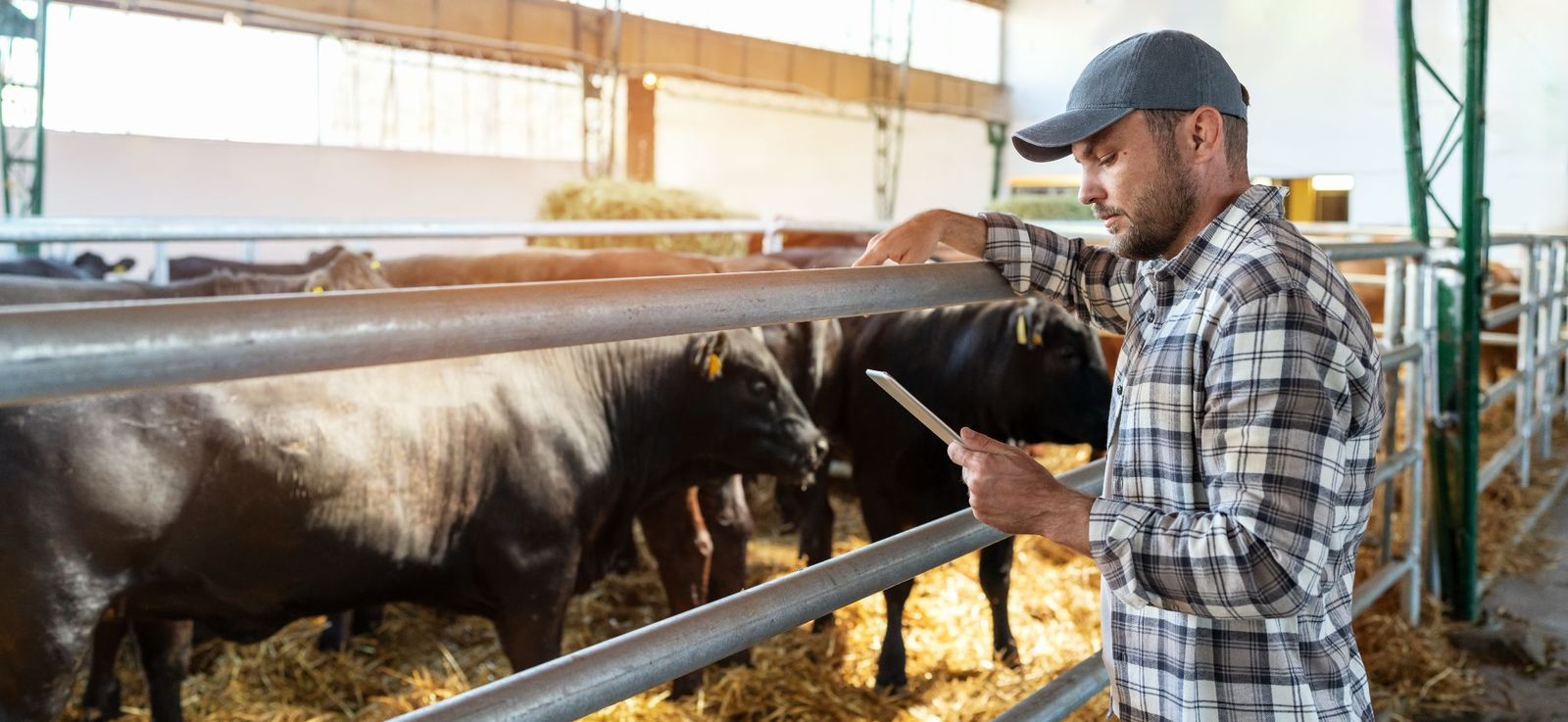
Farmers and ranchers manage crops, livestock, and heavy machinery, often working alone across vast land from dawn to dusk. The work demands mechanical know-how, physical toughness, and quick thinking around unpredictable animals and equipmen t. Not to mention, tractor rollovers and machinery entanglements are constant threats.
9
Power line workers
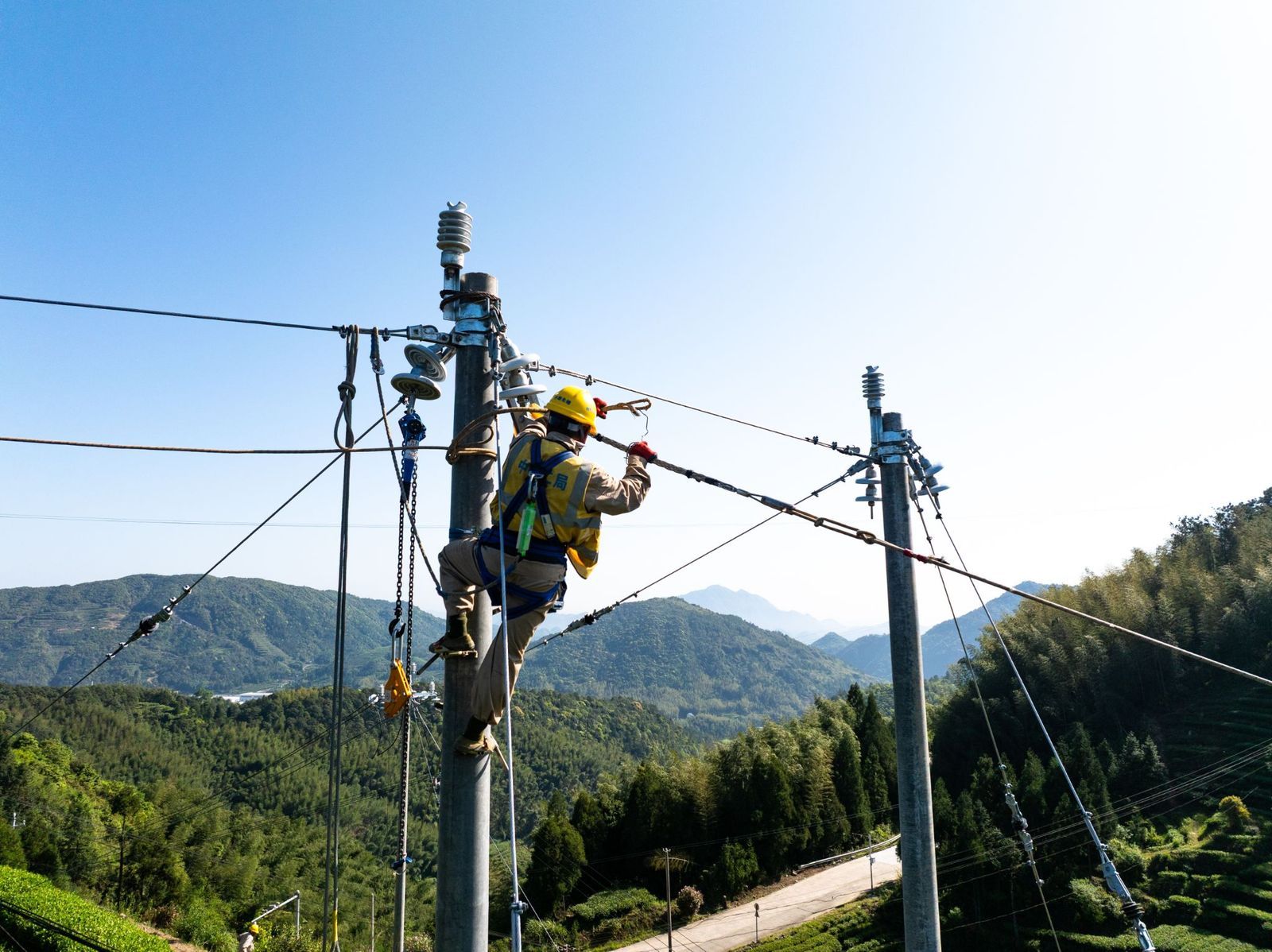
Power line workers climb utility poles and towers to install and repair electrical lines, often in storms when outages need fixing fastest. The job requires technical training, physical fitness, and total respect for high-voltage electricity . One wrong move near a live wire can be lethal, and falls add another layer of danger.
Imagine a lineman restoring power mid-hurricane, rain pouring, wires sparking nearby. Next time your power comes back after an outage, remember someone braved the storm to make that happen.
10
First-line supervisors of construction workers
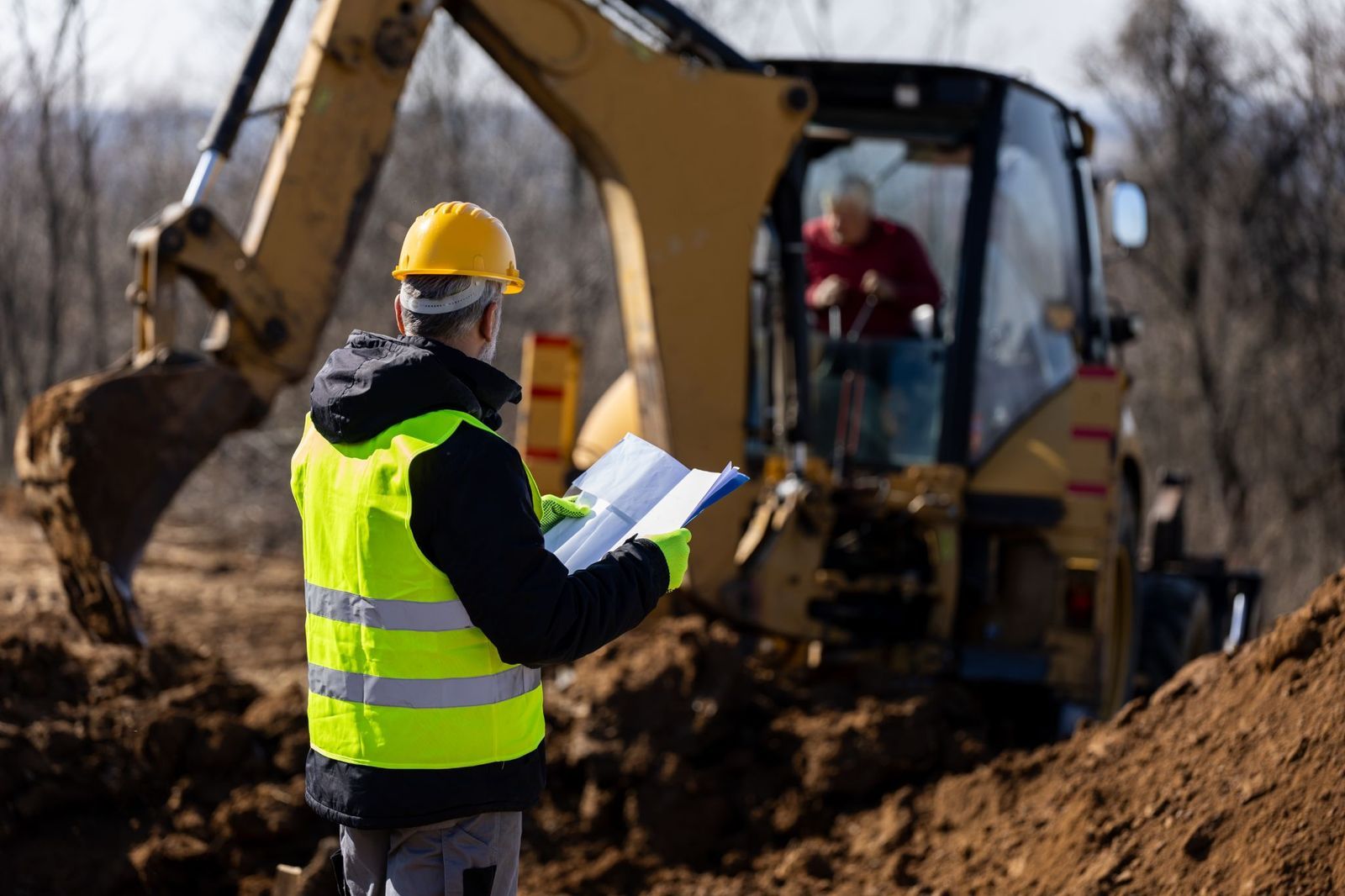
These supervisors oversee construction crews, coordinating schedules, safety protocols, and hands-on work across the whole site. The role demands leadership, sharp attention to detail, and a willingness to step into the same hazards as their crew. Falling debris, heavy equipment, and structural collapses put them at risk daily .