Geography Geography 3 min read

American wonders

Awesome facts about Mt McKinley (Denali) that will leave you speechless
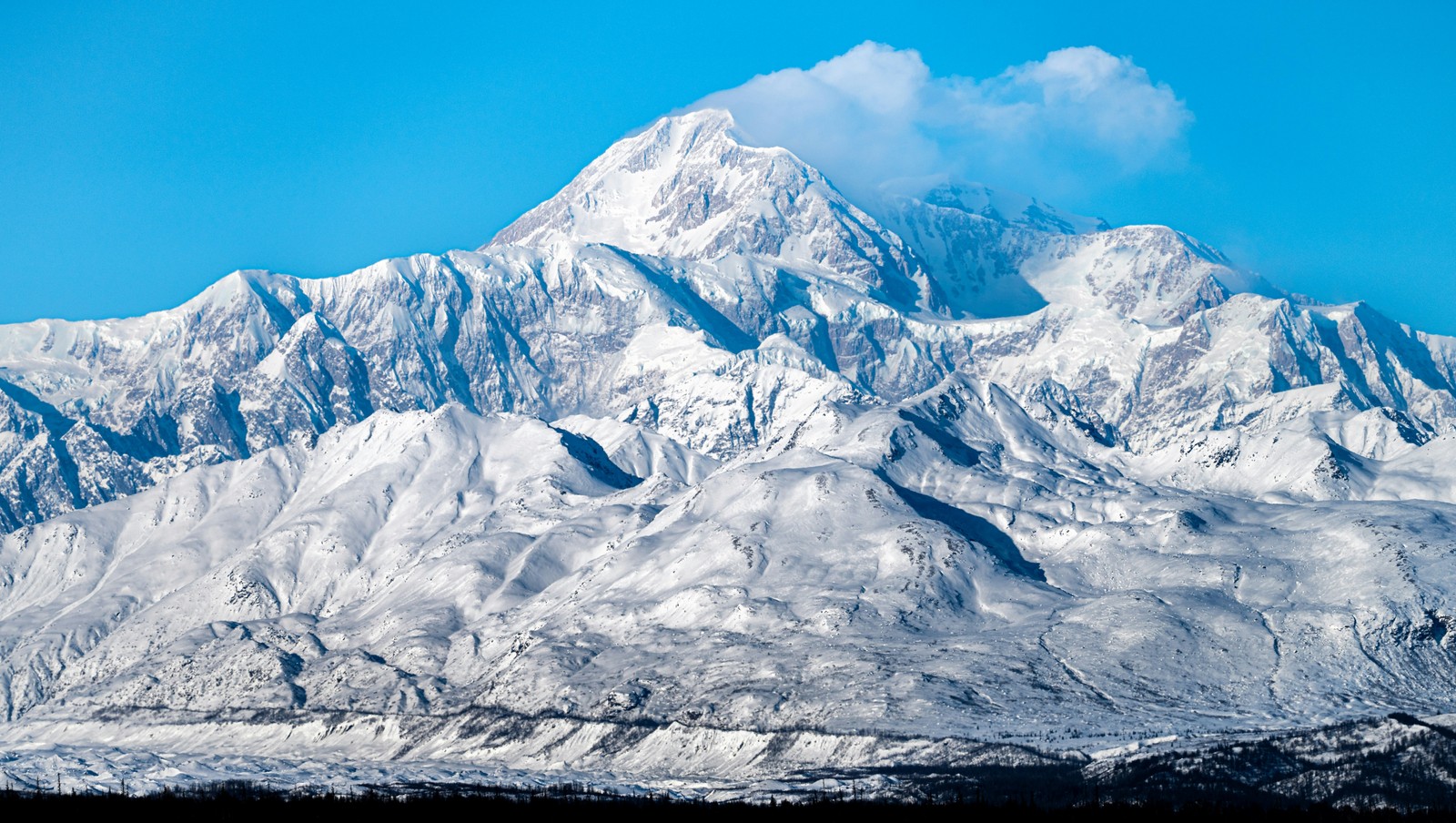
Image: John Feng

Alaska is a land of incredible natural wonders. Its lakes and mountains come together to form stunning landscapes that look almost otherworldly. But the true star is Mount McKinley, the tallest peak in the United States and all of North America. Join us as we explore 10 amazing facts about this mountain that you might not know.

1
Earthquakes

Image: Sue Henderson

As if the incredible altitude and extreme temperatures weren't enough, Mount McKinley faces another challenge: earthquakes. Due to tectonic plate activity, this type of natural disaster is common in the area, with an estimated 600 earthquakes of varying strength occurring there each year.

2
Always dressed in white
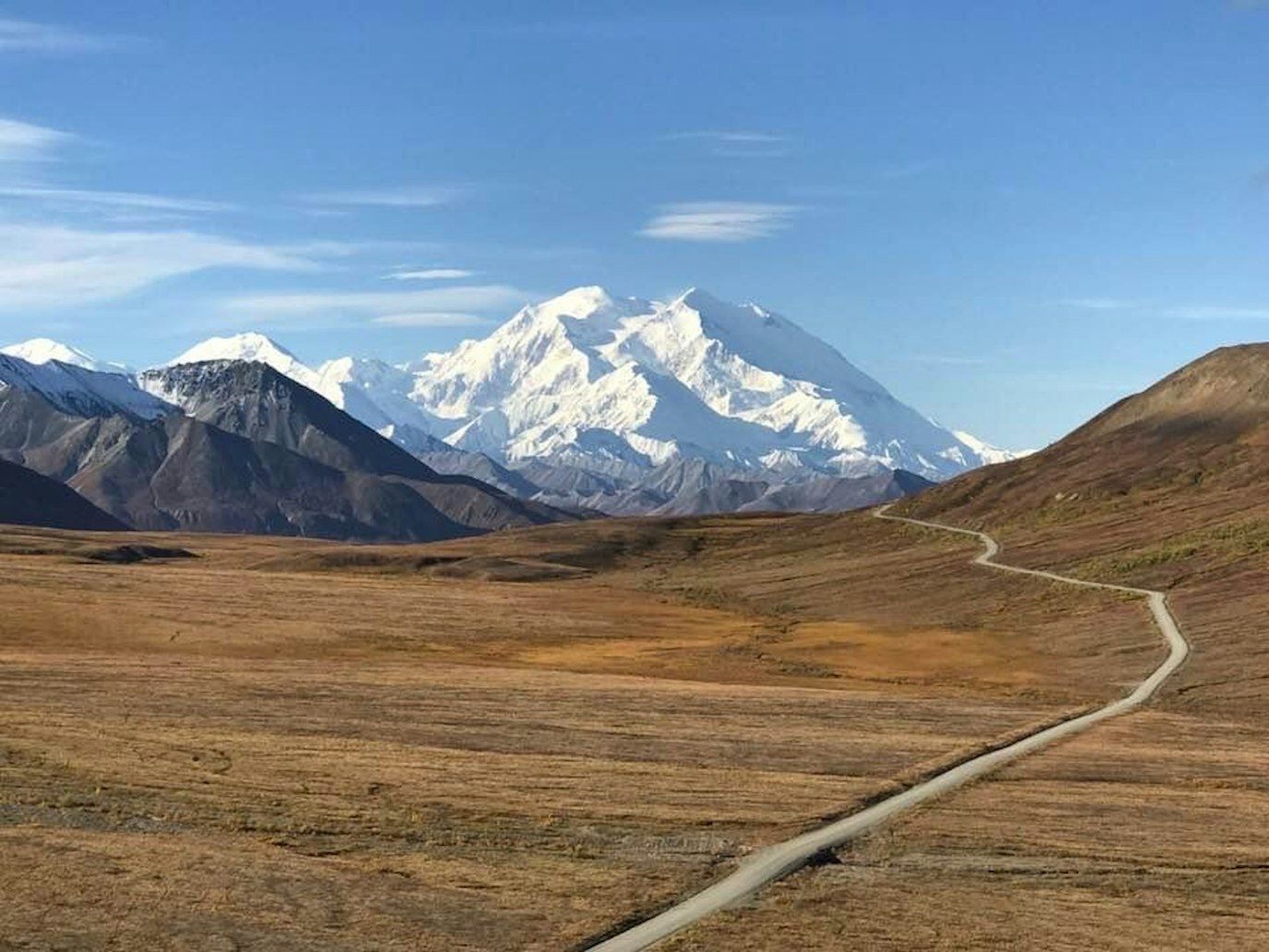
Image: Dillon Groves

The summit of Mount McKinley is always painted white. Even during the warmer months, when grass and plants flourish in the surrounding park, the mountain's upper half remains permanently covered in snow and massive ice formations.

3
Life thrives
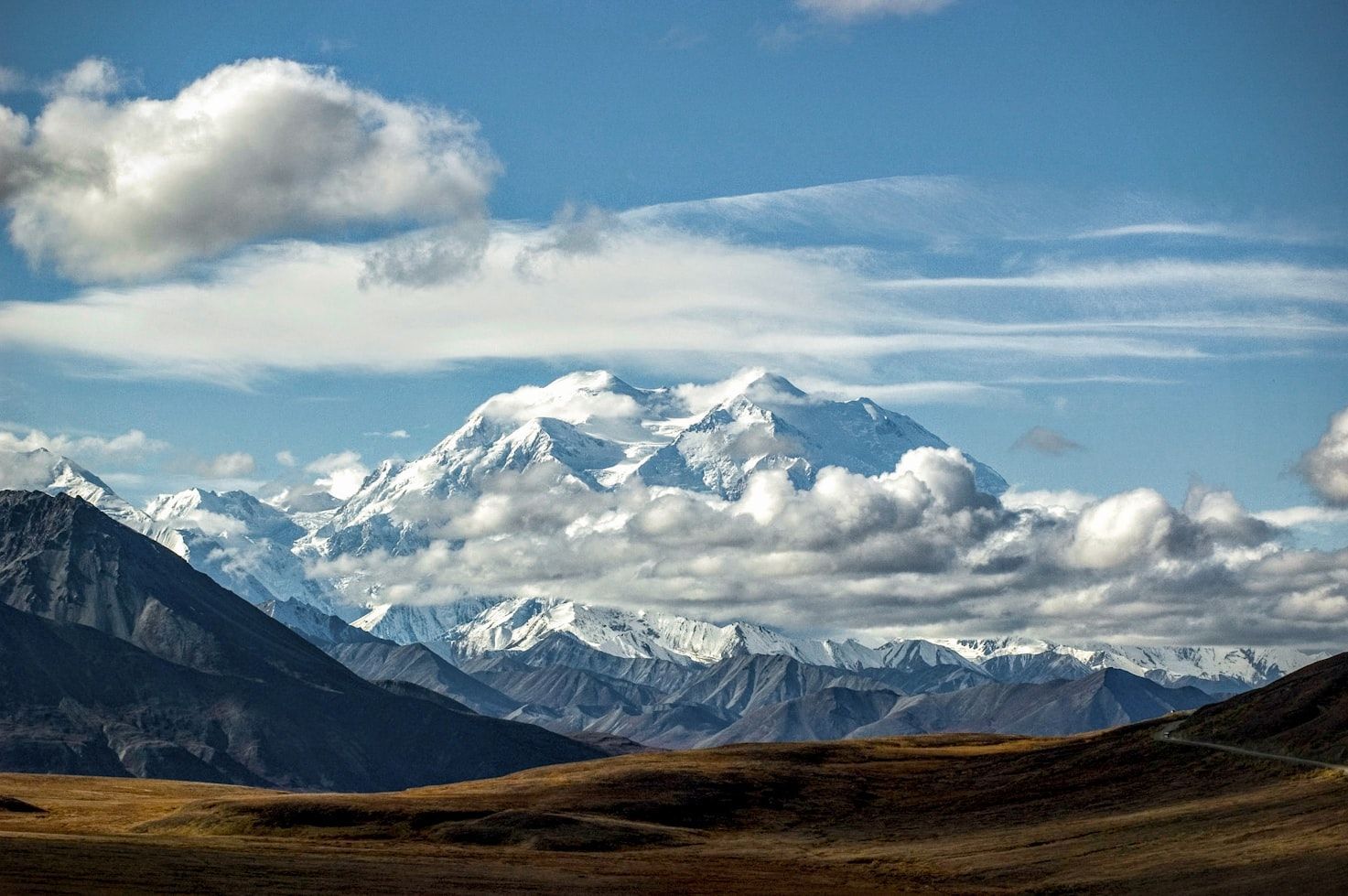
Image: Patrick Federi

It's not just snow around Mt. McKinley. In the area, you'll find about 160 bird species, 39 types of mammals, 14 kinds of fish, and even one species of amphibian. That's a surprising amount of life for such a cold region.

4
Super frog
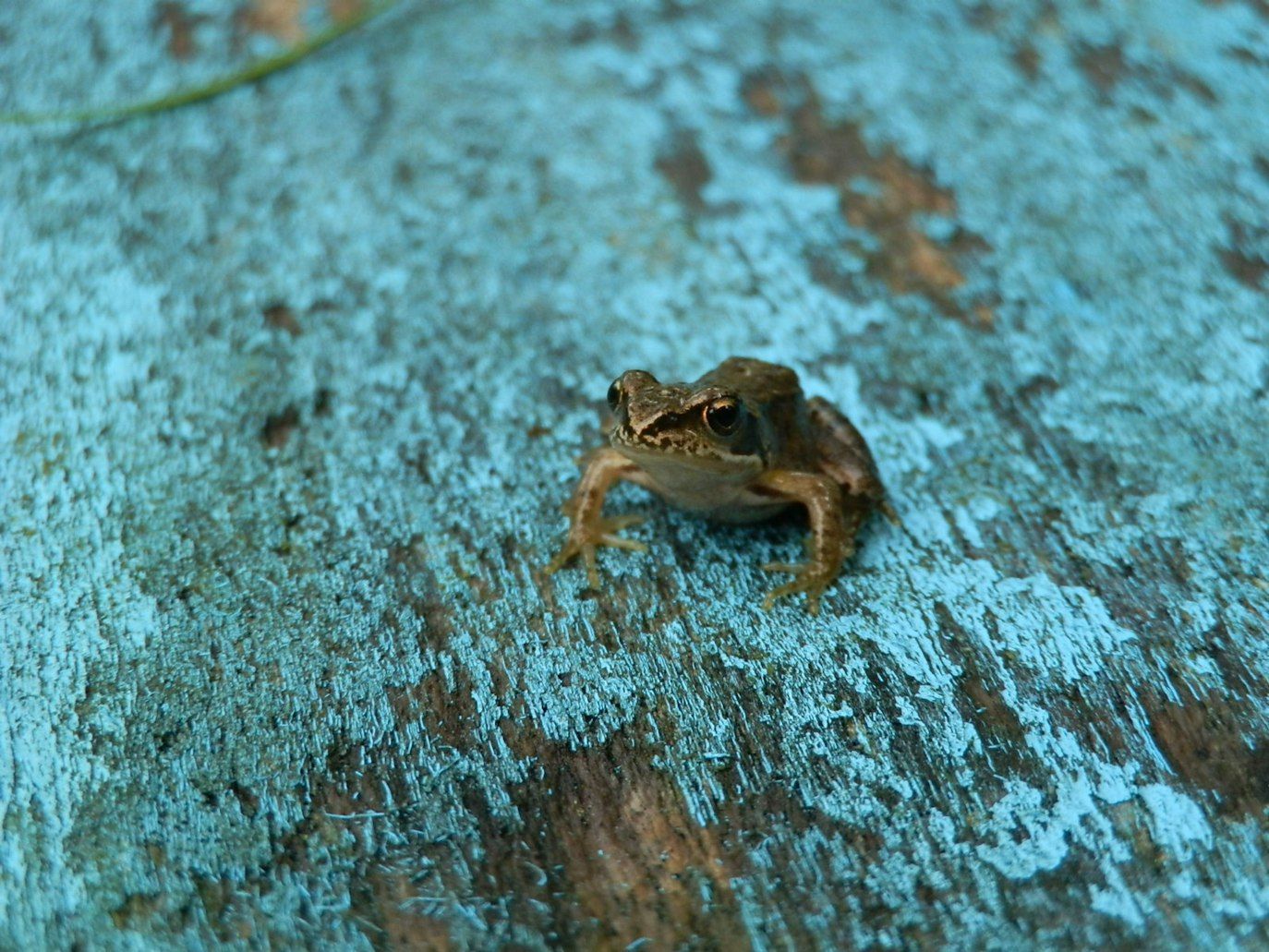
Image: Stanisław Krawczyk

If you're curious about this unique amphibian, here's the answer: it's the wood frog, a tiny species that can survive even the harshest winters. How? By almost freezing its entire body. While the frog's cells don't actually freeze, the fluids between them do. Its heart and lungs stop working until spring returns.

5
Millions of years ago
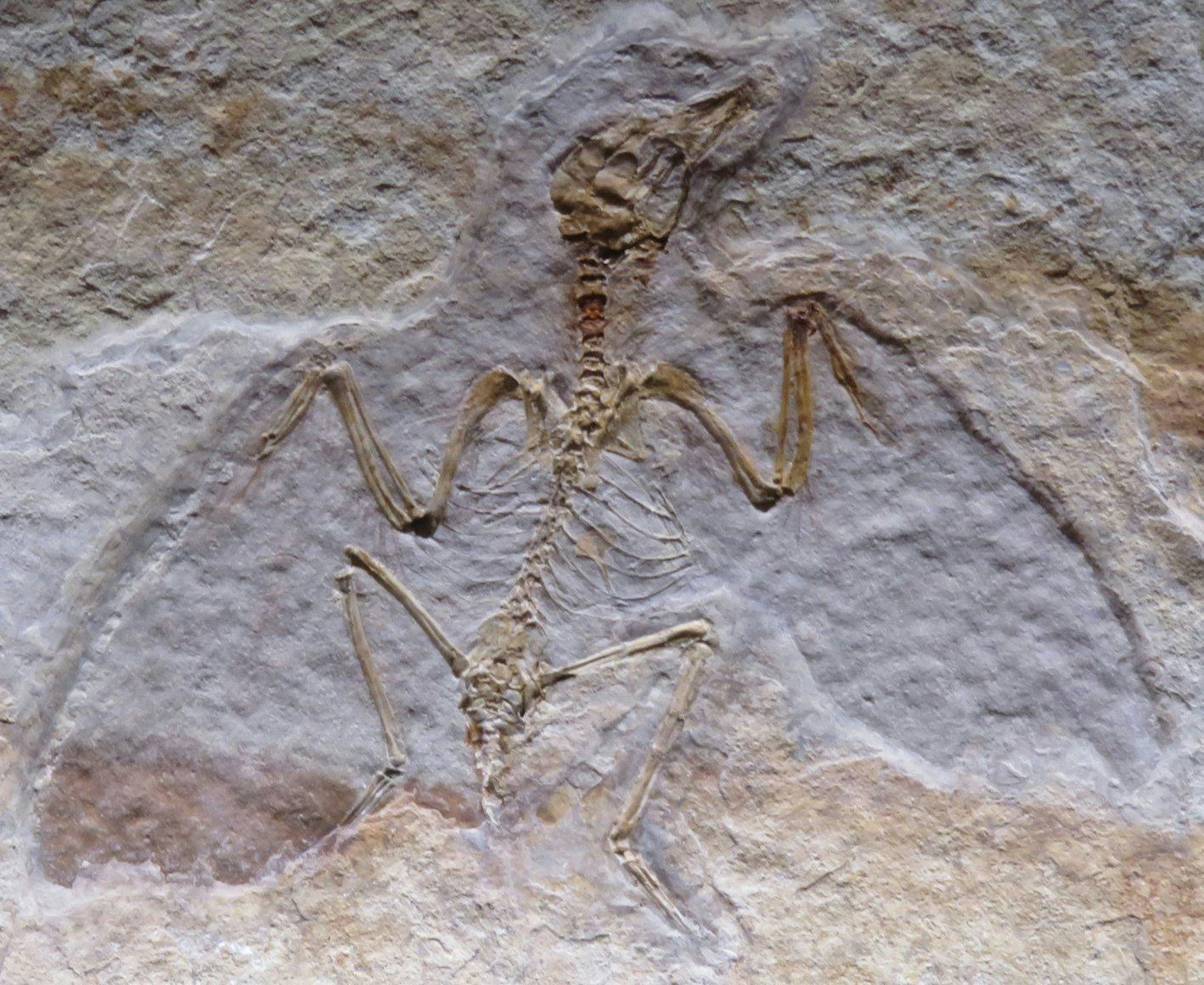
Image: Lisa Yount

There was a time when giant reptiles roamed what is now the Mount McKinley area. In 2005, the first dinosaur footprints were discovered in the area, followed by fossil remains. The region was once home to three-toed theropods (carnivorous dinosaurs similar to Velociraptors) and winged pterosaurs that soared through the skies above.

6
Harsh weather
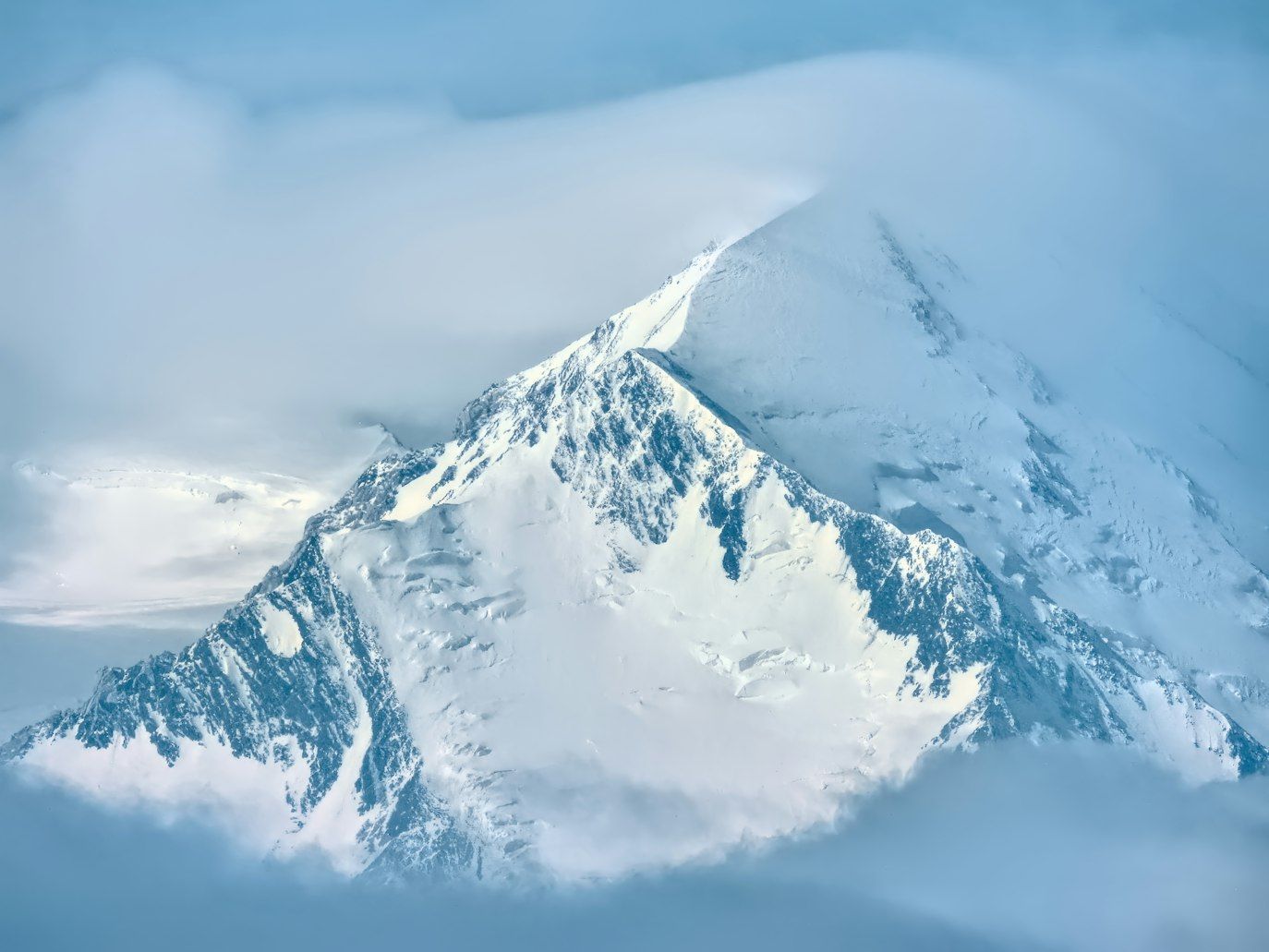
Image: John Peters

If you're a fan of summer, Mount McKinley might not be the best choice for you, as it's famous for its extreme cold. Temperatures at the summit can drop as low as -75.5°F, with wind chills plunging to -118.1°F.

7
Not an easy task

Image: Fabrizio Conti

Climbing McKinley is not for everyone. In fact, it's considered extremely difficult and dangerous due to the harsh weather conditions. On average, only about half of those who attempt the climb succeed.

8
Alone
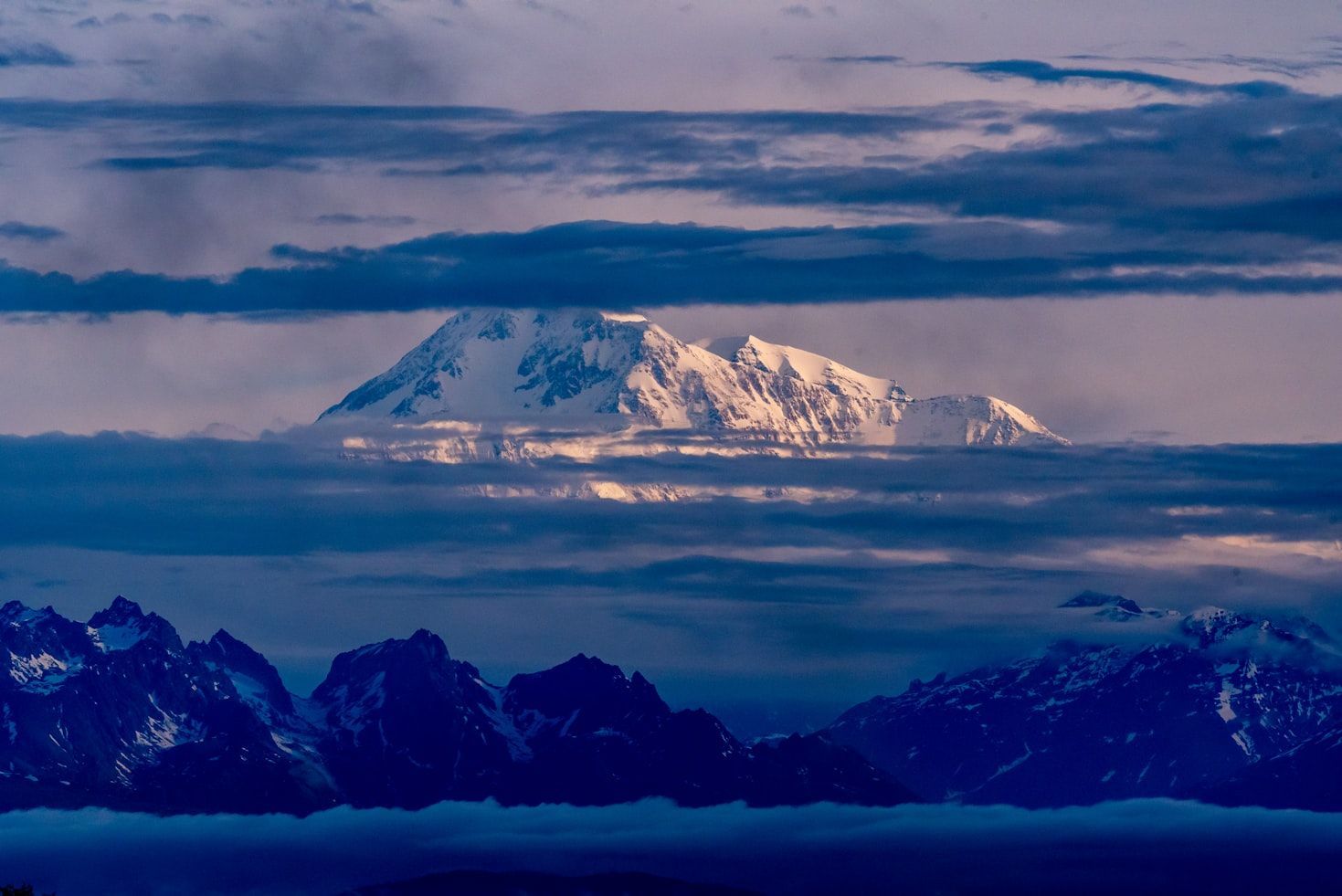
Image: Barth Bailey

Mount McKinley is lonely. While that may sound sad, it actually means it's one of the most topographically isolated peaks on Earth. In other words, it's far from any other mountain of similar height, which makes it even more striking and impressive.

9
The first
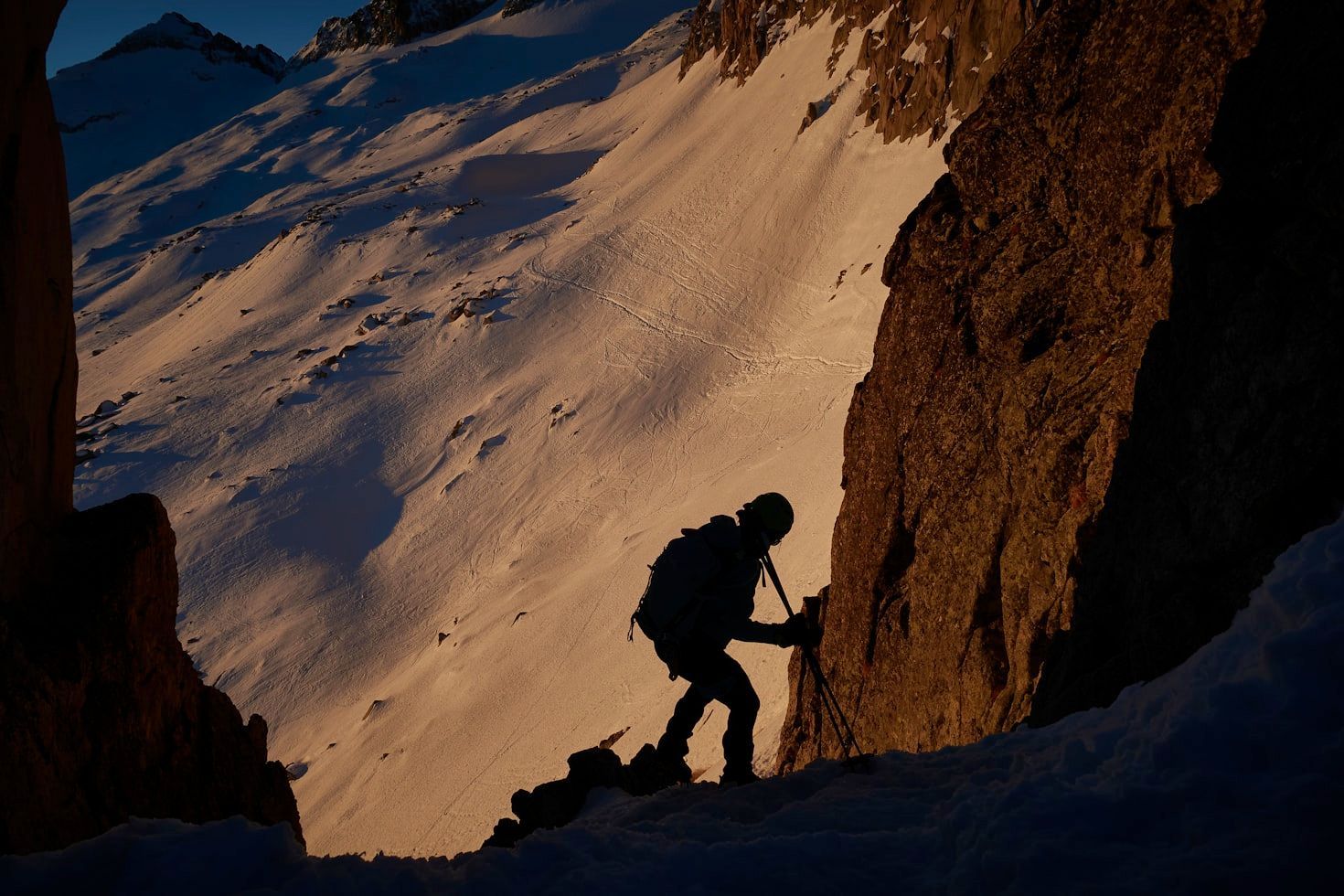
Image: Tim Oun

In 1913, Mount McKinley was successfully climbed for the first time. Walter Harper, a native Alaskan, is credited with the honor of being the first person in history to reach the summit of North America’s tallest peak. He was followed by his teammates: Harry Karstens, Hudson Stuck, and Robert Tatum.

10
America's "Big 5"
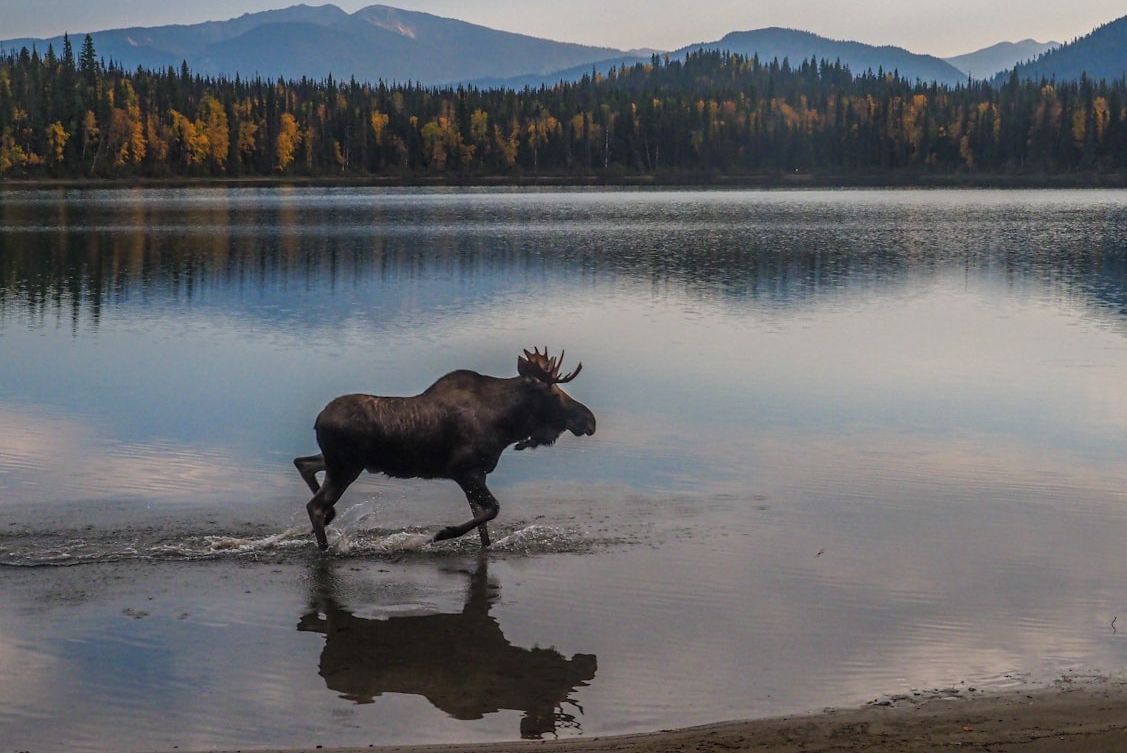
Image: Lesly Derksen

When it comes to mammals, Mount McKinley and its surrounding park are home to what's known as the "Big Five." These are the most powerful mammals in the region: moose, caribou, Dall sheep, grizzly bears, and wolves.


History History 5 min read

First Family, regular domestic problems

They did WHAT to the White House? Adams wouldn't even recognize the place

Image: Edoardo Cuoghi

Since 1800, the house at 1600 Pennsylvania Avenue has served as the president’s official residence. In the more than 200 years since, the presidential mansion has seen it all, from being set on fire by British forces to having planes crash on its lawn. Each administration has left its mark on the White House, with many presidents and first ladies expanding, renovating, and reimagining it while creating new traditions and customs. Let’s dive into 10 ways First Families changed the presidential residence.

1
New Year Reception (John and Abigail Adams)

Image: Ray Hennessy

John Adams was the first U.S. president to live in the White House—then referred to as the President’s Palace or the Presidential Mansion—alongside his wife, Abigail, who played a significant role in furnishing the newly built residence.

On New Year’s Day in 1801, the Adamses held a public reception for anyone who wanted to shake hands with the president and his wife. This tradition continued (with some interruptions) until 1932, when it was ended by Franklin D. Roosevelt, who allegedly wanted to avoid being seen using a wheelchair.

2
Indoor Toilets (Thomas Jefferson)

Image: Tim Mossholder

When Thomas Jefferson assumed the presidency, he discovered that the White House lacked indoor plumbing, toilets, and had only an outdoor wooden privy. He ordered the construction of two "water closets," one on each side of the residence.

During Jefferson’s tenure, the White House underwent several modernizations, including improvements to the lighting system, the kitchen, and exterior features such as gutters. He also had an outdoor wine cellar built to store his extensive collection.

3
White House China (James Monroe)

Image: Anne Nygård

Did you know the White House has a special room dedicated to displaying the porcelain sets designed for each administration? The tradition of commissioning presidential china designs started in 1817, with President James Monroe.

Monroe’s china was designed and crafted in Paris, featuring an eagle carrying a red, white, and blue banner inscribed with "E Pluribus Unum." Following criticism over the presidential mansion’s purchase of foreign-made goods, Congress decided that future presidential china should be manufactured in the United States, though some presidential couples still chose to commission French china.

4
The Library (Abigail Fillmore)

Image: Iñaki del Olmo

When Millard and Abigail Fillmore moved into the White House, their approach to decoration and improvement differed from that of previous First Families. None of them came from a wealthy background, so they prioritized expanding the heating system and modernizing the kitchen.

More interested in intellectual pursuits than in socializing, Abigail noticed that the Presidential Mansion lacked a library and set out to create one. She personally organized the room, selected the books, and arranged them to her liking. The library became her main parlor, where she received literary figures of the time and listened to music.

5
Floral Arrangements (Lucy Webb Hayes)

Image: Alexander Simonsen

A passionate abolitionist and the first First Lady to earn a college degree, Lucy Webb Hayes moved into the White House at the end of the Reconstruction era, and after a highly controversial election. With limited funds to renovate the presidential mansion, Mrs. Hayes found ingenious ways to conceal holes in the carpets and worn-down furniture.

Lucy Hayes was the first president’s wife to be referred to as "First Lady." She made several improvements to the White House, but she is most remembered for turning the billiard room into a greenhouse filled with flowers, which she then used for floral arrangements for the residence.

6
The West Wing (Theodore Roosevelt)

Image: Tabrez Syed

We all know that the West Wing is where the presidential office is located, but not everyone knows that it was not part of the original design of the White House. Before 1902, the president’s offices were located on the second floor.

When Theodore Roosevelt moved into the White House, he discovered there wasn’t enough space for his six children and the growing staff. His wife, Edith, suggested that the second floor be converted entirely into family living quarters and that the offices be moved elsewhere. The West Wing was then built as a temporary structure on the site of the old stables, but in the end, it became a permanent fixture of the residence.

7
The Oval Office (William Taft)

Image: Benjamin Ashton

This office is known as the place where major decisions are made, but it wasn’t part of the White House’s original design. When President William Taft decided to make the temporary West Wing permanent, he also doubled its size and created the first Oval Office.

Its distinctive shape was inspired by the semicircular Blue Room in the main residence, where presidents traditionally received guests. That design, in turn, paid homage to the bow windows from which George Washington once greeted visitors at his presidential homes in New York and Philadelphia.

8
Interior Reconstruction (Harry S. Truman)

Image: Philipp Katzenberger

By 1949, the White House had endured a century and a half of wars, fires, political scandals, and modernization. With few renovations made during the Great Depression and World War II, President Truman and his family moved into a mansion that was literally falling apart—it was declared unsafe after a piano leg crashed through the floor of the family quarters.

The Trumans moved across the street during the three years the reconstruction took place. Due to the need for extensive renovations, a total demolition of the building was considered but not enacted. In the end, the decision was to preserve the exterior walls and completely rebuild and expand the interior.

9
Themed Christmases (Jackie Kennedy)

Image: freestocks

The White House’s themed Christmas celebrations are now a beloved tradition, complete with a spectacular tree and elaborate decorations. This lovely tradition was started in 1961 by Jackie Kennedy, who then chose The Nutcracker as a theme, and featured decorations crafted by disabled and elderly citizens.

Since then, First Families have carried on the themed Christmas tradition, honoring topics and interests relevant to the nation and highlighting causes dear to the presidential family.

10
Office of the First Lady (Rosalynn Carter)

Image: Jean-Louis Paulin

First Ladies have always played an important role in supporting the president, managing the Presidential Mansion, and championing various causes. However, this role wasn’t always officially recognized or included in the White House budget.

Although some First Ladies before her had hired official staff, Rosalynn Carter was the first to organize hers into a formal Office of the First Lady , complete with departments dedicated to press, social causes, campaigns, and community outreach.

General General 5 min read

Survival foraging in America

These 10 plants could save you from starvation

Image: Alisa Golovinska

Ever felt those hunger pangs while hiking through the countryside and wondered if you could forage to fuel up in an emergency? You absolutely can—if you know where to look. America is blessed with a variety of wild edible plants that could help you out in a pinch—and maybe even add a fresh twist to your next salad. From versatile cattails to delicious blackberries, nature’s pantry offers a surprising amount of nutrition to those who know what to seek. But remember, not every plant is safe, so don’t just sample everything you see. That’s why we’ve compiled this list of 10 common wild edible plants in the U.S. to help you forage smartly!

1
Cattails

Image: Vlad Tchompalov

If you’ve ever seen a cattail and thought it looked kind of yummy, you were on the right track! Cattails grow abundantly in marshy areas across the U.S., and nearly every part of this plant is edible. Often called the "supermarket of the swamp," cattails are incredibly rich in carbohydrates and are a highly versatile food source. These plants not only provide nutrition but also materials for shelter and fire-starting, making them a top resource for wilderness survival in America.

The roots, once cleaned and cooked, have a potato-like quality and can also be dried and ground into flour. Impressively, they even outperform potatoes in starch yield per acre. Young shoots are edible as well, offering a fresh bite when raw or a tender taste when boiled, much like asparagus.

2
Dandelions

Image: Keegan Houser

Often dismissed as a pesky weed, dandelions are actually among the most nutritious plants you can find in the wild. In fact, dandelions are considered even more nutritious than broccoli or cabbage! Every part of the dandelion is edible, from the leaves to the roots. With a taste and texture similar to chicory, the leaves are packed with vitamins A and C and be eaten raw in salads or cooked like spinach.

The bright yellow flowers can also be used to make tea, while the roots can be roasted as a coffee substitute. Dandelion tea is loaded with powerful antioxidants, including beta-carotene and polyphenols, and studies suggest it may benefit heart health.

3
Wild Asparagus

Image: Gil Ndjouwou

Who knew you could harvest your own asparagus in the wild? Wild asparagus grows across much of the U.S., particularly in moist, sunny areas. While it looks similar to its cultivated cousin, wild asparagus tends to be thinner and tougher. When foraging, look for young shoots, which are more tender and can be eaten raw or cooked.

Like its commercial counterpart, wild asparagus is high in fiber and vitamins, offering a nutritious snack or even a potential side dish in a survival situation.

4
Acorns

Image: Annie Spratt

You’re likely already familiar with acorns, the nuts of oak trees. Found abundantly across the U.S., particularly in forests and woodlands, these wild nuts are indeed edible after some processing. Acorns contain bitter tannins, which can be toxic and need to be removed by repeated boiling or soaking in water.

Once safe to eat, acorns can be either roasted or ground into flour. Though they don’t taste like much, they’re packed with carbohydrates, fats, and proteins. Historically, acorns were a staple food for Native Americans and ancient cultures worldwide, proving their value as a survival resource.

5
Cactus (Prickly Pear)

Image: George Pagan III

In the arid landscapes of the American Southwest, prickly pear cacti offer both nourishment and hydration. The pads (nopales) and the fruit (tunas) are not only edible but are also staples in Mexican cuisine.

The cactus fruit, known as a prickly pear, is super sweet and can be eaten raw right off the plant. Depending on ripeness, the flavor ranges from mildly sweet to syrupy. Packed with vitamin C and water, prickly pear cacti can be a true lifesaver if you find yourself stranded in the desert.

6
Wild Onions

Image: Zoe Schaeffer

Wild onions grow widely across the U.S., thriving in fields, forests, and even backyards. Their bulbs, stems, and leaves are all edible and can be used just like store-bought onions to add flavor and nutrition to any meal. But foragers, beware—there’s an important distinction to keep in mind!

A highly toxic lookalike called death camas can be easily mistaken for wild onions, and as its name kindly suggests, it can have potentially lethal effects if consumed. The easiest way to tell them apart? Wild onions have a strong onion scent, while death camas has no odor. When in doubt, always trust your nose. That being said, unless you are 100% confident in your ability to identify wild onions, it’s wise to consult an expert or avoid foraging them altogether.

7
Pine Nuts

Image: Leila Issa

Pine trees are scattered across America, and their seeds—pine nuts—are a nutritional powerhouse. These small seeds, found inside pine cones, are rich in fats and proteins, making them a concentrated source of energy. In fact, pine nuts have sustained Native American tribes for centuries.

While they are labor-intensive to harvest, the effort is worthwhile. Packed with calories and bursting with flavor, they are an abundant and reliable food source. But it doesn't end there—surprisingly, most parts of a pine tree can be consumed, including the bark, needles, cones, and resin, either as food or for medicinal purposes.

8
Chicory

Image: Christopher Luther

Chicory is often found along roadsides and in open fields throughout the U.S. The plant is recognizable by its bright blue flowers, and while its leaves can be eaten like lettuce, its roots are also useful—they can be roasted and used as a coffee substitute.

During the American Civil War, soldiers used chicory to stretch their coffee supplies, and even today some beer brewers occasionally use roasted chicory to add a bitter flavor to stout varieties.

9
Blackberries

Image: Eric Prouzet

Who hasn't enjoyed picking a few blackberries during a walk? Blackberry bushes thrive across the country, especially in sunny, open areas. These delicious berries are loaded with vitamins C and K, along with fiber, making them an excellent survival food when in season. Additionally, their leaves can be brewed into a soothing tea.

Wild raspberries and strawberries are similarly plentiful in the American backcountry. Their unmistakable appearance and sweet flavor make them a great choice for novice or inexperienced foragers to safely enjoy nature’s pantry.

10
Clover

Image: Kelly Sikkema

Who knew that stumbling upon a clover patch could bring more than just good luck? Clover grows abundantly across the U.S., from lawns to meadows, and both its leaves and flowers are edible. The flowers are often dried to make tea, while the leaves can be tossed directly into salads or soups an added nutritional boost.

Rich in protein and minerals, clover has historically served as fodder for livestock, but it can also provide essential nutrition for humans, especially in a survival situation! Its versatility certainly makes it a valuable addition to any forager's repertoire.

Explore more American facts

Choose your favorite category!

General
General

As American as apple pie—the very best America has to offer!

Culture
Culture

Delve into the astounding richness of American lore.

Geography
Geography

Hop in and explore vast and diverse American landscapes.

History
History

Discover the key moments that shaped the United States.