History History 7 min read

Hidden origins

The real reason Abraham Lincoln was first called "Honest Abe"
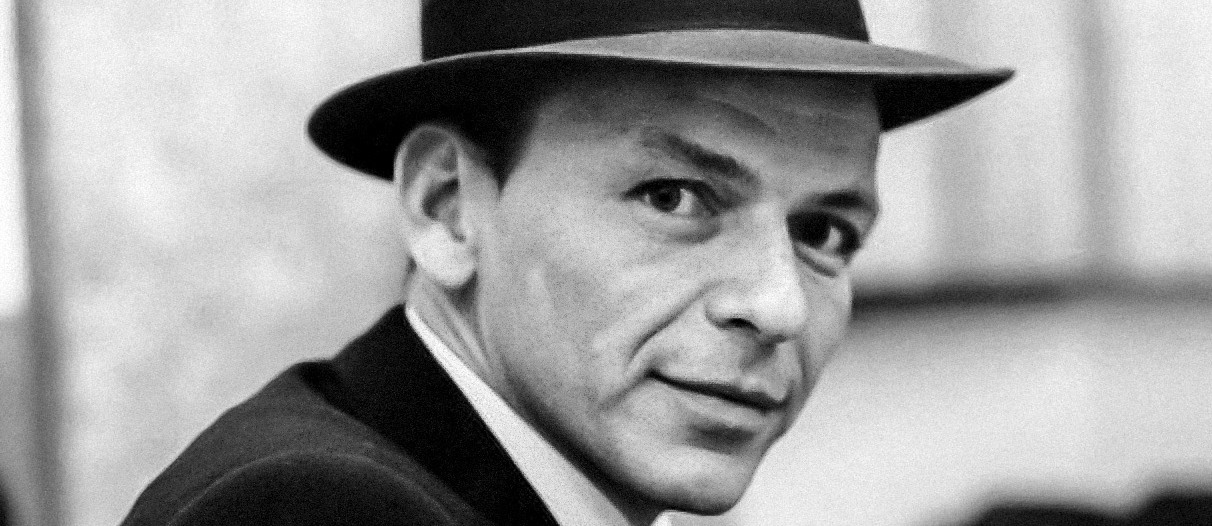
Image: English: Photograph by Capitol Records, per a credit found in the 1959 edition of the International Celebrity Register at page 696. No known source credits an individual photographer., Public domain, via Wikimedia Commons

"The Babe," "Honest Abe," "The Chairman of the Board," "The Boss." We’ve heard these nicknames everywhere: on baseball broadcasts, late-night television, radio broadcasts, and newspaper headlines. In many cases, the nicknames became even more famous than the real names of the luminary in question. But have you ever wondered how these legendary monikers were born? Some came from childhood moments, others from personality traits, scandals, accidents, and unforgettable careers. From presidents and athletes to singers and Hollywood legends, here are the fascinating stories behind some of the most iconic nicknames in American history.

1
Frank Sinatra: "The Chairman of the Board"
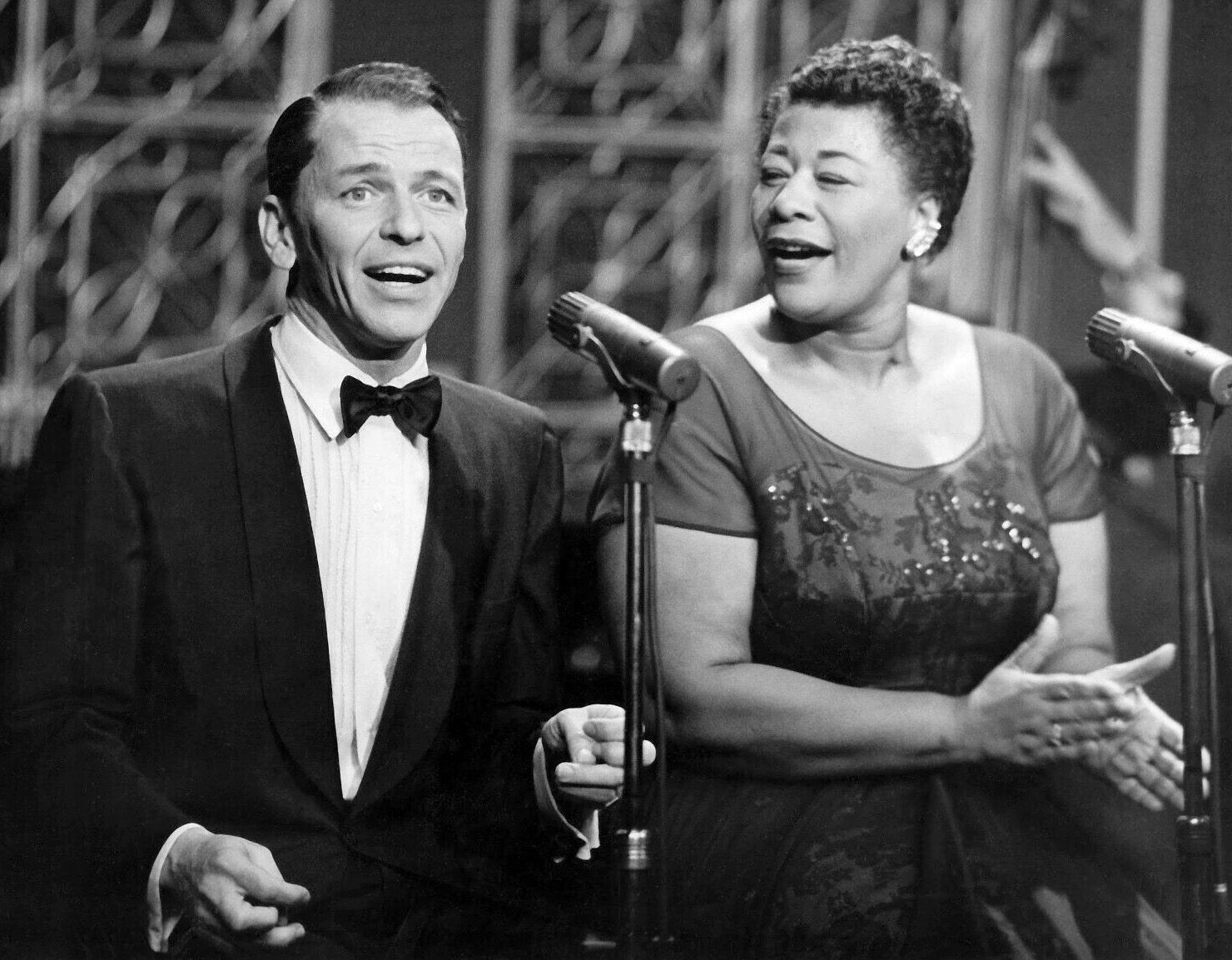
Image: English: Distributed by ABC. Photographer unknown., Public domain, via Wikimedia Commons

Frank Sinatra had many nicknames (including "Ol’ Blue Eyes" and "The Voice"), but none more iconic than "The Chairman of the Board." Do you know where it comes from?

By 1960, Sinatra was tired of record executives telling him what to sing and how to sing it. So he did something unusual at the time: he founded his own label, Reprise Records, which made him not just a singer, but the man in charge. "The Chairman of the Board" was already around in the 1960s, but by the early 1970s, New York radio legend William B. Williams popularized it as a sobriquet that perfectly captured Sinatra’s power and influence in American entertainment. Ironically, despite how famous the title became, Sinatra himself reportedly hated it, according to his wife Barbara Sinatra.

2
Abraham Lincoln: "Honest Abe"
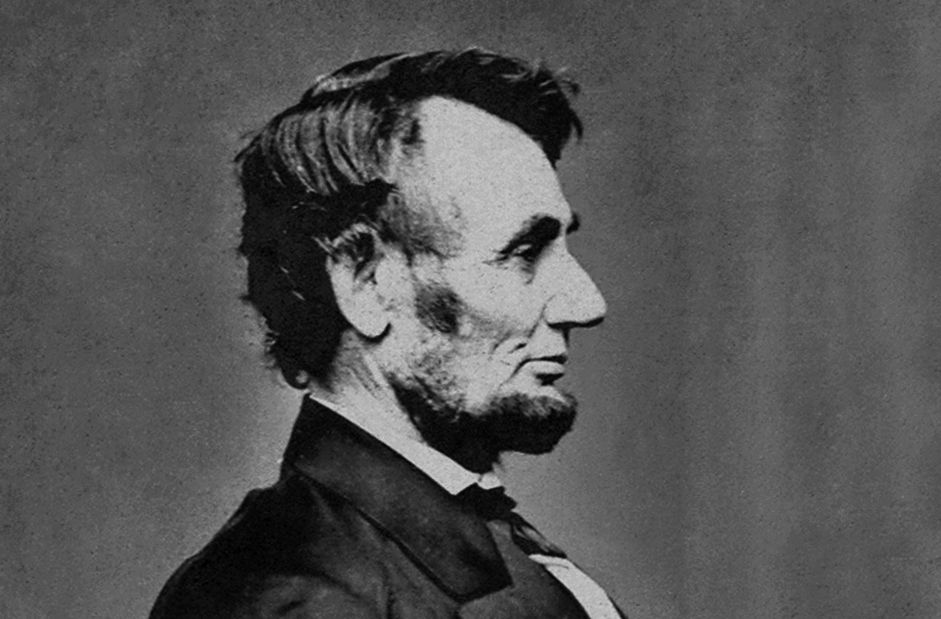
Image: Library of Congress, Public domain, via Wikimedia Commons

There may be many famous presidents in American history, but only one became forever linked with honesty itself: Abraham Lincoln. However, the nickname "Honest Abe" started long before he entered the White House.

The reputation began in the 1830s, when a young Lincoln worked as a store clerk in New Salem, Illinois. According to famous stories repeated for generations, he would walk miles just to return a few pennies to a customer he had accidentally overcharged. As a lawyer in the 1850s, he became known for refusing shady tactics and even encouraging clients to settle disputes instead of fighting. By the time Lincoln entered national politics, his honesty had become widely known, and even political rivals like Stephen A. Douglas openly recognized it.

3
Bruce Springsteen: "The Boss"
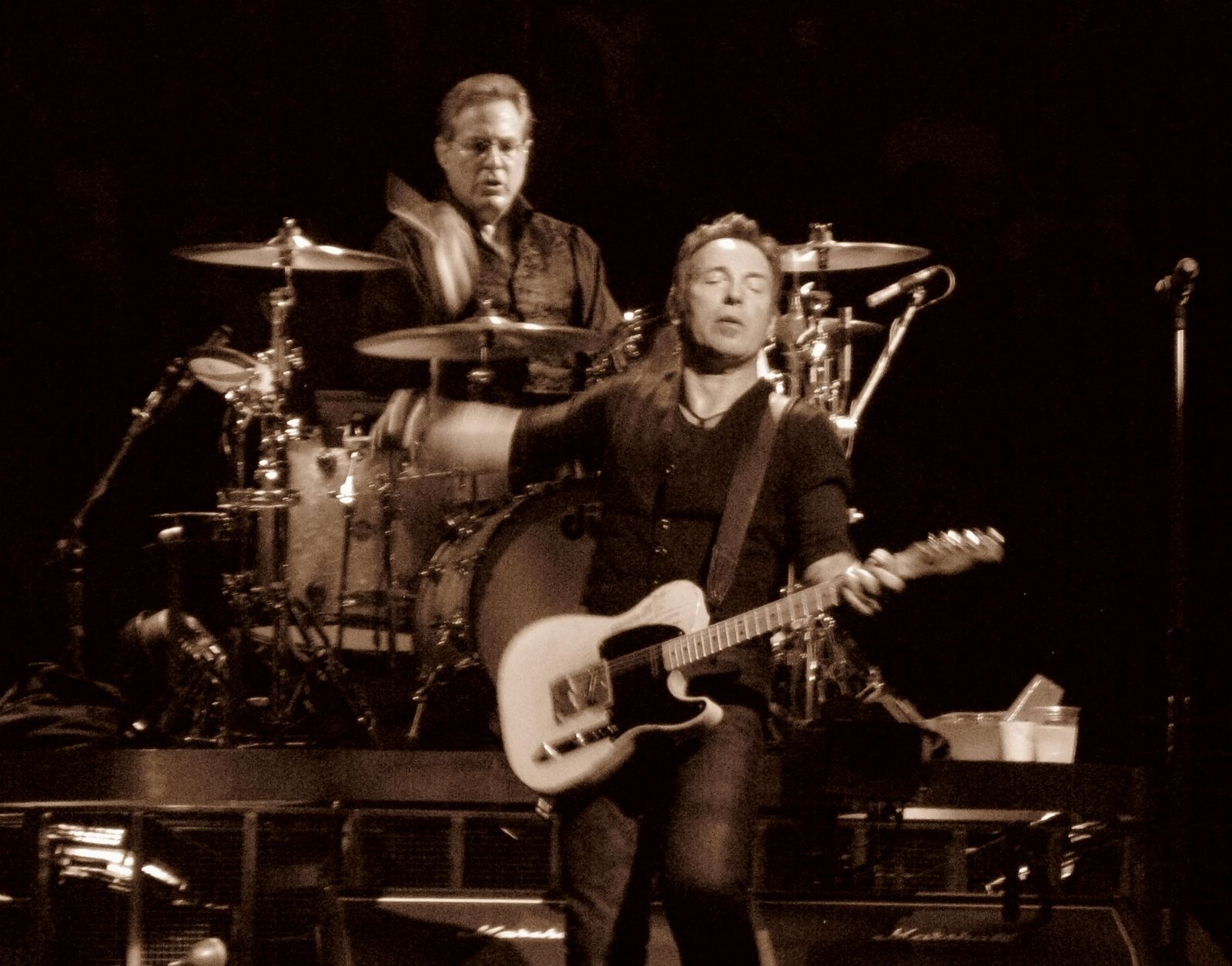
Image: Christopher Sikich, CC BY-SA 2.0, via Wikimedia Commons

In the early 1970s, Bruce Springsteen was touring with the legendary E Street Band when he picked up the nickname that would stay with him forever: "The Boss." But the story behind it is better than most people think.

After playing bars and clubs, Springsteen was often the one collecting the band’s nightly pay from club owners, counting the money, and distributing it to each one of his colleagues. Before long, the band members jokingly started calling him "the boss." According to guitarist Steven Van Zandt, it began as an inside gag within the band, but the nickname fit Springsteen’s leadership style so perfectly that it soon spread far beyond the group.

4
Amelia Earhart: "Lady Lindy"
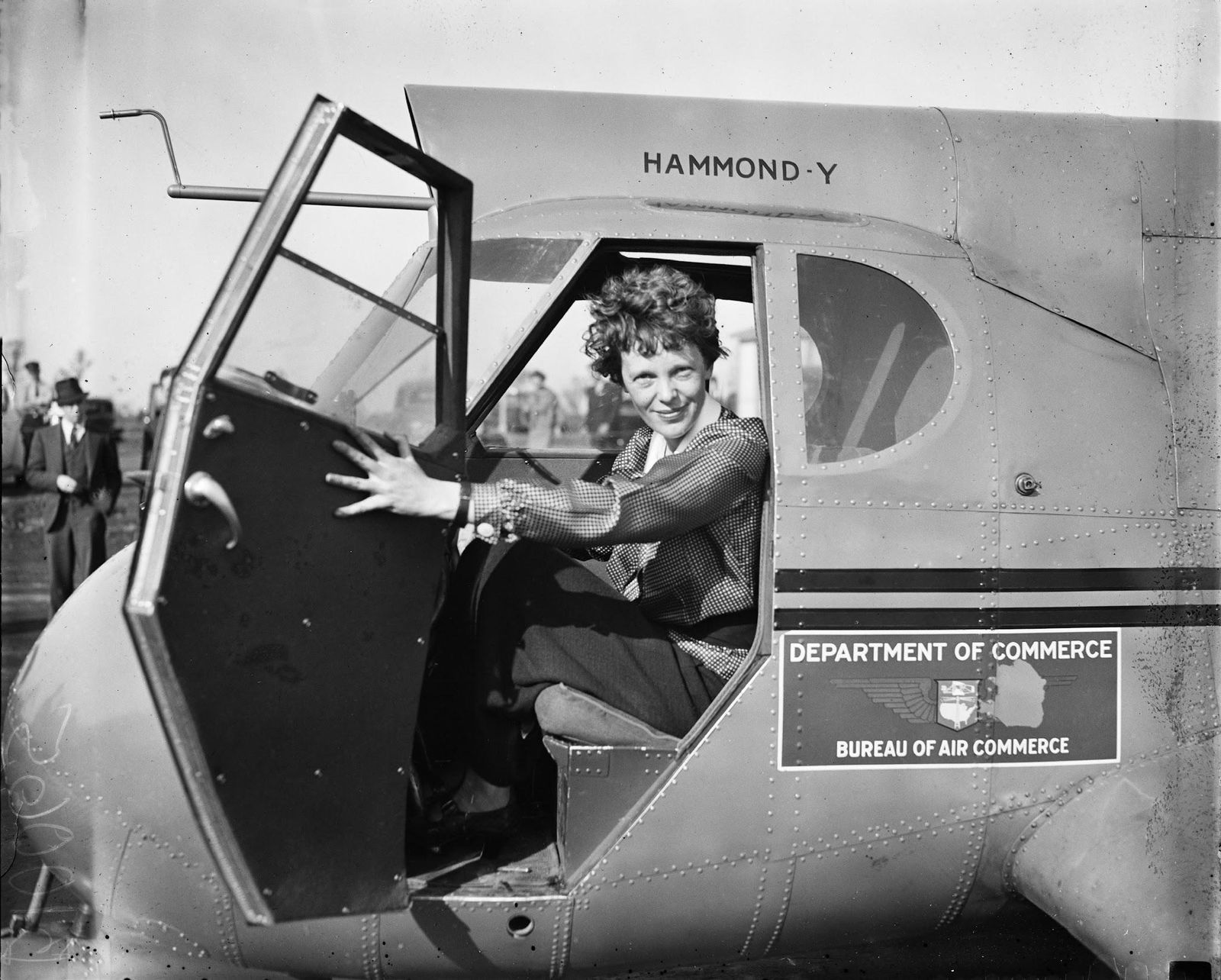
Image: Harris & Ewing, Public domain, via Wikimedia Commons

Amelia Earhart will always be remembered as the pioneering pilot who became the first woman to fly solo across the Atlantic in 1932, breaking records and opening doors for women in aviation. But long before her mysterious disappearance in 1937, Americans already knew her by an iconic nickname: "Lady Lindy."

The nickname appeared in the late 1920s after the press noticed striking similarities between Earhart and famed aviator Charles Lindbergh, the first man to complete a solo nonstop flight across the Atlantic in 1927. Reporters pointed not only to their groundbreaking flights, but also to their surprisingly similar appearance: both were tall, slim, and known for their windblown hair and calm public dispositions. Since Lindbergh was famously called "Lucky Lindy," newspapers soon began calling Earhart "Lady Lindy," and it quickly became popular.

5
George Herman Ruth: "Babe"
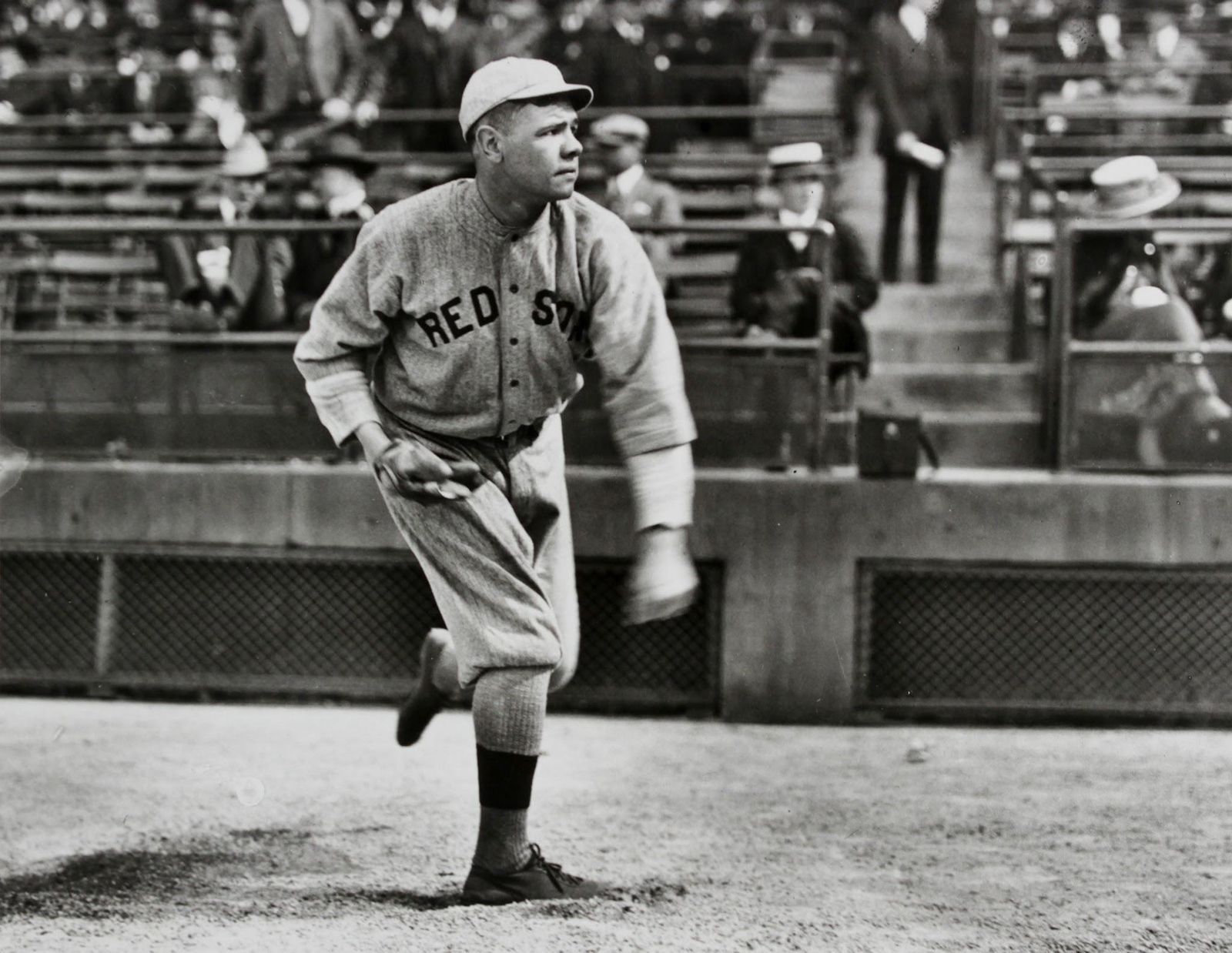
Image: Frances P. Burke, Public domain, via Wikimedia Commons

Babe Ruth became such a giant in American sports that many people forgot his real name was George Herman Ruth Jr. Did you know that he actually got the nickname "Babe" when he was still a teenager?

In 1914, the 19-year-old rookie signed with the then-minor league team, the Baltimore Orioles. Because he was so young, team owner Jack Dunn became his legal guardian while he traveled with the club. Teammates quickly started jokingly calling Ruth "Dunn’s baby" or simply "the Babe." What started as clubhouse teasing soon spread to sportswriters and fans, and before long, "Babe Ruth" became one of the most legendary names in sports history.

6
Eleanor Roosevelt: "First Lady of the World"
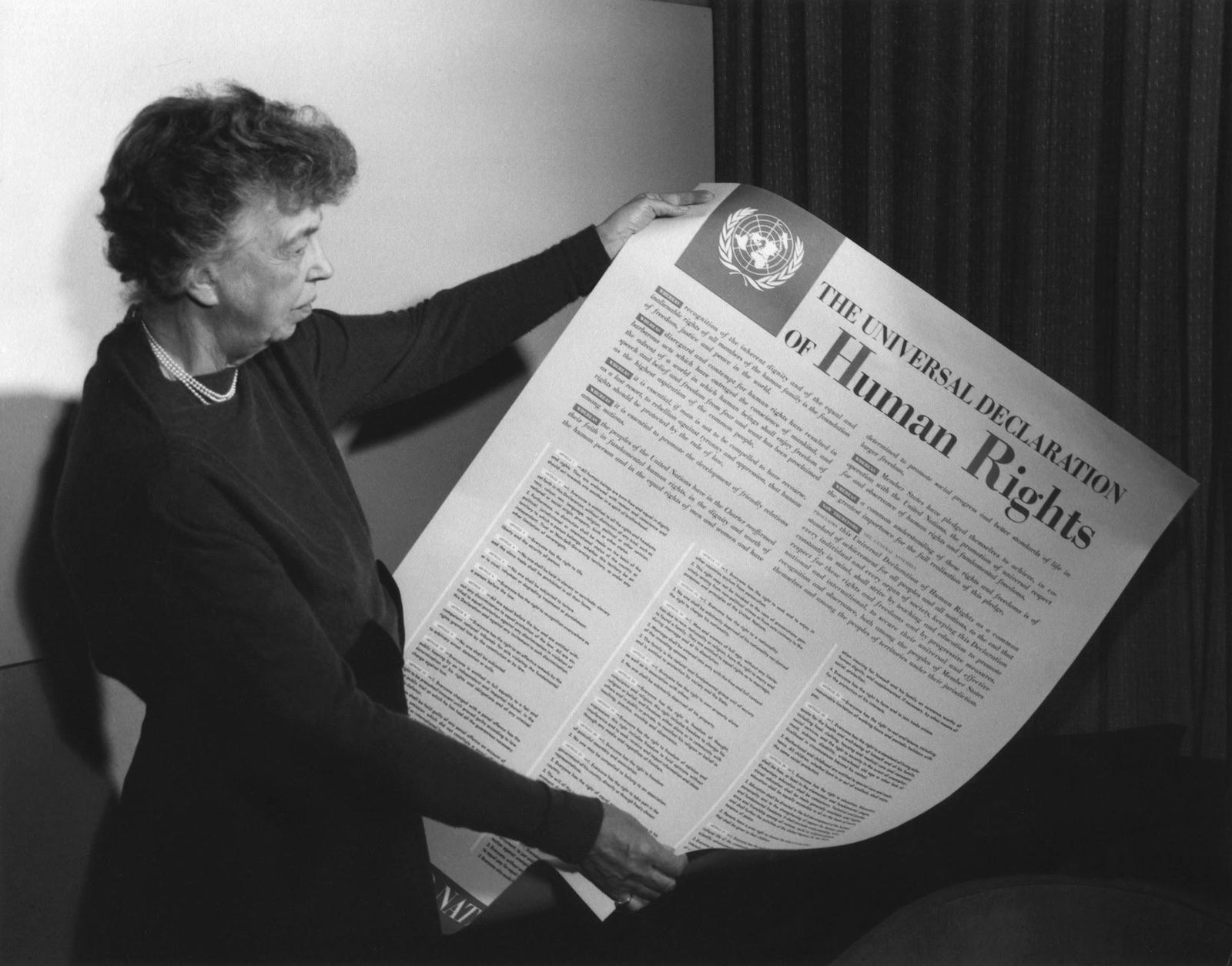
Image: FDR Presidential Library & Museum, CC BY 2.0, via Wikimedia Commons

Eleanor Roosevelt became First Lady in 1933, but long before that, she had already set out on the path that would lead her to become known as "The First Lady of the World."

In the late 1920s, she became increasingly active in women’s rights and social reform, and by the time her husband, Franklin D. Roosevelt, entered the White House, she was already widely known. As First Lady from 1933 to 1945, she reshaped the role, holding press conferences, writing her "My Day" column, and visiting troops during WWII. After leaving the White House, she served as the first US delegate to the United Nations and helped write the Universal Declaration of Human Rights, the final act to secure her name as "The First Lady of the World."

7
William Cody: "Buffalo Bill"
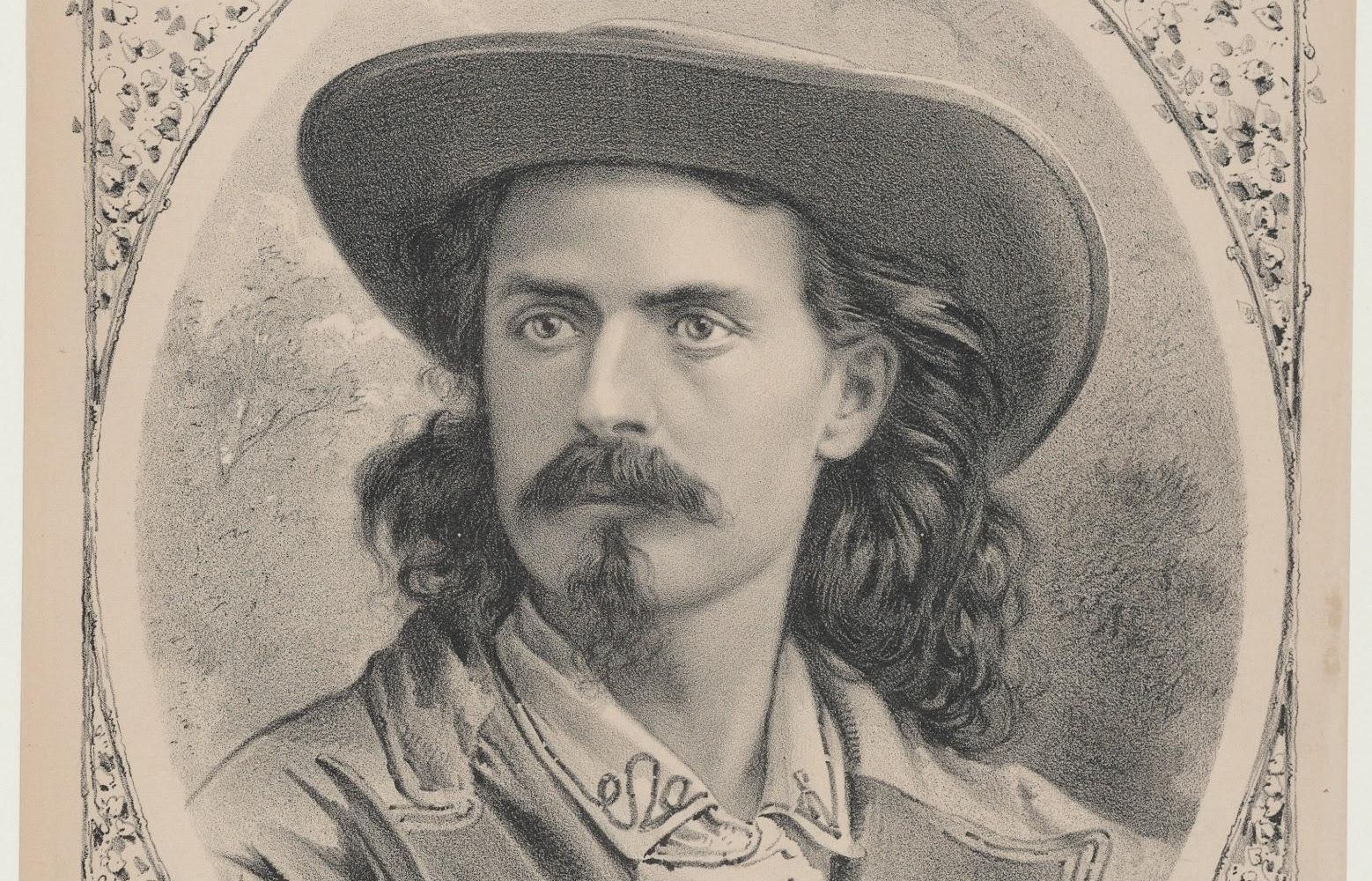
William F. Cody, better known as "Buffalo Bill", became one of the most legendary icons of the American Old West, long before Hollywood ever existed.

In 1867–1868, Cody was hired to supply bison meat to workers building the Union Pacific Railroad, quickly earning a reputation as a skilled hunter. Reports from the time say he killed thousands of buffalo during this period, helping feed large crews across the frontier. In 1868, he also won a popular hunting contest against another famous hunter, Billy Comstock, reportedly killing 69 buffalo to Comstock’s 46. That fame on the frontier is what earned him the nickname "Buffalo Bill", a name that would later become world-famous when he reinvented himself as a showman.

8
Franklin D. Roosevelt: "Great Sphinx"
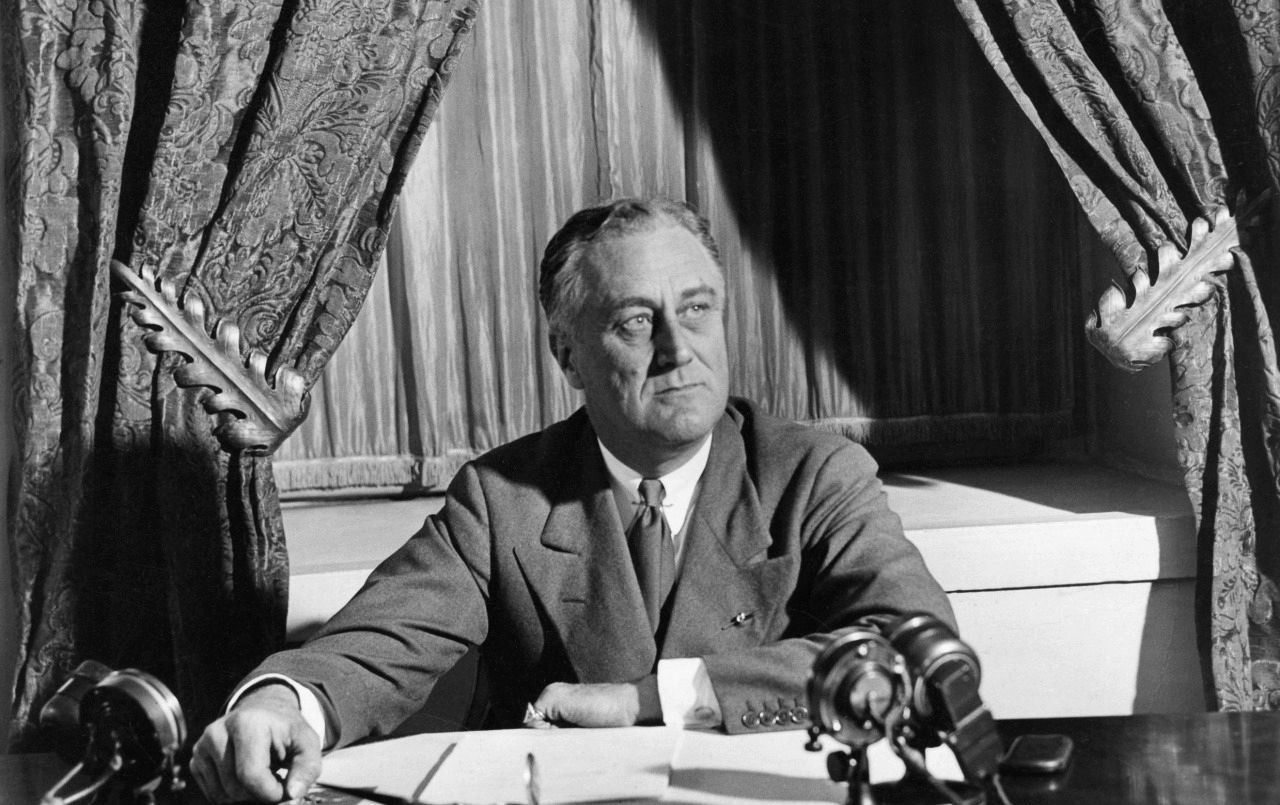
Image: Unknown or not provided, Public domain, via Wikimedia Commons

Franklin D. Roosevelt was known by those closest to him as a naturally reserved man, a trait that became even more pronounced after he was diagnosed with polio in 1921.

According to historians and biographers, Roosevelt revealed very little about his emotions, his health, or even his political intentions. That secrecy carried into his presidency as well. As the 1940 election approached, he refused to say whether he would run for a third term or not, keeping both journalists and other politicians guessing. His silence became part of his reputation, so the press of the time nicknamed him "the Great Sphinx" as a reference to his ability to keep his thoughts and intentions well hidden.

9
Shaquille O'Neal: "The Big Aristotle"
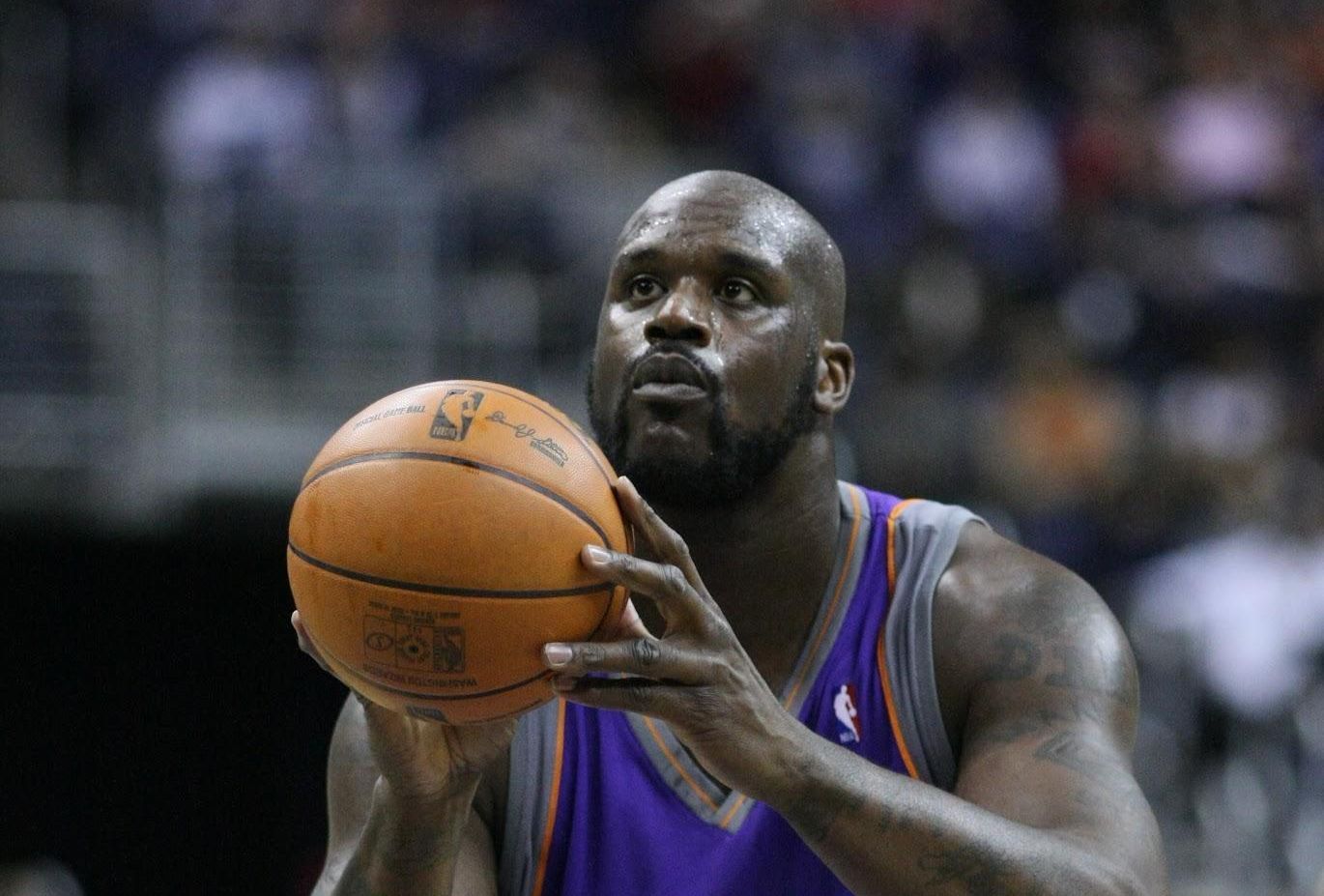
Image: Keith Allison from Baltimore, USA, CC BY-SA 2.0, via Wikimedia Commons

Unlike the other figures on this list, Shaquille O’Neal has a nickname story with a twist: no one gave him the alias. He gave it to himself.

After winning his NBA MVP in 2000 while leading the Los Angeles Lakers to a 67–15 season, Shaq began calling himself "The Big Aristotle." The idea, as he explained, was to reflect more than just size and strength; he also wanted to project wisdom and discipline. He not only took the Greek philosopher's name as a tribute, but also used it to reference him often. One of Aristotle’s quotes he frequently repeated was: "Excellence is not a singular act, it's a habit."

10
George Washington: "American Fabius"
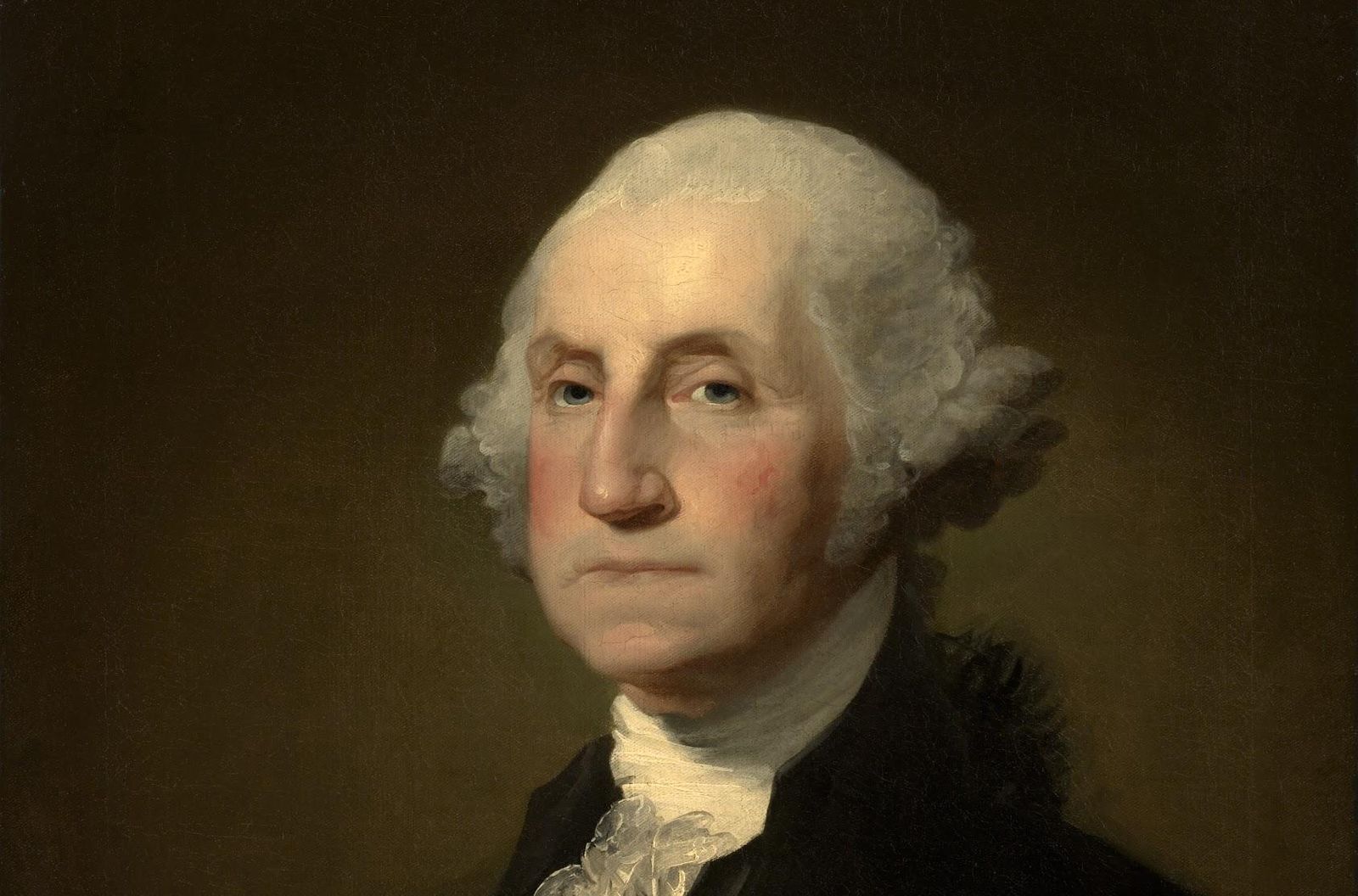
Image: Gilbert Stuart, Public domain, via Wikimedia Commons

George Washington (1732–1799) is best known as the "Father of His Country," for leading the Continental Army to victory in the Revolutionary War and later becoming the nation’s first president. But during the war, he also earned another interesting nickname.

Washington often avoided direct, large-scale battles, instead using patience, retreats, and strategy to wear down British forces. This approach was inspired by Roman general Quintus Fabius Maximus, who defeated stronger enemies by delaying and avoiding decisive conflict. Because of this strategy, Washington became known as the "American Fabius."

General General 3 min read

Go beyond baking

Did you know about these 12 unexpected uses for baking soda?

Image: Clint Patterson

As the name suggests, baking soda can be used for, well, baking. But, as it happens, there are many other uses for this wonder product. From cleaner to pesticide remover, to air freshener and beyond, baking soda can do it. Did you know about the following 12 uses?

1
Fridge odor neutralizer

Image: Ello

Baking soda can help a fridge get rid of bad odor particles. To achieve this, you must fill a cup with baking soda and place it in the back of your fridge . The baking soda will absorb any smell in a few hours.

2
Air freshener

Image: A. L.

Unlike most commercial air fresheners, which only release fragrance molecules that mask other smells instead of actually eliminating bad odors, baking soda does neutralize smells .

To achieve this, simply put ⅓ cup of baking soda and a few drops of your favorite essential oil in a small jar. Cover it with a piece of cloth and secure it with a string. Place the jar wherever you need to eliminate the bad odors.

3
Laundry whitening agent

Image: PlanetCare

Baking soda can help remove stains from clothes in the washing machine. That is because it is a soluble salt, which removes dirt and stains .

To try it out, add half a cup of baking soda to your regular amount of laundry detergent. It also helps soften the water, so you may need less detergent than usual.

4
Kitchen cleaner

Image: Le Creuset

When mixed with an acid like lemon juice or vinegar, baking soda can also help control the growth of harmful microorganisms .

To use baking soda in your kitchen, make a paste by mixing baking soda with an equal amount of lemon juice and a bit of water. Apply the paste to the desired surface with a sponge and scrub thoroughly.

5
Garbage odor eliminator

Image: YoNeKeN

As we have seen, baking soda can serve to eliminate smells, and garbage cans are no exception . This can be accomplished by simply throwing some baking soda every few days into the garbage can to neutralize the odors and prevent microbacteria from growing.

6
Multipurpose bathroom cleaner

Image: Steven Ungermann

Just like it can be used to clean kitchens, baking soda can also serve as a natural cleaner for bathrooms. This product comes in handy because it whitens and disinfects many bathroom surfaces .

Make a paste using baking soda and a bit of water, and rub it over the surface you wish to clean.

7
Pesticide remover for fruit and veggies

Image: Jacopo Maiarelli

Pesticides are used to protect crops from insects, germs, rodents, and weeds, but many have harmful effects on human health. A baking soda wash is a good way to remove pesticides from fruits and veggies by soaking them in baking soda and water for 15 minutes.

8
Scorched pot cleaner

Image: Markus Winkler

A scorched bottom in your pot or pan can be a nightmare to clean, but adding baking soda and water and bringing it to a boil will soften up the burnt particles . After the water is boiling, empty the pot and clean it with a bit of washing liquid to remove whatever is left.

9
Oil and grease fire extinguisher

Image: Piotr Chrobot

Believe it or not, baking soda can be used to extinguish some small house fires. Dry chemical fire extinguishers, used to extinguish oil, grease, and electrical fires, contain baking soda. Baking soda reacts with the heat to produce carbon dioxide, which smothers the fire .

10
Neutralizing cat odors

Image: Manja Vitolic

To avoid unpleasant smells on the kitty litter and add a little time between box changes, try sprinkling baking soda inside it . This will eliminate bad odors in your house.

11
Soak up oil

Image: Alexandra Lowenthal

Sprinkling baking soda on top of spilled oil will soak up the liquid. Once the baking soda is in the targeted area, use a stiff-bristled brush to work it into the stain in a circular motion. Then rinse away with hot water.

General General 3 min read

On the road

Driving us crazy: Traffic rules too strange to be true (But they are!)

Image: Wolfgang Eckert

We all recognize the red octagon of STOP signs or notice the speed limits, but that’s not all to traffic laws. America’s roads are full of surprises, and if you don’t believe us, just read this article! Today, we’re taking a scenic (and slightly absurd) drive through some of the oddest traffic laws in the country. Buckle up: You won’t believe what’s technically illegal out there!

1
Florida – Meter feeding for elephants

Image: AJ Robbie

Florida’s traffic code once required that if you tied your elephant, goat, or alligator to a parking meter, you had to pay the fee, just as you would for a car. It sounds wild today, but it’s rooted in a time when people actually rode animals into town.

Though it’s not actively enforced (we checked), the law technically still lingers on the books. So, you'd better leave your pet elephant behind from now on!

2
Idaho – Seniors and motorcycles don’t mix

Image: Harley-Davidson

In Idaho Falls, it’s long been rumored that a local ordinance makes it illegal for anyone over 88 to ride a motorcycle. That sounds oddly specific—and a bit ageist. Whether it was meant to encourage safety, misinterpreted, or inspired by one daredevil granny, no one’s quite sure.

While there's no sign of active enforcement (or even proof it still exists), the message seems clear: once you’re nearing 90, it might be time to stick to the golf cart.

3
Arizona – Don’t even think about driving in reverse

Image: Jerry Kavan

Arizona doesn't mess around when it comes to driving in reverse. On public roads, moving backward is a big no-no. While it’s unlikely you’ll get arrested for backing out of a driveway, pulling a full-speed reverse cruise down Main Street might land you in hot water. Arizona wants you to move forward in life—literally.

4
Illinois – You need a steering wheel to drive

Image: Zach Wiley

Well, isn’t that obvious? Apparently not—because Illinois actually has a law stating that you can’t drive a car without a steering wheel.

Even if it seems like common sense, laws like this were created during the early days of car modifications, when people got creative (and sometimes reckless). So, if you were planning to steer your car using a rope-and-pulley system… maybe don’t.

5
Maine – No Sunday car shopping

Image: Hilbert Hill

In Maine, it’s illegal to buy a car on Sunday. Dealerships are closed by law, making it impossible to seal the deal on the most relaxing day of the weekend. Why? The rule has roots in so-called "blue laws," which were designed to preserve Sunday as a day of rest. So in Maine, if you get a wild urge to car shop after church, you’ll have to wait until Monday.

6
Michigan – Streets are not for reading

Image: bruce mars

Michigan has a law that says you can’t sit in the middle of the road and read a newspaper. Yeah, no joke!

We know—it’s hard to imagine someone actually doing this (unless it was a very juicy headline), but the law’s goal is clearly about safety. Still, you have to admit the mental image is pretty great—just don’t try it unless you want to make the evening news.

7
New Hampshire – Bus fumes are not a high

Image: Lizgrin F

New Hampshire takes a hard stance on inhaling bus fumes "with intent to cause euphoria." That’s a legal phrase, not a band name. It’s part of the state’s broader anti-huffing laws, aimed at curbing substance abuse.

Well, that’s odd!

8
Vermont – Backfiring is a no-go in Rutland

Image: RoonZ nl

In Rutland, Vermont, letting your car backfire could technically get you in trouble. This law was probably put in place to cut down on noise or prevent panic during quieter times in history.

Today, it’s unlikely to get you arrested, but a surprise backfire might still earn you some serious side-eye from the locals. If you ask us, this should be a law everywhere!

9
Wisconsin – Hands off the handlebars? Not allowed

Image: Darko Pribeg

In Wisconsin, you’re not allowed to ride a bicycle with no hands. Even if you’re showing off your balance skills from the 1970s, the law says at least one hand must stay on the handlebars.

It’s all about safety—but if you’re feeling rebellious, maybe show off at the park. Just don’t do it on public roads. Keep it hands-on!

10
South Carolina – No trash hoarding in Hilton Head

Image: Alireza Mirzabegi

In Hilton Head, it’s illegal to store trash in your car. That’s right—your vehicle can’t double as a mobile garbage can. The law aims to keep the area clean and tourist-friendly, but it also sounds like a not-so-subtle jab at anyone using their backseat as a trash bin. Hilton Head wants pristine beaches and clean cars!

Explore more American facts

Choose your favorite category!

General
General

As American as apple pie—the very best America has to offer!

Culture
Culture

Delve into the astounding richness of American lore.

Geography
Geography

Hop in and explore vast and diverse American landscapes.

History
History

Discover the key moments that shaped the United States.