General General 4 min read

Presidents and protocols

Why do presidents have to buy their own gifts? The reason behind
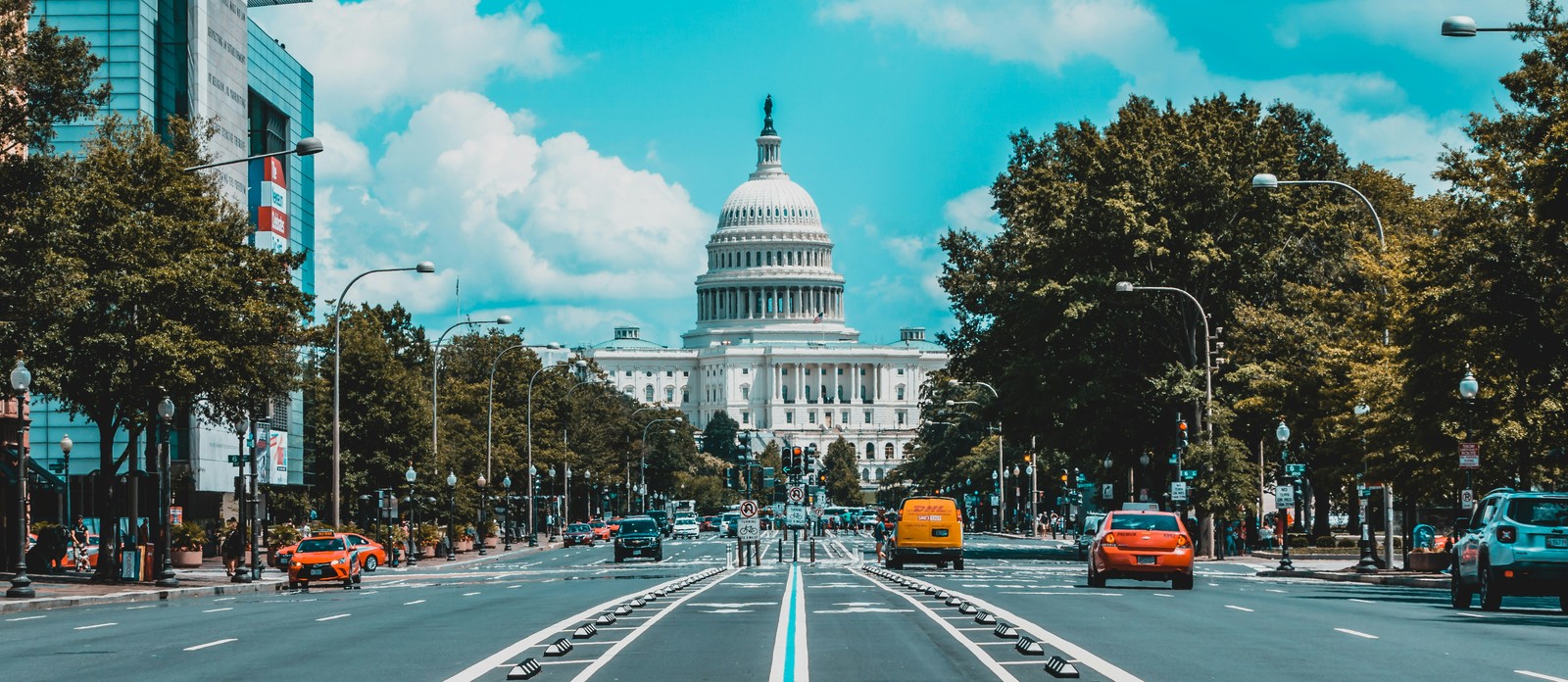
Image: Jorge Alcala

Once someone becomes president, even the simplest daily habits are no longer simple. Protocols start to overcome routines, wills, and even family responsibilities. Let’s find out what rules presidents in office must follow — and some notable exceptions.

1
Skip Air Force One
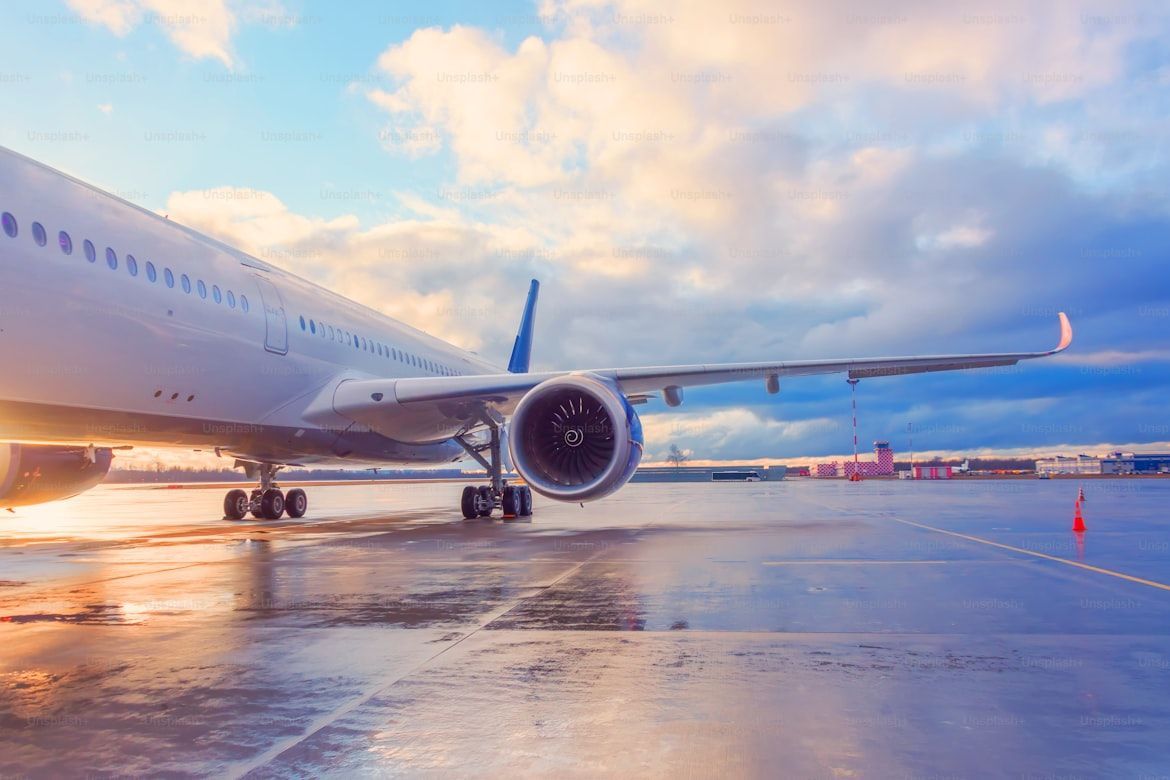
Image: Getty Images

Beyond the wishes of any president, flying on a commercial airline is completely forbidden under any circumstances. Due to security concerns, Air Force One is meant to be the only way a president can travel by air. But there is actually a historic exception in this matter. In 1973, during the oil crisis, Richard Nixon flew on a regular United Airlines flight to California . The trip was meant to show support for energy-saving efforts nationwide.

2
Break the two-term rule
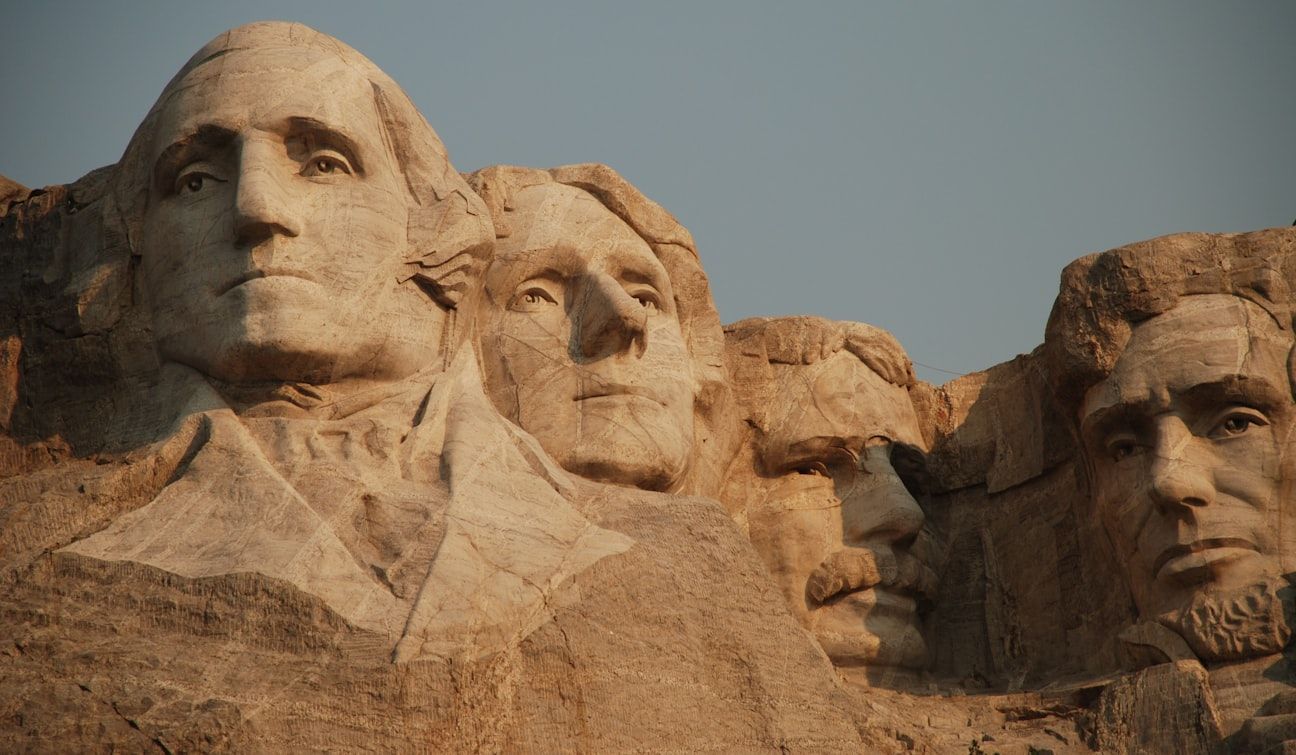
Image: Ronda Darby

Did you know that before Franklin D. Roosevelt, presidents were not limited to two terms? They mostly followed a tradition started by George Washington, the first US president in 1789, who decided to step down after his second term. It wasn’t until the 22nd Amendment in 1951 that two terms became the official legal limit to moderate the accumulation of power in one person.

Roosevelt, who was president from 1933 to 1945 , was the only president to break that tradition because of the country's exceptional situation: During the Great Depression and World War II, many Americans wanted solid leadership. He ended up winning four elections, but died of a stroke in 1945 during his fourth term.

3
Take diplomatic gifts home
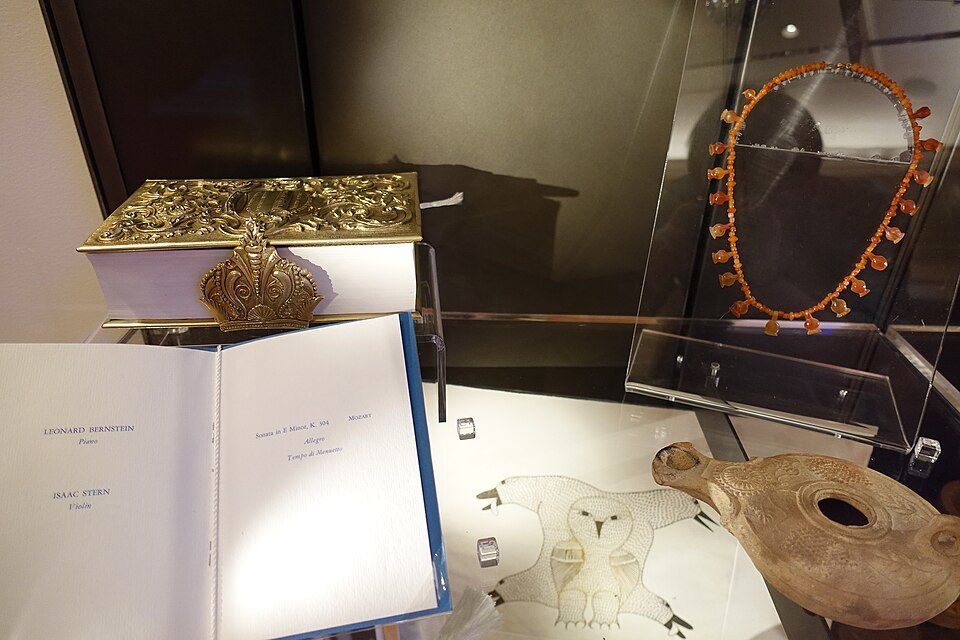
Image: Jeremy Thompson from Los Angeles, California

Presidents have to buy their own gifts? Truth is, they can receive gifts from foreign leaders, but they cannot always keep them as personal presents. If a gift is expensive enough to go over the government’s "minimal value" limit, it is treated as a gift to the American people. From there, the White House Gift Unit helps decide what happens to it. In fact, the president or First Lady can still keep the gift, but only if they buy it at fair market value. This rule exists so that a diplomatic gift does not appear to be a personal favor.

4
Own their official speeches
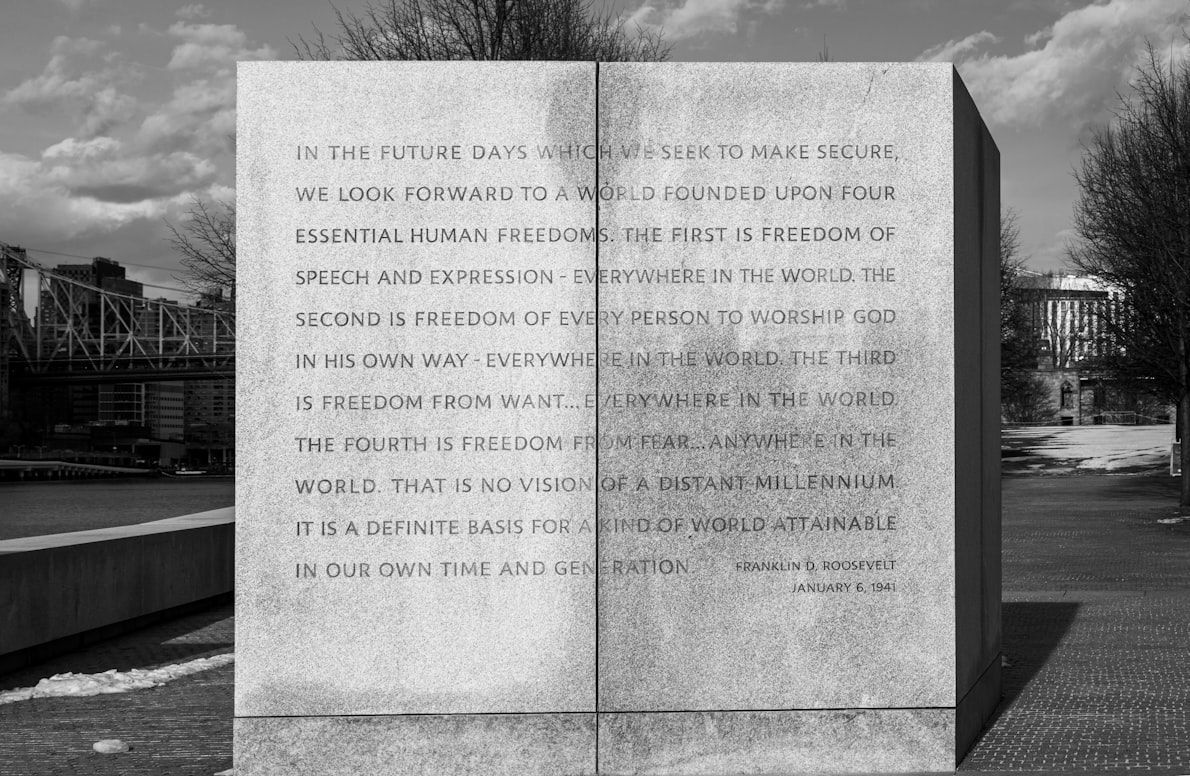
Image: Zoshua Colah

A president can stand at a podium and deliver a speech heard around the world, but that does not mean he is the private author of those words. Under U.S. copyright law, official presidential speeches are usually considered part of the public record because they are part of the job. That means people can quote them, share them, and reuse them more freely than a normal copyrighted text. You could say that the speech belongs less to the president and more to the country.

5
Enjoy a simple breeze
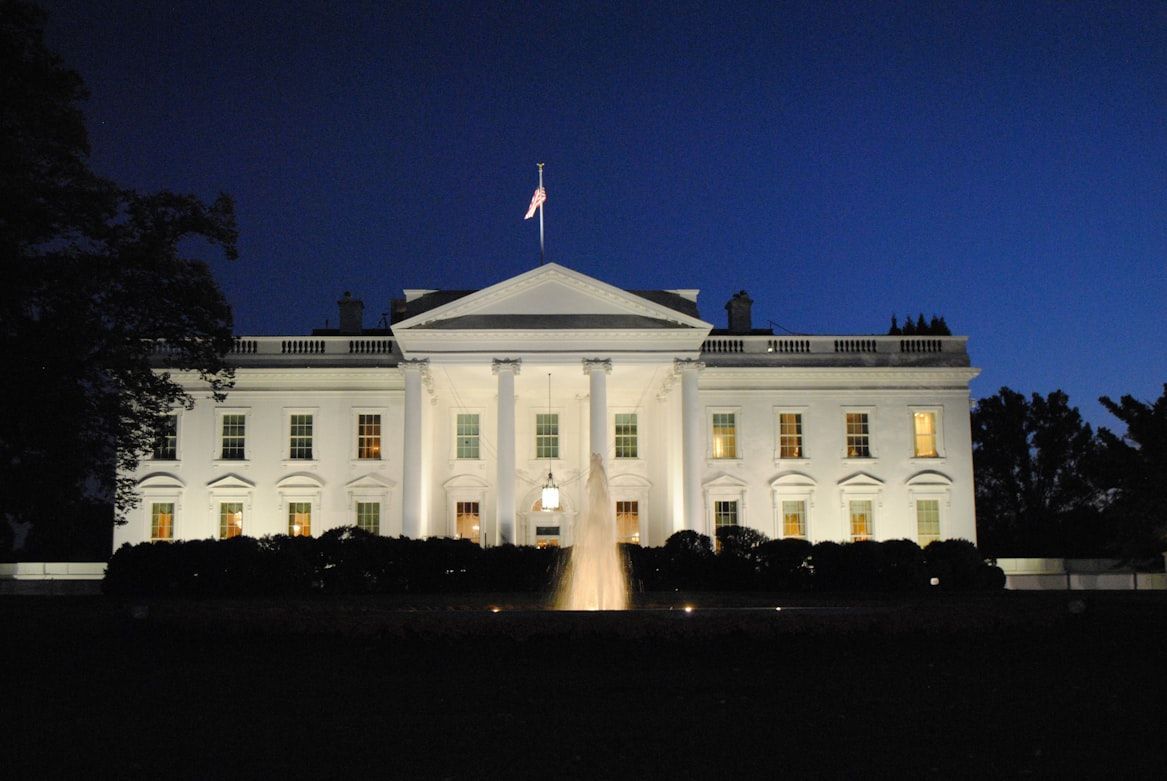
Image: Tabrez Syed

Picture the president’s reaction on his first day of office when he is advised that he is prohibited from opening windows. The White House and presidential vehicles keep their windows sealed to prevent the president from being attacked.

Michelle Obama once shared that there was one small break from those strict rules . During a short drive to Camp David, her Secret Service agent allowed her to open the car windows for a few minutes. She later described it as a feeling of normal people's luxury.

6
Block followers from official pages

Image: camilo jimenez

What about the president’s digital life? Technology advances quickly, and presidential security must keep up; presidents cannot simply use personal social media without being monitored. In 2018, a federal judge ruled that a president cannot block people from official social media spaces, because those accounts can be treated as public forums. So even online, presidents have some restrictions to follow.

7
Hit the road by themselves
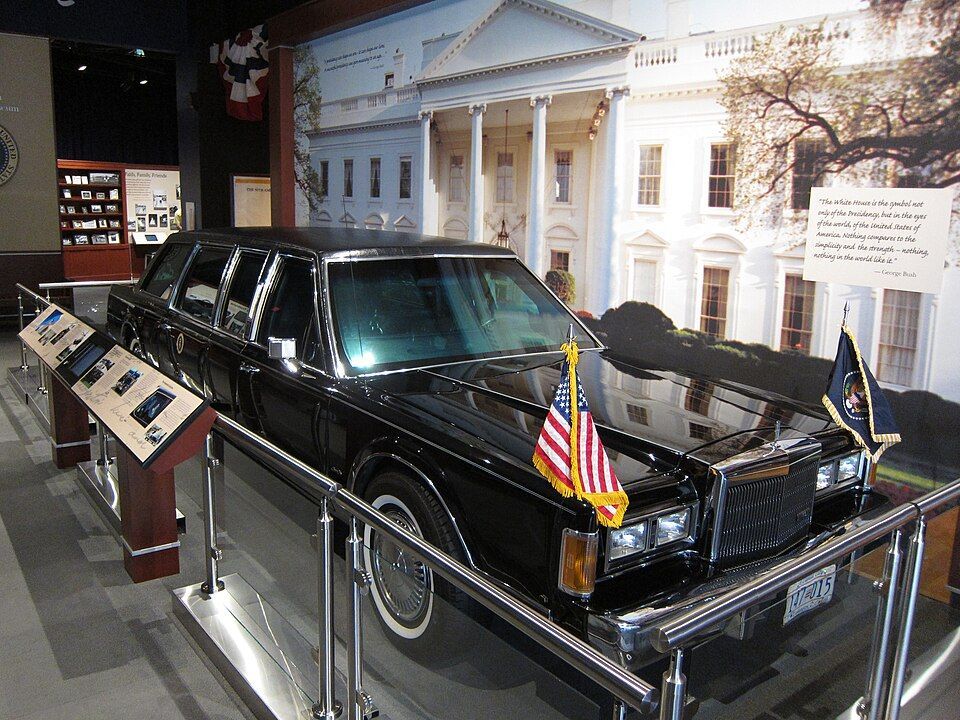
Image: edward stojakovic from chicago, United States

While in office, presidents and vice presidents are not allowed to drive on open roads. What’s more, the Secret Service must control their transportation in real time . There are some exceptions, though: inside personal properties, and in places like Camp David, they can drive, walk, and even ride a bike.

8
Throw away their own papers
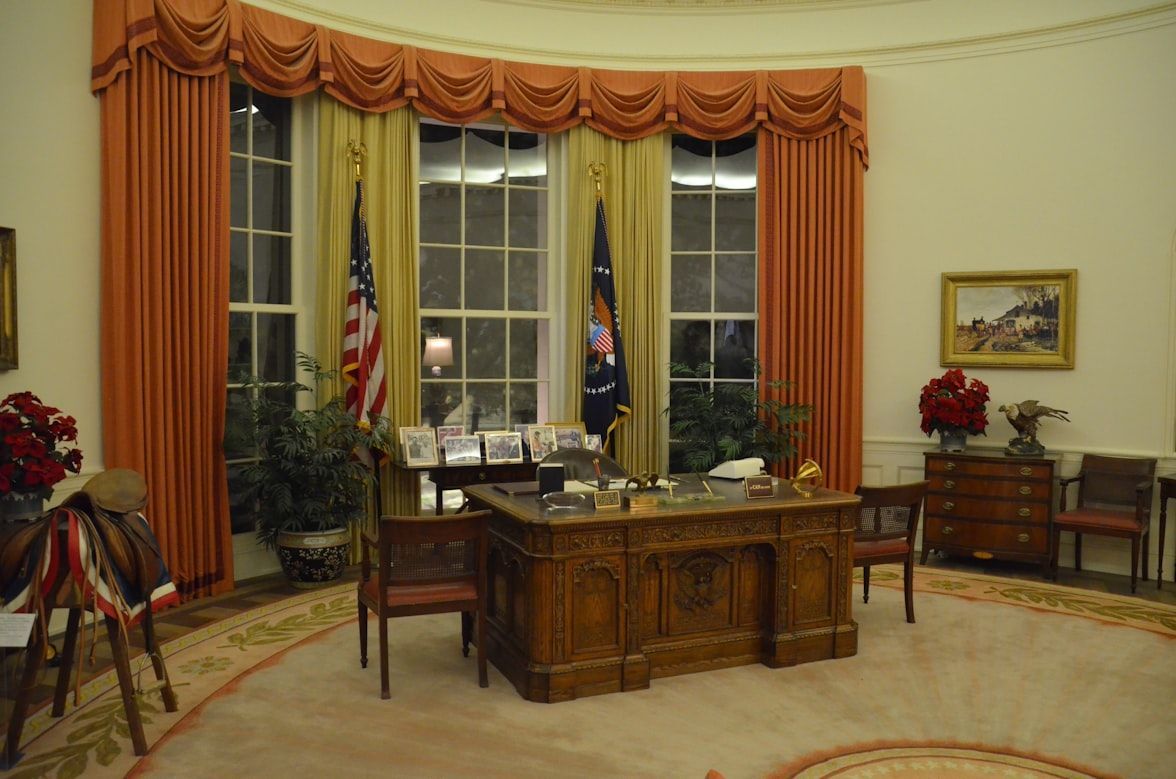
Image: Donghun Shin

Presidents also cannot treat their office like a normal workspace. Under the Presidential Records Act, letters, notes, and emails may count as official records. That means presidents are discouraged from simply cleaning up or throwing mail away on their own. Instead, White House staff must sort everything carefully first, so no important piece of history ends up in the trash by accident.

9
Join normal family outings
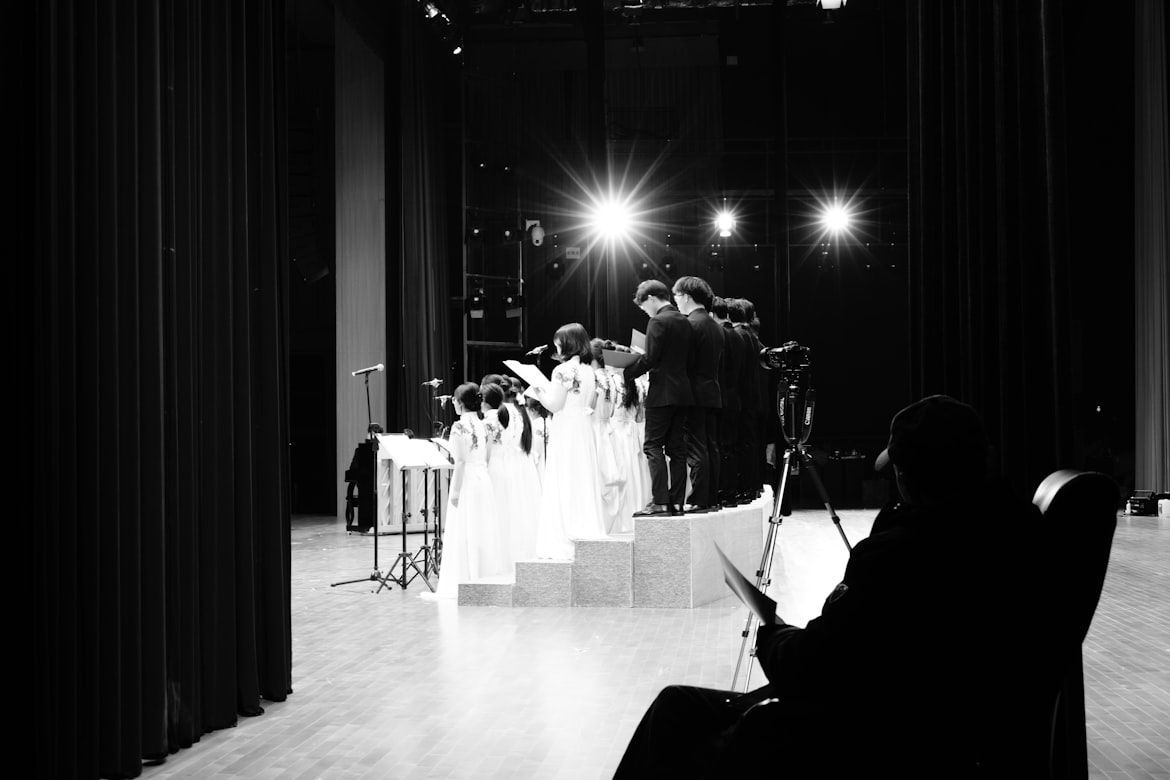
Image: YiChuan Li

Imagine the scene of the president casually arriving at his child’s school one morning. As we would assume, there are security restrictions that prevent presidents from attending a child or grandchild's concert or sporting event. These restrictions affect the entire First Family, but they also keep everyday situations from turning chaotic.

10
Scroll through a normal inbox

Image: Brett Jordan

Even the president’s inbox has personal security. People can send a message to the president online, but it does not go straight to a personal email account; it actually goes through the official White House contact form first. Then staff members read it, sort it, and decide where it should go. Since presidential emails can become part of the public record, they must be saved and handled carefully.
General General 5 min read

Hidden gems worth the drive

America's 10 most underrated national parks

Image: Qingqing Cai

Sure, everyone and their Instagram-obsessed nephew has been to Yellowstone or the Grand Canyon. But America’s national parks are like that box of chocolates Forrest Gump was always going on about—there are some surprises in there that'll knock your socks off. While the famous parks are dealing with traffic jams that'd make rush hour in LA look like a breeze, these underrated beauties are waiting for you with open arms and actual parking spaces .

1
Great Basin National Park, Nevada

Image: Yura Lytkin

Tucked away in eastern Nevada, Great Basin is the park that time forgot—in the best way possible. You can hike to a glacier, explore underground caverns, and camp under skies so dark you’ll see stars you didn’t even know existed , all without waiting in line or fighting for a decent photo spot.

2
Congaree National Park, South Carolina

Image: Selma Rizvić

This park protects one of the largest remaining expanses of old-growth bottomland hardwood forest in the United States, which is a fancy way of saying it's got trees so tall and old they make you feel like an ant at a giant's picnic. The real magic happens at night, when the fireflies put on a light show that'll make you forget all about mosquito bites. Plus, you can rent a canoe and paddle through what feels like the set of a Southern Gothic novel—Spanish moss and all.

3
North Cascades National Park, Washington

Image: Pete Alexopoulos

With jagged mountain peaks and more than 300 glaciers, this park offers scenery that’ll make your camera work overtime . The hiking ranges from "pleasant afternoon stroll" to "why did I think this was a good idea?" so there's something for everyone, assuming everyone likes being surrounded by absurdly gorgeous wilderness.

The best part? While everyone's fighting over hotel rooms near Mount Rainier, North Cascades sits there looking spectacular with hardly anyone around. The park sees fewer visitors in an entire year than Yellowstone does on a busy weekend.

4
Dry Tortugas National Park, Florida

Image: Nick Rickert

Located 70 miles off the coast of Key West, Dry Tortugas takes "off the beaten path" to a whole new level: you literally need a boat or seaplane to get there. The turquoise waters are so clear you could see fish judging your swimming technique from 30 feet away . Plus, there's Fort Jefferson, a massive 19th-century fort that feels like someone plopped a Civil War–era fortress in the middle of paradise and said, "Sure, that works."

Just remember: there’s no fresh water (hence the "Dry" part), no food service, and no shade except what you bring yourself. It’s like camping, but surrounded by the kind of blue water that makes you understand why people write songs about the ocean.

5
Guadalupe Mountains National Park, Texas

Image: Ryuta F.

Home to the highest peak in Texas (Guadalupe Peak at 8,749 feet), this park offers hiking that'll remind your knees they're not as young as they used to be, but in a rewarding way. The fall foliage in McKittrick Canyon is legitimately stunning , which surprises people who assume Texas is all tumbleweeds and barbecue joints.

The park sits on an ancient fossil reef from when this whole area was underwater, mind-blowing, if you think about it for more than two seconds. There’s no cell service, limited facilities, and the nearest town is about an hour away, which may sound like a complaint, but it actually forces you to unplug and take in the amazing place around you.

6
Voyageurs National Park, Minnesota

Image: Vyacheslav Makushin

Voyageurs is a water-based park that’s basically a summer camp for adults who can legally drink beer. With over 200,000 acres—about 40% of it water—houseboating is the way to experience it.

The fishing here is legendary, the northern lights make regular appearances, and in winter, the frozen lakes become highways for snowmobiles and cross-country skiers . It's remote enough that you feel like an explorer, but accessible enough that you won't actually die if you forget your matches.

7
Black Canyon of the Gunnison National Park, Colorado

Image: Dustin Weist

Colorado has so many stunning places that Black Canyon somehow gets overlooked. This canyon is deep, narrow, and so dramatically steep that parts of it only get 33 minutes of sunlight a day . The Gunnison River carved through 2 billion years of rock to create towering walls that make you feel appropriately insignificant, which is good for the soul occasionally.

8
Isle Royale National Park, Michigan

Image: Ivan Vashchenko

If you want to really get away from it all, Isle Royale is your jam: an island in Lake Superior that requires either a ferry ride or a seaplane to reach. Once you’re there, you’re committed; same-day visits aren’t really a thing. The park is car-free, crowd-free, and home to a fascinating wolf-and-moose study that’s been running since 1958.

The hiking trails crisscross the island through forests and along rocky shorelines where the lake looks more like an ocean . Backcountry camping is the main event here, and the solitude is so profound you'll hear sounds you forgot existed—like actual silence.

9
Pinnacles National Park, California

Image: Cyrus Crossan

California's newest national park is a playground of volcanic spires, talus caves, and rock formations that look like a giant was playing with clay and just walked away mid-project . The rock climbing here is world-class, and the cave exploration doesn't require any special gear—just a flashlight and a willingness to squeeze through some tight spaces.

The spring wildflower displays are spectacular, and the park is one of the best places to see the endangered California condor, which has a wingspan that makes eagles look modest. It gets hot in summer—and by hot, I mean "surface of the sun" hot—so plan accordingly.

10
Lassen Volcanic National Park, California

Image: Robson Hatsukami Morgan

This park sits on top of one of the world’s largest plug-dome volcanoes—and yes, it could erupt again—Lassen Peak last blew in 1915, which in geological time is basically yesterday. But don't let that stop you from enjoying the bubbling mud pots, steaming fumaroles, and hot springs that make you feel like you're walking on another planet .

The hiking is fantastic, with everything from easy boardwalk strolls through geothermal features to challenging climbs up Lassen Peak itself. Add in alpine lakes, wildflower-filled meadows, and a fraction of Yosemite’s crowds (despite being just a few hours south), and you’ve got a spectacular California secret.

Geography Geography 3 min read

Carved in stone

The Secret Room and 10 Secrets about Mount Rushmore

Image: Takefreebies

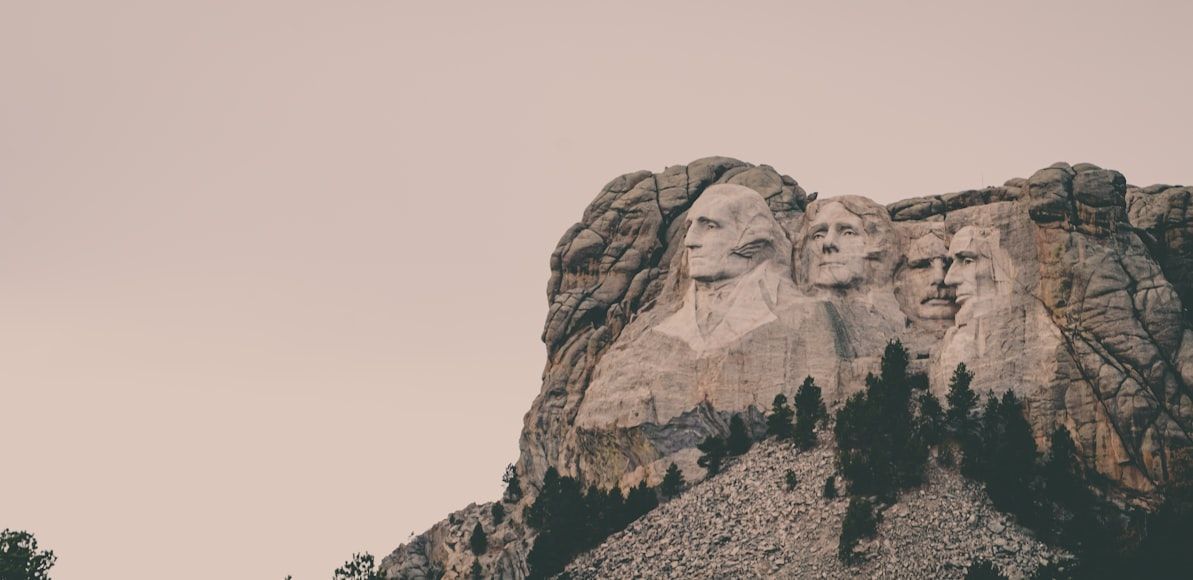
We've all seen Mount Rushmore, whether in person or on screen. But this monumental landmark is more than just four giant heads carved into granite. If you want to discover some surprising facts they don't teach in schools, read on!

1
A tough decision

Image: Spencer James Lucas

While the first three figures —Washington, Jefferson, and Lincoln— were almost unanimously agreed upon, there was some debate over who should be the fourth face on Mount Rushmore. Gutzon Borglum, the sculptor, advocated for Theodore Roosevelt, but others believed Woodrow Wilson should be included. In the end, Borglum stuck with his original choice, and that's why today we see Teddy Roosevelt up there on America's Shrine of Democracy.

2
The original plan

Image: Jon Sailer

While it's hard to picture the Black Hills without the iconic faces of Washington, Jefferson, Roosevelt, and Lincoln, the original idea for Mount Rushmore was actually quite different. At first, Sculptor Gutzon Borglum envisioned a more complex job (yes, even more complicated than it already is!) In his original plan, he imagined not just the presidents' heads but their upper bodies as well! There was even talk of including other key figures from American history, like explorers Lewis and Clark.

3
14 long years

Image: piotr sawejko

We can assume that carving the giant heads of 4 presidents into the granite was no easy task. But do you know how long it took to complete the monument we see today? 14 years! That's right; 14 years of hard work, 400 men, and a whole lot of dynamite went into bringing this colossal project to life.

4
The first

Image: Spencer James Lucas

As the first President of the United States and widely known as the "Father of His Country," George Washington was a must for this incredible monument. In fact, his face was the first to be completed and was officially dedicated in a grand ceremony. In addition, as part of the powerful symbolism behind the work, Washington's sculpture is also the most prominent.

5
Starting over

Image: Raimund Schlager

One of the many unexpected construction challenges involved the placement of Thomas Jefferson's sculpture.

The original plan was to place Jefferson's face to the left of Washington. However, when the dynamiting process began, they found quartz beneath the surface, which made it impossible to continue carving in that spot. After 18 months of work, they "erased" (yes, again, with dynamite) what they had of Jefferson and started over to the right of Washington, where it is today.

6
The secret door

Image: Tommy Bond

Did you know there's a secret room hidden behind the 60-foot-tall heads on Mount Rushmore? The sculptor had big plans for the monument, including a Hall of Records carved into the mountain to store important national documents like the Constitution. And he started to build it! However, when Congress found out that part of the budget was set aside for the Hall of Records, they asked Borglum to focus solely on carving the heads.

7
The last one

Image: caleb weiner

After Washington's, the other faces followed: Jefferson's was dedicated second, and Lincoln's was officially unveiled in 1937. So, which one came last? That's right! The last to be completed was Theodore Roosevelt's, with his iconic mustache included! Of course, members of the Roosevelt family attended the big ceremony.

8
The legacy

Image: Ashim D’Silva

Building Mount Rushmore took many years. Unfortunately, Gutzon Borglum, the mind behind the project, didn't get to see it fully completed, as he passed away just a few months before the work officially ended. However, it was his son Lincoln who stepped in to complete the great work his father had started.

9
An extra foot

Image: Andrew Ling

Borglum believed this monument should stand the test of time, built to inspire and be admired for thousands of years to come. So, how did he achieve that? Some historical sources suggest one of Borglum's techniques was adding extra material to certain angled areas of the sculpture, like Washington's nose, for example. That's right! It's believed that the author added an extra foot to George Washington's nose to help it better withstand erosion over time.

10
The man behind the name

Image: Pamela Huber

Long before the presidents were carved into the Black Hills, a New York lawyer paid a visit to the area, and that visit wouldn't go unnoticed. In 1885, attorney Charles E. Rushmore was at the site for business, and he asked for the name of a particular peak. When they told him it didn't have a name, he jokingly suggested they could call it "Rushmore Peak." Charles E. Rushmore was actually the first person to make a private donation to get the project started: $5,000! And so it was that his name stuck.

Explore more American facts

Choose your favorite category!

General
General

As American as apple pie—the very best America has to offer!

Culture
Culture

Delve into the astounding richness of American lore.

Geography
Geography

Hop in and explore vast and diverse American landscapes.

History
History

Discover the key moments that shaped the United States.