History History 6 min read

Traditions with a past

The president who pushed for celebrating the 2nd of July
Image: Joseph Gonzalez

Mardi Gras, the Fourth of July, pumpkin pie on Thanksgiving– these traditions are quintessentially American, but how did they become what they are today? Did you know that one of our founding fathers refused to celebrate on July 4th? Or that pumpkin pie was resisted by many before becoming a holiday staple? Each tradition we take for granted has a story, often unknown to us. Which major holiday was once banned? Which sports event started as a marketing campaign? Keep on reading to find out!

1
The Second of July?
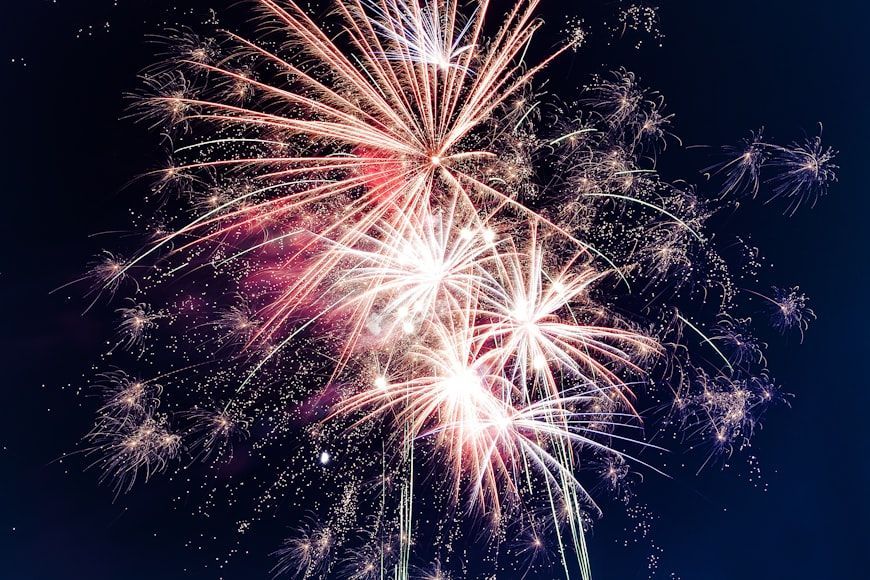
Image: Roven Images

The first 4th of July celebration took place spontaneously in Philadelphia in 1777 and included elements that still persist today, such as bonfires, parades, and fireworks. But not everyone was on board. Founding Father John Adams famously refused all invitations to celebrate on account of disagreeing with the date.

For him, celebrations needed to be held on July 2nd, the day independence was voted on, rather than the 4th, when independence was declared , but July 4th became widely accepted because it was the date that appeared on the distributed copies of the document. In a both poetic and ironic turn of events, Adams — along with Jefferson, who penned the document — died on July 4th, 1826, on the 50th anniversary of the Declaration of Independence.

2
Who came up with the turkey pardon?
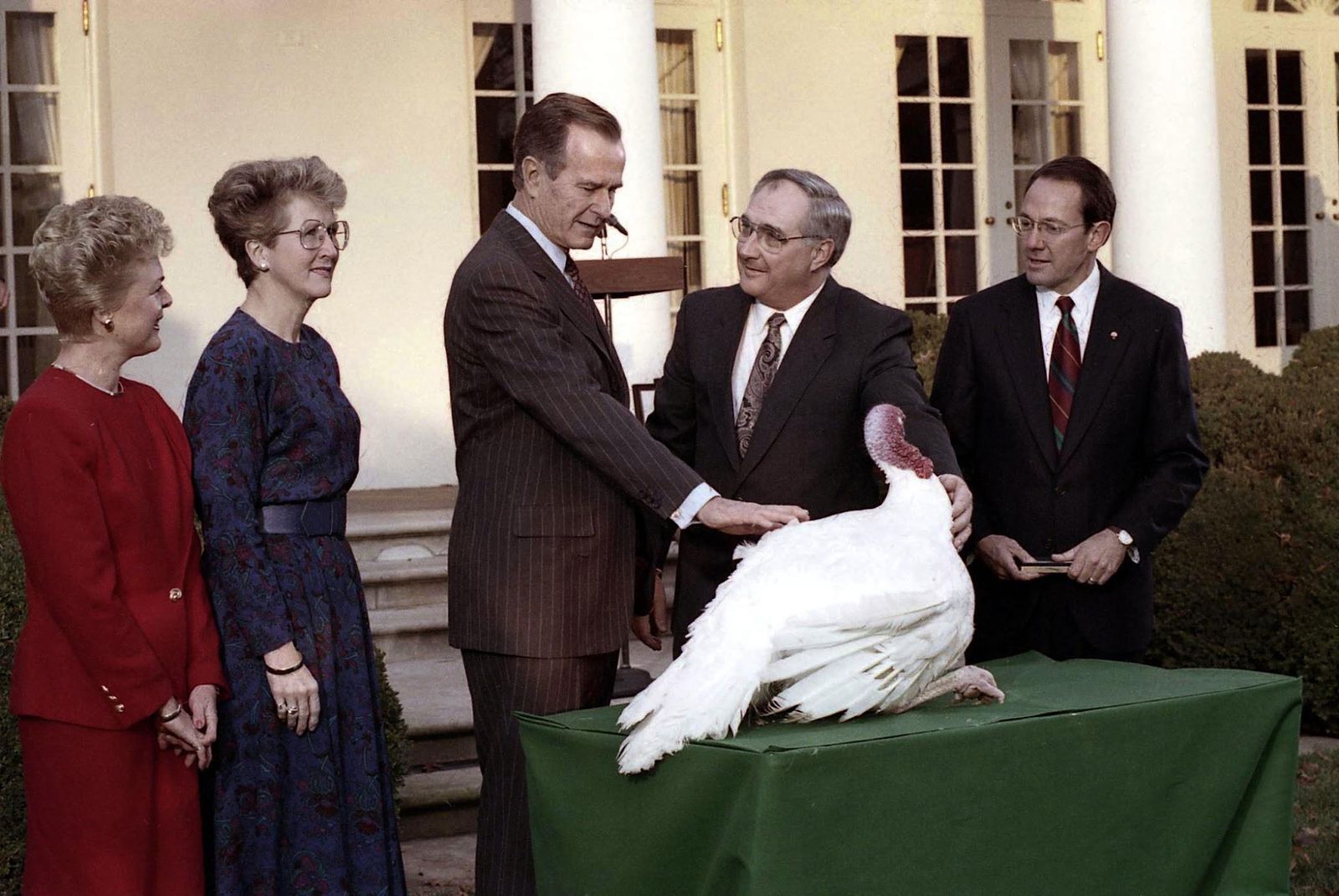
Image: Credit: George H.W. Bush Presidential Library and Museum, Public domain, via Wikimedia Commons

While many correctly assume that the official Presidential turkey pardon on Thanksgiving is an old event, it was not an official tradition until 1989, under the George H.W. Bush administration . But the roots of the tradition are nearly as old as the holiday itself.

In 1863, President Abraham Lincoln’s young son, Tad, asked to adopt the turkey intended for the Christmas dinner and named it Jack. This didn't become a regular tradition, but it set the precedent for President Kennedy to pardon the turkey gifted to the First Family in 1963 , a custom adopted by many of the following presidents, with Reagan being the first to call it the "presidential pardoning".

3
The anti-pumpkin movement
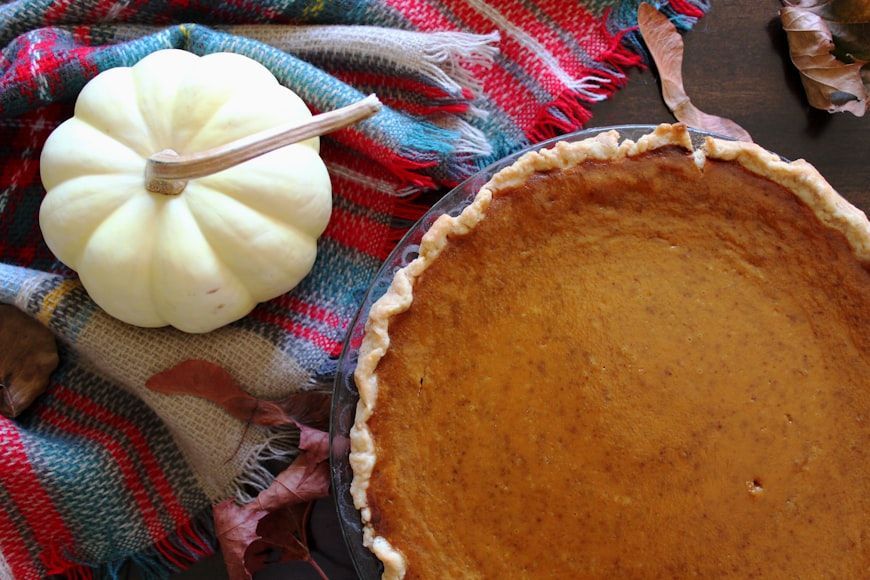
Image: Kelsey Weinkauf

As a crop native to America, pumpkin is mentioned across American history, including the first Thanksgiving. But before pumpkin pie was a symbol of the holiday, it was a New England dessert that divided the nation.

Thanksgiving was instituted as an official holiday by Abraham Lincoln in 1863, with turkey and pumpkin pie quickly becoming the main dishes on the menu. After the Civil War, the Southern states were reluctant to adopt the holiday and its associated pie, claiming it was a "Yankee tradition" and a celebration of Northern culture. As a way of rejecting what they saw as a cultural imposition, many Southern cooks replaced the pumpkin pie with sweet potato pie, which remains much more common in the South.

4
The 22 years without Christmas
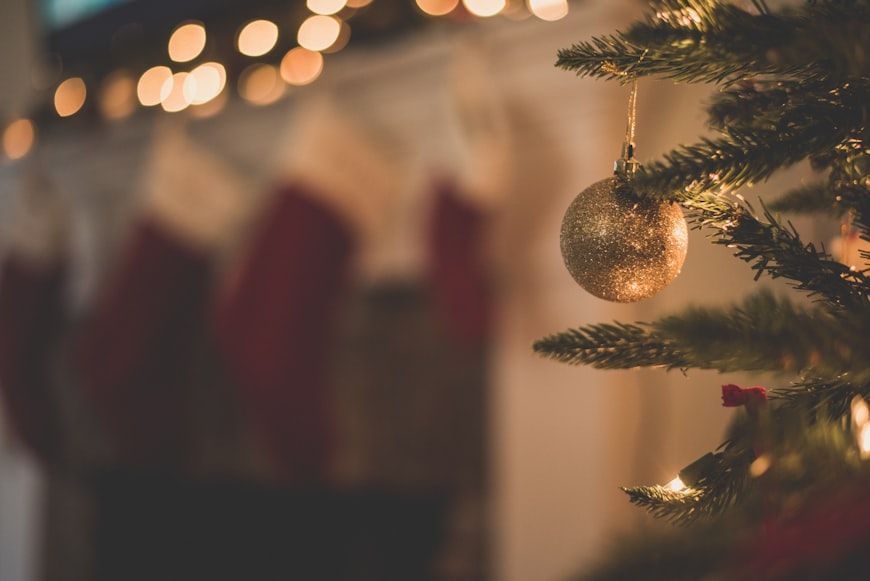
Image: Chad Madden

The minute Thanksgiving ends and "All I Want for Christmas Is You" returns to the top of the charts, much of the country gets into the holiday spirit. Surprisingly, just a few centuries ago, and 100 years before the United States was officially formed, Christmas was banned altogether .

During Cromwell’s interregnum (1649-1660), the Puritan-led English Parliament canceled the Christmas festivities of 1644, claiming it was a Catholic festivity of pagan origin. The sentiment echoed across the Atlantic, where the Massachusetts Bay Colony, of Puritan origins, banned Christmas in 1659 and fined those who celebrated or took the day off. The ban remained in place even after the restoration of the Monarchy, and was only lifted in 1681. Ulysses S. Grant declared it a federal holiday in 1870.

5
Mandatory anonymity
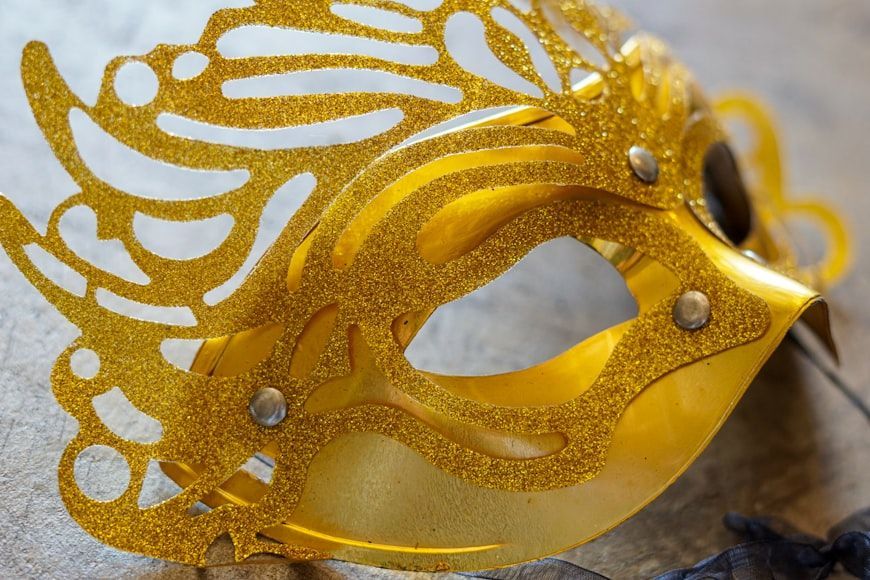
Image: Izzy Park

Anyone who ever celebrated Mardi Gras in New Orleans knows that masks are an integral part of the event, with those in the parade and many spectators concealing their identity. What many don’t know is that, per Louisiana law, wearing a mask in public is illegal , a statute passed in the 1920s to counteract the Ku Klux Klan’s influence and its intimidation tactics.

So, what happens during Mardi Gras? In the traditional Carnivals, masks were a way for people of all classes to mingle without endangering their reputation. While it is not a requirement for spectators today, anti-mask laws are suspended during Mardi Gras . However, if you are taking part in the parade, masks are not only allowed but mandatory.

6
A very successful campaign
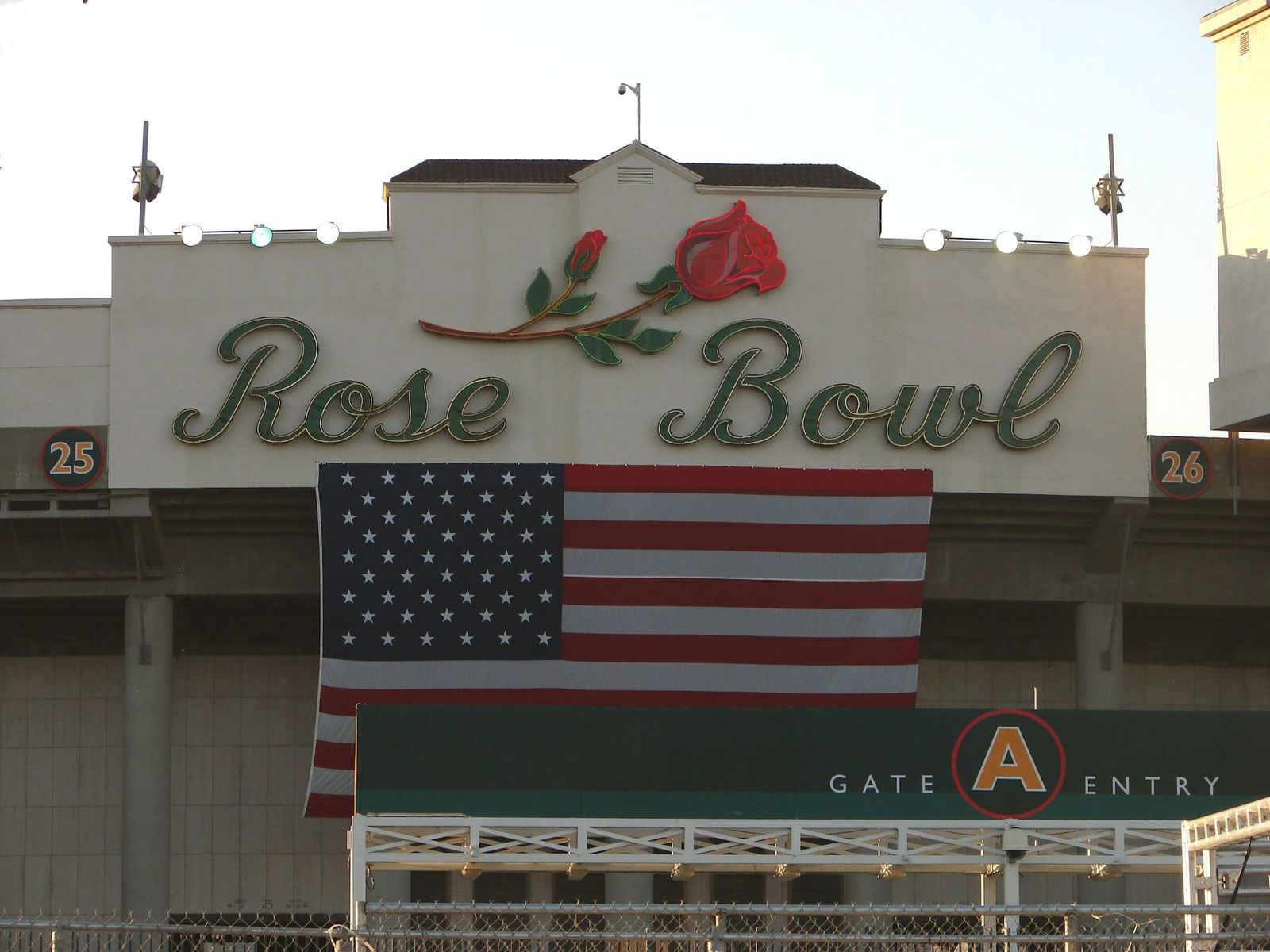
Image: Flickr user Xurble, CC BY 2.0, via Wikimedia Commons

Does your family watch the Rose Bowl Game on January 1st? It’s one of the oldest postseason football games in American history . But, did you know that its origin stems from a tourism campaign?

In the 1890s, the city of Pasadena, California, started celebrating the Tournament of Roses Parade on New Year’s Day as a way to promote the city’s mild weather to tourists on the East Coast . To increase promotion, a postseason college football game was played in 1902, but the result was so lopsided —49-0— that it was not repeated the following years. In 1916, a new game was organized with resounding success, and it has been held annually since then.

7
The original Black Friday

Image: Artem Beliaikin

B efore being synonymous with big sales and discounts, Black Friday was synonymous with crisis . The first recorded use of ‘Black Friday’ dates back to 1869, when the stock market suffered a devastating crash due to financial speculation. The economic effects of the crash were so severe that the name connoted calamity and misery.

How did it become associated with the day after Thanksgiving? In the 1950s, Philadelphia received hordes of tourists who came to shop and attend the annual Army-Navy football game the day after Thanksgiving, creating such chaos that the police forces dubbed it the "Black Friday". To counteract the negativity, retailers adopted the name in association with massive discounts.

8
From Decoration to Memorial Day
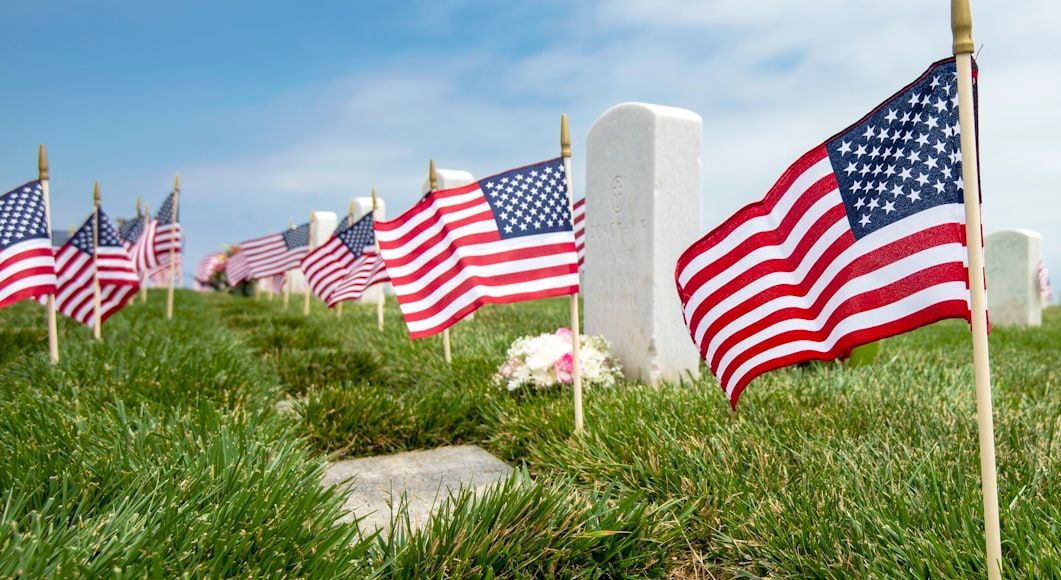
Image: Greg Bulla

The last Monday of May, America remembers and honors those who laid down their lives in defense of the country. Friends and relatives of fallen service members gather to lay wreaths and flags in cemeteries ; the Memorial Day holiday also serves as the unofficial starting point for the summer season. But where does this tradition come from?

It wasn’t always Memorial Day. Originally called ‘Decoration Day’, the tradition of adorning graves started after the Civil War , and it was first celebrated on a national scale in 1868. After World War I, the tradition was expanded to include all American soldiers fallen during a military conflict.

9
Hedgehog Day

Image: Camerauthor Photos

You might just know about it because of the popular 1993 Bill Murray movie, but Groundhog Day is real, and it’s celebrated every February 2nd. According to tradition, if a groundhog emerging from its burrow sees its shadow, it will go back to hibernate , and there will be six more weeks of winter. If not, spring will come early. But did you know that the tradition usually observed the behavior of a different animal?

Though Groundhog Day is celebrated across America —and even Canada— it was initially a Pennsylvania tradition, brought by German and Dutch immigrants. Back in Europe, they observed the behavior of hedgehogs and badgers to predict the length of winter, but these were not native to America. Looking for a similar local animal, they turned to the groundhog.

10
The 6-month difference
Image: Brandon Day

We can name a select few holidays that are celebrated internationally, such as New Year’s Day or Christmas. But what about Labor Day? While nearly 160 countries across the globe celebrate it on May 1st, the U.S. celebrates it six months later , on the first Monday in September.

Labor Day (also known as International Workers’ Day) started as a commemoration of the 1886 Haymarket Affair in Chicago, where a protest for workers’ rights ended with several casualties. As the protest was linked to socialist labor movements, the U.S. government was wary of celebrating workers on that date . As a compromise with labor activists, President Grover Cleveland instituted Labor Day as a federal holiday in 1894, but deliberately chose a date as far away as possible.

History History 4 min read

History class is in session!

Follow this red line in Boston and end up in history class!

Image: BookBabe

Wanna take a stroll through the heart of American history? The Boston Freedom Trail is exactly that! With red bricks guiding your way, every step brings you closer to some of the most important moments that shaped the nation. So lace up those walking shoes (comfort is key for this one!), and let’s explore some surprising truths about one of the country’s most iconic trails.

1
Start here, end there: Boston Common to Bunker Hill

Image: Roger Starnes Sr

There’s no official rule about where to begin, but most people kick things off at Boston Common. From there, the trail snakes through the heart of the city and ends at the Bunker Hill Monument in Charlestown. That final stretch leads to one of the most symbolic sites of the American Revolution. Of course, if you’d rather do it backwards, nobody’s stopping you—it’s your patriotic pilgrimage! Either way, the journey between these two iconic spots is packed with stories.

2
Where the trail begins: Boston Common’s surprising start

Image: Yassine Khalfalli

Boston Common might be a peaceful green escape today, but it began with a much more practical purpose. Established in 1634, it’s the oldest public park in the US, and it was originally used for grazing livestock, not lounging on park benches.

The land was purchased from Anglican minister William Blackstone and soon transformed into a communal area by the Puritans. Over time, it has witnessed protests, public speeches, and even British troops setting up camp.

3
Short and sweet: the 2.5-mile trail

Image: Naoki Suzuki

The Freedom Trail may only stretch 2.5 miles, but don’t let that fool you—it’s packed with history. The route winds through downtown Boston, passing 16 official landmarks. Most of the trail is flat and fully accessible, making it friendly for everyone. Just remember to bring comfy shoes!

4
Follow the red-brick road

Image: Yassine Khalfalli

No need for a map or GPS—just follow the red-brick line! That bright path under your feet is the Freedom Trail’s signature feature. It weaves its way from site to site, keeping you on track with zero guesswork.

The trail’s design was first suggested by a local journalist in the 1950s, who wanted to link all the key historical spots. It’s Boston’s version of a historical yellow brick road—minus the flying monkeys, of course!

5
Millions make the trip every year

Image: Aubrey Odom

More than 4 million people walk the Freedom Trail each year—and not just tourists. Locals, history lovers, and school groups all flock to this living museum. It’s one of the most popular attractions in Boston, and for good reason.

From Paul Revere’s House to the Boston Tea Party site, each stop tells a story. Even if you’ve walked it before, there’s always something new to notice. So go ahead—join the crowd.

6
No need to go in order

Image: Vika Chartier

Unlike history books, the Freedom Trail doesn’t follow a strict timeline. It’s organized by geography, not chronology, which means you can hop around without feeling lost. For instance, Boston’s North End has a cluster of must-see sites close together. It’s totally fine to explore them first and double back later. Just follow your curiosity—and your feet—along the red bricks.

7
Oldest this, oldest that, it’s a record-breaker

Image: Kelly Sikkema

The Freedom Trail is a goldmine of American "firsts." You’ll find the country’s oldest public park (Boston Common), its oldest public building (the Old State House), and even the site of the first major battle of the Revolutionary War (Bunker Hill Monument).

Paul Revere’s House is the oldest building still standing in Boston. And the Old North Church? That’s right—it’s the oldest church still standing in the country!

8
Rest in peace, revolutionaries

Image: Wenhao Ruan

Cemeteries might not sound exciting, but on the Freedom Trail, they can be. The Granary Burying Ground is the final resting place of Paul Revere and victims of the Boston Massacre.

Over at Copp’s Hill Burying Ground, you’ll find figures connected to the Salem Witch Trials and shipbuilders like Edmund Hartt. These aren’t just graves—they’re chapters in America’s story. And you’ll be walking right through them.

9
No replicas here

Image: Liubov Ilchuk

Every building and site along the Freedom Trail is the genuine article. Thanks to meticulous preservation, nothing is a recreation or reimagining—you’re standing where revolutionaries stood, seeing what they saw.

There’s something special about touching the same walls and walking the same halls. It’s as close to time travel as you’re going to get. How great is that?

10
Past meets present in every step

Image: Brett Wharton

Sure, you're here for the history, but Boston’s modern charm is hard to miss. Between historic stops, you'll find lively markets, cozy restaurants, and the buzz of city life all around. Grab a cannoli in the North End or sip coffee where patriots once plotted revolts. The Freedom Trail offers a perfect blend of old and new.

General General 6 min read

THE ALL-AMERICAN MENU

Let's Enjoy These 10 American Dishes Everyone Should Try

The United States of America is known for its freedom, diversity, and, of course, its delicious food . Today, we're touring the nation to taste some emblematic dishes that have become icons of American culture!

While hamburgers, hot dogs, and the comforting Mac and Cheese are undeniable parts of our identity, it's time to highlight other delicious dishes equally significant in American gastronomy . Join us to review the origins and recipes of these 10 iconic American specialties . We'd love to know which one is your favorite!

1
Cornbread

Image: Rafael Cisneros Méndez

With its roots planted in Native American cuisine, cornbread has become a unique staple, especially in the South of our country.

Easy to make and irresistibly tasty , this quick bread stands out for its versatility , making it a great companion to meals of many Americans at different times of the day .

And the best part? You only need cornmeal, all-purpose flour, buttermilk, melted butter (or vegetable oil), and a couple of eggs to make it! What time of the day do you prefer to enjoy this recipe?

2
Apple Pie

Image: Priscilla Du Preez 🇨🇦

Did you know that apple pie was one of the favorite desserts of our first president, George Washington ? While it originated in England, the apple pie was brought to America by European settlers and stayed here to evolve into the special dessert we know today. It is now so linked with American culture that we have the saying, "As American as apple pie," to prove it!

Often enjoyed during Thanksgiving and other holidays as a tasty autumn dessert , this is a slightly more elaborate recipe, but definitely worth a try.

And if you're looking for a special occasion to bake one, May 13th is the perfect date, since it's National Apple Pie Day in the United States!

3
Pecan Pie

Image: Leila Issa

Pecans are a delightful treat, right? And you know what? They are native to North America , especially the South , which is why the wonderful Pecan Pie is associated with this region of the country.

The formula for this tasty dessert is said to have emerged in the late 19th century , with one of its earliest recipes appearing in an 1886 recipe book!

And, while it's a classic during holidays like Thanksgiving , you can actually enjoy it anytime, all year round. In fact, this recipe is so popular that the state of Texas has declared it their official state pie !

4
Philly Cheesesteak

Image: Ir Like

Enough sweet for now. Now, let's talk about a savory delight, the Philly Cheesesteak .

As its name suggests, this classic was born in the city of Philadelphia , Pennsylvania, and is believed to be the creation of a hot dog vendor in the 1930s .

Who can resist the combination of a crispy hoagie roll, thinly sliced pieces of steak, onion, bell pepper, and melted cheese? We can't!

Of course, people in Philadelphia have a special day to celebrate this dish: March 24. Have you ever joined the celebration? If not, consider this as a sign to do it next year!

5
Thanksgiving Turkey

Image: Megan Watson

As you probably already know, it is believed that in Plymouth, Massachusetts , a special meeting took place in 1621 . According to myth, English settlers there shared a feast with Native Americans that included primarily turkey , among other foods. This gathering is often considered the very first Thanksgiving , forever linking turkey to this day of gratitude.

For this delicious recipe, you won't need many ingredients; just butter, fresh herbs, an onion, a lemon, some garlic, and salt and pepper to taste, along with your turkey , of course! In addition, you can stuff it with the option of your choice.

And while all this may sound familiar, here's a surprising fact: According to the National Turkey Federation, approximately 46 million turkeys are eaten each year at Thanksgiving!

6
Biscuits and Gravy

Image: Stephen McFadden

Originally from the South of the United States , the Biscuits and Gravy recipe is today a classic comfort food that has also spread to other parts of the country.

Mainly consumed as breakfast but also having special appearances as brunch or dinner, this dish is characterized by its flavor and simplicity.

Depending on the area where it is prepared, the type of gravy may vary, and sometimes, you can find combinations with some extra ingredients, like bacon or eggs . Are you one of the fans of this dish?

7
Po' Boy Sandwich

Image: Anastasia gezalova

While its origin is still debated, there is a story about the birth of the Po' Boy Sandwich that has been accepted by most New Orleanians.

The year was 1929 when a strike of streetcar conductors broke out. In the city of New Orleans , Benny and Clovis Martin decided to support the striking workers. As restaurant owners, they began handing out free special sandwiches to the conductors, affectionately known as "Poor Boys." This name later became associated with the sandwich and, over time, "Poor Boy" evolved into the "Po' boy" we know today, a staple of Louisiana cuisine .

The classic recipe contains the delicious combination of fried shrimp or roast beef, lettuce , tomato , pickles , mayonnaise , and a sauce of choice, all on a good loaf of French bread . Irresistible!

8
Reuben Sandwich

Image: Asnim Ansari

If you love grilled sandwiches, then the Reuben Sandwich is the choice for you.

Its origin is still debated, with two competing stories: one from the Blackstone Hotel in Omaha, Nebraska, in 1920 , and the other from Reuben's Delicatessen in New York City in 1914. Whether it comes from New York or Omaha, the Reuben is undeniably an American classic .

Making this dish is quite simple. You'll need rye bread , thinly sliced corned beef, sauerkraut, a good Swiss cheese , and dressing (Russian or Thousand Island dressing). And don't forget to butter the bread before grilling !

With a combination of Jewish deli meats, German sauerkraut, Swiss cheese, and Russian dressing, this sandwich is a representation of the diverse cultures and cuisines that enrich our nation.

9
Buffalo wings

Image: Clark Douglas

If you offer this dish to a foreigner, you might confuse them a bit. After all, buffaloes don't have wings! The thing is that this delicacy is named after the city where it originated.

The story goes that Buffalo wings were invented in 1964 at the Anchor Bar in Buffalo, New York , where co-owner of the bar Teressa Bellissimo created the dish in search of a quick snack. That's when she deep-fried some chicken wings and tossed them in a sauce made from butter and seasonings . She then served them with celery sticks and blue cheese dressing, just as they are served today.

If you're not among the millions who prepare this dish for the Super Bowl , don't worry. You can enjoy it at the National Buffalo Wing Festival , held every Labor Day weekend; you probably guessed where: in Buffalo, New York.

10
Clam chowder

Image: Kevin Lanceplaine

Representing New England cuisine , Clam Chowder has become one of America's staples, and its origin and ingredients can prove it.

It is said that when the European settlers arrived on the Atlantic coast , they wanted to recreate their traditional seafood stews. However, inspired by the local ingredients , something entirely new was born. It was a creamy soup with clams and other coastal treats. The first known written recipe for this dish appeared in 1832 in "The New England Farmer" magazine.

And as if all that was not enough, this recipe definitively sealed its status as a classic when it was included in Herman Melville's unforgettable novel, "Moby-Dick" !

Explore more American facts

Choose your favorite category!

General
General

As American as apple pie—the very best America has to offer!

Culture
Culture

Delve into the astounding richness of American lore.

Geography
Geography

Hop in and explore vast and diverse American landscapes.

History
History

Discover the key moments that shaped the United States.