Culture Culture 4 min read

Towns and counties with shared names

One country, a map full of the same names. Here’s how that happened
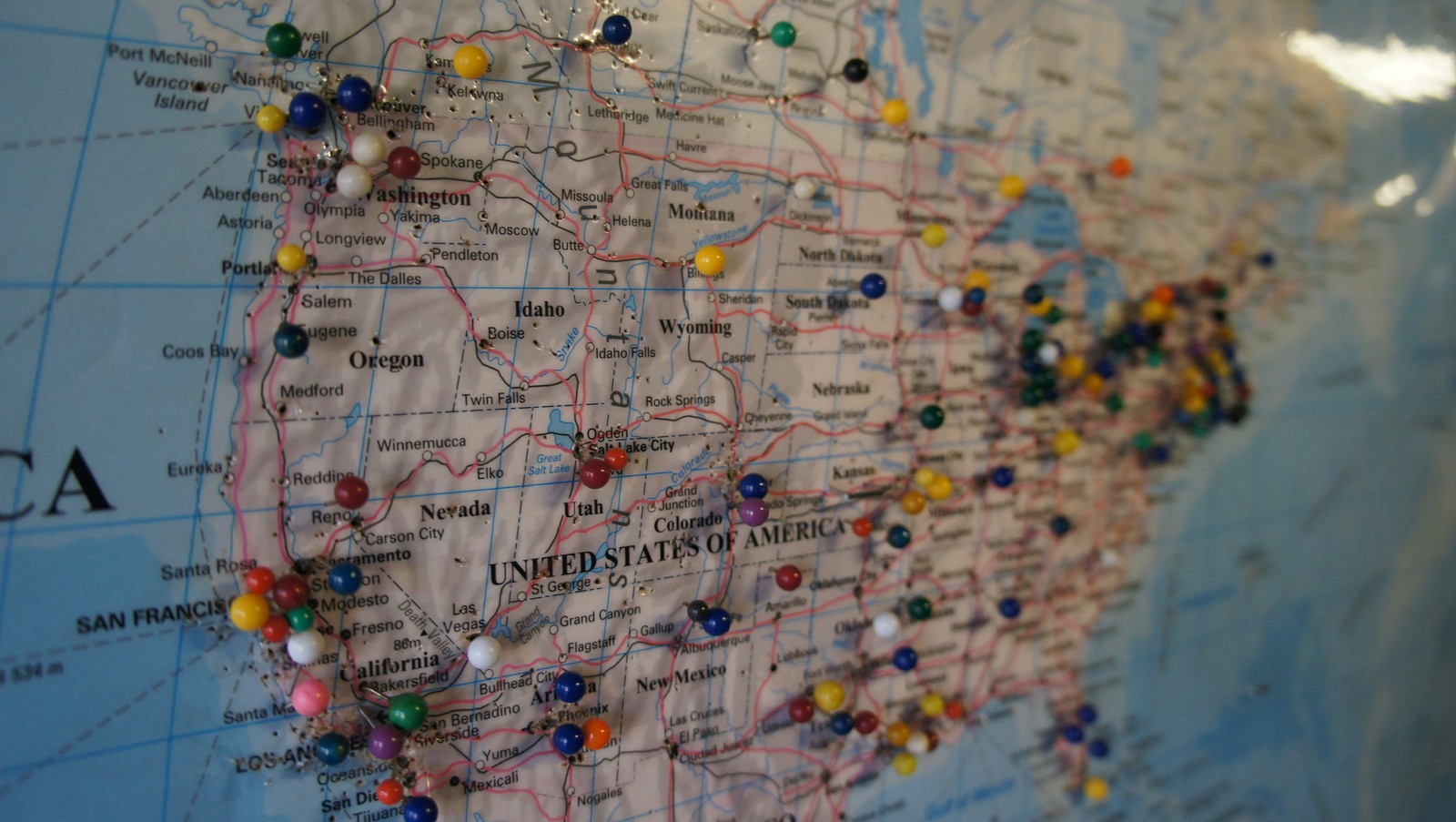
Image: Mackenzie Cruz

Look at a map of the United States and one thing quickly stands out: many towns as well as counties share the same names. Washington, Springfield, Franklin, and others appear dozens of times across the country. Some were named to honor famous leaders, others to attract settlers or echo places from Europe. The reasons behind these repeated names tell an unexpected story about how America grew.

1
Washington
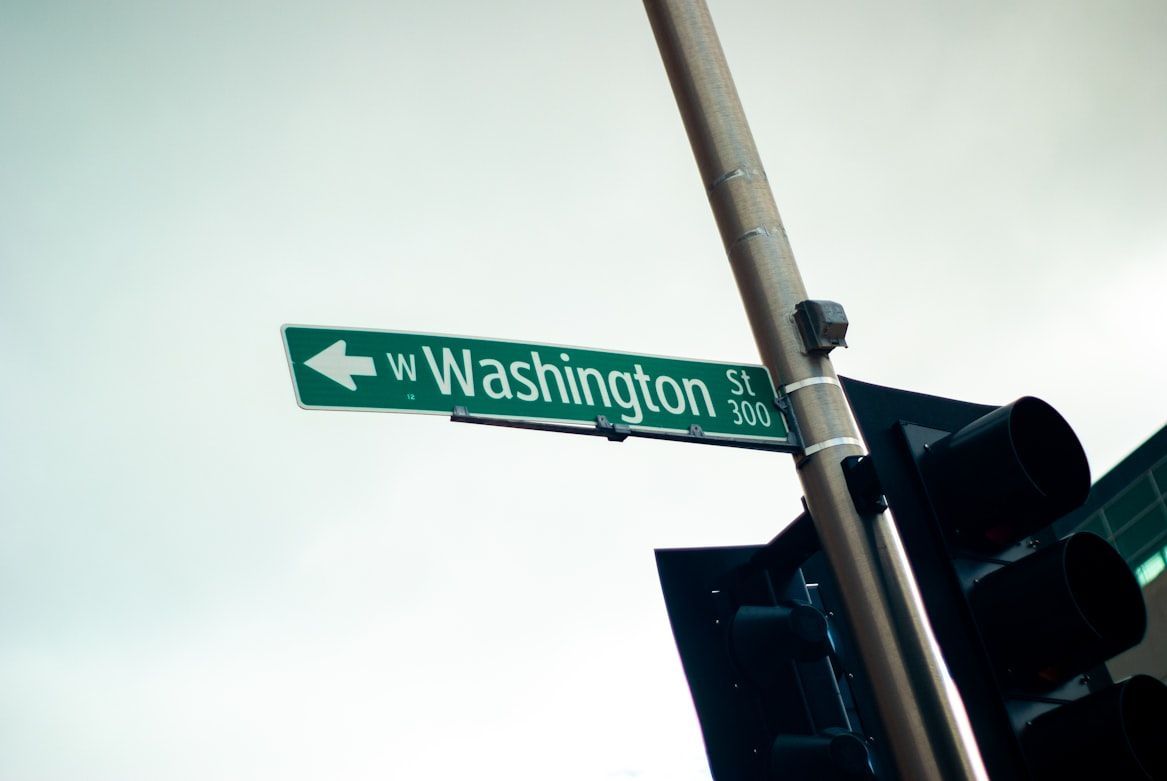
Image: Niko Vassios

Washington is one of the most repeated names on the American map. It is said, though, that Pennsylvania was the only state to name its city, in its foundation in 1768, while George Washington was still alive, turning it into an early patriotic tribute. Truth is, from Washington, Missouri, to Washington, Utah, the name appears so often on the map — but travelers sometimes forget it refers to far more than just the capital.

2
Springfield
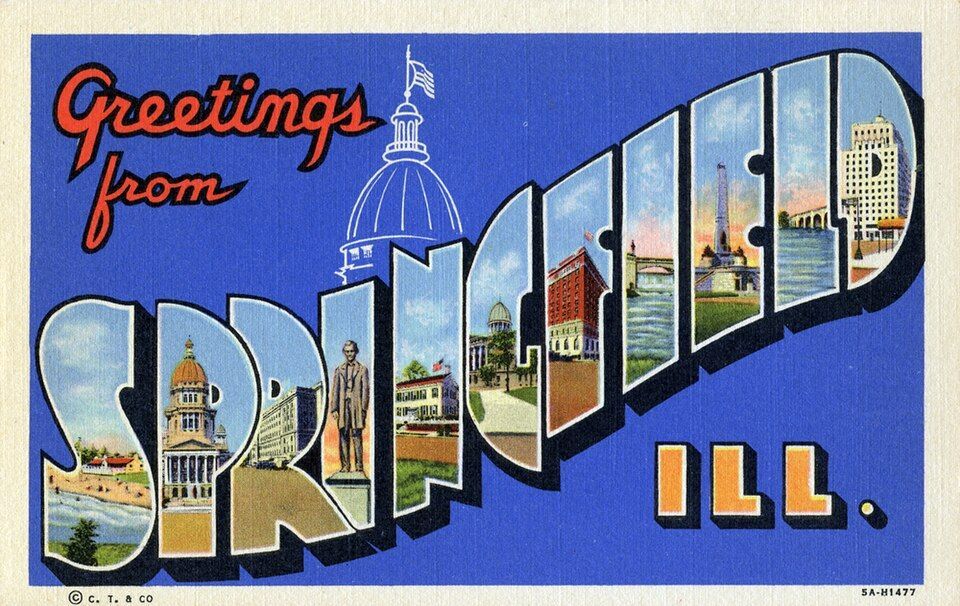
Image: Steve Shook

Springfield has dozens of cities, towns, and villages sharing the name. But the first Springfield was settled by William Pynthon in Massachusetts in 1636, after England’s Springfield. This city became a major industrial center after the first president, George Washington, created the Springfield Armory, which, during the Industrial Revolution, helped the city grow into a global leader in manufacturing.

Fun fact: Matt Groening, the creator of The Simpsons , chose the name Springfield as the setting for the long-running animated series because so many towns share it, making it easy for viewers to imagine the show takes place in their own hometown. How many Springfields can you think of?

3
Madison
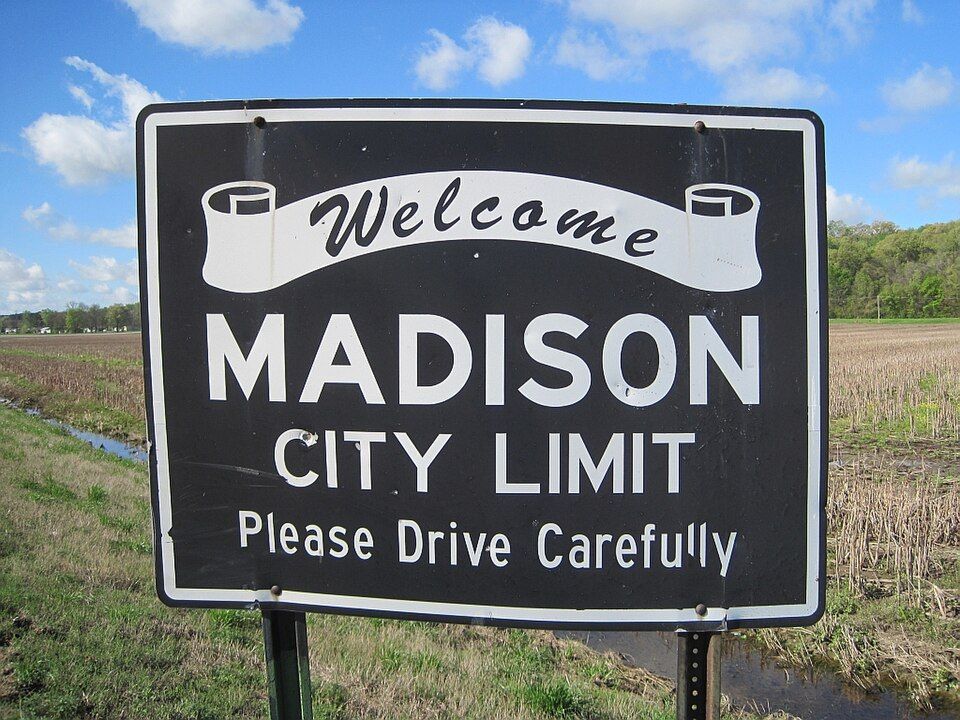
Image: Thomas R Machnitzki

This list wouldn’t be complete without a mention of James Madison, often called "The Father of the Constitution," because the country is filled with places named after him, including a prominent college town in Wisconsin. As the nickname hints, James Madison was not only our fourth president, but also a key figure in the drafting of the US Constitution and the Bill of Rights.

4
Franklin
Image: Harrison Keely

During the 18th and 19th centuries, naming a town after Franklin was a sign of admiration for the intellect, civic values, and contributions of Benjamin Franklin, one of the nation’s most influential men. Nowadays, towns and cities across the country are named after him, including a well-known city in Tennessee. It’s easy to see why: he helped draft the Declaration of Independence, charmed the French into supporting the Revolution, and built the nation's first postal service.

5
Greenville
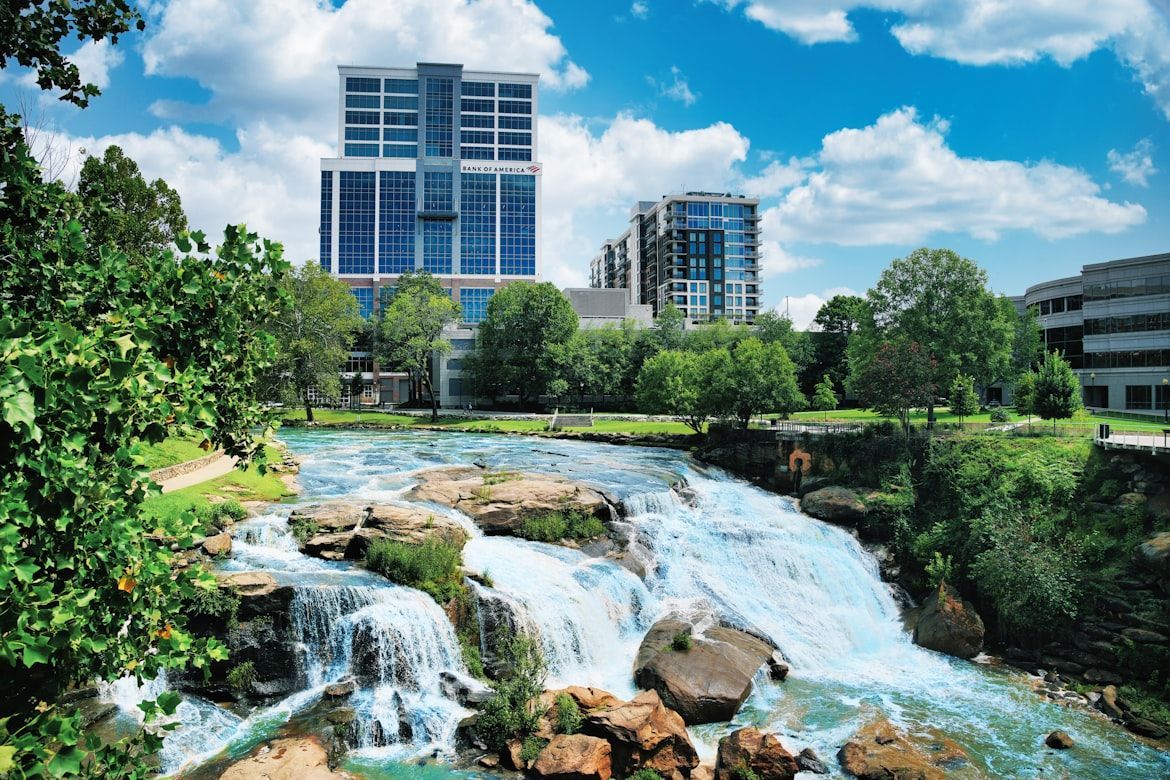
Image: Brad Shortridge

This one is clearly not named after a historical figure. Greenville is used for countless cities and towns across the United States to describe the fertile soil, river valleys, forests, and rolling hills — an advertising strategy at a time when settlers were founding communities and working the land.

6
Bristol
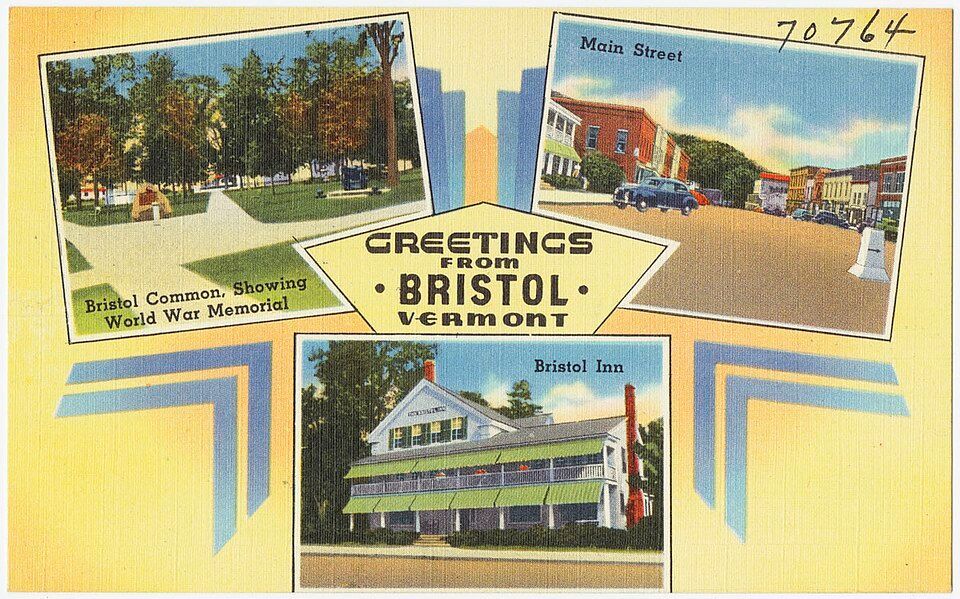
Image: Boston Public Library

A surprising number of cities and towns are called Bristol. There is Bristol, Virginia, Bristol, Connecticut, and Bristol, Tennessee, among others. That is because during the colonial era, English settlers established new communities using the names from prosperous English towns and cities.

Bristol, Tennessee, holds a special mention because it is said to be the place where country music was born. Around 1927, the Bristol Sessions were one of the triggers for the genre to take off nationally when record producer Ralph Peer set up a temporary studio in Bristol to record local musicians. These sessions introduced artists like Jimmie Rodgers and The Carter Family to a national audience and helped define the sound of early country music, blending folk and Appalachian roots.

7
Clinton
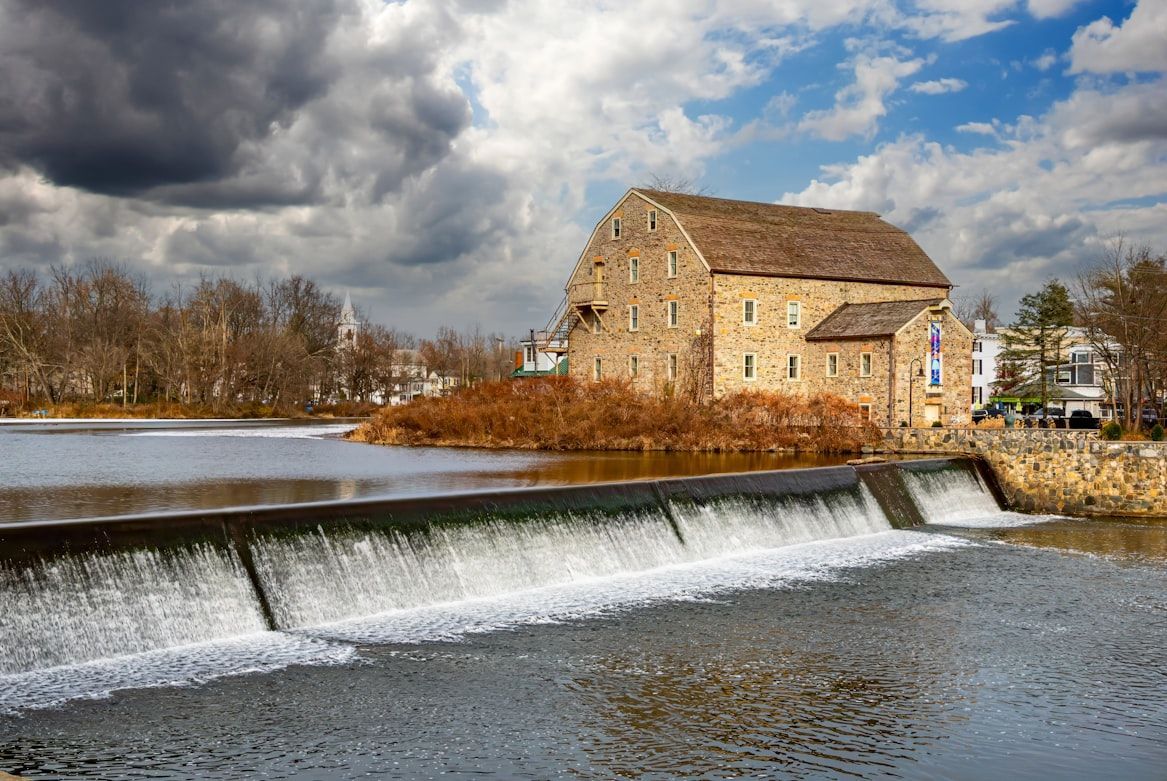
Image: Stephen Crane

A good number of towns and counties were named Clinton across the country after DeWitt Clinton became a US senator and governor of New York in the early 1800s. He was the driving force behind the Erie Canal project, a major infrastructure initiative that improved domestic trade and accelerated westward expansion, transforming New York into an economic hub.

8
Fairview
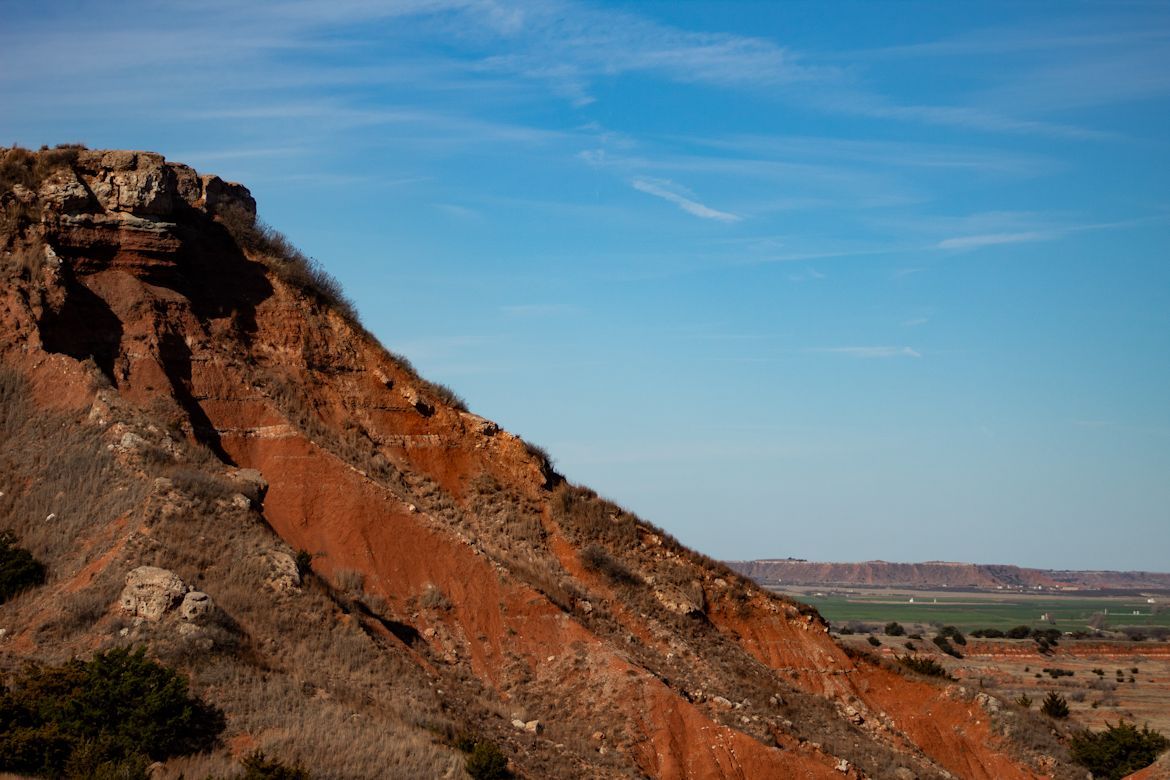
Image: Jay Heike

How many people do you know living in Fairview? This name is, like Greenvillis, one of the descriptive rather than commemorative monikers. "Fair view" connotes beautiful scenery, open farmland, and nearby waterways. It seemed the advertising strategy worked, and many new settlers adopted the name, spreading Fairviews all across the country.

9
Salem
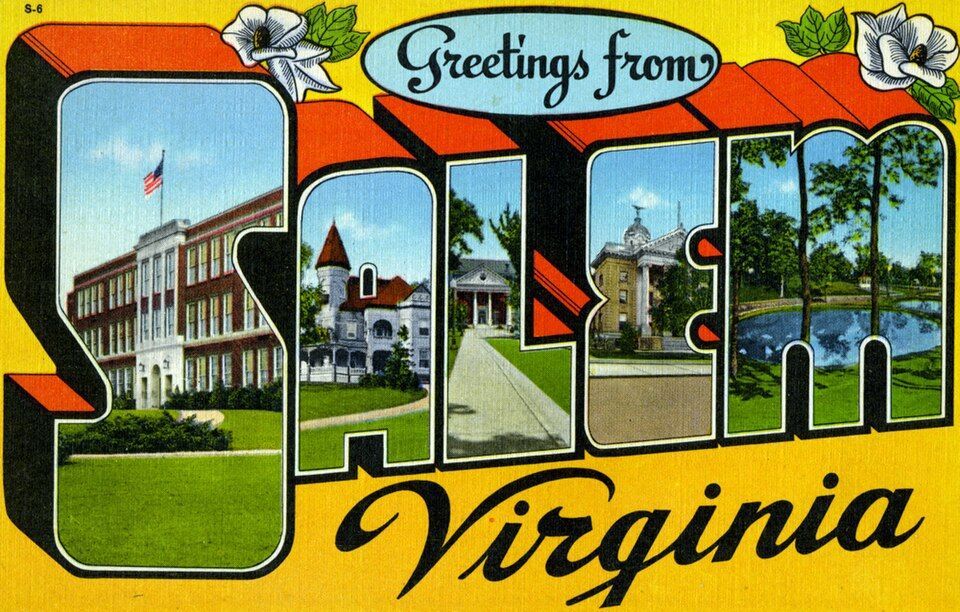
Image: Steve Shook

Salem is a widely used name for towns and cities across the United States. Salem, Massachusetts, was the first settlement to bear this name, founded in 1626. While it became one of the most important seaports in early American history, today, the oldest Salem in the U.S.is almost always associated with the notorious Salem witch trials. In 1692, 19 people were tragically executed by hanging, and one man was pressed to death after being accused of witchcraft.

However, the name "Salem" appears in many towns across the country. As settlers moved west, they often reused familiar names when creating new communities. That’s why you can find multiple towns called Salem from coast to coast.

10
Georgetown
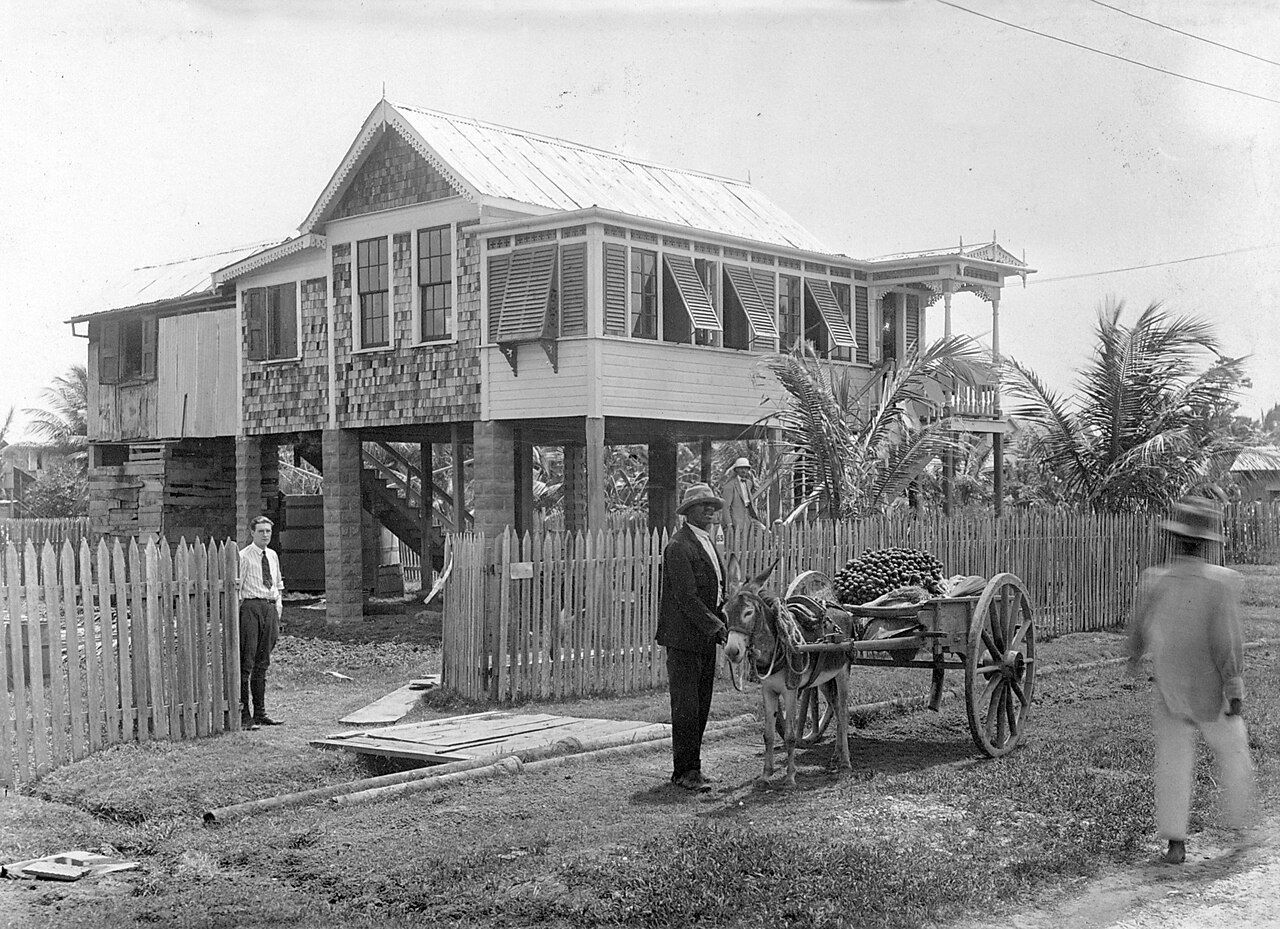
Image: Field Museum of Natural History

Nearly 300 years later, historians still debate where the name Georgetown came from. Today, the best-known Georgetown is a neighborhood in Washington, D.C., but it began in 1751 as a town in colonial Maryland, before Washington existed. Some say it was named for King George II; others credit two early landowners, George Gordon and George Beall. Either way, the name carried prestige and later spread across the country. Somewhere, there are probably three Georges still arguing about it.

General General 5 min read

Sing it proudly!

Patriotic beats: do you know our anthem’s backstory?

Image: Tim Mossholder / Christina Petsos

The US national anthem, "The Star-Spangled Banner," is more than just a patriotic tune; it symbolizes American history, resilience, and unity. And that’s natural, it has a backstory dating back over two centuries, so you can imagine all the interesting, fun details it carries with it. It is filled with historical moments and a few surprises . In this article, we’ll explore 10 intriguing facts about the anthem that you may not know. Let’s dive into the journey of this iconic song and discover how it became a central part of American identity.

1
A song born from the battle

Image: Benjamin Faust

Our anthem was written in mid-September 1814 by Francis Scott Key. But what was it that brought those words to his mind? Well, the lyrics were inspired by the sight of the American flag flying after the British navy was defeated at the Battle of Baltimore.

Key penned the words while observing the conflict at Fort McHenry during the War of 1812. Originally, the anthem began as a poem, not as a song.

It celebrated the fort’s resilience, symbolizing hope for a young nation. Key’s words quickly gained popularity and were eventually set to the tune of an old British song. Little did he know, it would go on to become the anthem we sing today.

2
What’s in a name?

Image: Joshua Woods

Considering what we said before, it’s logical to think The Star-Spangled Banner wasn’t the original title, do you know what it was?

Key’s poem was originally titled "The Defence of Fort McHenry," a clear reference to the conflict that served as his inspiration.

It wasn’t until October or November of 1814, when the first sheet music was printed, that the title changed to the more poetic "The Star-Spangled Banner."

The new name broadened its appeal, allowing it to reach a larger audience who quickly embraced it. It was a name that spoke not just to the battle, but to the pride of the entire nation. This small change made a big difference in how the song was received.

3
A song for all languages

Image: Etienne Girardet

You probably already knew part of these details, but what about this one? Did you know the anthem was translated into German?

During the Civil War, Key’s anthem found a new life: Union supporters translated it into German to recruit German-speaking volunteers for the militia.

That was just the beginning, but it certainly wasn’t the last time it was translated. Over the years, the song has been translated into more than a dozen languages, making it accessible to Americans from diverse backgrounds. This highlights the anthem’s flexibility, which adapts to the times and reaches new groups. After all, freedom and perseverance aren’t exclusively American traits, don’t you think?

4
Baseball’s favorite tune

Image: Wade Austin Ellis

We are all very much used to starting important ceremonies or sporting events by proudly singing the national anthem, but, as you can imagine, there was a first time for that too. Do you know about it?

"The Star-Spangled Banner" made its debut at a sporting event in 1862 during the opening of a baseball stadium in Brooklyn, New York. This marked the first time it was played at a professional game.

Its connection to sports grew stronger over the years, and now it’s a tradition to hear the anthem at nearly every major sporting event. It’s the perfect way to kick off the game, uniting fans in a shared moment of patriotism before the competition begins.

5
Congress made it official… eventually

Image: Joshua Sukoff

The military had already embraced it as an inspirational song, and it had become a tradition to play it at sporting events, but it wasn’t really official until Congress said so and that didn’t happen until 1931. What about that?

The process wasn’t simple, either. Congress debated the decision, facing opposition from various groups—Prohibitionists, pacifists, and even music teachers—but we’ll explore those details in the next section.

Alternatives like "America, the Beautiful" were suggested, but in the end, Key’s song won out. President Herbert Hoover signed the act, and the rest was history: we finally had a national anthem!

6
It’s not easy to sing!

Image: Laith Abuabdu

Remember we said teachers were against it? Can you imagine why? On their side, one of the main complaints about "The Star-Spangled Banner" was that it’s too difficult to sing . And we have to hand it to them, the anthem is notoriously hard to perform.

In terms of scales, the original melody spans an octave and a fifth, a range that challenges even professional vocalists. This explains why many groups struggle with the anthem during public performances. How many can say they’ve truly mastered it—are you one of them?

In any case, the tune, originally a British drinking song, wasn’t designed for mass sing-alongs. No wonder it’s become a patriotic rite of passage to attempt singing it!

7
Women fought for its adoption

Image: Library of Congress

Although it’s not always mentioned first when narrating our history, women have been instrumental in many key moments, and the story of "The Star-Spangled Banner" is no exception.

Women played a significant role in pushing for the anthem’s adoption as the national anthem, how so? The Daughters of the War of 1812, a patriotic women’s organization, were among the most vocal advocates. While some groups opposed it, this organization was very much in favor of it.

Their activism helped build momentum for the 1931 legislation that ultimately led to the anthem’s adoption. In an era when political opportunities for women were limited, this cause offered them a platform to engage in national issues. They succeeded, of course, because persistence pays off!

8
There is no "official" version

Image: Alessio Fiorentino

This might sound far-fetched, but it doesn’t mean there are alternate lyrics to our anthem. Rather, there’s no single, official version of "The Star-Spangled Banner." While various states have tried to legislate performance styles and etiquette, there isn’t a definitive version set in stone.

This flexibility has allowed for creative interpretations, ranging from traditional orchestral performances to more modern adaptations, depending on the context and the event.

And even if it would be nice to have an official version, this gives everyone the possibility to bring new aspects to our national hymn!

9
Jimi Hendrix’s legendary performance

Image: Aditya Wardhana

Proof of what we just said, that the lack of an official version gives place to create amazing new interpretations is Jimi Hendrix’s legendary performance. The psychedelic rock guitarist brought a fresh, rebellious spin to "The Star-Spangled Banner" when he performed it at the 1969 Woodstock Festival . While many are familiar with his electrifying Woodstock rendition, Hendrix actually performed the anthem in concert many more times, over 60 times to be specific.

His interpretation added a new layer of meaning, capturing the turbulent spirit of the era. And even though not everyone liked it, no one can deny that, given the context, it was a powerful message!

10
Do you know the four verses?

Image: Towfiqu barbhuiya

Most of us are familiar with only the first verse of "The Star-Spangled Banner," but did you know the anthem actually has four verses ?

Now, four verses were enough and we can understand that tradition is to sing only the first due to time constraints. But, as it turns out, in 1861, Oliver Wendell Holmes Sr. added a fifth verse, advocating for the end of slavery.

While the additional verses are rarely sung, they tell a richer story of American values and challenges. So, even if you never sing it, you can read the full version and enjoy learning about American ideals!

General General 4 min read

Unexplained & unforgettable

Wait, they saw what? 10 UFO sightings that will make you question reality

Image: Bruce Warrington

Since the dawn of time, humans have stared at the heavens in search of answers, and the question of life on other planets has always been with us. But sometimes what we see defies explanation. From strange-shaped objects crossing the sky to tales of encounters with extraterrestrials, today we’re remembering 10 shocking UFO stories.

1
Roswell Incident (New Mexico, 1947)

Image: Albert Antony

It was July 1947 when something extraordinary happened near Roswell, New Mexico: a mysterious, large object crashed on a ranch outside the town. It wasn't an airplane, it wasn't a helicopter, it didn't resemble any known aircraft at the time. Interestingly, the military first described it as a "flying disc," only to later retract the statement and claim it was just a weather balloon. This shift caused endless theories and made Roswell perhaps the most famous UFO story of all time.

2
Kenneth Arnold Sighting (Washington, 1947)

Image: Parastoo Maleki

No one knows the skies better than pilots, and in June 1947, one of them, Kenneth Arnold, saw something that would change the way we think about extraterrestrial life. According to his report, Arnold spotted nine bright objects moving near Mount Rainier, Washington. He described their flight as being like "a saucer skipping across water." That phrase would go on to coin the term "flying saucer," marking what many consider the beginning of the modern UFO era.

3
Washington, DC, Flap (1952)

Image: Ben Collins

Do you think UFO sightings only happen in rural or remote areas? Between July 12 and 29, 1952, something unexplainable occurred over Washington, DC. People in the US capital reported seeing mysterious objects moving randomly in the sky. But that wasn't all; pilots and even radar stations reported the same. While the US Air Force suggested that temperature might have affected radar performance, the sightings were never fully and clearly explained.

4
Kelly-Hopkinsville Encounter (Kentucky, 1955)

Image: Danie Franco

On August 21, 1955, two families in rural Kelly, Kentucky, experienced something straight out of their wildest nightmares. In the evening, a bright, fleeting light appeared in the sky. According to their reports to the police, the light was followed by the arrival of small creatures with large eyes and long arms, described as "little green men," who allegedly approached their homes and peered through the windows. Terrified, the families shot at them for nearly four hours, until the "little green men" finally seemed to disappear. When police arrived the next day, the houses were empty. According to neighbors, both families had packed up and left, saying the creatures had returned around 3 a.m.

5
Kecksburg UFO Incident (Pennsylvania, 1965)

Image: Lamna The Shark

We all know what to do when we see a shooting star: make a wish! But that was far from the reaction in Kecksburg, Pennsylvania, where on December 9, 1965, residents watched what looked like a massive fireball streak across the night sky before crashing into a forest on the town’s outskirts. Some people rushed to the site and claimed they saw a large metallic object shaped like an acorn. The military arrived soon after and launched an investigation that suggested it may have been a meteor or space debris. But the doubters were not convinced, and the event sparked a wave of theories and speculation that continues to this day.

6
Coyne Helicopter Incident (Ohio, 1973)

Image: James Pere

On October 18, 1973, near Mansfield, Ohio, something occurred that would challenge even the most stubborn skeptics. Captain Lawrence Coyne was piloting a US Army Reserve helicopter when it was allegedly intercepted by a large, cigar-shaped craft flying erratically at high speed and emitting green and red lights. During the encounter, the helicopter suddenly ascended beyond Coyne’s control. People on the ground witnessed the event and later confirmed parts of the pilot’s account. To this day, the incident remains unexplained.

7
Cash–Landrum Incident (Texas, 1980)

Image: Anton Kapralov

The ’80s were a wild decade, and that even included alleged encounters with alien spacecraft! In December 1980, three people reported a terrifying experience while driving through Texas: they were suddenly forced to stop when a huge craft hovered over the highway. According to their account, the metallic object emitted bright lights and intense heat. Later, all three developed physical symptoms, including burns, nausea, vomiting, and hair loss. Medical reports suggested these effects were consistent with prolonged radiation exposure, although it could not be proven that the incident itself caused the symptoms.

8
Hudson Valley UFO Wave (New York, 1982-1986)

Image: Clay Banks

An isolated UFO sighting involving just a few people is one thing. But it’s quite another when, for years, hundreds of people report sightings in the same place with similar characteristics. We’re talking about New York’s Hudson Valley, where for several years (1982–1986), residents, police officers, and even pilots reported UFO sightings. Many described the same thing: a large craft with a V-shaped row of lights that moved strangely and flew very low, sometimes even approaching houses. While some skeptics claimed they were planes flying in formation, witnesses didn’t fully accept this explanation.

9
Phoenix Lights (Arizona, 1997)

Image: Jaizer Capangpangan

If one person’s sighting seems hard to believe, maybe the testimony of thousands will convince you. In March 1997, one of the most famous UFO events witnessed by large groups occurred. Thousands of people reported seeing the same phenomenon in the skies over Arizona, Nevada, and Mexico: a formation of lights moving silently and strangely across the night sky. Even Fife Symington, the then-governor of Arizona, later claimed he had seen the lights himself.

10
O'Hare Airport Sighting (Illinois, 2006)

Image: David Syphers

If your skepticism has lasted this long, the next story might make you rethink everything. In November 2006, a large group of pilots, mechanics, and airline staff spotted a metallic, disc-shaped object hovering above United Airlines Gate C17 at O’Hare International Airport just outside Chicago. Witnesses say the object punched a circular hole in the clouds before shooting off. The FAA (Federal Aviation Administration) initially called it a "meteorological phenomenon," but later-released ATC audio reveals tower and ground staff discussing the object in total confusion.

Explore more American facts

Choose your favorite category!

General
General

As American as apple pie—the very best America has to offer!

Culture
Culture

Delve into the astounding richness of American lore.

Geography
Geography

Hop in and explore vast and diverse American landscapes.

History
History

Discover the key moments that shaped the United States.