General General 3 min read

They have rules too

The president can’t buy an iPhone: 10 presidential restrictions
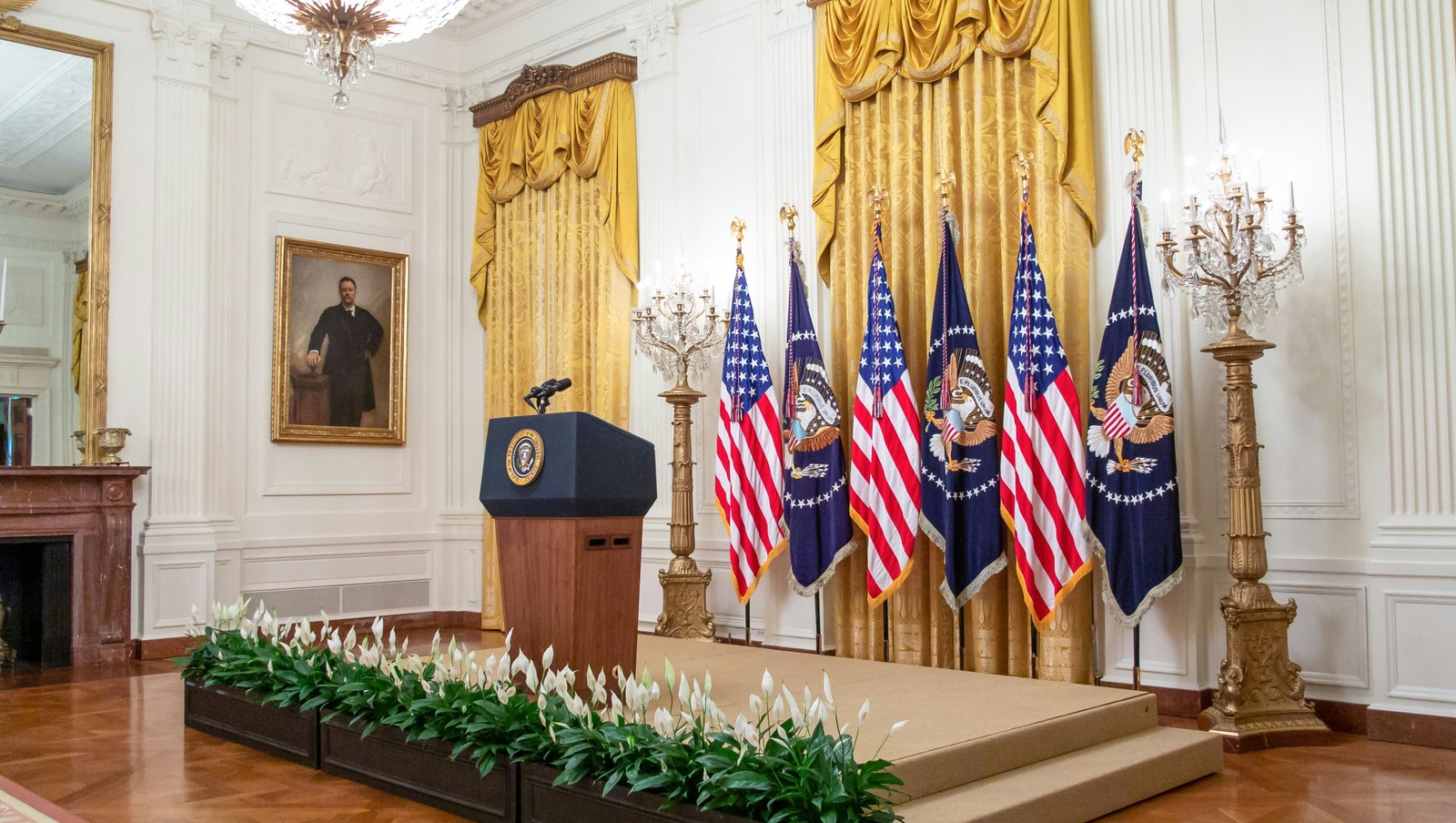
Image: Fine Photographics

Being the president of a nation might seem glamorous, and while it comes with a couple of nice benefits, the role is also full of obligations, strict protocols, and surprising restrictions . From accepting luxurious gifts to buying a smartphone or taking a simple walk, here are all the "don’ts" of being a US president!

1
Open the windows

Image: Braden Burson

Yes, you read that right. A sitting US president can’t just get up and open the windows of the White House to enjoy a beautiful day. While there’s no law against it, the protocols state that any action that could pose a security risk to the commander-in-chief must be carefully reviewed and approved by the staff.

2
Go to the cinema

Image: Krists Luhaers

Going to the movies is one of life’s simple pleasures. Unfortunately, if you’re the president, it’s not one of your options. While it’s not officially forbidden, crowded and dark spaces like movie theaters represent serious security risks. Luckily, the White House has its own private screening room, so the president and his family can still enjoy movie night at home.

3
Attend their children’s events
Image: Sincerely Media

You’ll rarely see a president at their kids’ school plays or sporting events. And it’s not because they’re bad parents; it’s because regulations discourage them from attending. With so many people, children, and things happening at the same time, keeping the commander-in-chief safe in those settings is nearly impossible.

4
Buy their own tech devices
Image: appshunter.io

When a new iPhone hits the market, many rush to buy it, but presidents can’t make this decision on their own. Any electronic device, like a smartphone or tablet, could be vulnerable to hacking or espionage. So while presidents can use cell phones, theirs must be secure, vetted, and government-approved.

5
Block people on social media
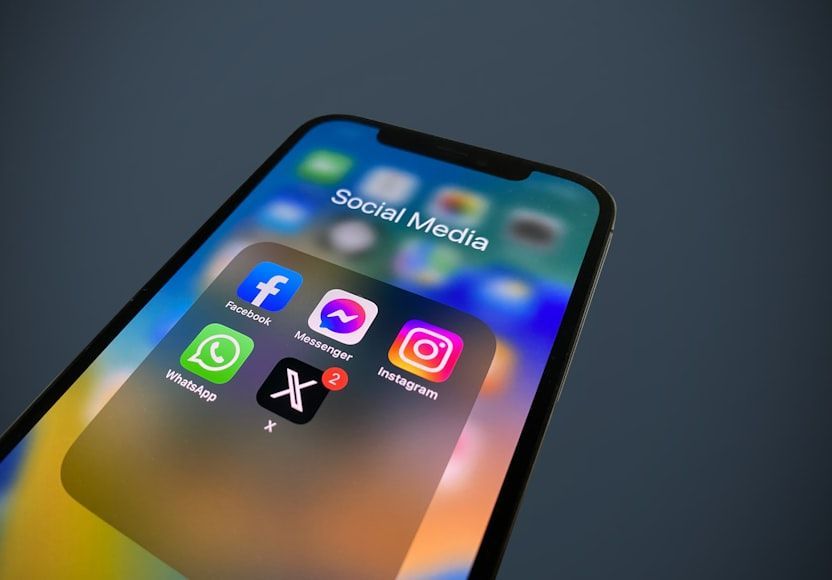
Image: Julian

And that isn’t the only restriction on cell phones. Presidents who use their social media accounts for official communications are advised not to block people in their official POTUS account, since doing so could be seen as suppressing free speech. On the other hand, they can block users on personal accounts.

6
Go out alone
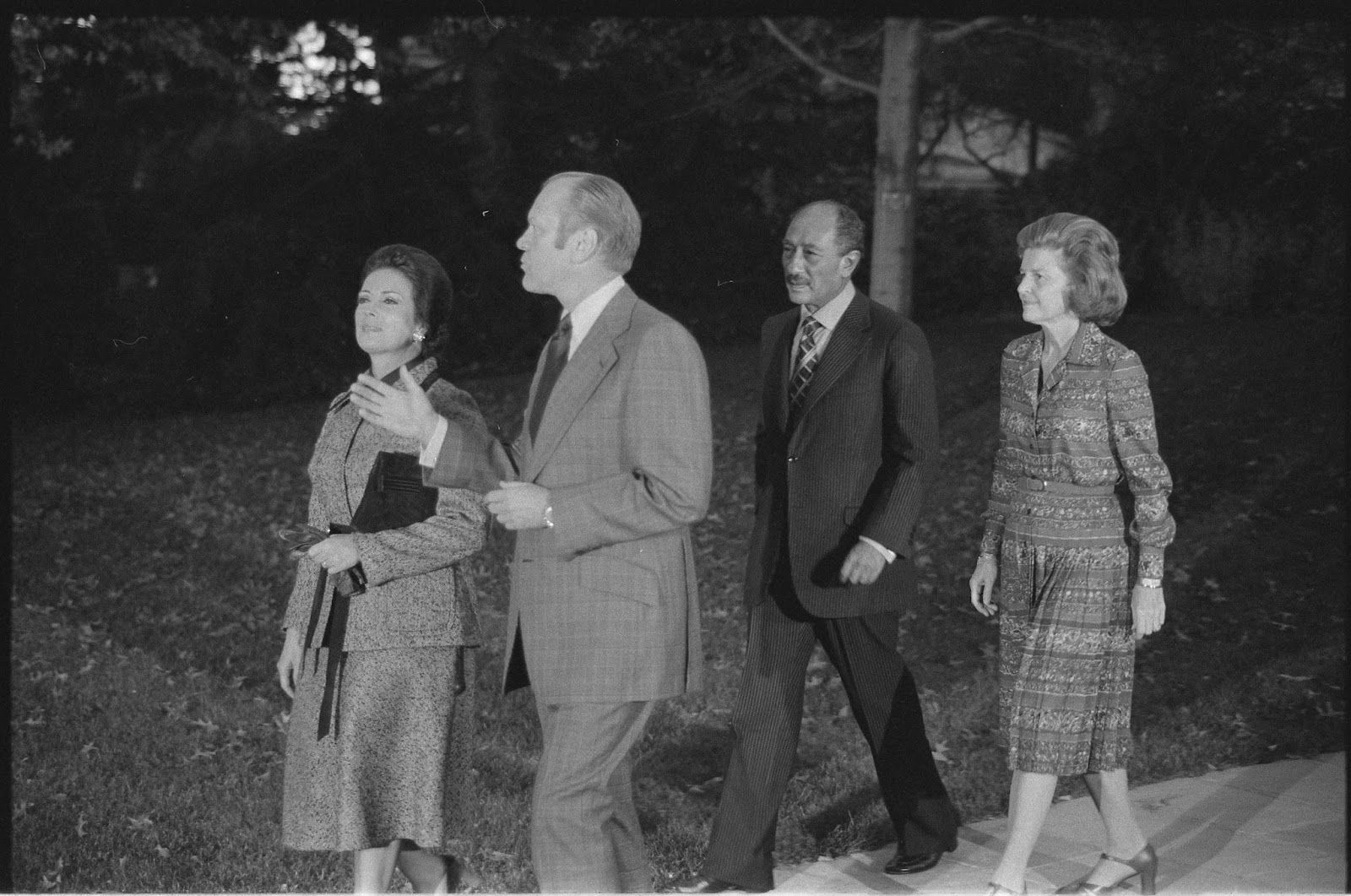
Image: Warren K. Leffler, Public domain, via Wikimedia Commons

The US president can’t just grab the keys and head out for a walk. Sure, strolls around the White House gardens are fine, but stepping beyond the gates is a different story. Anytime the president leaves the White House, even for a quick walk around the block, the Secret Service must secure the area, plan the route, and provide constant protection. Sounds a little overwhelming, right? But when you’re the commander in chief, safety always comes first!

7
Drive
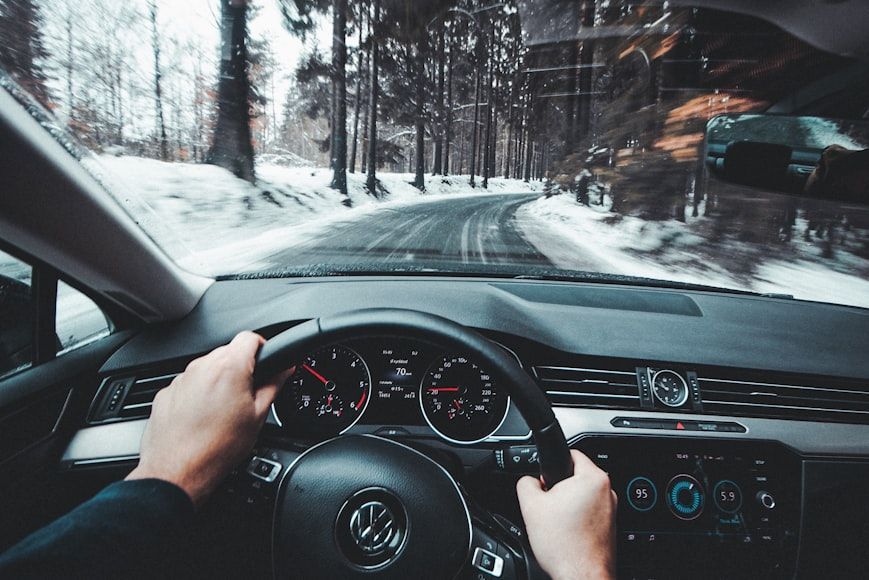
Image: Jerry Kavan

Ever felt the urge to hop in your car and drive somewhere spontaneously? Well, if you’re the President of the United States, that’s off-limits. Security measures strongly recommend that presidents must always travel in a secure vehicle with a driver and a full security detail. In fact, the last president known to drive alone on the open road was Lyndon B. Johnson (1963-1969).

8
Fly on commercial airlines
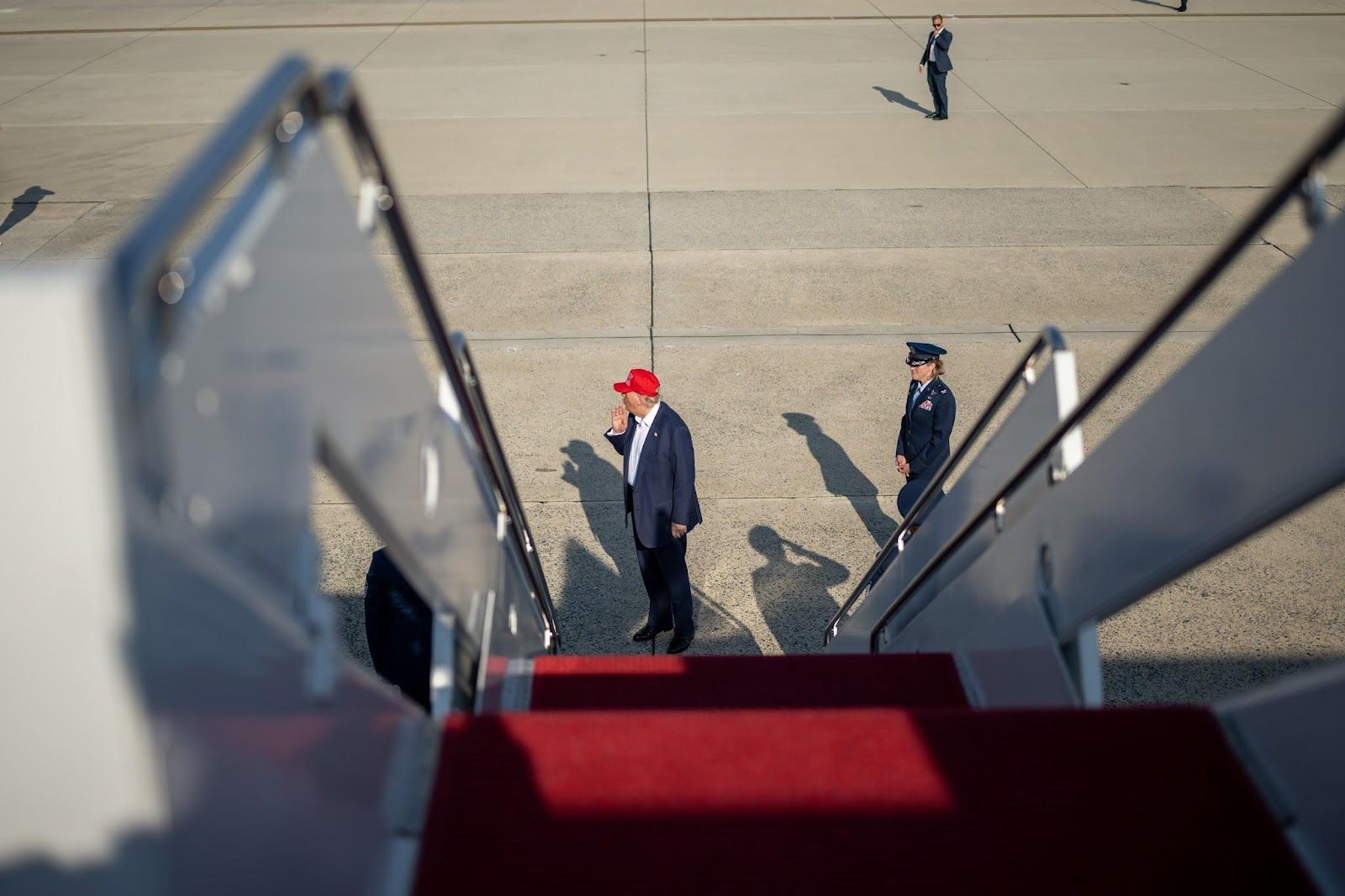
Image: The White House, Public domain, via Wikimedia Commons

Just as security protocols strongly discourage the president from driving alone on open roads, flying on commercial airlines is also off-limits. Imagine being hundreds of feet in the air, locked in with strangers; it could be extremely unsafe when you’re the president of the United States. Implementing proper security measures would be too complicated, and with a large presidential staff, there might not even be enough seats for everyone.

9
Accept expensive gifts

Image: Ayana Ames

Presidents receive many, many letters and gifts from the public, but not all of them can be accepted. The US Constitution and federal law require presidents to decline overly expensive gifts, whether they come from foreign leaders or everyday citizens, to prevent any appearance of conflict of interest or corruption.

10
Discard official mail
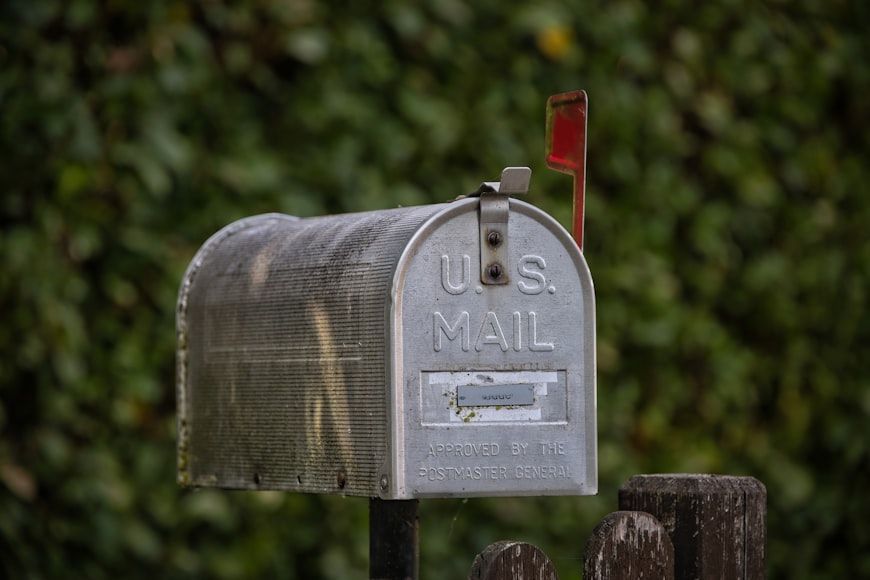
Image: Wolfgang Vrede

Although it may seem like a harmless, ordinary task, the president can’t just start cleaning out their office or email inbox. All presidential correspondence, physical or digital (even spam!), is considered official government property. It must be processed or archived according to federal records regulations, and discarding anything requires a strict review process.

History History 5 min read

Achieving the unachievable, one step at a time

Did you know these 10 legendary American athletic feats?

Image: Renith R

Humans are capable of extraordinary deeds in the physical world, and quite a few of them have taken place in public. From an individual who decided to run 50 marathons in 50 consecutive days to another who climbed a rock wall 3,000 feet high with no ropes or safety equipment of any kind, history is filled with amazing feats accomplished by remarkable people. And, as it happens, quite a few of them are American citizens. Do you know these ten?

1
2008 Beijing Olympic Games - Michael Phelps

Image: Thomas Park

Winning a gold medal in the Olympic Games is, by itself, a huge achievement and a dream come true for any elite athlete. Repeating this feat is something that very few have achieved, and doing so has elevated these individuals to legendary status.

Now, imagine winning not one, not two, but eight gold medals in a single edition of the Olympic Games . This unimaginable feat was accomplished by the now-famous swimmer Michael Phelps. This remains the greatest individual achievement in one edition of the Olympic Games by any Team USA athlete.

2
1936 Munich Olympic Games - Jesse Owens

Image: Braden Collum

Another legendary Olympic moment took place many years before Michael Phelps was even born, when Jesse Owens, a Black athlete, won four gold medals in the 1936 Munich Olympic Games.

Despite competing on very controversial ground at the time, Owens blazed his way to Olympic glory and secured his place in the pantheon of the greatest American athletes.

3
Cuba to Florida Swim - Diana Nyad

Image: Matt Hardy

If you see the distance between Miami and Havana on a map, it doesn’t seem all that far. That is until you start approaching and realize that there are 110 miles between these two places. Believe it or not, this journey has been swum three times. The first two crossings involved a shark cage and several short rests.

The third person to achieve this milestone was Diana Nyad, who completed the swim on her fifth attempt at age 64 in 2013 . Nyad used a protective jellyfish suit, shark divers, and electronic shark-repellent devices to achieve an "unassisted" swim.

4
50 Marathons in 50 Days

Image: Pietro Rampazzo

Running a marathon is an impressive feat of endurance and strength for almost any human being. Running two marathons in two consecutive days is nearly impossible for anyone. Now, imagine running 50 marathons across 50 American states in 50 consecutive days.

That incredible accomplishment was achieved by Los Angeles native Dean Karnazes , beginning with the Lewis and Clark Marathon in St. Louis on September 17, 2006 , and finishing with the New York City Marathon on November 5 . A bit too much, maybe?

5
1968 Mexico City Olympic Games - Bob Beamon

Image: Gabriel Sanchez

On the rarest of occasions, humans are capable of physical achievements that defy what the human body is capable of doing. During the 1968 Summer Olympics in Mexico City, Bob Beamon broke the world record for men’slong jump with an incredible jump of 29 feet, 2.25 inches . Yes, that is almost 30 feet.

There was a delay in posting the distance, and Beamon didn’t know what the metric figure that finally appeared on the board equated to in feet and inches. When a teammate told him he had jumped over 29 feet, he collapsed on the track from the realization of what he had accomplished.

6
2017 Australian US Open - Serena Williams

Image: Kelly Sikkema

Winning a world tennis championship is a significant achievement for any tennis player. That is, unless you are a tennis player so accomplished that winning these tournaments is as regular as anything. The list of people who do that is very short, and the names on it are all very well known.

One of those names is, without a doubt, Serena Williams. Possibly the greatest female tennis player ever, she won the 2017 Australian Open . This fact alone may not seem out of place for such an athlete. But what sets it apart is the fact that she did so while pregnant .

7
17 minutes without breathing - David Blaine

Image: Jakob Owens

How long can you hold your breath underwater? Trained individuals can achieve very impressive results in this field, but one feat that stands out is the one accomplished by American illusionist David Blaine, who, on September 8, 2008, set a world record for static apnoea, by holding his breath underwater inside a tank for 17 minutes and 4.5 seconds.

Blaine is best known for his high-profile feats of endurance and has set and broken several world records. These include standing for 35 hours on a 100-foot-high pillar only 22 inches wide in 2002 and sitting in a clear Perspex box for 44 days in 2003 without eating and drinking only water.

8
900 spin - Tony Hawk

Image: Devin Avery

In the world of skating, a 360 is the name given to a stunt performed by executing a mid-air spin on the board. This is a complicated trick, achieved only by very experienced skaters. A 720 is a stunt performed by doing not one, but two mid-air spins on the board. As one can imagine, this is exponentially more difficult than a 360, and very few people can pull off this stunt.

Now, if we mention a 900, you might guess where we are going. This involves not one, not two, but two and a half mid-air spins on the board. This insanely difficult stunt was first performed (at least publicly) by Tony Hawk, the skateboard champion, at the 1999 X Games, cementing his status as a skateboarding legend.

9
2008 U.S. Open - Tiger Woods

Image: Will Porada

Tiger Woods is a familiar name in the sports world. He has won 14 major golf championships and achieved a level of superstardom seldom seen in the game. However, the one we are choosing to highlight today displays an extraordinary amount of tolerance to pain in the face of competition.

During the 2008 U.S. Open, he played a total of 91 holes with a torn ACL and double stress fractures in his left leg . With a course set up to give players the toughest test of golf imaginable, the U.S. Open is hard enough as it is. Add in debilitating leg injuries, plus 19 extra holes (thanks to a playoff with Rocco Mediate), and you have one of the greatest showings of pain tolerance in the history of tournament golf.

10
El Capitan Free Solo Climb - Alex Honnold

Image: Jessica Tuttle

Imagine climbing a huge stone wall approximately 3,000 feet high in less than four hours. Now imagine doing that, without any kind of ropes or safety equipment. That is exactly what Alex Honnold did on June 3, 2017, when he made the first-ever free solo ascent of El Capitan by completing Alex Huber's 2,900-foot big wall route, Freerider, in 3 hours and 56 minutes.

The climb, described as "one of the great athletic feats of any kind, ever," was documented by climber and photographer Jimmy Chin and documentary filmmaker E. Chai Vasarhelyi, as the subject of the documentary Free Solo which, among other awards, won the Academy Award for Best Documentary Feature in 2018.

General General 3 min read

Thank God for sliced bread!

The entire world has adopted these 12 conveniences born in the U.S.

Image: Rifandi G

So many everyday comforts we now take for granted were first developed in the U.S. These innovations didn’t just change American life —they ultimately spread across the world and reshaped how people shop, eat, and move around.

1
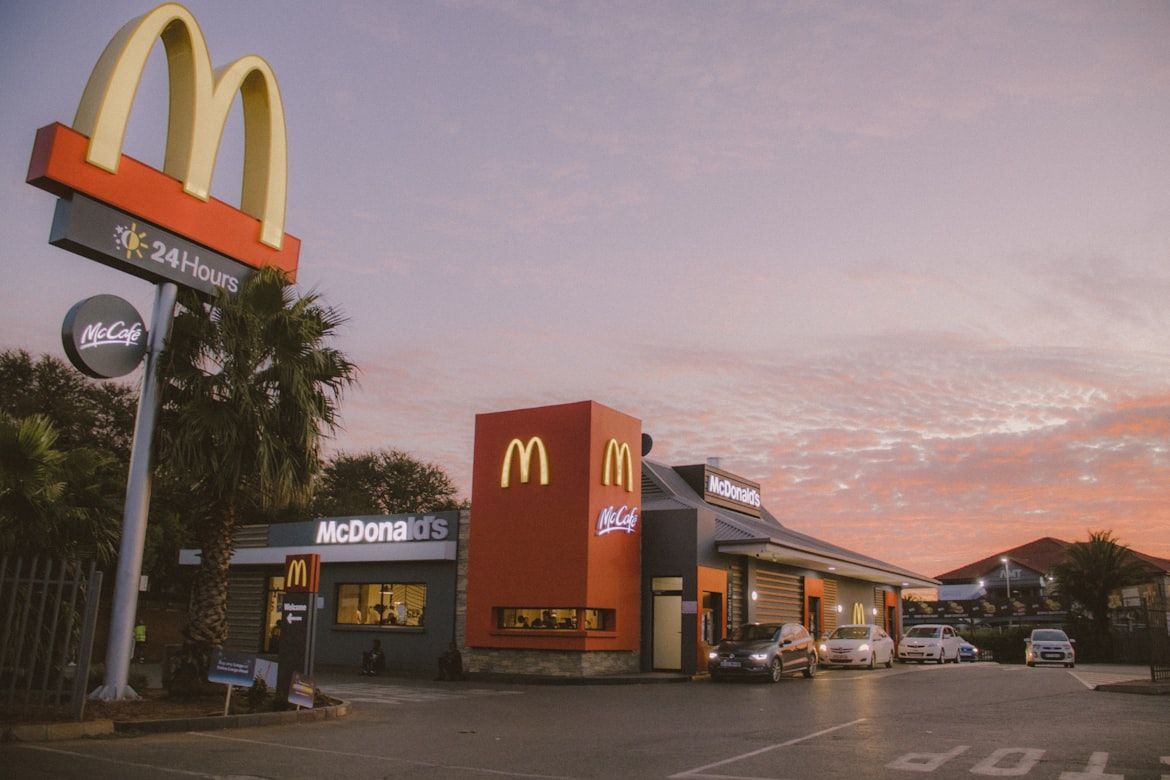
Fast food chains

Image: Boshoku

The U.S. pioneered large-scale fast food chains like McDonald’s, Burger King, and Wendy’s, especially after World War II. These restaurants focused on speed, consistency, and low prices .

Their standardized menus and assembly-line kitchens made quick meals widely accessible. The model spread globally, shaping modern eating habits.

2
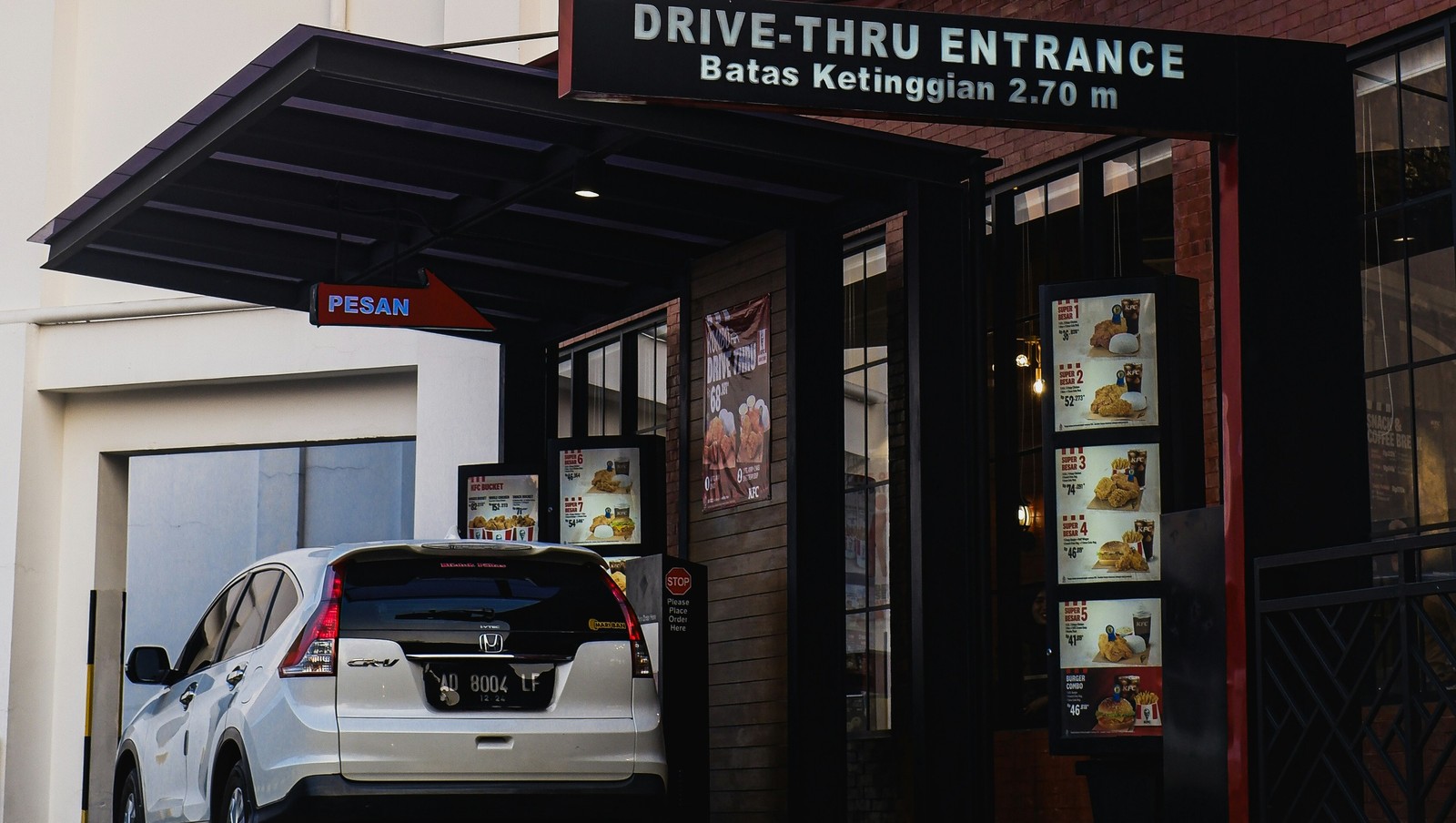
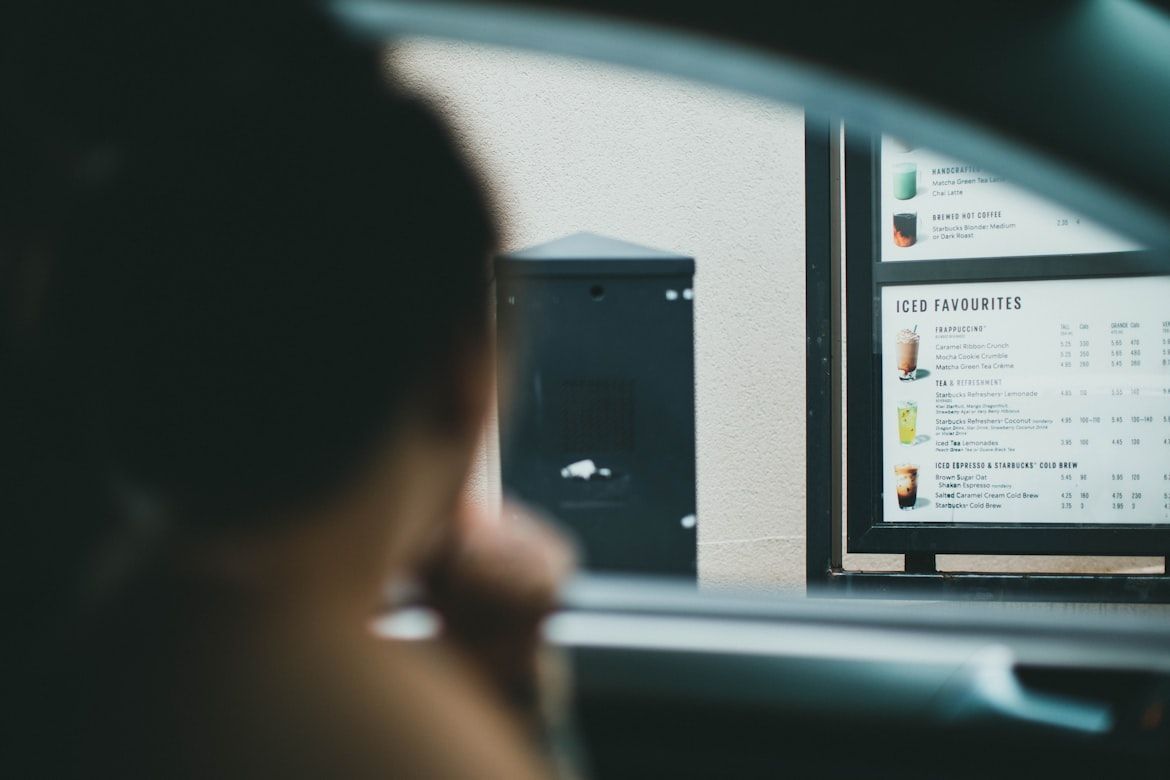
Drive-Thru restaurants

Image: Jonathan Cooper

The drive-thru concept took off in the U.S. in the 1940s, with chains like In-N-Out and later McDonald’s making it national. It allowed diners to order food without leaving their cars .

This idea dovetailed perfectly with a growing car culture and suburban life in the aftermath of WWII. Today, drive-thrus are common worldwide, but their roots lie in mid-century America.

3
Credit cards

Image: Avery Evans

While earlier charge systems existed, modern credit cards became widely used in the U.S. in the 1950s with Diners Club and BankAmericard (later Visa).

They allowed consumers to buy now and pay later , transforming spending habits. This system became a global standard, making everyday purchases faster and more flexible.

4
Online shopping

Image: Marques Thomas

Modern online shopping began in the U.S. during the 1990s, with now-ubiquitous companies like Amazon leading the way. Consumers could browse and buy products without visiting a store .

This shifted retail forever, offering convenience, home delivery, and endless variety. Today’s global e-commerce industry grew from these early American platforms.

5
Self-service gas stations

Image: Gene Gallin

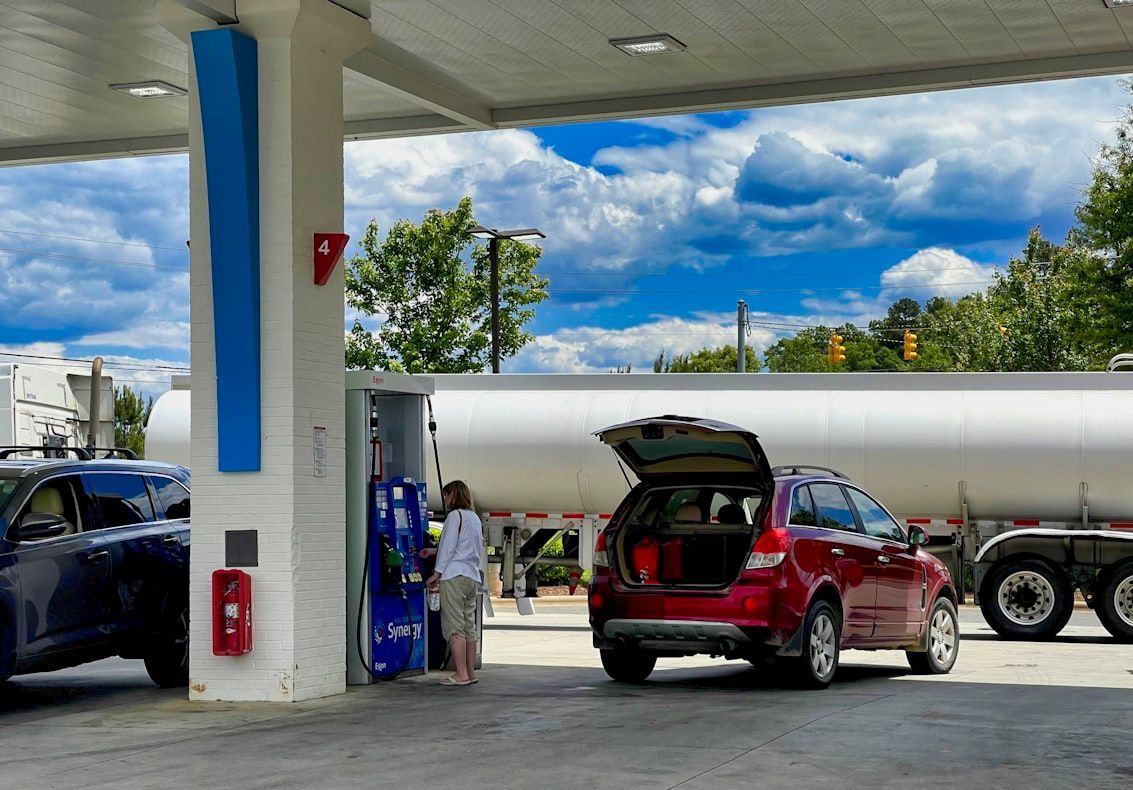
Self-service gas stations became popular in the U.S. in the 1960s and 70s, allowing drivers to pump their own fuel instead of relying on attendants .

This reduced costs and sped up service, appealing to busy motorists. Over time, it became the standard in most parts of the world.

6
Supermarkets with one-stop shopping

Image: Peter Bond

The first true supermarkets appeared in the U.S. in the 1930s, offering a wide range of goods, from fresh meat and produce to dry goods to cleaning and personal care products, under one roof . King Kullen in New York is often cited as an early example of this.

These mega-stores replaced smaller specialty shops and made grocery shopping easier. The concept became a global standard for food retail.

7
Shopping malls

Image: WeLoveBarcelona.de

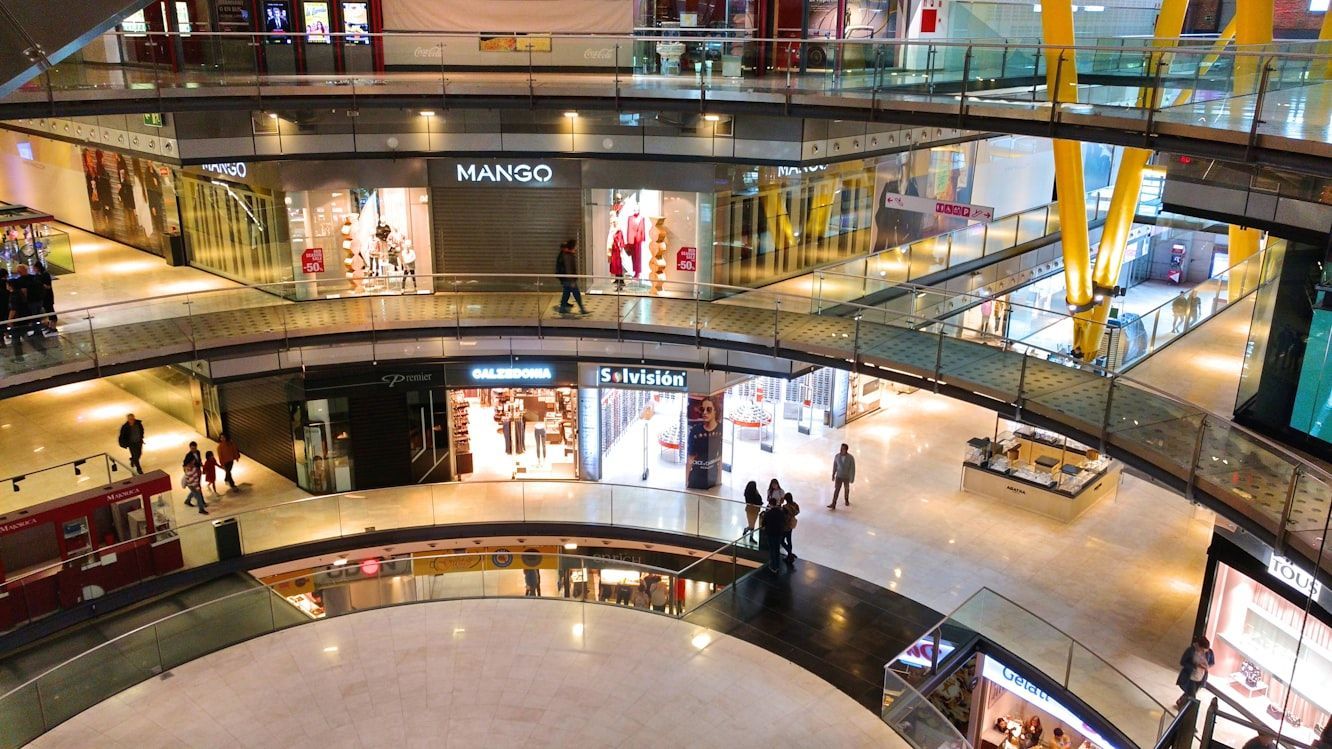
Indoor shopping malls emerged in the U.S. in the mid-20th century, designed as climate-controlled spaces with multiple stores in one location , beginning with Southdale Center, which opened in Edina, Minnesota, in 1956.

They became social hubs as well as retail centers. The mall concept spread worldwide, especially in suburban areas.

8
Frozen TV dinners

Image: Kouji Tsuru

TV dinners were introduced in the U.S. in the 1950s, notably by Swanson. These frozen meals were designed to be heated quickly and eaten while watching television, hence the term "TV dinner."

They reflected changing lifestyles in which convenience and entertainment overlapped. Frozen meals later became a global staple, especially with the advent of microwave ovens, which became increasingly popular in the 1970s and 80s.

9
Automatic dishwashers

Image: Ostbacher Stern

Dishwashers existed earlier, but automatic home models became widely adopted in the U.S. during the mid-20th century, making their way into American homes in the 1950s and 60s.

They saved time and reduced household labor, especially in busy families . Today, they are a common appliance in many parts of the world.

10
Sink garbage disposals

Image: Giorgio Trovato

The garbage disposal system was invented in the U.S. in the 1920s and became popular in American homes after World War II. It grinds food waste directly in the sink .

This innovation simplified kitchen cleanup and reduced trash volume. It remains especially common in U.S. households.

11
Vending machines

Image: Kenny Eliason

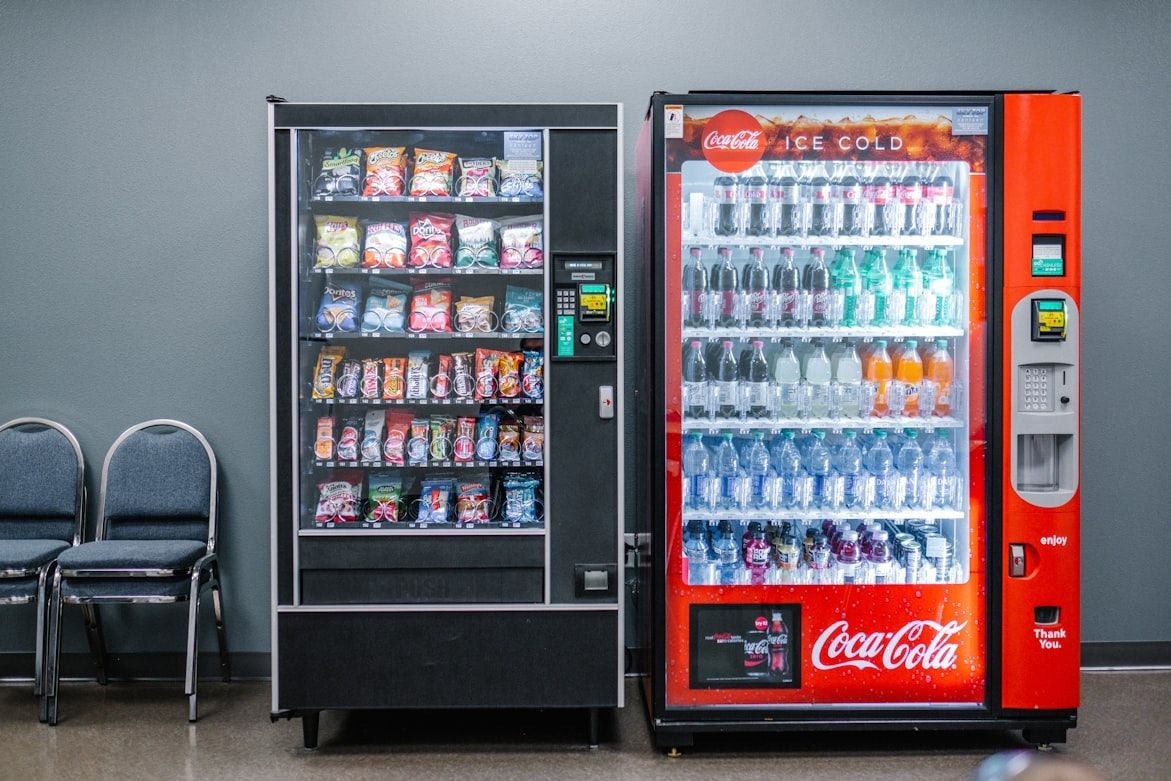
Modern vending machines became widespread in the U.S. during the 1950s and 60s, offering snacks and beverages in public places.

They provided quick, unattended service at any hour . While now global, their large-scale use and variety were strongly shaped by American consumer culture.

12
Ride-sharing apps

Image: Paul Hanaoka

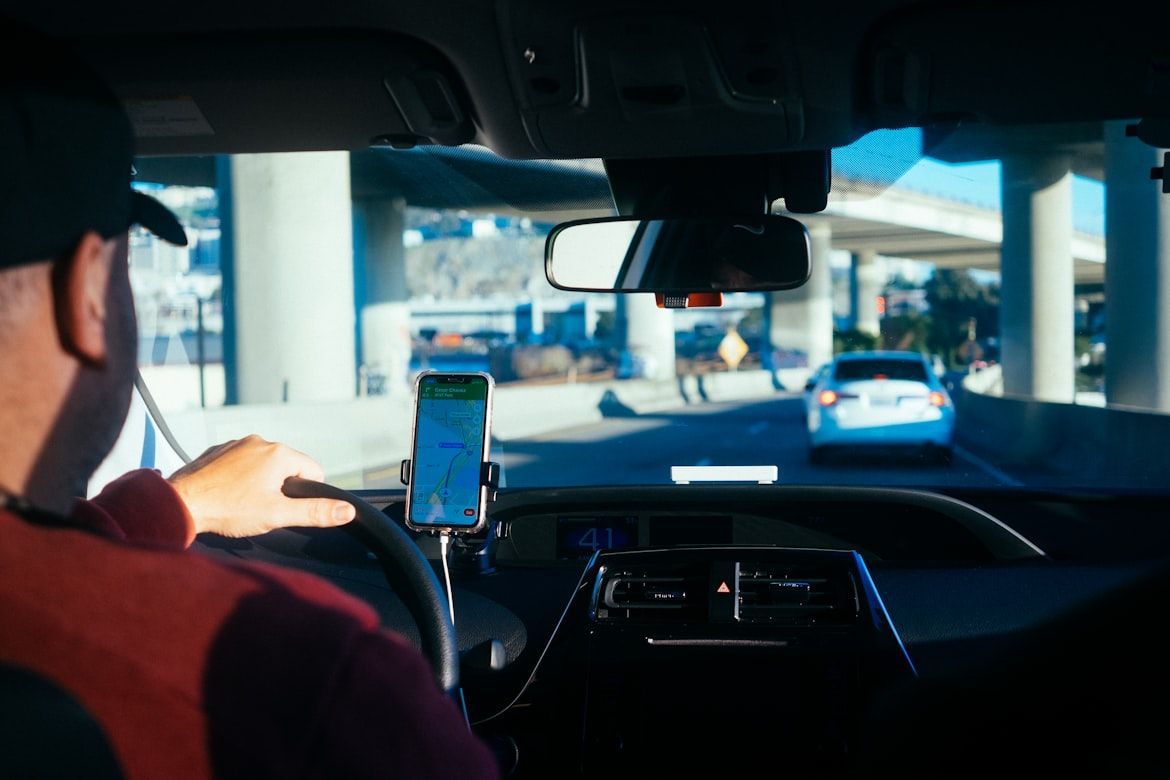
Ride-sharing apps like Uber and Lyft began in the late 2000s, using smartphones to connect passengers with drivers instantly .

They transformed urban transportation, offering flexible alternatives to taxis. This model has since expanded to cities around the world.

Explore more American facts

Choose your favorite category!

General
General

As American as apple pie—the very best America has to offer!

Culture
Culture

Delve into the astounding richness of American lore.

Geography
Geography

Hop in and explore vast and diverse American landscapes.

History
History

Discover the key moments that shaped the United States.