General General 4 min read

Put the pedal to the metal

Mustang, Firebird, and more: 10 classic American cars!

Image: cozmicphotos

It shouldn’t come as a surprise that America loves cars : Our country is synonymous with the freedom to hit the road and drive wherever the wind takes us. In that sense, America has produced its fair share of amazing cars, that have transcended their status as mere machines to become full-pledged cultural icons. With that in mind, we have selected 10 American cars that truly defined their respective times, with the hopes of being able to pay homage to all these incredible vehicles. Enjoy!

1
Ford Model T
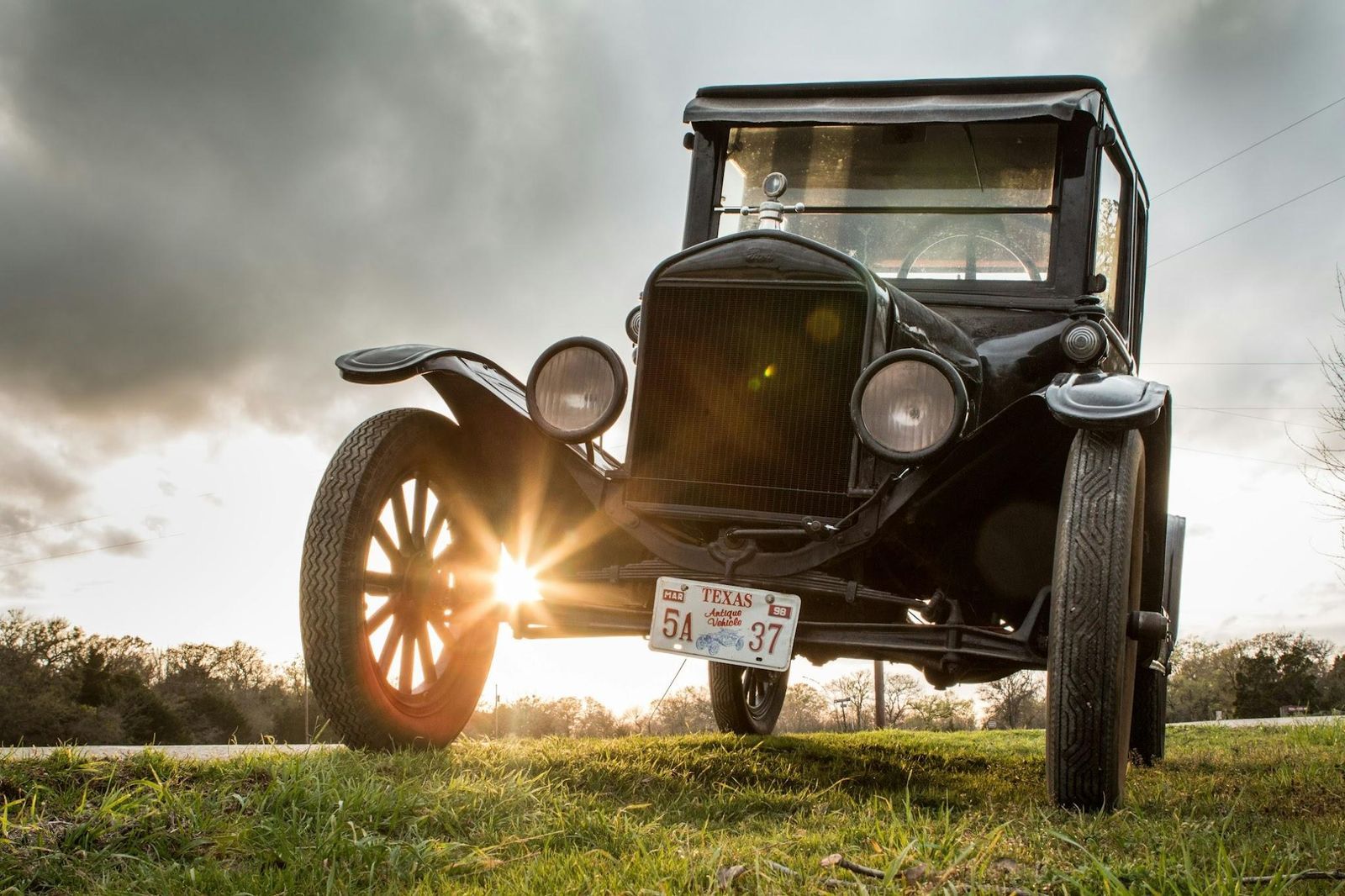
Image: Matthew Lancaster

We’ll begin this article with the car that started it all. The Model T is considered by historians to be the very first mass-produced and affordable car, thanks to Henry Ford’s incredible innovation with the introduction of the assembly line. In the 1999 "Car of the Century" competition, the Ford Model T was named the most influential car of the 20th century, and with good reason: the creation of this groundbreaking vehicle is considered one of the most revolutionary events in the past few centuries.

2
Ford Mustang

Image: Joey Banks

The Mustang has been Ford’s most famous vehicle since 1964, with new series and models coming up to this day. Just like its name suggests, the Mustang is what is known as a "pony car": Affordable, compact, and, above all, highly styled. However, at the time of its launch, the Mustang was also synonymous with speed, debuting as a safety car in the 1964 Indianapolis 500. Not only that, it won the 1964 Tour de France international rally.

3
Chevrolet Corvette
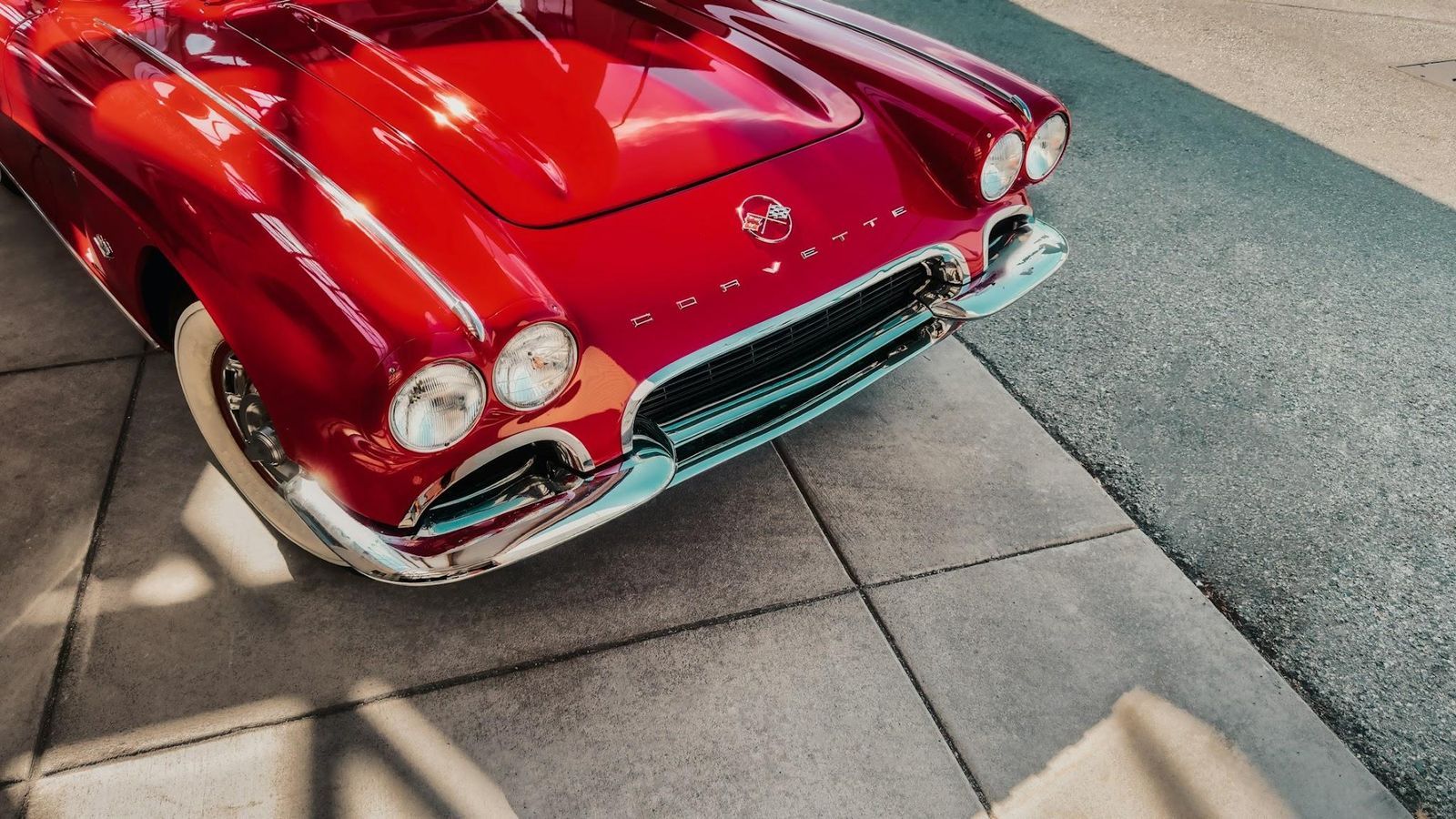
Image: Deepthi Clicks

Few sports cars are as iconic and instantly recognizable as the Corvette. First introduced in 1953, the Corvette is still manufactured to this day, with its latest generation introduced in 2020. Experts recognize this car for its stylish design, excellent performance, and competitive pricing. These qualities have turned the Corvette into an undisputed American icon.

4
Cadillac ElDorado
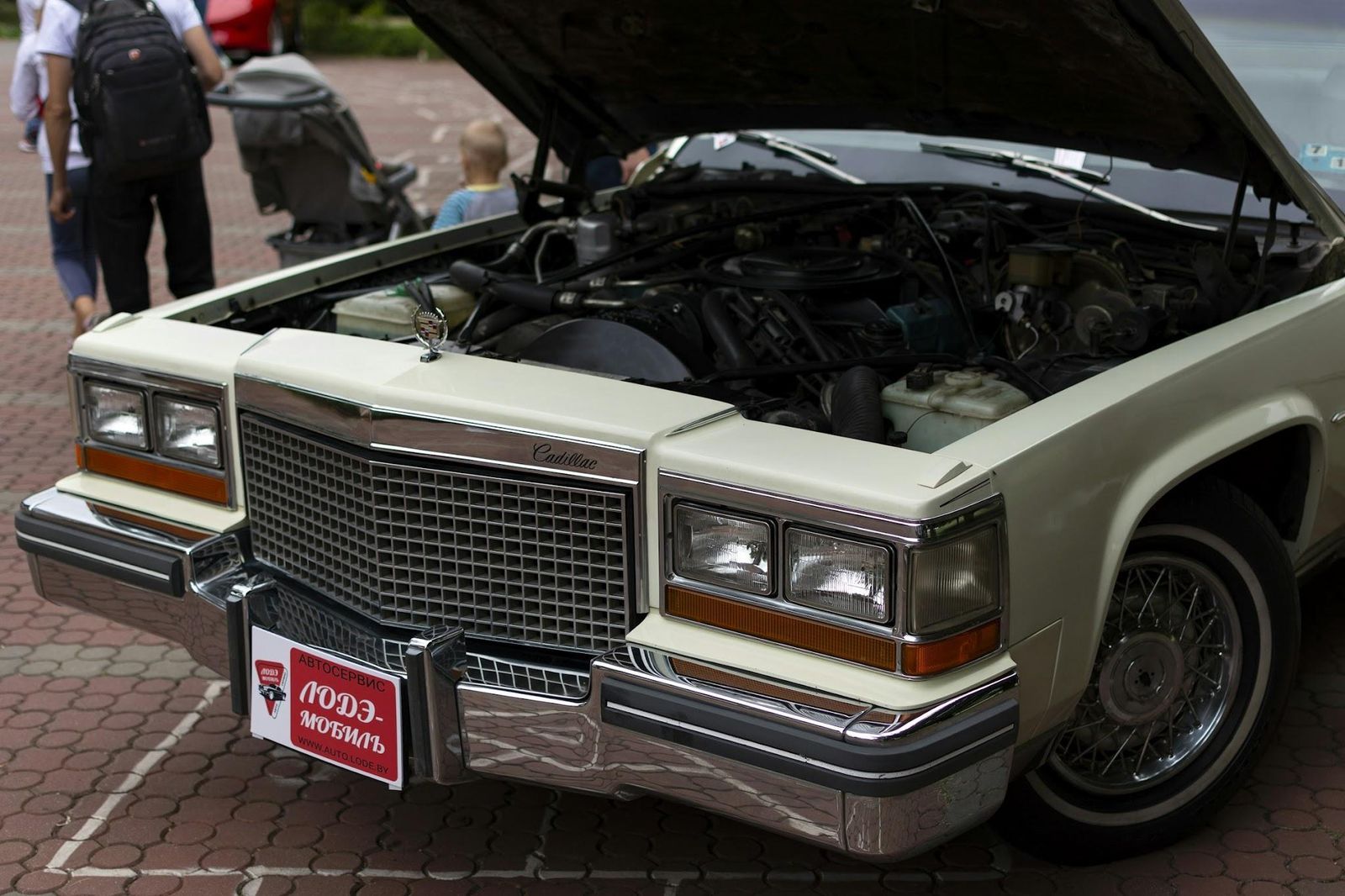
Image: Evgeni Adutskevich

In the 1950s, when it came time for Cadillac to name their new luxury car model, they naturally chose to name it after the mythical city of "El Dorado." After all, what can be more luxurious than a legendary Colombian city made entirely of gold? The Eldorado was created to celebrate Cadillac’s "golden" anniversary, but it quickly became this manufacturer’s most popular vehicle, produced for over 50 years until 2002.

5
Jeep Wrangler

Image: Thomas Tucker

During WWII, the U.S. Army introduced the Willys MB, an off-road vehicle also known as the "Jeep." By the end of the war, a civilian-friendly model of the Jeep, known as the "CJ-1", was introduced to the American public with great success. Cut to 40 years later, in 1986, when Jeep introduced its now-iconic Wrangler. Its maneuverability and power were (and still are) only comparable to its comfort and style.

6
Pontiac Firebird
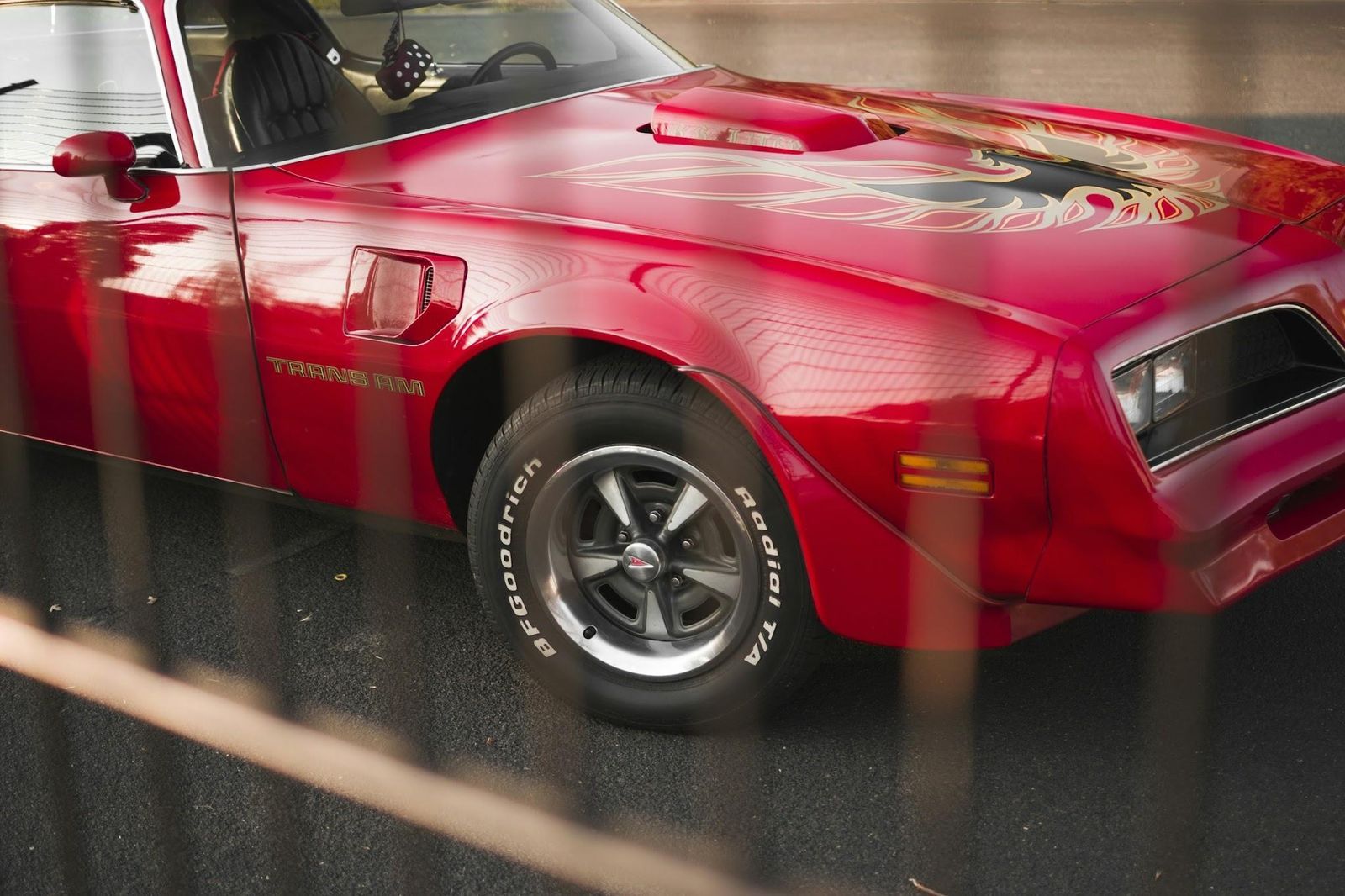
Image: Reinhart Julian

Whenever you see Pontiac’s black and golden phoenix in the hood of a car, you know you are in the presence of one of the most iconic American cars in history. Produced from 1967 to 2002, the Pontiac Firebird was first created as a "pony car" to compete with the Ford Mustang. With 4 different models, the Firebird is definitively synonymous with speed, performance, and, above all, style.

7
Oldsmobile 88
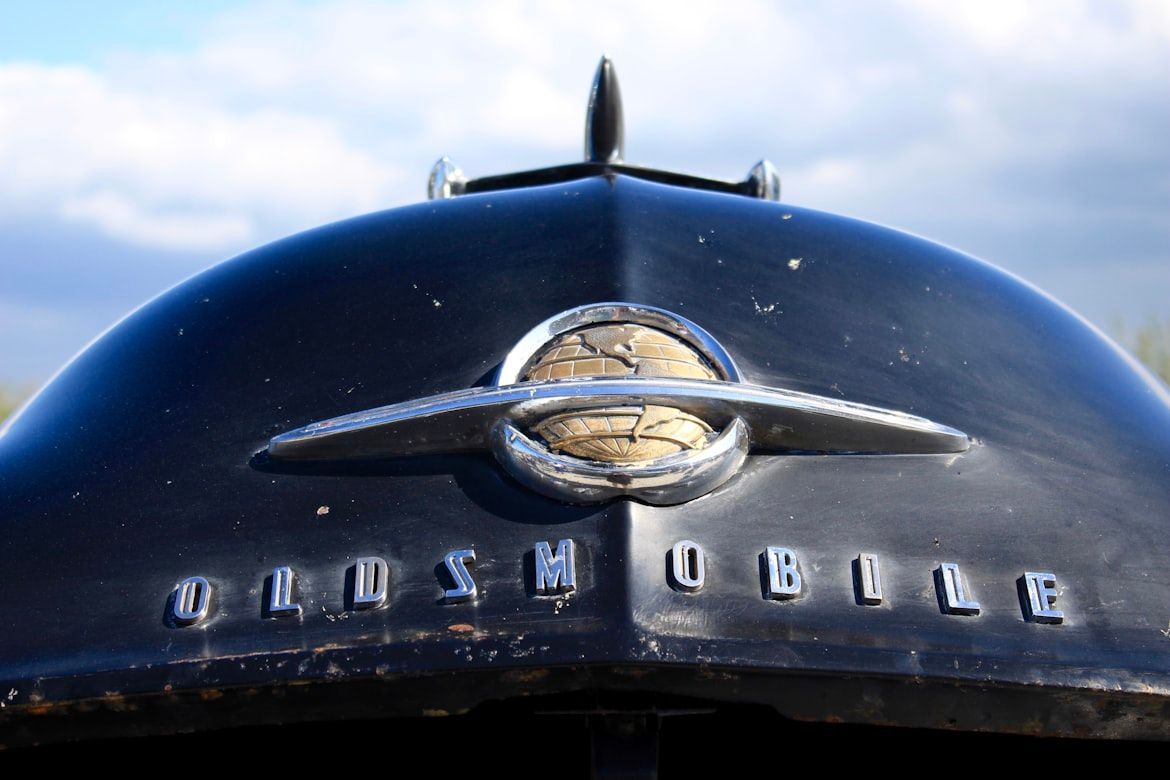
Image: Anton Imbro

The Oldsmobile 88 is this manufacturer’s best-selling and most famous vehicle, and with good reason. Since its introduction in the 1950s, this full-size car was extremely popular for its light weight and powerful V8 engine. Not only that, many experts believe that its large and high-performance engine made the 88 the very first muscle car in history.

8
Dodge Charger
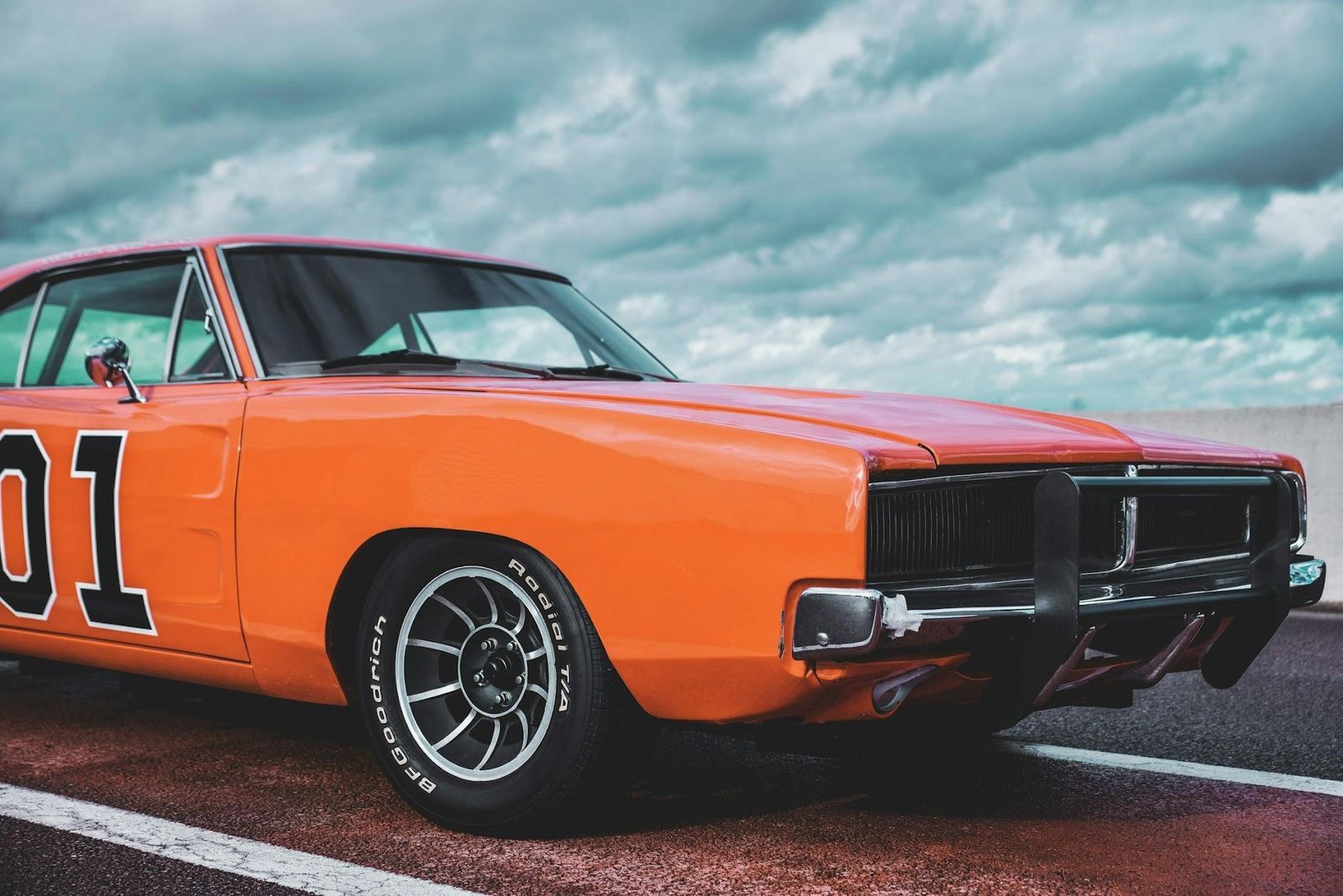
Image: Cook aynne

In the late 70s, a now-legendary show called "The Dukes of Hazzard" introduced the world to "them Duke Boys," two cousins who engaged in high-adrenaline adventures through rural Georgia in their trusted Dodge Charger named "General Lee." The popularity of this show made the Charger familiar to America since the high-speed chases showcased by the show allowed the public to see first-hand all the perks the Charger had to offer.

9
Volkswagen Microbus
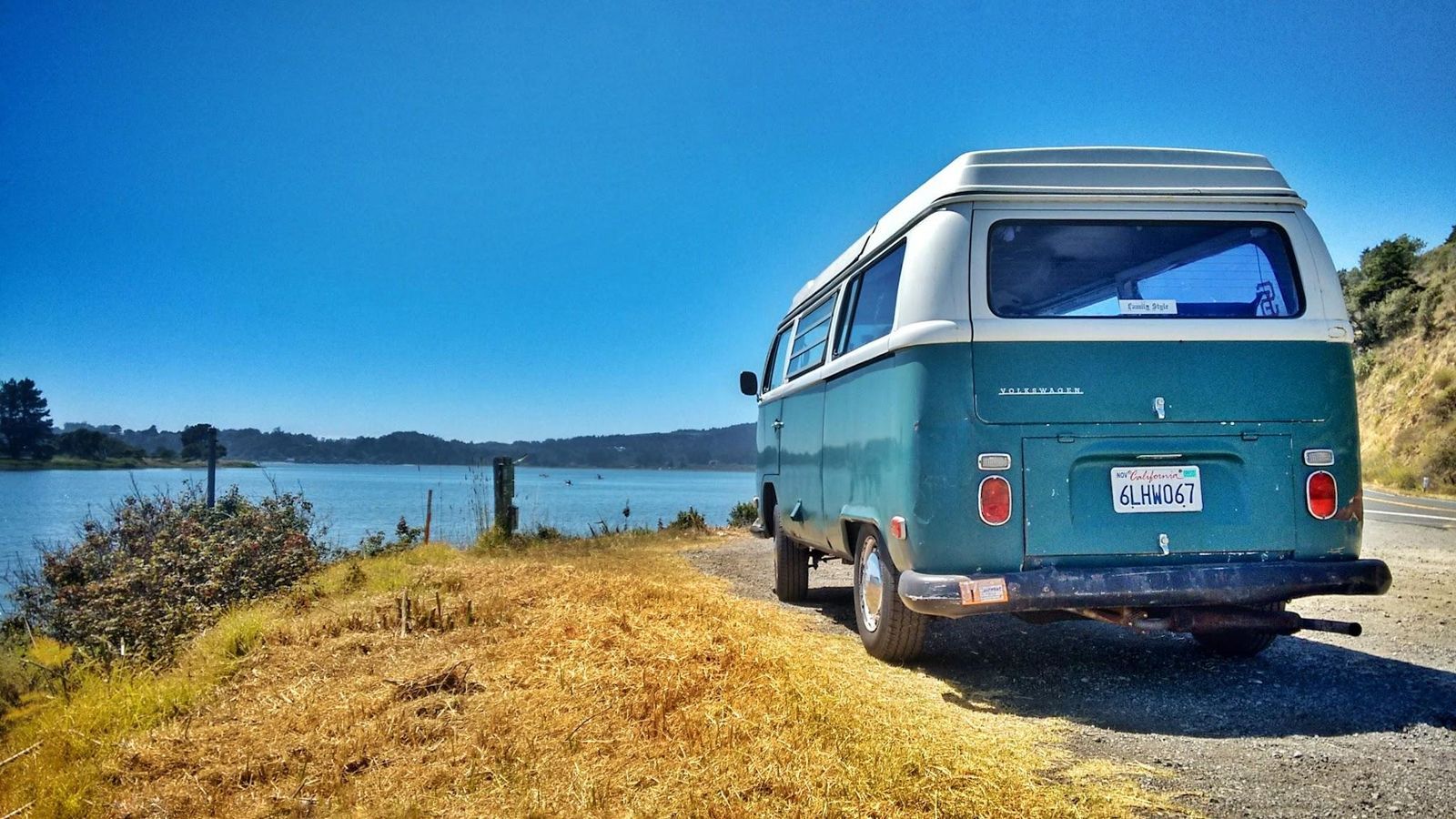
Image: Ian Usher

So far, we’ve been focusing on cars known for their speed or power, but what about comfort? This isn’t to say that the vehicles we’ve mentioned before are not comfortable, but this entry is known as the go-to car for those seeking to explore the gorgeous landscapes of our country. Since Volkswagen is a German manufacturer, the Microbus is not technically an American car, but let’s be honest: This car has been synonymous with American road trips since its inception.

10
Lincoln Continental
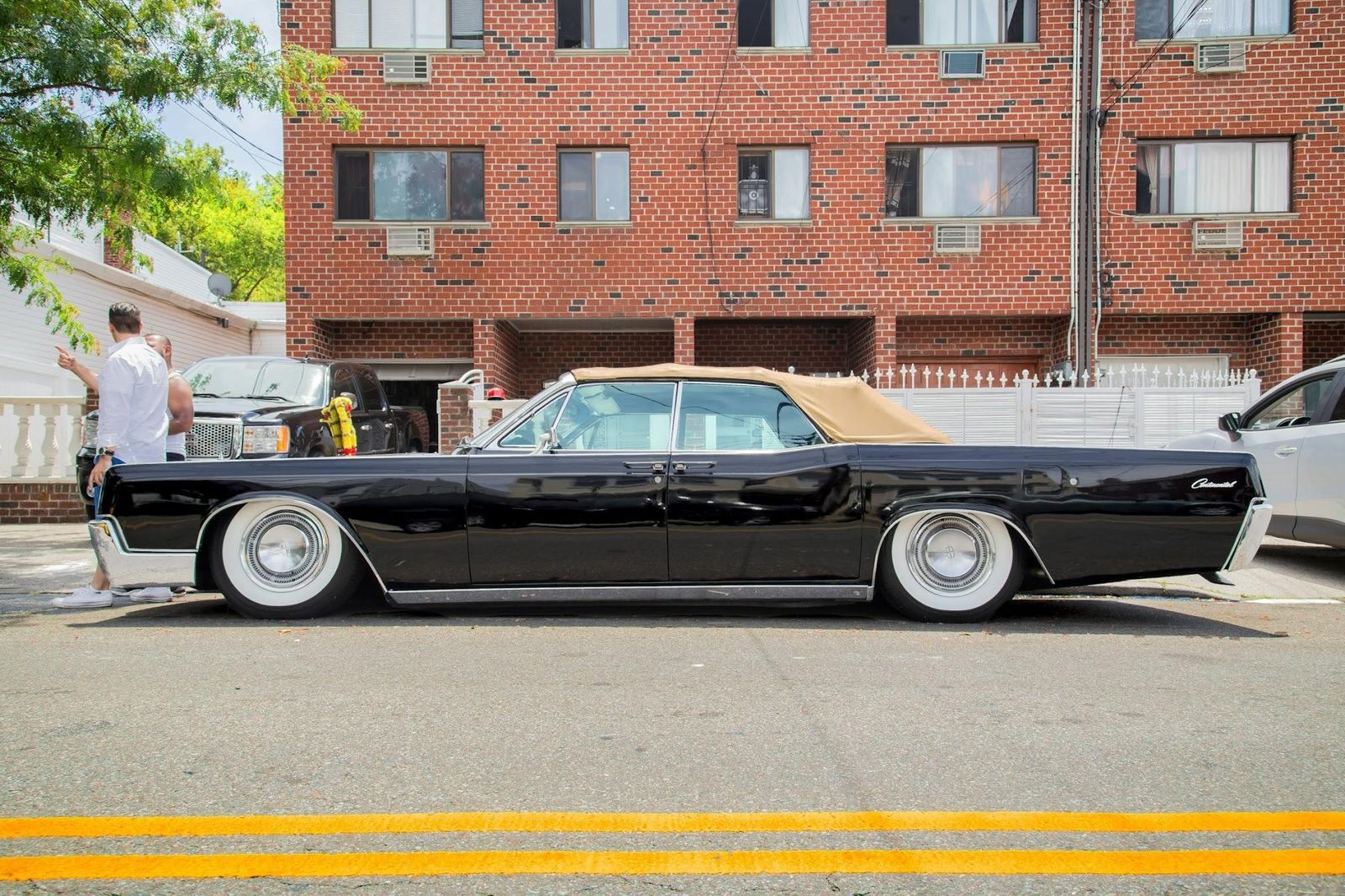
Image: Marty Maguire

In the early 40s, Edsel Ford, son of legendary industrialist Henry Ford, commissioned the construction of a comfortable luxury personal vehicle. The result was the Lincoln Continental , which quickly evolved from that sole prototype into one of the most iconic American cars in history. The name comes from the car’s European "continental" styling elements, like a modern design and a rear-mounted spare tire.


History History 4 min read

After the golden spike

The driving force that built America: 12 milestones in railroad history

Image: jean52Photosstock

Today, we often take trains for granted, but that wasn’t always the case! The history of railroads is deeply intertwined with American history, shaping the nation’s growth every step of the way. Rail lines helped modern cities blossom, boosted trade across the country, and allowed Americans to explore even the most remote corners of the nation . From the first tracks to today’s massive freight industry, join us as we journey through 12 pivotal moments that defined America’s railroad legacy.

1
First tracks laid

Image: Tim Wildsmith

Date: 1827

The Baltimore and Ohio Railroad (B&O), chartered in 1827, became America’s first common carrier railroad. Construction began the following year, introducing horse-drawn carriages on iron rails. While rail lines existed before, most were privately owned or served specific industries.

2
Tom Thumb’s race

Image: K. Mitch Hodge

Date: 1830

Shortly after the establishment of the B&O’s chartered line, American industrialist and inventor Peter Cooper designed the first American steam locomotive, Tom Thumb , to convince the railroad’s owners to adopt steam power. To prove the technology’s potential, a race was organized between the locomotive and a horse. Although the horse won after Tom Thumb suffered a mechanical failure, the demonstration successfully proved the superiority of steam engines, marking a turning point in railroad history.

3
The railroad boom

Image: Museums Victoria

Date: 1840s to 1850s

With the rise of steam locomotives, railroads expanded rapidly, connecting major cities and driving unprecedented economic growth. By 1850, the U.S. had built 9,000 miles of railroad tracks . These rail lines played a crucial role in transporting goods—particularly agricultural products—to markets, revolutionizing commerce and travel across the country.

4
First transcontinental charter

Image: Alex Boyd

Date: 1862

The Pacific Railroad Act, signed by Abraham Lincoln in 1862, authorized the construction of the first transcontinental railroad, connecting the East and West coasts. The legislation empowered the Union Pacific and Central Pacific Railroads to undertake this monumental task, offering land grants and bonds to support the project. Beyond its technological significance, the act also demonstrated the federal government’s commitment to uniting the nation, fostering economic growth, and solidifying the country’s infrastructure.

5
Driving the Golden Spike

Image: Matt Benson

Date: 1869

On May 10, 1869, the Union Pacific and Central Pacific Railroads met at Promontory Summit, Utah, completing the first transcontinental railroad. During the ceremony, a 17.6-karat golden spike was ceremonially driven in —then promptly removed to prevent theft. This historic achievement connected the nation like never before, reducing cross-country travel time from months to days and forever transforming America's transportation landscape.

6
Standardized time zones

Image: Igor Savelev

Date: 1883

Another transformative effect of railroad expansion and faster travel times was the need for standardized timekeeping. To address the confusion caused by varying local times, the system of time zones was introduced. This not only revolutionized rail scheduling but also transformed travel and commerce across the country, helping synchronize operations nationwide and ensuring greater efficiency and coordination.

7
The Pullman revolution

Image: Jennifer Latuperisa-Andresen

Date: 1867

In 1867, George Pullman introduced the first luxury sleeper cars, offering passengers unmatched comfort on long-distance journeys. Pullman cars featured plush seating, fine dining, and exceptional on-board service, elevating the railroad experience to new heights. These innovations set a standard for first-class travel that extended far beyond railroads.

8
Connecting the South

Image: Oxana Melis

Date: 1870s

During the American Civil War, railroads were a strategic asset, enabling the swift movement of troops and supplies. After the war, Southern rail development played a key role in integrating the South into the broader U.S. economy, facilitating trade and mobility in the Reconstruction era. The Southern rail network expanded from 11,000 miles in 1870 to 29,000 miles by 1890, breaking the region's isolation and fostering economic growth.

9
Electric rail debuts

Image: Museums of History New South Wales

Date: 1888

Richmond, Virginia, became the site of America’s first electric streetcar system, forever revolutionizing urban transit. The system had a significant impact on the emerging electric trolley industry, with its design serving as a model adopted by many other cities. This shift marked the beginning of modern public transportation, transforming urban landscapes and mobility for generations to come.

10
The Golden Age

Image: Marco De Luca

Date: Early 20th Century

From 1900 to 1930, railroads dominated American transportation, carrying nearly all freight and passengers . During this period, innovations in track systems, signaling, and luxury amenities reinforced their status as the nation’s lifeblood. The industry thrived unchallenged until the rise of automobiles and airplanes reshaped the transportation landscape.

11
Amtrak takes over

Image: Jan Canty

Date: 1971

During the post-World War II economic boom, airlines and Interstate highways pushed many railroads out of business . As passenger rail declined, the U.S. government created Amtrak to sustain intercity travel, consolidating struggling private lines into a national service. While freight rail remained strong, Amtrak preserved passenger trains’ legacy, ensuring their continued role in America’s transportation system.

12
Modern freight titans

Image: Akshay Nanavati

Date: Present Day

Finally, we've reached the last station on our railroad journey! While the railroad landscape has drastically changed since its golden era, trains remain a vital backbone of the country’s economy. Freight railroads now dominate the industry, transporting over 1.7 billion tons of goods annually. The U.S. boasts one of the world’s largest and most efficient freight rail systems , transporting everything from coal to electronics and continuing to drive commerce and industry.

General General 6 min read

THE ALL-AMERICAN MENU

Let's Enjoy These 10 American Dishes Everyone Should Try

The United States of America is known for its freedom, diversity, and, of course, its delicious food . Today, we're touring the nation to taste some emblematic dishes that have become icons of American culture!

While hamburgers, hot dogs, and the comforting Mac and Cheese are undeniable parts of our identity, it's time to highlight other delicious dishes equally significant in American gastronomy . Join us to review the origins and recipes of these 10 iconic American specialties . We'd love to know which one is your favorite!

1
Cornbread

Image: Rafael Cisneros Méndez

With its roots planted in Native American cuisine, cornbread has become a unique staple, especially in the South of our country.

Easy to make and irresistibly tasty , this quick bread stands out for its versatility , making it a great companion to meals of many Americans at different times of the day .

And the best part? You only need cornmeal, all-purpose flour, buttermilk, melted butter (or vegetable oil), and a couple of eggs to make it! What time of the day do you prefer to enjoy this recipe?

2
Apple Pie

Image: Priscilla Du Preez 🇨🇦

Did you know that apple pie was one of the favorite desserts of our first president, George Washington ? While it originated in England, the apple pie was brought to America by European settlers and stayed here to evolve into the special dessert we know today. It is now so linked with American culture that we have the saying, "As American as apple pie," to prove it!

Often enjoyed during Thanksgiving and other holidays as a tasty autumn dessert , this is a slightly more elaborate recipe, but definitely worth a try.

And if you're looking for a special occasion to bake one, May 13th is the perfect date, since it's National Apple Pie Day in the United States!

3
Pecan Pie

Image: Leila Issa

Pecans are a delightful treat, right? And you know what? They are native to North America , especially the South , which is why the wonderful Pecan Pie is associated with this region of the country.

The formula for this tasty dessert is said to have emerged in the late 19th century , with one of its earliest recipes appearing in an 1886 recipe book!

And, while it's a classic during holidays like Thanksgiving , you can actually enjoy it anytime, all year round. In fact, this recipe is so popular that the state of Texas has declared it their official state pie !

4
Philly Cheesesteak

Image: Ir Like

Enough sweet for now. Now, let's talk about a savory delight, the Philly Cheesesteak .

As its name suggests, this classic was born in the city of Philadelphia , Pennsylvania, and is believed to be the creation of a hot dog vendor in the 1930s .

Who can resist the combination of a crispy hoagie roll, thinly sliced pieces of steak, onion, bell pepper, and melted cheese? We can't!

Of course, people in Philadelphia have a special day to celebrate this dish: March 24. Have you ever joined the celebration? If not, consider this as a sign to do it next year!

5
Thanksgiving Turkey

Image: Megan Watson

As you probably already know, it is believed that in Plymouth, Massachusetts , a special meeting took place in 1621 . According to myth, English settlers there shared a feast with Native Americans that included primarily turkey , among other foods. This gathering is often considered the very first Thanksgiving , forever linking turkey to this day of gratitude.

For this delicious recipe, you won't need many ingredients; just butter, fresh herbs, an onion, a lemon, some garlic, and salt and pepper to taste, along with your turkey , of course! In addition, you can stuff it with the option of your choice.

And while all this may sound familiar, here's a surprising fact: According to the National Turkey Federation, approximately 46 million turkeys are eaten each year at Thanksgiving!

6
Biscuits and Gravy

Image: Stephen McFadden

Originally from the South of the United States , the Biscuits and Gravy recipe is today a classic comfort food that has also spread to other parts of the country.

Mainly consumed as breakfast but also having special appearances as brunch or dinner, this dish is characterized by its flavor and simplicity.

Depending on the area where it is prepared, the type of gravy may vary, and sometimes, you can find combinations with some extra ingredients, like bacon or eggs . Are you one of the fans of this dish?

7
Po' Boy Sandwich

Image: Anastasia gezalova

While its origin is still debated, there is a story about the birth of the Po' Boy Sandwich that has been accepted by most New Orleanians.

The year was 1929 when a strike of streetcar conductors broke out. In the city of New Orleans , Benny and Clovis Martin decided to support the striking workers. As restaurant owners, they began handing out free special sandwiches to the conductors, affectionately known as "Poor Boys." This name later became associated with the sandwich and, over time, "Poor Boy" evolved into the "Po' boy" we know today, a staple of Louisiana cuisine .

The classic recipe contains the delicious combination of fried shrimp or roast beef, lettuce , tomato , pickles , mayonnaise , and a sauce of choice, all on a good loaf of French bread . Irresistible!

8
Reuben Sandwich

Image: Asnim Ansari

If you love grilled sandwiches, then the Reuben Sandwich is the choice for you.

Its origin is still debated, with two competing stories: one from the Blackstone Hotel in Omaha, Nebraska, in 1920 , and the other from Reuben's Delicatessen in New York City in 1914. Whether it comes from New York or Omaha, the Reuben is undeniably an American classic .

Making this dish is quite simple. You'll need rye bread , thinly sliced corned beef, sauerkraut, a good Swiss cheese , and dressing (Russian or Thousand Island dressing). And don't forget to butter the bread before grilling !

With a combination of Jewish deli meats, German sauerkraut, Swiss cheese, and Russian dressing, this sandwich is a representation of the diverse cultures and cuisines that enrich our nation.

9
Buffalo wings

Image: Clark Douglas

If you offer this dish to a foreigner, you might confuse them a bit. After all, buffaloes don't have wings! The thing is that this delicacy is named after the city where it originated.

The story goes that Buffalo wings were invented in 1964 at the Anchor Bar in Buffalo, New York , where co-owner of the bar Teressa Bellissimo created the dish in search of a quick snack. That's when she deep-fried some chicken wings and tossed them in a sauce made from butter and seasonings . She then served them with celery sticks and blue cheese dressing, just as they are served today.

If you're not among the millions who prepare this dish for the Super Bowl , don't worry. You can enjoy it at the National Buffalo Wing Festival , held every Labor Day weekend; you probably guessed where: in Buffalo, New York.

10
Clam chowder

Image: Kevin Lanceplaine

Representing New England cuisine , Clam Chowder has become one of America's staples, and its origin and ingredients can prove it.

It is said that when the European settlers arrived on the Atlantic coast , they wanted to recreate their traditional seafood stews. However, inspired by the local ingredients , something entirely new was born. It was a creamy soup with clams and other coastal treats. The first known written recipe for this dish appeared in 1832 in "The New England Farmer" magazine.

And as if all that was not enough, this recipe definitively sealed its status as a classic when it was included in Herman Melville's unforgettable novel, "Moby-Dick" !

Explore more American facts

Choose your favorite category!

General
General

As American as apple pie—the very best America has to offer!

Culture
Culture

Delve into the astounding richness of American lore.

Geography
Geography

Hop in and explore vast and diverse American landscapes.

History
History

Discover the key moments that shaped the United States.