History History 7 min read

Moments that made a difference

The bloodiest battle in the Civil War could have had a different outcome
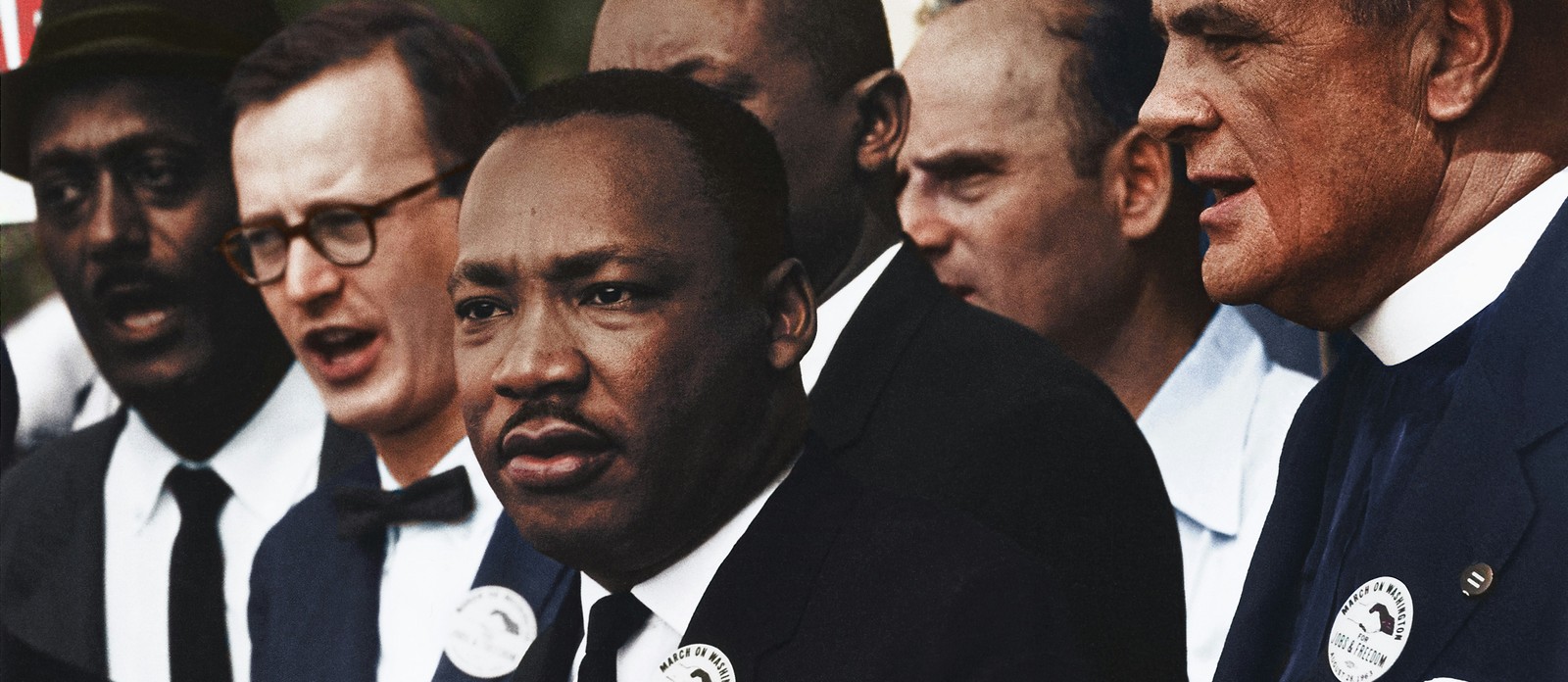
Image: Unseen Histories

What key moments made America the country it is today? The first to come to mind include the signing of the Declaration of Independence and the Emancipation Proclamation, and the Allies' Victory in World War II. But what if other events had transpired differently? What if a battle had ended with the victors losing and vice versa? Or if a protest had never happened? Here are ten pivotal what-if moments in our history.

1
The Boston Tea Party (1773)
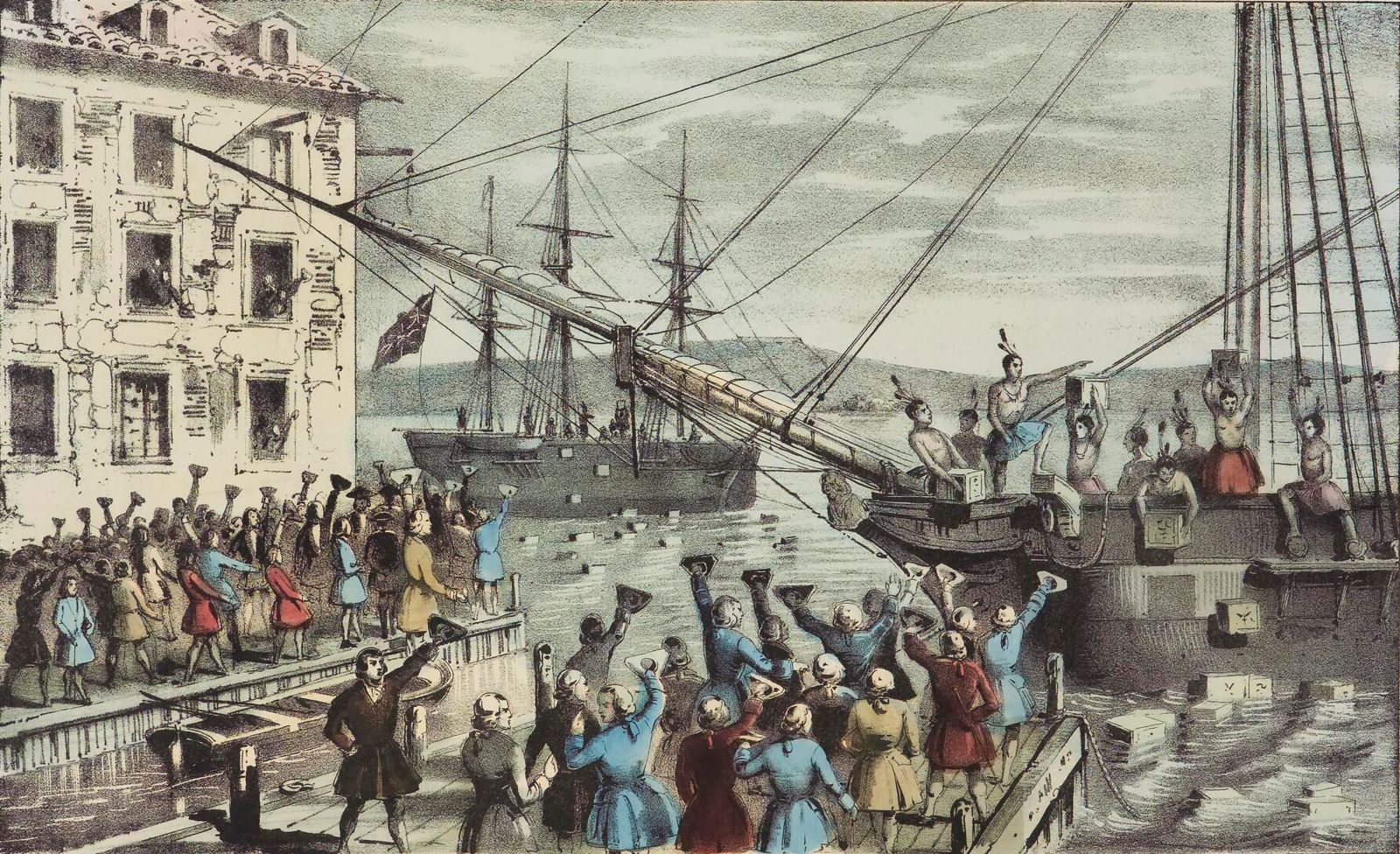
Image: Nathaniel Currier, Public domain, via Wikimedia Commons

The political unrest that eventually led to the American Revolutionary War was brewing well before the Boston Tea Party of 1773, but things might have gone a different way had this event not happened. The destruction of the East India Company’s tea by the Sons of Liberty as a protest against taxation was seen as a direct act of defiance by the British Parliament , who retaliated by closing the Boston Port, intervening in the Massachusetts colonial government, and stationing troops in private residences. This was seen as an act of war by the colonists, and it accelerated the gathering of the First Continental Congress and the start of the American Revolution.

2
The Crossing of the Delaware (1776)
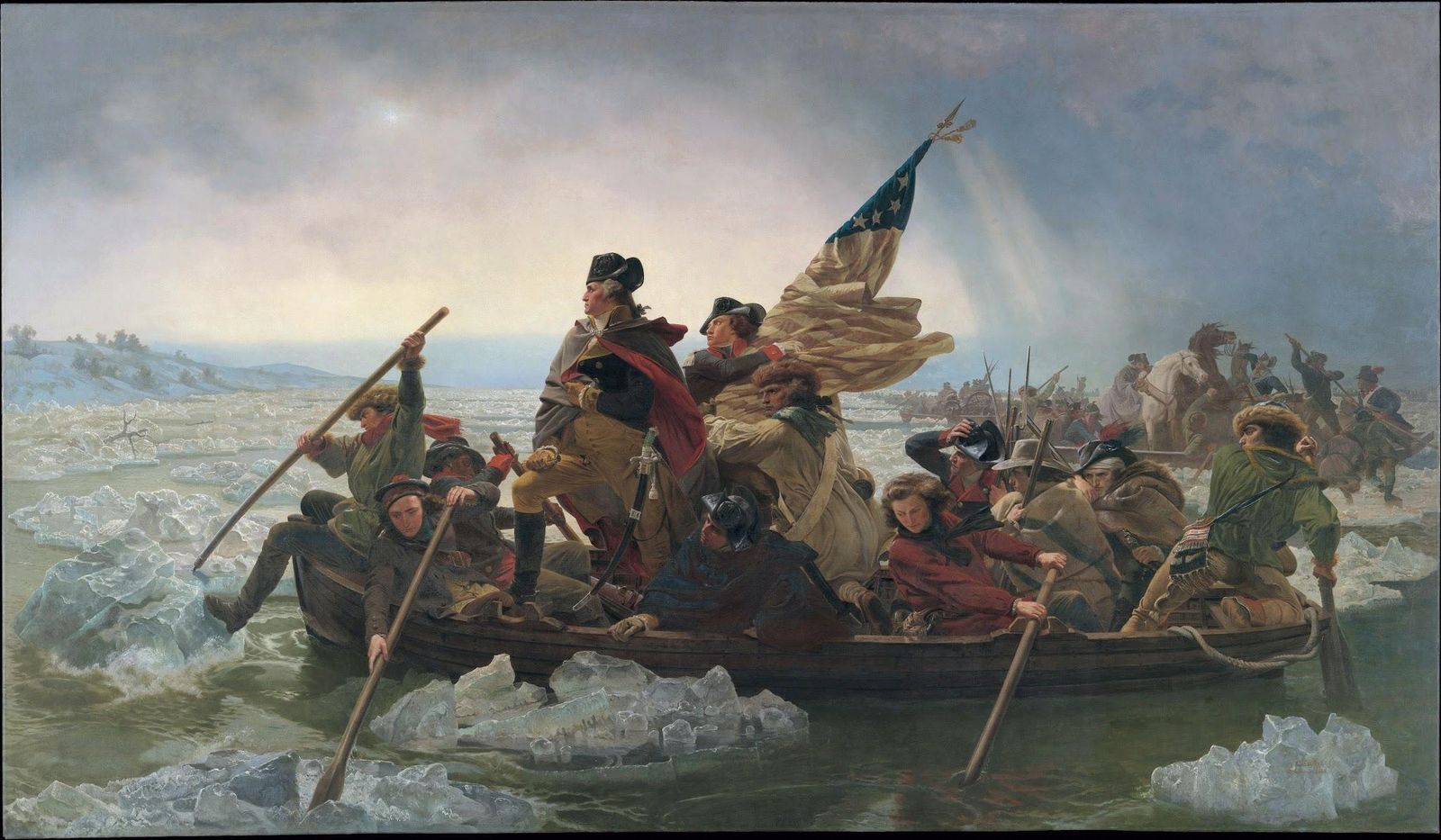
Image: Emanuel Leutze, CC0, via Wikimedia Commons

By December 1776, the Continental Army was on the brink of defeat after a series of losses. The soldiers’ morale was low, and most enlistments were set to expire by the new year. The British had decided to hunker down for the winter season, instead of chasing the colonists, and General George Washington knew he had to act fast. On the night of December 25th, he led 2,400 across the icy Delaware River in the midst of a blizzard, hoping to catch the British forces garrisoned at Trenton by surprise. The attack was successful, and it was the first of a series of victories that uplifted the revolutionaries’ morale and changed the course of the war.

3
The Whiskey Rebellion (1791)
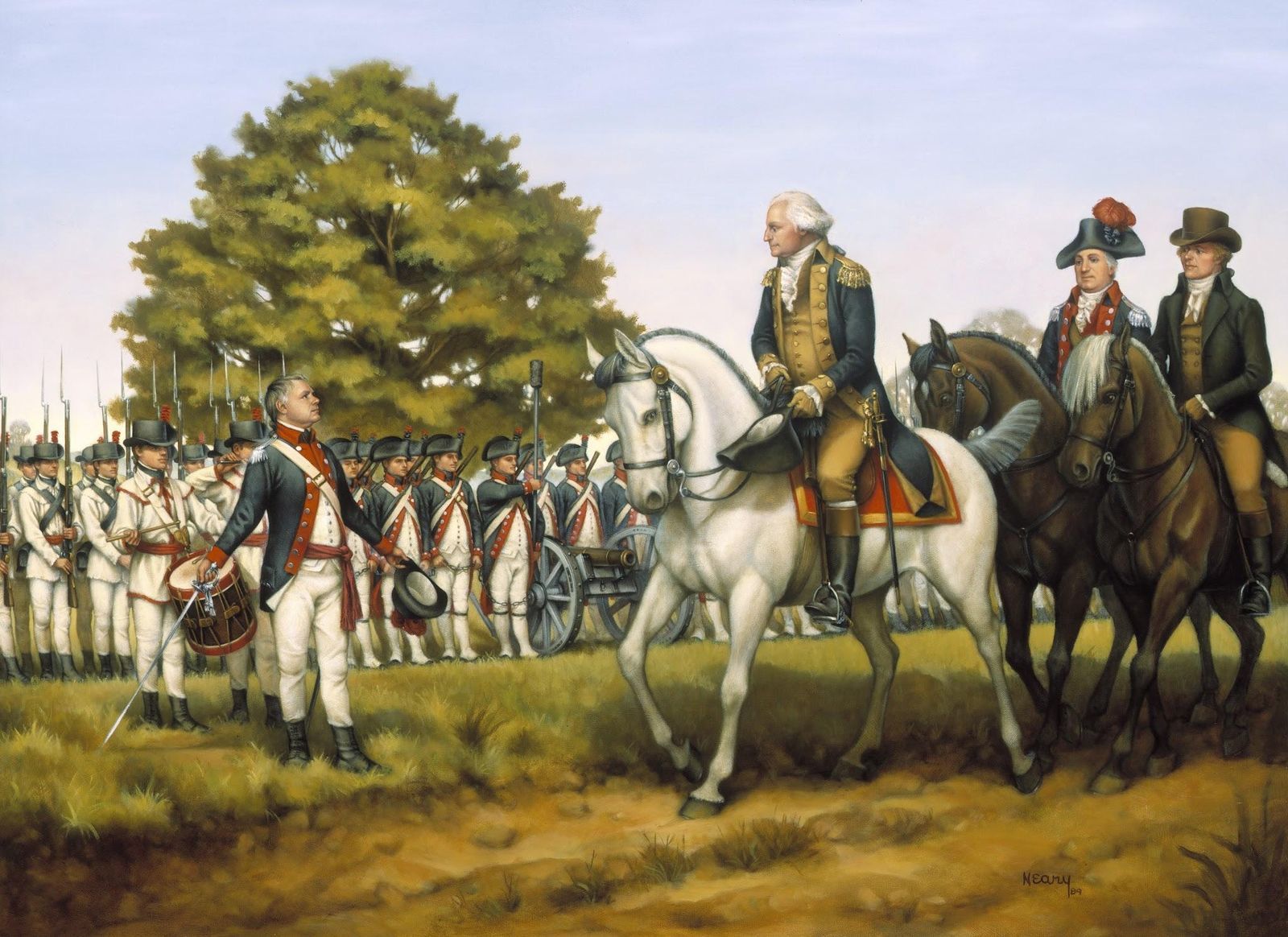
Image: The National Guard, Public domain, via Wikimedia Commons

In 1791, the newly formed American government levied its first federal tax on whiskey, with the intention of using the revenue to pay war debts. However, this was met with strong resistance, protests, and even armed insurrection in the state of Pennsylvania. The peaceful suppression of the rebellion not only prevented further conflicts but also cemented the authority of the federal government over the states in matters of taxation. The role of the army led by Washington himself was crucial in the creation of a standing army—strongly opposed by many founding fathers—and it was the origin of the American military as one of the world's strongest.

4
The Bill of Rights (1791)
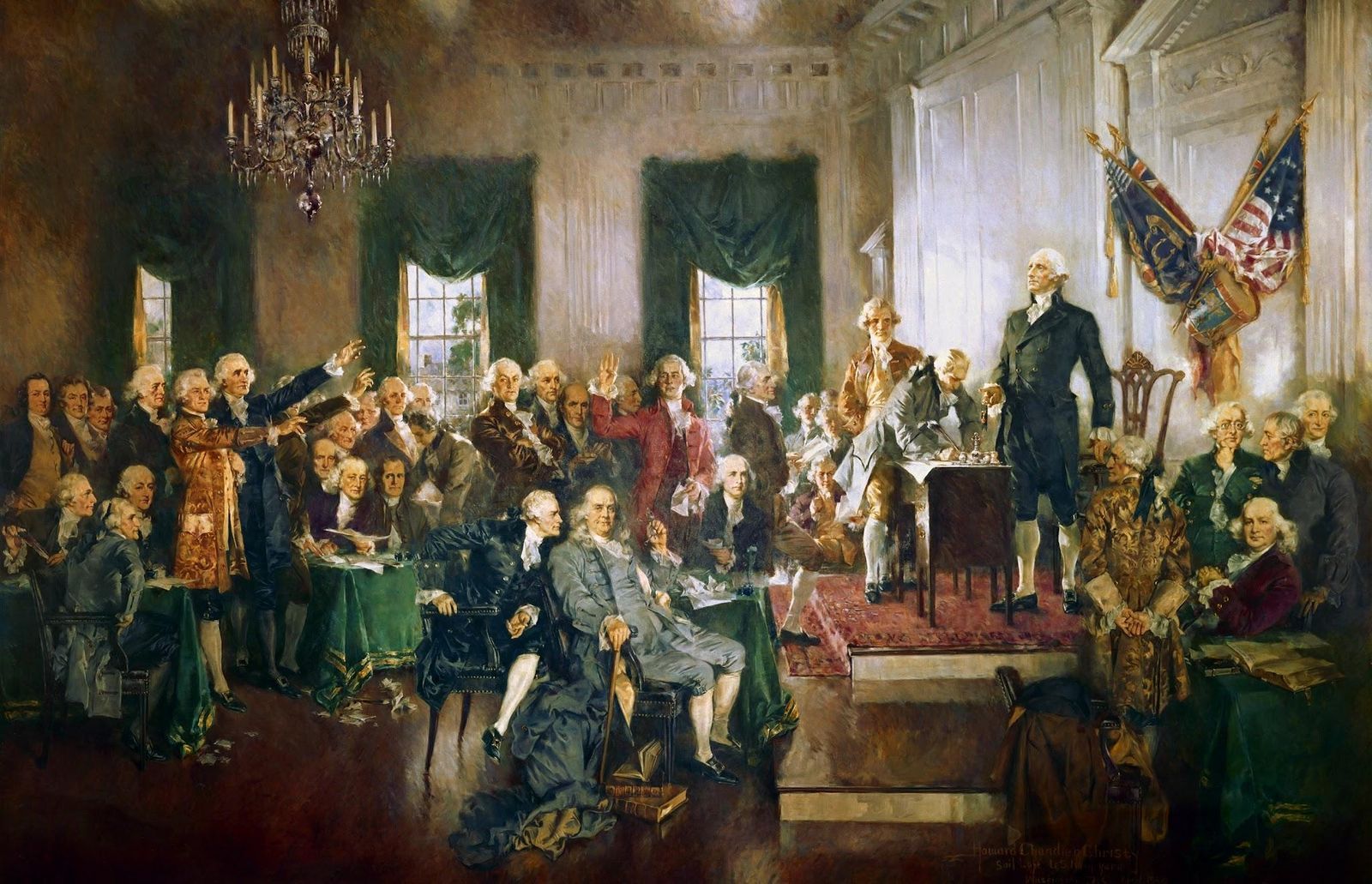
Image: Howard Chandler Christy, Public domain, via Wikimedia Commons

The original U.S. Constitution was met with strong opposition by many states, who saw it as infringing on individual rights and liberties, and as a possible source of government tyranny. A Bill of Rights, establishing and securing fundamental freedoms, was drafted and added as a condition for the ratification of the document. While this compromise was crucial for establishing the bases of the American nation, it also put into practice the mechanism for amending the Constitution, codified in Article V, and set the precedent that the supreme law of the land could evolve with the nation.

5
The Louisiana Purchase (1803)
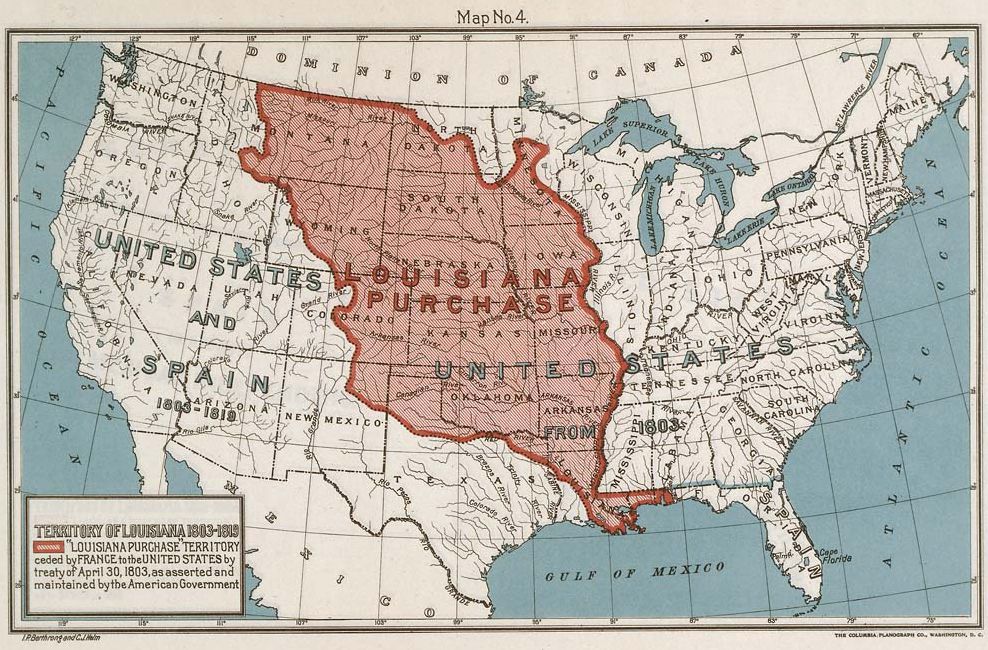
Image: BioKnowlogy, Public domain, via Wikimedia Commons

Thomas Jefferson’s purchase of Louisiana from the French in 1803 was much more than a simple territorial acquisition. The 828,000 square miles territory, purchased for roughly 15 million dollars, doubled the size of America, now expanding its initial borders from the Mississippi to the Rocky Mountains. By securing the Mississippi River and the port of New Orleans, the U.S. expanded its agricultural economy and gained access to vast natural resources , while the control over a former French territory diminished the influence of European powers—mainly, the rising Napoleon Bonaparte— in North America. The soon-to-follow Westward expansion would add 13 new states to the Union.

6
The Battle of San Jacinto (1836)
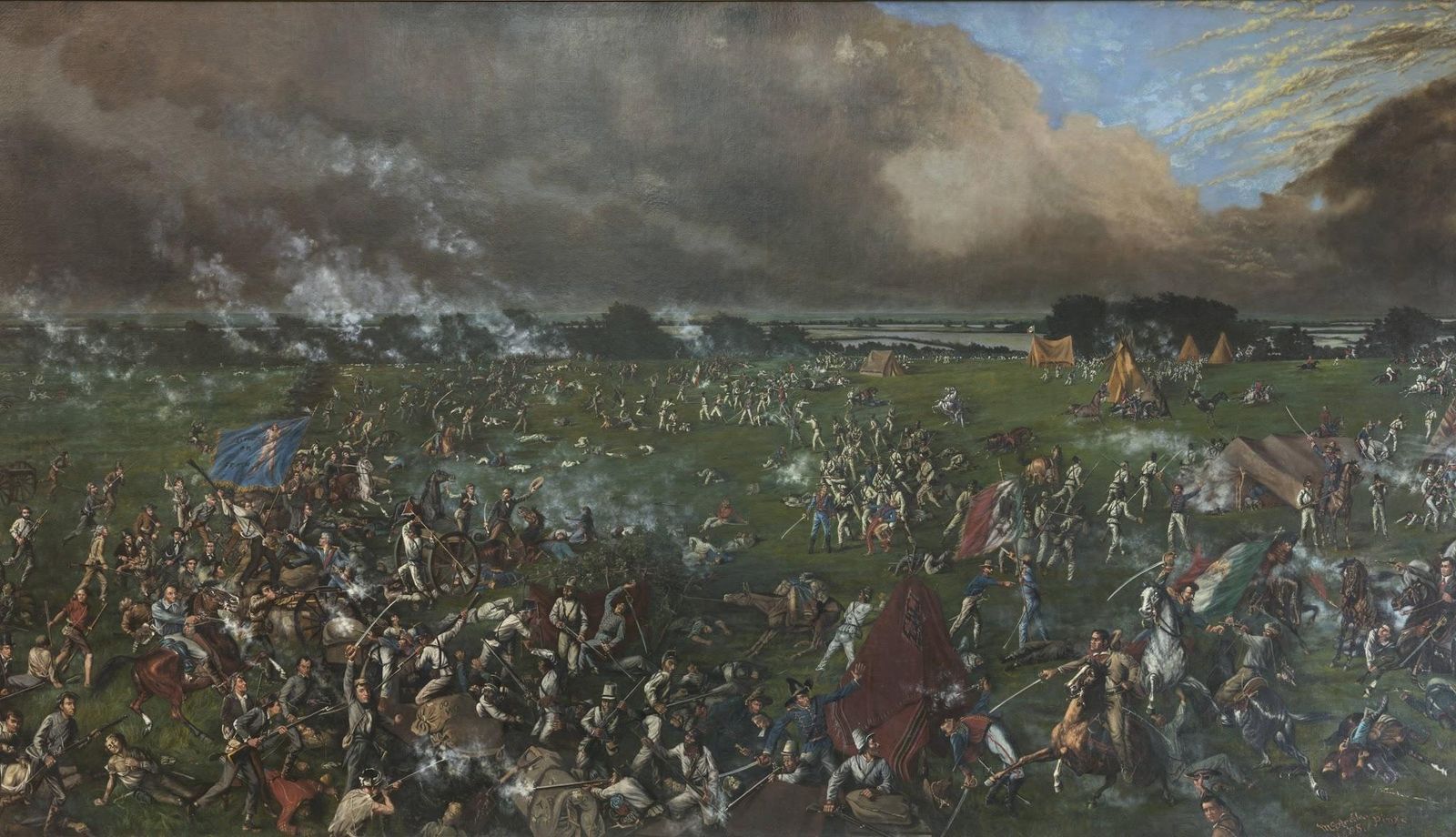
Image: Henry Arthur McArdle, Public domain, via Wikimedia Commons

Given its significance in Texan and American history, it is easy to forget that the 1836 Battle of San Jacinto lasted a mere 18 minutes. After the victory of the Mexican army at the Alamo and the massacre of war prisoners in Goliad, Texan morale was low, and the quest for Texas’ independence was nearly ended. Pursuing the remnants of the army led by Sam Houston, Mexican scouts incorrectly reported the route taken by the Texans, which allowed Houston to evade the enemy. After blocking the escape route and while the Mexican soldiers were taking a nap, 900 Texan soldiers attacked by surprise, killing more than half of the Mexican forces (around 1,300 men) and capturing the rest.

7
The Battle of Antietam (1862)
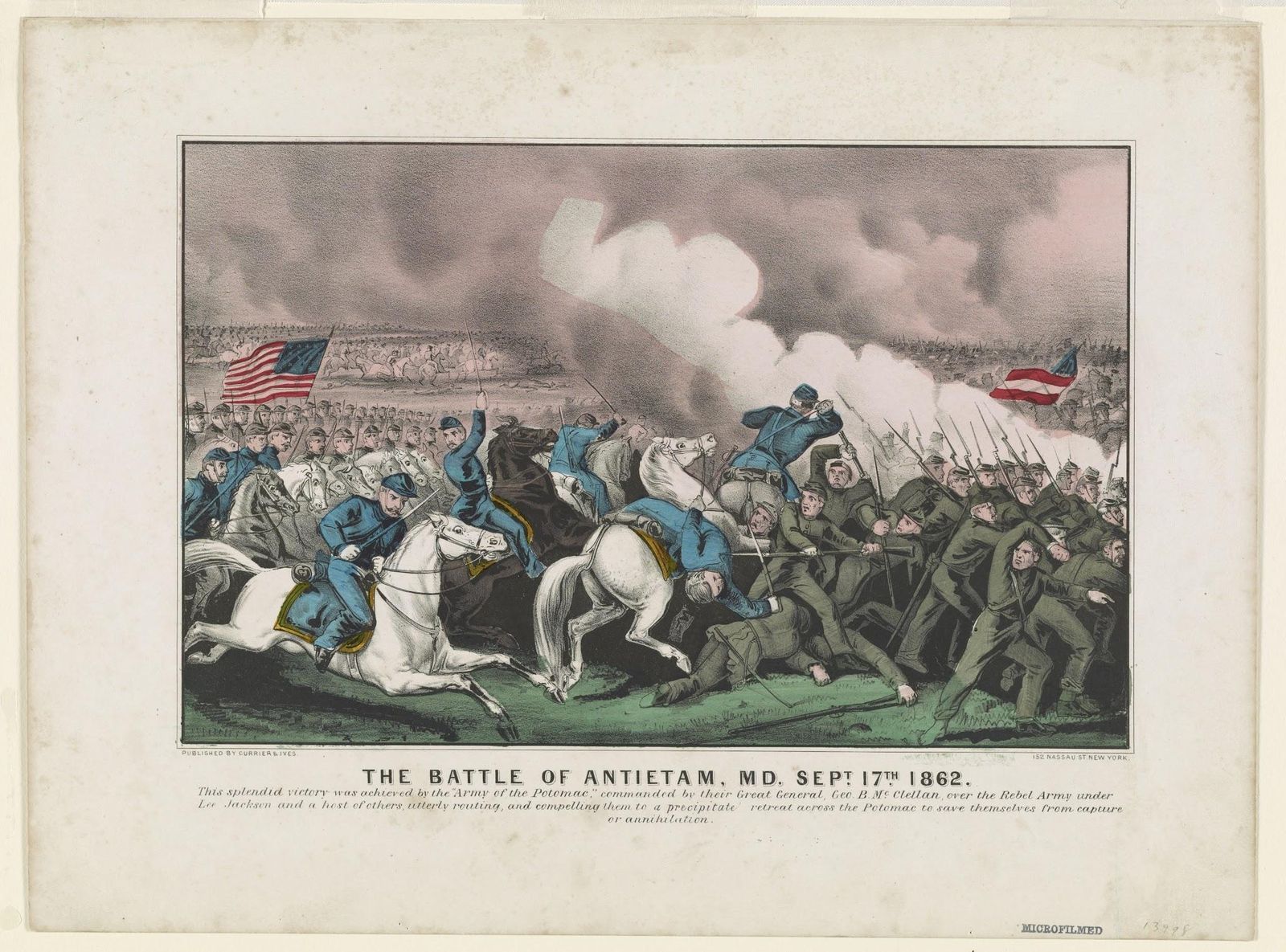
Image: Currier & Ives., Public domain, via Wikimedia Commons

Widely considered to be the bloodiest battle of the American Civil War, with a tally of 22,726 casualties between dead, wounded, and missing people, the 1862 Battle of Antietam ultimately tipped the balance in the Union’s favor. But did you know that the casualties could have been far less? As the Union Army of the Potomac was moving to intercept the Confederate forces of General Lee, two Union soldiers came across a copy of Lee’s battle plans, detailing his intention of dividing the troops , which would allow the Union forces to isolate and defeat the Confederate army. However, Union General McClellan waited 18 hours before deciding to attack, which gave Lee the time to mount a strong defense in Antietam.

8
The New Deal (1932)
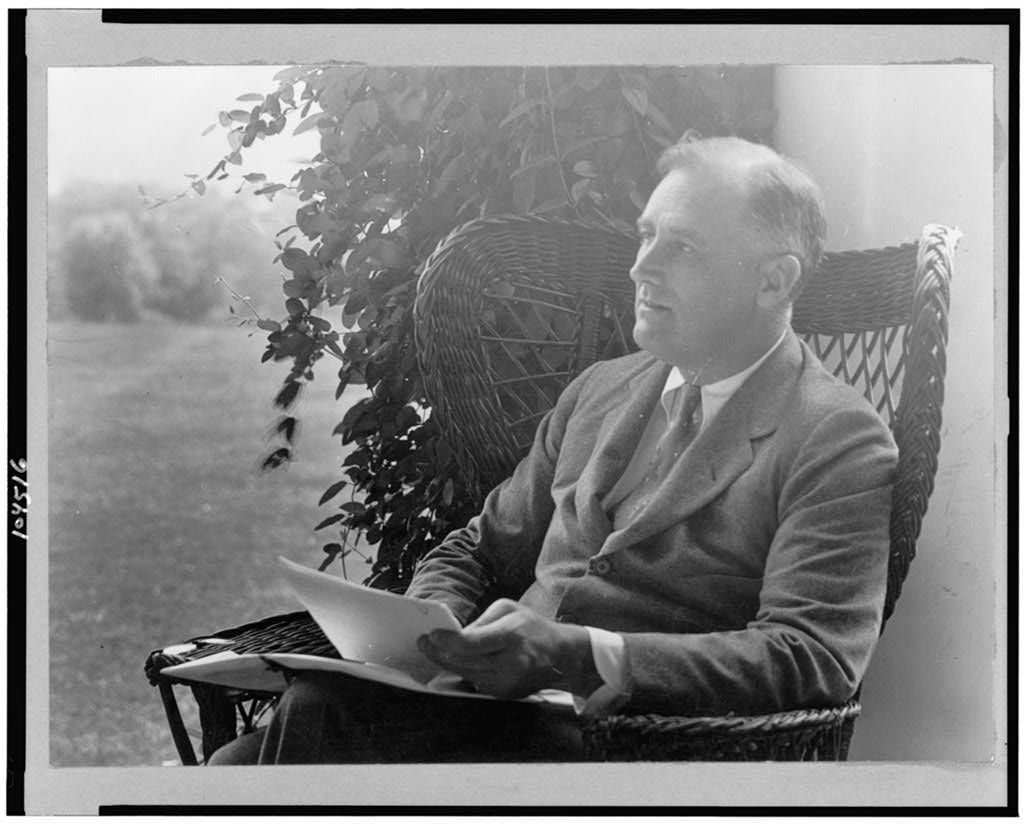
Image: Margaret DeMott Brown, Public domain, via Wikimedia Commons

Burdened by the consequences of the Great Depression, Americans overwhelmingly supported the election of Franklin D. Roosevelt as president in 1932. Roosevelt’s main campaign promise, the New Deal, involved a series of economic, social, and political reforms to combat America’s economic crisis and restore the country’s trust in the government. The reforms weren’t entirely successful in ending the Great Depression —it only fully ended with the industrial mobilization for World War II— but they were key to ensuring that America would not suffer such a crisis again by establishing structural changes, relief programs, social security, and safety nets, regulating financial institutions, and ultimately showing American citizens that the government was working to help them.

9
The Cuban Missile Crisis (1962)
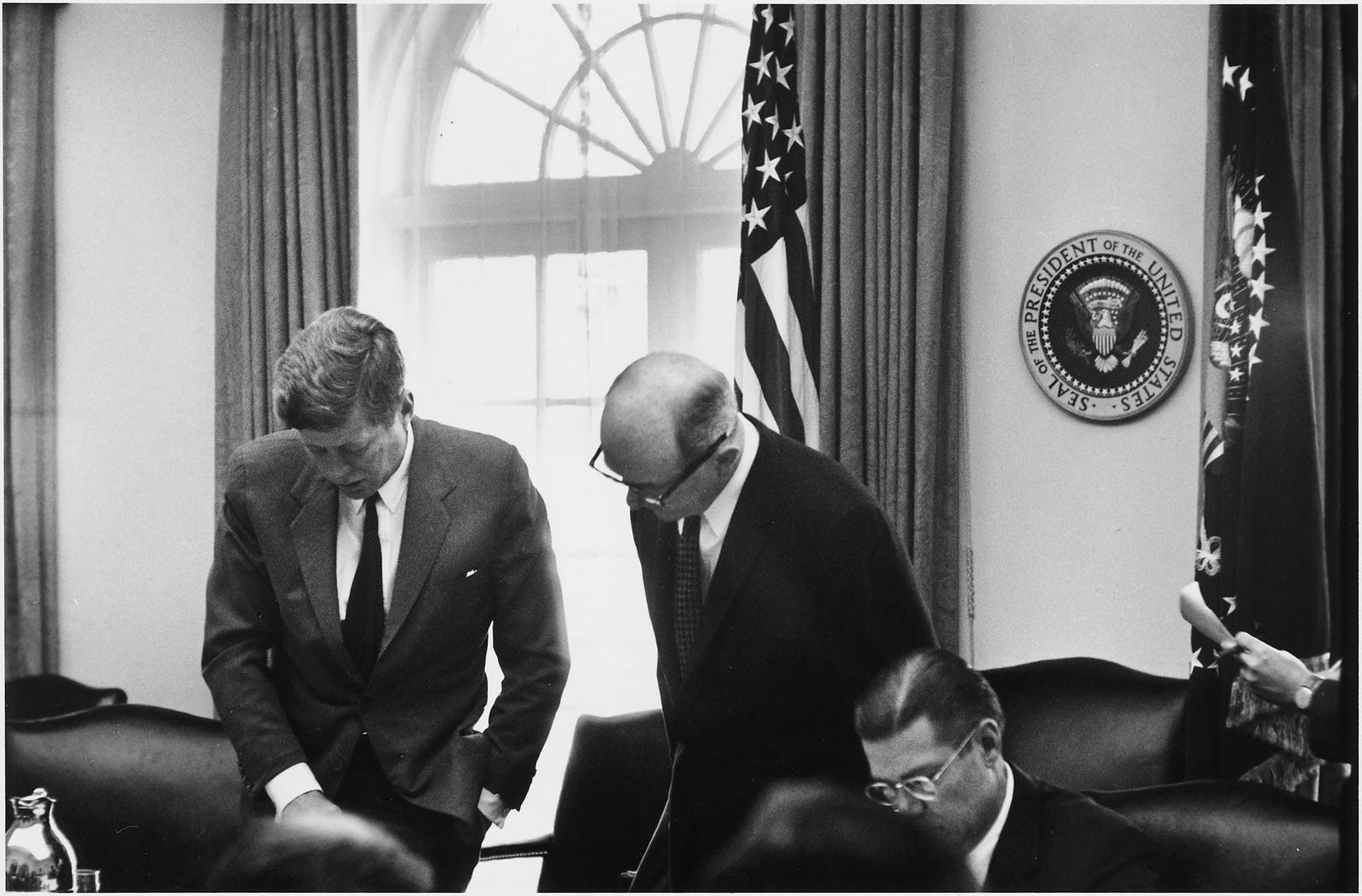
Image: Cecil W. Stoughton, Public domain, via Wikimedia Commons

There were several moments during the Cold War Era (1947-1991) when the world thought a nuclear war was imminent, but none as close to it as the Cuban Missile Crisis. In October 1962, the Soviet government deployed nuclear missiles in Cuba as a response to similar deployments made by the U.S. in the UK, Italy, and Turkey. A 13-day crisis ensued, with President Kennedy ordering a naval blockade in Cuba, while his advisors pushed for an air strike and an all-out invasion. While the conflict ended peacefully, the nuclear war had been closer than most imagined: a U.S. Navy ship in the blockade had dropped signaling charges to deter a Soviet submarine, not knowing the submarine carried a nuclear torpedo. The Soviet captain assumed war had started and prepared to attack the ship, but he had to wait for confirmation. Luckily, the attack never happened, and a nuclear war was avoided.

10
The March on Washington (1963)
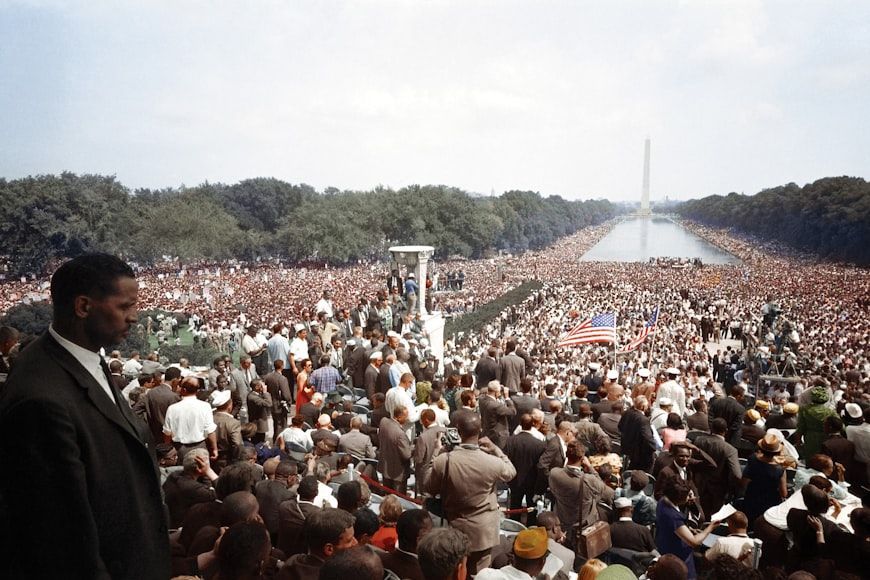
Image: Unseen Histories

In 1963, at the height of the civil rights movement, social tensions were at an all-time high. Violent confrontations had happened in marches across the country, usually as a result of attacks on peaceful protesters. Still, these incidents had fueled the narrative of Civil Rights activists as violent and dangerous. As President Kennedy announced his intention to push for civil rights legislation, several organizations and leaders came together to organize the ‘March on Washington for Jobs and Freedom’. The march took place on August 28, 1963, and it's considered to have been one of the largest human rights rallies in American history, with an attendance of around 250,000 people. Besides landmark moments—such as MLK’s "I have a dream" speech— the march was crucial in showing peaceful protest and in pressuring the government to advance in what would later become the Civil Rights Act of 1964 and Voting Rights Act of 1965.
Geography Geography 3 min read

A banana museum?

From Spam to PEZ: Some of the strangest museums in America

Image: Ti Wi

Think museums are all about fine art and ancient fossils? Think again. Across the U.S., there are museums dedicated to just about anything —including bananas, playable vintage arcades, and even mustard. From the world's largest PEZ dispenser collection to a palace made of corn, here are some of the most unexpected museums you never knew existed!

1
The Spam Museum

Image: Hannes Johnson

Spam, Spam, Spam! In Austin, Minnesota, you can walk into a playful, interactive, and nostalgic tribute to the iconic canned meat.

If you are interested, you can learn everything about Spam’s history, its production, and its cultural impact. Maybe we can understand why unwanted emails came to be called after it!

2
The International Banana Museum

Image: Aleksandar Pasaric

Would you be interested in walking around a banana museum? In Mecca, California, you can. A bright yellow wonderland dedicated to all things this fruit.

Banana phones, banana toys, and even banana-flavored candies are some of the gems you can find there. The museum's curator spent decades assembling this collection, the world’s largest assortment of banana-related items, according to Guinness World Records.

3
The Burlingame Museum of PEZ Memorabilia

Image: Jason Leung

Did you ever get a PEZ dispenser that you kept for years and years? That sort of nostalgia is what’s behind this museum in Burlingame, California.

You can take a trip down memory lane celebrating iconic PEZ dispensers that people loved. It includes vintage and interesting models, fun for collectors, enthusiasts, and PEZ fanatics.

4
The Salt and Pepper Shaker Museum

Image: Tim Mossholder

Do you remember the cutest, funniest, or cleverest salt and pepper shakers you’ve ever seen? You may find a similar set in Gatlinburg, Tennessee.

This museum displays the incredible variety and artistry of salt and pepper shakers. Sets range from vintage to modern, made from materials like porcelain, wood, and metal.

5
The Neon Museum

Image: Ben Lambert

The Neon Museum is in Las Vegas. Where else? It preserves and displays the dazzling history of Sin City's neon signs.

The "Neon Boneyard" features iconic signs from closed casinos and businesses. It's a vibrant glimpse into the city's past and design aesthetic.

6
The Museum of Bad Art

Image: Melissa

The point of this museum in Somerville, Massachusetts, is to expose art that is "too bad to be ignored."

Sure, appreciating technically perfect and beautiful paintings is easy. But a far more interesting outing would be to walk around this museum smiling at pieces that look like painters’ bloopers! What is a bad painting, anyway?

7
The American Sign Museum

Image: Mikechie Esparagoza

Not for the sensitive ones; you might be overstimulated at the Sign Museum! Located in Cincinnati, Ohio, this one traces the evolution of American signage and advertising culture , from hand-painted signs to electric displays.

8
The National Mustard Museum

Image: Simona Sergi

If you do not like mustard, you might want to steer clear of the National Mustard Museum in Middleton, Wisconsin. This is a flavorful exploration of the condiment, with thousands of international varieties.

Visitors can sample different mustards and learn about their origins. It’s the largest collection of mustards in the world!

9
The Houdini Museum

Image: Hugh Green

Yes, in Scranton, Pennsylvania, there is a museum dedicated to the life and illusions of the legendary Harry Houdini. Exhibits include his personal artifacts, magic props, and escape tools. If you are interested in the world of magic and illusion, this is a must-see!

10
American Oddities Museum

Image: Giorgio Trovato

Home to the bizarre: The museum celebrates the weird history of America, with exhibits on UFO sightings, haunted dolls, and outlandish inventions.

This might be a spooky kind of museum, but endlessly intriguing. It holds everything from skeletons of two-headed animals to eerie antique medical devices. Fans of the strange and unexplained will love the collection.

11
Arcadia: America's Playable Arcade Museum

Image: Garrett johnson

Located in McLean, Illinois, this place is a paradise for retro game lovers. It’s packed with classic pinball and vintage video games from the golden era of gaming.

The collection spans decades, featuring everything from Pac-Man to rare, forgotten arcade cabinets. Unlike many museums, visitors can actually play the exhibits —so prepare to challenge friends and relive childhood memories!

12
The National Museum of Funeral History

Image: Suhyeon Choi

It’s not as sad as it seems, we promise. This museum in Houston, Texas, gives a respectful and informative look at funeral customs across cultures and time.

Its goal is to explore the universal human experience of death and mourning by looking at how several cultures deal with someone’s passing. Displays include hearses and ornate items from Egyptian mummification rituals to presidential funerals.

History History 5 min read

First things first

Pioneering presidents: The 10 firsts that shaped American history

Image: Caleb Perez / Wes Hicks

One fascinating aspect of history is that we can discover who was the first to accomplish certain things. Photography is an everyday activity today, but who was the first president to be photographed? Have you ever wondered who was the first U.S. president to be born in a hospital? The presidency has seen many "firsts" that have left a lasting impact on the nation. Let’s dive into some of the most significant presidential milestones that have shaped the course of American history. From the momentous to the most mundane, here are 10 presidential firsts!

1
Reagan: Breaking the glass ceiling

Image: Library of Congress

Although the numbers are still unequal, women occupy decision-making positions every day. They play an active role in political life, but that wasn’t always the case.

Ronald Reagan made a bold move for gender equality by nominating Sandra Day O'Connor to the Supreme Court in 1981. This historic decision marked the first time a woman would serve on the highest court in the country.

O'Connor’s nomination was a landmark moment for women’s rights, opening doors for future generations. Reagan’s choice was both strategic and symbolic, of course. It was a significant step toward inclusivity in the judiciary. Sandra Day O’Connor went on to serve with distinction, becoming a pivotal figure in many key rulings.

2
Johnson: A historic appointment

Image: Library of Congress

America has already seen a black president, but even that marked a significant turning point in history. However, Black men in such high government positions weren’t a reality until 1967 when Lyndon B. Johnson appointed Thurgood Marshall as the first Black Supreme Court Justice . In the ongoing struggle for civil rights and equality in the U.S., this was a monumental step.

At the time, Marshall was already a legendary figure for his role in Brown v. Board of Education, and his appointment brought a powerful voice to the court. It was a clear signal of the administration’s commitment to racial justice. Marshall served on the court for 24 years! Talk about leaving a mark, huh?

3
Roosevelt: The star of the show

Image: Library of Congress

We can’t get enough of our TVs today, right? But this device was once an innovation, and one can easily imagine how surprising it must have been to see a president on screen for the first time!

In 1939, Franklin D. Roosevelt became the first U.S. president to appear on television during the World’s Fair in New York.

It’s not that he had gone unnoticed, FDR was already a radio sensation with his "fireside chats," but the television debut marked a new era of presidential communication. This historic moment allowed Americans to not only hear but also see their president, making FDR an even more influential figure.

4
Adams: Picture perfect

Image: Library of Congress

People take pictures of everything, everywhere, all the time today. Photos are like our business cards on social media and even in our job profiles, but it wasn’t always like that. And John Quincy Adams was part of a photography milestone.

Adams wasn’t just a former president, he holds the prize for first presidential photography . In 1843, he became the first president to have his photograph taken, although it was after his term had ended. Before Adams, presidents were immortalized through paintings, but his photo brought a new sense of realism to how leaders were remembered. Was he, by any chance, the first influencer?

5
Hayes: A direct line to history

Image: Library of Congress

What would we do without our telephones? It’s like we can’t imagine our lives without them anymore, right? But have you ever wondered who was the first president to have a phone in the White House ?

In 1877, Rutherford B. Hayes ushered the presidential residence into the age of technology by installing the first telephone. Of course, this was far from the smartphones we use today, but it was quite revolutionary at the time.

Fun fact: Hayes’s telephone had the number "1," a fitting symbol for such a groundbreaking moment. Only a few could actually get in direct contact with that line, but the step was taken anyway and history was made.

6
John Adams: Home sweet white house

Image: Library of Congress

While George Washington oversaw the construction of the White House, he never actually lived in it. It was John Adams who had the honor of being its first resident in 1800 .

Adams and his wife Abigail moved into the unfinished mansion, making history as the first Presidential Family to live in the iconic building. Despite the unfinished state of the residence, the Adams family’s presence made it the center of American politics. And of course, he was the first, but he was certainly not the last, as the tradition continues today.

7
Truman: Code name "general"

Image: Library of Congress

If you’re a fan of detective novels, you probably always thought that having a code name is super cool! Well, imagine being the first president with a code name!

Harry Truman made history as the first U.S. president to receive a Secret Service code name . Known as "General," his code name served as a security measure. Although now that you know it, it doesn’t seem so secretive or mysterious, right?

The use of code names has since become standard practice, used to protect presidents and their families. While the tradition of assigning code names has evolved, Truman’s "General" remains a nod to the early days of presidential security. It was just the beginning of a tradition that still exists today.

8
Coolidge: A father’s pride

Image: Library of Congress

Few moments in life are so beautiful as when a father’s eyes are filled with tears of pride for his child, don’t you think? Well, now think about that, between a president and his father!

In a unique and touching moment in U.S. history, Calvin Coolidge was sworn in as president by his own father. After President Harding’s unexpected death in 1923, Coolidge’s father, a notary public, administered the oath of office in their Vermont home.

This made Coolidge the first and only president to be inaugurated by a family member, creating a truly personal and memorable moment. This father-son moment added a deeply personal touch to the transfer of power, making it a memorable event in both their personal lives and American history.

9
Carter: Born in a hospital

Image: Library of Congress

When you think of a birth, you think of a hospital, right? However, that hasn’t always been the case.

Jimmy Carter holds the distinction of being the first U.S. president born in a hospital, on October 1, 1924. Before Carter, presidents were typically born at home, which was the norm for the times.

His birth at the Wise Clinic in Plains, Georgia, marked a shift toward modern medical practices. This milestone highlighted the changing nature of healthcare in America. Carter’s hospital birth was a small, yet significant, indicator of progress in our country.

10
McKinley: Cruising into history

Image: Library of Congress

Our last "first" is a bit crazy and you’ll see why in a minute: William McKinley became the first sitting president to experience the thrill of a car ride .

In 1899, he took a ride in a Locomobile steam carriage, a cutting-edge mode of transportation at the time. The car was driven by the inventor himself!

This ride was quite an oddity, and McKinley’s willingness to try it out showed his interest in new technology. Why is it crazy? Because no president drives their own car today! Regardless of how innovative and technologically advanced it may be!

Explore more American facts

Choose your favorite category!

General
General

As American as apple pie—the very best America has to offer!

Culture
Culture

Delve into the astounding richness of American lore.

Geography
Geography

Hop in and explore vast and diverse American landscapes.

History
History

Discover the key moments that shaped the United States.