General General 3 min read

Roots of greatness

The biggest American brands and the origin stories few people know

Image: FOTOGRIN

These brands have wormed their way into our lives so deeply that they show up in movies, songs, family road trips, and even cartoons. But none of them started as household names: every one of them clawed its way up from a small idea, a shaky bank account, and a whole lot of stubbornness . Take Coca-Cola, born in a backyard out of a pharmacist's curiosity, or McDonald's, which began as a humble burger stand before becoming the golden arches we can spot from a mile away. Let's dig into how these companies went from nothing to everywhere.

1
Coca-Cola

Image: monticello

Back in 1886, an Atlanta pharmacist named John Pemberton mixed up a syrup meant to cure headaches , never guessing it would become the world's favorite fizzy drink. He first sold it at a local soda fountain for just five cents a glass, with bookkeeper Frank Robinson even coming up with the name and script logo.

Early on, the company struggled with recipe secrecy issues and wartime sugar shortages, but it pushed through by leaning into clever advertising, even shaping how we picture Santa Claus today.

2
McDonald's
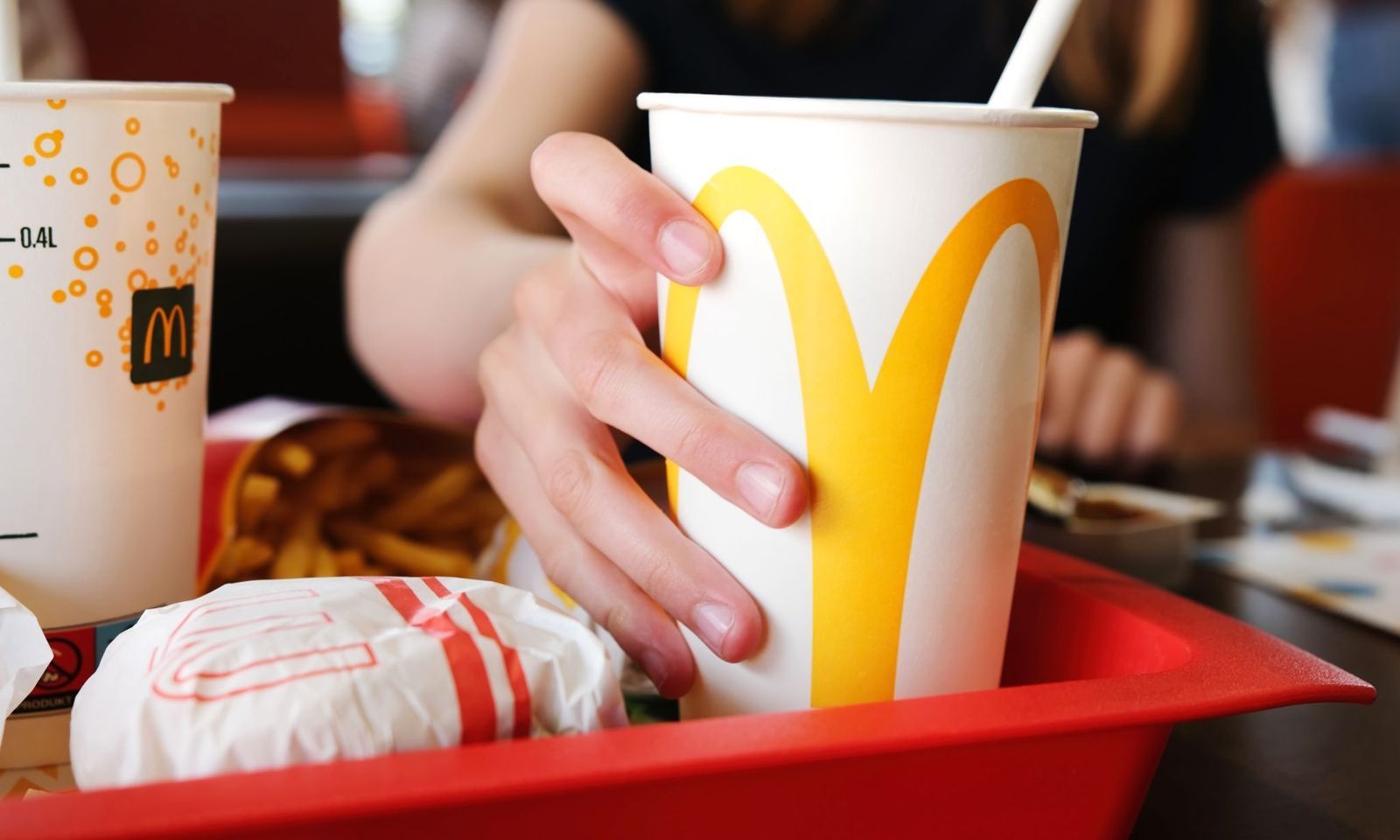
Image: In Green

Richard and Maurice McDonald opened their first burger stand in California in 1940, but it was Ray Kroc's franchising vision in the 1950s that turned it into a nationwide phenomenon . Kroc, a milkshake machine salesman, was so impressed by their speedy "Speedee Service System" that he bought the rights to franchise it nationwide.

Early challenges included supply consistency and skepticism about fast food quality, but standardized systems solved that fast, making McDonald’s one the largest restaurant chains in the world.

3
Levi's
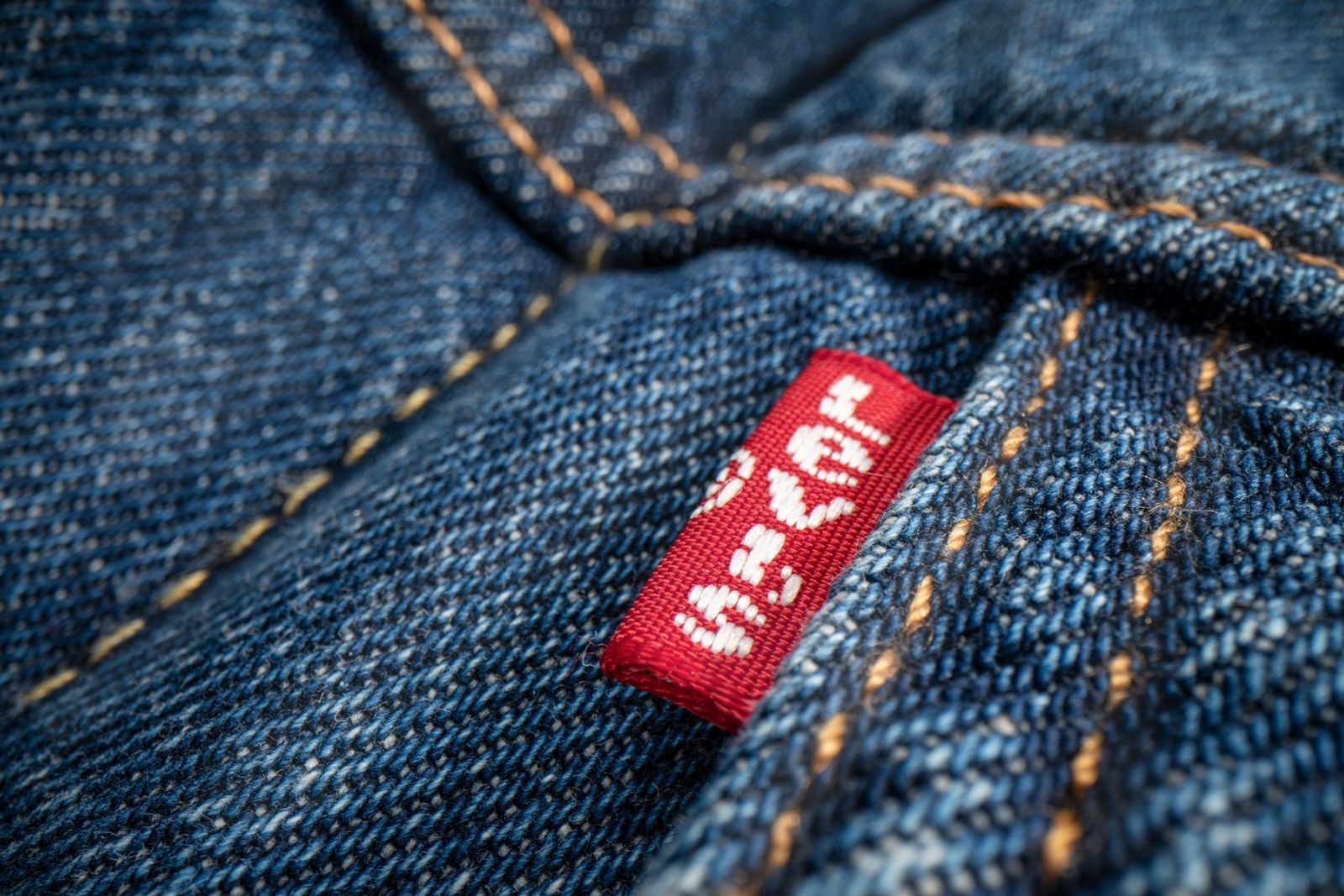
Image: marekuliasz

In 1873, Levi Strauss and tailor Jacob Davis patented riveted denim pants designed for gold miners who needed tough workwear . The brand had to overcome fabric shortages and changing fashion trends over the decades, but its rugged reputation kept it relevant.

These days, Levi's is a global fashion staple, with its 501 jeans considered a genuine American classic.

4
Ford
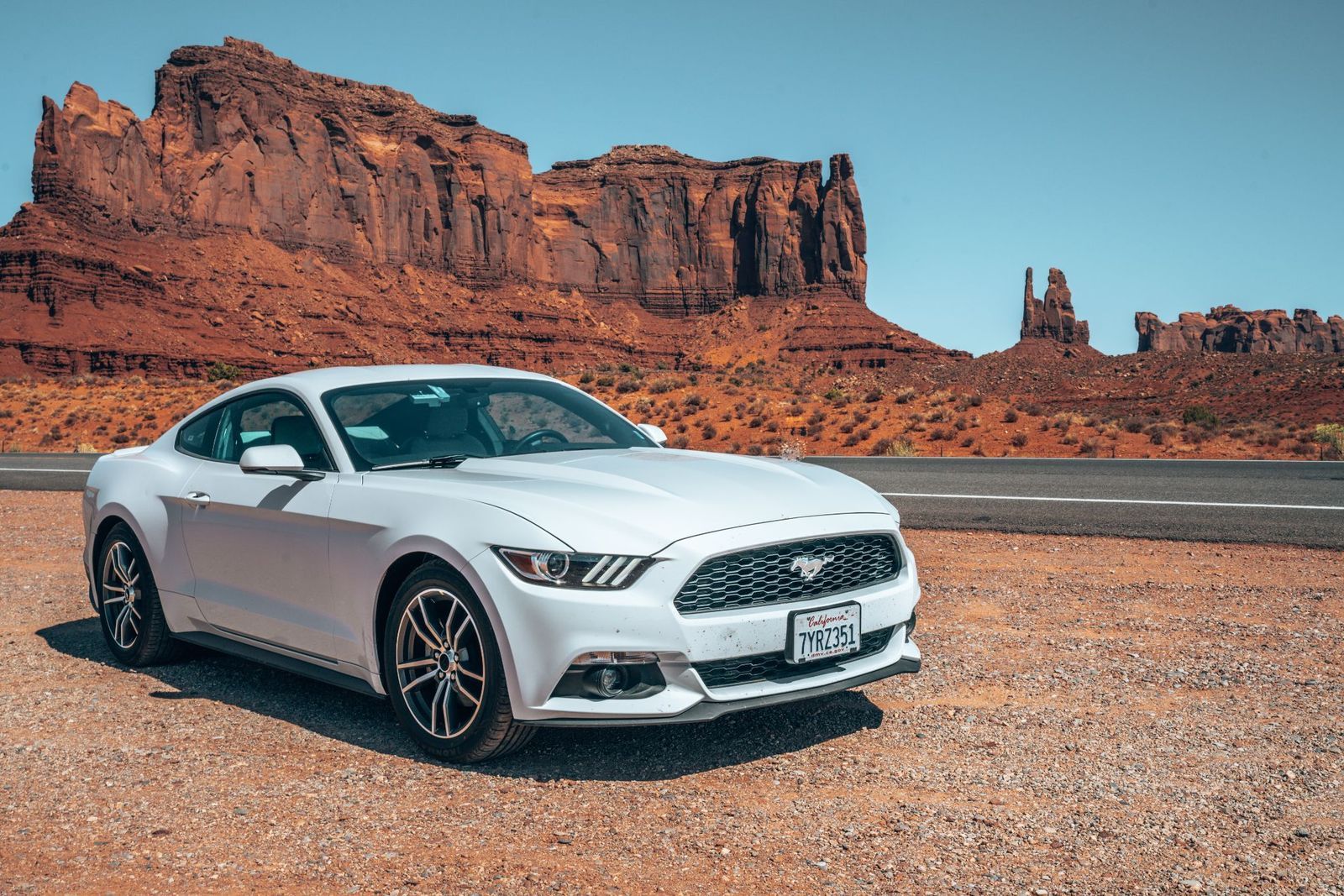
Image: Pandora Pictures

Henry Ford founded his company in 1903 in Detroit, revolutionizing manufacturing with the moving assembly line by 1913 , which made cars affordable for average families. Early struggles included skepticism from investors and competition from established carmakers, but innovation won out.

Ford is now one of the world's biggest automakers, still churning out best-selling trucks and family cars.

5
Kodak
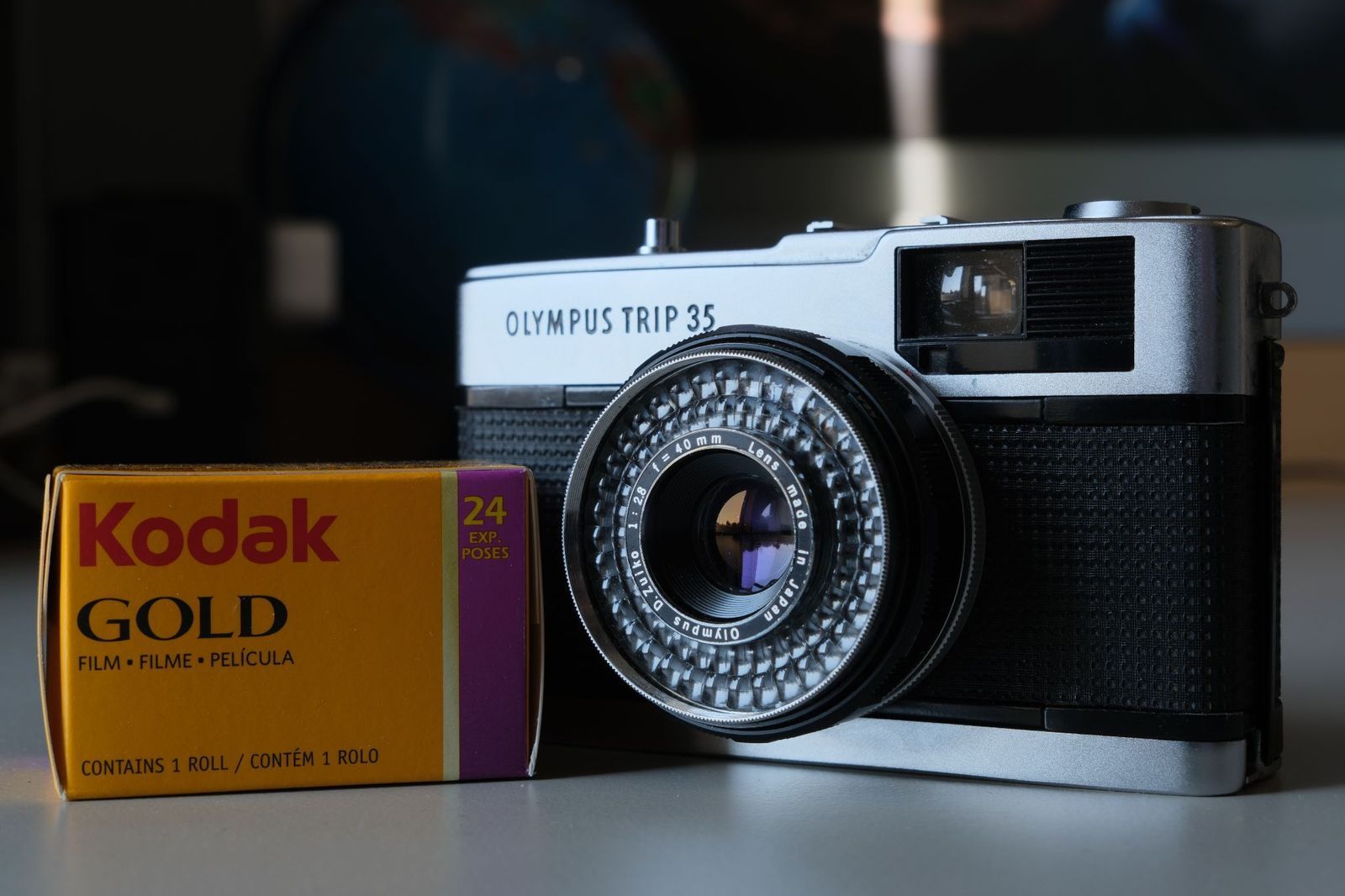
Image: Matthew Nichols1

George Eastman founded Kodak in Rochester, New York, in 1888, making photography accessible to everyday folks with simple, affordable cameras . The company later struggled mightily when digital photography emerged, eventually filing for bankruptcy in 2012 despite its historic dominance.

Kodak has since reinvented itself as a smaller, specialized company focused on printing and imaging technology.

6
Harley-Davidson
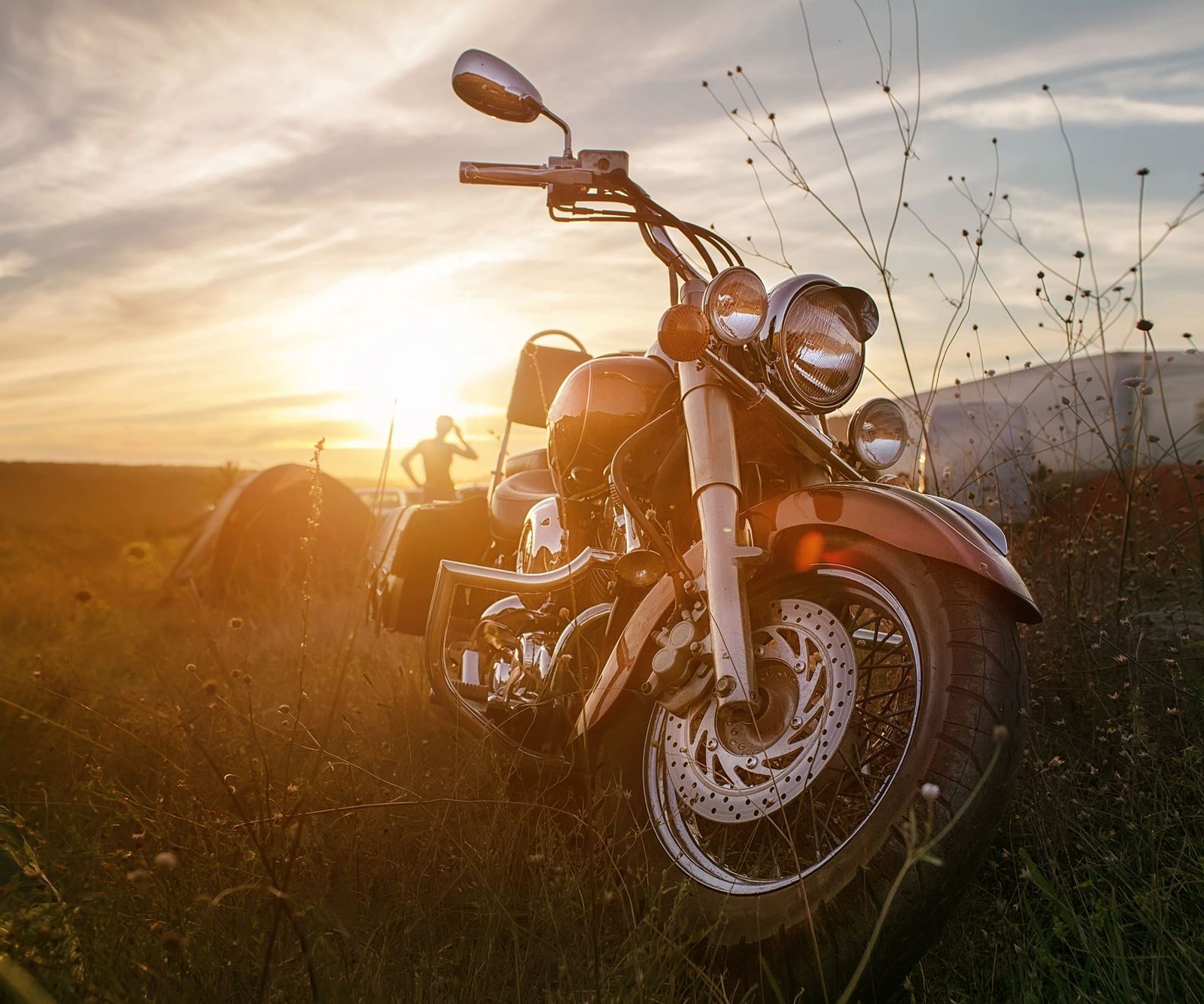
Image: Hlib Shabashnyi

Founded in Milwaukee in 1903 by William Harley and the Davidson brothers, this motorcycle company started in a small wooden shed in the Davidson family's backyard . It survived the Great Depression and fierce competition from Japanese manufacturers in the 1970s and 80s.

Today, Harley-Davidson remains an iconic symbol of American freedom, cruising highways all over the world.

7
Disney
Image: Marko Aliaksandr

Walt and Roy Disney started their studio in 1923 in Los Angeles, facing financial setbacks and skepticism before Mickey Mouse's 1928 debut changed everything . Perseverance through early failures shaped the entertainment empire we know today.

Disney has since grown into a massive entertainment powerhouse, owning theme parks, movie studios, and streaming services worldwide.

8
Nike
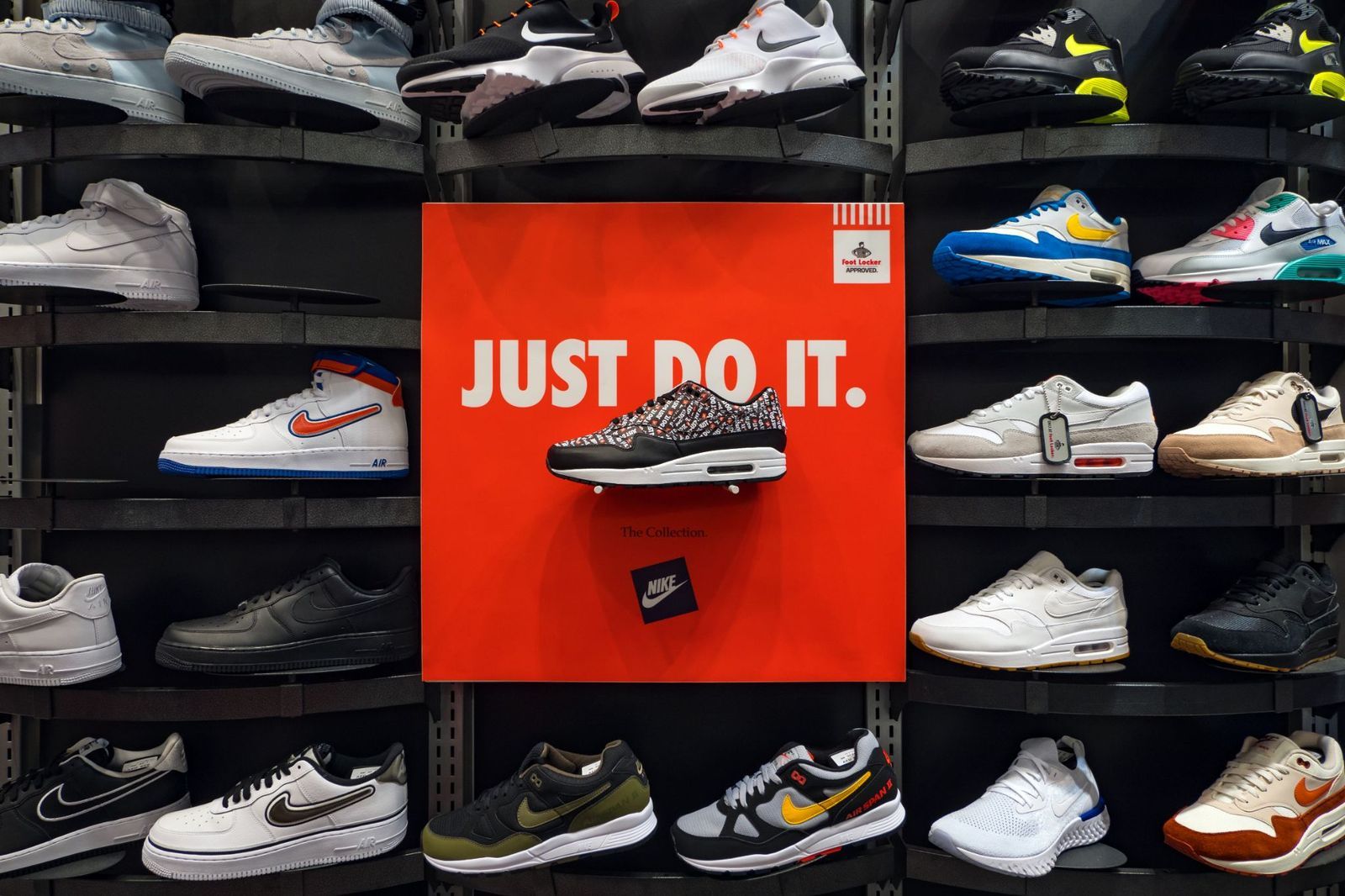
Image: pio3

Founded in 1964 by track coach Bill Bowerman and Phil Knight in Oregon, originally as Blue Ribbon Sports. Bowerman famously poured rubber into his wife's waffle iron to design a better shoe sole for his runners . Nike overcame early cash flow problems and manufacturing hurdles before the iconic swoosh launched in 1971.

Nike is now the world's leading sportswear brand, with athletes everywhere proudly sporting that famous swoosh.

9
Campbell's Soup
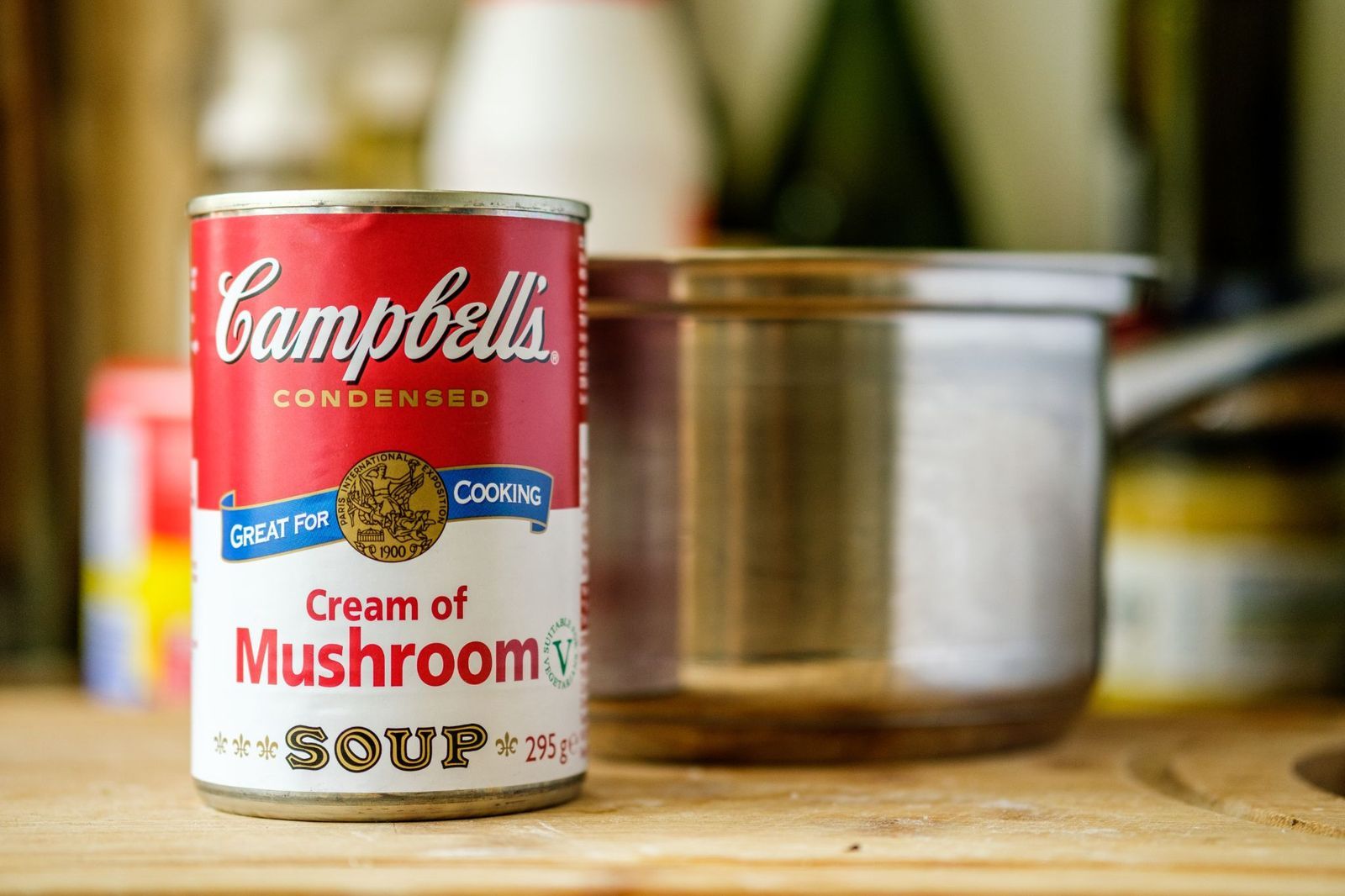
Image: Richard M Lee

Joseph Campbell co-founded this company in Camden, New Jersey, in 1869, later popularizing condensed soup in 1897, which made it affordable and easy to store . The brand overcame supply challenges and evolving tastes, becoming a pop culture icon partly thanks to Andy Warhol's famous artwork.

10
Hershey's
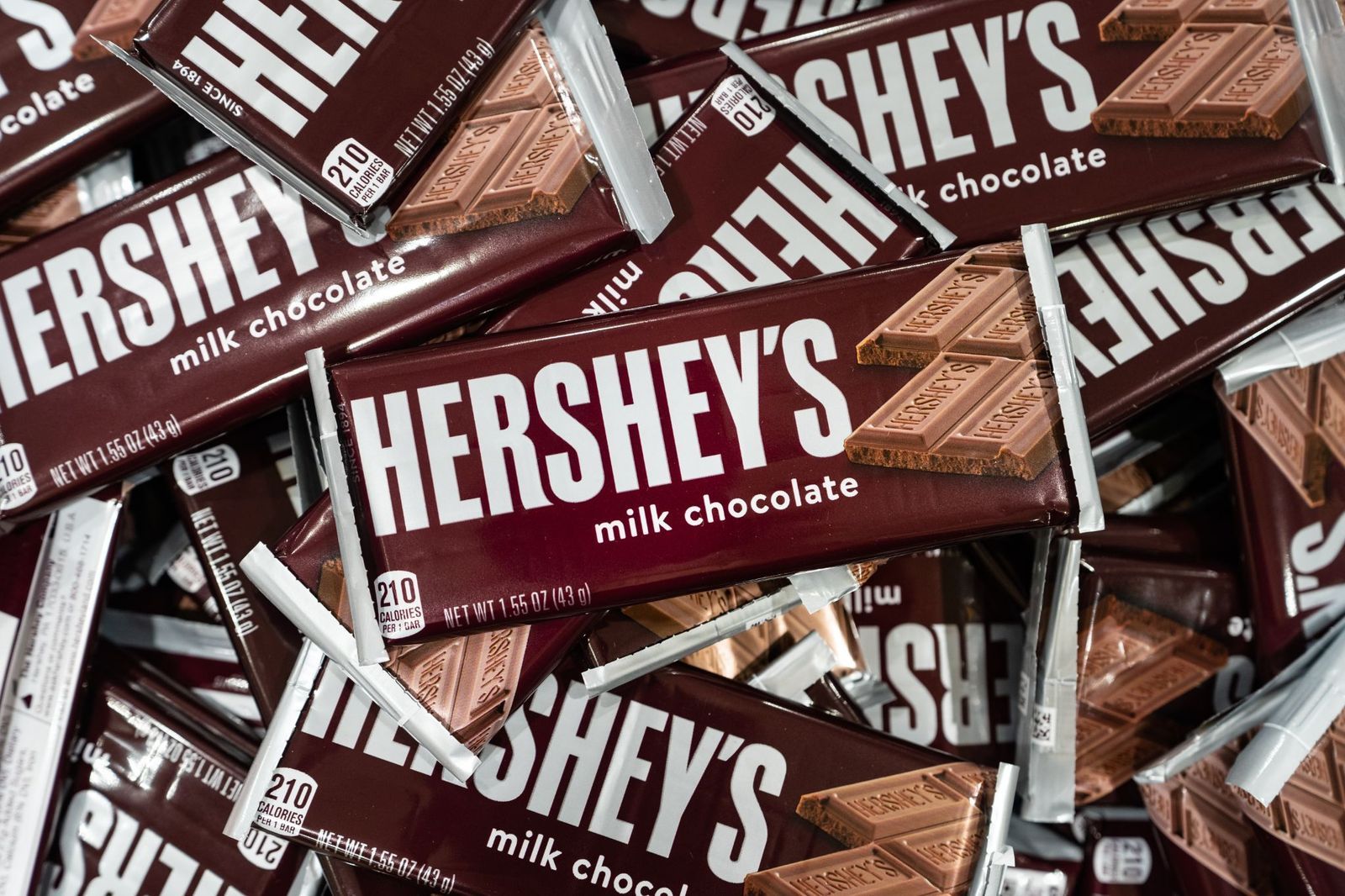
Image: PJ McDonnell

Milton Hershey founded his chocolate company in Pennsylvania in 1894, aiming to make chocolate affordable for everyday Americans rather than a luxury item. Hershey had already failed at candy-making several times before finally striking gold with a caramel business that funded his chocolate ambitions.

The brand weathered the Great Depression and sugar rationing during wartime, emerging stronger each time. Hershey's is now America's largest chocolate manufacturer, and its bars remain a beloved treat in homes nationwide.
History History 3 min read

Alternative history

The strange tale of Deseret—and other U.S. states that almost were

Image: Chris Lawton

Ever looked at a U.S. map and thought it could use a few adjustments? You wouldn’t be the first. Over the past 250 years, dozens of proposed states nearly joined the Union —born from bold ideas, local rebellions, or just geographic quirks. While none made it through Congress, they left fascinating marks on American history. From the mysterious lost state of Deseret to the proposed Native American haven of Sequoyah, here are 10 would-be states that nearly carved out a place in the stars and stripes.

1
Franklin

Image: Brett Wharton

Also known as the Free Republic of Franklin or the State of Frankland, this short-lived territory in eastern Tennessee declared independence from North Carolina in 1784. Its founders even petitioned Congress and appealed to Benjamin Franklin for support—hence the name—but it never gained official recognition.

By 1788, the movement had collapsed, and the area was reabsorbed into North Carolina before eventually becoming part of Tennessee in 1796. Today, the "State of Franklin" lives on mostly in U.S. law school exams as a fictional stand-in for a generic state —often where the imaginary property Blackacre is located.

2
Jefferson

Image: Shelby White

This proposed state has its origins in the 19th-century California Gold Rush, when settlers in the remote, resource-rich region between northern California and southern Oregon pushed for self-governance.

Though their efforts were largely ignored, the movement resurfaced over time. In 1941, frustrated locals staged a symbolic one-day secession. Armed men stopped traffic near Yreka, handing out a Proclamation of Independence declaring the State of Jefferson in "patriotic rebellion" and vowing to "secede every Thursday until further notice."

3
Deseret

Image: SoloTravelGoals

Proposed by Mormon settlers in 1849, the State of Deseret would’ve spanned a massive portion of the West. The name Deseret is derived from the word for "honeybee" in the Book of Mormon, and the vision was of a theocratic state encompassing parts of present-day Utah, Nevada, Arizona, and beyond.

Congress denied the proposal due to its size and religious nature, but a stone donated by Deseret’s supporters in 1853 was still placed in the Washington Monument.

4
Sequoyah

Image: MJ Tangonan

Proposed in 1905, this would’ve been a Native American–majority state in what is now eastern Oklahoma. Despite extensive lobbying by representatives of the Five Civilized Tribes, Congress refused, preferring a single Oklahoma Territory.

Despite its failure, the proposed state’s constitution left a lasting legacy —much of its content was later adopted into the Oklahoma Constitution.

5
Absaroka

Image: Michael Bourgault

Named after the Crow word for "children of the large-beaked bird," the State of Absaroka was proposed in 1939. Comprising parts of Wyoming, Montana, and South Dakota, the idea emerged mainly as a protest against New Deal policies, which were deeply resented by the rural population.

Leaders of the movement even issued license plates, but the effort never gained serious traction and remained a largely symbolic gesture.

6
Westsylvania

Image: Matthew Lancaster

Proposed during the Revolutionary War, Westsylvania would have been a new state formed from the western parts of Virginia and Pennsylvania . Backwoods settlers, feeling neglected by distant colonial governments, sought self-governance.

However, Congress rejected the plan to avoid stirring further conflict during wartime.

7
Superior

Image: Mikaela Charette

With such a strong regional identity, it was perhaps inevitable that Michigan’s Upper Peninsula would eventually seek statehood. Efforts began as early as the 1850s and resurfaced repeatedly due to the region’s political and economic isolation.

Another proposed name for the state was Ontonagon. Despite these repeated attempts, the Upper Peninsula remained part of Michigan.

8
Lincoln

Image: K. Mitch Hodge

Named for Abraham Lincoln, this proposed state would have split the Texas Panhandle from the rest of the state. Throughout the 1860s and again in the 1880s, residents of the Panhandle and surrounding areas sought separation due to the region’s distance from Austin and cultural differences.

While none of the proposals gained enough federal support, residents of the area still feel distinct today and take pride in their unique identity.

9
Texlahoma

Image: Tommy Bond

Another failed attempt at carving out part of one of the largest states in the U.S., the State of Texlahoma would have—as its name suggests—combined portions of Texas and Oklahoma into a single state.

The push for autonomy was especially strong during the Dust Bowl, when a shared economy and perceived neglect by local governments united residents of both regions.

10
Columbia (D.C. Statehood)

Image: Heidi Kaden

Washington, D.C., has long been considered for statehood under the name of Columbia . Multiple bills and referenda have tried to turn the federal district into the 51st state, as residents pay federal taxes but lack voting representation in Congress.

Despite strong support among D.C. residents, the idea has yet to gain serious traction at the national level.

General General 3 min read

Open your wallet

Loose change and dollar secrets: Fun facts about US currency

Image: Viacheslav Bublyk

You use money every single day, but you might be surprised after learning some details about it! From presidents facing the "wrong" way to secret symbols hiding in plain sight, U.S. coins and bills are packed with quirky details and curious history. Whether you're flipping a penny or eyeing a $100 bill, there’s more going on than meets the wallet. Let’s dig into some of the strangest, sneakiest, and most surprising facts about American currency.

1
The $2 bill is real and still legal

Image: Alicia Razuri

Yep, that mysterious $2 bill featuring Thomas Jefferson isn’t a collector’s fantasy. It’s still produced today (though rarely), and the reverse shows the Signing of the Declaration of Independence. People tend to save them, thinking they’re rare, but you can spend them just like any other bill.

2
The penny used to be made of pure copper

Image: Adam Nir

During WWII, copper was needed for ammo, so in 1943, pennies were made from steel and coated in zinc. They looked silver and rusted easily, some even stuck to magnets! Today, most pennies are actually 97.5% zinc with just a thin copper coating.

3
George Washington didn’t appear on the first $1 bill.

Image: Jonathan Borba

The very first $1 bill (from 1862) featured Salmon P. Chase, the Secretary of the Treasury at the time. Washington didn't show up until 1869, and Chase had a not-so-humble role in placing his own face there.

4
There’s a tiny owl hidden on the $1 bill

Image: rc.xyz NFT gallery

Take a magnifying glass to the upper-right corner of the "1" on a dollar bill. Some people swear there’s a tiny owl or spider hidden in the pattern, said to symbolize wisdom or surveillance. Officially, it's just part of the ornate design, but still a fun little mystery!

5
The $100,000 bill actually existed

Image: Dmytro Glazunov

No, you can’t use it at Target. Printed in 1934 and featuring Woodrow Wilson, this gold certificate was used only for transactions between Federal Reserve Banks. It was never meant for public use, and owning one today is illegal!

6
Lincoln faces the other way for a reason

Image: JustStartInvesting

On most bills, presidents face to the right. But on the penny, Lincoln faces left. One theory is that the designer used a portrait that happened to face left, but it also makes Lincoln the only president looking "inward" when coins are lined up in value order.

7
"In God We Trust" wasn’t always on our money

Image: Jonathan Borba

That phrase didn’t become mandatory on U.S. currency until 1955 during the Cold War. It first appeared on coins in 1864, but the push to include it everywhere came as a nod to America’s spiritual identity in contrast to atheistic communism.

8
Coins last way longer than bills

Image: Barry A

Your average dollar bill survives about 6.6 years in circulation. Coins? They can keep going for 30 years or more! That’s why coins are still a budget-friendly way for the government to make money — and we mean that literally!

9
The buildings on the back aren’t random

Image: Ryan Quintal

Each bill’s reverse side typically features a building related to the person on the front. For instance, the Lincoln Memorial is on the back of the $5 bill (with Lincoln on the front), and the White House appears behind Andrew Jackson on the $20 bill. The choice of course had to do with government history itself! Which building do you think is missing?

10
There are secret codes on every bill

Image: Andrew Dawes

Look closely and you’ll spot tiny letters and numbers that identify which printing plate was used and where the bill was made. Ever see a tiny "F6" on a $1? That means it was printed in Atlanta, Georgia.

11
A dollar is technically made of cloth

Image: Live Richer

Despite calling it "paper money," U.S. bills are actually made of 75% cotton and 25% linen. That’s why they feel so distinct, and don’t shred like regular paper when they get wet (though they still don’t love laundry day).

Explore more American facts

Choose your favorite category!

General
General

As American as apple pie—the very best America has to offer!

Culture
Culture

Delve into the astounding richness of American lore.

Geography
Geography

Hop in and explore vast and diverse American landscapes.

History
History

Discover the key moments that shaped the United States.