History History 7 min read

The true stories behind the myths

The Boston Tea Party wasn't about high taxes: The real story behind it
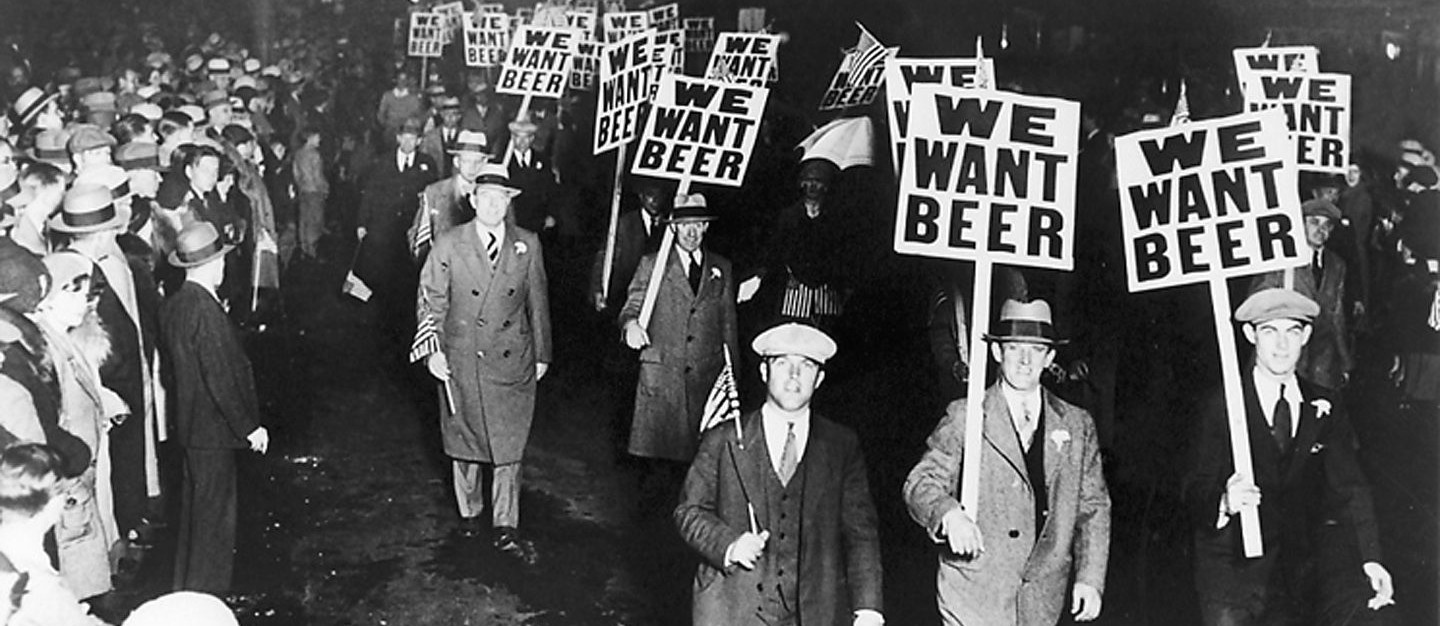
Image: https://www.loc.gov/item/99405158/, Public domain, via Wikimedia Commons

Was the Declaration of Independence really signed on July 4? Did Paul Revere actually shout, "The British are coming"? Was the Wild West truly a lawless frontier where everyone carried a gun? We all grew up learning about American history, but certain details have been greatly distorted and exaggerated over time. From George Washington’s "wooden teeth" to the truth about executions during the Salem witch trials , these are 10 famous moments in American history that aren’t quite what we were taught.

1
George Washington had wooden teeth
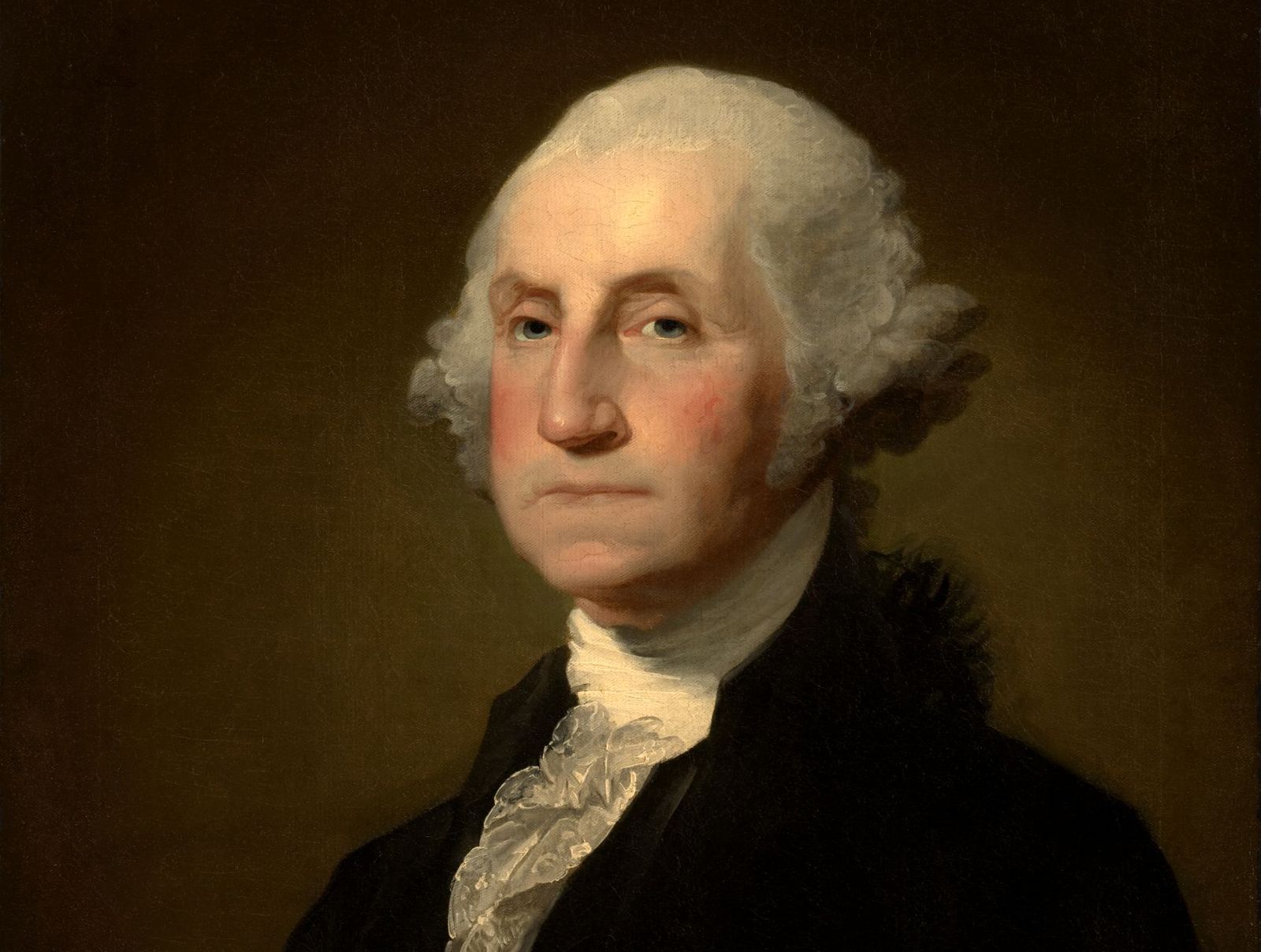
Image: Gilbert Stuart, Public domain, via Wikimedia Commons

It’s hard to find a citizen who hasn’t heard about George Washington’s "wooden teeth." But although it’s one of the most repeated stories in U.S. history, it’s actually a myth.

Washington did have serious dental problems. He began losing his teeth in his twenties, around 1752–1755, and by his 1789 inauguration, he had only one natural tooth left. But he wasn’t walking around toothless. Washington wore several sets of dentures made from many materials available at the time. His four documented sets included hippopotamus and elephant ivory, brass screws, gold wire, lead, and real human teeth, but never wood. So where did the myth come from? Historians believe dark wines such as port or Madeira stained the hairline cracks in his ivory dentures over time, giving them a darker, wood-like appearance.

2
Paul Revere rode alone, shouting "The British are coming!"
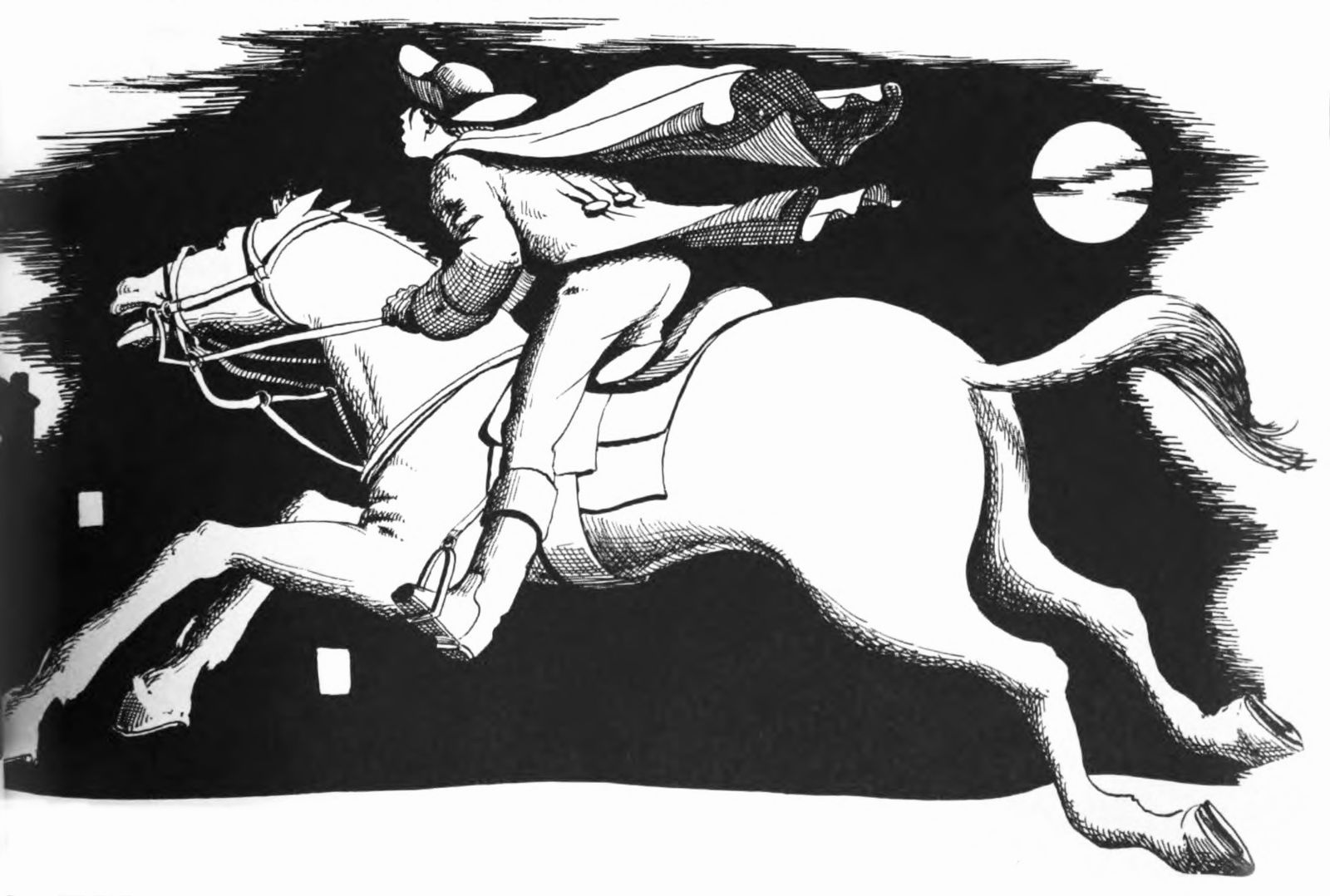
Image: Leonard Everett Fisher, Public domain, via Wikimedia Commons

"The British are coming!" is so ubiquitous that we rarely stop to question how much of the story actually happened.

Much of the version we know comes from Henry Wadsworth Longfellow’s 1860 poem, Paul Revere’s Ride . But the real events of April 18, 1775 were different. First, Revere didn’t shout the warning from horseback. He quietly knocked on doors to avoid British patrols and warned that "the Regulars are coming out," referring to British Army regulars, as recounted in a 1798 letter to Jeremy Belknap, the corresponding secretary of the Massachusetts Historical Society. "The British are coming" would have been confusing because many colonists still considered themselves British. Revere also didn’t ride alone; he rode with William Dawes and later Dr. Samuel Prescott, while at least 40 riders spread the alarm. In addition, Revere was eventually captured outside Lexington, Mass., but Prescott escaped and continued to Concord.

3
George Washington chopped down a cherry tree
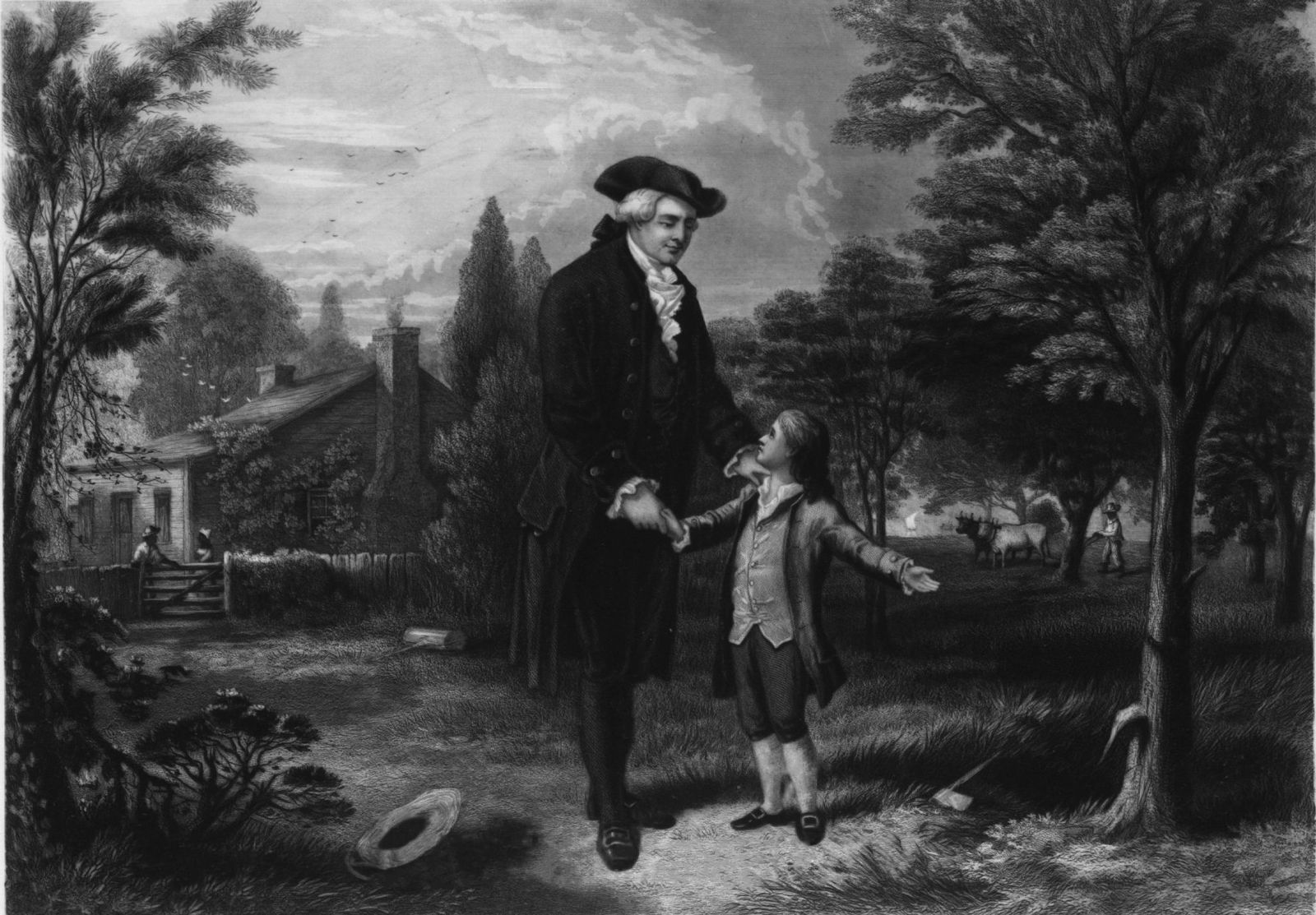
Image: John C. McRae after a painting by G. G. White, Public domain, via Wikimedia Commons

One of the most universally repeated stories about George Washington’s childhood is actually fiction.

Mason Locke "Parson" Weems, an early Washington biographer and traveling bookseller, published The Life and Memorable Actions of George Washington in 1800, less than a year after Washington’s death. But in the fifth edition, published in 1806, Weems added a new story: At about six years old, Washington damaged his father’s prized cherry tree with a hatchet. When confronted, he reportedly confessed, "I cannot tell a lie. I did cut it with my hatchet." However, there’s no evidence the incident ever happened. No letters, diaries, or family accounts mention it; not even earlier editions of Weems’ biography. But the story stuck, and by the early 1830s, it was already being taught in schools.

4
The Declaration of Independence was signed on July 4, 1776
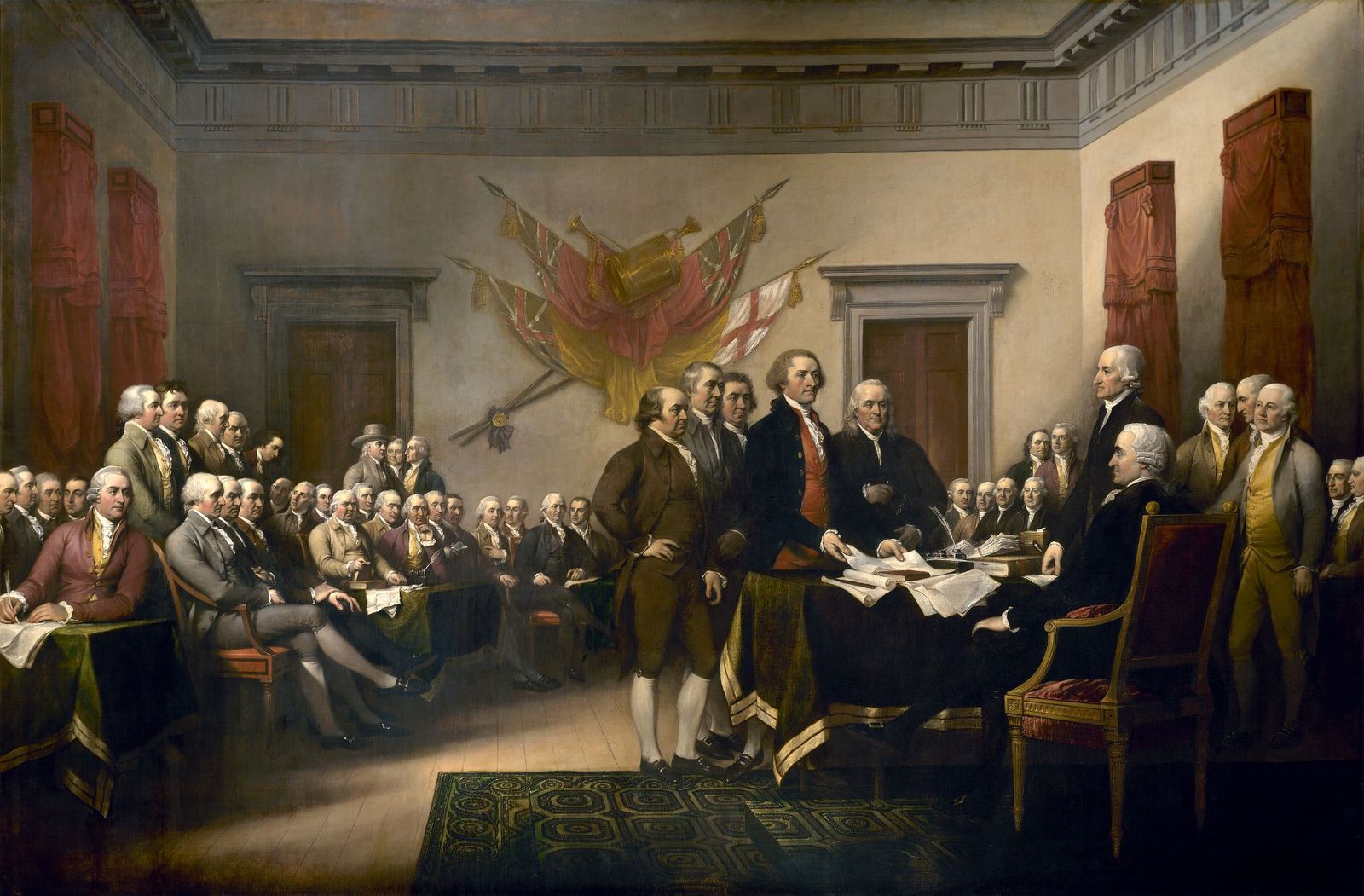
Image: John Trumbull, Public domain, via Wikimedia Commons

We tend to think the Declaration of Independence was voted and signed once and for all on July 4, 1776, but the truth is a little more complicated.

On July 2, the Continental Congress voted for independence, prompting John Adams to believe that the date would be celebrated forever. Two days later, on July 4, Congress formally adopted the Declaration’s final text, but none of them signed that day. The first printed broadside was signed only by Congress President John Hancock and Secretary Charles Thomson on July 5. On July 19, Congress ordered the Declaration to be handwritten on parchment so the delegates could sign it. I t wasn’t until August 2 that 56 delegates began signing the official document, and some signed even later.

5
People were burned at the stake in Salem
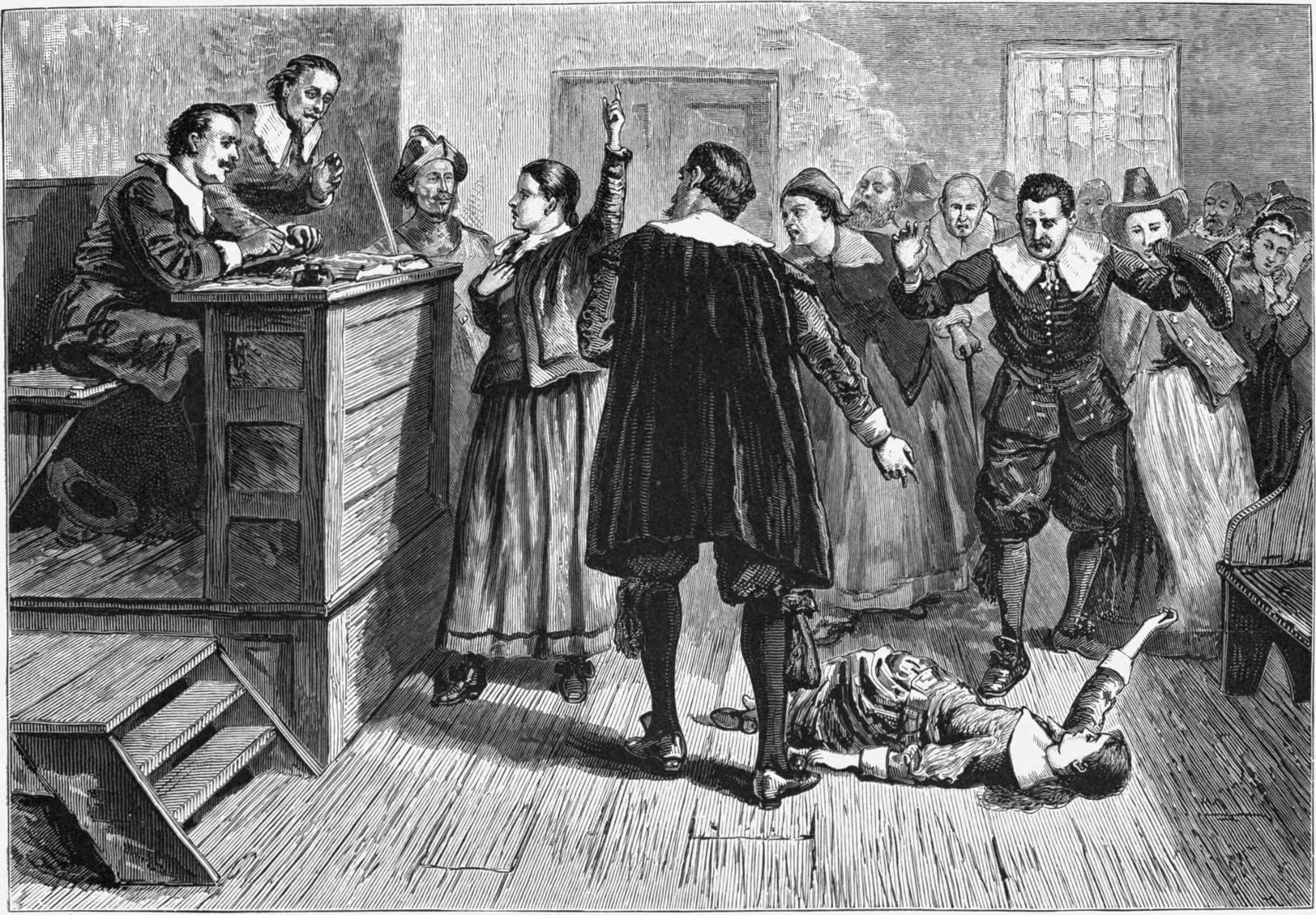
Image: unattributed, Public domain, via Wikimedia Commons

The infamous Salem witch trials are one of the most notorious and tragic events in American history. But one key detail many people believe about them is inaccurate.

Colonial Massachusetts followed English law, under which witchcraft was considered a serious crime and an offense against God. Between 1692 and 1693, the infamous witch trials took place in Salem, where a total of 21 people, 14 of them women, were executed by hanging. But none were burned at the stake. That part of the story comes from medieval Europe, where thousands of people accused of witchcraft, including Joan of Arc, were indeed burned at the stake.

6
Immigrants' names were changed at Ellis Island
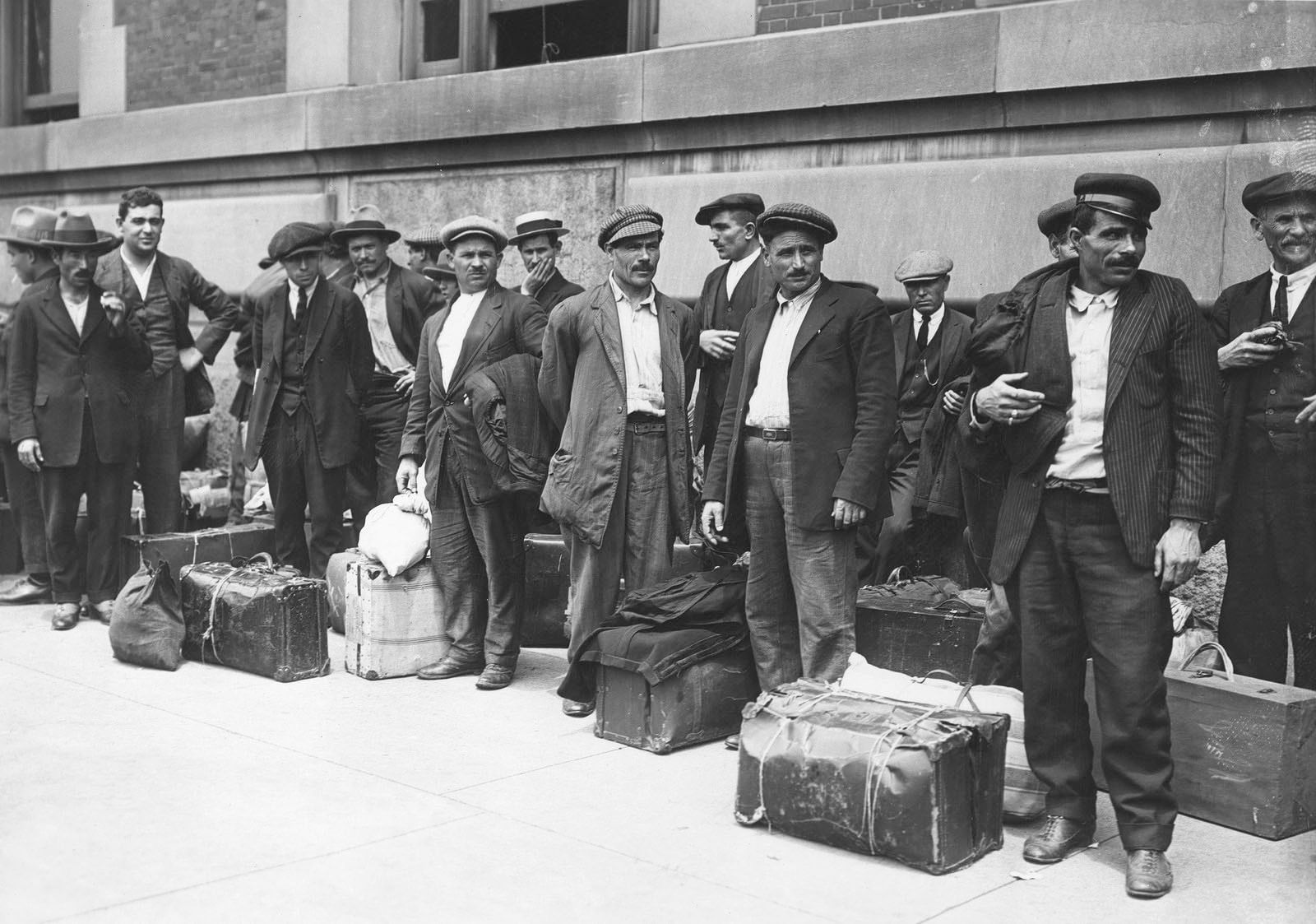
Image: mákvirágok, Public domain, via Wikimedia Commons

Changes, differences, or unusual spellings in some foreign surnames are often blamed on alleged mistakes made by inspectors at Ellis Island in New York Harbor. But that’s not actually what happened.

From its opening on January 1, 1892, through 1924, Ellis Island received millions of immigrants from around the world, many fleeing wars or coming to America in search of a new life. But immigrants’ names weren’t changed when they arrived at the island. Inspectors didn’t write down or assign immigrants’ names. Instead, they checked each person against ship manifests, passenger lists that had already been prepared at the port of departure in Europe. In fact, roughly one-third of the inspectors were immigrants themselves, and translators were available for about 60 languages. Official name changes usually happened later, during the naturalization process, when immigrants became U.S. citizens. These changes were carefully documented beginning with the Naturalization Act of 1906.

7
The Wild West was a lawless gun-slinging frontier
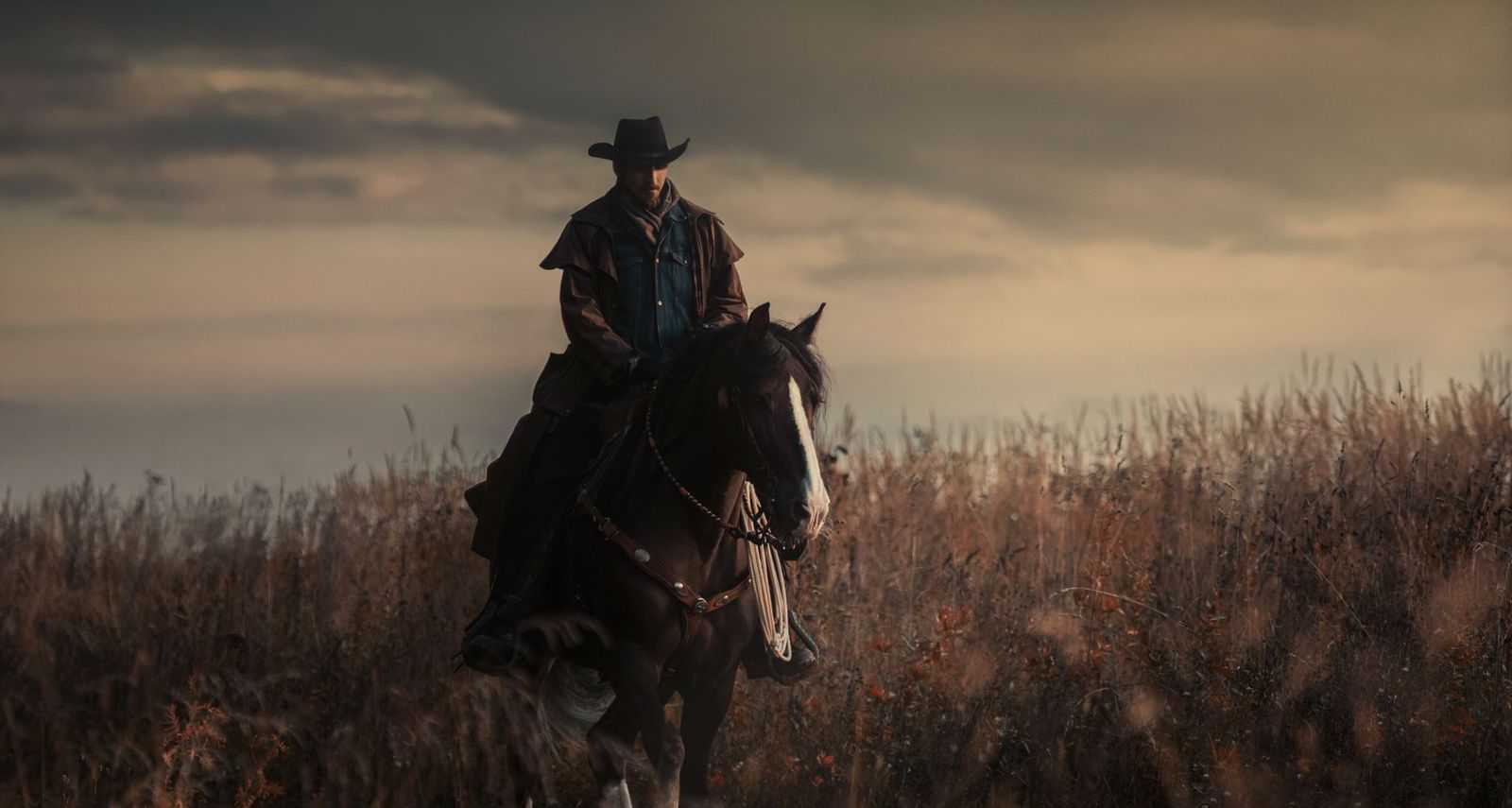
Image: Alla-V

The evocative idea that the Wild West was a lawless place where everyone carried guns, and chaos reigned, is one shaped by 19th-century pulp fiction and later cemented by Hollywood.

In reality, the American frontier was often more orderly and community-driven than we tend to assume today. In fact, many famous frontier towns had strict gun laws. Dodge City, Deadwood, and Tombstone, for example, required visitors and residents to surrender their firearms to the local sheriff or a hotel upon entering town. During its most notorious decade, 1876–1885, Dodge City averaged just 1.5 murders per year.

8
Prohibition banned alcohol completely
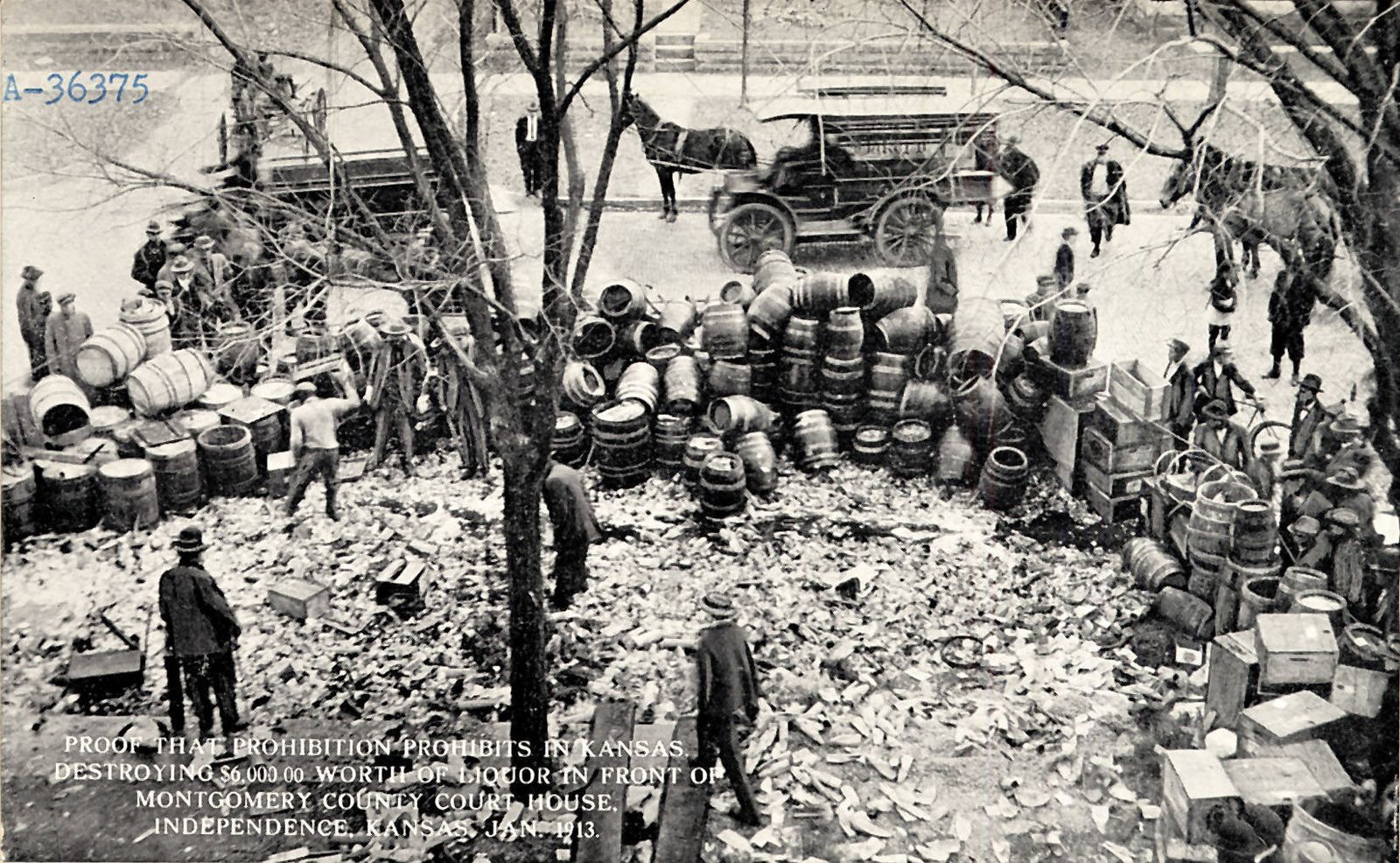
Image: See page for author, Public domain, via Wikimedia Commons

Many people still believe that Prohibition completely banned alcohol in the United States, but that wasn’t the case.

The Volstead Act, passed in 1919, and the 18th Amendment, which took effect in 1920, were intended to put an end to alcohol across the nation, but they also contained major exceptions and loopholes that people quickly learned to exploit. The law prohibited the manufacture, sale, and transportation of alcoholic beverages, but it didn’t ban the possession, purchase, or consumption of alcohol. In addition, doctors could legally prescribe liquor for certain medical conditions, including anxiety, the flu, and depression. As a result, millions of gallons of "medicinal" whiskey were prescribed each year until Prohibition ended in 1933 with the 21st Amendment.

9
Betsy Ross designed and sewed the first American flag
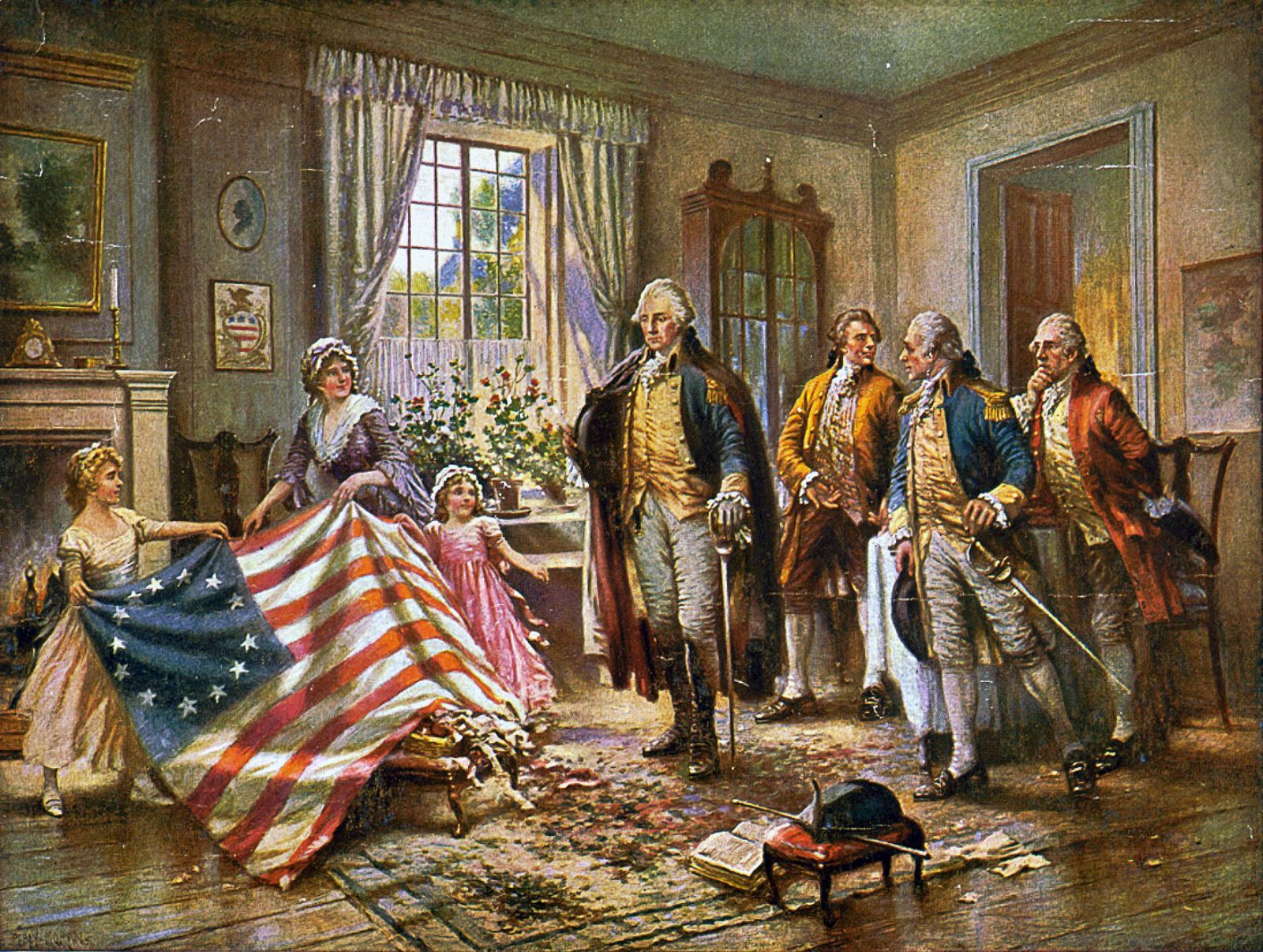
Image: Edward Percy Moran, Public domain, via Wikimedia Commons

The Betsy Ross legend claims that in 1776, a committee that included George Washington visited her and asked her to sew the first U.S. flag from a rough design featuring 13 red and white stripes and 13 six-pointed stars. But that’s not exactly how it happened.

Betsy Ross, born Elizabeth Griscom, was a Philadelphia upholsterer, flagmaker, and business owner who lived during the American Revolution. She did make flags for the government, making her a perfect historical figure for the story. But historians have found no diaries, letters, or official documents from the 1770s mentioning a meeting between Ross and Washington. The story didn’t appear until 1870, nearly a century after the American Revolution, when her grandson, William J. Canby, presented it to the Historical Society of Pennsylvania. Official records instead point to Francis Hopkinson, a Continental Congress delegate and signer of the Declaration of Independence, as the more likely designer of an early U.S. flag.

10
The Boston Tea Party was a spontaneous protest against high taxes
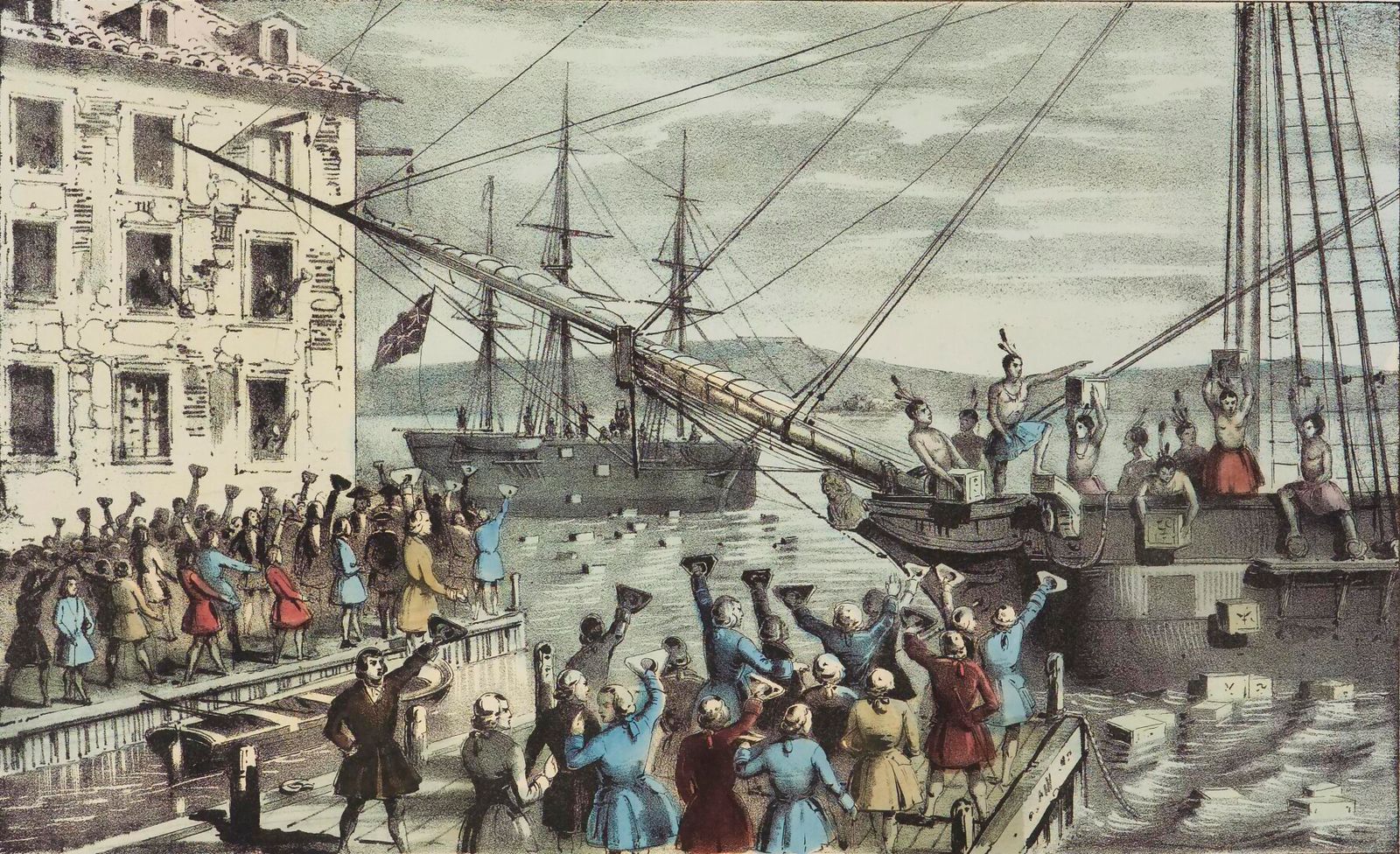
Image: Nathaniel Currier, Public domain, via Wikimedia Commons

Popular myth portrays the Boston Tea Party of 1773 as a sudden, spontaneous outburst by angry colonists protesting high taxes on tea. But it was actually quite the opposite.

In fact, the Tea Act of 1773 lowered the price of legal tea by giving the British East India Company a tax exemption. Tea sold through the company could be cheaper than ever before. The protest was driven not by a tax increase, but by anger over the special privileges given to a powerful British corporation. Colonial merchants, including wealthy smugglers like John Hancock, feared the company’s advantage would hurt their businesses. Additionally, the December 16 protest was anything but spontaneous. It was a carefully organized political action led by the Sons of Liberty, an activist group associated with figures such as Samuel Adams, one of the most influential Founding Fathers.

General General 4 min read

What does your license plate say about you?

License plate poetry: we decoded 10 famous phrases across America

Image: Malcolm Garret / John-Mark Smith

Since some aspects and parts of license plates are customizable, they are not just about vehicle identification; they are also about who we are. With colors, pictures, phrases, and more, license plates express feelings and opinions that represent the driver’s ideas on the road. Most states offer at least a couple of mottos for vehicle owners to choose from: the state’s official or unofficial nicknames. Below, you will find ten of these license plate mottos and their origins. Have you seen any of these before?

1
Taxation without representation - District of Columbia

Image: Jen Theodore

The DMV in Washington, D.C., has featured "Taxation Without Representation" on the city's license plates since the late 1990s. This is because people living in D.C. don't have a voting representative in Congress , so, yes, they're taxed without representation.

The reason for this dates back to when the Founders of the country decided that the yet-to-be-built Federal City, located on the Potomac, would operate above and beyond any regional, state, or city politics, remaining completely neutral regarding the laws being created. Therefore, there is no representative in Congress.

2
The Last Frontier - Alaska

Image: Elijah Macleod

There is not much mystery as to why license plates in Alaska feature the nickname "The Last Frontier." Once, the frontier was the continental West. Once the West was won, Alaska became the last frontier.

Along with this nickname, the license plate also features a flag with stars, which represent the Big Dipper and Polaris (the North Star). They respectively symbolize strength and Alaska's northern location.

3
Constitution State - Connecticut

Image: Davlat Radjabov

While some people might think that the nickname showcased on the Connecticut license plates is about the document that laid the groundwork for American democracy, the truth is different.

"The Constitution State" in this case refers to a set of local government rules from around the year 1639, called the Fundamental Orders. Similar? Yes, but not the same.

4
The First State - Delaware

Image: Liam Matthews

"The First State," the nickname showcased on Delaware’s license plates, references a fact that the state is proud to boast— as it should: it was the first state to ratify the US Constitution before any other state on December 7, 1787.

The nickname wasn't official until a first-grade class made the suggestion in 2002. As it sometimes happens, kids get it before everybody else.

5
Land of Lincoln - Illinois

Image: Richard Hedrick

Another proud statement showcased on the state’s license plates is printed on every Illinois plate: "Land of Lincoln" refers to the fact that, even though he was born in Kentucky, Honest Abe lived in the state capital, Springfield, from 1837 to 1861.

The 1954 plates were the first to feature this nickname, which continues to be used today.

6
The Crossroads of America - Indiana

Image: Tracy Adams

The state of Indiana has numerous interstates crossing its borders, namely I-65, I-69, I-70, and I-74 , and the nickname on its license plate is a direct reference to this. Actually, as it happens in many instances, this nickname is the state’s motto, which became official in 1937.

The current plate design, which features one of the covered bridges the state is known for, is a little cartoonish but has more character.

7
Sportsman’s Paradise - Louisiana

Image: Tim Mossholder

Some states have had the clever idea of advertising and promoting their features on their license plates. Cars bearing these signs travel all over the country, making them a perfect advertising vessel.

Such is the case for Louisiana, which is a region abundant with spots to fish and hunt . Its license plate is inscribed with one of the state’s nicknames: "Sportsman’s Paradise."

8
Support Wildlife - Maine

Image: Ashes Sitoula

Another state that attracts visitors with its natural diversity and makes good use of its license plates to promote this is Maine, with its "Support Wildlife" plate. This slogan not only invites people to visit but also advocates for environmental protection. This double function is a great use of space and resources, and it should be copied by other states’ license plates.

9
The Spirit of America - Massachusetts

Image: Beng Ragon

If there is no space for the full motto, why not go with an abbreviation, right? At least that was the reasoning for the good people of Massachusetts. Along with a patriotic color scheme, Massachusetts's license plate features the slogan "The Spirit of America." The phrase is a shortened version of the state's former motto: "The Spirit of Massachusetts is the Spirit of America."

10
Unbridled Spirit - Kentucky

Image: Jen Theodore

The last entry on our list goes to Kentucky and its poetic motto proudly showcased on its license plates. According to local authorities, " Kentucky is a place where spirits are free to soar and big dreams can be fulfilled . We relish competition and cherish our champions for their willingness to push beyond conventional boundaries to reach new heights of success."

In any case, this beautiful statement adorns the license plates of many Kentuckians.

General General 4 min read

Strangest movie title translations

You'll never believe what they called "Jaws" in France!

Image: Markus Spiske

Hollywood movies travel far and wide, but sometimes, their titles don’t make the journey intact. When films are released in other countries, they often get wildly different names: Some are literal, some are hilarious, and some even spoil the plot! Did you know Grease became Vaseline in Argentina? Or that The Sixth Sense revealed its big twist in China? Let’s take a look at some of the most entertaining, bizarre, and downright confusing movie title translations from around the world!

1
The Teeth of the Sea

Image: Kelsey K

Steven Spielberg’s Jaws terrified audiences with its simple but chilling title. But in France, the name was softened to The Teeth of the Sea . Are we watching a horror movie or a National Geographic documentary?

Don’t get us wrong, the title still conveys the idea of a deadly shark, but it lacks the punch of the original. Can you imagine the famous Jaws poster with this title instead? Not the same impact!

2
Mom, I Missed the Plane

Image: Alsu Vershinina

Can you guess which movie we’re talking about? Of course, it’s Home Alone ! We all know this movie as the classic Christmas comedy about little Kevin McCallister, whose family accidentally leaves behind.

But in France, the title suggests that Kevin missed the flight himself, as if this was his own fault! Mom, I Missed the Plane shifts the blame away from his forgetful parents, making it sound like he had one job and messed it up. That’s a different movie!

3
The War of the Stars

Image: Emmanuel Denier

It’s hard to imagine Star Wars being called anything else, but in France, it became The War of the Stars , and in Spain, it was The War of the Galaxies . That’s not too far off, but some translations went a bit crazy.

For example, in Germany, Han Solo’s ship, the Millennium Falcon, became the Speeding Falcon. In France, Han himself was renamed Yan Solo, and Chewbacca was Chico. And their ship? The Millennium Condor! We feel confident in saying that the Force was not with those translators.

4
Super Power Dare Die Team

Image: Lance Grandahl

The 2016 Ghostbusters reboot wasn’t a huge hit, but it would have had an even stranger fate in China. The translated title was Super Power Dare Die Team , which sounds more like an extreme sports competition than a paranormal comedy, don’t you think?

In reality, the movie was never officially released in China due to censorship laws against supernatural themes. But if it had made it, fans would have been left wondering just what kind of movie they were about to watch!

5
A Very Powerful Whale Runs to Heaven

Image: Gabriel Dizzi

The heartwarming story of a boy helping a whale escape captivity became something far more dramatic in some countries.

Free Willy was translated to A Very Powerful Whale Runs to Heaven in China. This movie sounds like a spiritual journey rather than an animal rescue mission. While the whale does leap to freedom, it doesn’t quite run anywhere, and it definitely doesn’t go to heaven, at least not in the movie! That’s an odd twist!

6
A Twin Seldom Comes Alone

Image: Alexander Grey

The Parent Trap was a fun family film about separated twin sisters and their adventurous reunion . But it became something oddly deep in Germany.

The title was translated to A Twin Seldom Comes Alone , which sounds more like an ancient proverb than a Disney remake, right? Maybe they were making a poetic statement about how twins always come in pairs. We don’t know, but we think it’s a pretty dramatic title for a lighthearted comedy!

7
He’s a Ghost!

Image: Tandem X Visuals

The Sixth Sense , by M. Nigh Shatamalan, is famous for its shocking twist ending , unless you were in China, where the title literally gave it away.

Instead of the mysterious The Sixth Sense , the movie was released as He’s a Ghost! , ruining the entire plot before the opening credits even rolled. Spoiler is the understatement of the century here!

8
The Boy Drowned in the Chocolate Sauce

Image: Pete Wright

Denmark took a grim approach to Willy Wonka & the Chocolate Factory : They renamed it The Boy Drowned in the Chocolate Sauce . While it’s true that Augustus Gloop’s chocolate river mishap is one of the film’s most memorable moments, it makes the movie sound more like a crime drama than a whimsical adventure.

Meanwhile, Portugal softened the title to Charlie’s Wonderful Story , and Spain went with A Fantasy World . Denmark gets the prize for morbid and hilarious, anyway!

9
Vaseline

Image: JUNHYUNG PARK

John Travolta and Olivia Newton-John’s beloved musical Grease got a slick new name in Argentina: Vaseline . Can you guess the logic behind this choice?

Grease refers to the oily hair product used by 1950s greasers, so Vaseline was the closest match. While it technically makes sense, it definitely changes the feel of the movie. The Musical doesn’t quite have the same ring to it!

10
Fantastic Emotional Turmoil

Image: Dean Gibbons

Pixar’s Inside Out was a clever way to teach kids about emotions, but in Thailand, the title got extra dramatic . The movie was released as Fantastic Emotional Turmoil , which makes it sound like a high-stakes psychological thriller. We know the human experience can be difficult, but this is too much!

Other countries struggled with the translation too: in China, for example, it was The Great Team Inside the Head . Clearly, Pixar’s abstract concept wasn’t the easiest to put into words!

Explore more American facts

Choose your favorite category!

General
General

As American as apple pie—the very best America has to offer!

Culture
Culture

Delve into the astounding richness of American lore.

Geography
Geography

Hop in and explore vast and diverse American landscapes.

History
History

Discover the key moments that shaped the United States.