General General 7 min read

Sin City’s secrets

Bet you didn't know these 10 facts about Las Vegas
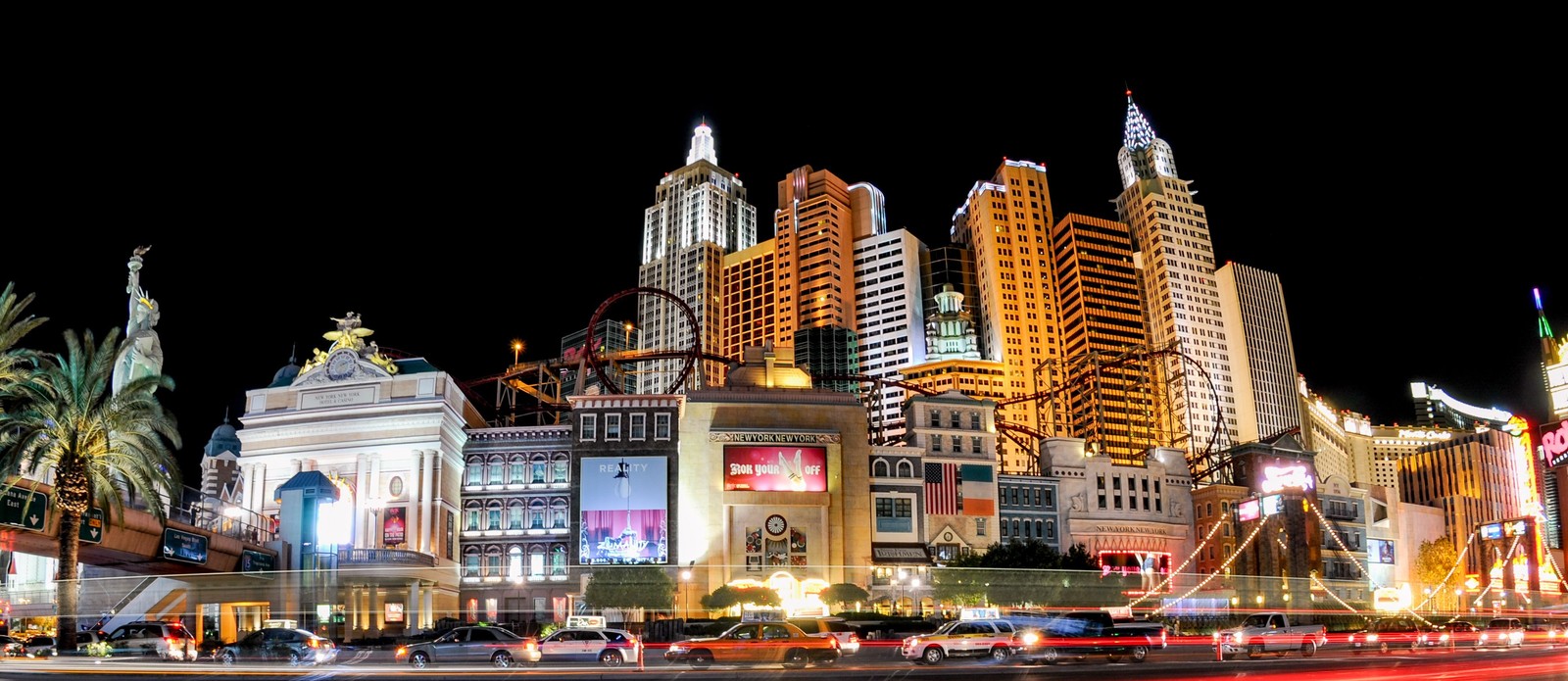
Image: Paul IJsendoorn

A man once sold every single thing he owned, flew to Las Vegas, and bet the whole lot on a single spin of the roulette wheel. Do you think he won? There are 600 miles of concrete flood tunnels under Sin City—can you estimate how many people live there? Most of the profits of the whole city come from one single game; could you guess which one it is? Read on to find all the answers to these stunning facts about Las Vegas, Nevada.

1
The man who sold everything he owned and bet it all on one spin
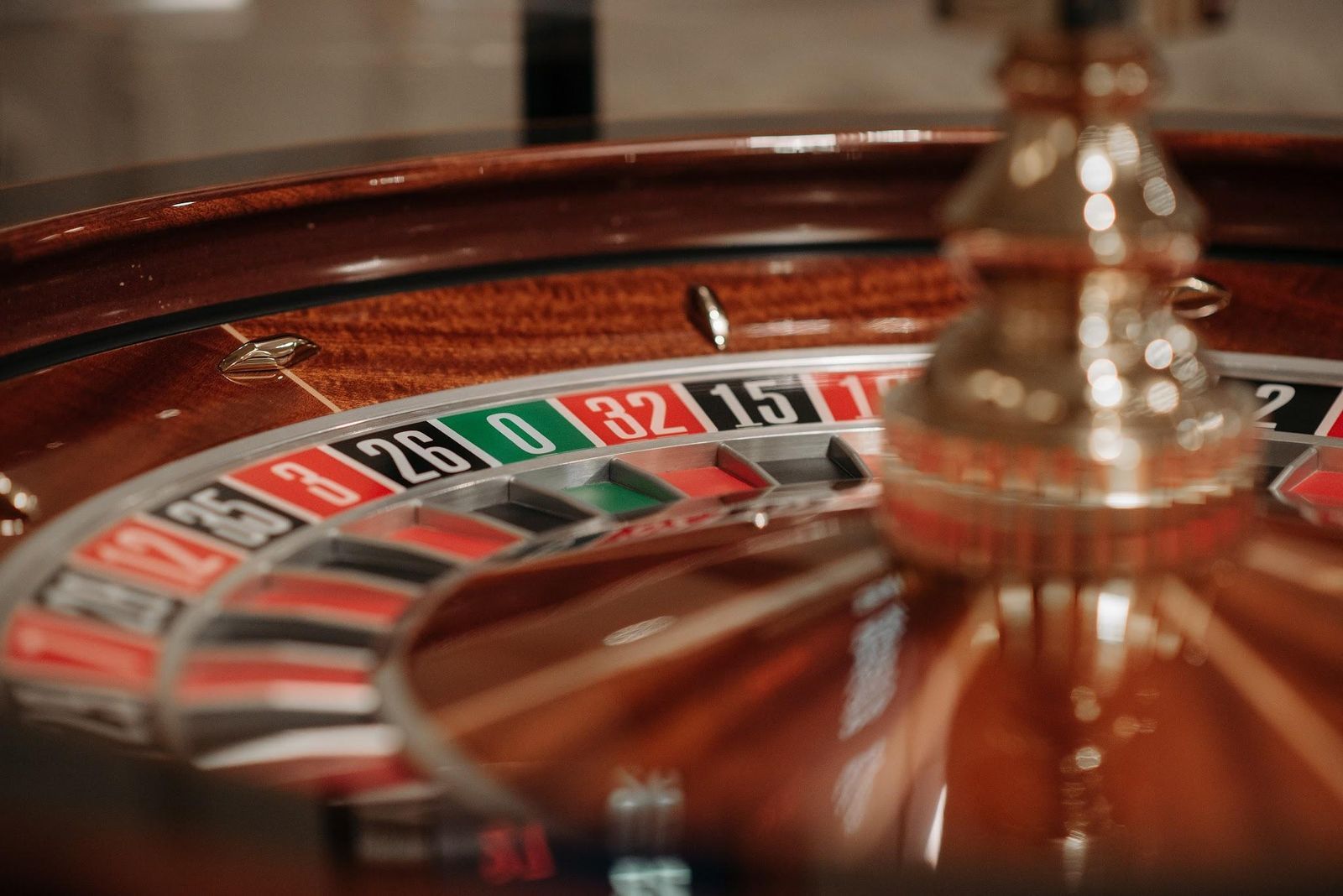
Image: Pavel Danilyuk

In 2004, a 32-year-old British man named Ashley Revell walked into the Plaza Hotel and Casino in Las Vegas and placed every dollar he had in the world on a single spin of the roulette wheel.

In the months before, Revell had sold his house in Kent, his BMW, his Rolex watch, his golf clubs, his electronics, his furniture, and every piece of clothing he owned. The grand total of his liquidated possessions came to $135,300 . He pushed the entire stack of chips onto red as the ball was already spinning. It landed on Red 7.

Revell walked away with $270,600, exactly double what he had come in with. He tipped the croupier $600 on the way out. The whole thing was filmed by Sky One for a reality mini-series called Double or Nothing .

2
Beneath the casinos, an estimated 1,500 people live underground
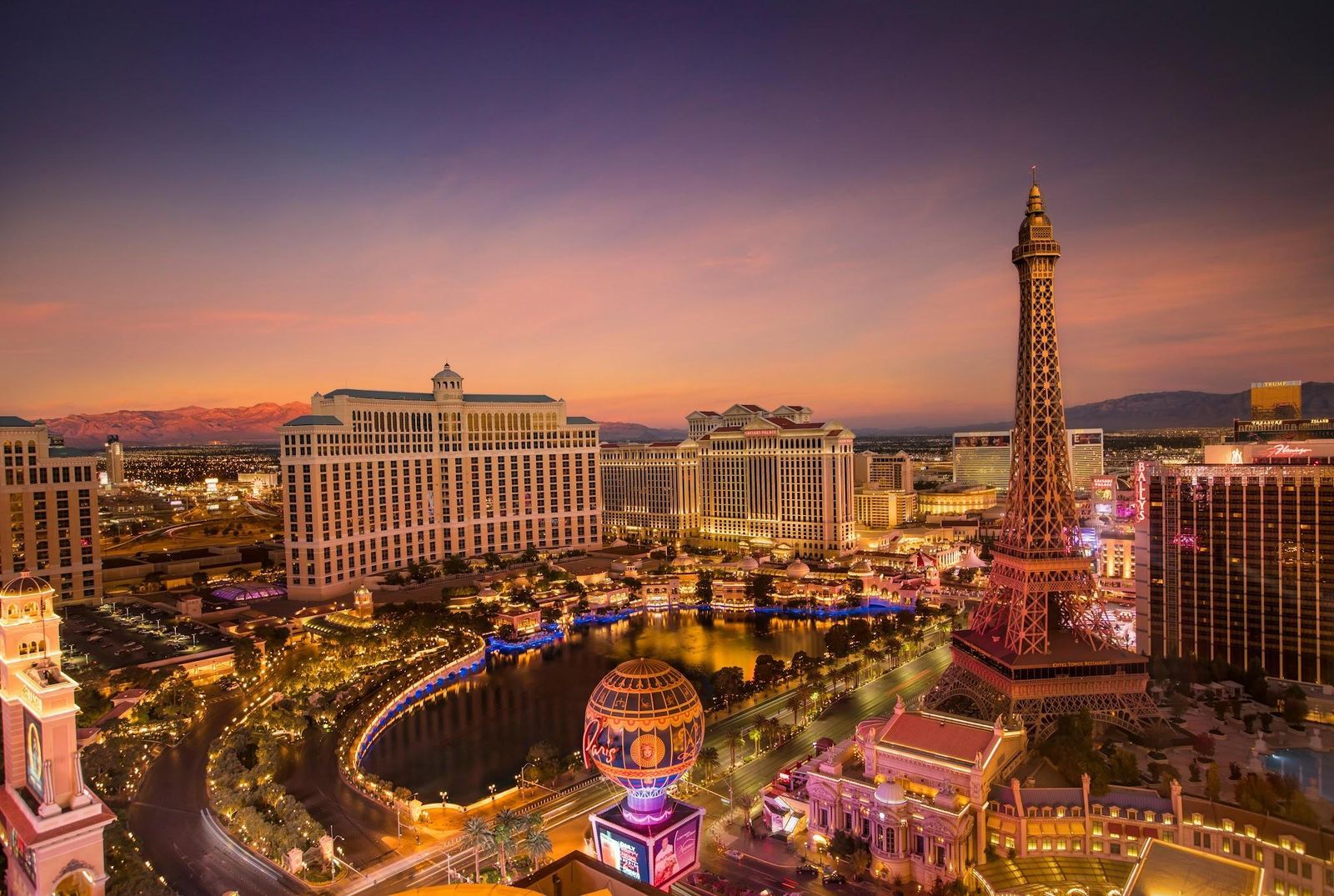
Image: Stephen Leonardi

Below the glittering hotels and neon lights of the Las Vegas Strip runs a network of concrete flood drainage tunnels stretching roughly 600 miles beneath the city. Built in the 1990s to manage flash flooding in the Nevada desert, these tunnels have become an unofficial home for hundreds of the city’s unhoused residents.

It is estimated that between 1,200 and 1,500 people live there . Some residents have constructed makeshift shelters from plywood and salvaged metal deep inside the tunnels, occasionally just yards below the casino floors above them.

The tunnels pose serious dangers: flooding risk during desert rainstorms, extreme heat, and high rates of substance abuse. A network of nonprofits, outreach teams, and government agencies coordinates aid by providing the residents with essentials and offering them long-term case management, like treatment and housing placement.

3
Las Vegas has a literal black book of people banned for life
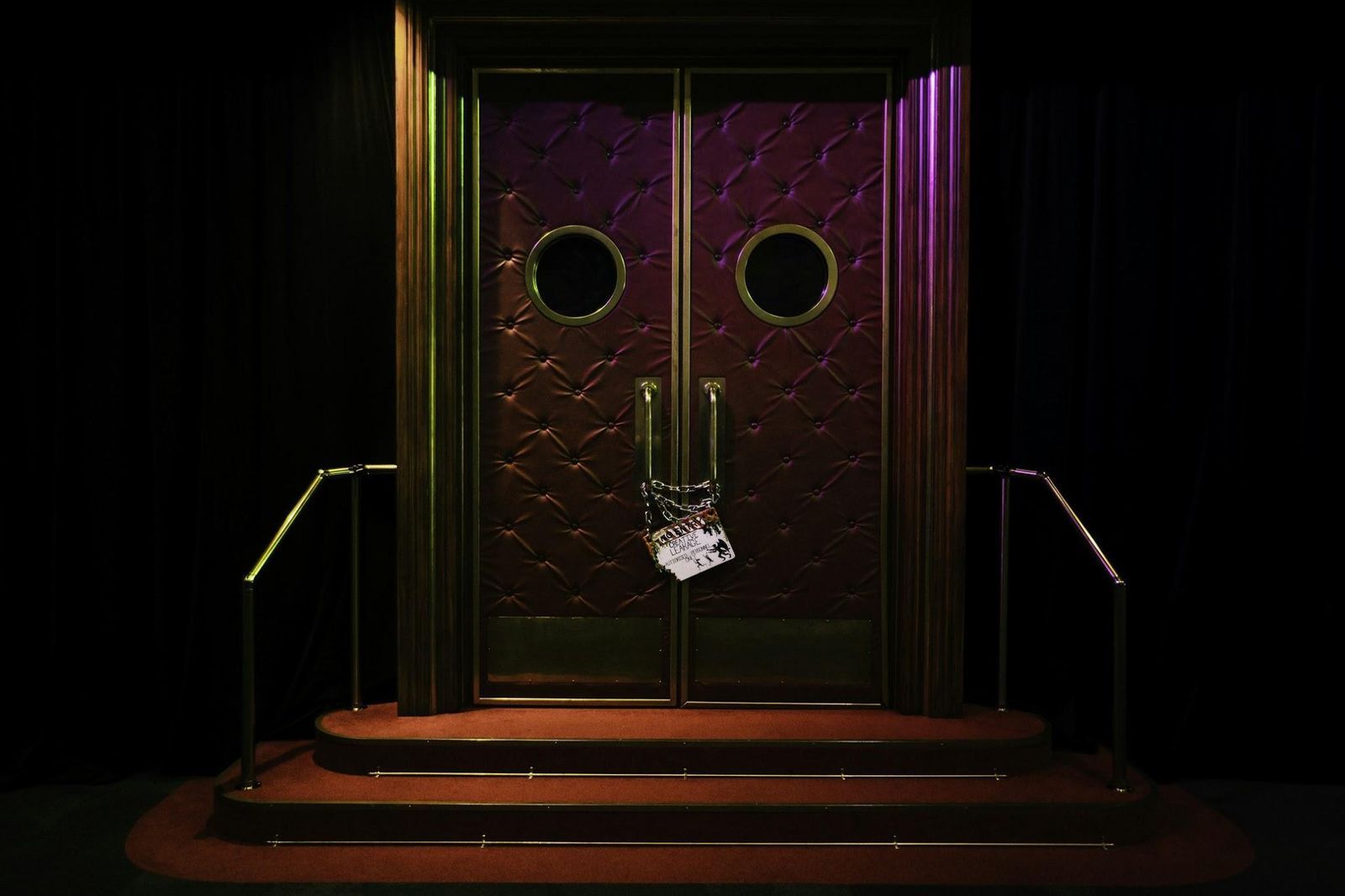
Image: BehindTheTmuna

Since 1960, the Nevada Gaming Control Board has maintained what it officially calls the List of Excluded Persons, better known as the Black Book. The original publication was a black-covered booklet held together with Scotch tape, listing eleven people deemed to have "notorious or unsavory reputations."

Most of the early entries were organized crime figures: Chicago outfit boss Sam Giancana; enforcer Anthony "Tony the Ant" Spilotro, whose violent exploits inspired Joe Pesci’s character in the film Casino ; and nine other mob associates. Anyone whose name appears on the list is permanently banned from entering any licensed gaming establishment in the state of Nevada.

Violating the ban is a gross misdemeanor under Nevada law. As of 2026, there are 37 names on the list. No one has ever successfully appealed their removal.

4
Strange casino rules: no clocks, no windows, no soft dice
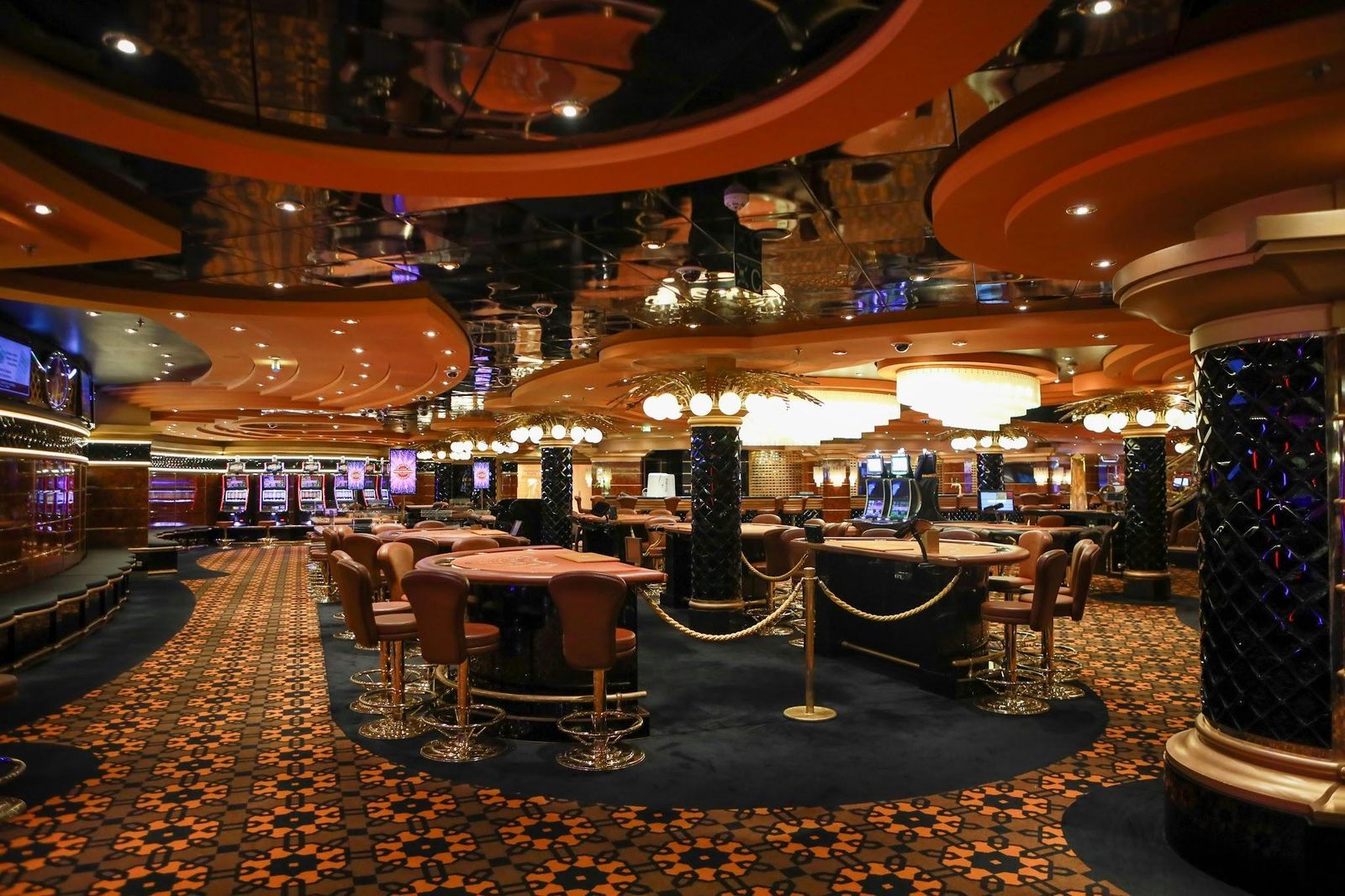
Image: Elizabeth Ferreira

Las Vegas casinos are designed to keep gamblers at the tables as long as possible. Clocks are banned to distract players from the passing of time. Windows are eliminated so that they cannot tell whether it is noon or 3 a.m.

What’s more, Nevada law governs even the dice. The Nevada Gaming Control Board requires casino dice to be perfectly transparent so that no hidden weights can be concealed inside . Each die must be precision-manufactured to within 1/10,000th of an inch, with razor-sharp corners and edges showing no rounding whatsoever. They are inspected regularly and, in high-stakes games, replaced every eight hours of play to ensure consistent rolls.

5
The famous Las Vegas Strip is not actually in Las Vegas
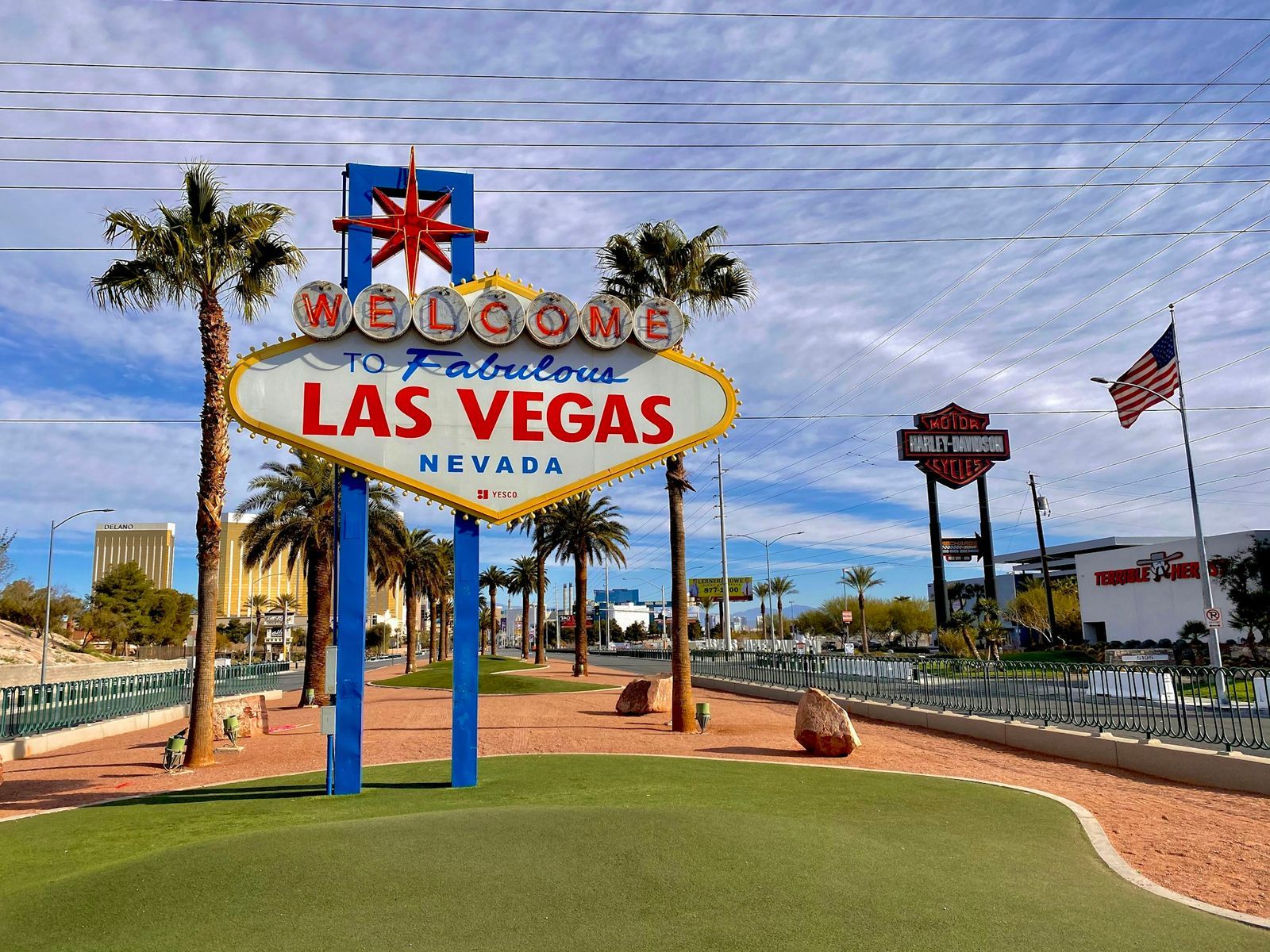
Image: David Lusvardi

The stretch of Las Vegas Boulevard South that the world knows as the Strip does not lie within the city limits of Las Vegas. This is the area that’s home to Caesars Palace, the Bellagio, MGM Grand, the Venetian, Mandalay Bay, and dozens of other iconic venues.

Technically, it falls within an unincorporated community called Paradise , which is governed by Clark County rather than the city of Las Vegas. Paradise was deliberately established in 1950, when casino owners moved to avoid Las Vegas city taxes and regulations while continuing to trade on the city’s name and benefit from its infrastructure.

The city of Las Vegas actually begins further north along the boulevard, near the Stratosphere. Paradise covers approximately 54 square miles and has a residential population of around 220,000 people, which means it’s one of the largest and most densely populated unincorporated communities in the United States.

6
The Luxor’s sky beam is the most powerful artificial light on earth
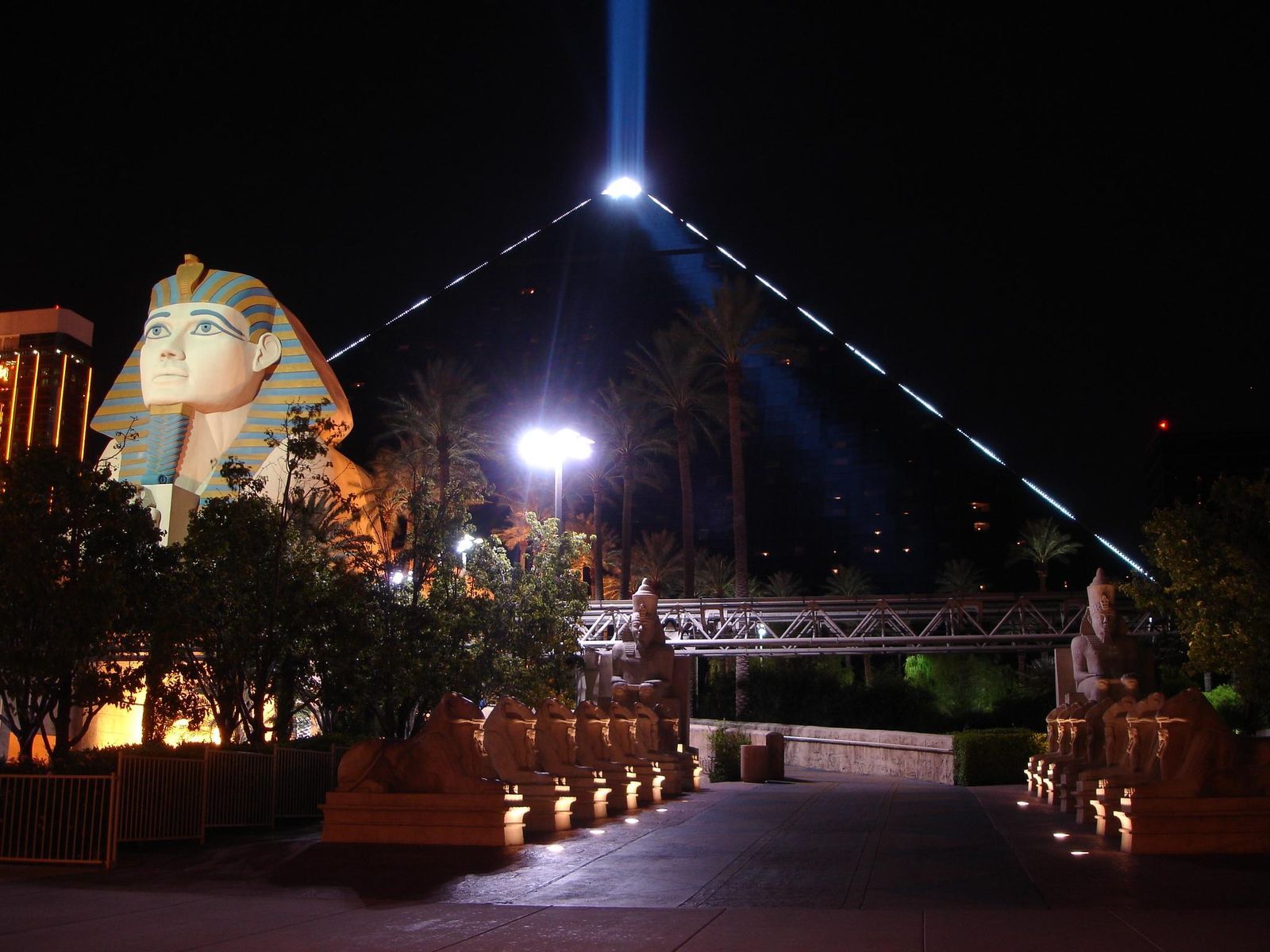
Image: Pavel Špindler, CC BY 3.0, via Wikimedia Commons

Rising straight up from the apex of the black pyramid-shaped Luxor Hotel and Casino, the Luxor Sky Beam has been one of the most recognizable sights in Las Vegas since the hotel opened in October 1993. It is, by any measure, the most powerful artificial light beam on the planet. The beam is produced by 39 individual xenon lamps, each with 7,000 watts and roughly the size of a washing machine, focused through computer-designed curved mirrors into a single concentrated column.

Together, they generate an estimated 42.3 billion candlepower. On a clear night, airline pilots have reported seeing the beam from as far as 250 miles away. The total operating cost, confirmed by Luxor engineer John Lichtsteiner, is $51 per hour, of which $20 is electricity. That adds up to $480 a day only for lighting the signature beam each night —or $175,200 a year.

7
Las Vegas is home to the tallest observation tower in the US
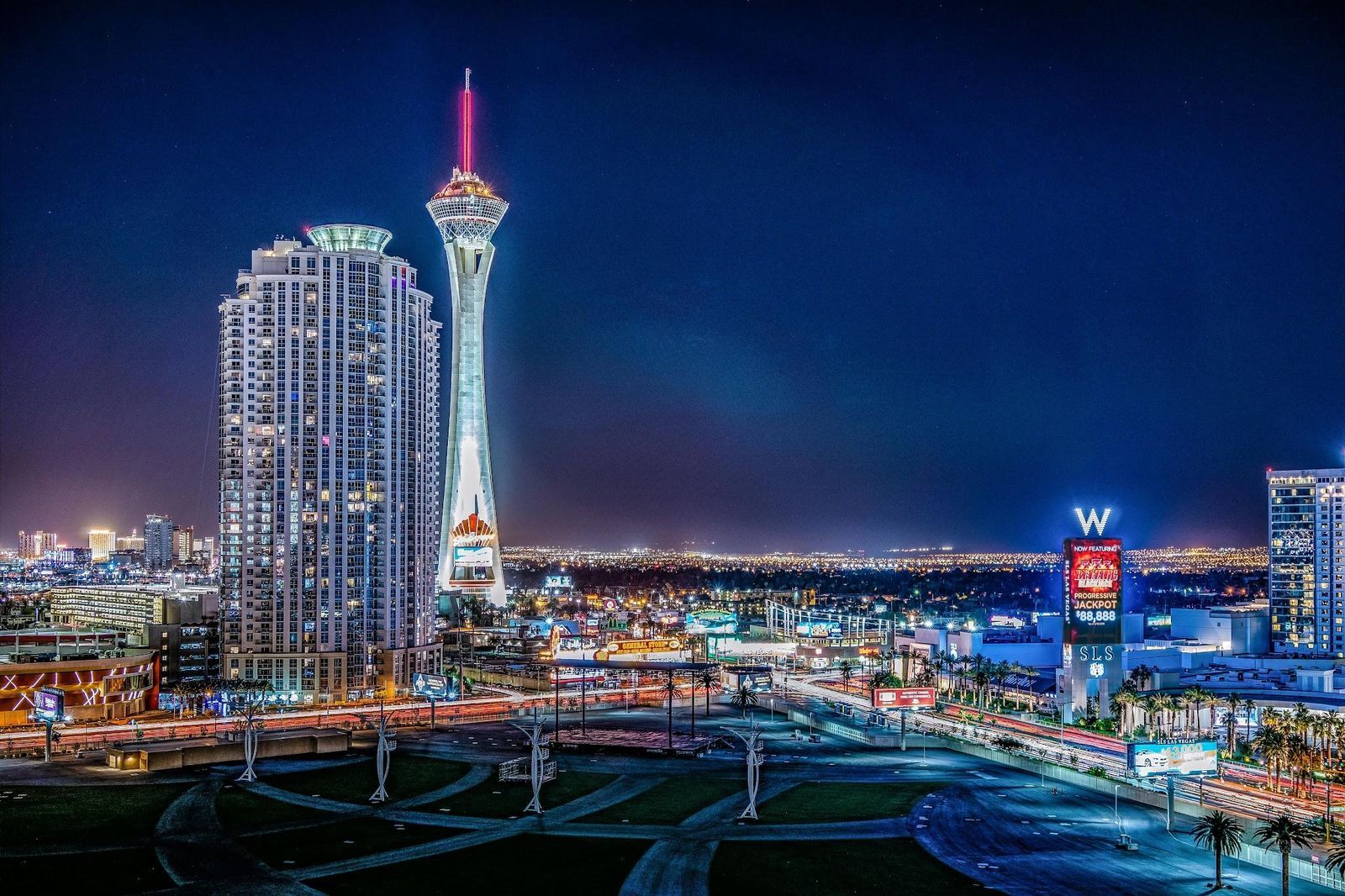
Image: Dave Morgan

Standing 1,149 feet above the Las Vegas valley, the Strat Tower, officially rebranded from the Stratosphere in 2020, is the tallest freestanding observation tower in the US and the second-tallest in the entire Western Hemisphere, surpassed only by the CN Tower in Toronto at 1,815 feet. It is also the tallest building in Nevada and the tallest structure west of the Mississippi River.

At the top, the Strat offers four outdoor thrill rides, including one that dangles riders 64 feet beyond the edge of the building on a mechanical arm, over 900 feet above the ground.

8
Slot machines account for around 60% of all casino revenue
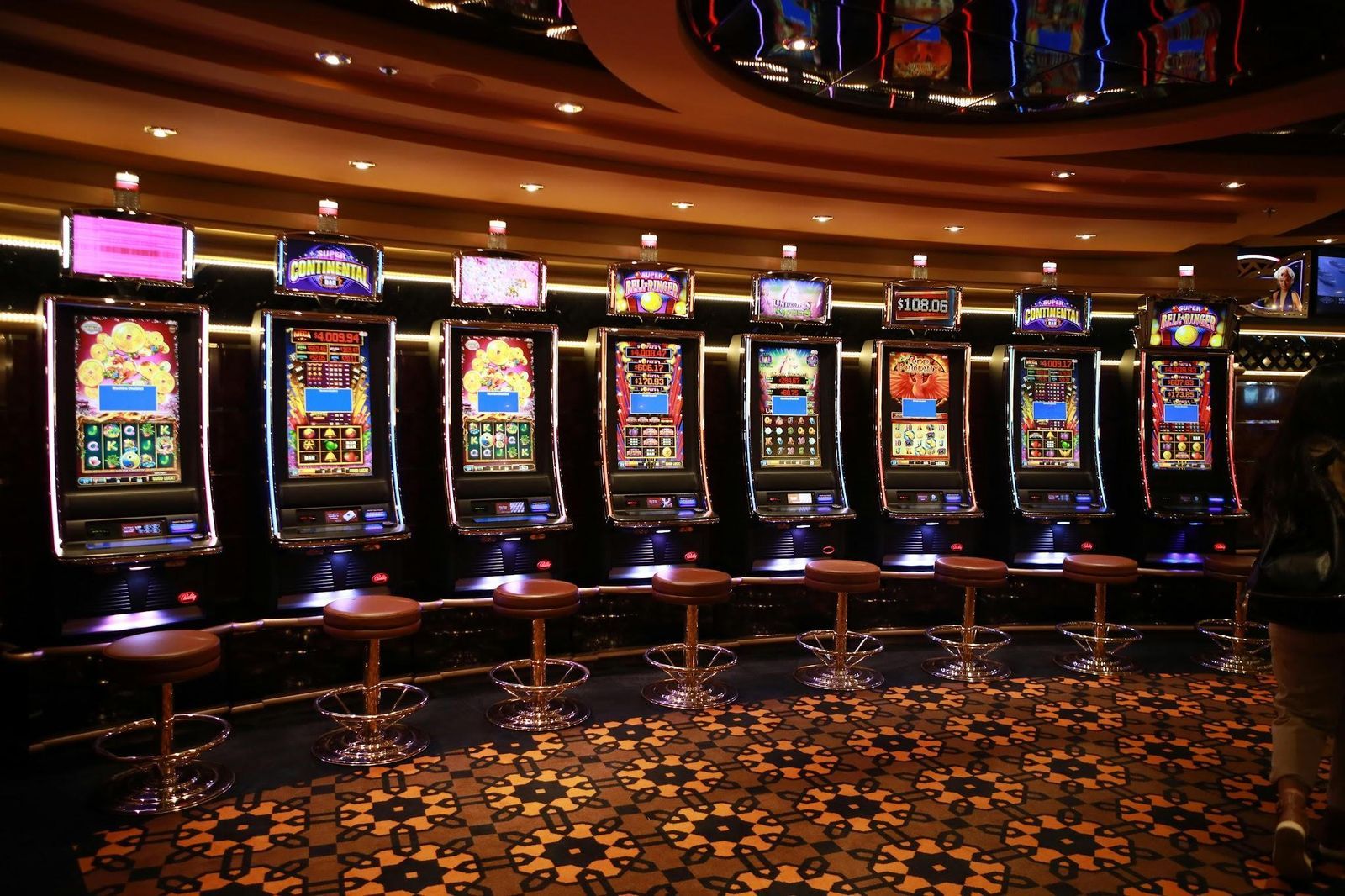
Image: Elizabeth Ferreira

Walk into any Las Vegas casino, and the first thing that surrounds you (and the loudest) is the rows of slot machines that line nearly every available wall and corridor. That layout is not a coincidence.

It is estimated that slot machines consistently generate approximately 60 to 65 percent of all casino gaming revenue in Nevada. There is roughly one operating slot machine for every eight residents of Las Vegas. Nevada law requires that video slot machines pay out a minimum average of 75 percent, though Strip machines in practice typically return 87 to 97 percent.

Casinos place the most visible, most tempting machines near entrances, elevators, and high-foot-traffic corridors , a placement strategy that has been studied and refined over decades. Despite the rise of poker rooms and sports betting in recent years, slot machines have remained the single largest source of gaming income in Las Vegas without interruption for more than half a century.

9
The gambling capital of the world does not sell lottery tickets
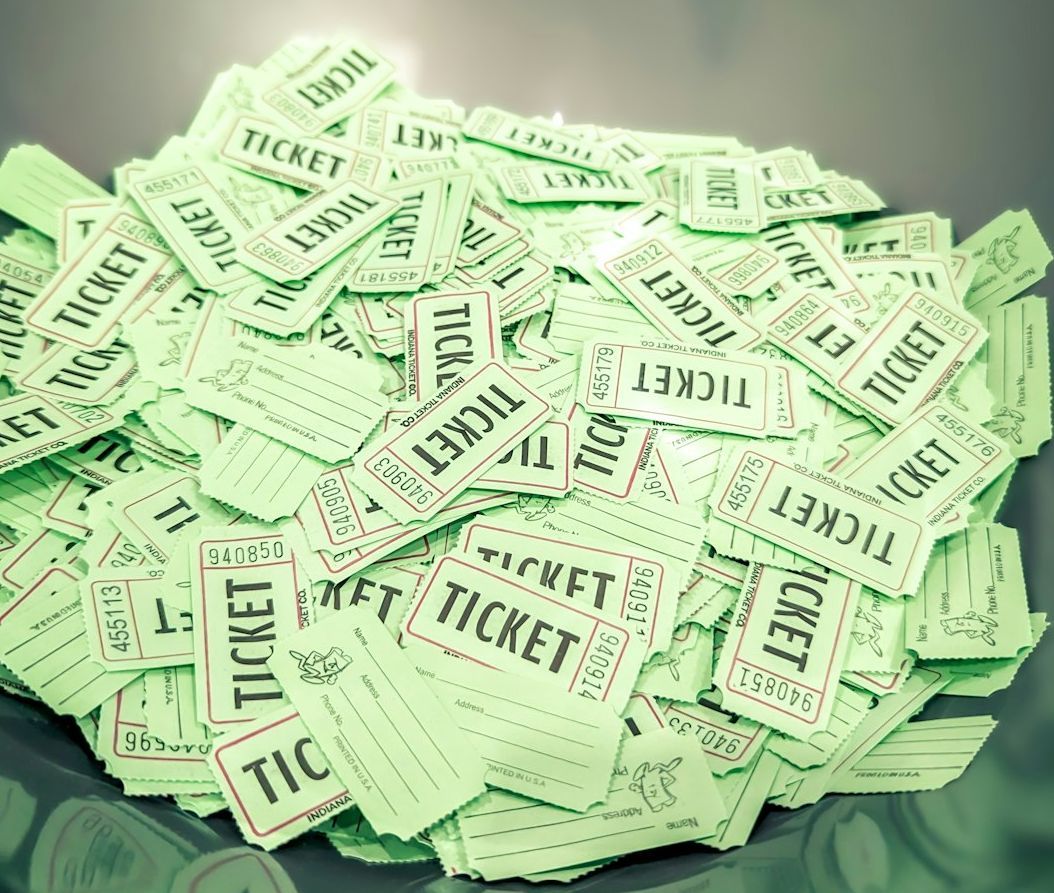
Image: Obi

Nevada is one of only two states in the entire United States that have no state lottery, the other being Utah. You cannot legally walk into a convenience store and buy a $2 scratch-off ticket.

The reason is straightforward and has nothing to do with moral opposition. Nevada’s gaming industry has lobbied persistently and successfully against a state lottery since gambling was first legalized in 1931, on the grounds that a government-run lottery would directly compete with casino revenues.

10
FedEx was saved from bankruptcy by a Las Vegas blackjack table
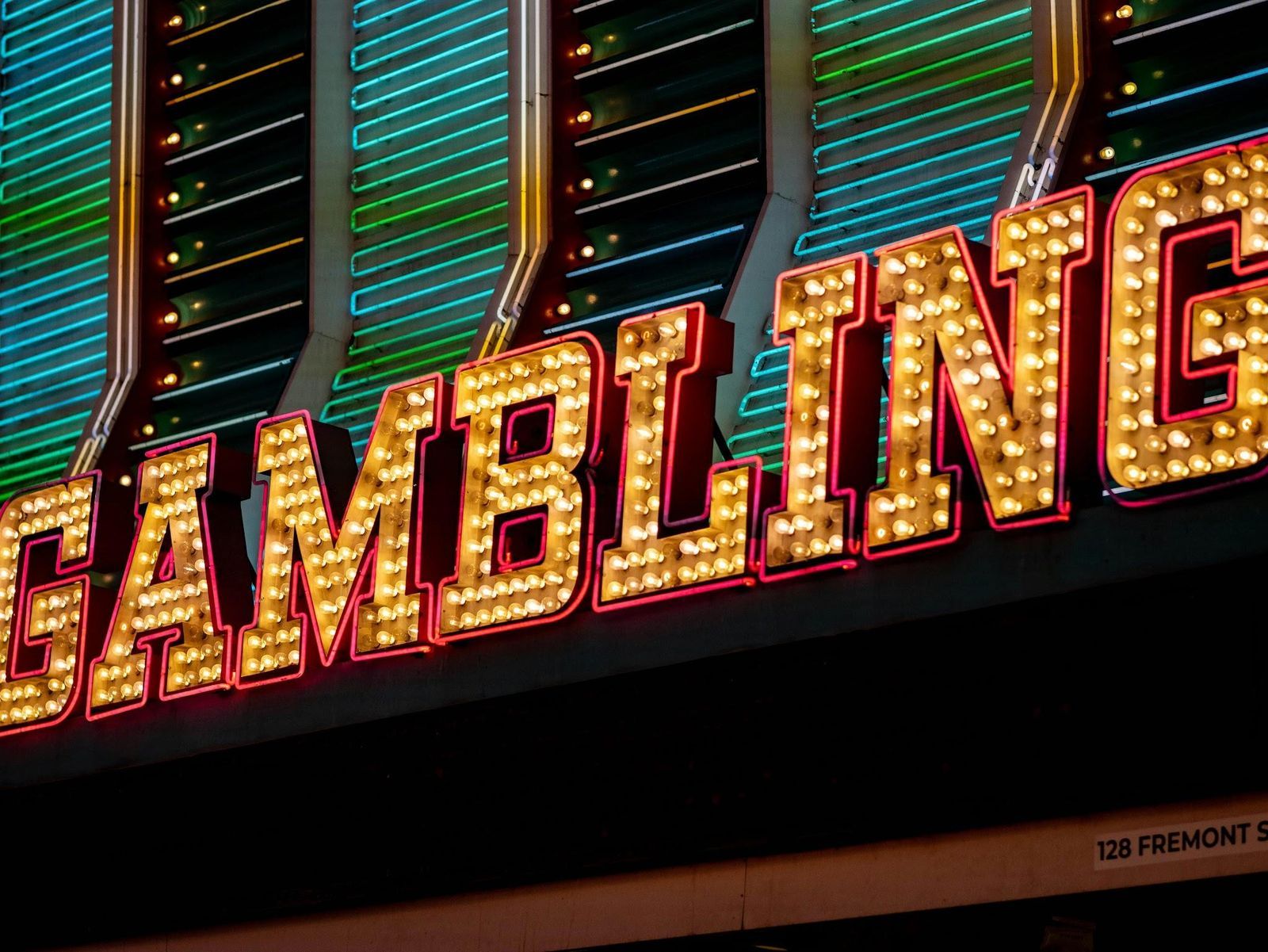
Image: Joshua Santos

In 1971, FedEx, then called Federal Express, was days away from collapse. Founder Frederick W. Smith had built the company on the revolutionary idea of overnight package delivery using a central hub-and-spoke air network, but the business was not working.

The company had roughly $5,000 left in its operating account. It was not enough. Facing what appeared to be the end, Smith flew to Las Vegas and sat down at a blackjack table. He gambled the company’s last $5,000 and turned it into $27,000, which was just enough to cover that week’s fuel costs and keep the planes in the air. The breathing room bought by that blackjack session gave Smith enough time to secure additional financing. Today, FedEx employs more than 500,000 people worldwide and is valued at over $60 billion.
History History 4 min read

Sip back in time

Ombibulous times: Talking the talk of prohibition

Image: Moussa Idrissi

Back in the 1920s, when alcohol was outlawed but far from out of reach, people got creative—not just with cocktails, but with their lingo, too. From secret bars to shady drinks and sly lawmen, the Prohibition era brewed up a whole dictionary of clever slang. Some of these phrases are still with us today, while others sound like something out of an old gangster flick. Let’s raise a (legal) glass and dive into the wild vocabulary of the dry years!

1
Giggle water

Image: Tristan Gassert

Sounds fun, doesn’t it? "Giggle water" was slang for champagne, but later came to mean any kind of alcoholic drink that made you feel good.

The term popped up around 1910 and hung around well into the ’20s. Lighthearted and cheeky, it captured the mood of a tipsy good time. It was all laughs—until the next morning.

2
Blind pig

Image: Annie Spratt

A "blind pig" was code for an underground bar, or speakeasy, where patrons paid to see an "exotic animal" and conveniently received a cocktail with the show. This ruse was an early attempt to skirt the law. The term dates back to the 1800s and had a cousin in crime: the "blind tiger." No matter the name, nobody was there to admire animals—they came for the booze.

3
Juice joint

Image: John Hernandez

At first glance, this might sound like a fruit stand. But during the 1920s, a "juice joint" was slang for a speakeasy—especially the more modest ones. However humble, they had it all: music, dancing, and definitely drinks, legal or not.

The name originally referred to soda stands, but it didn’t take long before it meant something much stronger. If you were thirsty during the dry years, this was a must-stop.

4
Jake walk

Image: Ve al perfil de Andreas M Andreas M

Here’s a sobering one. "Jake" was shorthand for Jamaican ginger extract, a legal tonic with high alcohol content. But manufacturers altered it to skirt regulations—and the results were tragic. Drinkers developed a distinct limp from nerve damage, called the "Jake walk" or "Jake leg." Thousands were affected, especially in the South. It became both a medical crisis and a dark symbol of the risks people took to sneak a drink.

5
Ombibulous

Image: Kelsey Chance

Writer H.L. Mencken had a way with words—and a taste for booze. In 1920, he dubbed himself "ombibulous," meaning he happily drank anything alcoholic, no matter what. He was also known for calling bootleggers "booticians," always with a wink. A strong critic of Prohibition, Mencken turned his drinking habits into witty declarations.

6
Needle beer

Image: Wil Stewart

You know the drill: desperate times, desperate measures. Some barkeeps took regular beer, injected it with alcohol via a syringe through the cork, and served it up as the real deal. This DIY hack became known as "needle beer." It was risky and often poorly mixed, but in an era when options were slim, creativity was all people had. Probably not the safest pint you ever drank, though.

7
Brick of wine

Image: Kym Ellis

Yes, really! You could buy a block of grape concentrate, add water, and wait—voilà, wine! These "bricks" came with an ironic warning not to store them in a cool, dark place (wink, wink), or they might "accidentally" ferment. For wine lovers who craved a glass during the dry years, this was a sly workaround. Just add water, patience, and a sense of humor, of course!

8
Bathtub gin

Image: Bjarne Vijfvinkel

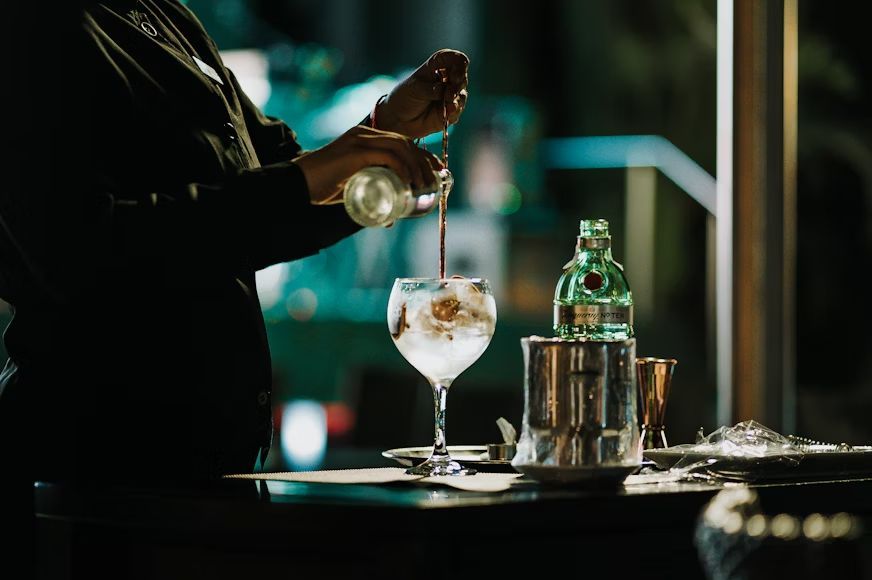
Not a flavor—a method. "Bathtub gin" referred to homemade hooch often mixed in, you guessed it, a bathtub. Tall bottles didn’t fit under sink taps, so a larger space was needed. We’ve said it before, and we’ll say it again: how creative could they get?

The quality varied wildly, and safety wasn’t exactly guaranteed. However, it became the generic term for all sorts of homebrewed booze.

9
Teetotaler

Image: Jessica Smith

This word originated before Prohibition but got plenty of use during it. A "teetotaler" is someone who avoids alcohol entirely. The term comes from the emphatic "T" in "total abstinence." It gained popularity thanks to temperance movements in the 1800s, long before the ban was official. While others were sneaking into blind pigs, teetotalers were proudly saying, "Thanks, but no thanks."

10
Dry

Image: engin akyurt

If you were "dry," you were all in on Prohibition. Drys supported the ban, and dry counties banned alcohol completely. Agents who enforced the law were often called "dry agents." The term became both a political and cultural identifier. You were either dry or...

11
Wet

Image: CHUTTERSNAP

...you were wet. A "wet" person supported legal alcohol sales, plain and simple. Wet cities and counties allowed booze to flow, and many Americans never bought into the dry movement. The wet/dry divide wasn’t just about drinks—it represented a much larger cultural clash. And as we know now, the wets eventually won.

12
Whale

Image: Todd Cravens

Not a sea creature, but someone who could drink like a fish. A "whale" was a heavy drinker, often the life of the party and the last one standing. Whether at a juice joint or speakeasy, whales had reputations to uphold. The term lives on today in gambling circles, too—but back then, it was all about your booze tolerance.

Culture Culture 4 min read

History on canvas

How 10 iconic American paintings shaped modern culture

Image: Girl with red hat

Among the many ways the United States has influenced world culture, art, especially painting, stands out as one of the most significant. From Grant Wood's unparalleled "American Gothic" to Andy Warhol's bold "Campbell's Soup Cans", numerous masterpieces by American artists have traveled the globe, each marking a turning point in art history. Join us as we explore the stories behind these 10 unforgettable American works that have left their mark!

1
American Gothic (1930) - Grant Wood

Image: Grant Wood, Public domain, via Wikimedia Commons

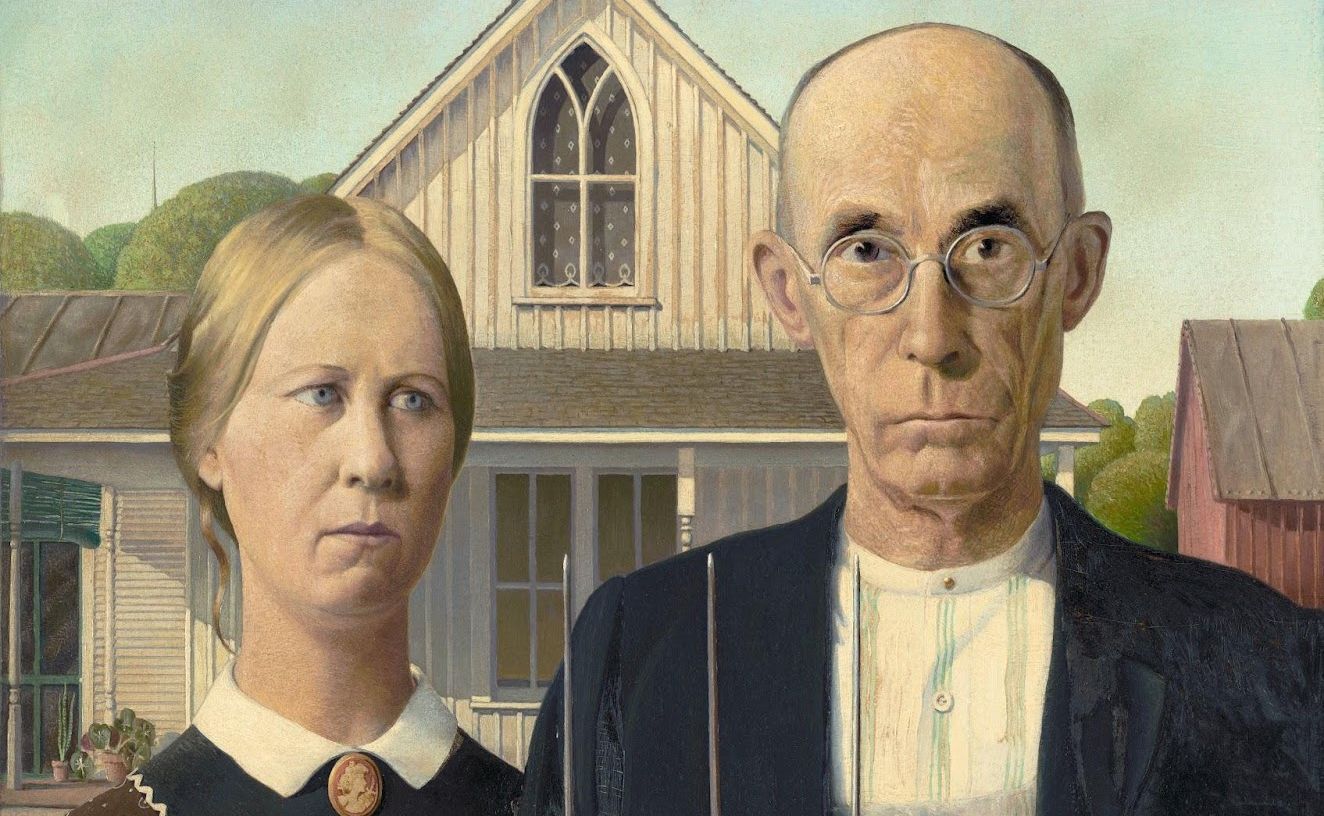
One of the most internationally recognized American paintings is undoubtedly "American Gothic" by Grant Wood. With a blend of realism and subtle humor, the artist captured the spirit of rural America during the Great Depression. According to legend, Wood was inspired when he saw a Gothic-style house in Iowa and wondered who would live in that house.

2
Nighthawks (1942) - Edward Hopper

Image: Edward Hopper, Public domain, via Wikimedia Commons

There are probably very few people in the world who haven't seen an image of Edward Hopper's iconic " Nighthawks ," referenced so often that it has become a part of pop culture. Although painted during WWII, this work captures something timeless and still relevant today: the loneliness of night in a bustling city.

3
Whistler's Mother (1871) - James McNeill Whistler

Image: James McNeill Whistler, Public domain, via Wikimedia Commons

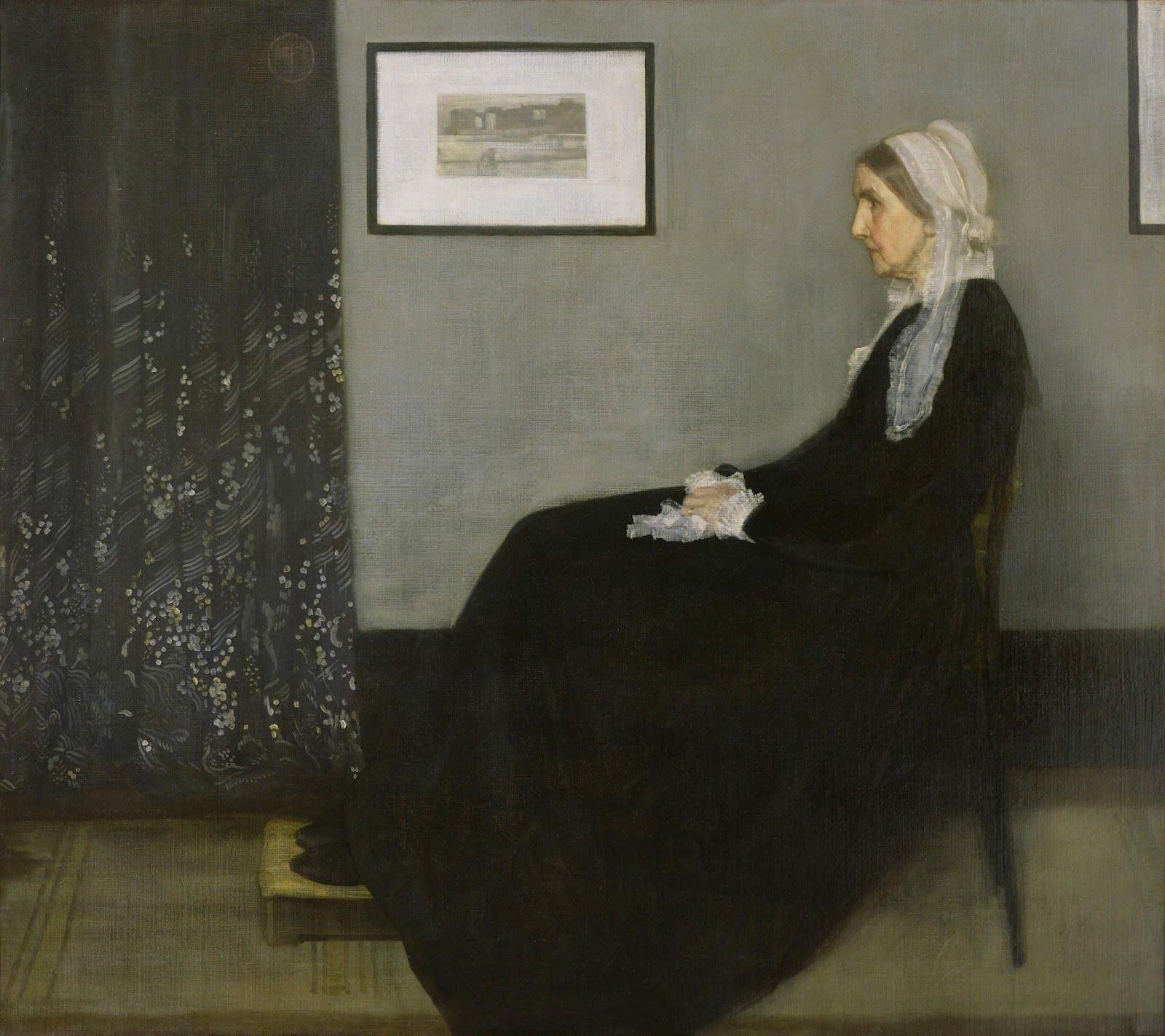
A painting that marked a turning point in the art world is "Arrangement in Grey and Black No.1" by James McNeill Whistler, better known as "Whistler's Mother." This work transformed portraiture by embracing a sober, harmonious, and minimalist composition that prioritized conveying emotion over intricate detail. The calm expressed in the painting has been widely praised by critics and art scholars alike.

4
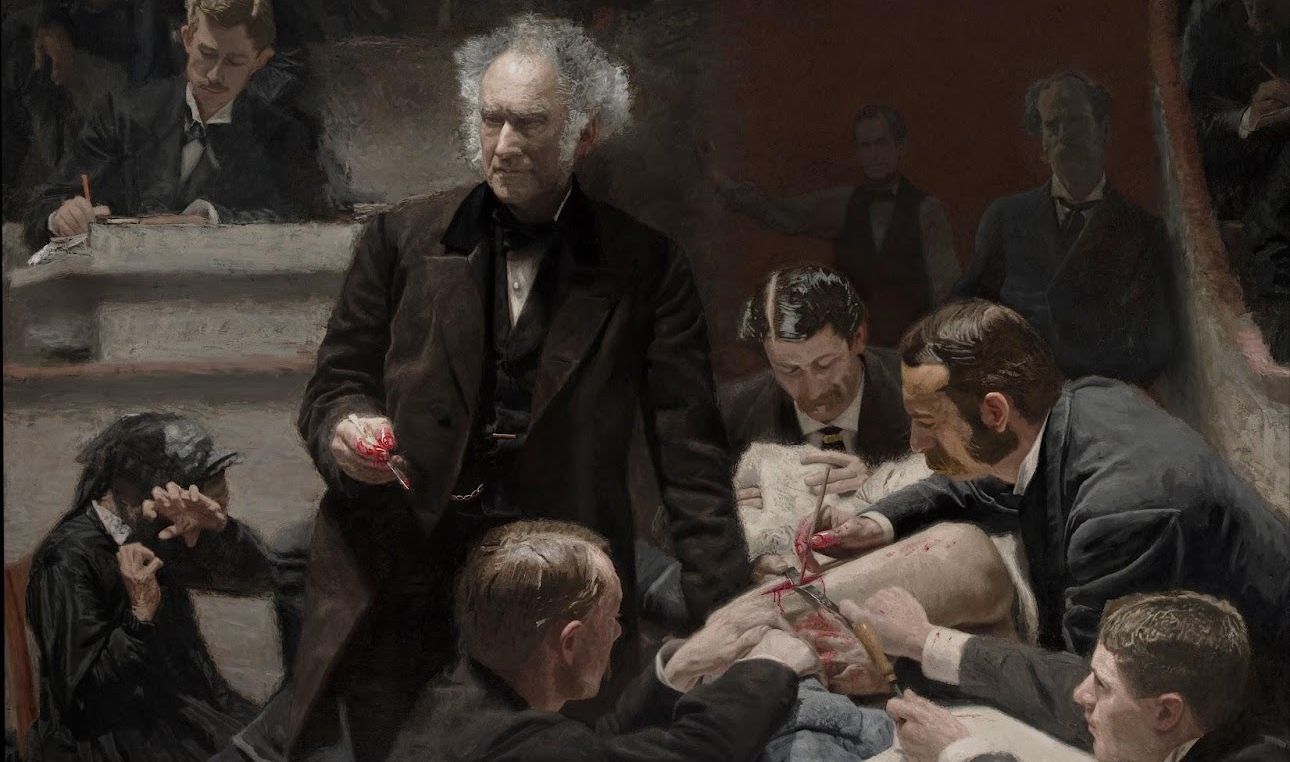
The Gross Clinic (1875) - Thomas Eakins

Image: Philadelphia Museum of Art, Public domain, via Wikimedia Commons

Painted in 1875, "The Gross Clinic" by Thomas Eakins is a masterful realist work that revolutionized art through its dramatic use of light and shadow to portray the stark reality of surgery at the time. It's said that, when first exhibited, it shocked viewers so much that it was moved from the art section to the medical displays area of the Centennial Exhibition in Philadelphia.

5
Christina's World (1948) - Andrew Wyeth

Image: Hithesh Shivakumar

"Christina's World" (1948) by Andrew Wyeth is a world-renowned realist painting celebrated for its beauty and depth. Inspired by his neighbor, Christina Olson, who suffered from a degenerative disease that restricted her mobility, the artist created a powerful image that has impacted for decades. The painting's influence also reached Hollywood, appearing in an iconic scene featuring Mélanie Laurent as Shosanna in Quentin Tarantino's Inglourious Basterds (2009).

6
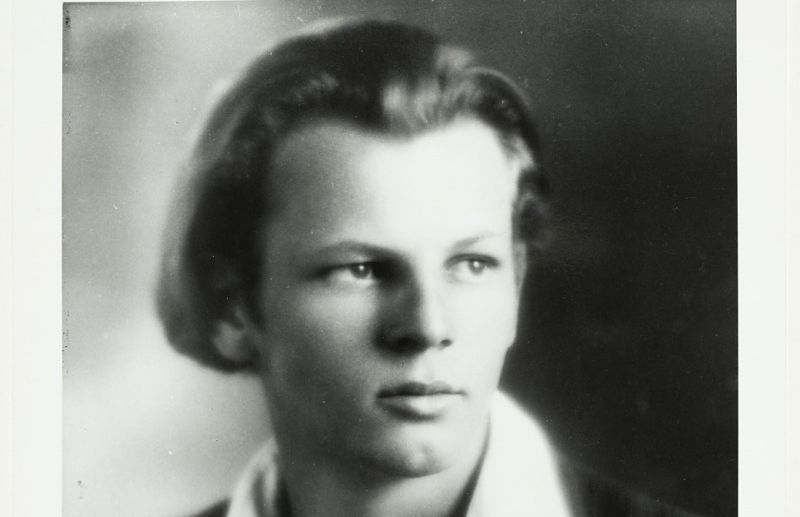
No. 5, 1948 (1948) - Jackson Pollock

Image: Smithsonian Institution, Public domain, via Wikimedia Commons

"No. 5, 1948" by Jackson Pollock perfectly defines Abstract Expressionism. As a pioneer of drip painting, Pollock broke away from traditional techniques and norms, revolutionizing not only how art was created but also how it was perceived and interpreted. In 2006, "No. 5, 1948" sold for around $140 million, making it one of the most expensive paintings at that time.

7
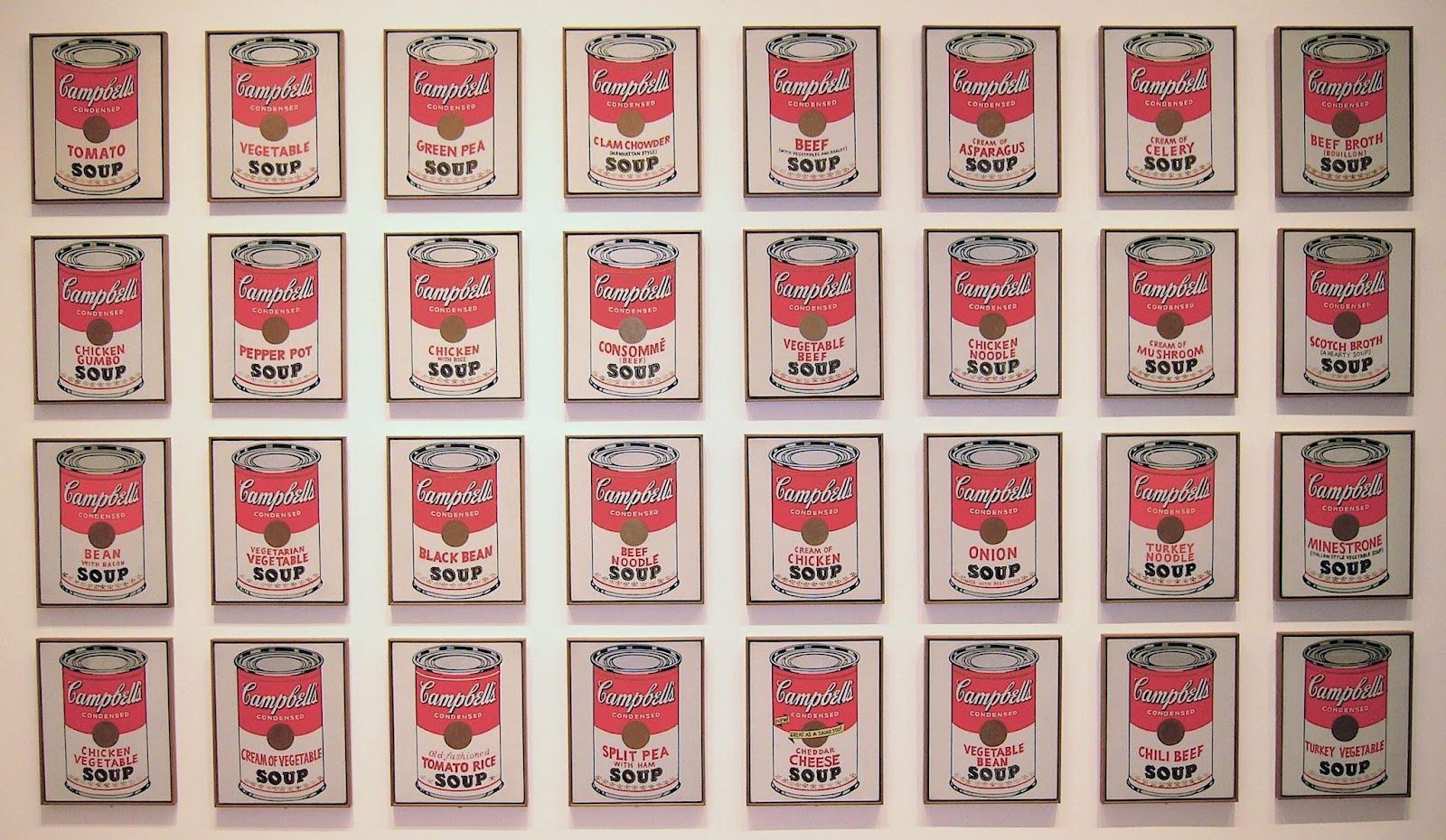
Campbell's Soup Cans (1962) - Andy Warhol

Image: Andy Warhol, Public domain, via Wikimedia Commons

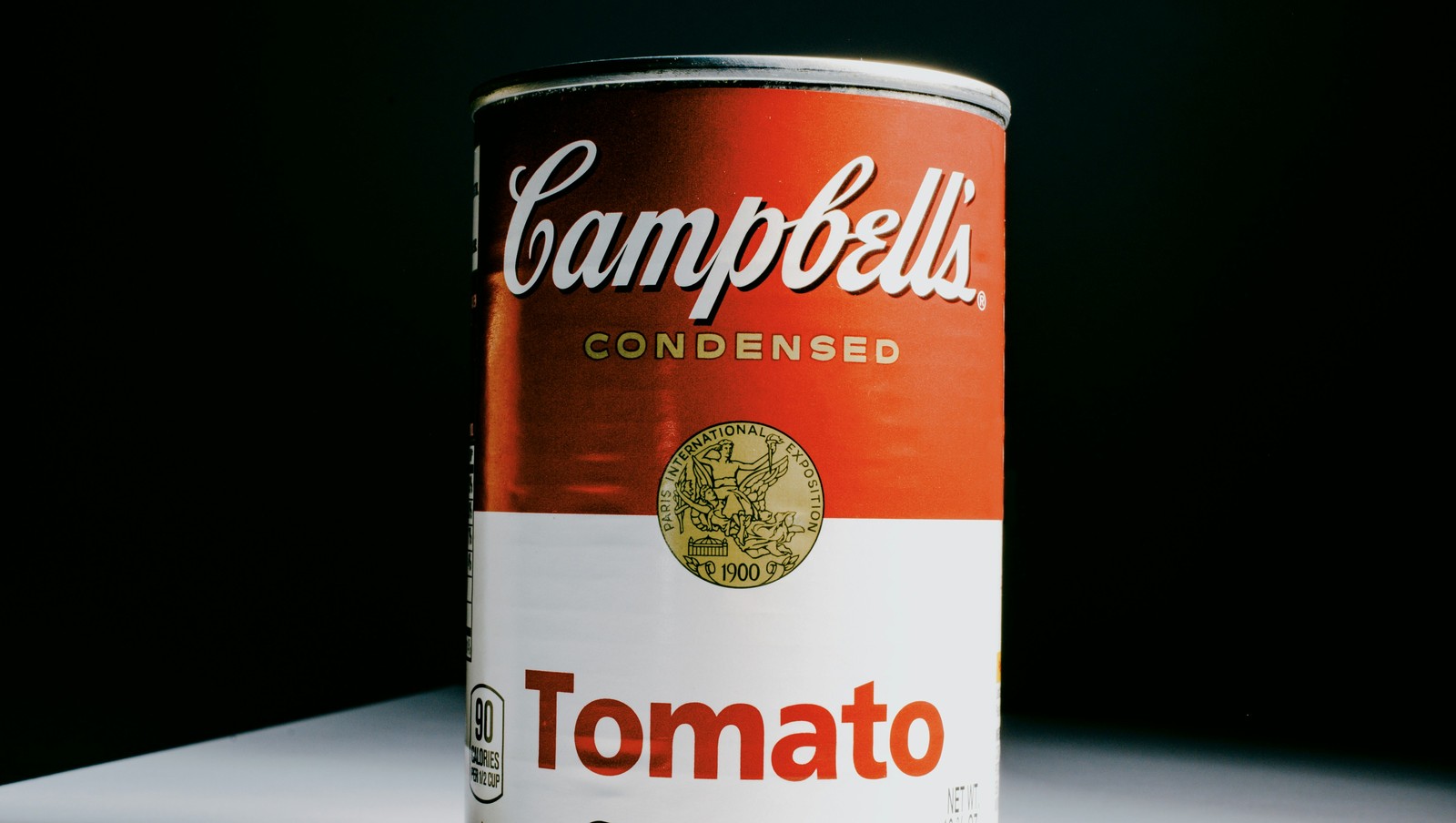
When talking about pop culture, "Campbell's Soup Cans" (1962) by Andy Warhol is an essential reference. Even those unfamiliar with art recognize this work, as Warhol broke through the barriers of the academy to reach a broader audience. By transforming everyday objects into symbols of art, this iconic piece made a strong critique of mass production and consumerism.

8
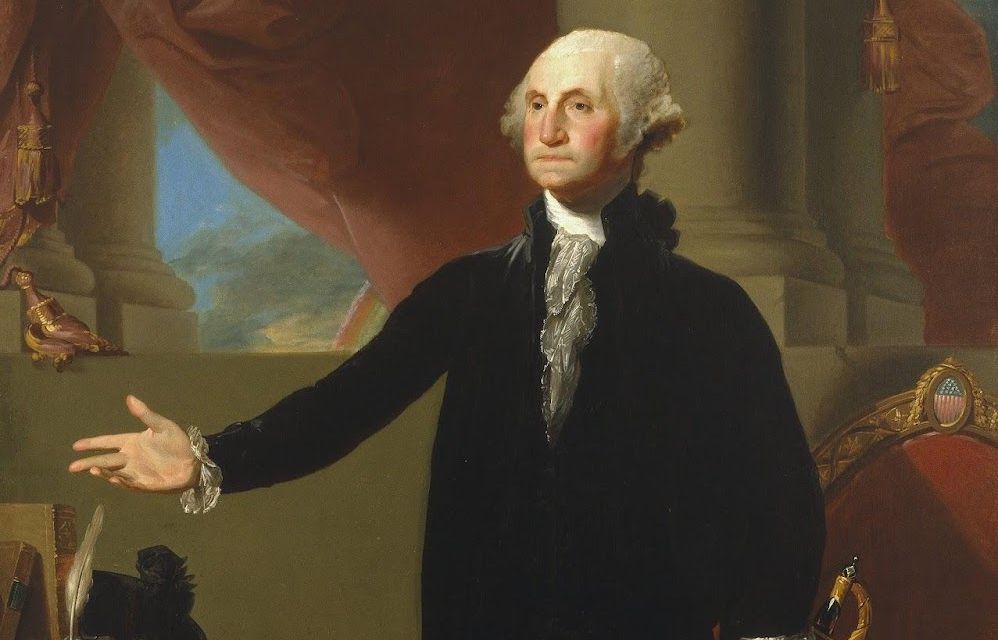
Portrait of George Washington (1796) - Gilbert Stuart

Image: Gilbert Stuart, Public domain, via Wikimedia Commons

Gilbert Stuart created what is perhaps the most famous portrait of George Washington. Painted in 1796, this work helped define the image of the first US president throughout history. Although Stuart never completed the painting during his lifetime, it became the basis for many other depictions of Washington, including the image on the $1 bill.

9
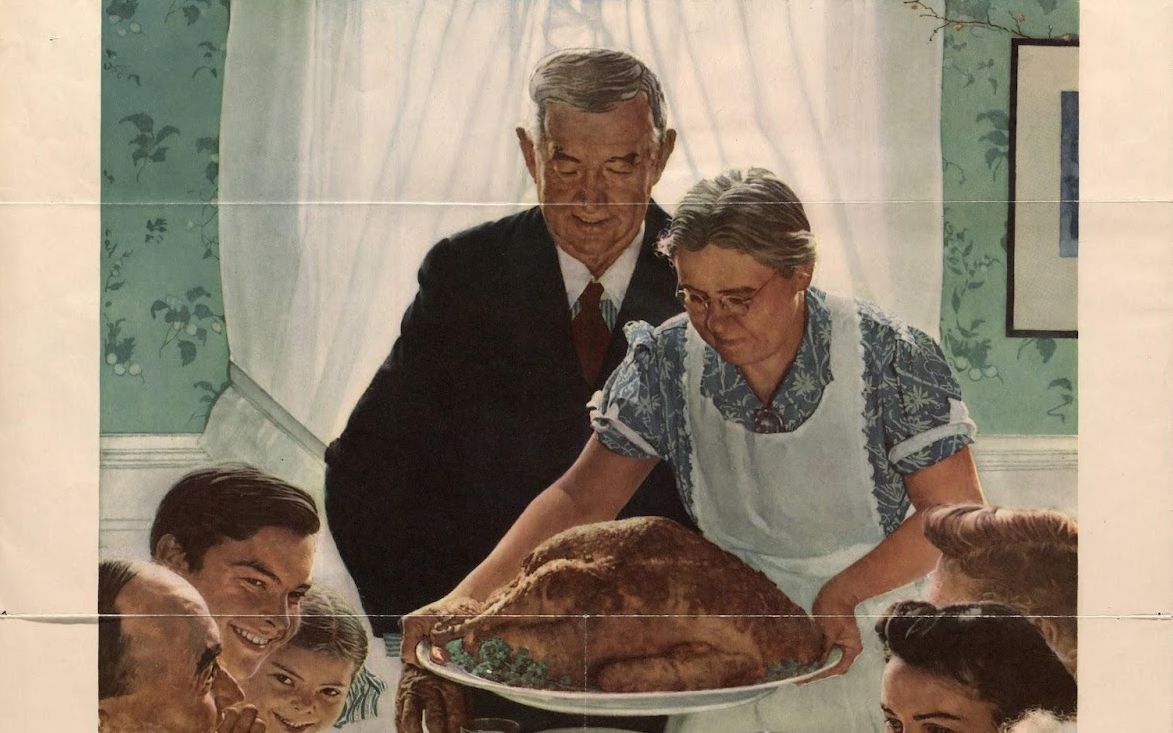
Freedom from Want (1943) - Norman Rockwell

Image: Hennepin County Library, Public domain, via Wikimedia Commons

You've probably come across this painting more than once. Inspired by President Franklin D. Roosevelt's 1941 speech on fundamental human rights, Norman Rockwell created his Four Freedoms series. Among the four paintings, "Freedom from Want" (1943) stands out as an icon of American values from the time of its debut to this day.

10
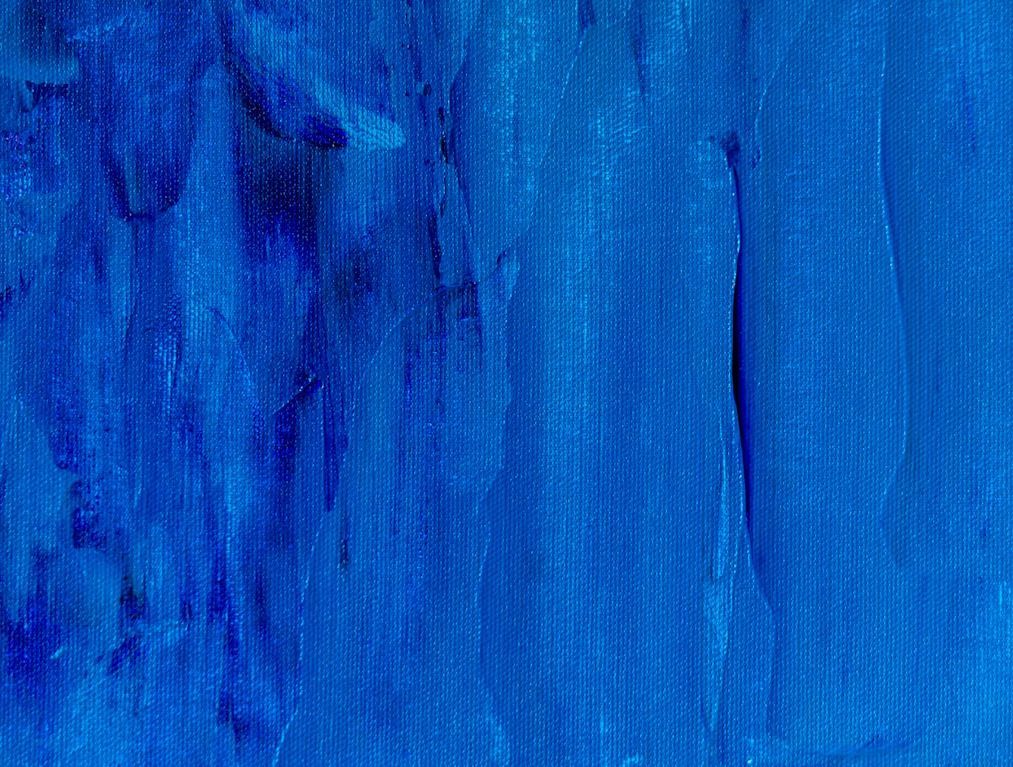
No. 61 (Rust and Blue) (1953) - Mark Rothko

Image: Steve Johnson

Color Field painting wouldn't be what it is today without the groundbreaking work of American artist Mark Rothko, who, along with Barnett Newman and Clyfford Still, helped pioneer the movement. Rothko insisted that his paintings should be displayed and observed in dim lighting, as his use of color fields aims to evoke deep emotional responses in viewers.

Explore more American facts

Choose your favorite category!

General
General

As American as apple pie—the very best America has to offer!

Culture
Culture

Delve into the astounding richness of American lore.

Geography
Geography

Hop in and explore vast and diverse American landscapes.

History
History

Discover the key moments that shaped the United States.