Gracias , capisch’ ?
What languages do Americans speak when at home?
Image: Ling App
Many Americans might not know this, but until recently, American English was not the official language of the United States of America . It was, however, the de facto language of the country , meaning that its historical use and importance made it the official language, even if Congress had never issued legislation on this issue. In the U.S., English is the language of the foundational documents, such as the Declaration of Independence or the Constitution, the language of communication, education, administration, and paperwork. But is it the only language that is spoken in daily life? Let’s have a look at 10 other languages that are widely spoken in the U.S.
1
Spanish
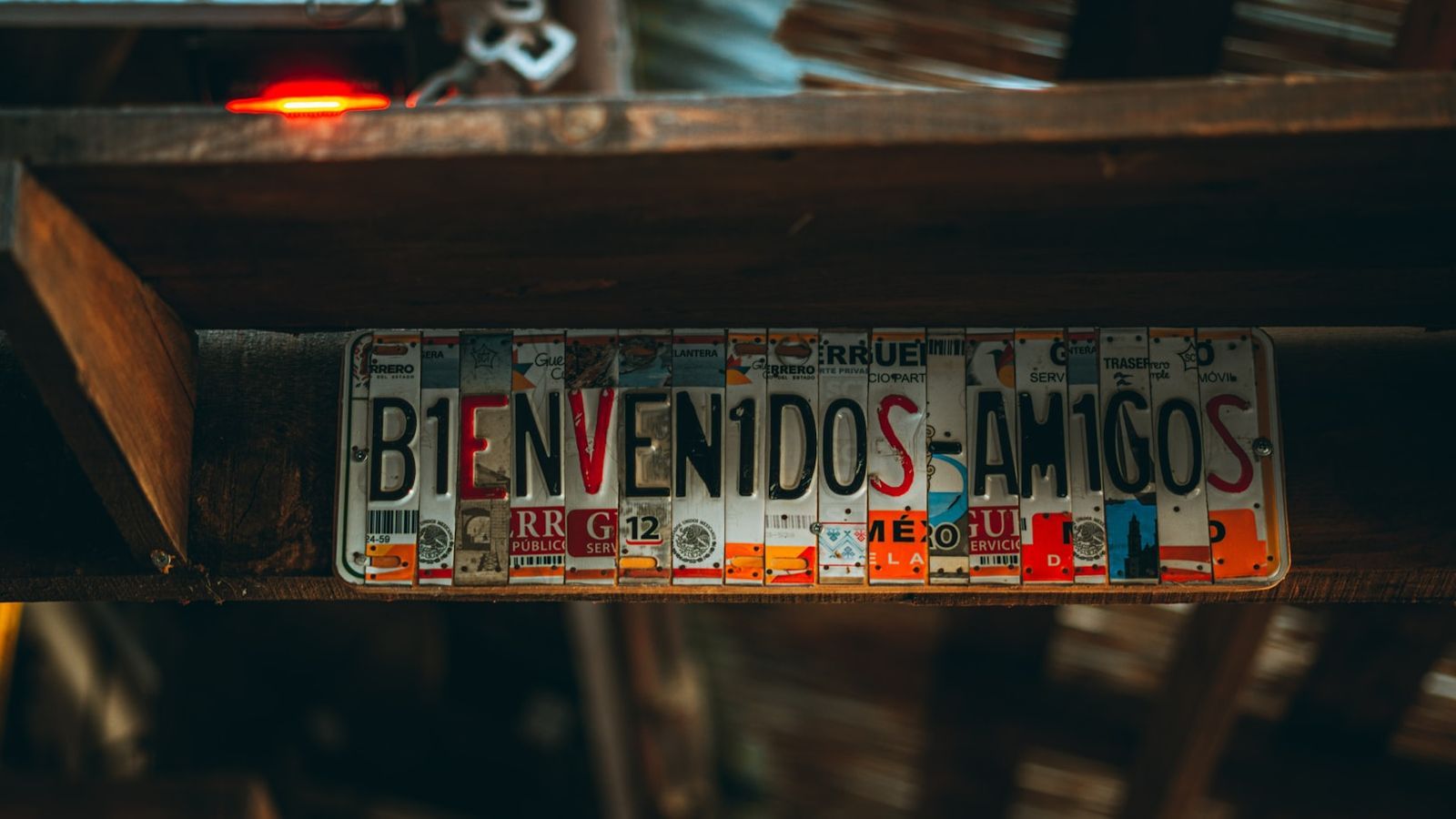
The fact that Spanish is the second most spoken language in the U.S. comes as no surprise if we consider that at least 18 of the current 50 states were once part of the Spanish Empire. This, combined with migration from other Hispanic territories, means that around 40 million people speak Spanish at home in the U.S., nearly 13% of the population.
Native Spanish speakers in the U.S. have developed their distinct dialectal variants, such as New Mexican Spanish in the states of New Mexico and Colorado, Puerto Rican Spanish , or Spanglish .
2
French
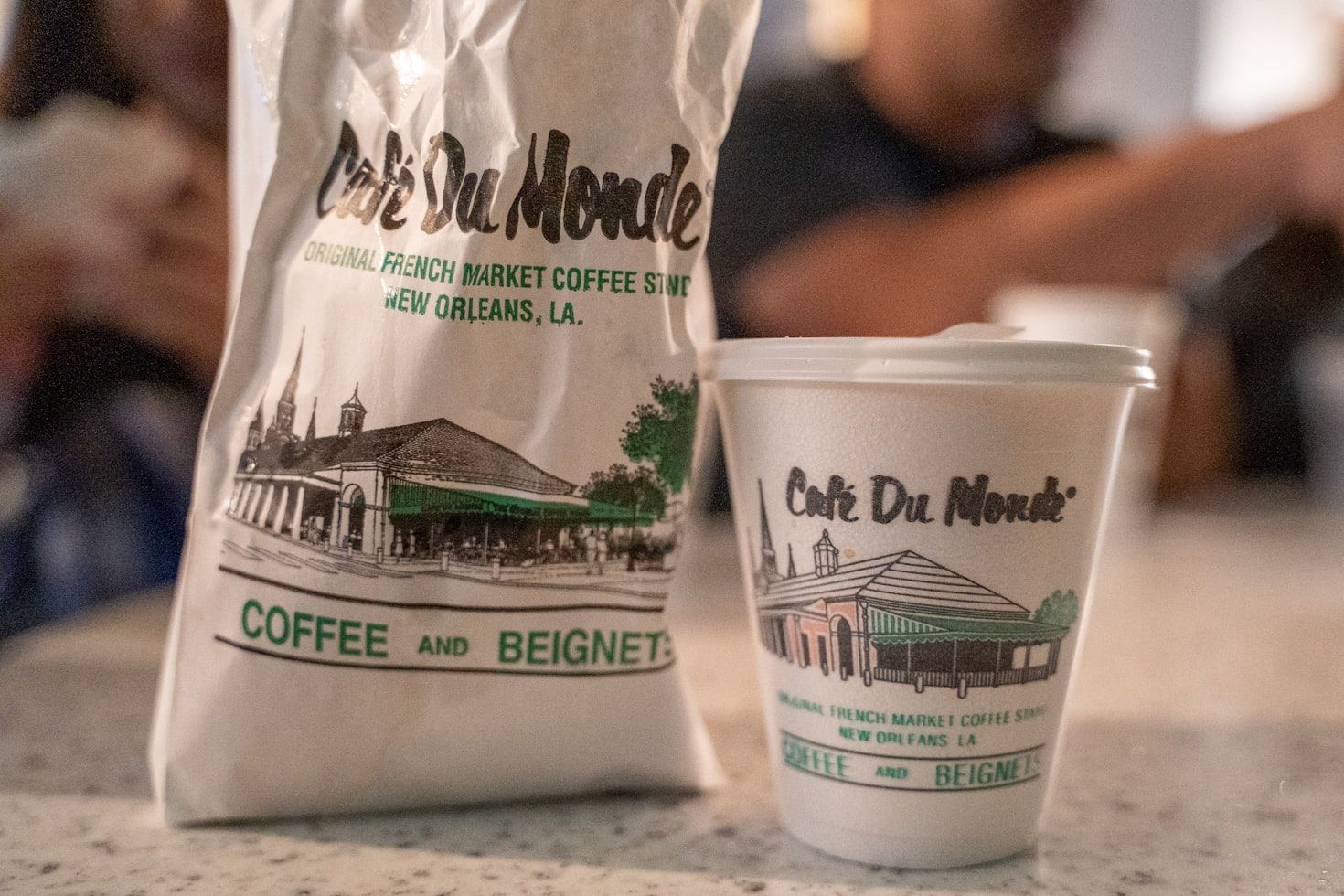
French is, after Spanish, the most taught foreign language in schools. But did you know that more than a million Americans speak French at home ? Historical events such as the Louisiana Purchase or the French and Indian War in Canada meant that native French speakers migrated to the U.S. or became American when French-speaking territories were incorporated.
Nowadays, the French language presents three main dialectal groups in the U.S. , mainly located in Louisiana and the New England region. So, if you were planning a holiday in NOLA or Lewiston, you might want to brush up on your ouis , bonjours , and mercis .
3
Navajo

Compared with other languages on this list, the Navajo speaker population might seem small, with around 170,000 native speakers . However, it is the most widely spoken Native American language , with most of its speakers located in the Southwestern U.S.
Navajo is famous for its use as a code during World War II . Its complex grammar and the fact that, at the time, it wasn’t a written language, significantly reduced the chances of enemy forces deciphering transmissions, and even native Navajo speakers wouldn’t have been able to understand the code used.
4
Chinese

When we think about Chinese immigration into the U.S., we sometimes forget that China is a multicultural, multiethnic country, and that not all Chinese immigrants spoke the same language or came from the same region.
It is reported that more than 3 million people in the U.S. speak a Chinese language at home, with Mandarin, Cantonese, and Hokkien accounting for the majority of those speakers.
5
German
Although more than a million Americans speak German at home , nearly half of them would have issues communicating with a German person. This is because there are several variants of German spoken in the U.S., such as the Pennsylvania Dutch, the Plautdietsch, or the Alsatian , mainly spoken by Amish or Mennonite communities, or the Yiddish , widely spoken in Jewish communities.
Standard German is the second most spoken language in North Dakota , while Texas German , a U.S. variant, is still spoken in the state of Texas by the descendants of 19th-century German settlers.
6
Hawaiian

Hawaiian is recognized as one of the official languages of the state of Hawaii , but is classified as an endangered language . It is estimated that only 2000 of its 30,000 speakers learned it as a first language. In the late 19th Century, Hawaiian was banned from schools , which significantly reduced the number of speakers, but conservation efforts over the past decades have proven successful in revitalizing the language .
Hawaiian Pidgin , an English-based creole language , is also spoken by more than half a million Hawaiians and has been influenced by languages such as Portuguese, Cantonese, Japanese, Okinawan, and Korean .
7
Italian
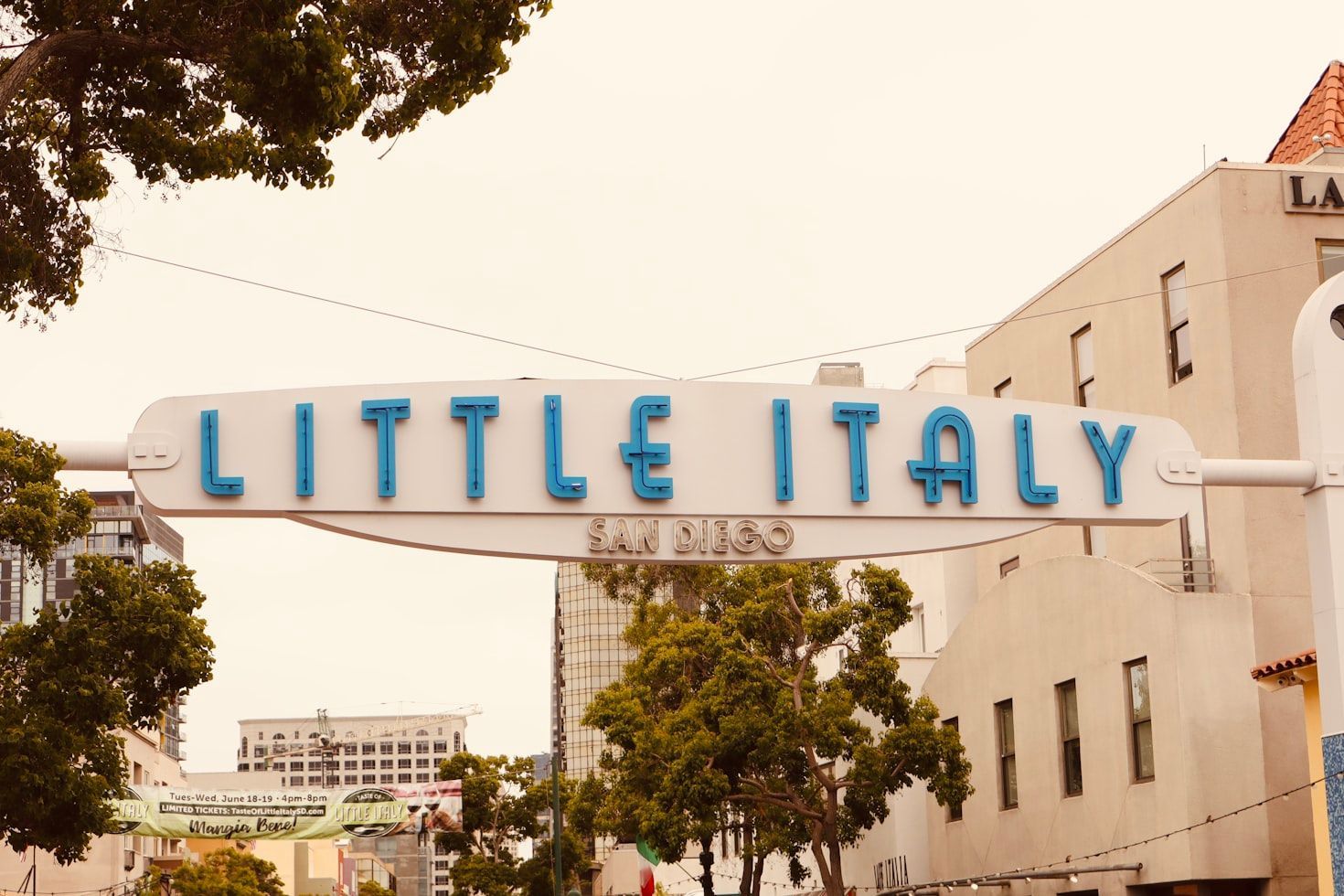
Italians are one of the most notorious U.S. communities of immigrant descent, with their way of speaking being one of the main traits associated with Italian-Americans . But nowadays, of the more than 15 million Italian-Americans, only 700,000 are fluent in standard Italian .
Many Americans of Italian descent speak a pidgin (a simplified language that results from the contact of two groups) that mixes English, standard Italian, and regional Italian dialects , with words like mootsarell’ (from mozzarella ), gabagool’ (from capocollo ), or latte (from caffelatte ). Something to think about next time someone orders a pumpkin spice latte at Starbucks.
8
Vietnamese

You might not know this, but despite Vietnamese immigration being relatively recent compared to other Southeast Asian communities, Vietnamese is the sixth most spoken language in the U.S . This is a result of a conscious effort by the Vietnamese community to maintain the language and pass it down to new generations.
Before the start of the Vietnam War, it was estimated that only 3,000 people of Vietnamese descent lived in the U.S. Currently, around 2.3 million individuals identify as Vietnamese-American, 1.5 million of them being fluent speakers of the language .
9
American Sign Language (ASL)
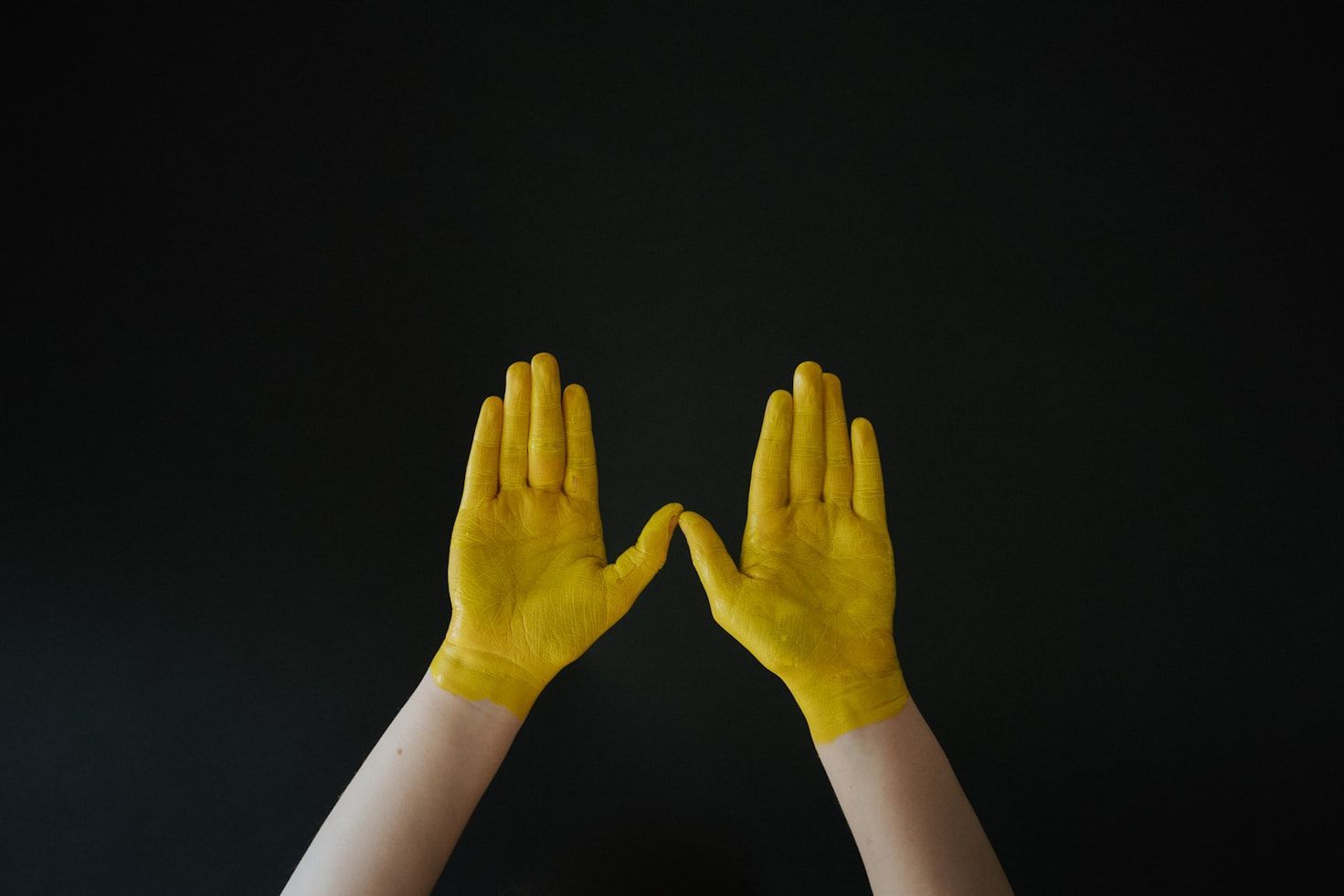
When we say ‘languages other than English’, most of the time we are not thinking of sign languages . For many people, sign language is a variant of a spoken language, but sign languages have their own grammar, syntax, and rules that make them full-fledged languages.
It is estimated that American Sign Language (distinct and separate from the sign languages of some other anglophone countries) has between 250,000 to half a million native speakers , with thousands more as second-language users.
10
Arabic
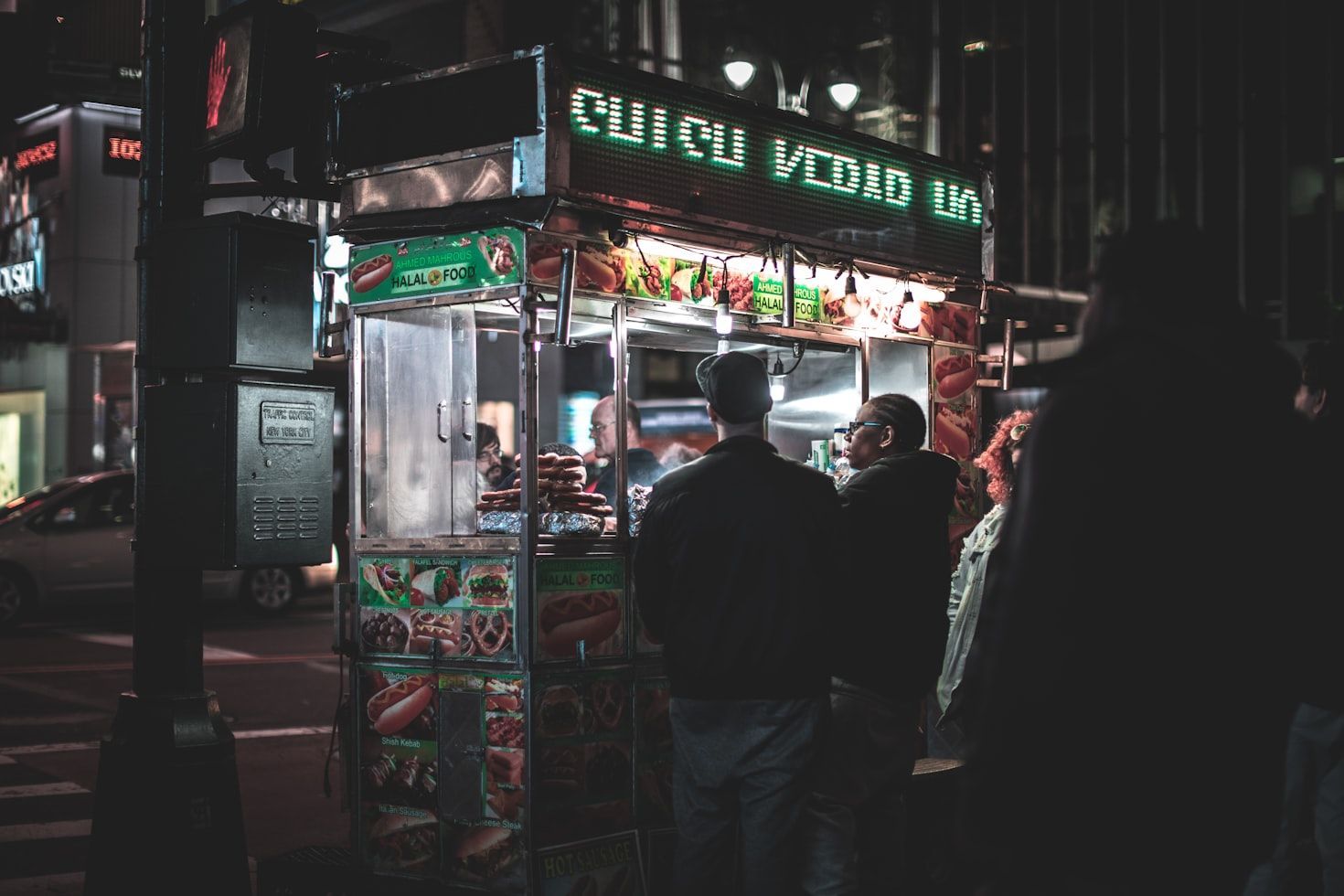
The presence of the Arabic language in the U.S. dates back hundreds of years, with records of Arabic speakers from the 17th Century . Arab-Americans are estimated to be more than 3 million, of diverse backgrounds, with ties to at least 22 Arabic-speaking countries .
Following historic events in the past decades, many Arab-Americans have stopped using the language or teaching it to their children to avoid prejudice or stigma . Nonetheless, Arabic is still one of the most spoken languages at home for U.S. citizens , with more than a million users.


