How many are we?
Very few people know these key facts about the census. What about you?
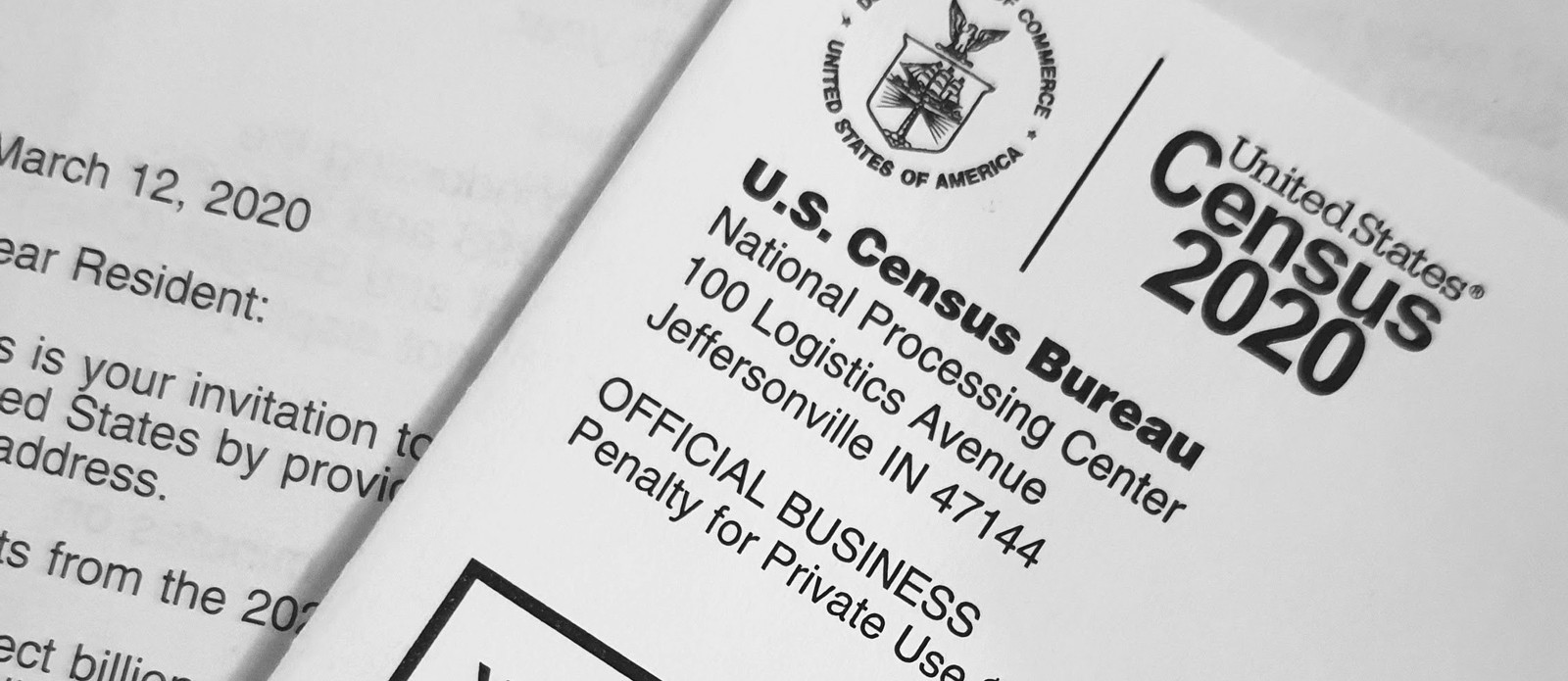
Image: Enayet Raheem
Every 10 years, the U.S. undertakes one of its largest and most important national efforts: counting its population. Required by the Constitution since 1790, the census shapes political representation, funding, and planning across the country. While it may seem simple, it involves millions of households, strict legal protections, and years of preparation. Here’s how it all comes together.
1
It happens every 10 years

The U.S. Census is required by Article 1, Section 2 of the Constitution and takes place every decade, ending in "0," such as 2000, 2010, and 2020 . The first census was conducted in 1790 under President George Washington.
This fixed schedule ensures consistency. Population changes over time, so a regular count allows the government to fairly adjust representation and resources based on where people actually live.
2
It counts everyone living in the U.S.

The census aims to count every person residing in the country, not just citizens. This includes legal residents, undocumented immigrants, and people without permanent housing .
The key concept is "usual residence," meaning where a person lives most of the time. This approach provides a realistic snapshot of the population and ensures communities are represented accurately.
3
It determines seats in the House of Representatives

Census results are used to divide the 435 seats in the U.S. House of Representatives among the 50 states , a process known as apportionment.
States can gain or lose seats depending on population shifts. For example, after the 2020 census, Texas gained two seats, while states like California and New York lost one each due to slower growth.
4
It influences federal funding

Census data guide the distribution of hundreds of billions of dollars in federal funding each year, with estimates ranging from $675 billion to $1.5 trillion.
Programs for highways, hospitals, schools, and housing depend on population figures . Areas with higher populations typically receive more funding, making an accurate count financially important for communities.
5
Households receive census invitations

Every household in the United States receives an official census invitation , usually by mail. In 2020, more than 140 million housing units were included.
This system replaced earlier door-to-door counting methods. Using a national address database helps ensure broad coverage and makes it easier for people to respond on their own.
6
It can be completed online, by mail, or by phone

The modern census offers multiple ways to respond. In 2020, people could complete it online, by mailing back a paper form, or by phone .
Adding online responses marked a major shift. It reduced costs, improved convenience, and reflected how Americans increasingly move towards digital communication.
7
Census workers follow up in person

If households do not respond, trained census workers, called enumerators, visit homes in person to collect the information.
This step is essential because the census must count everyone, not just those who respond voluntarily . It helps reach people in rural areas, dense cities, and communities with lower response rates.
8
It asks basic demographic questions

The census form is intentionally short. In 202, it included about 10 questions covering age, sex, race, household relationships, and housing status.
The goal is to keep it simple. Shorter forms increase participation while still collecting the key data needed for representation, funding, decisions, and planning.
9
Responses are legally confidential

Federal law strictly protects census responses. Under Title 13 of the U.S. Code, personal data cannot be shared with law enforcement, immigration authorities, or other agencies .
Only anonymous, combined statistics are released. Census workers face severe penalties, including fines and prison, for revealing personal information.
10
Missing the census is technically against the law

Responding to the census is legally required. Federal law allows fines for refusing to answer or providing false information .
In practice, penalties are rarely enforced. The rule exists mainly to emphasize how important it is for everyone to be counted accurately.
11
The data helps draw voting districts
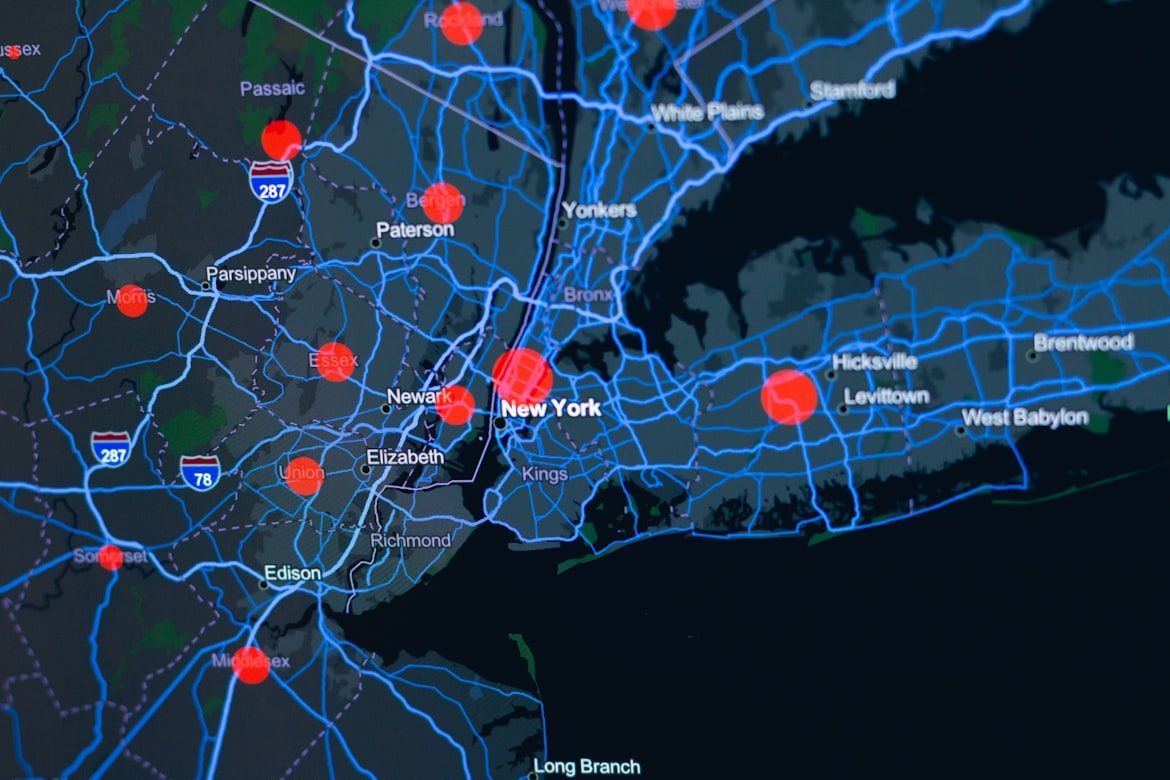
After the census determines how many representatives each state receives, the data is used to redraw congressional and state legislative districts .
This process, called redistricting, ensures districts reflect current population patterns. It supports the principle of equal representation, often described as "one person, one vote."
12
Results are released over time

Census results are published in stages. Basic population counts come first, allowing Congress to complete apportionment.
More detailed demographic data follows months later. This gradual release ensures accuracy while protecting privacy , sometimes using advanced techniques like statistical noise to safeguard identities.