History History 5 min read

The POTUS’ me time

The American president who loved skinny dipping
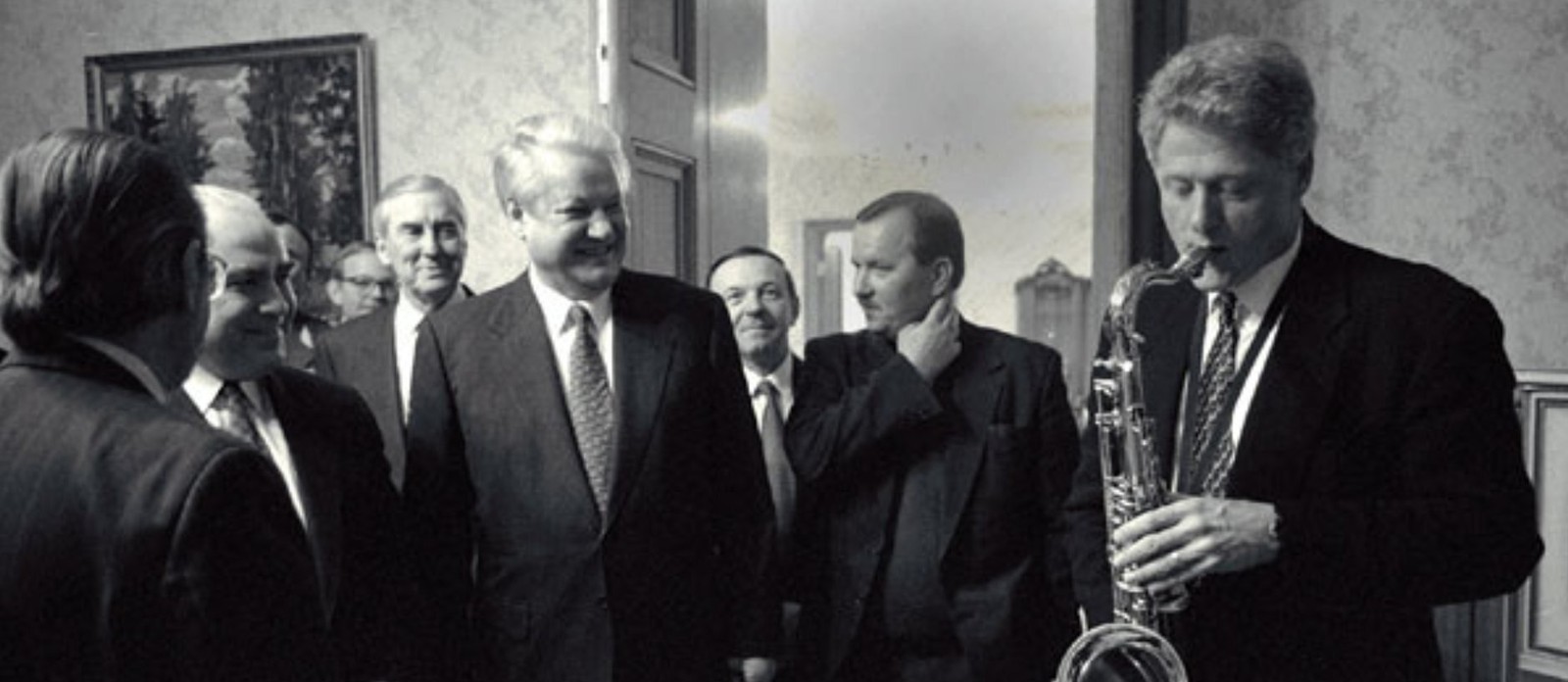
Image: Bob McNeely, January 13, 1994 - Courtesy of the White House, Public domain, via Wikimedia Commons

They’re the so-called leaders of the free world, but American presidents are human too. With their (limited) free time, they need to decompress like anyone else — and that might involve hobbies, some mundane, some bizarre. From skinny dipping to painting to reckless driving, here are some of the hobbies of American presidents.

1
George Washington: Dancing
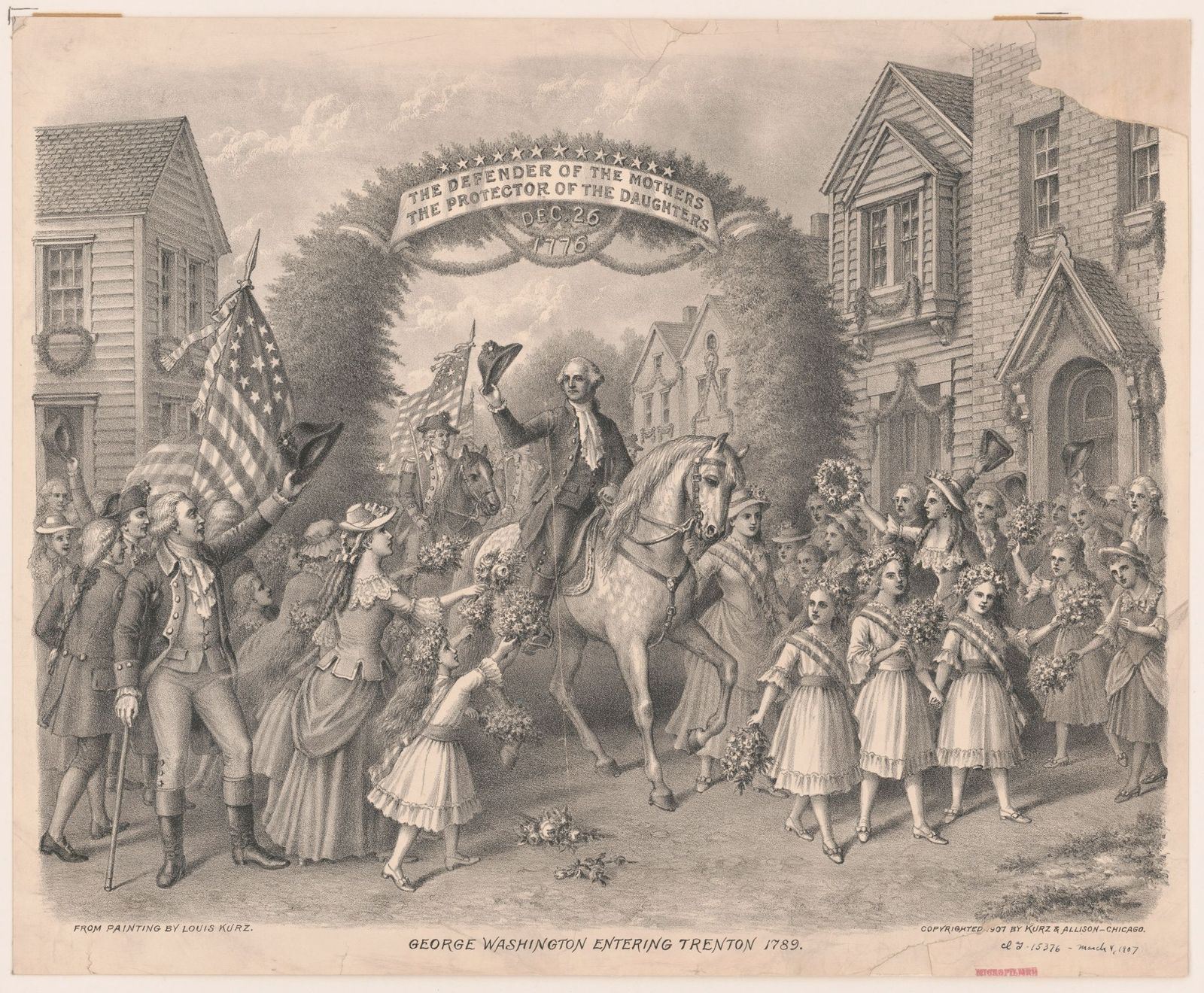
Image: Kurz & Allison, copyright claimant; Kurz, Louis, 1833-1921, artist, Public domain, via Wikimedia Commons

The very first POTUS had many interests, but dancing had a special place in his heart. George Washington was known as an enthusiastic and energetic, yet graceful, dancer, and he would dance for hours at social gatherings . He considered dancing an "agreeable and innocent" amusement, and he strove to dance with all the ladies present at a ball.

2
John Quincy Adams: Skinny dipping in the Potomac
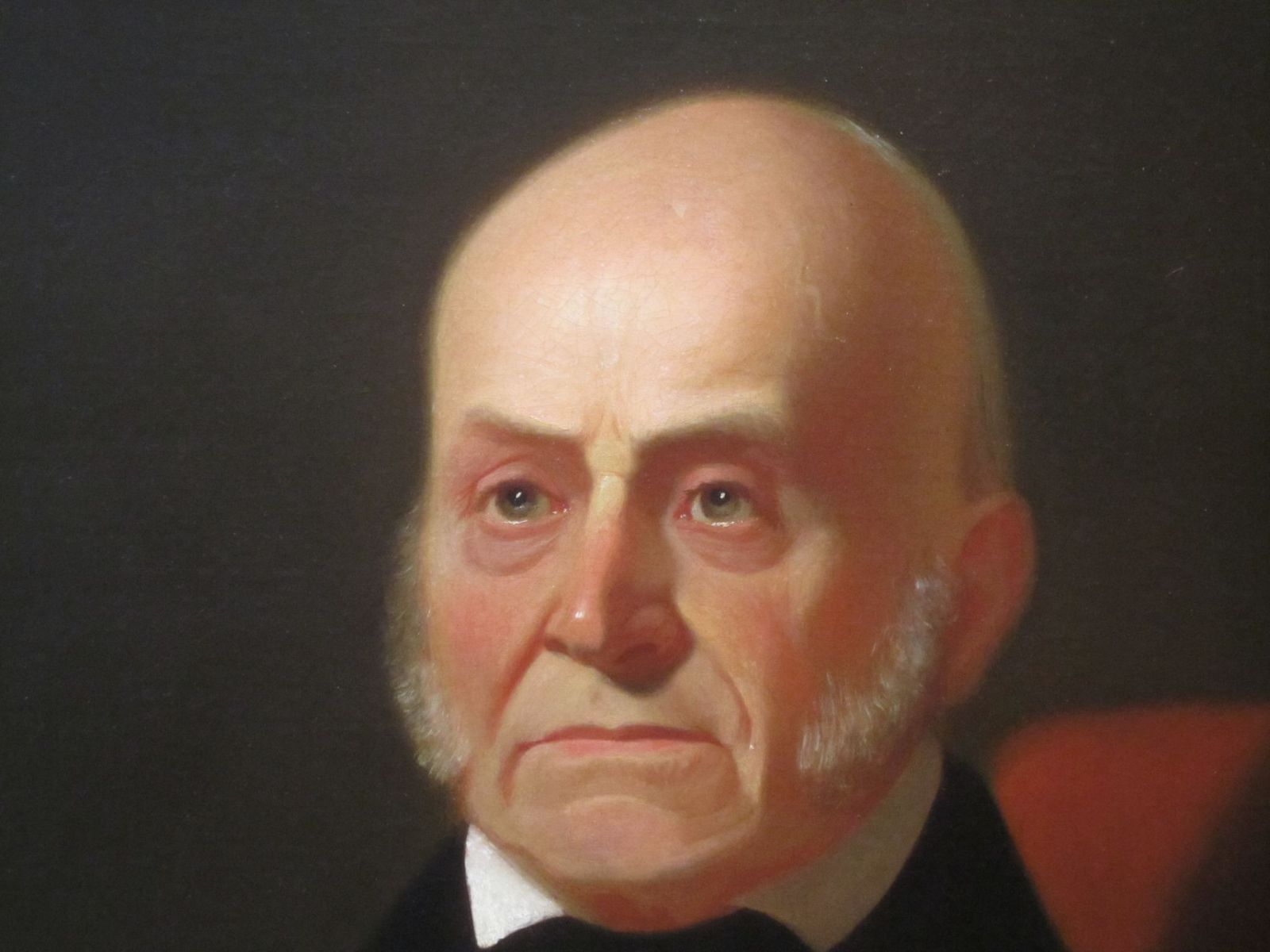
Image: Billy Hathorn, CC0, via Wikimedia Commons

Bathing in the nude in local bodies of water was not uncommon in the early 19th century, and the sixth American president did it regularly. He had the daily habit of walking two miles up to the Potomac River and taking a bath naked around 4 a.m. , a routine he kept until he was 70 years old. According to an apocryphal legend, Anne Royall, the first female journalist to interview a president, was able to do it by waiting for Adams to enter the river and keeping his clothes hostage until he agreed to the interview.

3
Calvin Coolidge: Riding a mechanical horse
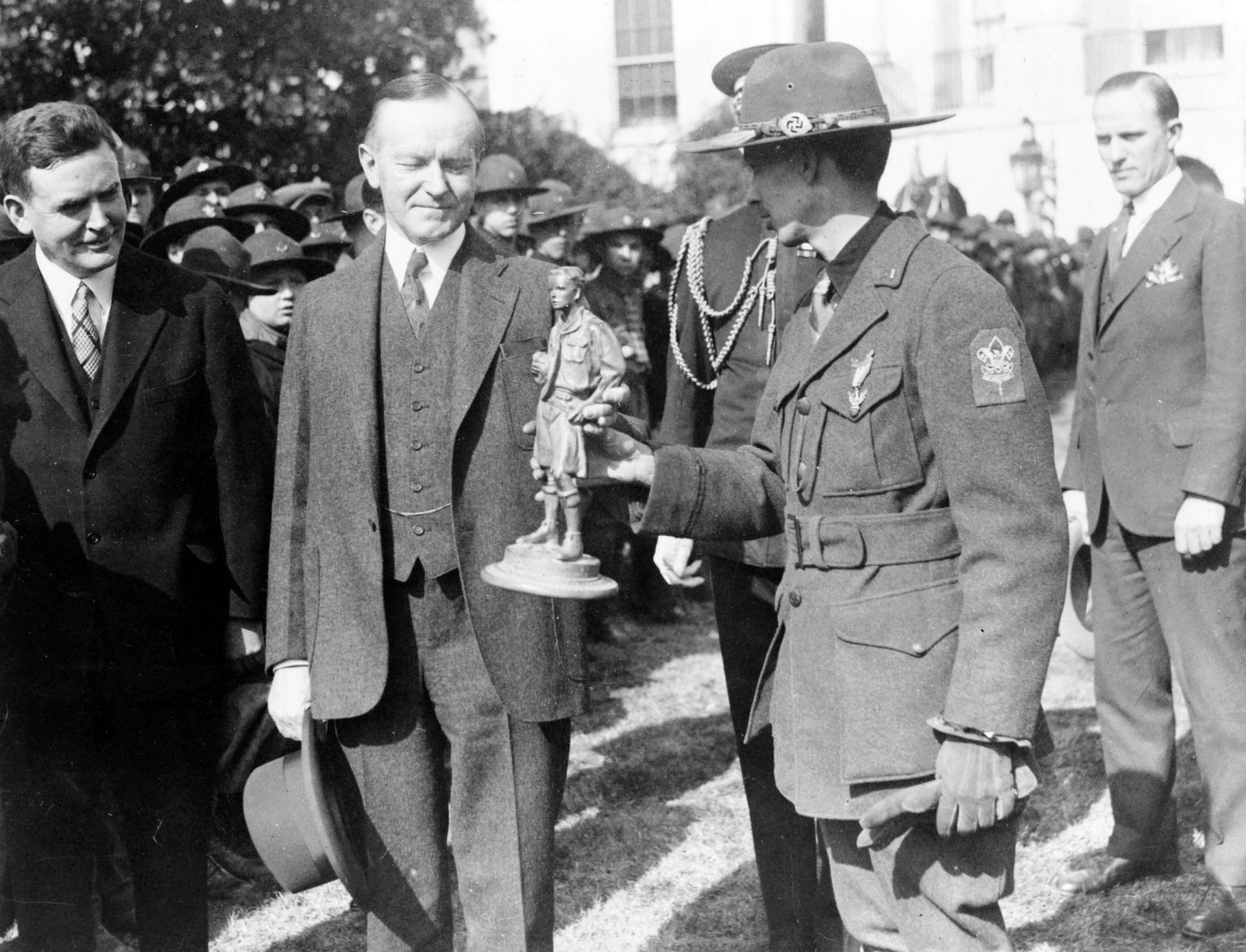
Image: National Photo Company Collection, Public domain, via Wikimedia Commons

President Coolidge’s hobby —horseback riding— was not unusual, unless we consider that he rode a mechanical horse. Coolidge had given up on riding horses due to allergies; the Secret Service also considered the pastime too dangerous. But a wealthy friend came up with the perfect solution by gifting him a mechanical steed, complete with different settings such as "trot" or "gallop". Coolidge kept the horse, named Thunderbolt, in his dressing room, and rode it two or three times a day.

4
Thomas Jefferson: Collecting fossils
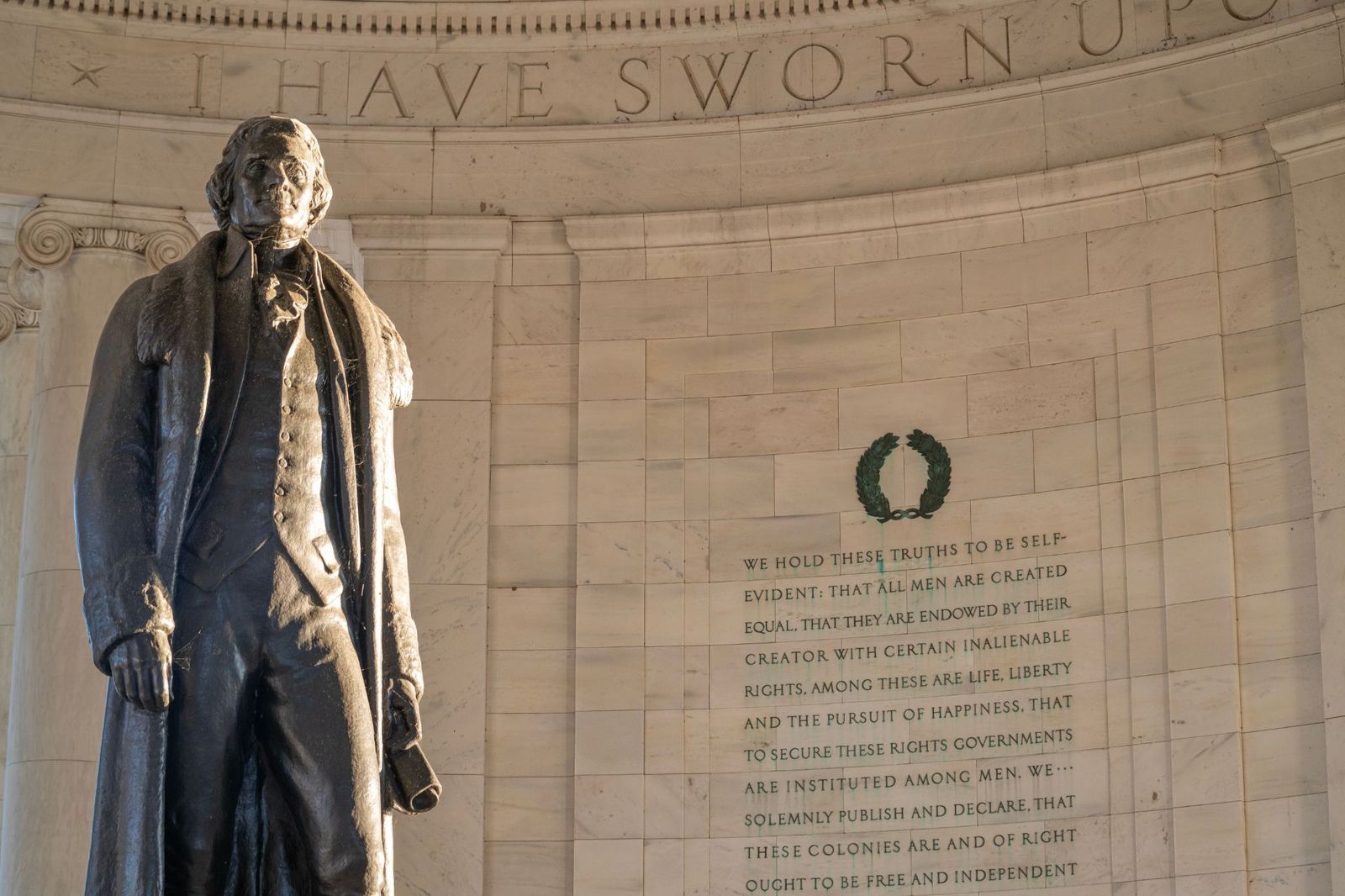
Image: James Dalrymple

An expert in architecture, music, and science, Jefferson had many hobbies, including amateur paleontology. He collected and studied fossils, particularly of mastodons, and he even presented a fossil-related paper to the American Philosophical Society. He used his knowledge about American fossils to refute European theories about American wildlife, and he requested that Meriwether Lewis and William Clark look out for fossils during their famed expedition.

5
Andrew Jackson: Cockfighting and dueling
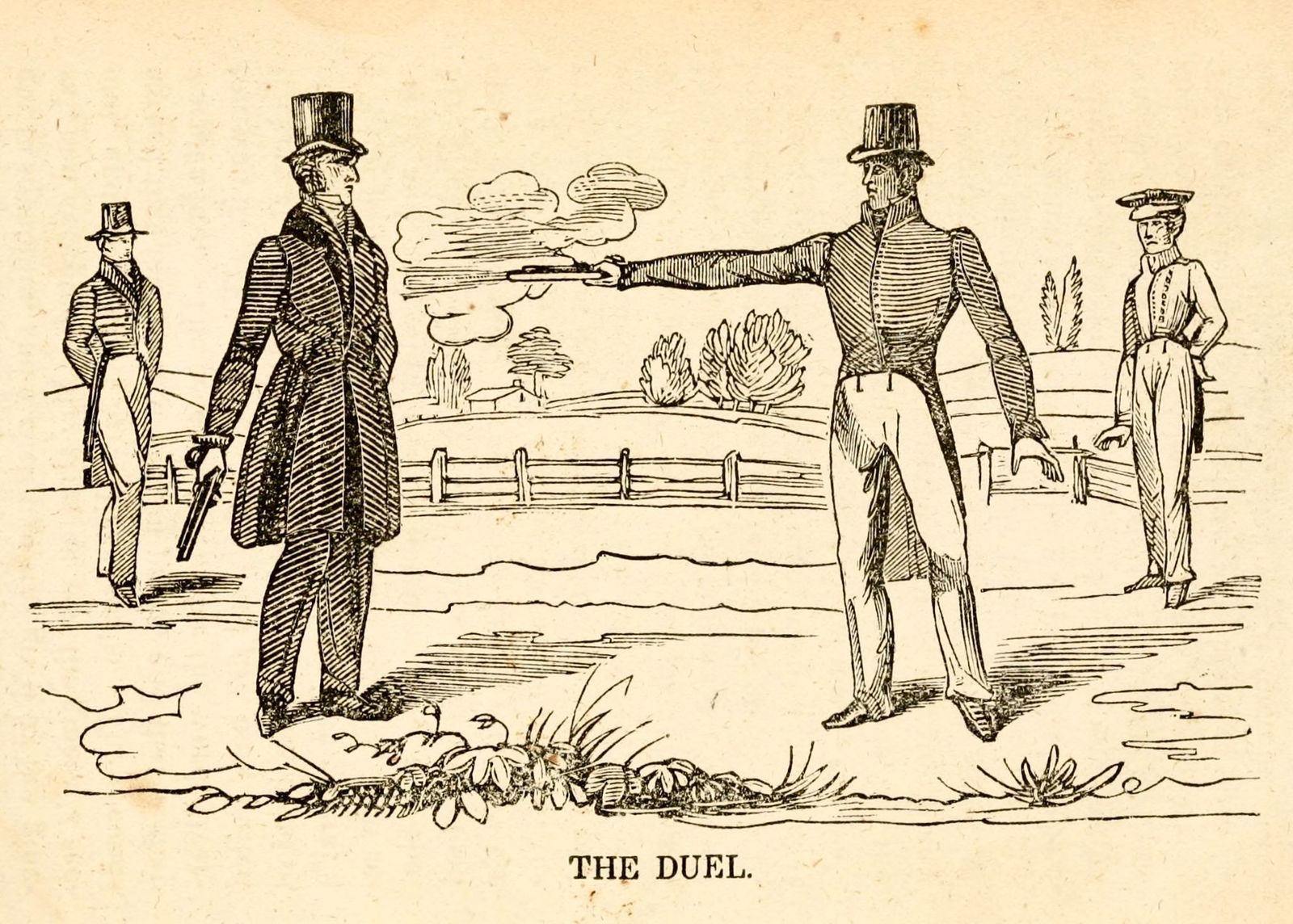
Image: Unidentified illustrator, Public domain, via Wikimedia Commons

Famous for his fiery temperament, Andrew Jackson was known to be rowdy and to enjoy the extreme sports of his day — including cockfighting, of which he was not only an avid spectator, but a participant. He was also prone to fighting in all its forms, especially by duel : He was rumored to have participated in nearly a hundred duels (although historians claim that it was likely around a dozen), and he famously killed a man in a duel to defend his wife’s honor, but not before receiving a nearly fatal shot himself.

6
William Howard Taft: Golfing
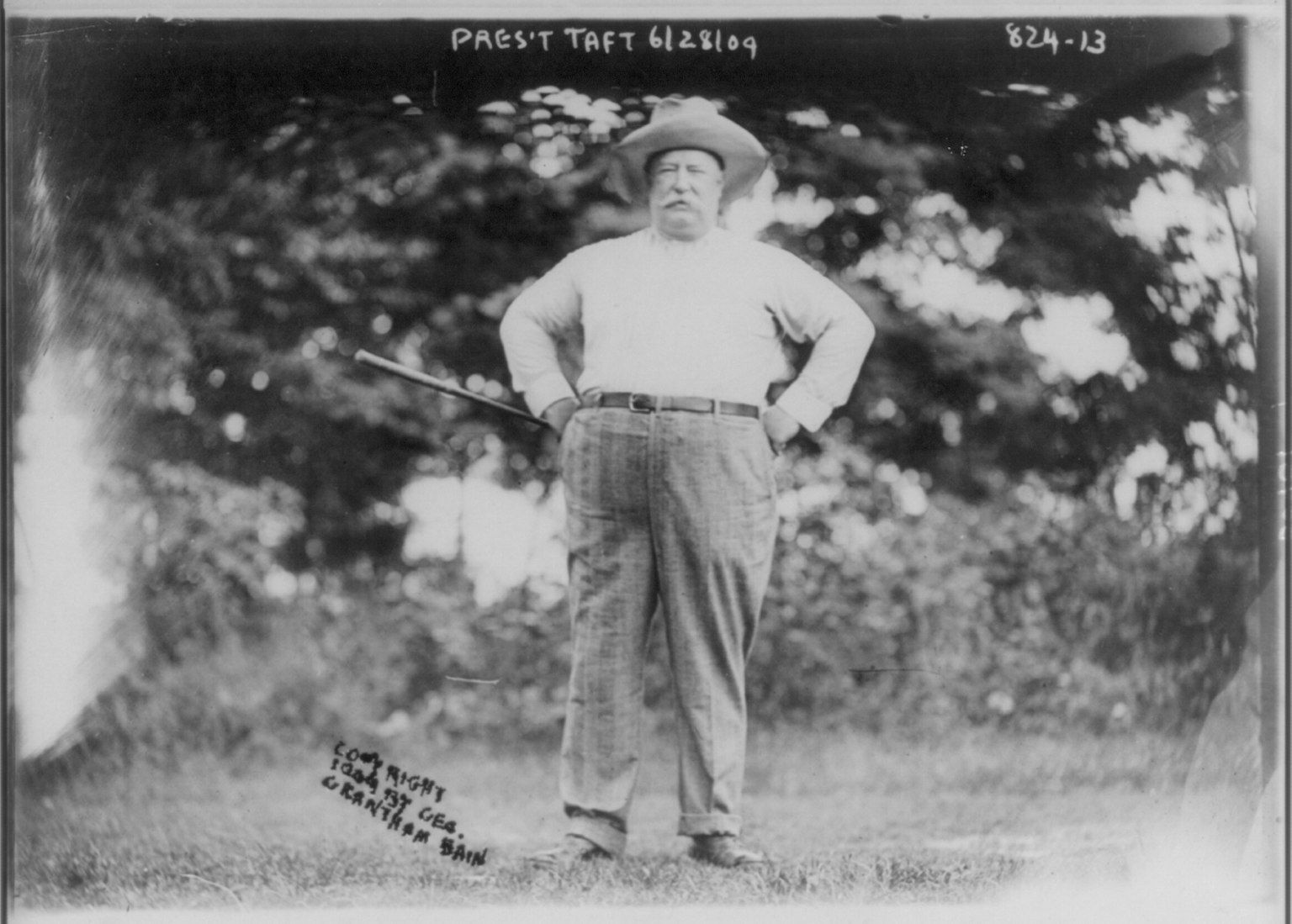
Image: George Grantham Bain Collection, Public domain, via Wikimedia Commons

Golf has been present in American history since the time New York was the Dutch colony of New Amsterdam in the 17th century, but historians credit William Howard Taft with making the sport popular in the early 20th century. A regular player since his 30s, Taft was heavily criticized for publicly engaging in a "rich man’s pastime" , but he ignored his detractors, founding a golf club, playing with members of his cabinet, and promoting the sport. Since then, most presidents have taken up golf, too.

7
Dwight D. Eisenhower and George W. Bush: Painting
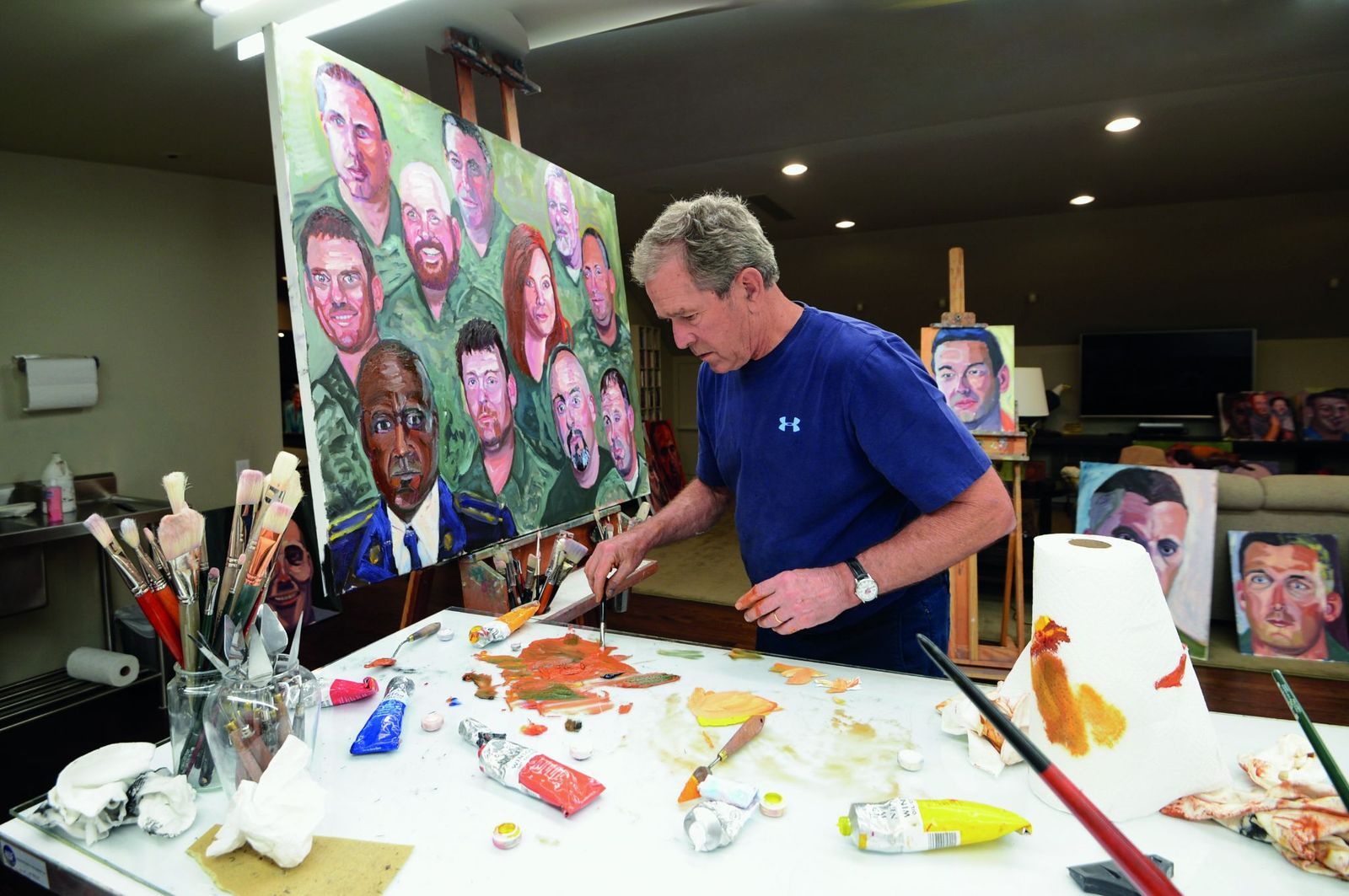
Image: Grant Miller, George W. Bush Presidential Center Photographer, Public domain, via Wikimedia Commons

At the age of 58, Eisenhower took up painting inspired by Winston Churchill, who was known to paint as a way to decompress. During his presidency, he set up a studio in the White House and painted at least ten minutes a day to rest his mind. He mostly copied landscape photographs, seeing the task more as a mental puzzle than creative expression.. George W. Bush, on the other hand, took up painting after leaving office in 2009, starting with landscapes and dog portraits before transitioning to depicting famous world leaders, war veterans, and retired servicemen.

8
Lyndon B. Johnson: Reckless driving
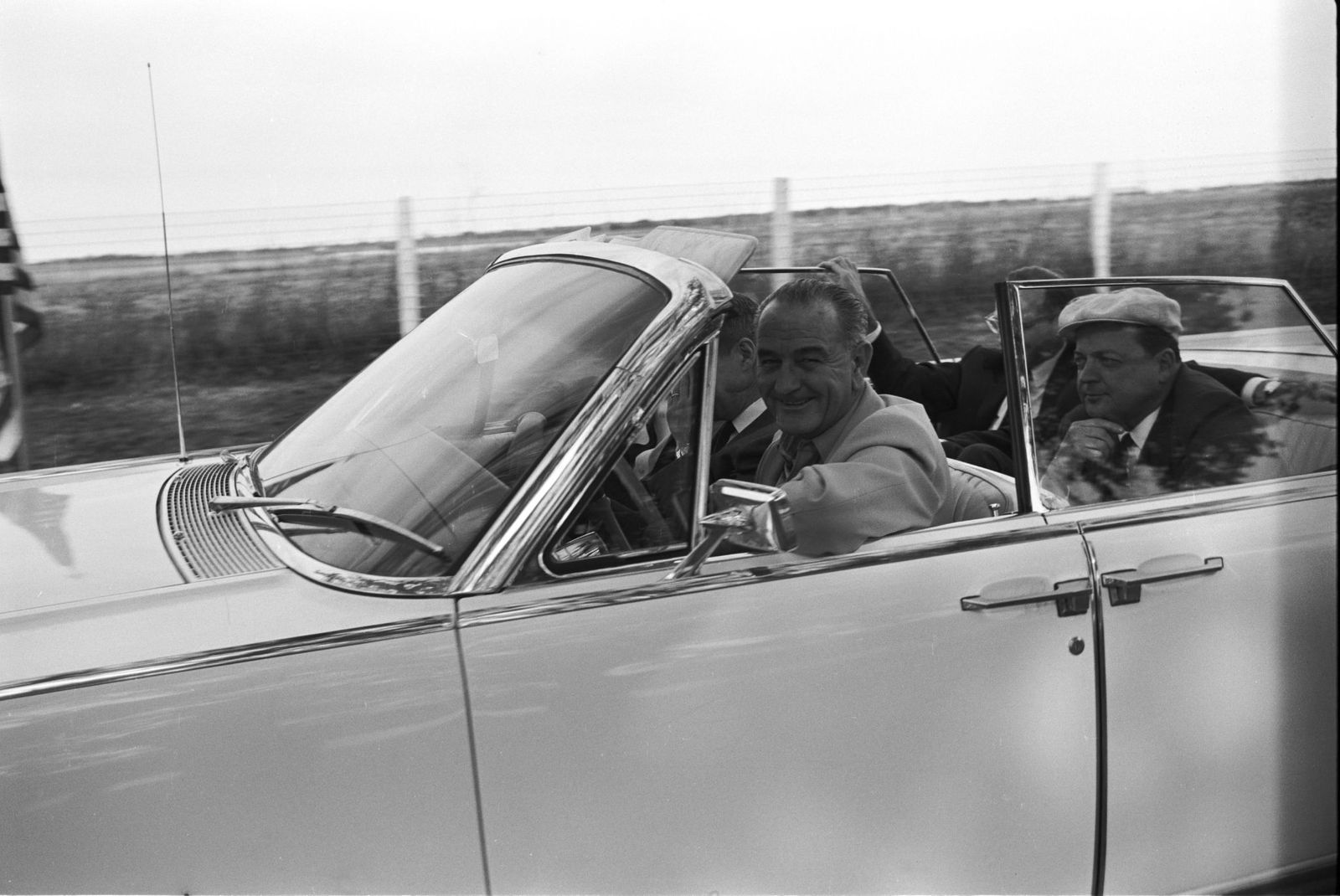
Image: not provided, Public domain, via Wikimedia Commons

Reckless driving is hardly an appropriate pastime for a president, but Lyndon B. Johnson figured it was okay as long as it was done inside his Texas ranch. The owner of a rare German amphibious vehicle, he enjoyed taking guests (advisors and political figures included) for a ride and pranking them by plunging into the river and faking a brake malfunction. He also owned several convertibles and even a fire engine, and he often drove around the property at high speed while drinking scotch.

9
Franklin D. Roosevelt: Collecting stamps
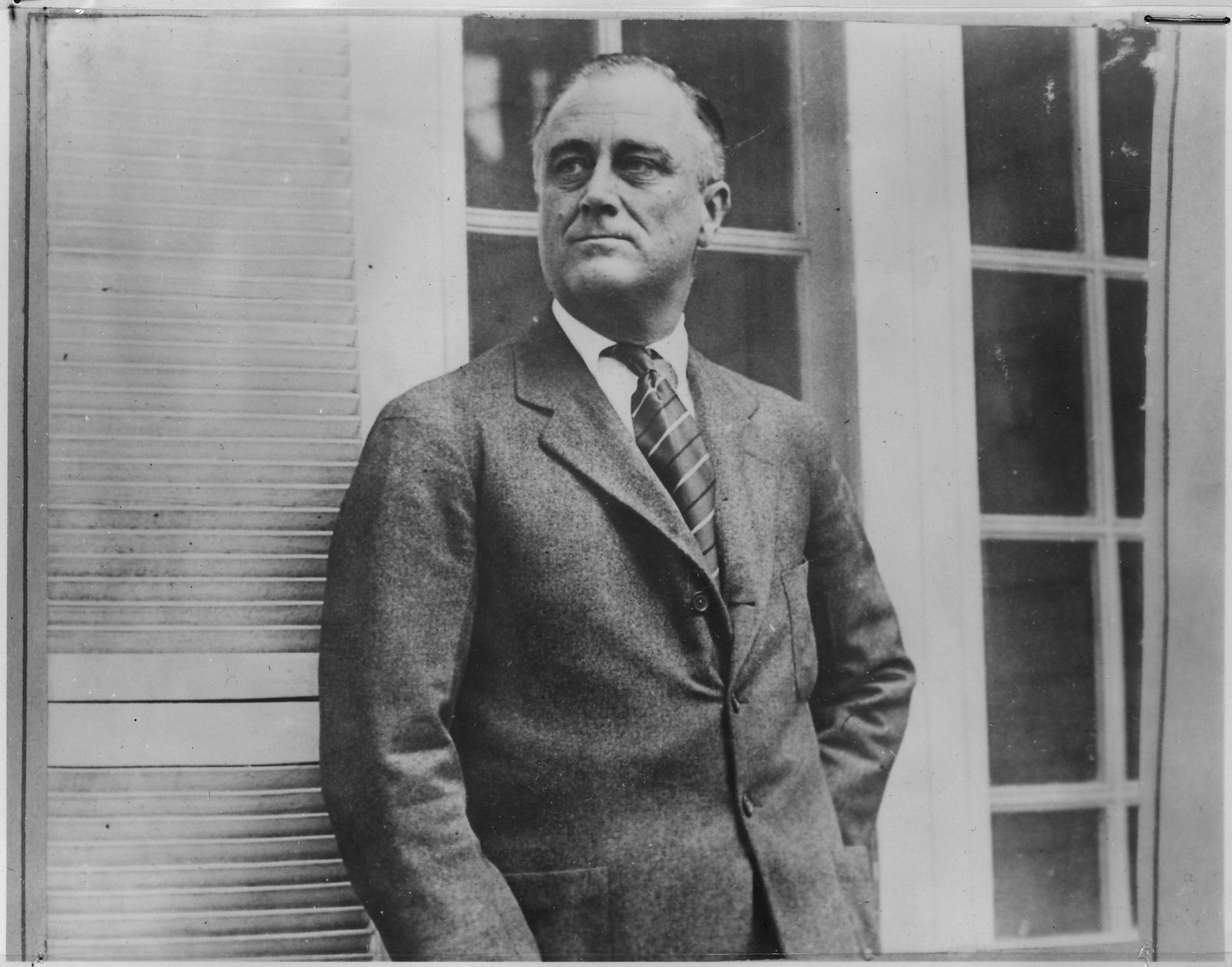
Image: National Archives and Records Administration, Public domain, via Wikimedia Commons

Philately, or stamp collecting, is a common hobby, even for presidents (Gerald Ford was also an avid philatelist), but Franklin D. Roosevelt took it to another level. Introduced to the hobby by his mother at a young age, he used it as a way to cope with being bedridden due to polio. As a president, he spent at least half an hour every day reviewing his albums, and closely collaborated with the Postmaster General on ideas for many stamps. His personal collection, auctioned after his 1945 death, contained well over a million stamps.

10
Bill Clinton: Playing the saxophone
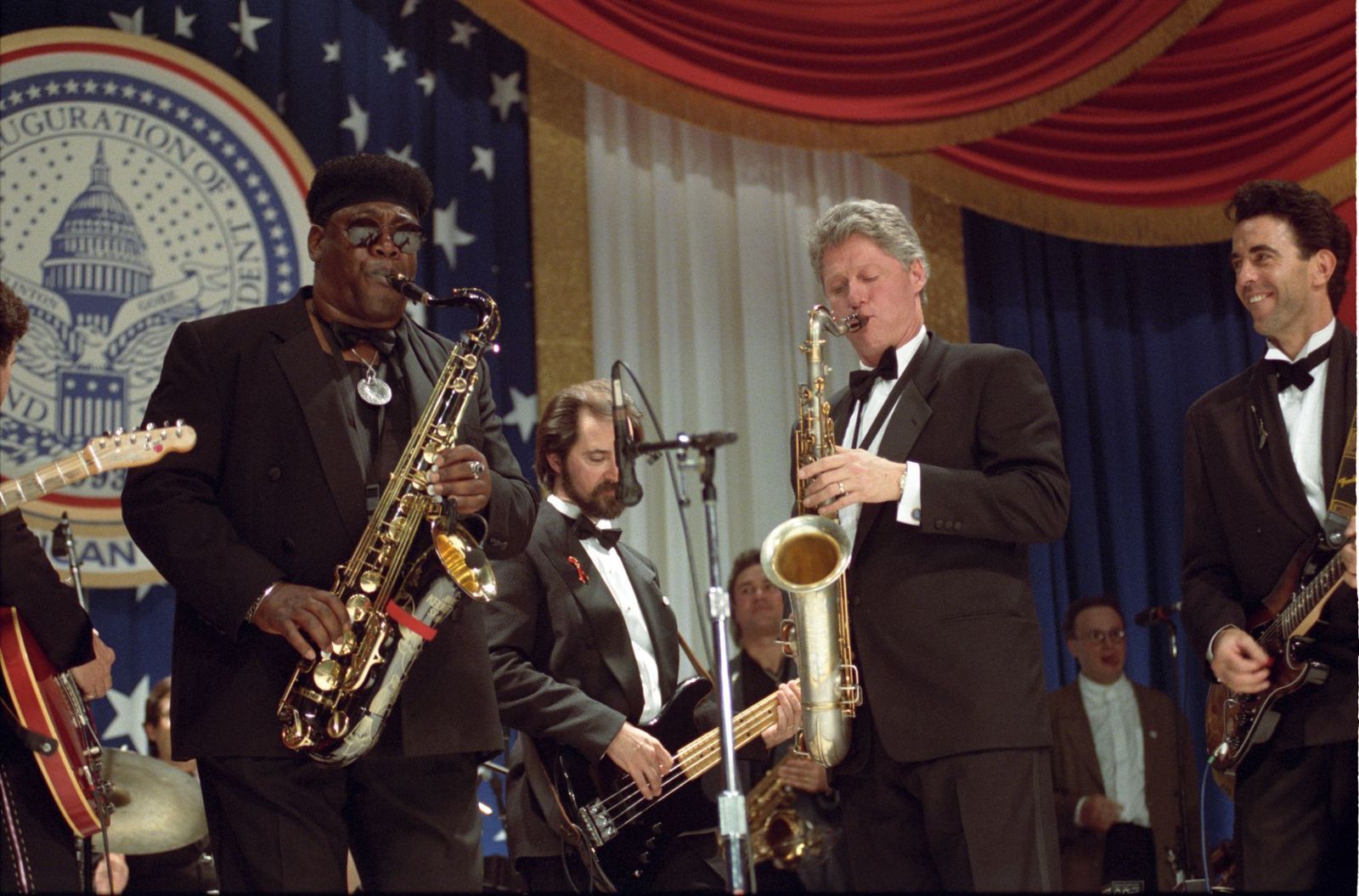
Image: National Archives and Records Administration, Public domain, via Wikimedia Commons

A saxophone player since his youth, Bill Clinton played in several bands and jazz groups, and he even earned the first chair in the Arkansas All-State Band. This musical hobby was featured in one of the most memorable moments of his 1992 campaign, when he interpreted Elvis Presley’s "Heartbreak Hotel" on late night’s Arsenio Hall Show. As president, he converted a room of the White House into a music room and performed at various official events and celebrations.
Culture Culture 6 min read

The Five-Sided Puzzle Palace

A man lived there secretly? Stunning facts about the Pentagon

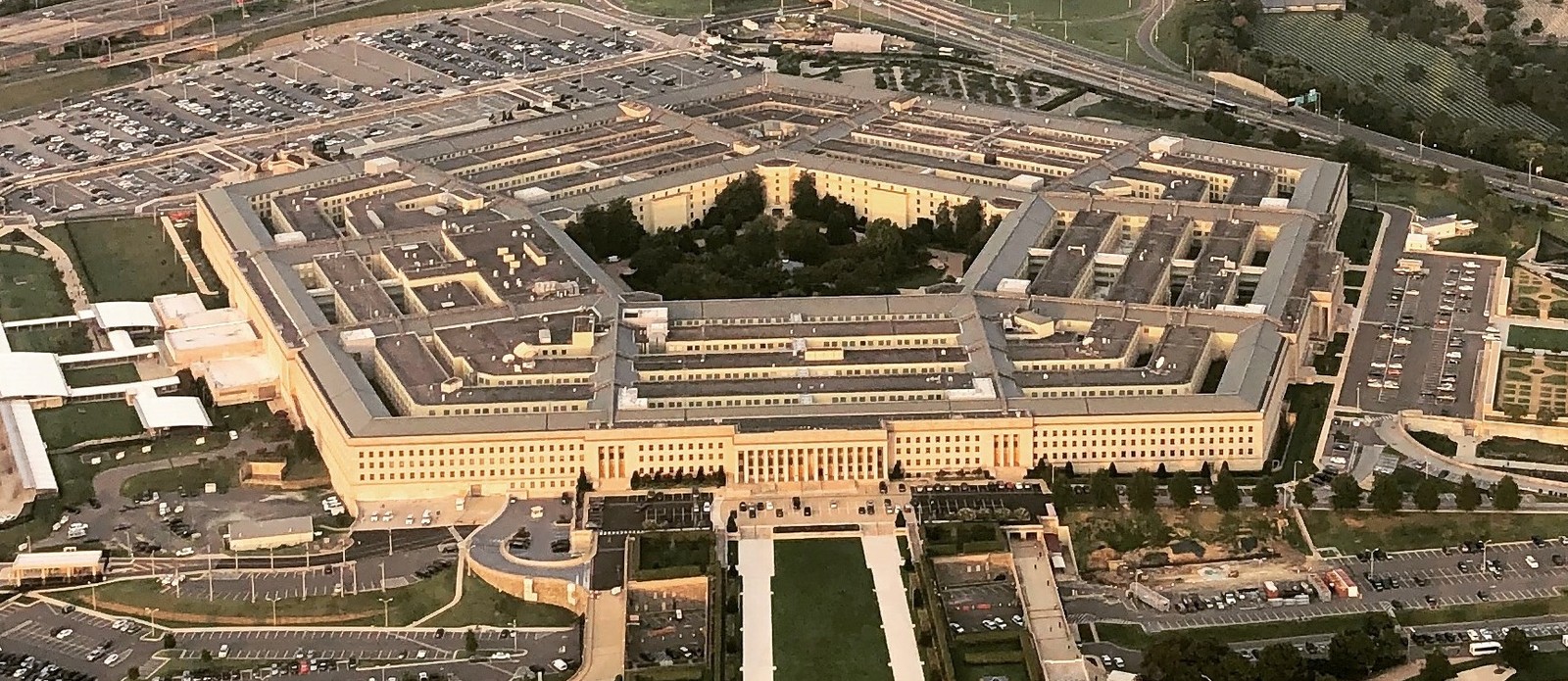
Image: Touch Of Light, CC BY-SA 4.0, via Wikimedia Commons

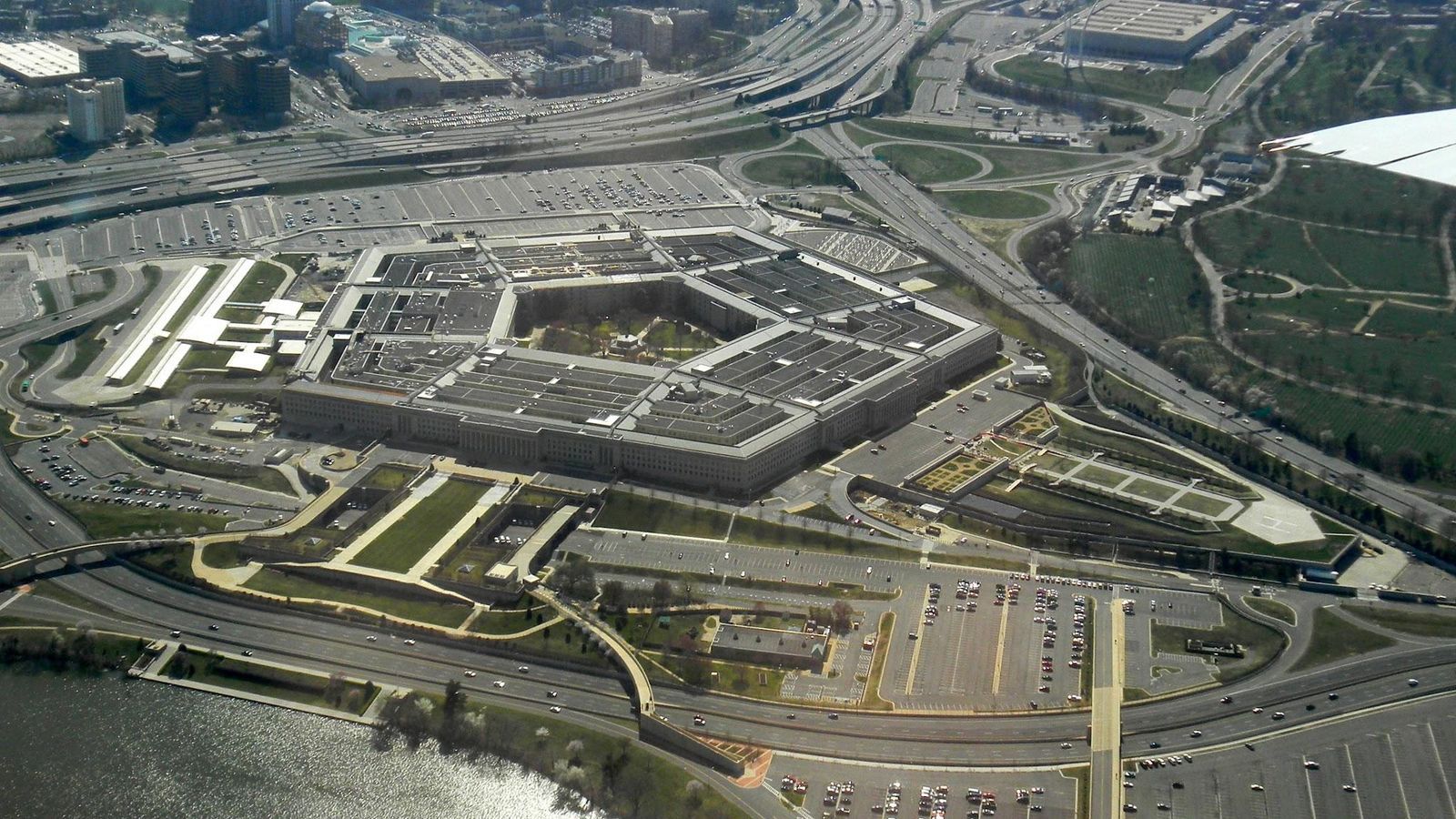
Did you know that construction on the Pentagon building began on September 11, 1941, exactly 60 years before it was attacked? The home of the US Department of Defense has stood for more than 80 years. Although its iconic shape is intriguing in itself, it hides deeper secrets that many Americans have never heard of. Did you know it feeds 26,000 people a day—at a McDonald's, a Five Guys, a Taco Bell, and over 30 other restaurants? Or that a man secretly lived inside its walls for years? Let’s dive into the Pentagon building’s secrets.

1
A renovation project saved thousands of lives on 9/11

Image: Office of the Secretary of Defense - Public Affair, Public domain, via Wikimedia Commons

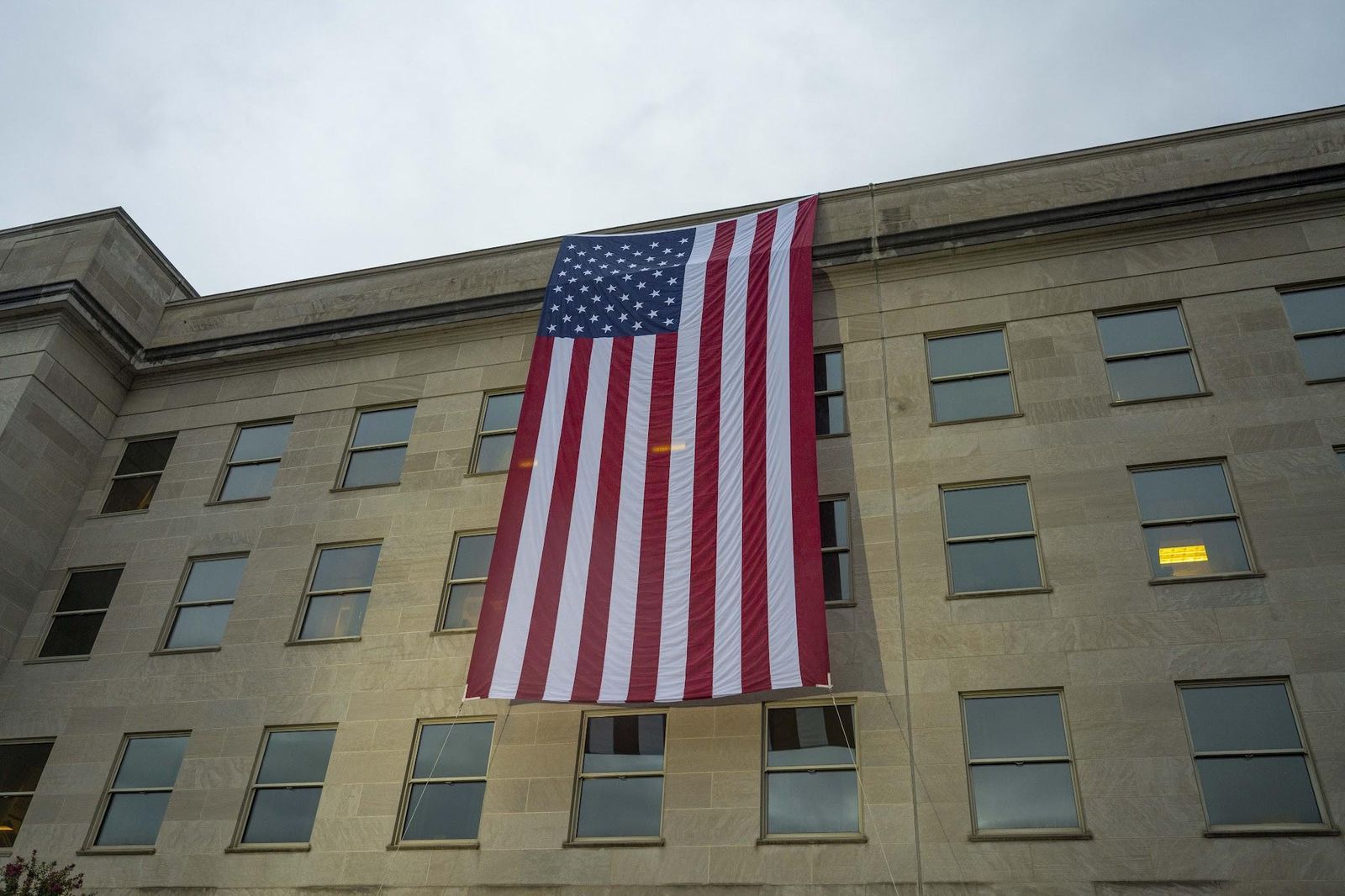
On September 11, 2001, American Airlines Flight 77 struck the Pentagon at 9:37 a.m., killing 189 people. Few people know this part: the death toll could have been much higher. But there was a renovation project underway at the time of the attacks.

The Pentagon’s five-sided structure is divided into five "wedges," and workers had been renovating them one at a time. Flight 77 struck the wedge that had just been completed. Of the 4,500 people who normally worked in that section, only about 800 had moved back in. Without the reinforced construction and the incomplete occupancy, experts believe the casualties would have been catastrophically higher.

2
The Cold War and the hot dog stand

Image: Anete Lusina

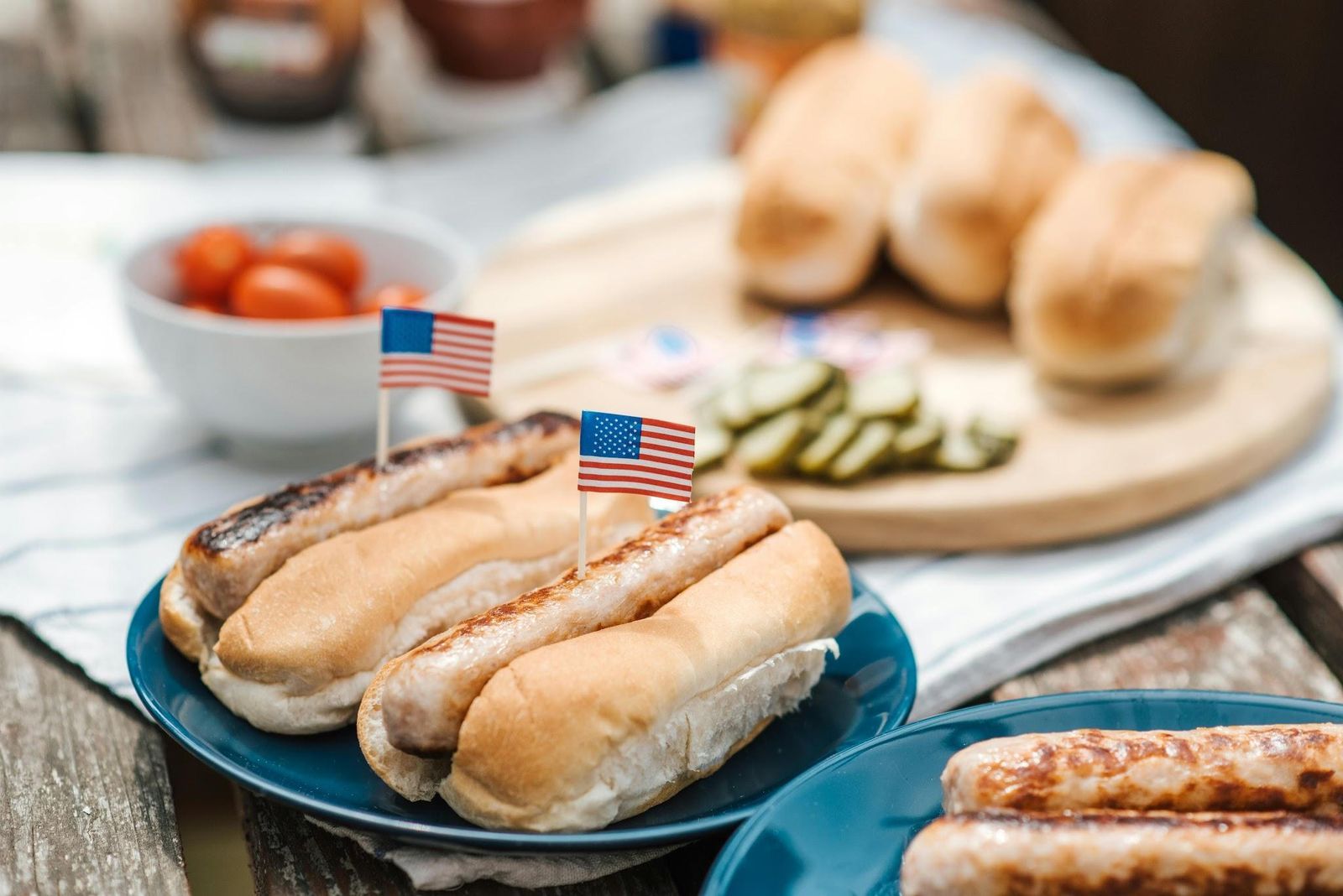
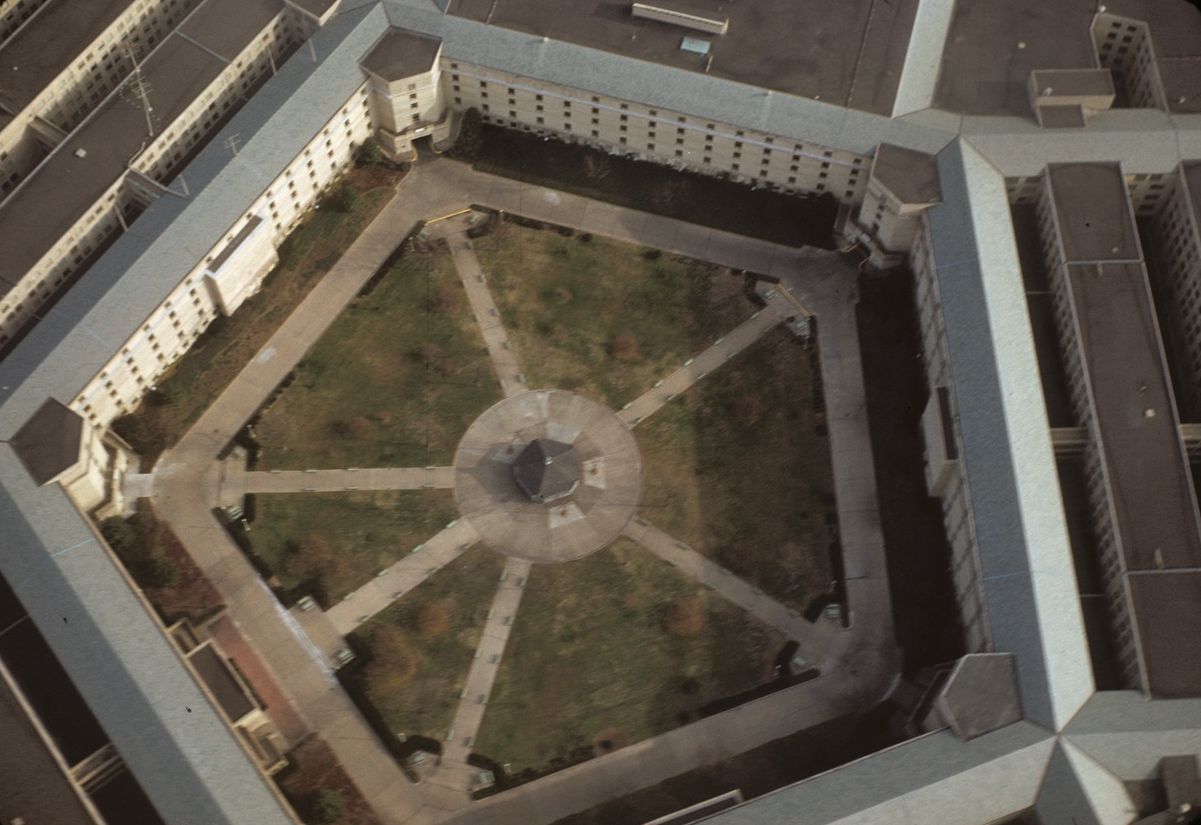
In the middle of the Pentagon’s five-acre center courtyard once stood a modest hot dog stand. According to a Cold War legend (one still retold by official Pentagon tour guides on every public tour), between the 60s and the 80s, Soviet satellite images tracked large groups of high-ranking military officials converging on that small building at the same time every day.

Soviet intelligence reportedly concluded the structure must be the entrance to some underground bunker in America. In reality, all it did was sell lunch. In 2006, the original stand was torn down, and a sandwich shop was built in its place.

3
Its construction began on September 11th, exactly 60 years before the attack

Image: Aber, Marilyn K., Public domain, via Wikimedia Commons

Builders broke ground on the Pentagon on September 11, 1941. That was exactly 60 years to the day before the September 11, 2001, terrorist attacks that would strike the same building.

Construction had been ordered by Army Brigadier General Brehon Somervell, who wanted a permanent headquarters for the Defense Department to replace its then-17 scattered offices across Washington, D.C.

The project was extraordinarily ambitious: plans called for the world’s largest office building to be completed in just 16 months. In the end, the conception, design, and construction of the entire Pentagon building took a total of 15 months.

4
The same person oversaw its construction and the Manhattan Project

Image: U.S. Army, Public domain, via Wikimedia Commons

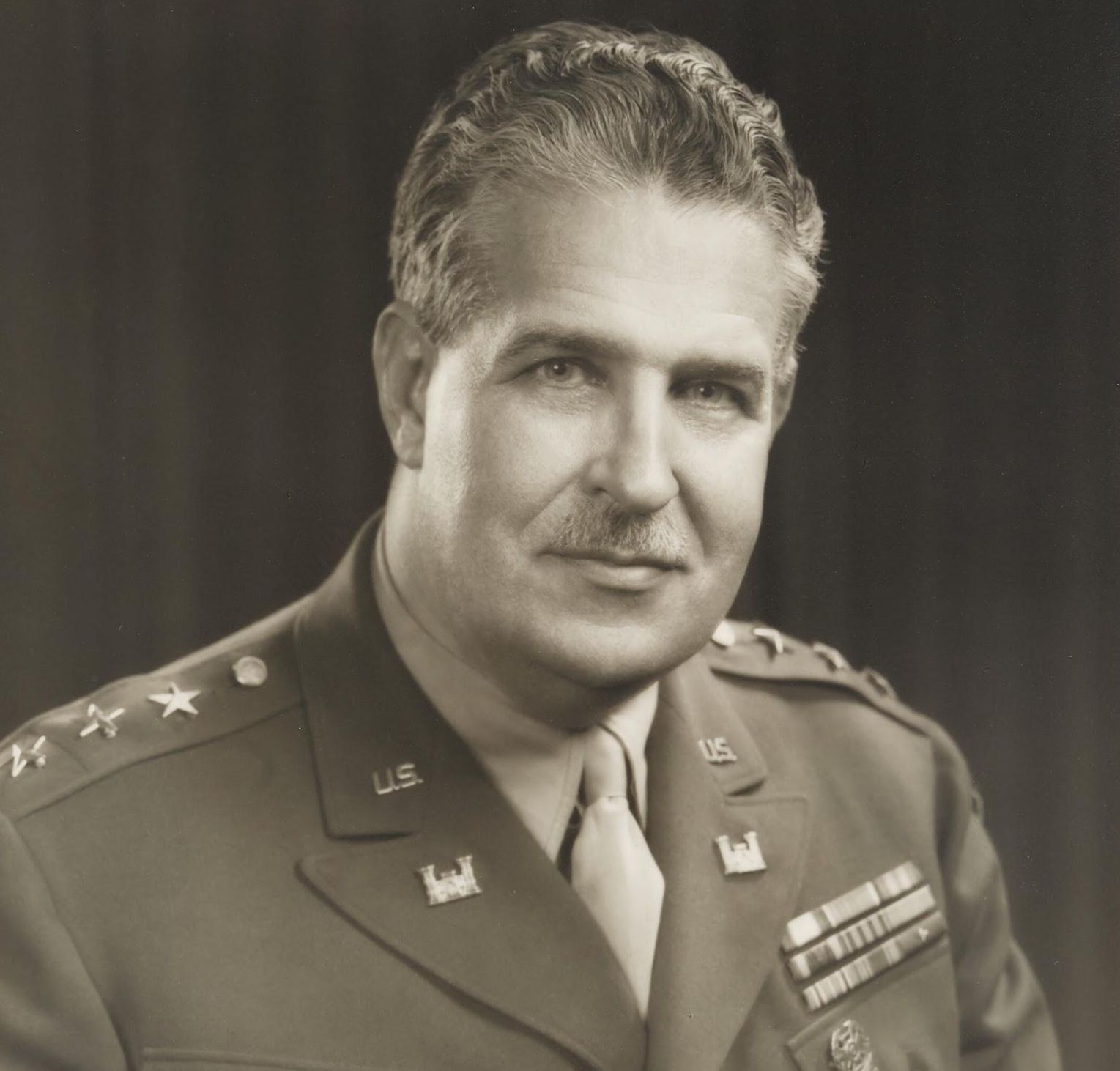
Colonel Leslie Groves of the Army Corps of Engineers took charge of Pentagon construction in August 1941. He worked six days a week and drove his team relentlessly, at one point employing more than 15,000 workers around the clock.

When the Pentagon was finished in January 1943, Groves was assigned to lead the Manhattan Project, America’s secret program to build the atomic bomb . His deputy, Captain Robert Furman, followed him into the Manhattan Project as chief of foreign intelligence. Together, the men who built the world’s largest office building went on to produce the weapon that ended World War II.

5
Why is it shaped like that?

Image: Boston Public Library, CC BY 2.0, via Wikimedia Commons

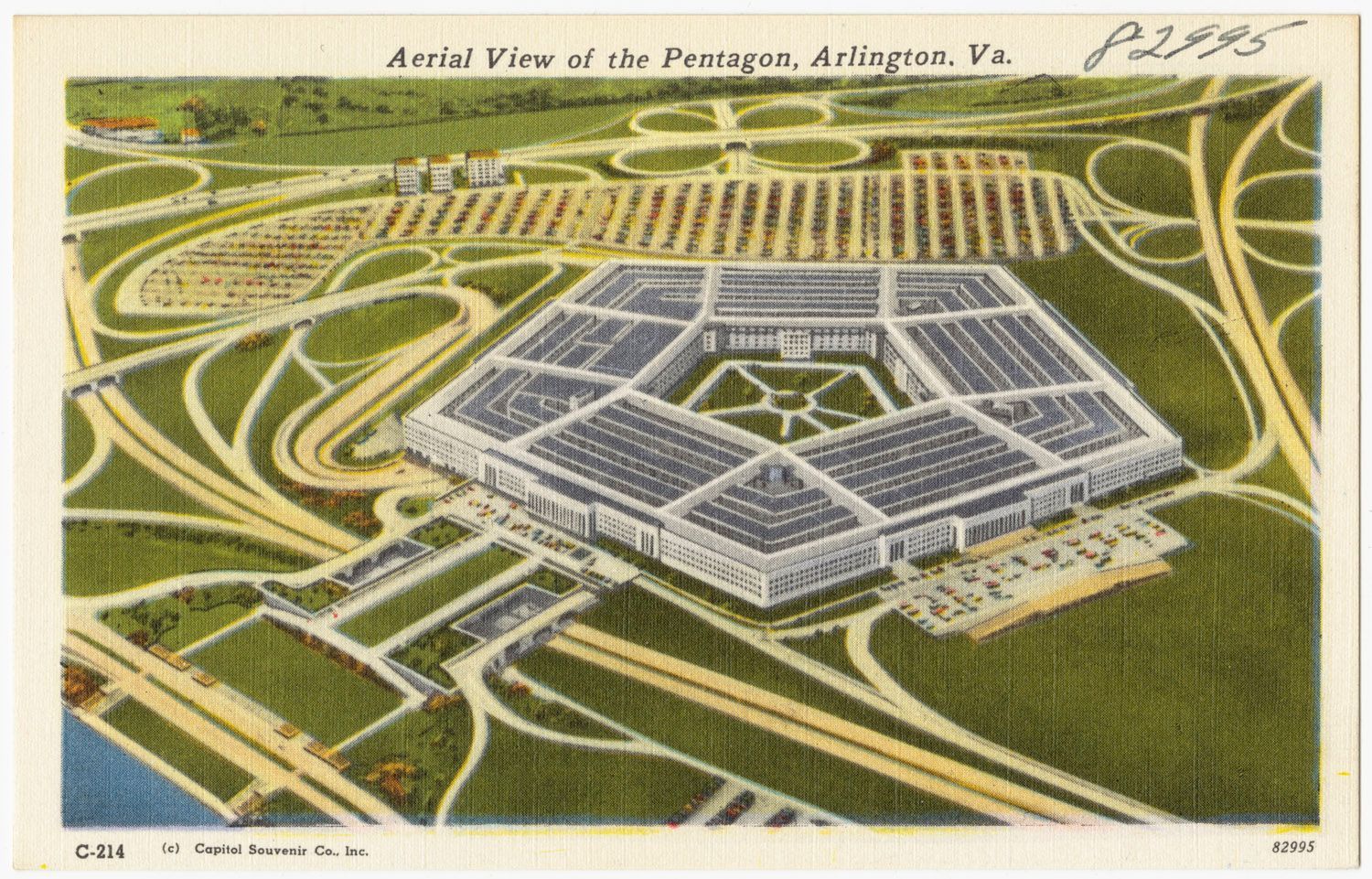
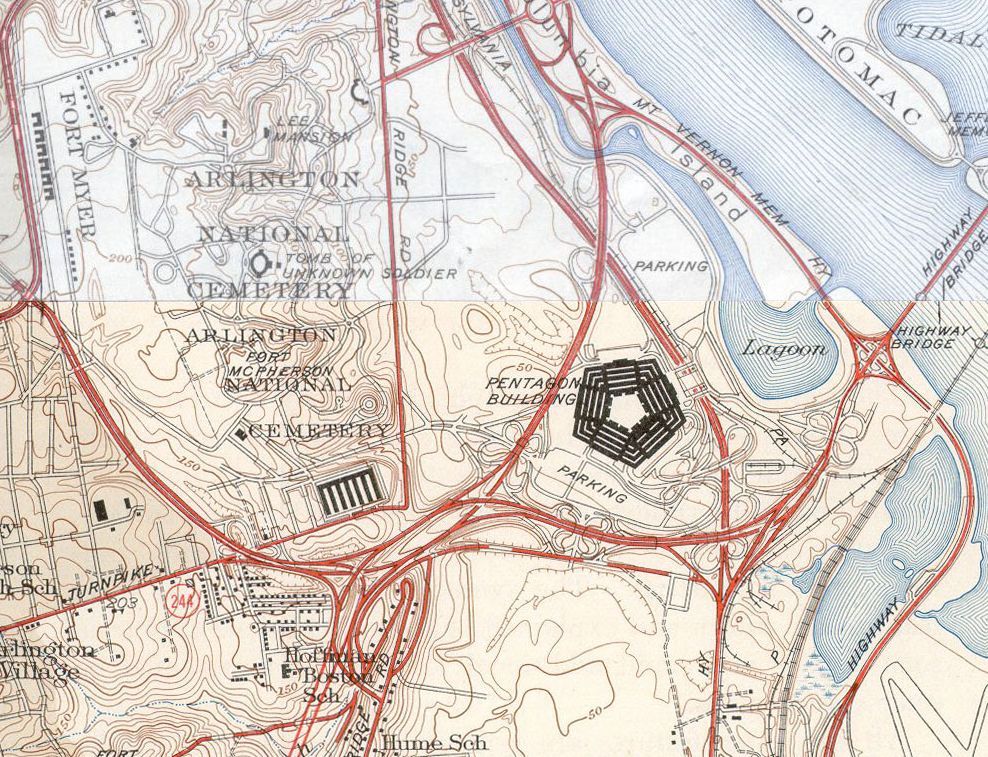
The Pentagon’s iconic five-sided shape was the consequence of a geographic accident. The original site selected for the building, near Arlington Cemetery, **happened to be bordered on five sides by roads. **Architects designed the structure to fit those boundaries, producing a pentagonal floor plan. Then President Franklin D. Roosevelt intervened: worried the massive building would obstruct the view of Washington, D.C. from Arlington, he ordered the site moved to its current location along the Potomac River. But the five-sided design had already been drawn up, and nobody changed it.

6
It was the first desegregated building in Virginia

Image: https://ddotlibrary.omeka.net/items/show/100, Public domain, via Wikimedia Commons

When the Pentagon was designed in 1941, segregation was the law in Virginia. Original plans called for doubled bathroom facilities: separate ones for Black and white employees, as required by Virginia statute. But President Roosevelt had signed Executive Order 8802 in June 1941, prohibiting racial discrimination in federal employment and government contracting.

As a federal building, the Pentagon was exempt from Virginia law. It became the only building in the state where segregation was not enforced. A fully desegregated federal workplace that opened in 1943. The doubled bathrooms were built anyway, as the plans were too far along to revise, but were never used as separately designated spaces.

7
Its construction was surprisingly frugal and incredibly fast

Image: See page for author, Public domain, via Wikimedia Commons

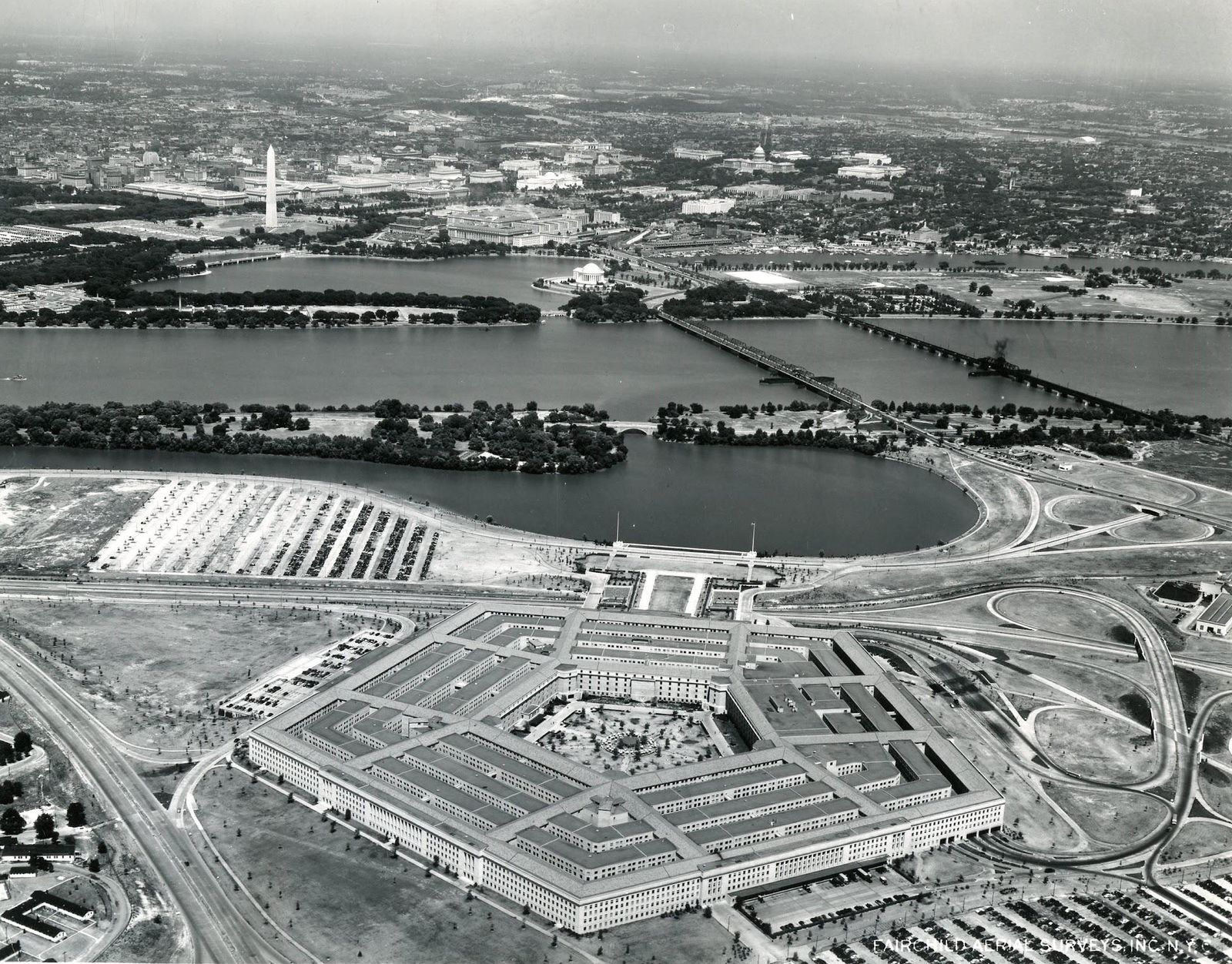
Ground broke on September 11, 1941, and construction finished on January 15, 1943, just 16 months later. More than 15,000 workers were on site around the clock. Wartime office shortages were so severe that employees moved into completed wings before the rest of the building was finished. Steel was too scarce to use extensively, so builders relied almost entirely on reinforced concrete. The 689,000 tons of sand and gravel required came directly from the nearby Potomac River, cutting transportation costs. The project was budgeted at $35 million, but the final bill was $63 million, which would translate to over $900 million in today’s dollars.

8
You can walk between its farthest points in only 7 minutes

Image: Bea A Carson, CC0, via Wikimedia Commons

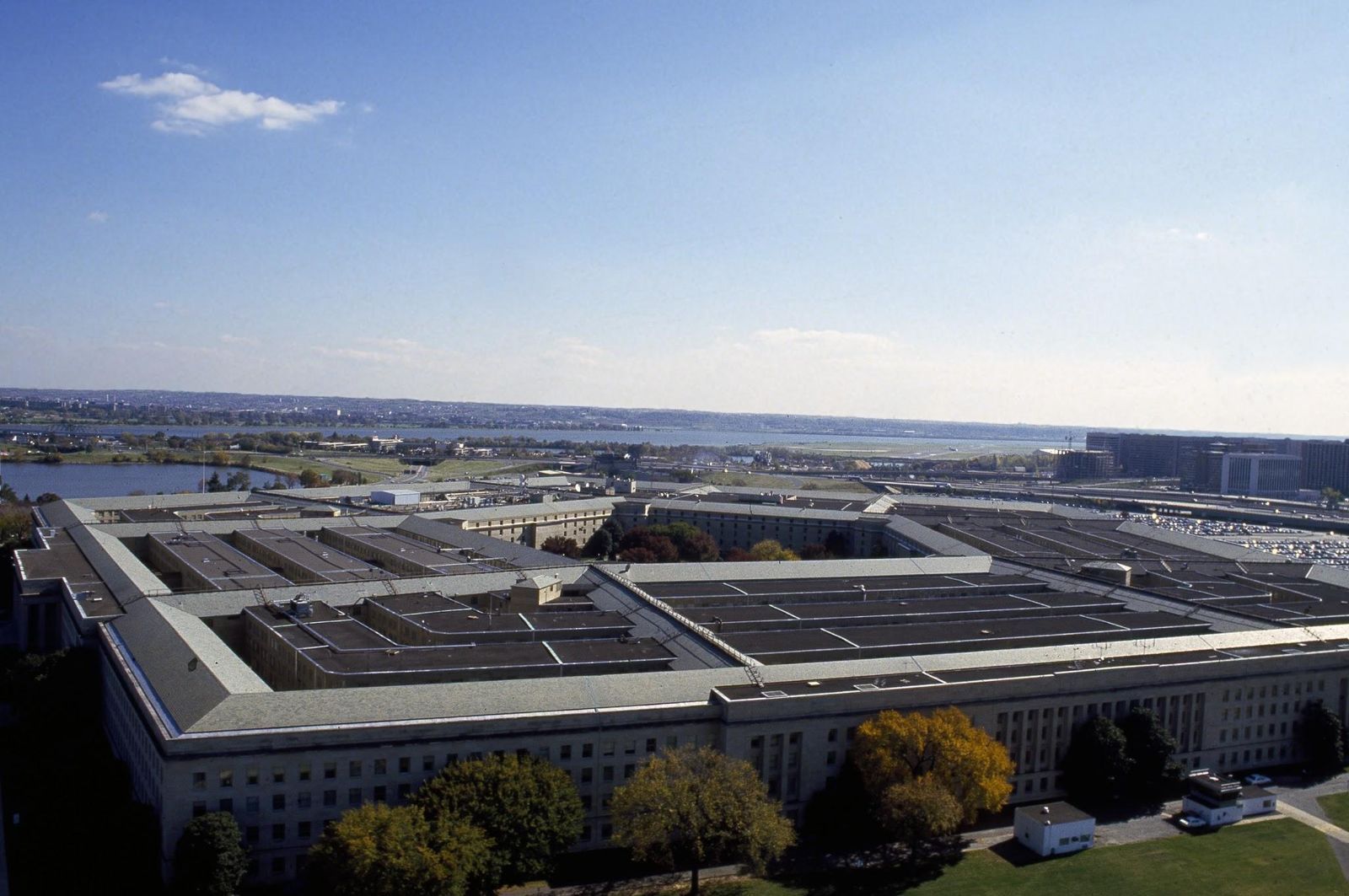
The Pentagon is the world’s largest low-rise office building: 6.5 million square feet of space, which is three times the total floor area of the Empire State Building. Each of its five outer walls is 921 feet long. It has 7,754 windows and 17.5 miles of corridors. Approximately 26,000 military and civilian employees report for work there every day.

Despite that scale, the building’s concentric ring design is so efficient that it takes only about seven minutes to walk between its two farthest points.

9
The man who secretly lived inside its walls

Image: Carol M. Highsmith, Public domain, via Wikimedia Commons

During construction, Colonel Groves drove his deputy, Captain Robert Furman, so relentlessly that Furman rarely left the building. To cope, Furman had contractors build him a small, windowless apartment hidden inside the walls of the Army’s Ordnance Division. In this private room, he could sleep and shower without leaving the premises.

When construction ended and personnel dispersed, knowledge of the hidden room was never passed on to building management. Months later, when Furman returned to Washington on Manhattan Project intelligence business, he found the apartment undiscovered and exactly as he’d left it.

For over a year, he would slip back to the Pentagon, pop open a wall panel, spend the night, and emerge in the morning with his suitcase. He was finally caught in 1943 and forced to surrender the keys. It was never disclosed whether the secret apartment was maintained or eventually absorbed back into the official floor plans.

10
It houses over 30 restaurants, including everyone's favorite chains

Image: Harrison Keely, CC BY 4.0, via Wikimedia Commons

The Pentagon feeds roughly 26,000 people a day, and its dining options read less like a military headquarters and more like a mall food court. The main Concourse Food Court, which opened in September 2009 and seats 875 people, is the largest of several dining areas.

Confirmed chains currently inside the building include McDonald’s, Five Guys, Subway, Popeyes, Starbucks (multiple locations), Dunkin’ (two locations), Panera Bread, Taco Bell, Panda Express, Baskin-Robbins, Potbelly, Jamba Juice, and Moe’s Southwest Grill, among others. The building also houses a CVS pharmacy, a florist, a jeweler, and a dry cleaner. In the summer of 2024, Potbelly became the first restaurant to open in the center courtyard. Yes, the very spot where the legendary Cold War hot dog stand once stood.

Culture Culture 2 min read

American vocabulary

Words borrowed from Native Americans (and you say them daily)

Image: Andreas Wagner

English is full of words borrowed from Native American languages. From foods to places, these terms carry centuries of history and culture, quietly blending into everyday speech. Here are 11 words you use every day without realizing their origins.

1
Chili

Image: Steve Johnson

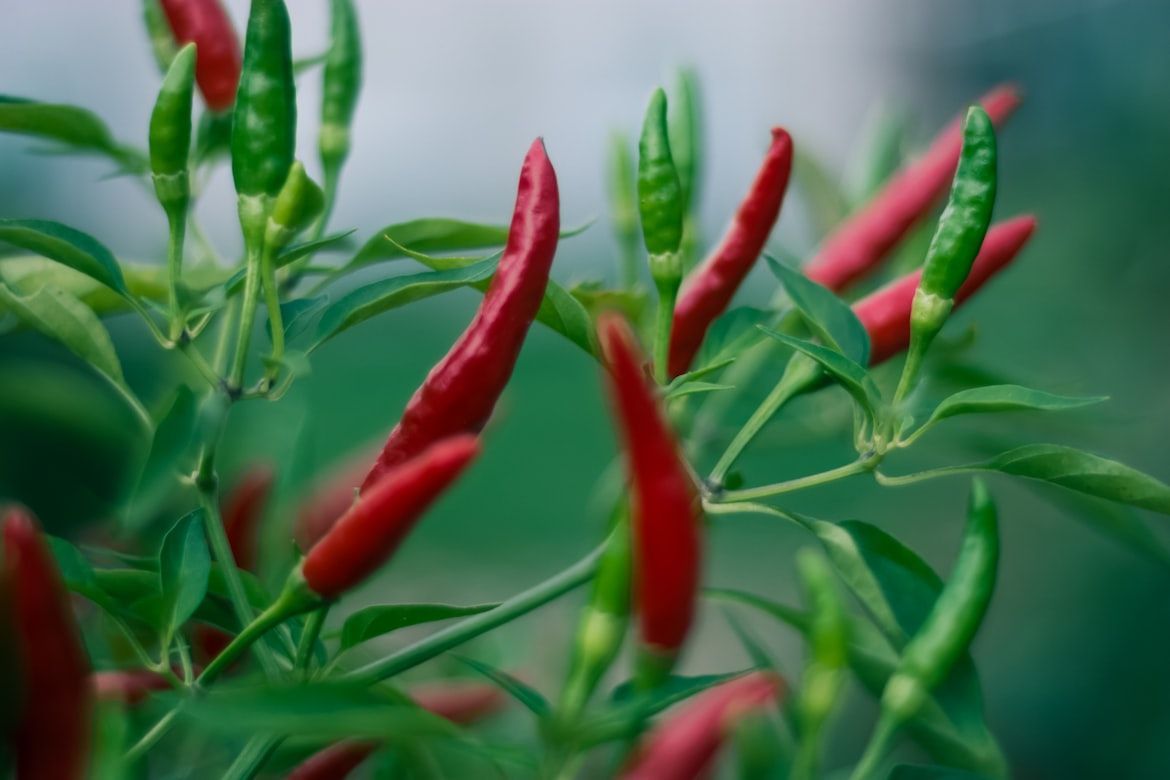
From Nahuatl chīlli , referring to the hot pepper central to Mesoamerican cuisine.

Chili peppers shaped food traditions across the Americas. The word—and the plant—spread globally, influencing flavors from Asia to Europe.

2
Chocolate

Image: Towfiqu barbhuiya

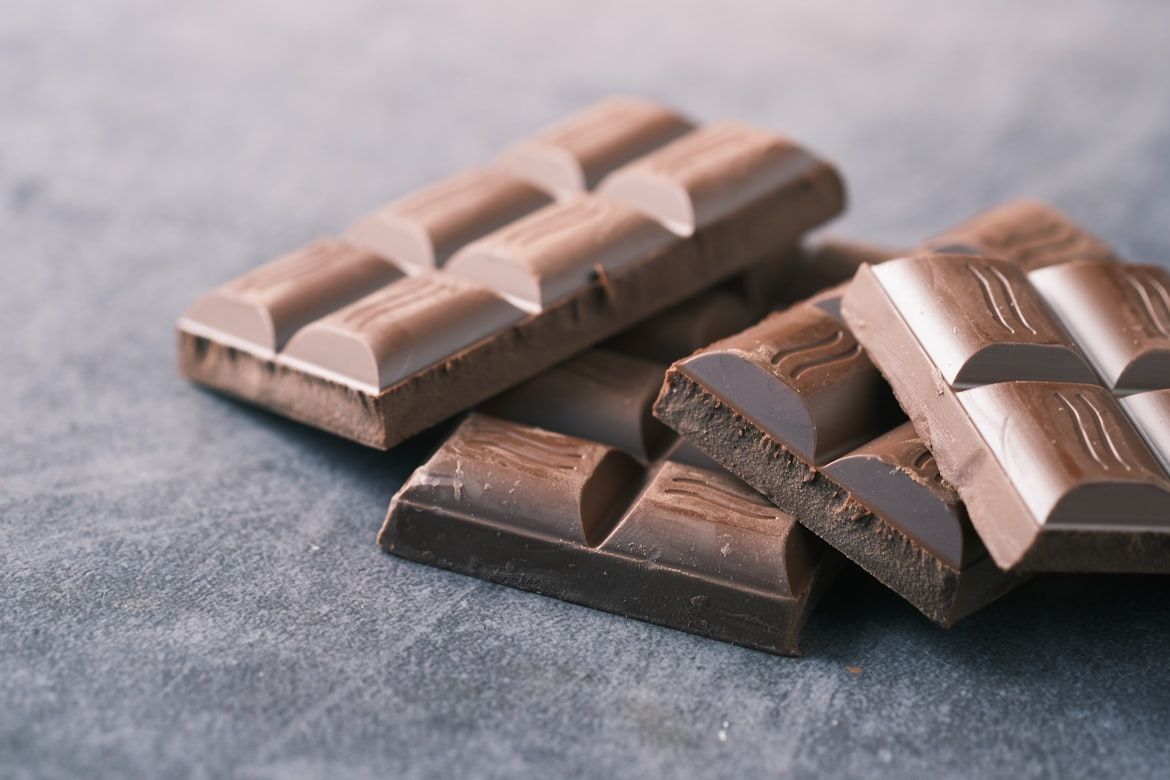
"Chocolate" comes from the Nahuatl word xocolātl , used by the Aztecs for a bitter cacao drink.

Cacao was central to Mesoamerican culture, used in rituals, trade, and even as currency. Europeans adapted it—sweetening it and spreading it worldwide. Today, chocolate is a global industry worth billions.

3
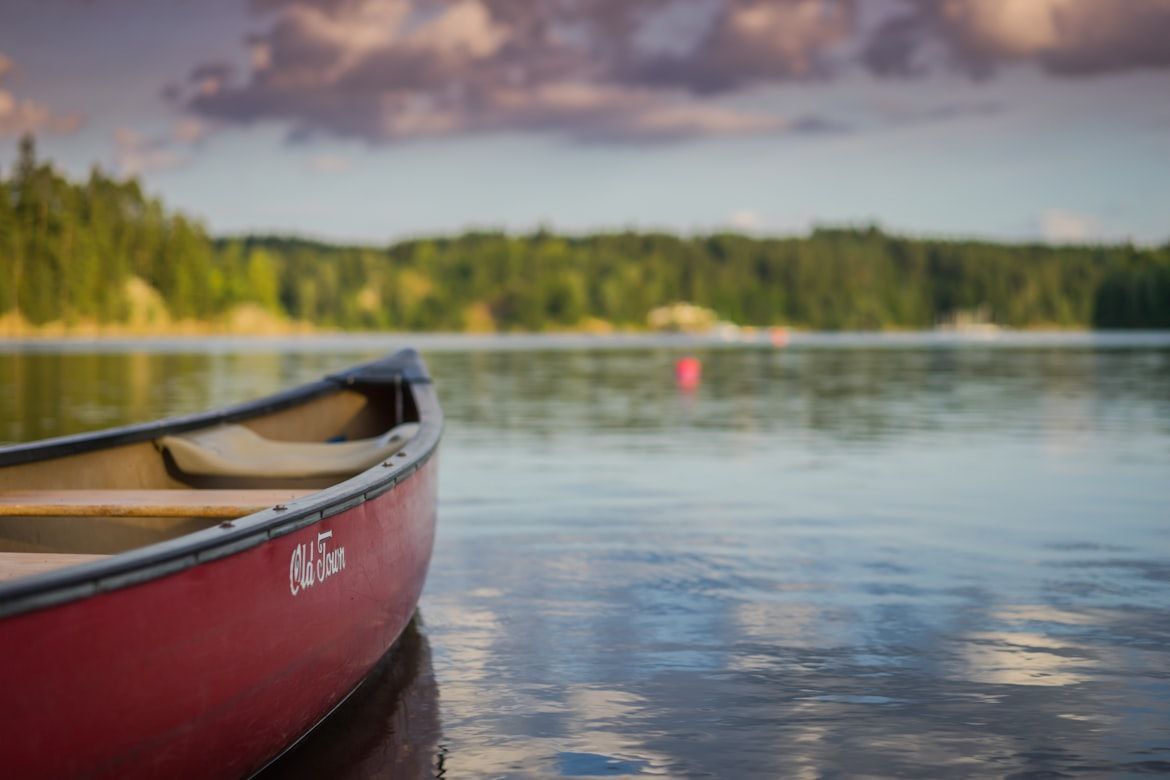
Canoe

Image: Michael Niessl

From the Carib kana:wa , "canoe" described small, lightweight boats used by Indigenous peoples across the Americas.

European explorers borrowed both the vessel and the word for river and coastal navigation. Today, "canoeing" is a popular recreational activity worldwide.

4
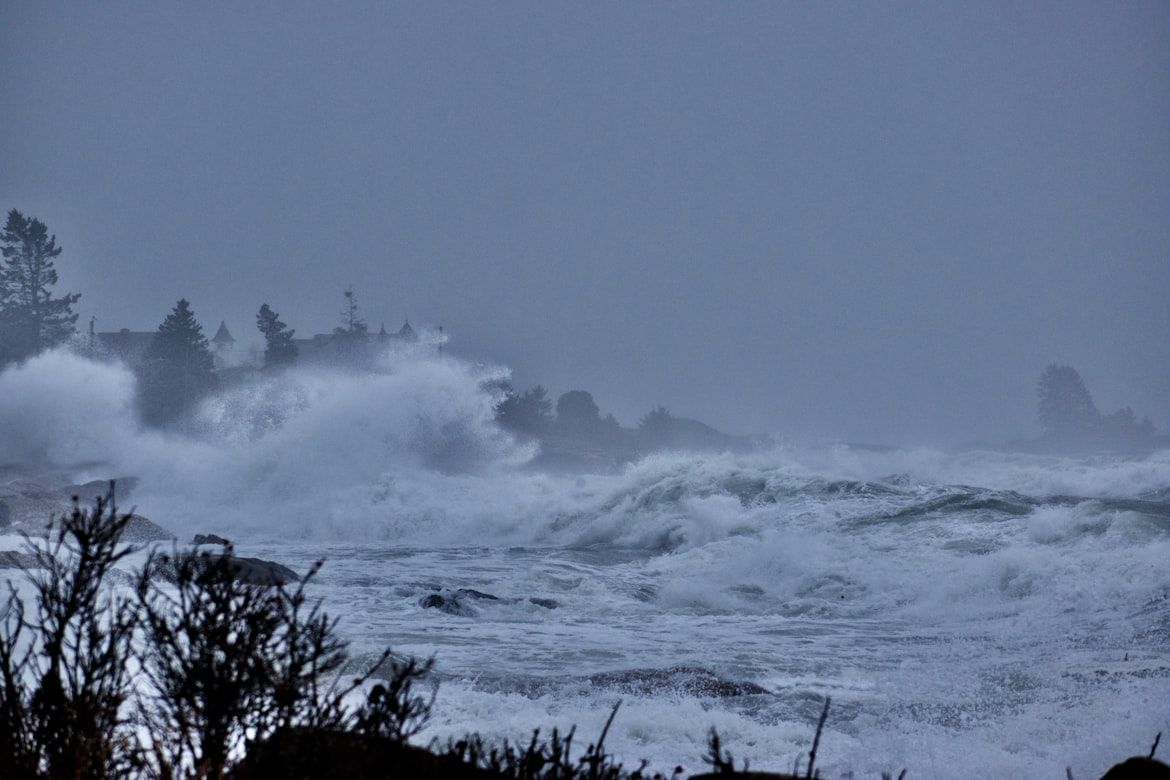
Hurricane

Image: Thomas Dewey

From the Taíno hurakán , meaning "god of the storm," the word was adopted by Spanish explorers.

Hurricanes shaped Caribbean history, influencing trade, settlement, and agriculture. English speakers retained the term, giving rise to a scientific and meteorological vocabulary.

5
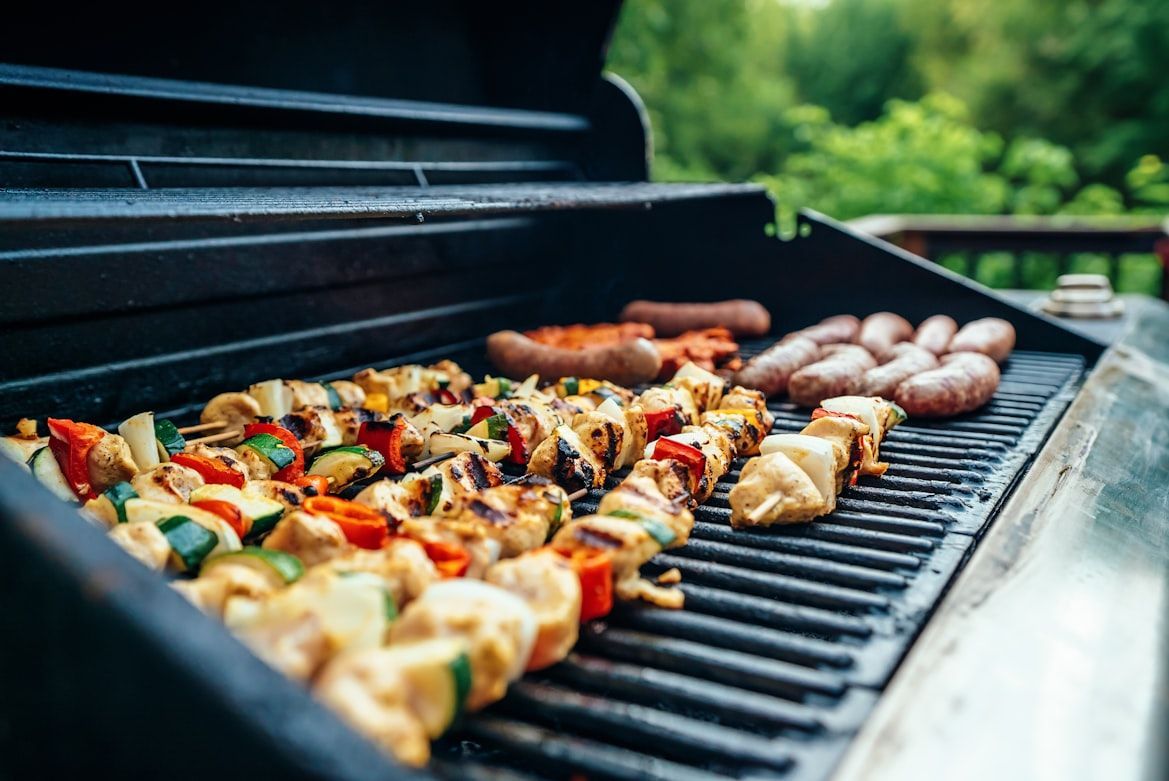
Barbecue

Image: Evan Wise

From the Taíno barbacoa , describing a framework for slow-cooking meat over fire.

Barbacoa influenced American culinary traditions, evolving into the modern barbecue. The word traveled with colonists, preserving its Indigenous culinary roots.

6
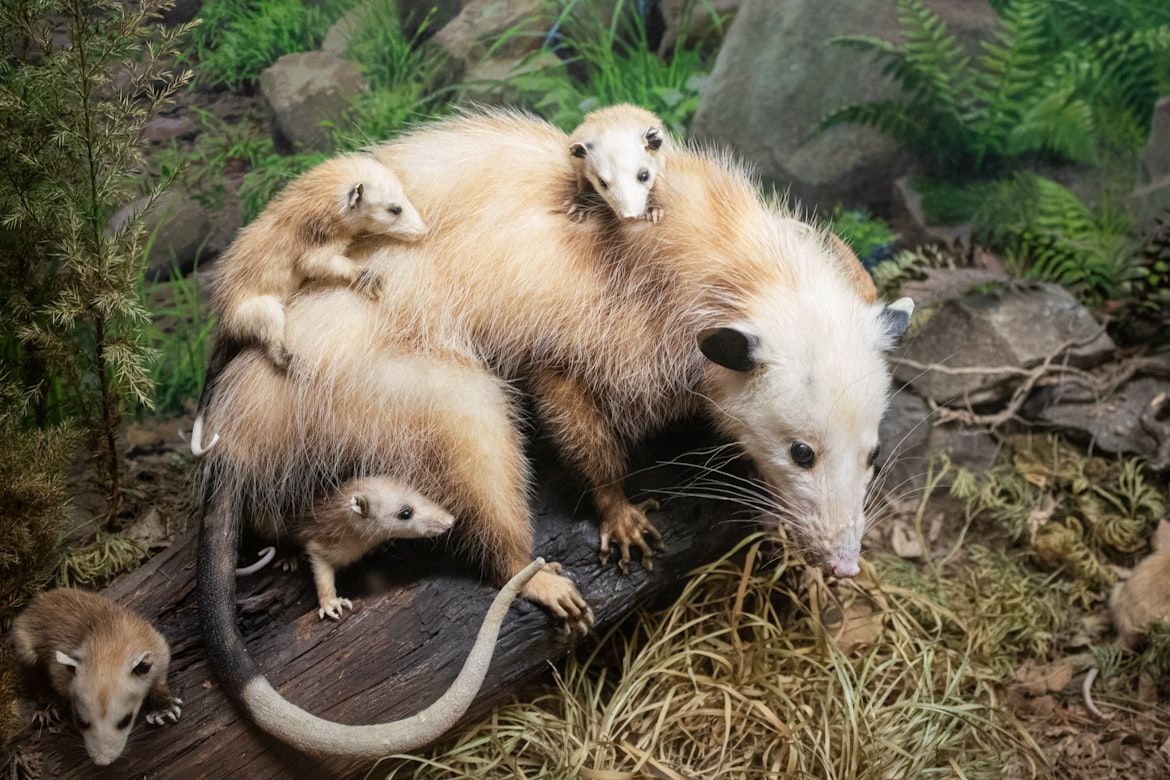
Opossum

Image: Khải Đồng

From the Powhatan apasum , meaning "white animal," early colonists mispronounced it as "opossum."

North American opossums became part of colonial diets and local ecosystems. The word also illustrates how Indigenous terms influenced wildlife terminology in English.

7
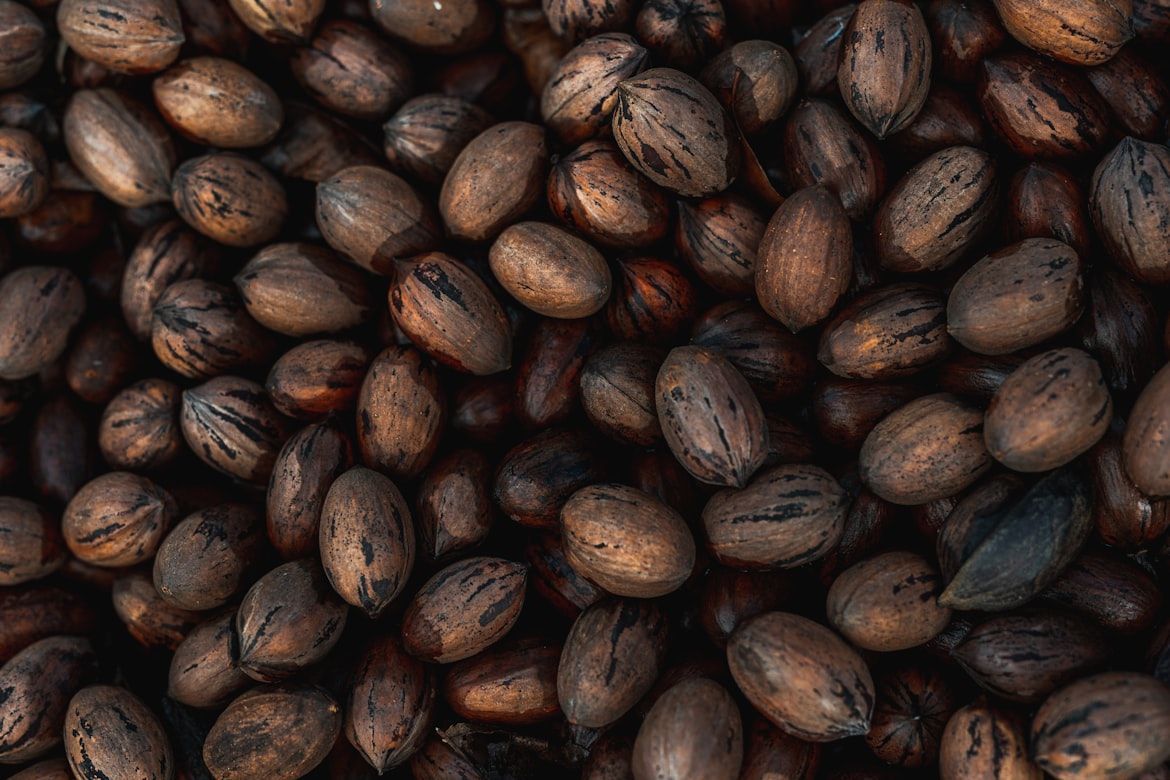
Pecan

Image: Or Hakim

From Algonquian pakan , meaning "nuts requiring a stone to crack."

Pecans were staple foods for Indigenous peoples, and European settlers adopted both the nut and its name. Today, pecans are central to American desserts like pies and pralines.

8
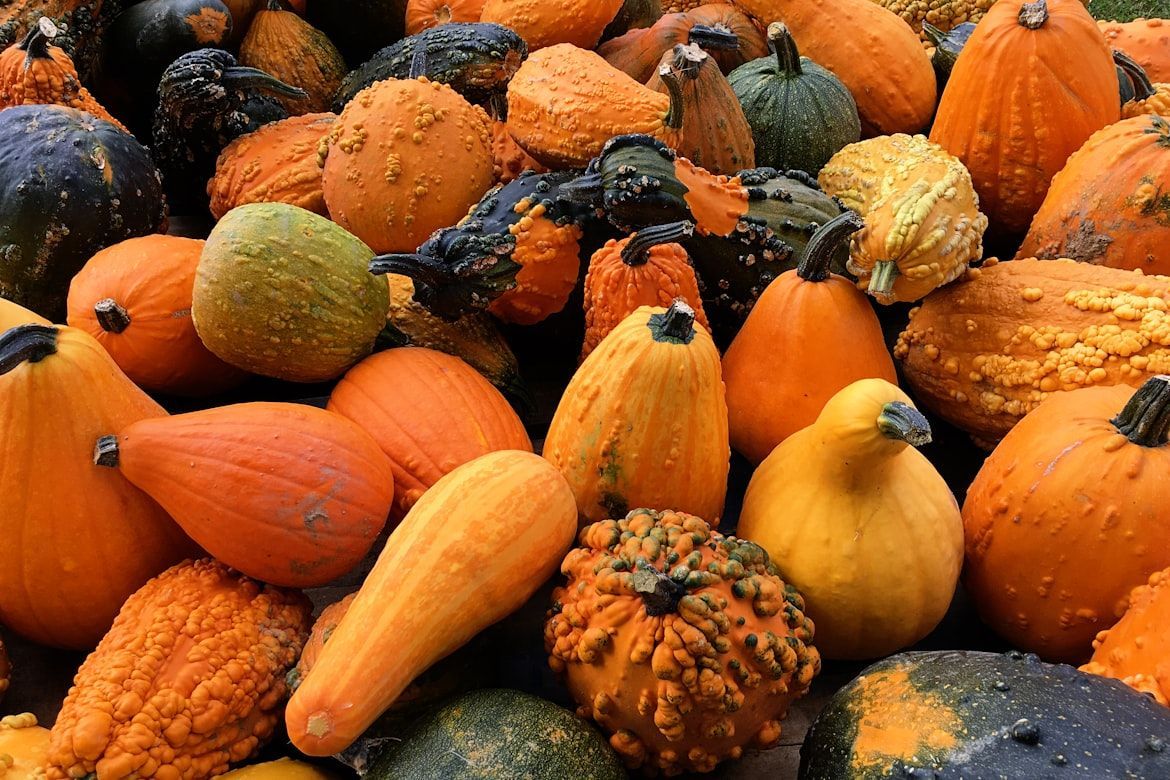
Squash

Image: Melanie Hughes

From Narragansett askutasquash , meaning "eaten raw or uncooked."

Squash was a foundational crop in the "Three Sisters" agricultural system alongside maize and beans. Europeans embraced the plant, retaining the Indigenous name.

9
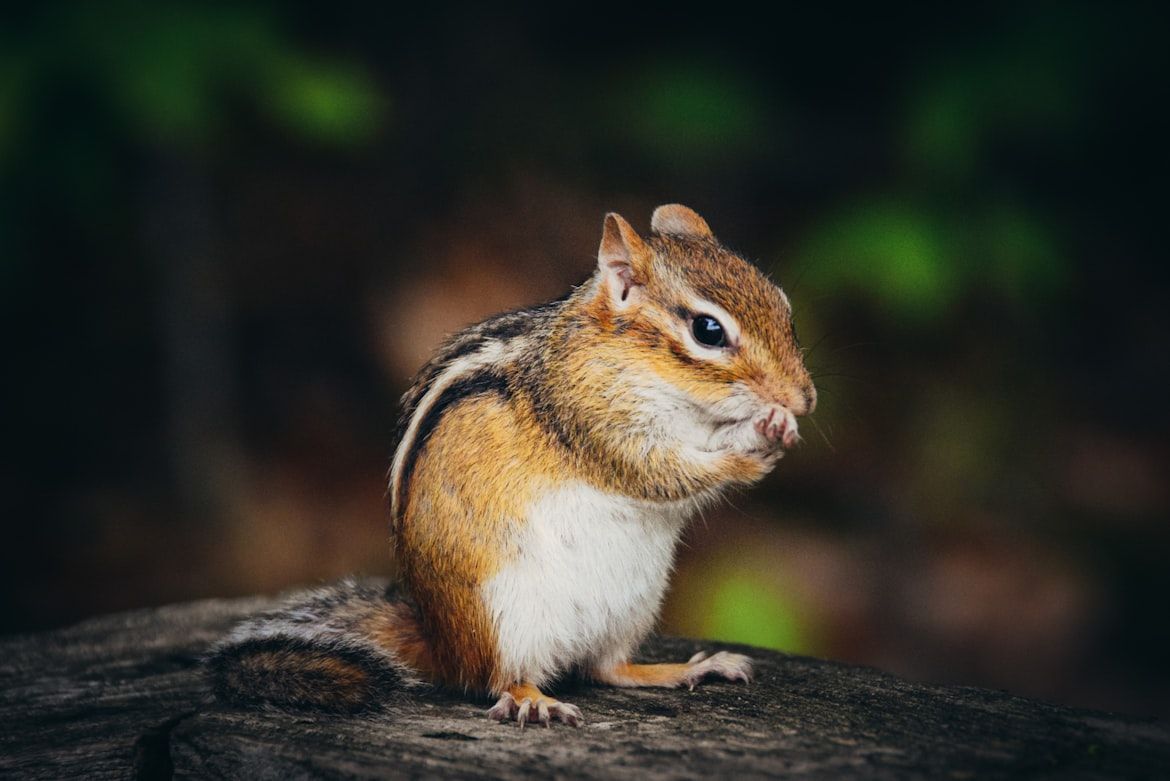
Chipmunk

Image: Annegret Kammer

From Ojibwe ajidamoo , meaning "one who descends trees headfirst."

Colonists adapted both the word and the animal’s name, preserving the Ojibwe reference. Today, chipmunks are iconic North American wildlife.

10
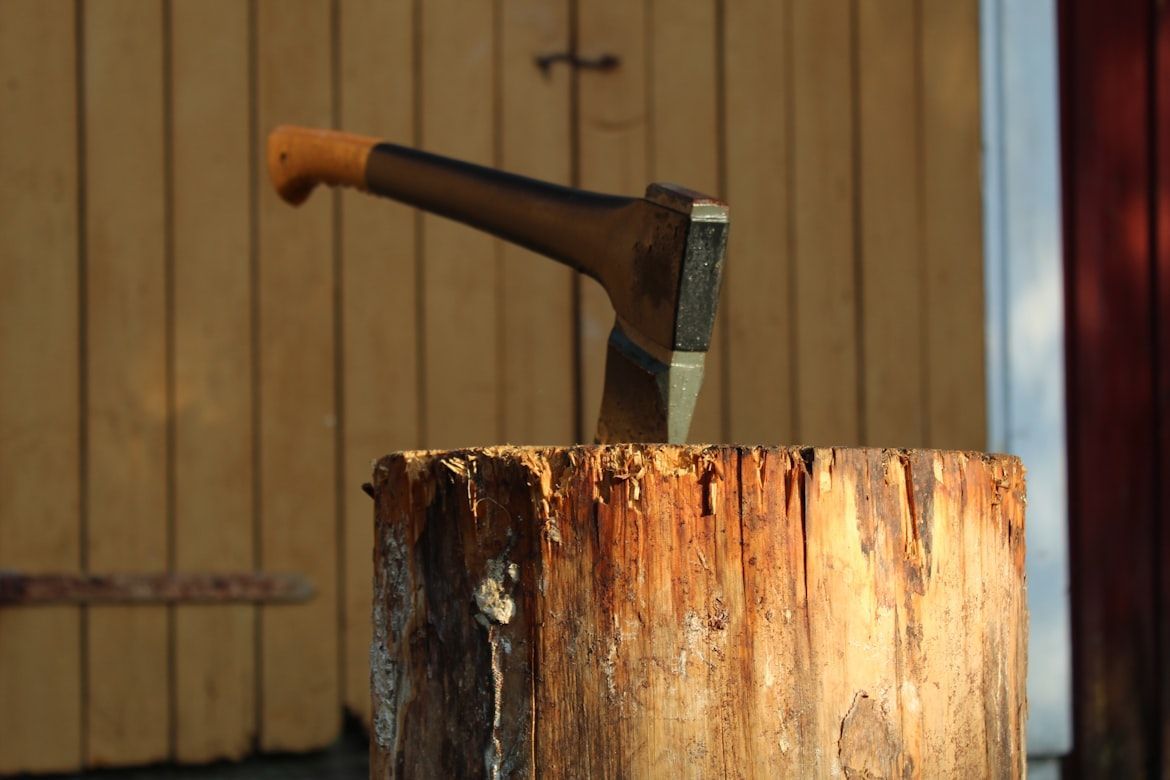
Tomahawk

Image: Anne Nygård

From Powhatan tamahak , describing a small axe used for hunting and combat.

European colonists adopted both the tool and the word, which became iconic in North American frontier history. Today, tomahawks are primarily ceremonial or sporting tools.

11
Coyote

Image: Dylan Ferreira

From Nahuatl coyotl , describing a canid known for its adaptability and cunning.

Coyotes thrive in both urban and rural environments. The word entered English through Spanish, reflecting both biological and cultural observation.

Explore more American facts

Choose your favorite category!

General
General

As American as apple pie—the very best America has to offer!

Culture
Culture

Delve into the astounding richness of American lore.

Geography
Geography

Hop in and explore vast and diverse American landscapes.

History
History

Discover the key moments that shaped the United States.