General General 5 min read

Historic castles across America worth visiting

Ten forgotten American castles you can explore
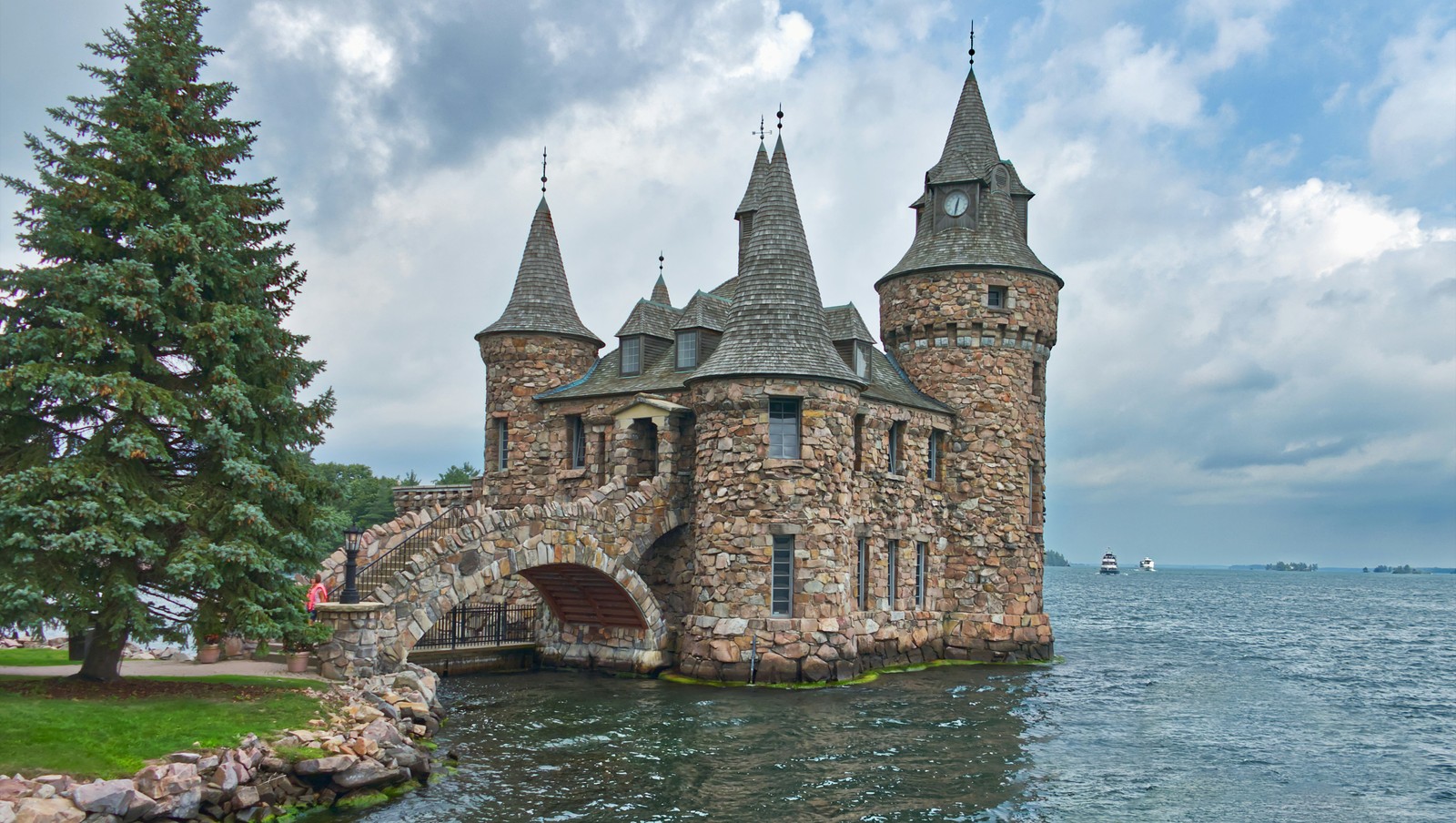
Image: Pascal Bernardon

America might not have medieval knights or dragon legends, but we've got castles—lots of them, actually . Built by eccentric millionaires, romantic dreamers, and people who apparently had too much money and not enough hobbies, these stone fortresses dot the landscape from coast to coast.

1
Bannerman Castle, New York
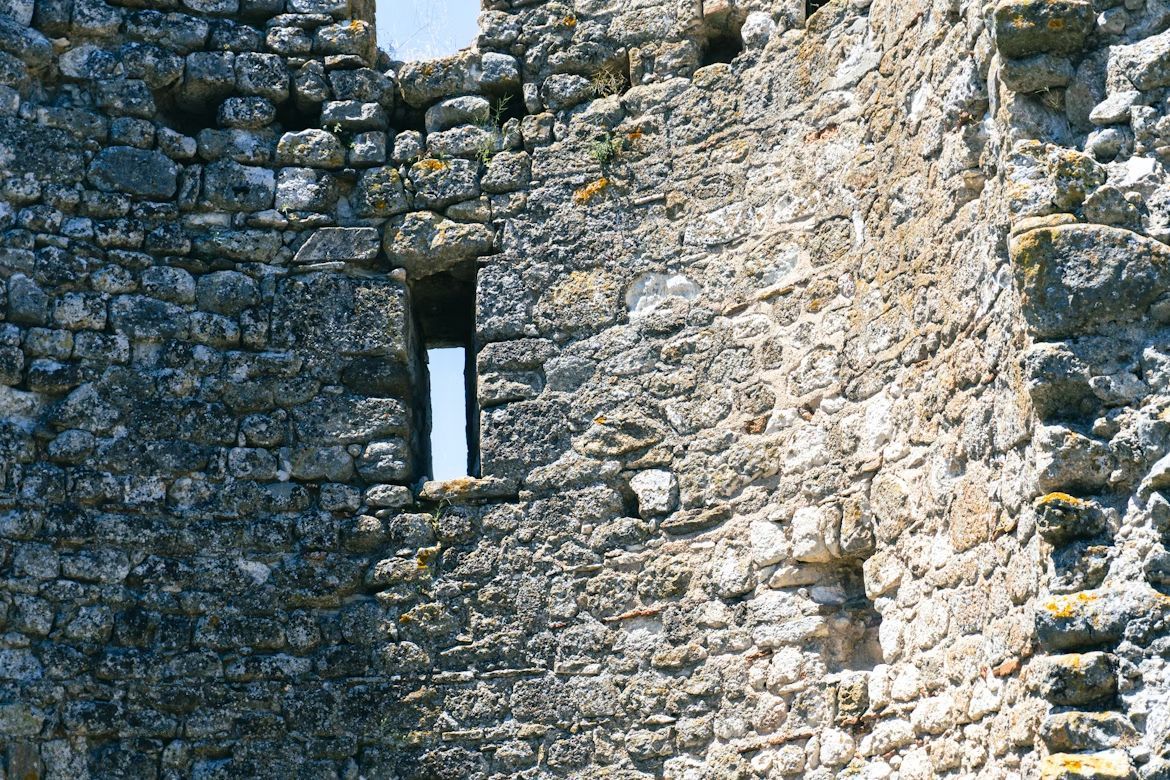
Image: Erim Berk Benli

This crumbling fortress sits on a tiny island in the Hudson River, looking like something straight out of a Gothic novel . Francis Bannerman VI built it in 1901 to store his surplus military weapons because, apparently, his wife refused to keep thousands of munitions in the basement anymore.

The castle partially exploded in 1920 when some gunpowder got a little too excited, and it's been slowly deteriorating ever since. You can kayak out to the island or take a boat tour to see the ruins up close, where nature is slowly reclaiming the stone walls in a beautiful, apocalyptic sort of way.

2
Fonthill Castle, Pennsylvania
Image: Leyla M

Henry Mercer built this concrete monstrosity between 1908 and 1912. The guy was obsessed with tiles and built his castle as a showcase for his handmade ceramic collection , resulting in 44 rooms, 32 stairwells, and 18 fireplaces.

The castle has no blueprints because Mercer apparently just made it up as he went along, adding rooms and towers whenever the mood struck.

3
Gillette Castle, Connecticut
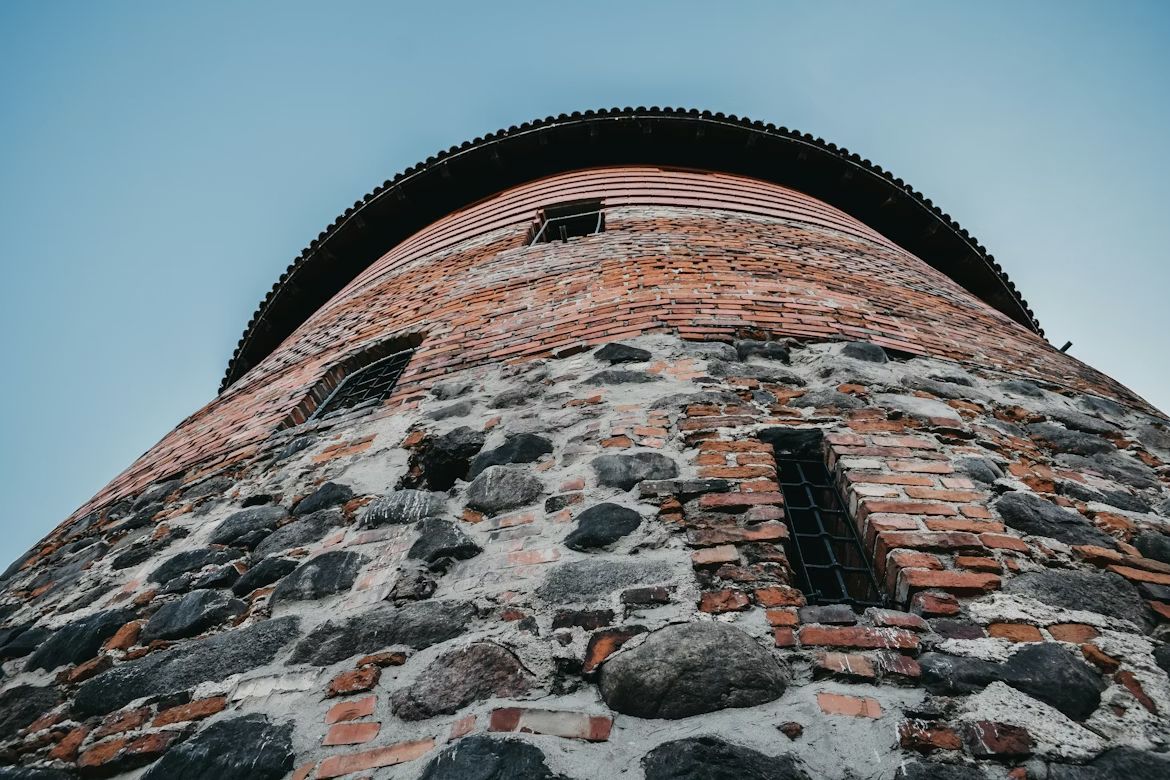
Image: Darya Tryfanava

William Gillette, famous for playing Sherlock Holmes on stage, built this eccentric castle in the 1910s and filled it with spy mirrors, secret doors, and wooden locks he carved himself . The place looks like someone dropped a medieval fortress into a blender with a detective novel.

The castle has 47 doors, none of which work like normal doors should, because Gillette apparently thought regular doorknobs were for boring people. Now it's a state park where you can wander through rooms designed by someone who clearly never met a quirk he didn't like.

4
Boldt Castle, New York
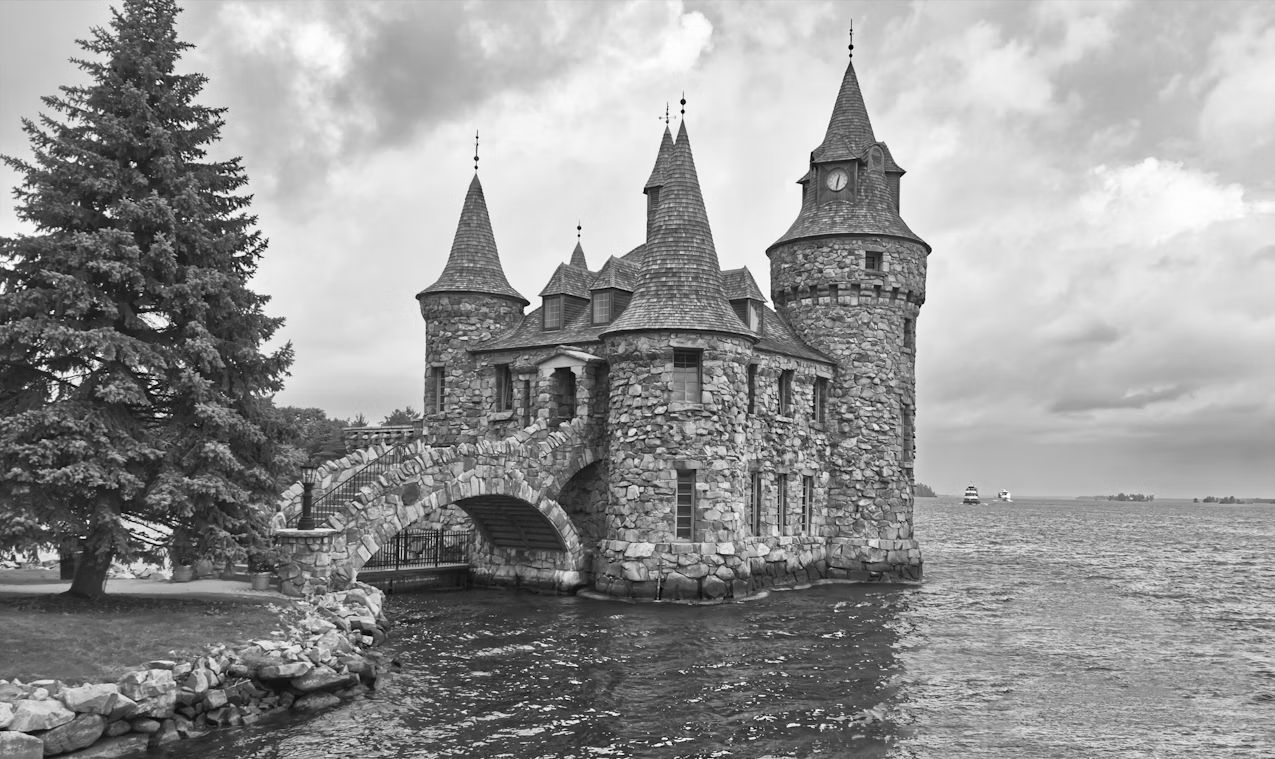
Image: Pascal Bernardon

George Boldt started building this Rhineland-style castle in 1900 as a Valentine's Day gift for his wife Louise . Then she died suddenly in 1904, and he immediately halted construction and never returned, leaving behind a monument to heartbreak on Heart Island in the Thousand Islands.

The castle sat abandoned for 73 years until the Thousand Islands Bridge Authority took it over and began restoration. Today you can visit via ferry and explore the grand halls, the powerhouse, and the perfectly intact bowling alley.

5
Castello di Amorosa, California
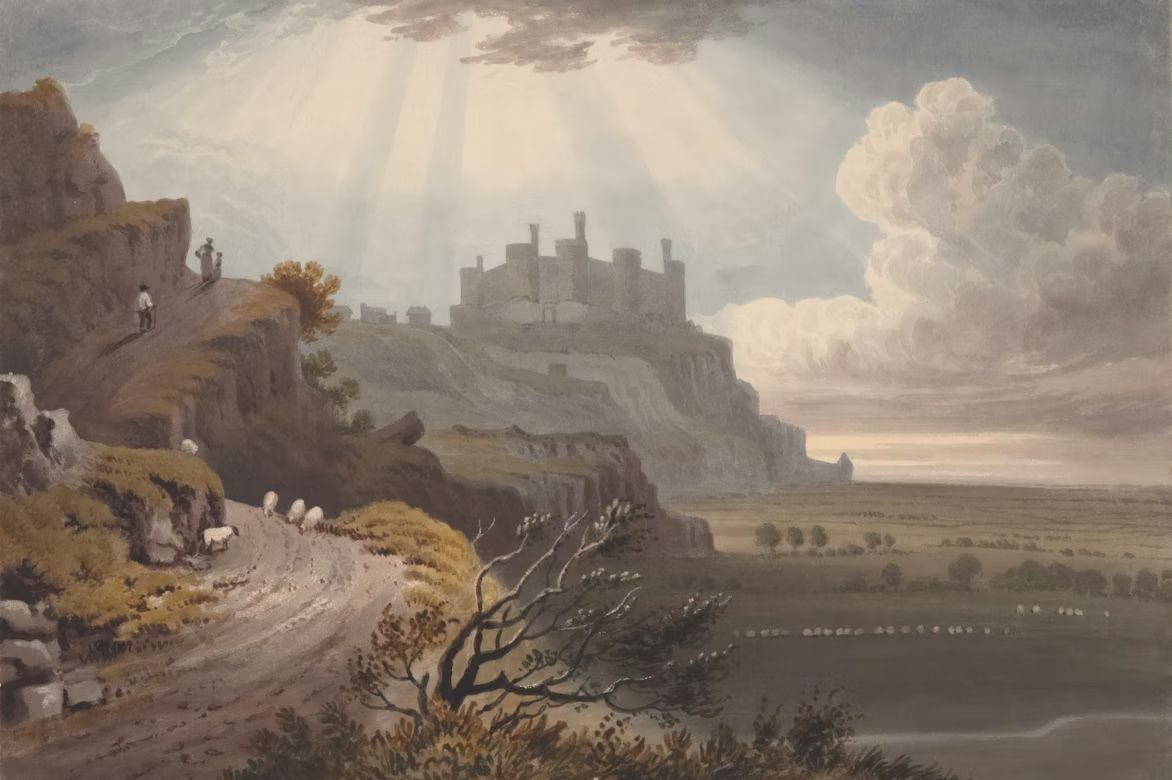
Image: Museum of New Zealand Te Papa Tongarewa

This one's a bit of a cheat since it was built in 2007, but it's so ridiculously authentic that it deserves a spot . Winemaker Dario Sattui spent 14 years and $40 million building a 13th-century Tuscan castle in Napa Valley, complete with a moat, drawbridge, and torture chamber, because apparently wine tastings needed more medieval flair.

The castle used 8,000 tons of hand-chiseled stone and over a million antique bricks imported from Europe. You can tour the dungeons, great hall, and of course, taste wine in a setting that makes you feel like you should be wearing chainmail instead of your Costco polo shirt.

6
Belvedere Castle, New York
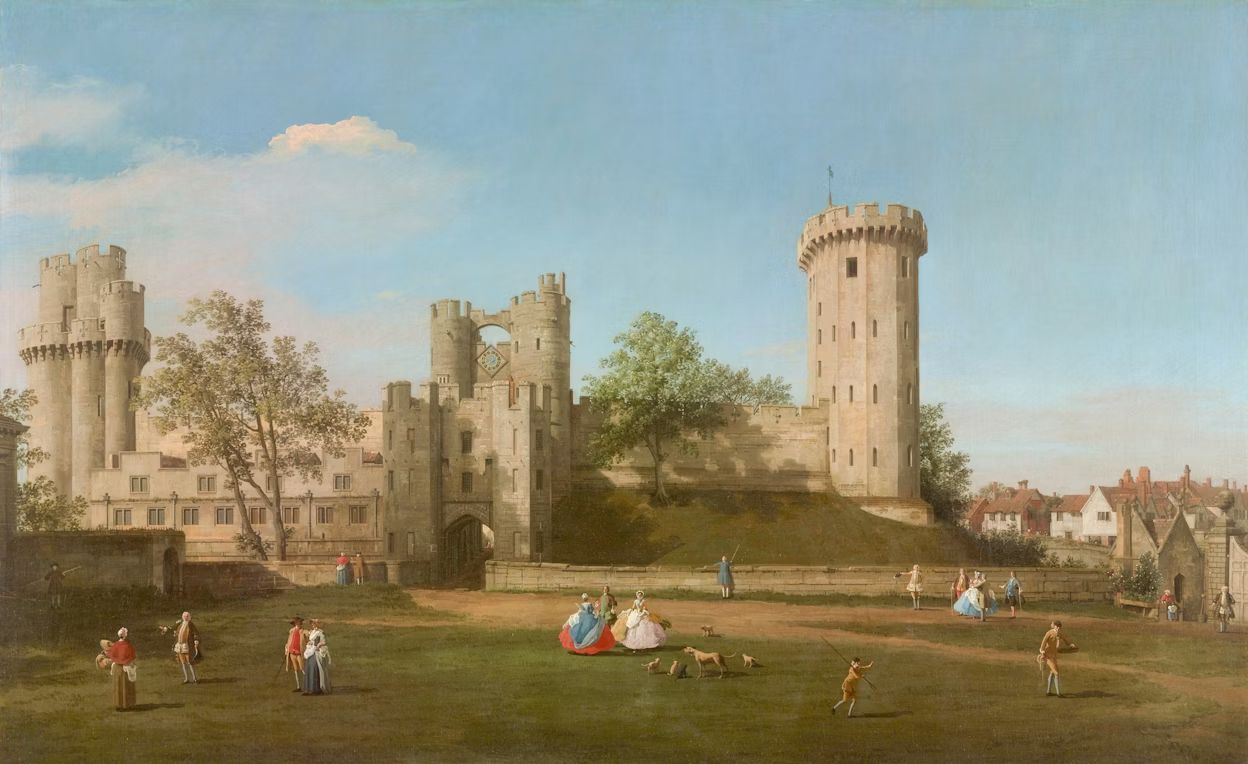
Image: Birmingham Museum Trust

Perched on Vista Rock in Central Park, this miniature castle was built in 1869 as a Victorian folly —basically an expensive decoration that serves no practical purpose. It's now home to the Henry Luce Nature Observatory and offers panoramic views of the park, which is considerably more useful than its original job of just looking pretty.

The castle got a major renovation in the 1980s after decades of neglect left it looking more "haunted" than "enchanting." Today it's one of Central Park's most popular spots.

7
Bishop Castle, Colorado
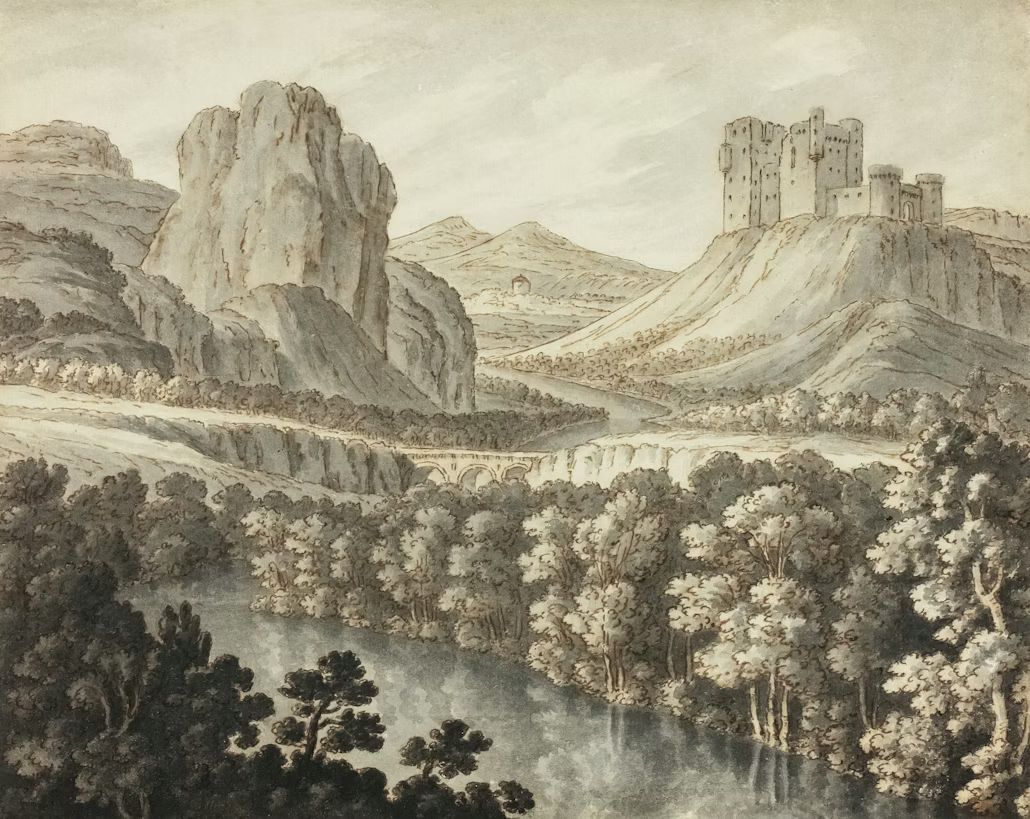
Image: Art Institute of Chicago

Jim Bishop started building this castle by himself in 1969 and worked on it for over 55 years until his death in 2024 . The hand-built stone structure rises 160 feet into the Colorado sky and includes towers, walkways, and a dragon that breathes actual fire—all constructed by one incredibly dedicated (and possibly slightly unhinged) man.

There are no railings on many of the precarious walkways because Bishop didn't believe in them. Admission is still free, though you might want to update your will before climbing to the top of the tallest tower, where the views are spectacular, and the safety regulations remain charmingly absent.

8
Searles Castle, Massachusetts
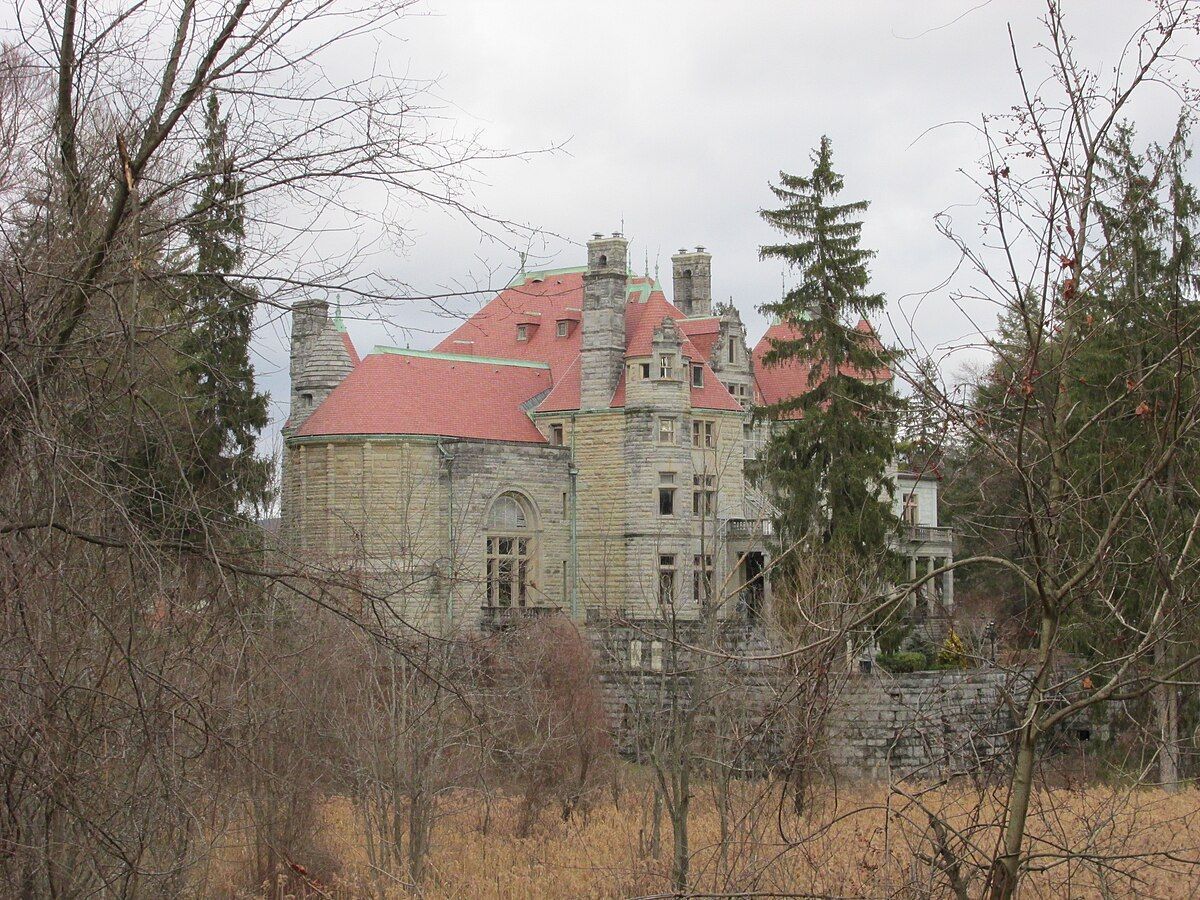
Image: John Phelan

Edward Searles built this castle in 1888 in Great Barrington, Massachusetts, creating a 40-room mansion that combined Romanesque and Gothic styles into something that can only be described as "aggressively architectural." The castle features stained glass windows, carved woodwork, and enough turrets to repel a small army.

After changing hands several times, the castle is now home to the John Dewey Academy. You can't tour the interior since it's a school, but you can admire the exterior and imagine what it's like to do algebra homework in a building that looks like it should contain dragons.

9
Kip's Castle, New Jersey
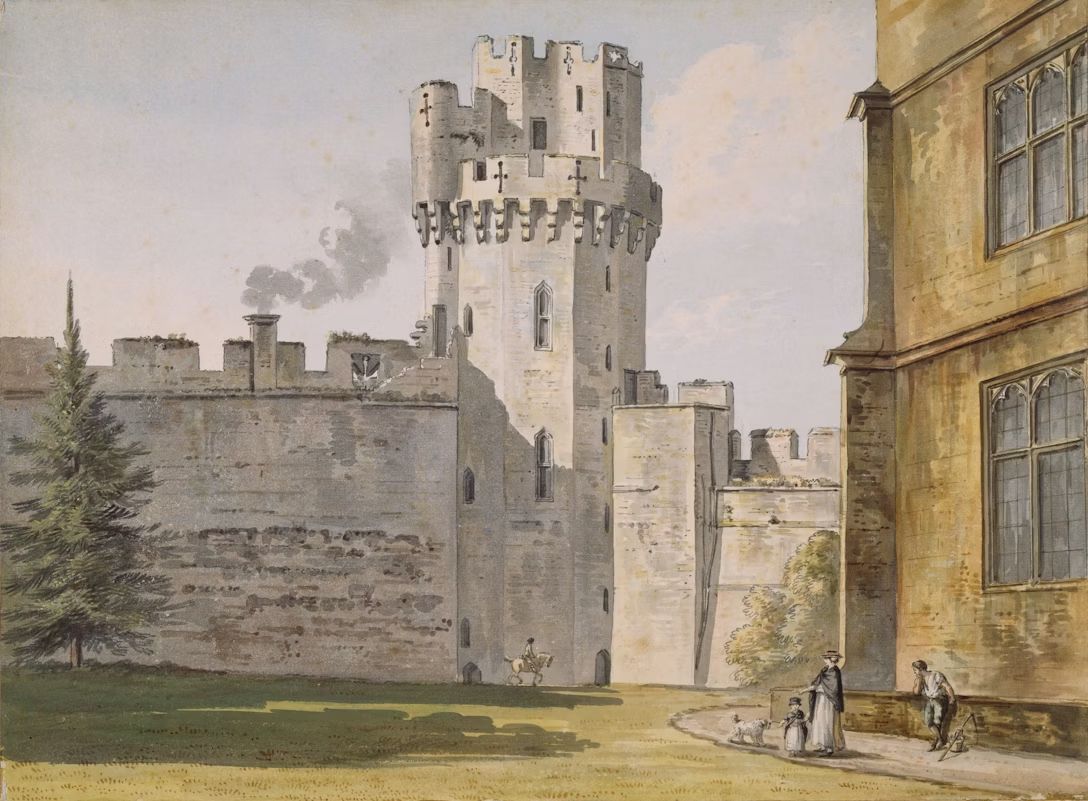
Image: Birmingham Museum Trust

This English Tudor-style castle was built in 1902 by textile businessman Frederic Kip on a mountain in Montclair . The castle features towers, battlements, and spectacular views of Manhattan, proving that even early 1900s commuters wanted homes with dramatic flair and manageable drive times.

The castle has been through various owners and purposes, including a brief stint as a Prohibition-era speakeasy, because apparently nothing says "secret illegal bar" like a castle. Today it's used for private events, but the grounds are part of a county park where you can hike around and pretend you're visiting distant relatives who happen to be slightly eccentric nobility.

10
Chateau Laroche (Loveland Castle), Ohio
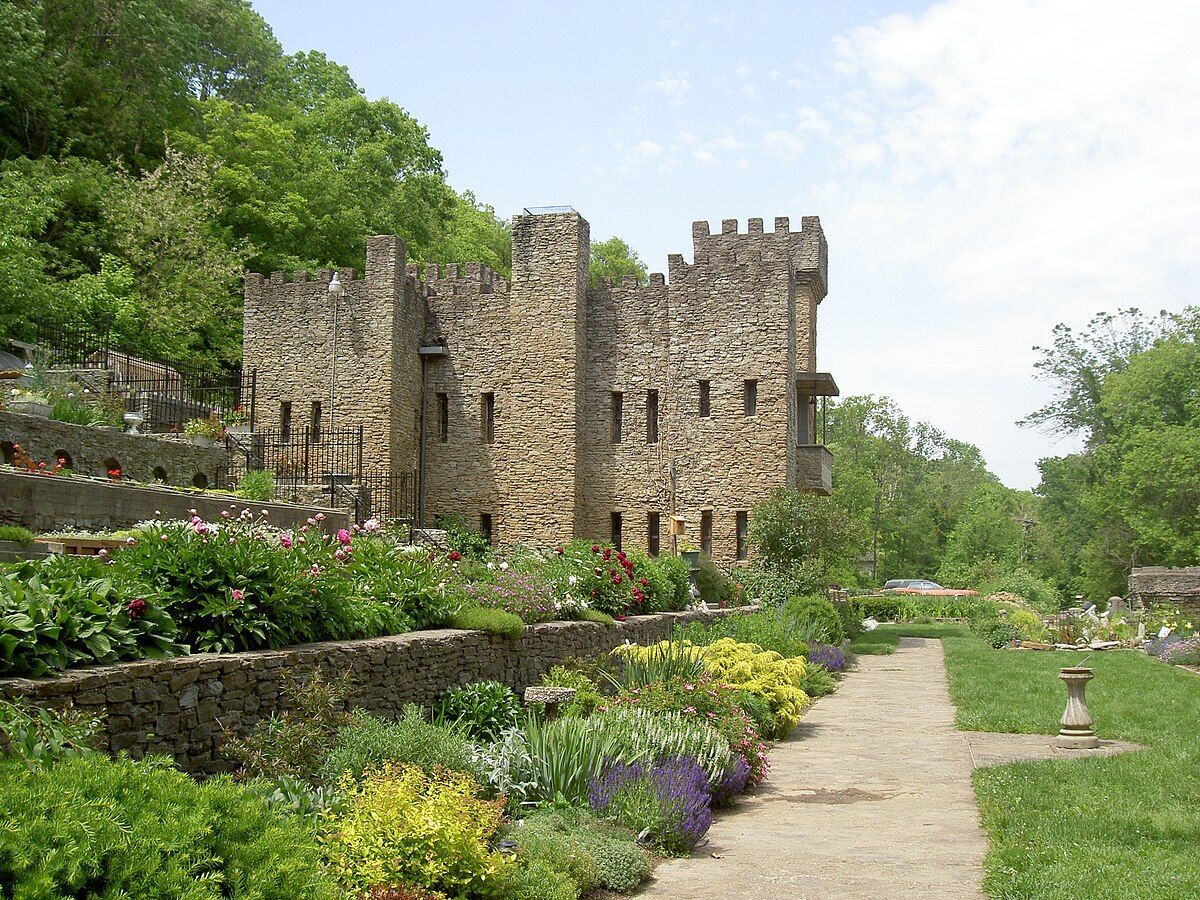
Image: ConlonTT

Harry Andrews started building this medieval castle in 1929 using stones from the Little Miami River , spending over 50 years creating his dream fortress. Andrews was inspired by his time in Europe during World War I and decided Ohio needed more castles, which is hard to argue with.

He built most of it himself using ancient techniques, including a primitive pulley system and sheer determination. Today, the castle is maintained by the Knights of the Golden Trail, a Boy Scout-like organization Andrews founded. You can tour the castle for a few bucks and marvel at what one man with too much time and enough river rocks can accomplish.

Culture Culture 5 min read

Let’s hit the road: The 12 most iconic cars in film history

Image: dhans360

In the world of movies, a car can be much more than just a ride: it can be a star in its own right. Some roll onto the screen with such style and personality that they become as memorable as the actors behind the wheel. From gleaming convertibles to rumbling muscle cars, these unforgettable machines have carved out their well-deserved place in film history. Buckle up—here are 12 cars that earned both a standing ovation and a friendly honk.

1
Goldfinger: Aston Martin DB5

Image: Ulf Meyer

The ultimate Bond ride came dressed in silver-gray elegance, blending timeless style with secret-agent swagger. Beneath its polished curves, it packed a clever arsenal—hidden machine guns, retractable defenses, and even an ejector seat! Tipping the scales at roughly 3,300 pounds, it could push up to 145 miles per hour, a thrill worthy of 007 himself. And while that famous red eject button looked ready for action, it was all Hollywood magic—no villains actually took flight.

2
Ferris Bueller’s Day Off: Ferrari 250 GT California

Image: Joshua Koblin

Even though the Ferrari in John Hughes’ popular teen comedy, Ferris Bueller’s Day Off, was actually a replica —made to protect the real $250,000 classic from any on-set mishaps—it looked every bit as stunning as the genuine Italian beauty. With its smooth, elegant curves and that unmistakable engine roar, it captured the hearts of viewers and brought pure charm to the big screen. The Ferrari 250 GT California is as much a star as Ferris himself.

3
The Love Bug: Volkswagen Beetle

Image: kampfmonchichi

"Herbie" wasn’t just a car—he was a character with personality, spunk, and a soft spot for underdogs. Painted bright white with bold racing stripes and the unmistakable number 53, this little Volkswagen Beetle won hearts on and off the track. And here’s the charming part: no fancy computer wizardry brought him to life. Every wink, bounce, and "expression" you saw was pulled off with clever mechanics and old-school camera magic.

4
The Graduate: Alfa Romeo 1600 Duetto Spider

Image: emkanicepic

This bright red convertible became nearly as iconic as the tune "Mrs. Robinson" itself. Sleek, nimble, and full of charm, it could glide along the road at around 118 mph, turning heads wherever it went. More than just a prop, it became part of the film’s personality. And here’s a little nugget of trivia: before filming began, Dustin Hoffman had never driven a stick shift. Once he got the role, he had to master the art of shifting gears in record time, adding a dash of real-life nerves to those on-screen drives.

5
Bullitt: 1968 Ford Mustang GT 390

Image: Zhiqiang Wang

Steve McQueen and this dark green Mustang delivered pure cinematic thrills on the steep streets of San Francisco. The chase ran close to 10 full minutes—a rumbling, tire-squealing ballet that filmmakers have tried to imitate ever since. Under the hood, a growling V8 provided the muscle, while McQueen himself slid behind the wheel for many of the hair-raising maneuvers. Every jump, skid, and sharp corner helped cement it as one of cinema’s all-time great rides.

6
Ghostbusters: 1959 Cadillac Miller-Meteor

Image: voltamax

The Ghostbusters’ unforgettable Ecto-1 was based on a 1959 Cadillac Miller-Meteor ambulance/hearse. For the movie, it was transformed into a quirky, gadget-covered ghost-chasing machine, complete with flashing lights, sirens, and a roof stacked with mysterious equipment. This Cadillac became as much a character as the crew itself. Its over-the-top look made it instantly recognizable and turned it into a pop culture legend.

7
Back to the Future: DeLorean DMC-12

Image: Joel Muniz

With its brushed stainless steel body and those dramatic gull-wing doors that unfolded like a bird in flight, the DeLorean already looked futuristic before the time-travel magic began. On screen, it came equipped with the now-legendary "flux capacitor," a gizmo that, sadly, was pure movie magic. Even so, the rules of the story were clear; if you wanted to bend the laws of time, you had to floor it to exactly 88 mph. And yes, fans still quote that number like gospel.

8
Smokey and the Bandit: 1977 Pontiac Trans Am

Image: Photogon (Warren Valentine)

Burt Reynolds and that sleek black Trans Am—complete with the glittering golden firebird splashed across its hood—were a match made in movie heaven. With a top speed around 110 mph, it wasn’t just for show; this car had the muscle to back up its attitude. The stunt work was just as daring as it looked, with jaw-dropping jumps that thrilled audiences. Of course, the landings weren’t always smooth—more than a few Trans Ams met their end for the sake of those unforgettable scenes!

9
The Spy Who Loved Me : Lotus Esprit Series I

Image: Andras Stefuca

In the 1970s, more sleek, wedge-shaped sports cars replaced the curvy styles of earlier years. Cars like the Lancia Stratos and Lamborghini Countach changed the game with their sharp, futuristic look. Following that trend, Roger Moore slid behind the wheel of a white Lotus Esprit Series I in The Spy Who Loved Me . But what people remember the most about it is when Bond drives it straight into the sea, where it morphs into a fully equipped submarine! Fins and stabilizers pop out as it glides underwater, then it drives back onto the beach, leaving onlookers truly amazed.

10
The Italian Job: Mini Cooper S 1275

Image: Alex P

Compact, nimble, and unmistakably British, the Mini Coopers in The Italian Job didn’t just drive—they darted. On screen, they bounced down staircases, squeezed through narrow alleys, and even sped through tunnels like they were built for it. The funny part? British Motor Corporation wanted nothing to do with the film, so the production had to buy 36 cars outright. And here’s a bit of trivia to impress your friends: despite being the star, Michael Caine never once drives any of the Minis in the movie .

11
Vanishing Point: 1970 Dodge Challenger R/T

Image: Jonathan Nabais

This powerful white muscle car tore through the roads from Denver to San Francisco, racing against the clock. Weighing roughly 3,800 pounds, it packed a mighty HEMI engine under the hood—enough raw power to leave most challengers in the dust. With speed, grit, and sheer determination, it pushed the limits, turning the journey into one thrilling, high-octane ride to remember.

12
Batman: Lincoln Futura

Image: Bull-Doser, Public domain, via Wikimedia Commons

Before it became the legendary Batmobile we all know, this 19-foot futuristic prototype was showing off its sleek lines at auto shows. Then, in just 15 days, American designer and builder of Hollywood custom cars, George Barris, worked his magic. He added those unforgettable fins, jet engines, and clever gadgets that turned the Lincoln Futura into a TV icon. What began as a simple concept became one of the most recognizable cars in television history.

Geography Geography 3 min read

Pushing the limits

From deadly heat to brutal cold: 10 most extreme places in the U.S.

Image: Micaela Parente

The United States is home to some of the most extreme landscapes on Earth. From the hottest deserts to the coldest tundras, America’s diverse geography pushes the limits of nature. Each of these places holds a record for being the highest, lowest, or most intense in some way—whether by temperature, elevation, or sheer remoteness. Buckle up as we take you on a journey through the most extreme places in the U.S., listed in the order they were first explored or recorded.

1
Northern frontier

Image: UC Berkeley, Department of Geography

Location: Point Barrow, AK

Point Barrow, the northernmost point in the U.S., was first explored by Europeans in 1826. Sitting at 71°23′N, it endures long, brutal winters with near-constant darkness.

Winter temperatures drop below -50°F, and the sea remains frozen for much of the year. Despite the conditions, native Iñupiat communities have thrived here for centuries. Today, it remains a key site for Arctic research.

2
Lowest land

Image: Karsten Winegeart

Location: Badwater Basin, CA

First documented in the mid-1800s, Badwater Basin in Death Valley is the lowest point in North America at 282 feet below sea level. It was named after a surveyor’s horse that refused to drink the salty water.

The basin’s extreme location means temperatures here frequently top 130°F in summer. Salt flats stretch for miles, remnants of an ancient lake that dried up thousands of years ago.

3
Hottest spot

Image: Pablo García Saldaña

Location: Furnace Creek, CA

On July 10, 1913, Furnace Creek recorded 134°F, the highest temperature ever measured on Earth. This Death Valley outpost still holds the title for the hottest inhabited place in the U.S.

Despite the heat, Furnace Creek has a permanent population and even a golf course, making it one of the strangest places where people manage to live. The area’s extreme conditions attract researchers studying heat endurance.

4
Coldest cold

Location: Prospect Creek, AK

Alaska’s Prospect Creek hit -80°F in 1971, the lowest temperature ever recorded in the U.S. Originally an outpost for pipeline workers, it’s now abandoned due to its brutal winters.

At this temperature, exposed skin can freeze in seconds, and vehicles must run continuously to avoid freezing. The area sees only a few hours of daylight in winter, making survival nearly impossible without proper equipment.

5
Windiest place

Image: Dan Meyers

Location: Mount Washington, NH

Mount Washington holds the record for the fastest surface wind speed ever recorded outside a tornado: 231 mph, measured in 1934. This New Hampshire peak is notorious for its deadly weather.

Though just 6,288 feet tall, its location at the convergence of several storm systems makes it feel like the roof of the world. Hikers often face hurricane-force winds, whiteouts, and below-zero temperatures even in summer.

6
Wettest town

Image: Martin Zangerl

Location: Kukui, HI

Kukui, on the Hawaiian island of Kauai, receives an average of 460 inches of rain annually. In 1982, it saw a staggering 683 inches, making it one of the wettest places on Earth.

The rain feeds lush tropical forests and countless waterfalls, but the steep terrain means flash floods are a constant danger. Despite its beauty, the relentless downpours make long-term settlement nearly impossible.

7
Deepest cave

Image: Joshua Sortino

Location: Lechuguilla Cave, NM

Discovered in 1986, Lechuguilla Cave is the deepest in the U.S., plunging 1,604 feet below New Mexico’s surface. It remained hidden for centuries due to its small, concealed entrance.

Its vast chambers contain formations found nowhere else on Earth, including giant gypsum chandeliers. Access is restricted to scientists, as the cave’s unique ecosystem is still being studied.

8
Largest volcano

Image: Sherry Jiang

Location: Mauna Loa, HI

Mauna Loa is the world’s largest volcano, covering half of Hawaii’s Big Island. It last erupted in 2022, continuing a pattern of activity dating back over 700,000 years.

Rising 33,500 feet from the ocean floor, Mauna Loa dwarfs even Everest when measured from base to peak. Its slow-moving lava flows have repeatedly reshaped the island’s landscape.

9
Deepest lake

Image: Jeff Hopper

Location: Crater Lake, OR

Formed by a collapsed volcano 7,700 years ago, Crater Lake is the deepest in the U.S. at 1,949 feet. Its intense blue waters come from rain and snowmelt, with no rivers flowing in or out.

The lake’s purity allows sunlight to penetrate to great depths, creating an otherworldly glow. Among its many wonders, the submerged "Old Man of the Lake," a floating log, has been drifting in its waters for over a century.

10
Most remote

Image: Harrison Hargrave

Location: Yellowstone Thorofare, WY

The Yellowstone Thorofare, 32 miles from the nearest road, is the most remote place in the Lower 48. It remains nearly unchanged since its first mapping in the 19th century.

Even experienced hikers struggle here, as grizzly bears, sudden storms, and subzero temperatures make survival difficult. This untouched wilderness offers a rare glimpse of what America once was.

Explore more American facts

Choose your favorite category!

General
General

As American as apple pie—the very best America has to offer!

Culture
Culture

Delve into the astounding richness of American lore.

Geography
Geography

Hop in and explore vast and diverse American landscapes.

History
History

Discover the key moments that shaped the United States.