Culture Culture 2 min read

Take a stroll through America’s most unforgettable rivalries
Image: Tim Mossholder

Some rivalries are so woven into American life that just hearing the names brings back a memory or two. Sports, politics, soda bottles, even cartoon characters and major film studios have gone head-to-head for generations. Do you think you know them all? Keep reading and see (but no favorites over here!)

1
Yankees vs. Red Sox
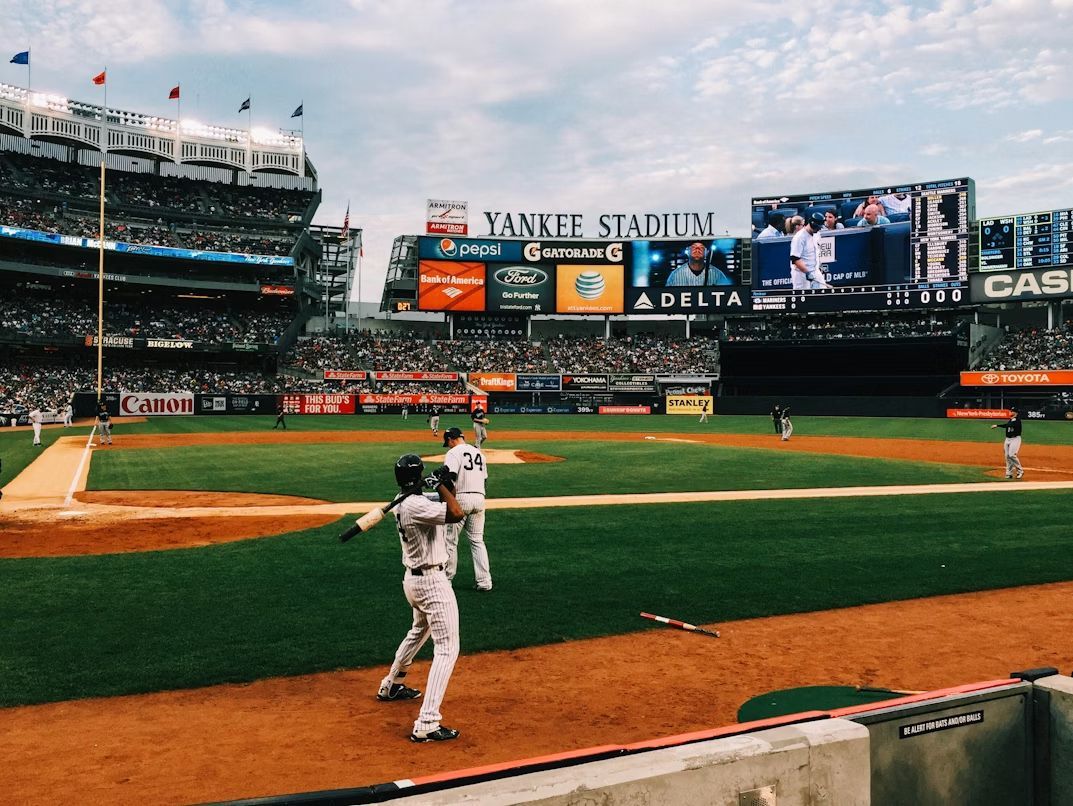
Image: Chanan Greenblatt

This feud has colored baseball for more than a century. The teams clashed often in the early 1900s, and the sale of Babe Ruth to New York only fanned the flames. Generations of fans have passed down the lore, and every game still feels like a chapter in a never-ending story.

2
Coca-Cola vs. Pepsi
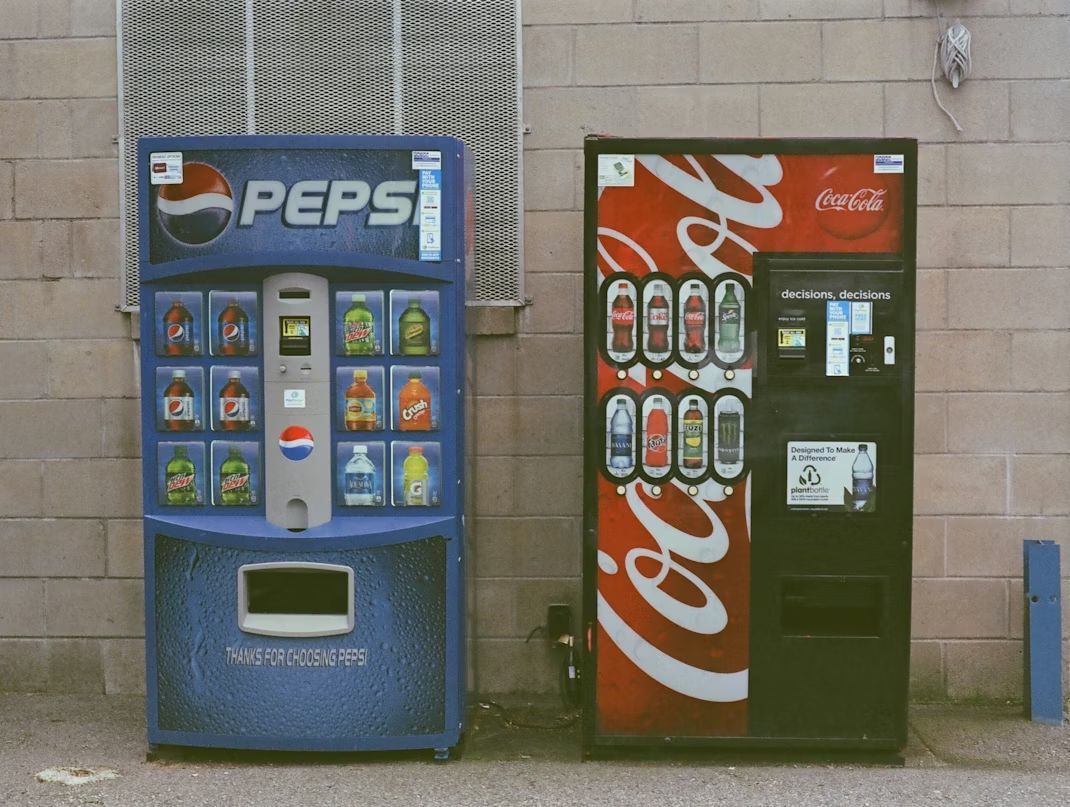
Image: Nik A.

The "Cola Wars" picked up steam in the late 20th century with taste tests, jingles, and flashy commercials. Each brand tried to outdo the other in ads and sponsorships. Many households still swear one tastes better, even if most folks can barely tell the difference in a blind sip.

3
Lakers vs. Celtics
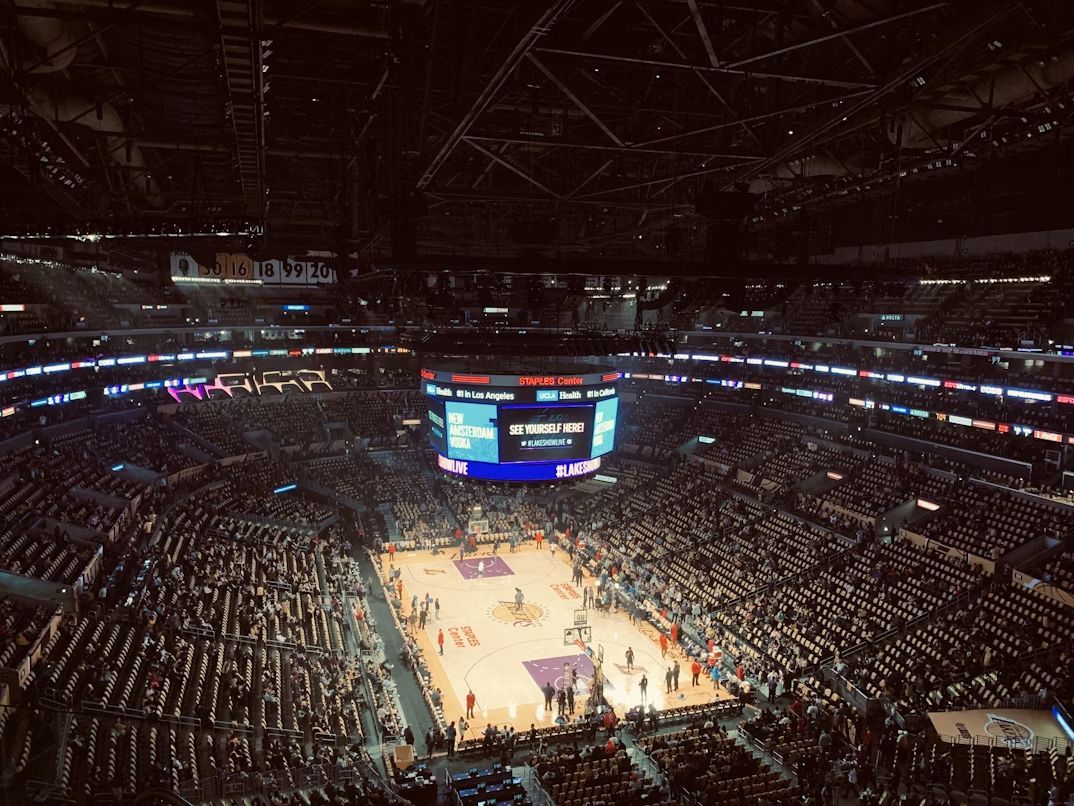
Image: Tim Hart

When basketball fans talk about greatness, these two names pop up right away. Their battles in the 60s, 80s, and 2000s created unforgettable moments. From Magic and Bird to Kobe and Garnett, each era brought its own flavor. Even non-fans recognize the spark between these teams.

4
Democrats vs. Republicans
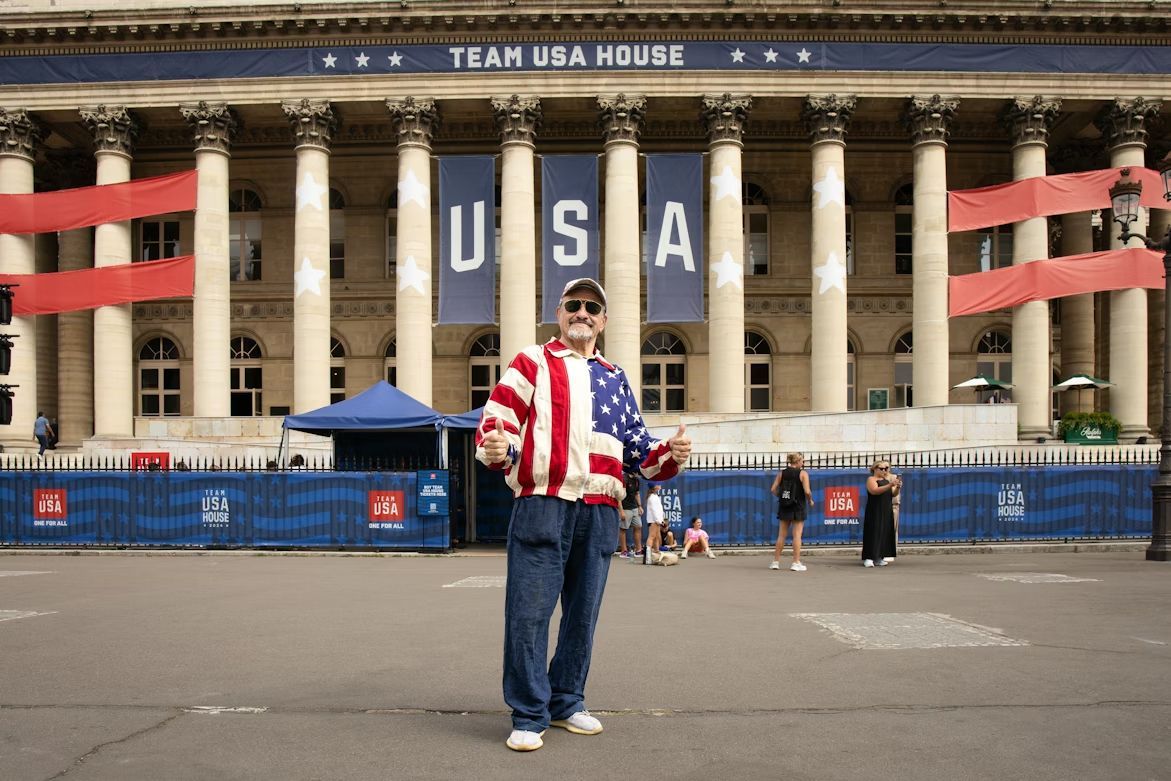
Image: Bruno Ngarukiye

The nation’s two major parties have been sparring since the mid-1800s. Their disagreements shape elections, public debates, and dinner conversations across the country. While their views often pull in different directions, both sides trace their roots deep into American history.

5
Michigan vs. Ohio State
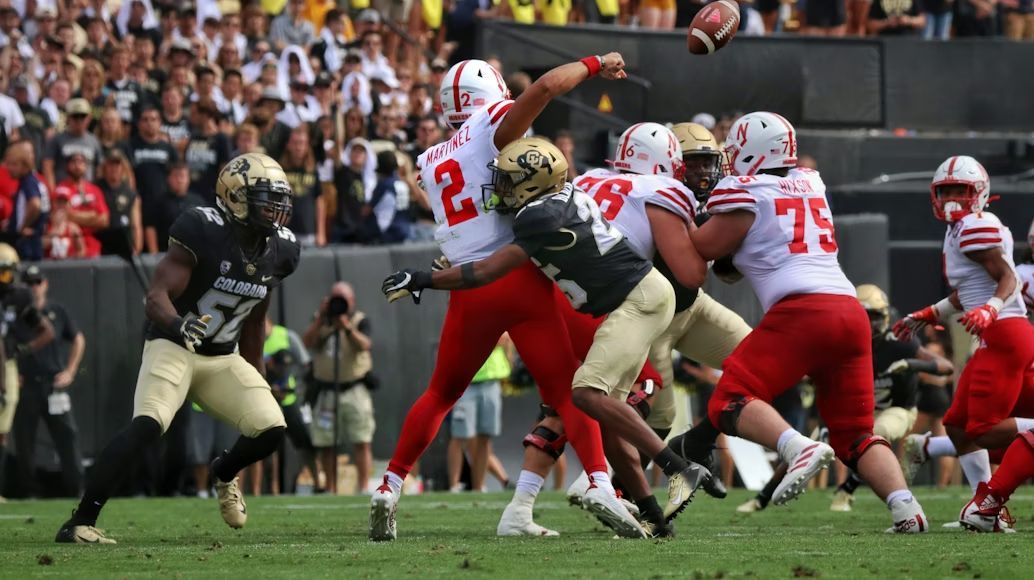
Image: Jakob Rosen

College football’s "The Game" is a yearly event that can tilt an entire season. Families in the Midwest grow up picking a side before they can spell the names. The rivalry took shape in the late 1800s and still ends with dramatic finishes, loud crowds, and plenty of bragging rights.

6
Mickey Mouse vs. Bugs Bunny
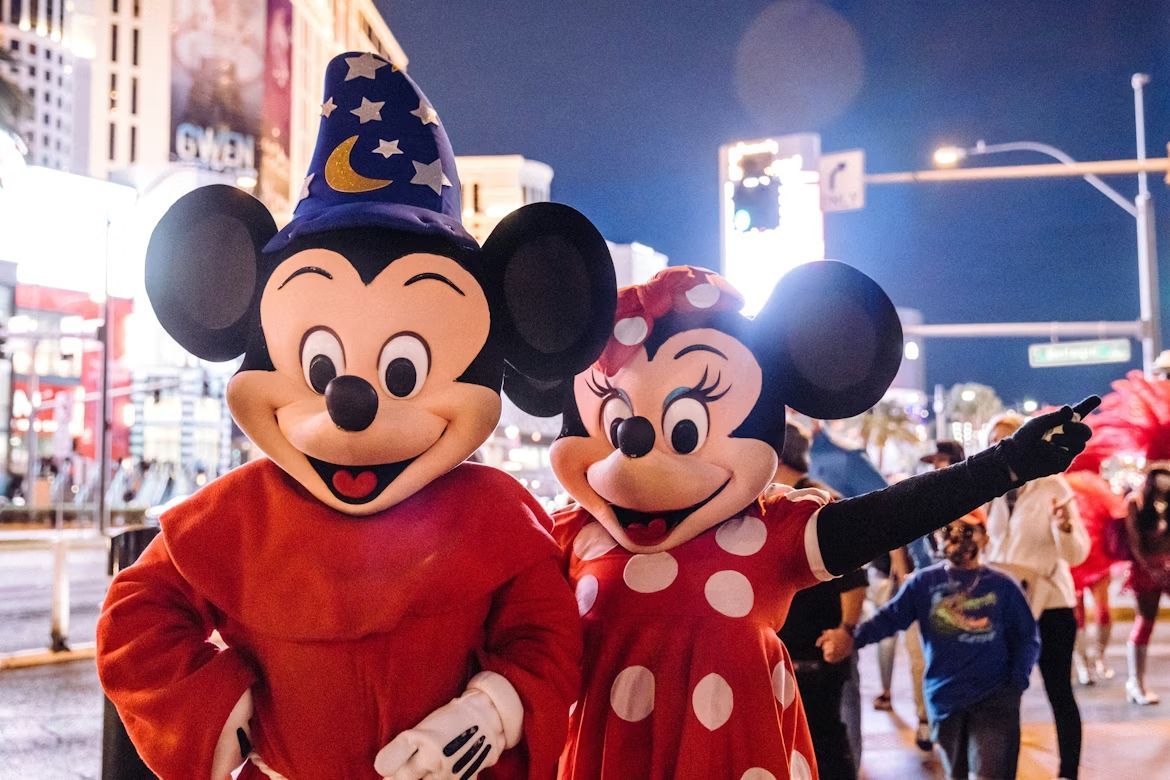
Image: steven lozano

Disney and Warner Bros. shaped our childhood. Mickey brought gentle charm while Bugs introduced quick wit and a wink at the audience. Their studios battled for box office success, theme park magic, and Saturday morning loyalties, giving generations a favorite to root for.

7
Duke vs. North Carolina
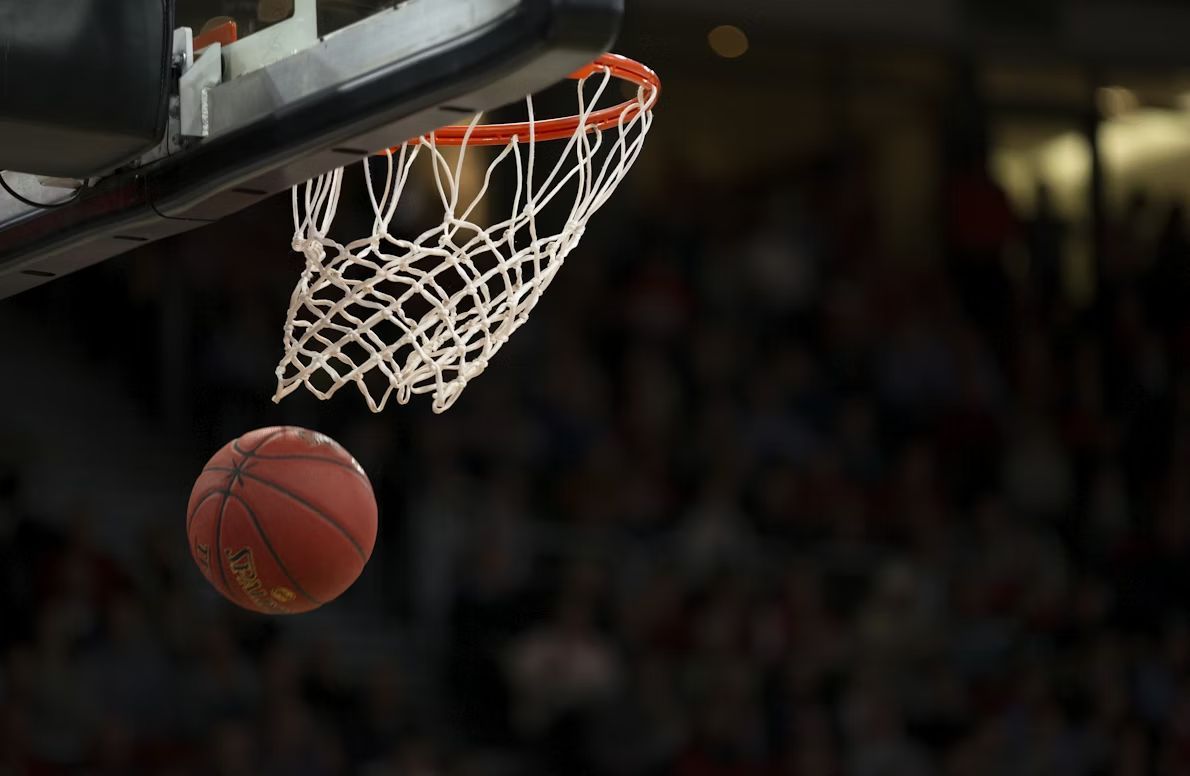
Image: Markus Spiske

Just eight miles separate the schools, and that short drive holds decades of college basketball tension. Their first meeting was back in 1920, and each season brings new storylines. The noise inside their arenas can practically shake the floor when these two square off.

8
Giants vs. Dodgers
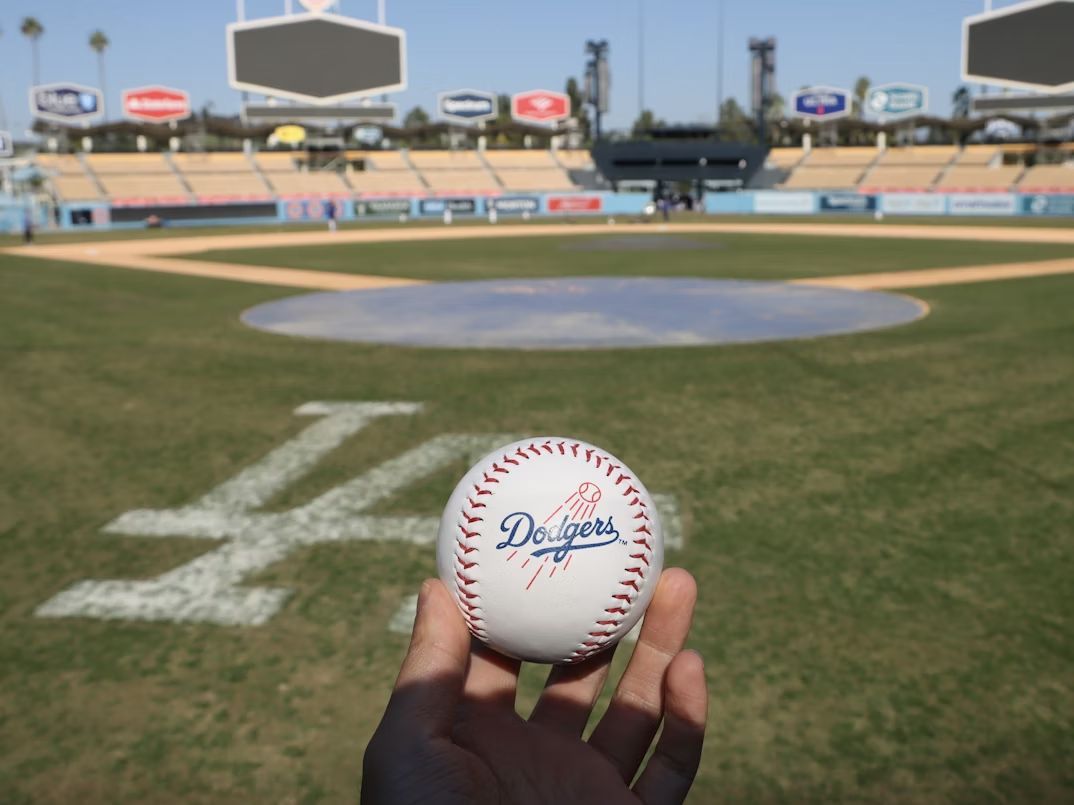
Image: Hongbin

This rivalry began in New York before both teams headed west in the 1950s. The move did not cool things down one bit. Whether in Brooklyn and Manhattan or Los Angeles and San Francisco, these clubs have carried the same competitive spark for well over a hundred years.

9
Hamilton vs. Jefferson

Image: Sudan Ouyang

These two founding figures clashed over just about everything. Hamilton leaned toward strong federal power while Jefferson preferred a lighter touch from the central government. Their debates set the stage for questions that still guide the country’s political landscape.

10
Marvel vs. DC
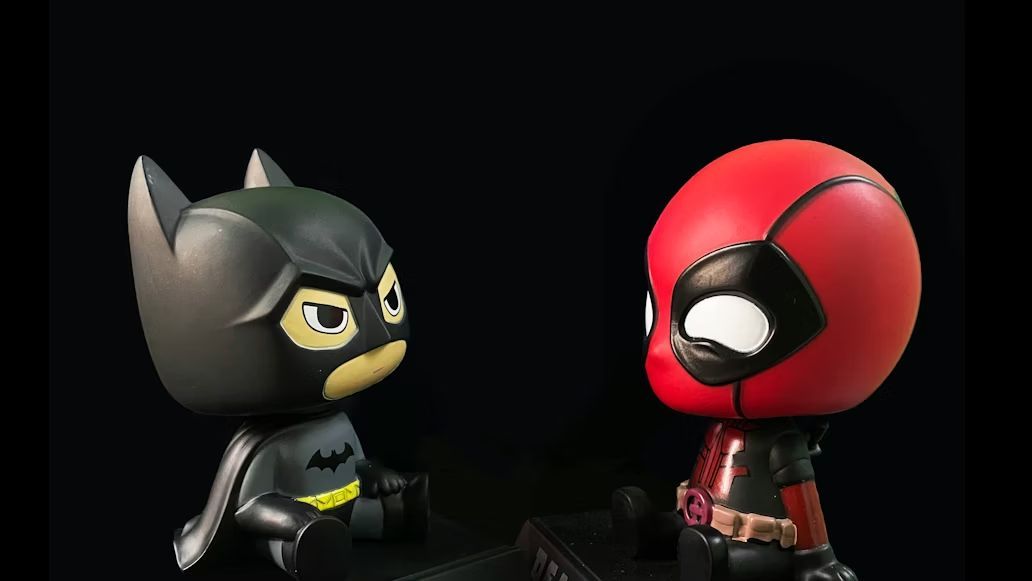
Image: Rachit Khurana

Comic book fans have compared these two universes for generations. Marvel’s heroes often feel grounded and human, while DC characters carry mythic, larger-than-life qualities. Their films, shows, and comics compete for audiences who proudly cheer for their chosen side.

General General 4 min read

Behind the scenes

Can you really buy an Oscar for a dollar? Little-known facts about awards

Image: RDNE Stock project

America must really love handing out awards if we have a full season devoted to it. You’ve watched it on your TV a thousand times, but did you know the winners can sell their Oscars? And what about the fact that the Golden Globes are not actually a hundred percent gold? Here’s all we know about award season . Put that dress and suit on, and walk down the red carpet of our site to get all the details!

1
The Golden Globe: Lighter than it looks

Image: MUILLU

Despite its prestigious reputation, the Golden Globe is one of the lightest major awards, it weighs just 7.8 pounds. That’s about the same as a small bag of sugar. Not exactly a workout for the winners, right?

While it may not be as heavy as an Oscar or a SAG Award, it’s still one of the most recognizable trophies in Hollywood.

2
A golden glow-up in 2009

Image: Kier in Sight Archives

The Golden Globe has been around since 1944, but in 2009, the award got a makeover . Its base was updated and they reinforced the top for a more durable design.

The refresh made sure this little trophy could withstand the excitement (and maybe the occasional after-party mishap). The new design kept its classic golden charm while making it sturdier for future winners.

3
Golden Globe: What’s it made of?

Image: Zlaťáky.cz

Now, let’s talk materials: Did you think the Golden Globe is all gold? Not quite! Up to 2019, the trophy was coated in 24-carat gold , sitting on an exotic marble base. However, the new design is made of zinc, brass, and bronze. Goodbye, marble!

That mix of materials makes it both elegant and solid, though it’s still one of the lighter awards out there.

4
The SAG Award: Hollywood’s heaviest trophy

Image: Venti Views

If you’ve ever bowled a strike, you’ve lifted something as heavy as a SAG Award. This trophy called "The Actor" is the bulkiest of the bunch, with a hefty 12 pounds .

Contrary to Golden Globe winners, SAG Award winners need a little arm strength to hoist it up for their acceptance speeches. But hey, considering how much actors work out for movie roles, a little extra weight shouldn’t be a problem!

5
A trophy with a military past

Image: Scott Webb

The SAG Award isn’t just heavy, it’s made of solid bronze originally developed for the US Navy.

The same material used in World War II for ship propellers and shell casings is now used to honor Hollywood’s finest, how about that?

6
The SAG Award: The baby of the group

Image: Tim Wildsmith

Compared to other long-standing awards, The Actor is still the new kid on the awards block. The SAG Awards are only 30 years old , they are the youngest of the major Hollywood trophies.

However, they’ve quickly become one of the most respected honors in the industry. They acknowledge and reward actors and crews from TV shows and they are highly valued among artists.

7
The Grammy’s original name: The Eddie?

Image: Clem Onojeghuo

The Grammy Award almost had a very different name. Originally, the National Academy of Recording Arts and Sciences considered calling it "The Eddie," after Thomas Edison, the inventor of the phonograph.

That’s clever, but eventually, they settled on "Grammy," inspired by the gramophone, an early record player.

8
Handcrafted with care in Colorado

Image: Randy Fath

Unlike mass-produced trophies, each Grammy is handmade by John Billings and his small team in Ridgeway, Colorado.

It takes 15 hours to craft just one , making each award a true work of art. With only a few people in charge of making them, and only a few people in the world who can win it, there’s a special touch to every trophy.

9
Why the Grammys use fake trophies on stage

Image: Markus Spiske

Ever noticed how winners don’t immediately have their names on their Grammy Awards? That’s because they’re handed blank fake trophies during the ceremony!

After the show, Billings’ wife, Robin Meiklejohn, carefully engraves the real nameplates . That way, winners get their correctly labeled awards without any last-minute surprises. We bet you’ll be double-checking next time you watch it!

10
Oscar nameplates: Everyone gets one, just in case

Image: Serge Le Strat

Unlike the Grammy Awards, where nameplates are engraved after the winners are announced, the Academy Awards prepare nameplates for every nominee ahead of time. That means each nominee’s name is already printed and waiting backstage, ready to be attached. The losers’ nameplates? Well, let’s just say they don’t make it onto the trophies

11
The Oscar: More gold than any other award

Image: Samuel Ramos

Hollywood’s most coveted trophy isn’t just tall, it’s loaded with gold . The Academy Award has more gold than any other major trophy. So, to keep it shiny, the polishing work will require a little time!

It takes an hour of careful work to make sure each Oscar gleams on awards night. Because let’s face it, under those bright Hollywood lights, who wants a dull statue?

12
What’s with the Oscar’s base?

Image: Carol Highsmith's America

Have you ever wondered why the Oscar statue has a unique look? The base is designed as a five-section film reel , representing the Academy’s five core branches: actors, writers, directors, producers, and technicians.

It’s a nod to the many different talents that make a great film possible. A meaningful detail on Hollywood’s biggest prize, don’t you think?

13
Why you can’t sell an Oscar for more than $1

Image: Ilya Chunin

Think an Oscar could get one a fortune? Think again! Since 1950, every Oscar winner must agree to offer the trophy back to the Academy for just $1 before selling it.

This rule prevents an underground market for Hollywood’s highest honor, naturally. So if you’re dreaming of buying one, you might need to win it the old-fashioned way: By making a great movie!

14
Why is it called "Oscar"?

Image: Mirko Fabian

The name "Oscar" has a fun origin story. Legend has it that Margaret Herrick, a former Academy librarian, thought the statue looked like her Uncle Oscar , and the name just stuck! Maybe that’s not the real story, but it’s certainly better than calling it "The Academy Award of Merit."

History History 5 min read

First things first

Pioneering presidents: The 10 firsts that shaped American history

Image: Caleb Perez / Wes Hicks

One fascinating aspect of history is that we can discover who was the first to accomplish certain things. Photography is an everyday activity today, but who was the first president to be photographed? Have you ever wondered who was the first U.S. president to be born in a hospital? The presidency has seen many "firsts" that have left a lasting impact on the nation. Let’s dive into some of the most significant presidential milestones that have shaped the course of American history. From the momentous to the most mundane, here are 10 presidential firsts!

1
Reagan: Breaking the glass ceiling

Image: Library of Congress

Although the numbers are still unequal, women occupy decision-making positions every day. They play an active role in political life, but that wasn’t always the case.

Ronald Reagan made a bold move for gender equality by nominating Sandra Day O'Connor to the Supreme Court in 1981. This historic decision marked the first time a woman would serve on the highest court in the country.

O'Connor’s nomination was a landmark moment for women’s rights, opening doors for future generations. Reagan’s choice was both strategic and symbolic, of course. It was a significant step toward inclusivity in the judiciary. Sandra Day O’Connor went on to serve with distinction, becoming a pivotal figure in many key rulings.

2
Johnson: A historic appointment

Image: Library of Congress

America has already seen a black president, but even that marked a significant turning point in history. However, Black men in such high government positions weren’t a reality until 1967 when Lyndon B. Johnson appointed Thurgood Marshall as the first Black Supreme Court Justice . In the ongoing struggle for civil rights and equality in the U.S., this was a monumental step.

At the time, Marshall was already a legendary figure for his role in Brown v. Board of Education, and his appointment brought a powerful voice to the court. It was a clear signal of the administration’s commitment to racial justice. Marshall served on the court for 24 years! Talk about leaving a mark, huh?

3
Roosevelt: The star of the show

Image: Library of Congress

We can’t get enough of our TVs today, right? But this device was once an innovation, and one can easily imagine how surprising it must have been to see a president on screen for the first time!

In 1939, Franklin D. Roosevelt became the first U.S. president to appear on television during the World’s Fair in New York.

It’s not that he had gone unnoticed, FDR was already a radio sensation with his "fireside chats," but the television debut marked a new era of presidential communication. This historic moment allowed Americans to not only hear but also see their president, making FDR an even more influential figure.

4
Adams: Picture perfect

Image: Library of Congress

People take pictures of everything, everywhere, all the time today. Photos are like our business cards on social media and even in our job profiles, but it wasn’t always like that. And John Quincy Adams was part of a photography milestone.

Adams wasn’t just a former president, he holds the prize for first presidential photography . In 1843, he became the first president to have his photograph taken, although it was after his term had ended. Before Adams, presidents were immortalized through paintings, but his photo brought a new sense of realism to how leaders were remembered. Was he, by any chance, the first influencer?

5
Hayes: A direct line to history

Image: Library of Congress

What would we do without our telephones? It’s like we can’t imagine our lives without them anymore, right? But have you ever wondered who was the first president to have a phone in the White House ?

In 1877, Rutherford B. Hayes ushered the presidential residence into the age of technology by installing the first telephone. Of course, this was far from the smartphones we use today, but it was quite revolutionary at the time.

Fun fact: Hayes’s telephone had the number "1," a fitting symbol for such a groundbreaking moment. Only a few could actually get in direct contact with that line, but the step was taken anyway and history was made.

6
John Adams: Home sweet white house

Image: Library of Congress

While George Washington oversaw the construction of the White House, he never actually lived in it. It was John Adams who had the honor of being its first resident in 1800 .

Adams and his wife Abigail moved into the unfinished mansion, making history as the first Presidential Family to live in the iconic building. Despite the unfinished state of the residence, the Adams family’s presence made it the center of American politics. And of course, he was the first, but he was certainly not the last, as the tradition continues today.

7
Truman: Code name "general"

Image: Library of Congress

If you’re a fan of detective novels, you probably always thought that having a code name is super cool! Well, imagine being the first president with a code name!

Harry Truman made history as the first U.S. president to receive a Secret Service code name . Known as "General," his code name served as a security measure. Although now that you know it, it doesn’t seem so secretive or mysterious, right?

The use of code names has since become standard practice, used to protect presidents and their families. While the tradition of assigning code names has evolved, Truman’s "General" remains a nod to the early days of presidential security. It was just the beginning of a tradition that still exists today.

8
Coolidge: A father’s pride

Image: Library of Congress

Few moments in life are so beautiful as when a father’s eyes are filled with tears of pride for his child, don’t you think? Well, now think about that, between a president and his father!

In a unique and touching moment in U.S. history, Calvin Coolidge was sworn in as president by his own father. After President Harding’s unexpected death in 1923, Coolidge’s father, a notary public, administered the oath of office in their Vermont home.

This made Coolidge the first and only president to be inaugurated by a family member, creating a truly personal and memorable moment. This father-son moment added a deeply personal touch to the transfer of power, making it a memorable event in both their personal lives and American history.

9
Carter: Born in a hospital

Image: Library of Congress

When you think of a birth, you think of a hospital, right? However, that hasn’t always been the case.

Jimmy Carter holds the distinction of being the first U.S. president born in a hospital, on October 1, 1924. Before Carter, presidents were typically born at home, which was the norm for the times.

His birth at the Wise Clinic in Plains, Georgia, marked a shift toward modern medical practices. This milestone highlighted the changing nature of healthcare in America. Carter’s hospital birth was a small, yet significant, indicator of progress in our country.

10
McKinley: Cruising into history

Image: Library of Congress

Our last "first" is a bit crazy and you’ll see why in a minute: William McKinley became the first sitting president to experience the thrill of a car ride .

In 1899, he took a ride in a Locomobile steam carriage, a cutting-edge mode of transportation at the time. The car was driven by the inventor himself!

This ride was quite an oddity, and McKinley’s willingness to try it out showed his interest in new technology. Why is it crazy? Because no president drives their own car today! Regardless of how innovative and technologically advanced it may be!

Explore more American facts

Choose your favorite category!

General
General

As American as apple pie—the very best America has to offer!

Culture
Culture

Delve into the astounding richness of American lore.

Geography
Geography

Hop in and explore vast and diverse American landscapes.

History
History

Discover the key moments that shaped the United States.