The old ways
Remember when finding an answer meant actually leaving the house?
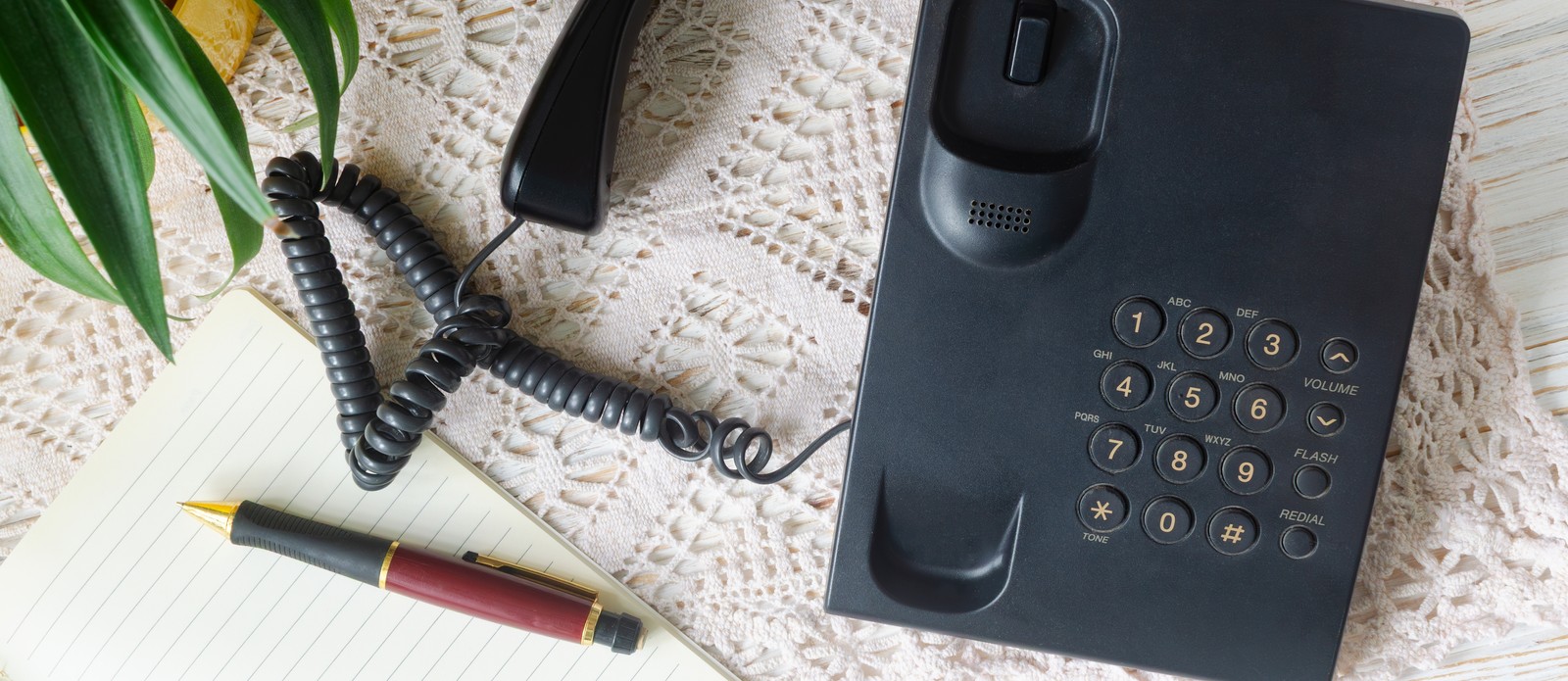
Image: Alkarnasia
Remember when "Google it" wasn't a thing? If you wanted to know something, you had to go get it. You pulled the dictionary off the shelf, or you called your knowledgeable aunt. Sometimes you drove to the library and hoped the book you needed hadn't been checked out. Slow? Absolutely. A little maddening? Often. But still, we’re often nostalgic for those pre-internet fact-finding missions. Here are eleven ways we found our answers back then. How many do you remember, and which one do you miss most?
1
"Who is this person?": The White Pages
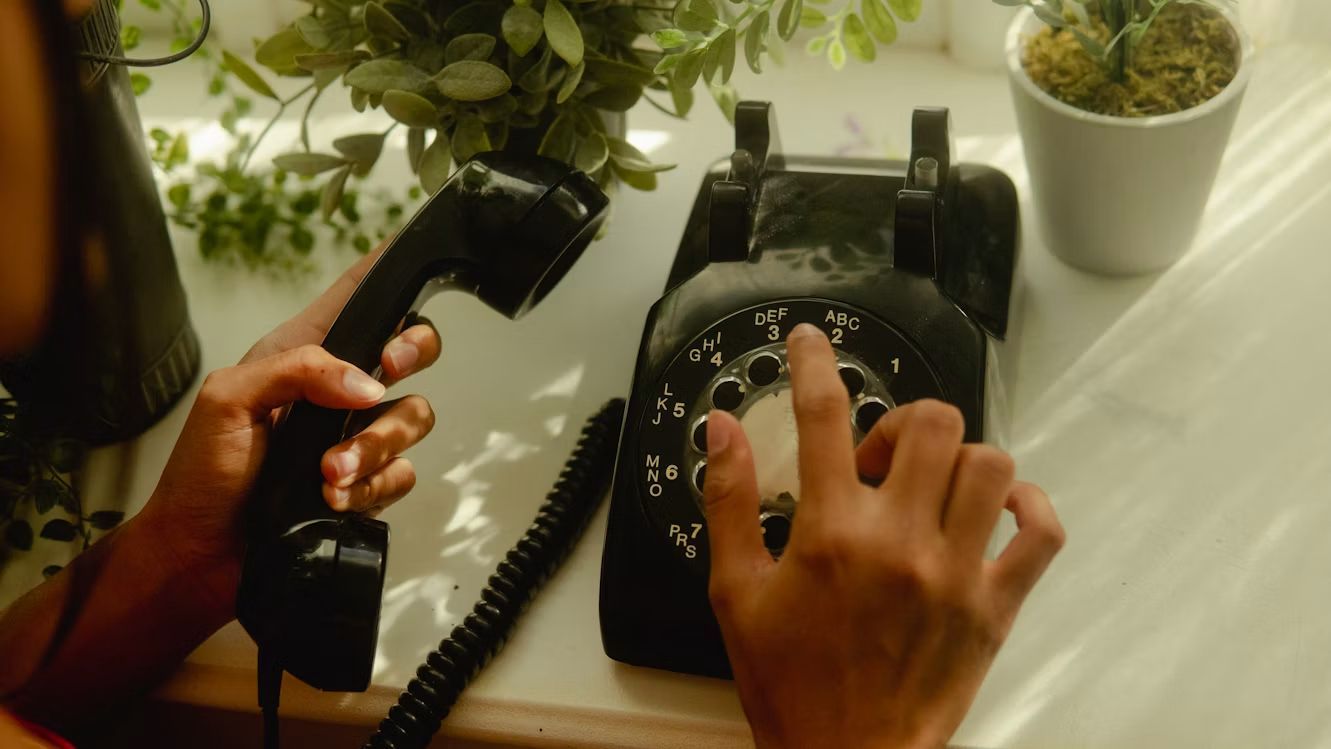
Every household had one: a thick phone book that landed on the porch every year, free of charge. Inside, thousands of names were listed alphabetically with a street address and phone number. If you wanted to track down an old classmate or a new acquaintance from work, you started right here.
Of course, privacy was a different animal back then. Unless you paid to have an unlisted number, anyone who knew your name and town could look you up. Nobody thought twice about it.
2
"What does this word mean?": Dictionary and Encyclopedia

Stumped by a word in the crossword? You reached for the big Webster's on the shelf and flipped until your thumb found the right page. Many families also owned a full set of encyclopedias.
Those sets arrived courtesy of a door-to-door salesman, and parents often paid them off in monthly installments. It was worth it to a lot of families, since homework help was now sitting right there in the den.
3
"Where can I find this?": The Yellow Pages
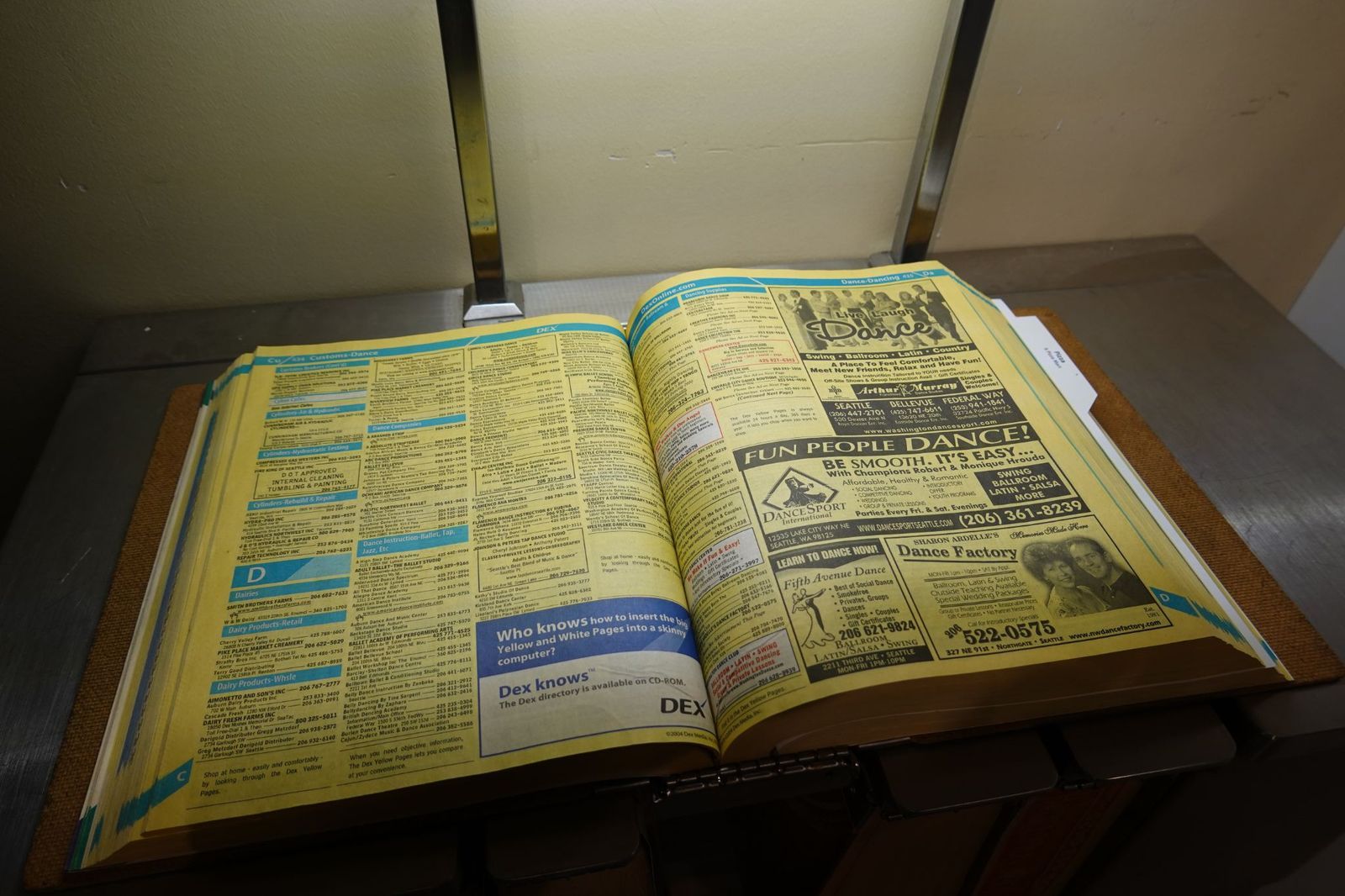
Need a plumber at 7 a.m. on a Sunday? A piano tuner? A pizza place that delivers? The Yellow Pages had them all, sorted by category and packed with ads. The slogan "Let your fingers do the walking" was everywhere, and it was true. You'd flip, dial, and hope someone picked up.
Business owners took their listings seriously. A bigger, bolder ad could mean a busier summer, and some shops fought to be first in the alphabet by naming themselves "AAA Plumbing" or "A-1 Auto Repair." If you ever wondered why so many company names start with A, now you know.
4
"How do I get there?": Maps and AAA
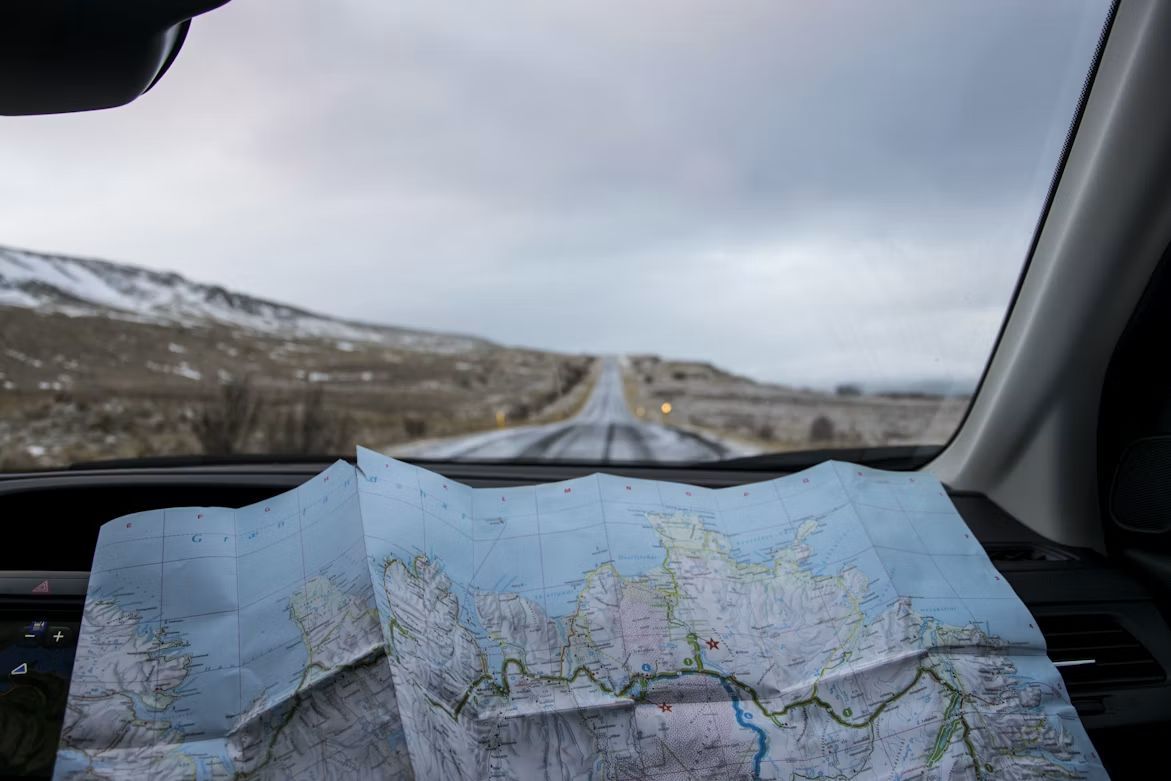
Before GPS, a road trip began at the kitchen table, with a giant paper map spread out and a highlighter in hand. Gas stations handed out maps for free, and glove compartments across the country were stuffed with them. Refolding one the right way was a skill almost nobody mastered.
For longer journeys, families turned to AAA, the American Automobile Association. Members could pick up a customized TripTik, a spiral-bound set of strip maps with the route highlighted, and hit the road. A wrong turn could still start a family debate that lasted three states.
5
"What happened yesterday?": The Newspaper

Morning coffee came with the paper, whether it landed on the lawn, the porch, or occasionally the roof. Local news, box scores, weather, the comics, and the crossword all arrived in one tidy bundle, and many families split the sections between them. Dad got sports, Mom got the front page, and the kids fought over the funnies.
Big stories didn't break every five minutes, either. You waited for the evening news or the next edition to find out how things turned out, and somehow that made a good headline feel like an event. Plenty of folks still remember the smudge of ink left on their fingertips.
6
"What happened 20 years ago?": Newspaper Archives
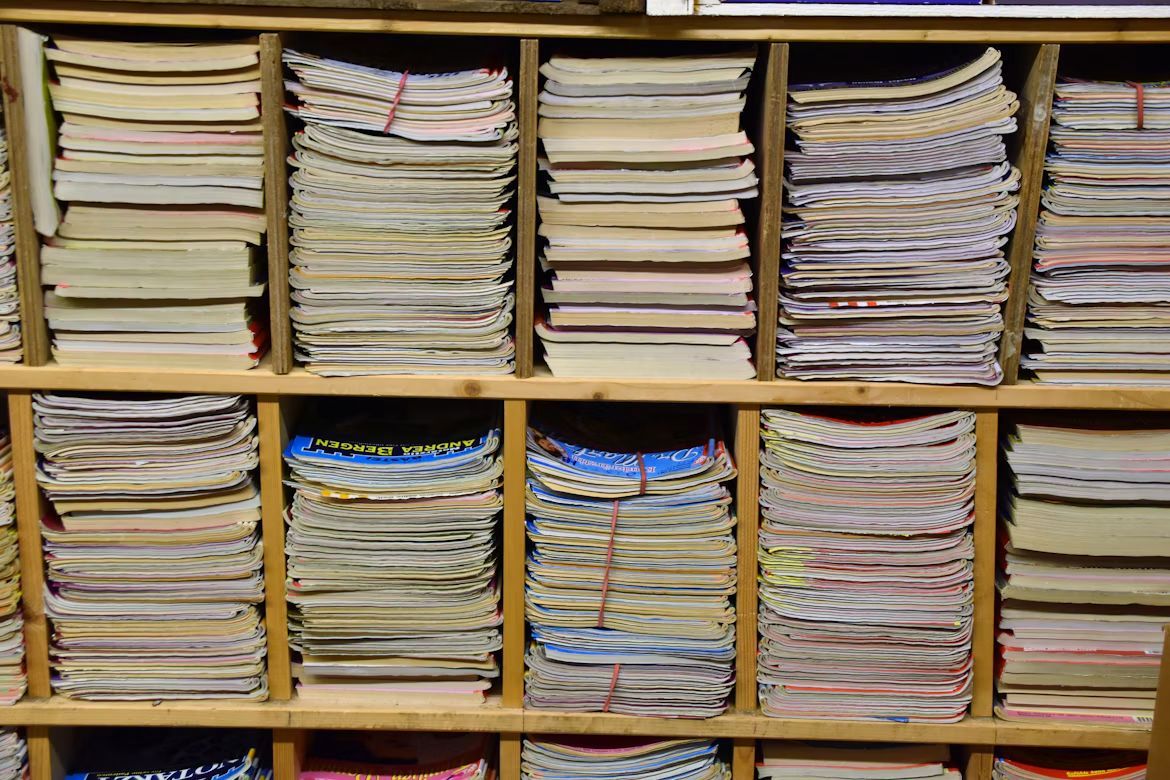
Trying to find an old article was a project in itself. You'd head to the library, ask for the right roll of microfilm, and thread it through a bulky reader that hummed and glowed like a tiny movie theater. Then you'd crank through months of headlines until you landed on the date you wanted.
It took patience, and it wasn't always comfortable, since the machines could make you a little dizzy if you scrolled too fast. But finding that one clipping, whether it was a wedding announcement, a big game, or a story about your hometown, felt like striking gold.
7
"Where can I find this book?": The Card Catalog
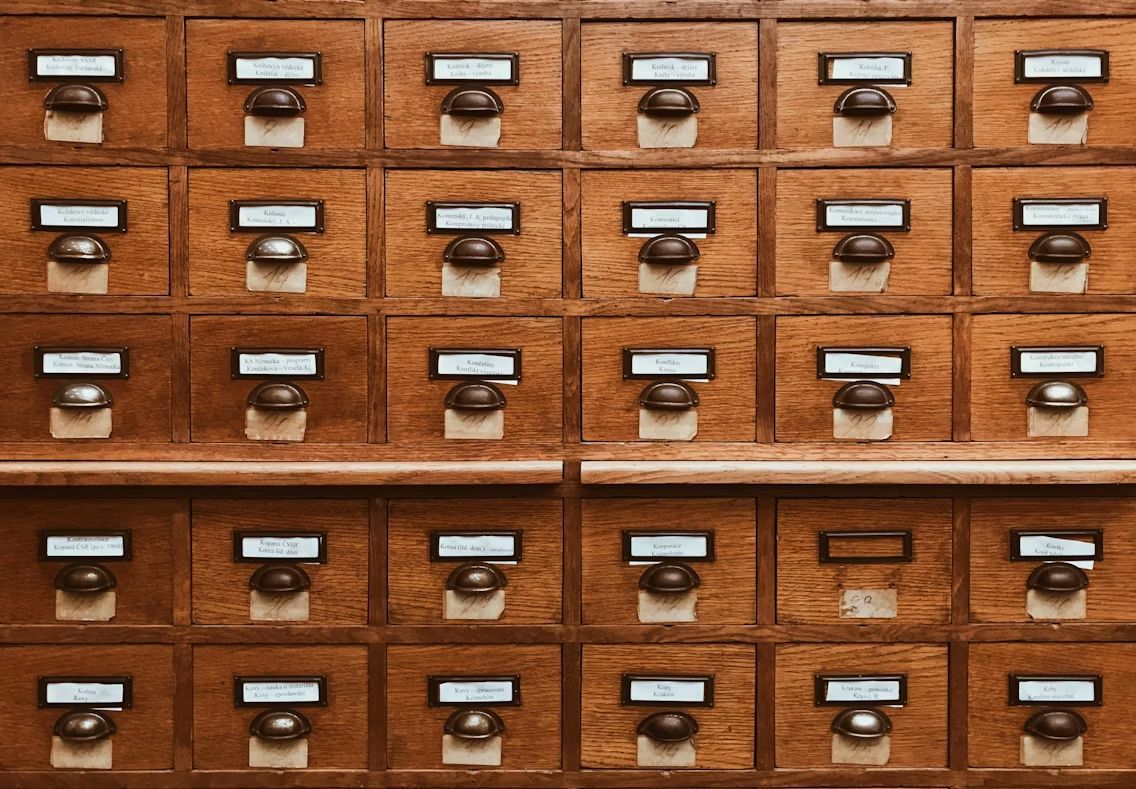
Rows upon rows of little wooden drawers, each one labeled with a range of letters, stood in the middle of the library. Inside were thousands of index cards, one for each book, sorted by author, title, and subject. You'd pull a drawer out, thumb through the cards, and jot down the call number on a scrap of paper.
Then came the treasure hunt. The Dewey Decimal System pointed you to the right shelf, and along the way you'd often stumble on something better than what you came for. Few things beat the satisfying thunk of a card catalog drawer sliding closed.
8
"How do I research this?": The Librarian and the Reference Desk
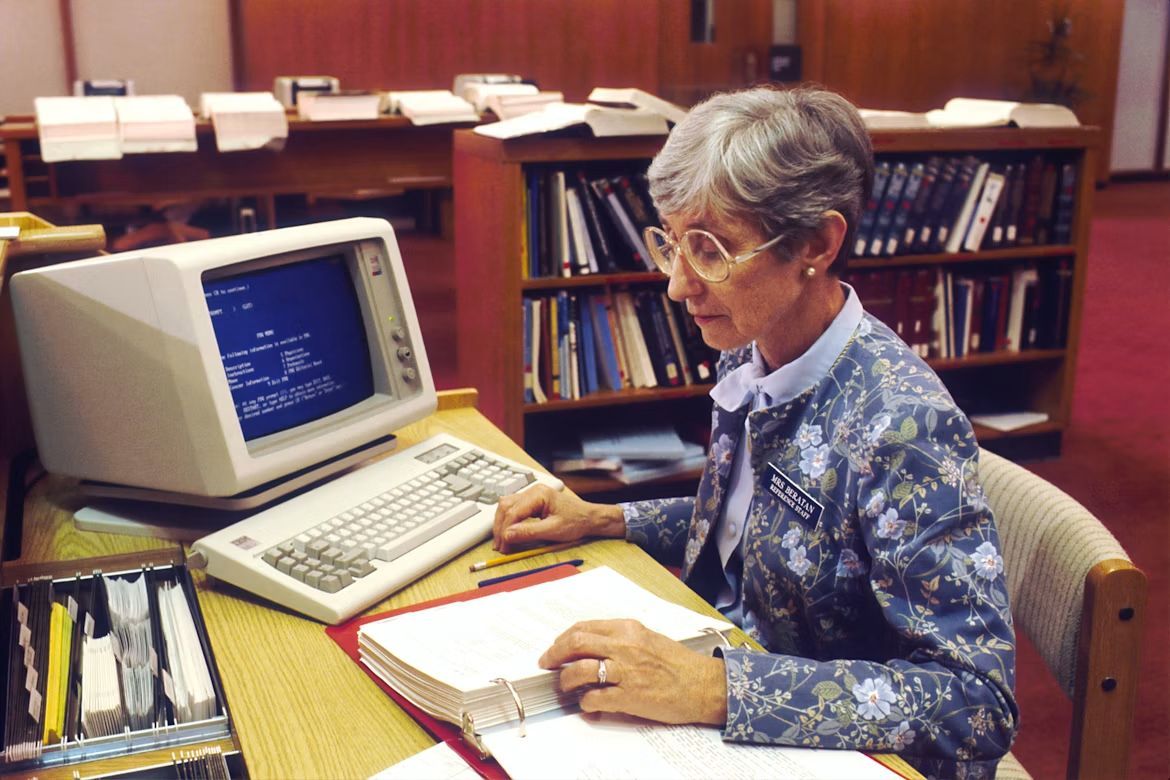
When you were truly stuck, you walked up to the reference desk and asked a real person. Librarians knew exactly where to look, from directories and government reports to the Readers' Guide to Periodical Literature , a big green volume that indexed magazine articles by topic.
A good librarian could turn a vague question into a stack of useful sources in minutes. They didn't just hand over answers, either. They showed you how to dig, which is a skill that has never gone out of style. Plenty of students got through term papers thanks to one kind person behind a desk.
9
"Where can I find a job?": The Classifieds
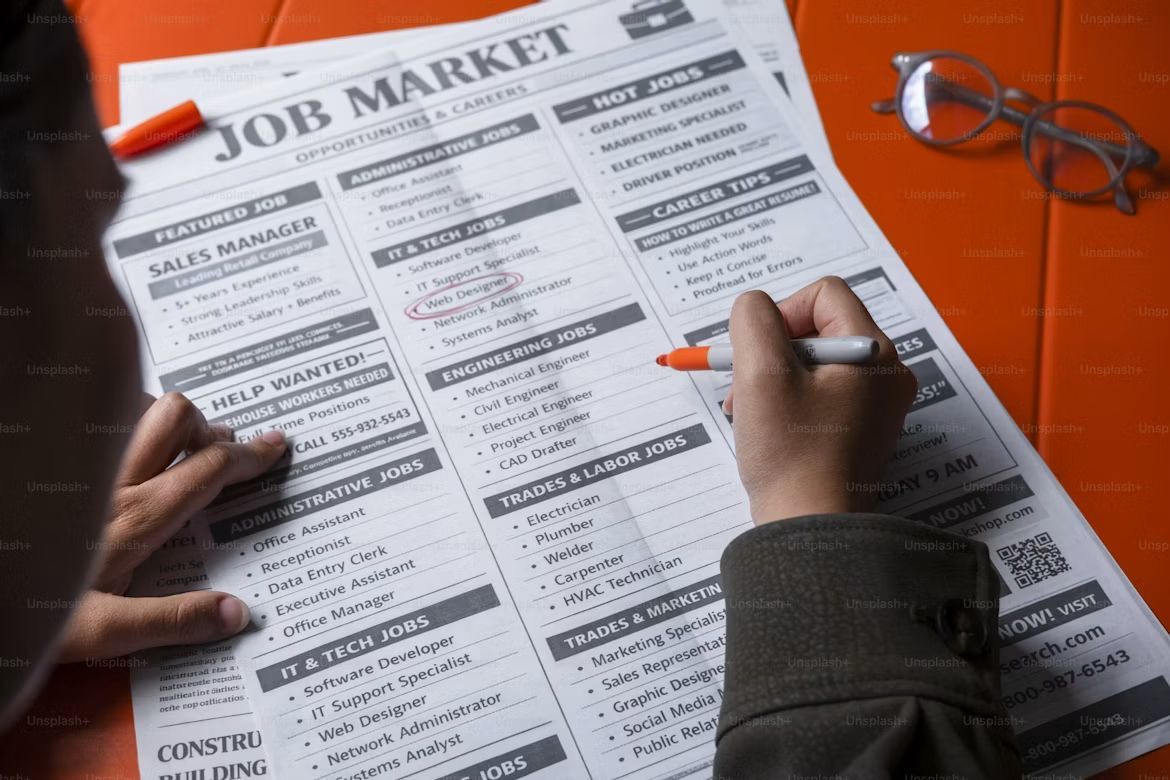
On Sunday mornings, the Help Wanted section was gold. Job seekers sat at the kitchen table with a red pen, circling anything promising, then spent Monday making calls and dropping off résumés — hard copies, on paper — in person.
Tiny ads packed with abbreviations told you everything, if you knew the code. "FT" meant full-time, "exp. req." meant experience required, and "EOE" stood for Equal Opportunity Employer. The classifieds also held apartments for rent, used cars, and lost dogs, making them the original Craigslist.
10
"What happened in history?": The Almanac and Encyclopedia
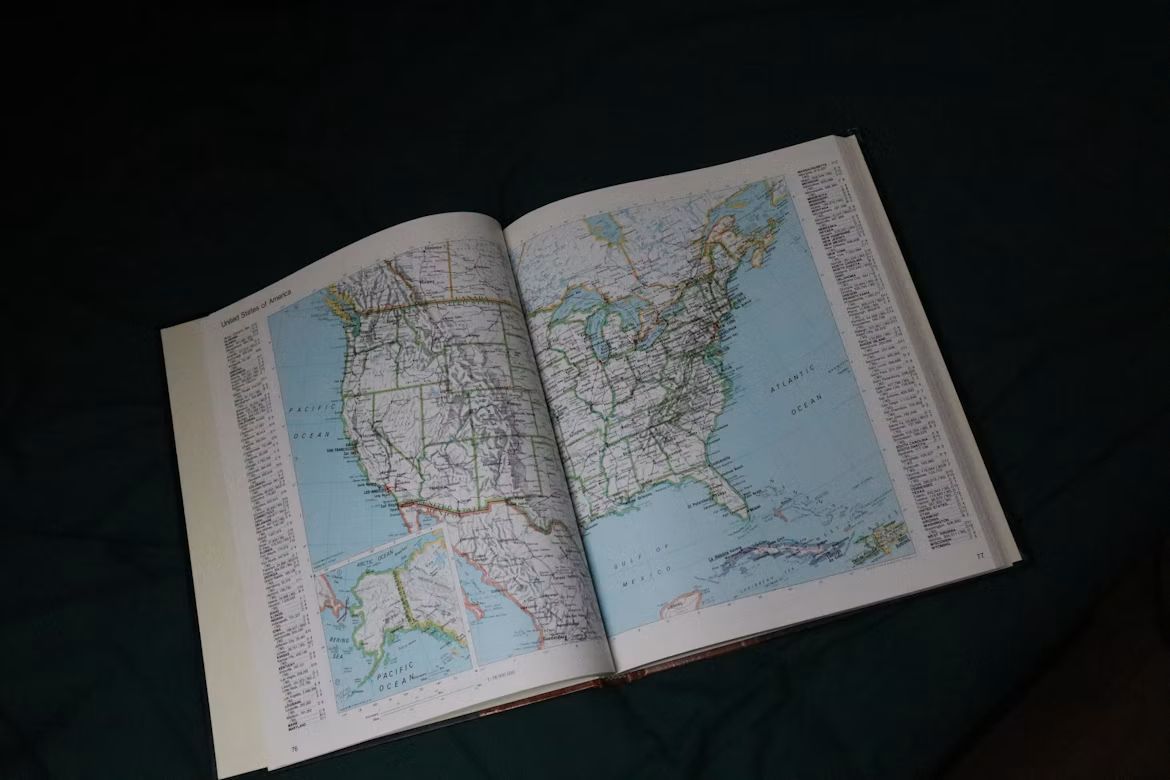
For quick facts, the almanac was king. The World Almanac crammed in election results, sports records, population figures, and just about every list you could imagine. The Old Farmer's Almanac, around since 1792, told folks when to plant, when to expect a frost, and whether the winter would be rough.
For the bigger picture, there was always the encyclopedia. Want to learn about the Civil War, the Roman Empire, or how a steam engine works? You'd pull the right volume and read, and chances are you'd spend a good while on a tangent. These books were the original rabbit holes.
11
"What number do I call?": The Operator and Directory Assistance
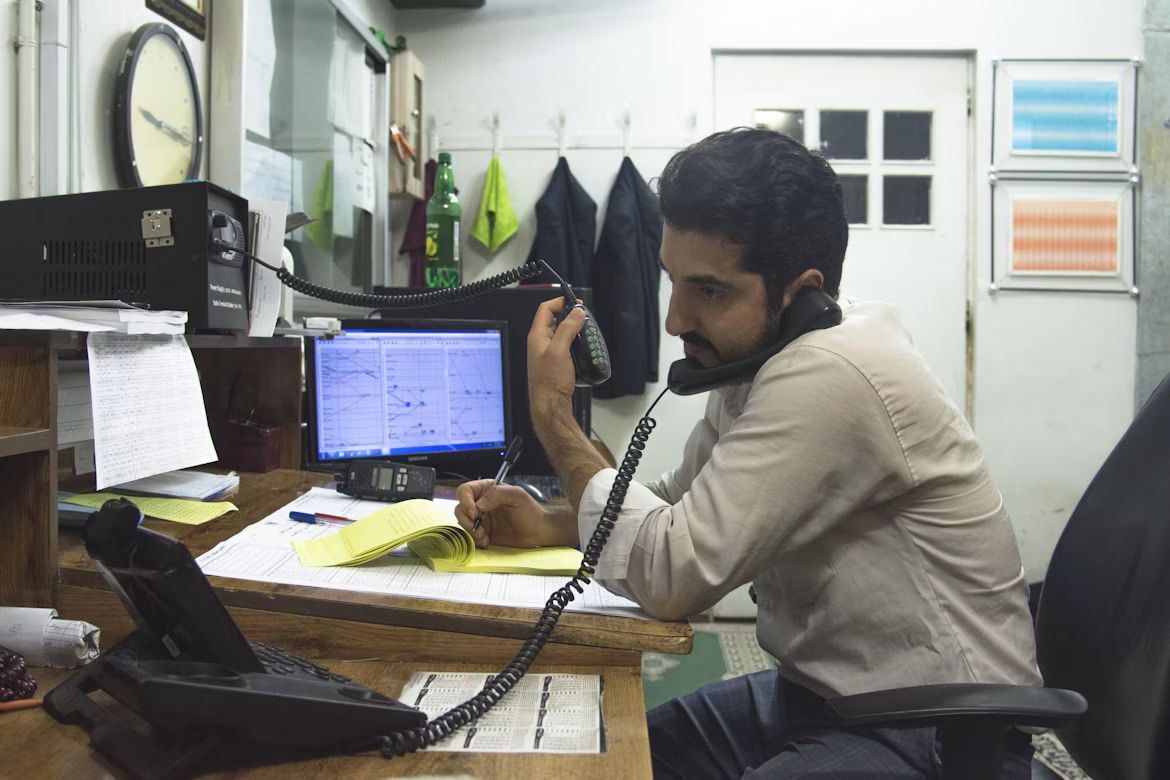
When you couldn't find a number, you dialed 411 and a real human being would look it up for you. Dial 0 and an operator could connect a call, help in an emergency, or place a long-distance call that cost a pretty penny by the minute. Anybody with a rotary phone remembers the little whirrr as the dial spun back.
Operators were famously helpful, and in small towns they sometimes seemed to know everyone and everything. It was a very human way to get things done. These days, it's hard to imagine asking a stranger for a phone number, but back then it was just part of the routine.