General General 5 min read

What bird species can recognize human faces and remember them for years?
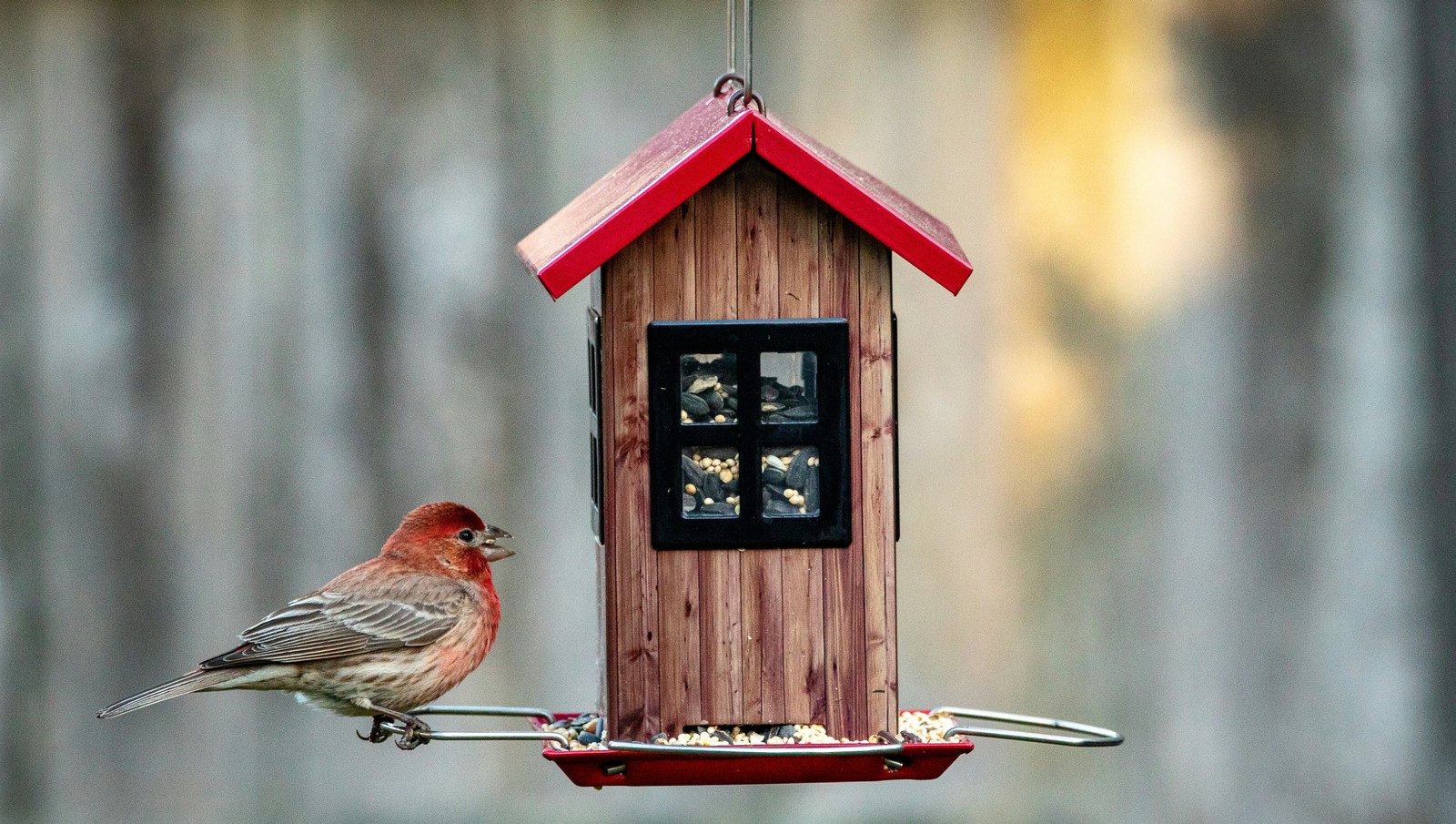
Image: Joshua J. Cotten

Backyard birding doesn’t require binoculars, special gear, or even much planning. Just a window, a cup of coffee, and a bit of curiosity. Across the United States, from the Rockies to the coastal plains, a colorful cast of familiar birds visits neighborhoods every day. Whether you catch the bright flash of a cardinal, the quick zip of a hummingbird, or the clever antics of a crow, these 12 backyard birds offer stories worth noticing. Keep reading to learn their traits and what you can do to lure them in for a closer look.

1
American Goldfinch
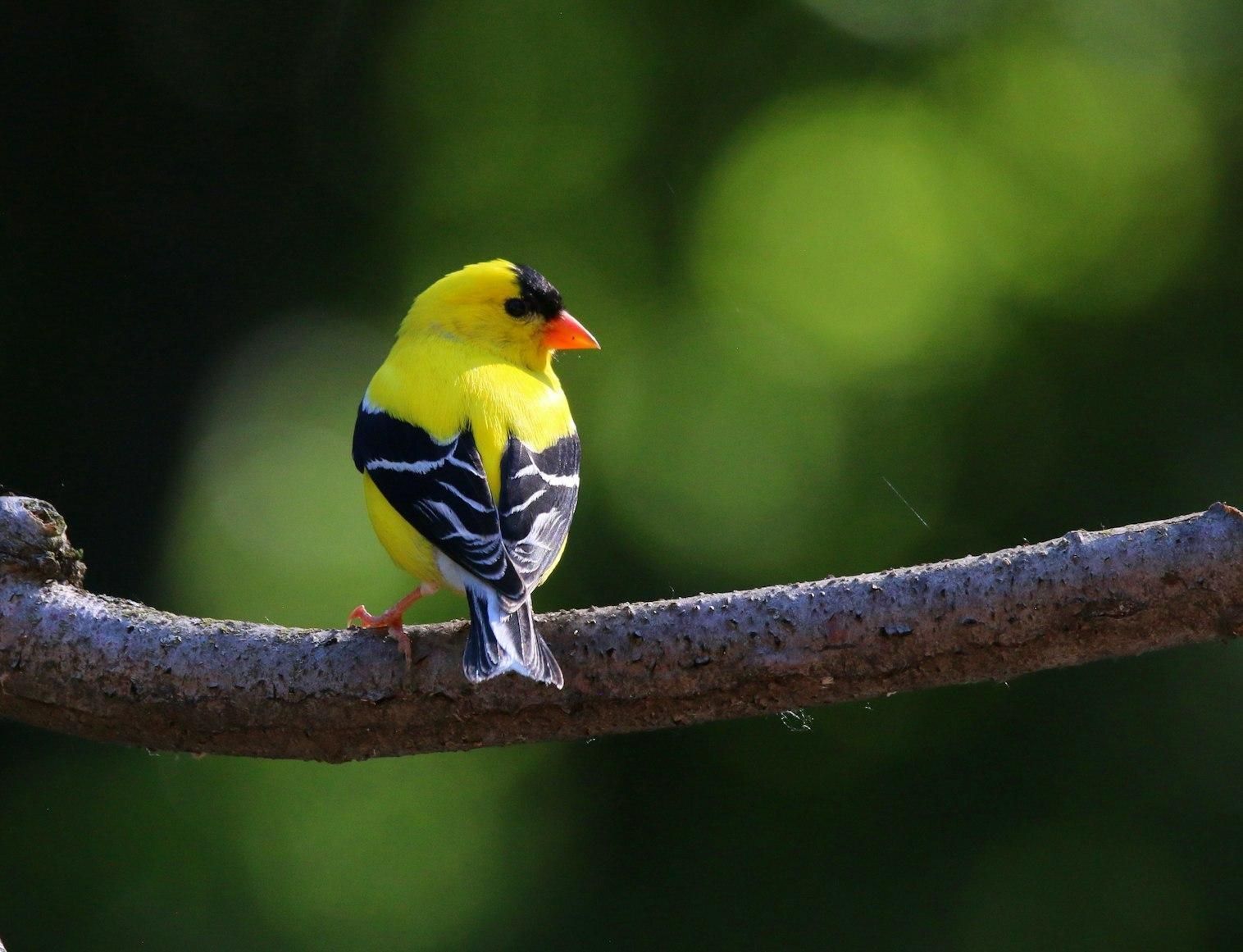
Image: Paul Crook

If you’ve spotted a drop of sunshine landing on your feeder sometime in the summer, that’s the American Goldfinch. Males turn a vivid yellow each year thanks to a complete molt, usually finished by late May.

They’re found coast-to-coast but are especially common in the northern and central U.S., where they favor open meadows and backyard thistle feeders. Unlike most songbirds, they nest late, often waiting until July when thistle seeds peak. If you see a tiny bird—barely 5 inches long—bouncing through the air in a roller-coaster flight pattern, you’ve found the American Goldfinch.

2
Blue Jay
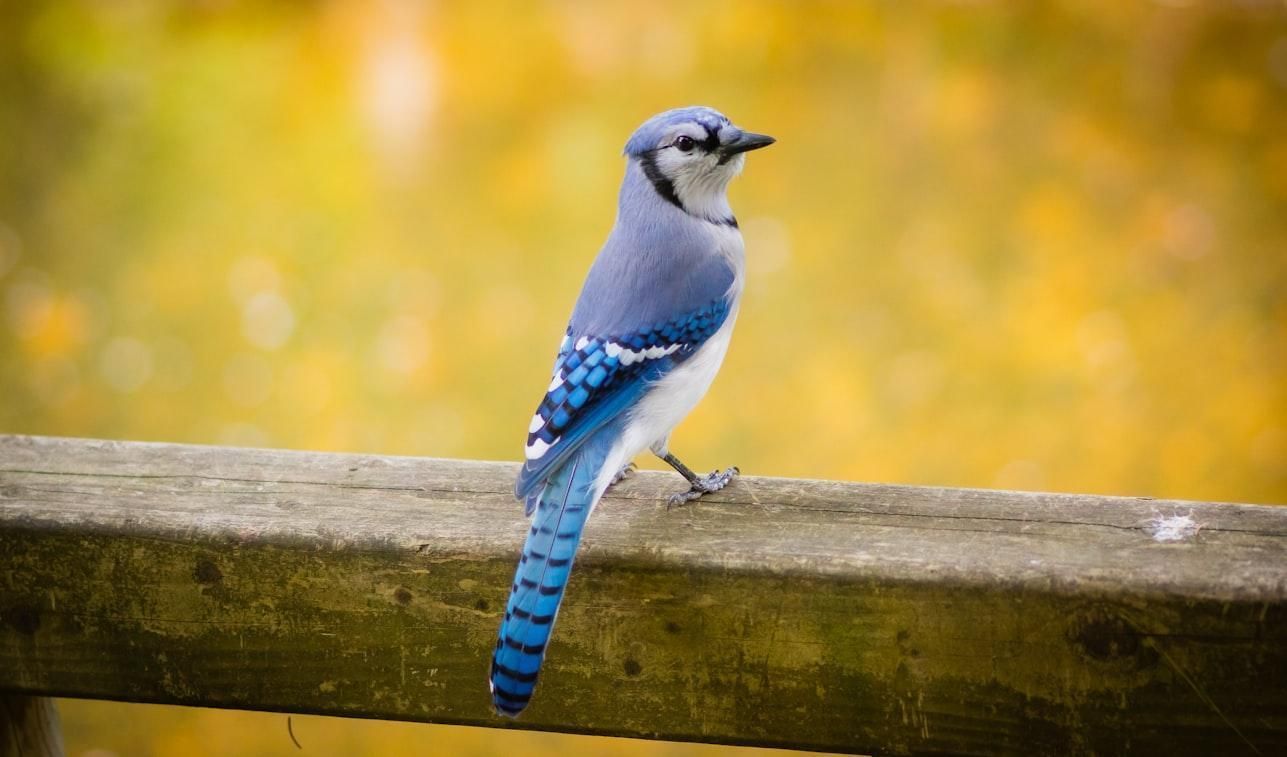
Image: Ruben Ortega

Blue Jays are known for being loud, confident, and colorful. Throughout the eastern half of the U.S., from Florida to Maine, they flash electric-blue wings marked with black "bar codes." Their blue color is actually a light trick: microscopic feather structures scatter wavelengths to create the hue. Another fun fact: back in the 1970s, researchers discovered they can mimic hawks, a clever way to scare other birds away from food.

3
American Robin
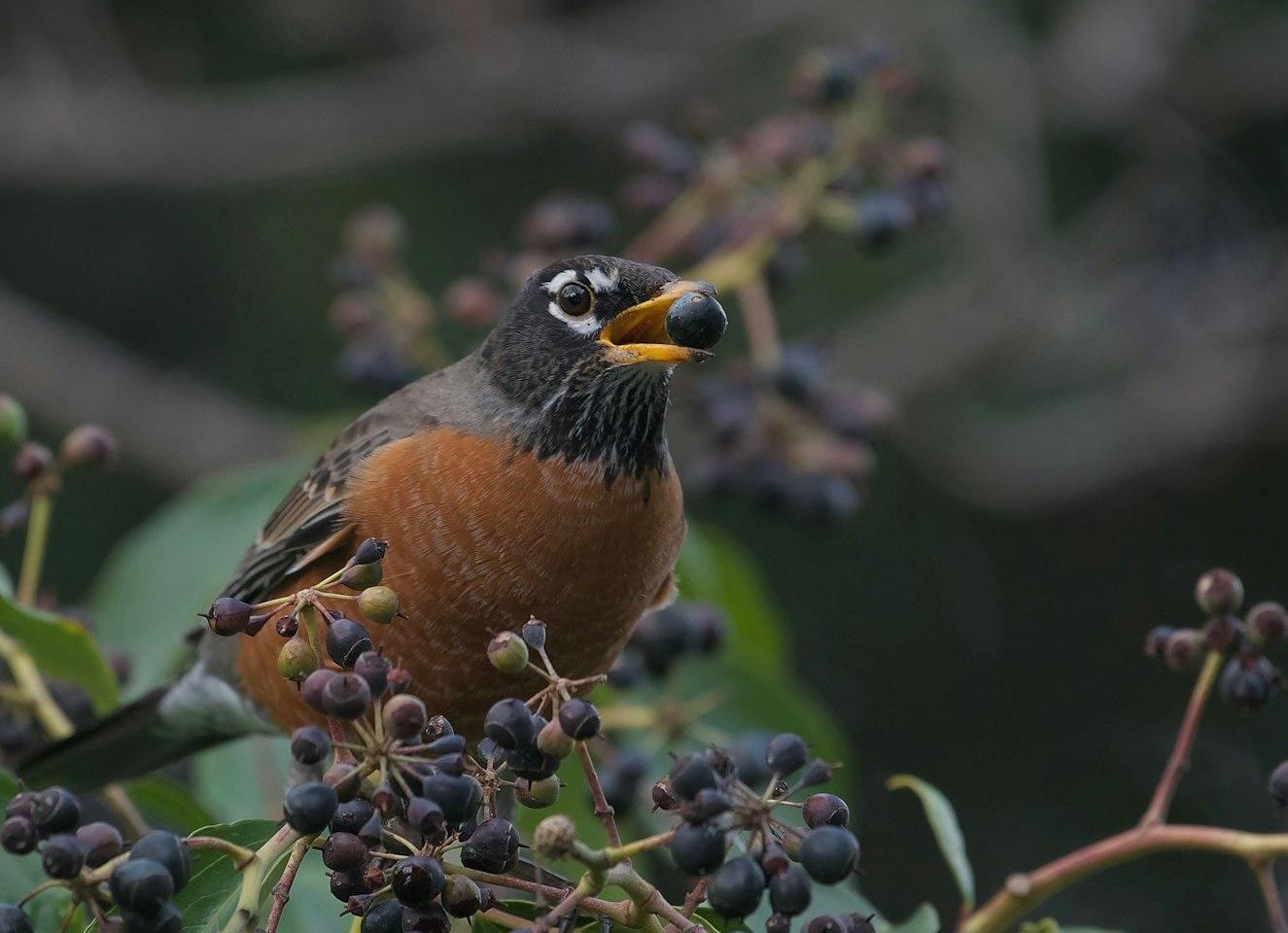
Image: Vijayalakshmi Nidugondi

Long before digital calendars, people guessed the seasons thanks to this bird. The American Robin’s spring chorus has been recorded in journals as early as the 1800s, marking the end of winter across most of the U.S. They’re widespread, found in all lower 48 states and even in Alaska during summer. Robins stand upright, tugging worms from lawns with that unmistakable rusty-orange chest. Adults measure about 10 inches long, roughly the size of a small paperback book.

4
Ruby-Throated Hummingbird
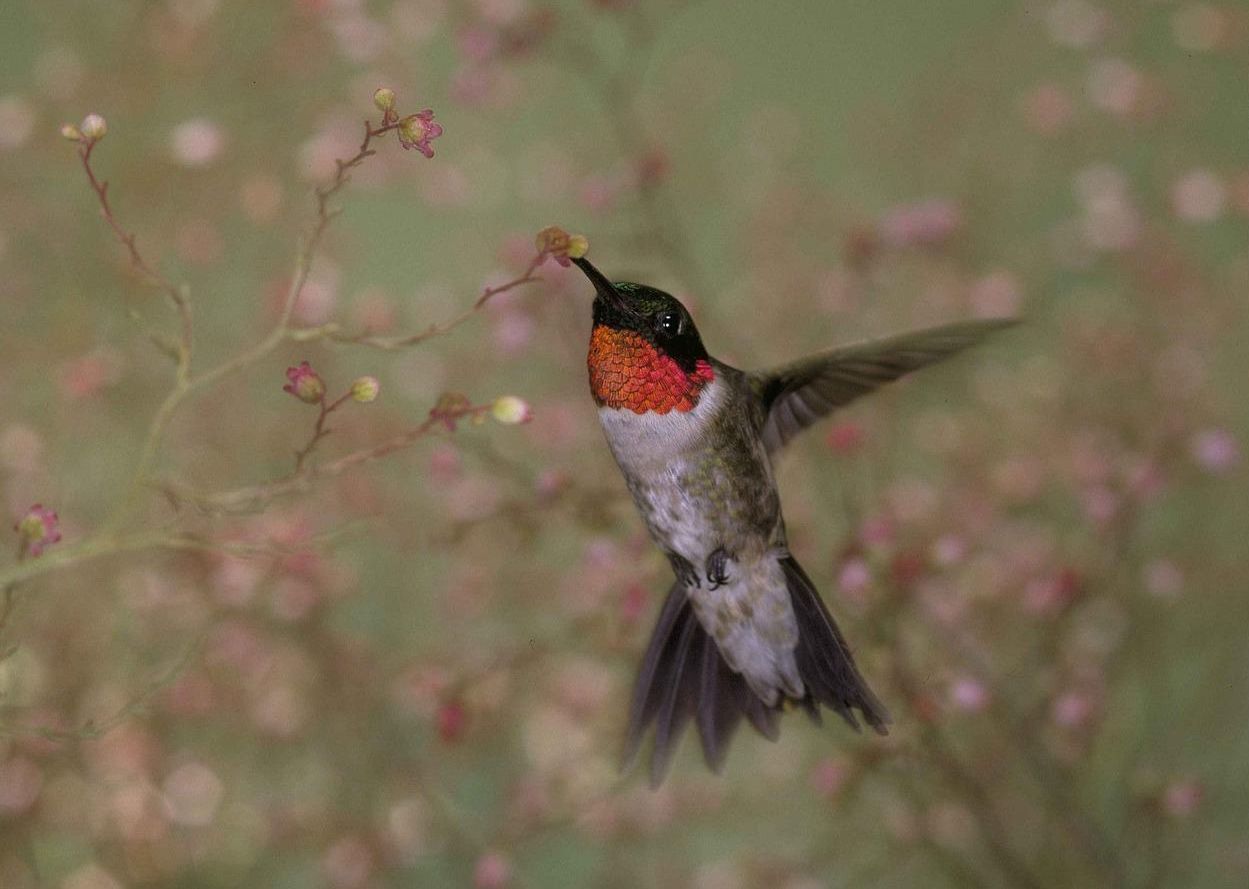
Image: PublicDomainImages

If you’ve ever seen a green flash zip past your porch faster than a camera shutter, it may have been a Ruby-throated Hummingbird. It is the only hummingbird species that breeds east of the Mississippi. It weighs 0.2 ounces—as little as a nickel!—yet crosses the Gulf of Mexico during migration. Males display an iridescent red throat that lights up when sunlight hits at the perfect angle. A single feeder with a simple sugar solution can lure them in from May through September.

5
Northern Cardinal
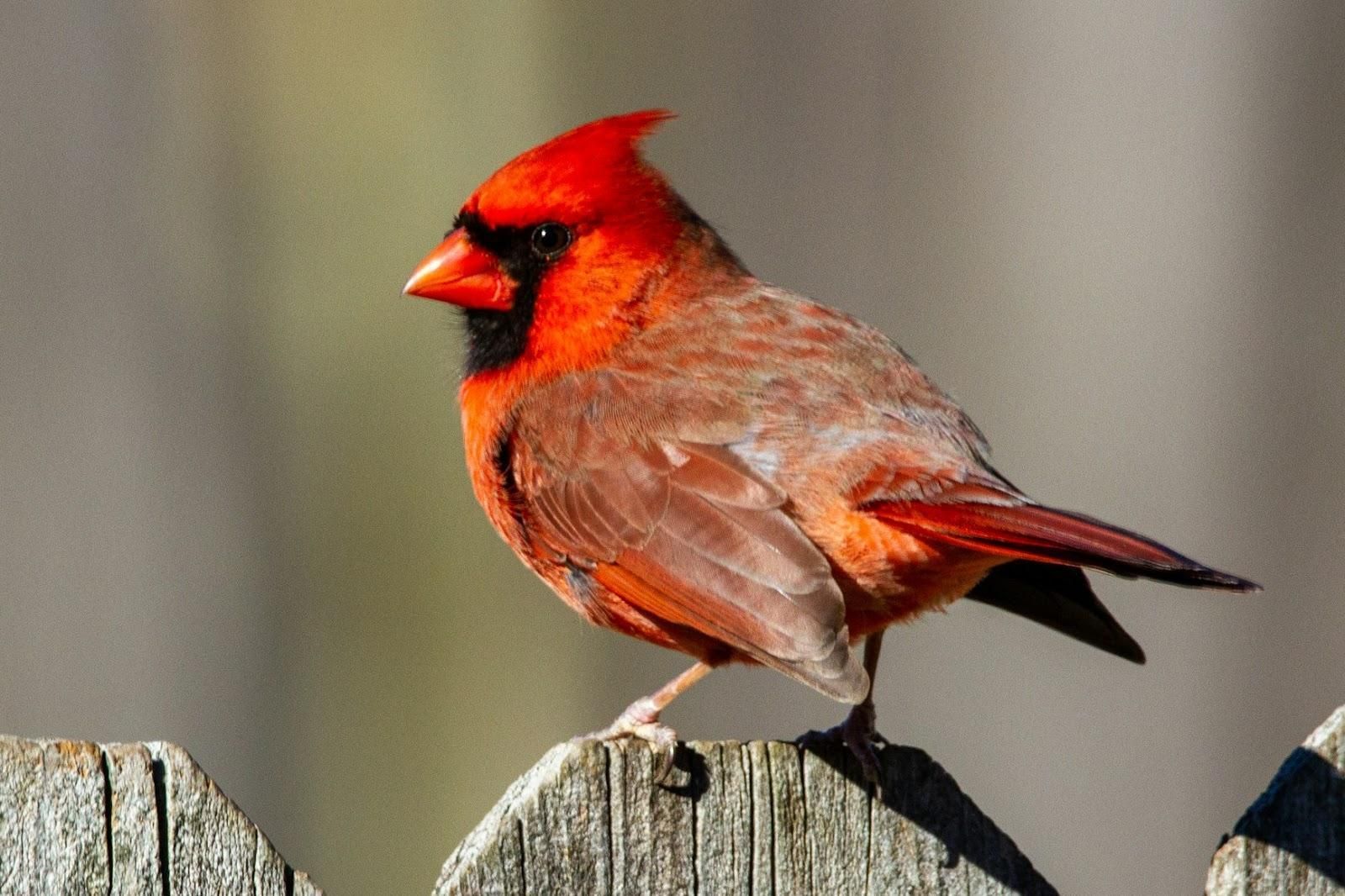
Image: Joshua J. Cotten

Northern Cardinals look like Christmas on wings, and it’s easy to see why. Males glow bright red, while females wear warm browns brushed with hints of red. They live year-round in the eastern and central U.S., especially in woodlots and suburban yards. Cardinals measure about 9 inches long and crack seeds with thick, powerful bills. Their "what-cheer!" call is one of the most recognized bird sounds in North America.

6
Song Sparrow
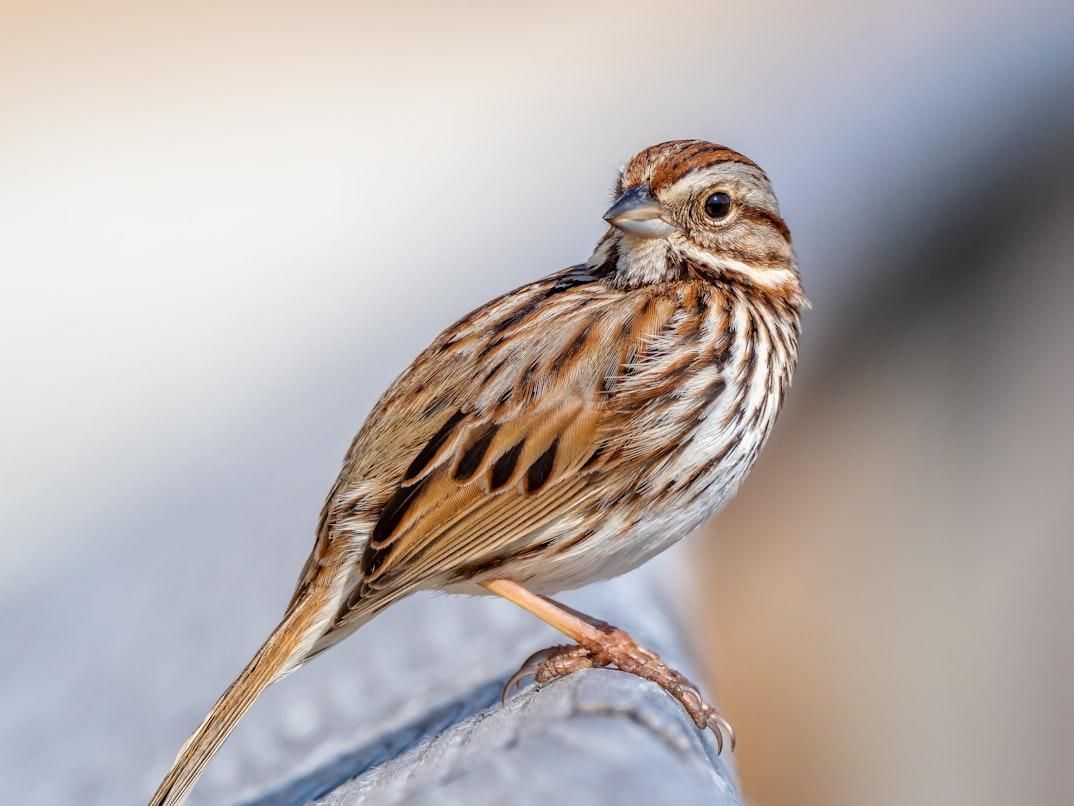
Image: Patrice Bouchard

At first glance, this little brown bird might look like one of many, but listen closely. Song Sparrows have been studied for their remarkable vocal variety; a single male may sing more than 10 distinct song types. They’re common nationwide, from the Atlantic to the Pacific, but differ subtly by region. They’re small—around 6 inches—but their voice carries surprisingly far.

7
Black-Capped Chickadee
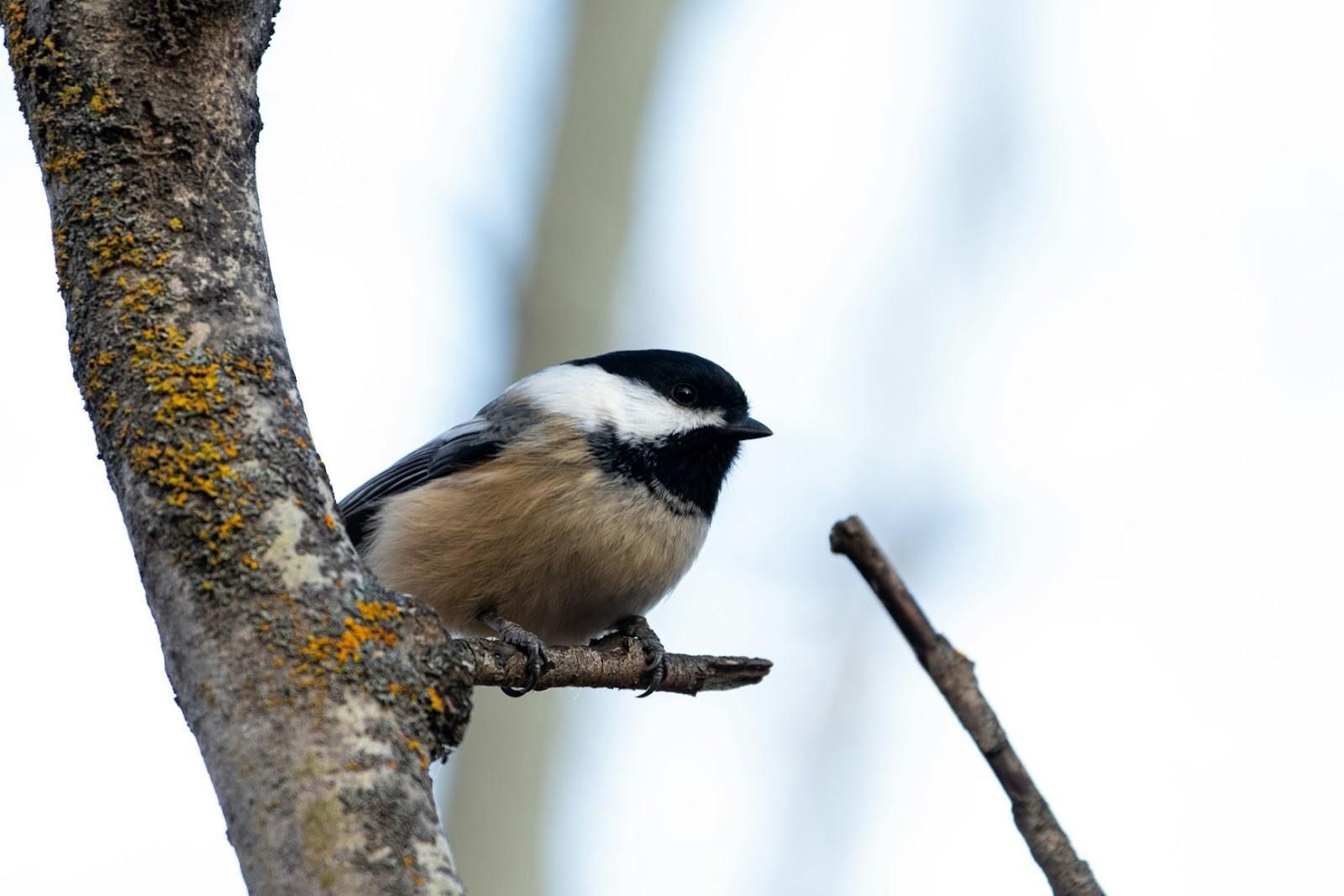
Image: Derek Otway

A bird the size of a tennis ball—about 0.3 ounces—with the confidence of a much larger creature: that’s the Black-capped Chickadee. They have a surprisingly sophisticated communication system. In fact, biologists discovered that the number of "dee" notes in their call changes depending on the threat level of predators.

Found across the northern U.S. and in the Rockies and Appalachians, they sport crisp black caps and snow-white cheeks. Offer sunflower seeds, and they’ll visit you all winter.

8
Northern Mockingbird
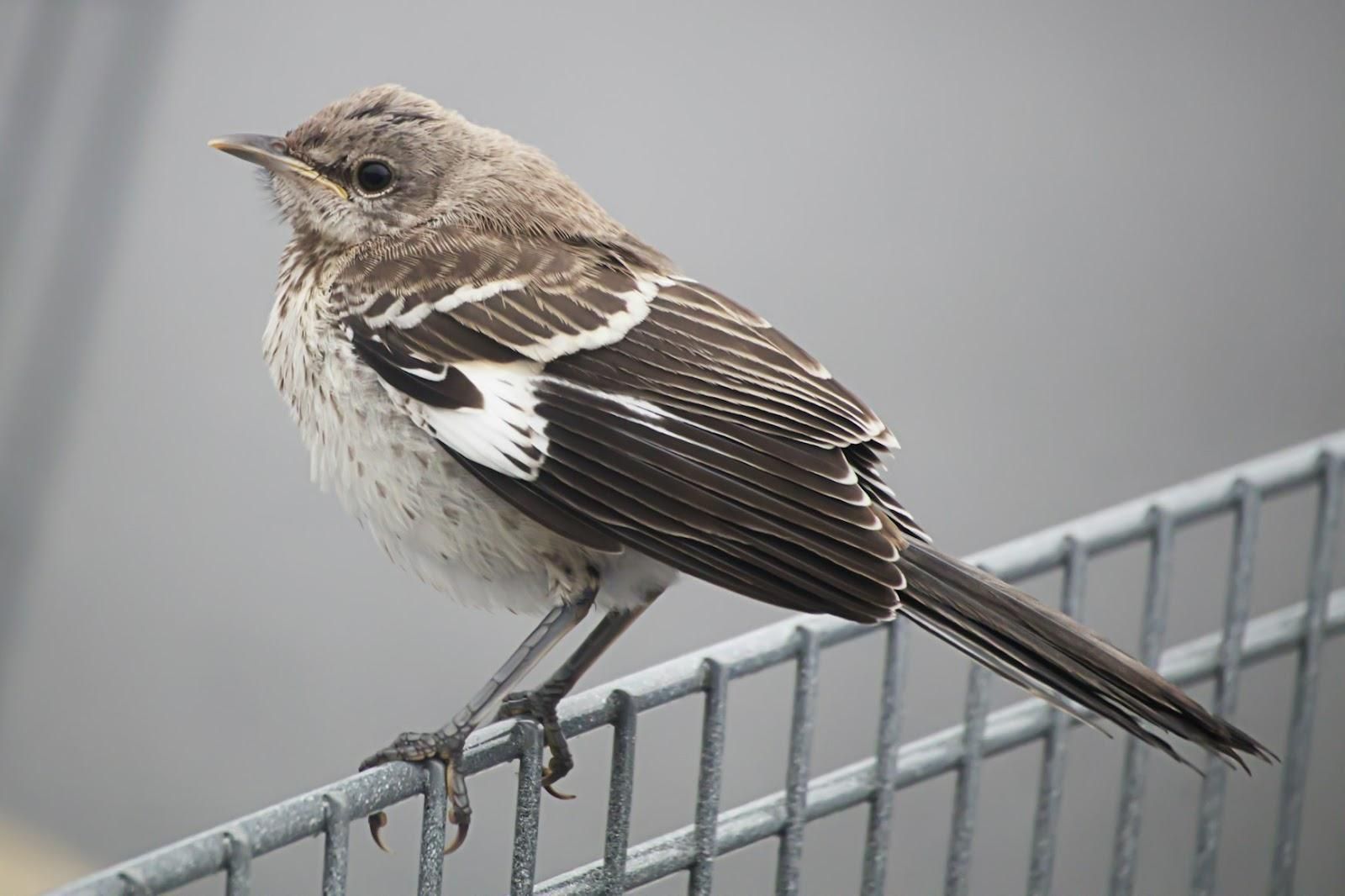
Image: Jacob McGowin

What if one bird could perform an entire playlist? Northern Mockingbirds—common throughout the South, Midwest, and many western suburbs— can mimic over 100 sounds, from other birds to squeaky gates. In the 1960s, scientists confirmed their habit of singing at night, especially males guarding territory.

They’re roughly 10 inches long, the size of a stretched-out flashlight. Their slender gray bodies and white wings make them easy to spot when they swoop from fence posts.

9
Baltimore Oriole
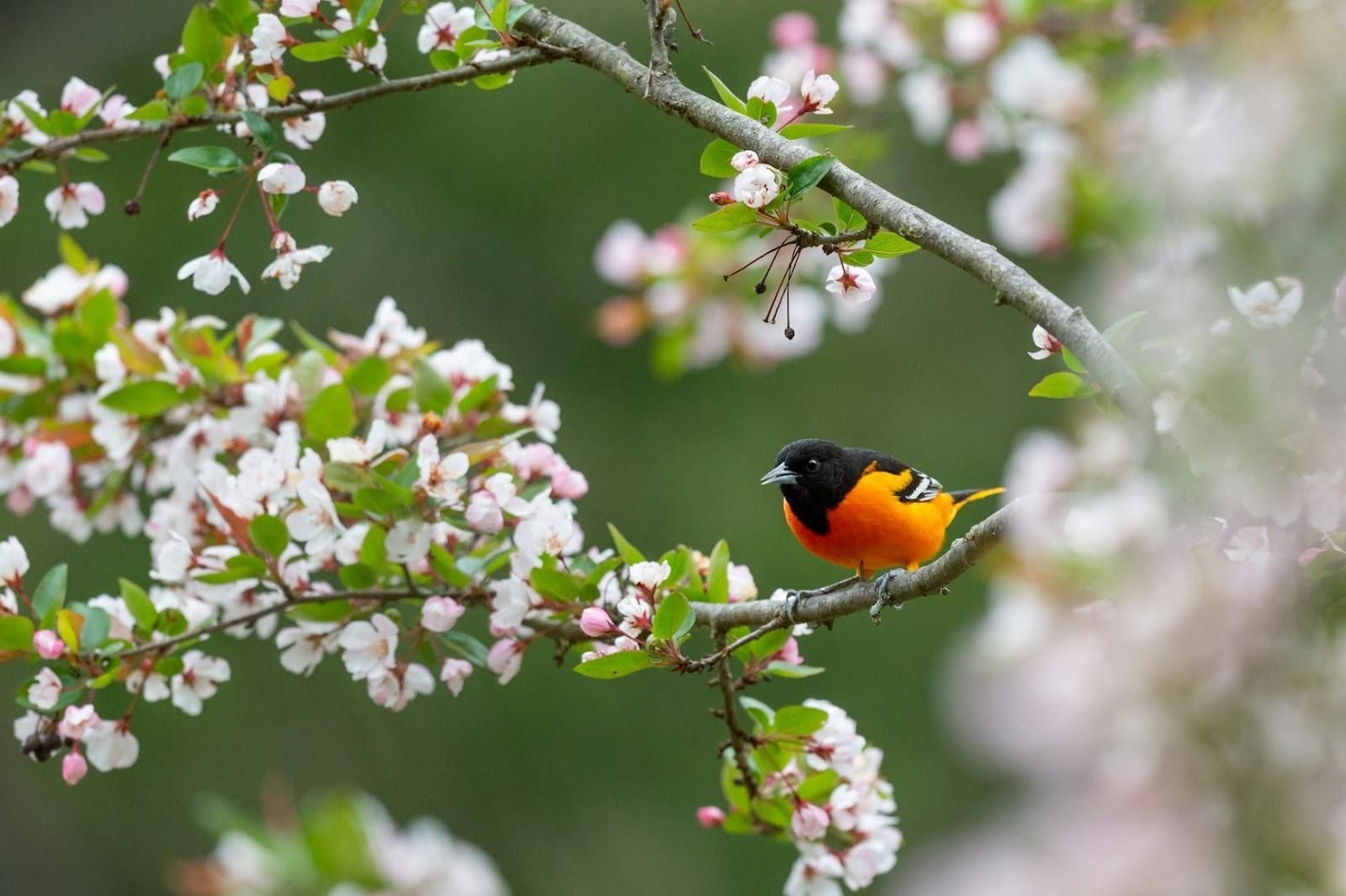
Image: Ray Hennessy

The Baltimore Oriole can be described as "a flame carried by wings", since males sport brilliant orange while females show softer yellows.

These bright orange migrants breed across the Northeast and Midwest before wintering in Central America. Their hanging pouch nests—up to 8 inches deep—are woven with fibers like tiny hammocks swaying in the breeze. Orioles love tall shade trees and can hang upside down to sip nectar or jelly.

10
American Crow
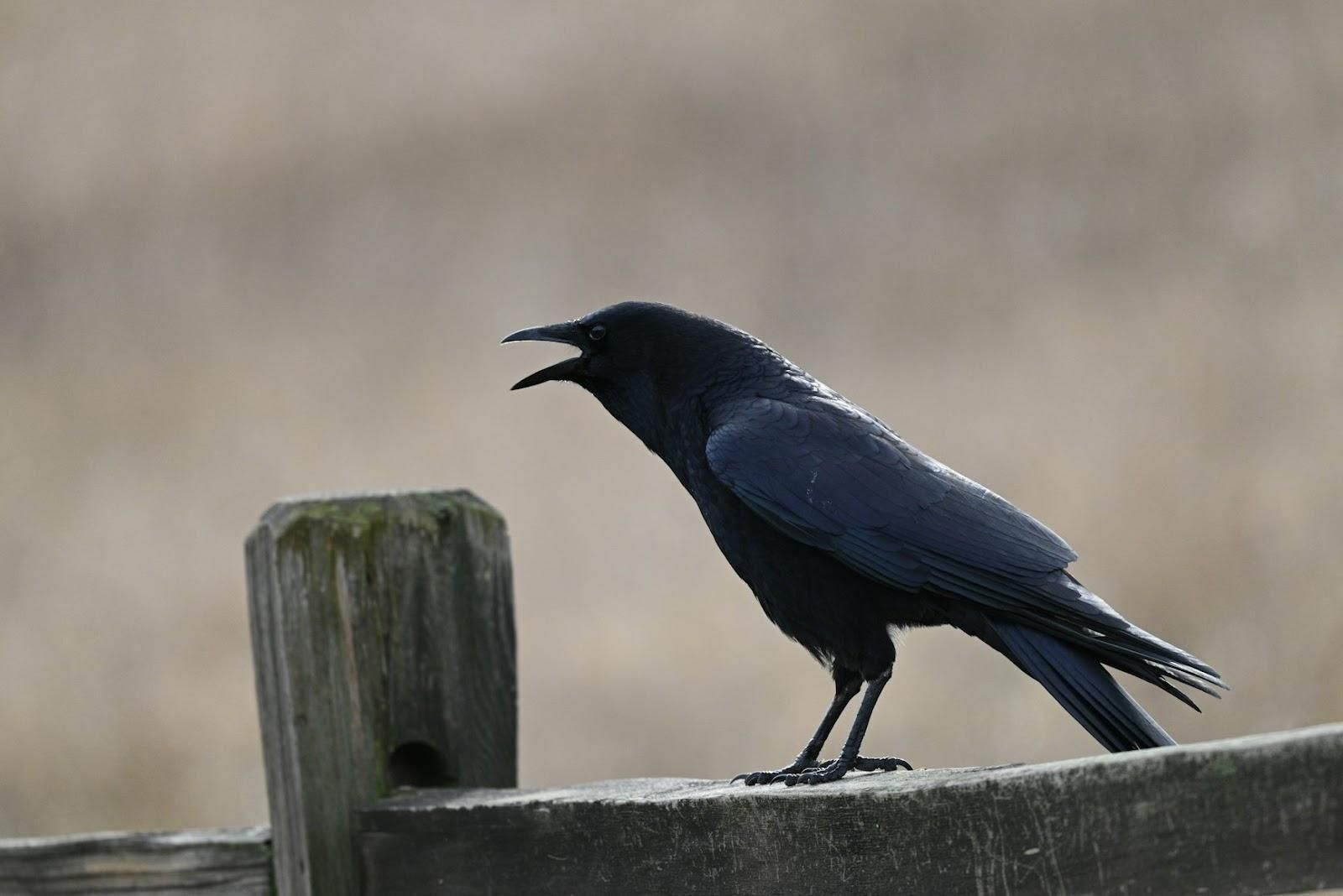
Image: Genevieve Curry

Think of crows as neighborhood detectives. Studies show they can recognize human faces and remember them for years. Found in every U.S. state except Hawaii, American Crows are large—about 17 inches long—and solid black from bill to tail. Their aerial circling and communal roosts, sometimes numbering thousands, are especially common in the Midwest. They travel in family groups and announce their presence with a clear "caw!"

11
Black-billed Magpie
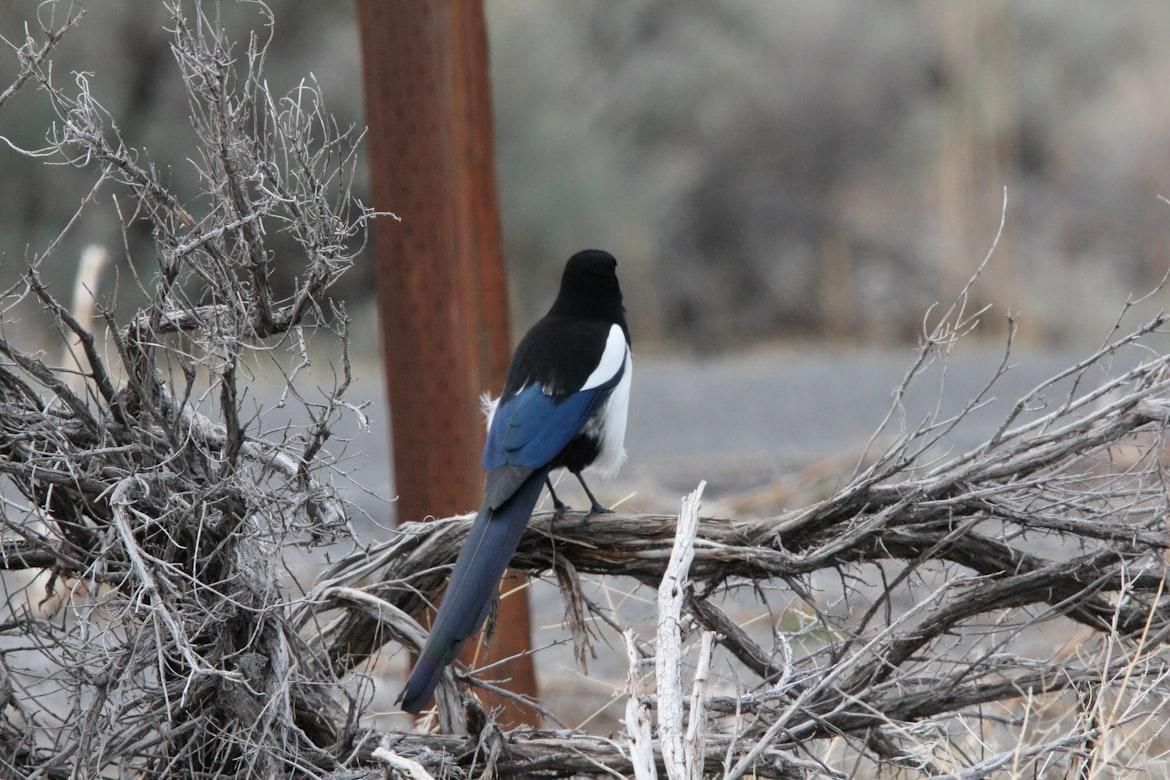
Image: anish lakkapragada

If you’ve ever driven through the Rockies or the Great Plains, you’ve likely seen this striking bird swooping low over fields. Black-billed Magpies, common from Nevada to the Dakotas, wear glossy black feathers with a blue-green sheen and long tails that can reach 12 inches—nearly half their total length. Their dome-shaped stick nests can be 3 feet across, and they thrive in open country and ranchlands.

12
Tufted Titmouse
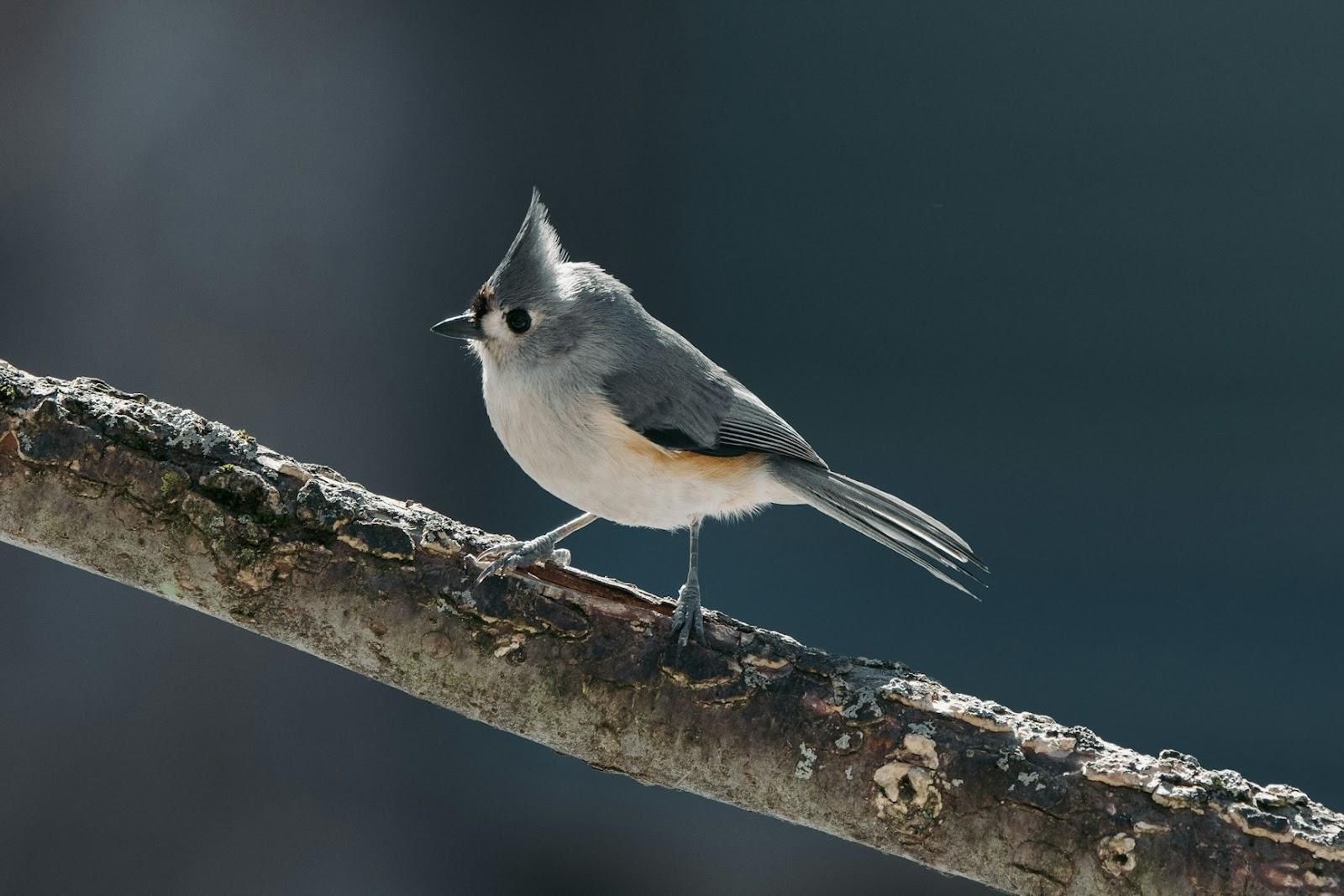
Image: Mark Olsen

One of the most charming feeder visitors in the eastern U.S., the Tufted Titmouse has a soft gray coat, a tiny crest, and warm orange patches under the wings. Though small—around 6.5 inches—they have a bold, ringing call: peter-peter-peter . Their range has expanded steadily northward, partly thanks to backyard feeders. Another fun fact: titmice store seeds one by one in tree bark, creating "pantries" they revisit all winter.

13

Geography Geography 4 min read

Houses of memories

These are the most beloved stadiums in the US and here's why!

Image: Joshua Peacock

Either because we watched our favorite teams win their cups in those arenas, or because they served as a temporary stage for our favorite musicians, there are stadiums that we simply love . And, logically, we cannot be alone in our passion: Tenths of thousands of seats have created unique memories for each visitor. This is a list of some of the most beloved stadiums in the country –and why!

1
Lambeau Field

Image: Sunil GC

Lambeau Field is one of the USA’s most iconic venues. Holly ground for the fans of Wisconsin’s Green Bay Packers, this stadium can seat 81,441 spectators.

Lambeau has witnessed countless legendary moments in NFL history, from Vince Lombardi's coaching triumphs to Brett Favre's heroics and Aaron Rodgers' artistry.

The "Frozen Tundra" has also hosted memorable concerts, with artists like Paul McCartney and Kenny Chesney electrifying the crowd.

2
Mercedes-Benz Stadium

Image: Chrishaun Byrom

Georgia’s favorite is Mercedes-Benz Stadium. A striking architectural marvel built to seat over 71,000 spectators, and made as a multi-purpose venue.

That means it has seen unforgettable games by the NFL's Atlanta Falcons and MLS's Atlanta United FC, as well as the Super Bowl LIII, the 2018 MLS Cup Final, and the 2022 College Football Playoff National Championship.

Giant artists like Garth Brooks, Taylor Swift, and Beyoncé did take center stage there as well.

3
Michigan Stadium

Image: Aditi Bhanushali

"The Big House" is colossal: With over 107,000 seats, it’s the largest stadium in the United States . At least for now!

The venue is home to the University of Michigan Wolverines and is located in Ann Arbor, Michigan. It has seen games like the annual clash with Ohio State to the pageantry of homecoming.

The Big House has also hosted other events, like NHL games and international soccer games.

4
Dodger Stadium

Image: Jakob Owens

This beloved icon nestled in the hills of Los Angeles, California, is a favorite both because of its sweeping LA view and for its history.

With a seating capacity of over 56,000, this classic venue has been home to the Los Angeles Dodgers since 1962. It has been home to countless thrilling moments, from World Series victories to legendary pitching performances.

Beyond baseball, it has also hosted significant events, including concerts by The Beatles and Elton John, papal visits, and even Olympic ceremonies.

5
Arrowhead Stadium

Image: Samuel Myles

The roaring kingdom of the Chiefs is Arrowhead Stadium. This iconic cauldron is renowned for its deafening atmosphere, often called one of the loudest in the NFL.

It can seat over 76,000 spectators and has been the stage for countless memorable moments, from nail-biting playoff games to Super Bowl victories. Of course, it has also housed legendary musicians like The Rolling Stones and Taylor Swift in front of electrifying crowds.

6
Oriole Park at Camden Yards

Image: David McBee

Oriole Park at Camden Yards revolutionized the way baseball stadiums were built. With a seating capacity of over 45,000, this iconic Baltimore venue ushered in the era of "retro-classic" ballparks .

Camden Yards has witnessed Cal Ripken Jr.'s record-breaking consecutive games streak and numerous playoff runs. It also hosts major concerts: The first one was the one Billy Joel gave in 2019.

7
Yankee Stadium

Image: David Vives

The Old Yankee Stadium may have been "The House That Ruth Built," but its younger sibling is still carrying forward a legacy of decades.

The original structure held over 57,000 fans, slightly more than the new one, which opened in 2009 to offer modern amenities. It carries the spirit of its predecessor, which witnessed 27 World Series championships and countless legendary moments, from Babe Ruth's towering home runs to Lou Gehrig's farewell speech.

8
United Center

Image: Willian Justen de Vasconcellos

The United Center is dear to Chicago fans for being home to both the Chicago Bulls of the NBA and the Chicago Blackhawks of the NHL. It may not be the largest arena, but it has witnessed Michael Jordan's legendary performances and six championship runs!

Blackhawks fans cherish the memories of their own Stanley Cup victories celebrated within its walls. It has also become a major concert venue where popular artists celebrate sold-out shows.

9
Rose Bowl

Image: BookBabe

The Rose Bowl is a National Historic Landmark. Nestled in the Arroyo Seco of Pasadena, California, this one is a stadium steeped in tradition.

The college football classic Rose Bowl Game is held here annually to a sweeping audience of around 92,000 in attendance. It has also hosted two Super Bowls, the 1994 FIFA World Cup Final, and the 1999 FIFA Women's World Cup Final.

10
Madison Square Garden

Image: Pedro Bariak

"The World's Most Famous Arena" is even more than that: it’s a legendary landmark in the heart of New York City. Its current structure is its fourth iteration, but it remains a classic venue for unforgettable events.

Home to the New York Knicks (NBA) and the New York Rangers (NHL), the Garden has witnessed countless thrilling games and championship victories. It’s also been the stage for some of the most memorable concerts in music history, featuring legendary artists from Elvis Presley to Beyoncé.

11
Wrigley Field

Image: Heather Maguire

Wrigley Field is a beloved baseball shrine in Chicago's Wrigleyville neighborhood. Home to the Chicago Cubs, it has been a cherished landmark since 1914.

Wrigley's ivy-covered walls, hand-operated scoreboard , and vintage atmosphere evoke a sense of nostalgia that few stadiums can match. Beyond baseball, Wrigley has also hosted concerts by major artists like Pearl Jam and Guns N’ Roses, and even a few NFL games in its early years.

12
Fenway Park

Image: Clark Van Der Beken

Finally, there’s Fenway Park, Boston’s center of Red Sox fans. As the oldest ballpark in MLB, Fenway has been the subject of several renovations and is today full of quirks, like the towering Green Monster wall, or the totem-like Pesky's Pole .

In 2021, Fenway was added to the National Register of Historic Places.

General General 4 min read

Which one are you?

Beatniks, hippies, yuppies, and beyond: 10 subcultures decoded

Image: Cottonbro Studio

Unlike generations, which can be easily grouped by years, social labels attached to groups of people with similar interests are not as rigid. Their boundaries blur into each other, and intersections appear. Aesthetic reasons, like music and clothing, bind some of these groups, philosophical reasons bring together others, and some, like hipsters, don’t even recognize themselves as such. Do you recognize yourself as a member of one of the following subcultures?

1
Bohemians

Image: Kinga Howard

Bohemianism, an original subculture that ended up lending its name as an adjective often used to describe other subcultures, is a social and cultural movement that embraces a way of life away from society's conventional norms and expectations . The term comes from the French bohème , and it was used to describe mid-19th-century non-traditional lifestyles, especially those of artists, writers, journalists, musicians, and actors.

Today, the term is used to describe anyone who shows disdain for money, dresses in hippie fashion (more on this later), and appreciates everything art-related.

2
Greasers

Image: Alberto Bigoni

Think John Travolta in _Grease_—yes, Grease . Think Biff Tannen in the 1950s segment of Back to the Future . Greasers emerged in the 1950s and early 1960s from predominantly working-class and lower-class teenagers and young adults in the United States and Canada.

An interest in cars, motorcycles, leather jackets, jeans, and rock music was the common theme among greasers. According to some sources, the subculture’s name was applied to its members partly because of their characteristic greased-back hair.

3
Beatniks

Image: Clem Onojeghuo

The first subculture on this list to adopt the adjective "bohemian," beatniks were a mid-20th-century social movement that embraced an anti-materialistic lifestyle, rejecting consumerism and expressing themselves through art, spirituality, drugs, and sexuality.

The term "beat" was first used by Jack Kerouac in 1948 to describe his group of friends and fellow writers, including Allen Ginsberg, William S. Burroughs, and Neal Cassady. Kerouac said that "beat" had multiple meanings, such as "beaten down," "beatific," "beat up," and "beat out." Beatniks are often stereotyped as wearing black clothing, and speaking in hip slang that incorporates words like "cool," "dig," "groovy," and "square."

4
Hippies

Image: Trevar Skillicorn-Chilver

One of the most famous countercultures of all time, hippies are deeply associated with the 1960s. The term "hippie" originally came from "hipster" (more on this later) and was used to describe the aforementioned Beatniks, who were "hip" to all things sophisticated and fashionable. In fact, early hippies adopted much of the language and values of the Beat Generation.

The festivals of Human Be-In (1967), Monterey (1967), and Woodstock (1969) popularized hippie culture, with its fashion and values influencing culture, popular music, television, film, literature, and the arts. Since the 1960s, mainstream society has assimilated many aspects of Hippie culture.

5
Mods

Image: Michael Schofield

The Mods were a group of stylish, London-based young men and women in the late 1950s, named for their preference for modern jazz. This subculture was known for its distinctive fashion, including tailor-made suits, as well as its love for music and scooters.

By the mid-1960s, their musical tastes had shifted toward rock and blues, with bands like The Who and Small Faces gaining popularity among Mods. Mod fashion was a defining element of the "Swinging London" era, and during this time, the subculture spread to other countries, becoming emblematic of the larger youth culture of the period.

6
Punks

Image: Viktor Forgacs

Another popular subculture, thanks in no small part to its striking visual component, is the punk movement, which encompasses music, fashion, ideologies, dance, film, and visual arts, among other forms of expression. Its strong anti-establishment views, stances on individual freedom, and DIY ethic make punks easy to identify.

Punk fashion includes T-shirts, leather jackets, boots, distinctive hairstyles such as brightly colored hair and spiked mohawks, as well as cosmetics, tattoos, jewelry, and even body modification.

7
Yuppies

Image: Nick Fewings

Anyone who has seen the movies Wall Street (the one with Charlie Sheen and Michael Douglas) or American Psycho knows what a yuppie is. The term stands for "young urban professional" and was coined in the early 1980s as a way to describe young professionals living in a city.

Those labeled as yuppies generally dislike the association, because this characterization often suggests a very materialistic approach to life in general and a cutthroat attitude towards the workplace environment.

8
Skaters

Image: Parker Gibbons

An offshoot of the punk subculture, skater culture rose to prominence in the 1980s when a massive drought in California left numerous empty pools, which skaters used to practice their sport. The rise of magazines like Thrasher and stars like Tony Hawk helped the movement transition from an underground scene to a mainstream sport.

Its aesthetics centered around the preferred type of clothes for skateboarding: baggy and sturdy pants, sneakers, and oversized shirts. Its music was shared by the punk and hardcore movements.

9
Straight Edge

Image: Evgeniy Smersh

Going deeper down the rabbit hole, we encounter the Straight Edge subculture, an offshoot of both skater and hardcore punk cultures. Its followers reject the excesses of the punk scene by abstaining from alcohol, tobacco, and recreational drugs . Many also refrain from casual sex, follow a vegetarian or vegan diet, and avoid caffeine or prescription drugs. The name "Straight Edge" was inspired by the 1981 song "Straight Edge" by the hardcore punk band Minor Threat.

Overall, Straight Edge culture promotes a lifestyle of self-discipline, health, and community, and it continues to evolve while maintaining its roots in the hardcore punk scene.

10
Hipsters

Image: John Fornander

The final entry on the list is dedicated to the most modern subculture in it: the hipsters. Mostly associated with perceived upper-middle-class white young adults who gentrify urban areas , hipster culture has been critiqued for lacking authenticity and focusing on consumption.

As mentioned earlier, members of this subculture typically do not self-identify as hipsters, as the term’s connotations are often unflattering. It is no coincidence that the term evokes the previously mentioned Beatniks, as that subculture can be seen as an early precursor to hipster culture.

Explore more American facts

Choose your favorite category!

General
General

As American as apple pie—the very best America has to offer!

Culture
Culture

Delve into the astounding richness of American lore.

Geography
Geography

Hop in and explore vast and diverse American landscapes.

History
History

Discover the key moments that shaped the United States.