General General 4 min read

Happy accidents that fed America

Oops! 10 everyday American foods that started as blunders
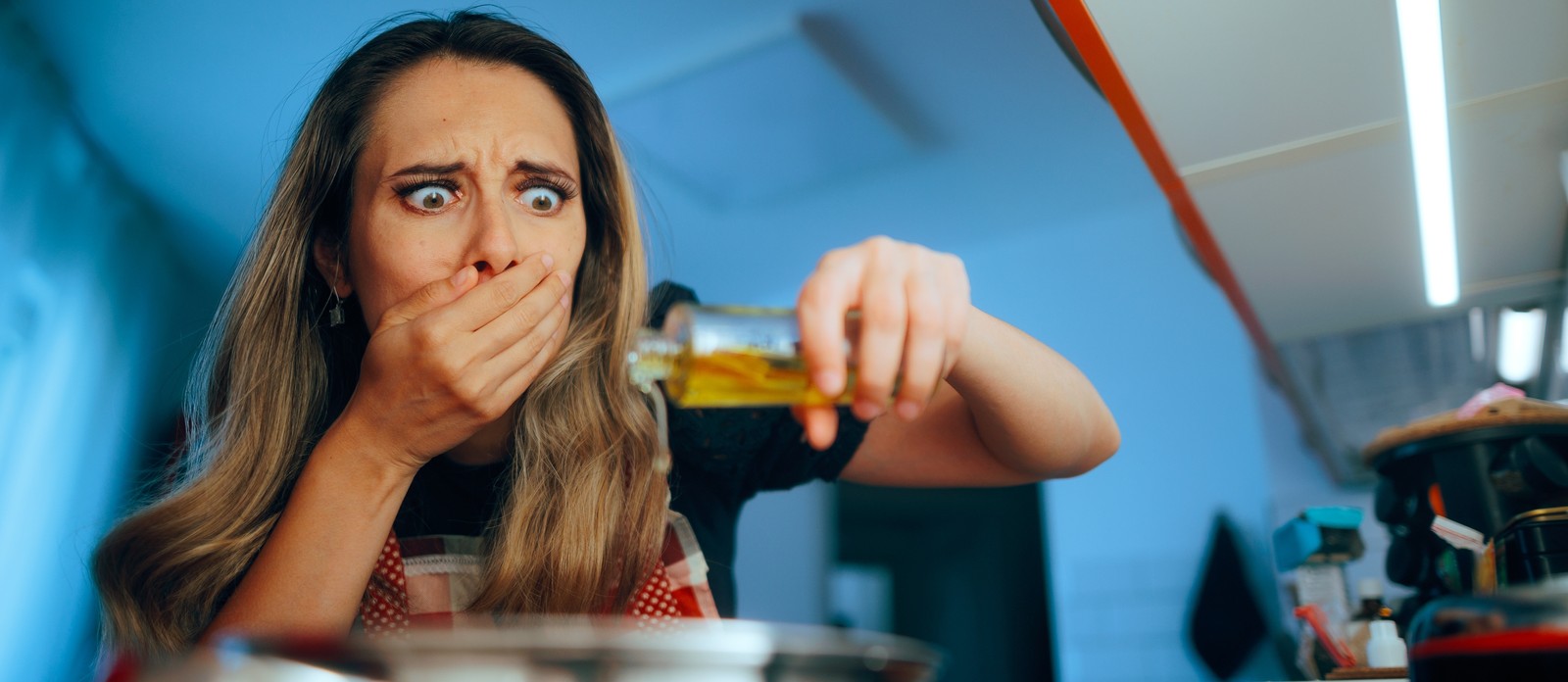
Image: Nicoleta Ionescu

Many great ideas don’t come from careful planning or a bolt of inspiration. The truth is messier, and often funnier. Somebody gets distracted, runs out of something, or loses their temper, and out pops a winner. Sometimes the best creations are the spontaneous ones, and food is no exception . If you love chocolate chip cookies or potato chips, you’ve got some happy blunders to thank.

1
Chocolate chip cookies
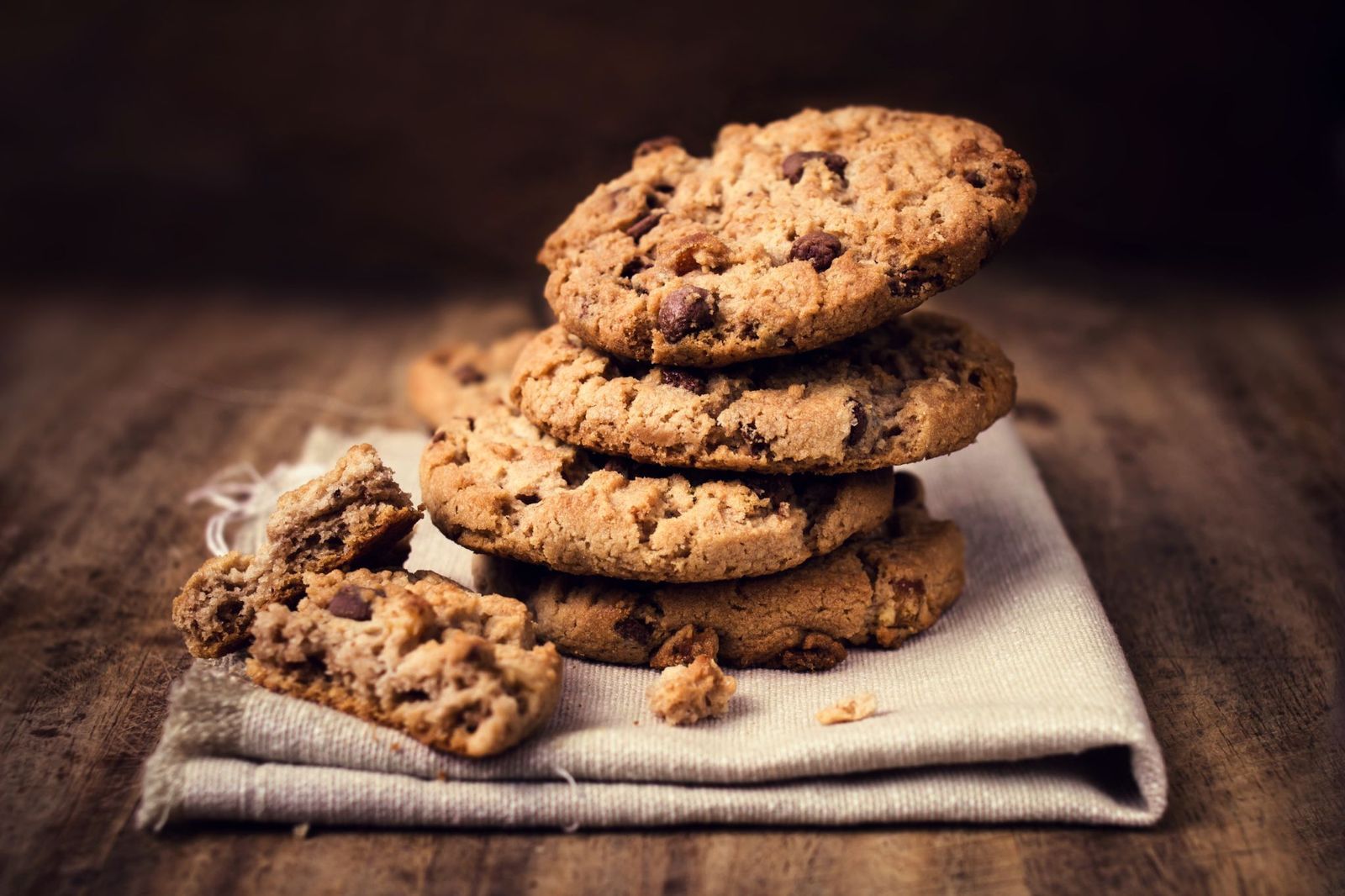
Image: NataliaZa

Warm, gooey, and a lunchbox legend. In 1938, Ruth Wakefield ran the Toll House Inn in Whitman, Massachusetts. As the story goes, she tossed chopped chocolate into her dough, expecting it to melt through. It didn’t, and guests went crazy for the chunks (some historians say she did it on purpose, but the legend’s more fun).

Nestlé printed her chocolate chip cookie recipe on its wrapper in 1939, and America has been baking endless batches ever since.

2
Popsicles
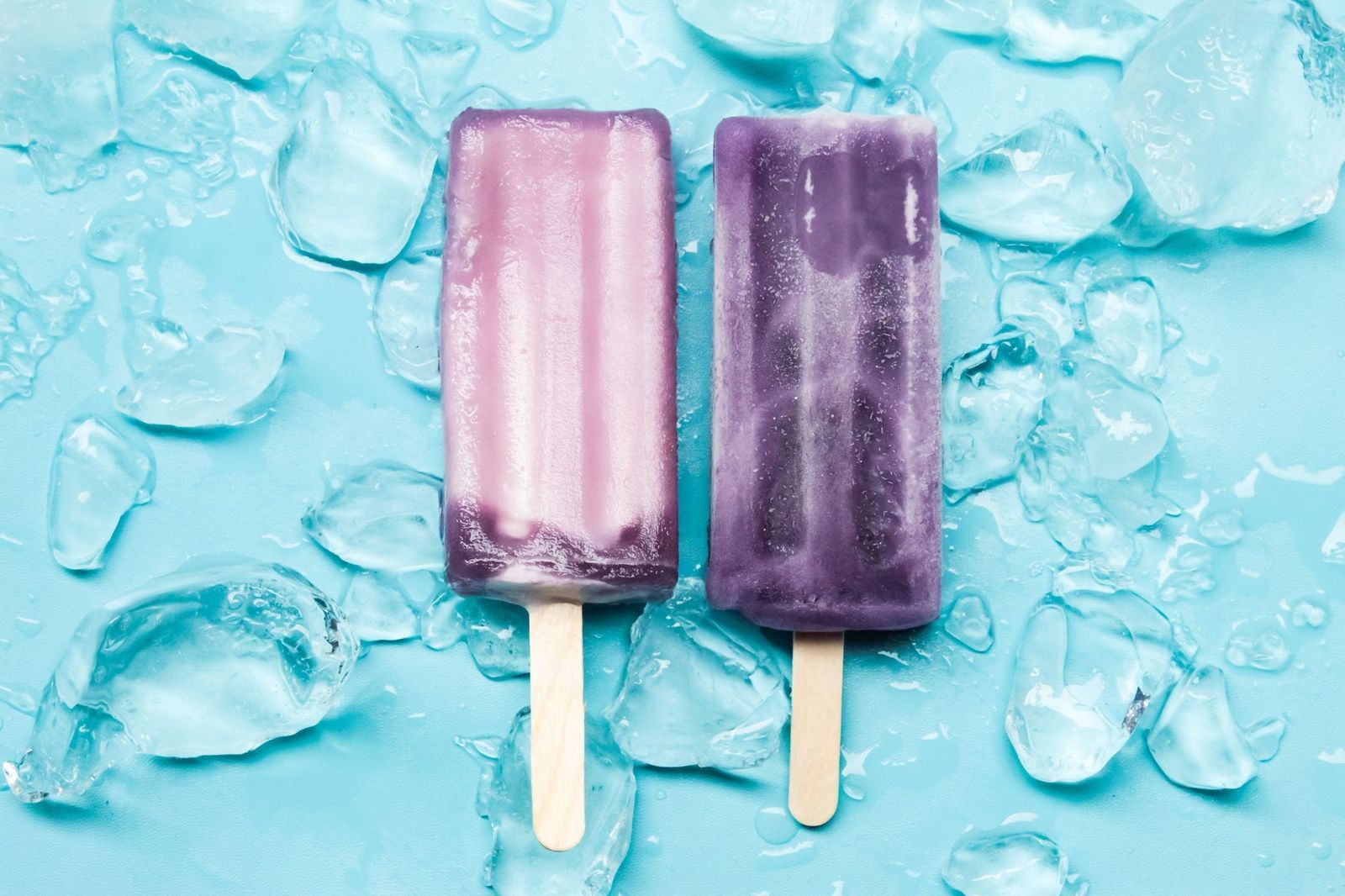
Image: Insan1919

In 1905, eleven-year-old Frank Epperson of Oakland, California, left a cup of powdered drink mix and water, with a stirring stick, on the porch overnight. It was a freezing night, and the next morning he had a frozen treat on a stick . He didn’t patent his "Epsicle" until 1923, after his own kids kept begging for them. The name stuck as "Popsicle," and he sold the rights soon after.

3
Philly cheesesteak
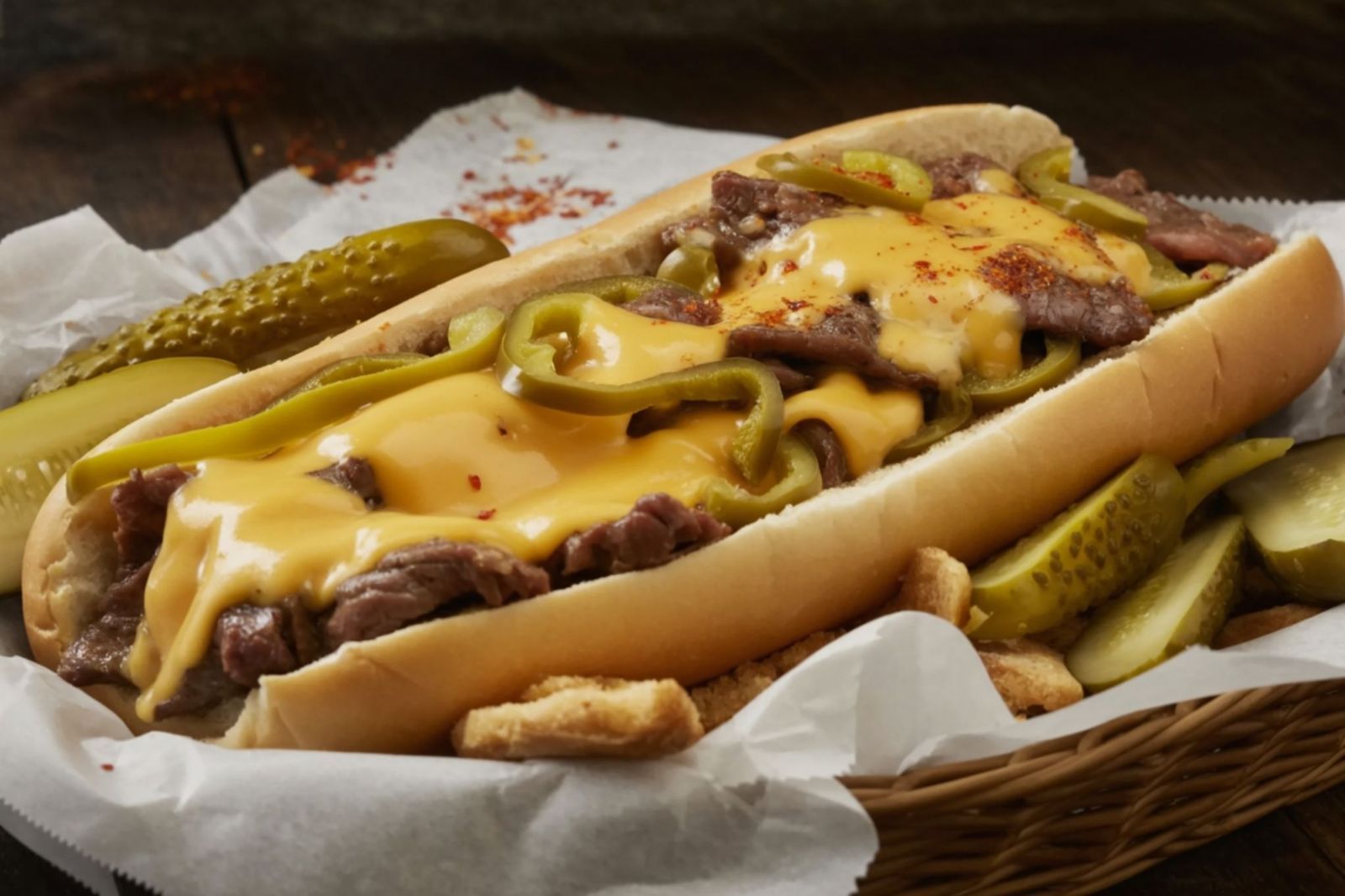
Image: I am food

According to the family, in 1930, Pat Olivieri ran a hot dog stand in South Philadelphia. One day he grilled some beef for his own lunch, and a passing cab driver smelled it and asked for one instead . Pat sold the sandwich, the word spread, and he opened Pat’s King of Steaks. Cheese came along in the following years, and the sandwich became the city’s signature dish.

4
Saltwater taffy
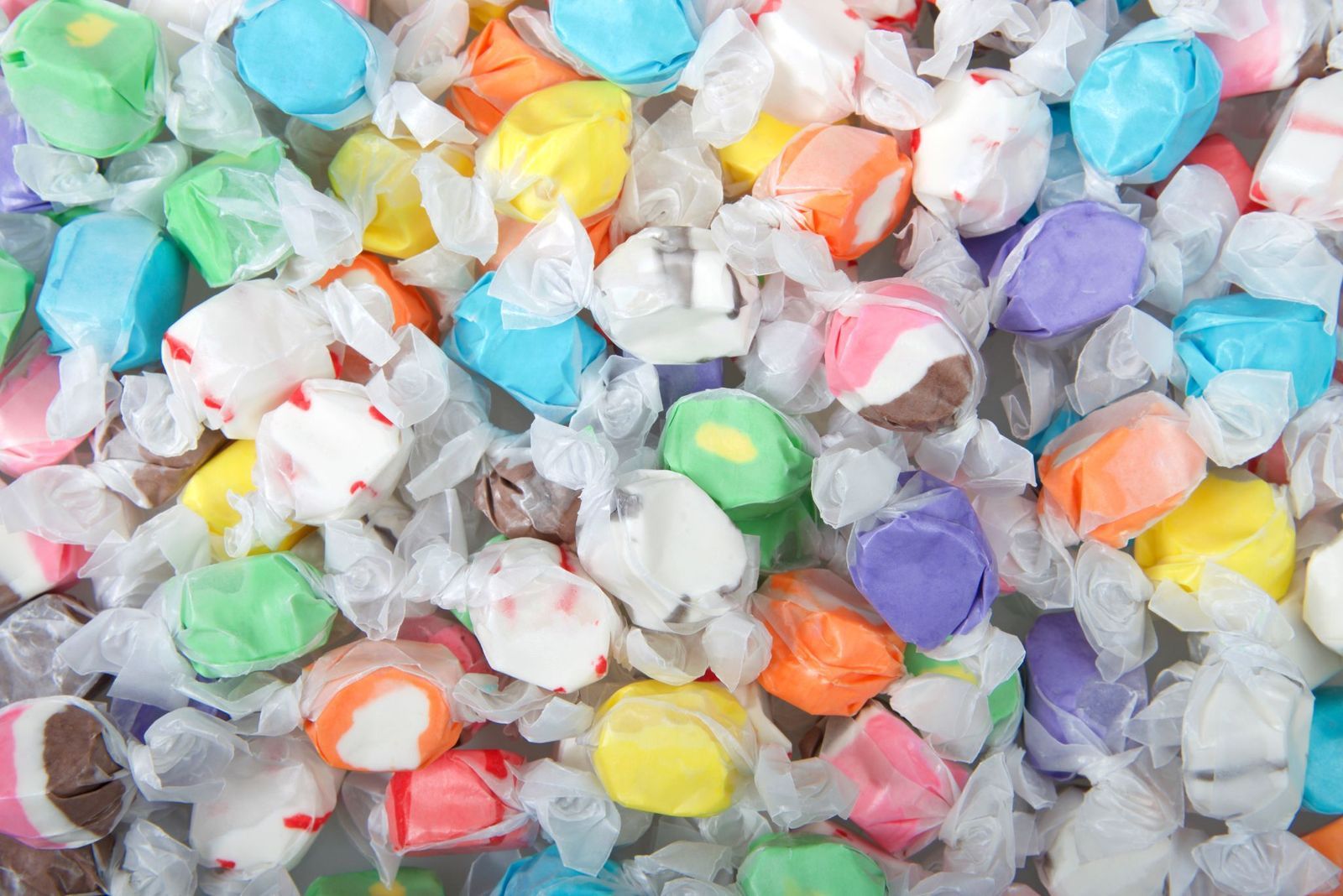
Image: Sheila Fitzgerald

The legend goes that in 1883, a storm flooded David Bradley’s candy shop on the Atlantic City boardwalk, soaking his taffy. When a young customer asked for some the next day, he joked that he only had "saltwater taffy." She loved the name and told her friends. There’s no real seawater in it, just a pinch of salt and water. Joseph Fralinger started selling it in boxes as souvenirs, and a boardwalk tradition took off.

5
Potato chips
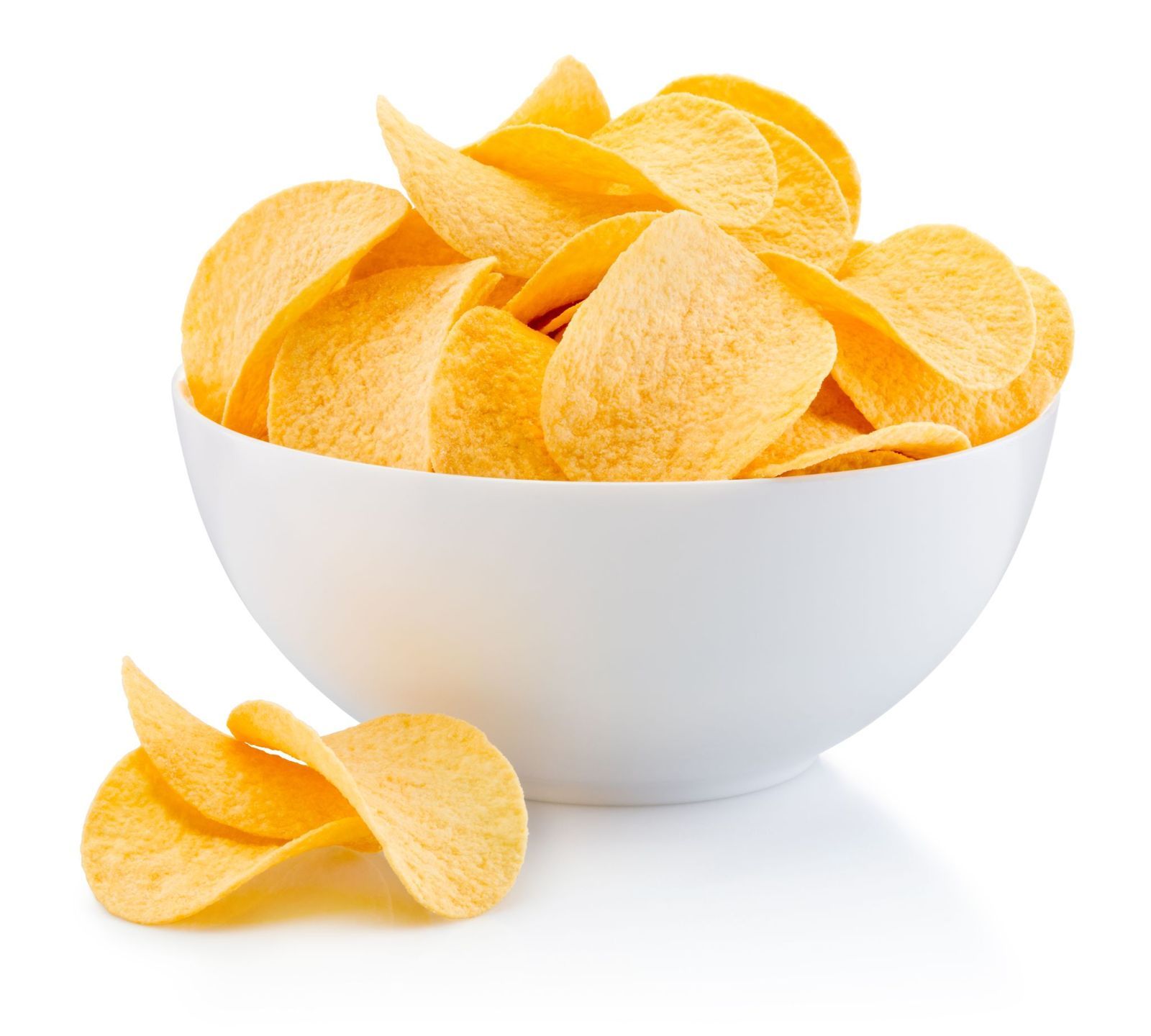
Image: Tarasyuk Igor

Legend says that in 1853, a diner at Moon’s Lake House in Saratoga Springs, New York, kept sending back his fries as too thick. Chef George Crum got fed up, sliced potatoes paper-thin, fried them crisp, and salted them heavily , hoping to annoy him. The man loved them.

In the 1920s, Laura Scudder began selling them in wax-paper bags, and the snack aisle was born.

6
The ice cream cone
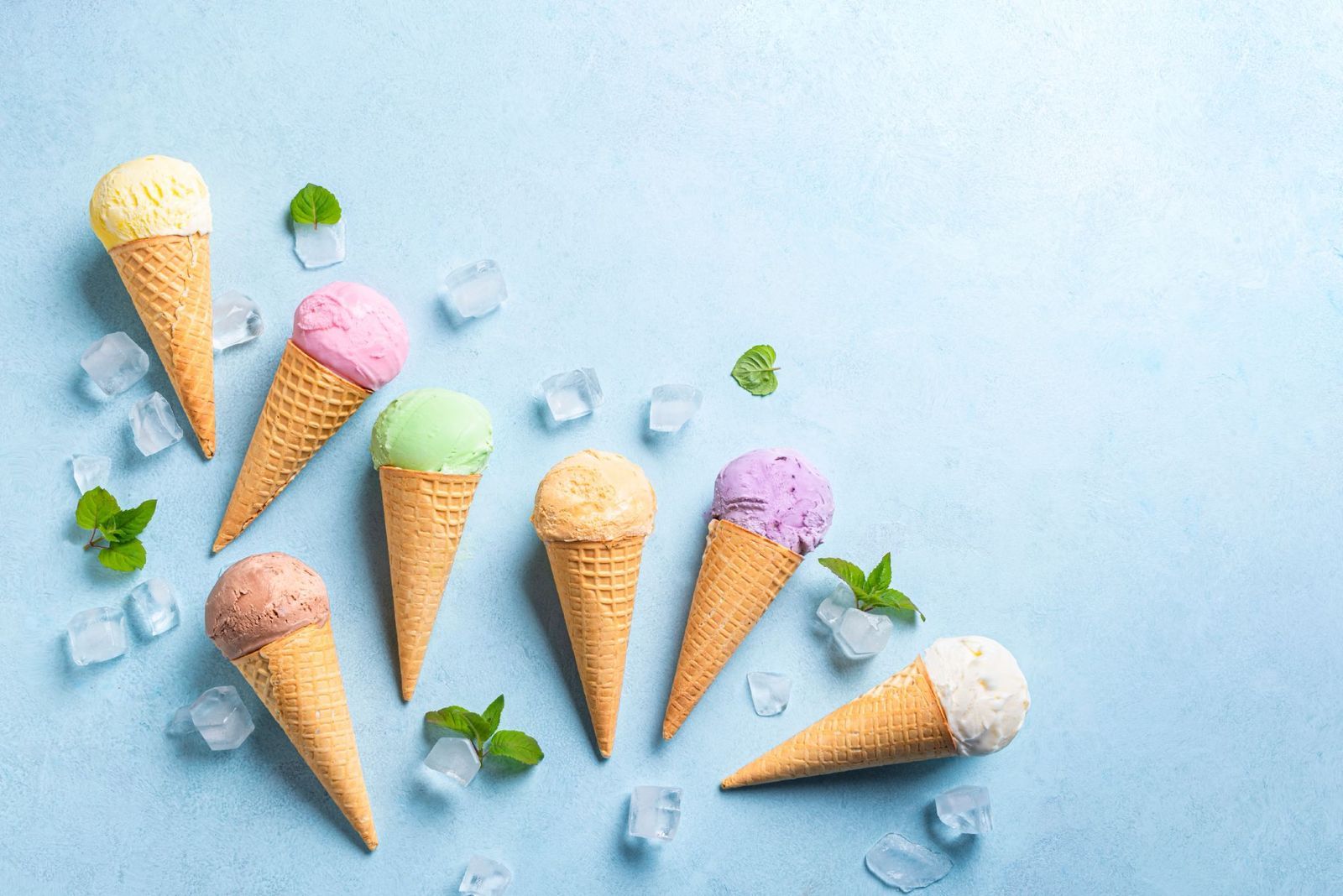
Image: Oksana Mizina

At the 1904 St. Louis World’s Fair, an ice cream vendor ran out of dishes on a sweltering day. The waffle vendor next door, Ernest Hamwi, rolled a thin waffle into a cone—problem solved . Some folks say cones were around even earlier, but this tale stuck. Cone-baking machines soon followed, and by the 1920s you could hardly find a ballpark or boardwalk without one.

7
Corn flakes
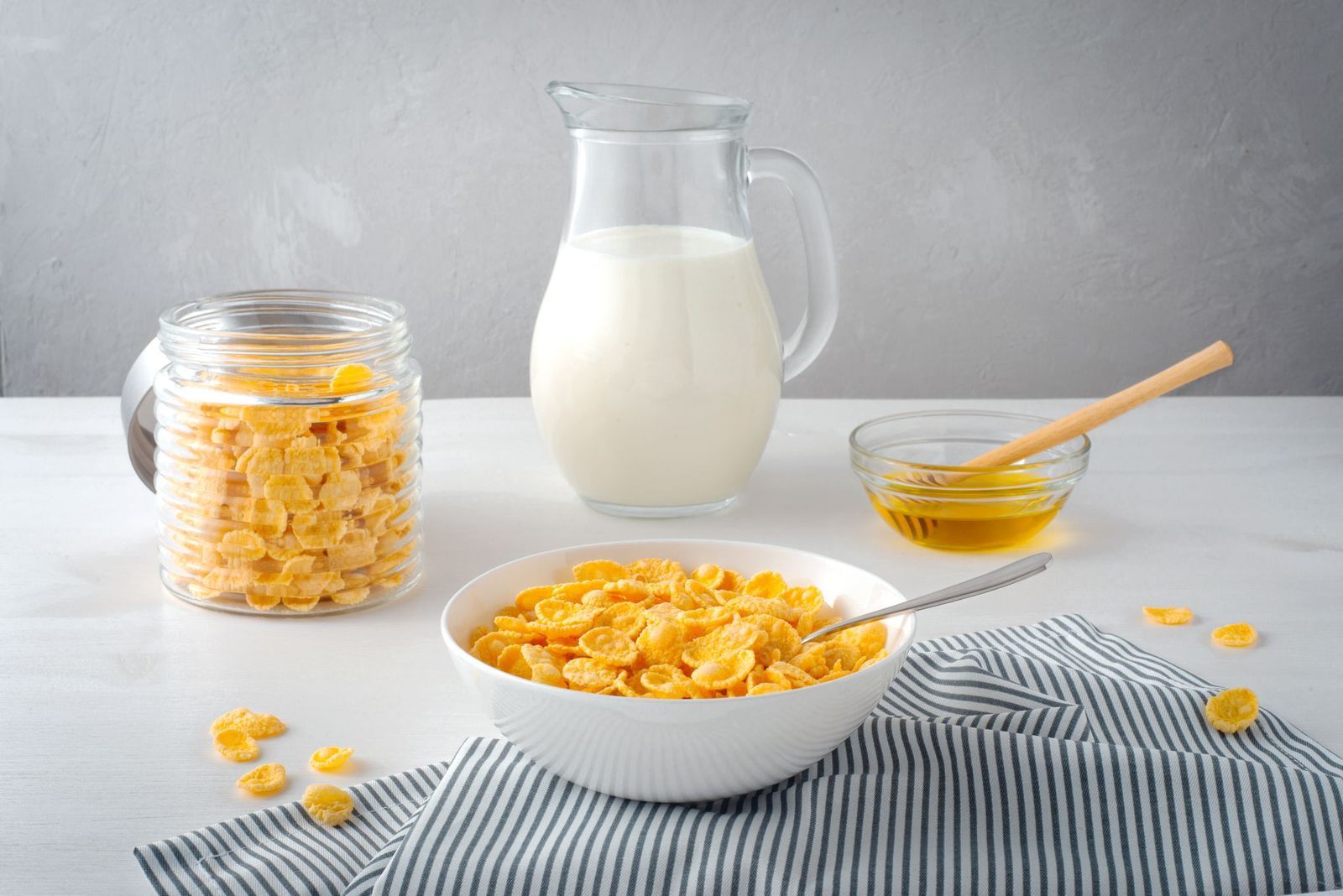
Image: Innaru

In 1894, brothers John Harvey and Will Keith Kellogg were boiling wheat at their Battle Creek, Michigan, sanitarium, hoping to roll it into sheets of dough for a healthy cereal for their patients. Then they got called away, and the cooked wheat sat out and went stale. Rather than toss it, they rolled it out anyway and got crispy flakes . Patients loved them.

Will later added sugar and switched to corn, and in 1906 he founded the company that still carries his name.

8
Buffalo wings
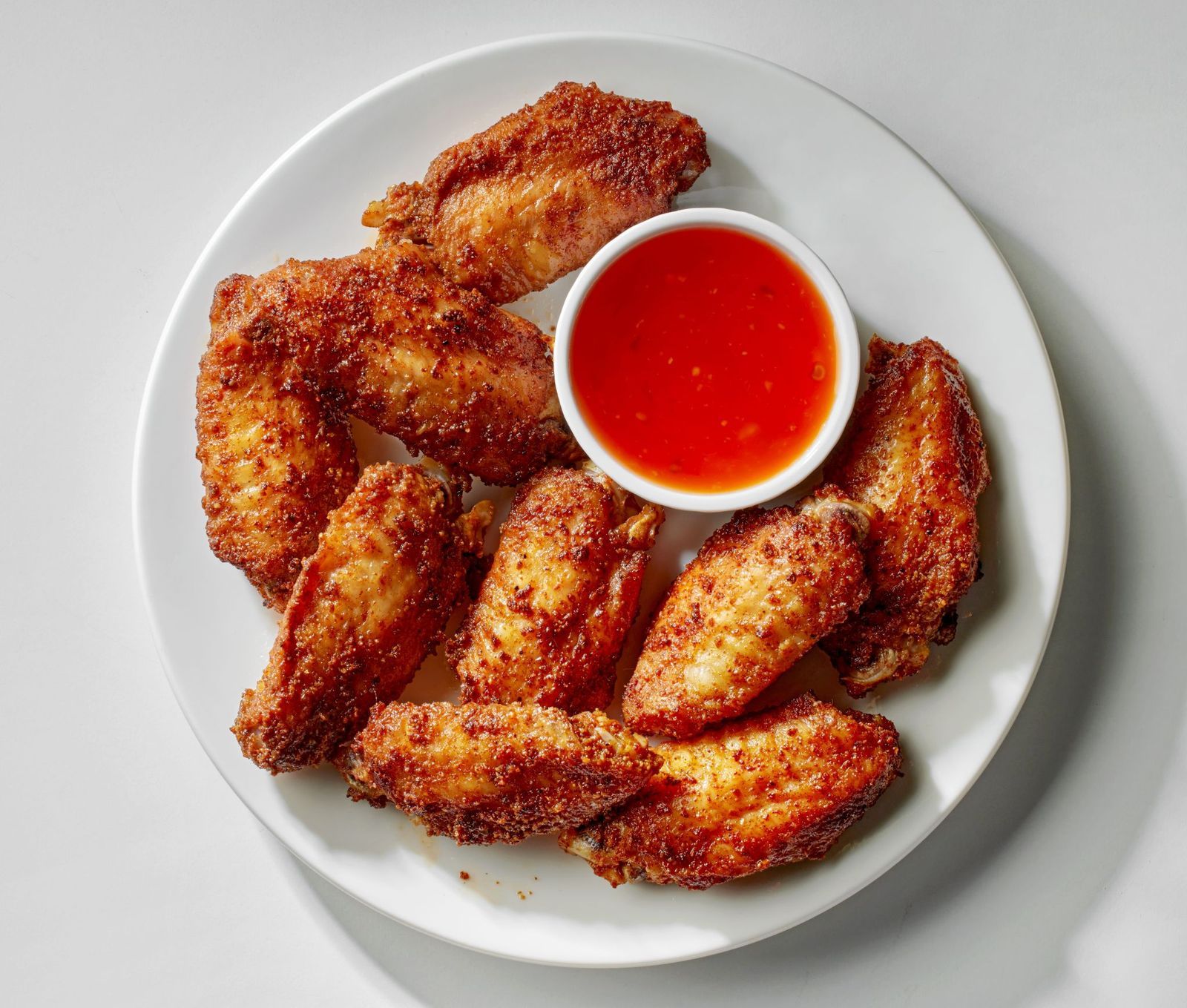
Image: MaraZe

One night in 1964, Teressa Bellissimo at the Anchor Bar in Buffalo, New York, had hungry late-night guests, including her son’s friends. Wings were usually tossed or saved for soup stock, so she fried them up, tossed them in hot sauce and butter, and served them with celery and blue cheese because that’s what she had.

They caught on fast. Buffalo even declared a Chicken Wing Day, and now Americans eat over a billion wings around Super Bowl time alone.

9
Pop Rocks
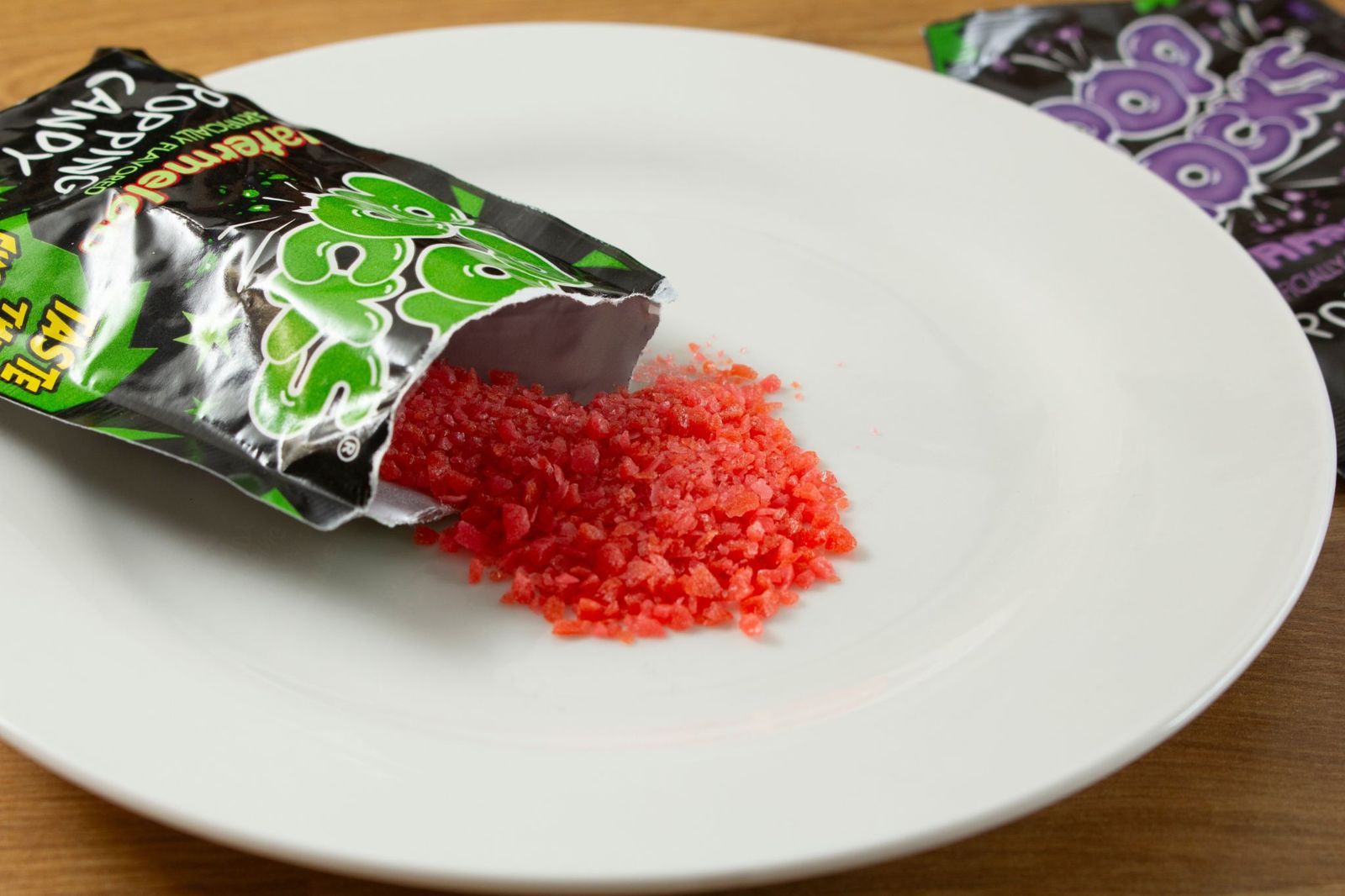
Image: The Image Party

In 1956, General Foods chemist William Mitchell was trying to invent instant soda: just add water and get a fizzy drink. It didn’t work, but he noticed something odd: the sugary crystals he’d made crackled and popped on his tongue. The secret was carbon dioxide trapped inside the candy . He patented it in 1961, but it didn’t reach stores until 1975.

Kids went wild for it, and then came the rumor: Playground gossip claimed that Mikey, the little boy from the Life cereal commercials, had died after eating Pop Rocks with soda. It was completely false. The real Mikey, John Gilchrist, was fine, but his mother got a sympathy call from a stranger and sent his brother to check on him at the park.

10
Saccharin

Image: Antonio Guillem

In 1879, chemist Constantin Fahlberg was working in Ira Remsen’s lab at Johns Hopkins University in Baltimore. After a long day, he noticed everything he ate tasted oddly sweet. He’d forgotten to wash his hands, and the sweetness came from a chemical he’d been working with .

Saccharin became a hit during sugar shortages in the World Wars, and later showed up in the now-ubiquitous pink packets of Sweet’N Low, introduced in 1957.
Culture Culture 6 min read

Advertising legends

Who paid for the third O? 10 Hollywood Sign secrets

Image: Shutterstock

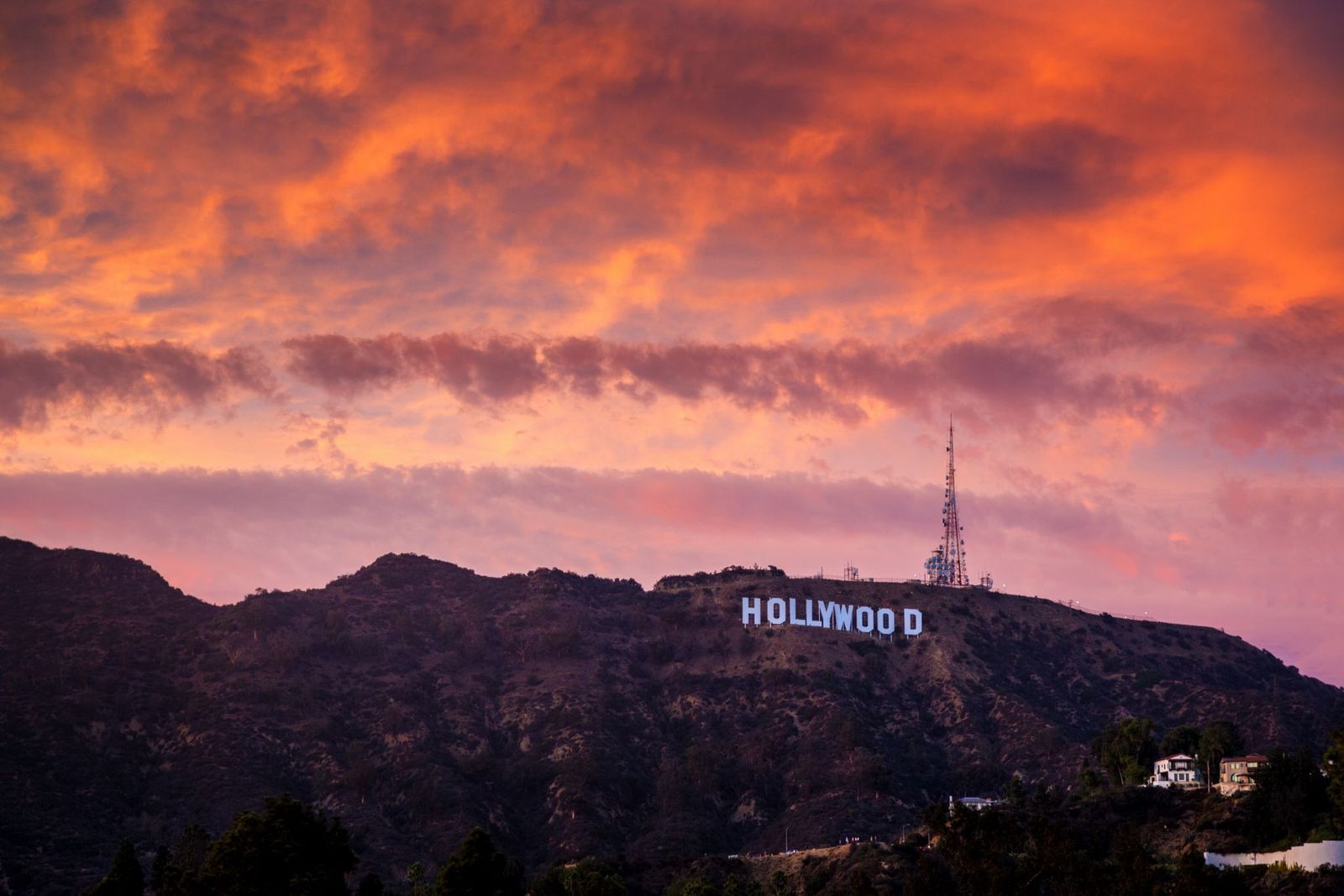
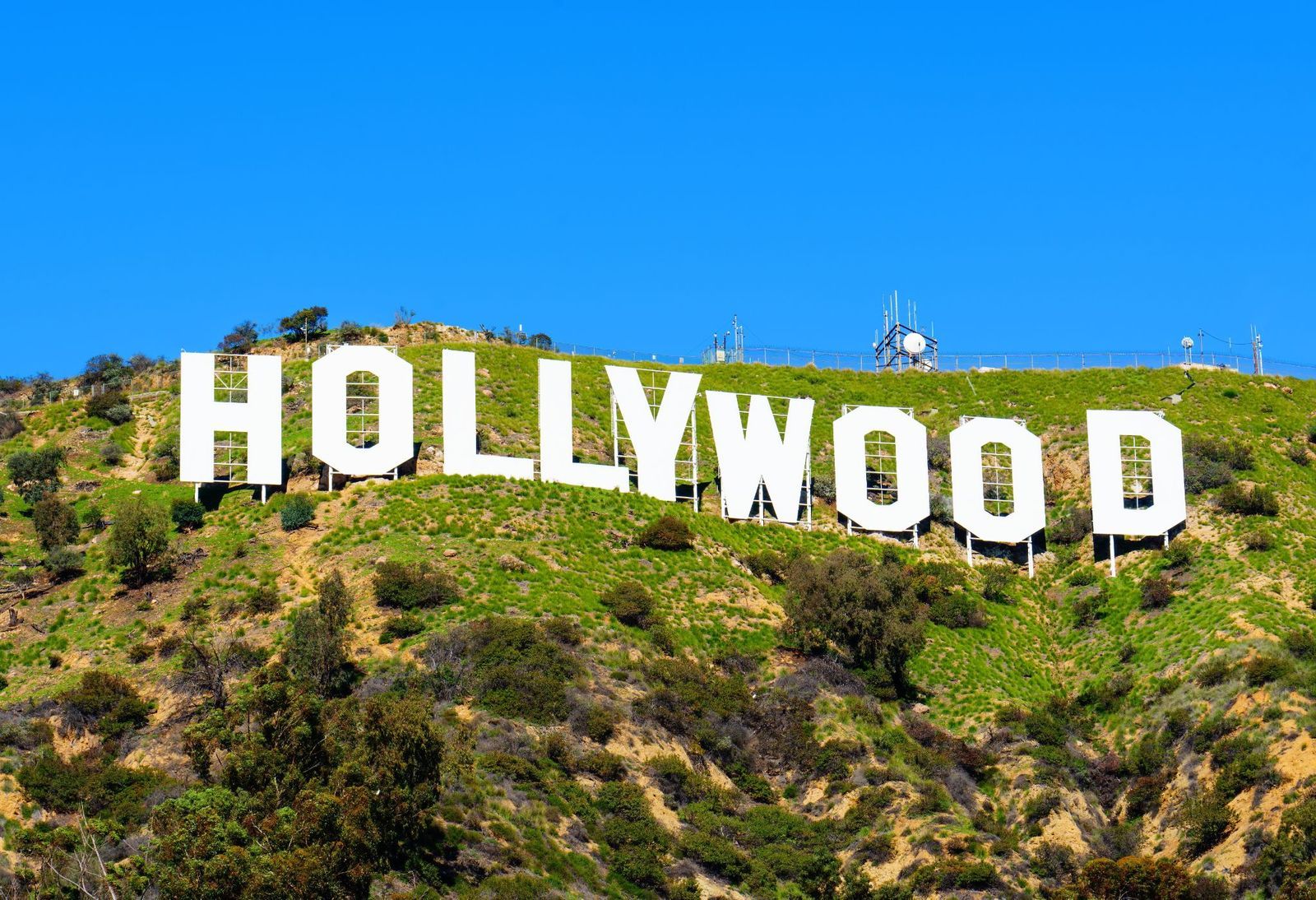
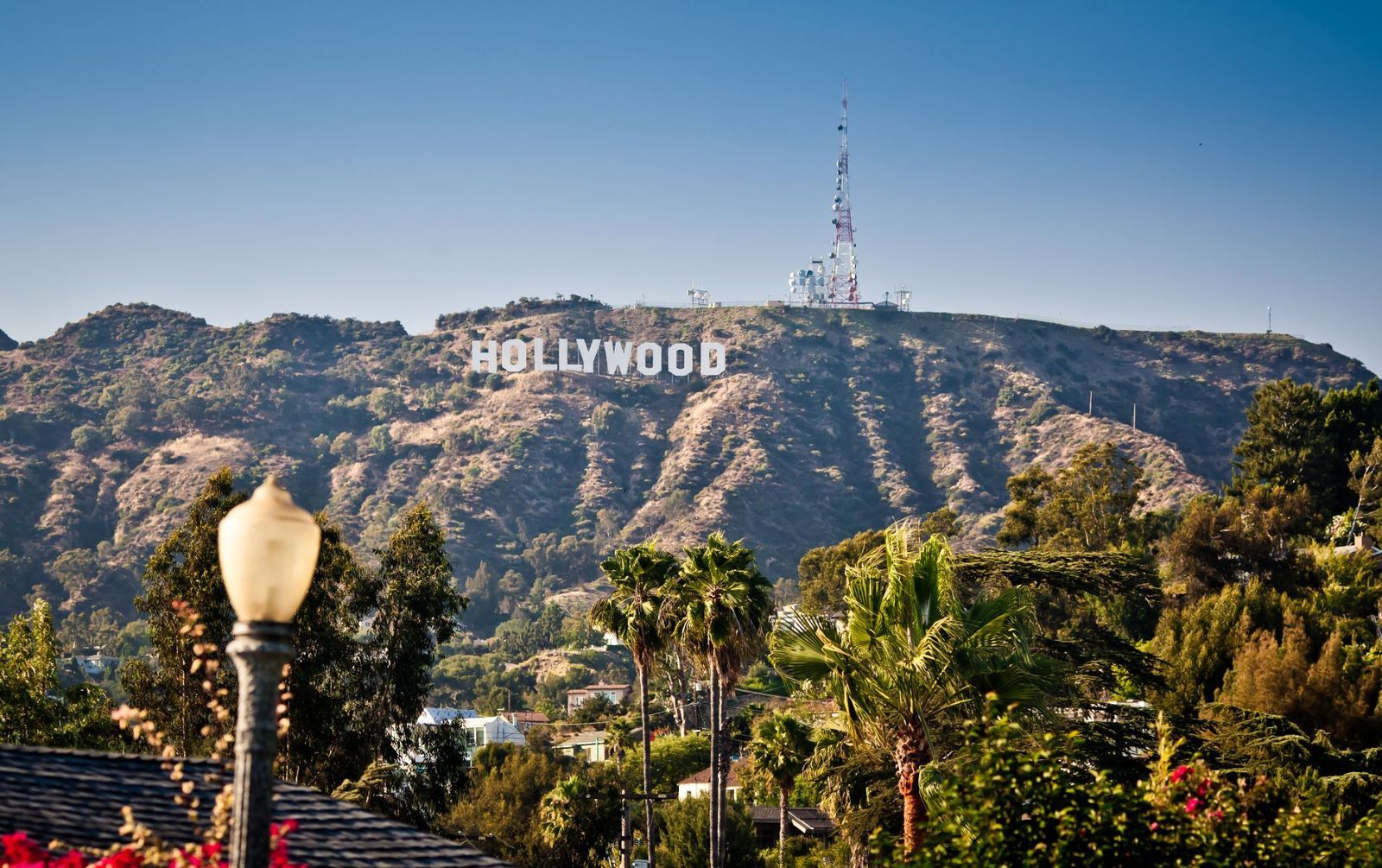
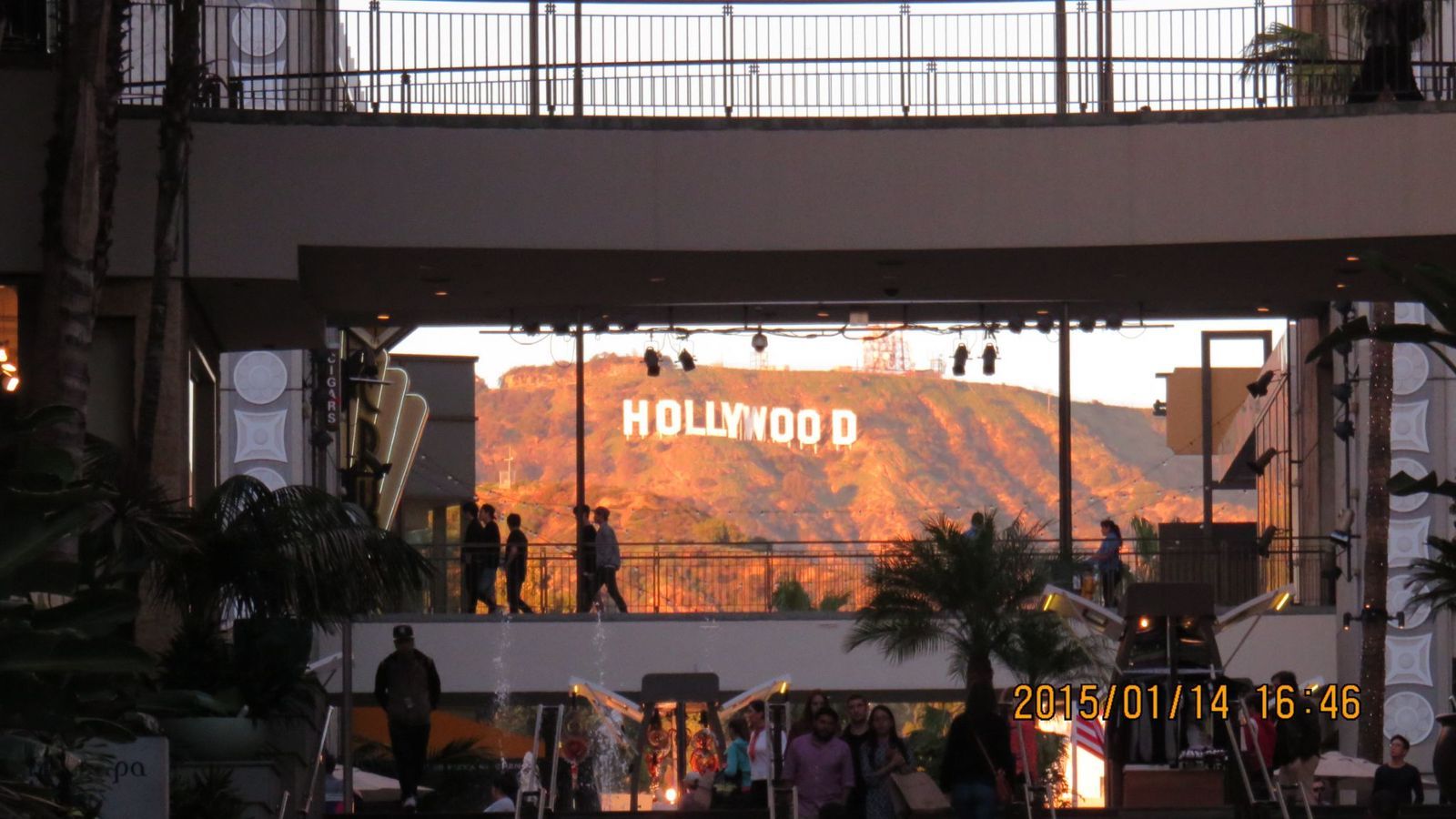
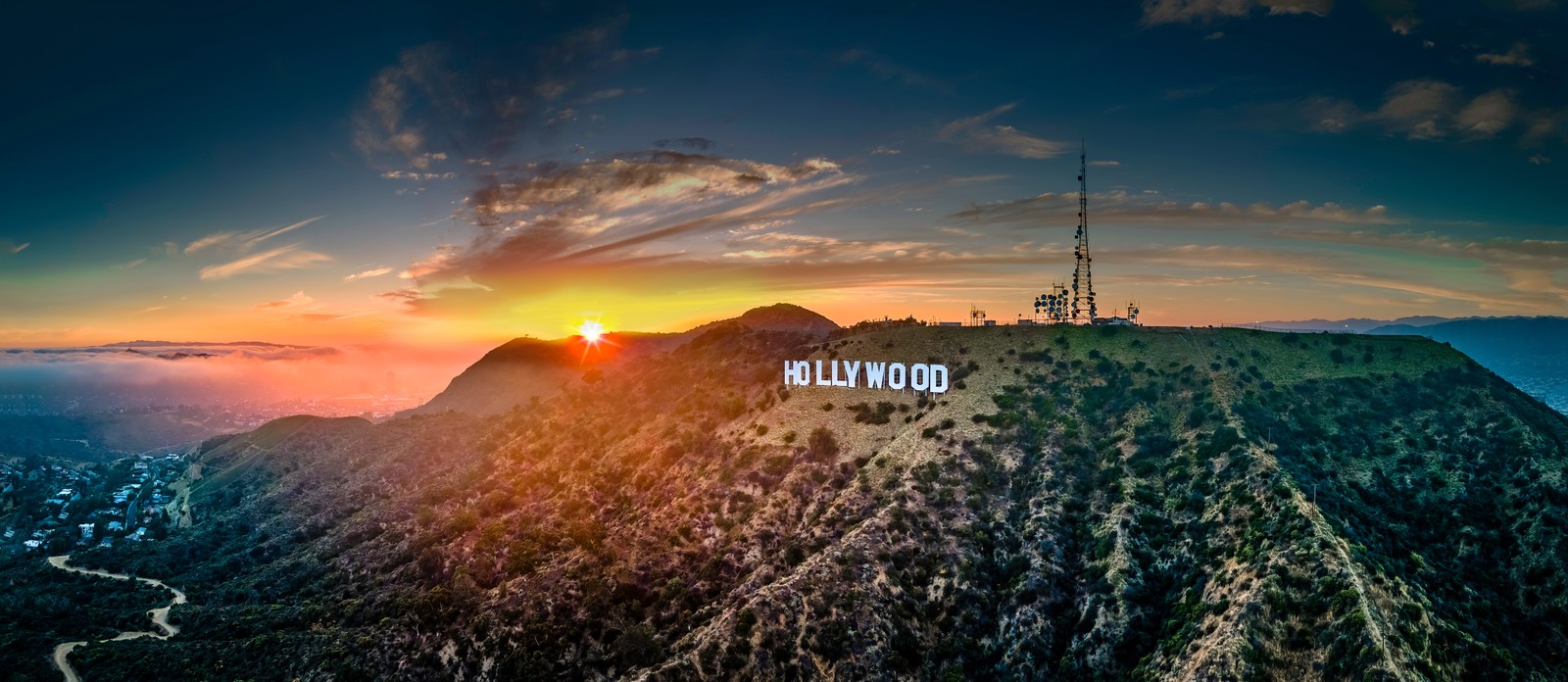
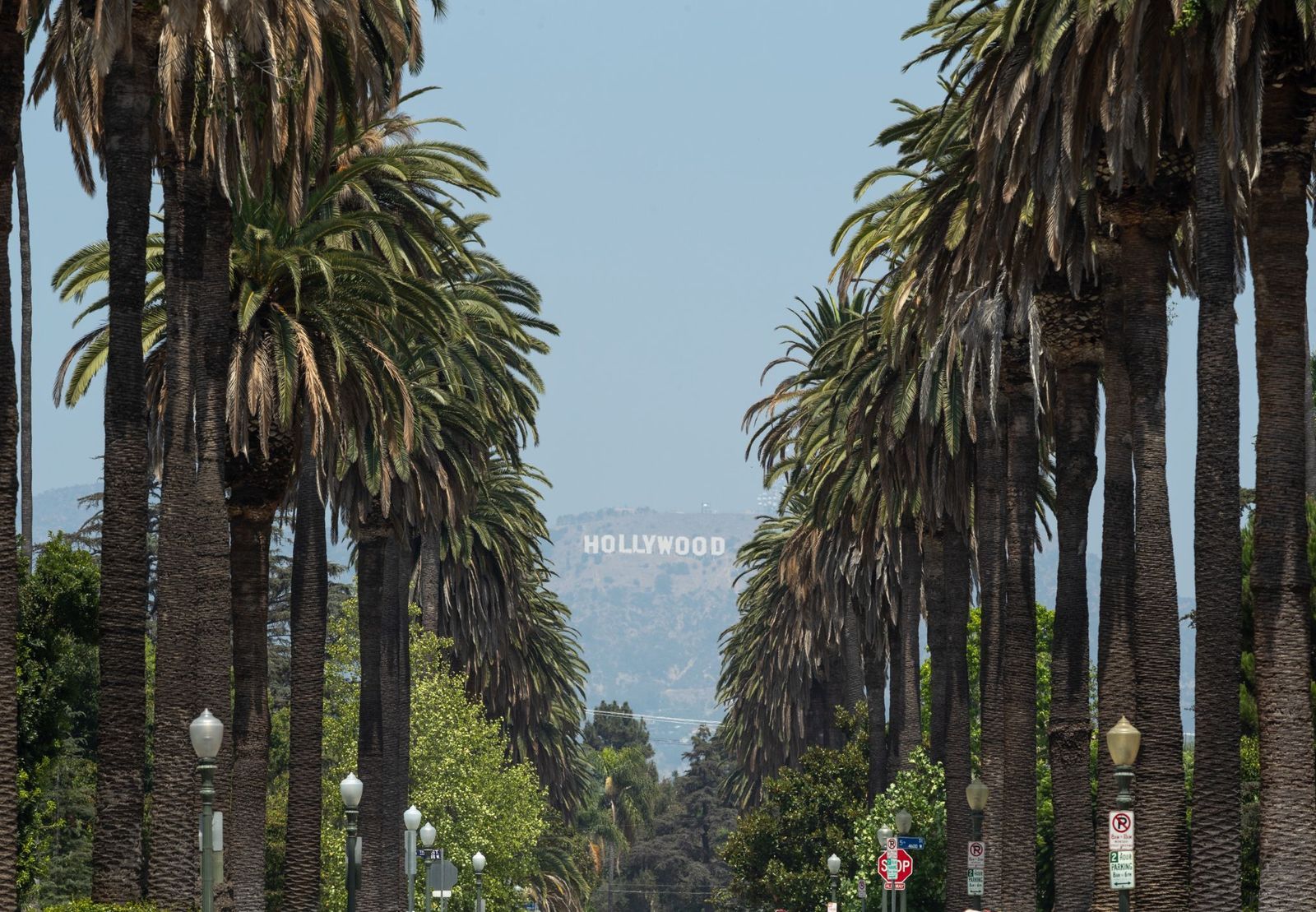
Can you imagine Los Angeles or the entertainment industry without the iconic, endlessly reproduced Hollywood Sign? Yet the landmark was never meant to represent the movies or fame at all. It started as an advertisement for a new neighborhood and was supposed to stay up for less than two years. Instead, it lost four letters, survived years of damage, and became a beloved and unforgettable symbol. Here is the surprising story behind the sign.

1
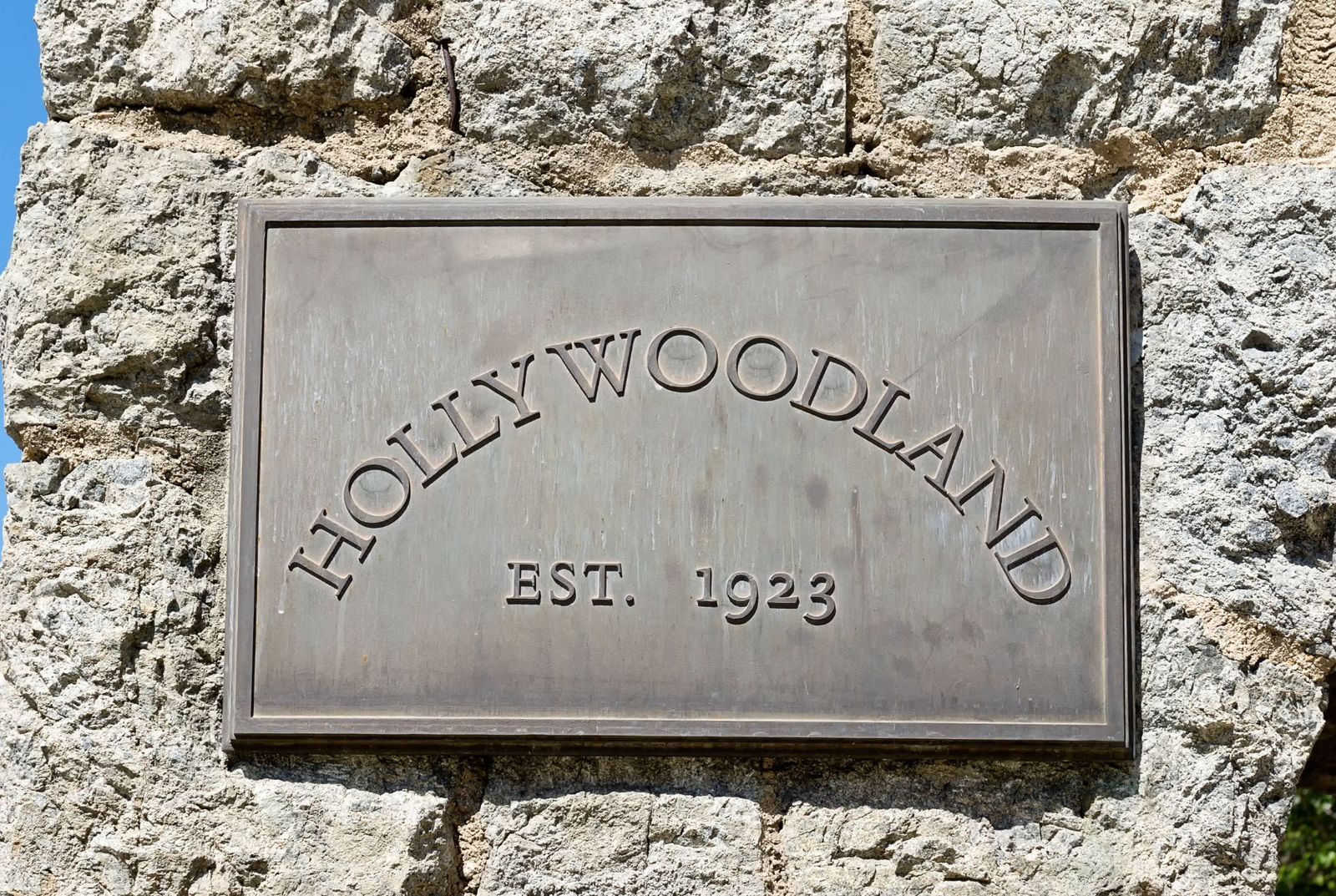
The original sign read "Hollywoodland"

Image: Shutterstock

Imagine driving through Los Angeles and suddenly seeing a giant new word stretched across a hillside, where nothing had stood before. The sign that appeared on Mount Lee in 1923 read "Hollywoodland," with 13 enormous letters rising above Beachwood Canyon. Each letter was about 43 feet tall and 30 feet wide, making the advertisement impossible to miss.

Modern period movies sometimes restore that original view. Ruben Fleischer’s 2013 film Gangster Squad is set in 1949 and opens with a shot that moves from Griffith Observatory toward the complete "Hollywoodland" sign. The extra four letters immediately place the story in an earlier Los Angeles, before the landmark took its familiar form.

2
It advertised real estate

Image: Shutterstock

No one involved in putting up the sign could have imagined how iconic it would become. Before the sign was a celebration of Hollywood’s film industry, it advertised Hollywoodland, a new upscale neighborhood in the hills . A group of real estate investors, including Los Angeles Times publisher Harry Chandler, supported the project and spent about $21,000 on the giant sign.

The development itself was already a large project. A 1923 advertisement said that 200 men were working there, seven miles of roads had been built, and huge amounts of dirt had been removed. The sign was simply the biggest part of the sales campaign.

3
It was supposed to be temporary

Image: Shutterstock

The Hollywood sign wasn’t meant to last forever. The developers expected it to stay on the hillside for only about 18 months. But that deadline passed, and the sign was still useful for attracting buyers to Hollywoodland, so no one rushed to take it down.

As the years went by, the giant letters became a familiar part of the Los Angeles landscape, especially as the movie industry nearby continued to grow. After the development had sold its properties, the company transferred the sign and the surrounding land to the City of Los Angeles in 1944. By then, the temporary billboard had already been standing over the city for more than 20 years.

4
Thousands of bulbs lit the letters

Image: Shutterstock

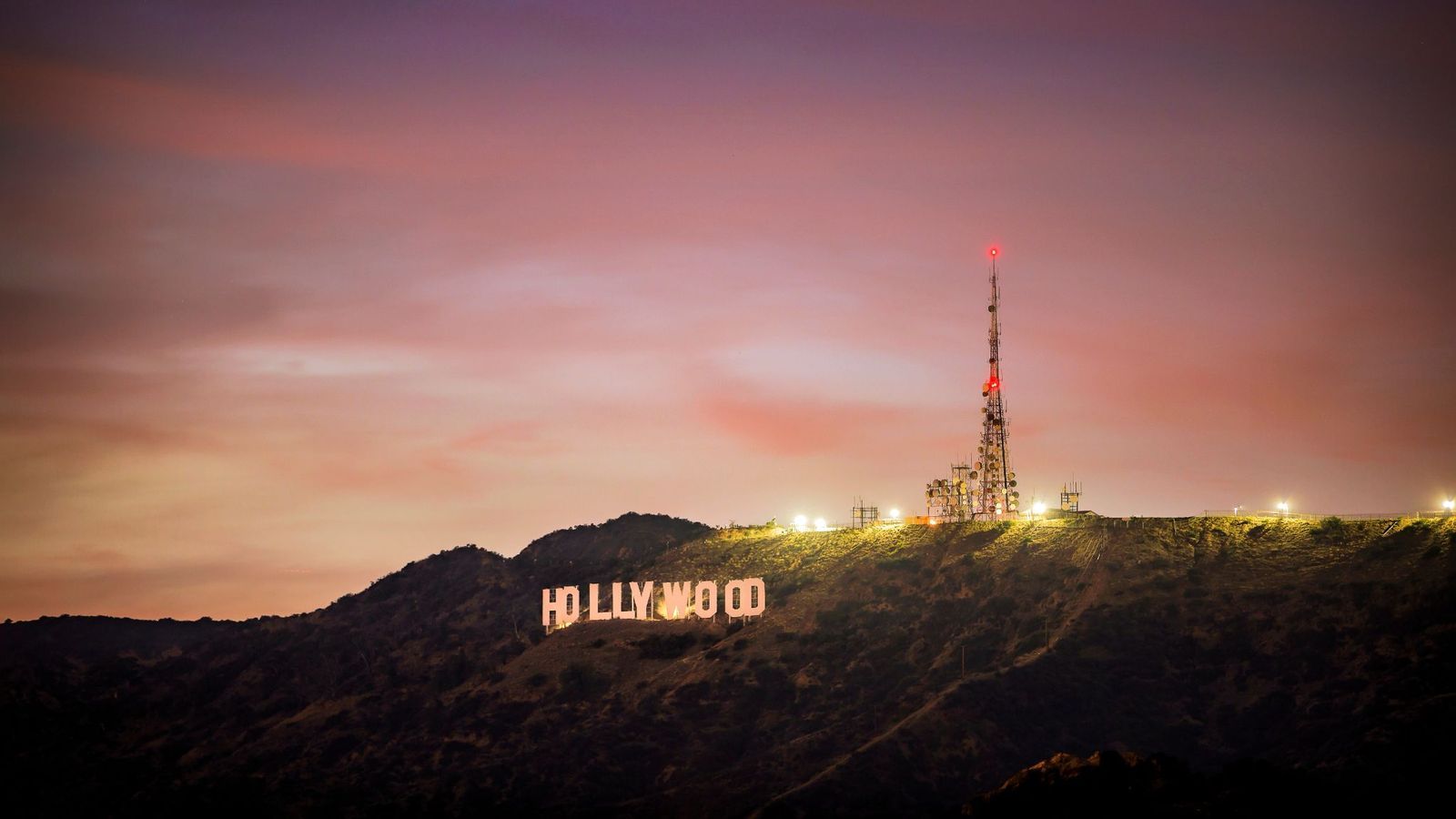
For Los Angeles residents in the 1920s, the Hollywoodland sign must have looked more like a giant theater marquee than a roadside billboard. As it was designed to stand out after dark just as much as during the day, about 4,000 light bulbs, each rated at 20 watts, covered its metal panels. Placed only eight inches apart, they turned the hillside into an enormous electric display.

And the whole sign didn’t light up at once. First came "Holly," followed by "wood" and then "land," before the complete name appeared. There was even a 35-foot illuminated dot beneath the letters, acting like a giant period at the end of the word.

5
The "Land" section disappeared in 1949

Image: Shutterstock

By the late 1940s, the sign had fallen into such poor condition that city officials considered tearing it down. Residents pushed back, and the Hollywood Chamber of Commerce offered to help restore it. But there was one major change: the last four letters had to disappear.

In April 1949, the city approved a plan to rebuild the missing "H," remove "LAND," and repair the remaining letters. On September 26, "Hollywoodland" officially became "Hollywood." That small change gave the sign a completely new meaning. It no longer advertised a housing development; it now represented the entire Hollywood district.

6
The original letters slowly collapsed

Image: Shutterstock

The 1949 repairs helped for a while, but they didn’t fix the sign’s deeper structural problems. Its metal panels and supporting framework were still exposed to years of sun, rain, wind, termites, neglect, and vandalism. By the 1960s and 1970s, the landmark looked rusty, uneven, and was close to falling apart.

In fact, parts of it did fall down the mountain. The top of the "D" collapsed, the third "O" disappeared completely, and an arsonist damaged the bottom of the second "L." Even after Los Angeles designated the sign a Historic-Cultural Monument in 1973, its condition continued to deteriorate. At that point, another coat of paint was not going to be enough.

7
The sign was rebuilt in 1978

Image: Shutterstock

What would Hollywood do if its most famous sign disappeared? Small repairs were no longer enough by the end of the 1970s. The Hollywood Chamber of Commerce decided that all nine letters had to be replaced, and workers took down the original sign in August 1978, leaving the hillside completely bare for about three months.

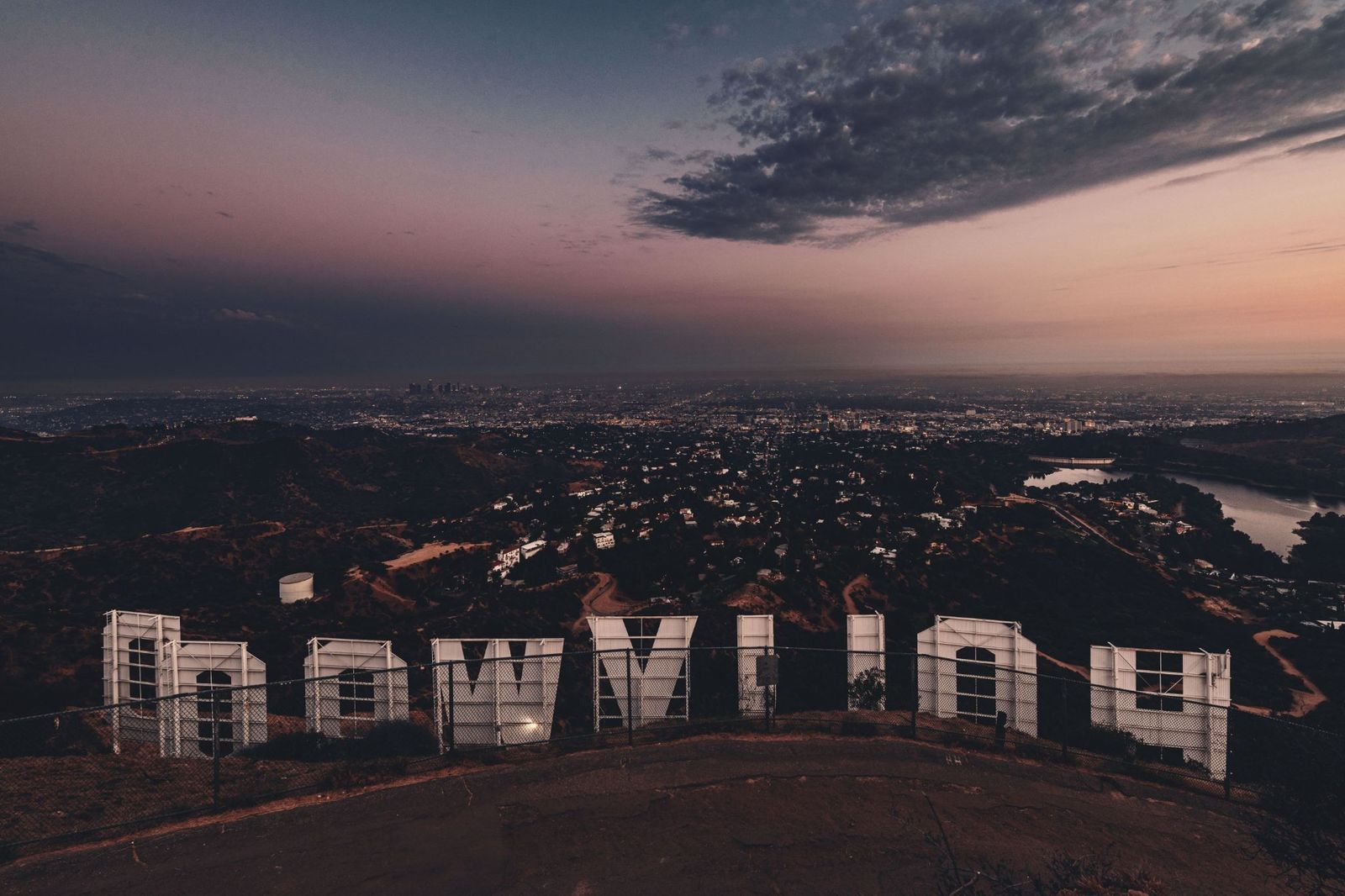
This time, the sign was built to last. The new letters were made of steel and enamel and secured with concrete, creating a structure of about 194 tons. The new sign imitated the original and was completed in November 1978. So, t he letters visitors see today aren’t from 1923, but a recovered version of the landmark.

8
Celebrities helped pay for new letters

Image: Los Angeles Daily News, CC BY 4.0, via Wikimedia Commons

The project cost about $250,000, and Hollywood raised it the only way it knew how: with famous names and a big party. Hugh Hefner held a party at the Playboy Mansion, where donors could pay about $27,700 to sponsor one of the nine new letters.

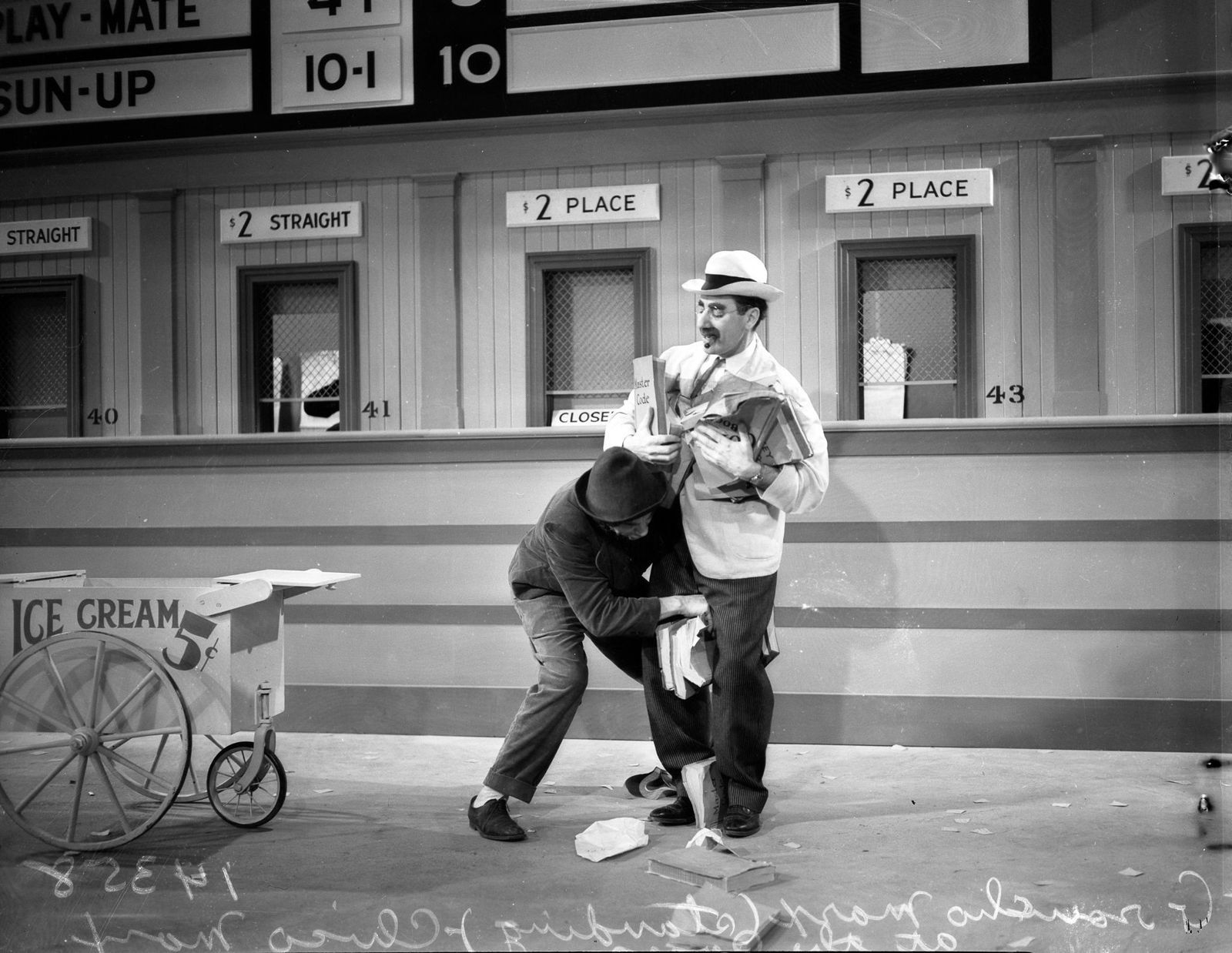
Several famous names joined the campaign. Alice Cooper paid for the third "O" in honor of comedian Groucho Marx. Singer Andy Williams sponsored the "W," while Gene Autry and television station KTLA helped pay for the second "L." Warner Bros. Records, Kelley Blue Book founder Les Kelley, and other supporters also helped rebuild the famous sign.

9
The sign has been altered several times

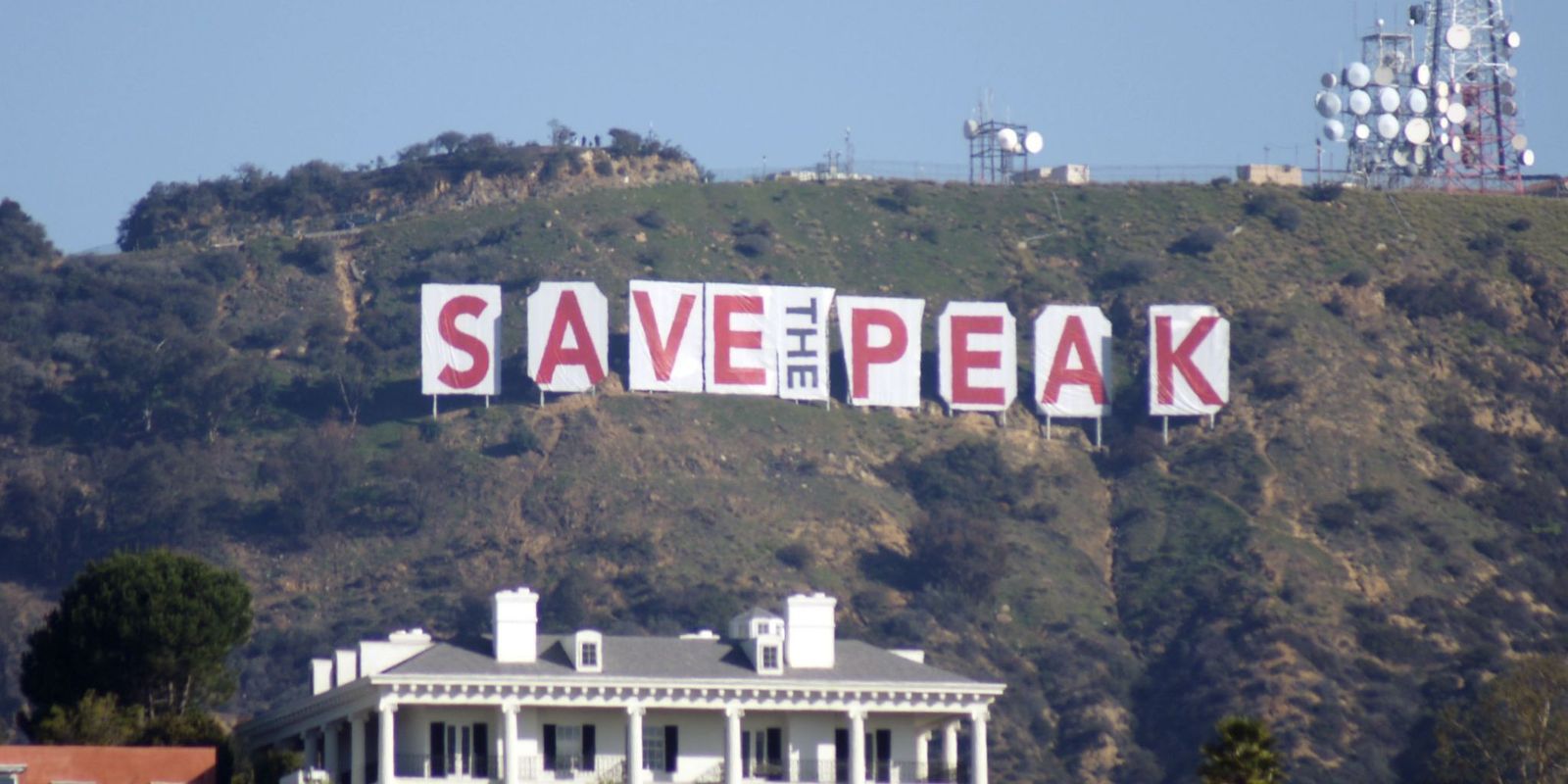
Those giant white letters have always attracted pranksters, students, activists, and advertisers who wanted to display their own messages above Los Angeles. Most of them didn’t remove or damage the original letters. By covering only certain parts of the sign with fabric, plastic, or curtains, they could make the sign appear to spell a completely different word . These changes were usually temporary, lasting only long enough to promote an event, support a cause, or play a public joke.

On New Year’s Day in 1976, art student Daniel Finegood used about $50 worth of curtains to change the sign to "Hollyweed." In 1987, it became "Holywood" during Pope John Paul II’s visit. The sign has also been changed for official promotions, including "FOX" for the television network and "Go Navy" for an Army-Navy football game.

10
An advertisement became an icon

Image: Shutterstock

Los Angeles officially named the sign Historic-Cultural Monument No. 111 in 1973, recognizing that the former advertisement had become an important part of the city’s history. Five years later, during the campaign to rebuild the damaged letters, the Hollywood Sign Trust was created to help protect the landmark for future generations.

Since then, the organization has overseen repairs, repainting, security, and other improvements needed to keep the sign standing on the hillside. The sign represented much more than a place on a map; it’s a symbol of Hollywood dreams and the hope of turning them real.

General General 6 min read

A slice of America

The great American pie road trip: 10 must-try flavors

Image: Maksim Goncharenok

Americans love pies and with good reason! They come in all kinds of shapes and forms. From basic ingredients like chocolate to riskier ones like a cheddar crust (yes, that is very much a thing!). Each state in our country has found a way to take a classic pie and come up with its own unique version of it , and even create new pies altogether. Now, in an attempt to take a culinary road trip, we’ve gathered 10 pies that are big in 10 different states. Will your state make the list? Are you willing to try any of these? Keep reading and see for yourself! Enjoy the ride!

1
Massachusetts - Apple pie with a twist

Image: Priscilla Du Preez 🇨🇦

Apple pie is the nation’s pie—it’s the classic dessert served on the 4th of July, so it doesn’t belong to any particular state. However, Massachusetts thought the classic recipe could do with a twist and they went all the way: Apple pie with a cheddar crust .

This may sound unusual, but it’s actually quite a popular recipe in the Bay State. Some choose to fill the pie with the cheese, while others prefer to lay some slices on top and bake it until a crust forms. In any case, this one is only for those who keep their minds and palates open to new experiences. Are you one of them?

2
Kentucky - Bourbon Chocolate Pecan pie

Image: nikohoshi

In Kentucky, bourbon flows as freely as hospitality, and it’s no surprise that the state’s beloved Bourbon Chocolate Pecan Pie is a crowd favorite—especially on Derby Day. This dessert combines crunchy pecans, smooth chocolate, and a splash of Kentucky bourbon for a sweet, boozy finish.

Now, here’s the thing with this one: You can’t call it a Derby Pie unless you are Kern’s Kitchen. Why not? Because they own the trademark. But that didn’t stop the locals—they came up with creative alternatives like "Not Derby Pie" or "Derby Dessert."

To make it yourself, try mixing a bit of melted butter with your chocolate for an extra velvety texture. Just don’t forget to sip a little bourbon on the side while you’re baking—it’s only fitting!

3
New Jersey - Green tomato pie

Image: Sophie Dale

New Jersey’s Green Tomato Pie might sound odd to some, but locals know it’s a delicious treat . Made from either ripe green tomatoes (which often have lovely stripes) or unripe red ones, this pie has a flavor that is surprisingly similar to apples. The tomatoes soften as they cook, and they blend beautifully with the cinnamon and the sugar. The result? A refreshing, unique filling.

If you’re giving it a go at home, make sure to use the ripest green tomatoes you can find—they add a more vibrant flavor to each bite.

4
Pennsylvania - Shoofly pie

Image: Kenneth Schipper

Pennsylvania’s Shoofly Pie is one of those old-time desserts that never goes out of style. Based on molasses, the pie comes in two styles: a dry-bottom version that’s more like a cake, or a wet-bottom version with a gooey custard layer.

But what about the name? Traditionally, it’s believed that the name came from the flies that bakers had to "shoo" away while the pie cooled. However, some say it's named after Shoofly the Boxing Mule, a celebrity from the 19th century.

Either way, this pie is a taste of Pennsylvania's Dutch heritage. If you’re up for a baking challenge, aim for the wet-bottom style—its sticky, rich filling is worth the extra effort. Just be ready to shoo some flies away!

5
Georgia - Peanut pie

Image: Isaac Quesada

Were you expecting to see a peach-based pie in this section? Not today, sir! Though Georgia is often called the Peach State, its real star crop is peanuts. Thousands of peanut farmers call Georgia home, including one very famous name. Do you know it? Jimmy Carter, the peanut-farming president!

Peanut Pie might not be as well-known as peanut butter, but it’s just as flavorful and rich. This Southern staple blends sweet, salty, and nutty goodness in every bite. Serve it with whipped cream, and you’ve got a crowd-pleaser that’s simple to make and even easier to enjoy.

Now, in case you were wondering, Carter wasn’t the only one: Thomas Jefferson was also a fan of peanuts! With a history like that, you know this pie is something worth trying.

6
Vermont - Maple pie

Image: Mary West

This one lives up to our expectations: Vermont’s connection with maple syrup is legendary, and Maple Pie is the sweet—and logical—result. As the nation’s leader in maple syrup production, Vermont has turned this delicious treat into a delicious pie.

In the 1860s, maple sugar was cheaper than cane sugar , making it the go-to sweetener, and today, it still holds that place of honor. Maple Pie is rich, buttery, and perfectly sweet… So, Vermont in a nutshell.

Are you giving this pie a go? Use a deep-flavored maple for an intense result!

7
Alaska - Blueberry Rhubarb pie

Image: Erol Ahmed

We may all know Alaska for its rugged wilderness, but it’s also home to some fantastic pie ingredients, like blueberries and rhubarb. These two grow in abundance, especially thanks to Alaska’s long summer days. And did you know? Back in the early 1900s, Henry Clark, who was nicknamed "The Rhubarb King," helped feed Gold Rush workers with fresh rhubarb.

You can use any kind of berry in this pie, but wild Alaskan blueberries are especially tasty! Add a dollop of vanilla ice cream on top, and you’ve got a true Alaskan treat. It’s tart, sweet, and perfect for any adventure. Just be sure to gather your berries before the bears do!

8
Colorado - Rocky road pie

Image: Dagmara Dombrovska

When you think of Colorado, the mighty Rocky Mountains are the first thing to come to mind, right? What better way to honor them than with a Rocky Road Pie? Done and done, thanks to the locals.

This pie brings together chocolate, marshmallows, and nuts, just like the famous ice cream flavor. Now, here is a fun fact: legend says the original Rocky Road ice cream was made by cutting marshmallows with sewing scissors!

We can’t really confirm whether that’s true or not, but you can’t deny the charm of the story. The pie version is just as rich and satisfying, with layers of melted chocolate and fluffy marshmallows. If you’re a fan of sweet and crunchy, this one’s for you.

9
Maryland - White potato pie

Image: Josephine Amalie Paysen

Most people think of sweet potatoes when they hear "potato pie," and that makes sense, but in Maryland, it’s all about the white potato .

This pie has been a local favorite for over 150 years, and early recipes date back to nothing less than the 1850s! Baked in a buttery crust, this pie is sweet and custard-like, with just a hint of cinnamon. It’s a bit like pumpkin pie’s lighter cousin.

Don’t be surprised if it becomes your new holiday go-to! Marylanders have been enjoying it for generations, and it’s easy to see why. Serve warm or cold—it’s the perfect ending to any meal.

10
Ohio - Buckeye pie

Image: Tanya Semenchuk

And we come to the end with Ohio’s signature pie: Buckeye pie take center stage , please! This delicious pie, along with its name, is inspired by the famous buckeye candy that mimics the state tree’s nut.

Though the real buckeye nut is toxic, you can eat this version without any worries. The pie is pure indulgence, layered with chocolate and peanut butter. The combination of creamy peanut butter filling and rich chocolate is hard to resist, and it looks just as good as it tastes. Simply mouthwatering!

Explore more American facts

Choose your favorite category!

General
General

As American as apple pie—the very best America has to offer!

Culture
Culture

Delve into the astounding richness of American lore.

Geography
Geography

Hop in and explore vast and diverse American landscapes.

History
History

Discover the key moments that shaped the United States.