General General 6 min read

Gloriously weird America

Not even travel guides will tell you about these 10 odd American stores
Image: Ricky Singh

You've been to the mall. You've been to the big-box stores. But have you ever walked into a shop and thought: what on earth is this place, and why am I already in love with it? The stores on this list will do exactly that; and fair warning, you'll probably want to visit more than one. We'll ease you in gently, starting with a store that sells everything in a single color and a gift shop that celebrates terrible paintings, before working our way toward bizarre things you won't be able to unsee. Which one would you visit first?

1
The Purple Store – Online (with a location at Pike Place Market, Seattle, WA)
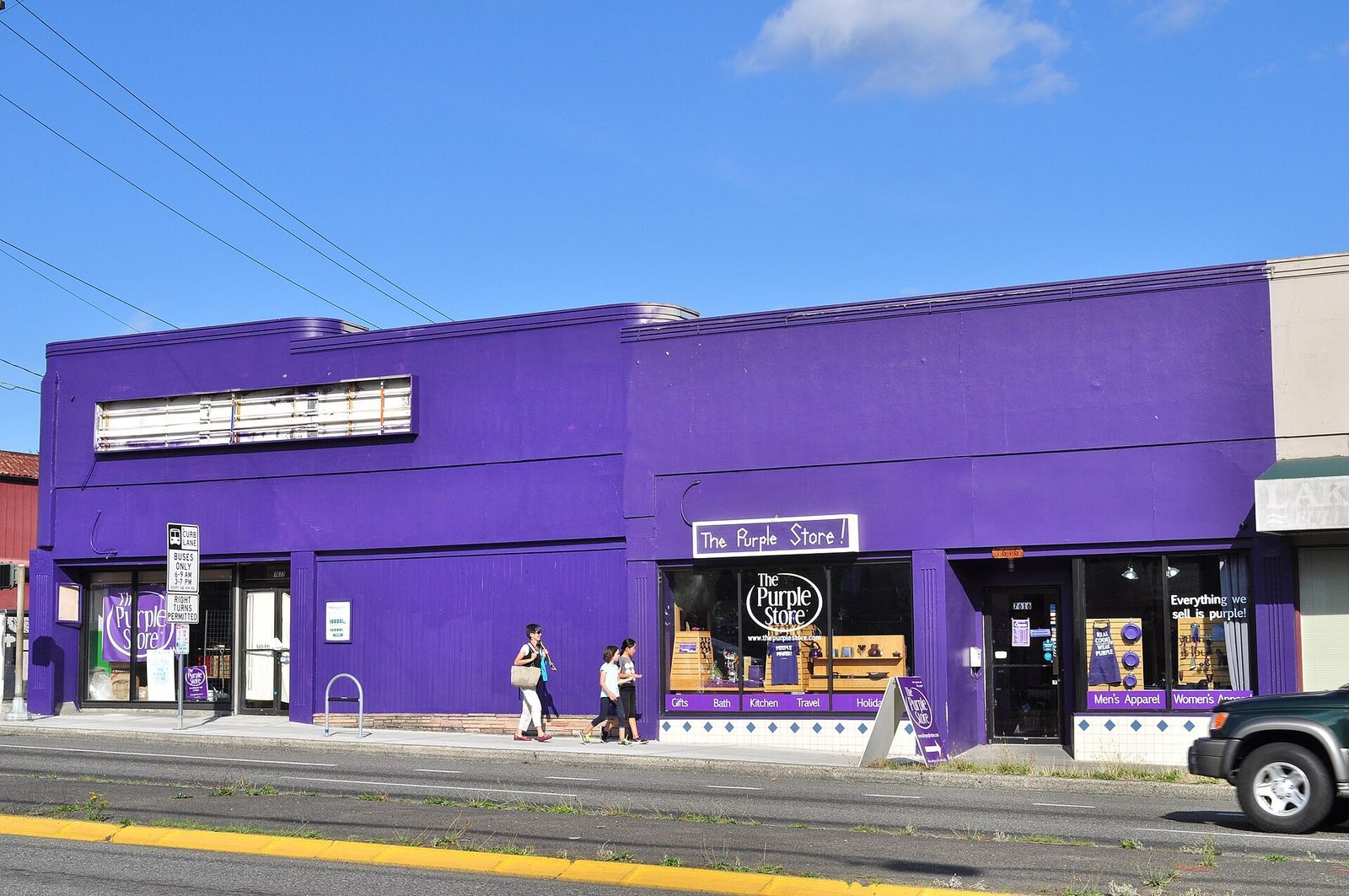
Image: Joe Mabel, CC BY-SA 3.0, via Wikimedia Commons

The Purple Store does exactly one thing: it sells purple items. Every single thing in the store is purple . Shirts, socks, kitchen appliances, furniture, jewelry, dog collars, dice, cowboy hats—if it exists and can be purple, The Purple Store has it.

This is the store for the person in your life who is very, very serious about their favorite color, or for anyone who finds the concept of a store with a strictly enforced color policy absolutely hilarious and also kind of admirable.

2
The Museum of Bad Art Store: Somerville, MA
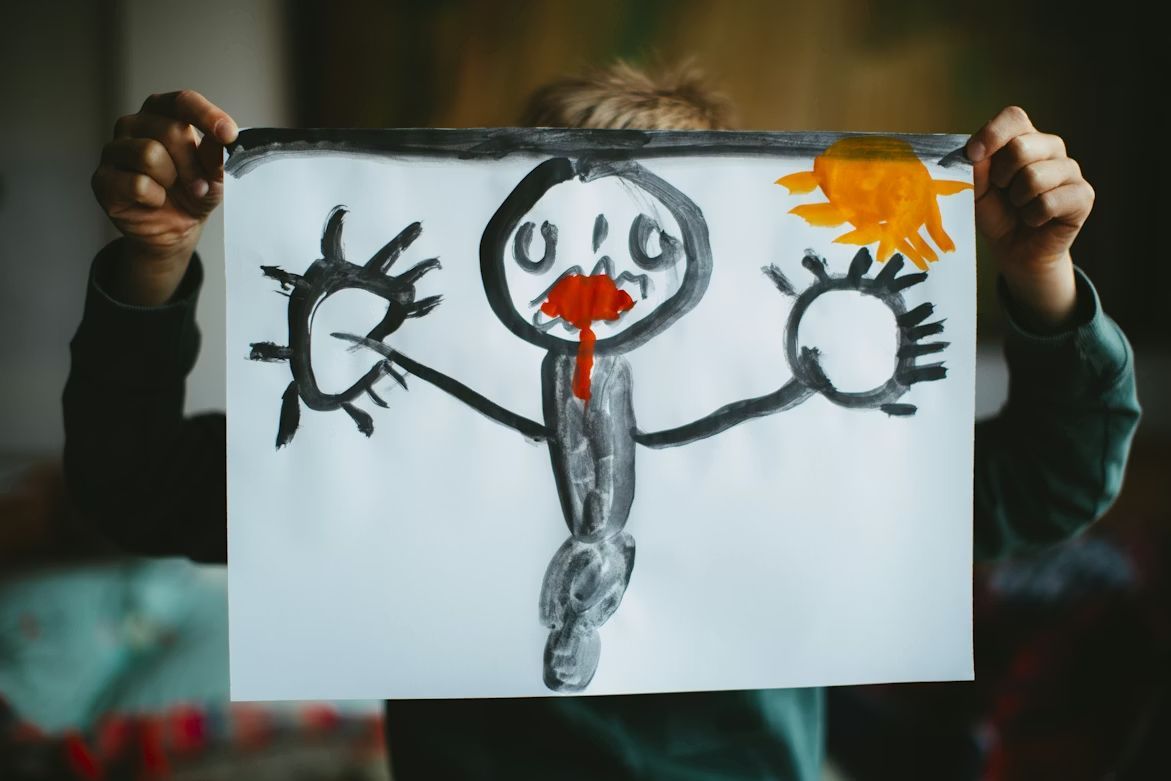
Image: Markus Spiske

The Museum of Bad Art exists to celebrate paintings that tried hard, fell short, and ended up magnificent for entirely the wrong reasons. The gift shop sells prints, books, and merchandise built around the museum's collection of gloriously terrible masterpieces .

Nobody here is embarrassed: the art is bad, everyone knows it, and that's precisely the point. This is the store for people who believe that effort deserves recognition regardless of outcome, and for anyone who has ever hung a painting in their living room that wasn't quite right and left it there for fifteen years anyway.

3
Marty's Reliable Cycle: Westfield, NJ
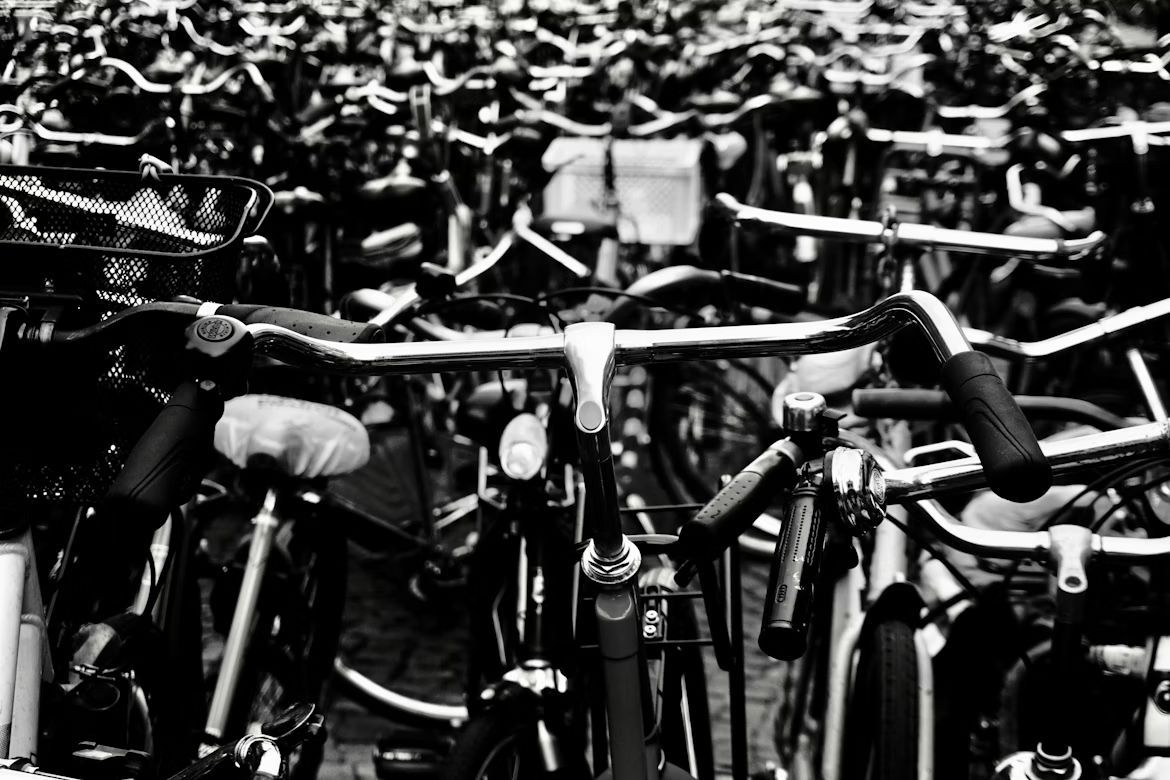
Image: hidde schalm

Operating since 1946, Marty's Reliable Cycle is the kind of place that shouldn't still exist but absolutely does. It's famous nationwide not just for its vintage bicycle inventory, but for its ceiling-to-floor stacks of cycling memorabilia, spare parts, and decades of accumulated everything that give it the feel of a very organized avalanche.

Walking in feels like stepping into a time capsule where someone hit pause around 1978. Cyclists make pilgrimages here. If you're passing through New Jersey and remotely enjoy bicycles, nostalgia, or both, it's worth the detour.

4
The Sock Drawer: Providence, RI
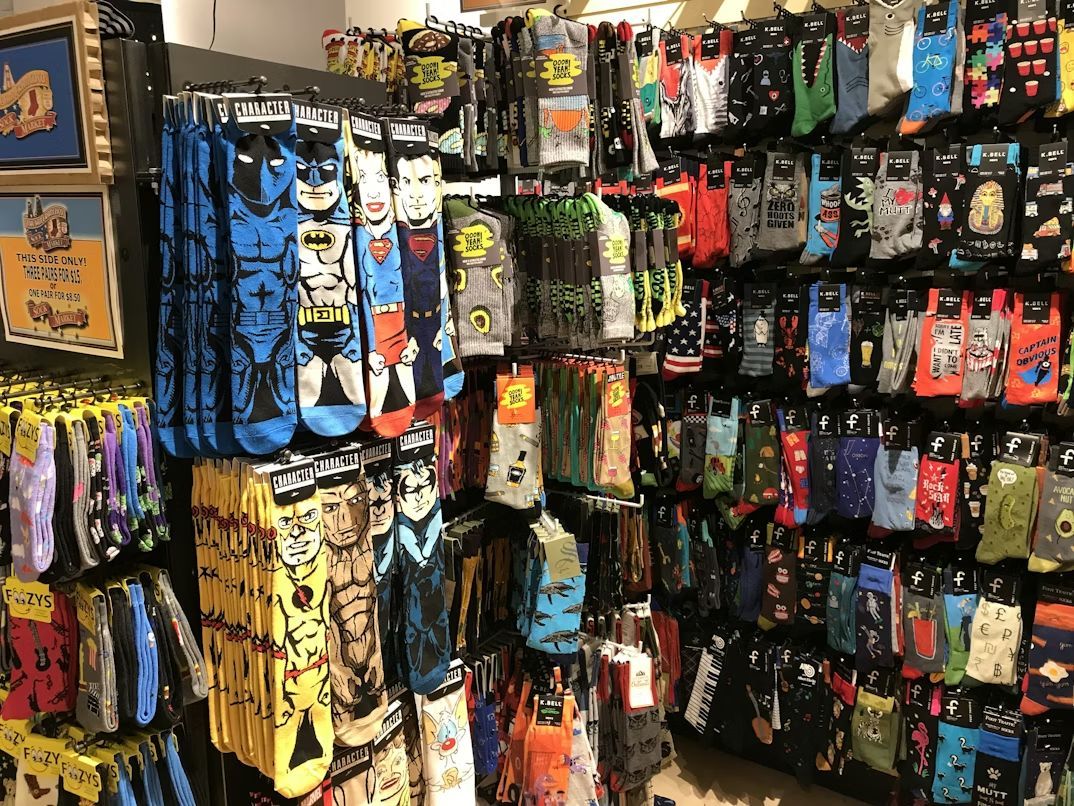
Image: Guido Coppa

The Sock Drawer is devoted entirely to novelty and compression socks in every pattern, theme, and level of absurdity imaginable . Cats riding tacos. Flaming hot dogs. Historical figures on argyle. If you can think of it, there’s a good chance The Sock Drawer already has it in stock.

What makes it more than a joke is that it also carries medical-grade compression socks for people who need them, meaning you can solve a circulation problem and walk out with a pair of socks featuring a screaming eagle at the exact same time.

5
Archie McPhee: Seattle, WA
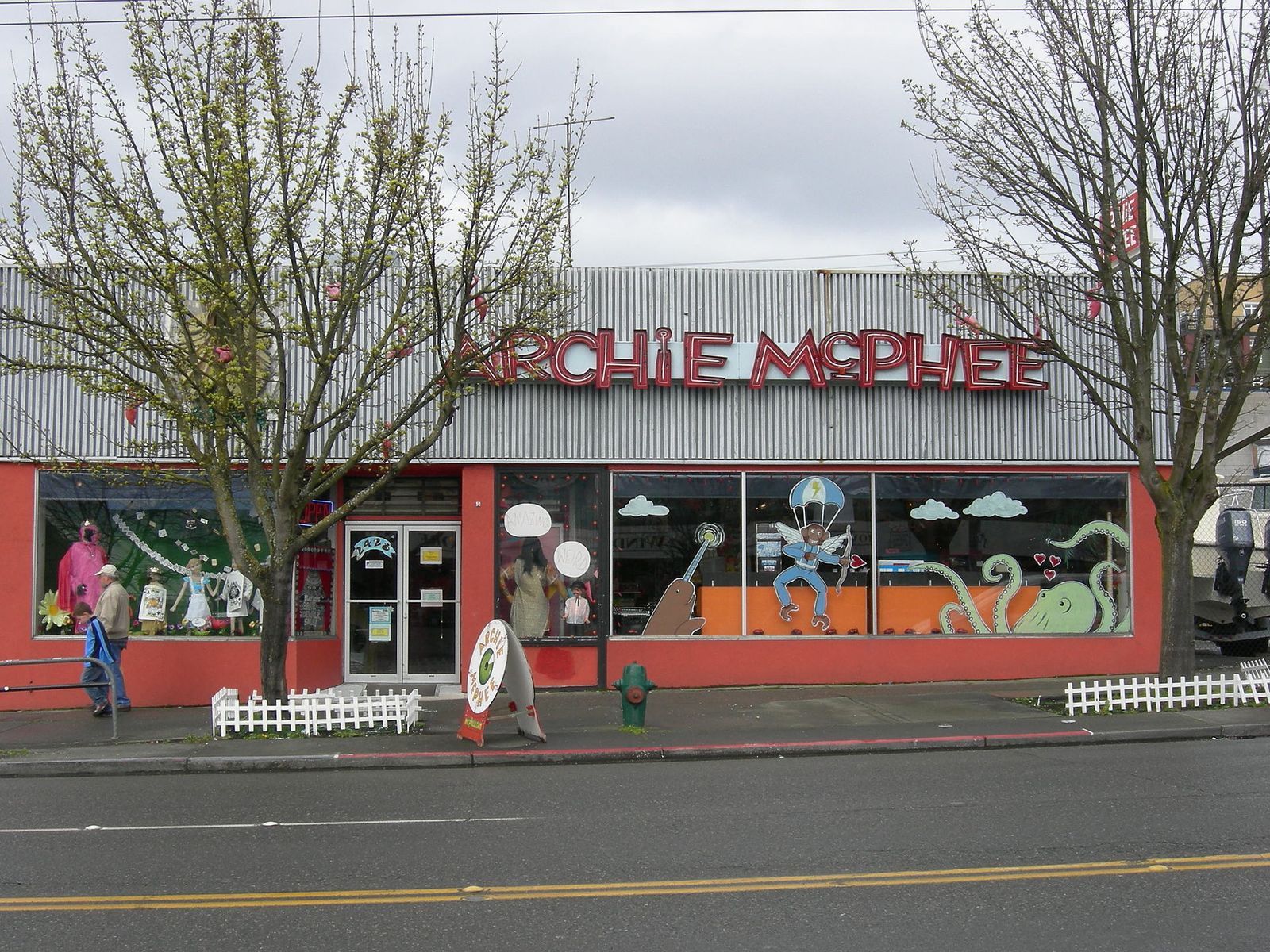
Image: Joe Mabel, CC BY-SA 3.0, via Wikimedia Commons

Archie McPhee has been selling rubber chickens, bacon-scented soap, canned unicorn meat, and inflatable Stonehenge for decades, and it shows no signs of slowing down or becoming even slightly more sensible. It is the undisputed gold standard of American novelty shops: the place other weird stores aspire to be when they grow up .

The genius of Archie McPhee is that everything is absurd, but nothing feels accidental. Someone sat down, thought very carefully about what the world needed, and concluded the answer was a horse head mask and a bag of dismembered gummy bears. They were right, and the store has the loyal following to prove it.

6
Wall Drug: Wall, SD
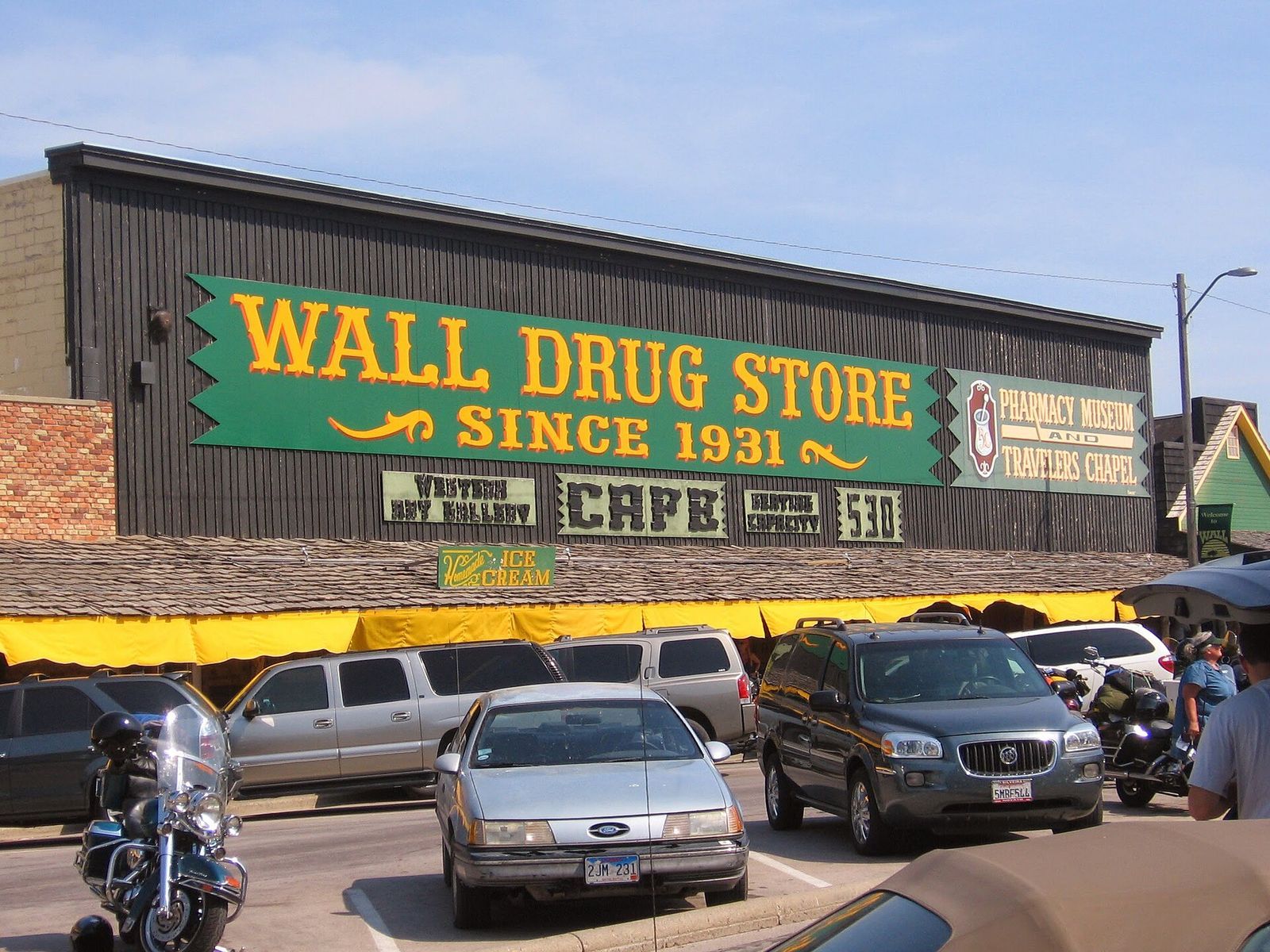
Image: Runner1928, CC BY-SA 4.0, via Wikimedia Commons

Wall Drug started as a modest drugstore in 1931 in the middle of South Dakota and somehow became one of the most aggressively advertised destinations in America. Signs for it appear thousands of miles away, and the complex has grown to fill an entire block with shops, exhibits, animatronic dinosaurs, and attractions that resist easy categorization. A five-cent cup of coffee is still on the menu.

Nobody drives to Wall Drug because they need something. They go because the signs wore them down over five straight states and they finally gave in. Once inside, the sheer scale of the thing (part store, part roadside attraction, part collective hallucination) becomes impressive.

7
Possumbilities: Fredericksburg, VA
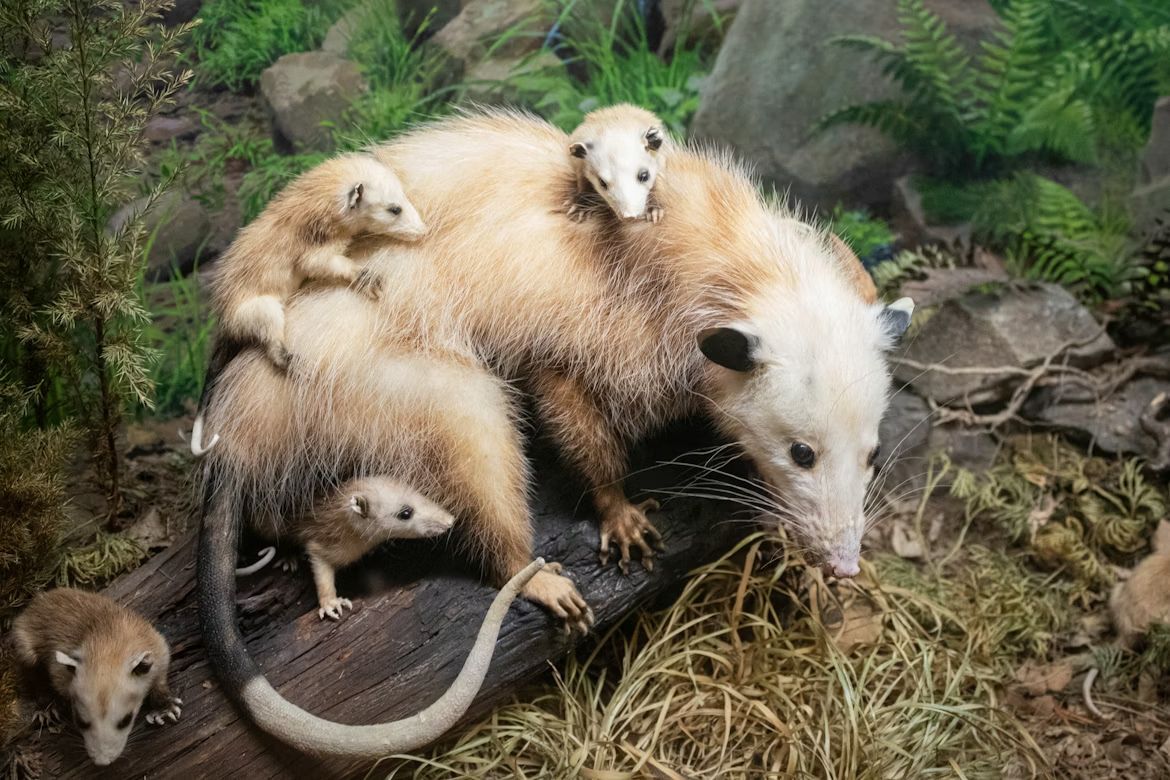
Image: Khải Đồng

Possumbilities is a gift shop, wildlife education center, and opossum advocacy organization all rolled into one cheerfully strange package. Run by a licensed wildlife rehabilitator named Karen Brace, the store sells opossum-themed merchandise —plushies, mugs, apparel, hand-crocheted baby opossum figures— and features live opossum ambassadors on-site Thursday through Monday.

This is the store for anyone who has ever been told that opossums are ugly and gross and wants to argue the point. Imagine stopping in Fredericksburg on a road trip, wandering into what looks like a small gift shop, and coming face-to-face with a real, live opossum named Stuart. That is a story you'll tell at every barbecue for the rest of your life.

8
Unclaimed Baggage: Scottsboro, AL
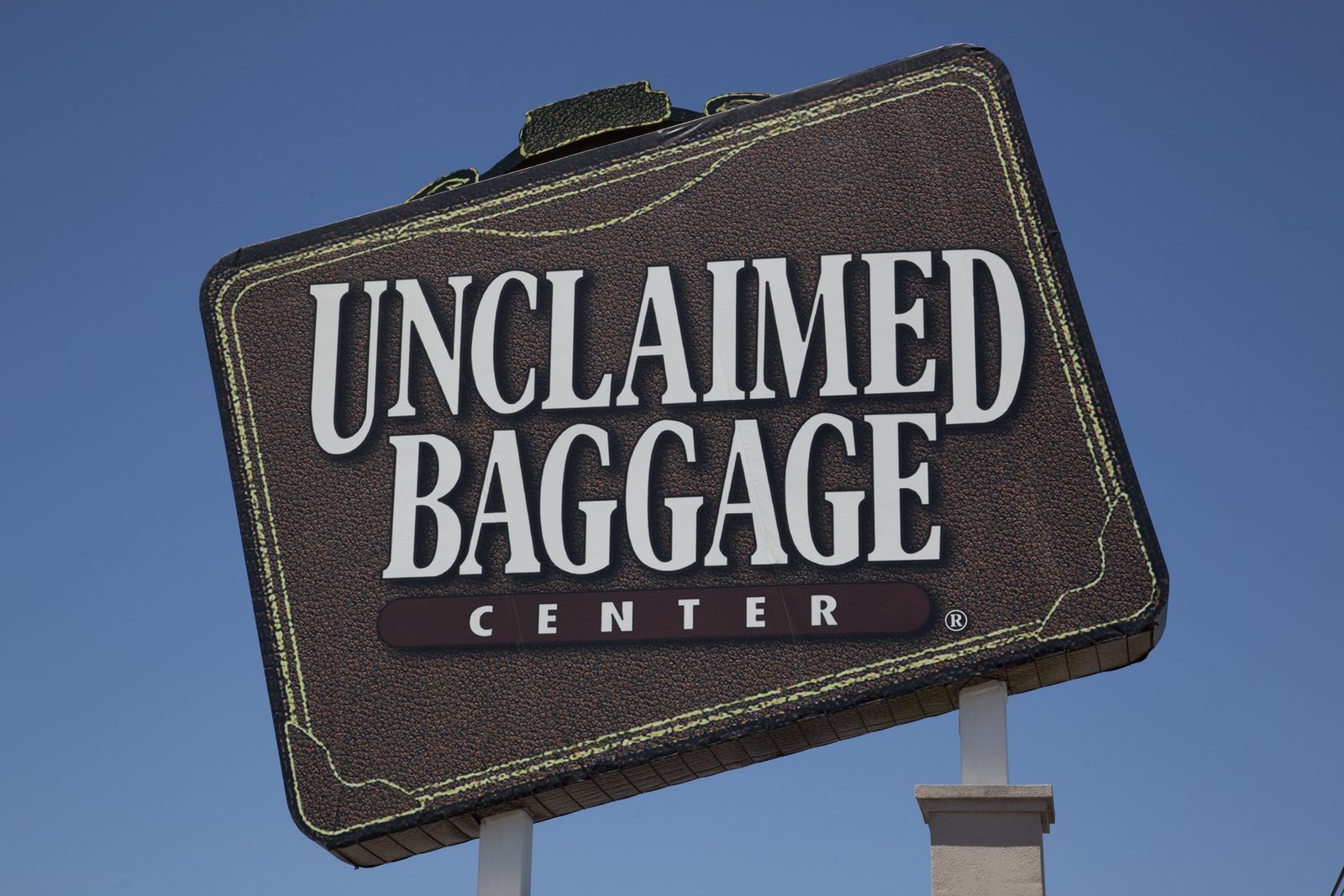
Image: Carol M. Highsmith, Public domain, via Wikimedia Commons

Unclaimed Baggage is exactly what it sounds like : a store that buys luggage that airlines have given up on reuniting with its owners—after a full three-month search—and sells the contents to the public . Items are cleaned, tested, appraised, and priced at up to 80% below retail value. New inventory arrives daily, because bags are lost daily.

Over the years, the store has turned up a NASA Space Shuttle camera, an Egyptian burial mask from around 1500 BC, a live rattlesnake, and a puppet from the Jim Henson film Labyrinth . The everyday inventory includes designer clothes, electronics, jewelry, and sporting goods, but the real draw is the promise that you have no idea what you'll find.

9
Ye Olde Curiosity Shop: Seattle, WA
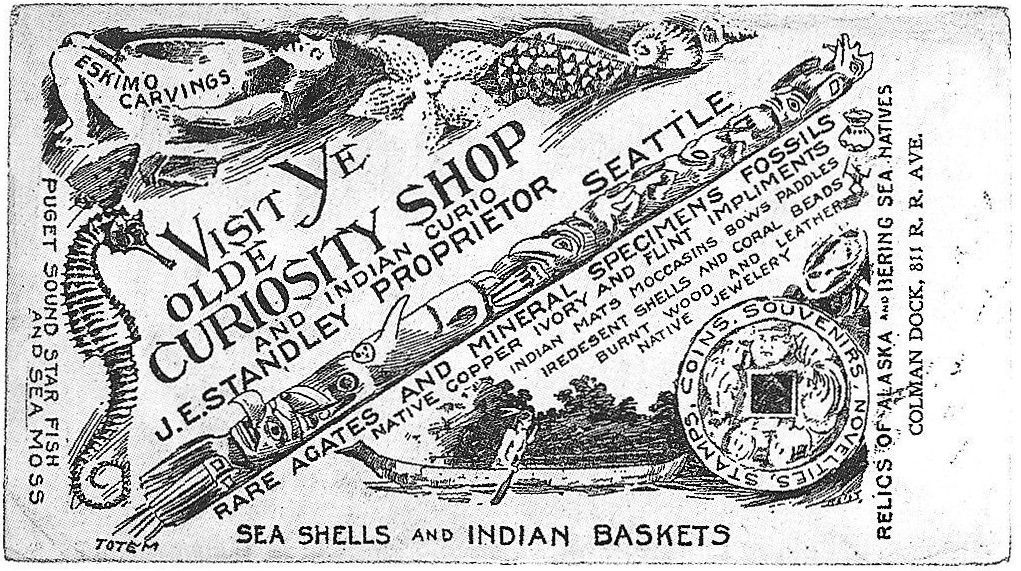
Image: Ye Olde Curiosity Shop, Public domain, via Wikimedia Commons

Ye Olde Curiosity Shop has been operating on Seattle's waterfront since 1899 and in that time has assembled a collection of genuine mummies, shrunken heads, narwhal tusks, and oddities that blur the line between souvenir shop and sideshow attraction. You can buy a snow globe or stand two feet from an actual mummified human body.

It’s the kind of place that would be impossible to open today and which survives partly on reputation, and partly on morbid curiosity.

10
The Mütter Museum Store: Philadelphia, PA
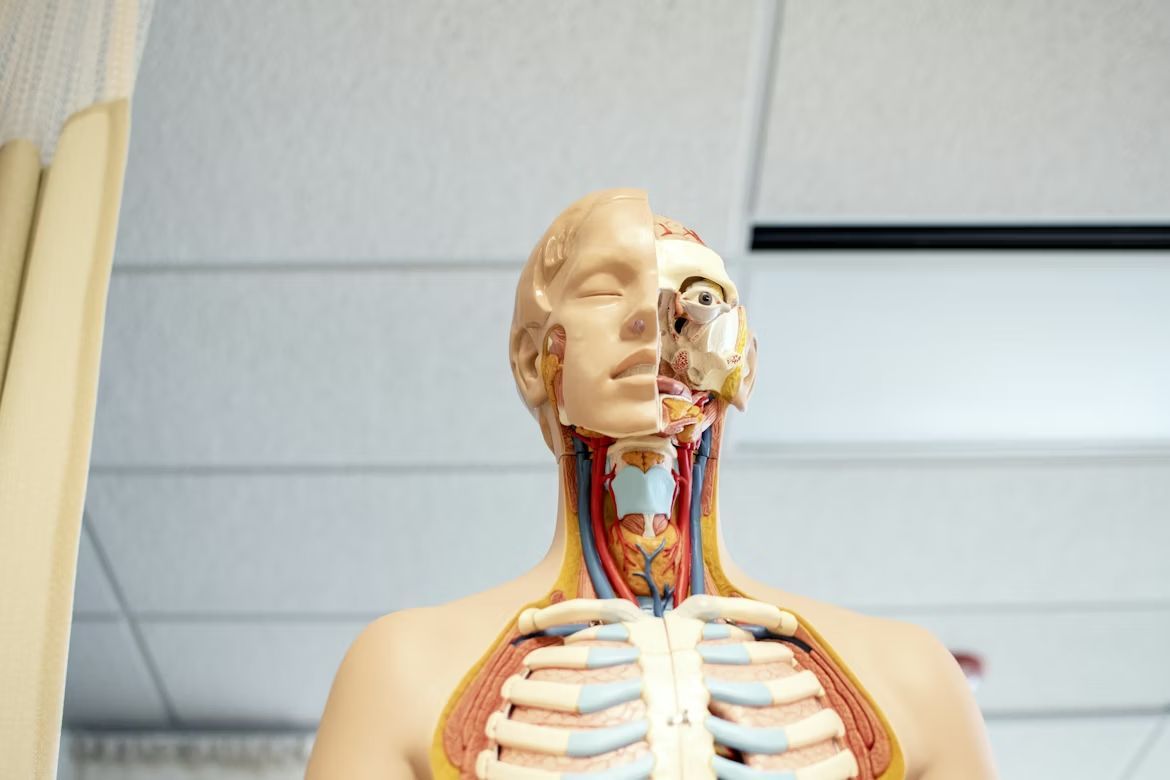
Image: Nhia Moua

The Mütter Museum is a medical history museum housing anatomical specimens, preserved human remains, and things in jars that no one entirely expects to find in downtown Philadelphia . Its gift shop sells anatomical models, medical curiosity replicas, and books that somehow make the whole experience feel educational and gift-able rather than deeply alarming—most of the time.

You can buy a soap shaped like a human brain, a replica Civil War surgical kit, or a calendar featuring unusual medical case studies from the 1800s. It's oddly tasteful given the subject matter, and the store has developed a devoted following.

General General 4 min read

People’s early favorites

Every American remembers at least one of these children's books

Image: Josh Applegate

Do you remember the books you read as a kid? When we open those colorful pages at an impressionable age, the characters jump out and become our friends. Ducklings, wild things, and hungry caterpillars are still very much alive both in bookshelves and in our memories. Let’s explore some of the dearest children’s books in the US —we hope you find your favorite among them!

1
"The Very Hungry Caterpillar" by Eric Carle

Image: rbu1249

A must to start off this list: The visuals of The Very Hungry Caterpillar are ingrained in the upbringing of millions of kids throughout the country —and the world!

Eric Carle wrote and illustrated the story of a bug eating through several foods before transforming into a butterfly. Who could forget the tactile experience of finding different holes in the pages?

2
"Corduroy" by Don Freeman

Image: Susanne Jutzeler, suju-foto

In the world of children’s literature, Corduroy is a tear-jerker. A teddy bear sits on a store shelf hoping a kid will pick him. Little Lisa spots him but can’t afford him, and leaves. So the bear embarks on a quest to fix his missing button, hoping this will make him more likable.

In the end, Lisa comes back and buys him as he is —because, of course, he was always enough . Is there a sweeter story to teach kids about self-acceptance and love?

3
"Make Way for Ducklings" by Robert McCloskey

Image: David Trinks

A row of bronze statues in Boston’s Public Garden celebrates Make Way for Ducklings, the sweet book by illustrator and author Robert McCloskey.

He got the idea for this story when he observed ducks causing traffic issues on Beacon Street. The book follows Mr. and Mrs. Mallard as they search for the perfect place to raise their family —ducklings Jack, Kack, Lack, Mack, Nack, Ouack, Pack, and Quack. They finally settle, of course, in the lagoon of the Boston Public Garden.

4
"Charlotte's Web" by E.B. White

Image: Annie Spratt

Author E.B. White had a farm in Maine, and his daily observations of barnyard animals gave him an idea: What if a pig and a spider became best friends?

In the book, the spider weaves messages to convince humans that Wilbur is an extraordinary pig and should not be slaughtered. Charlotte’s Web brushes on themes like mortality and loss —certainly bold for a children’s book. Nonetheless, it became a timeless classic.

5
"The Cat in the Hat" by Dr. Seuss

Image: Franco Monsalvo

"Thing One" and "Thing Two" have to be among the longest-standing Halloween costumes in use. They were born thanks to Dr. Seuss’ famous The Cat in the Hat in the 50s, and every kid still seems to know its iconic characters.

The story shows a day in the life of two kids left home alone when a whimsical magical cat shows up to unleash some fun chaos. The author said that he wrote the book as a response to an article in Life Magazine that lamented the dullness of children’s primers.

6
"Frog and Toad Are Friends" by Arnold Lobel

Image: Jared Evans

Images of Frog and Toad still abound on the internet, which proves how beloved and timeless the pair became. Frog and Toad Are Friends was published in 1970 as the first in Arnold Lobel's famous series.

The wholesome dialogue, tender narratives, and classic illustrations left a lasting mark on generations of readers. Who could forget the simplicity of these two loyal friends riding a bike, flying a kite, or fishing from a boat?

7
"Goodnight Moon" by Margaret Wise Brown

Image: David_Miram

We couldn’t leave Goodnight Moon out of this list! Margaret Wise Brown wrote over 100 children’s books, but this one won the hearts of little readers and their parents.

It’s a bedtime story about a young bunny saying goodnight to everything around him , from "the great green room" to "the quiet old lady whispering ‘hush’." It shows an appeasing and sweet ritual that taught kids about routines through soothing rhymes.

8
"Where the Wild Things Are" by Maurice Sendak

Image: Adnan Uddin

In Where the Wild Things Are, mischievous young Max escapes into a vivid fantasy world after being sent to his room without dinner. There, he crosses a land of endearing monsters whom he leads as their king.

Maurice Sendak’s story and iconic illustrations captivated many generations of readers. The text was adapted into short films, a live-action film, and even an opera!

9
"Brown Bear, Brown Bear, What Do You See?" by Bill Martin Jr. and Eric Carle

Image: Daniel Diesenreither

Remember Eric Carle, author of The Very Hungry Caterpillar ? Before that big hit, he had been the illustrator for another unforgettable kid’s book: Brown Bear, Brown Bear, What Do You See?

This one was written by Bill Martin Jr. The rhyming question-response structure introduces readers to a series of animals described by their vibrant colors : a brown bear, a red bird, a yellow duck, and so on.

10
"The Phantom Tollbooth" by Norton Juster

Image: Jon Tyson

Maurice Sendak, the author of Where the Wild Things Are​ , said that The Phantom Tollbooth was a masterpiece.

This 1960s book by Norton Juster follows Milo, a bored young boy who unexpectedly receives a mysterious tollbooth that allows him to travel through fantastical lands. Juster said that the idea for this book was sparked from a random encounter with a curious child asking about infinity.

General General 4 min read

Lights out!

10 tips to save electricity at home and save money

Image: Kelly Sikkema

The many electrical appliances and systems in a modern home can quickly raise your electricity bill if you don’t take steps to minimize consumption. Fortunately for us, there are many ways to save energy at home. From choosing energy-saving appliances to avoiding leaving lights on in empty rooms, there are countless techniques to save both power and money. Take a look at the following 10 tips. You may already know a few, but perhaps you’ll learn something new that can help!

1
If it’s not in use, turn it off

Image: Chris Haws

We start the list with this well-known advice: turn off the lights when nobody is in the room .

Additionally, switch off appliances completely rather than leaving them on standby, as standby mode continues to consume electricity. Most computers have energy-saving settings that automatically turn off the computer and screen after a period of inactivity.

2
Keep the temperature where you need it

Image: Natalia Y.

Whenever you are heating or cooling a room, remember to close the doors and windows that connect to other unoccupied parts of the building . This way, the heating or cooling equipment you are using will not require more energy than is necessary to maintain the desired temperature where you are.

During cooler months, ensure your curtains or blinds are properly sealed to keep the cold out. In warmer months, keep your curtains closed during the day to prevent heat from entering.

3
Wash and dry clothes once the basket is full

Image: engin akyurt

Avoid using your washing machine when your laundry basket is only half full; instead, use it when you have accumulated a full charge. Also, remember to select the appropriate washing cycle to optimize energy use.

On a related note, clothes dryers consume a significant amount of energy, so consider hanging clothes outside to dry or using a fan to help dry them indoors.

4
Save energy in the kitchen

Image: Jason Briscoe

Your kitchen offers many energy-saving opportunities. The fridge, one of the most energy-intensive appliances, runs 24/7 for obvious reasons but measures can be taken to make it a more efficient device. The ideal fridge temperature for the fridge is between 35° and 38°F. Make sure the door seal is tight, with no gaps or cracks that allow cold air to escape.

As for cooking, always put frozen food in your fridge in the morning to thaw out and reduce cooking time in the evening. Whenever possible, use a microwave, as it consumes significantly less energy than an electric oven. Plan to cook more and have leftover meals for the next day or the week ahead. Keep leftover meals in the freezer for convenience and minimal waste.

5
Smart heating and cooling

Image: Everett Pachmann

It may be tempting to adjust the thermostat a degree or two above or below the recommended settings depending on the season, but there is good reason to avoid doing that. Every degree above 20 can increase your heating bill by up to 10%. In winter, set your thermostat between 18 and 20 degrees. In summer, aim for 26 degrees or higher.

Additionally, some ducted systems allow you to disable heating or cooling in unoccupied rooms, which can help save energy.

6
Use energy-saving LED lights

Image: Anton Belashov

LED lighting has been around for a while and can save up to 80% on lighting costs. LED bulbs consume less power and last longer, which means that users spend less money and time replacing them.

Another perk, LEDs generate very little heat compared to incandescent and halogen bulbs, which convert much of their energy into heat. This can reduce cooling costs, especially in warm climates.

7
Solar energy

Image: Andreas Gücklhorn

The energy given to us by the sun can be harvested in solar panels that reduce the amount of energy we need to buy from the electricity company . Similarly, solar hot water systems can minimize gas usage, reducing reliance on gas-fired water heaters.

Solar panels and solar hot water systems used to be very expensive and had to be replaced much more often but, their costs have dropped significantly in recent years, making them more accessible.

8
TV settings

Image: Jonas Leupe

Today's high-definition televisions use around 60% less energy than earlier models. However, some Internet-ready models consume extra power even when turned off due to a "quick start" feature that enables faster boot-up . You can disable that option in your television's settings .

While perusing through the settings, you can also see if your model has an automatic brightness control, which will adjust the picture brightness to the level of light in the room. This can make a big difference in energy consumption.

9
Efficient appliances

Image: Vlad Zaytsev

Most of today's new appliances use half the energy of those from a couple of decades ago. If you're thinking of buying a new one, look for products with the Energy Star label, as they typically use 10 to 40 percent less energy than other models.

If you are going to buy a new computer, keep in mind that laptops use significantly less energy than desktop versions.

10
Insulate your roof

Image: Erik Mclean

Temperature affects air in different ways: heat rises, while cool air sinks. This means that if a house's roof is not properly insulated, heat will escape in the winter, and the cold from outside will seep in through the roof.

An insulated ceiling can make a big difference to your energy bills . Effective ceiling insulation can save up to 20% on cooling and heating costs.

Explore more American facts

Choose your favorite category!

General
General

As American as apple pie—the very best America has to offer!

Culture
Culture

Delve into the astounding richness of American lore.

Geography
Geography

Hop in and explore vast and diverse American landscapes.

History
History

Discover the key moments that shaped the United States.