All-American tunes
10 songs that defined American culture
Image: Jason Leung
Can a mere song represent the experiences and feelings of a country? Some can. Throughout American history, there have been songs that, born from specific moments or capturing universal emotions , have left a lasting mark. Here are 10 songs that have remained relevant to Americans since their creation.
1
"The Star-Spangled Banner"
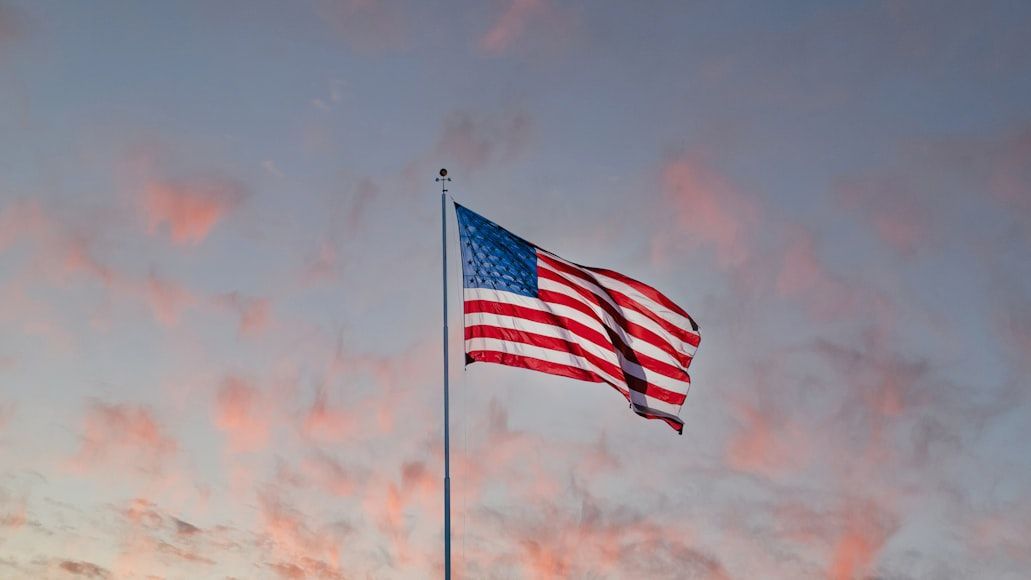
Arguably the most quintessential American song of all , its lyrics originated as a poem during the War of 1812, inspired by the experiences of Francis Scott Key during the British bombardment of Fort McHenry.
Surviving several controversies —from the violent content of its full lyrics to whether it is (or isn’t) easy to sing— "The Star-Spangled Banner", officially adopted as the U.S.’s national anthem in 1931, is now a symbol of unity and pride for many Americans.
2
"America the Beautiful"

Once a strong contender for the official U.S. national anthem, this song celebrates the beauty of America, from the ideals upon which it was founded to the natural wonders within its borders .
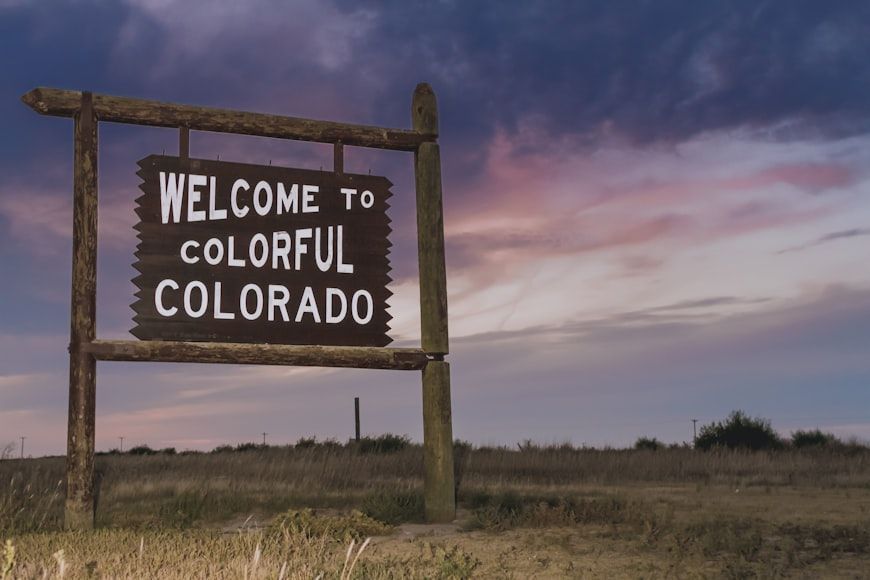
Written by Katharine Lee Bates in 1893 and inspired by the landscape of Pikes Peak in Colorado, the song reflects the American dream of a more just and unified nation.
3
"This Land Is Your Land"

A 1940 folk song by Woody Guthrie, this song was written as a response to idealized patriotism that overlooked the everyday struggles of the common American citizen .
A product of a society that was still overcoming the Great Depression, the song emphasizes the idea of the country as belonging to all its people.
4
Yankee Doodle
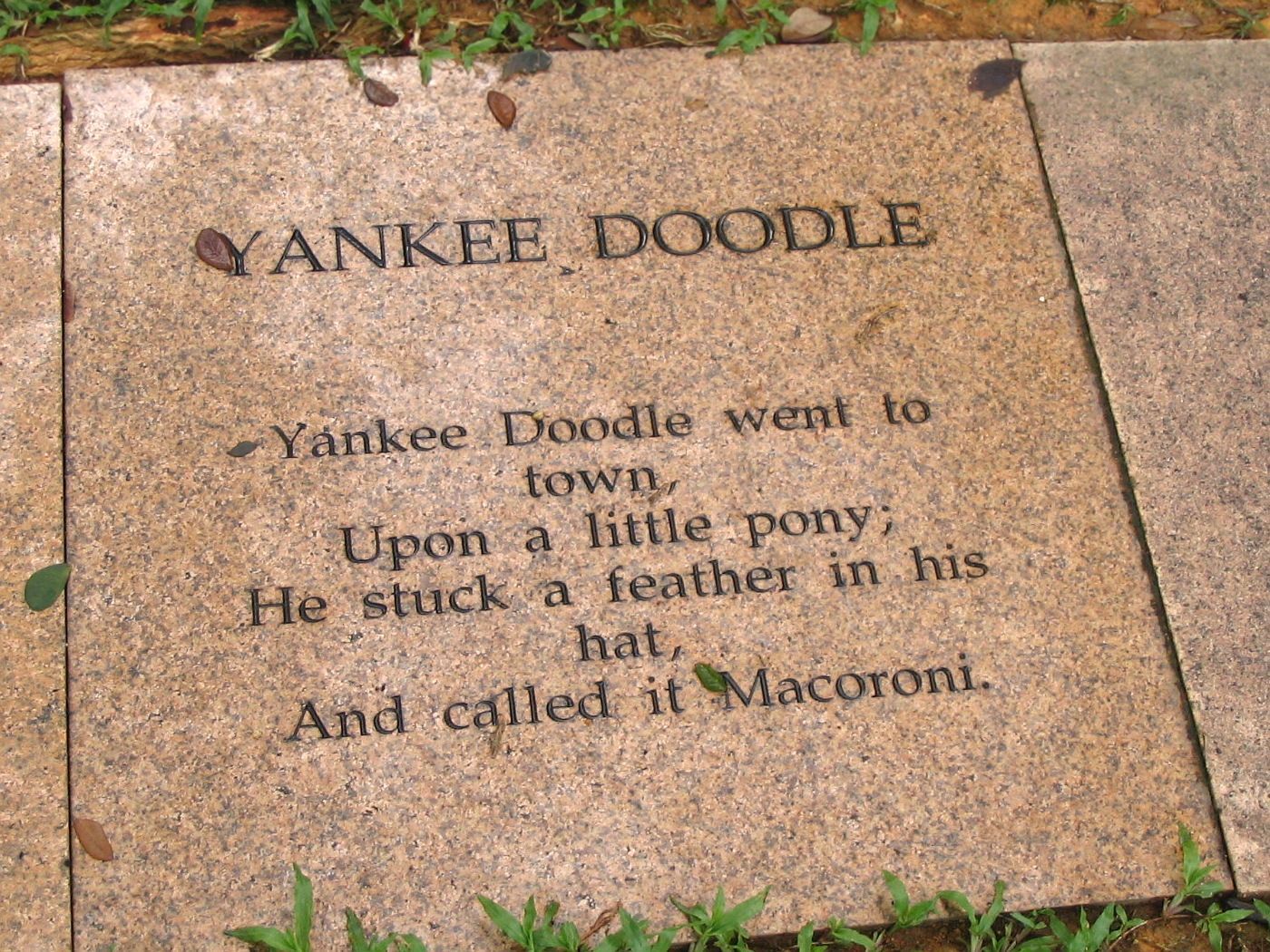
Originally written by British soldiers in 1755 to mock colonial soldiers during the French and Indian War, and popularized during the Revolutionary War the song was later reclaimed by American soldiers after the Battle of Yorktown and turned into a symbol of independence.
What was initially meant as a mockery of " Yankee" (a New Englander) " doodle" (a fool or simpleton) became a source of pride and one of the most iconic American nursery rhymes.
5
"Georgia on My Mind"

Composed in the 1930s by Hoagy Carmichael with lyrics by Stuart Gorrell, but famously covered by Ray Charles in 1960, this heartfelt ballad became an anthem for Southern nostalgia and love for the land .
A powerful ode to homesickness, it was adopted as the official state song of Georgia in 1979.
6
"I Walk the Line"
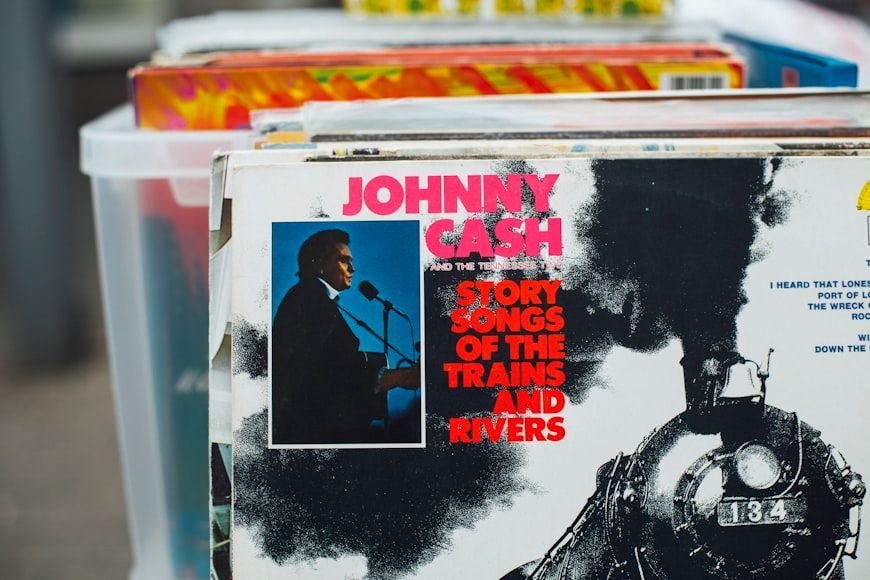
Released in 1956 by country legend Johnny Cash, this iconic hit works as a pledge of devotion and faithfulness in the face of temptation.
Despite being written by Cash for his first wife Vivian, the song has since been widely interpreted as a promise of staying true to oneself.
7
"Take Me Home, Country Roads"

One of the most well-known country songs of all time, the lyrics of "Take Me Home, Country Roads" were in part inspired by Maryland’s scenery as songwriter John Denver returned home for a family reunion.
Adopted as one of the official state anthems of West Virginia (due to a mention of the state in the lyrics), the song captures the fond feelings and sense of nostalgia associated with one’s hometown .
8
"Fortunate Son"
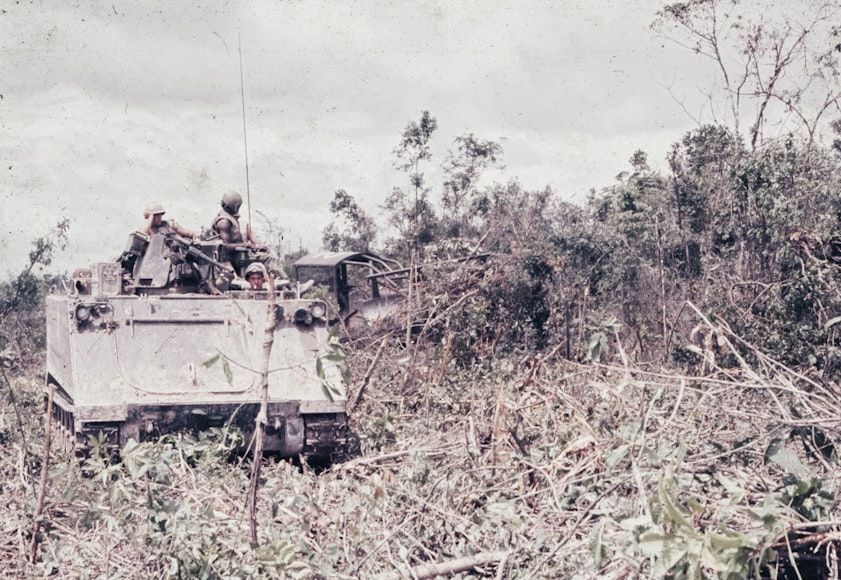
The anti-war anthem of the late 1960s, Creedence Clearwater Revival’s "Fortunate Son" , first recorded in 1969, critiques a flawed system that favors the privileged few .
Addressing inequalities in the U.S. military draft system, which often excused those well-connected or placed them in safe positions while others were sent to the front lines, the song’s message has remained relevant for decades.
9
"Sweet Home Alabama"
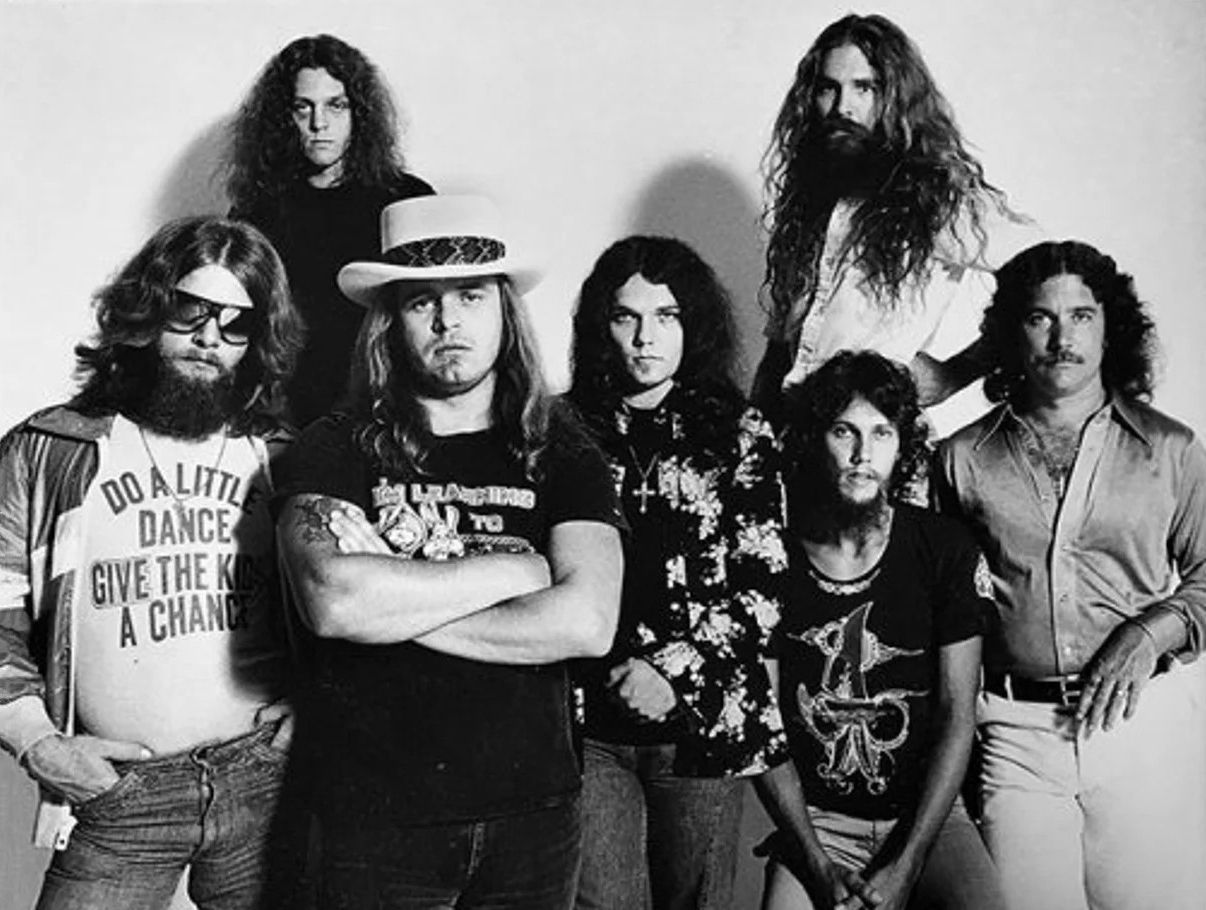
Written in part as a response to Neil Young's "Southern Man" and "Alabama," which were interpreted by some as blaming the entirety of the South for slavery and segregation, the 1974 Lynyrd Skynyrd song "Sweet Home Alabama" became an anthem of Southern pride in the face of prejudice and generalizations.
Sadly, the song has sometimes been misinterpreted as favorable towards segregationist policies, though members of the band have expressed their opposition to these ideas.
10
"Born in the U.S.A."
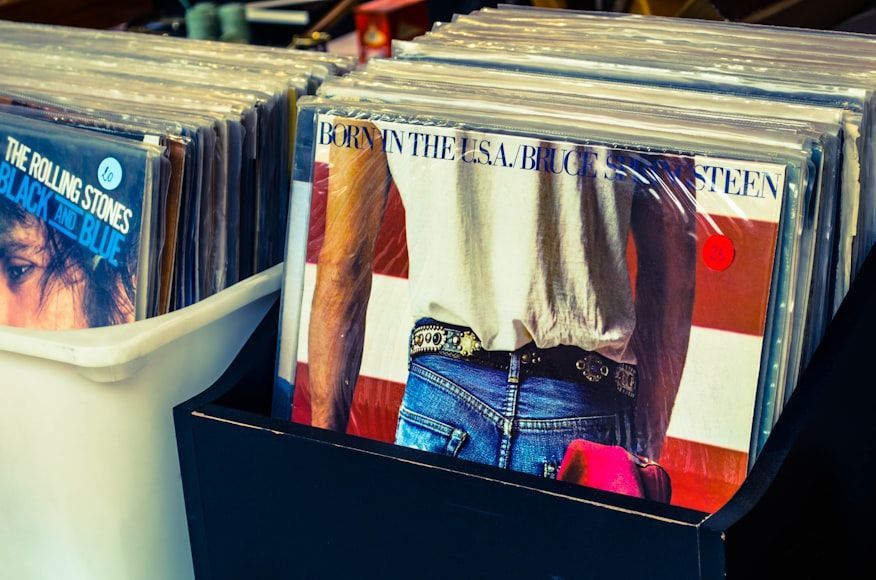
Famously considered an anthem of national pride, many fail to recognize Bruce Springsteen’s "Born in the U.S.A." (1984) as a song of protest, written during the aftermath of the Vietnam War .
Describing the alienation suffered by returning veterans, its lyrics reflect the disillusionment of those who had defended American ideals, only to feel abandoned upon their return.