Culture Culture 4 min read

Quirky education

Which famous university was once the U.S. capital?
Image: Kelly Sikkema

American universities and colleges are among the most renowned in the world, but this doesn’t mean they haven’t developed their own quirks and oddities throughout their history . From legalizing pirates to displaying deceptive statues, these institutions remind us that they are populated by ordinary humans, no matter how smart and talented they may be. Here are some fun facts about prestigious American colleges you might not know about.

1
An official pirate license
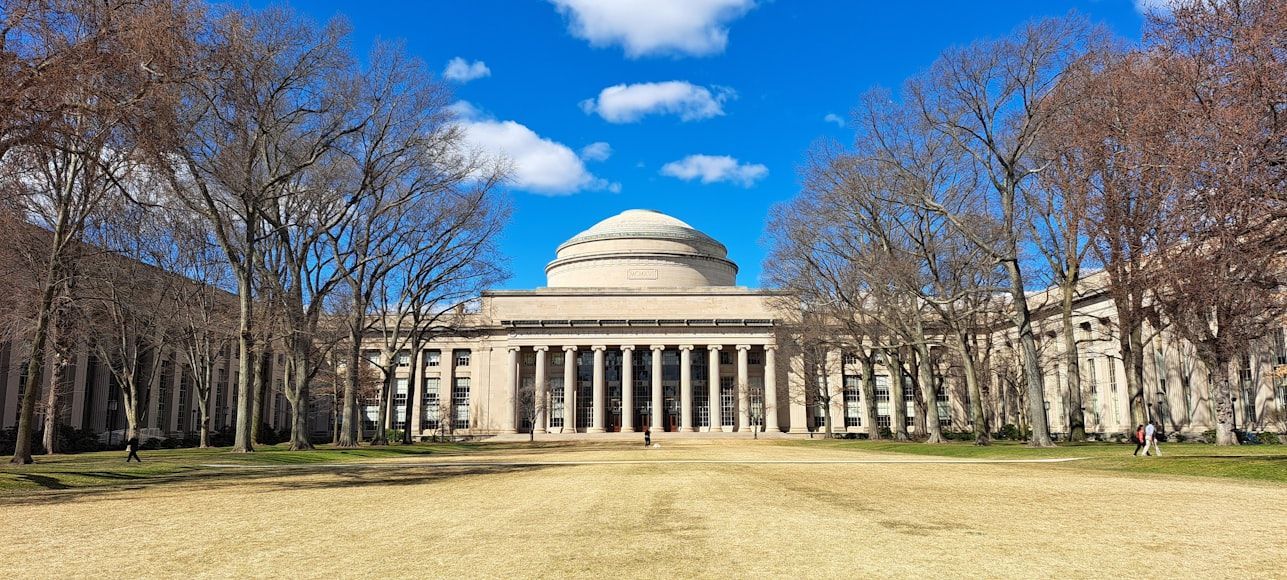
Image: Arun Antony

If being a pirate was your childhood dream, it's more attainable than you think. The main obstacle? Getting into MIT. Once you’re in, you can get your official pirate license —parchment certificate included— provided that you complete four physical education courses in pistol, archery, sailing, and fencing. However, the school has stated that this certificate does not give a license to engage in piracy or any pirate activities.

2
The lethal library
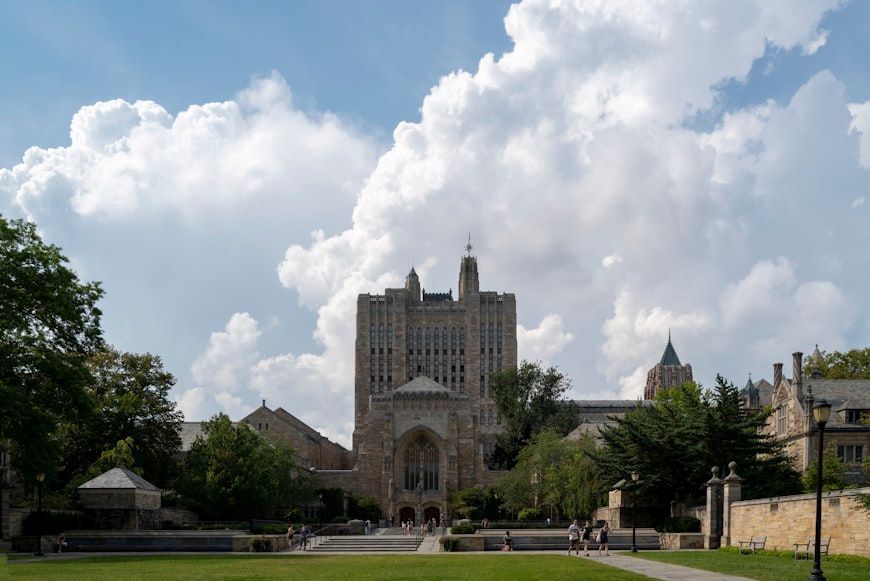
Image: Bee

If you’re a bibliophile attending Yale University, be aware that your love for books might get you killed while on campus. To protect its manuscripts and rare specimens, the Yale Beinecke Rare Book and Manuscript Library is equipped with a fire safety device that, instead of sprinkling water, sucks all the oxygen out of the building . The official stance is that this device is not lethal for humans, but that remains unproven.

3
The Olympian factory
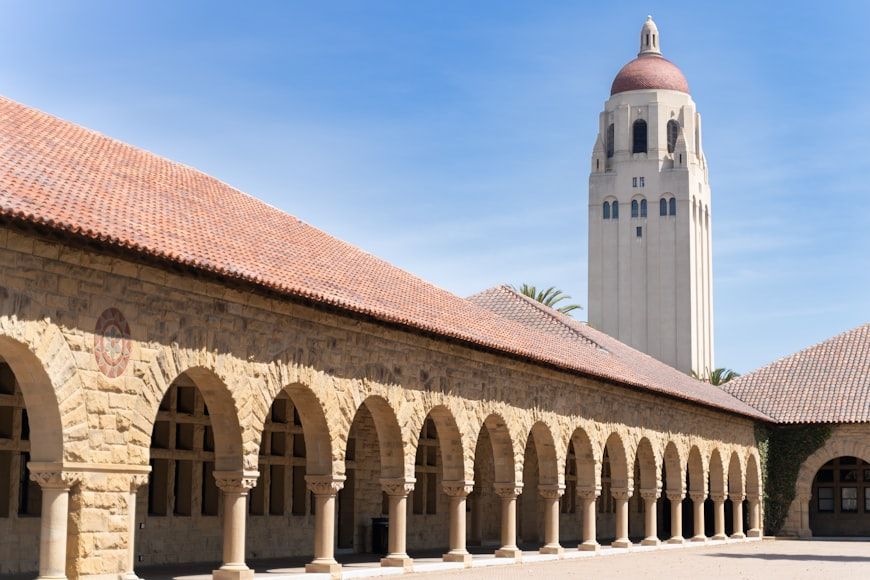
Image: Y S

American colleges and universities are known for their rigorous athletic programs, but no one does it like Stanford. Did you know that since 1908, there has been a medalist who attended Stanford in every Summer Olympic Games? With a grand total of 335 medals (162 gold, 93 silver, and 80 bronze), if Stanford were a country of its own, it would rank in the top 20.

4
The deceiving statue
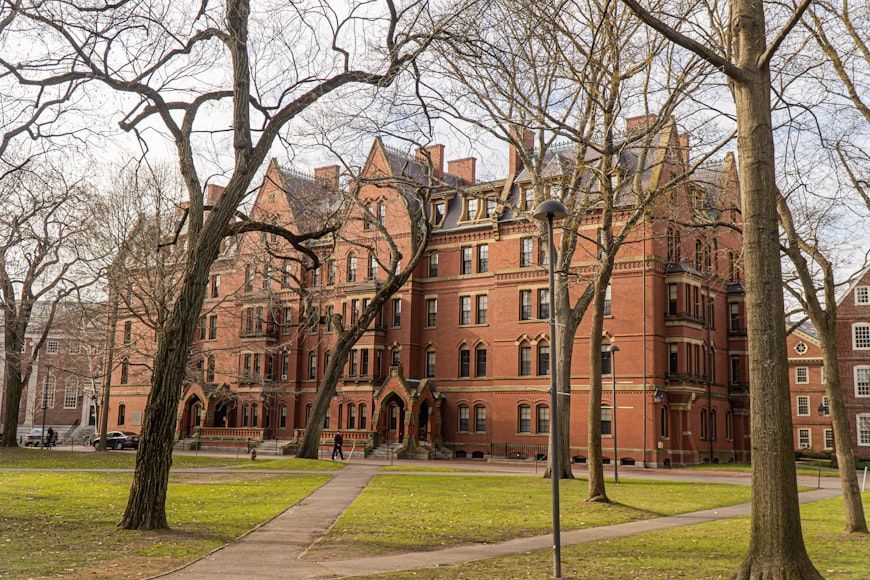
Image: Jonathan Vargas

Visitors of Harvard University have most likely come across the famous John Harvard statue on campus. However, this statue is so deceptive that it is dubbed ‘the statue of three lies’. What are these lies? The inscription reads "John Harvard. Founder. 1638‍". Harvard University, founded in 1636, not 1638. It owes its name to its first benefactor, John Harvard. It was not founded by him, but by the authorities of the Massachusetts Bay Colony. Additionally, the man represented in the sculpture is not John Harvard, but a student chosen as a model because there were no surviving portraits of Harvard.

5
The inventors of the open curriculum
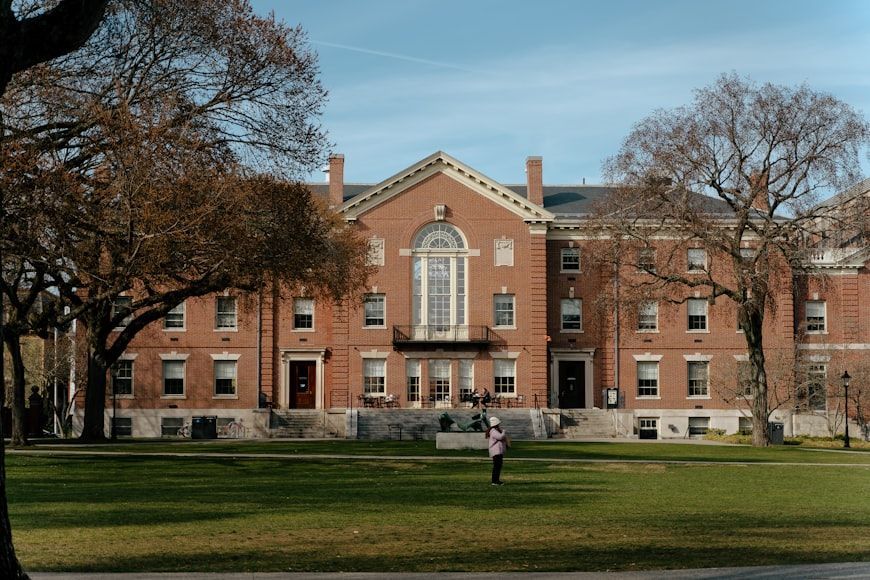
Image: Keming Tan

The open curriculum has been adopted by many institutions nationwide, but Brown University was the blueprint. During the 1950s, they developed the first interdisciplinary courses to avoid stifling intellectual curiosity. By the 1960s, Brown students pushed for the elimination of the standard general education requirements altogether, an initiative that was resisted but eventually implemented by the administration.

6
The college that was the capital of the U.S.
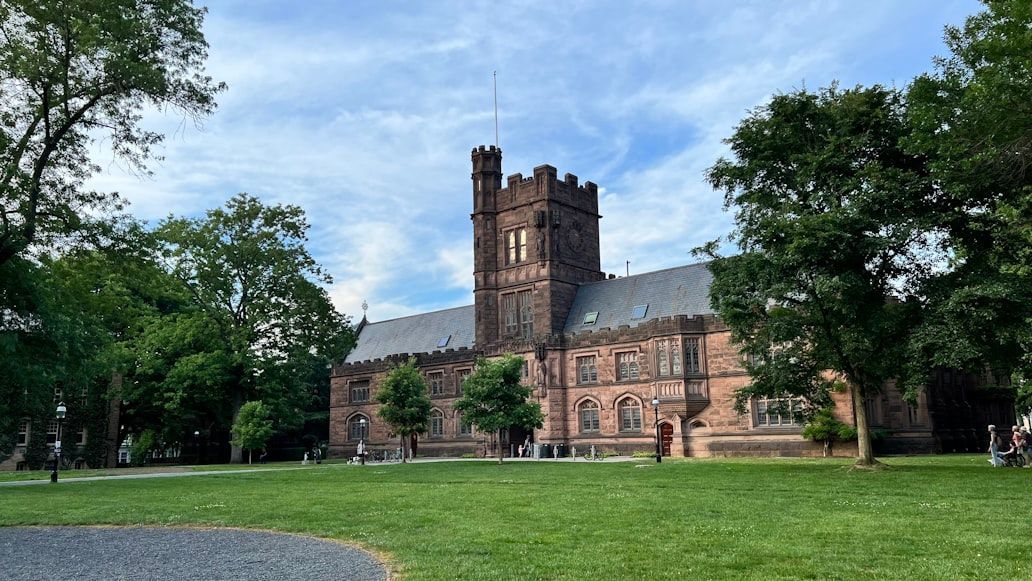
Image: SooWan Jang

Before Washington, D.C., was established as the capital of the U.S., several places were temporary capitals, including Philadelphia, New York, and Princeton University in Princeton, NJ. From June to November 1783, the Continental Congress gathered in the college library in Nassau Hall, which made the place the de facto capital of the nation . Among other historical events, the library was where Congress received in 1783 the news of the signing of the Treaty of Paris, which effectively ended the American Revolutionary War.

7
The inclusion pioneers
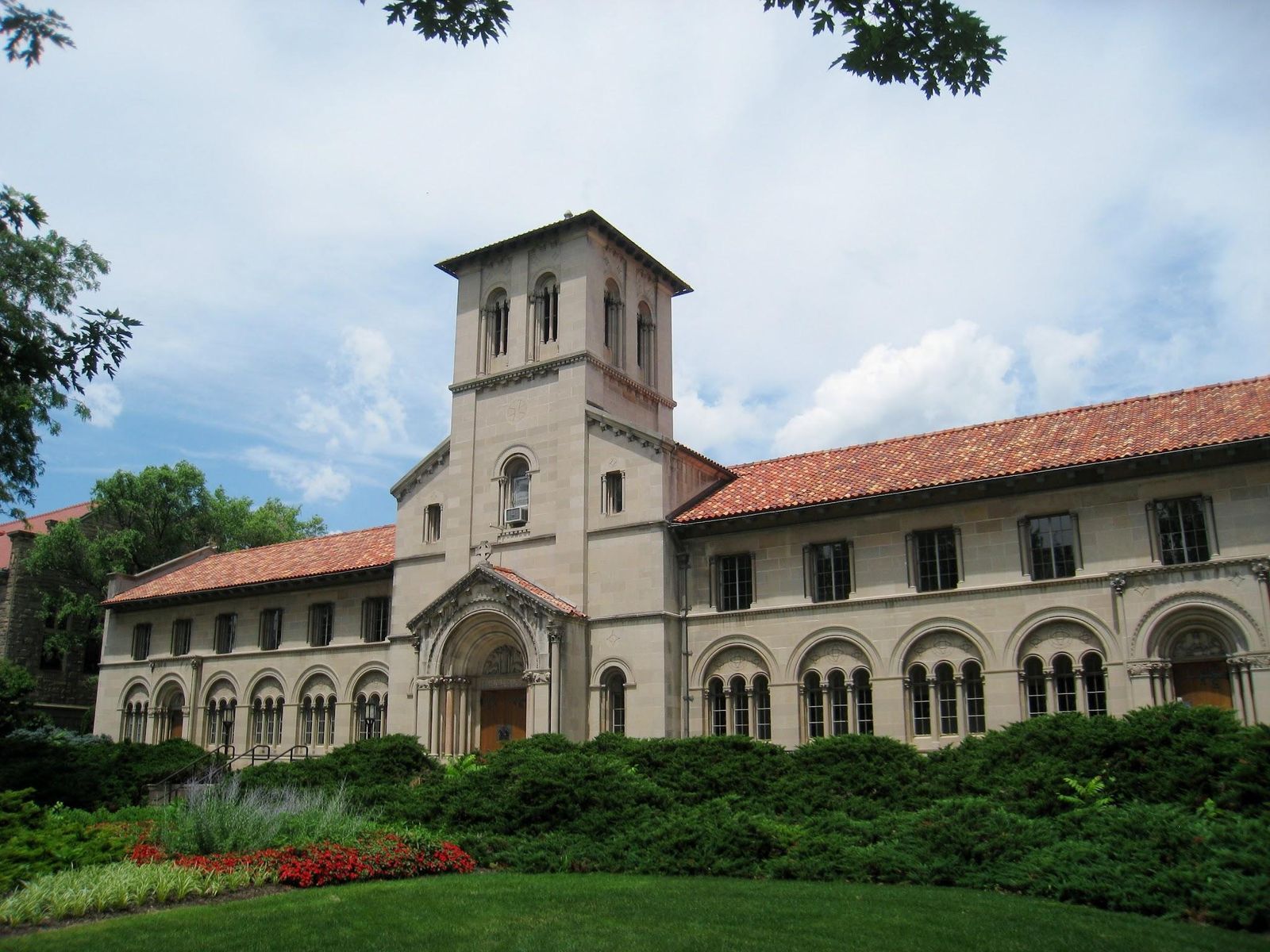
Image: Daderot, Public domain, via Wikimedia Commons

The desegregation of education was a key element in the fight for civil rights, and Oberlin College, in Ohio, was a pioneer. In 1835, the college made history by enrolling Black students, decades before other major institutions . Besides this, Oberlin was the first to enroll women in 1833 and to admit them to bachelor's degree programs in 1837.

8
Unable to swim? Unable to graduate
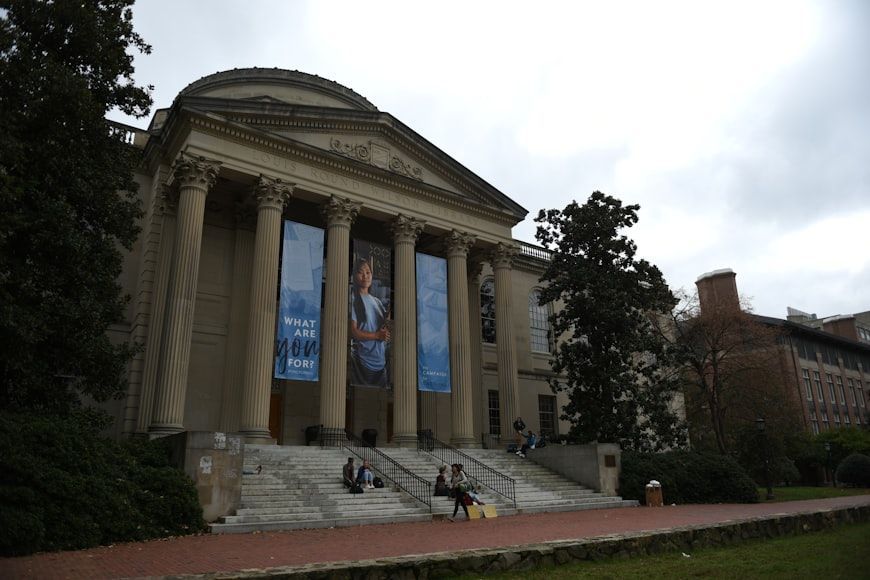
Image: Colin Rowley

Up until recently, students at the University of North Carolina at Chapel Hill had to fulfill a strange requirement in order to graduate. They had to pass a mandatory swimming test , consisting of diving in the deep end, swimming 50 yards, and treading water or floating for 5 minutes. During WWII, the university was used as a training center, and the swimming test was mandatory for recruits. Eventually, this requirement became extensive for all students and was not abolished until 2006.

9
Computer science pioneers
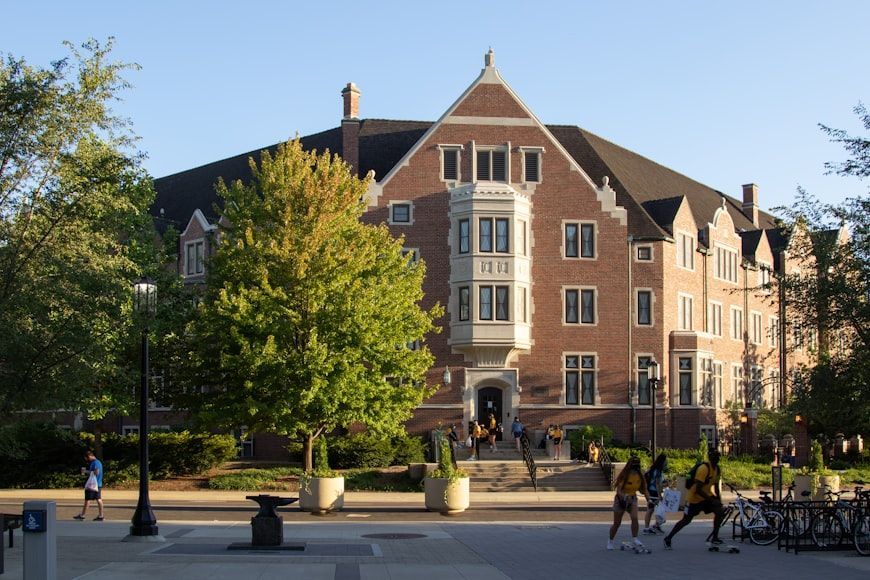
Image: Cole Parsons

A modern university offering a computer science program is nothing strange, unless they’re doing it a mere two decades after the invention of the first modern electronic computer. In 1962, Purdue University in Indiana was the first to establish a department of computer sciences , pioneering academic research in the field. More than 50 years later, Purdue University remains one of the leaders in computer science research.

10
The largest student body
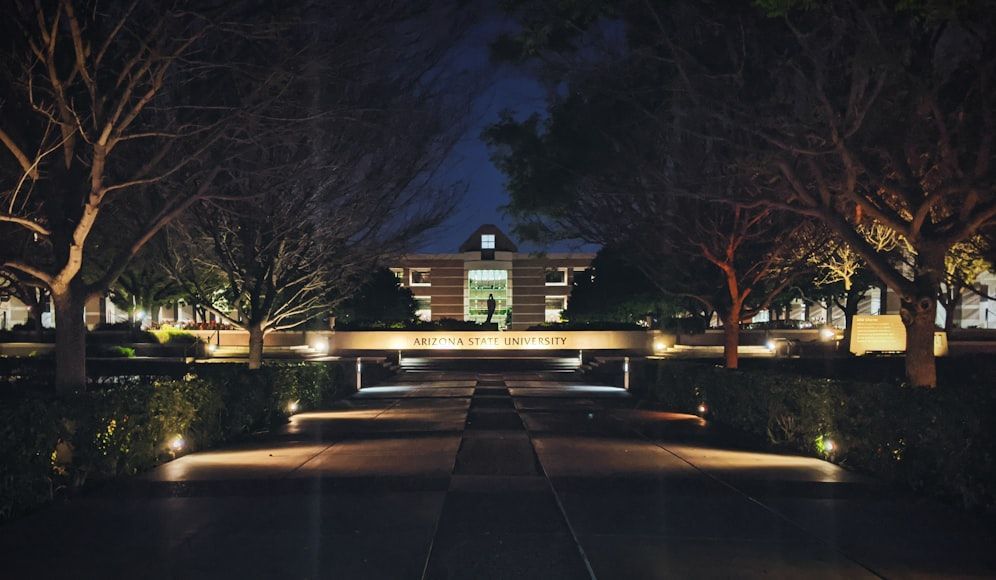
Image: Avi Waxman

Other institutions might boast about being the oldest or the most sought-after university, but Arizona State University leads the rankings when it comes to enrollment . With nearly 80,000 in-person students across the Phoenix metropolitan area campuses and nearly the same number of online attendees, it surpasses all American institutions in terms of student body size. In comparison, Deep Springs College, in California, sits at the opposite end of the spectrum, with a student body restricted to 26 undergraduates.
History History 3 min read

NASA can be fun

Smuggled sandwiches, gorillas & more: 11 incredible space stories

Image: Gerhard Janson

Space exploration might seem like all rockets and science on the surface, but behind NASA’s historic missions lie some truly weird and hilarious moments. From smuggled sandwiches floating in zero gravity to surprise gorilla-suit pranks aboard the International Space Station, the U.S. space program has had its share of unexpected twists. Did you know about these 11?

1
Smuggled sandwich

Image: Gennady Zakharin

During the Gemini 3 mission, astronaut John Young secretly brought a corned beef sandwich into space . He and fellow astronaut Gus Grissom took a few bites while in orbit.

Needless to say, Mission Control wasn’t amused—there were serious concerns about crumbs floating around and interfering with the spacecraft’s systems.

2
A gorilla in the ISS

Image: Amy Reed

Astronaut Scott Kelly pulled off a wild prank during his year in space by dressing in a gorilla suit and chasing fellow astronaut Tim Peake around the International Space Station.

The costume had been secretly sent by Scott’s twin brother, Mark Kelly, as a surprise birthday gift during the mission.

3
Lunar picnic

Image: Lucie Capkova

In 1969, Neil Armstrong and Buzz Aldrin made history as the first humans to walk on the Moon. But they didn’t stop there.

To mark the occasion, they also shared the first meal on the lunar surface . The menu included bacon squares, peaches, sugar cookie cubes, a pineapple-grapefruit drink, and coffee.

And unlike the smuggled corned beef sandwich incident, this meal was entirely mission-approved.

4
Fined by Mars "owners"

Image: Planet Volumes

In 1997, NASA was sued by three men from Yemen who claimed that Mars had been passed down to them by their ancestors.

They accused NASA of trespassing when the Pathfinder rover landed—and even began selling plots of Martian land for $2 per square meter. Of course, the case was never taken seriously.

5
Metric vs. Imperial

Image: Bozhin Karaivanov

Back in 1999, NASA lost a Mars orbiter due to a mix-up between metric and imperial units. One team used the metric system, while another used imperial units to track thruster force.

The error caused the spacecraft to veer off course and burn up in the Martian atmosphere. It had been intended to be the first satellite to study Mars's climate and weather in detail.

6
Another fine—for littering

Image: Attila Lisinszky

In 1979, NASA’s Skylab space station re-entered Earth’s atmosphere and broke apart, scattering debris across Western Australia, about 482 kilometers east of Perth.

In response, the Shire of Esperance , a local government body in Western Australia, jokingly fined NASA $400 for littering.

7
A building with its own weather

Image: reza shayestehpour

NASA’s Vehicle Assembly Building (VAB) at the Kennedy Space Center is one of the largest buildings in the world by volume, enclosing over 3.7 million cubic meters of space. It was originally built to assemble the massive Saturn V rockets used in the Apollo missions.

But its immense size—combined with Florida’s high humidity—once led to clouds forming inside . To prevent this, NASA installed a 10,000-ton air conditioning system to control moisture and protect delicate spacecraft.

8
Bathroom issues

Image: Jan Antonin Kolar

Early space missions didn’t have modern toilets—just plastic bags taped in place. During Apollo 10, this led to an awkward moment when a piece of human waste was spotted floating through the cabin .

Commander Tom Stafford asked for a napkin to grab it, but no one claimed responsibility. Minutes later, another one appeared. The crew laughed it off, but to this day, the mystery remains unsolved.

9
Mutiny in space

Image: Towfiqu barbhuiya

In 1974, the Skylab 4 crew spent 84 days in space—the longest mission at the time. Overworked and stressed, the astronauts staged the first space mutiny by taking a surprise day off and cutting communication with NASA.

They relaxed and enjoyed the view of Earth before resuming contact the next day. NASA wasn’t thrilled but learned a valuable lesson: space missions must care for astronauts’ mental health, not just their physical well-being.

10
Paid to stay in bed

Image: Kinga Howard

NASA once paid volunteers $15,000 to lie in bed for 90 days to simulate the effects of zero gravity on the human body.

It sounds like a dream job (pun intended)—until you realize they weren’t allowed to get up at all, not even for a second.

11
No insurance

Image: Vlad Deep

Before Apollo 11 launched, the crew couldn’t get life insurance due to the mission’s high risks . So Armstrong, Aldrin, and Collins came up with a clever backup plan.

They signed envelopes and postcards, which friends postmarked during the mission. If the astronauts didn’t return, their families could sell them to collectors for financial support.

History History 5 min read

Spirits in the halls

The White House After Dark: Whose spirits linger in the Mansion?

Image: Tom Fisk / Photo By: Kaboompics.com

The White House was completed in the 1800s and has served as the home to every US president since. Just imagine the countless people, events, conversations, and even incidents that have taken place there. With six floors and 132 rooms, it's no surprise that the White House has a good dose of paranormal stories. From creepy footsteps and noises to the apparitions of presidential ghosts, the iconic mansion at 1600 Pennsylvania Avenue is full of supernatural tales that will give you goosebumps!

1
Abraham Lincoln

Image: Girma Nigusse

One of the most famous ghosts in the White House is none other than that of Abraham Lincoln. But this is nothing new. Shortly after the president's passing, employees of the Mansion began reporting sightings of a tall, shadowy figure dressed in a black suit. Several First Ladies, including Eleanor Roosevelt and Grace Coolidge, also claimed to have encountered Lincoln's spectral figure.

One of the best stories about his ghost involves a famous statesman from another country: Winston Churchill. During WWII, Churchill visited the White House. The story goes that after a night shower, he encountered Lincoln's ghost standing by the fireplace. Churchill greeted him calmly, saying, "Good evening, Mr. President. You seem to have me at a disadvantage."

2
Andrew Jackson

Image: Peter Oswald

Andrew Jackson, 7th President of the US, was famous for his strong, commanding personality. Perhaps it was this aspect of his character that gave rise to the tales of his loud –some say "angry"– ghost haunting the White House.

Jackson's ghost was said to appear regularly during Theodore Roosevelt's administration. Stories describe his presence as impossible to ignore, with loud footsteps and objects inexplicably falling. Another famous anecdote narrates a dinner party held by President Harry S. Truman at the White House. Many guests allegedly saw Jackson's figure standing in one of the hallways, appearing and disappearing right in front of them.

3
Thomas Jefferson

Image: Dominik Scythe

Thomas Jefferson was not only a Founding Father, the main author of the Declaration of Independence, the 3rd President of the United States, and the man behind the Louisiana Purchase. He was also a skilled violinist.

As a polymath, Jefferson was a wise, educated man with many talents. He played several instruments, but his favorite was the violin. Over the years, several stories have emerged about staff members and even other presidents hearing the haunting sound of a violin, seemingly coming from the Yellow Oval Room.

4
Dolley Madison and the Rose Garden

Image: KaLisa Veer

But paranormal stories aren't just about presidents; First Ladies also star in similar anecdotes.

One such tale is about Dolley Madison, First Lady to James Madison, who lived in the White House from 1809 to 1817 during his two terms. Dolley Madison was known to spend long hours in the gardens during her time at the House, particularly in the Rose Garden, which she loved. After her passing in 1849, many reported seeing a ghostly figure in the Rose Garden, hearing a woman's voice, or feeling as if they were being watched.

5
Abigail Adams

Image: Hugo

John Adams was the first president to ever live in the White House. He was there with his wife, Abigail Adams, during the last year of his term (1800-1801).

After Abigail's passing, many people working in the White House reported sightings of her ghost in the East Room, where she was said to hang laundry. Even today, some staff members claim to smell wet laundry near that room.

6
John Tyler

Image: Madara

Another of the haunted rooms in the White House is the Blue Room, apparently visited by the ghost of President John Tyler.

Tyler married his second wife, Julia Gardiner, in 1844 while still in office. As the story goes, the president had proposed to Julia on several occasions before she finally said yes. Over the years, reports emerged about the Blue Room of the White House, where it is suggested that footsteps are heard, and a man's voice seemingly declaring love or proposing marriage.

7
David Burnes

Image: Vihan Dalal

The White House has stood at 1600 Pennsylvania Avenue since 1800. But before that, the land it occupies belonged to someone else.

David Burnes was one of the original landowners, living there before the government purchased it. Legend has it that he wasn't totally pleased with the sale of his land. After his death, several residents –including Abigail Adams– reportedly saw a figure resembling Burnes walking near the house, often watching it from a distance.

8
William Henry Harrison

Image: Peter Herrmann

It seems ghosts might be lurking in every corner of the White House. As we've seen, several rooms and even the gardens have been the setting for various paranormal tales. But that's not all: The attic holds its secrets, too.

This story involves William Henry Harrison, the 9th president of the US and the first to pass away during his time in the White House. It's said that his spirit now haunts the attic of the mansion, where footsteps and a wailing voice can be heard at times.

9
The Thing

Image: Steinar Engeland

Legend has it that a mysterious entity has been haunting the White House for some time, one not tied to any known historical figure.

Several members of the White House staff have reported strange experiences attributed to "the Thing." That's the name given to this presence that makes those nearby feel as if they are being watched. But here's the creepiest part: Several employees reported feeling pressure on their shoulders as if someone was lightly leaning on them.

10
The Demon Cat

Image: Abdu Rahman

Now, it's time for a ghost that doesn't take human form. It's the well-known " Demon cat" (or "DC"), a spectral black cat said to haunt several government buildings in Washington, DC.

According to legend, cats were brought to the city to control the rat population in the 19th century. But one of those cats never left. It's now a ghost haunting landmarks like the White House and the US Capitol. Some people say the ghostly cat appears small at first but grows to a creepy large size as it approaches. Some even describe it as reaching the size of a "huge tiger."

Explore more American facts

Choose your favorite category!

General
General

As American as apple pie—the very best America has to offer!

Culture
Culture

Delve into the astounding richness of American lore.

Geography
Geography

Hop in and explore vast and diverse American landscapes.

History
History

Discover the key moments that shaped the United States.