Thankfully, it never rained men
No umbrella can save you from a meat rain: Discover 12 very unusual rains
Image: Lukas Gojda
Most of us have heard the saying "it’s raining cats and dogs," but the U.S. has produced weather stories that are far stranger than any expression. Over the centuries, people across the country have reported meat falling from the clear sky, frogs bouncing onto streets after storms, fish landing in neighborhoods miles from water, and many other unusual things. While some cases remain unsolved, scientists have found surprisingly reasonable explanations for many of them. Did you ever know about these 12 incredible rains?
1
The Kentucky meat shower

On March 3, 1876, residents near Olympia Springs in Bath County, Kentucky, witnessed one of the strangest events in American history. Chunks of meat suddenly fell from an apparently clear sky, covering an area estimated at 100 by 50 yards. One of the witnesses, Mrs. Allen Crouch, was making soap outdoors when the bizarre shower began.
Scientists examined samples and argued over whether the meat came from horses, sheep, or other mammals. The leading modern explanation is far less supernatural: a flock of vultures likely regurgitated partially digested meat while flying overhead, a defensive behavior the birds still exhibit today . Tasty, right? The incident remains so famous that Kentucky now celebrates it with an annual Meat Shower Festival.
2
A frog rain
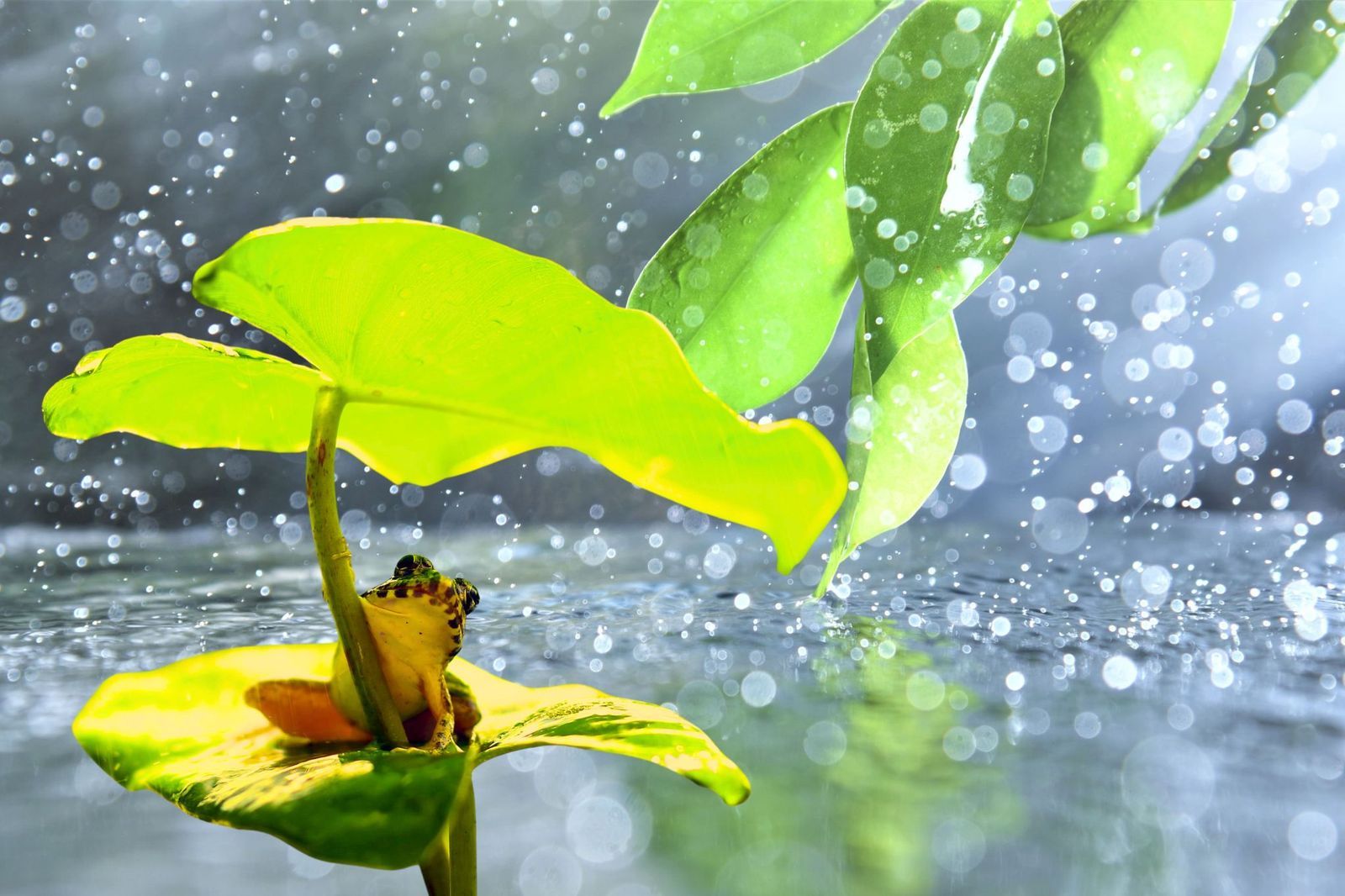
Reports of frogs raining from the sky have appeared across the country for well over a century. Although they sound impossible, meteorologists consider them entirely plausible under the right weather conditions.
The usual explanation involves waterspouts or tornadoes passing over ponds or marshes . These powerful rotating columns of air can lift small frogs into the atmosphere before carrying them several miles away. When the storm weakens, the animals fall back to Earth, sometimes astonishing entire neighborhoods as tiny frogs suddenly cover roads, sidewalks, and backyards.
3
Louisiana’s fish storm
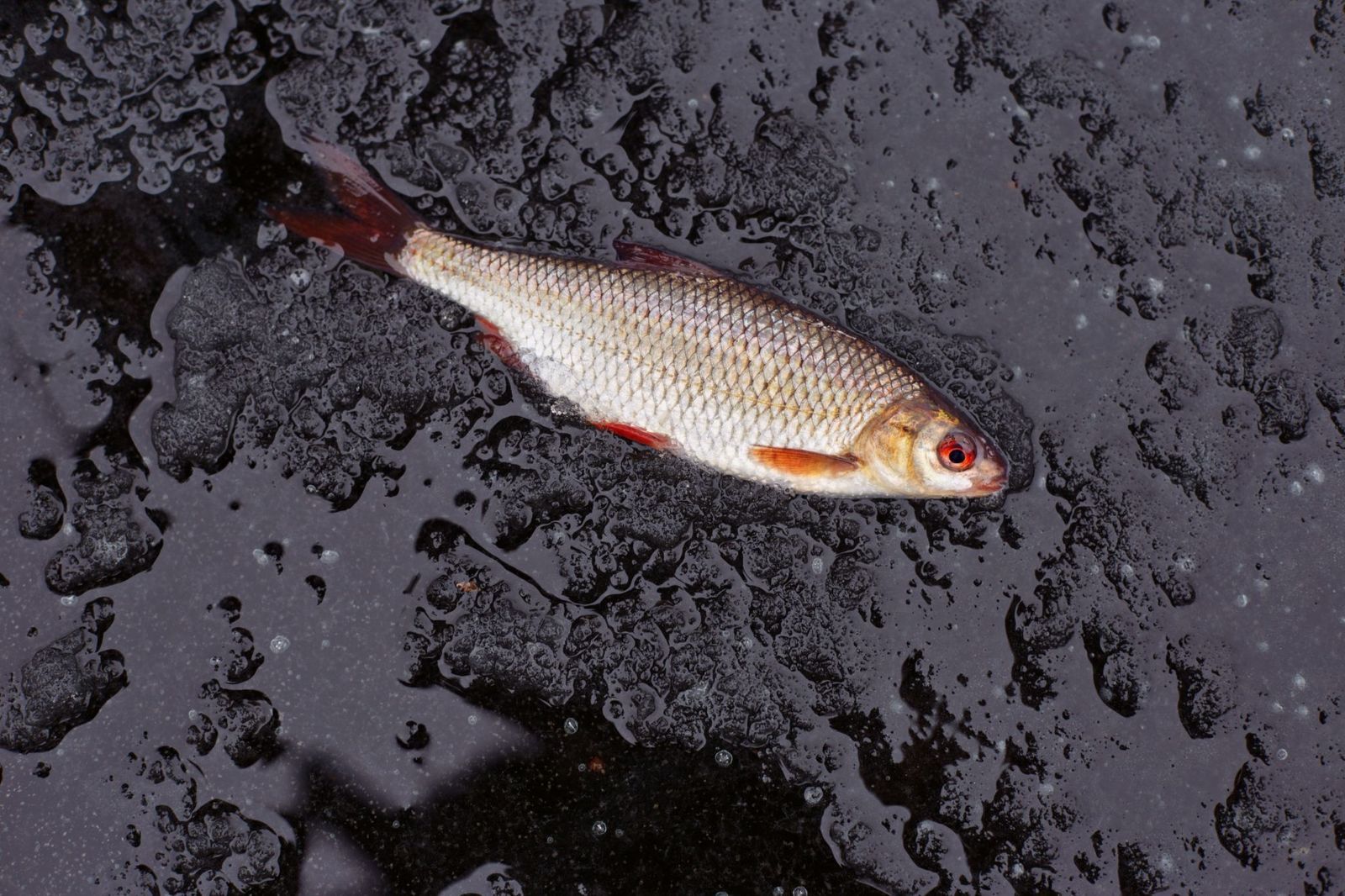
Residents of Marksville, Louisiana, experienced one of this country’s best-known fish rains on October 23, 1947. During a storm, dozens of small fish reportedly began falling from the sky, surprising everyone who witnessed the event.
Scientists quickly pointed toward nearby lakes and bayous as the likely source. A waterspout probably sucked up the fish before releasing them inland once the storm lost strength . Cases like Marksville have become classic examples used by meteorologists when explaining how unusual "animal rain" can occur without breaking the laws of physics.
4
The red rain
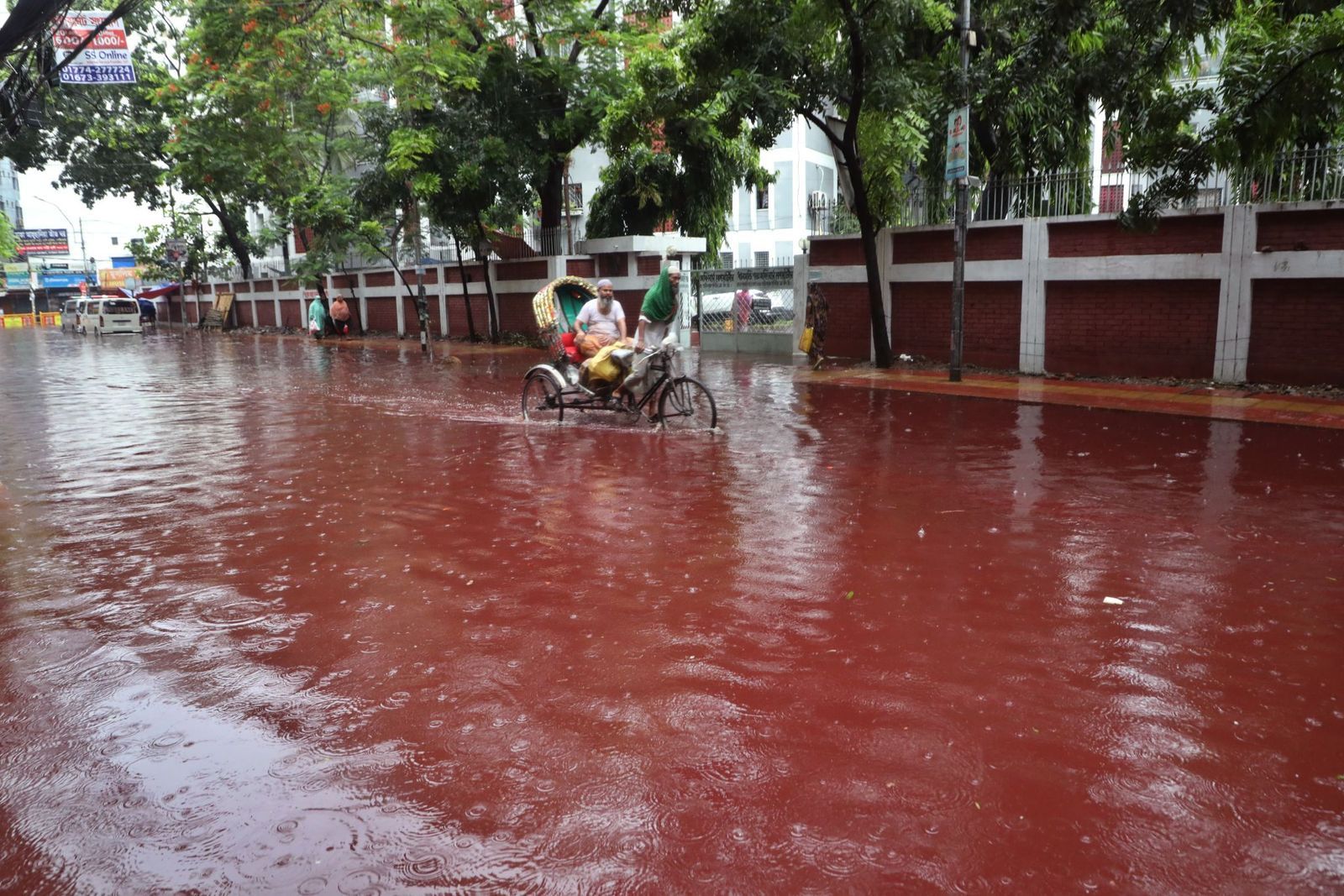
Few things are more unsettling than seeing rainwater that looks like blood, right? Throughout American history, scattered reports of reddish rainfall have sparked fears, newspaper headlines, and plenty of speculation.
Modern science offers much less frightening explanations. Fine dust rich in iron oxide can tint rain a rusty red after traveling hundreds or even thousands of miles through the atmosphere . Certain airborne microorganisms may also contribute to unusual coloration. While dramatic, these events have repeatedly turned out to be natural rather than supernatural.
5
A worm shower in Louisiana
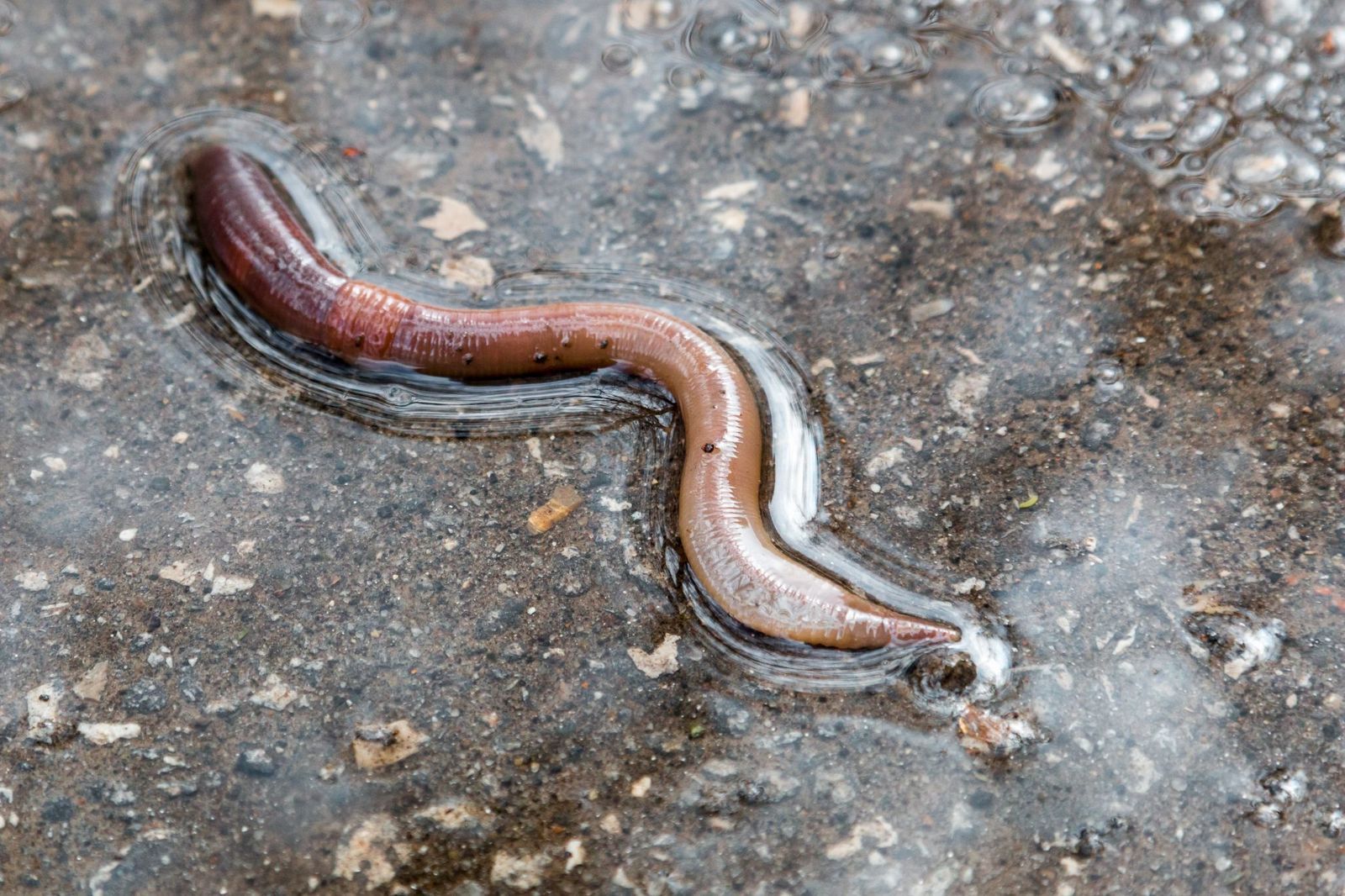
In 2007, residents of Jennings, Louisiana, reported seeing worms apparently falling after severe weather. The strange event attracted widespread attention because the ground seemed to become covered almost overnight.
Meteorologists note that intense storms are capable of lifting lightweight organisms from flooded fields or shallow water . At the same time, heavy rain naturally forces many earthworms to the surface, making it difficult to determine exactly how they arrived. Whatever the explanation, the Jennings incident remains one of America's best-known modern worm rains.
6
Sea snails from above
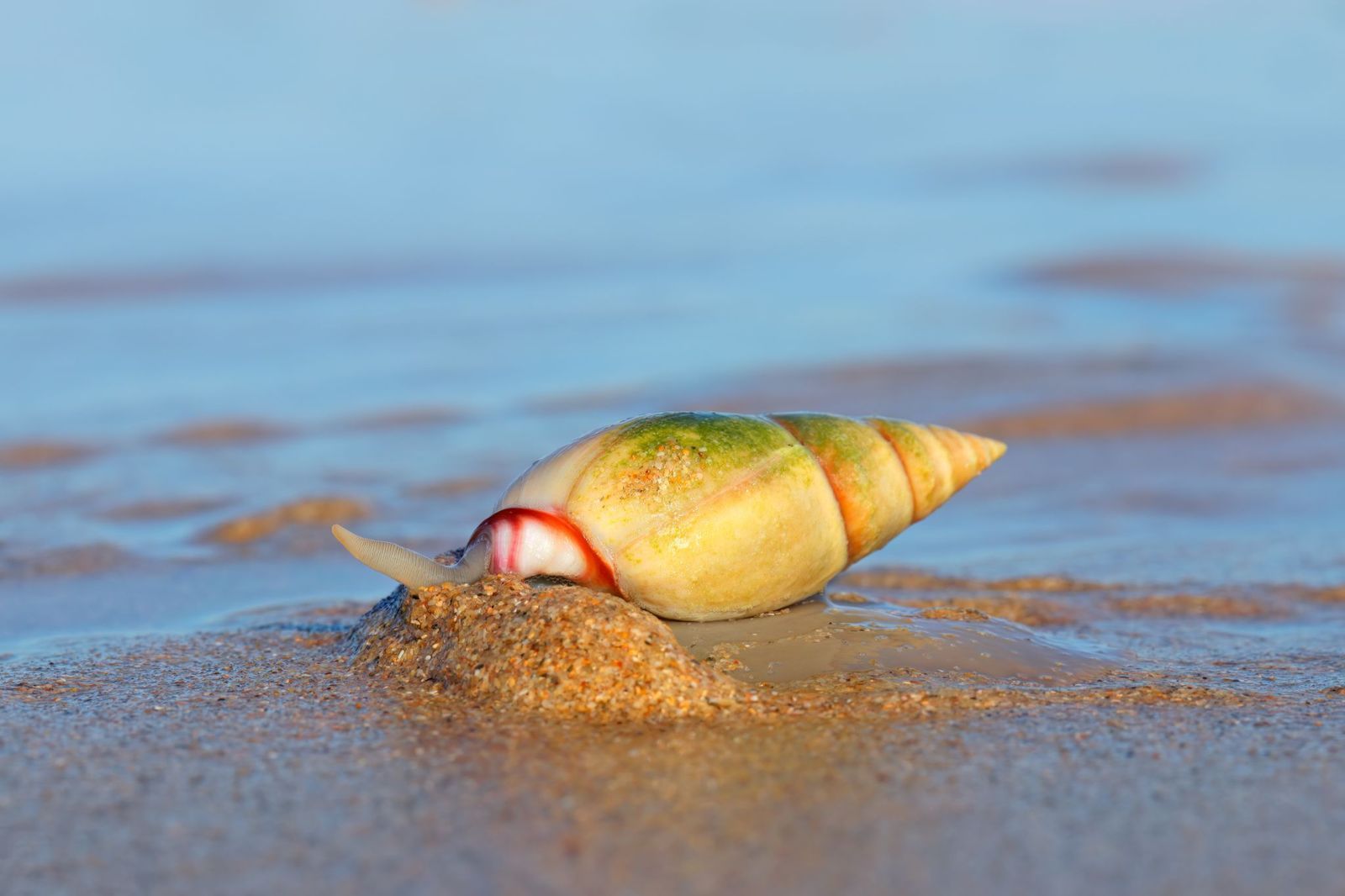
Along parts of the Atlantic Coast, powerful coastal storms have occasionally been followed by reports of periwinkles, a type of small sea snails, appearing well away from the shoreline.
Scientists believe waterspouts or hurricane-force winds can lift lightweight marine creatures from shallow coastal waters before dropping them inland . While such reports are uncommon and often difficult to document completely, they fit the same weather processes believed to produce fish and frog rains.
7
Crab rain in Chesapeake Bay
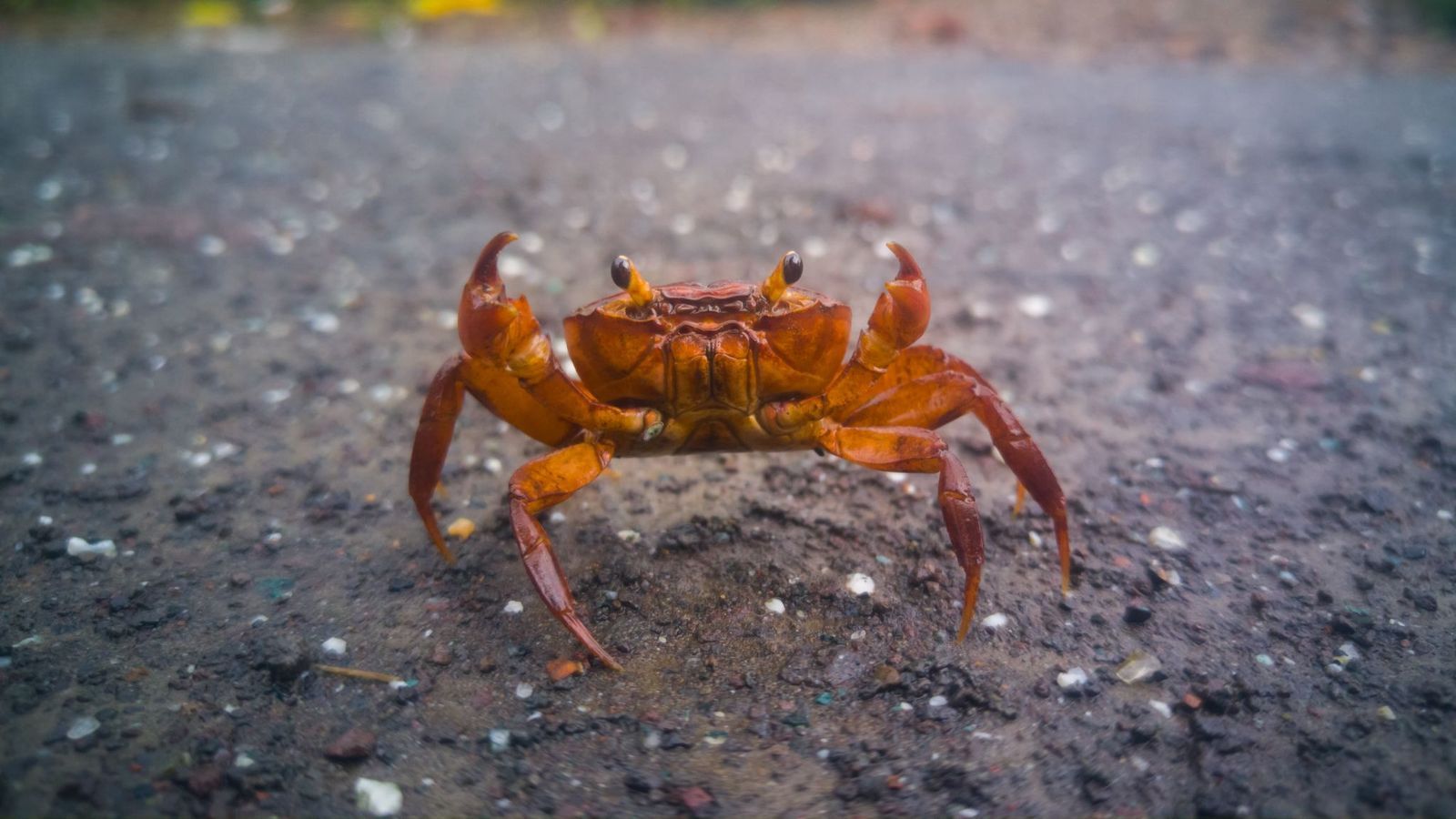
Communities near Chesapeake Bay have periodically reported finding small crabs scattered across roads and fields after severe storms. Discovering shellfish where there was no flooding certainly makes for an unforgettable morning.
Meteorologists consider these reports believable because the bay regularly experiences waterspouts and strong thunderstorms. Small juvenile crabs are light enough to be carried short distances by powerful updrafts before falling back to the ground once the storm weakens .
8
Tadpoles after the storm
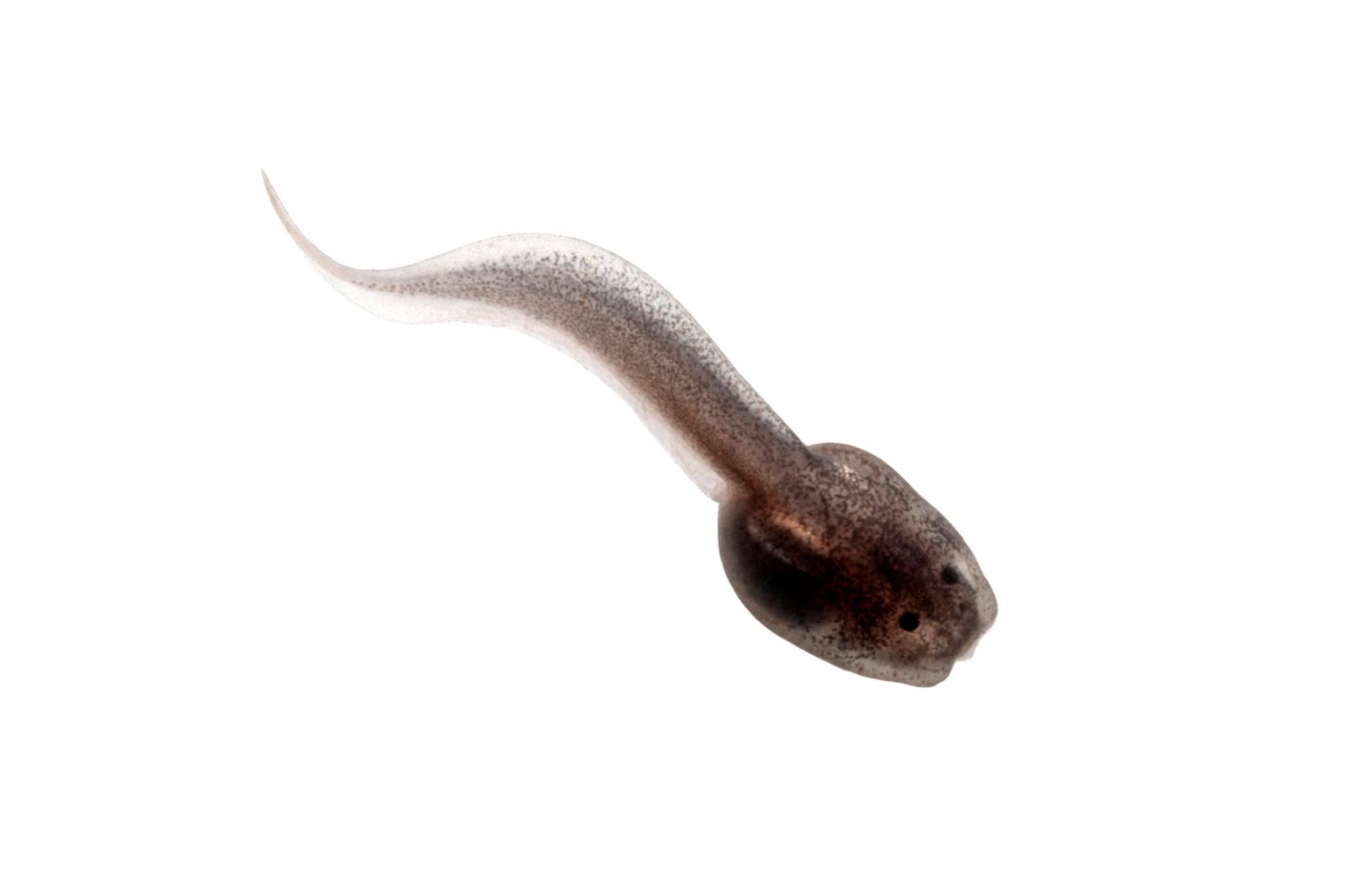
Several Midwestern communities have reported storms that seemed to leave roads covered with tiny tadpoles. Unlike adult frogs, these young amphibians are incredibly light, making them easier for violent weather to transport .
Spring is the most likely time for such events because shallow ponds contain enormous numbers of developing tadpoles. If a storm passes directly over one of these breeding areas, the rotating winds may lift thousands of them into the air before dropping them elsewhere in surprisingly concentrated patches.
9
The star jelly rain
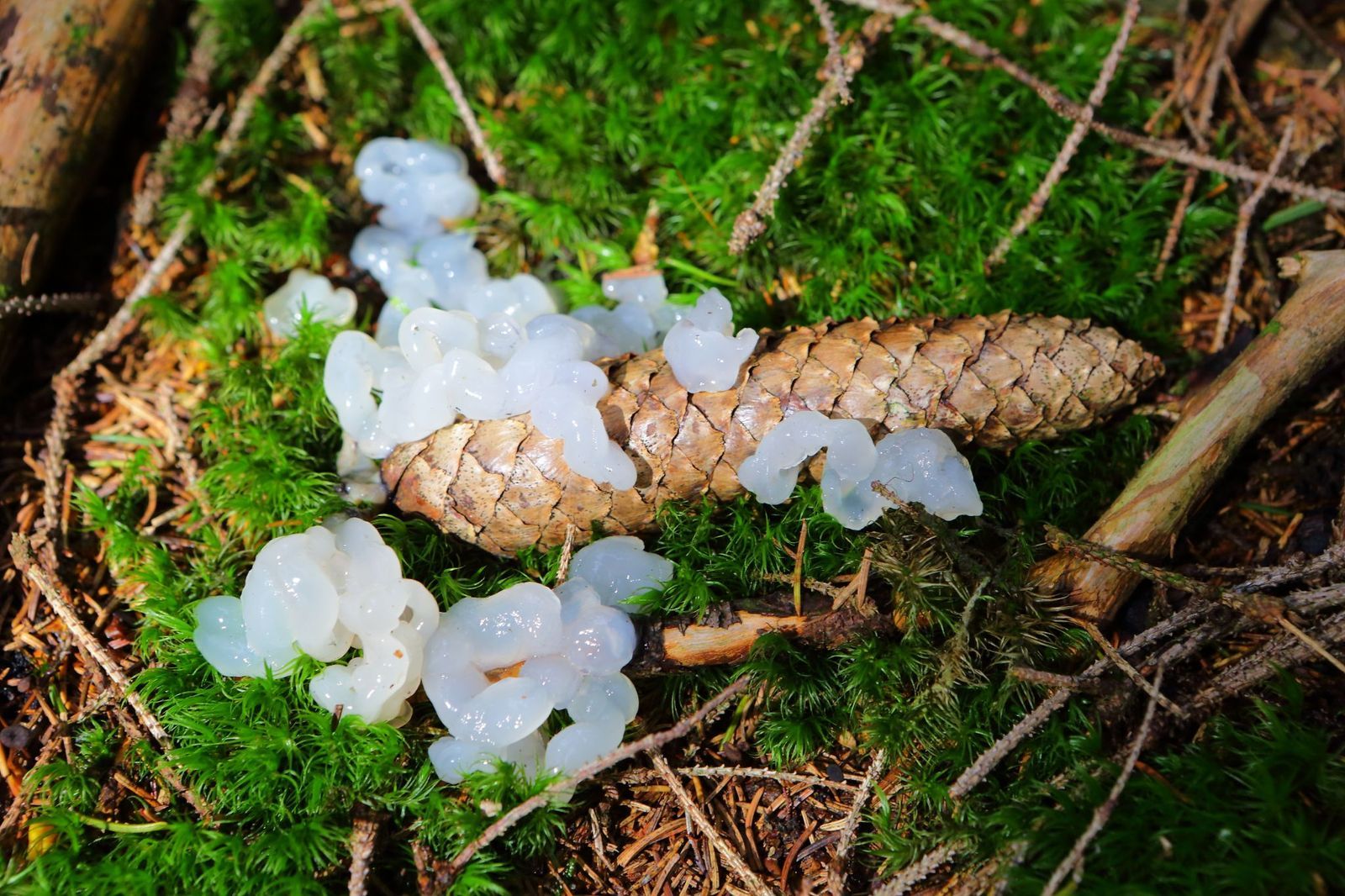
For centuries, people across the country have occasionally discovered mysterious transparent blobs lying on the ground after storms. Known as "star jelly," the gooey substance has inspired countless legends claiming it literally fell from the heavens.
Scientists have proposed several possible explanations, including slime molds, cyanobacteria, amphibian reproductive tissue, or biological material left behind by predators . None explains every reported case, leaving star jelly as one of nature's longest-running mysteries.
10
A haystorm on the Great Plains
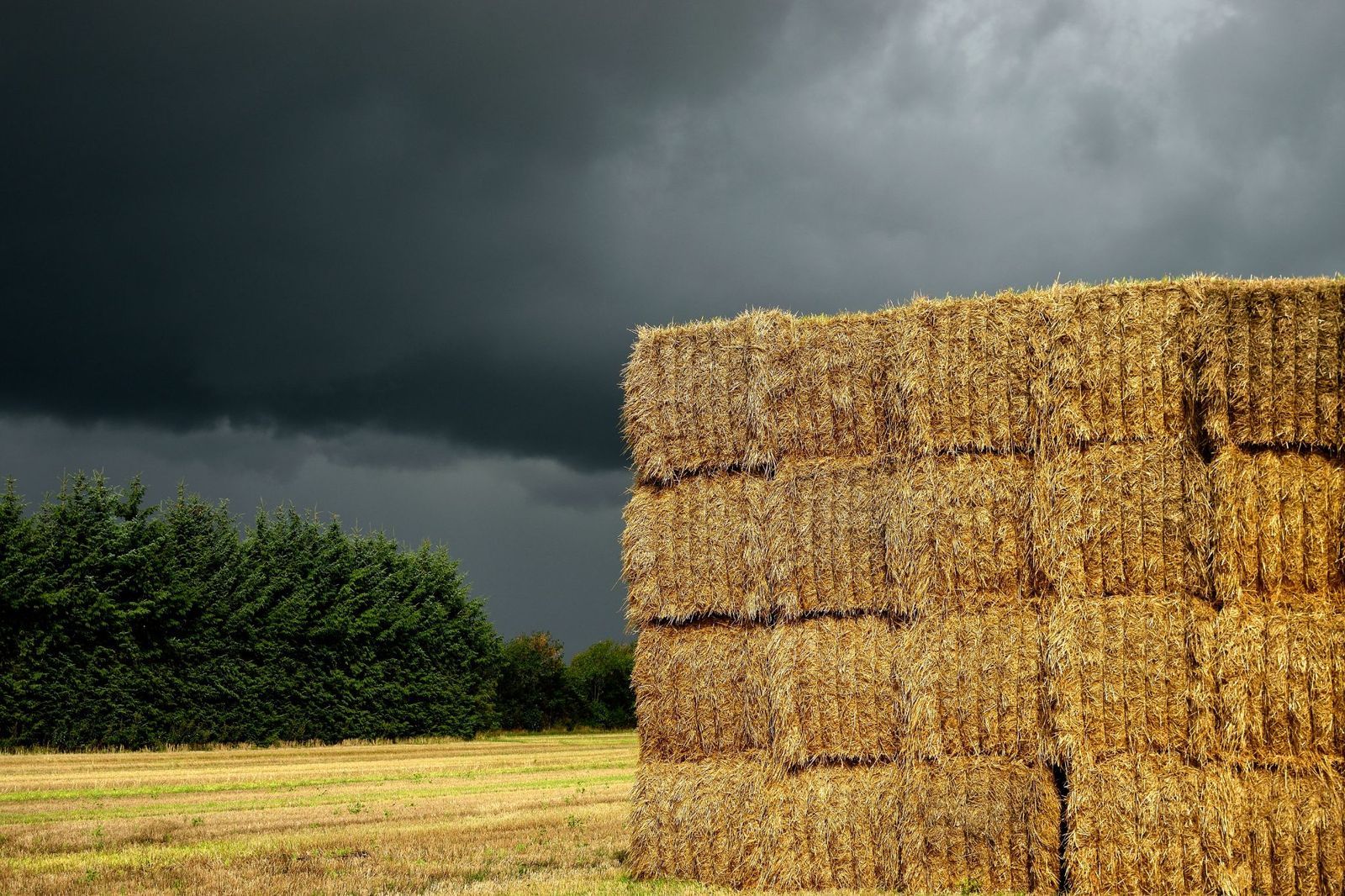
Not every strange rain involves animals. Across the Great Plains, tornadoes have repeatedly lifted hay, straw, and other lightweight farm materials into the atmosphere before dropping them miles away .
Farmers occasionally discover freshly fallen hay that clearly came from another property entirely. These events demonstrate just how powerful severe storms can be, transporting ordinary agricultural materials across remarkable distances before gravity finally takes over.
11
Storms that drop insects
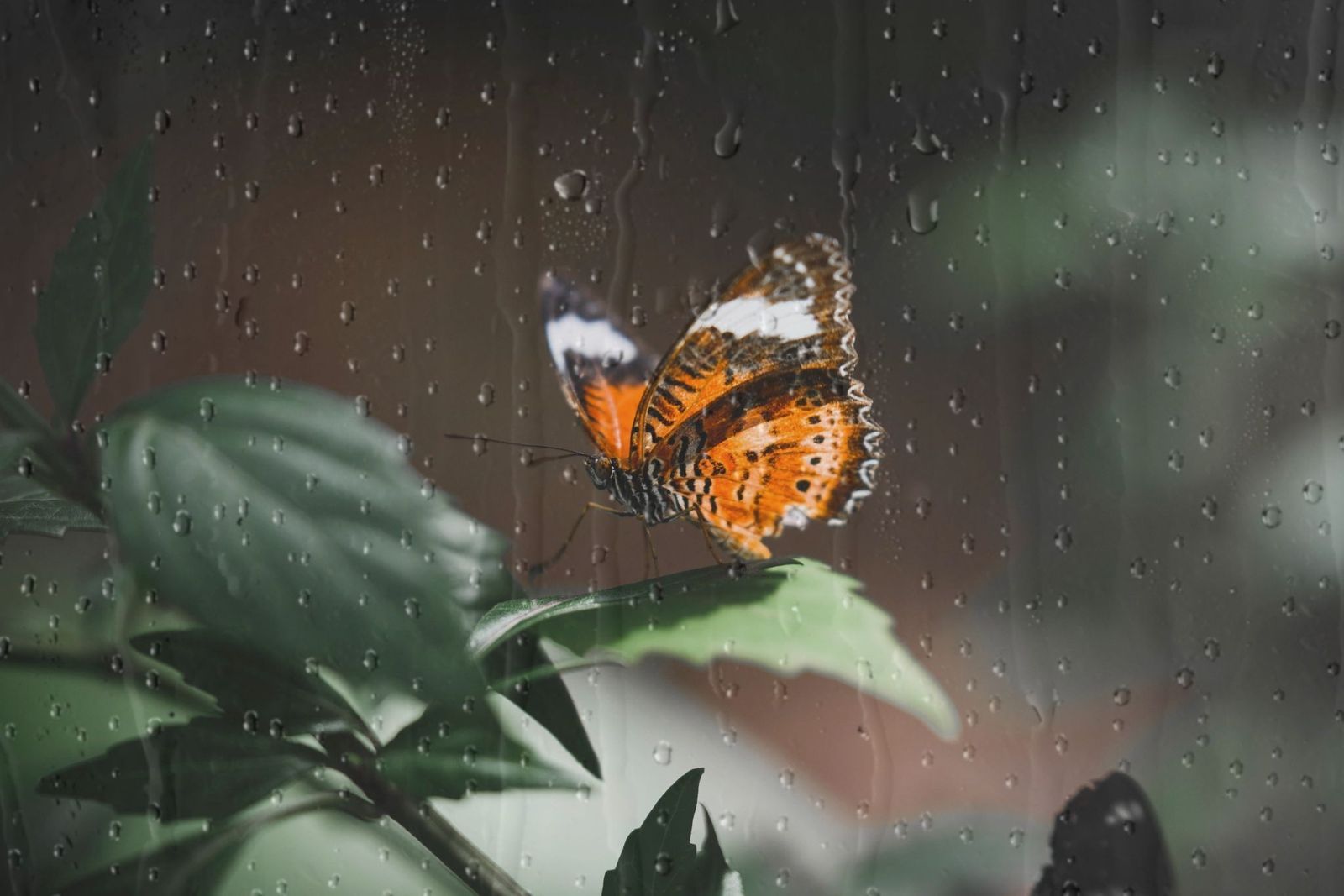
Thunderstorms can also seem to rain insects. Swarms of flying ants, termites, aphids, and other tiny creatures have occasionally appeared immediately after powerful storms , leaving the impression that they fell directly from the clouds.
In reality, strong updrafts can sweep huge numbers of lightweight insects into the air and carry them well beyond their original location. When the winds weaken, the insects settle back to the ground, sometimes creating spectacular and slightly unsettling natural displays.
12
It’s raining golf balls

Florida's violent thunderstorms have produced reports of golf balls suddenly pelting neighborhoods near golf courses and driving ranges . Unlike hail, these were actual golf balls launched by nature's incredible force.
Powerful wind gusts, tornadoes, and hurricanes are capable of lifting and scattering thousands of golf balls across nearby communities. While they aren't technically falling from the upper atmosphere, they certainly create the unforgettable impression that the sky itself has started playing a round of golf.