Culture Culture 5 min read

Uncovering the genius

What was Einstein's first job? Discover 10 fun facts about the scientist!

Image: Raghav Modi

On March 14, 1879, the famous Albert Einstein was born in Ulm, Germany. While we all recognize him as a major figure in the history of science and appreciate his many contributions to the fields of physics and quantum mechanics, there are many colorful facts about Einstein's life that you probably haven't heard before. From his first job and hobbies to his love affairs and preferred clothing, we'll uncover 10 surprising facts about the author of the Theory of Relativity!

1
Smart boy

Image: Benjamin Smith

It's definitely not a secret that Albert Einstein was an exceptionally intelligent child. However, his achievements were extraordinary, and we're not just talking about him getting A's in school; he was teaching himself complex subjects as a preteen just for fun!

At just 12 years of age, his curious and powerful mind led him to become an autodidact. While other children were naturally playing on the playground, Einstein taught himself algebra and geometry in a single summer!

2
Scientific teen

Image: Camille Orgel

That genius child became a teenage scientist. At 16 years old, most of us were dealing with high school, but Einstein was doing something a bit different: he was writing his first scientific paper, titled "On the Investigation of the State of the Ether in a Magnetic Field."

The paper was inspired by his compass and examined the force of magnetism. Although it wasn't published, this research reveals the passion, dedication, and great intellect that Einstein displayed from a very young age.

3
A hobby

Image: Providence Doucet

But calculus and science weren't the only interests of the young Einstein. One of his other great passions was music. And, of course, he stood out in that field too.

It turns out that his mother, Pauline, was a talented pianist, and she encouraged Albert to play music from an early age. At 5 years old, Albert received a violin as a gift and began his lessons immediately.

It's said that, at first, he struggled a bit due to the instrument's complexity—yes, probably because he was only 5—but by the age of 13, he had become a skilled violinist, playing compositions by classical composers such as Bach and Mozart.

4
First job

Image: Andrew George

Einstein graduated from the Polytechnic Institute in Zurich in 1902 at the age of 23. Surprisingly, despite his impressive intellectual ability and broad knowledge, he was rejected for many of the academic positions he applied for after graduation. Faced with this situation, the scientist accepted a job at the Swiss Patent Office in Bern.

Later, Einstein stated that taking that job was "a salvation," as it provided a stable income and, at the same time, gave him free time to commit to his ongoing scientific research fully. Thanks to this key decision, by 1909, Einstein had already become a renowned scientist, celebrated for his contributions to physics.

5
Another passion

Image: Ian Keefe

With such a wonderful mind, it's no surprise that Einstein would have multiple and varied passions and hobbies.

One of those was sailing. Although he developed this interest as an adult, he was still very young when he discovered that sailing had a calming effect on him.

Sailing became one of his favorite activities, allowing him to escape the intensity of his work and appreciate nature—and his relationship with it—from a different perspective. He would often spend entire days on lakes and rivers, both during his time in Europe and later in the United States.

6
Almost a president

Image: Kate Macate

Among Einstein's varied accomplishments, there is one that many people don't know about: he almost became a president!

In 1952, the genius received a formal invitation from Israel to become the country's president. By that time, Albert was already a recognized and respected physicist, making him an ideal figure for that leadership role. However, Einstein politely declined the offer, claiming that he didn't have the political experience needed for the position and that his desire was to continue working in the scientific field. Once again, his wisdom stood out.

7
100 against him

Image: Igor Omilaev

Standing out in a field and introducing new ideas can often turn many against you. That "hate" we see today on social media isn't something entirely new. Some public figures had to deal with hate long before the internet became part of our daily lives.

Something like that happened to Einstein. As is well known, the publication of his Theory of Relativity brought a lot of uproar, both positive and negative. In 1931, a group of scientists published a collection of essays called One Hundred Authors Against Einstein (a bit aggressive, right?), in which they opposed the new ideas and discoveries of the German scientist.

8
Gossip

Image: Jarvik Joshi

The 20th century had something for everyone. In the 1950s , while Einstein was immersed in his theoretical physics work, Hollywood was at one of its peaks, with stars like Audrey Hepburn, Elizabeth Taylor, Grace Kelly, and Marilyn Monroe gracing the screen. While it may seem that science and entertainment are separate realms, rumors and gossip brought these two worlds together.

Legend has it that our well-remembered scientist had a brief romantic affair with none other than Marilyn Monroe, one of the most talented and beautiful women the world has ever seen. Although it's true that both figures met at several public events in the United States, there's not enough evidence to support this rumor.

9
The marriage

Image: Marc A. Sporys

There is a romance involving Einstein that was somewhat controversial but definitely confirmed. We're talking about his second marriage.

Einstein was married twice in his life. In 1903, he tied the knot with Mileva Marić, his colleague at the Polytechnic Institute in Zurich, Switzerland. Just like him, she was also noted for her brilliance. After 16 years, the marriage began to weaken, and the couple divorced in 1919.

That same year, Einstein married for the second time, this time to his first cousin , Elsa Löwenthal. The marriage was controversial due to their familial connection, but the union lasted for 17 years, until Elsa's death in 1936.

10
Free ankles

Image: Mockup Graphics

We all have our fashion quirks, right? Some hate turtlenecks, others choose the quality of their shirts carefully, and others may pay attention to details like accessories.

It turns out that Albert Einstein also had a little quirk when it came to clothing, but it's probably not what you're expecting. In fact, Einstein didn’t pay much attention to clothes or fashion. However, there was one particular item he found totally annoying and useless: socks . It’s said that he often wore mismatched socks for several days in a row, and at one point, he simply stopped wearing socks altogether.

General General 6 min read

From the Nike Air to the Cell phone camera

NASA in your house: 10 inventions that revolutionized everyday life

Image: NASA

You probably never realized that NASA, the same agency that revolutionized space travel back in the sixties and seventies, is also responsible for the microchips in your favorite electronics, the alarm that warns you of fire, the sensor that lets you take a quick selfie on your phone , among other everyday inventions. Ready to rediscover them?

1
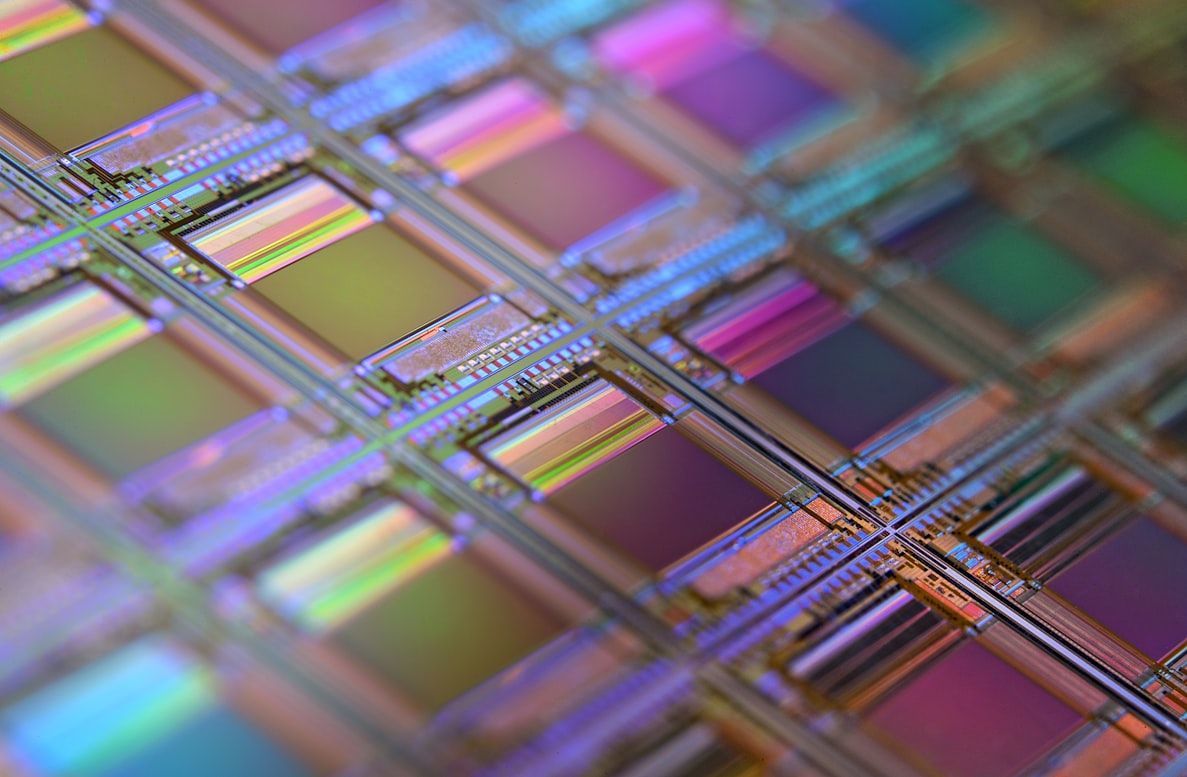
Microchip

Image: Laura Ockel

Before microchips, computers relied on glass vacuum tubes that were large, fragile, and too heavy for a spacecraft. To solve this, NASA, during the moon race in the 60s, made a massive bet on a new invention called the integrated circuit, which packed complex electronics onto a tiny sliver of silicon. While these early "microchips" were very expensive and unproven, the Apollo program committed to buying over 60 per cent of all chips made in America. This guaranteed market gave companies like Fairchild Semiconductor, a Californian technology company, the support they needed to perfect the tech and lower the costs. NASA's support as the principal customer for microchips helped the digital revolution happen much sooner than expected. Today, that technology is within almost every electronic device, from the microwave to the laptop.

2
Smoke Detector

Image: Yosuke Ota

They are among the most important safety tools in our homes, and most people don't know their modern version was shaped for a 1970s space mission. Truth is, the first electric smoke detector was invented in the 1930s by Swiss physicist Walter Jaeger, almost by accident, while working on a gas detection device. Early smoke detectors worked, but they were often too expensive or sensitive for everyday homes.

In the 1970s, NASA teamed up with Honeywell Corporation, a North Carolina-based technology and manufacturing company, to improve the design for Skylab, the first U.S. space station. Astronauts needed an alarm that could detect a real fire without constantly reacting to harmless gases inside the station's tight living quarters. So they added an adjustable sensitivity and long-lasting backup batteries, creating the "nuisance-free" smoke alarm we still use in our homes today.

3
Cell Phone Camera

Image: JD Mason

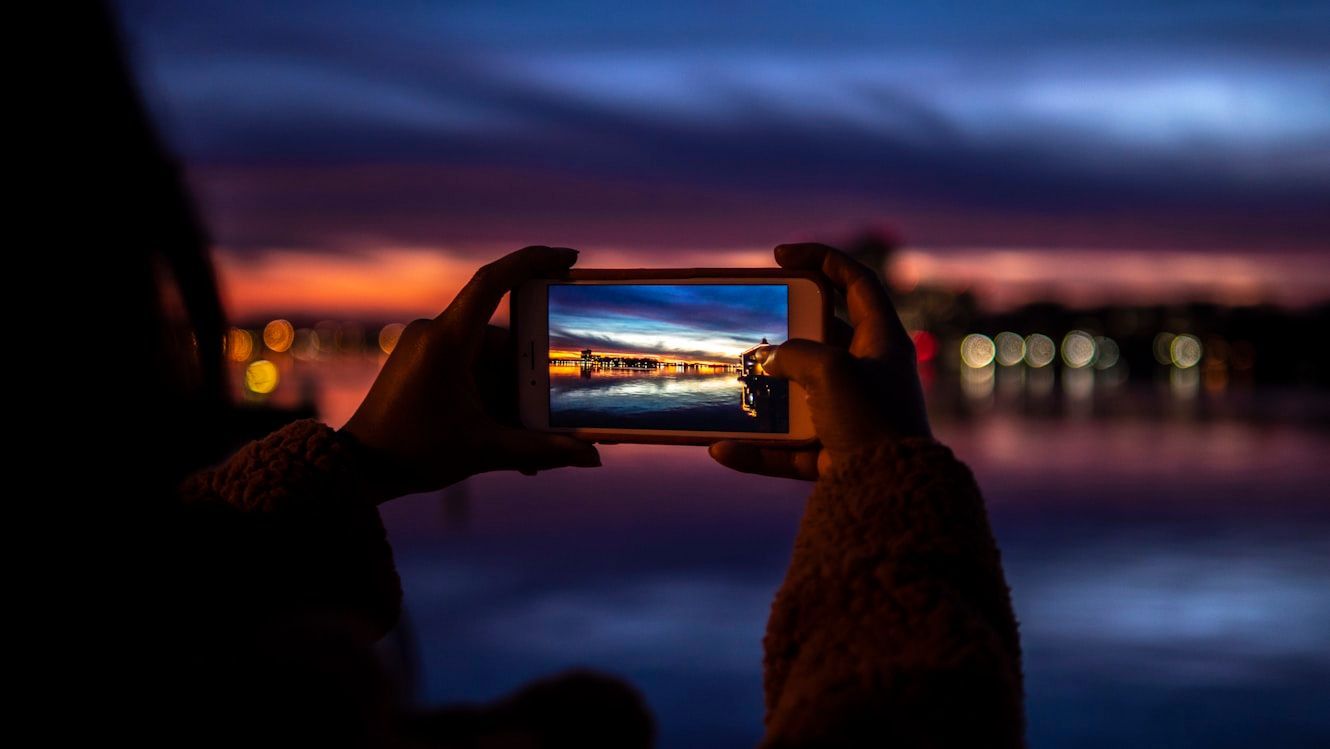
In the 1990s, NASA's Jet Propulsion Laboratory needed to shrink cameras down so they could fit on small spacecraft without draining the battery. Engineer Eric Fossum invented the image sensor, which put all the camera's functions onto a single tiny chip , making cameras much smaller and more efficient than ever before.

In 1995, Fossum founded the company Photobit to bring this space-age sensor to the commercial market. Today, this technology allows smartphones to take high-quality photos while staying thin enough to fit almost everywhere, making it the most used camera tech in the world.

4
Cordless Tools

Image: rakhmat suwandi

In the early 1960s, Black & Decker developed the first cordless electric drill for commercial use. NASA later recognized the potential and, in 1965, contracted Black & Decker to adapt and refine this technology for the Apollo program, creating a lightweight, battery-powered drill that could operate in the moon's harsh environment and in zero gravity.

But that wasn't all. To make it work for space, they had to improve a specialized motor and smart software that didn't drain the battery too fas t. By the late 1970s, the Dustbuster, the first cordless vacuum, was created, along with the improved battery-powered tools we still rely on today.

5
Memory Foam

Image: Kier in Sight Archives

Have you ever wondered why your mattress is smart enough to remember its original shape? Memory foam is a type of high-density polyurethane foam that softens when heated and under pressure. When you lie down on it, it molds to your body, and when you get up, it slowly returns to its original shape. That's what the "memory" part is about.

NASA developed memory foam in the 1960s to improve seat cushioning and crash protection for airline pilots and passengers, and later adapted it to protect astronauts from "G-forces" during space travel . As it reacted to body heat, the foam softened and molded perfectly to a person's frame, absorbing shock on impact. It took about twenty years to reach the public; the first memory foam mattress didn't hit the market until the early 1990s by companies like Tempur-Pedic and Fagerdala World Foams.

6
Sneaker Air Cushioning

Image: Damian Barczak

Ever wondered how Nike Airs were created? The truth is that the bounce in many modern sneakers is actually a product of the space industry. A NASA engineer named Frank Rudy, who worked on the Saturn and Apollo rocket engines, was introduced to a process called blow rubber moulding, used to create sealed, pressurised membranes for aerospace applications. He realized this same process could be used to trap gas inside a shoe sole.

In 1977, he brought this idea to Nike, and this led to the creation of the Nike Air Tailwind in 1978, the first shoe to feature this space-inspired cushioning. Today, air-cushioned soles are a standard, using the same aerospace tech to protect joints in every step.

7
Water Filters

Image: RephiLe water

In 1963, NASA faced an important challenge for the Apollo program: keeping drinking water pure for long missions without using heavy chemicals. To solve this, they pioneered a system that used silver ions to kill bacteria and activated carbon to remove pollutants. This allowed astronauts to have clean water stored for weeks.

By the 1970s, NASA shared this technology with the public, leading to the creation of companies like Aquaspace. These days, this same silver-ion and carbon tech is used inside household water pitchers and refrigerator filters to remove contaminants.

8
Scratch-Resistant Lenses

Image: Alireza Hashemi

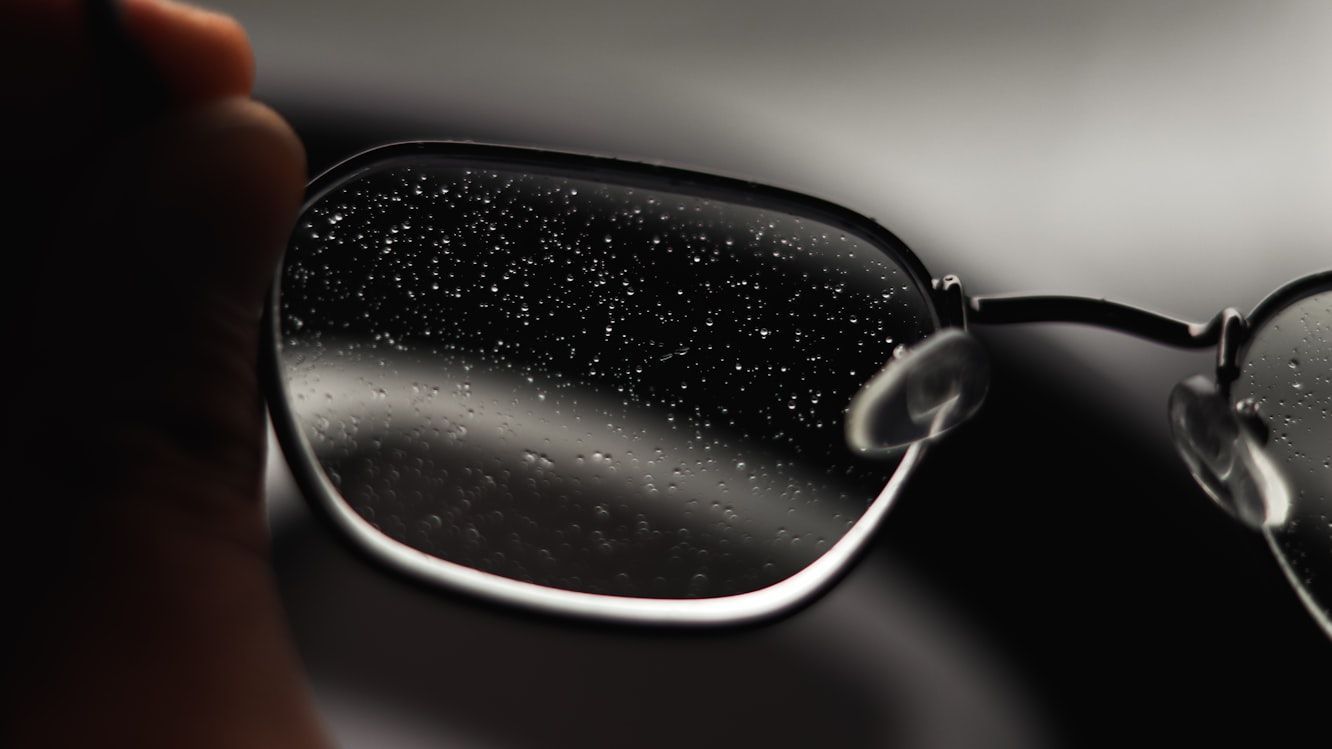
In the 1970s, NASA scientist Ted Wydeven of the Ames Research Center was working on a spacecraft water purification system when he coated a filter with a thin plastic film using an electric discharge of an organic vapor. The result protected the plastic surfaces of aerospace equipment from scratching.

This film made plastic up to ten times more scratch-resistant than earlier materials. In 1983, Foster-Grant licensed the technology and used it to produce scratch-resistant lenses for sunglasses and eyeglasses, introducing space technology to our daily lives.

9
Ear Thermometer

Image: Artur Solarz

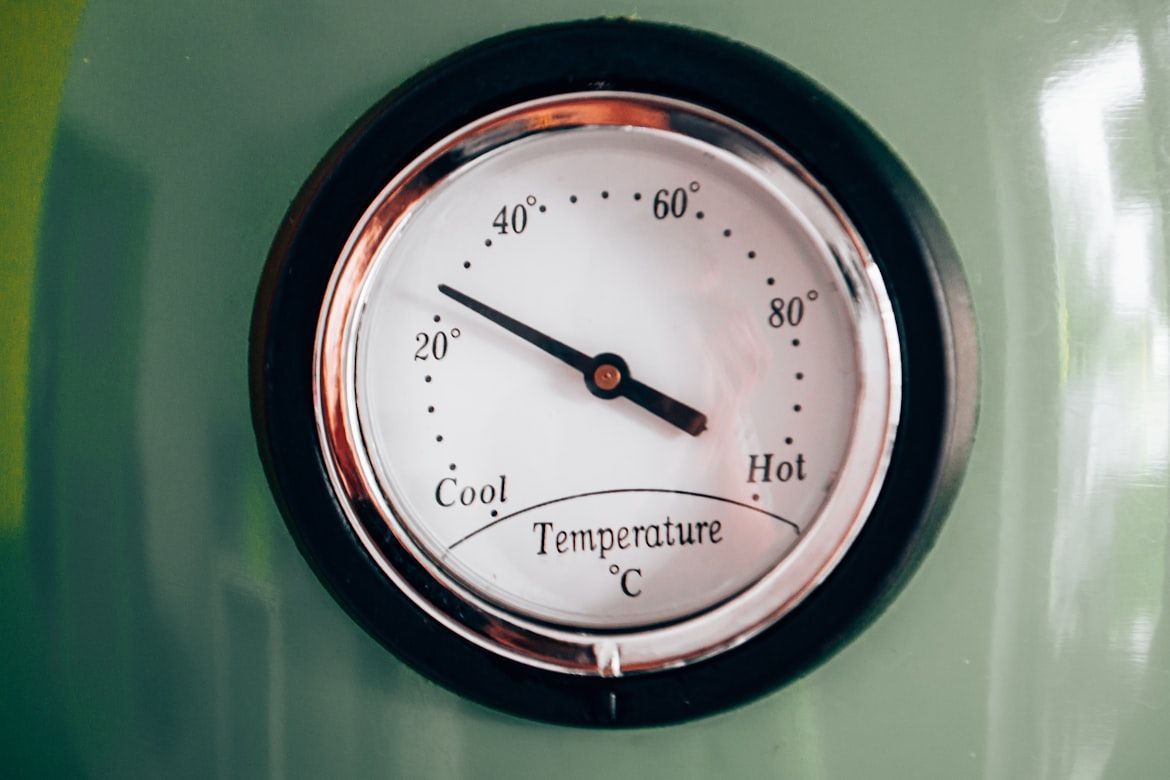
NASA technology and modern healthcare are surprisingly close. It turns out that the same tech used to measure the heat of distant stars is now in our medicine cabinet . In the 1980s, NASA developed special infrared sensors because scientists evidently couldn't place a physical thermometer on a planet millions of miles away. These sensors worked by "reading" invisible heat energy from a distance.

By 1991, a medical technology company called Diatek teamed up with NASA to bring this space tech into daily medicine. They realized the human eardrum also emits infrared heat, and that could work as a perfect window to measure our body temperature. This partnership resulted in the first handheld ear thermometer, making fever checks much more comfortable and easier.

10
Super Soaker

Image: Michael Starkie

You probably assumed that the world's most famous water gun was created in a toy lab. It was actually invented in the home workshop of NASA engineer Lonnie Johnson. In 1982, while working on a new heat pump that used water instead of refrigerant, a nozzle he was testing shot a powerful stream across his bathroom.

Johnson realized its toy potential and licensed his "Power Drencher" design to the toy company Larami. It was renamed to the Super Soaker in 1991, and it uses the same air-pressure principles Johnson applied to spacecraft systems.

History History 7 min read

AMERICAN WEST LEGENDS

California Gold Rush: 10 Fascinating Facts You May Not Know

Image: Alexander Grey

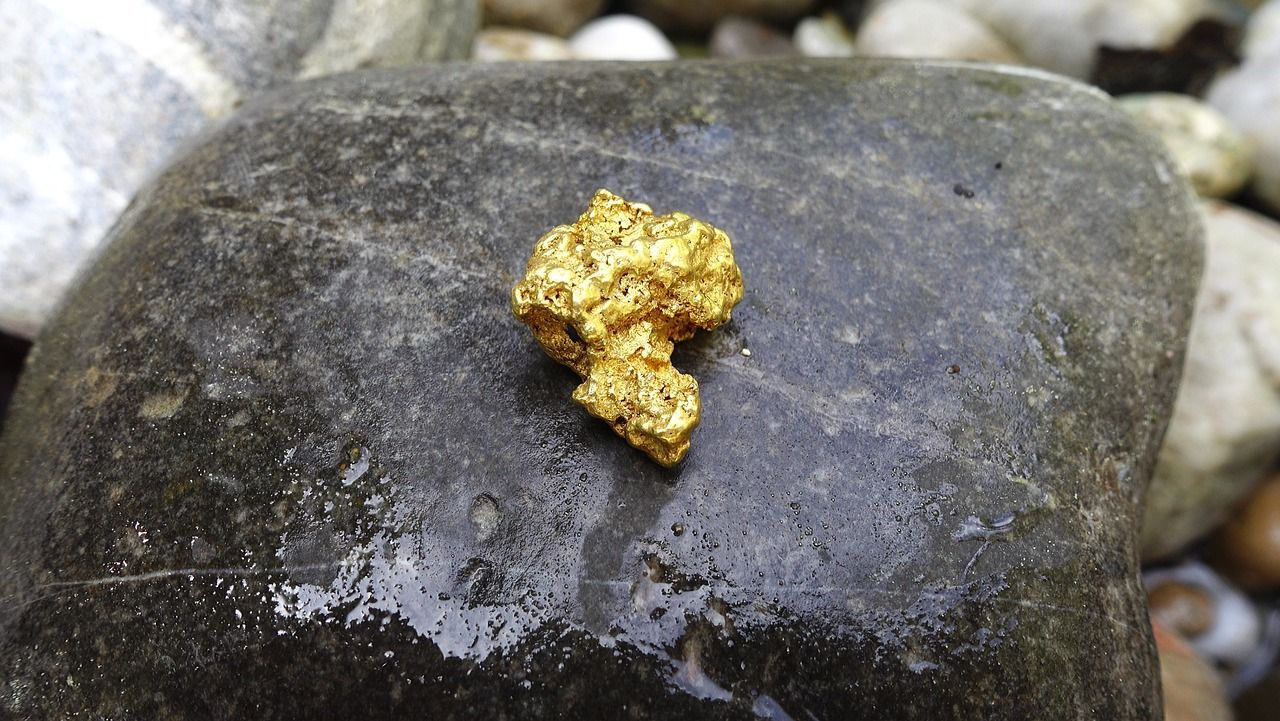
More than 150 years ago, news of a gold nugget found in a faraway land triggered a frantic rush for the precious metal around the world , bringing large waves of thousands of people to the West Coast of the United States willing to do anything to get rich. This period is considered one of the most significant of the 19th century and is full of secrets and compelling stories. Both fascinating and constitutional, it is a testament to the foundation of American society . Here are 10 surprising facts about the California Gold Rush that will leave you speechless.

1
Migratory frenzy

Image: George Henry Burgess, Public domain, via Wikimedia Commons

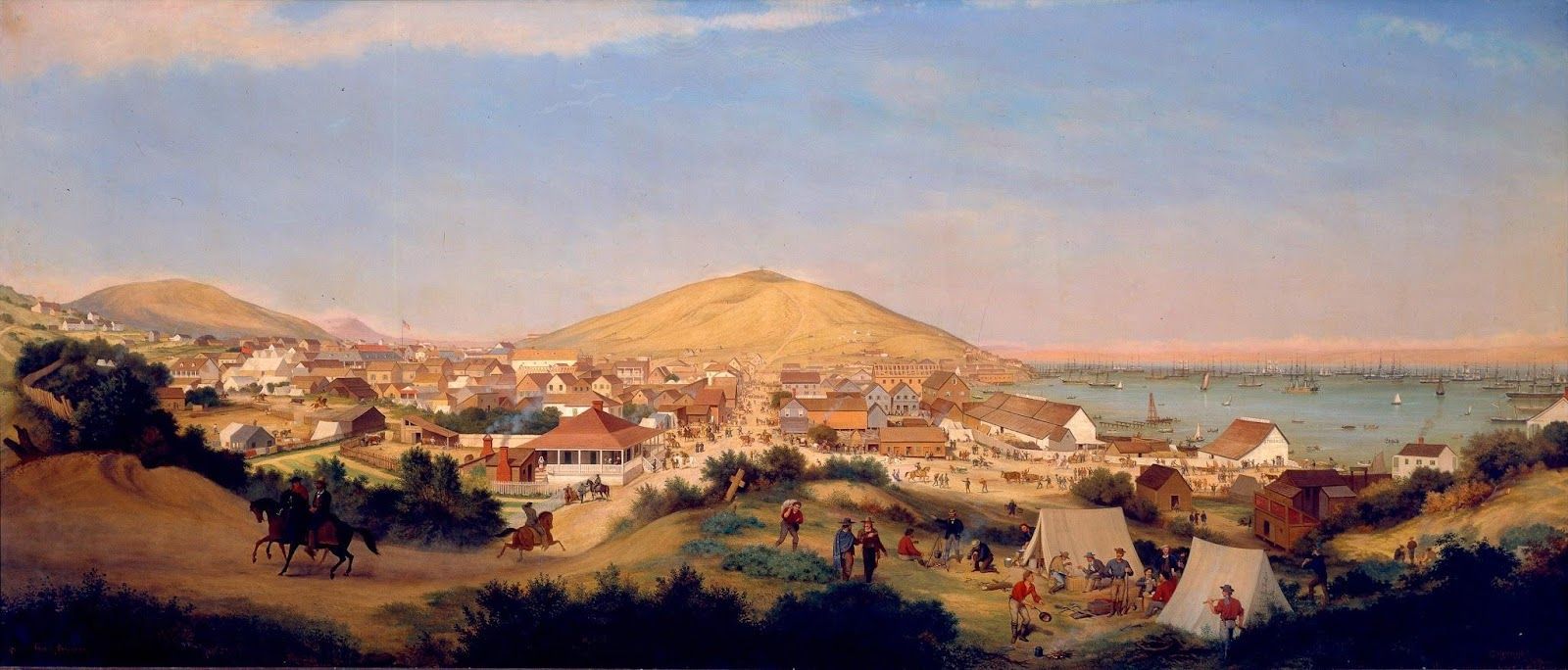
The California gold rush triggered one of the largest mass migration waves in US history, with an estimated 300,000 people moving to the West Coast in just a few years . On January 24, 1848, a carpenter called James W. Marshall found gold at a sawmill in Coloma. The news reached the East Coast in August and, in December, President James Knox Polk officially confirmed it to Congress.

As a result, by early 1849, thousands of would-be prospectors —known as the ‘49ers’— started flooding the state every day. In January 1848, San Francisco had 800 residents; by the end of 1850 it had some 25,000 , many of them living in shacks and tents. Although most of the newly arrived were Americans, the gold rush attracted people from other parts of the world like Latin America, Europe, Australia, and Asia. Thanks to this boom, California started to grow fast, building new roads, towns, churches, schools, and hospitals.

2
No place for a lady?

Image: Popular Graphic Arts, Public domain, via Wikimedia Commons

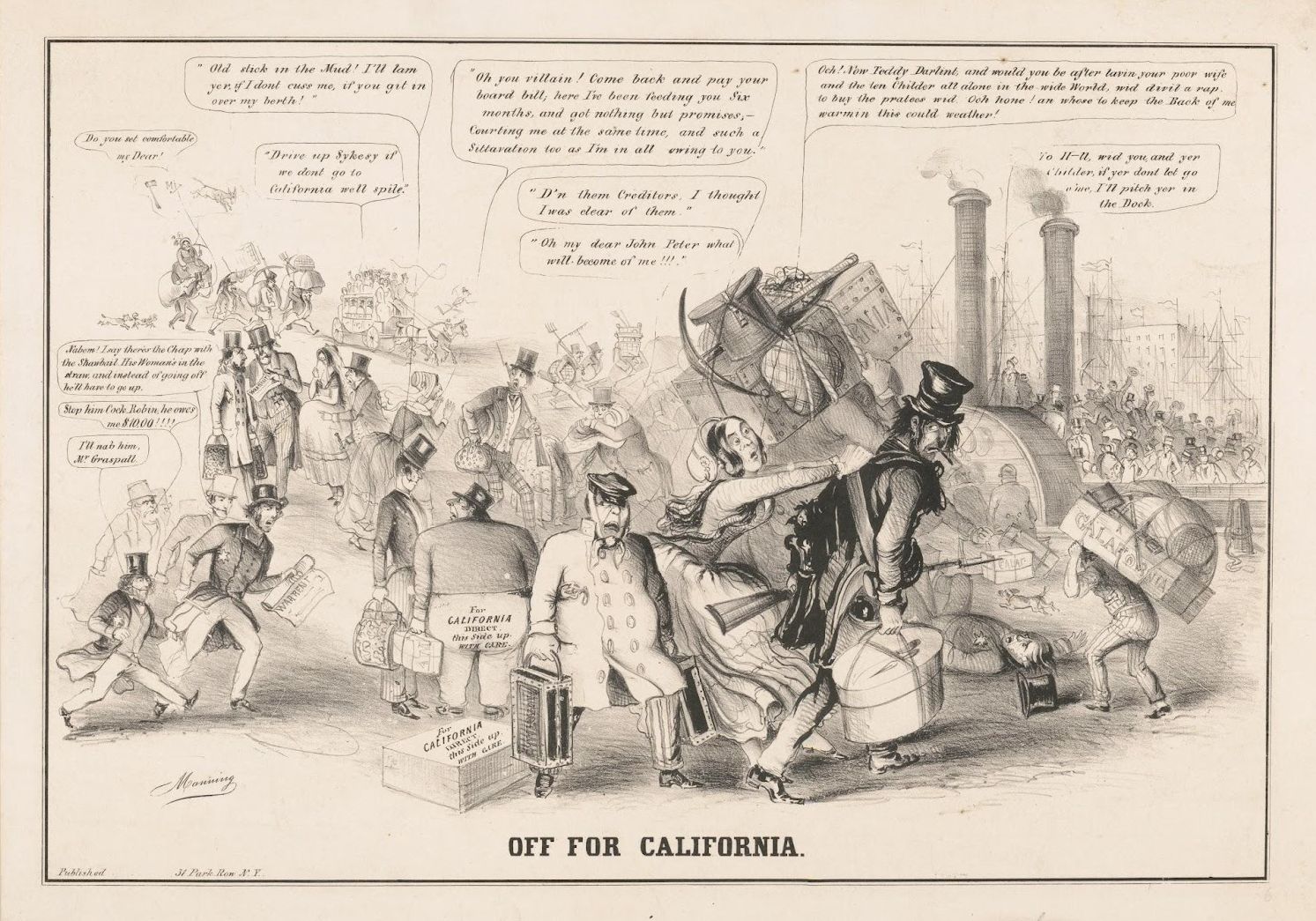
People in the 19th century considered the California goldfields lifestyle a bit too harsh for women, so there is not much testimony of them being involved in gold-digging . Only 700 of the 40,000 people who arrived by ship to the San Francisco Bay in 1849 were women. Some came with their husbands and families, but others were just seeking adventure.

Many of the few women living in California around this time were widows. Men frequently died in mining accidents, disputes, and diseases and the women would be left alone and in need of a job. During the gold rush, women ran profitable businesses like sewing, laundry, food preparation, and boarding houses. Others would be in high demand to work in brothels and saloons, serving drinks to the hundreds of lonely gold diggers.

3
Millionaires overnight

Image: Hans

Well, not exactly overnight, but pretty quickly. Brothers John and Daniel Murphy were two adventurous early California pioneers who got into the history books for having mined about $1.5 million —around $56 million today— worth of gold in a year. Within a very short period of time, they became prosperous men and influential figures in the area.

The town of Murphys —about 140 miles East of San Francisco— is named after them and is considered one of the oldest and most important of all the Gold Rush camps in the Golden State . Nowadays, this charming little town is a must-stop for tourists on their way to the mountains looking to travel back in time.

4
Blue Jeans become popular

Image: SwellMap, Public domain, via Wikimedia Commons

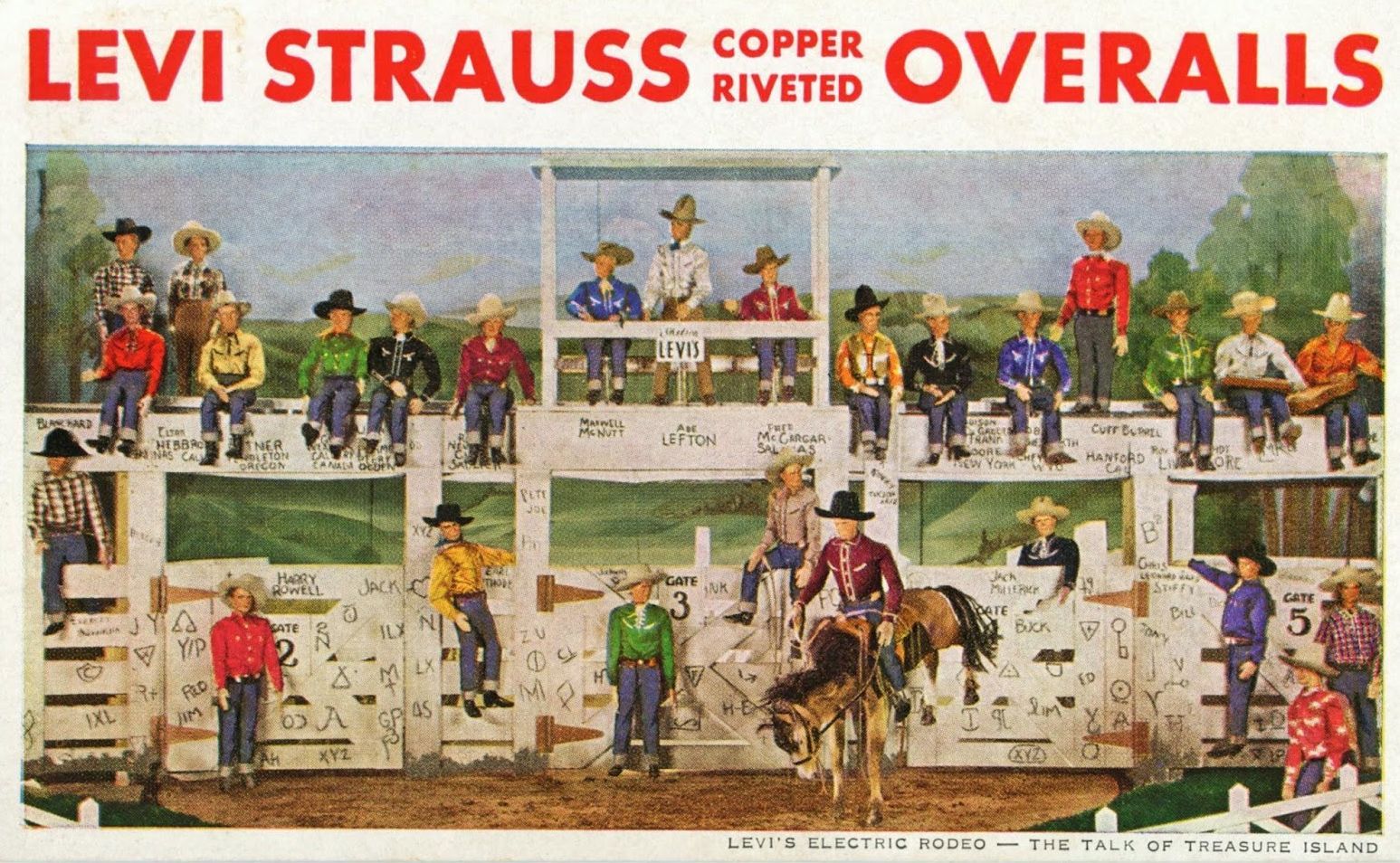
In 1853 a Jewish peddler called Levi Strauss arrived in California looking for sale opportunities derived from the Gold Rush. Does the name ring a bell? A couple of years later, with the help of a tailor called Jacob Davis, he invented the garment of choice for Forty-Niners and cowboys: the blue jeans . By the end of 1873, thousands of San Franciscans were wearing these iconic durable pants, and the name "Levi's" was registered as a trademark.

Although Levi Strauss didn't exactly get rich by mining gold, he found a way to earn a fortune from it. Blue jeans —originally called "waist-high overalls"— came to represent the untamed American West. Over the years, not only workers would adopt them: kids, women, and even Hollywood stars owned at least a pair. And now, over a century and a half later, blue jeans are still an international symbol of youth, freedom, and independence .

5
The first international financial crisis

Image: Zlaťáky.cz

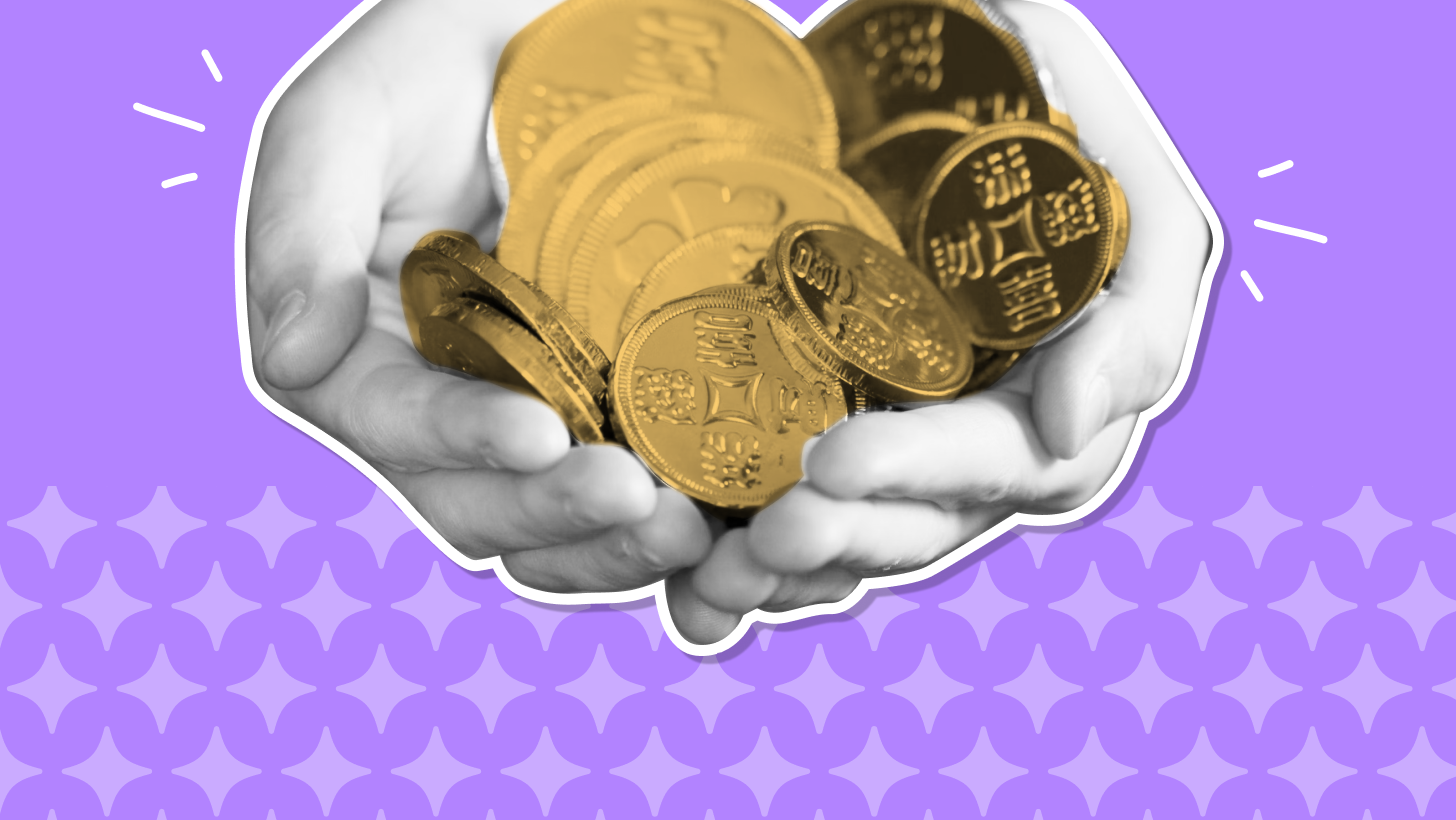
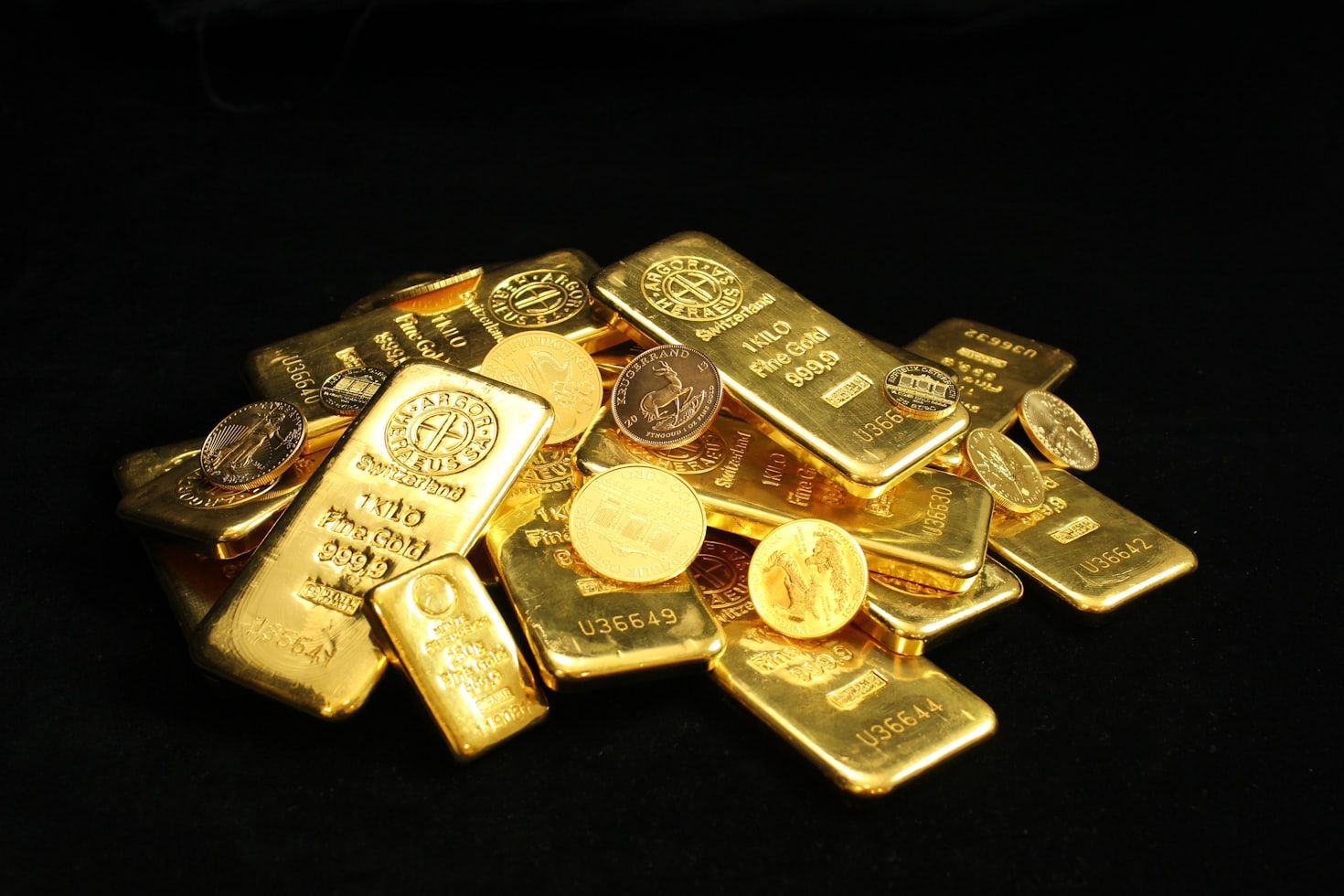
In just a few years, the 1849-1855 Gold Rush radically transformed California, the United States, and the world. The influx of gold served as an accelerant for U.S. economic development and enabled massive investment in public buildings, schools, and the construction of a railroad across the country. However, by the mid-1850s the world economy was so interconnected that any event could cause an international crisis.

In 1857, a crash in British banks, the speculation on railroad stock, and the sinking of SS Central America —a ship transporting a huge amount of gold—, among other incidents, triggered the first international financial crisis, known as the "Panic of 1857" . As a result, the northern domestic economy took a significant hit. However, by 1859, the Panic began to level off, and the economy began to stabilize.

6
Mark Twain struck literary gold

Image: unattributed, Public domain, via Wikimedia Commons

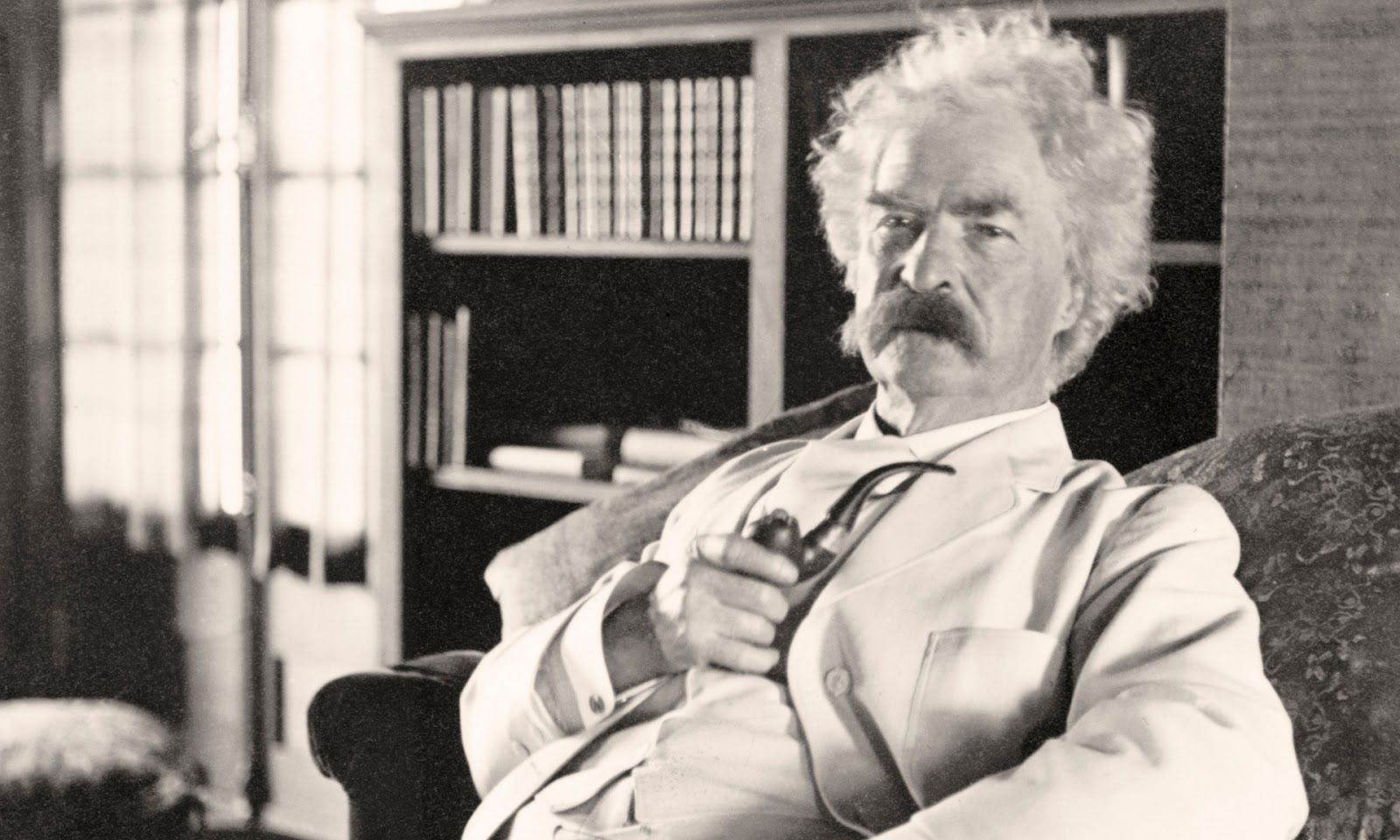
Did you know that one of the greatest American authors became a writer after failing as a gold miner? Samuel Clemens —a.k.a. Mark Twain—, was only one of the thousands of men who moved West during the Gold Rush in hopes of making a fortune . In 1861 he followed his brother Orion all the way to Virginia City, Nevada where he became a miner. Things didn’t go very well so he ended up working for the local newspaper, and started using the pen name by which he is remembered to this day.

Twain moved to San Francisco in 1864 and came in contact with other writers like Bret Harte and Artemus Ward. His experience in the American West inspired several of his works , such as The Celebrated Jumping Frog of Calaveras County (1865) —which brought him national attention— and Roughing It (1872). Although he didn’t become rich finding gold, Twain made a substantial amount of money through his writing.

7
Who really got rich?

Image: Unsplash

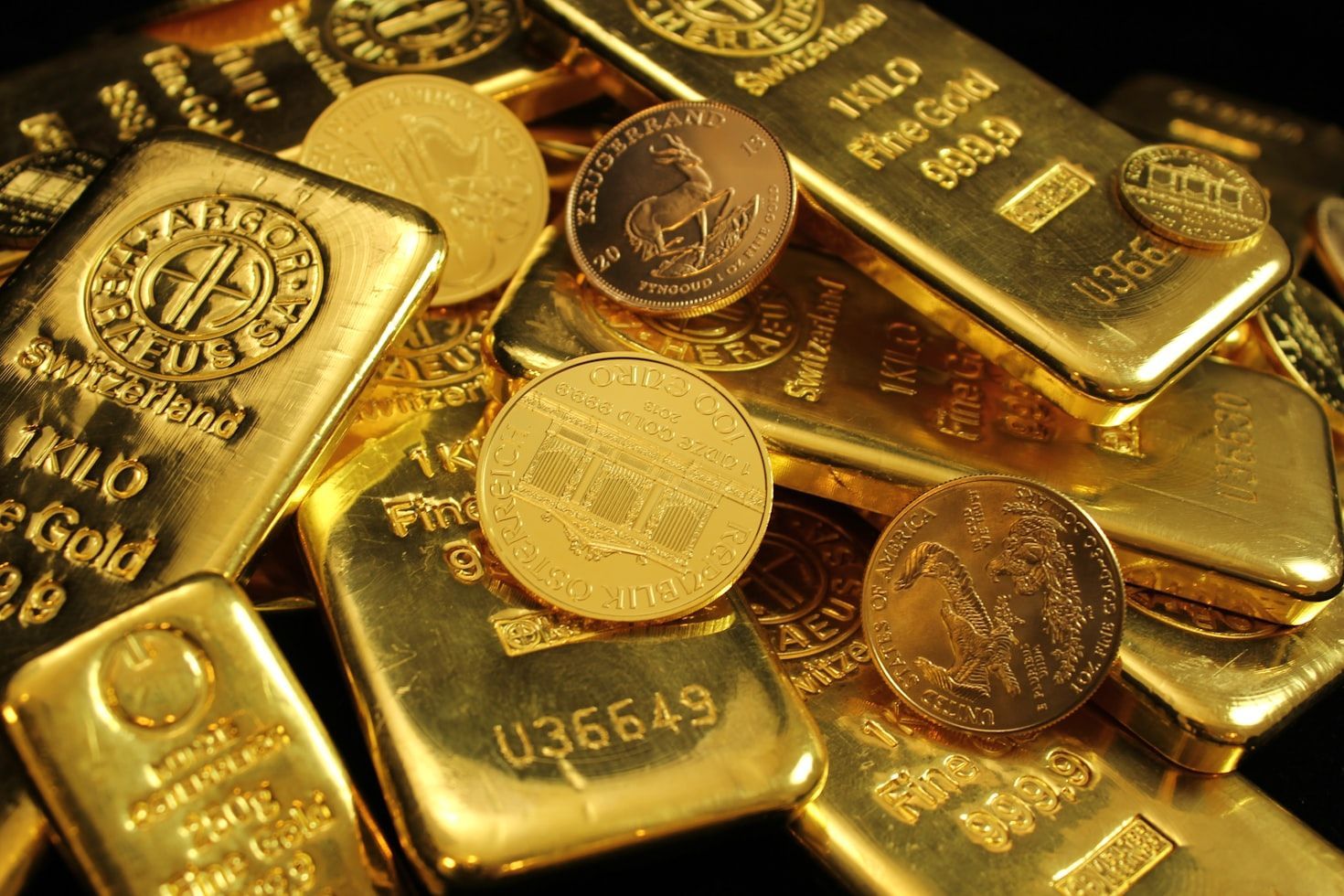
As romantic as it may sound, migrating to a new land to find gold and get rich does not necessarily mean instant success. In fact, only a few made their fortune mining gold . For most of the Forty-Niners, arriving in California during the rush was synonymous with disappointment. The lucky minority that found some gold went on expensive trips or wasted their money on poor-quality alcohol and food at the saloons of the American West, becoming broke pretty quickly.

The people who actually managed to amass some wealth during the California Gold Rush were the ones who took advantage of the opportunities surrounding the growth of cities and the financial bubble . For example, entrepreneurial merchants would open businesses to satisfy the demands of the newly arrived prospectors. America’s greatest industrialists, on the other hand, became millionaires by investing in real estate or the new railroads. Besides, in the years following the rush, mining was no longer done by adventurous individuals, but by big companies with new technology.

8
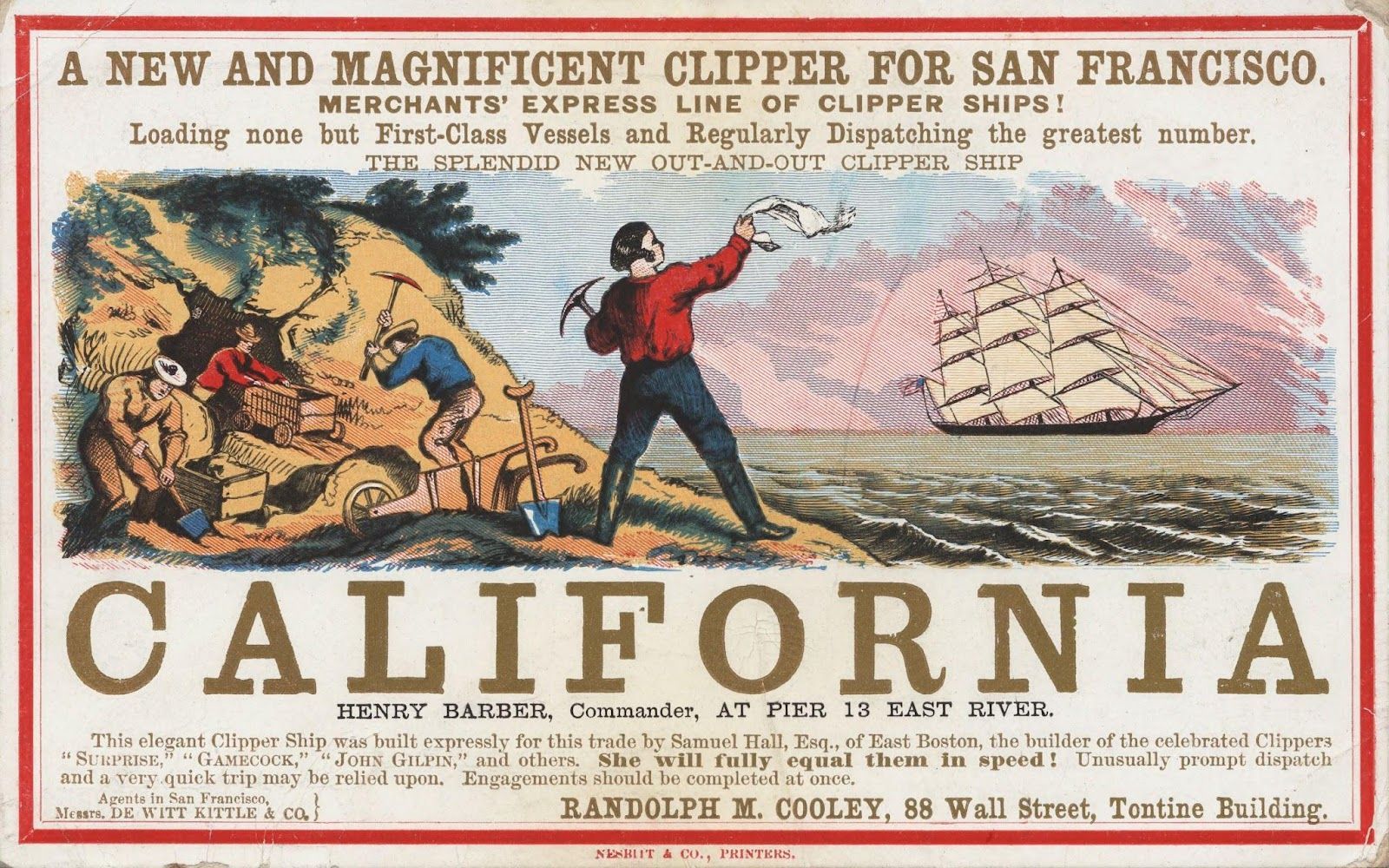
A city built out of ships

Image: G.F. Nesbitt & Co., printer, Public domain, via Wikimedia Commons

In the mid-19th century, a great number of ships arrived in California from all over the world packed with people in search of fortune. At the same time, the gold rush brought rapid growth and San Francisco soon became one of the world's great seaports, dominating shipping in the American West. These gold-seekers didn’t exactly have a return ticket, so lots of boats started to pile up on the Bay .

A few of these approximately 500 abandoned ships were sunk or buried and now can be found beneath the Embarcadero and Financial District . Others were repurposed to serve as storeships, saloons, and hotels, or their debris was used to build houses, jails, and banks. Even today, archeologists continue to discover fragments and entire ships underneath the streets of San Francisco.

9
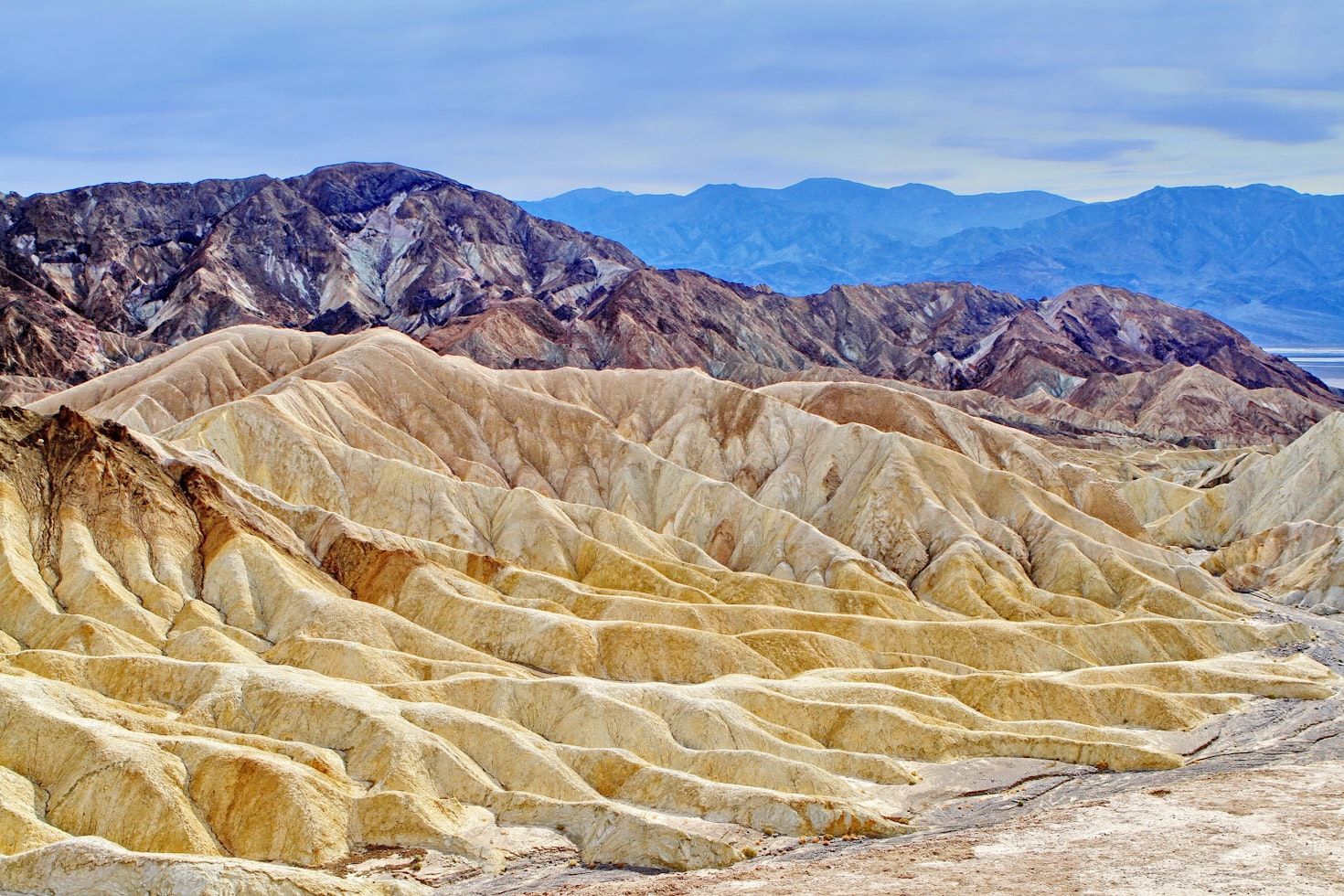
Death Valley, a winter tragedy

Image: Marina Šurniene

Do you know where the "Death Valley" name comes from? This desert valley in the northern Mojave Desert, in Eastern California, is thought to be the hottest place on Earth. However, it was not named after its summer temps but for a winter disaster. It was a group of prospectors who got lost looking for a shortcut to the goldfields of California in the winter of 1849-1850, that gave Death Valley its grim name.

Even before the Gold Rush, California attracted settlers searching for a new life. In 1846, a group of pioneers known as the Donner Party became snowbound and nearly half of them eventually died of starvation and exposure. A few years later, although scared and forewarned by this experience, a new group ventured across the desert. While this time around the journey was not so deadly, they suffered a few mishaps that led them to nickname the area Death Valley.

10
Found gold? Have yourself a Hangtown Fry!

Image: Ivan Shemereko

According to the legend, this famous omelet cooked with bacon and topped with fried oysters was created in El Dorado Hotel in Hangtown —today’s Placerville— after a prospector claimed to have found gold. To celebrate, he demanded to be served expensive food, so the cook put together a dish with the fanciest ingredients he had at hand: eggs were delicate and therefore very valuable; bacon was shipped from the East Coast; and oysters were brought fresh from San Francisco, over 100 miles away.

Since then, the Hangtown Fry has continued to be served at many of the local restaurants . Although now you can find versions with onions, bell peppers, and spices, this iconic dish has remained practically the same as it was during the Gold Rush more than a century and a half ago. Have you tried it?

Explore more American facts

Choose your favorite category!

General
General

As American as apple pie—the very best America has to offer!

Culture
Culture

Delve into the astounding richness of American lore.

Geography
Geography

Hop in and explore vast and diverse American landscapes.

History
History

Discover the key moments that shaped the United States.