General General 3 min read

What’s your dog of choice?

NYC, Sonoran, Italian, and more: 10 regional hot dogs
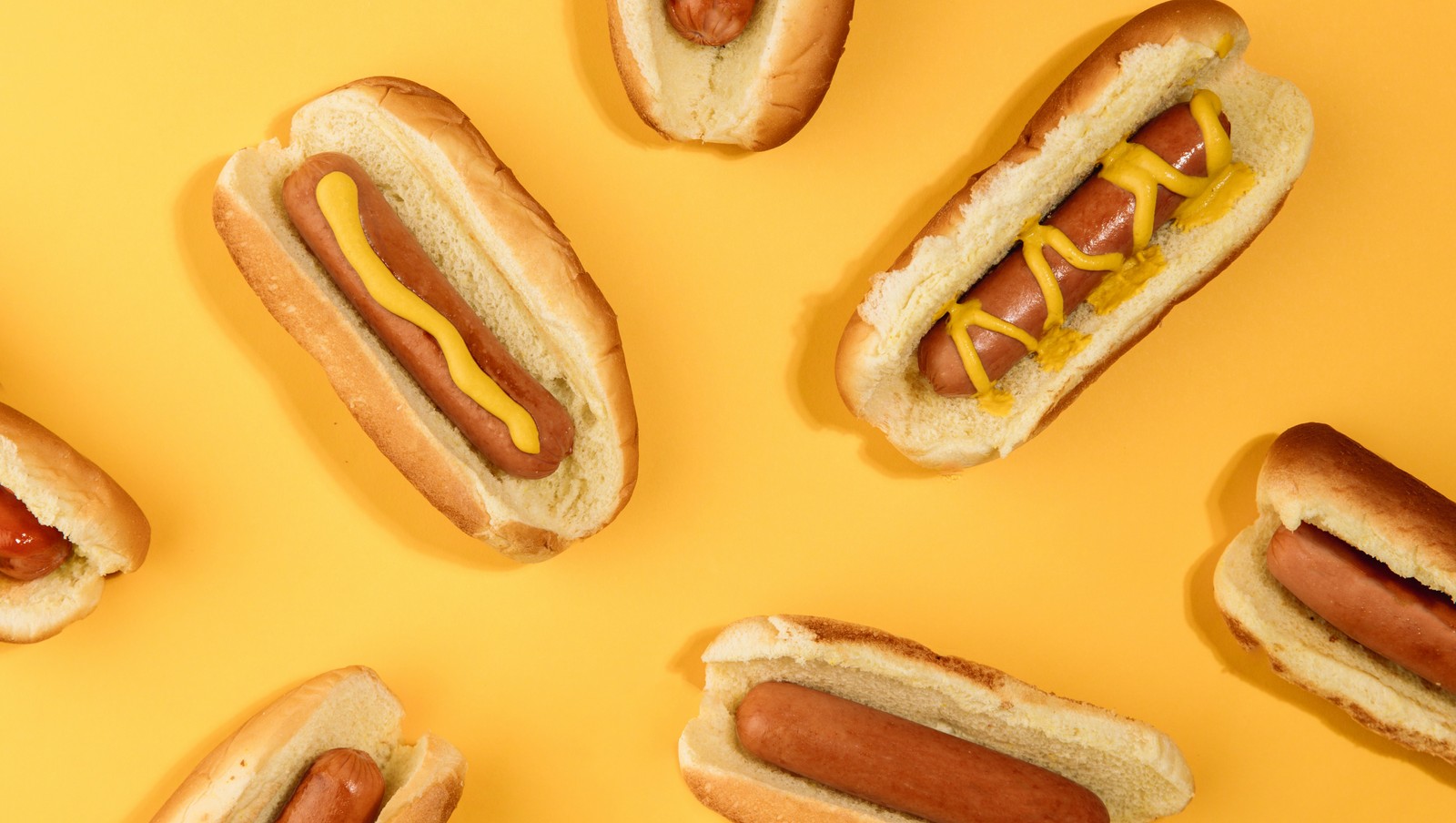
Image: Ball Park Brand

Hot dogs are not merely food, but an American institution in and of themselves. But what constitutes a proper hot dog? Residents of various states can only agree on two elements, a sausage and a bun, but even those elements can create controversy. And if we go into toppings, condiments, and cooking methods, well, we could be here all day. Let’s have a look at some of the most popular hot dog variants!

1
NYC
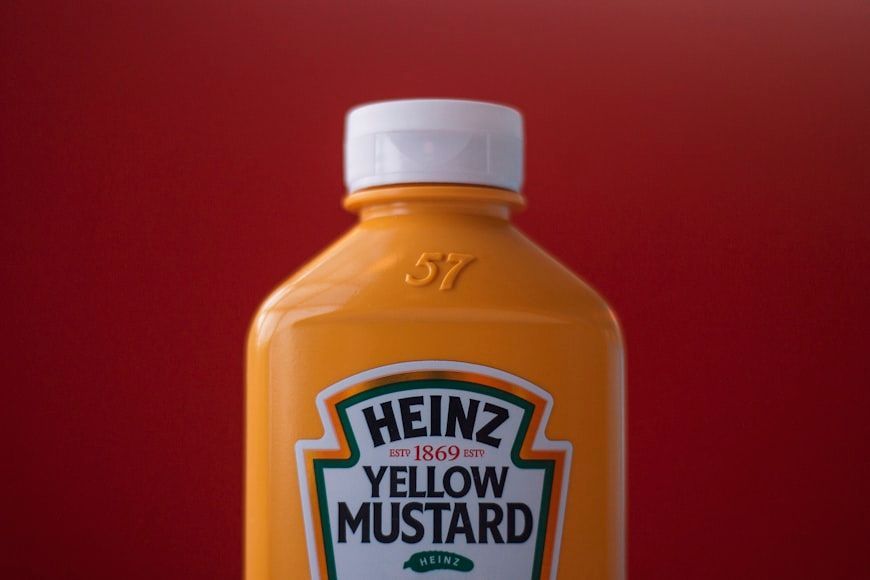
Image: Pedro Durigan

Buying a hot dog in New York City is as easy as breathing. Just get out on the street, and you will find a hot dog cart. The key components are simple, but tried and true. A beef frankfurter (usually boiled) on a hot dog bun, onions, and sauerkraut. For the condiments, mustard does the trick. Decades of New Yorkers repeating the recipe tell us that it works.

2
Chicago
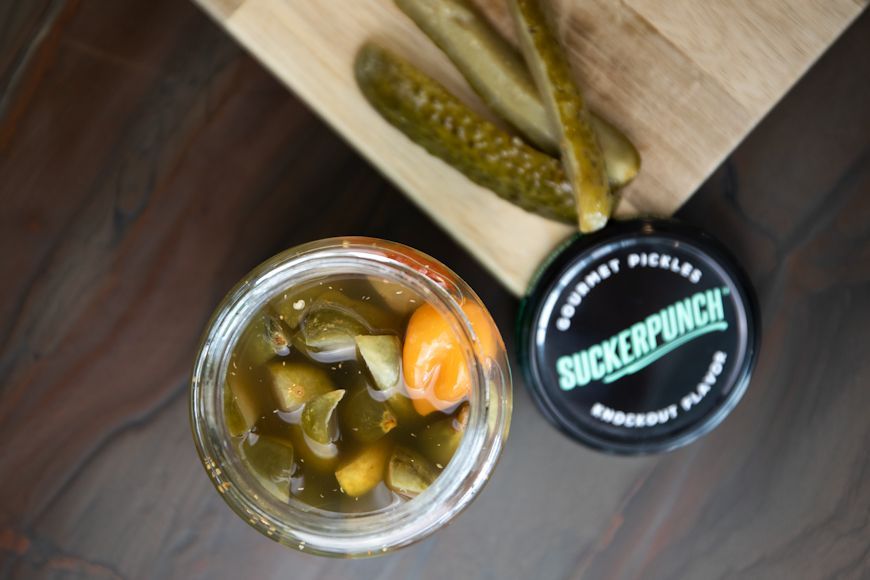
Image: SuckerPunch Gourmet

Chicagoans do not share the New Yorkers' simple approach to hot dogs. They are all about the accoutrements. On a poppy-seed bun, a beef frankfurter is loaded with seven specific toppings: yellow mustard, white onions, sweet pickle relish, dill pickle, tomatoes, pickled peppers, and celery salt. Not for the faint of heart.

3
Cincinnati Coney
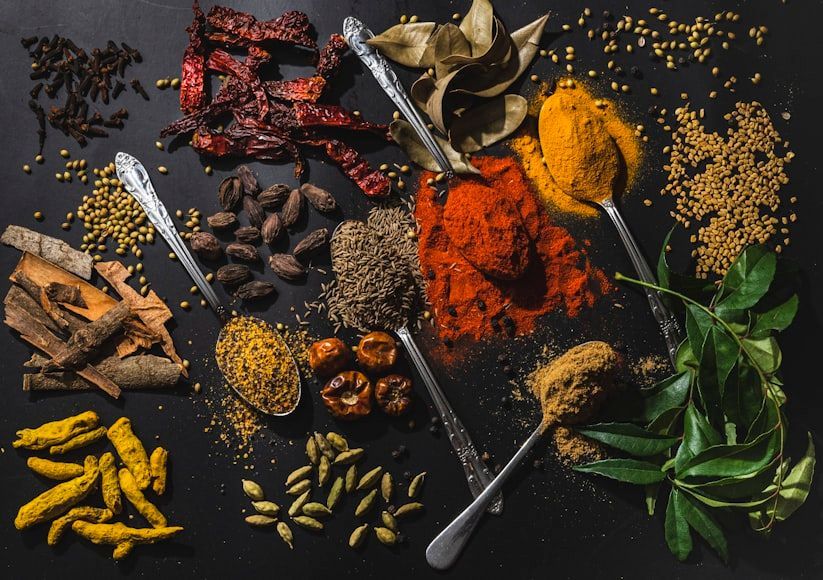
Image: Anju Ravindranath

One of the most famous coneys —or hot dogs topped with meat sauce—a Cincinnati-style hot dog takes toppings in a totally different direction. The usual frankfurter and bun (toasted, obviously) are now the vehicle for a spread of mustard, a generous scoop of Cincinnati chili —much more spiced than your regular chili con carne, with cinnamon, allspice, cumin, and cloves—, and a helping of finely-diced yellow onions. If you are in the mood for a cheese coney, you can add shredded cheddar cheese to your heart's desire.

4
Sonoran
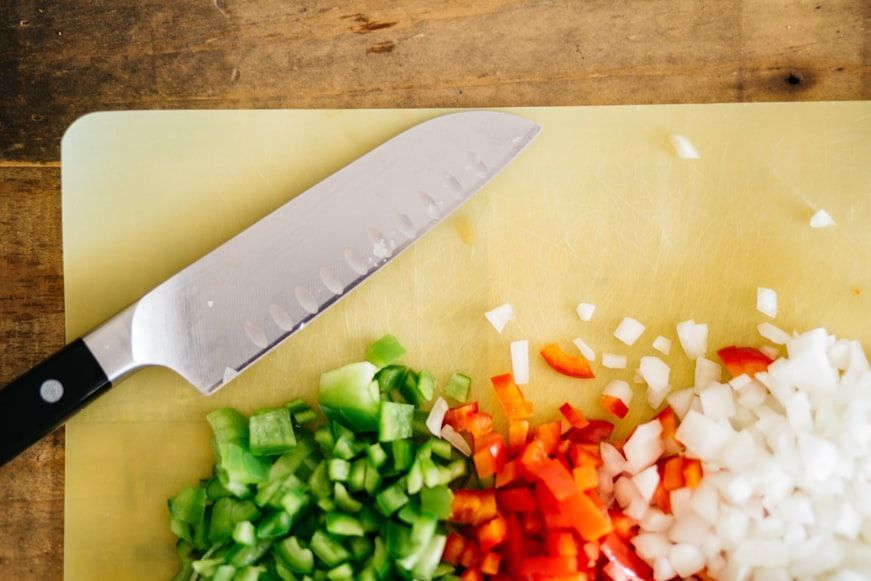
Image: Jenna E.

Popular in Arizona but with roots in the Mexican state of Sonora, this hot dog proudly displays its ancestry. The typical bun is replaced by a Mexican-style bolillo bun, with a crunchy crust but a soft interior. The sausage is wrapped in bacon, grilled, and topped with onions, tomatoes, and pinto beans. Popular condiments include mustard, mayonnaise, and jalapeño salsa.

5
Kansas City
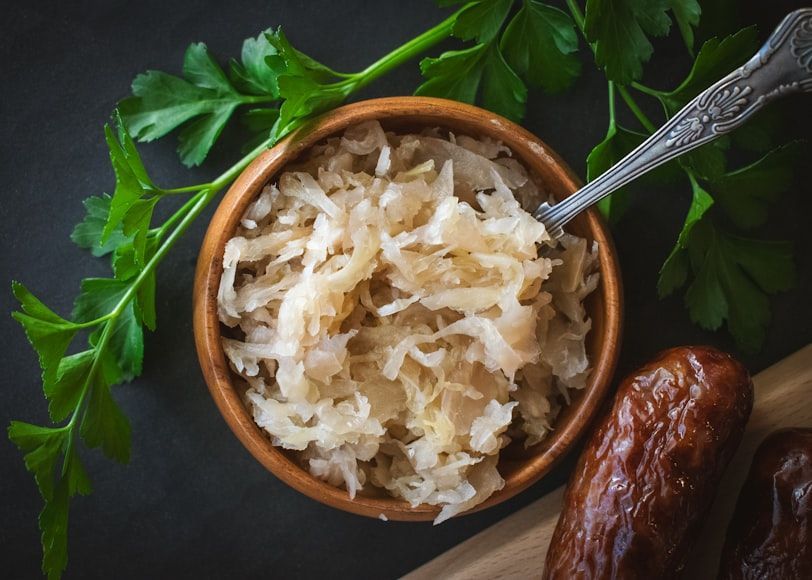
Image: Kelsey Todd

Kansas City deviates from the usual all-beef frankfurter. Instead, a pork sausage(grilled or steamed) is served on a sesame bun and topped with mustard, sauerkraut, and melted Swiss cheese. Another popular variant replaces these toppings with brisket burnt ends and barbecue sauce.

6
Michigan Coney
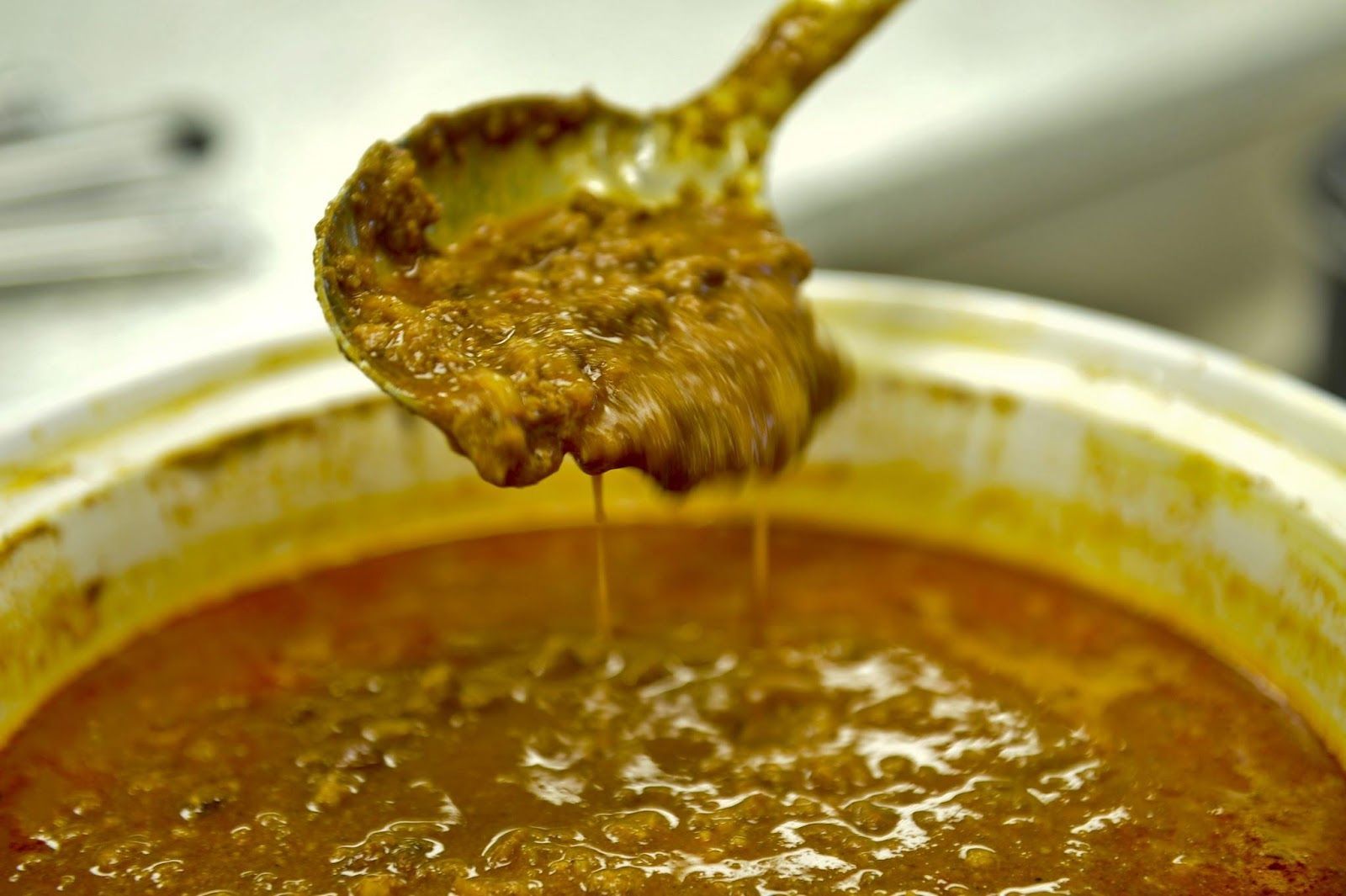
Image: U.S. Air Force photo by Airman 1st Class Riley Johnson, Public domain, via Wikimedia Commons

Allegedly born among Greek immigrants, the Michigan coney is much more straightforward than its Cincinnati counterpart. While the key elements are the same —an all-beef frankfurter on a steamed bun, topped with chili, mustard, and onions— they are set apart by the meat sauce. Where Cincinnati’s flavors rely on a multitude of spices, Michigan’s chili is beanless, meat-forward, and savory. Different, but not less comforting.

7
Italian Dog
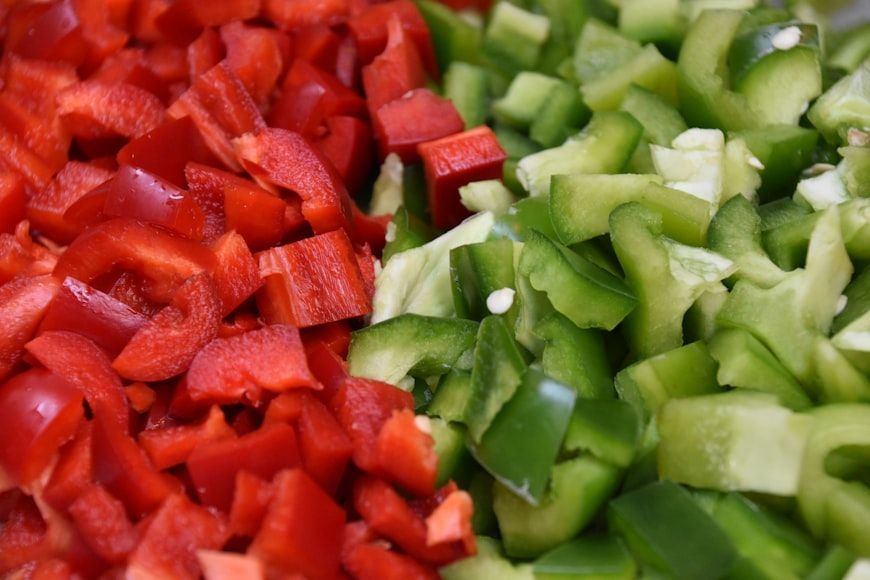
Image: Sergio Contreras

A New Jersey delicacy, the Italian dog has multiple versions. The og recipe features a deep-fried sausage on an Italian roll, mustard, and a combination of fried peppers, onions, and potatoes. Variations include swapping the traditional hot dog for a different protein or replacing the potatoes with French fries. The addition of ketchup is a point of contention for locals.

8
Seattle
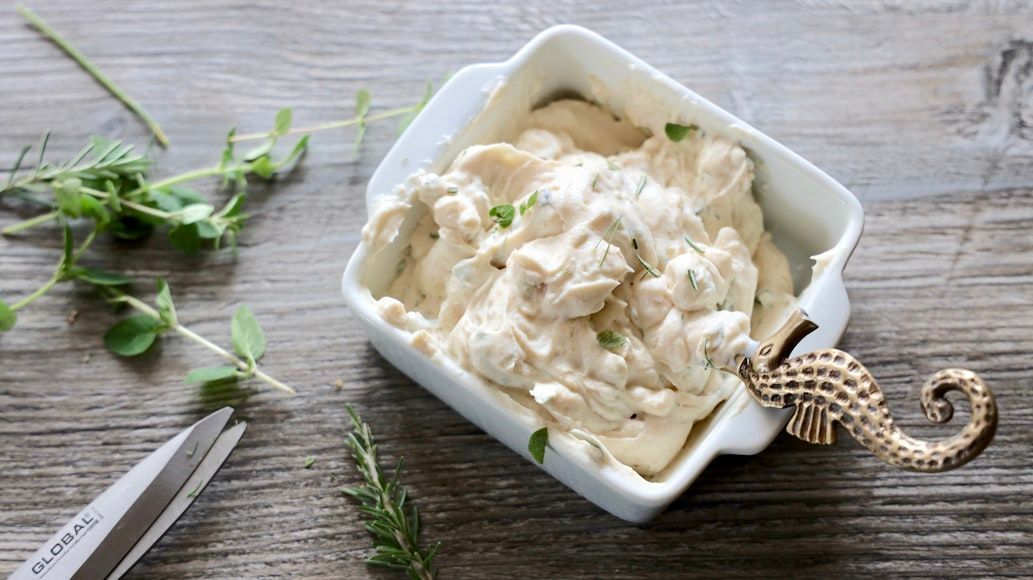
Image: Megumi Nachev

Seattle-style hot dogs feature an unlikely choice as their star ingredient: cream cheese. Created by a former bagel vendor, the original buns were also bagel-style; however, standard hot dog buns or hogies are now the norm. The buns are toasted and slathered with cream cheese, topped with a grilled sausage and caramelized onions. Jalapeños are also a common addition, and vendors might offer different types of cream cheese.

9
Cleveland Polish Boy

Image: Allen Rad

The star element of a Polish boy is, no doubt, the sausage. In this case, the choice is kielbasa, a smoked meat sausage, either grilled or fried. The typical toppings are barbecue sauce, French fries, and coleslaw. Fun fact: the Polish boy is the center of an ongoing discussion. While it has all the components of a hot dog, many consider it a sandwich.

10
Texas Tommy
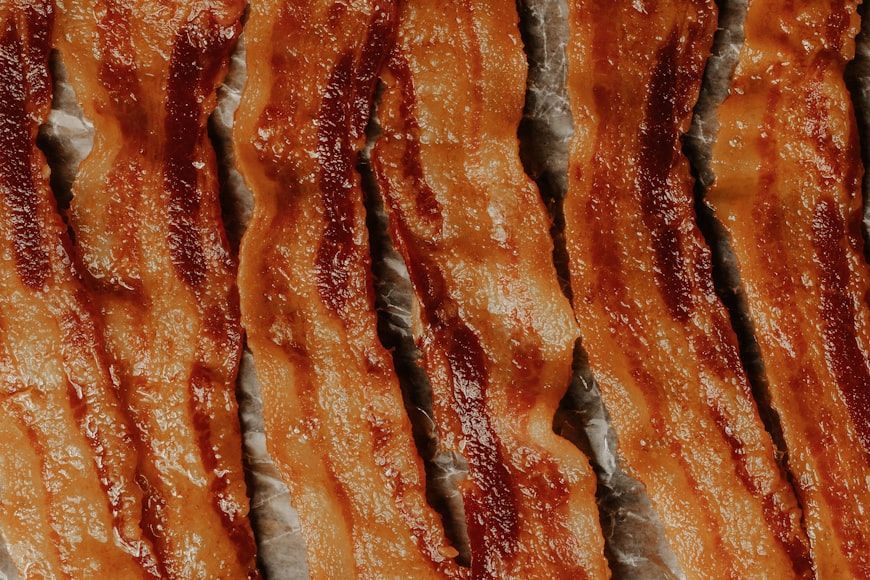
Image: Wright Brand Bacon

Don’t be fooled by the name; this hot dog comes from Philadelphia. Some say that ‘Texan’ was a common way to refer to all hot dogs, and it caught on. What makes a Texas Tommy different? The sausage is opened lengthwise, stuffed with cheese, wrapped with bacon, and then grilled or fried until the bacon is crispy. Considering all that’s going on with the sausage, toppings are left to the consumer’s discretion, although mustard, onions, chili, or extra cheese are popular choices.
General General 3 min read

Do you have a landline?

Can you tell what this was for? 12 items we no longer use!

Image: Luca Onniboni

Little by little, many of the things we used just a few decades ago have been phased out by newer technologies and changing habits. Your relatives no longer invite you over for a family viewing of holiday photos on a slide projector—they share them in the family WhatsApp group. Hardly anyone calls you on a landline anymore—they call your smartphone instead. Take a look at the following 12 things we no longer use. Do you miss any of them?

1
Paper road maps

Image: Sylwia Bartyzel

Paper maps—atlases, or topographic maps—are beautiful and there is always room for those as home decorations or teaching geography in schools. But as far as bulky roadmaps on your back pocket go, smartphones with GPS capabilities have made them obsolete.

2
Bathing machine

Image: Uta Scholl

Back in the day, modesty was far more strictly enforced than it is today. Forget about simply wearing your beach clothes to the shore—the bathing machine was a device, popular from the 18th century to the early 20th century, that allowed beachgoers to change out of their regular clothes , put on swimwear, and wade into the ocean.

3
Public telephones

Image: Pedram Farjam

Before cell phones existed, coin-operated pay phones were the go-to option for contacting someone or leaving a message. Pay phones were everywhere—on street corners, in malls, restaurants, airports, train stations, and hotels, allowing people to make calls in public places.

4
Teleseme

Image: Zoshua Colah

In the late 19th and early 20th centuries, luxury hotels featured an electric signaling device in each room , allowing guests to request goods or services from over 100 options. An attendant in the hotel office would receive the request via a corresponding teleseme and ensure the order was fulfilled.

These devices were eventually replaced by private branch exchange (PBX) telephone systems.

5
Slide projectors

Image: Nathan Anderson

As mentioned earlier, slide projectors were once a common household appliance in many homes and a popular form of entertainment . However, they became obsolete as video projectors became more affordable and accessible.

6
Phonebooks

Image: Brittany Colette

Imagine a book containing the home phone numbers of everyone in your city . It once existed and was delivered annually to every household with a landline by the telephone company. These hefty directories became obsolete with the rise of online listings and the death of landlines in favor of cell phones.

7
Typewriters

Image: Bernard Hermant

Imagine not being able to revise what you’re writing without scrapping the whole page . While that situation was a great exercise for your focusing abilities, it was phased out by home computers and word processors, which allowed for infinite rewrites in no time.

8
Photo Album

Image: Laura Fuhrman

Smartphones have made photography more accessible than ever, yet we print fewer photos than before. When photography wasn’t digital, people took their film rolls to be developed , returning with 36 crisp pictures—some of which, if deemed worthy, were carefully placed in photo albums .

9
Cassette tape players

Image: Dave Weatherall

If you're over 40, you’ve probably owned a cassette player—whether a Walkman, a boombox, or any other model. Cassettes were sturdy, reliable, and easy to use . However, with the arrival of CDs, which offered superior sound quality and the ability to skip tracks at the press of a button, cassettes and their players quickly faded into obscurity.

10
Encyclopedias

Image: James

Before the internet, encyclopedias were the primary source of knowledge. These extensive book collections adorned bookshelves in homes and public libraries, offering detailed descriptions of almost any subject imaginable , all listed in alphabetical order .

11
Fax machines

Image: alecale35

By today’s standards, sending and receiving faxes wasn’t particularly fast, but at the time, it was a game-changer. The fax machine digitized documents with a scanner and transmitted printed pages over telephone lines . However, it became obsolete with the rise of email, scanners, and smartphones.

12
VHS tapes and VCRs

Image: Leonard Reese

Being able to see any movie you want at home feels ordinary today, but, in the early 80s, it was a dream come true. And this dream was made possible by VCRs and VHS tapes. These bulky devices were eventually replaced by DVD players, which offered superior image quality and eliminated the need to rewind the tape.

Culture Culture 4 min read

If you think you have a busy life, take a look at Franklin’s

What would Franklin do? 10 incredible facts about The First American

Image: Brett Wharton

A true Renaissance man, Benjamin Franklin was a man of many talents who succeeded in almost every field he participated in. He was an editor, author, inventor, scientist, scholar, philosopher, politician, diplomat, and benefactor, among other things. His autobiography—the first of its kind to receive widespread attention—can almost be considered a foolproof manual for living a good and meaningful life. As a humble homage , we have listed below 10 facts about his life, some well-known, some relatively obscure, but all of which help form a picture of this great American character.

1
Printer and newspaper editor

Image: Denny Müller

Benjamin Franklin wanted to be a sailor when he grew up. But his father had lost an older son of his at sea, so he sent him off to learn from his older brother, who was in the printing business. After learning the craft, he left Boston for Philadelphia at age 17 where he became a well-known printer of newspapers and an almanac full of wit and wisdom called Poor Richard’s Almanac , still in print to this day.

Franklin was a prolific author who wrote under several pseudonyms, including Silence Dogood, Polly Baker, and Richard Saunders.

2
Founding father

Image: Dan Mall

A well-known fact about Franklin is his role in the Nation’s foundation. He is the only person in history to have signed all four documents that helped to create the U.S. : the Declaration of Independence, The Treaty of Alliance, Amity, and Commerce with France, the Treaty of Peace between England, France, and the U.S., and the U.S. Constitution.

He famously quipped after signing the Constitution to the people that they had created a republic but warned it would only be one "if you can keep it."

3
American representative abroad

Image: Brett Wharton

A major player abroad, Benjamin Franklin spent years representing the colony of Pennsylvania in England and then later representing the U. S. in France . For his actions abroad, he became universally admired and renowned, playing an important role in securing a French alliance during the Revolutionary War. He also helped to negotiate the Treaty of Paris that officially ended the Revolutionary War.

4
Inventor

Image: AbsolutVision

His restless mind urged Franklin to be on the constant lookout for ways to improve the world through new inventions. His most famous creations were the bifocal glasses and the Franklin stove, but he also invented a pair of swim fins for his hands at age 11, and he was inducted into the International Swimming Hall of Fame in 1968 for his many contributions to the sport.

As for the bifocals, when his vision worsened as he got older, he cut lenses from a pair of glasses that allowed him to see things close up and lenses from another pair of glasses that allowed him to see things far away. He put half of each lens in a single frame to invent bifocals.

5
Scientist

Image: NOAA

The immortal image of Franklin pulling a kite with a key attached to it, while in the middle of a thunderstorm brings us to probably the most famous of all his scientific discoveries: the realization that lightning was an electrical phenomenon . Benjamin Franklin didn’t discover electricity, as some people think, but proved the connection between electricity and lightning.

The whole key-kite-thunderstorm experiment led to his invention of lightning rods for buildings.

6
Musician

Image: Dominik Scythe

Few people know that Benjamin Franklin played several instruments , including the violin, harp, and guitar. He invented the glass armonica after seeing performers make music with glasses of water, which he played by touching the edge of the spinning glass with damp fingers.

In his letters, Franklin recounts many happy evenings playing the armonica alongside his daughter, Sally. "Of all my inventions," Franklin wrote, "the glass armonica has given me the most personal satisfaction."

7
Volunteer Fire Company creator

Image: Sandie Clarke

Worried by the fires that broke out constantly in the area, Franklin founded the Union Fire Company in Philadelphia, Pennsylvania in 1736. This fire company was the first volunteer fire company of its kind in the U.S.

Soon after this volunteer fire company appeared, more and more fire companies spread across the city and soon all over the country, leading to a safer environment in relation to fires.

8
Postmaster

Image: Joanna Kosinska

Franklin was appointed postmaster of Philadelphia in 1737, holding the office until 1753, when he was named deputy postmaster–general of British North America , the first to hold the office. Franklin reorganized the service's accounting system and improved the speed of delivery between Philadelphia, New York, and Boston.

On July 26, 1775, the Second Continental Congress established the United States Post Office and named Franklin as the first United States postmaster general . He had been a postmaster for decades and was a natural choice for the position.

9
Gulf Stream charterer

Image: Max Okhrimenko

Although it was first observed in 1513 by Ponce de Leon, the Gulf Stream was not charted until 1769 by our friend, Benjamin Franklin . Alexander Agassiz, a preeminent oceanographer of the 19th century, attributed the first scientific basis for exploring this stream to Franklin, who had published a map of the Gulf Stream in the previously mentioned year, 200 years before a submersible named after him drifted below the surface to study this river in the ocean.

10
Ben Franklin Effect

Image: Chris Liverani

The final entry on this list is dedicated to a psychological phenomenon known as the Ben Franklin effect. The basic concept behind this phenomenon is that people like someone more after doing a favor for them , and the reasoning is that people believe that they help others because they like them, even if they do not because their minds struggle to maintain logical consistency between their actions and perceptions.

Benjamin quoted what he described as an "old maxim" in his autobiography: "He that has once done you a kindness will be more ready to do you another, than he whom you yourself have obliged."

Explore more American facts

Choose your favorite category!

General
General

As American as apple pie—the very best America has to offer!

Culture
Culture

Delve into the astounding richness of American lore.

Geography
Geography

Hop in and explore vast and diverse American landscapes.

History
History

Discover the key moments that shaped the United States.