Culture Culture 6 min read

Monopoly helped soldiers escape, and 9 other toys with double lives
Image: LungLee

When we think of iconic toys like the Slinky or LEGOs, we usually picture kids killing time on a rainy afternoon. But look a little closer, and you’ll find that some of the most famous playthings have double lives. From saving soldiers on the front lines to helping astronauts in lunar orbit, these gadgets have stepped out of the toy chest and straight into national service. Here is a look at 10 classic toys that did much more than entertain and amuse.

1
Monopoly
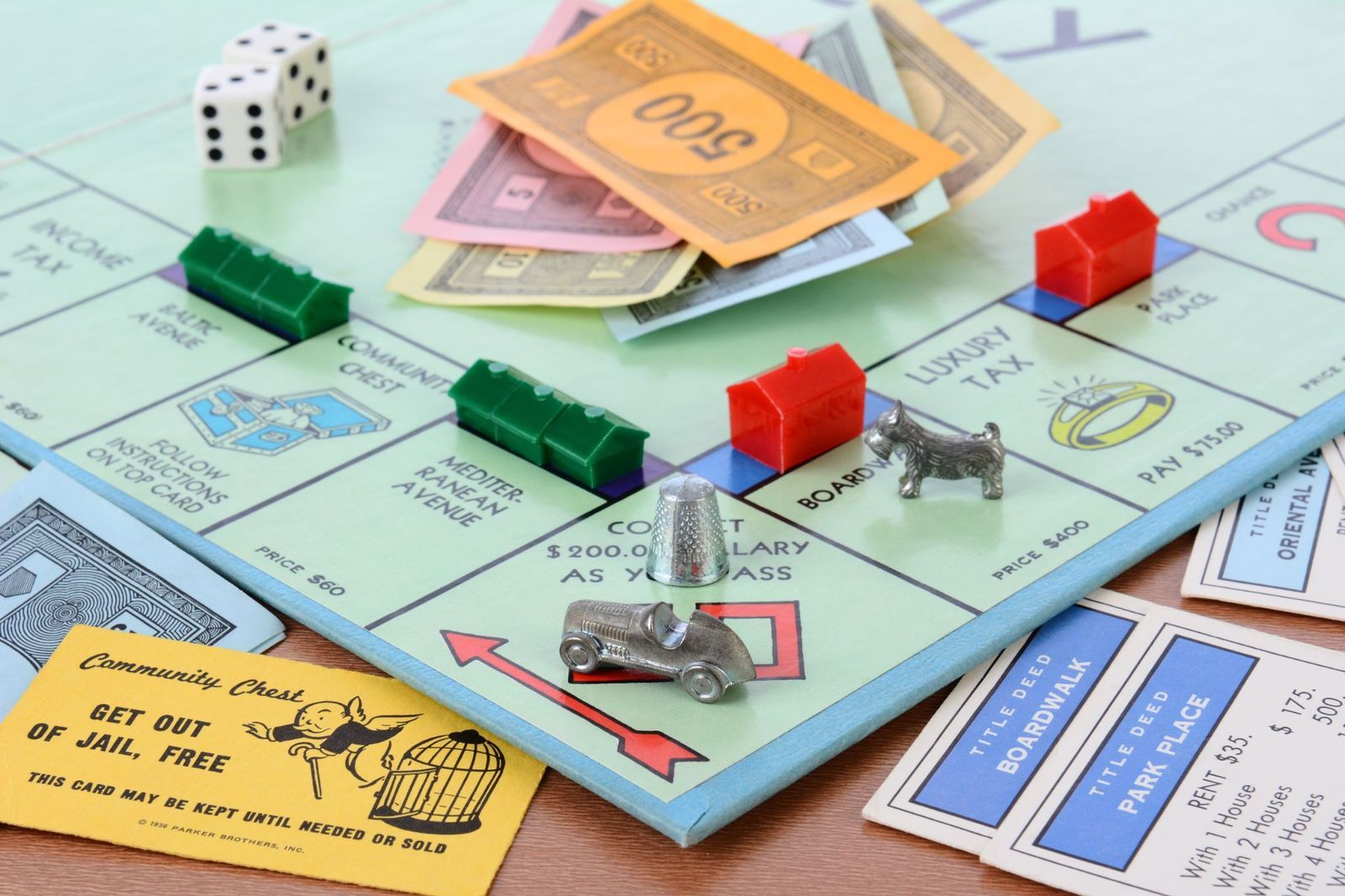
Image: Steve Cukrov

Did you know that Monopoly played a key role in the European theater of World War II? Originally conceived in 1903 by Elizabeth Magie Phillips as The Landlord's Game to highlight the inequities of capitalism, the board game was later rebranded by Parker Brothers in 1934.

When thousands of Allied soldiers, including Americans, were captured by German forces during WWII, the British Secret Service began manufacturing specialized editions to be smuggled into prisoner camps inside Red Cross packages. The German guards welcomed the games as harmless ways for prisoners to pass the time. Little did they know, these boxes contained customized silk maps, real local currency, and precise escape routes hidden within the board and game pieces. Intelligence experts estimate that up to 10,000 Allied soldiers successfully escaped enemy capture because of these rigged board games.

2
Silly String

Image: sonya etchison

In the early 1970s, inventors Leonard A. Fish and Robert P. Cox were working on an aerosol spray-on cast for broken limbs. Although they failed spectacularly, they patented the sticky mess as "foamable resinous composition." Eventually, American toy company Wham-O picked it up and re-labeled it as Silly String.

Decades later, this joke device went to war. In 2006, while stationed in Iraq, Specialist Todd Shriver and his unit found themselves lacking official gear to safely detect the invisible tripwires used to detonate explosives. Because the spray of Silly String could shoot more than 10 feet away and was very light, it became an unlikely but useful tactical tool.

3
Slinky

Image: VanoVasaio

In 1943, naval engineer Richard James was attempting to design a spring system for naval battleships. When he accidentally knocked one of his prototypes off a shelf, he watched in fascination as it walked down a stack of books, onto his desk, and onto the floor. The Navy never bought his invention, but the world got the Slinky, selling over 100 million units in its first two years alone.

Years later, the toy’s military purpose came into fruition during the Vietnam War. U.S. communications troops operating in dense jungles frequently struggled with terrible radio reception. They quickly discovered that a standard steel Slinky could be stretched out and tossed over high tree branches to serve as an effective improvised antenna.

4
View-master

Image: I'm Conqueror

When the View-Master made its grand debut at the 1939 New York World’s Fair, it was marketed as an alternative to scenic postcards. Co-inventors Wilhelm Gruber and Harold Graves paired standard stereoscopes with circular cardboard reels containing seven 3D color film images, which allowed people to marvel at the Grand Canyon from the comfort of their homes.

By 1942, the United States military realized that this photographic novelty could become a useful tool. In the midst of WWII, the U.S. Armed Forces purchased more than 100,000 View-Master viewers and commissioned thousands of custom-made reels. Instead of tourist images, these reels featured detailed, three-dimensional models of enemy aircraft, naval vessels, and artillery. It allowed troops to practice identification, making it a critical asset for gunners and pilots.

5
Silly Putty
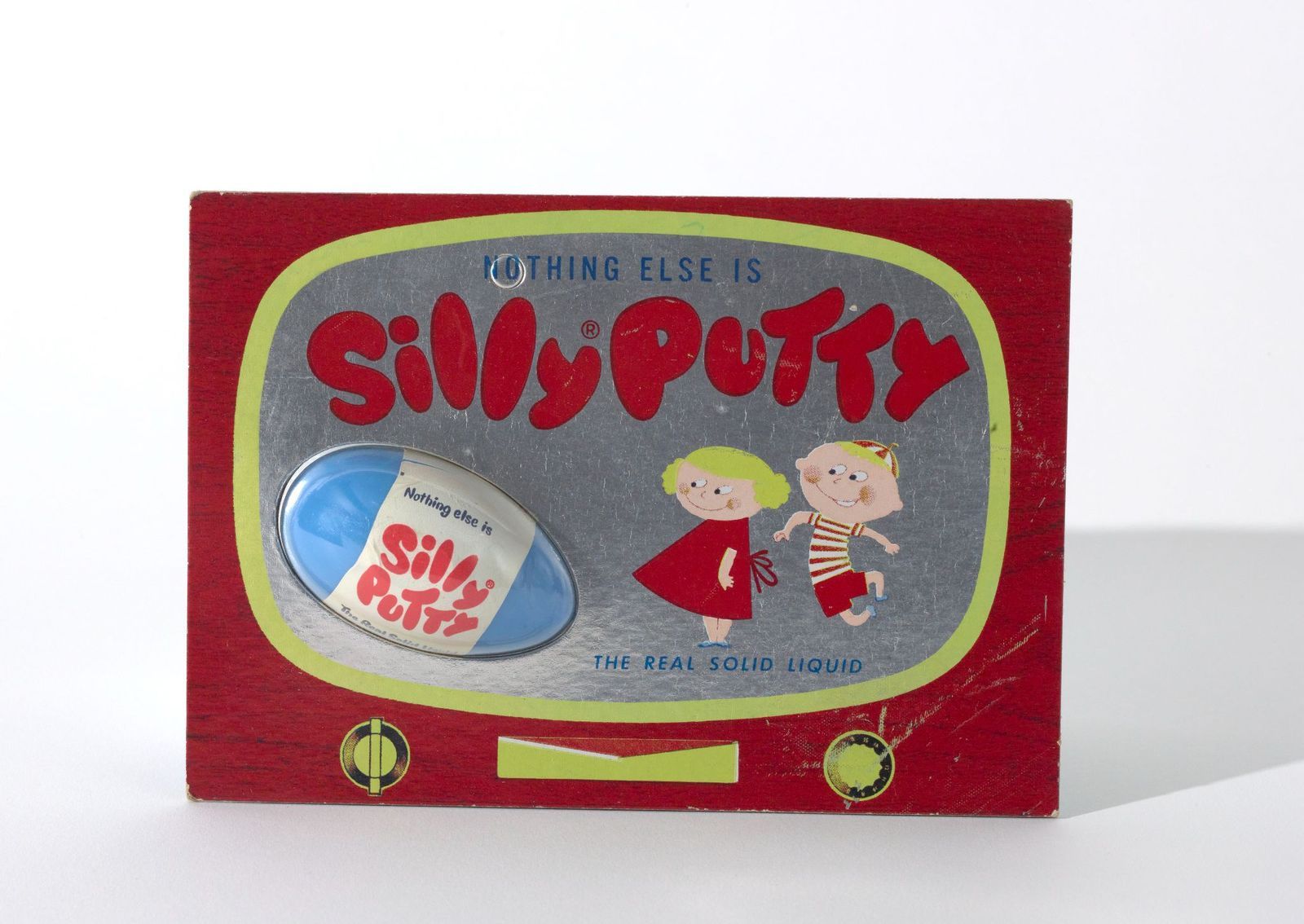
Image: Science History Institute, CC BY 4.0, via Wikimedia Commons

Silly Putty is another marvel of accidental wartime engineering. During WWII, the United States faced shortages of natural rubber due to several blockades. In an attempt to create a cheaper alternative, General Electric engineer James Wright mixed silicone oil with boric acid. The result didn’t work for tires, but it became a hit when packaged inside plastic eggs.

Eventually, this gooey and bouncy material caught the attention of NASA. In 1968, the crew of Apollo 8 packed Silly Putty into their spacecraft. In the zero-gravity environment, the astronauts used the sticky compound to secure their gear to the walls to prevent it from floating away around the cabin.

6
Buzz Lightyear
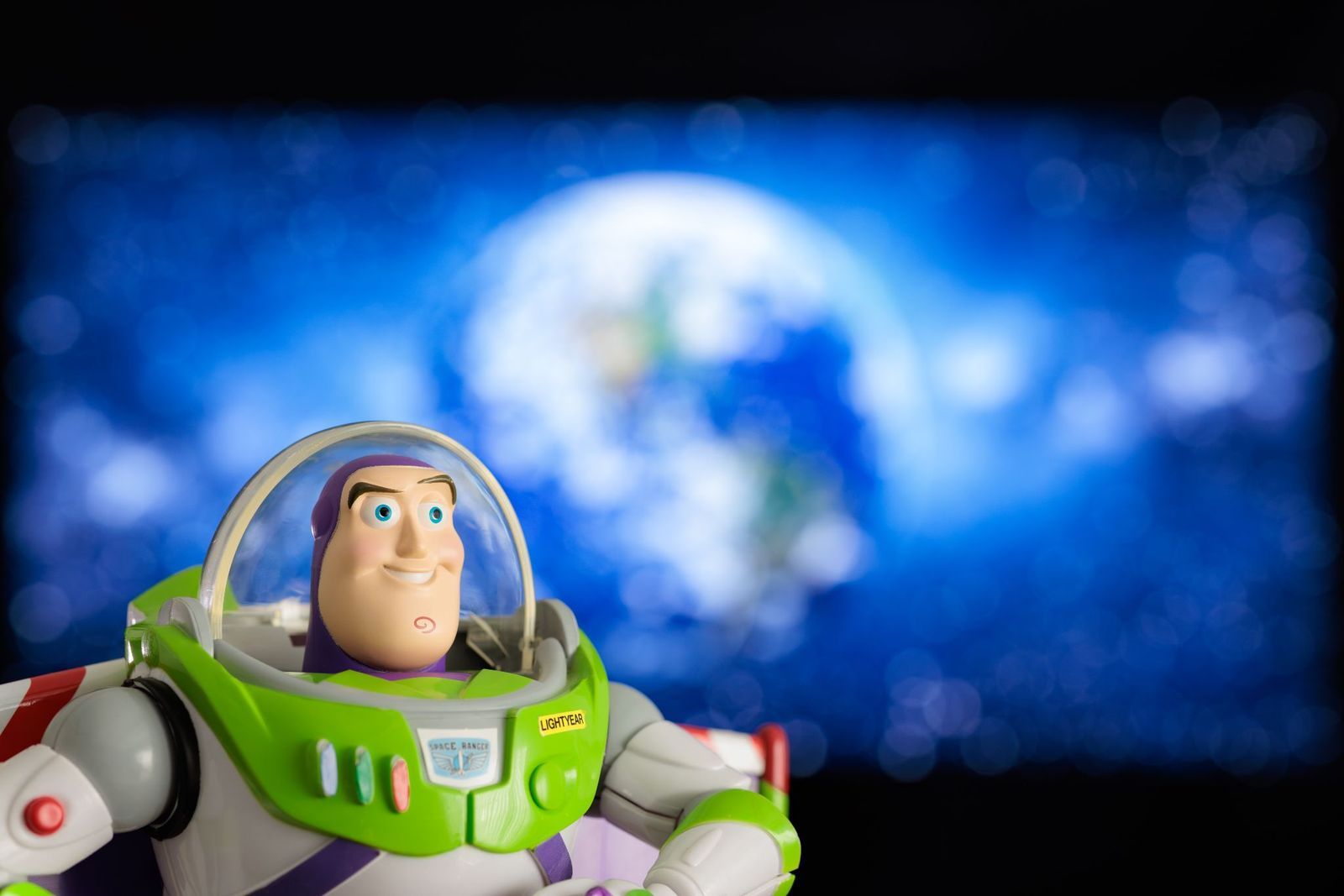
Image: Sunny studio

While Buzz Lightyear began his life as a fictional space ranger in Pixar’s 1995 hit Toy Story, the physical action figure manufactured by Thinkway Toys achieved a few real-world milestones that would make Andy proud.

In 2008, NASA launched an authentic Buzz Lightyear action figure into space aboard the Space Shuttle Discovery. Buzz spent a staggering 15 months living aboard the International Space Station. There, he worked alongside astronauts to film educational videos designed to teach school children across America about weightlessness, orbital mechanics, and microgravity physics.

7
LEGO

Image: Rahmazudi_zudi23

The famous toy company was founded by Danish carpenter Ole Kirk Christiansen in 1949. While LEGO first reached the US in the early 1960s, the plastic interlocking bricks didn’t become massively popular until the 1970s. Once American children adopted the new toy, it completely reshaped modern STEM education.

Although schools had experimented with bricks for decades, LEGO allowed teachers to develop structured curricula designed to teach kindergarteners fine motor skills and spatial mathematics. By the time those students reached high school, LEGO’s advanced kits were serving as the backbone for introductory robotics, engineering, and programming courses nationwide.

8
Mr. Potato Head
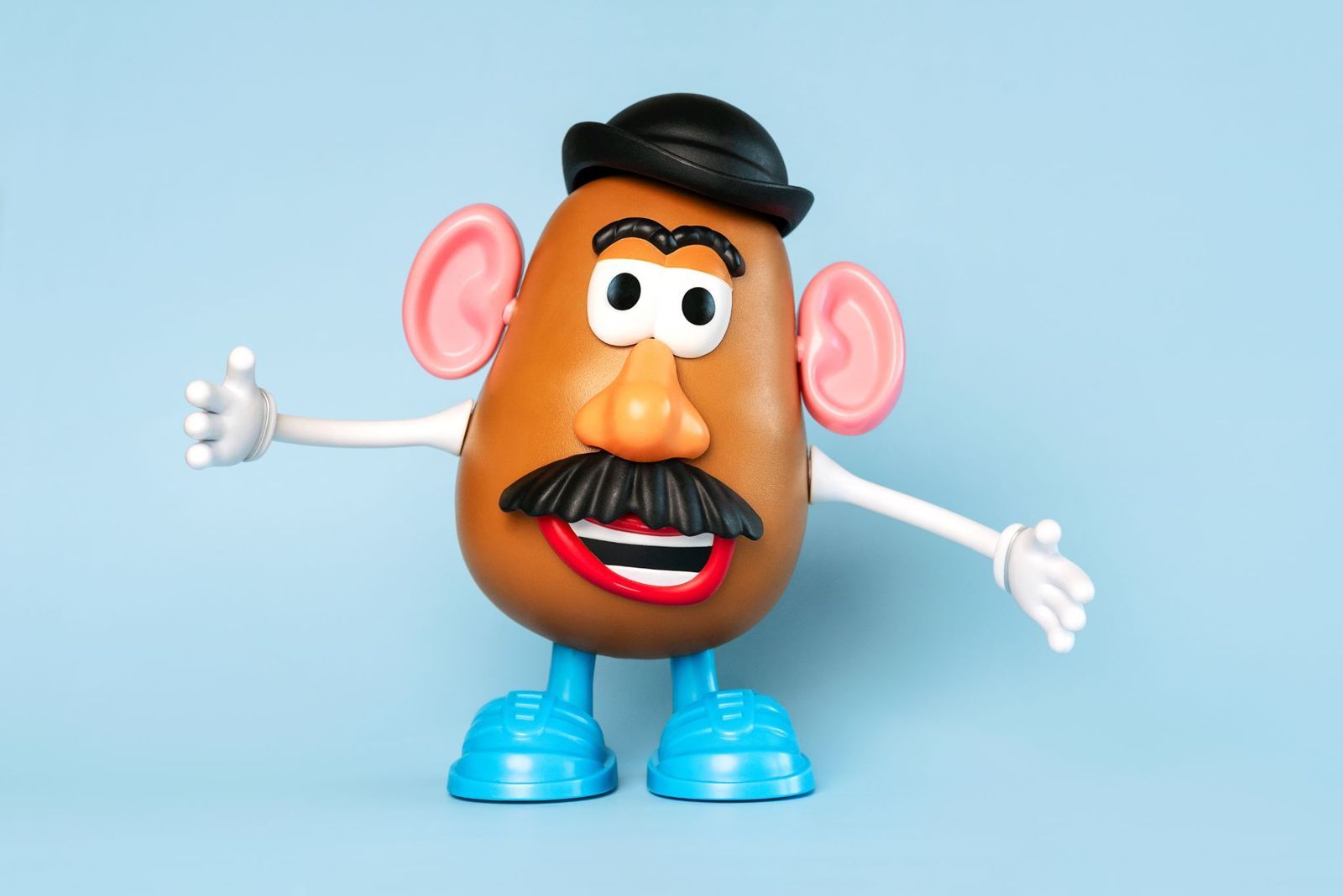
Image: esthermm

Created by American inventor George Lerner in 1951 and distributed by Hasbro, the original Mr. Potato Head didn’t include a plastic body, just sharp metal pins attached to plastic facial features. Despite the risk of children stabbing themselves, the toy made history as the very first toy ever advertised on television.

From there, Mr. Potato Head had a surprising career as a public servant. In 1985, he received four legitimate votes during the mayoral election in Boise, Idaho. In 1987, he officially dropped his plastic pipe to become the face of the American Cancer Society's "Great American Smokeout" anti-smoking campaign. He later joined forces with the League of Women Voters to boost voter turnout and today acts as an official travel ambassador for the state of Rhode Island.

9
Cabbage Patch Kids
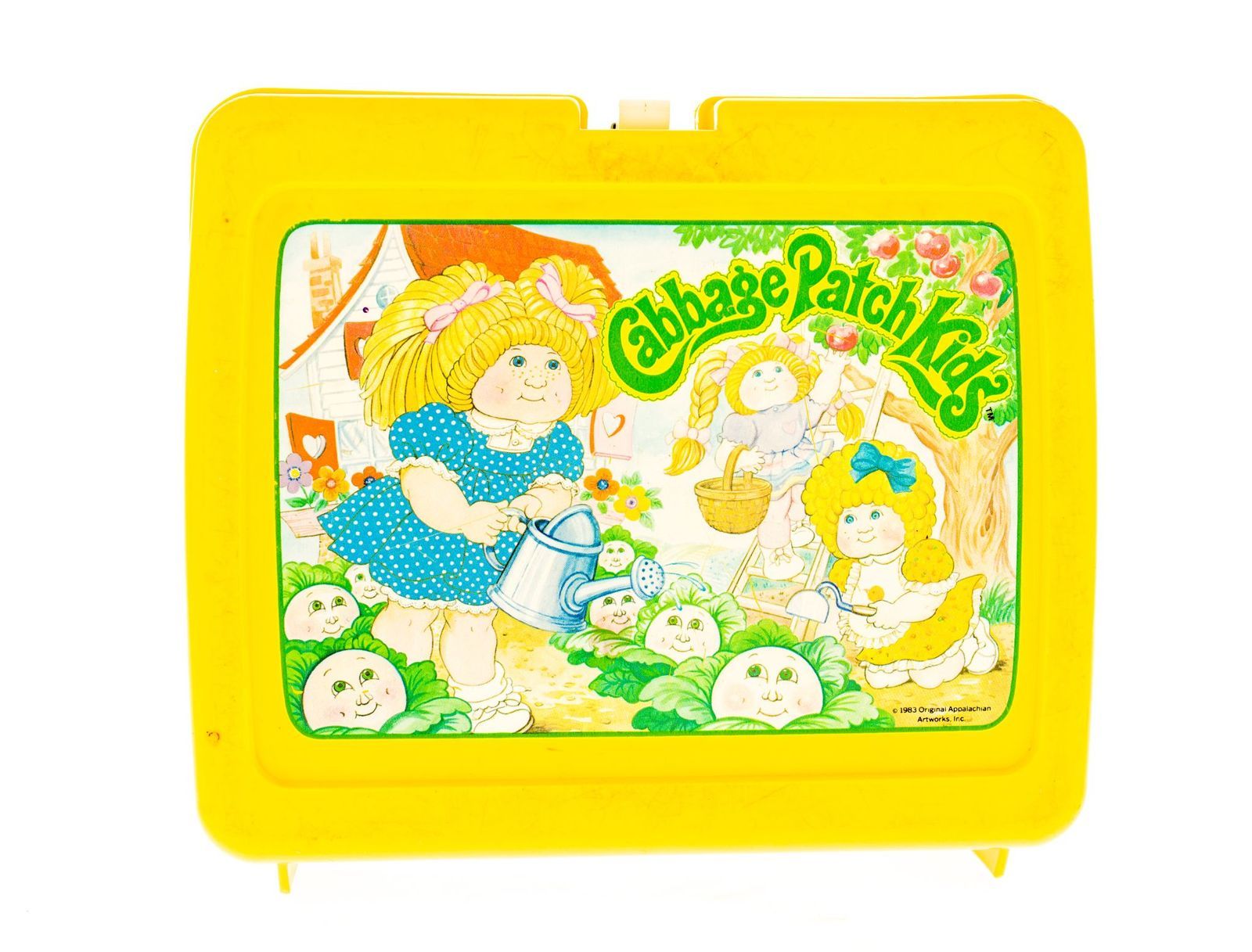
Image: Keith Homan

When American businessman Xavier Roberts first created his "Little People" in 1978, nobody could have predicted that they would spark Black Friday riots by 1983. But beyond the hysteria, Cabbage Patch Kids went on to become national ambassadors.

In 1992 and 1996, the United States Olympic Committee selected the dolls as the first-ever official mascot of the US Olympic Team, traveling with the athletes to Barcelona and Atlanta. In 1999, the U.S. Postal Service immortalized them on a stamp celebrating the icons of 1980s American culture. Over the years, the franchise has collaborated with NASA on science education and raised thousands of dollars for disaster relief efforts.

10
Teddy Bear

Image: Abstract Art Background

Did you know Teddy Bears were born in the United States? In 1902, a Russian-born businessman and inventor named Morris Michtom was inspired by a cartoon published in The Washington Post to create what would become the most beloved toy in America. The cartoon depicted President Theodore Roosevelt showing compassion for a bear on a hunting trip in Mississippi.

Morris Michtom made a small plush bear cub, sent it to Roosevelt, and asked for permission to use his nickname, Teddy. After the president’s blessing, Mitchom placed the doll in the window of his Brooklyn store with the caption "Teddy’s bear." The success was so great that he began mass- producing them, and within a few years, he founded the Ideal Novelty and Toy Company, which would become the largest doll-making firm in the United States.

Culture Culture 7 min read

Foreign gems

These 12 iconic Americans weren't actually born in the U.S.

Image: cytis

Alexander Hamilton wasn’t the only prominent American to be born abroad. Some personalities are so ingrained in American culture that we just assume they were born in the United States. However, many of the major contributors to American science, art, and politics didn’t begin life in our country. Although some iconic figures of American history were immigrants, their stories are absolutely inspirational. Continue reading to learn more about the lives of 12 great Americans you might not have realized were born outside the U.S.

1
Alexander Hamilton

Image: John Trumbull, CC0, via Wikimedia Commons

On January 11, 1757, in the remote Colony of Nevis, British Leeward Islands, a boy was born. He went from having nothing to being a key player in the history of the United States of America. Alexander Hamilton, the illegitimate son of a Scottish trader and a French-English woman, would become George Washington's right hand and one of the nation's Founding Fathers.

At the age of 16, he landed in New York, where he began to study law. But his studies were interrupted when the Revolutionary War broke out. During his lifetime, Hamilton was an influential promoter of the U.S. Constitution, as well as the founder of the nation's financial system, the Federalist Party, the U.S. Coast Guard, and The New York Post .

2
Bob Hope

Image: d

"I left England when I realized I couldn't be king," Bob Hope liked to say. Leslie Townes Hope was so American that his audience was unaware he was actually born in London. When he was five years old, however, his family emigrated to the United States and settled in Cleveland, Ohio.

He began working in show business when he finished high school, appearing in countless Broadway plays, Hollywood films, and television shows. Throughout his more than 60-year career, Hope was not only one of the most influential comedians of his time; he was also one of the most awarded actors in history, the unofficial entertainer of the American troops, and the presenter who hosted the Oscars ceremony the most times.

3
Henry Kissinger

Image: White House Photographic Office, Public domain, via Wikimedia Commons

During the 20th century, this controversial diplomat played a key role in American politics. However, Heinz Alfred Kissinger was born into a Bavarian Jewish family on May 27, 1923. Escaping Nazi Germany, he emigrated to the United States, where his name was changed to Henry.

Henry Kissinger soon obtained citizenship. He served in the Army, studied at Harvard University, and had a long and active life in our country's politics. During the Eisenhower, Kennedy, and Johnson administrations, he worked as a security consultant for various agencies. His reputation led him to be appointed National Security Advisor by President Richard Nixon in 1969, and Secretary of State in 1973, the first person in history to hold both positions simultaneously.

4
Charlie Chaplin

Image: Bain News Service, publisher.Library of Congress, Prints & Photographs Division, Public domain, via Wikimedia Commons

Charles Chaplin, one of the greatest Hollywood legends, was born in London in 1889. At the age of 20, Chaplin crossed the Atlantic to try his fortune in the United States. It was here that he came up with his signature character, Charlot, an endearing tramp who has become a universal icon.
From then on, Charlot appeared in dozens of films that allowed Chaplin to consolidate his reputation as one of the industry's most beloved actors. In 1972, the Academy of Motion Picture Arts and Sciences awarded him an Honorary Oscar for his outstanding career. The audience applauded for twelve uninterrupted minutes.

5
Alexander Graham Bell

Image: Harris & Ewing, photographer, Public domain, via Wikimedia Commons

​​Known for being the inventor of the first patented telephone, Alexander Graham Bell also worked on the development of deaf-friendly systems, was one of the founders of the National Geographic Society, and made great contributions to the U.S. telecommunications industry. Yet, he was born in 1847 in Edinburgh, Scotland.

In 1871, Bell settled in Boston, Massachusetts, where he worked as a teacher and tutor of deaf students. His influence on American science and culture was so important that on the day of his death, all telephone services in the United States stopped for one minute in his honor.

6
Samuel Goldwyn

Image: Metro-Goldwyn-Mayer, Public domain, via Wikimedia Commons

Films, perhaps the most representative industry of American culture, would not be the same without the contribution of numerous foreigners who settled in California since the beginning of the 20th century. This is the case of Samuel Goldwin, one of the most influential magnates in the history of Hollywood, born in Warsaw, Poland, in 1879.

During his more than 50 years of activity, Goldwyn founded several film studios and produced the first feature film entirely made in Hollywood. His reputation in the industry grew steadily, based on his incredible eye for finding great talent. There is a theater named after him in Beverly Hills, and he received a star on the Hollywood Walk of Fame for his invaluable contributions to cinema.

7
Joseph Pulitzer

Image: Allen & Ginter, CC0, via Wikimedia Commons

This self-made, foreign man became an American media mogul and inspired the world's most prestigious journalism award. Born in 1847 in Hungary, young Joseph Pulitzer emigrated to the United States at the age of 17 without knowing a word of English.

After fighting in the Civil War, Pulitzer began to study law. He soon discovered his talent for journalism. Within a few years, he became a leading national figure in the U.S. Democratic Party, began running the New York World newspaper, and became a pioneer of tabloid journalism.

8
Albert Einstein

Image: Archivo General de la Nación, Public domain, via Wikimedia Commons

Despite being born in Germany, the most famous scientist of the 20th century ended his days in the United States, where he was able to continue his research after Nazism took power. In 1933, Albert Einstein was visiting our country, and given the context in Europe, he decided not to return to the old continent and renounced his German citizenship.

Einstein accepted a position at the Institute for Advanced Study in Princeton, where he continued his scientific work until his death. During his stay in America, he remained active in the academic world and received multiple awards. His scientific legacy remains fundamental to modern physics and the understanding of the cosmos.

9
Madeline Albright

Image: U.S. Department of State, Public domain, via Wikimedia Commons

Madeleine Albright was the first woman in the history of the United States to serve as Secretary of State. What you may not know is that the diplomat was born in Prague, Czechoslovakia, as Marie Jana Korbelová. In 1948, Albright immigrated with her family to America and settled in Denver, Colorado.

After graduating from Wellesley College, she worked as a journalist and editor for different newspapers. She later earned her doctorate and began her political career working in the White House. She was a senior advisor to the Democratic Party, and when Bill Clinton became president, she was first appointed Ambassador to the United Nations. A few years later, she became Secretary of State.

10
Alfred Hitchcock

Image: Shamley Productions , Paramount Pictures, Public domain, via Wikimedia Commons

The great Alfred Hitchcock began his film career in England, where he was born, but it was in the United States where he was really able to display all his genius. While in Hollywood, he directed more than 30 films, some of which are considered masterpieces to this day.

Although Hitchcock was relatively successful in his country, in 1939, producer David O. Selznick convinced him to cross the pond and settle in our country. And thank goodness he did! The master of suspense is considered one of the most influential directors of all time and is regarded as one of the most important artists of the seventh art.

11
Meyer Guggenheim

Image: Joe Dudeck

The patriarch of the Guggenheim family, known for playing a decisive role in the transformation of the American mining and smelting industries, was actually born in Lengnau, Canton Aargau, Switzerland. Meyer Guggenheim emigrated to the United States in 1847, where he started working as a salesman.

After earning a considerable sum of money buying and selling stocks, he began investing in silver mines. In a short time, he amassed one of the largest fortunes of the 19th century. Meyer died in 1905 in Palm Beach, but his legacy still influences many sectors today, from industry to philanthropy.

12
Levi Strauss

Image: manusama

Is there anything more American than a pair of blue jeans? What started as a strong and durable pair of pants became the garment that revolutionized the fashion market. Worn by miners, cowboys, rock stars, presidents, and men and women all over the world, blue jeans have been a favorite for generations. However, their creator was not born in the United States.

Levi Strauss, the founder of the first jeans manufacturing company, was born in 1829 in Buttenheim, Germany, as Loeb Strauss. In 1847, he emigrated to New York, but when the California gold rush began, he decided to move to the West Coast and open a branch of the family business in San Francisco. And the rest is history!

Geography Geography 6 min read

Where nations merge

These American border towns are nothing like what you'd expect

Image: Nicole Geri

America's border towns offer a unique glimpse into where two nations meet and merge. These communities blend languages, cuisines, traditions, and daily life in ways that create something entirely their own. These towns remind us that borders on maps don't always divide people; sometimes they bring them together in the most interesting ways.

1
Buffalo, New York / Niagara Falls, Ontario

Image: Stephen Crane

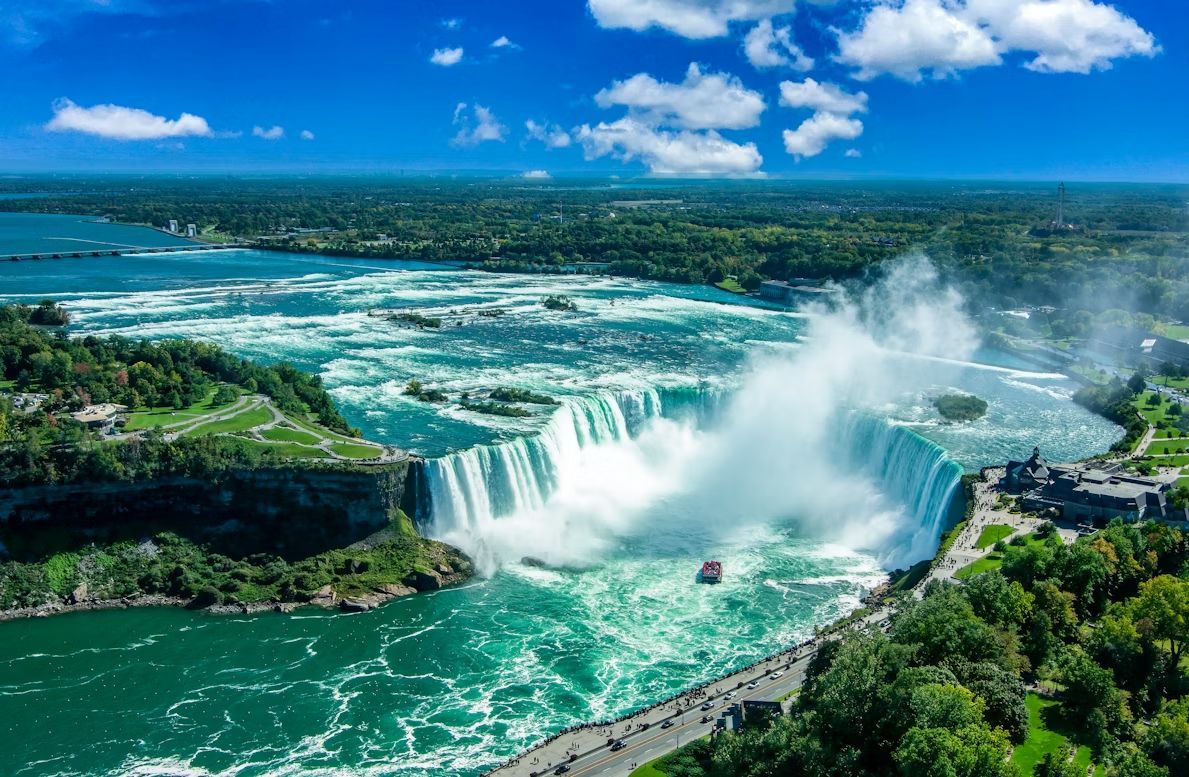
Here, one of America's most famous natural wonders creates a binational tourist destination that draws millions annually . The Peace Bridge connects the cities, facilitating a relationship that goes far deeper than tourism. Buffalonians regularly cross for theatre performances at the Shaw Festival, cheaper prescription medications, and a lower legal drinking age.

The cultural blending also shows up during matchups between the Buffalo Sabres and the Toronto Maple Leafs. While the rivalry is intense, it reflects a shared Great Lakes identity shaped by decades of cross-border movement. Canadian shoppers have long made Buffalo malls a destination, while Americans enjoy Windsor-style pizza and Tim Hortons coffee on the Canadian side. The accent in this region reflects generations of cross-border mixing and shared Great Lakes culture.

2
Detroit, Michigan / Windsor, Ontario

Image: Nils Huenerfuerst

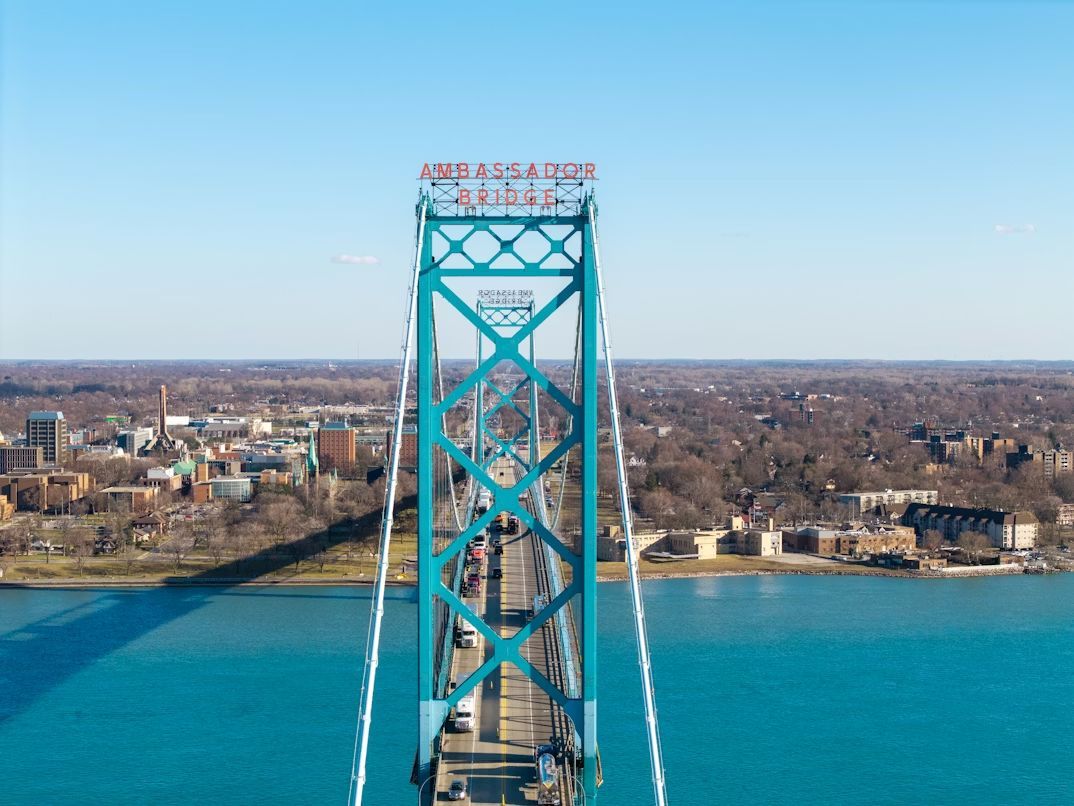
Detroit and Windsor form one of the busiest international crossings in North America, connected by both the Ambassador Bridge and the Detroit-Windsor Tunnel. Over 8,000 trucks cross daily, carrying a quarter of all trade between the U.S. and Canada. But beyond commerce, these cities share deep cultural ties : Detroiters pop over to Windsor for Caesar cocktails and Canadian beer, while Windsor residents cross for Red Wings games and shopping at Somerset Collection.

During Prohibition, Windsor became Detroit's not-so-secret supplier, creating smuggling routes and speakeasies that became Motor City legend. Today, you can stand on the Detroit riverfront and see Canada closer than many American suburbs.

3
Laredo, Texas / Nuevo Laredo, Tamaulipas

Image: JoshDavid Photos

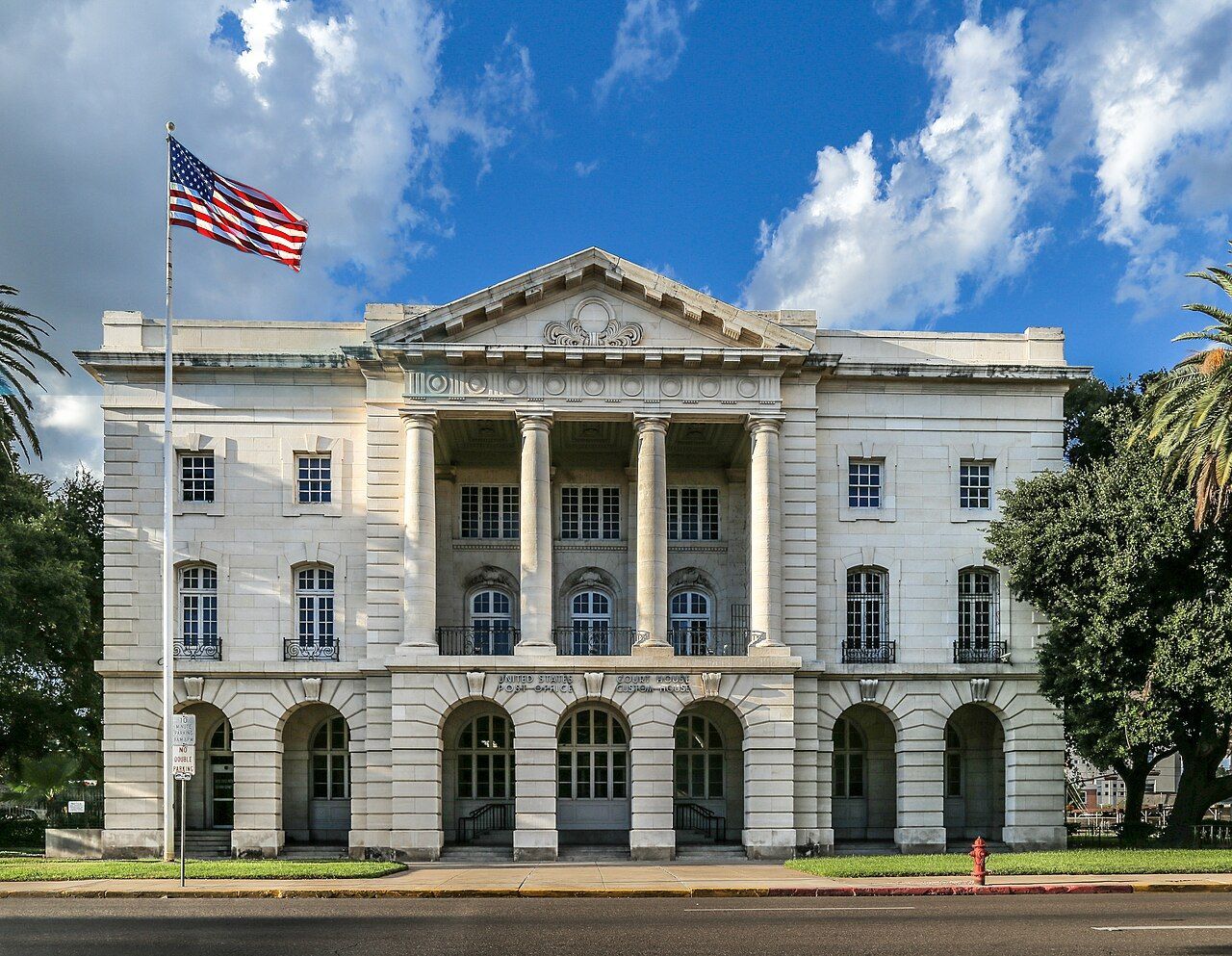
Laredo is one of the oldest crossing points on the U.S.-Mexico border, founded in 1755. The city's Washington's Birthday celebration, oddly enough, is one of the largest such celebrations in the country, spanning nearly the entire month of February and including participants from both sides of the border.

The economy here revolves around international trade, with massive amounts of freight crossing daily between the two nations. But beyond commerce, the cultural blend shows up everywhere—in the predominance of bilingual conversations, in restaurants serving cabrito alongside barbecue, and in the way holidays are celebrated with traditions from both countries.

4
Blaine, Washington / Surrey/White Rock, British Columbia

Image: Jess Barnett

Blaine sits at the western end of the U.S.-Canada border, where the line literally runs through Peace Arch Park—a unique binational park where families can picnic with relatives from either country without going through customs. The Peace Arch monument itself straddles the border, inscribed with "Children of a Common Mother" and "Brethren Dwelling Together in Unity."

Residents on both sides share a love of hiking, craft beer, and fish and chips. Blaine residents drive to Surrey for groceries at Canadian supermarkets, while British Columbians come south for gas, milk, and Trader Joe's runs . The Cascadia bioregion identity—encompassing B.C., Washington, and Oregon—often feels more meaningful to locals than national boundaries.

5
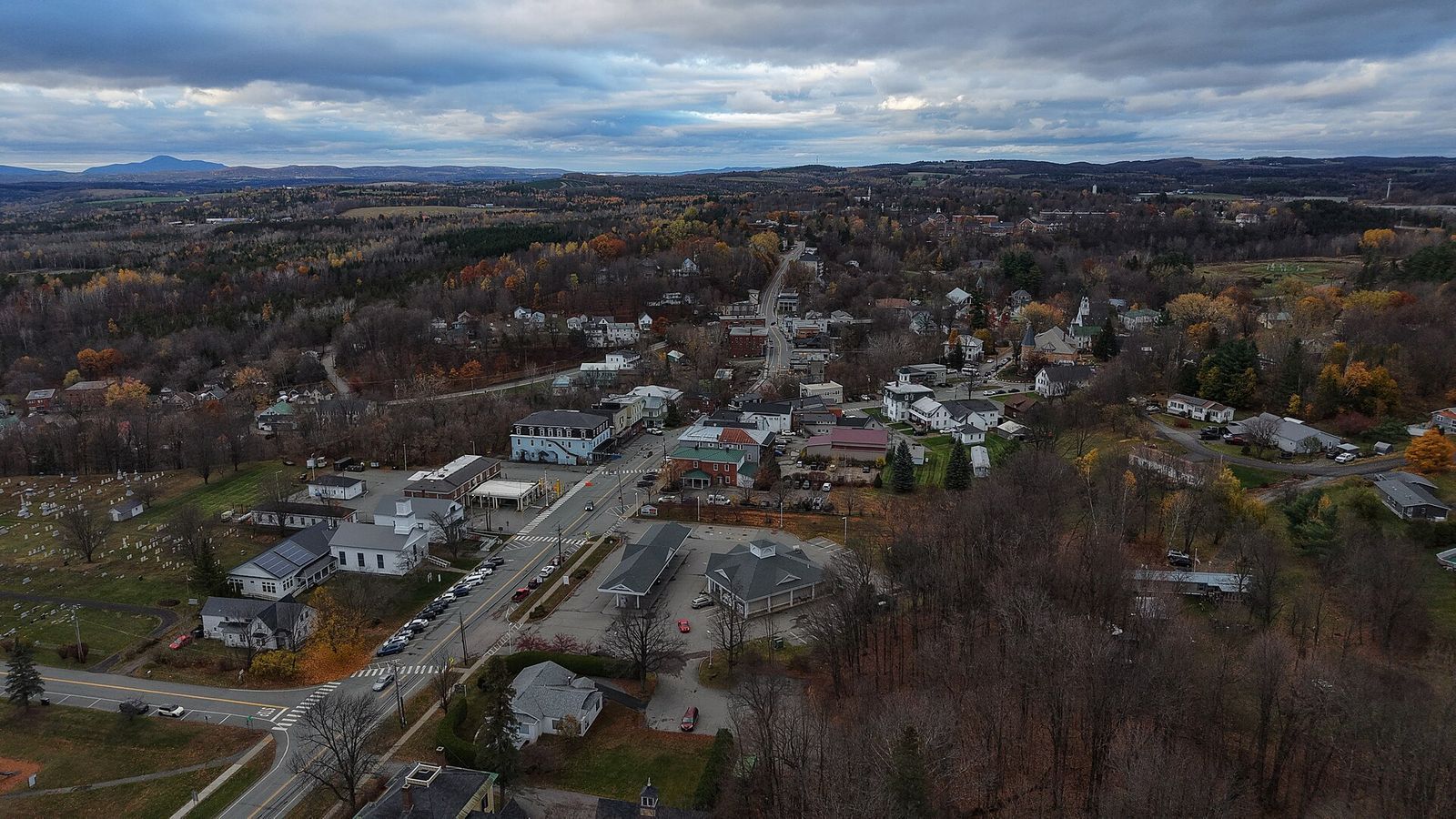
Derby Line, Vermont / Stanstead, Quebec

Image: Ascended Dreamer, CC BY 4.0, via Wikimedia Commons

Derby Line and Stanstead share the most uniquely porous border in North America . The Haskell Free Library and Opera House was deliberately built straddling the international boundary in 1904, with the stage in Canada and most seats in the U.S. A black line on the floor marks where one country ends and another begins—no passport required.

Several homes and buildings in town sit directly on the border, with front doors in one country and back doors in another. Before 9/11 and increased border security, locals would casually cross back and forth multiple times daily without much thought. While regulations have tightened, the community identity remains binational.

6
Sault Ste. Marie, Michigan / Sault Ste. Marie, Ontario

Image: Calvin Lecuyer

The "Twin Saults" are literally the same city split down the middle by the St. Marys River and the International Bridge . Founded as a single French missionary settlement in 1668, the community was divided when the border was formalized after the War of 1812. Today, residents on both sides maintain that they're really one town with an inconvenient international boundary running through it.

The Soo Locks on the American side and the Canadian locks create a shared identity around Great Lakes shipping—watching massive freighters navigate the locks is a regional pastime. Hockey culture dominates both sides, with junior leagues and recreational teams mixing Canadian and American players. Families cross the bridge for shopping, dining, and visiting relatives as casually as driving across town.

7
Hyder, Alaska / Stewart, British Columbia

Image: Jasper Malchuk Rasmussen

While Hyder sits on the Alaskan Panhandle, it functions like a practical island: with no roads connecting it to the rest of the state, its only lifeline is a two-mile stretch of pavement leading into Stewart, B.C. This forced detour through Canada has effectively turned Hyder into a 'suburb' of its Canadian neighbor, where the border is a formality and the geography is the boss. With a population hovering around 20 people, Hyder has no bank, no post office, and spotty cell service—but it does have Stewart, B.C., just two miles away. The 400 residents of Stewart provide the services Hyder lacks, creating a dependence that makes the border almost irrelevant to daily life .

Hyder runs on Pacific Time rather than Alaska Time, uses Canadian currency, and Canadian area codes. Kids from Hyder attend school in Stewart. The towns share a volunteer fire department and emergency services.

8
Nogales, Arizona / Nogales, Sonora, Mexico

Image: Andrew Schultz

Ambos Nogales—"Both Nogales"—is what locals call this split city where the international boundary literally runs down the middle of town. Before modern border security, people would step back and forth across the line to shop, visit family, or grab lunch.

The American side has a population of around 20,000, while the Mexican side has grown to over 300,000. Despite the size difference, the cultural exchange remains strong. Arizona residents cross for affordable dental care and authentic Sonoran cuisine, while Mexican families come north for shopping at American chain stores. The shared history runs deep—many families have relatives on both sides , and the sense of being one divided community persists despite the increasingly fortified border.

9
San Diego, California / Tijuana, México

Image: Barbara Zandoval

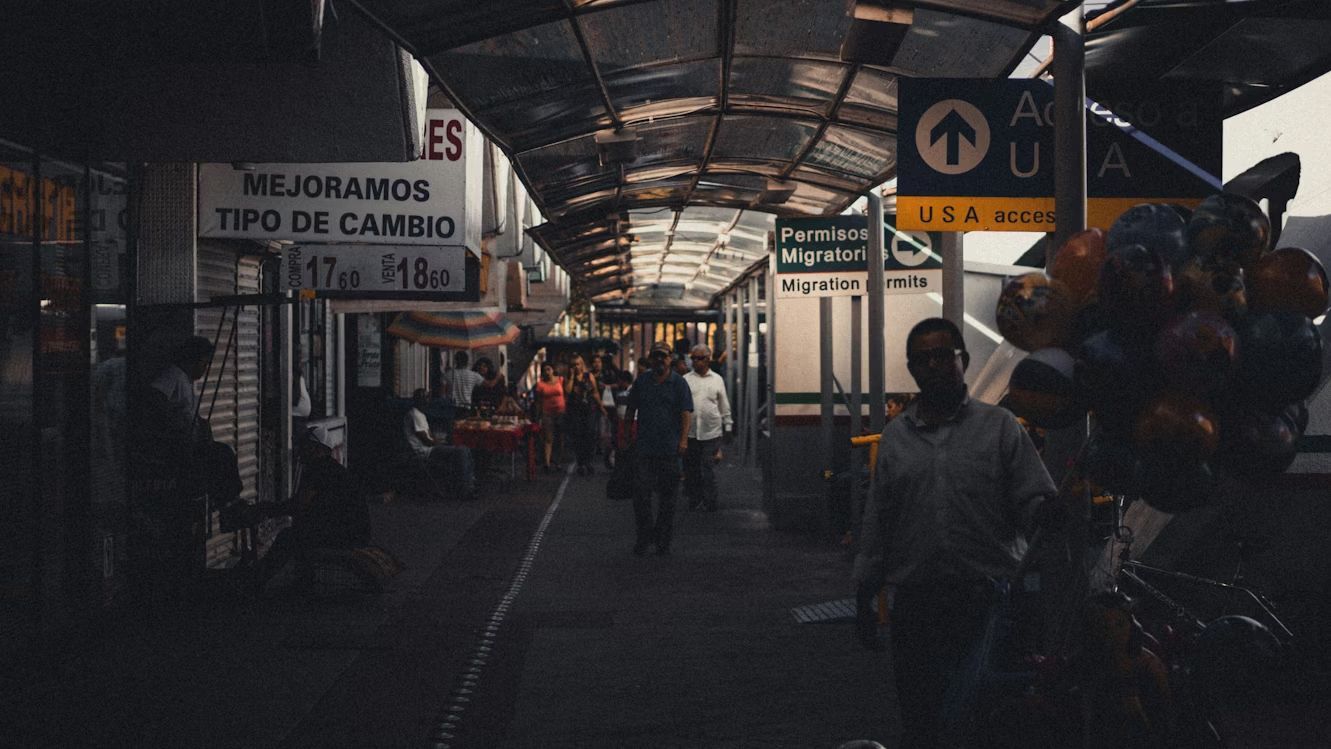
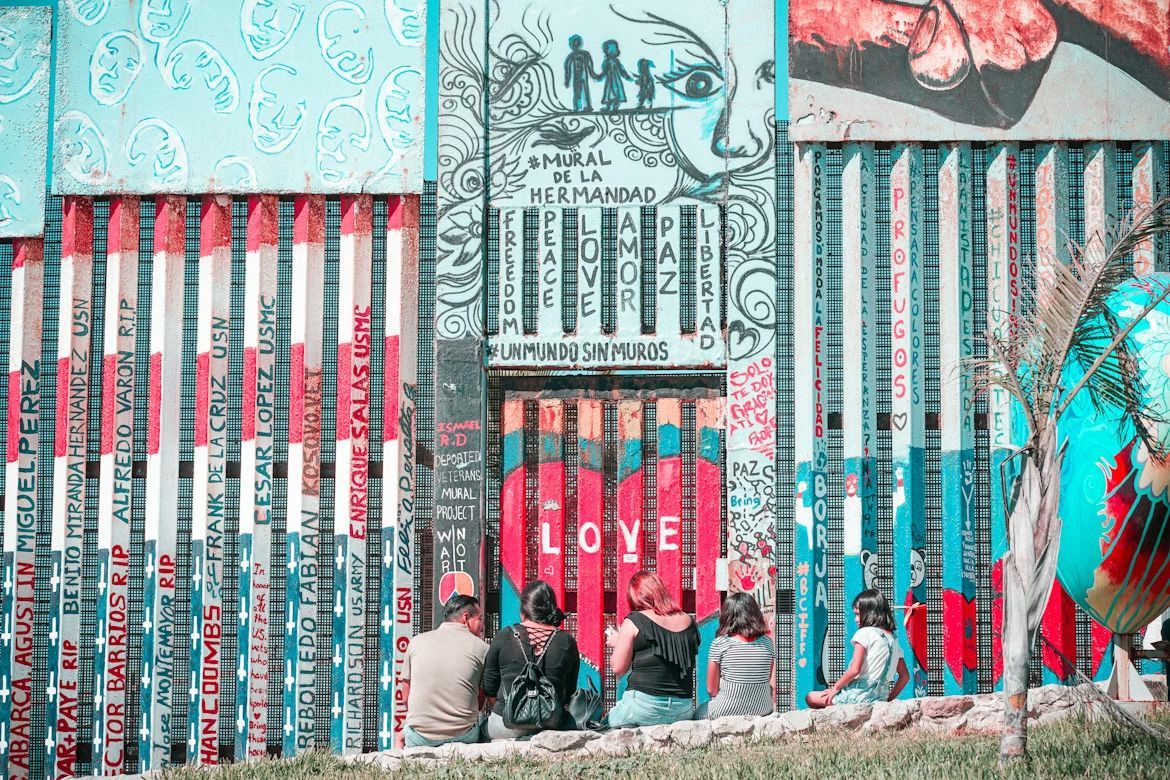
The San Ysidro Port of Entry between San Diego and Tijuana is the busiest land border crossing in the Western Hemisphere, with around 70,000 northbound vehicle passengers daily . This constant flow has created a cultural fusion zone where fish tacos meet California beach culture, and where thousands of people hold jobs on one side while living on the other.

Craft beer culture flourishes on both sides, with breweries collaborating across the border. Street art in both cities shares similar styles and themes, while music festivals regularly feature artists from both nations.

10
El Paso, Texas / Ciudad Juárez, México

Image: Nils Huenerfuerst

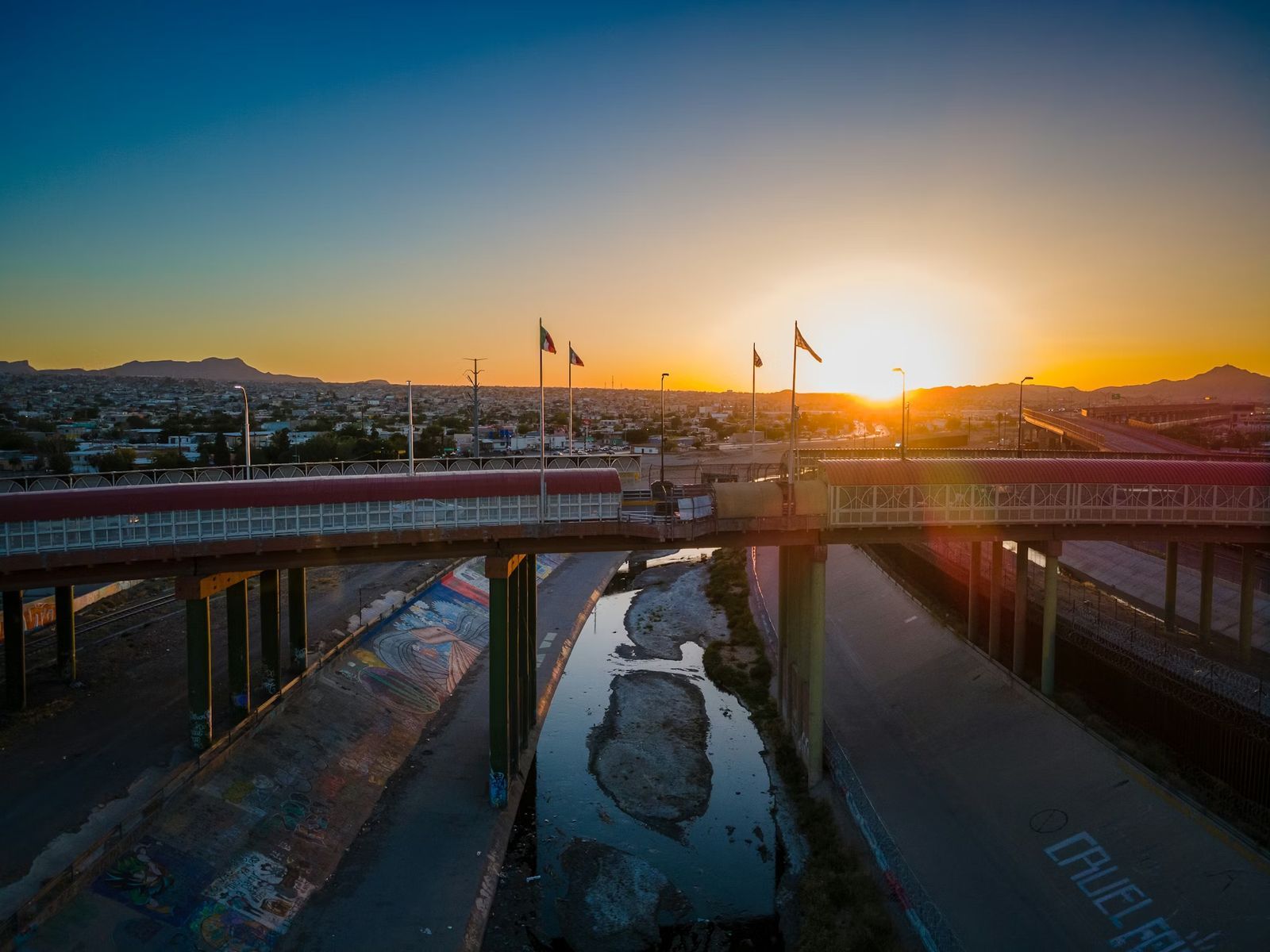
El Paso and Juárez form one of the world's largest binational communities, with over 2.5 million people living in the combined metro area . Families routinely cross the border for work, school, shopping, and Sunday dinner. The Franklin Mountains provide a stunning backdrop to this bustling cultural exchange, where Tex-Mex cuisine was practically invented and where speaking both English and Spanish isn't just common, it's essential.

The downtown areas of both cities sit so close you can practically wave to someone across the Rio Grande. Street vendors sell elotes and hot dogs side by side, while radio stations broadcast to audiences in both countries simultaneously.

Explore more American facts

Choose your favorite category!

General
General

As American as apple pie—the very best America has to offer!

Culture
Culture

Delve into the astounding richness of American lore.

Geography
Geography

Hop in and explore vast and diverse American landscapes.

History
History

Discover the key moments that shaped the United States.