General General 4 min read

Where movies dined

Michael Corleone hid something here during a scene in "The Godfather"
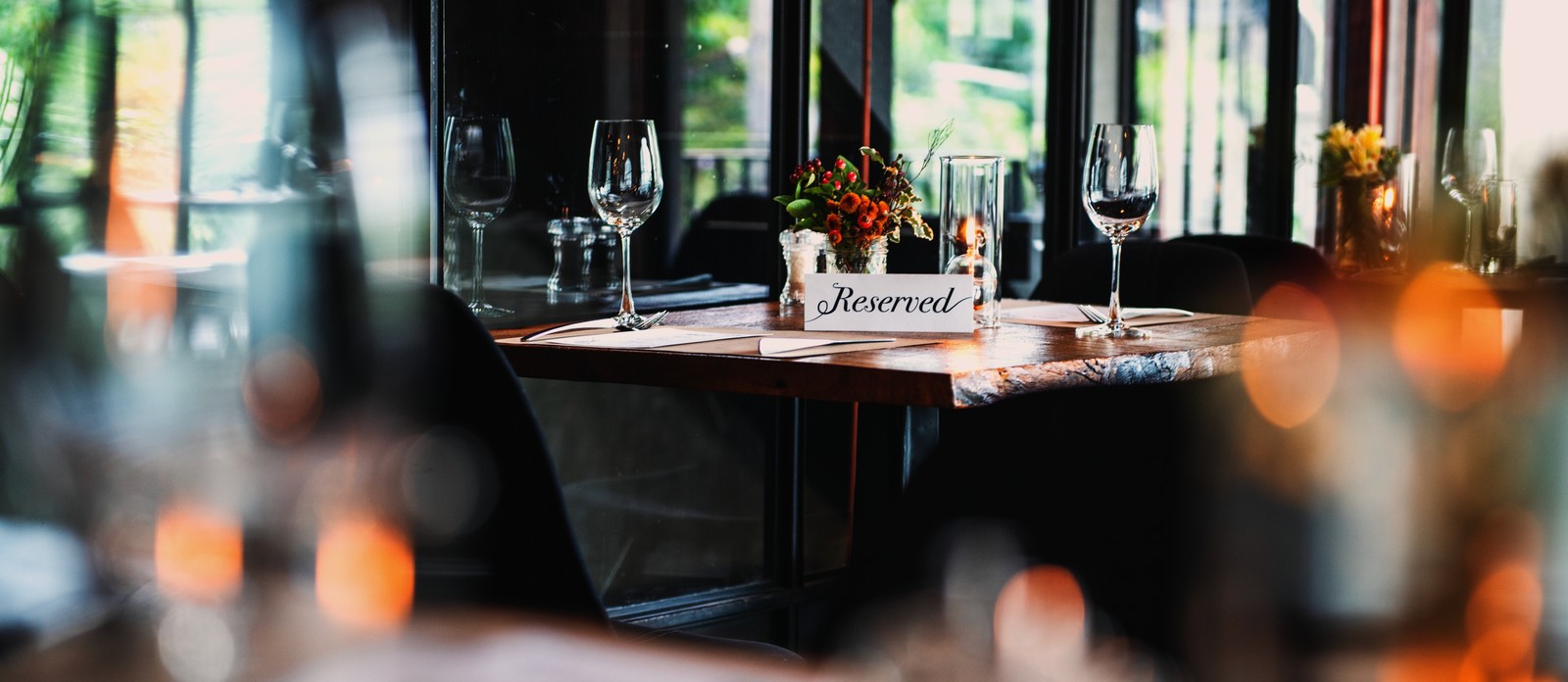
Image: Rawpixel.com

Some restaurants are famous for their menus, while others become unforgettable because of the movies or TV shows filmed there . From New York diners to glamorous Hollywood landmarks, these real-life hotspots have shared the screen with some of our most beloved characters. Let’s see how many you recognize.

1
Katz's Delicatessen — When Harry Met Sally…
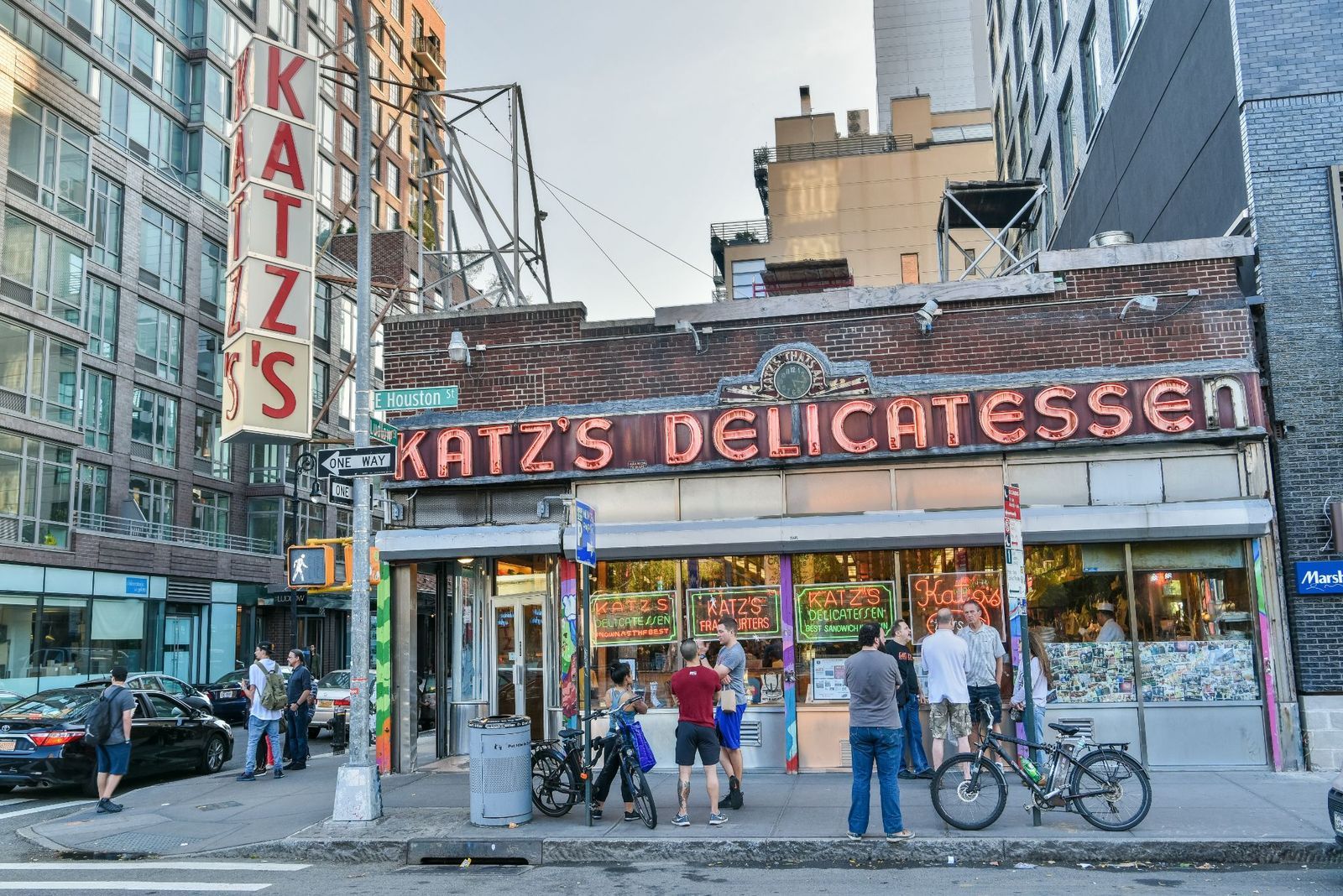
Image: Alizada Images

Katz's Delicatessen on NYC’s Lower East Side is where the classic fake orgasm scene from the 1989 romantic comedy When Harry Met Sally... , directed by Rob Reiner and written by Nora Ephron, was filmed.

Located at 205 East Houston Street, the bustling, counter-service venue features walls covered in celebrity photos and a dedicated sign marking the exact table where Meg Ryan and Billy Crystal sat.

2
Louis Italian American Restaurant — The Godfather
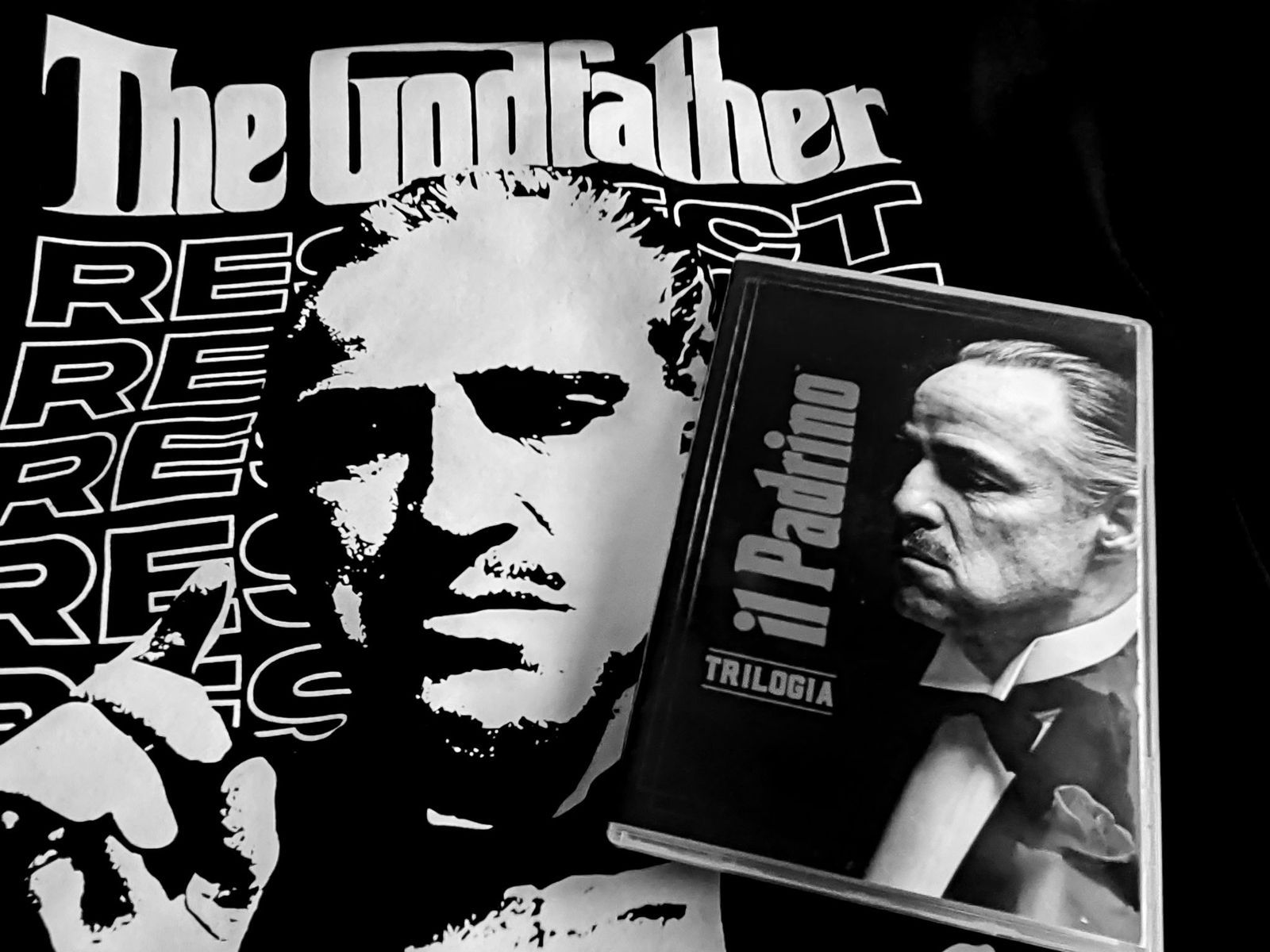
Image: Stefano Chiacchiarini '74

The unforgettable restaurant scene from The Godfather (1972) was filmed at Louis Italian American Restaurant, located at 3531 White Plains Road in the Bronx, New York. The production used the real interior and exterior of the eatery, complete with the authentic rumble of the elevated train tracks passing directly overhead to build dramatic tension.

This is where Michael Corleone (Al Pacino) retrieves a hidden gun from the restroom tank and shoots Virgil Sollozzo (Al Lettieri) and police Captain McCluskey (Sterling Hayden). Unfortunately for die-hard fans, the original family-run establishment closed years after filming, and the historic storefront has since been used for retail spaces like fabric and yarn stores. The restaurant itself is now gone, but its place in movie history remains.

3
Joe's Pizza — Spider-Man 2
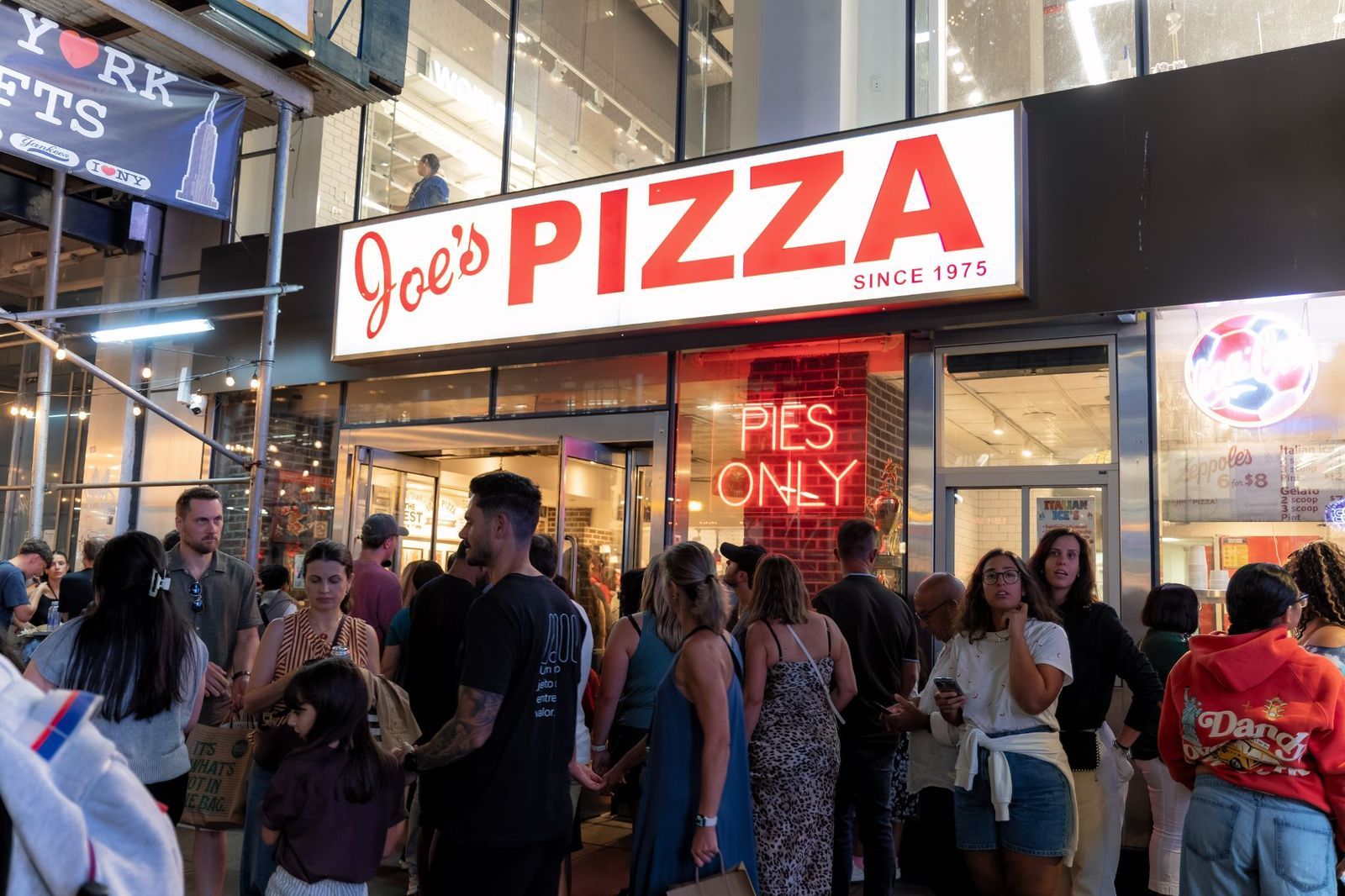
Image: Luigi Borrone

Joe's Pizza in New York’s Greenwich Village is the American slice shop where Peter Parker worked as a struggling delivery boy in the 2004 blockbuster Spider-Man 2 .

Situated near the corner of Bleecker Street and Carmine Street, this is the iconic site of the memorable "Pizza Time!" sequence and where Mr. Aziz (Aasi Mandiv) fires Peter (Tobey Maguire) for being perpetually late due to his (top secret) superhero duties.

4
Cicada Restaurant and Lounge — Pretty Woman
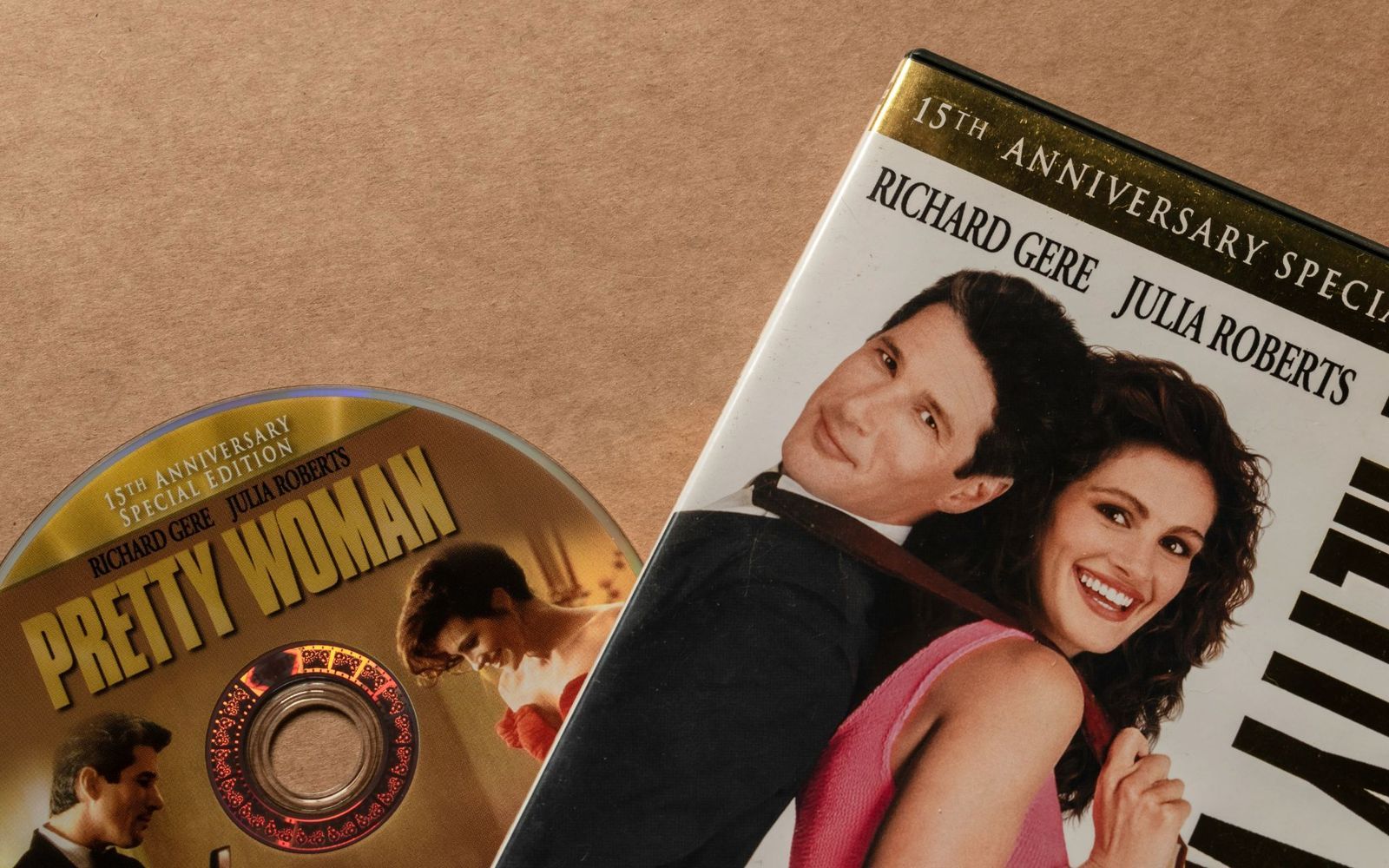
Image: Snap Spot

Cicada Restaurant and Lounge in Los Angeles is the iconic filming location of the famous escargot scene in Pretty Woman . When the movie was filmed here in 1990, the venue was known as Rex II Ristorante .

It's the exact spot where Julia Roberts' character Vivian tries to eat a snail during a fancy dinner with Edward (Richard Gere) and famously sends it flying across the room, declaring them "slippery little suckers". Housed inside the 1928 Art Deco Oviatt Building, the interior retains its dramatic gold-leaf ceilings, crystal chandeliers, and vintage glamour seen in the movie.

5
Musso & Frank Grill — Once Upon a Time... in Hollywood
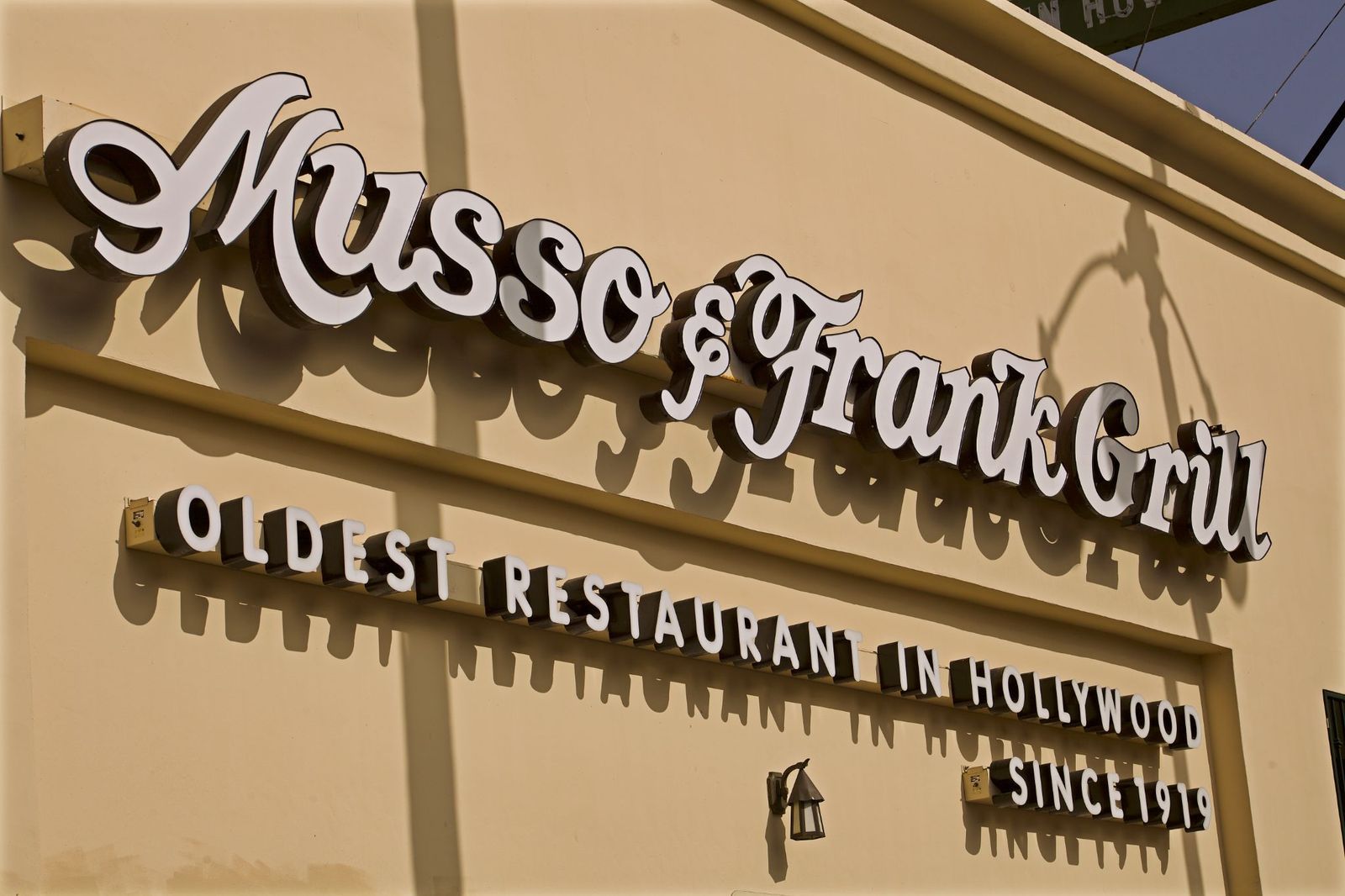
Image: Elliott Cowand Jr

Musso & Frank Grill in Hollywood appears in Quentin Tarantino's Once Upon a Time... in Hollywood. Situated at 6667 Hollywood Boulevard, it’s Hollywood's oldest restaurant, operating since 1919.

In the 2019 film, the restaurant serves as the backdrop for a pivotal scene where fading actor Rick Dalton (Leonardo DiCaprio) meets with his agent, Marvin Schwarz (Al Pacino), accompanied by stunt double Cliff Booth (Brad Pitt).

6
Tiffany & Co. — Breakfast at Tiffany's
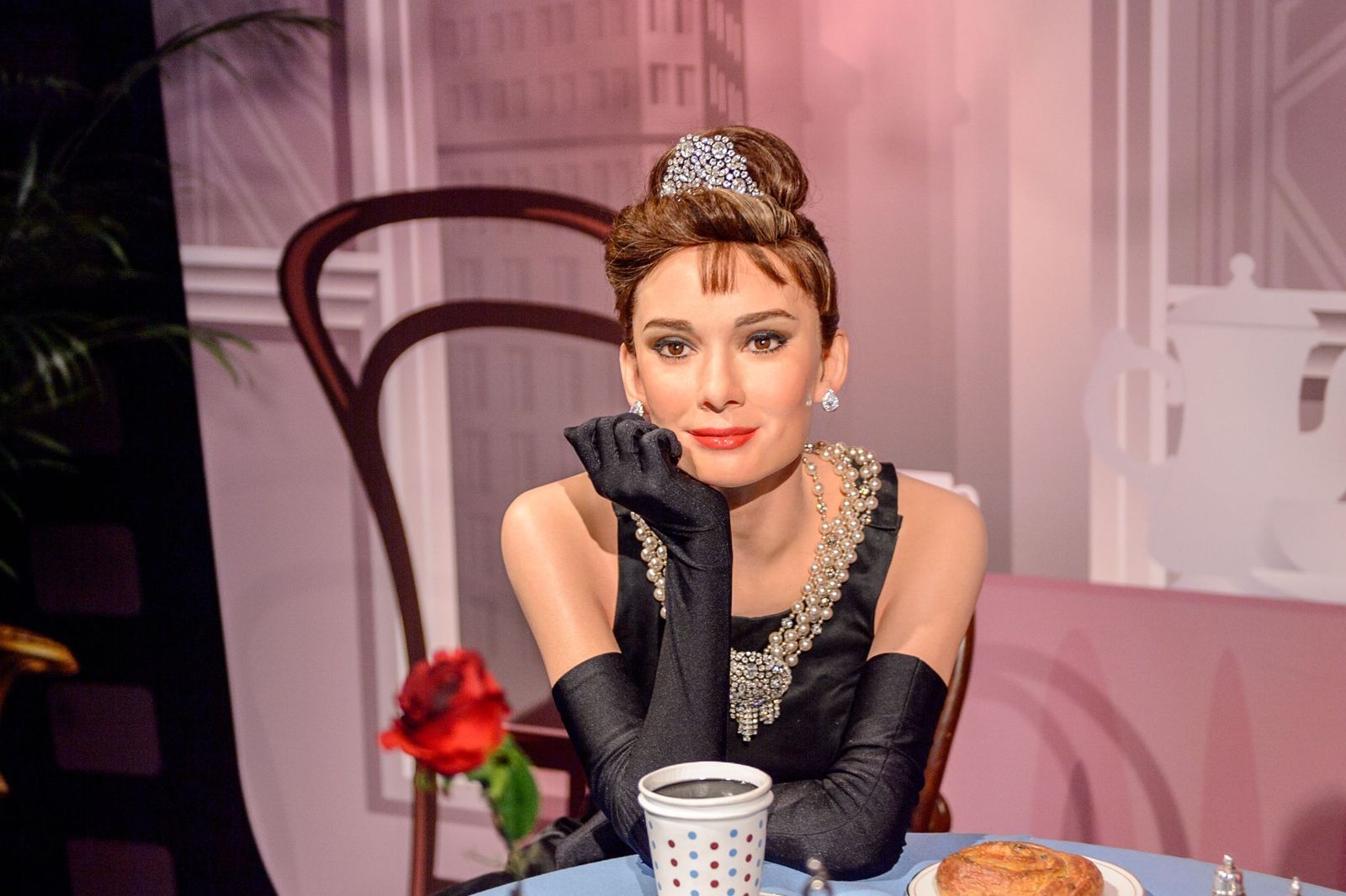
Image: Anton_Ivanov

In the unforgettable opening sequence of Breakfast at Tiffany’s (1961) , Holly Golightly (Audrey Hepburn) steps out of a yellow cab in a sleek black Givenchy dress and pearls, pulling a pastry and coffee from a paper bag while window-shopping on Fifth Avenue. Memorably, Hepburn's character eats her breakfast while standing outside the flagship Tiffany & Co. store .

Today, you can experience real-world cinematic magic by having breakfast at the Blue Box Café by Daniel Boulud, located inside the historic Tiffany & Co. Flagship at The Landmark in New York City. The café opened in 2017.

7
Tom's Restaurant — Seinfeld
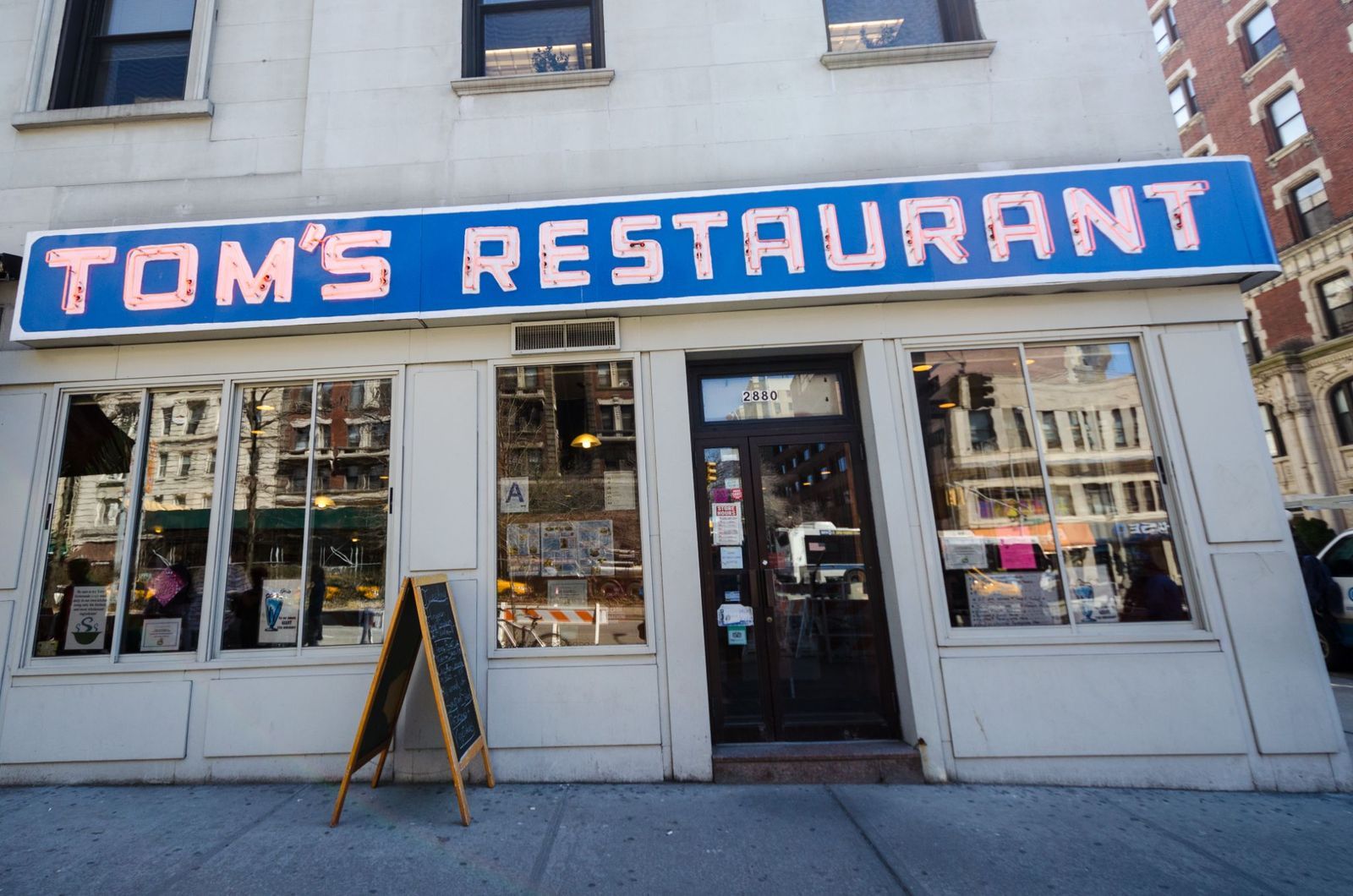
Image: melissamn

Tom's Restaurant is a classic family-owned diner located at 2880 Broadway (at West 112th Street) in Manhattan’s Morningside Heights, which served as the exterior stand-in for the fictional Monk's Café in Seinfeld .

While the iconic red-and-blue neon "Tom's" sign and storefront appeared weekly on Seinfeld as Monk's Café, all interior scenes for the show were actually filmed on a soundstage in Los Angeles.

8
McGee's Pub — How I Met Your Mother
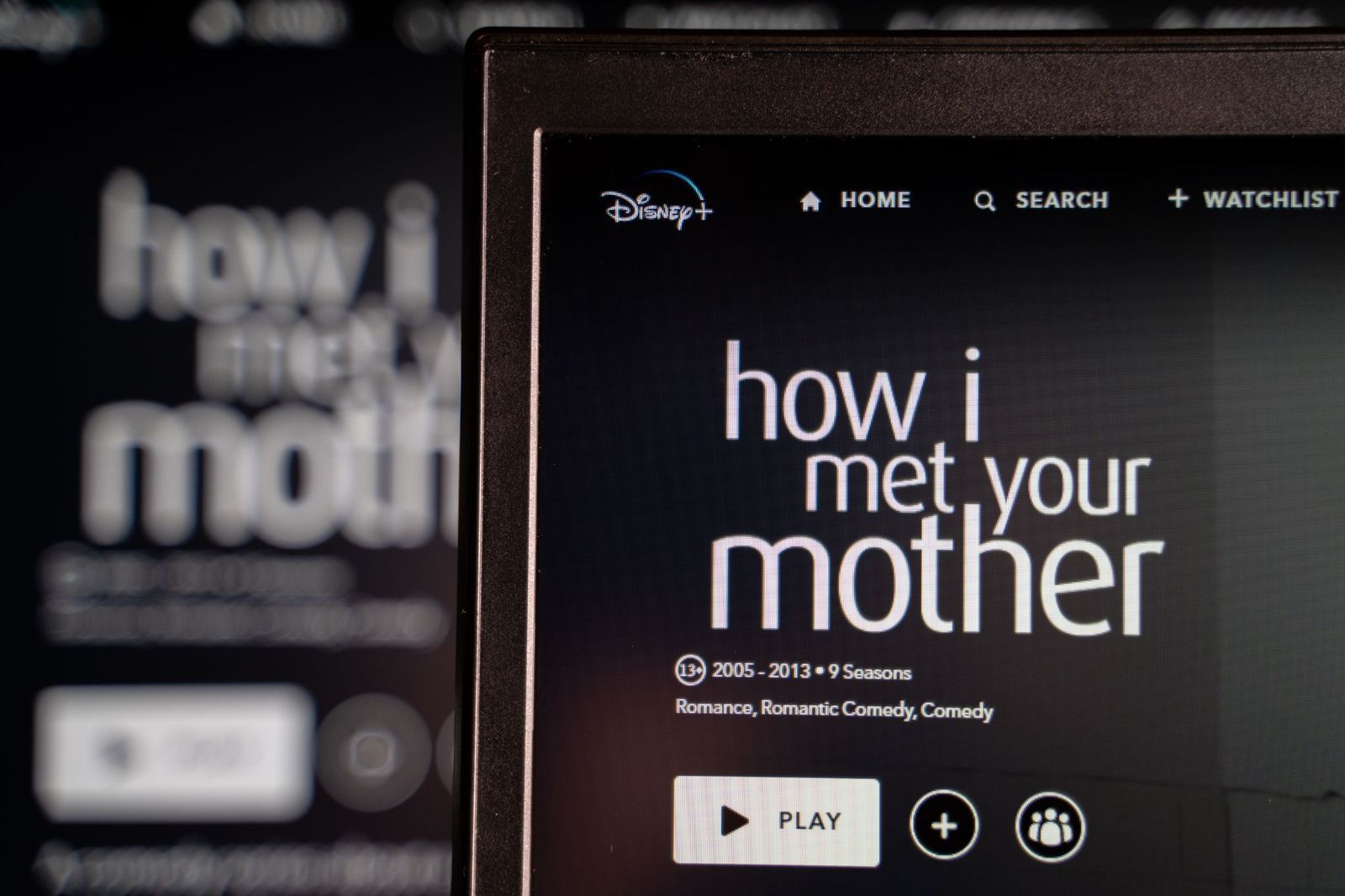
Image: Erman Gunes

McGee's Pub at 240 West 55th Street in New York City is the real-life inspiration for the fictional MacLaren's Pub on How I Met Your Mother . Show creators Carter Bays and Craig Thomas spent time drinking and writing there

MacLaren's was named after their assistant, Carl MacLaren. The bartender in the show is also named Carl. The show's actual bar scenes were filmed on a Hollywood soundstage, but the set was modeled in part on McGee's red booths and low lighting. Specialty drinks were named after episodes and running jokes , including "The Naked Man," "Slutty Pumpkin," and "Tantrum."

9
Smith & Wollensky — American Psycho
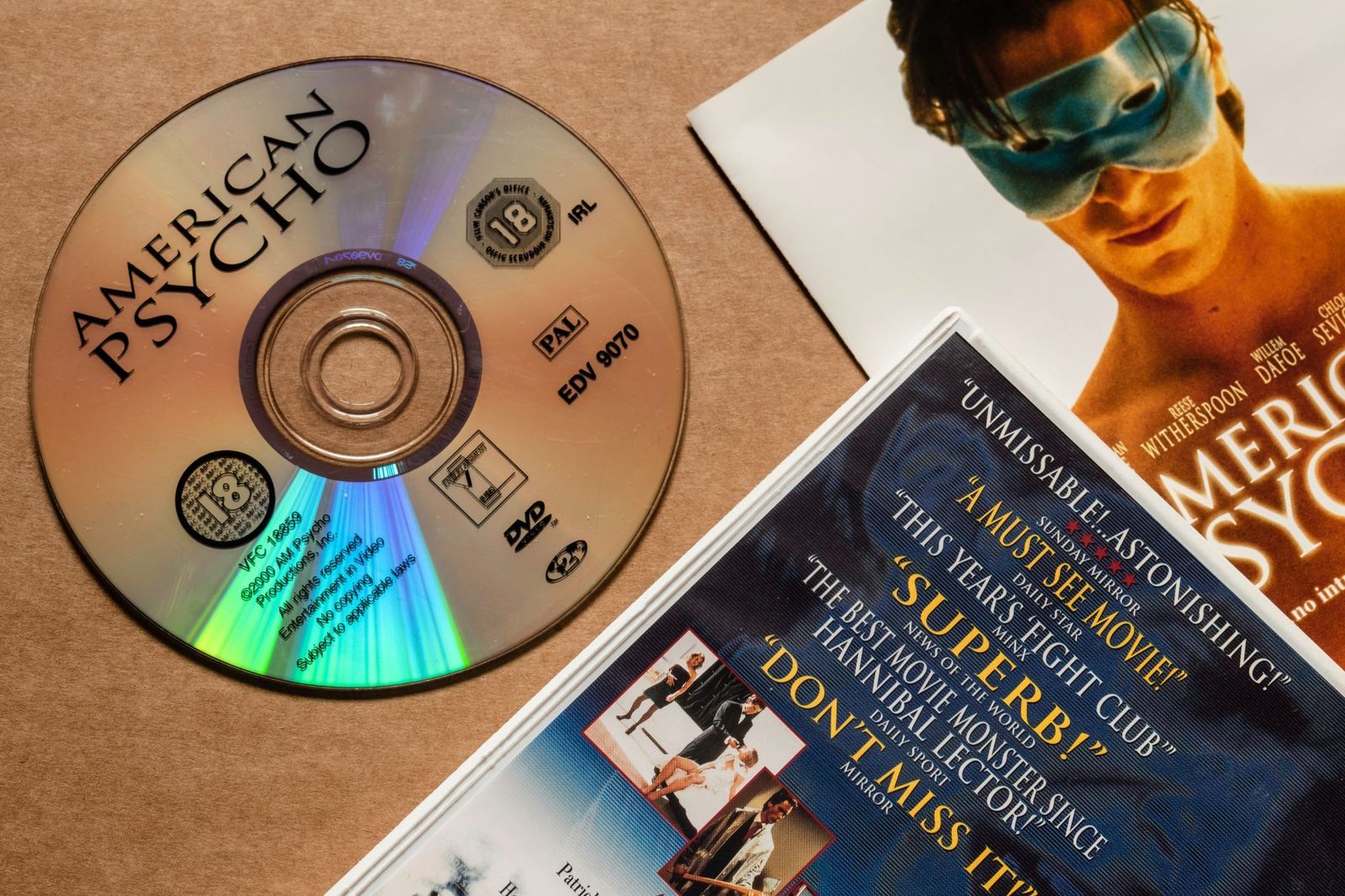
Image: Snap Spot

NYC steakhouse Smith & Wollensky is featured in American Psycho (2000) , where the flagship Midtown Manhattan location appears in a memorable sequence involving Patrick Bateman (Christian Bale) and Detective Donald Kimball (Willem Dafoe).

While the green-and-white New York steakhouse at 797 Third Avenue (at 49th St) is classic, the interior conversation scene with Willem Dafoe was filmed at a different location. Still, the real Smith & Wollensky has remained a New York institution since 1977.

10
Serendipity 3 — Serendipity
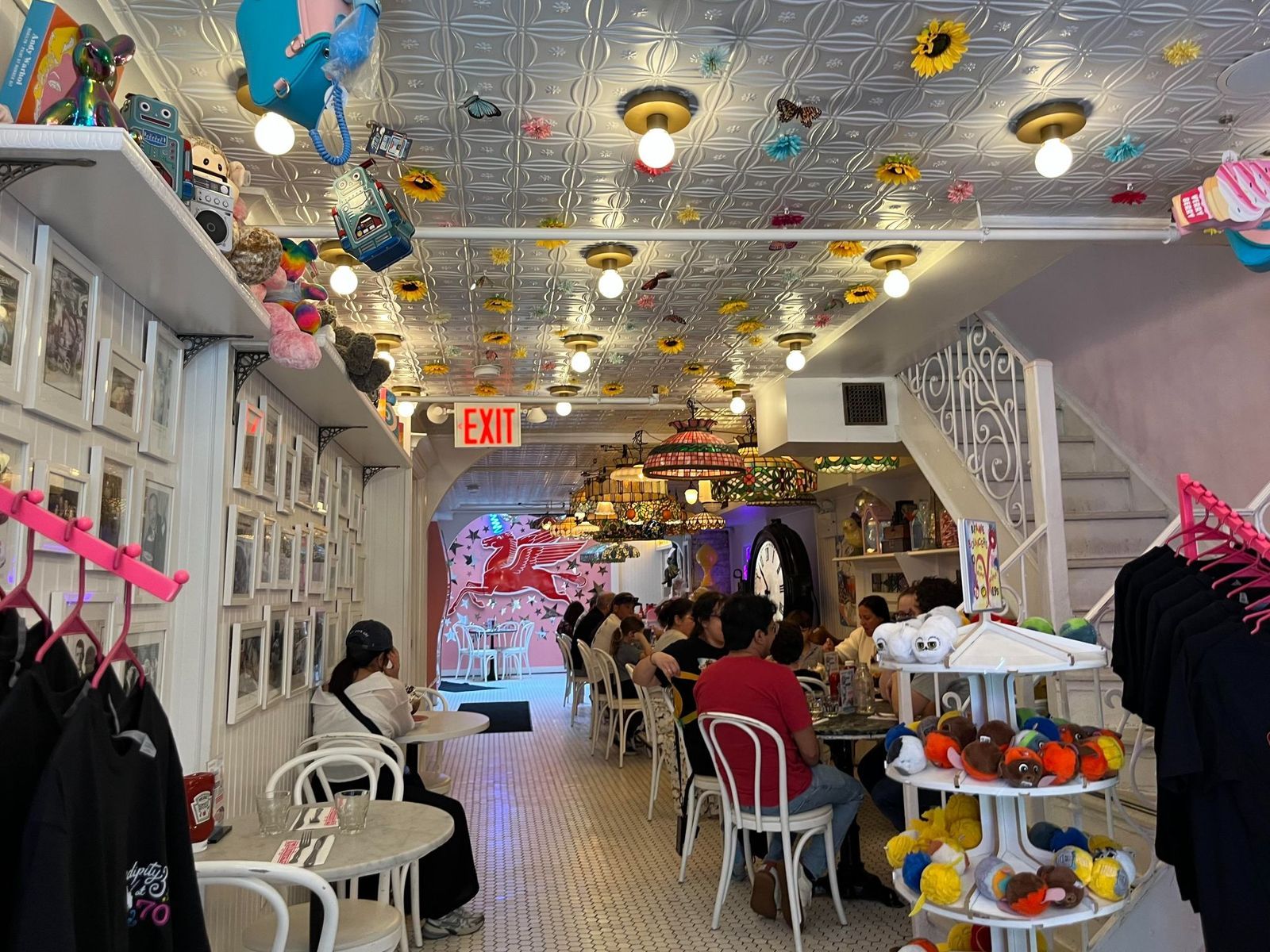
Image: Jaclyn Vernace

Serendipity 3 is a tourist-beloved NYC spot featured in the magical dessert sequence of the 2001 romantic comedy Serendipity starring John Cusack and Kate Beckinsale .

Established in 1954, it’s well known for its whimsical decor and decadent desserts, such as the world-famous "Frrrozen Hot Chocolate." It also features eclectic, antique-shop-meets-ice-cream-parlor decor with Tiffany-style lamps and marble-topped tables.

General General 4 min read

QUIRKY FRIENDS

America's most beloved characters: 10 mascots we all love

Image: Jacob Rice

Few things are more American than identifying your favorite sports team or favorite breakfast cereal with a beloved mascot. Marketing has found a great way to make consumers feel attached to specific brands and identify with their products and characters. Who doesn’t love Tony the Tiger or our fluffy friend, the Pillsbury Doughboy? They have found their way into our homes and hearts! In this article, we’ll talk about 10 of our favorite American mascots. Read on and enjoy!

1
Rich Uncle Pennybags

Image: Maria Lin Kim

Board games are popular, at least some of them. Clue, Pictionary, Monopoly—we’ve all played at least one of these. But Monopoly’s popularity is something else. And it’s not just the game’s popularity but the fine man who is the face of the brand.

Rich Uncle Pennybags was introduced in 1936 and is widely known as Mr. Monopoly. This rich guy, dressed in a smart tuxedo, turned out to be so popular that he’s been incorporated into the brand’s logo altogether.

2
Tony the Tiger

Image: Franki Chamaki

Introduced in 1951, Tony the Tiger has been a fixture in, possibly, every single household in the United States and many more countries around the world.

With his classic blue background, Tony the Tiger successfully helped Kellogg’s skyrocket as a brand and made not only the mascot but the cereal truly unforgettable. In spite of being a tiger, Tony is known for his courageous messages and friendly smile that invites consumers to take a scoop of cereal and be ready to face the day. Who doesn’t need this shot of inspiration every morning? We can definitely count on Tony the Tiger for that!

3
Pillsbury Doughboy

Image: Kelsey Todd

This fluffy, adorable mascot, affectionately known as Poppin’ Fresh has been making kitchens a little brighter since 1965.

His real name is the Pillsbury Doughboy, and he is famous for his infectious laugh that erupts whenever someone pokes his belly. Dressed in his signature white chef’s hat and scarf, this giggling, chubby fella is the best company one can have when baking. If you have any doubts, you can ask this baking master!

4
Gritty

Image: Lynda Sanchez

If chaos had a face, it would definitely be Gritty! This wild-eyed, orange furball took the world by storm as the official mascot of the Philadelphia Flyers NHL team.

He made his debut in 2018 and soon became a favorite thanks to his unpredictable antics and meme-worthy expressions, which you are surely familiar with!

Both his personality and his color are quite loud, making him quite unforgettable, as orange is also the color of the team. It represents their essence: unapologetically weird and proud of it!

5
Smokey Bear

Image: Brian Wangenheim

Nature is truly a wonder, but in order to keep it that way, we need to protect it. Now, when it comes to this, warning messages have effectively prevented people from accidentally starting wildfires, thanks to a strong brown bear with a powerful message "Only you can prevent wildfires."

The campaign started in 1944 when Smokey Bear was introduced to the nation to spread the message across radio, TV, and print media. In no time, he became a success and a mighty figure of environmental protection.

6
Mr. Met

Image: Lesly Juarez

The spring of 1963 must be a loving memory for Mets fans: that’s when their mascot, Mr. Met, was born. And he came to this world with only one purpose, to cheer the New York Mets for life, and oh-boy did he accomplish it!

For over four decades, and with a partner in crime who joined the family in the mid-1960s, Lady Met, this baseball-loving mascot with a giant baseball for a head, has not only been a mascot but has also become part of the family. Is he a part of yours?

7
Kool-Aid Man

Image: Reba Spike

This brand is one of the most consumed in America and, even though they didn’t need a mascot to be successful, the Kool-Aid man surely brought around a fair dose of cuteness and good marketing.

Originally known as Pitcher Man, which made sense since he is the drawing of a pitcher, he was later renamed Kool-Aid Man with a clear target audience: children. Once again, the brand mascot made it an undeniable success, and it soon became a cultural icon with an iconic "Oh, Yeah!" catchphrase that can make you thirsty just from reading it! Thank goodness we have the Kool-Aid man to assist us there!

8
The Laughing Cow

Image: Kenny Eliason

This brand has a namesake mascot which, ever since it was created in 1921, has undergone quite an evolution! The cheerful cow, known as the Laughing Cow, first appeared to promote high-quality dairy products when packaged cheese was a novelty.

The character, highly recognizable for its red color, has graced all kinds of the company’s product packages and has become a synonym for quality dairy products, so much so, that it continues to be the logo of the brand today!

9
Big Tex

Image: Ray Shrewsberry

If you are from Texas, or if you have attended its State Fair, you are probably familiar with this 55-foot-tall state mascot. Big Tex, the official mascot of the State Fair of Texas was introduced in 1952 as a repurposed Santa Claus figure!

At the time, he was completely transformed into the towering cowboy we all know today. With his classic cowboy hat and his iconic greeting "Howdy, folks!" However, it’s not entirely fair to call him just a mascot, as he actually serves as a cultural ambassador for everyone who visits the State Fair.

10
Cy the Cardinal

Image: Jacob Rice

Cereal, cleaning products, sports teams—mascots are everywhere. And universities also have their furry friends. In the case of Iowa State University, Cy the Cardinal is the one and he has been ever since 1954.

Born from a student contest to create a mascot that embodied the school pride, Cy was inspired by the university’s nickname, the Cyclones. He is characterized by his vibrant red plumage and his big smile, which is key to rallying fans at any sporting event. Isn’t he fierce?

General General 4 min read

Game night favorites

The board game that started family arguments

Image: Shutterstock.AI Generator

Gathering around a table and playing a board game is one of the funnest activities to do with friends and family. Board games make us think and talk to each other until we are so immersed that we lose track of time. There are all-time favorites like Monopoly , Scrabble , and The Game of Life , each bringing something different to the table depending on what you enjoy most. Is it negotiation, wordplay, or resource management? Let’s take a look at some classic board games that still make us happy.

1
Monopoly

Image: LightField Studios

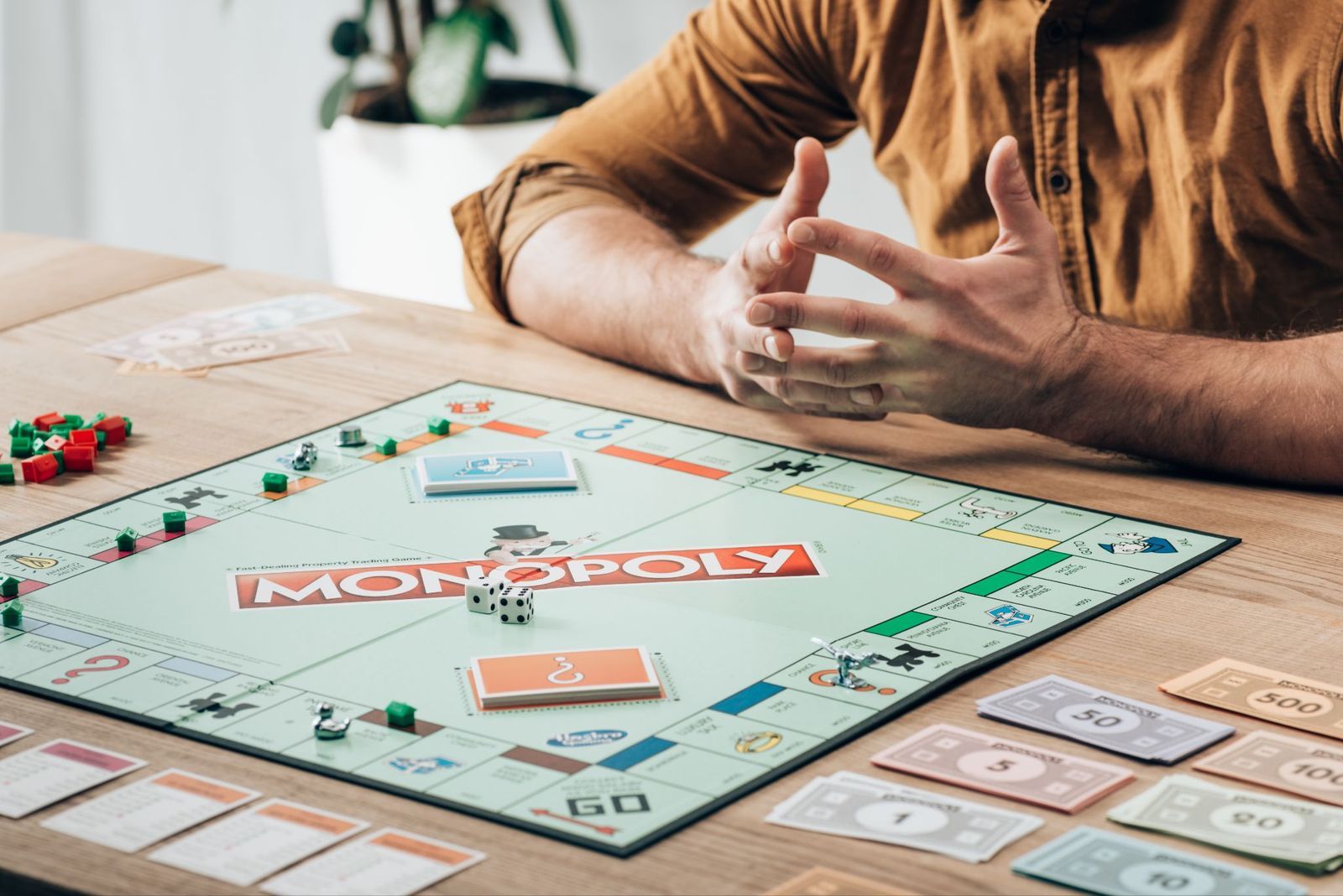
Monopoly is iconic. Almost everybody has played it at least once. Monopoly was created in 1935 and has since remained popular worldwide . The goal is to become the wealthiest player. How? Well, you have quite a few options.

You can buy properties, build houses and hotels, and collect rent. And you must avoid bankruptcy. Monopoly encourages you to use strategic thinking, though you’ll need a bit of luck as well. It also triggers tons of conversations and negotiations with other players, which makes playing it really fun.

2
Scrabble

Image: Mykhailo Repuzhynskyi

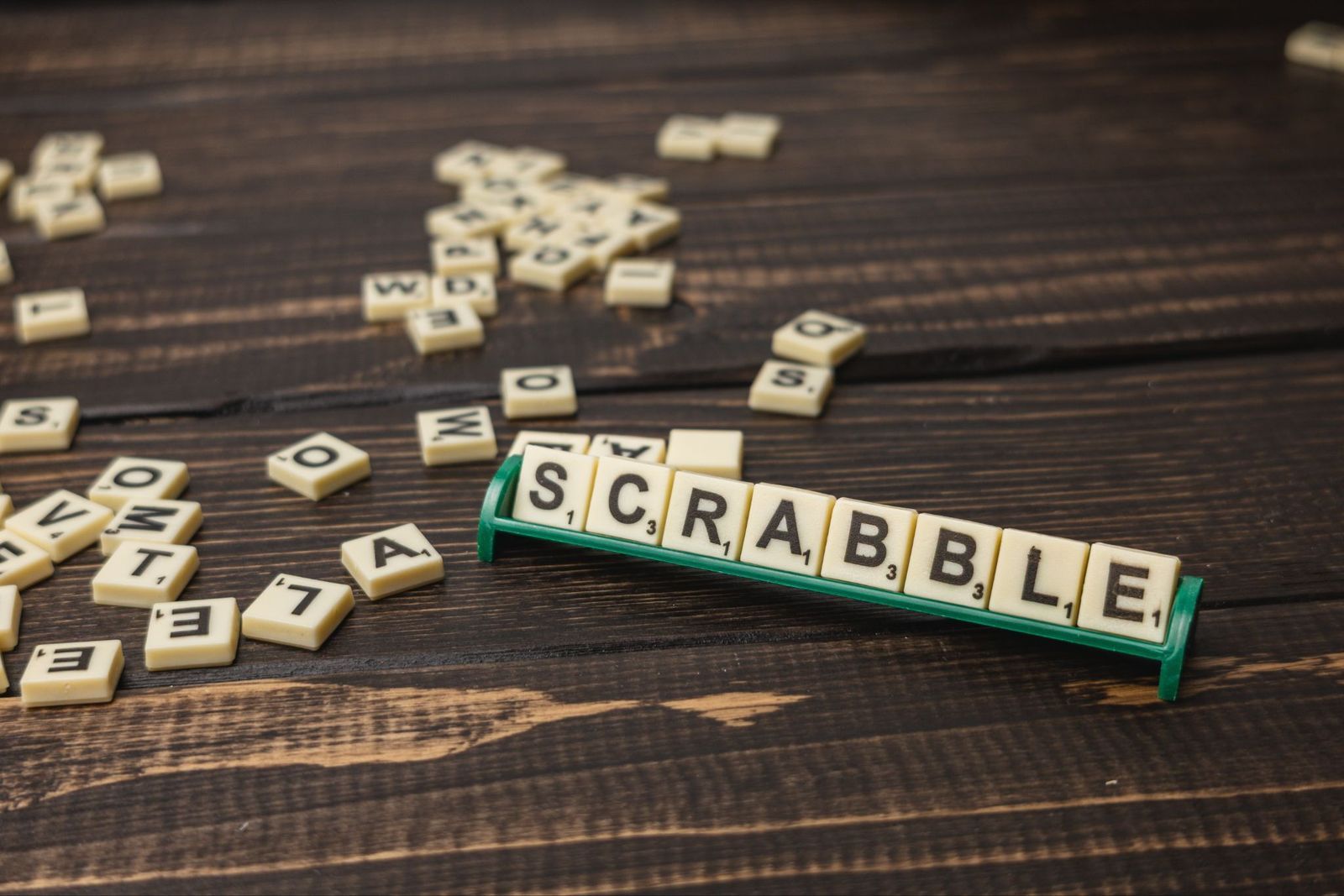
If you like word games, you’ve played Scrabble. Although the game is about words, you have to think strategically with your use of allotted letter tiles. It’s the typical "easy to learn, difficult to master" situation. One of the best things about Scrabble is that, even though its rules are simple, every game feels different and you can replay it endlessly.

3
The Game of Life

Image: KerrysWorld

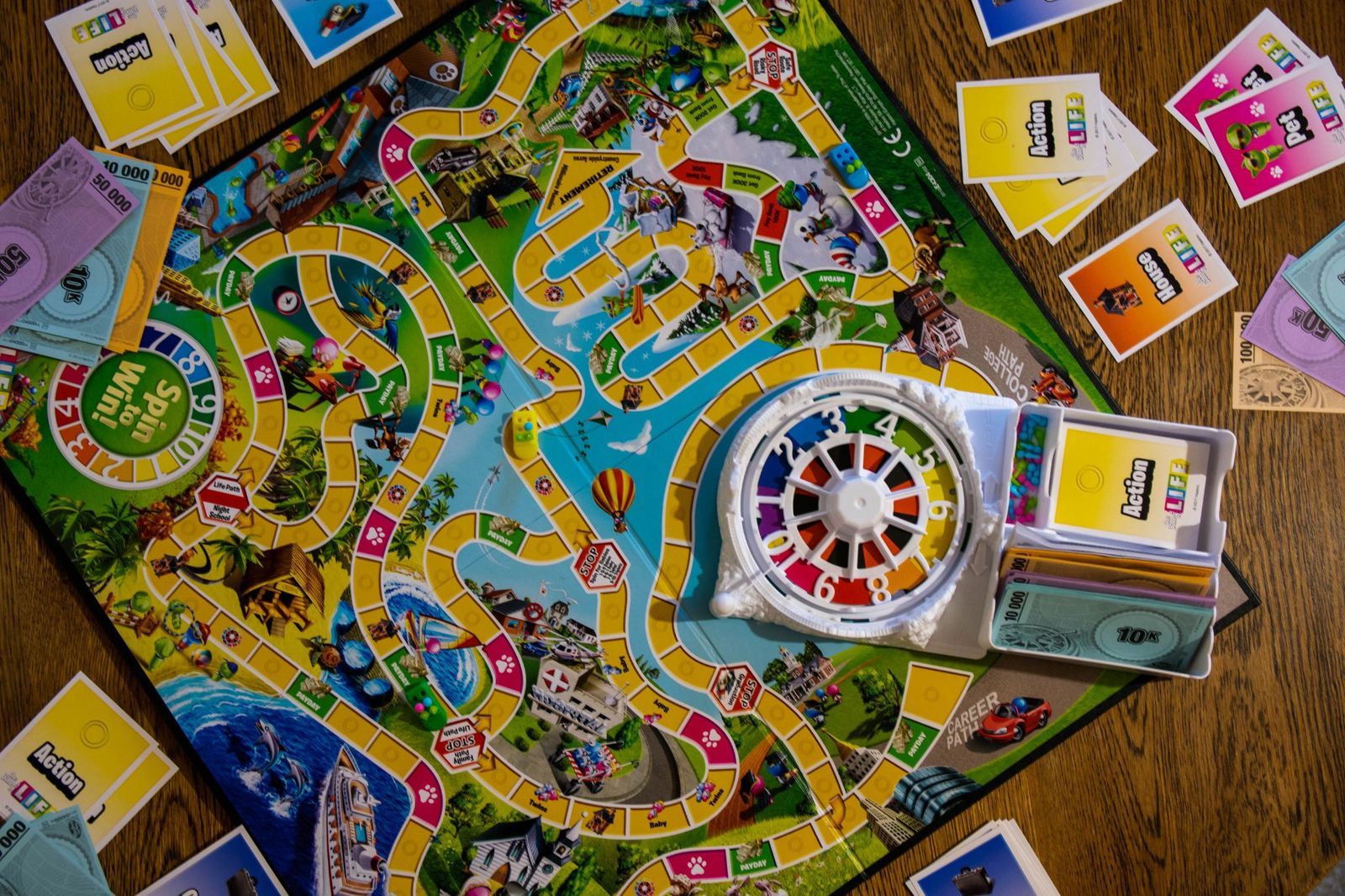
The Game of Life is another staple and one of the best-selling board games in the country . The concept that its creator, Milton Bradley, came up with was pretty unique: experiencing life’s different milestones through a board game.

This means things like choosing a career, getting married, buying a home, retiring, etc. You just need to spin the colourful wheel and face the different events, making decisions that will impact your life in the game as you get closer to retirement.

4
Clue

Image: Jeff Whyte

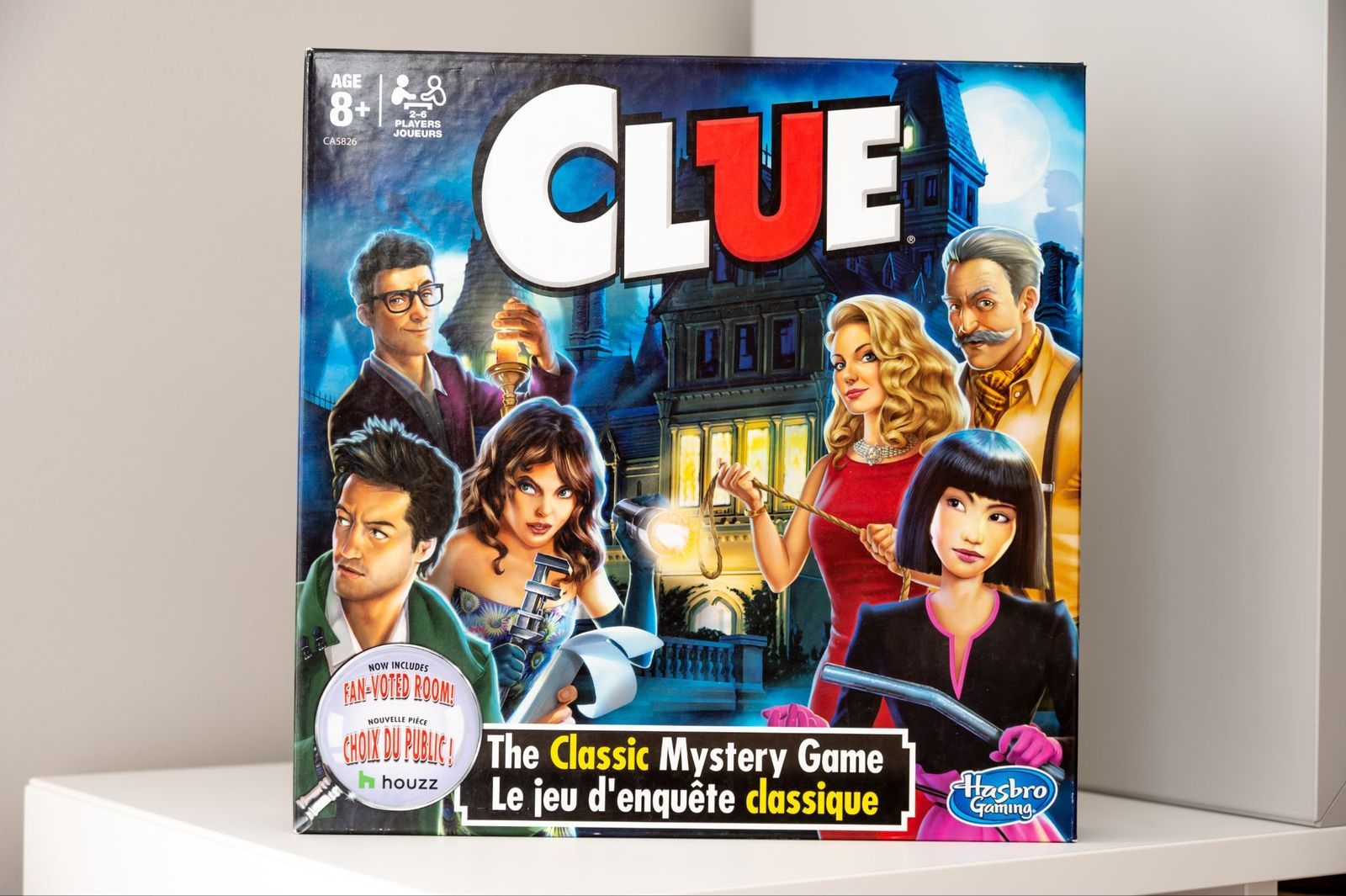
Clue has been a family favorite for generations. It was created in 1949, inviting players to step into the shoes of a detective who has to solve a murder . Clue can offer tons of fun, as you and other players move around a mansion trying to find different clues to determine who committed the crime. Unlike other games on this list, you don’t need to be lucky here. Clue is all about studying the clues carefully, taking notes, and using your deduction skills.

5
Battleship

Image: Esich Elena

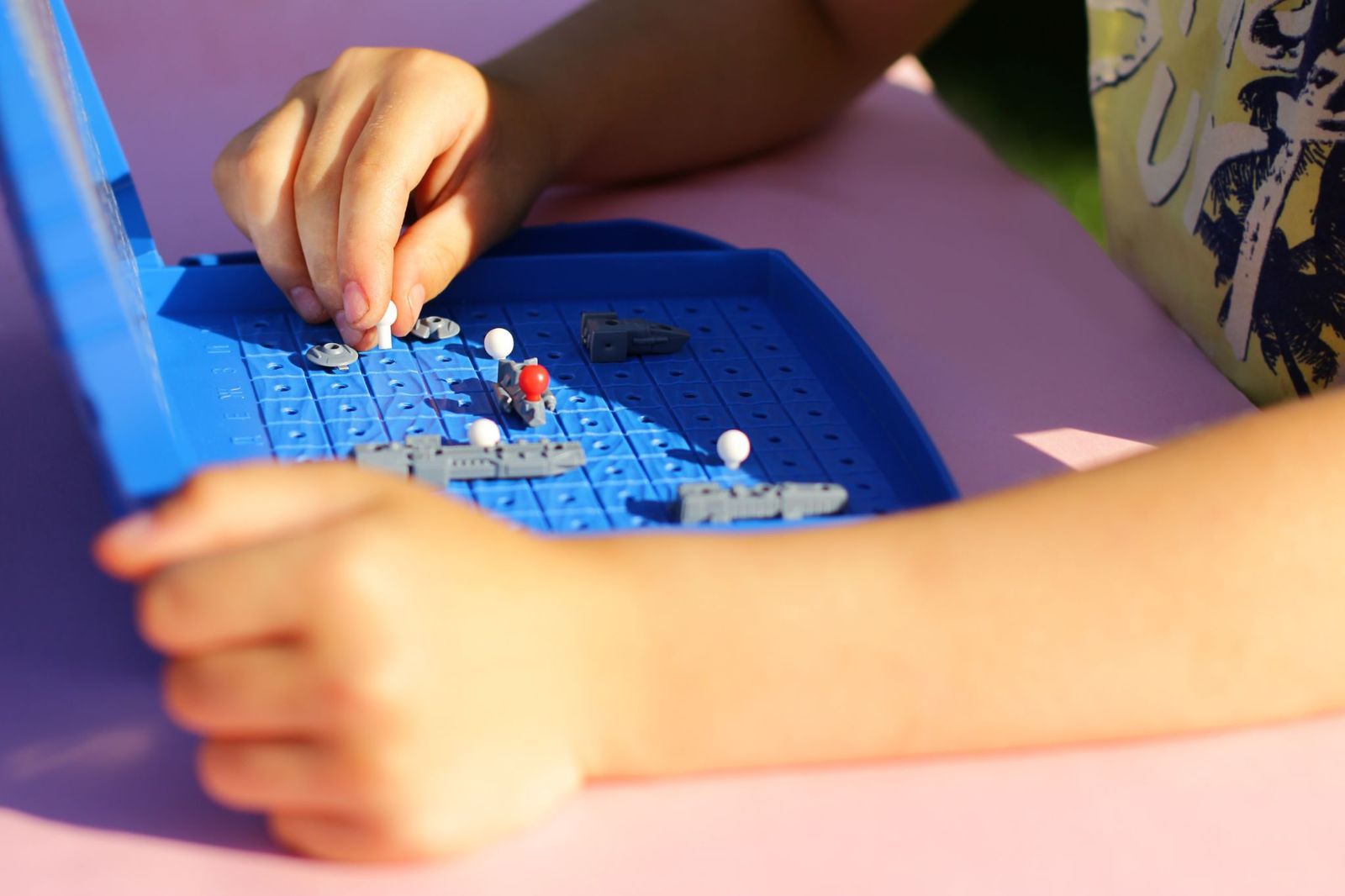
Who didn’t love Battleship as a kid? There was nothing like pretending to be a naval commander and trying to sink your opponent's ships. Battleship was originally a pencil-and-paper game, but in 1967, Milton Bradley released the plastic board game. The game is simple: you and the opposing player arrange your fleet of ships on a hidden grid, and then take turns calling out coordinates to try to locate and sink each other's vessels . Once all your ships have been sunk, you lose.

6
Sorry!

Image: Eric Glenn

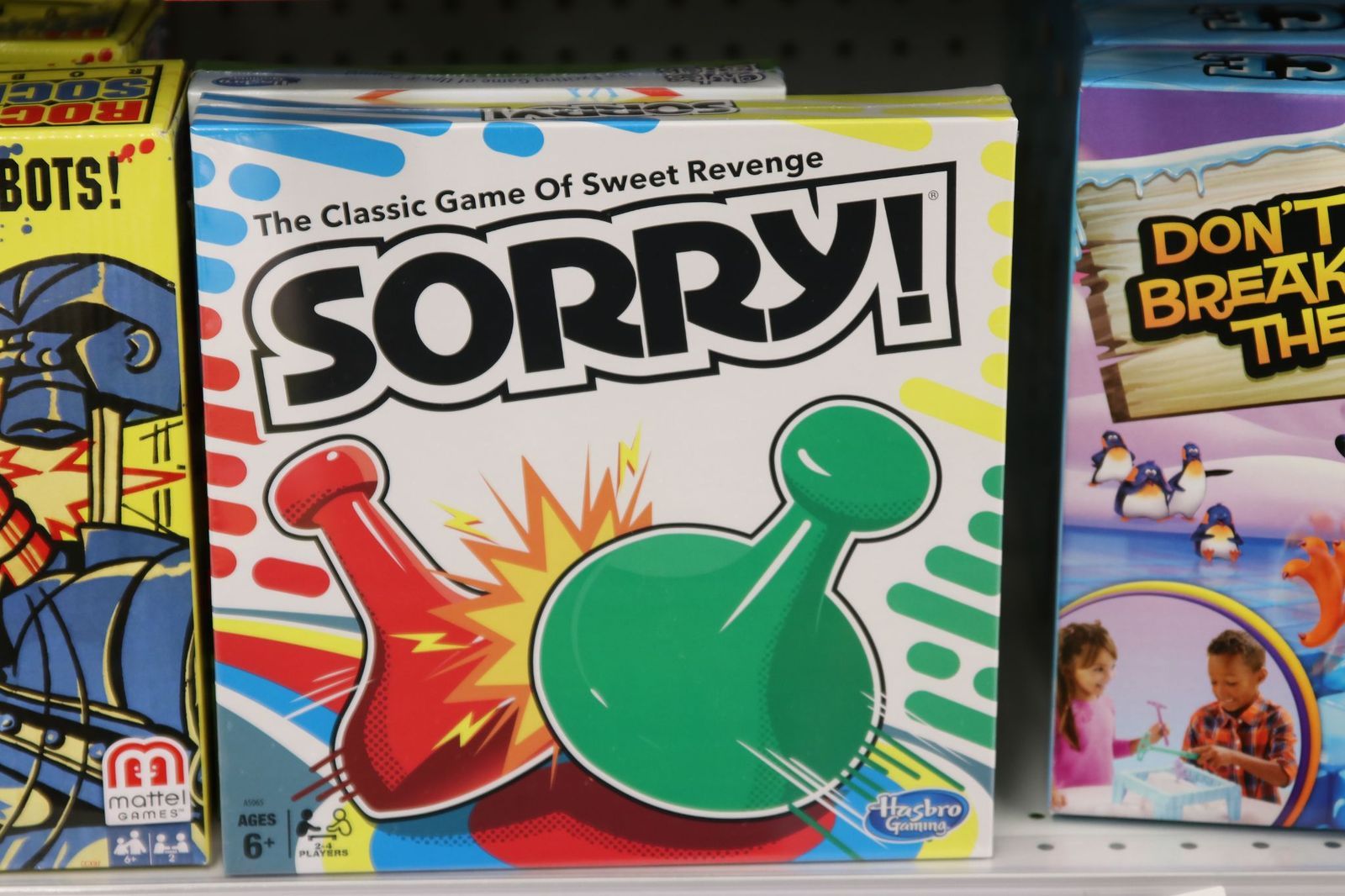
Hearing "sorry" while playing Sorry! was very frustrating but fun. Created by Parker Brothers in 1934 and based on the older game Ludo, the premise of Sorry! is simple: draw cards and be the first player to get all three of your pawns to their "home." But it’s not that easy, because if another player lands on your tile, they’ll say "sorry" and your pawn is sent back to its own start . It's a perfect game to play with kids and have a laugh with the whole family.

7
Risk

Image: Erman Gunes

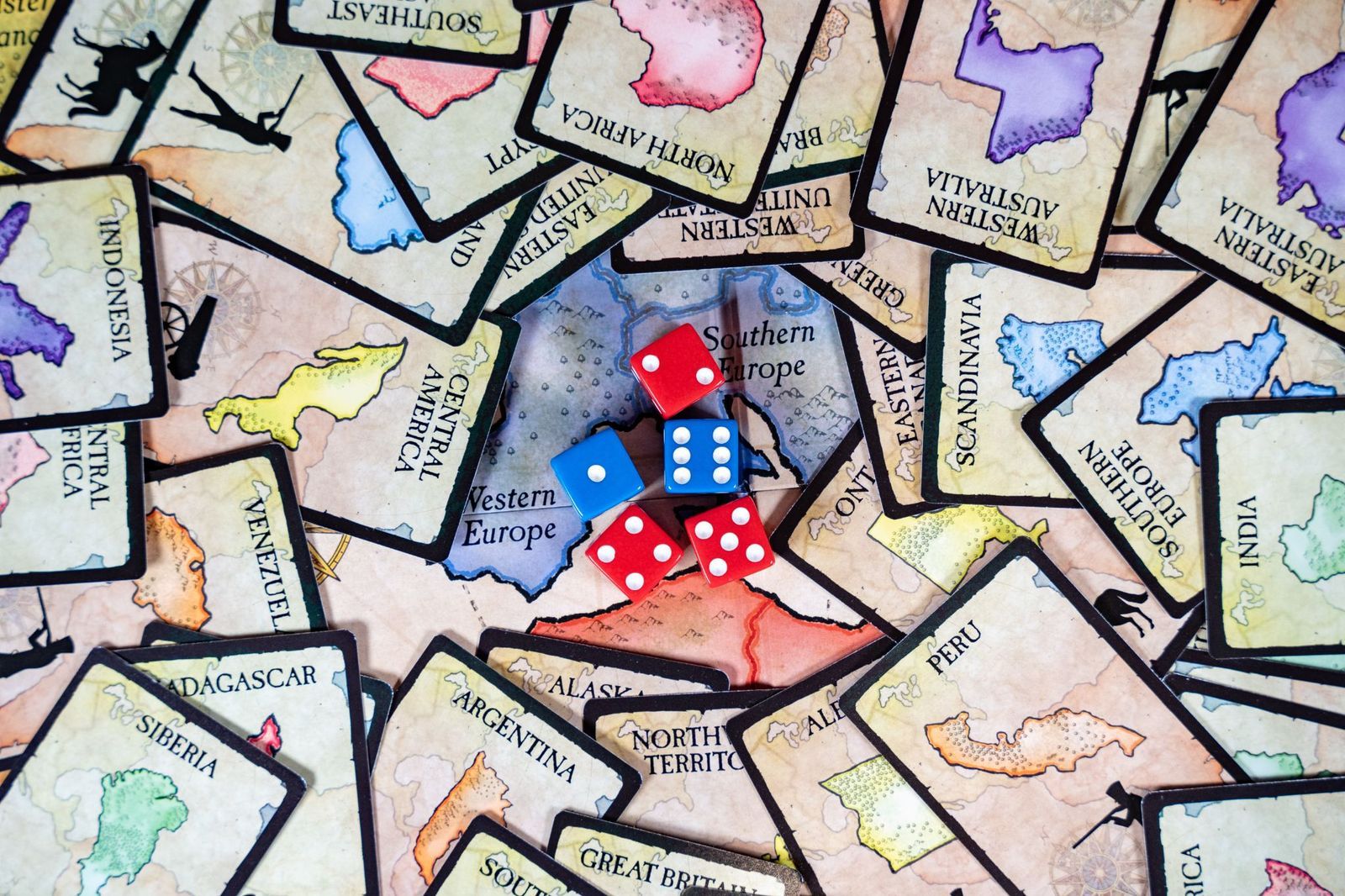
If you like war-themed games, you probably played Risk. When it was released in America in 1959 by Parker Brothers, Risk became the definitive world-conquest game , allowing you to build armies and engage in battles against other players to conquer territories across the world map. Risk is all about knowing when to establish alliances, when to betray your allies, and when to attack. It can get a little complex, especially in longer games that can sometimes take several hours to finish.

8
Connect Four

Image: Leon Woods

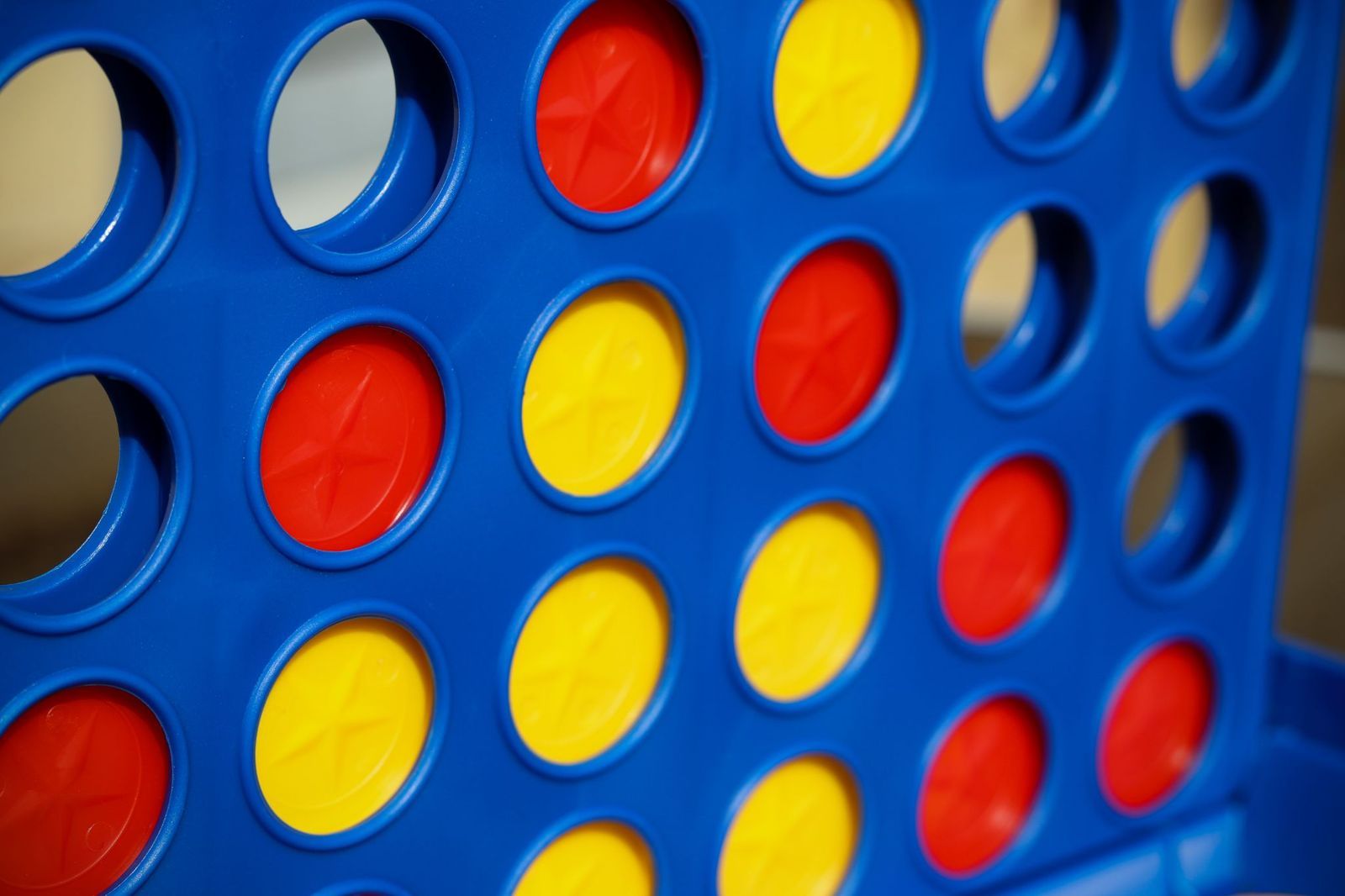
Connect Four can be learned in minutes, though it can have more depth than it initially seems. It was released in 1974 by Milton Bradley, and the goal is simple: dropping colored discs into a vertical grid to try to connect four in a row . It’s perfect for a quick game if you don’t want to spend time explaining rules. But the game becomes a little more complex when you realize that the key to winning is planning several moves ahead, making it almost a mathematical challenge.

9
Trouble

Image: KerrysWorld

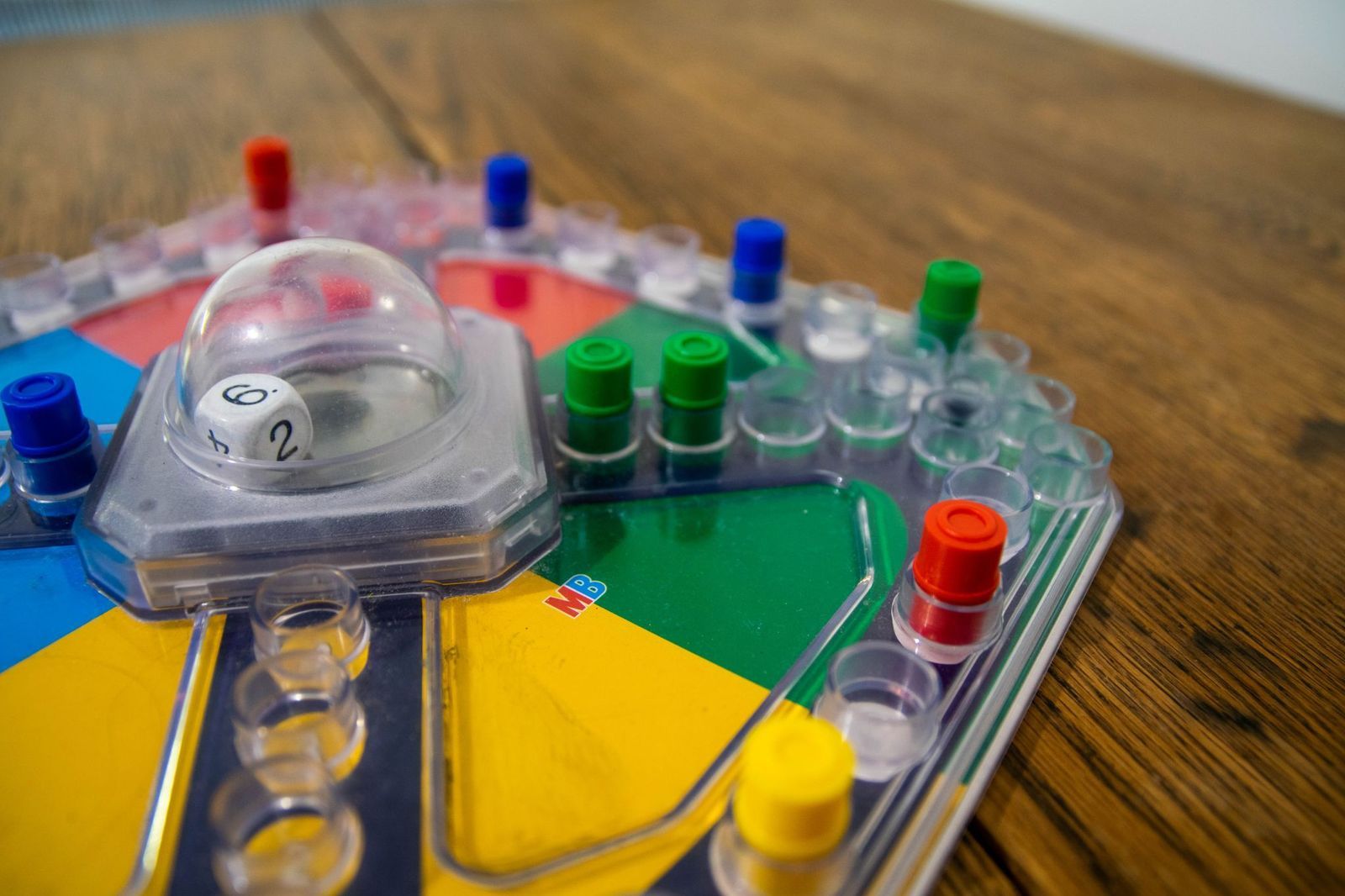
You may remember Trouble because of the iconic Pop-O-Matic Bubble . Unlike other games where you normally roll the dice with your hands, Trouble (released in 1965 by Kohner Brothers) had this plastic dome that was not only satisfying to press but also very practical. It was in the middle of the board, which gave the game a faster pace. Trouble’s rules were similar to Sorry!, where players have to move their four pawns around the board until the finish, though with plenty of unexpected twists along the way.

10
Mouse Trap

Image: Eric Glenn

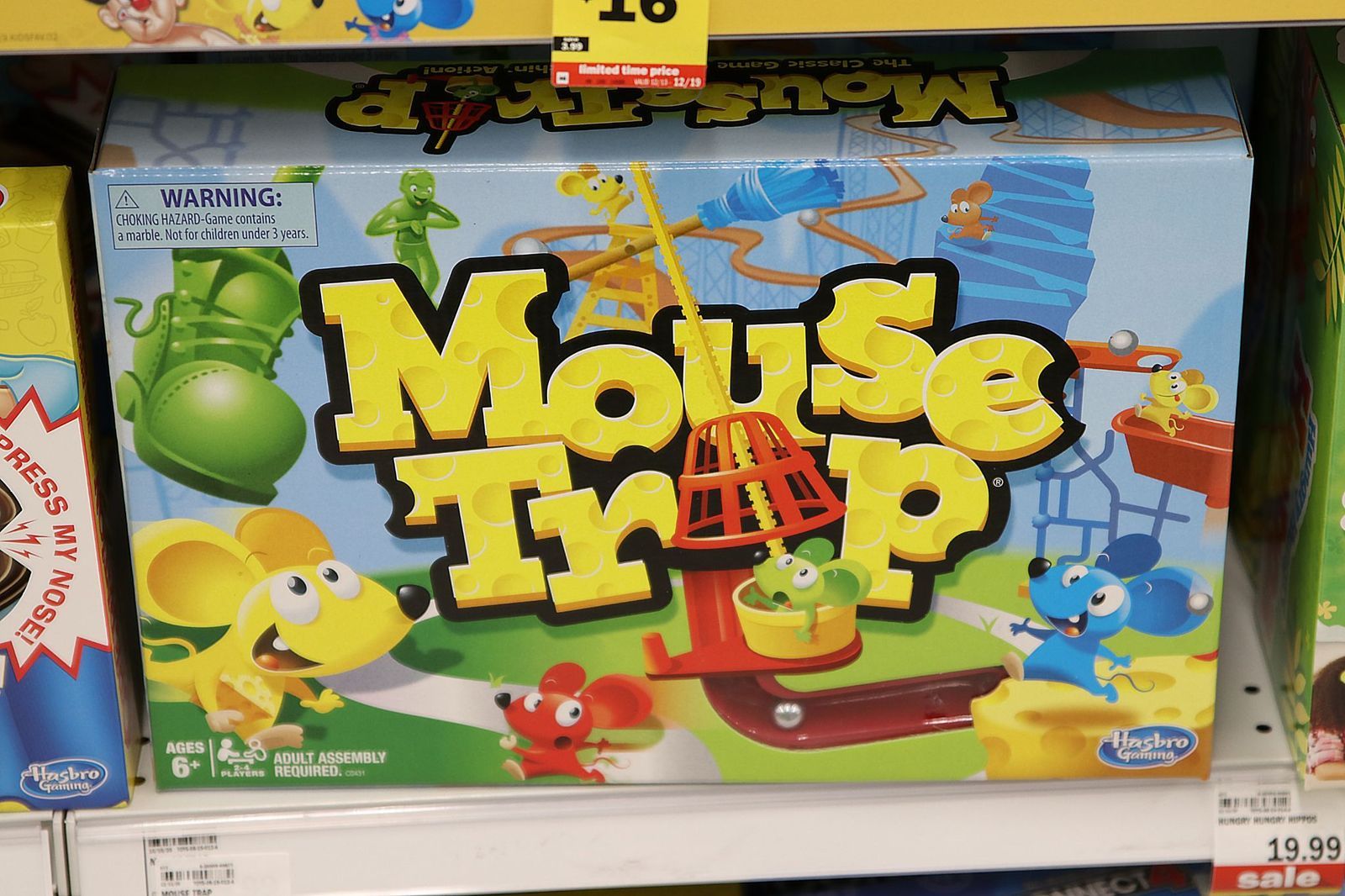
Released in 1963 by Ideal Toy Company, Mouse Trap was a board game that felt like a giant toy . Perfect to play with kids, this game works a little differently than most board games. The goal is to assemble different parts to capture other players’ mice. The last remaining player with an uncaught mouse wins. What made Mouse Trap actually fun was not only playing the game, but playing with the different parts and assembling and triggering the chain-reaction, Rube Goldberg-like machine.

Explore more American facts

Choose your favorite category!

General
General

As American as apple pie—the very best America has to offer!

Culture
Culture

Delve into the astounding richness of American lore.

Geography
Geography

Hop in and explore vast and diverse American landscapes.

History
History

Discover the key moments that shaped the United States.