General General 3 min read

Eat your greens!

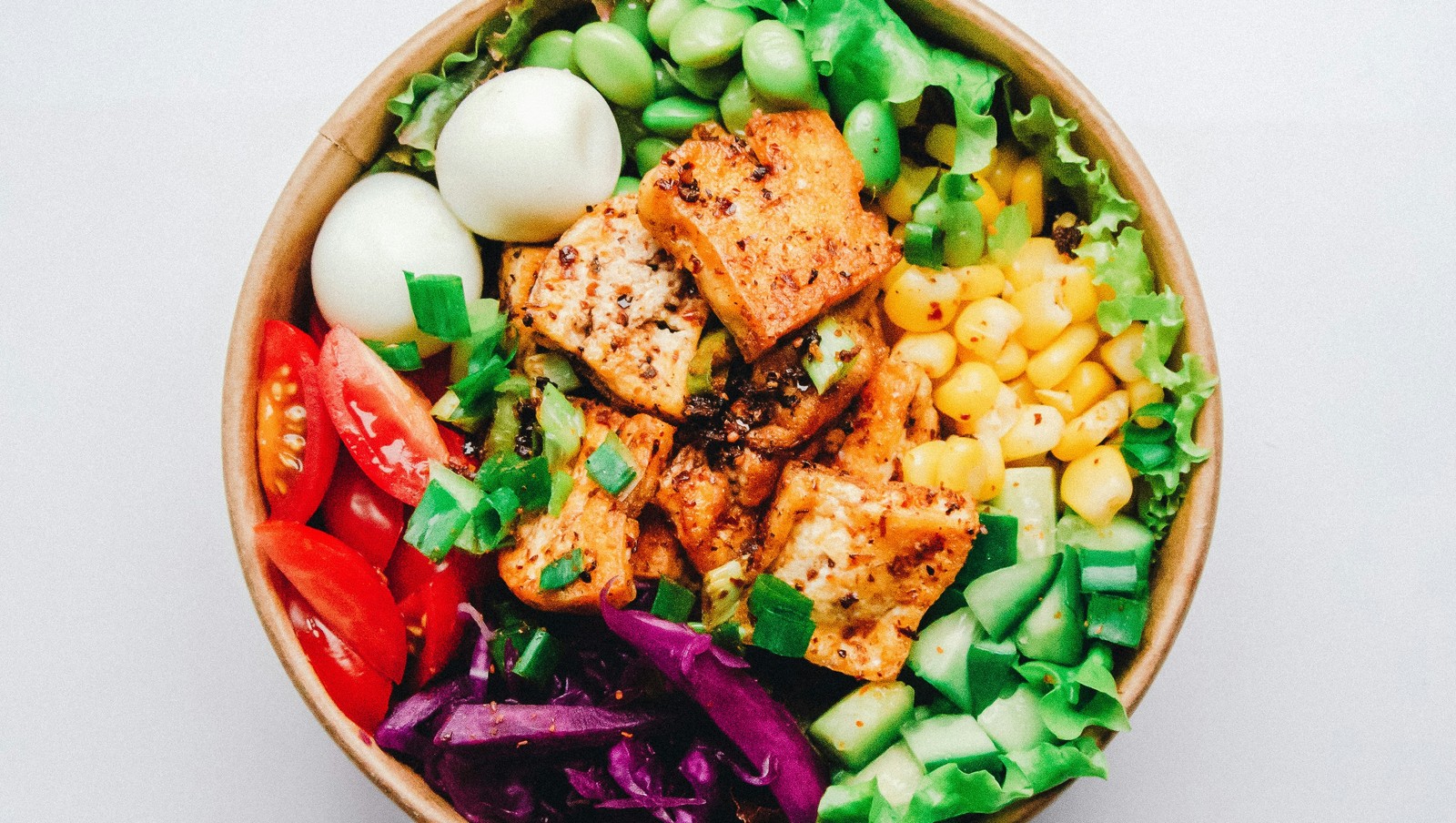
Debunking 12 common myths about healthy eating habits

Image: Anh Nguyen

Dieting is not a perfect science with ideal outcomes or easily traceable numbers. As such, it is prone to false claims, myths, and fads that have been repeated enough to be deemed as right by many people. Take a look at these 12 myths about healthy eating and dieting. Which ones have you heard?

1
Give up your favorite food to lose weight
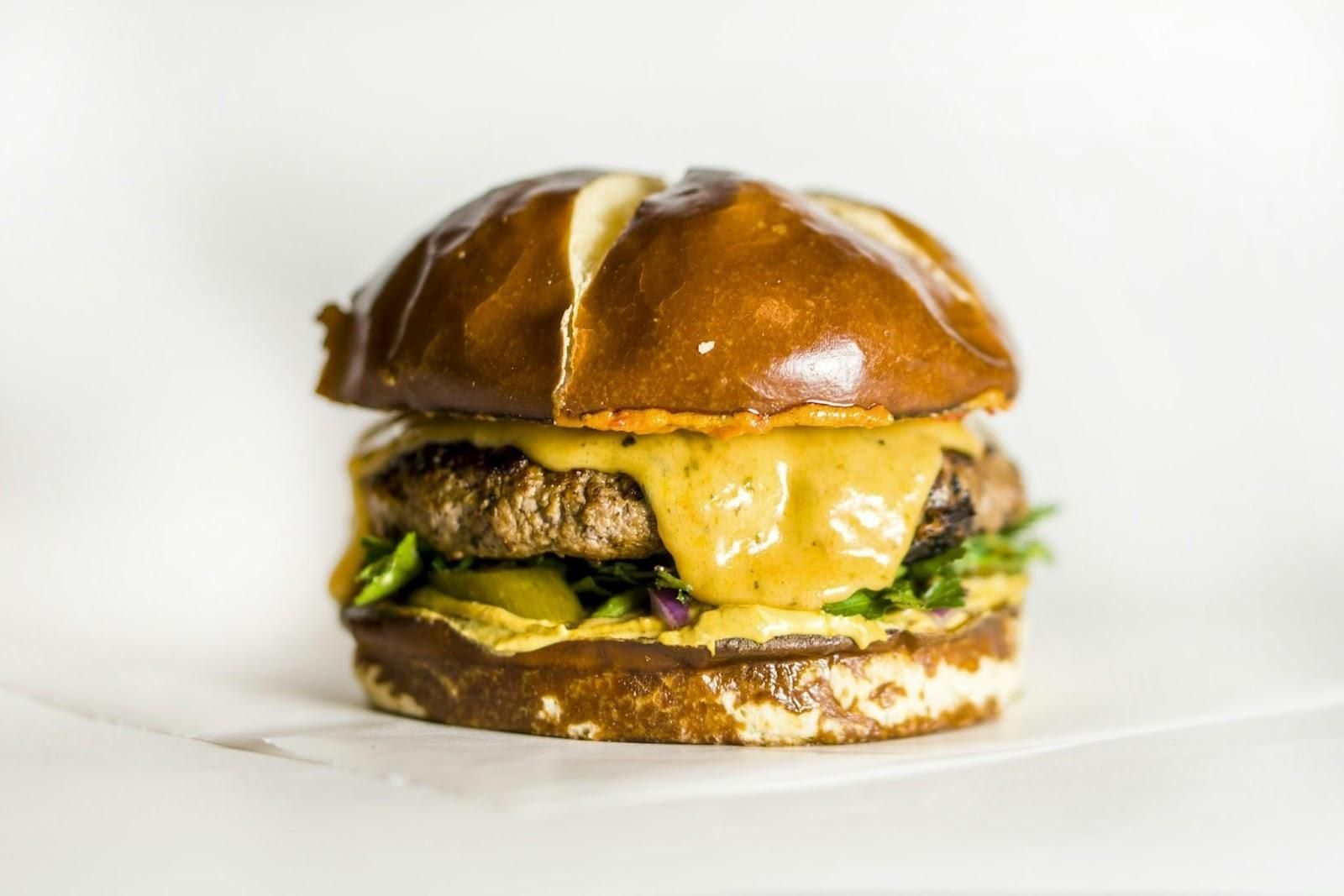
Image: amirali mirhashemian

Small amounts of your favorite high-calorie foods can be included in a weight-loss plan . Just remember to keep track of your total calorie intake. To lose weight, you must burn more calories than you consume.

2
Avoid bread, pasta, and rice
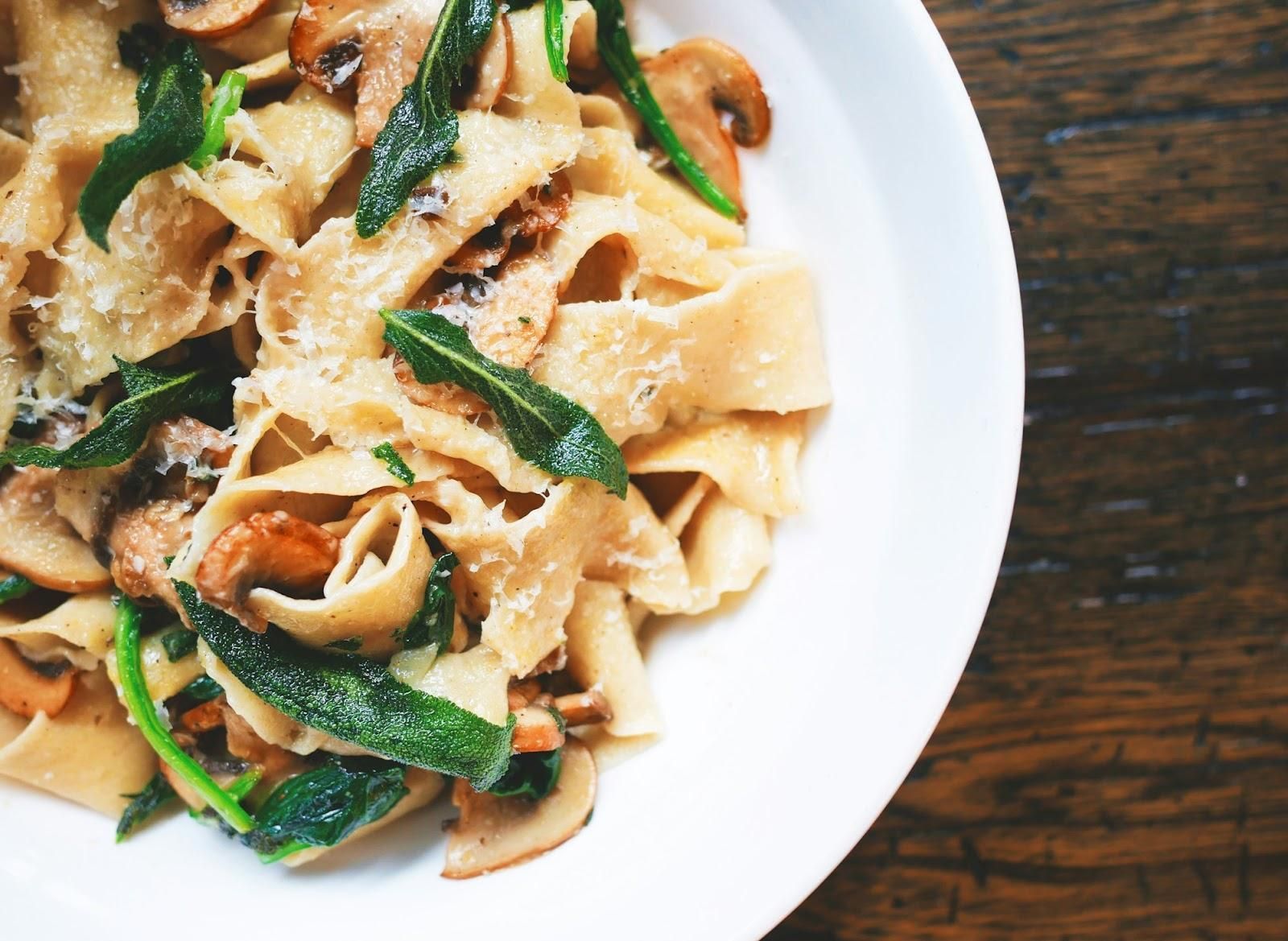
Image: Eaters Collective

Grains themselves aren’t necessarily bad or unhealthy. Consuming whole grains—such as brown rice, whole-wheat bread, cereal, and pasta—as part of a healthy eating plan is a good idea because whole grains provide iron, fiber, and other important nutrients .

3
Choose gluten-free foods
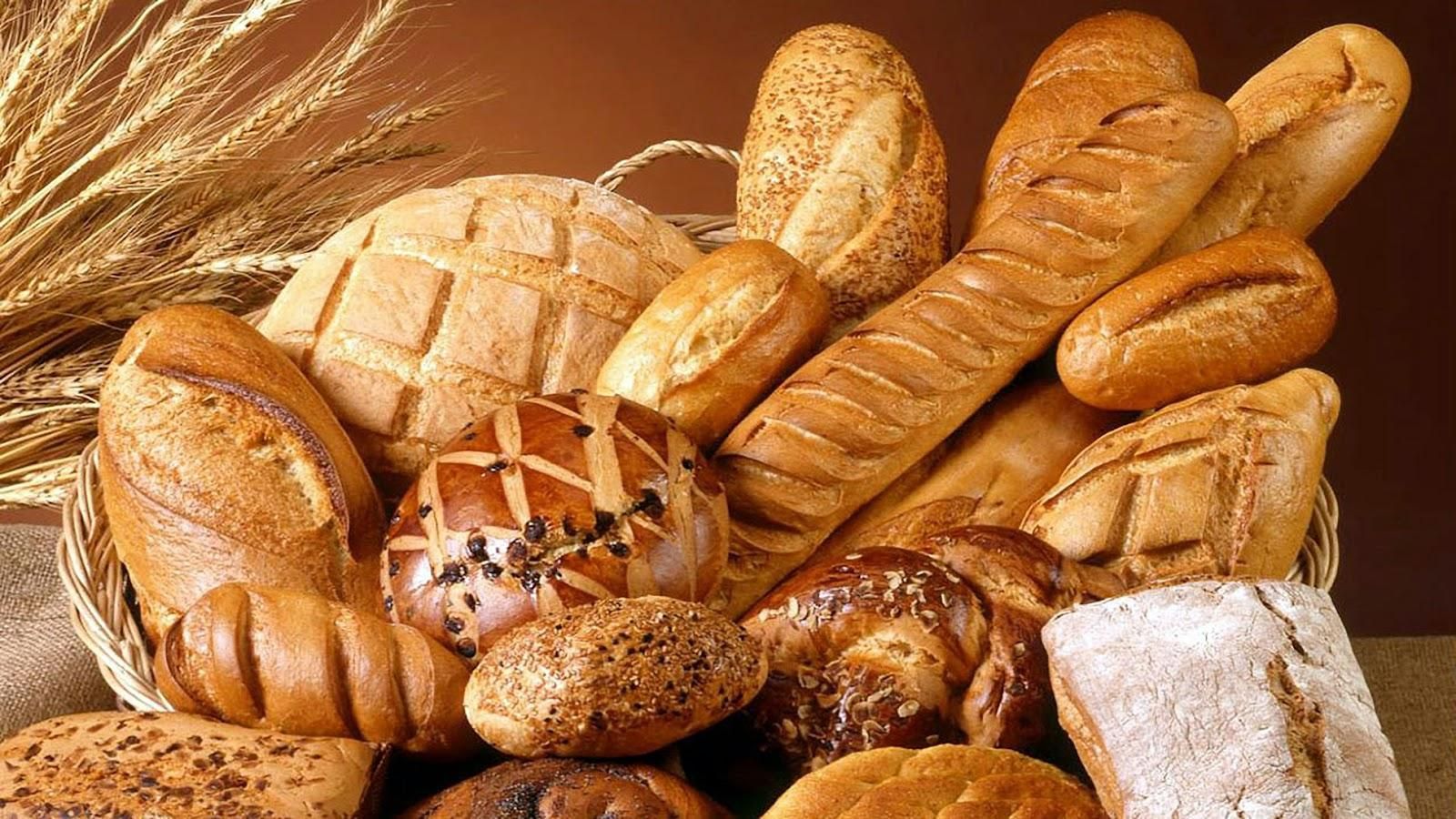
Image: mohamed hassouna

Gluten-free foods are not necessarily healthier if you don’t have celiac disease or a gluten sensitivity. Gluten is a protein found in wheat, barley, and rye grains. If you don’t have these health issues but avoid gluten anyway, you may miss out on important vitamins, fiber, and minerals.

4
Avoid all fats

Image: Kelly Sikkema

Despite all the bad press, not all fats are bad. Fat provides essential nutrients and should be an important part of a healthy eating plan. However, because fats have more calories per gram than protein or carbohydrates (or "carbs"), it is important to limit fat intake to avoid consuming extra calories.

5
Avoid dairy products
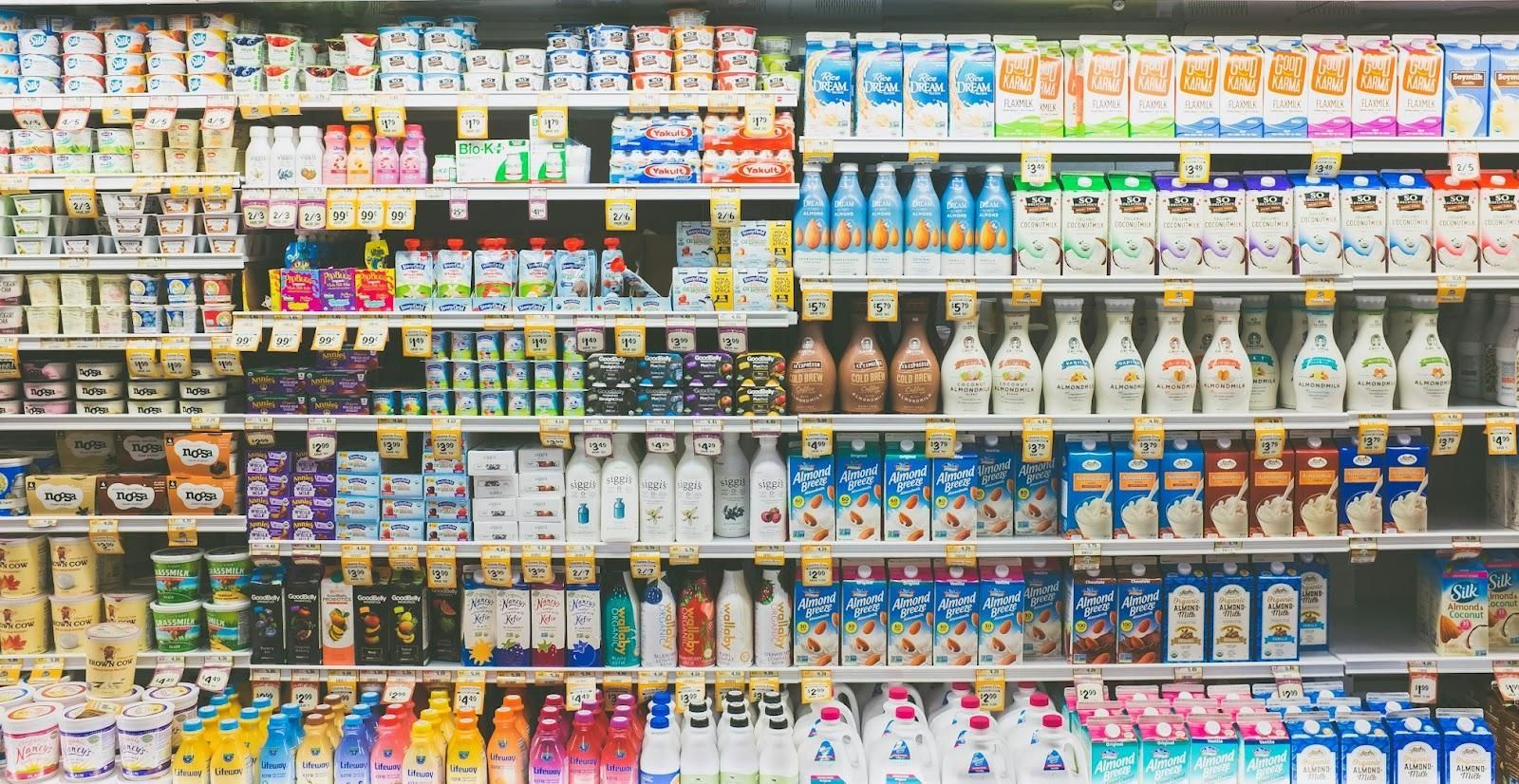
Image: Kenny Eliason

Dairy products are an important food group because they provide proteins needed to build muscles and support organ function , as well as calcium to strengthen bones.

Most dairy products, such as milk and some yogurts, have added vitamin D to help the body absorb calcium, since many Americans don’t get enough of these nutrients.

6
Go vegetarian to lose weight
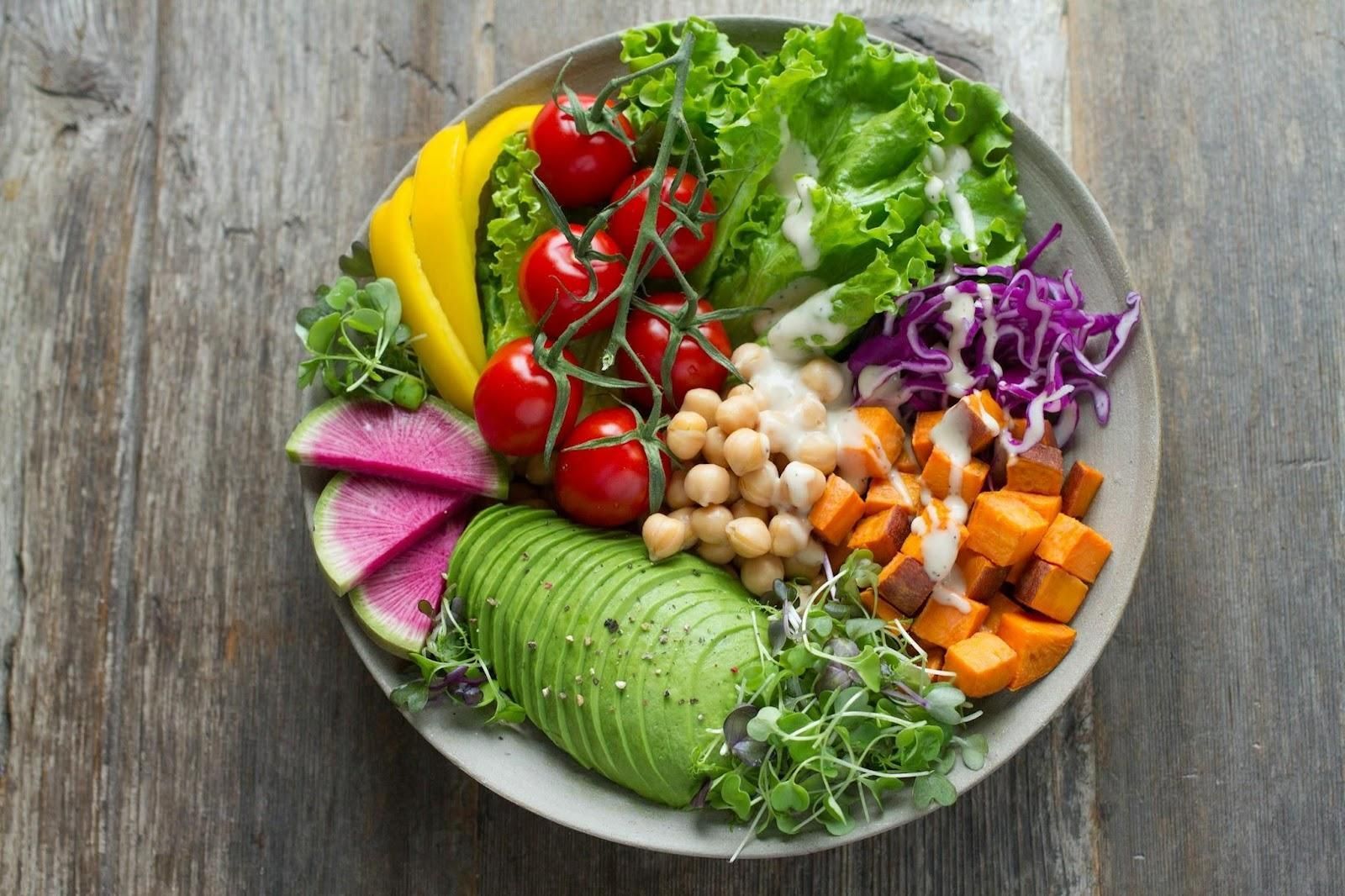
Image: Anna Pelzer

Embracing a fully vegetarian diet only leads to weight loss if you reduce your total calorie intake . As often happens, some vegetarians may make food choices that could lead to weight gain, such as eating large amounts of foods high in sugar, fat, and calories.

Eating small amounts of lean meats can also be part of a healthy plan to lose or maintain weight.

7
Don’t snack between meals
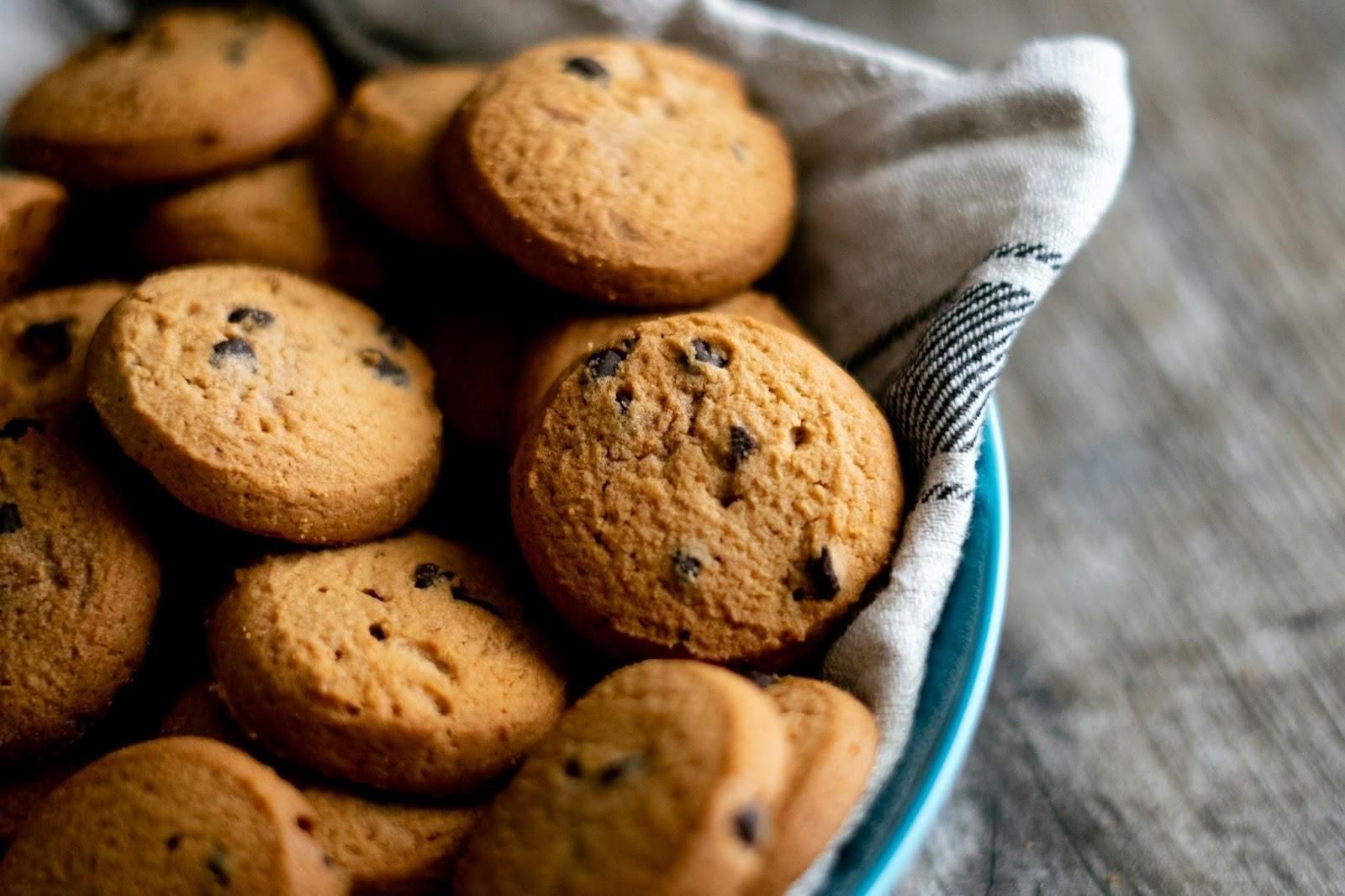
Image: Shreyak Singh

There is nothing wrong with snacking. It can help prevent overeating at meals , provided the snacks are healthy —like apples, peanut butter, low-fat cheese, or whole-grain crackers.

8
Healthy eating is expensive

Image: Louis Hansel

Healthy eating can be expensive, but it doesn’t have to be. With a little planning and smart shopping , you can enjoy a much healthier diet on a budget . Many people think produce is too costly, but there are plenty of examples that prove otherwise. For instance, a large bag of lettuce is affordable and lasts a long time.

9
Avoid late-night snacks

Image: nrd

Late snacking isn’t inherently a problem. The real issue is when your late-night snacks are unhealthy . The time of day is not as important as what you eat. If you’re eating ice cream or chips and dip, you’ll gain weight—no matter what time it is.

10
Diet soda is better than regular soda
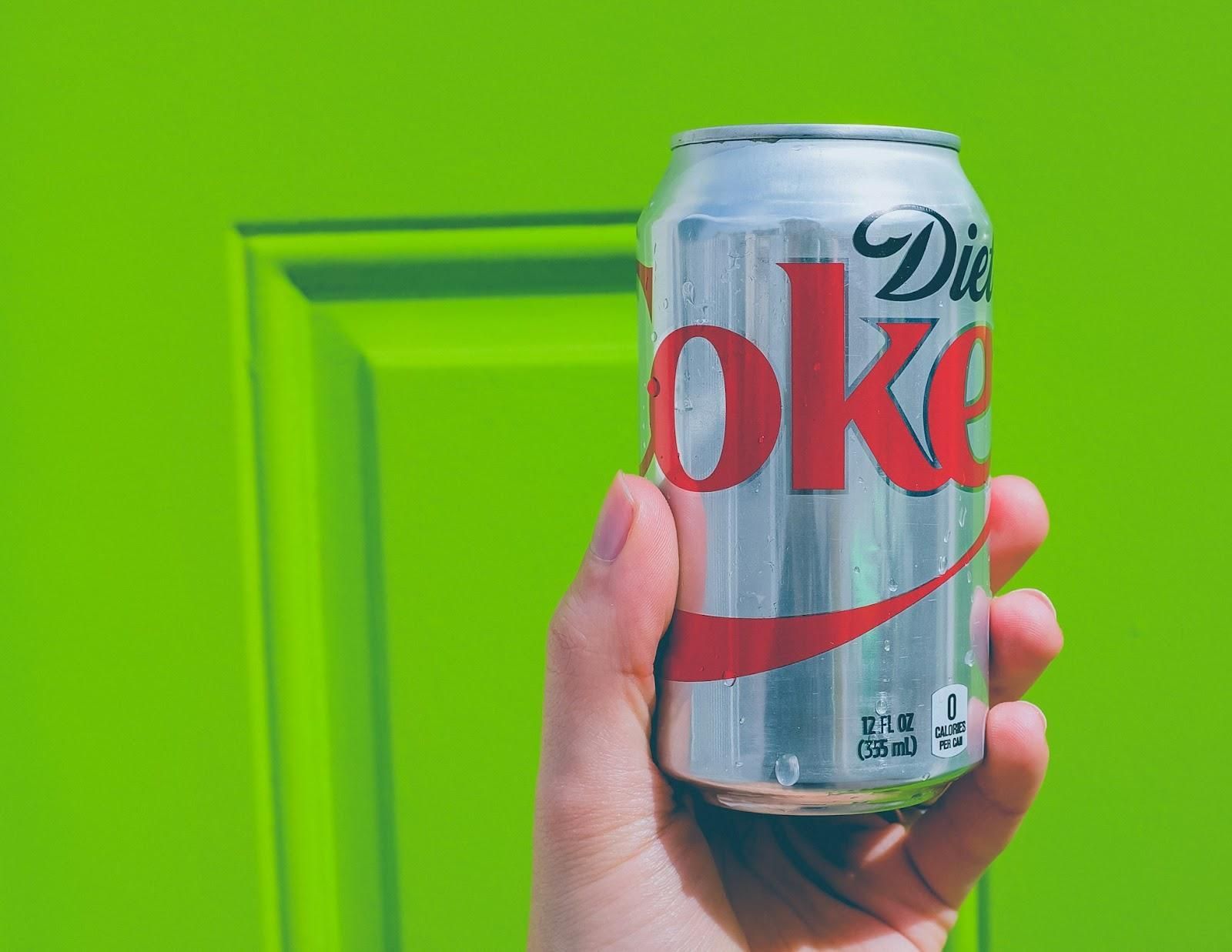
Image: Kenny Eliason

Multiple studies have linked diet soda to an increased risk of diabetes , metabolic syndrome, and obesity, though causation is still debated. Nonetheless, if you’re looking for a healthier soda alternative, try flavored water, sparkling water, or unsweetened tea.

11
Non-nutritive sweeteners are healthy

Image: Towfiqu barbhuiya

The increasing demand for low-calorie, low-carb, sugar-free foods has led to a larger portion of products containing non-nutritive sweeteners (NNS).

While it’s clear that a diet high in added sugar increases disease risk, intake of NNS may also raise the risk of type 2 diabetes by causing negative changes in gut bacteria and promoting blood sugar dysregulation.

12
White potatoes are unhealthy
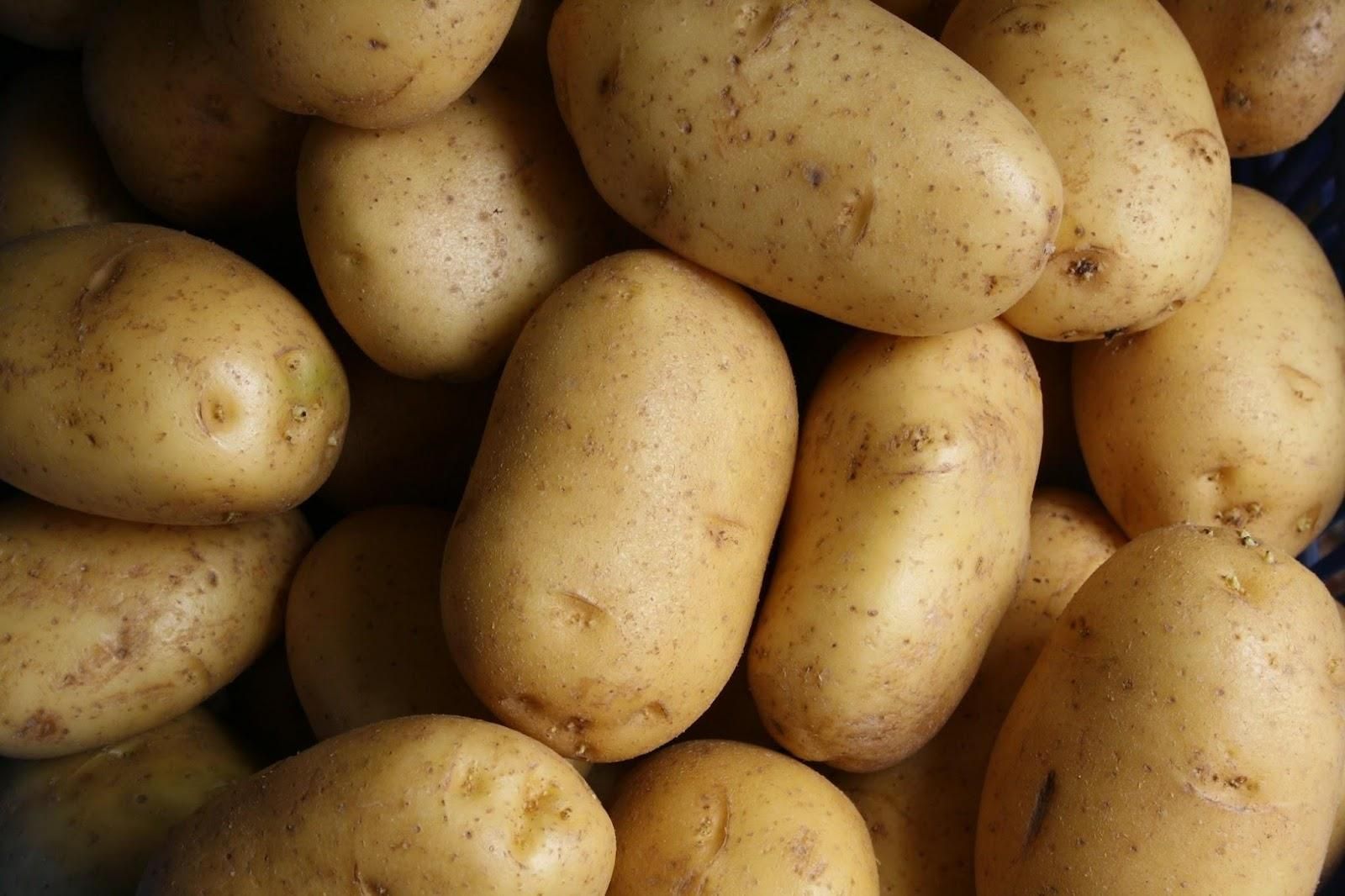
Image: Lars Blankers

Delicious potatoes are often labeled as "unhealthy" because they are frequently eaten in unhealthy ways. However, these starchy vegetables are highly nutritious , providing potassium, vitamin C, and fiber , and can be included as part of a healthy diet. The key is to cook or bake potatoes, but never fry them.


General General 3 min read

You are using one of these now.

From microwaves to bug spray: 12 items originally made for the military

Image: Everyday basics

You might be surprised to learn how many everyday items in your home started as military inventions. From your kitchen to your closet, many tools and technologies first created for soldiers have since marched their way into civilian life. Take a look at 12 of these army-born innovations you probably use every day without even realizing it.

1
Duct tape

Image: Lucas van Oort

One of the most useful things to have around is, without a doubt, duct tape. This product can help fix an endless number of everyday problems in virtually any environment.

This adhesive tape was invented during World War II by a division of Johnson & Johnson called Revolite. It was initially used to seal ammunition cases because of its water-resistant properties.

2
GPS

Image: henry perks

The GPS technology we all use daily on our smartphones to navigate from point A to point B was originally developed by the U.S. military. It was designed to track the position of military units and help them find their way efficiently across any terrain —much like how we use it today for civilian purposes.

3
Internet

Image: Glenn Carstens-Peters

Few technologies have become such a big part of our lives in just a couple of decades as the Internet. Its origins trace back to the 1970s, when the Defense Advanced Research Projects Agency (DARPA) created an interconnected network linking military centers to enable resource sharing.

The connection of commercial networks and enterprises by the early 1990s, along with the advent of the World Wide Web, marked the beginning of the transition to the modern Internet.

4
Walkie-talkie

Image: garrett parker

From children’s toys to invaluable communication devices used in critical situations, walkie-talkies are a common fixture in modern life. Their development during World War II has been variously credited to Donald Hings, radio engineer Alfred J. Gross, Henryk Magnuski, and engineering teams at Motorola.

Initially used by infantry, similar designs were created for field artillery and tank units. After the war, walkie-talkies spread to public safety and eventually commercial use.

5
Microwave oven

Image: Erik Mclean

Believe it or not, microwave cooking was accidentally discovered during a military-related project just after World War II.

In 1946, Percy Spencer, a scientist working on a magnetron at Raytheon, noticed that a peanut cluster candy bar in his pocket had melted from the magnetron’s microwave radiation. Curious to experiment further, he brought in some kernels of corn and made the first-ever microwave popcorn—leading to the invention of the microwave oven.

6
Super glue

Image: Scott Sanker

In 1942, a research chemist working for a defense contractor was developing a high-precision targeting sight for weapons. Although the project didn’t produce the expected results, the resulting product was incredibly sticky , leading to the creation of the now-famous Super Glue.

7
Aviator sunglasses

Image: Griffin Wooldridge

Aviator sunglasses were developed in the 1930s as a lighter alternative to the bulky goggles worn by pilots during the early years of aviation. Those goggles were heavy, uncomfortable to wear, and prone to fogging up mid-flight.

Colonel John Macready of the U.S. Army Air Corps helped develop the first set of aviator sunglasses, which became known as Ray-Bans—named for their purpose: banning the sun’s rays from a pilot’s eyes.

8
Packaged salad mixes

Image: Nathenia Landers

The bags of packaged salad mixes found at any local supermarket use "modified atmosphere packaging" to delay ripening and spoilage.

This technology was developed in the 1960s through a collaboration between Whirlpool Corp. and the U.S. Navy to send fresh lettuce and celery to troops in Vietnam .

9
Bug spray

Image: Wolfgang Hasselmann

The active ingredient in most insect repellents, known as DEET, was developed by the U.S. Army in 1946 for use by military personnel operating in insect-infested areas . The product’s success led to its commercial release.

10
Disposable sanitary pads

Image: Annika Gordon

During World War I, Kimberly-Clark invented Cellucotton, a wood pulp–based material designed to be more absorbent and cost-effective for use in bandages.

After the war, the company discovered that Army nurses had repurposed Cellucotton as sanitary napkins , which inspired the creation of Kotex—the first disposable sanitary pads.

11
Frozen juice concentrate

Image: Fotografía de Alimentos

In 1942, USDA scientists developed frozen concentrated orange juice during World War II to help provide soldiers with sufficient Vitamin C . Although it was never distributed to the military, the product was later introduced to consumers by Minute Maid.

12
WD-40

Image: Daniel Campbell

WD-40, now a common household product, was originally developed in 1953 to prevent rust and corrosion on the outer shell of the Atlas missile . Created by the Rocket Chemical Company, the name WD-40 stands for "water displacement," with the "40" representing the number of attempts it took to perfect the formula.

Geography Geography 4 min read

Local treasures

These 10 American regional industries make our country amazing!

Image: Dziana Hasanbekava / Polina Tankilevitch / David Foodphototasty

One of the many advantages of living in such a vast country is the wide variety of landscapes, cultures, and people that can be found in each of our 50 states. The United States offers a rich tapestry of industries that vary greatly throughout the nation. If you are lucky enough to travel this great country of ours, you’ll encounter many unique and outstanding regional products. In that sense, we’ve selected 10 of the most remarkable regional industries from across America, hoping to pay homage to the hard work and dedication that make this country so wonderful. Enjoy!

1
Wisconsin - Cheese

Image: Lauren Forando

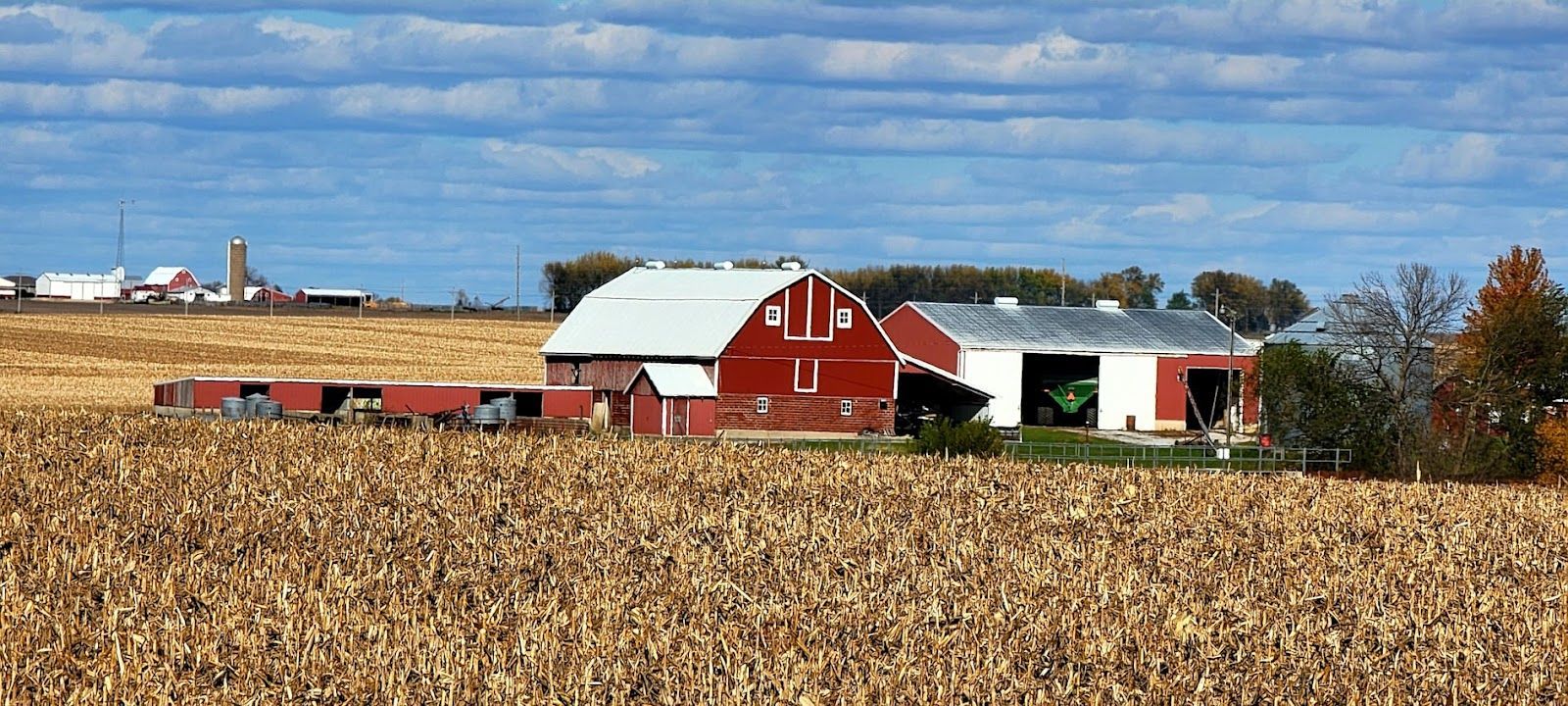
Wisconsin is crazy about cheese , and there’s a reason it’s known as "America’s Dairyland"! The state takes great pride in this regional product, and with good reason. Its cheesemaking tradition is almost as old as the state itself, with European colonists introducing the trade in the 19th century in the fertile lands that would eventually become Wisconsin. Approximately 100 years later, over 1,500 cheesemonger shops and factories had been established in the area.

2
Chicago - Deep-dish pizza

Image: Jon Tyson

Deep-dish pizza has its fair share of detractors, but we honestly can’t think of a single, concrete reason why. In our eyes, Chicago’s most famous regional delicacy is wonderful, with its copious amounts of cheese and chunky tomato sauce. In any case, residents of the "Windy City" take great pride in this pizza style, so be sure to try some whenever you're in town.

3
Detroit - Automotive industry

Image: Egor Vikhrev

Detroit has been synonymous with cars since the 1920s , when the city’s population surged following the expansion of the automotive industry across the country. Nowadays, Detroit is considered the epicenter of this industry in the United States, with the headquarters of the "Big Three" auto manufacturers—Ford, General Motors, and Chrysler—located in "The Motor City."

4
Kentucky - Bourbon

Image: Maxim Hopman

Bourbon is one of the few products that can only be found in America . This type of whiskey, typically made from maize, was created in the United States during the 18th century. While it is undeniably an American treasure, bourbon is most closely associated with the American South and, particularly , with Kentucky . The "Bluegrass State" produces 95% of the world’s supply of bourbon, so it shouldn’t come as a surprise that it is a source of great pride to all Kentuckians.

5
New Mexico - Chiles

Image: Javier Balseiro

The New Mexican chile , a moderately spicy variety , is unsurprisingly a staple of the state’s cuisine and one of its official vegetables. Not only that, New Mexico’s official question is a direct reference to this tasty vegetable. Whenever you hear a New Mexican ask, "Green or Red?", be sure they are asking which type of chile you want with your food.

6
New Orleans - Lucky Dogs

Image: Peter Secan

We could have included any number of delicious New Orleans products in this entry, from its mouth-watering gumbo to its delectable beignets. However, we’ve decided to focus instead on a New Orleans institution—a business that has been standing strong since 1948. Located throughout the streets of "The Big Easy," Lucky Dogs and its iconic hot dog stands bring smiles and tasty treats to both locals and tourists. These stands are featured in one of New Orleans’s most beloved novels, A Confederacy of Dunces , in which its extravagant protagonist briefly works at one of these stands.

7
Texas - Cowboy hats

Image: Donald Giannatti

In 2015, the Texas State Legislature declared the cowboy hat the official "State Hat of Texas." This probably doesn’t come as a surprise. If you’ve ever visited "The Lone Star State," you’ve likely seen cowboy hats everywhere. These accessories have been synonymous with Texas for as long as anyone can remember. In fact, Texas Rangers were the very first law enforcement agency to officially adopt cowboy hats as part of their uniform.

8
New York - I Heart NY T-Shirts

Image: Abhilash G

What might seem like an inexpensive memento to take home after a wonderful trip to New York City is actually one of the most instantly recognizable images in pop culture. "I Heart NY" t-shirts are everywhere in the "Big Apple," and while locals might seem disgruntled at the sight of a happy tourist sporting one of these shirts, rest assured that they feel a small amount of pride in the love and praise their city receives every day.

9
Las Vegas - Casinos

Image: David Lusvardi

Las Vegas calls itself "The Entertainment Capital of the World" for the same reason many refer to it as "Sin City." The largest city in Nevada is known worldwide for its amazing selection of Casino Hotels. Las Vegas’s most famous regional product offers many hours of fun and excitement, though we advise that caution be observed at all times.

10
Sweet Tea - South Carolina

Image: Crystal Tubens

Sweet tea has been a staple of American Southern cuisine for centuries, but many believe the birthplace of this delicious, cold drink is Summerville, a town in South Carolina . According to some historians, during the 19th century, a resident of Summerville named Dr. Charles Shepard started growing tea in the region and innovating with ice-cold drinks that he offered to visitors and neighbors. In due time, sweet tea made Summerville a tourist attraction, eventually cementing the town as the birthplace of this iconic drink.

Explore more American facts

Choose your favorite category!

General
General

As American as apple pie—the very best America has to offer!

Culture
Culture

Delve into the astounding richness of American lore.

Geography
Geography

Hop in and explore vast and diverse American landscapes.

History
History

Discover the key moments that shaped the United States.