Culture Culture 7 min read

Camelot & beyond

Jackie Kennedy, beyond the White House
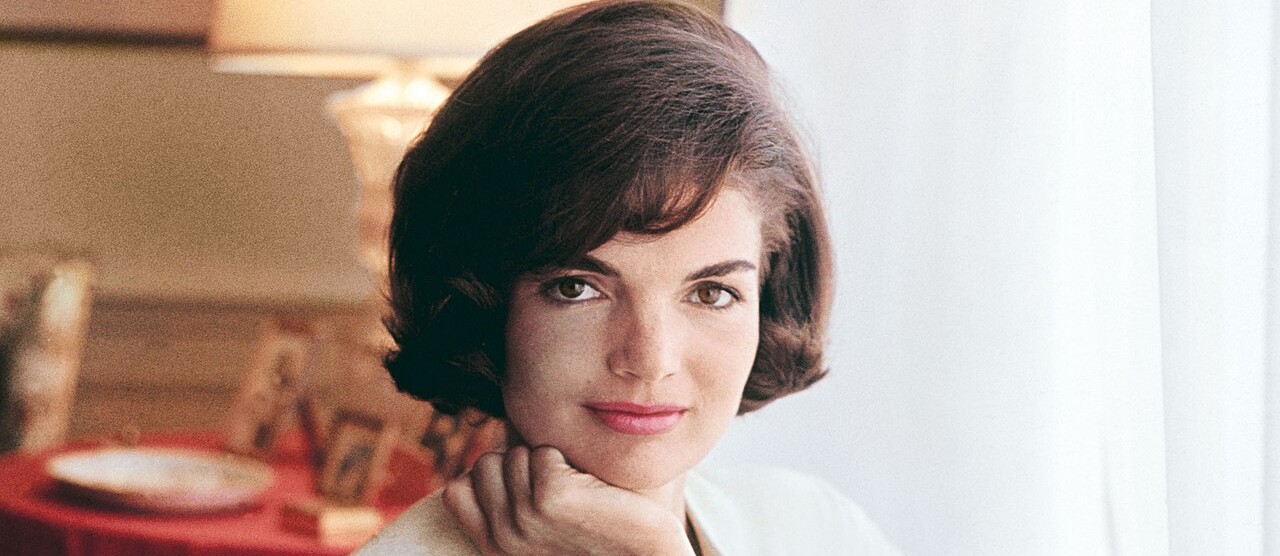
Image: Mark Shaw, Public domain, via Wikimedia Commons

Few American women of the 20th century became as recognizable as Jacqueline Kennedy. Her years in the White House made her a global figure, but there was much more to her story than her famous style or marriage to John F. Kennedy. She was a journalist, a mother, an editor, and a preservationist with a lifelong interest in history and culture. These 12 moments reveal the experiences that shaped Jackie Kennedy.

1
Childhood and privileged upbringing
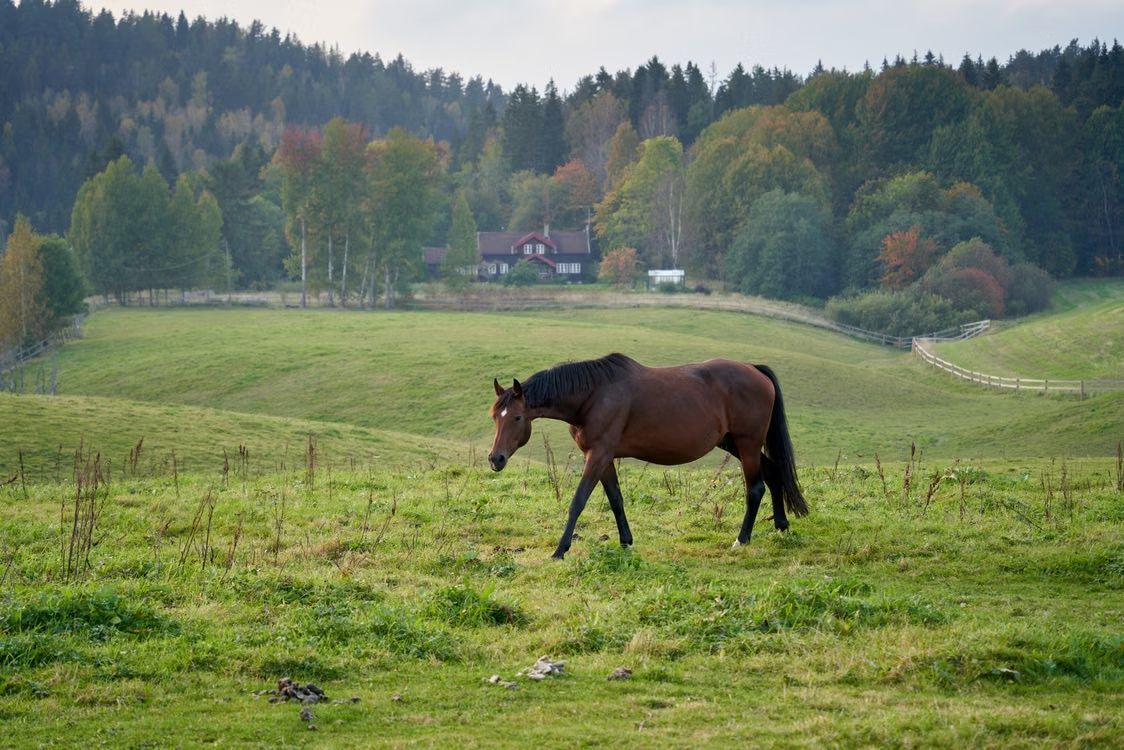
Image: Barnabas Davoti

Jacqueline Lee Bouvier was born on July 28, 1929, in Southampton, New York, into a wealthy New York family. Her father, John Bouvier, was a successful stockbroker, while her mother, Janet, encouraged her daughters to develop an appreciation for culture, languages, and the arts. Young Jackie also became an accomplished horsewoman and won several national equestrian championships as a child.

Her parents divorced when she was 10, and her mother later married businessman Hugh Auchincloss. Jackie split her time between high-society Manhattan and the Auchincloss family's homes, including a large estate in Virginia. She was exposed to travel, art, history, and high society from an early age, all interests that stayed with her.

2
Studying in France

Image: Celette, CC BY-SA 4.0, via Wikimedia Commons

France became an important part of Jackie's life while she was still a college student. In 1949, during her junior year at Vassar College, she studied abroad in Paris . She lived with a French family and immersed herself in the French language, history, and culture.

The year in France stayed with Jackie long after she returned home. She ultimately graduated from George Washington University in 1951, but her love of French and European culture never faded. As First Lady, that interest showed in her appreciation for historic art, architecture, and design.

3
Working as a newspaper photographer
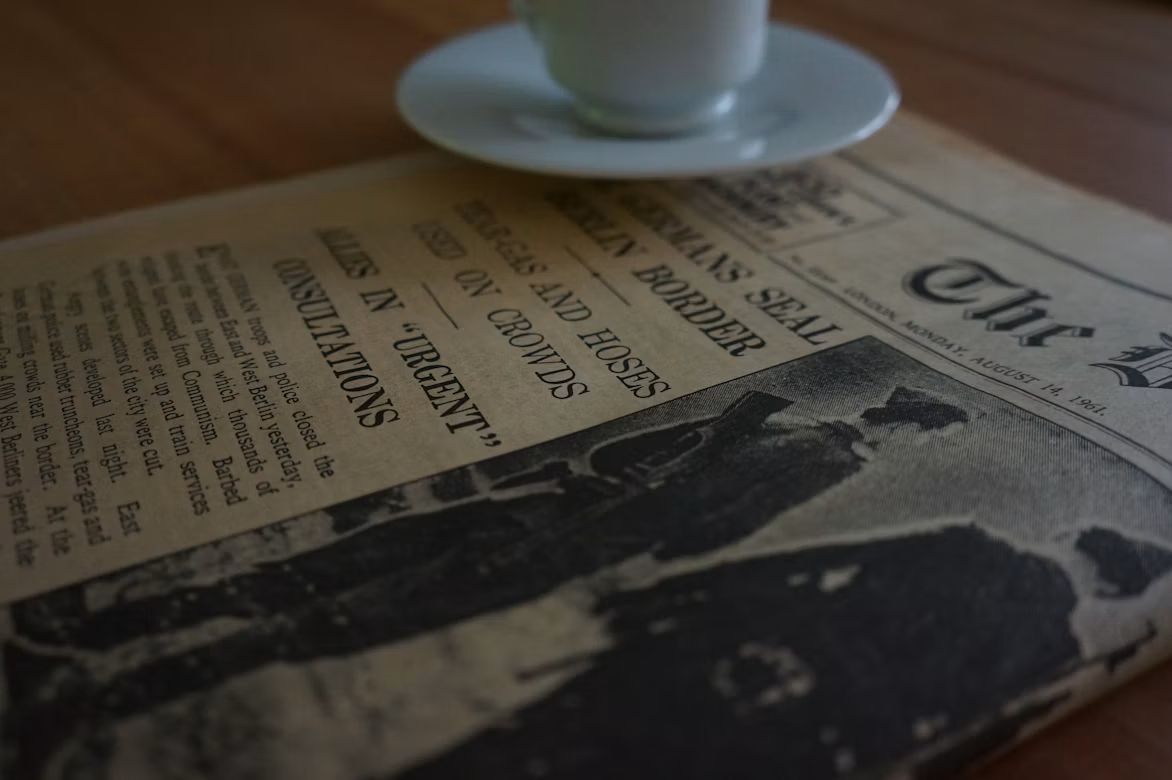
Image: Peter Burdon

Before becoming a Kennedy, Jackie had a job that put her directly in the middle of Washington life. In 1951, she joined the Washington Times-Herald as an "Inquiring Camera Girl," traveling around the city with a camera and interviewing people she encountered for her column.

Her assignments brought her into contact with politicians, celebrities and ordinary Washington residents . She covered events including Dwight D. Eisenhower's inauguration and the coronation of Queen Elizabeth II. The job gave Jackie valuable experience in journalism, photography and public life before she ever entered the White House.

4
Meeting John F. Kennedy
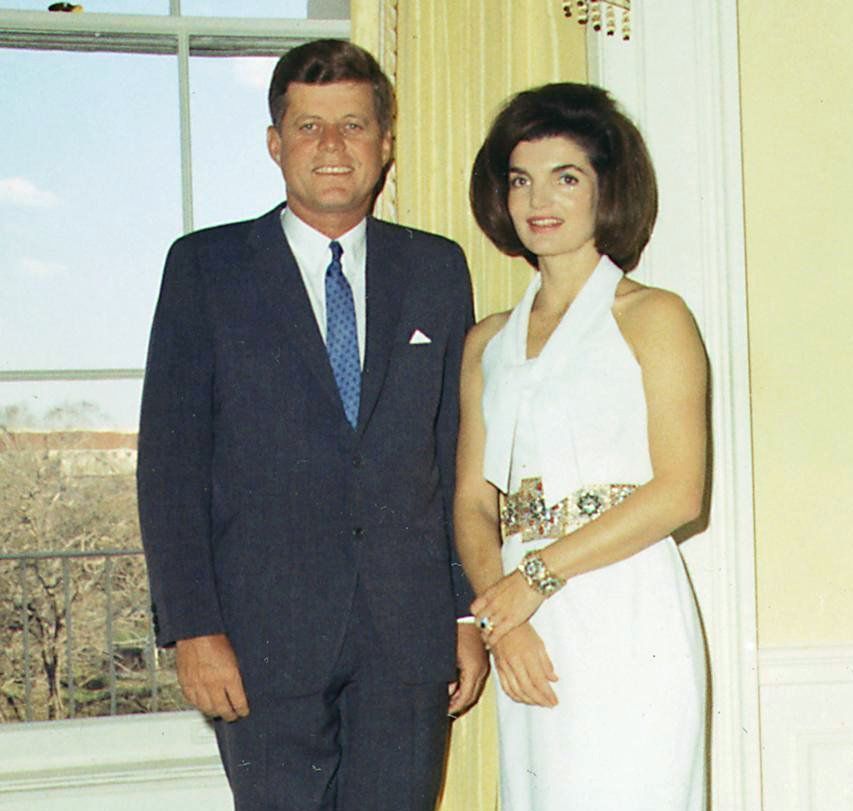
Image: Cecil W. Stoughton, Public domain, via Wikimedia Commons

Jackie met John F. Kennedy in Washington in 1952 through mutual friends. Hailing from a prominent Massachusetts family, Kennedy was a young congressman at the time and was preparing to run for the U.S. Senate, while 23-year-old Jackie was working at the Washington Times-Herald.

The two quickly became a couple, and Kennedy proposed in June 1953. They were young, well-connected, and soon became one of Washington's most talked-about couples. By marrying Kennedy, Jackie was stepping into a political world that would soon make her one of the most recognizable women in America.

5
The 1953 wedding
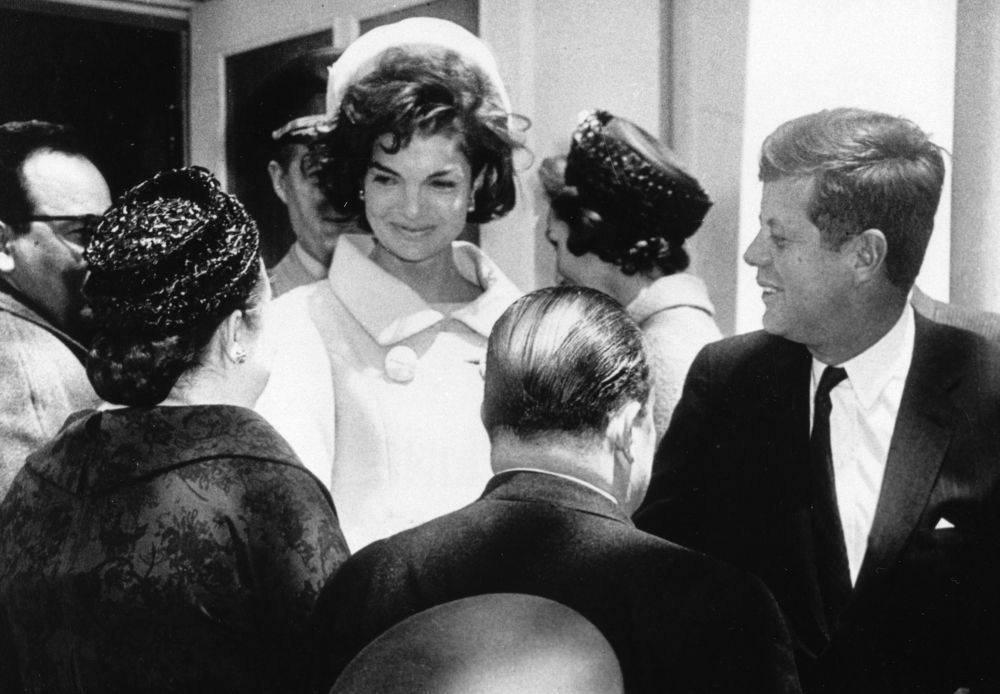
Image: Cecil Stoughton, White House, Public domain, via Wikimedia Commons

On September 12, 1953, Jacqueline Bouvier and John F. Kennedy were married at St. Mary's Church in Newport, Rhode Island. More than 1,200 guests attended the reception at Hammersmith Farm, the estate of Jackie's stepfather, Hugh Auchincloss. The wedding received extensive attention from the press and society pages.

Marriage also brought Jackie into a more demanding political world. While Kennedy continued his career in Washington, she supported him through his recovery from serious back problems. During this period, she encouraged him to work on a book about senators who had demonstrated political courage . Profiles in Courage was published in 1956 and won the Pulitzer Prize in 1957.

6
Life as a political wife
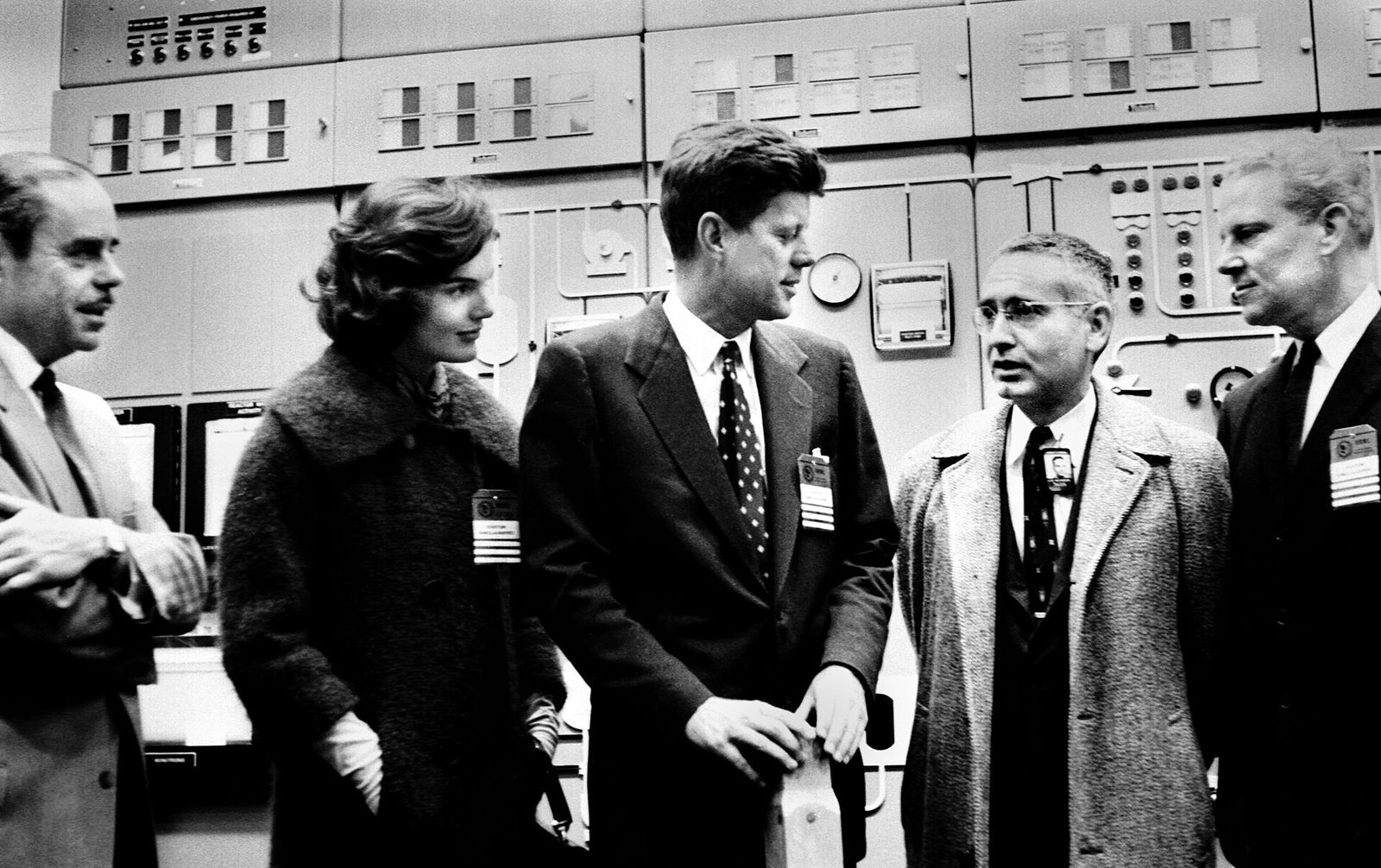
Image: Oak Ridge National Laboratory, CC BY 2.0, via Wikimedia Commons

As Kennedy's political ambitions grew, so did Jackie's public role. During his 1960 presidential campaign, she became a visible supporter, although her pregnancy (with second child John F. Kennedy Jr.) prevented her from traveling extensively. Instead, she answered campaign letters, gave interviews, filmed TV ads, and wrote a syndicated newspaper column called "Campaign Wife."

Jackie understood that a candidate's family could shape public perception. At the same time, she was protective of her private life and wanted to shield her children from excessive attention. Finding that balance between public expectations and family privacy would remain a recurring theme throughout her life.

7
Becoming First Lady
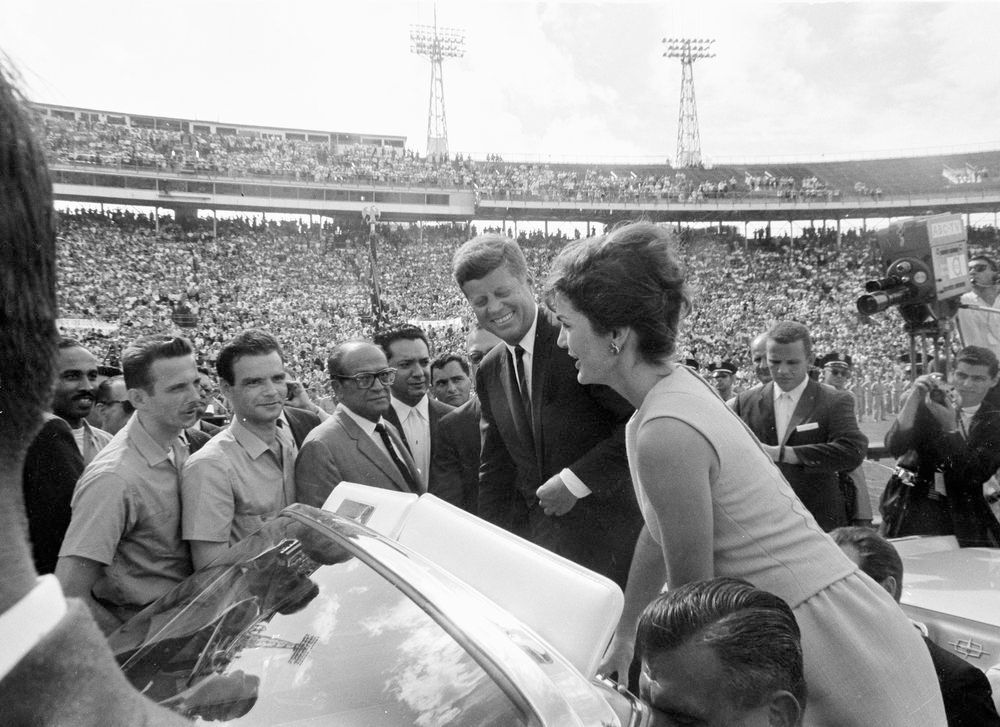
Image: Cecil Stoughton, Public domain, via Wikimedia Commons

On January 20, 1961, John F. Kennedy became the 35th president of the United States, making 31-year-old Jacqueline Kennedy one of the youngest First Ladies in American history. Her arrival brought a youthful, sophisticated, and distinctly cultural presence to the White House.

She quickly made clear that she wanted the presidential residence to reflect its history. Jackie was particularly interested in American furniture, paintings, architecture, and decorative arts. At the same time, she was raising two very young children: Caroline was 3, while John Jr. was just over 2 months old when Kennedy took office. She wanted the White House to feel like a home for her family as well as the president's official residence.

8
The White House restoration
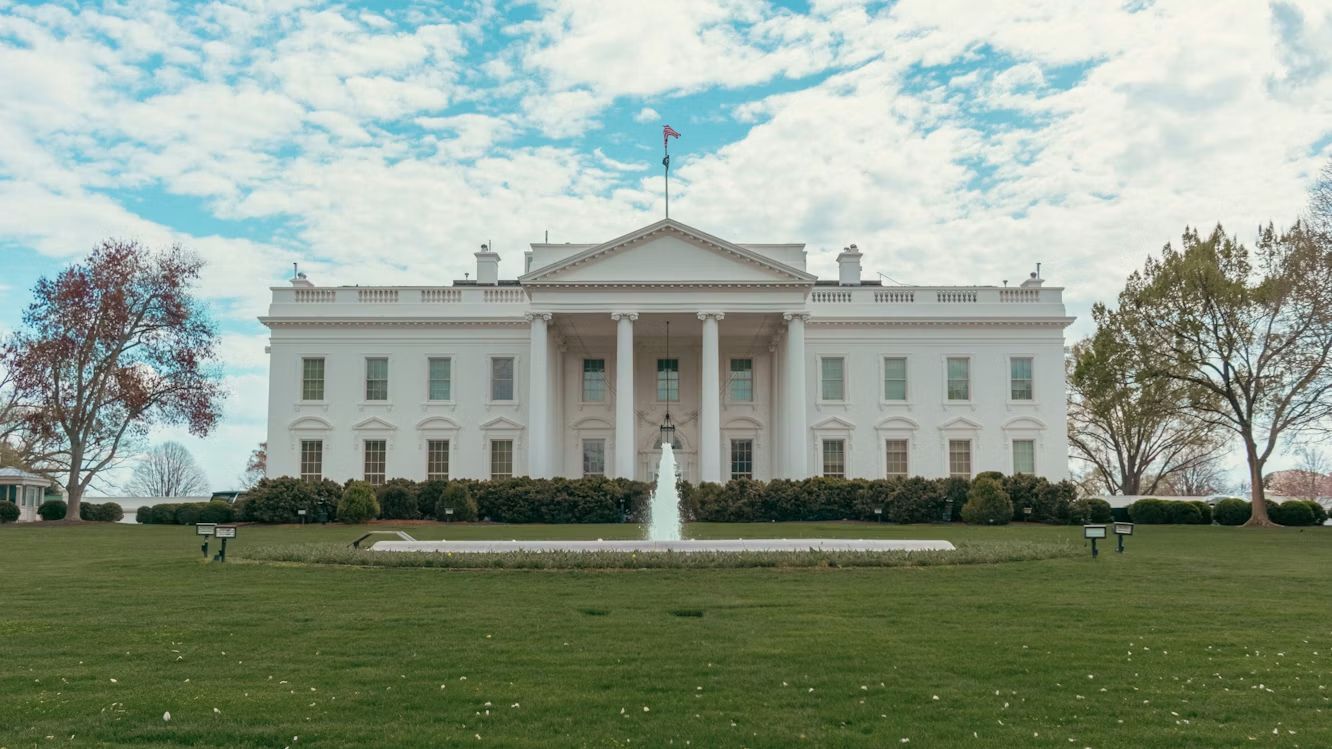
Image: Zihao Wang

One of Jackie's most significant projects as First Lady was the restoration of the White House. She was concerned that historic furniture and objects had been removed over the years and wanted the building to better reflect its past.

She brought in experts and helped establish a Fine Arts Committee and the position of White House curator. Jackie also encouraged the return of historically significant furniture and decorative objects. Her efforts helped change the way the White House was viewed , from simply the president's residence to an important, living piece of American history.

9
The televised White House tour
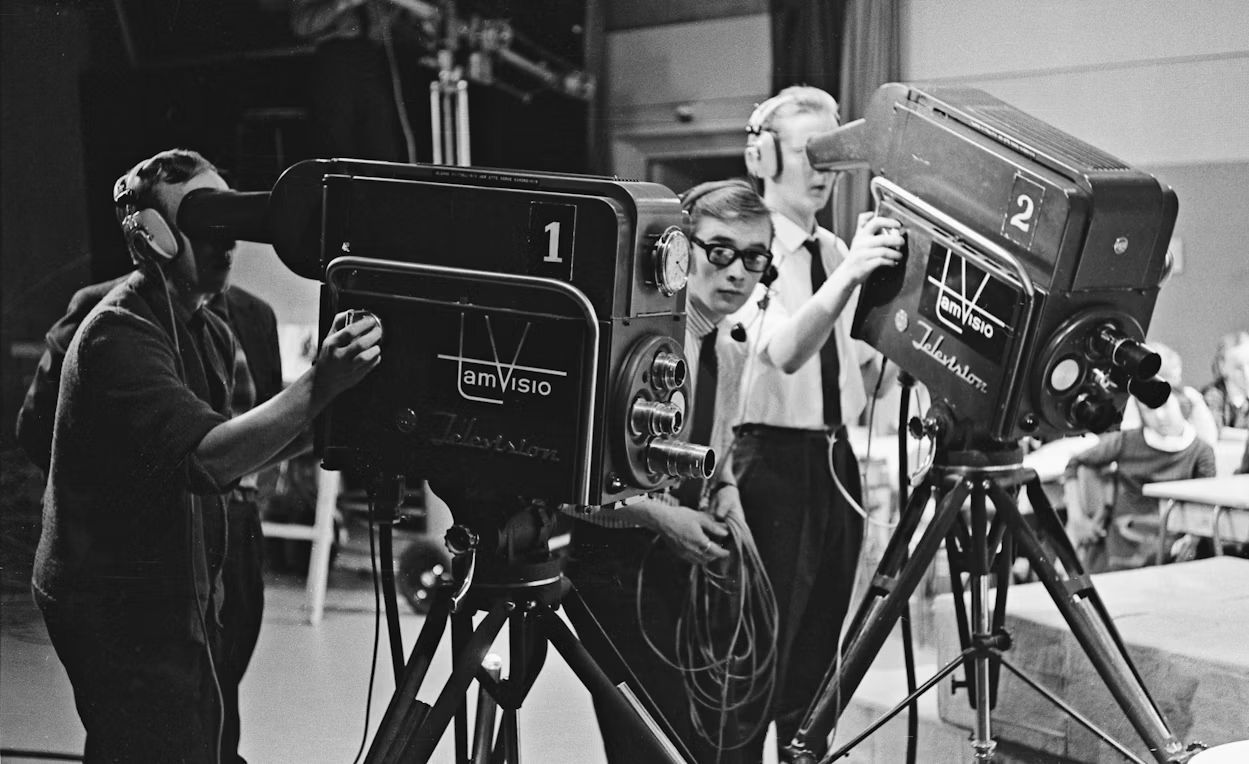
Image: Yle Archives

On February 14, 1962, millions of Americans were invited inside the White House through a televised tour hosted by Jackie. In the broadcast, she walked viewers through the restored rooms, explaining the history behind the furniture, paintings, and decorative objects.

The program was watched by an estimated 56 million people and earned Jackie an honorary Emmy Award. It was an extraordinary TV moment for the time, allowing Americans to see parts of the White House that were normally inaccessible. Just as importantly, Jackie used the broadcast to explain why preserving the building's history mattered.

10
JFK's assassination
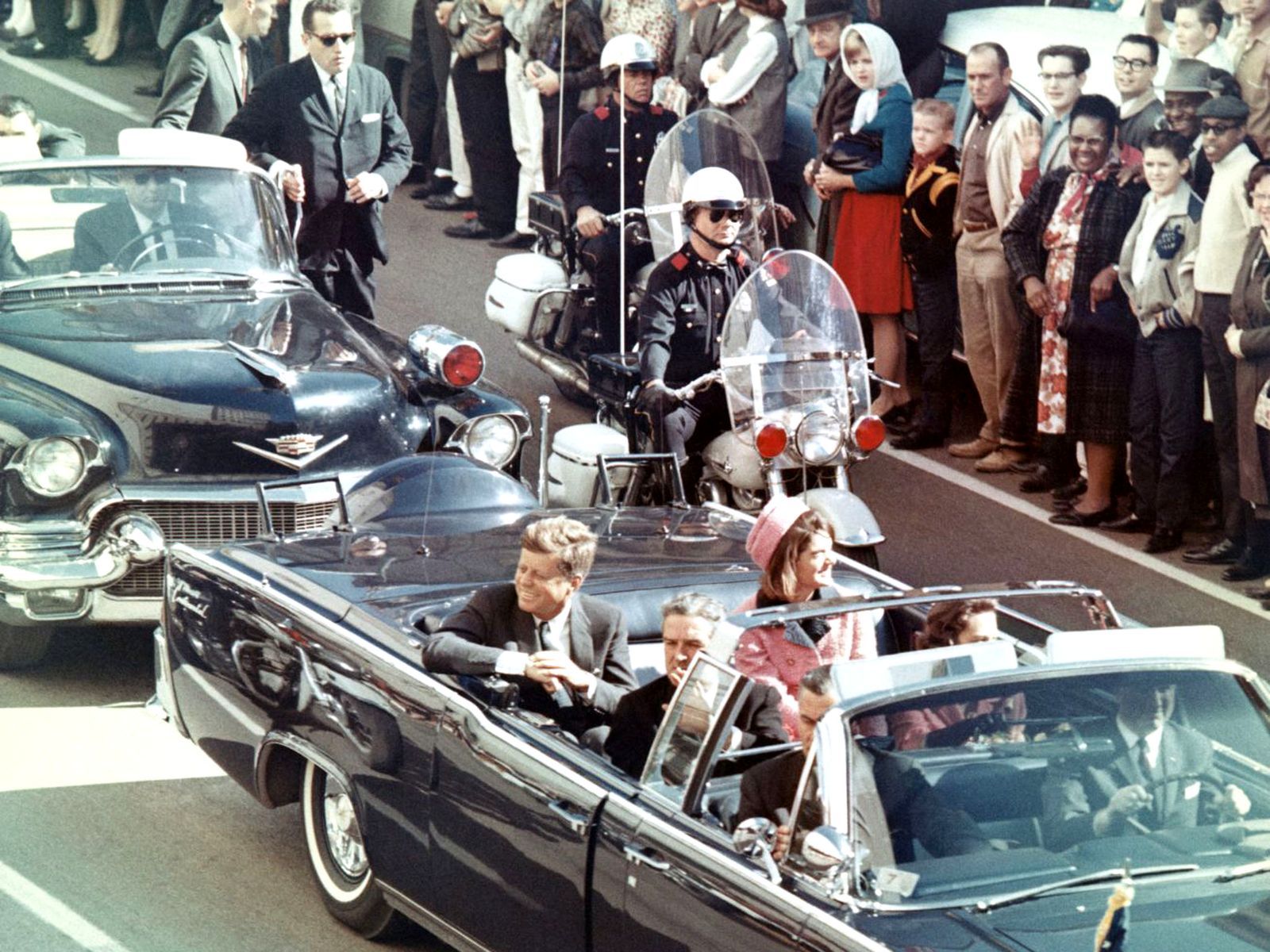
Image: Walt Cisco, Dallas Morning News, Public domain, via Wikimedia Commons

November 22, 1963, changed Jackie's life forever. She was sitting beside her husband in the presidential motorcade in Dallas when he was assassinated. At just 34 years old, she suddenly became a widow and a single mother while the entire country, if not the world, watched.

Jackie remained closely involved in the funeral arrangements, including the decision to hold a funeral procession modeled partly on Abraham Lincoln's. Her composure during those days became one of the most enduring images of the tragedy. In the years afterward, she also contributed to efforts to preserve Kennedy's papers, records and legacy, including the creation of the John F. Kennedy Presidential Library in Boston.

11
Marriage to Aristotle Onassis
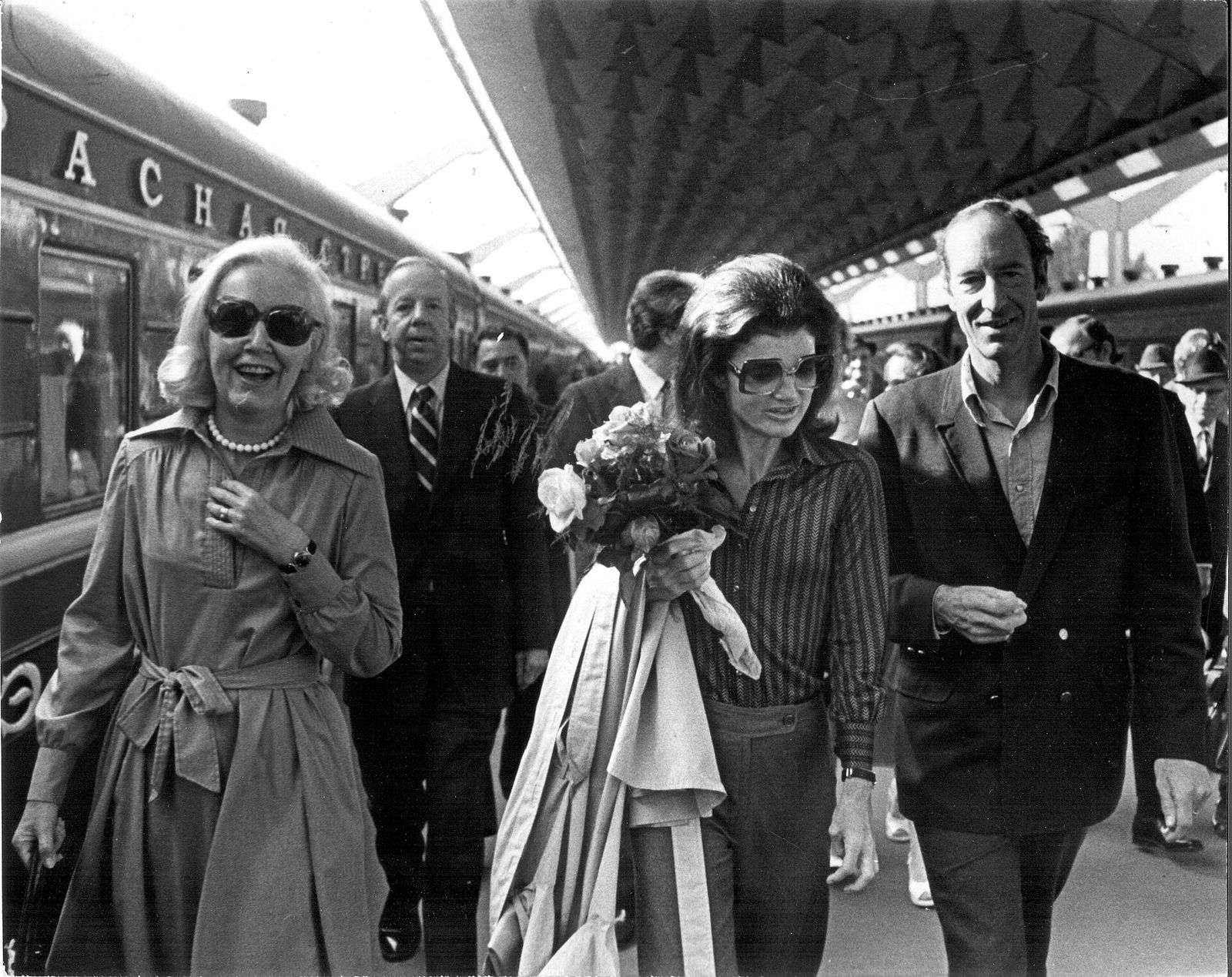
Image: Michael Neubert from Arlington, VA, USA, CC BY 2.0, via Wikimedia Commons

Five years after Kennedy's assassination, Jackie married Greek shipping magnate Aristotle Onassis on October 20, 1968. The wedding took place on the private Greek island of Skorpios and generated enormous international attention.

The marriage gave Jackie and her children a life away from the intense political spotlight surrounding the Kennedy family. Onassis died in 1975, leaving Jackie widowed for a second time at age 46. By then, however, she was preparing to build a new professional identity beyond her husbands.

12
Her career as an editor and preservationist
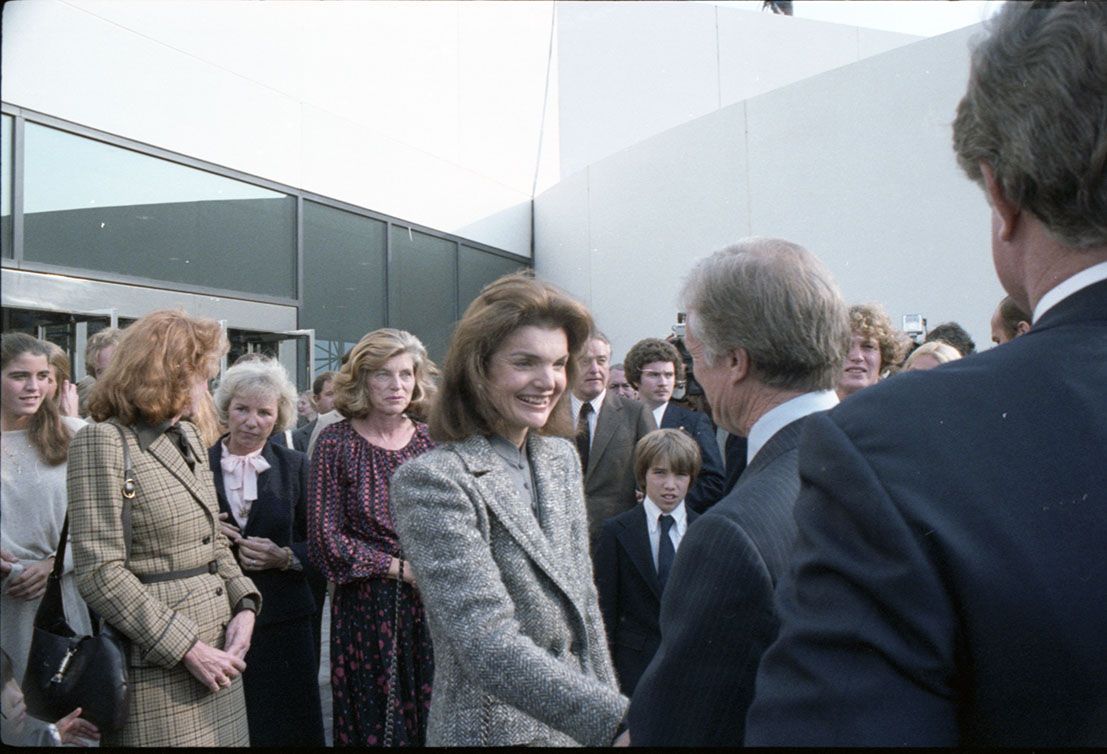
Image: The Jimmy Carter Presidential Library, Public domain, via Wikimedia Commons

Jackie entered the publishing world after her years in the White House, first working as an editor at Viking Press and later joining Doubleday in 1978. She worked with authors and manuscripts and developed a genuine career in publishing rather than simply appearing in the industry because of her famous name.

Her passion for preservation continued as well. In 1975, she became involved in efforts to protect historic buildings in New York, most famously campaigning to save Grand Central Terminal from demolition. That work reflected an interest that had begun with the White House restoration years earlier: preserving the architecture and history of places that might otherwise be lost. She died in her sleep in New York on May 19, 1994, at the age of 64, from complications of non-Hodgkin lymphoma.
General General 3 min read

One-of-a-kind

The one thing these states can brag about (and no one else can)

Image: RDNE Stock project

Every state in the U.S. has its own personality, but some come with bragging rights no one else can touch. From deserts and diamonds to cave systems and cheese-making microbes, each of these states has a claim to fame that sets it apart. If you enjoy travel trivia, fun facts, or just knowing more about our big and quirky country, you’ll want to stick around for this one. Let’s take a lighthearted look at the states that are true originals.

1
South Dakota sits right in the middle of it all

Image: Intricate Explorer

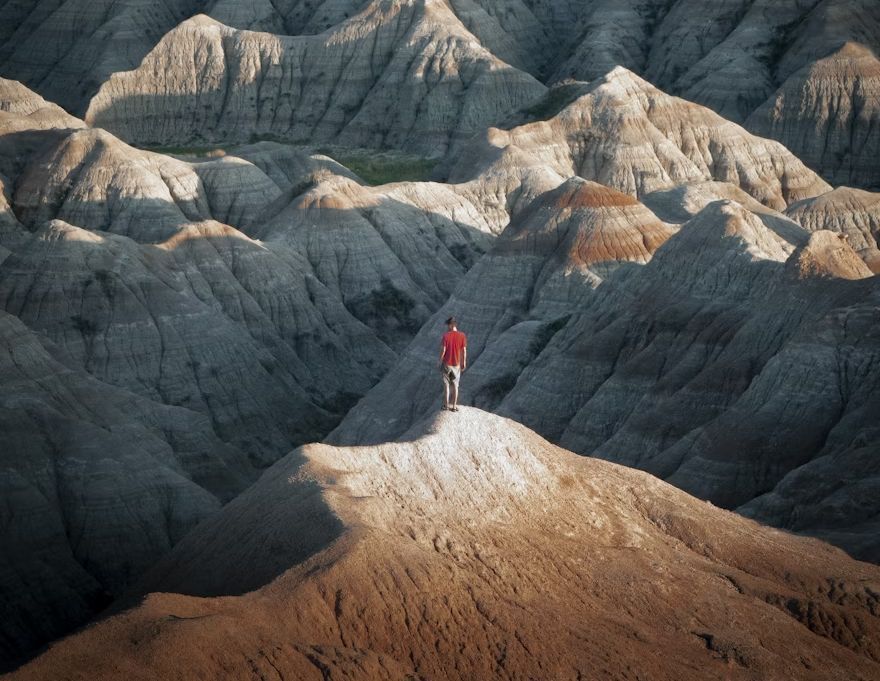
Just outside the town of Belle Fourche, South Dakota, lies the geographic center of the United States when you include Alaska and Hawaii . It is not marked with neon signs or big crowds, but there is something satisfying about standing near the heart of the whole country. It feels like the center of gravity for the U.S.

2
Iowa is flanked by rivers on both sides

Image: Justin Wilkens

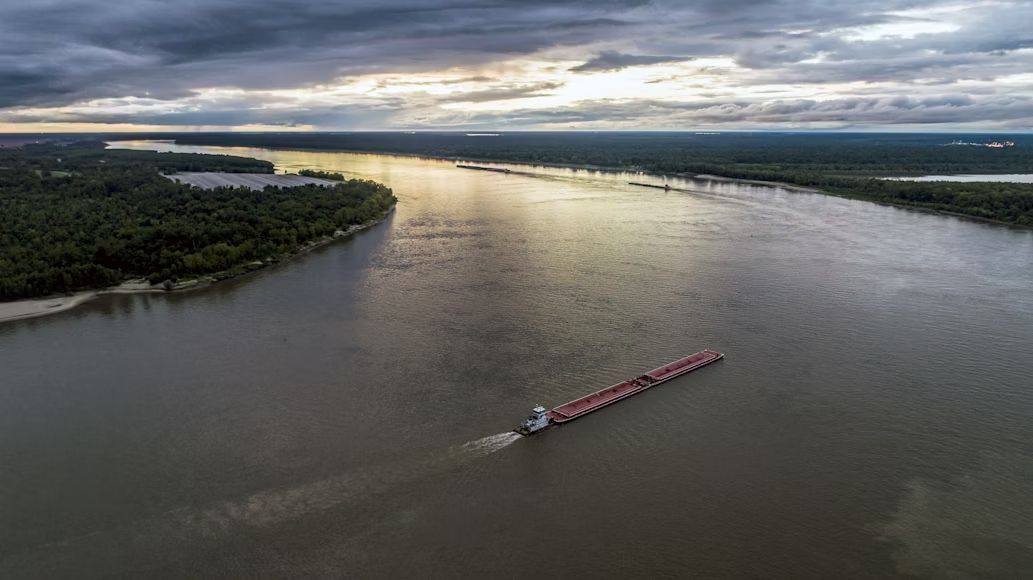
If you look at a map, you will see Iowa neatly tucked between two mighty rivers . The Mississippi River borders it to the east, and the Missouri River forms most of its western boundary. No other state can say that its entire east and west borders are made up of rivers. That gives Iowa a front-row seat to river life from both sides.

3
Kansas is flatter than a breakfast pancake

Image: Edson Saldaña

Believe it or not, a group of researchers once compared Kansas to a pancake and found that Kansas is actually flatter . This was not a joke. They used real measurements. If long, open roads and wide horizons are your thing, Kansas is the ultimate smooth ride.

4
Arizona has all the deserts in one place

Image: Keith Hardy

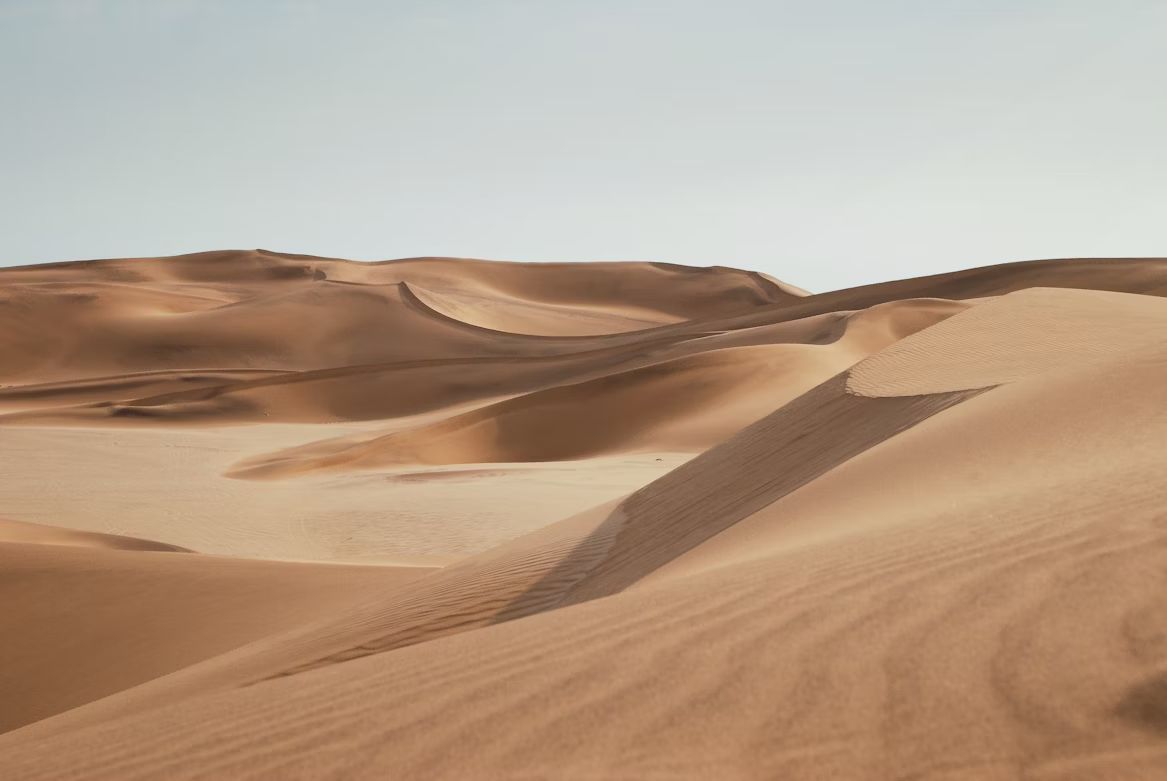
Arizona is not just dry, it’s uniquely arid. It is the only state that includes parts of nearly all of the major North American deserts . These include the Sonoran, Mojave, Chihuahuan, and Great Basin deserts. That makes it a desert lover's dream and a living science exhibit where four very different ecosystems meet in one sunbaked state.

5
Michigan lives and breathes freshwater

Image: Aaron Burden

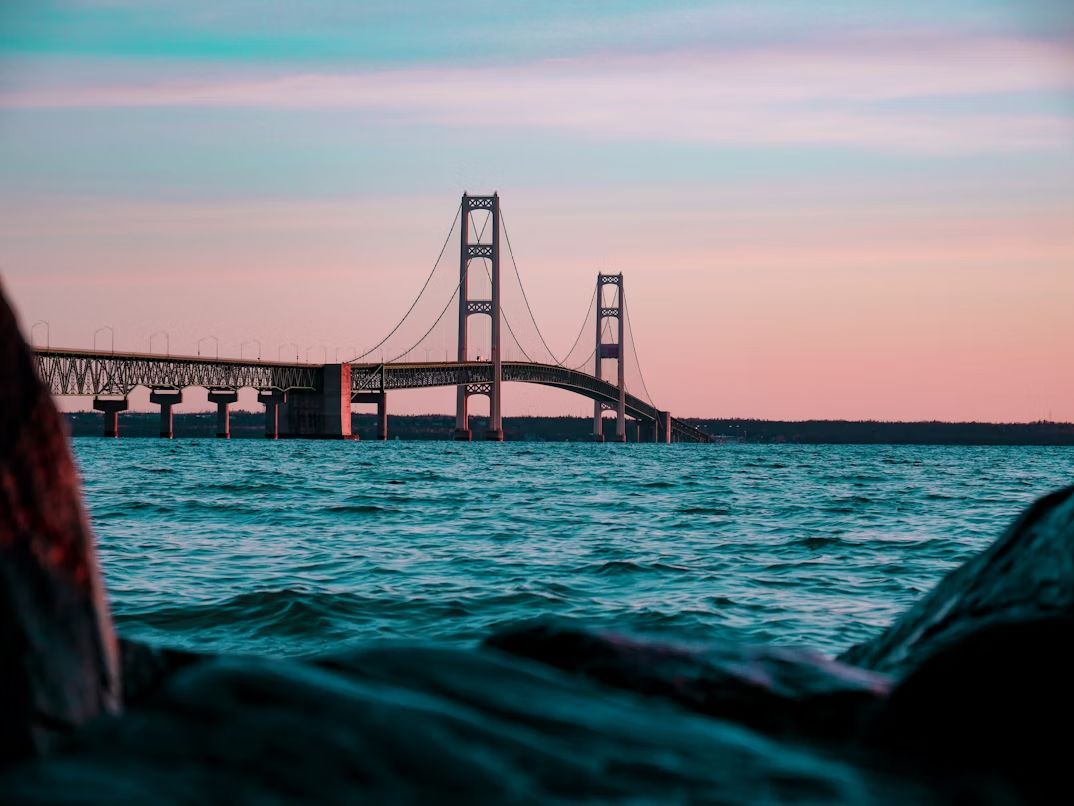
Michigan has more freshwater shoreline than any other state in the country. It borders four of the five Great Lakes , features two peninsulas, and is even home to a floating post office that delivers mail by boat. If you enjoy water views and lakeside life, Michigan delivers the goods in a big way.

6
Connecticut gave counties the pink slip

Image: Rusty Watson

Unlike most states, Connecticut does not have county governments. The state decided back in the late 1950s and early 1960s to get rid of them entirely. Now, counties are just lines on a map and have no political power. If you live in Connecticut, you deal directly with your town or city. No middleman needed.

7
Delaware still uses ‘hundreds’ and no, not the money kind

Image: Gary Cole

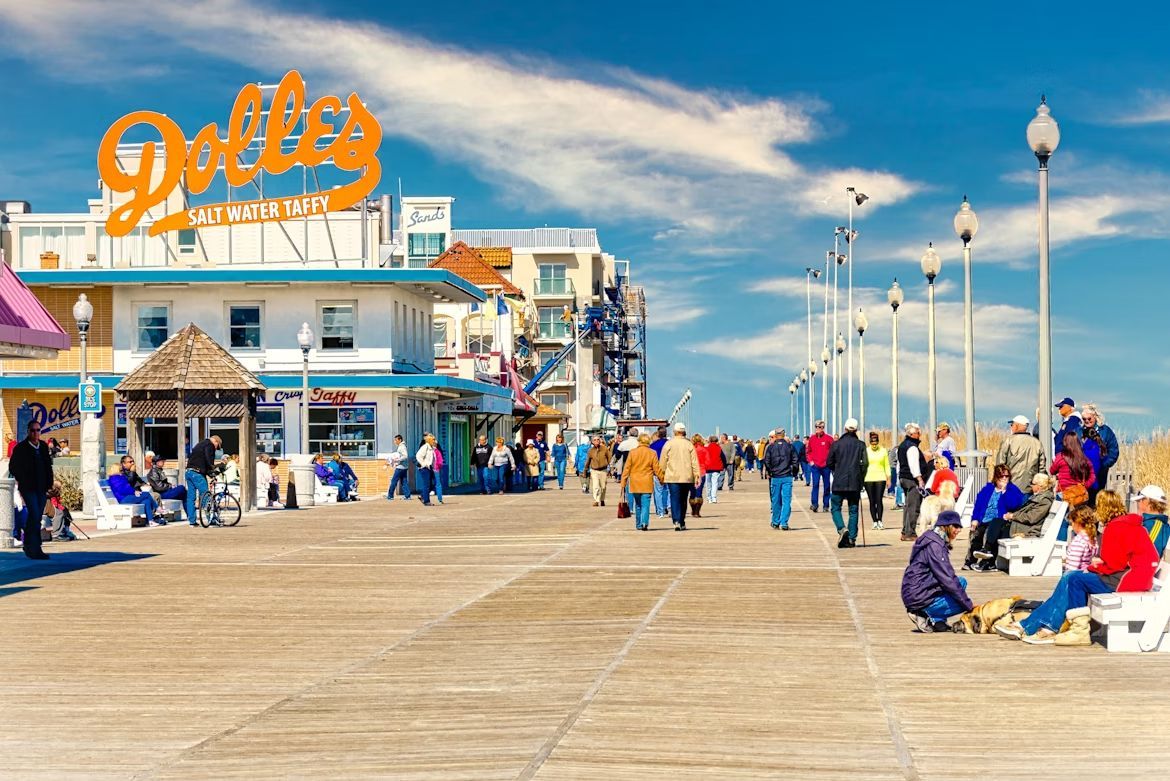
In Delaware, land is still divided into areas called hundreds . These are old British-style subdivisions that originally represented areas able to support roughly 100 households. While they do not play a role in law or government today, the names still show up in property documents and tax records.

8
Kentucky hides the longest cave under its feet

Image: Joshua Sortino

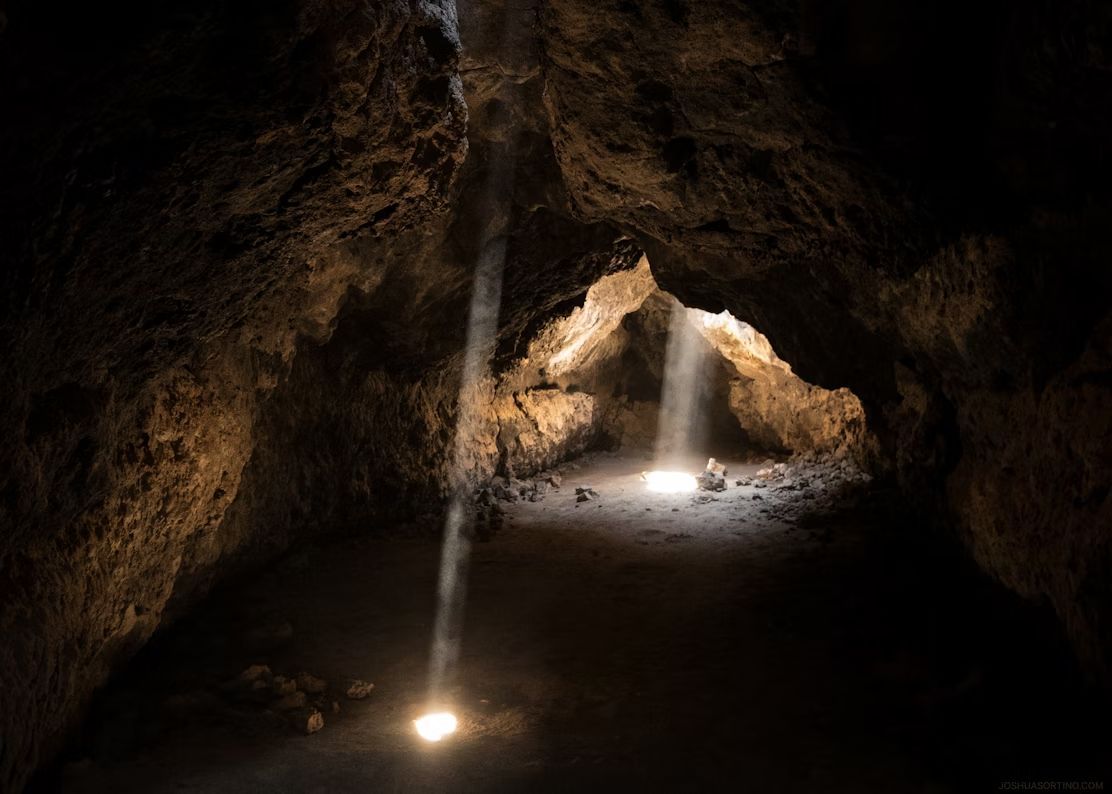
Beneath Kentucky’s surface lies a giant underground wonder called Mammoth Cave. It holds the record as the longest known cave system in the world , with over 400 miles of mapped tunnels. That is a whole lot of rock and mystery. Whether you are into history, geology, or just cool natural landmarks, this cave system is something special.

9
Louisiana prefers parishes over counties

Image: Joe Lavigne

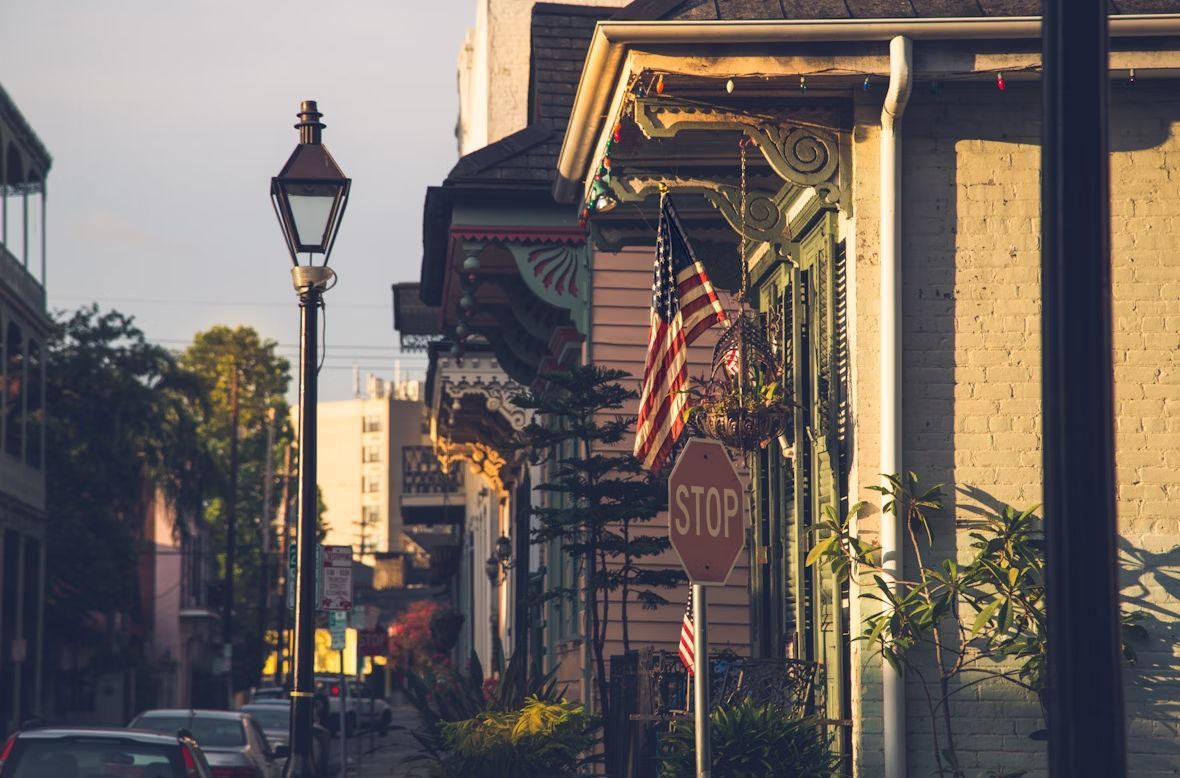
Louisiana does not have counties like the rest of the country. Instead, it has parishes , a term carried over from its French and Spanish colonial days. These parishes work the same way counties do elsewhere, but the name gives the state a unique cultural twist.

10
Montana provides the nation's platinum and palladium

Image: Calvin Chai

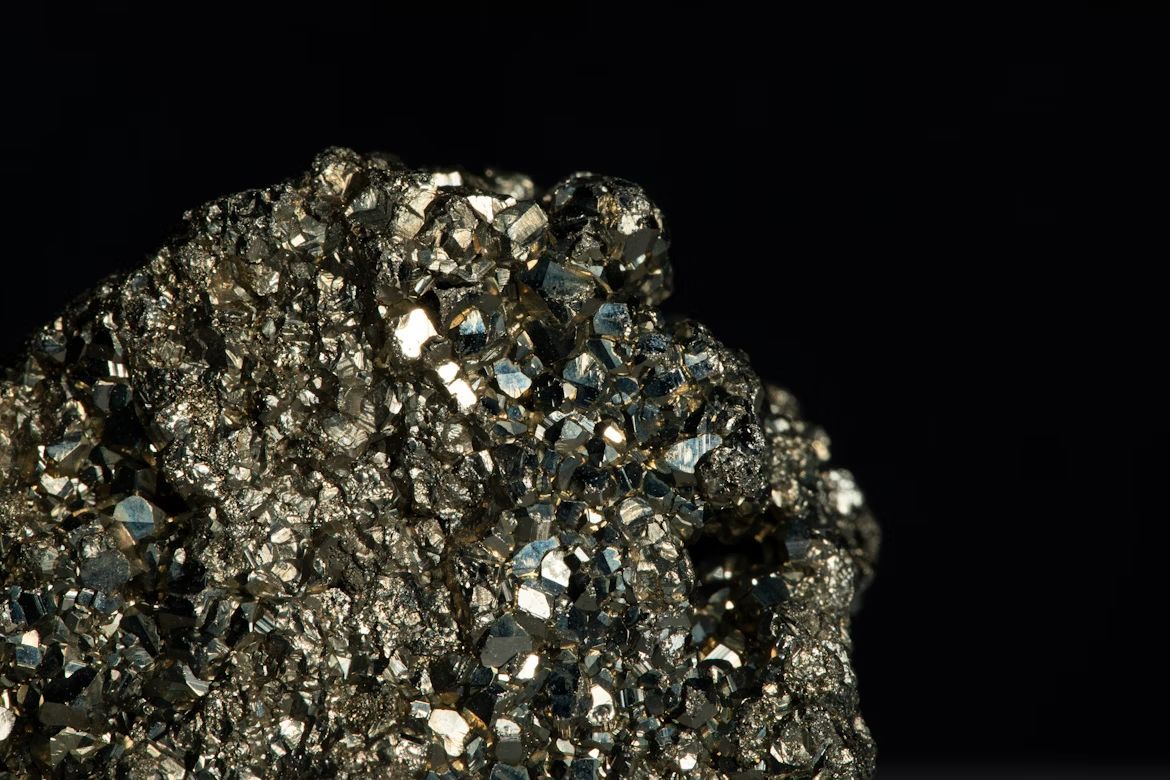
Montana is the only significant source of domestically mined platinum and palladium in the United States. These rare metals are used in things like jewelry, dental tools, and car parts. Tucked into its rugged mountains, Montana’s mines quietly produce some of the most valuable materials in the country.

11
Wisconsin has an official microbe, and it makes cheese

Image: Azzedine Rouichi

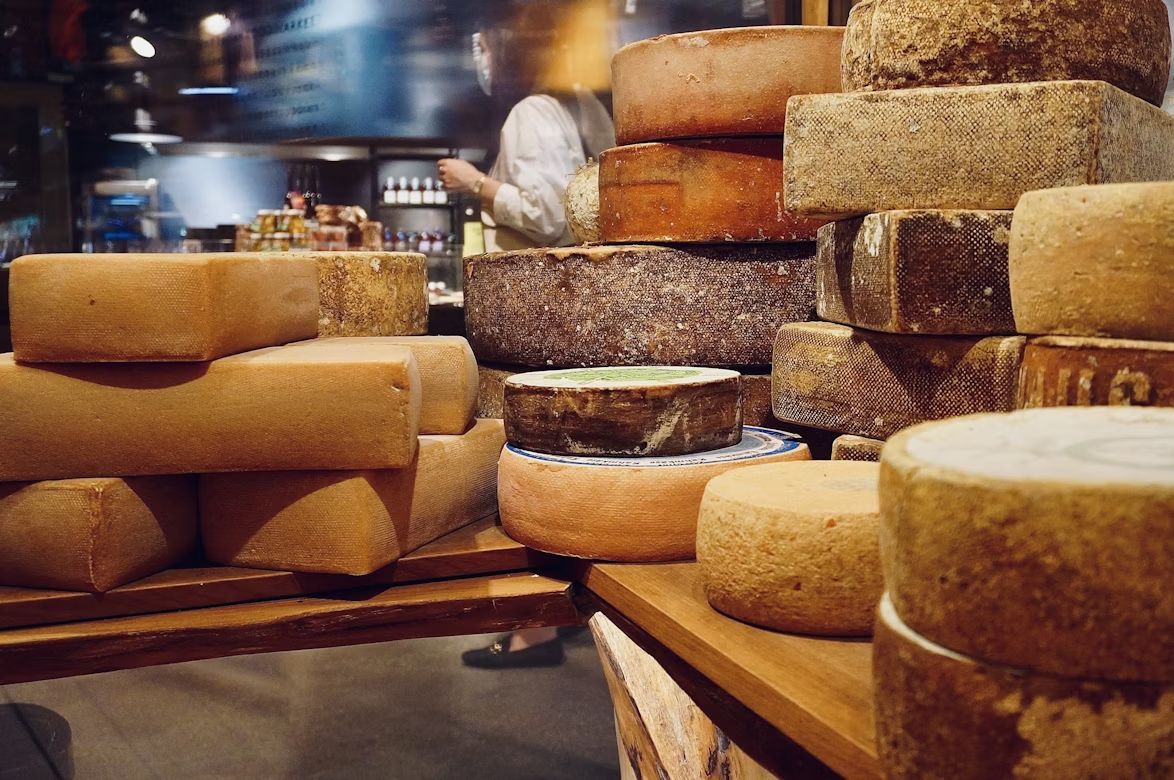
Of course, Wisconsin would go this route. The state named Lactococcus lactis as its official microbe. It is the helpful little organism behind the cheese-making magic. Without it, you would not have cheddar, Colby, or many other favorites. Leave it to the dairy state to give a tiny cheese-maker its moment of fame.

General General 3 min read

Looks ain’t everything

How do I choose the best car for me? 12 tips worth remembering

Image: Annie Spratt

When committing to a large expenditure, such as a car, it is always important to pay attention to a few details to ensure that you are getting the most out of your money. Even if you are not a mechanic or an experienced driver, certain tips can help you make a better decision and avoid possible scams and hidden issues. Do you know these 12?

1
Preapproved loan

Image: Alexander Mils

Getting a preapproved loan before going to a car dealer is a good way to be sure of how much money one can spend, and it can also reveal any possible credit issues that were not clearly visible.

2
Safety first

Image: Alexandria Gilliott

It goes without saying; safety is always a top priority when buying your new car. When looking at models, go for vehicles with a high safety rating and features like airbags, anti-lock brakes (ABS), and electronic stability control (ESC).

3
Driving habits

Image: why kei

What kind of driving you will do should influence what kind of car you will buy . If you do a lot of city driving with stop-and-go traffic, a fuel-efficient car like a hybrid or electric vehicle could save you significant money on petrol in the long run. Do you need a large vehicle for cargo or passengers, or is a smaller, more agile car for local errands and weekend adventures?

4
Cargo space

Image: Andraz Lazic

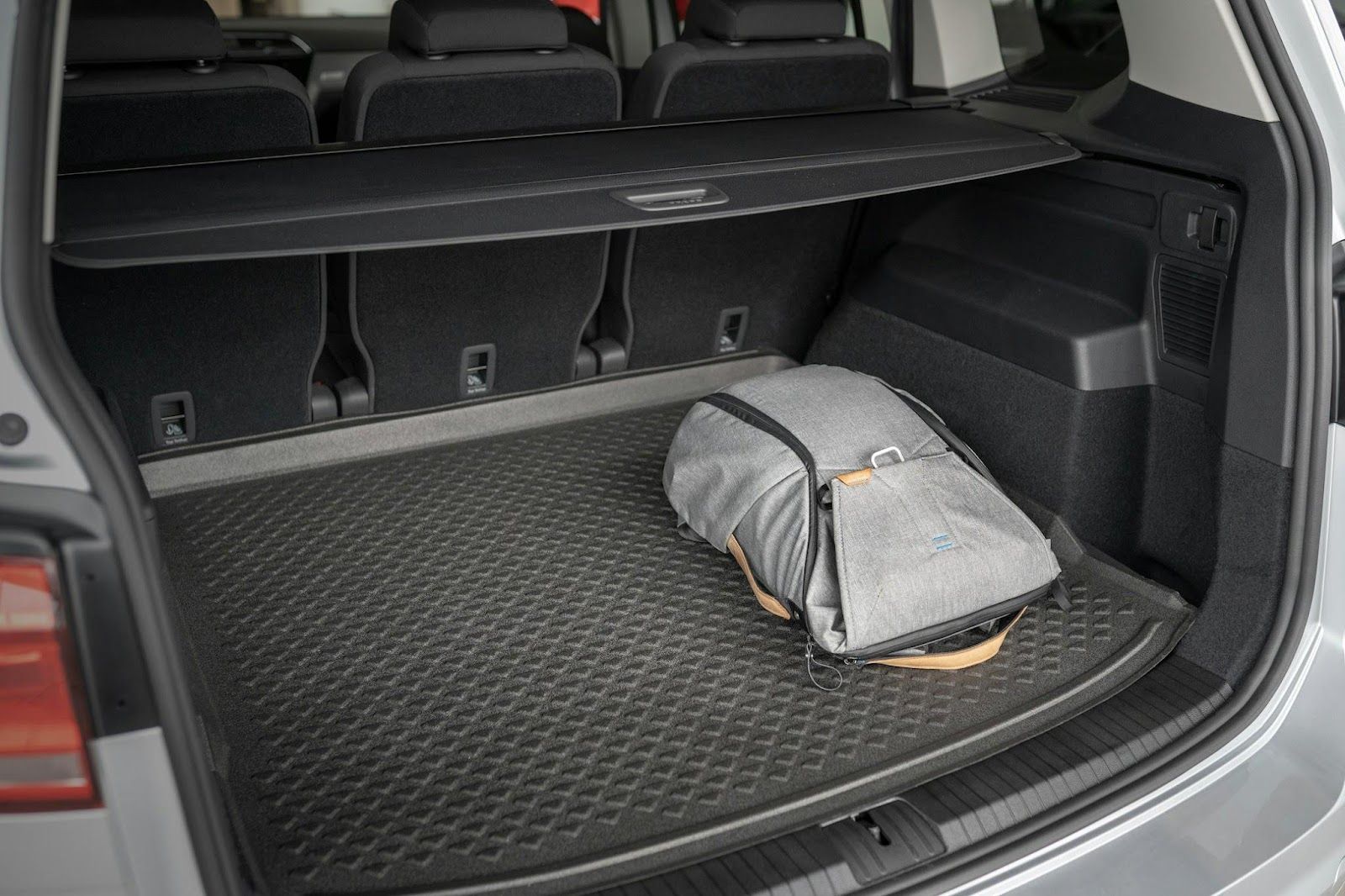
And, since we are on the subject of driving habits, cargo space is a crucial feature of whichever car you decide to buy. How much space do you really need? Even if you only need a lot of space a couple of times a year, you will want to have that space when the time comes, so don’t neglect this aspect.

5
Mileage and vehicle age

Image: Wesley Tingey

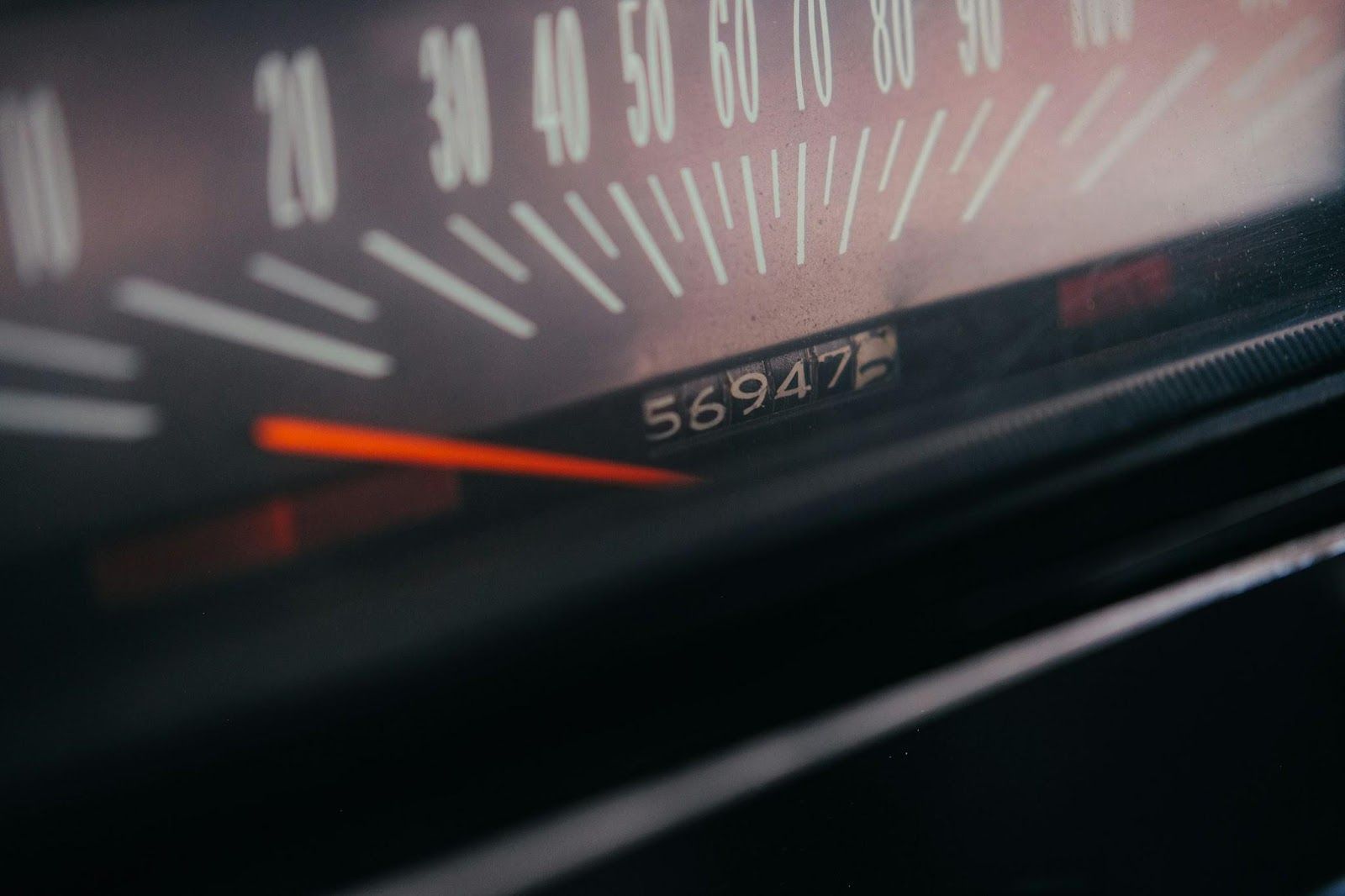
A simple rule to consider when buying a used car is the average mileage a car is supposed to have, relative to its age. That average is 10,000 to 12,000 miles per year . If the car you're looking at has a lower average annual mileage than that, it could be considered a good mileage.

6
Outside look

Image: Parker Gibbs

A quick inspection on the outside is advisable . Check the body for imperfections like gaps, dents, or discolored paint, inspect the windows for chips and cracks, get under the vehicle, and check the wheel wells and underbody for rust, which could lead to future problems.

7
Test drive

Image: Mira Kireeva

When buying a used car, it is always important to take it for a test drive, even if you don’t have a lot of mechanical knowledge. Pay attention to odd sounds or noises coming from the engine, brakes, or transmission . Test the AC and ensure that it cools quickly. Test the electronics, brake lights, headlights, windshield wipers, and see if the tires are not too worn off. And if you see or hear something that you are not sure about, check with a mechanic before buying.

8
Check for water damage

Image: Caspian Dahlström

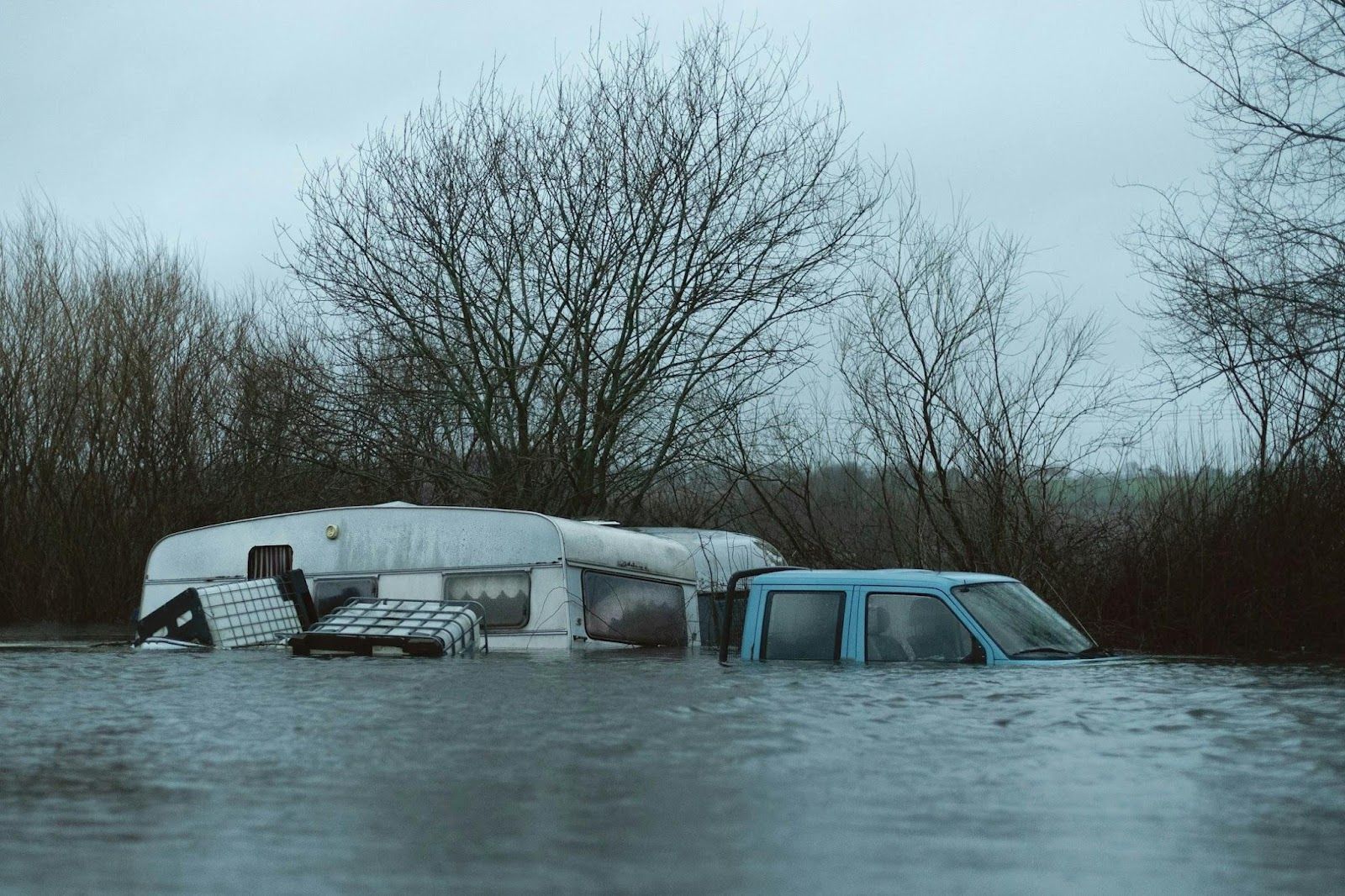
Water damage can be a real problem for the interior, the engine, and the electrical system . Pull back the carpets in the footwells and check for moisture or signs of water damage. There are many flood-damaged cars on the market, and most of the time, the signs are concealed.

9
Try all the seats

Image: Wade Lambert

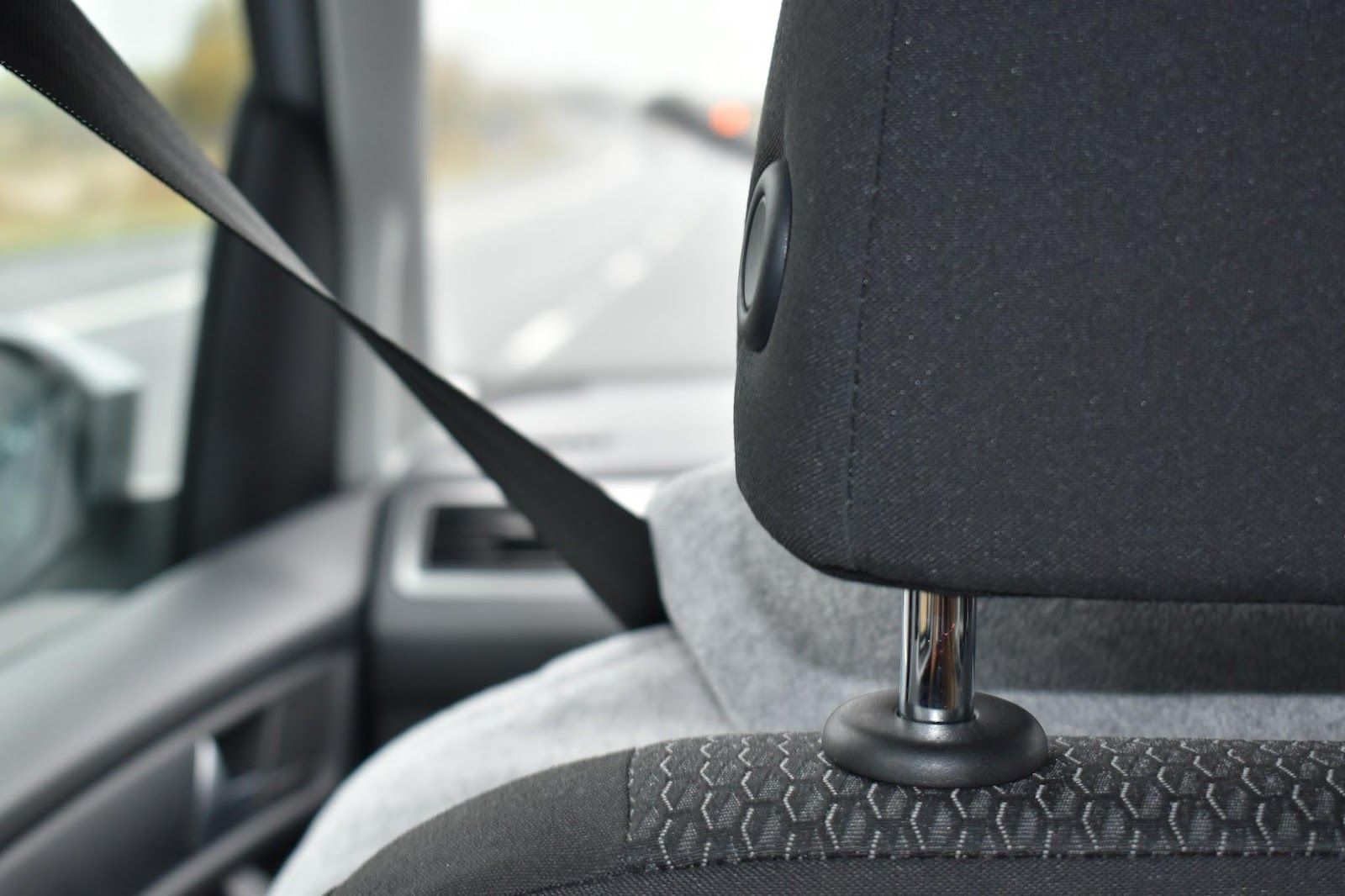
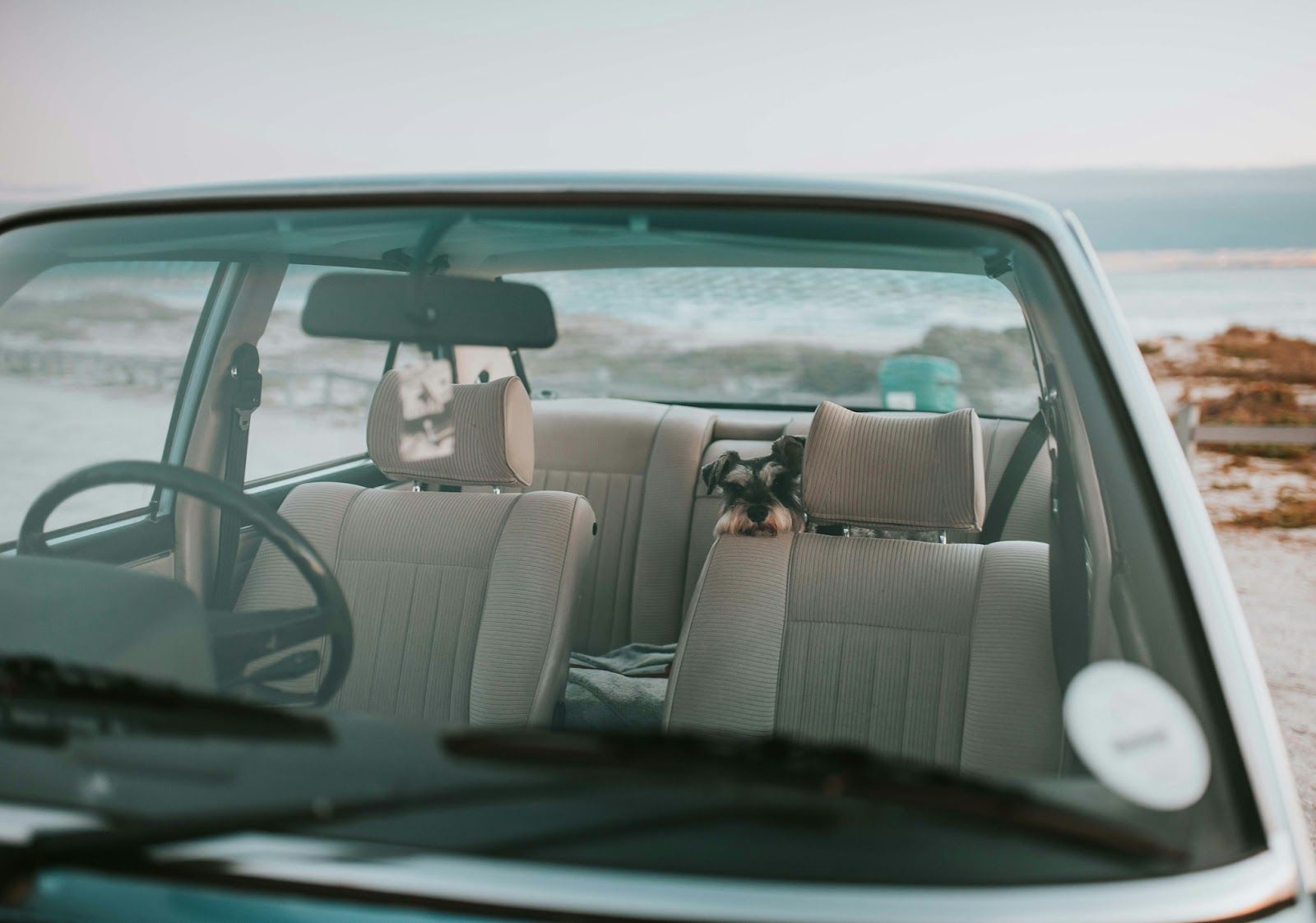
Try out all the seats, even if you probably won’t sit in the rear . Upholstery shouldn’t be ripped or badly worn, particularly in a car with low mileage. Try all the seat adjustments to make sure that they work properly and that you can find a good driving position.

10
Service records and possible crashes

Image: Usman Malik

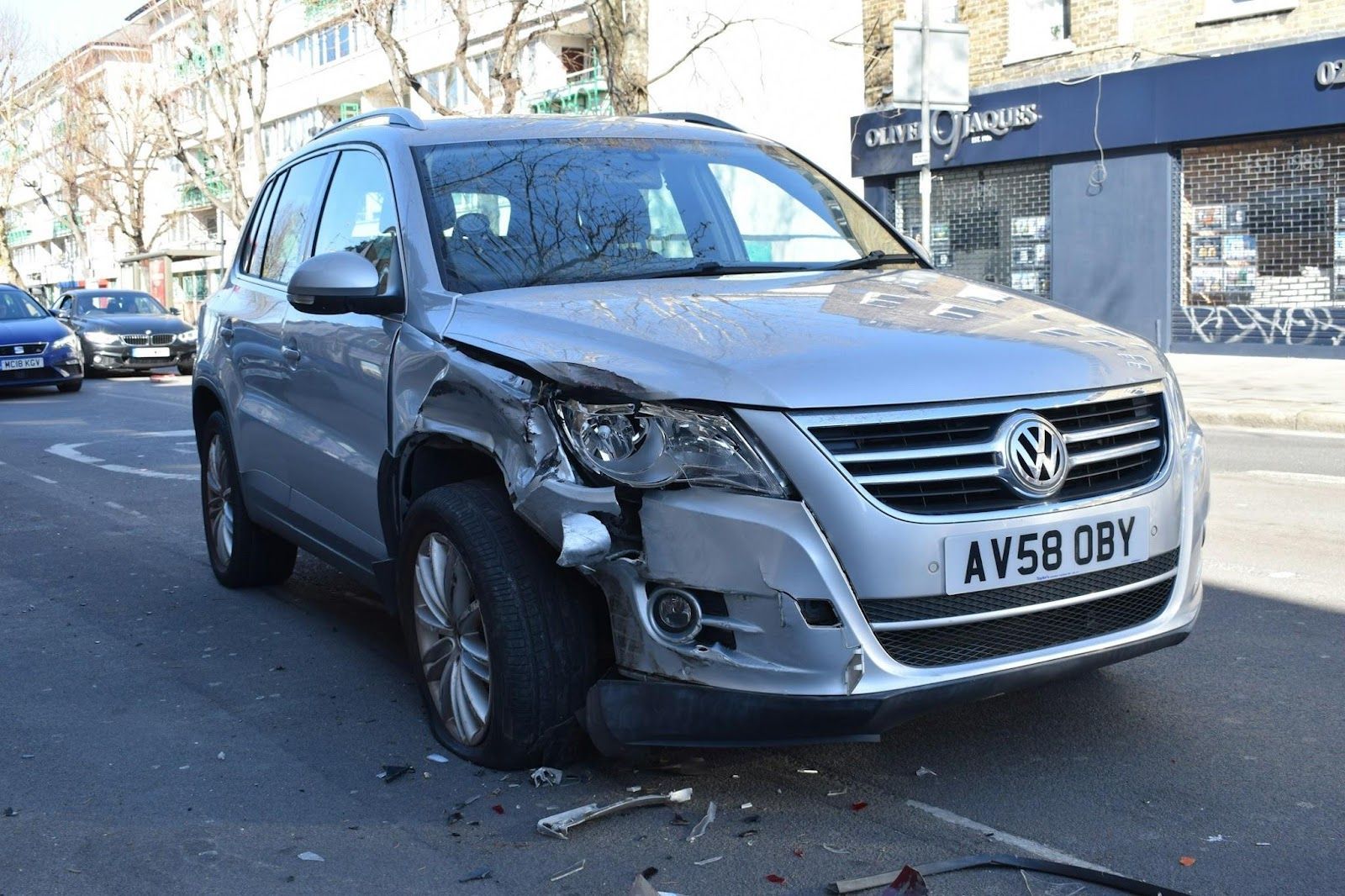
The past history of a used car can predict future issues . Has it been in a crash? If yes, ask about the extent of the damage and who did the work. Does the car have service records? A good, used car has been well cared for. It should have had maintenance done at the manufacturer-specified intervals.

11
Keep it simple

Image: Erik Mclean

Avoid buying add-ons, extended warranties, or very long car loans , since those usually have higher interest rates and a much higher interest component is paid in the first years than the actual loan.

12
Resale value

Image: Hilbert Hill

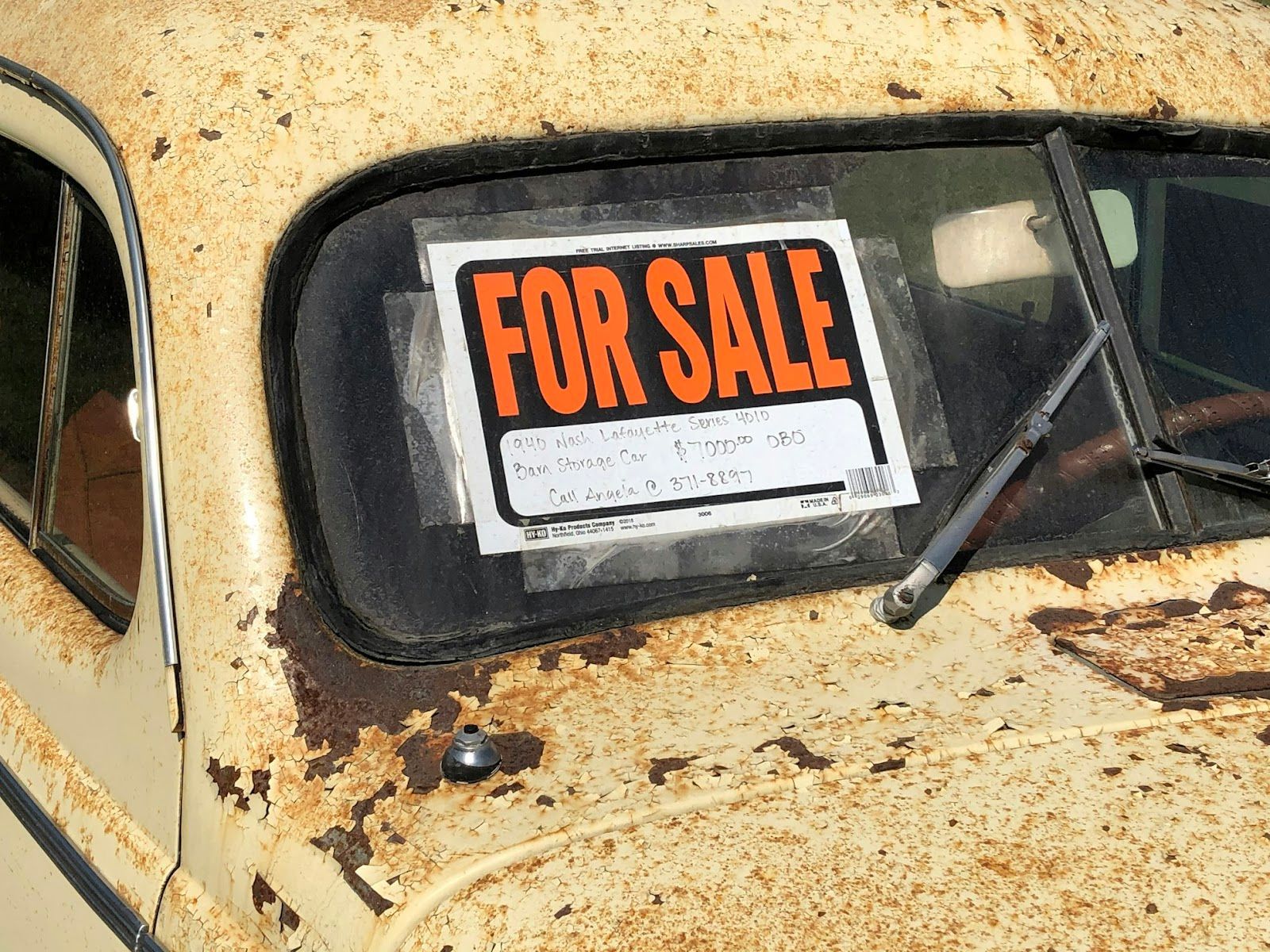
Research the resale value of any used car you are interested in buying . The resale value can affect the overall cost of ownership and the financial return on your investment.

By researching its resale value, popularity, demand, and potential for retaining its value over time, you can decide whether to proceed with the purchase.

Explore more American facts

Choose your favorite category!

General
General

As American as apple pie—the very best America has to offer!

Culture
Culture

Delve into the astounding richness of American lore.

Geography
Geography

Hop in and explore vast and diverse American landscapes.

History
History

Discover the key moments that shaped the United States.