History History 4 min read

History’s hard lessons

Did you know about these 12 disasters that shook America?

Image: Silvan Schuppisser

Our country has faced its fair share of setbacks of all kinds, and many of them ended up changing the way the nation builds, plans, and protects itself. These events weren’t just dramatic moments; they sparked new laws, better engineering, and stronger safety standards all around the world. As serious as they are, these circumstances are also stories of resilience and rebuilding. Take a moment to learn about the following 12 situations that America has gone through.

1
The Great Chicago Fire (1871)
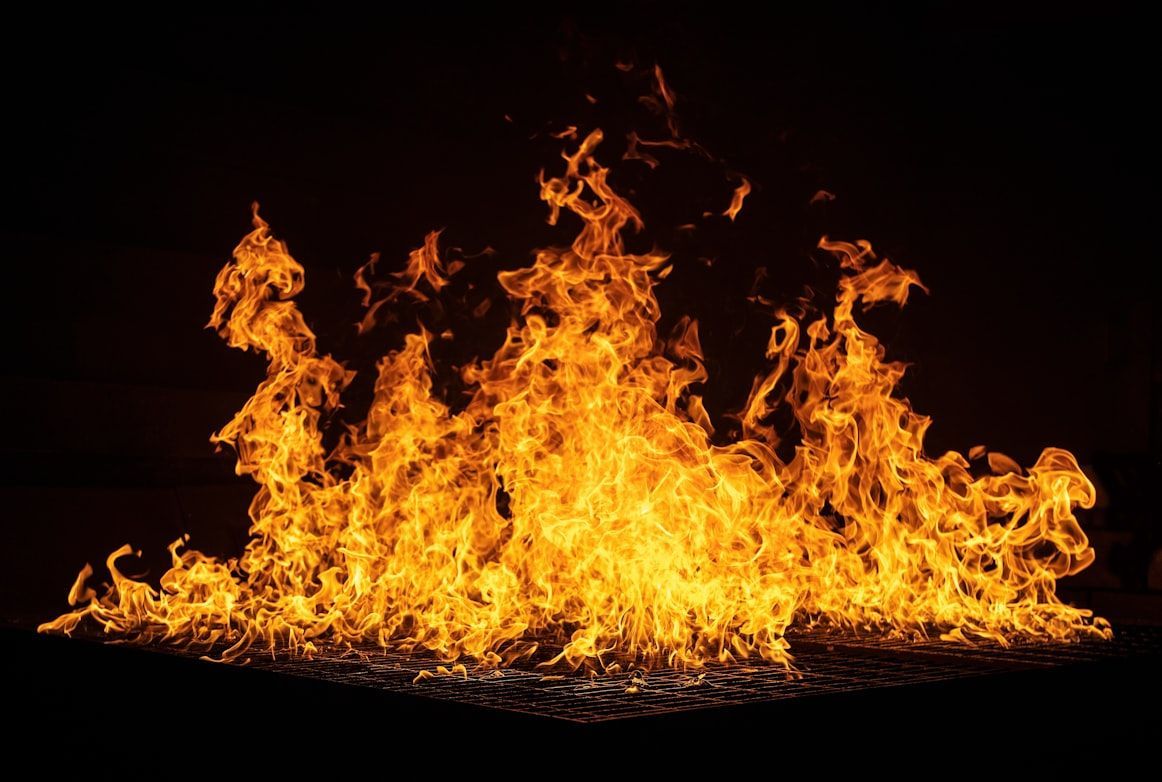
Image: Ricardo Gomez Angel

The Great Chicago Fire burned for almost two days in October 1871, destroying thousands of buildings and leaving the city in ruins . Sparks, dry conditions, and wooden construction helped the flames race through entire neighbourhoods.

It was a painful turning point, but it launched a huge rebuilding effort. Chicago adopted tougher building codes, better water systems, and more specialized fire departments, becoming a model city for urban planning.

2
The Johnstown Flood (1889)

Image: Lukas Hron

In 1889, the failure of the South Fork Dam sent a massive wall of water toward the town of Johnston, Pennsylvania . The flood wiped out entire homes, bridges, and rail lines in a matter of minutes.

The Johnstown Flood drew attention to private dam ownership and safety inspections of such constructions. Engineers and lawmakers used its lessons to plan for better maintenance and more accountability for these large-scale structures.

3
The San Francisco Earthquake (1906)
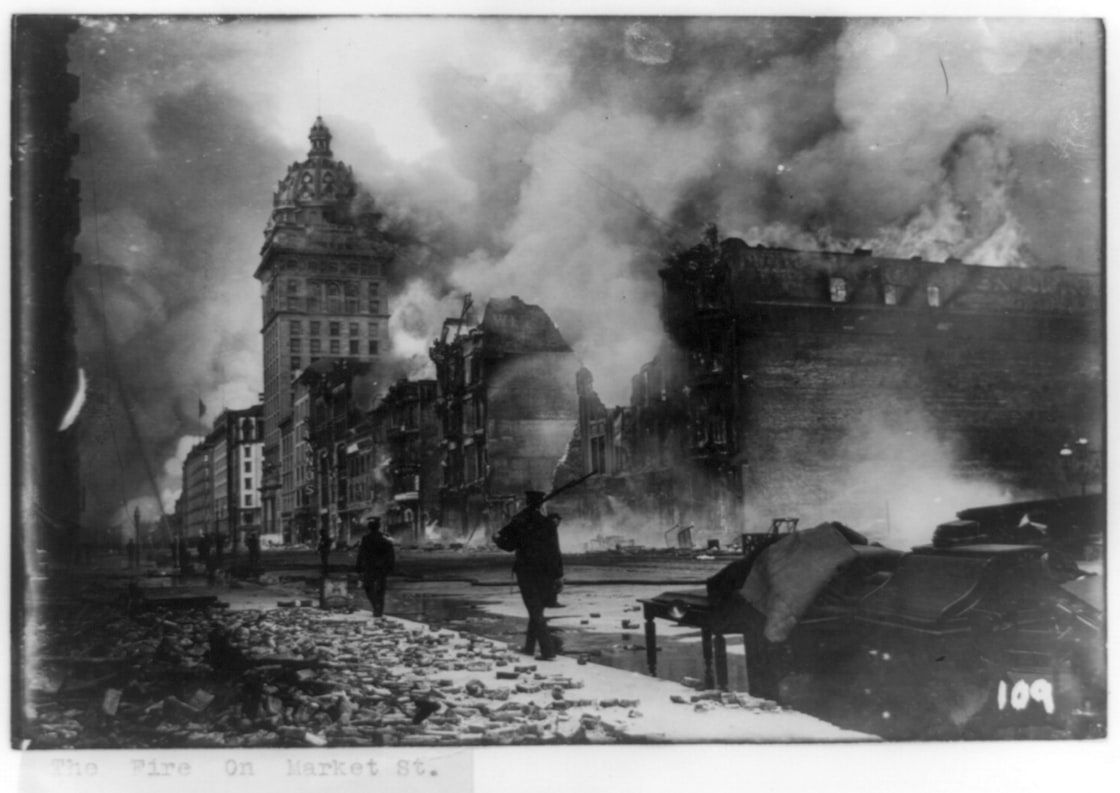
Image: Library of Congress

The 1906 San Francisco earthquake struck before dawn, violently shaking the city and the surrounding areas . Broken gas lines and toppled chimneys sparked fires that raged for days , destroying block after block of homes and businesses alike.

Rebuilding was hard but transformative, as the city adopted stricter building codes, stronger materials, and better street layouts.

4
Triangle Shirtwaist Factory Fire (1911)
Image: Pukima ‎

The Triangle Shirtwaist Factory Fire of 1911 began on the upper floors of a New York City garment factory packed with workers. Locked exit doors, narrow stairways, and crowded conditions turned what would have been a relatively small blaze into a historic tragedy.

Public outrage was immediate and intense. The fire led to tough new safety laws, regular inspections, and rules for unlocked exits and fire escapes.

5
The Hindenburg Disaster (1937)
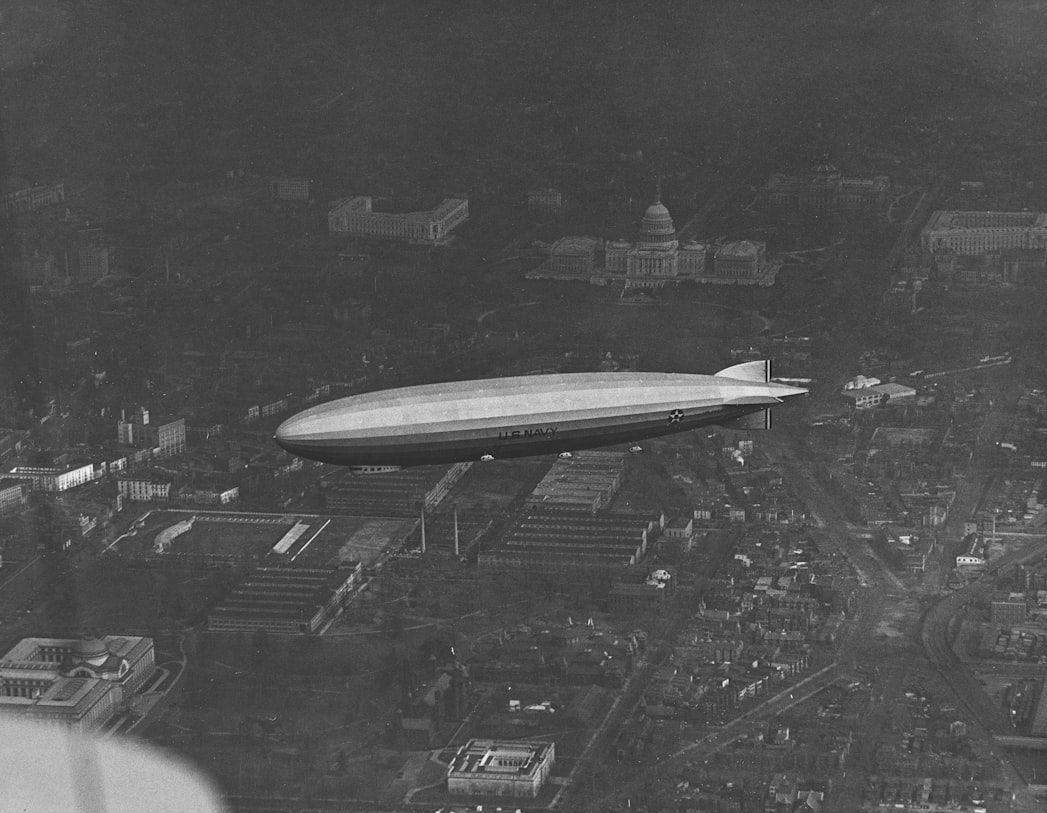
Image: Library of Congress

In 1937, the German airship Hindenburg approached its mooring mast in Lakehurst, New Jersey, after a transatlantic flight. Suddenly, it burst into flames and fell to the ground in front of cameras and radio reporters who witnessed the tragedy.

The disaster shocked the world and quickly ended the age of passenger airships. Public trust shifted toward airplanes, and the whole airship industry faded into obscurity almost completely.

6
The Texas City Disaster (1947)
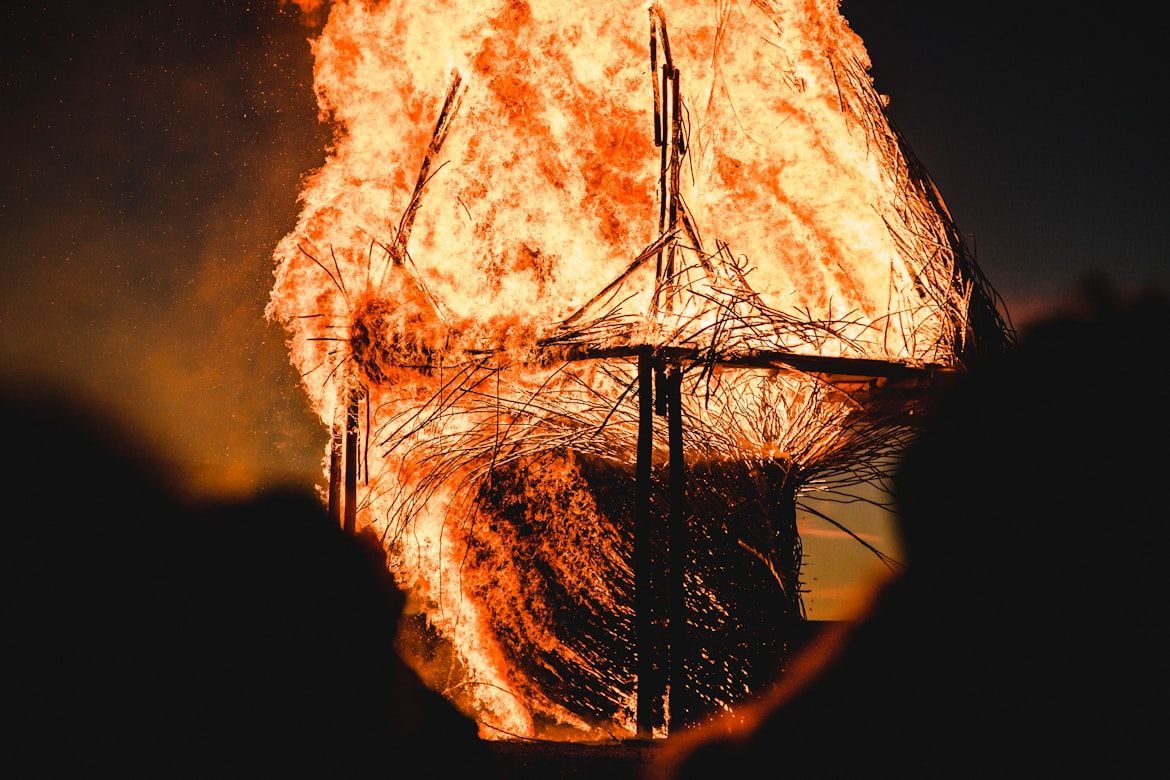
Image: Ash Edmonds

The Texas City Disaster of 1947 began when a ship carrying ammonium nitrate caught fire in the bustling Texas City harbor . As crowds watched from the waterfront, the cargo exploded in a blast so powerful it shattered windows miles away.

The incident prompted sweeping changes in how hazardous materials are stored, transported, and labeled. It led to improved emergency planning, better first-responder training, and regulations aimed at preventing industrial catastrophes.

7
The Silver Bridge Collapse (1967)
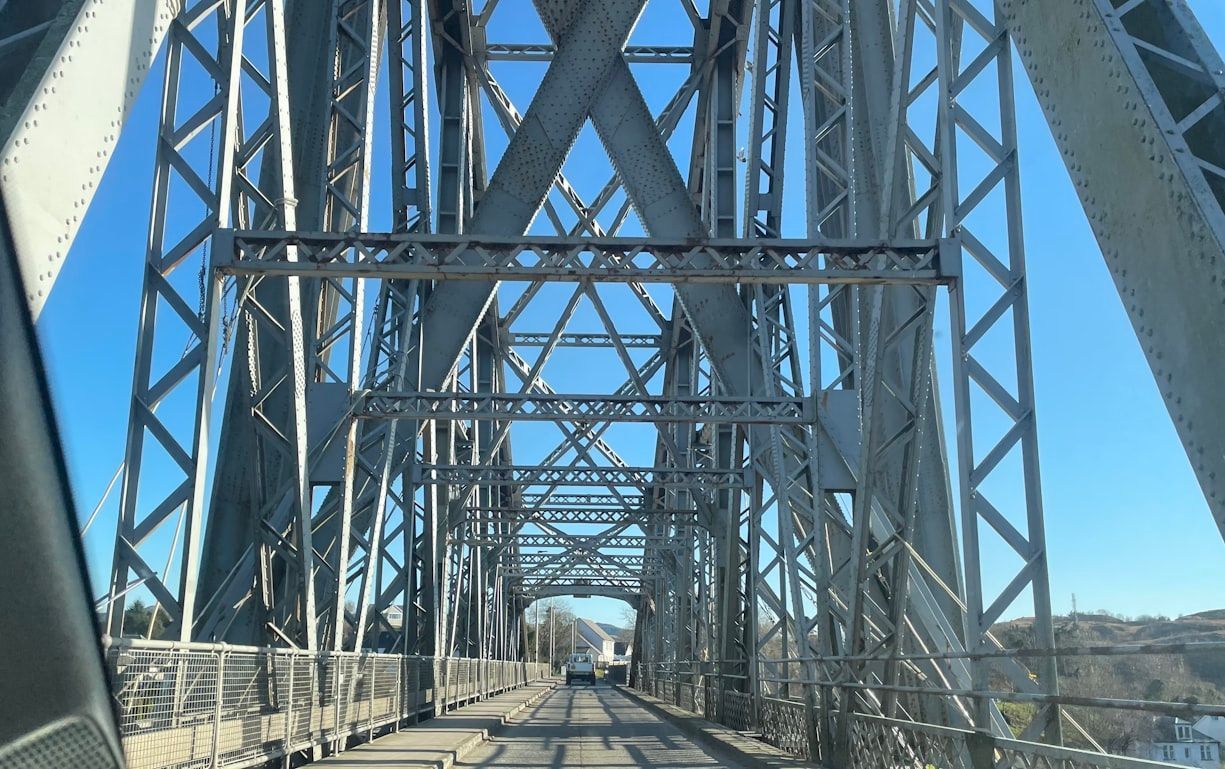
Image: Suzanne Anderson

On a 1967 December day, the Silver Bridge that connected Point Pleasant in West Virginia to Gallipolis, Ohio, collapsed into the river below . Dozens of vehicles were on the bridge and fell into the water.

The collapse spurred nationwide inspections of older bridges and stricter design standards. It introduced new rules for maintenance, record keeping, and modern safety ratings.

8
Buffalo Creek Flood (1972)
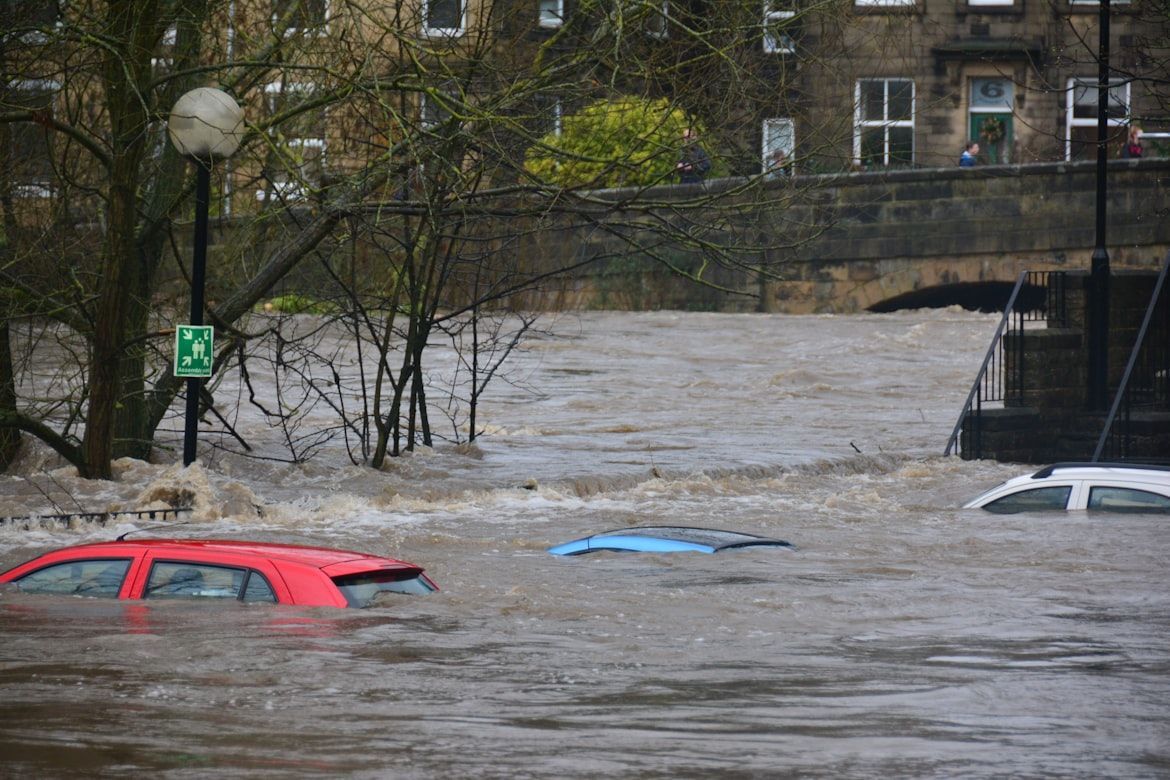
Image: Chris Gallagher

In 1972, after days of heavy rain, a coal-waste dam above Buffalo Creek, West Virginia, gave way . A torrent of water and slurry rushed down the narrow valley, wiping out homes, roads, and small communities in its path.

The Buffalo Creek Flood drew national attention to the dangers of poorly regulated waste dams, and it helped push stricter environmental laws across the country.

9
Three Mile Island (1979)
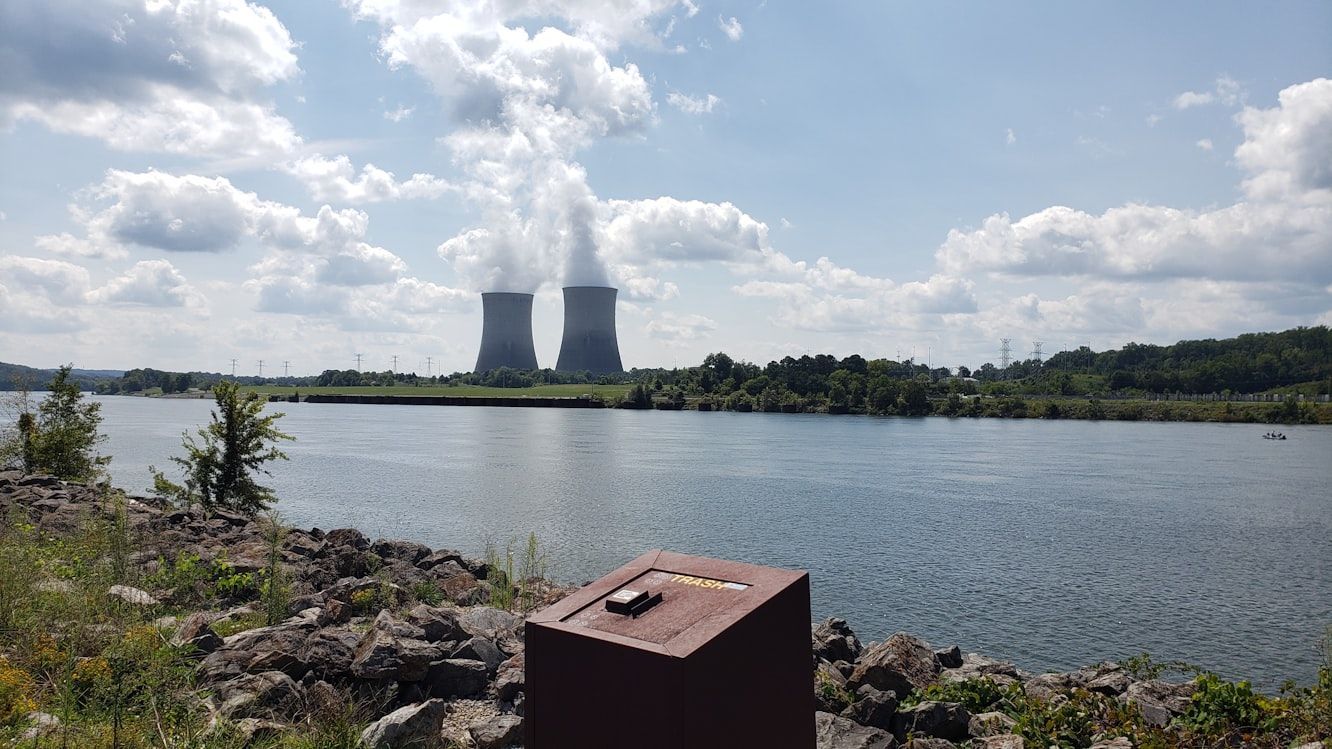
Image: Lee Lawson

The Three Mile Island accident of 1979 began with equipment failures followed by human mistakes inside a nuclear power plant . Cooling problems led to a partial meltdown of the reactor core, alarming nearby residents and the entire country.

Even though it was contained, the incident reshaped nuclear energy in America. Regulators tightened training, communication, and emergency procedures.

10
Hyatt Regency Walkway Collapse (1981)

Image: AJOY DAS

The Hyatt Regency walkway collapse in Kansas City happened during a popular social dance event in 1981. Two suspended walkways above the hotel lobby suddenly gave way, crashing onto the crowded area below .

Investigations exposed serious flaws in the design and in the approval process itself. The disaster led to stricter engineering reviews, clearer responsibilities, and tougher building codes.

11
Exxon Valdez oil spill (1989)

Image: Yuval Zukerman

The Exxon Valdez tanker struck Bligh Reef in Alaska’s Prince William Sound in 1989, tearing open its hull. Crude oil spilled into the cold waters , drifting onto beaches, shorelines, and wildlife habitats in the surrounding area.

The spill led to new rules for double-hulled tankers, improved navigation systems, and better emergency response plans. It also inspired major environmental legislation and long-term monitoring to reduce the impact of future shipping incidents.

12
Deepwater Horizon (2010)

Image: Jonathan Gong

In April 2010, the Deepwater Horizon drilling rig experienced a blowout during exploratory drilling . A series of failures led to an explosion and a major well leak far below the ocean’s surface, drawing worldwide attention.

The disaster sparked new offshore drilling rules, better blowout preventers, and stricter inspection routines. It also sparked debates about energy policies and environmental protection.

Culture Culture 5 min read

Winning words

Fuel your fire with these 10 inspiring quotes by American sports legends!

Some sports quotes have left an unforgettable mark on national and international sports history. Today we're taking a moment to remember those iconic words. To become a champion, you need more than just strength, agility, speed, or endurance; you also need a lot of wisdom . If you're looking for some inspiration, who better to learn from than the champions themselves? Join us to discover these 10 quotes from American sports legends!

1
Babe Ruth

Image: Jose Francisco Morales

To become one of the best in baseball history, you must not only be a talented and dedicated athlete but also a wise person. Babe Ruth was a perfect example of this. This baseball legend inspired us when he said, "Never let the fear of striking out keep you from playing the game."

Often, we let fear win out by imagining worst-case scenarios before making a decision. But as Babe Ruth taught us, we shouldn't let that fear hold us back. If you dare to play the game, you might find that things turn out even better than you expected! You know, the next time you hesitate to take a chance, give it a try!

2
Vince Lombardi

Image: Melissa McGovern

If being an excellent athlete is difficult, imagine managing a team full of them. Knowing how to lead a group of talented people to the greatest victories is not for everyone, but it is for Vince Lombardi, one of the most iconic coaches in American football history.

Lombardi shared his vision of success when he said, "Winning isn't everything, but wanting to win is." This simple but powerful phrase carries a very important message: To achieve our goals, it's vital to know what we want and how deeply we want it. Even if you don't win every game, you should always begin with a winning attitude as a guide to success!

3
Billie Jean King

Image: John Fornander

Some people say the key to being a winner is never giving up . Keep going until you make it! This is what Billie Jean King, one of the greatest players and a pioneer in women's tennis, conveyed when she said, "Champions keep playing until they get it right."

Billie Jean King never gave up, even when some people told her to. With her powerful message, BJK redefines the idea of a champion. She sees the long-awaited victory as the final step in a journey that a champion has been pursuing for a long time. Inspiring!

4
Michael Jordan

Image: Markus Spiske

The incredibly talented Michael Jordan didn't hold back when telling the secret behind his success in sports: "I've missed more than 9,000 shots in my career. I've lost almost 300 games. 26 times, I've been trusted to take the game-winning shot and missed. I've failed over and over and over and over again in my life. And that is why I succeed."

While it's true that watching these spectacular athletes may feel like witnessing magic, their excellence is actually the result of countless hours of hard work , moments of failure, and the perseverance needed to overcome all that and achieve glory.

5
Serena Williams

Image: Mario Gogh

How do you handle tough situations? Whether it's in sports or in life, it's important to get back on your feet, recover from mistakes or defeats, and keep moving forward.

But what do you do right after a setback or defeat? Well, this is precisely what Serena Williams was referring to when she said, "I really think a champion is defined not by their wins but by how they can recover when they fall." Common wisdom tells us that we can see a person's true character during hard times . According to Serena, our response to huge challenges or troubles also defines who we are.

6
Tom Brady

Image: Dave Adamson

In difficult times, the words of the wise can be incredibly helpful. And who better to inspire us than a true champion ? Someone who led his teams to win 7 Super Bowls surely knows things, right? You guessed it: we're talking about the incredible Tom Brady!

This great athlete said, "Nothing happens to you; it happens for you." At first, it might not be entirely clear, but this quote has a powerful message. Shifting our perspective to change the way we see negative events can be the key to overcoming challenges and reaching our goals. With Tom Brady's mindset, every inconvenience becomes an opportunity to be better every day. Go for it!

7
Shaquille O'Neal

Image: Patrick Fore

How we live each day, our actions, choices, the way we handle situations, and the people we interact with are the things that define us. Shaquille O'Neal, a basketball legend, once said, "Excellence is not a singular act but a habit . You are what you repeatedly do." And it's clear that Shaq embodied this excellence!

With this powerful quote, Shaquille O'Neal reminds us that reaching our goals and becoming who we aspire to be depends largely on our daily habits rather than on a unique major act. It's something to remember every day: we are what we do!

8
Magic Johnson

Image: jesse orrico

Magic Johnson is undoubtedly one of the greatest names in basketball. He's someone who achieved incredible success, not just because of his natural talent and skills but also due to his dedication and respect for every member of his team .

In this sense, Magic Johnson once said, "Ask not what your teammates can do for you. Ask what you can do for your teammates ." Echoing JFK's famous 1961 quote, "Ask not what your country can do for you; ask what you can do for your country," Magic reminds us that success often requires setting aside ego and individual interests to focus on collaboration and support for others.

9
Muhammad Ali

Image: Johann Walter Bantz

Dreaming about our goals is just the beginning; it is also necessary to work a little bit every day to achieve them. Making the most of our time to grow and improve different areas of our lives is always time well spent.

That is probably what Muhammad Ali meant when he said, "Don't count the days, make the days count." Instead of letting anxiety or worry get the better of you while waiting for something to happen, it's far better to take action and make it happen! Muhammad's words are an excellent way to encourage us to keep trying and never give up.

10
Kareem Abdul-Jabbar

Image: MontyLov

The great and successful basketball player Kareem Abdul-Jabbar is credited with the phrase, "One man can be a crucial ingredient on a team, but one man cannot make a team." A great message about collaboration and companionship.

In sports, as in life, knowing how to work as a team is critical. Where would we be without those who stand by us every day? Family , friends, coworkers, classmates, and even pets, all help us through life's challenges and joys. The same goes for every sports team, and Kareem Abdul-Jabbar understands this perfectly.

General General 6 min read

Extraordinary winged friends

From Bald Eagles to Mockingbirds: Fun facts about North American birds

Image: Siegfried Poepperl

The animal kingdom is full of peculiar species, but undoubtedly, birds are one of the most interesting. North America is home to more than 1,100 marvelous bird species that have captured our hearts and minds. From their striking colors and pleasant tunes to their unique behaviors, birds are endlessly fascinating. These cute little flying creatures hold countless curiosities—so many that it would be impossible to gather them all in one article. Nevertheless, here is a small selection of some very interesting facts about 10 of the most compelling North American birds. Are you ready to be amazed?

1
Woodpecker

Image: Jaime Dantas

Surely, we could all recognize Woody Woodpecker's famous laugh anywhere, but have you ever wondered why this type of bird knocks on wood? Woodpeckers have larger and stronger bills than other birds. They use their beaks not only to dig holes in trees for nesting but also to drum on resonant objects like hollow logs and branches to communicate to other woodpeckers, about their territory and their availability to mate.

But is it true that they hammer away at wood at an incredible speed, as seen in the beloved cartoon? Yes! For example, the Red-headed Woodpecker, found in temperate North America, has the highest g-force (force of acceleration) experienced by a bird. When pecking wood, they hit trees with an impact force of 1,200 g’s. By comparison, astronauts on space shuttles experience 3.5 g's during takeoff, while a force of 60-100 g’s can cause a human concussion.

2
Northern Cardinal

Image: Joshua J. Cotten

Did you know most female songbirds in North America usually don't sing? Fortunately, both male and female Northern Cardinals break this trend with their beautiful songs . As a matter of fact, sometimes they even perform duets! Mated pairs usually sing back and forth to each other, sharing information about food sources and nest activity.

Another cool fact about Northern Cardinals is their tendency to fight their own reflections in windows and vehicle mirrors. Experts claim they see their image as a competing bird and attack it to defend their territory. This behavior can go on for days, even months.

Nevertheless, despite this somewhat aggressive attitude, Northern Cardinals are one of America's favorite birds. They hold the distinction of being the state bird of seven states: Illinois, Indiana, Kentucky, North Carolina, Ohio, Virginia, and West Virginia.

3
Brown Thrasher

Image: Joshua J. Cotten

The Brown Thrasher may be an elusive, hard-to-see bird but it certainly doesn't go unnoticed. The state bird of Georgia, found throughout the eastern and central United States and southern and central Canada, is well known for its remarkable songs.

In fact, this big, foxy-red bird is not only a prolific singer but also an expert mimic, with an impressive repertoire of more than 1,100 tunes! And thrashers are so good at keeping the natural world entertained that they will repeat each phrase of a song twice before singing the next one.

4
Northern Mockingbird

Image: Patrice Bouchard

The Northern Mockingbird is another remarkable mimic. This bird listens to the songs of nearby species and learns to replicate their tunes. In fact, a male may learn around 200 songs throughout its life. The mockingbird, however, can be a bit more monotonous than the Brown Thrasher: it repeats phrases up to six times before moving on to the next one. Have you ever had one in your backyard?

Apart from its musical abilities, the Northern Mockingbird, very common in towns and cities, especially in the South, is one of the most influential birds in American culture. It serves as the state bird for five states : Arkansas, Florida, Mississippi, Tennessee, and Texas. It also appears in many books, TV shows, folk songs, and lullabies.

5
Marsh Wren

Image: Alexis LOURS

Marsh Wrens are songbirds too, but in their case, it’s all about impressing the ladies! The Marsh Wren, a tiny brown bird found all around North America, learns songs from other males and sings them nearly identically. With a repertoire of more than 100 melodies, males often engage in musical duels and sing back and forth to each other to impress the females with their musical abilities.

But singing isn’t their only strategy for winning over a mate. Male Marsh Wrens build up to 20 dummy nests made from cattails for prospective females to evaluate. The female then chooses which one she prefers to lay her eggs in. Unused nests are left as is to confuse predators or are used by adult birds to sleep during nonmating seasons.

6
Black-capped Chickadee

Image: Margaret Strickland

The Black-capped Chickadee, the state bird of both Massachusetts and Maine, is a very popular bird across the northern United States. This small black, white, and tan bird, roughly the size of a sparrow, is well known for its vocalizations and for its ability to conserve energy during the winter months.

In extremely cold weather, Black-capped Chickadees enter a state of dormancy known as torpor. At night, the birds seek shelter and become inactive, causing their core body temperature to drop slightly. As they alternate shivering with staying still, the heart rate decreases. When they reach a full state of torpor, they lose consciousness. Toward morning, the birds start shivering again to regain temperature. This way, the Black-capped Chickadee starts the day afresh, using the precious fat it saved during the night as energy.

7
Ruby-throated Hummingbird

Image: Skyler Ewing

They might be tiny but the myth that Ruby-throated Hummingbirds migrate on the backs of Canada Geese is totally false. Ruby-throated Hummingbirds, the most common hummingbirds in eastern North America, migrate south at the end of summer, traveling to temperate climates in Central and South America entirely on their own.

This iridescent red and green bird is so small that it makes the most minuscule nests. The nest of a Ruby-throated Hummingbird is around the size of half of a walnut shell—only 1½ inches wide! Also, the smaller the bird, the fewer the feathers. The Ruby-throated Hummingbird is a record holder for the fewest feathers in a bird, less than 1,000 in total. For reference, a Whistling Swan, the record holder for the most feathers, boasts about 20,000 individual feathers.

8
Owls

Image: Keith Lazarus

Owls are both cherished and mysterious creatures. In North America, there are 19 different species, each with its own curious characteristics. For example, the Elf Owl, found in the Southwestern United States and Mexico, is special because it’s the smallest owl in the world —measuring just 5 inches tall!

Night-hunting owls present in North America, such as Barn Owls, Long-eared Owls, and Boreal Owls, have the best hearing in the bird world. Many of these nocturnal owls have asymmetrical ear openings, one opening higher and one larger. This unique adaptation allows sound to enter their ears at slightly different times, helping them to accurately triangulate the position of their prey. Also, Barn Owls have a specialized middle claw called pectinate claws. This special feature is a serrated edge that serves as a built-in comb to get rid of debris or parasites.

9
Snow Goose

Image: David Dibert

Isn't it great when we get to spot those amazing V-shaped migration formations in the sky? Did you know that most of North America’s small birds don’t fly in formations? They travel alone or alongside other birds that happen to be heading in the same direction. The Snow Goose, however, is an exception, often flying in huge V formations or single-angled lines.

During migration, Snow Geese, native to North America, form some of the largest flocks in the bird world. Flocks of more than 100,000 Snow Geese are a common sight during their northward spring migration. In some areas, such as Nebraska, there are even records of flocks with millions of geese. Flying in formations allows Snow Geese to save energy during flight.

10
Bald Eagle

Image: Pixabay

If you thought that, since it’s the national symbol of the United States of America, you knew all about the Bald Eagle, these facts will probably blow your mind! Did you know that young Bald Eagles are born with brown eyes, which eventually turn yellow? And what about the fact that they have talons that can grow up to 2 inches long , helping them grasp prey tightly for a quick kill?

Furthermore, Bald Eagles make the largest nests of any bird species. The largest Bald Eagle nest ever recorded measured more than 9 feet wide and 20 feet deep and was found in St. Petersburg, Florida. What's even more impressive is that they reuse their nests for many years—sometimes even decades. A Bald Eagle nest in Vermilion, Ohio, was used for 35 years in a row—mortgage-free! Can you imagine?

Explore more American facts

Choose your favorite category!

General
General

As American as apple pie—the very best America has to offer!

Culture
Culture

Delve into the astounding richness of American lore.

Geography
Geography

Hop in and explore vast and diverse American landscapes.

History
History

Discover the key moments that shaped the United States.