General General 4 min read

America’s favorite

Is your dog on this list? America's 10 favorite breeds
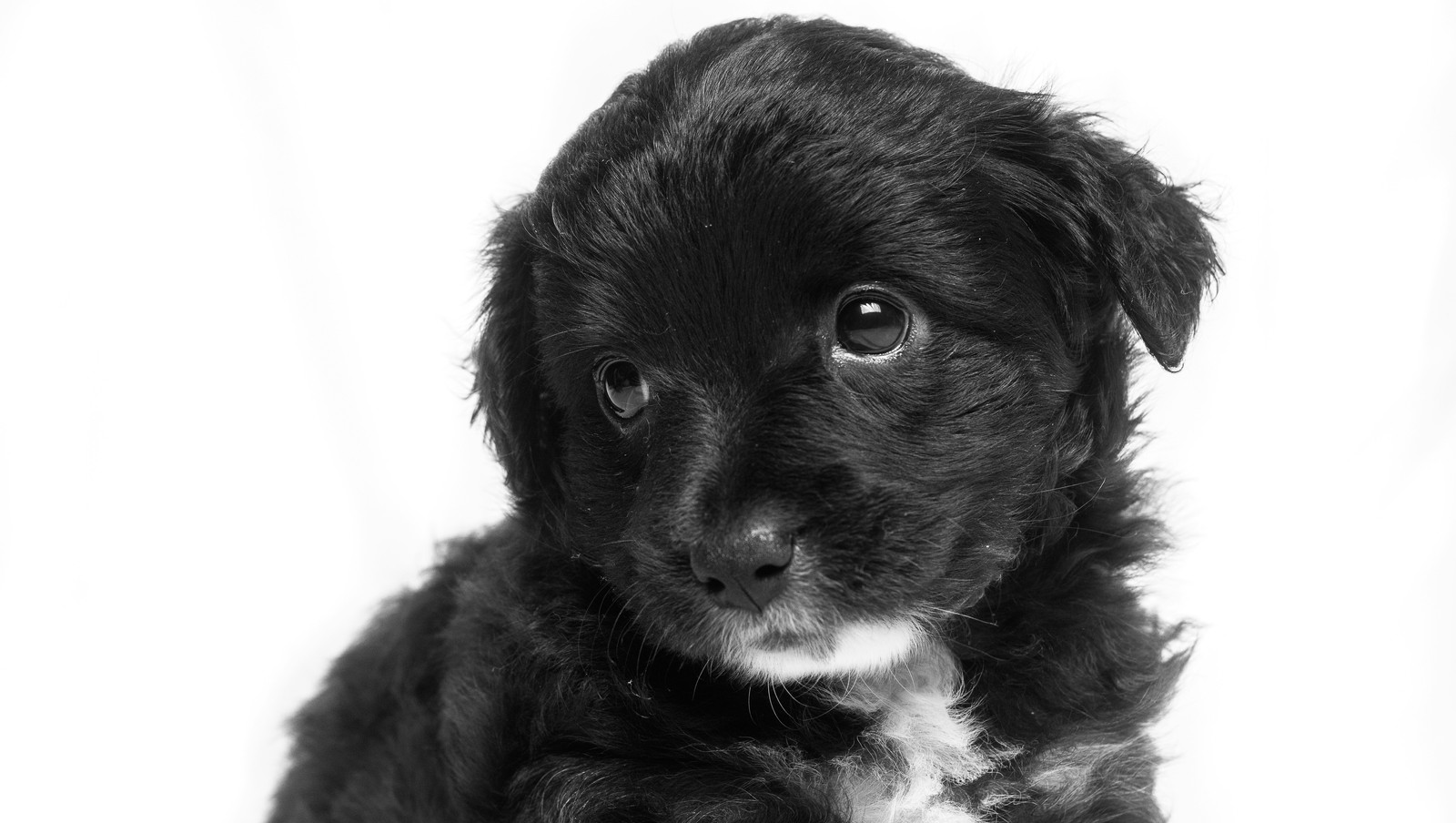
Image: Joel J. Martínez

According to recent statistics, about 66% of American homes have a pet, and dogs are the clear favorite. How popular are they? It turns out that 65 million US households own at least one dog. So which breeds top the list? Which ones claim the crown as the most chosen in American homes? Join us to see if your favorite breed makes the ranking.

1
French Bulldog
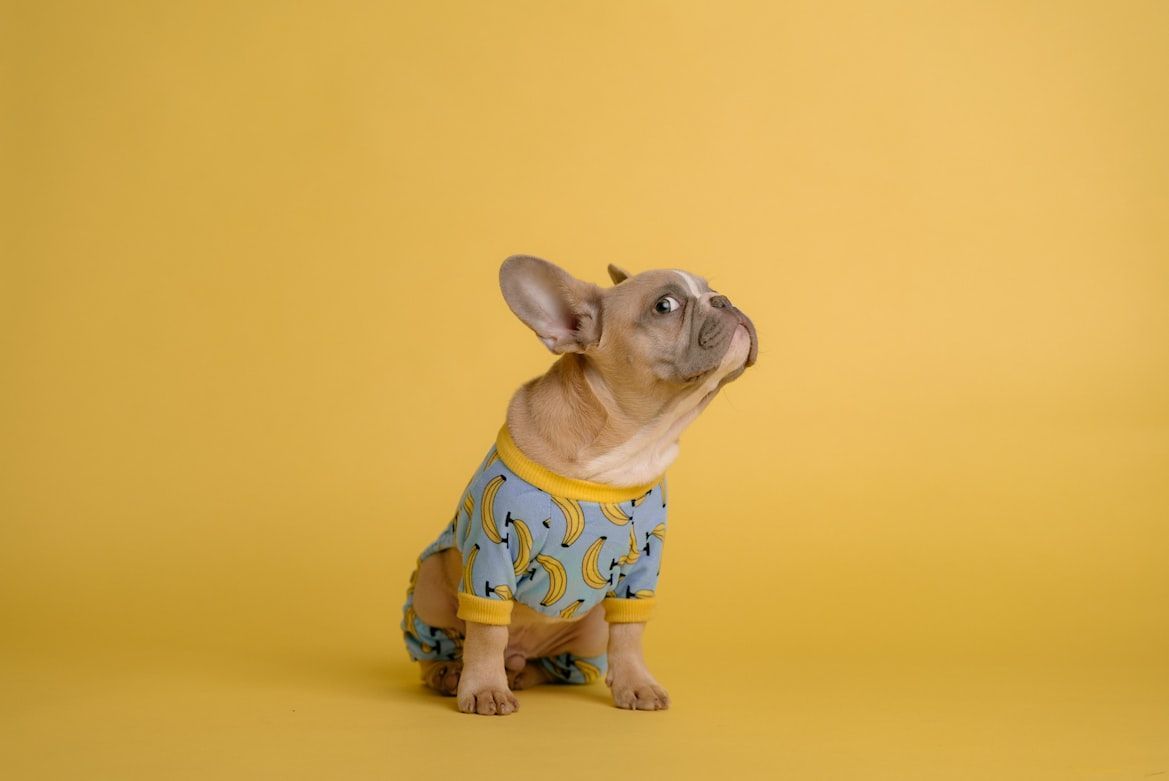
Image: Karsten Winegeart

The French Bulldog has held the title of the most popular dog breed in the US since 2022. Their friendly and adaptable nature, combined with their small size, makes them perfect companions for people living in apartments or smaller homes. They may snore a little when they sleep, but that only makes them even cuter.

Just be cautious around water. Despite their bold personalities, French Bulldogs are not strong swimmers. So it’s important to supervise them closely near pools, fountains, or any other body of water.

2
Labrador Retriever
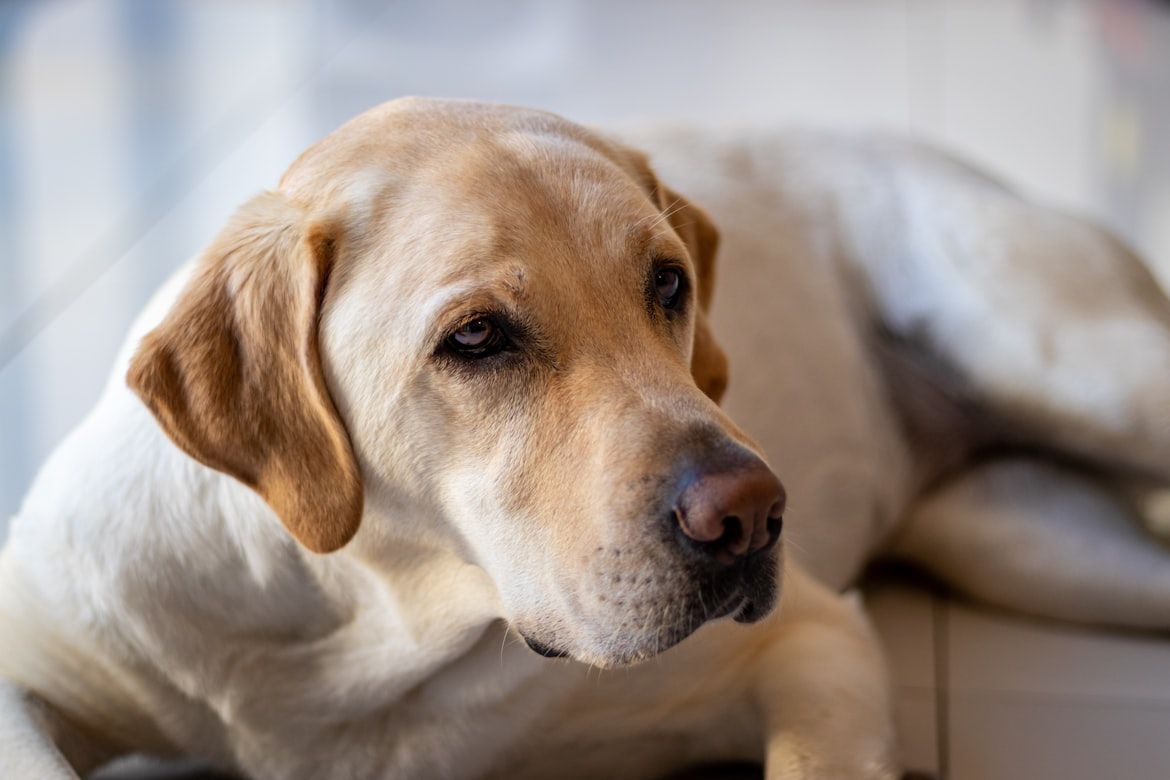
Image: Grant Durr

In second place, we have the beloved Labrador Retrievers, who were surpassed by French Bulldogs only in 2022. For more than three decades, the sweet Labrador was America’s favorite dog, and for good reason.

Known for their outgoing and gentle temperament, they get along wonderfully with adults, children, and even other animals. Their intelligence and sensitivity also help them stand out not only as loyal family pets and hunting companions, but also as therapy and service dogs.

3
Golden Retriever

Image: Taylor Sondgeroth

Right behind Labradors are Golden Retrievers, the good guys of the neighborhood. With their warm temperament and endless energy, they’ve earned the number three spot among the most popular breeds. Often described as "people pleasers," Goldens are more than just obedient; they’re quick learners who are always eager to join you on any adventure.

4
German Shepherd
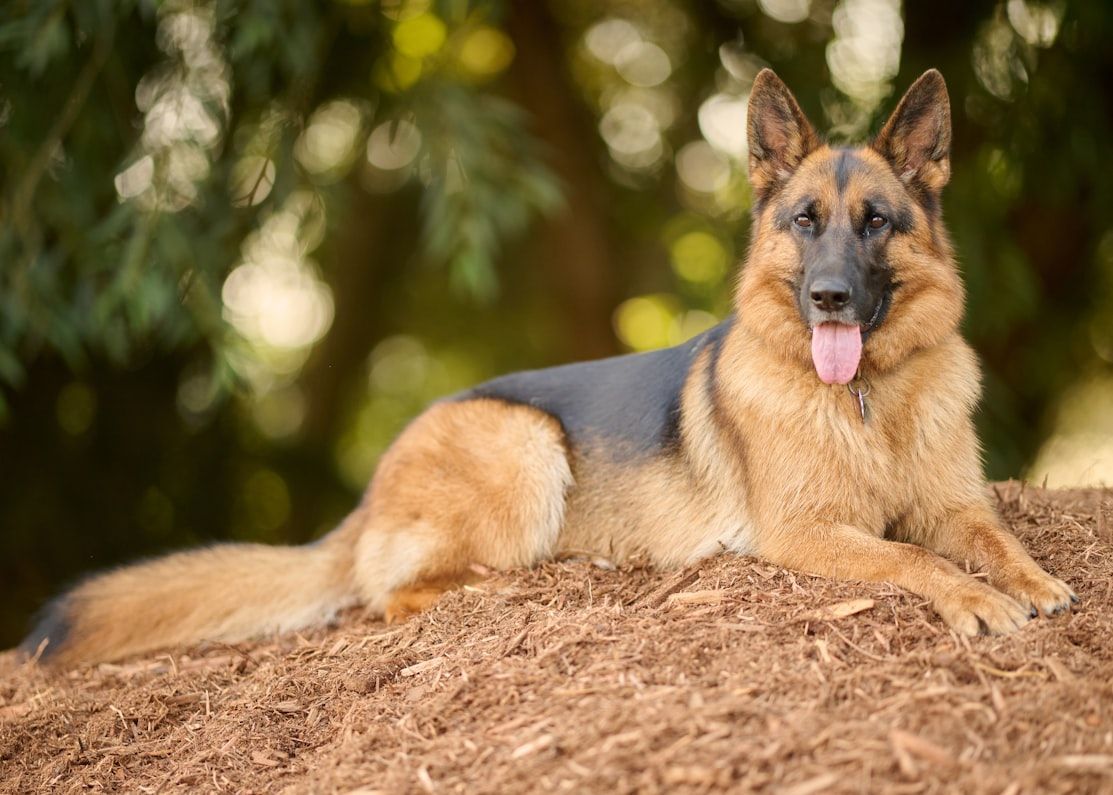
Image: Steve Smith

Fourth on the list are German Shepherds, elegant, impressive dogs renowned for their loyalty, intelligence, and ability to learn quickly. Unlike Labradors and Golden Retrievers, however, they often have a more serious image, largely because they’re commonly associated with police work, search and rescue, and service roles. Naturally protective, they tend to be reserved at first but become affectionate with those they trust.

Do you remember Rin Tin Tin? He was a great example of the breed and helped bring German Shepherds to worldwide fame.

5
Poodle
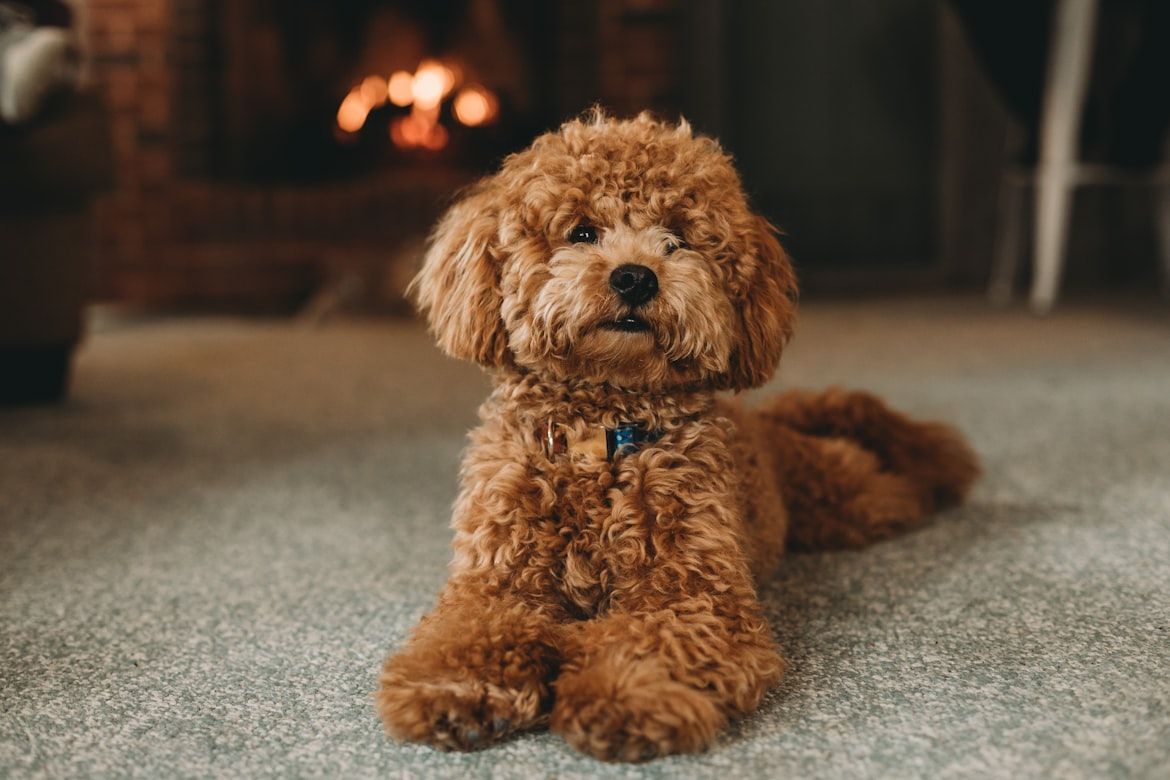
Image: Steven Van Elk

It’s hard to write a paragraph about Poodles, not because we don’t have anything to say, but because it’s easy to be distracted by all that cuteness. Ranked fifth among the most popular breeds, Poodles also rank among the most intelligent dogs in the world. Their extraordinary smarts and enthusiasm to learn come from their history as skilled hunting dogs and even circus performers. Thanks to their obedience, agility, and strong bond with people, they continue to hold a top spot among America’s favorite breeds.

6
Dachshund
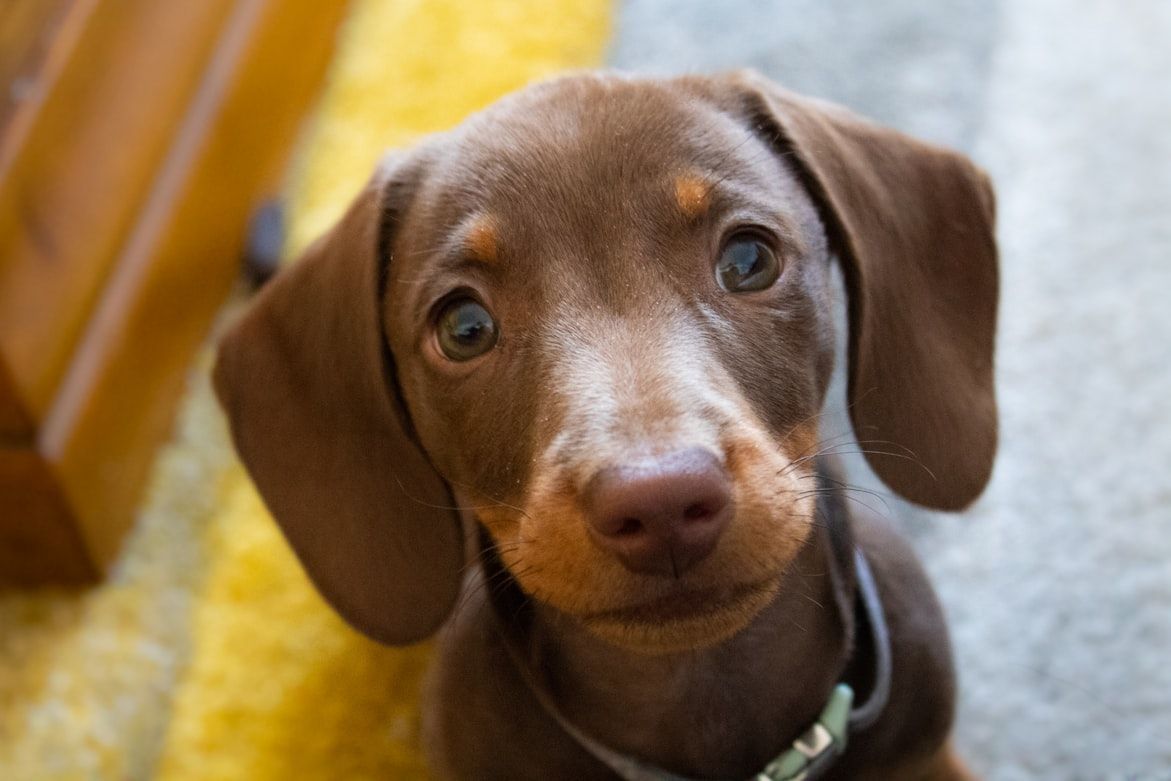
Image: Christopher Cassidy

In sixth place are the adorable Dachshunds. Famous for their long bodies, short legs, and big personalities, these dogs weren’t in the top rankings a decade ago. Many believe their surge in popularity has been fueled in part by viral internet videos showcasing their charm and humor. But don’t let their small size fool you: Dachshunds may be small, but their deep, bold bark makes them sound much bigger than they really are.

7
Beagle
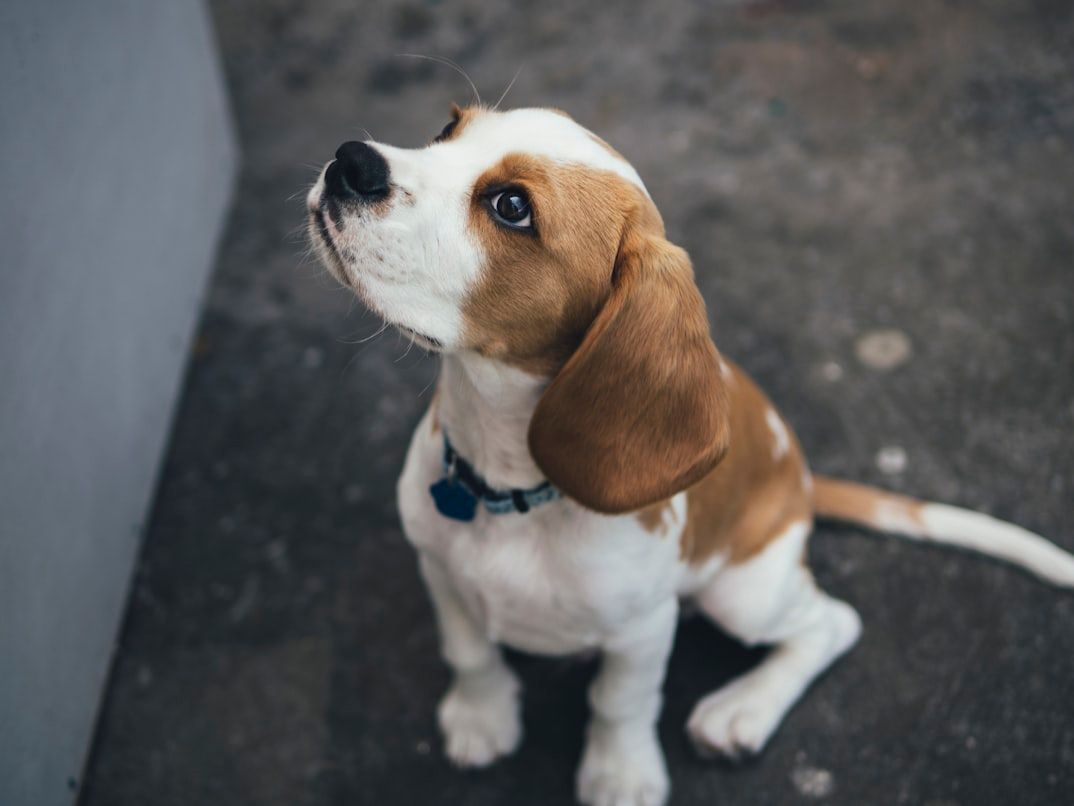
Image: Marcus Wallis

Beagles come in seventh place, though if there were a contest for best ears, they’d surely take first. They’re loved not only for their adorable looks but also for their intelligence and, above all, their extraordinary sense of smell. Originally bred as rabbit-hunting hounds, Beagles have a highly efficient nose and a powerful tracking instinct.

8
Rottweiler
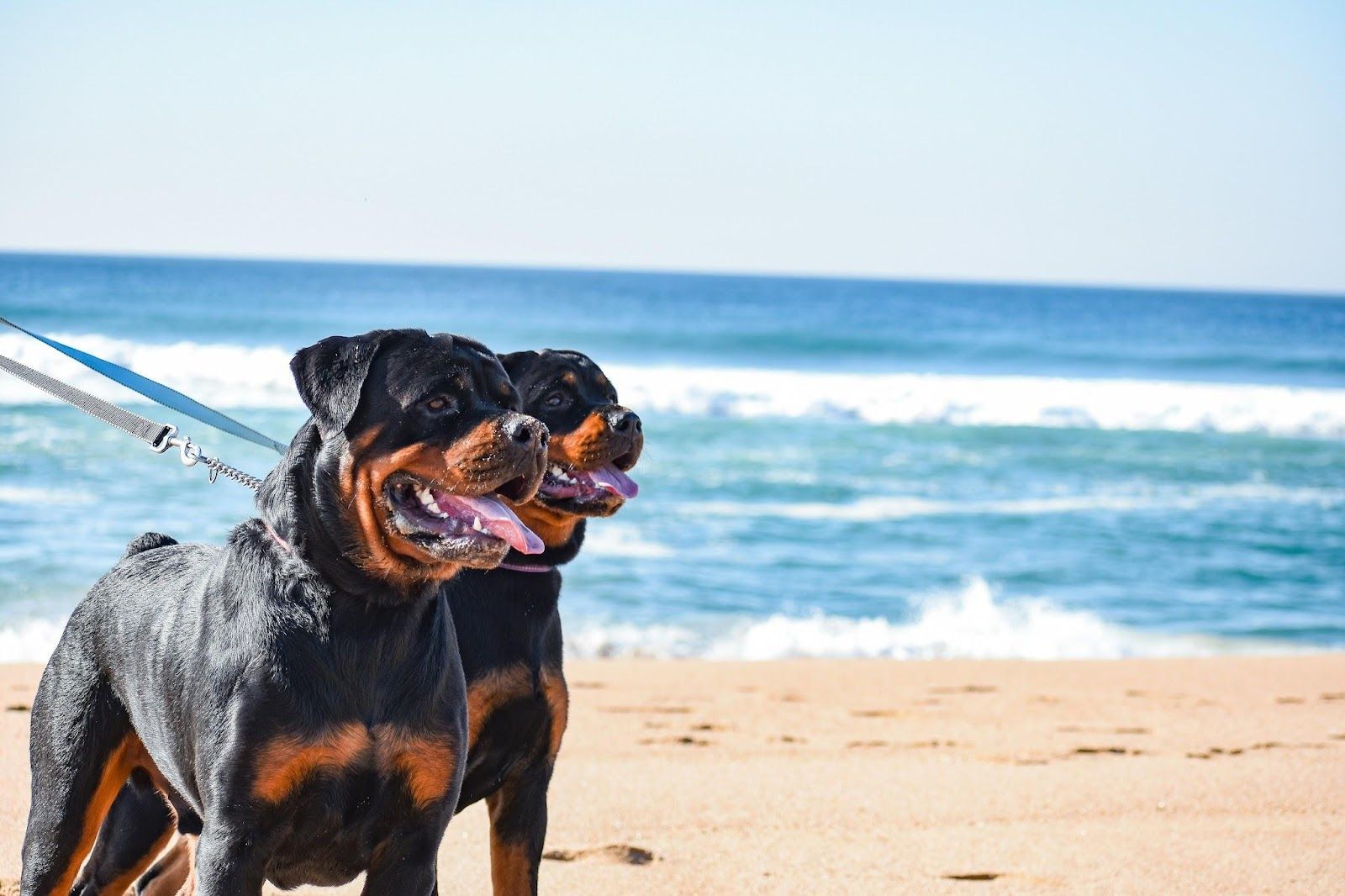
Image: Joash Viriah

With their striking appearance and muscled bodies, Rottweilers naturally command respect. Known for their loyalty and strong protective instincts, Rottweilers are a favorite among families who have enough space for these large, energetic dogs.

Did you know they’re considered one of the oldest surviving dog breeds? It’s true! Their ancestors are believed to have accompanied the legions of the ancient Roman Empire, where they were used to herd and guard livestock.

9
Bulldog

Image: Sébastien Lavalaye

They may have a grumpy look, but Bulldogs are incredibly sweet and calm. Ranked number nine on the list, this lovable breed is a great choice for anyone looking for a dog that easily adapts to their home and lifestyle. While they’re not exactly lazy, Bulldogs do enjoy taking plenty of breaks and conserving their energy, often choosing a cozy spot on the couch over a run around the block. Plus, with those funny faces, you’ll never run out of excellent pictures.

10
German Shorthaired Pointer
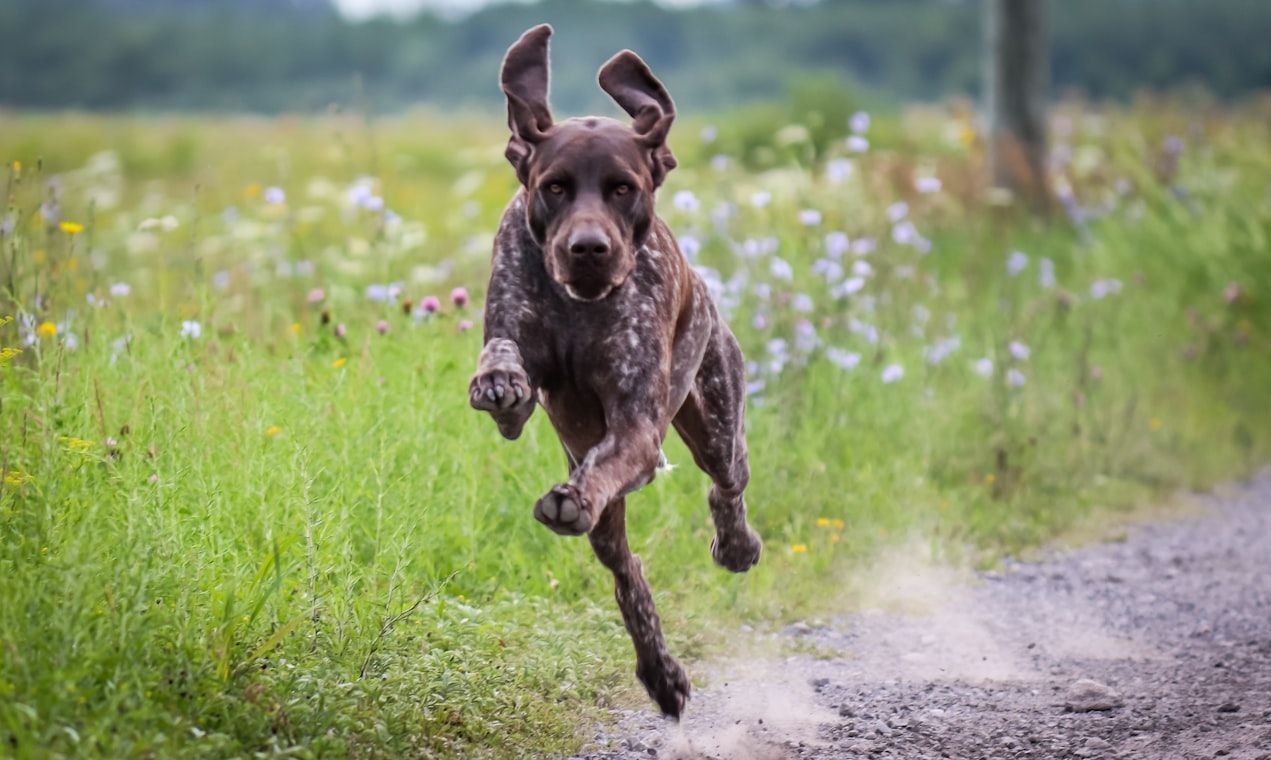
Image: Marie-Pier Fillion

Last on this list, but still among the most popular breeds in the country, the German Shorthaired Pointer is admired for its elegance and presence. Originally bred in Germany as versatile hunting dogs, this breed excels at pointing, retrieving, and tracking. With their boundless energy, German Shorthaired Pointers are best suited to homes with plenty of outdoor space, as their athletic build and enthusiasm also help them shine in a wide range of dog sports.

General General 6 min read

Frontier lingo

Learning is never “barkin' at a knot” 10 phrases from the Wild West!

Image: Anya Juárez Tenorio

We all know about the cowboys and the outlaws! But the Wild West, or the American Frontier, was much more than that! The culture, history, and geography of this time were fascinating, as was its dialect. Can you guess what "barkin’ at a knot" or "highfalutin" means? Many of these expressions may sound odd to our modern ears, but they once captured the rugged spirit of the time , and they helped early Americans describe their surroundings. So, keep reading if you’re eager to learn 10 expressions directly taken from the Wild West!

1
Higgledy-piggledy

Image: Peter Herrmann

Imagine a table full of random objects, all jumbled together, with no categories whatsoever. Chaotic, right? Well, that’s exactly what "higgledy-piggledy" means. Can you figure it out from context?

When things got all mixed up or disorganized , folks in the Wild West would call it "higgledy-piggledy." This playful phrase was used to describe chaos or confusion. But it’s not only about a mess of objects, a pile of papers sort of mess, it could also be a situation that got out of hand.

It’s believed to be of British origin, but it found a way to cross the pond and make its way into the American frontier lingo. The repeating sound of the words adds to the sense of disorder – kind of like a tongue-twister that reflects the state of things.

2
Bag of nails

Image: Blake Emge

Don’t take this too literally—it gets gross quickly. But when it comes to the meaning, it’s highly relatable. Ever had one of those days where nothing seems to go right ? The Wild West had a term for that: "bag of nails."

When things were in complete disarray, those personal situations that quickly escalated into chaos, they were described as a bag of nails.

Imagine spilling a bag of nails everywhere, gross at first, but then it’s also messy, frustrating, and hard to clean up.

The origin of the term is not very clear, but it paints a vivid picture of total disorder. If you are having a bag-of-nails kind of day, it’s time to take a deep breath and try again tomorrow!

3
Toad strangler

Image: Mike Kotsch

One curious thing about this phrase, originally from the South, is that in every variation it refers to the same animal in the same situation. For example, "frog choker."

In any case, when the rain came down so hard it could "drown a toad," you were in the middle of a "toad strangler."

This funny phrase (although it may not be so funny for the poor toad) was used to describe a heavy downpour , the kind that left everything soaked and muddy. In a land where the weather could change in an instant, such storms were both a blessing and a nuisance. Now, if you come to think about the mud, this wasn’t so funny for the people either!

4
Barkin' at a knot

Image: Robert Gramner

You could get the meaning of this phrase by simply picturing a dog barking at a not. What’s the first thought that crosses your mind? "What on Earth is that dog doing?" Well, that’s pretty much the gist of the expression.

In Wild West lingo, if you were "barkin' at a knot," it meant you were trying to do something impossible or wasting time on a rather pointless task .

This term comes from the image of a dog barking at a tree knot: the dog thinks the knot is a threat, but all the barking gets them nowhere.

It was used on the frontier to describe situations where people were expending effort for no reward. But it can be used today to talk, don’t you think? Time to move on, partner!

5
Leaky mouth

Image: Vitolda Klein

From the gross to the nonsensical and straight into the literal, in the Wild West, if someone had a "leaky mouth," it meant they couldn’t keep their lips sealed, that they talked too much, and, more often than not, spilled secrets. We all know someone like this!

Gossipers were everywhere back then, (and this is still the case!), and having a leaky mouth was definitely not a compliment, as you can imagine. People who shared too much information or spread rumors were seen as troublemakers, which made sense considering the number of outlaws around!

We may not have those kinds of outlaws anymore, but the leaky-mouthed ones are still around!

6
Raisin' sand

Image: Richard Lee

You may have heard the expression "to raise Cain," and if that’s the case, you can guess what this expression means!

When someone was causing trouble or creating a disturbance, they were basically "raisin' sand." You know the type—the kind of person who can’t sit still for a second, the kind that is always kicking up a storm of dust; mischief in every step they take. Well, this expression is about them.

Frontier towns had their fair share of rowdy folks, and raising sand could mean anything from a loud argument to a full-blown fight. And we’ve all seen enough Western movies to know how that usually ended!

7
High-falutin'

Image: Senya Mitin

Pretentious, fancy people have existed since the beginning of times. No society has escaped the "highfalutin’" sort of folks who are always bragging about. Can you guess what it means?

"Highfalutin" or "high-falutin’" referred to people in the Wild West who were acting overly fancy or pompous , and it was not precisely a compliment.

This term was used to poke fun at people who were full of themselves or trying too hard to appear important. The origin of the phrase is a bit hazy, but there seems to be consensus to believe the phrase is a combination of "high" and "fluting" which means having ornamental grooves. Either way, if you were labeled high-falutin’, it was time to dial it down a notch.

8
Guttersnipe

Image: Amsterdam City Archives

Kids on the street trying to survive are not just a thing of today; there have always been cases of children abandoned to their own fate. Back in the Wild West, "guttersnipe" was the term used to describe a homeless kid who was trying to make it on the streets.

These kids were scrappy survivors, navigating the rough streets much like birds picking through the gutters for food.

Dating back to the 1850s, the word became highly popular thanks to Mark Twain’s descriptions in his novels, and it stuck. Had you heard it before?

9
Four-flusher

Image: Klim Musalimov

Oh, who hasn’t had a fun game night with the family that didn’t end quite like one imagined? Suddenly, everyone is arguing over the rules of the game just because there was one four-flasher who couldn’t resist the temptation to cheat!

In the Wild West, a "four-flusher" was someone who tried to cheat their way to victory , and also someone who resorted to bluffing to win a game.

The phrase comes from poker, where a flush requires five cards of the same suit. A four-flusher, then, would be someone who tried to pass off four matching cards as a flush, hoping no one noticed. Outside of cards, the term grew to describe any liar, cheat, or fraud. If you were called a four-flusher, you were someone who couldn’t be trusted. And those were certainly not welcome in the typical Wild West saloons!

10
California widow

Image: gaspar zaldo

The term "widow" in this phrase is quite deceptive because the expression doesn’t refer to a woman whose husband has died. Instead, it referred to a woman whose husband had gone off to seek fortune, often in the California Gold Rush.

These women were left behind, sometimes for years, while their husbands pursued riches out West. Though they were still married, they were called "widows" because they were left to manage on their own.

It was a common term in the mid-1800s, as the Gold Rush drew many men away from their homes. For some women, this separation was temporary, but for others, their husbands never returned. Quite sad, huh?

Culture Culture 3 min read

What’s on the menu?

American cuisine: 10 regional dishes to try

Image: Louis Hansel

America’s regional cuisine is as varied as the country itself, a result of more than two centuries of different influences coming together and creating new traditions. When we think about regional dishes, some fan favorites come to mind: Philly cheesesteak, Texas BBQ, different pizza styles, gumbo, and many more. But some dishes, no matter how popular and representative of their region, seem to be less talked about. Here are 10 regional favorites that are worth a try.

1
Cioppino

Image: James Wei

A not-so-talked-about product of the Italian influence in America, cioppino is an underrated representative from San Francisco. A tomato-based seafood stew (or a soup, depending on who you ask), it started as a struggle meal made with whatever was caught that day, and it is now a beloved dish that reflects the city’s history.

2
Fry bread

Image: Immo Wegmann

When thousands of Navajo people were forcefully displaced from Arizona to New Mexico, they were provided with meager rations for the 300-mile journey: flour, water, salt, and lard. From these scarce provisions, they created a fried dough, chewy on the inside and crispy on the outside. Originally eaten on its own, it is nowadays paired with all kinds of toppings.

3
Poi

Image: Daniel Dan

Made from steamed and mashed taro root, this Hawaiian dish can be enjoyed in several ways. Although sweeter when freshly made, it is often paired with other savory dishes. It can also be left to ferment, which gives it a more sour taste. Highly nutritious, poi has been a staple in Hawaiian and Polynesian cuisines for centuries.

4
Étouffée

Image: Stephanie Moody

Gumbo and jambalaya might be what first come to mind when thinking about Louisiana, but étouffée (meaning ‘smothered’) should not be overlooked. Thicker than gumbo —though sharing many of its ingredients—, étouffée delivers what its name promises: a rich, gravy-like, shellfish stew that smothers the accompanying rice. Depending on whether you are having a Creole or a Cajun étouffée, it may or may not contain tomatoes.

5
Crab cakes

Image: Girish Dalvi

This dish can be found all along the Atlantic coast, but its most famous iteration is associated with Chesapeake Bay, Maryland. With a history that goes back to Native Americans, modern crab cakes can be enjoyed sautéed, baked, grilled, deep-fried, or broiled, and are most of the time made with blue crab, though other crab meats can be used.

6
Clam chowder

Image: henry perks

A New England staple, this dish draws influence from British, French, and Nova Scotian traditions. Although it was not dairy-based in its origins, modern clam chowder gets its rich texture from milk or cream, and features butter, potatoes, pork, and, of course, clams. Other famous variations differ mainly in the soup base, such as the Manhattan clam chowder (made with tomato) or the Rhode Island clam chowder (made with a clear broth).

7
Hush puppies

Image: Abhijit Biswas

A Southern classic, these cornmeal fritters became popular during the Civil War because they were affordable and versatile. Usually made plain to serve as a side dish, they can also have cheese, jalapenos, whole corn grains, and other fillings added.

8
Marionberry pie

Image: Amanda Hortiz

Oregon's signature dessert, this pie filling features marionberries, a blackberry hybrid developed in the 20th century. Compared with regular blackberries, marionberries have a deeper, more complex flavor, resulting in a sweeter and sharper pie filling. A summer staple, it is often served alongside vanilla ice cream.

9
Runza

Image: Kelsey Todd

Food from the Midwest is sometimes reduced to casserole dishes and jello salads, but it is more varied than some might think. Runza, a sandwich-hot pocket hybrid filled with beef, cabbage, and onions, is an example of how midwesterners transformed immigrant food traditions into something new. Originating in Nebraska, runzas are derived from German and Eastern European pirogs , a baked, filled dough.

10
Akutaq

Image: Adam Chang

Though this Alaskan delicacy is technically an ice cream, don’t expect it to be like the ice creams you are used to. Made from reindeer fat, seal oil, fresh snow, berries, and sometimes, ground fish, akutaq is a dessert, a snack, a spread, and a main dish all in one. Developed as a way to preserve fruits and animal fats, this nutrient-dense dish has everything you need to face the harsh Alaskan winters.

Explore more American facts

Choose your favorite category!

General
General

As American as apple pie—the very best America has to offer!

Culture
Culture

Delve into the astounding richness of American lore.

Geography
Geography

Hop in and explore vast and diverse American landscapes.

History
History

Discover the key moments that shaped the United States.