Culture Culture 6 min read

American beauties

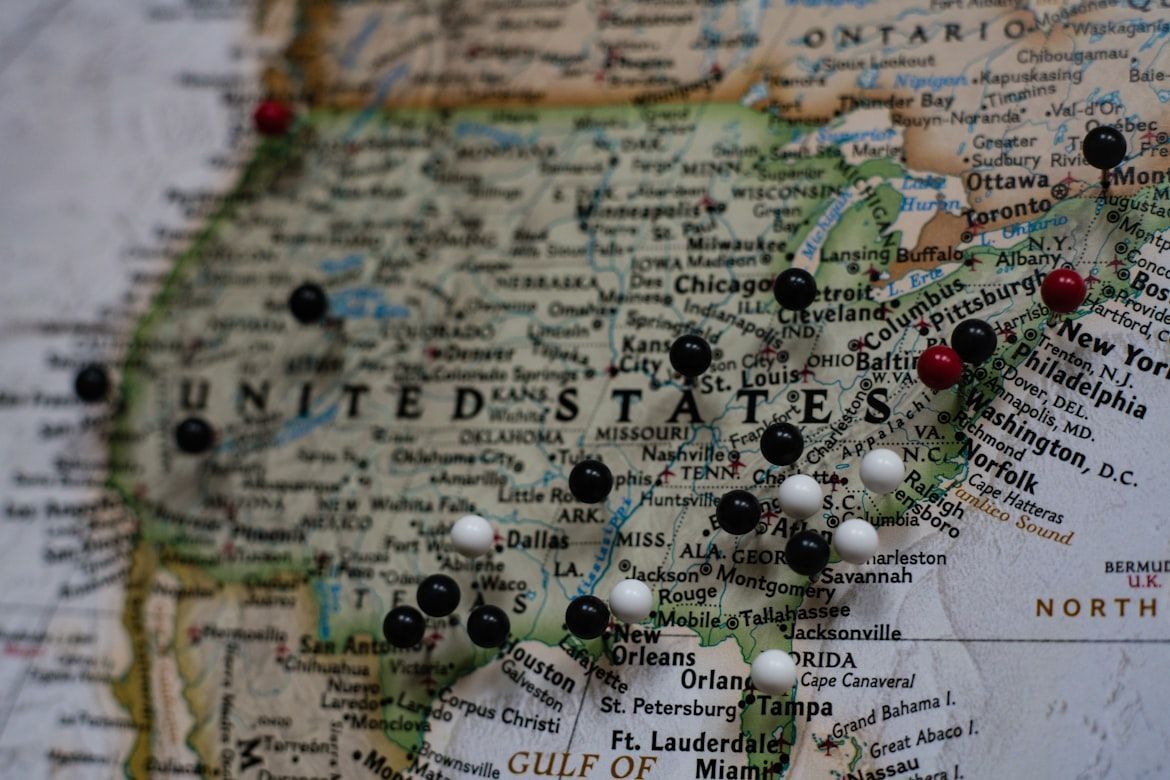
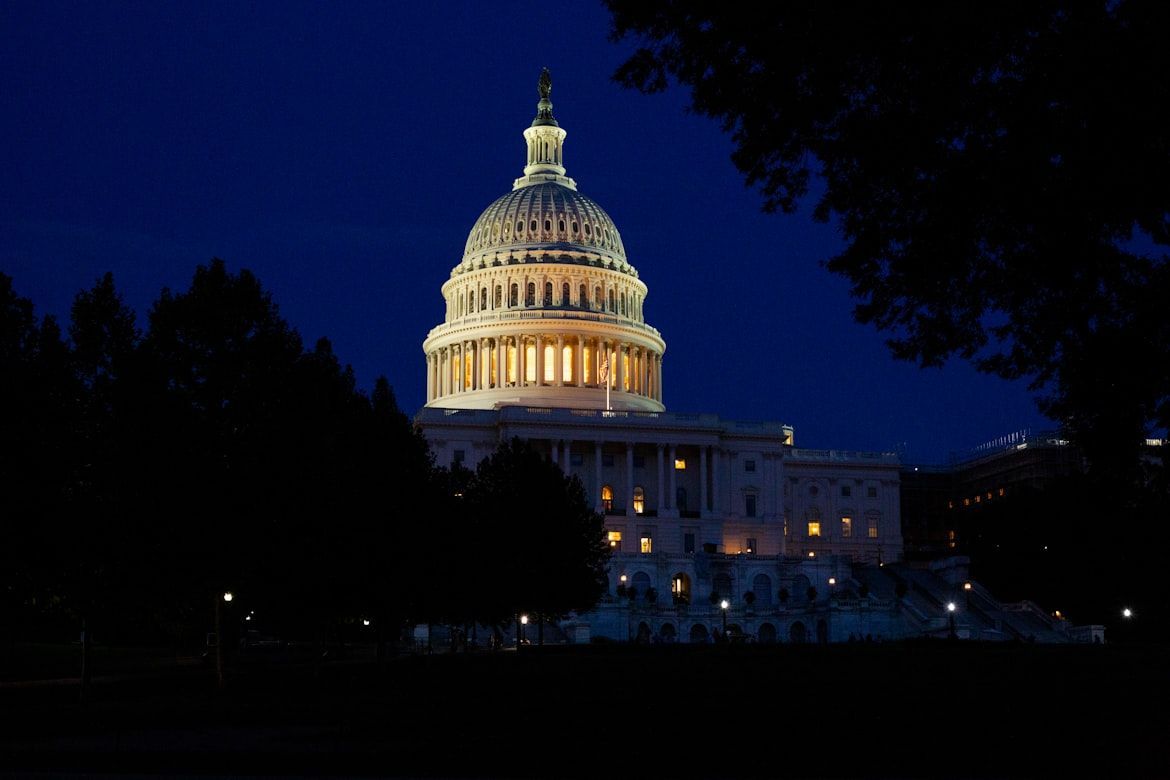
Who’s the legend in each of these 10 states? A journey through our icons!

Image: Marvin Zettl

Every state in the US has its claim to fame. Some states are known for their landscapes, some for their food. Some are even known for their buildings. But one thing is for sure: All of them produced some of the best people in our country, and in some cases, the best in the world! For example, Mississippi gave us Elvis, and Arkansas, Johnny Cash. But it’s not only about artists, we’ve produced inventors, scientists, politicians, you name it! In this article, we’ll go through 10 states and the most influential figures that were born in them. Can you guess who’s going to make it to the list?

1
Alabama’s Southern charm
Image: Nathan Anderson

You may know Alabama for the peanuts, the cotton, and of course, that typical Southern hospitality. You may also know it for the iconic song "Sweet Home Alabama," but the Southern state has one more thing (or person to be more precise) to make it stand out: Zelda Fitzgerald.

Zelda was a novelist, painter, and socialite, a shining star of the 1920s, known for her creative spirit and marriage to F. Scott Fitzgerald. Zelda embodied the roaring ‘20s and left a lasting artistic legacy.

And as if art was not enough for Alabama, it also produced one of the most important figures in the fight for Civil rights and that’s Rosa Parks whose refusal to give up her bus seat sparked a movement that changed history. Quite a way to kick it off, huh?

2
Arkansas’ man in black

Image: Tommy Bond

The second state is known for its rivers, its lakes, and a bit of extreme weather. Arkansas is famous for its natural beauty, but it’s also the birthplace of one of the most iconic musicians of all time: Johnny Cash.

The "Man in Black" captured the hearts of millions with his deep voice and soulful songs like "I Walk the Line" and "Ring of Fire." Cash’s music transcended genres, blending country, folk, and rock with themes of heartache, redemption, and rebellion.

Few artists have left a mark as deep as Johnny Cash and we’ve got Arkansas to thank!

3
Delaware’s lifesaving innovator

Image: Josefina Lacroze

What’s the first thing you think of when you think of Delaware? Is it that it was the first state to ratify the Consitution? Maybe it’s the fact that it is a tax-free state. But did you know this is also Henry Heimlich’s home state ?

If you find that name familiar, it’s because you probably heard of the maneuver. Born in Wilmington, Delaware, revolutionized the field of emergency medicine with the creation of the Heimlich Maneuver.

This simple but life-saving technique has helped countless people who were choking, cementing Heimlich’s place in medical history. Delaware may be famous for being the "First State," but Heimlich’s contribution proves that it’s also a state of firsts when it comes to saving lives.

4
Georgia on our minds
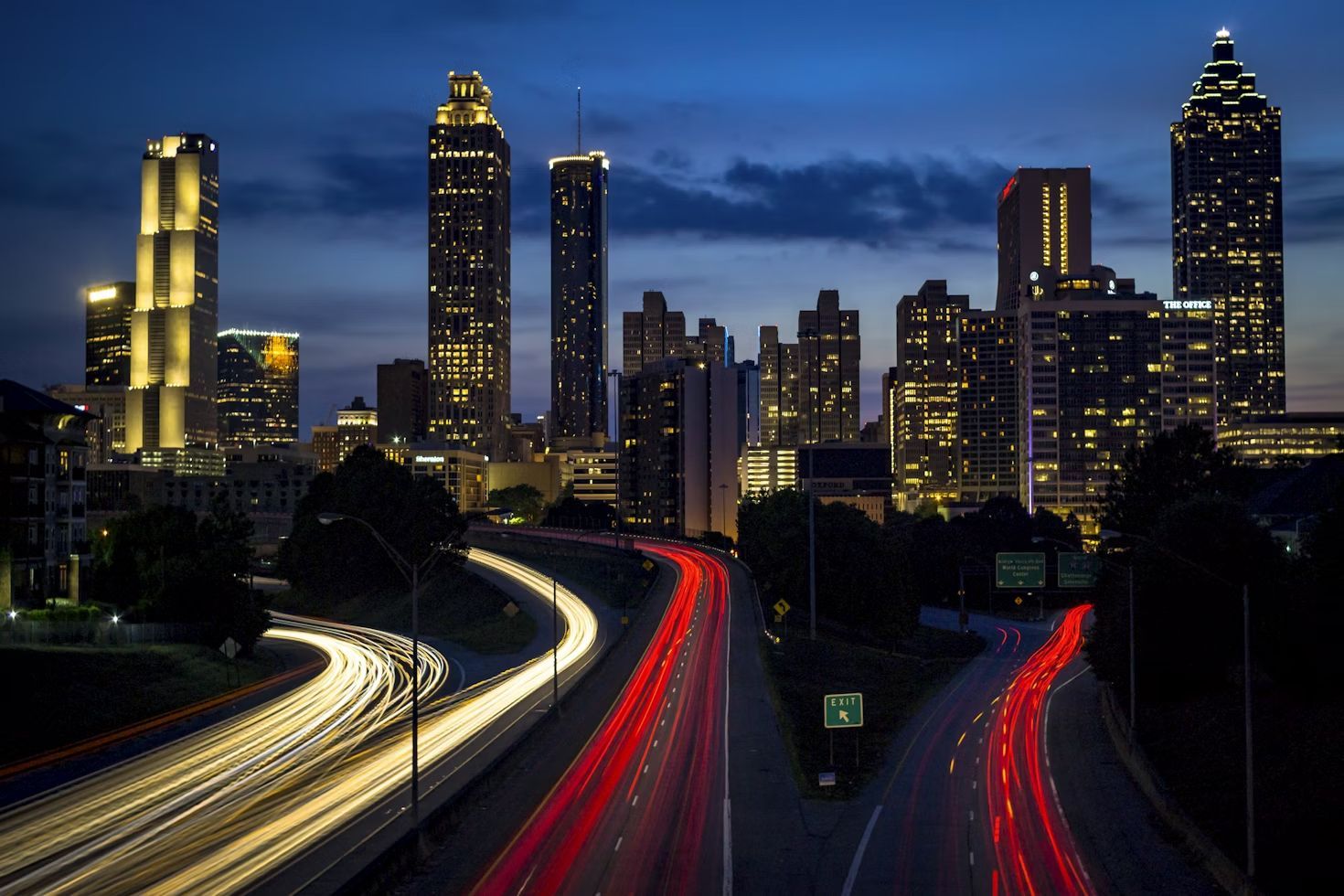
Image: Joey Kyber

Yes, we all know about the peaches, but Georgia has so much more to offer! This state is also the birthplace of one of America’s greatest civil rights leaders: None other than Martin Luther King Jr!

MLK was born in Atlanta, and he became the face of the 1960s civil rights movement, advocating for non-violent resistance and racial equality. His speech "I Have a Dream" was powerful and it remains today as a call for justice. King’s leadership in desegregating the South and fighting for civil rights earned him the Nobel Peace Prize so this state has more than one reason to feel proud. Way to go, Georgia!

5
Illinois’ creative geniuses

Image: Joel Mott

The land of corn and the first McDonalds in America is also home to great creative minds like that of the great Walt Disney!

Born in Chicago, a city particularly known for its artistic spirit, Disney revolutionized the world of animation. Who doesn’t love that fun and loving Mickey Mouse? Or that magical castle that receives visitors from all over in Disney World. He created a truly magical world!

But that is not all, this state also gave us the literary icon Ernest Hemingway, whose works like The Old Man and the Sea continue to be read and loved all over the globe. Disney’s creativity and Hemingway’s literary genius… How are the rest of the states going to top that? Keep reading and you’ll see!

6
Kansas’ flying heroine

Image: Heyzeus Escribo

Kansas may be known for its wheat fields, but it’s also the home of one of history’s greatest aviators: Amelia Earhart.

Amelia was born in Atchison, Kansas, and she made the headlines as the first woman to fly solo across the Atlantic Ocean. This was a turning point in history, as women in aviation were not a thing at all! One can easily imagine how inspiring it was for the rest of the women to pursue this kind of adventure, even when the tragic finale remains one of history’s unsolved mysteries. Her feat was an achievement for women and for aviation too!

Kansas, raise your glasses in pride, to celebrate this courageous woman!

7
Louisiana’s jazz royalty
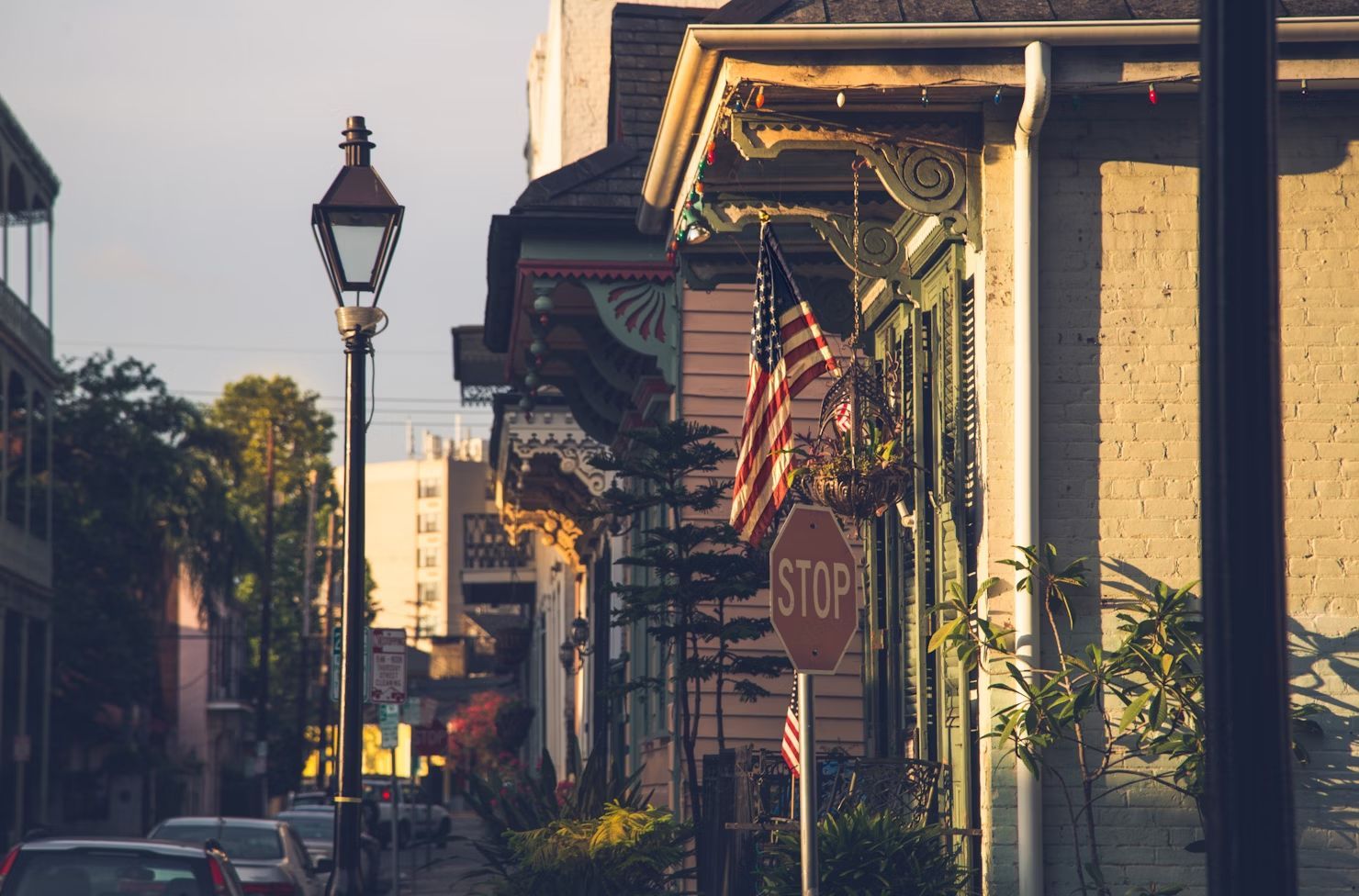
Image: Joe Lavigne

How many films are set in this vibrant city? We say Louisiana and you think of music, right? And more than that, you probably think of the one and only Louis Armstrong , don’t you? As you should!

With his majestic voice and his amazing trumpet playing, Armstrong remains today as one of the brightest jazz stars. He was born in the heart of New Orleans and he contributed music with some of the greatest hits like "What a Wonderful World." His music shaped the sound of 20th-century jazz.

But that’s not all, Louisiana also gave us literary genius Truman Capote, who wrote classics like In Cold Blood and Breakfast at Tiffany’s . This is a state that knows how to produce world-class talent, don’t you think?

8
Massachusetts’ master of the macabre

Image: Piermario Eva

Massachusetts didn’t need to prove anything, that is, this was the place where the Pilgrims landed. We could say it’s the birthplace of our nation. But Massachusetts didn’t come here to play, it also gave us one of America’s most famous literary figures, Edgar Allan Poe .

Poe was born in Boston, and he is known for being the master of the macabre: He wrote thrilling stories with a gothic style like The Raven and The Telltale Heart.

More related to the history Massachusetts is known for, this is also the birthplace of one of America’s Founding Fathers, Benjamin Franklin , who helped shape the American Revolution and contributed to innovations in science. Did Massachusetts win the contest or what?

9
Michigan’s motorman

Image: Bruno Guerrero

Sometimes it’s not very clear what came first, it still remains a mystery whether the chicken or the egg came first. Now, in the case of Michigan, there’s no doubt what came first. This is the home state of Henry Ford and that is why this state suddenly came to be known for the automobile industry.

Ford revolutionized manufacturing with the introduction of the assembly line, making cars affordable to the middle class and transforming the way products were made. His Model T became a symbol of the modern world. Michigan’s Motor City, Detroit, owes much of its fame to Ford’s pioneering work. A word and legacy that is still a reality today!

10
Mississippi’s musical legends
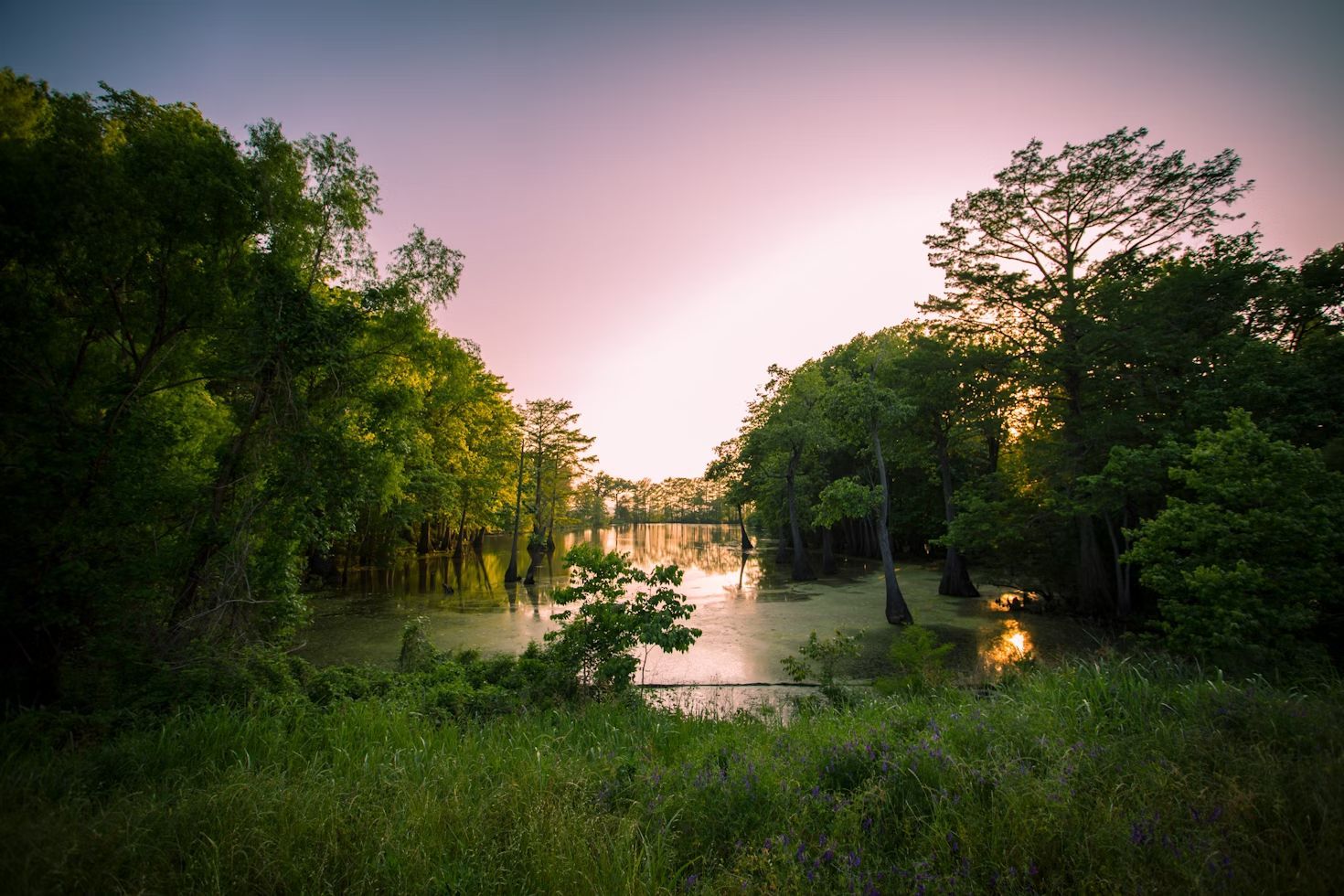
Image: Jp Valery

We couldn’t end this article without including one of America’s most beloved characters. And this might cloud your judgment, but it will probably help you choose a winner. Mississippi is the birthplace of none other than the King of Rock ‘n’ Roll, Elvis Presley!

We don’t need to describe how influential Elvis was, or how his music contributions changed the industry forever. If this had been everything Mississippi had to offer, it would have been more than enough!

But the state’s contributions don’t end there, Mississippi saw many more great minds, like

Tennessee Williams , the famous playwright. He was known for works like Cat on a Hot Tin Roof or A Streetcar Named Desire . From rock ‘n’ roll to Broadway, Magnolia State’s influence is undeniable.


General General 3 min read

How many are we?

Very few people know these key facts about the census. What about you?

Image: Enayet Raheem

Every 10 years, the U.S. undertakes one of its largest and most important national efforts: counting its population. Required by the Constitution since 1790, the census shapes political representation, funding, and planning across the country. While it may seem simple, it involves millions of households, strict legal protections, and years of preparation. Here’s how it all comes together.

1
It happens every 10 years

Image: Towfiqu barbhuiya

The U.S. Census is required by Article 1, Section 2 of the Constitution and takes place every decade, ending in "0," such as 2000, 2010, and 2020 . The first census was conducted in 1790 under President George Washington.

This fixed schedule ensures consistency. Population changes over time, so a regular count allows the government to fairly adjust representation and resources based on where people actually live.

2
It counts everyone living in the U.S.

Image: Joey Csunyo

The census aims to count every person residing in the country, not just citizens. This includes legal residents, undocumented immigrants, and people without permanent housing .

The key concept is "usual residence," meaning where a person lives most of the time. This approach provides a realistic snapshot of the population and ensures communities are represented accurately.

3
It determines seats in the House of Representatives

Image: Darren Halstead

Census results are used to divide the 435 seats in the U.S. House of Representatives among the 50 states , a process known as apportionment.

States can gain or lose seats depending on population shifts. For example, after the 2020 census, Texas gained two seats, while states like California and New York lost one each due to slower growth.

4
It influences federal funding

Image: Alexander Grey

Census data guide the distribution of hundreds of billions of dollars in federal funding each year, with estimates ranging from $675 billion to $1.5 trillion.

Programs for highways, hospitals, schools, and housing depend on population figures . Areas with higher populations typically receive more funding, making an accurate count financially important for communities.

5
Households receive census invitations

Image: Nguyen Dang Hoang Nhu

Every household in the United States receives an official census invitation , usually by mail. In 2020, more than 140 million housing units were included.

This system replaced earlier door-to-door counting methods. Using a national address database helps ensure broad coverage and makes it easier for people to respond on their own.

6
It can be completed online, by mail, or by phone

Image: sofatutor

The modern census offers multiple ways to respond. In 2020, people could complete it online, by mailing back a paper form, or by phone .

Adding online responses marked a major shift. It reduced costs, improved convenience, and reflected how Americans increasingly move towards digital communication.

7
Census workers follow up in person

Image: BoyuZhang1998, CC BY-SA 4.0, via Wikimedia Commons

If households do not respond, trained census workers, called enumerators, visit homes in person to collect the information.

This step is essential because the census must count everyone, not just those who respond voluntarily . It helps reach people in rural areas, dense cities, and communities with lower response rates.

8
It asks basic demographic questions

Image: Rafael AS Martins

The census form is intentionally short. In 202, it included about 10 questions covering age, sex, race, household relationships, and housing status.

The goal is to keep it simple. Shorter forms increase participation while still collecting the key data needed for representation, funding, decisions, and planning.

9
Responses are legally confidential

Image: Towfiqu barbhuiya

Federal law strictly protects census responses. Under Title 13 of the U.S. Code, personal data cannot be shared with law enforcement, immigration authorities, or other agencies .

Only anonymous, combined statistics are released. Census workers face severe penalties, including fines and prison, for revealing personal information.

10
Missing the census is technically against the law

Image: Tingey Injury Law Firm

Responding to the census is legally required. Federal law allows fines for refusing to answer or providing false information .

In practice, penalties are rarely enforced. The rule exists mainly to emphasize how important it is for everyone to be counted accurately.

11
The data helps draw voting districts

Image: KOBU Agency

After the census determines how many representatives each state receives, the data is used to redraw congressional and state legislative districts .

This process, called redistricting, ensures districts reflect current population patterns. It supports the principle of equal representation, often described as "one person, one vote."

12
Results are released over time

Image: Abdul Hakim

Census results are published in stages. Basic population counts come first, allowing Congress to complete apportionment.

More detailed demographic data follows months later. This gradual release ensures accuracy while protecting privacy , sometimes using advanced techniques like statistical noise to safeguard identities.

General General 6 min read

Fossil treasures

10 jaw-dropping dinosaurs discovered in America

Image: Fausto García-Menéndez

The territory of the United States is a real goldmine for paleontologists. Over the years, some of the most impressive and well-preserved dinosaur fossils in the world have been discovered in our country. From the likable Apatosaurus to the fearsome Tyrannosaurus rex, the finds have provided a fascinating glimpse into prehistoric life. Read on to learn about the 10 most famous and influential American dinosaurs.

1
Anchisaurus

Image: Simon Infanger

Anchisaurus is one of the first dinosaurs discovered in American territory, although it was not correctly identified at the beginning. The first fossil of this herbivore was found in East Windsor, Connecticut , in 1818, but it was then believed to be part of a human skeleton. In subsequent years, other specimens of this species were uncovered in the area.

It measured 8 to 20 ft in length and lived 210 million years ago in the Portland Formation, Northeastern United States. In the late Triassic and early Jurassic periods, the Connecticut Valley was a dry, steep depression, and it was possible to pass from here to the east and the center of what is now Africa. This explains why some dinosaurs lived both in America and other continents.

2
Triceratops

Image: photo_steff

One of the most iconic dinosaurs found in America is the Triceratops, a herbivore that lived 70 to 65 million years ago, right at the end of the Age of Dinosaurs, in the Late Cretaceous. Its name derives from Greek and means "face with three horns". One of the largest horned dinosaurs**,** it stood around 7.5 ft tall and weighed about 5 rhinoceroses, the equivalent of 10 tons.

Fossils of this dinosaur have been found in abundance in the Hell Creek Formation in Montana and South Dakota. No fossils of this dinosaur have been found on any other continent. Triceratops has been the state dinosaur of Wyoming since March 1994.

3
Allosaurus

Image: WikiImages

Allosaurus was one of the largest carnivores of the Jurassic period and its remains in the United States have been found mainly in the Morrison Formation, which covers states such as Colorado, Utah, and Wyoming. It lived 155 to 145 million years ago in North America, Africa, Australia, and possibly China. Also, did you know that the Allosaurus fragilis is the state fossil of Utah?

This bipedal dinosaur was an agile hunter with powerful jaws and sharp teeth. It was a theropod, not as huge as the largest carnivore, Tyrannosaurus rex, but just as fearsome. Allosaurus was bigger than an elephant and heavier than a rhino. Its name means "different lizard" due to its rare concave vertebrae.

4
Stegosaurus

Image: ariesa66

Another inhabitant of the Morrison Formation was the Stegosaurus, famous for its dorsal plates and spines on its tail, which it used for defense. Stegosaurus used to walk on all fours, grazing on low vegetation. Its head was perfectly adapted to this way of feeding. It was first described in 1877 by Yale paleontologist Othniel Charles Marsh, and its name means "roof(ed) lizard".

This Jurassic herbivore has been discovered in several states in the western United States. Scientists have found many fossils, showing that it was a very common creature for 10 million years, despite its tiny brain, small head, and useless teeth. The discovery of the Stegosaurus has helped them better understand the anatomy and behavior of armored dinosaurs.

5
Tyrannosaurus rex

Image: Elly Enn

Is Tyrannosaurus rex the most famous dinosaur on the planet? Portrayed by pop culture to the hilt, this formidable predator is known for its gigantic size, razor-sharp teeth, and bipedal posture. However, its popularity has a logical explanation. T. rex is also one of the best-represented dinosaurs in the fossil record, with several complete specimens discovered, particularly in the states of Montana, South Dakota, and Wyoming.

Based on bones found in the late 19th century, paleontologist Henry Fairfield Osborn recreated the first drawing of this gigantic creature. He named it Tyrannosaurus rex, meaning "tyrant lizard king," because it is believed to have been the most dangerous dinosaur and the largest land carnivore of all time. Although it is estimated that up to 1.7 billion T. rex dinosaurs lived on Earth, only about 30 nearly complete skeletons have been found. Think about that!

6
Deinonychus

Image: Steve Wrzeszczynski

This small but ferocious theropod lived during the Cretaceous period about 115-108 million years ago. Deinonychus is known for its sickle-shaped claws on its feet, used for hunting. Its name, unsurprisingly, means "terrible claw". Like all bipeds, it moved only on its hind legs and is believed to have been able to run at 25 miles per hour: more than the average Olympic champion.

Deinonychus fossils were found in Utah, Oklahoma, Montana, and Wyoming, in rocks of the Cloverly Formation and Antlers Formation. The study of this species, beginning in the 1960s, revolutionized the way scientists thought about dinosaurs, providing fascinating new insight into smaller predators.

7
Ankylosaurus

Image: mdherren

Ankylosaurus is one of the best-known armored dinosaurs, which lived at the end of the Cretaceous period. It had bony protrusions on its head and all over its body as protection against the teeth and claws of predators. The armor was made up of small plates of bone welded together, constituting a shell as effective as that of turtles.

This gigantic herbivore roamed the jungles of North America about 68-66 million years ago, almost as well protected as a modern tank. The first specimen of Ankylosaurus was found in 1906 in the Hell Creek Formation, near Gilbert Creek, Montana. Other fossils of this species were discovered in other parts of Montana and Alberta, Canada, in the following years. However, to this day, it has not been possible to obtain a complete skeleton.

8
Hadrosaurus

Image: Jordyn St. John

The first Hadrosaurus fossils were discovered by William Parker Folke, an amateur paleontologist, in 1838 in Haddonfield, New Jersey. The excavation site, known as the Hadrosaurus foulkii Leidy site, is now a National Historic Landmark. Hadrosaurids are known for their duck-billed mouth, with a powerful jaw containing several rows of teeth for chewing all kinds of leaves.

In 2004, scientists found a mummified Hadrosaurus specimen in North Dakota. This fossil is extremely unusual and valuable, as dinosaur soft tissue including skin and muscle is rare. This find allows us to learn more about this species and how they lived 67 million years ago.

9
Diplodocus

Image: michaelwedermann

Diplodocus means "double beam" and is so named because of the double bones in its tail. This was one of the longest animals on earth. It was about 79-85 ft long, 15 ft high, and weighed 15 tons. It could reach the tops of towering trees for food, and its small head allowed it to forage in vegetation where few other dinosaurs could reach.

Although some Diplodocus fossils were discovered earlier near Cañon City, Colorado, the most notable find came a few years later. In 1899, Funded by Scottish-American steel tycoon Andrew Carnegie, members of the Carnegie Museum of Natural History found a well-preserved Diplodocus skeleton in the Morrison Formation of Sheep Creek, Wyoming. With these fossils, the museum created a composite mount that became very popular and even got to tour the world.

10
Apatosaurus

Image: Cup of Couple

Apatosaurus is one of the best-known sauropods that inhabited North America during the Jurassic period. These herbivorous giants, with their long necks and tails, have also been discovered in the Morrison Formation, mainly in Colorado and Utah. It is believed to have lived 150 million years ago, at the end of the Jurassic period.

Apatosaurus could reach 69-75 ft in length, 20 tons in weight, and was one of the largest sauropods. It had a long neck containing 15 huge bones supported by powerful muscles that allowed it to feed on the leaves of the tallest trees. Perhaps this dinosaur sounds familiar. It has been the inspiration for numerous beloved animated characters: Littlefoot from The Land Before Time and Arlo and Poppa Henry from Pixar's The Good Dinosaur are Apatosauruses.

Explore more American facts

Choose your favorite category!

General
General

As American as apple pie—the very best America has to offer!

Culture
Culture

Delve into the astounding richness of American lore.

Geography
Geography

Hop in and explore vast and diverse American landscapes.

History
History

Discover the key moments that shaped the United States.