General General 4 min read

Can you recall any example?

Cheaper or costly? Items that have sunk or raised in price over the years

Image: Sora Shimazaki

There was a time when lobster was a cheap, poor man’s dish. And there was also a time when air flights were only for the wealthy. But not anymore. Countless products’ prices have gone up or down over the years. Things that once were very exclusive and expensive became accessible due to their production methods. And many things that used to be cheaper are now harder to come by due to scarcity or marketing tactics. Take a look at the following 10 examples of such situations.

1
Clothing (cheaper)

Image: Nick de Partee

Back in the mid-20th century, average American families spent about 10% to 12% of their household income on clothing. That figure has dropped to around 3%. That is not because people buy fewer clothes but because the prices have dropped significantly over the last decades.

Starting about fifty years ago, most U.S. clothing production moved overseas, where labor costs are lower and production output is higher . Those savings were passed onto consumers, and as fast-fashion brands proliferated, Americans had more options at lower prices than ever before.

2
Magazines (more expensive)

Image: Rhamely

While younger generations will not remember this, 25 years ago, magazines were an Internet of sorts : it was the quickest way to access information and color pictures of any subject you were interested in. Magazines were a ubiquitous item, sold everywhere at modest prices. Since the World Wide Web came along, magazines became less important and less demanded products.

If you have bought magazines lately or have inquired about their price, you might be surprised to discover how pricey these items have become.

3
Bananas (cheaper)

Image: John Vid

Believe it or not, back in the day, bananas used to be quite an expensive fruit. These days, this product is one of the cheapest and most popular fruits in the supermarket but when it first became available in the U.S., following the Civil War, it was sold for about 10 cents a piece — that’s about $3 per banana today.

The price of tropical fruit has hovered between 50 and 60 cents per pound for the last 20 years — a significant drop from its early cost. Despite being imported from faraway places and requiring cooling containers, banana sellers produce only one variety, the Cavendish, meaning the fruit can be harvested in abundant volumes and ripened at the same time .

4
Concert tickets (more expensive)

Image: Nainoa Shizuru

There was a time when going to a concert was a pretty accessible event. The ticket prices were low, even for well-known artists. But then, a couple of big players came along into the business and the prices skyrocketed like never before . Besides the ticket price itself, the service charge and taxes make for a hefty sum, not affordable by everyone anymore.

5
Television sets (cheaper)

Image: Peter Geo

It’s a well-known fact that as technology improves and becomes more efficient, prices come down. However, one consumer electronics category stands out from the rest for its drastic price cuts: televisions. The first color TV set debuted in 1954 with a $1000 price tag , and a 15" screen. According to the U.S. Bureau of Labor Statistics’ inflation calculator, that would be more than $11,600 today.

Compare that number to a 65-inch, high-definition smart TV that might cost around $500 in today’s dollars and the price drop is nothing short of amazing.

6
Car insurance (more expensive)

Image: Herson Rodriguez

Car insurance was never the cheapest service in the world, but it used to be a much more accessible price, with options for every pocket. In recent decades, auto insurance premiums have been steadily climbing , making car ownership a more exclusive deal altogether than it used to be.

7
Air flight tickets (cheaper)

Image: Suhyeon Choi

Yes, it may feel like airline ticket prices have surged in recent years due to airport taxes and fuel prices, but if we look at the price evolution over the last decades, we can see that tickets have become much more affordable than before .

Commercial air travel used to be a luxurious experience available only to the wealthy. In 1941, an average flight from Los Angeles to Boston would have cost more than $5,000 in today’s money. These days, a one-way flight from Los Angeles to Boston commonly costs around $300.

8
Fast Food (more expensive)

Image: Kenny Eliason

Getting a burger with fries and a soda for a couple of dollars was a standard deal back in the day, but not anymore. Fast food prices have steadily increased in the last few decades , making the tag for a standard menu almost the same and sometimes even more expensive than a meal at a regular restaurant.

9
Washing machines (cheaper)

Image: engin akyurt

In the same way that TVs have dropped the price, most other appliances have gone down the same path, and washing machines are no exception . These devices, an invaluable addition to modern life, have changed significantly from the 1950s to today.

In 1959, a Kenmore washer was advertised for $209.95. Today, that amount inflates to more than $2,200, which is a $1,600 difference from a basic $500 to $600 top-loading Kenmore machine today.

10
Prescription medicine (more expensive)

Image: Haley Lawrence

Healthcare costs in America have been a complicated problem for years. Not just health insurance but also essential medicines have been raising their prices steadily for a very long time.

It can’t be said that medicines used to be cheap but definitely were far more accessible than these days.


General General 5 min read

FROM THE U.S.A. TO THE WORLD

U.S. Record-Breakers: 10 Guinness World Records Set by Americans!

Undeniably, the United States of America is a land of diversity, comprising geographical, natural, historical, and cultural richness. This variety offers us beautiful landscapes, iconic landmarks, and a mixture of traditions that could inspire and move even the hardest heart. But in the middle of all this, there are certain figures we just can't overlook. We're talking about the record-breakers! Are you ready to meet them?

If so, keep reading. Today, we're exploring 10 Guinness World Records set by our country. Let's get started!

1
Most Olympic Gold Medals

Image: Gentrit Sylejmani

While many of us struggle with basic swimming techniques, the incredible swimmer Michael Phelps , rightly nicknamed "The Baltimore Bullet" after his birthplace and amazing speed, is the winner of 23 Olympic gold medals. This achievement gave him the world record for the most decorated Olympic male athlete!

But this feat is not easy. In addition to his natural talent, the athlete must follow a rigorous training program and eat approximately 12,000 calories every day. One thing is for sure: that's a lot of food!

2
World's tallest dog ever

Image: leonides ruvalcabar

American animals are also record-breakers! There's nothing like the joy of returning home to your dog anxiously awaiting you, playfully jumping up to greet you, right? However, it can be a bit scary if your dog happens to be the tallest in the world.

This record was set by a Great Dane from Bedford, Texas, who reached an incredible height of 3 feet and 5.18 inches! His owners attest that despite his huge size, Zeus— a fitting name—was actually a gentle giant.

Sadly, Zeus passed away in 2023 at the age of 5, but he is fondly remembered for his impressive record, his animated personality, and his extraordinary beauty.

3
Most cumulative days in space by a female astronaut

Image: NASA

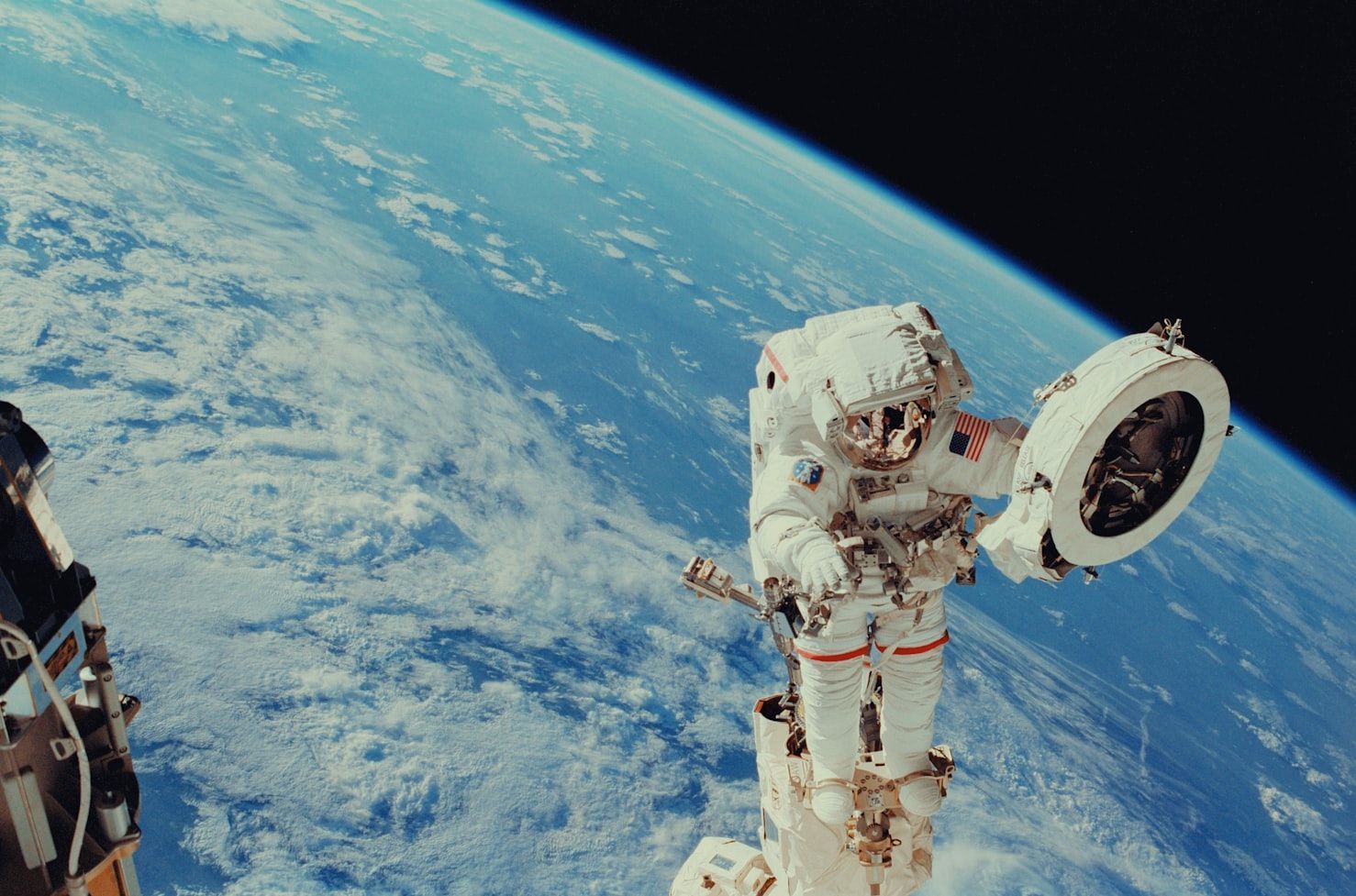
Ever dreamed of traveling to space? As exciting as it sounds, the reality of space travel can be a real challenge and might intimidate many. But this was not the case for Peggy Whitson , the woman who spent the most cumulative days in space.

In 2017, she set the world record , spending 665 days out there. But that's not all; in 2023 , she extended her title by adding 9 more days as an astronaut with Axiom Space during Axiom Mission-2. That's almost two years without gravity!

4
The longest spacewalk

Image: Kobby Mendez

If the idea of traveling through outer space is scary, imagine the experience of "walking" outside the spacecraft, completely alone in an astronaut suit. It's both exciting and intimidating, right?

NASA refers to this activity as EVA (Extravehicular Activity), more commonly known as a spacewalk . Happily, two Americans hold the record for the longest spacewalk . On March 10, 2001 , Expedition 2 astronauts James S. Voss from Cordova, Alabama, and Susan J. Helms from Charlotte, North Carolina, ventured on an impressive spacewalk that lasted 8 hours and 56 minutes!

5
The largest collection of Star Wars memorabilia

Image: Tommy van Kessel

Let's continue with the space theme, though this time, fictional space.

Born on June 14, 1945, in Philadelphia, Pennsylvania, Steve Sansweet has been an avid collector since childhood. His passion for collecting Star Wars memorabilia started the first time he saw a Star Wars movie, and he hasn't stopped since.

How many items do you think he has? 30,000? Maybe 100,000? Nope. Steve has a collection of over 500,000 items from the franchise! So many that he founded a museum, the Rancho Obi-Wan , in Petaluma, California. Would you give it a visit?

6
The largest living tree

Image: Taisia Karaseva

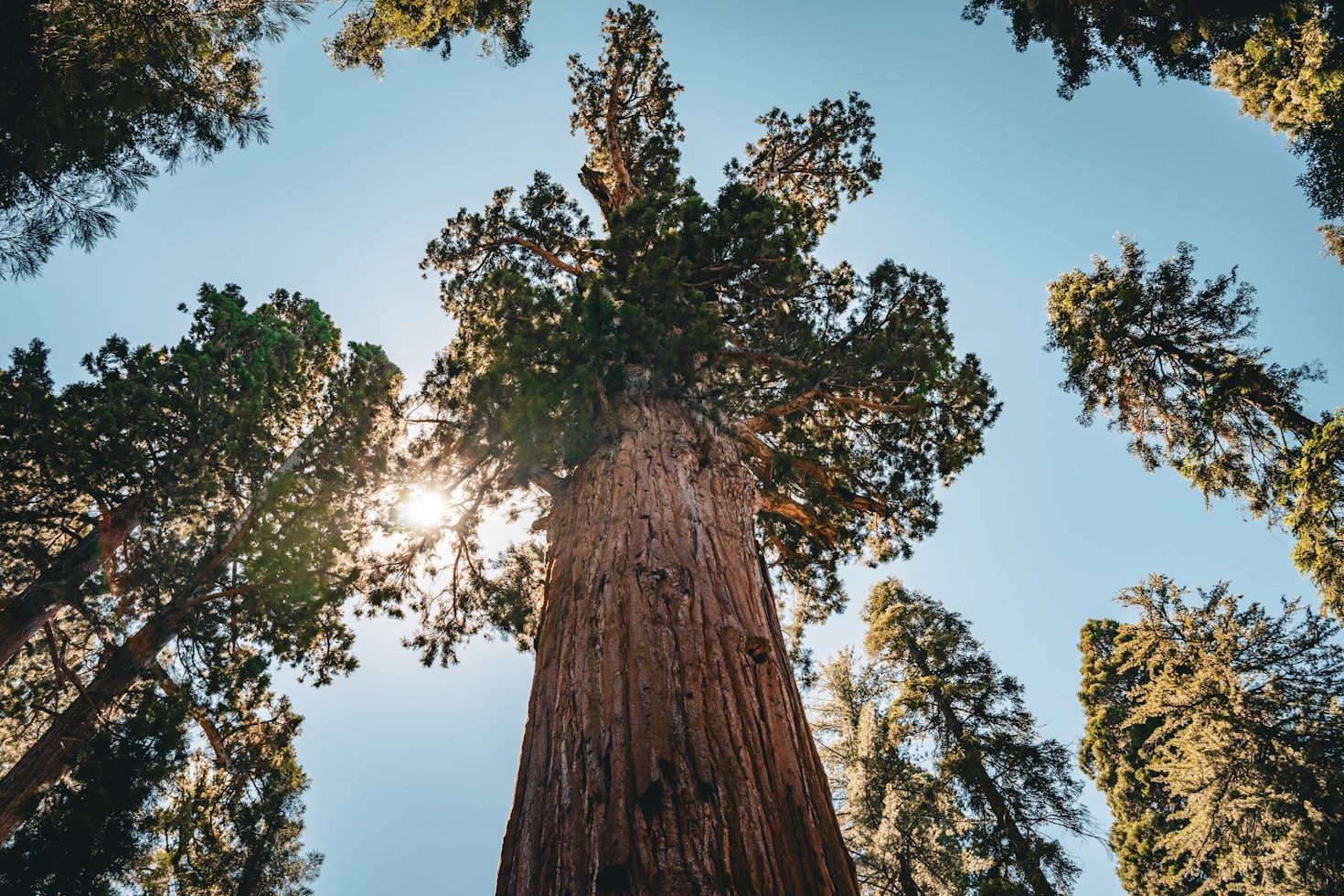
Nature also claims its place in the list of world records. General Sherman is the largest living tree by volume on Earth. This giant sequoia stands tall in Sequoia National Park, among the Sierra Nevada Mountains of California .

Want to know its height? This huge sequoia reaches 274 feet and 3.3 inches! And its width is no less special, with a diameter of approximately 27 feet.

But wait, there's more! The tallest tree in the world is also in California . Hyperion , as it was named, stands 380 feet and 9.7 inches tall in Redwood National Park.

7
Most Big Macs eaten in a lifetime

Image: Brett Jordan

While it's crucial to maintain a healthy diet, no one can deny the joy a good burger can bring to both the stomach and the soul. Don Gorske is a 70-year-old man who took this concept to a new level.

Don, a native of Fond du Lac, Wisconsin , proudly holds the record for the most McDonald's Big Macs eaten in a lifetime: more than 34,000! In 1999 , he first broke the record. However, not satisfied with that feat alone, he extended his title, securing his place in the Guinness Book of World Records in 2023 .

If you're worried about his health—and we are too—Don himself calms us down: he explains that he doesn't eat the fries and maintains a daily exercise routine.

8
The longest international land border

Image: Redd F

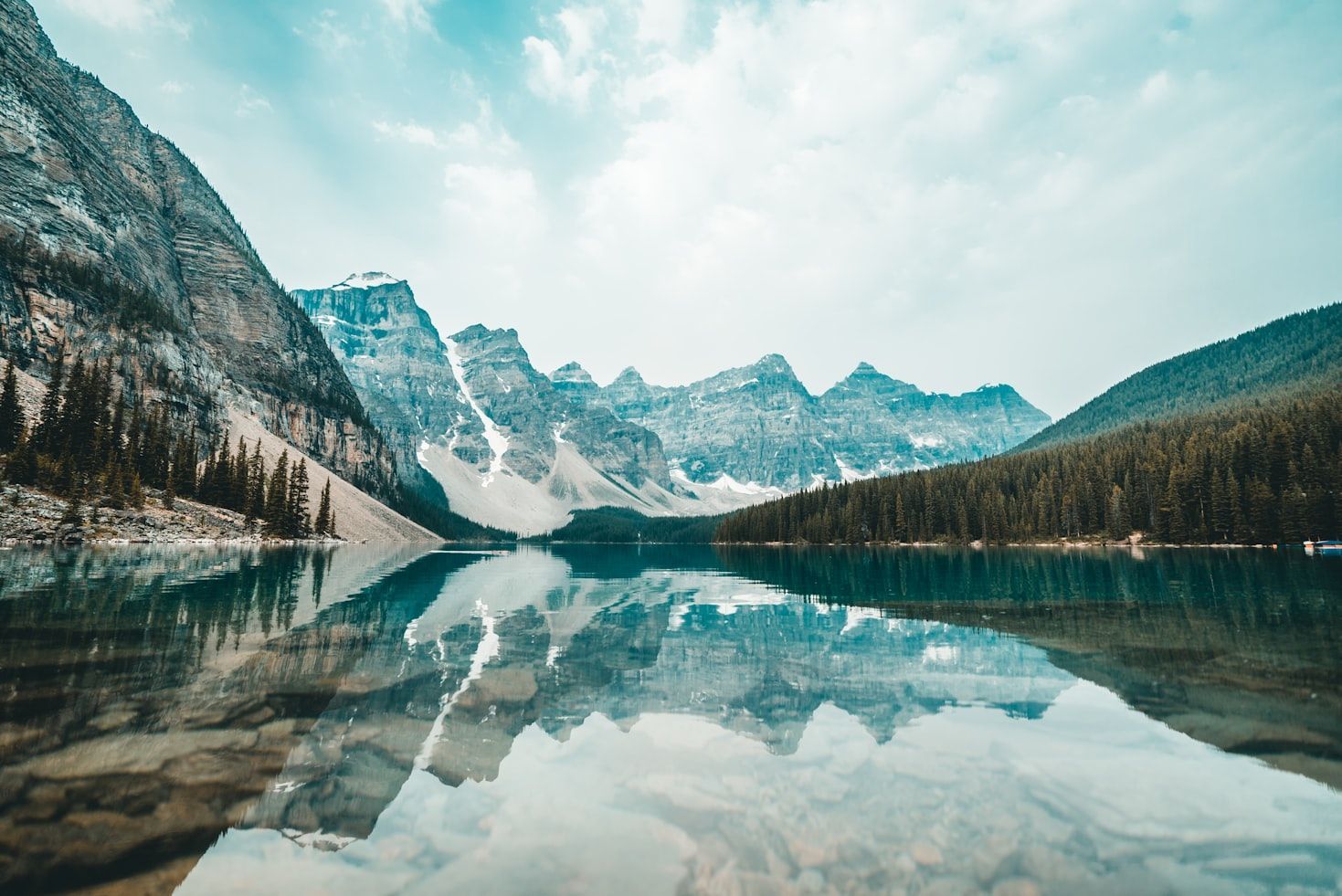
This is a record shared with our Canadian neighbors. While we knew the border between Canada and the United States was extensive, who would have guessed it's actually the longest in the world?

The world's longest international border between two countries spans an impressive 5,525 miles . That is divided into two parts: the border shared between the continental United States and Canada, and the one shared by the state of Alaska with the neighboring country.

And here are more numbers: there are a total of 13 US states on this long border!

9
The longest TV career for a female entertainer

Image: CBS Television, Public domain, via Wikimedia Commons

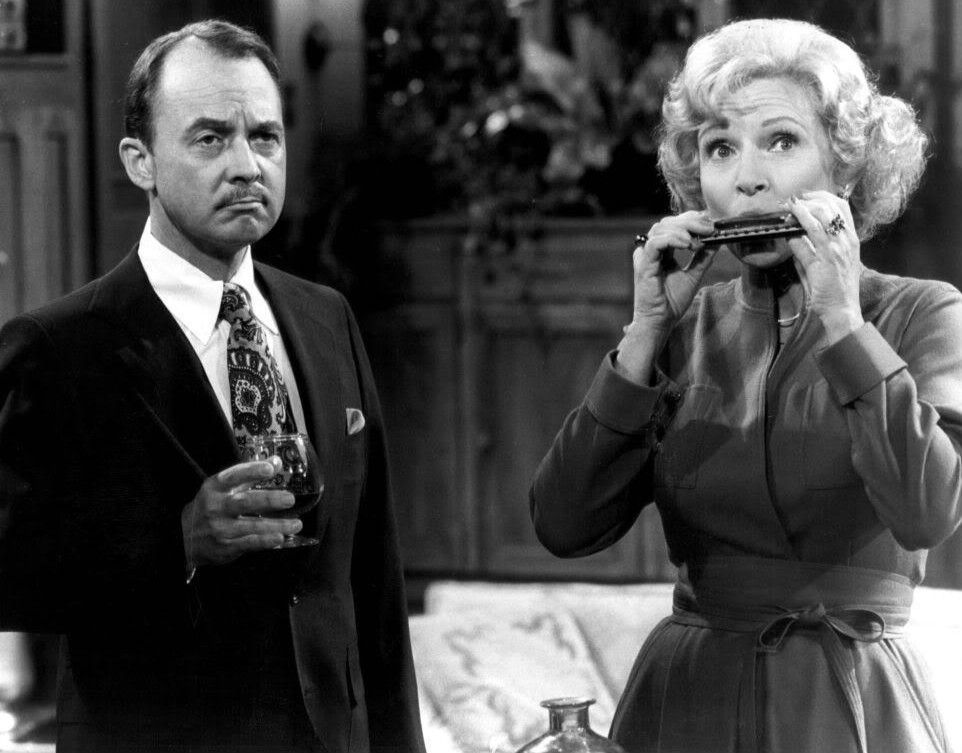
Betty White is a familiar face to everyone who has ever turned on the TV. Born in 1922 in Oak Park, Illinois, the talented actress and comedian has worked passionately from a very young age.

She made her TV debut in 1939 , and since then, she has enjoyed a long and successful career. So long that it earned her a world record for the longest TV career for a female entertainer.

So, how long was it? Not 40, not 50, not even 60 years. Betty delighted our screens for over 74 years! That's what we would call dedication, don't you think?

10
Most consecutive wins on Jeopardy!

Image: 金 运

Jeopardy! has kept viewers glued to their screens for many seasons and for many reasons. Its blend of playful competition and engaging topics makes it simply irresistible.

As you already know, some contestants on Jeopardy! have both the skills and luck to win more than once. But one competitor truly stood out from the rest.

Ken Jennings is a software engineer from Utah who won an incredible 74 times! Can you believe it? His streak began in 2004, and from the moment he started until his 74th win, Ken won $2,520,700, earning the world record for the most consecutive wins.

History History 4 min read

After the golden spike

The driving force that built America: 12 milestones in railroad history

Image: jean52Photosstock

Today, we often take trains for granted, but that wasn’t always the case! The history of railroads is deeply intertwined with American history, shaping the nation’s growth every step of the way. Rail lines helped modern cities blossom, boosted trade across the country, and allowed Americans to explore even the most remote corners of the nation . From the first tracks to today’s massive freight industry, join us as we journey through 12 pivotal moments that defined America’s railroad legacy.

1
First tracks laid

Image: Tim Wildsmith

Date: 1827

The Baltimore and Ohio Railroad (B&O), chartered in 1827, became America’s first common carrier railroad. Construction began the following year, introducing horse-drawn carriages on iron rails. While rail lines existed before, most were privately owned or served specific industries.

2
Tom Thumb’s race

Image: K. Mitch Hodge

Date: 1830

Shortly after the establishment of the B&O’s chartered line, American industrialist and inventor Peter Cooper designed the first American steam locomotive, Tom Thumb , to convince the railroad’s owners to adopt steam power. To prove the technology’s potential, a race was organized between the locomotive and a horse. Although the horse won after Tom Thumb suffered a mechanical failure, the demonstration successfully proved the superiority of steam engines, marking a turning point in railroad history.

3
The railroad boom

Image: Museums Victoria

Date: 1840s to 1850s

With the rise of steam locomotives, railroads expanded rapidly, connecting major cities and driving unprecedented economic growth. By 1850, the U.S. had built 9,000 miles of railroad tracks . These rail lines played a crucial role in transporting goods—particularly agricultural products—to markets, revolutionizing commerce and travel across the country.

4
First transcontinental charter

Image: Alex Boyd

Date: 1862

The Pacific Railroad Act, signed by Abraham Lincoln in 1862, authorized the construction of the first transcontinental railroad, connecting the East and West coasts. The legislation empowered the Union Pacific and Central Pacific Railroads to undertake this monumental task, offering land grants and bonds to support the project. Beyond its technological significance, the act also demonstrated the federal government’s commitment to uniting the nation, fostering economic growth, and solidifying the country’s infrastructure.

5
Driving the Golden Spike

Image: Matt Benson

Date: 1869

On May 10, 1869, the Union Pacific and Central Pacific Railroads met at Promontory Summit, Utah, completing the first transcontinental railroad. During the ceremony, a 17.6-karat golden spike was ceremonially driven in —then promptly removed to prevent theft. This historic achievement connected the nation like never before, reducing cross-country travel time from months to days and forever transforming America's transportation landscape.

6
Standardized time zones

Image: Igor Savelev

Date: 1883

Another transformative effect of railroad expansion and faster travel times was the need for standardized timekeeping. To address the confusion caused by varying local times, the system of time zones was introduced. This not only revolutionized rail scheduling but also transformed travel and commerce across the country, helping synchronize operations nationwide and ensuring greater efficiency and coordination.

7
The Pullman revolution

Image: Jennifer Latuperisa-Andresen

Date: 1867

In 1867, George Pullman introduced the first luxury sleeper cars, offering passengers unmatched comfort on long-distance journeys. Pullman cars featured plush seating, fine dining, and exceptional on-board service, elevating the railroad experience to new heights. These innovations set a standard for first-class travel that extended far beyond railroads.

8
Connecting the South

Image: Oxana Melis

Date: 1870s

During the American Civil War, railroads were a strategic asset, enabling the swift movement of troops and supplies. After the war, Southern rail development played a key role in integrating the South into the broader U.S. economy, facilitating trade and mobility in the Reconstruction era. The Southern rail network expanded from 11,000 miles in 1870 to 29,000 miles by 1890, breaking the region's isolation and fostering economic growth.

9
Electric rail debuts

Image: Museums of History New South Wales

Date: 1888

Richmond, Virginia, became the site of America’s first electric streetcar system, forever revolutionizing urban transit. The system had a significant impact on the emerging electric trolley industry, with its design serving as a model adopted by many other cities. This shift marked the beginning of modern public transportation, transforming urban landscapes and mobility for generations to come.

10
The Golden Age

Image: Marco De Luca

Date: Early 20th Century

From 1900 to 1930, railroads dominated American transportation, carrying nearly all freight and passengers . During this period, innovations in track systems, signaling, and luxury amenities reinforced their status as the nation’s lifeblood. The industry thrived unchallenged until the rise of automobiles and airplanes reshaped the transportation landscape.

11
Amtrak takes over

Image: Jan Canty

Date: 1971

During the post-World War II economic boom, airlines and Interstate highways pushed many railroads out of business . As passenger rail declined, the U.S. government created Amtrak to sustain intercity travel, consolidating struggling private lines into a national service. While freight rail remained strong, Amtrak preserved passenger trains’ legacy, ensuring their continued role in America’s transportation system.

12
Modern freight titans

Image: Akshay Nanavati

Date: Present Day

Finally, we've reached the last station on our railroad journey! While the railroad landscape has drastically changed since its golden era, trains remain a vital backbone of the country’s economy. Freight railroads now dominate the industry, transporting over 1.7 billion tons of goods annually. The U.S. boasts one of the world’s largest and most efficient freight rail systems , transporting everything from coal to electronics and continuing to drive commerce and industry.

Explore more American facts

Choose your favorite category!

General
General

As American as apple pie—the very best America has to offer!

Culture
Culture

Delve into the astounding richness of American lore.

Geography
Geography

Hop in and explore vast and diverse American landscapes.

History
History

Discover the key moments that shaped the United States.