History History 4 min read

Volanta

11 of America’s shortest wars and strangest battles in history
Image: Chandler Cruttenden

Some of America’s most memorable conflicts weren’t long campaigns but rather quick clashes, odd standoffs, or brief fights that, for one reason or another, became well known. These short or unusual events often reveal how chaotic, improvisational, or downright strange these kinds of situations can be in real life. Take a look at 11 of these curious affairs involving our nation.

1
The Pig War (1859)
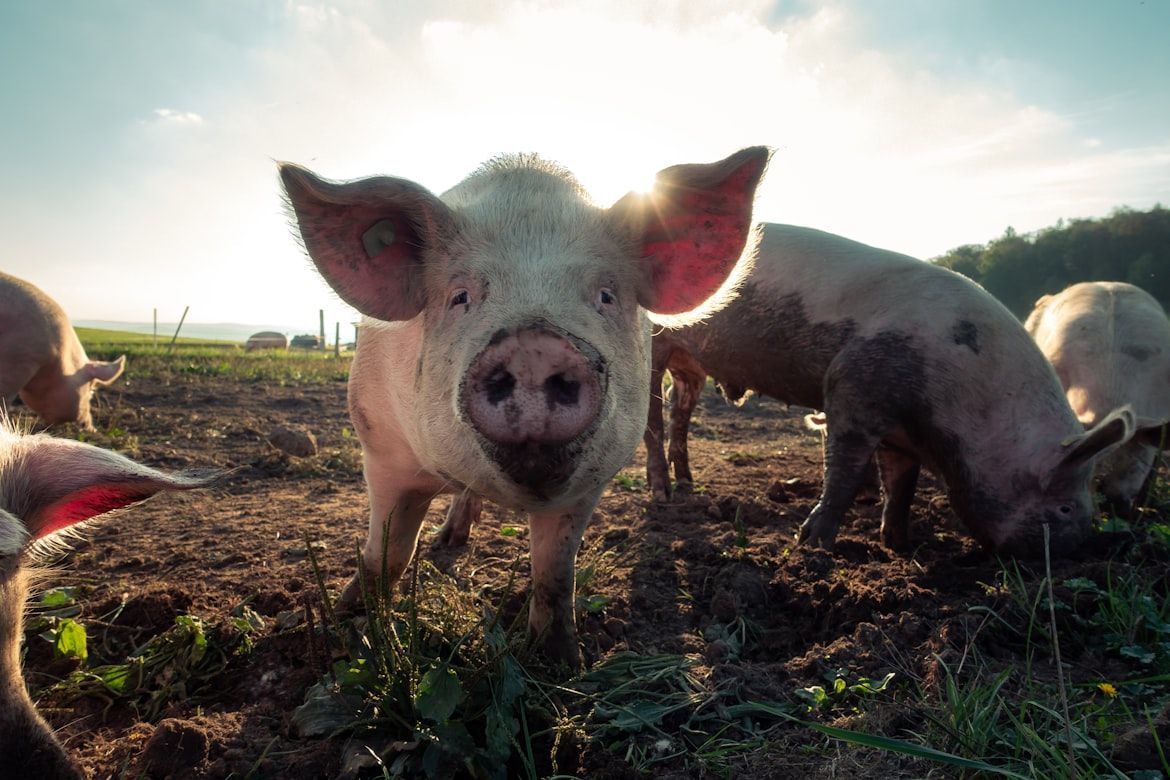
Image: Pascal Debrunner

A boundary dispute on San Juan Island nearly escalated into a U.S.-British war after an American farmer shot a British-owned pig that was rooting in his garden . Troops rushed in, tensions rose, and both sides came to the verge of open conflict.

Thankfully, the "war" ended without a single human casualty. Diplomacy prevailed, leaving history with a famously absurd standoff where the only fatality was the unfortunate hog that started it all.

2
The Toledo War (1835-36)
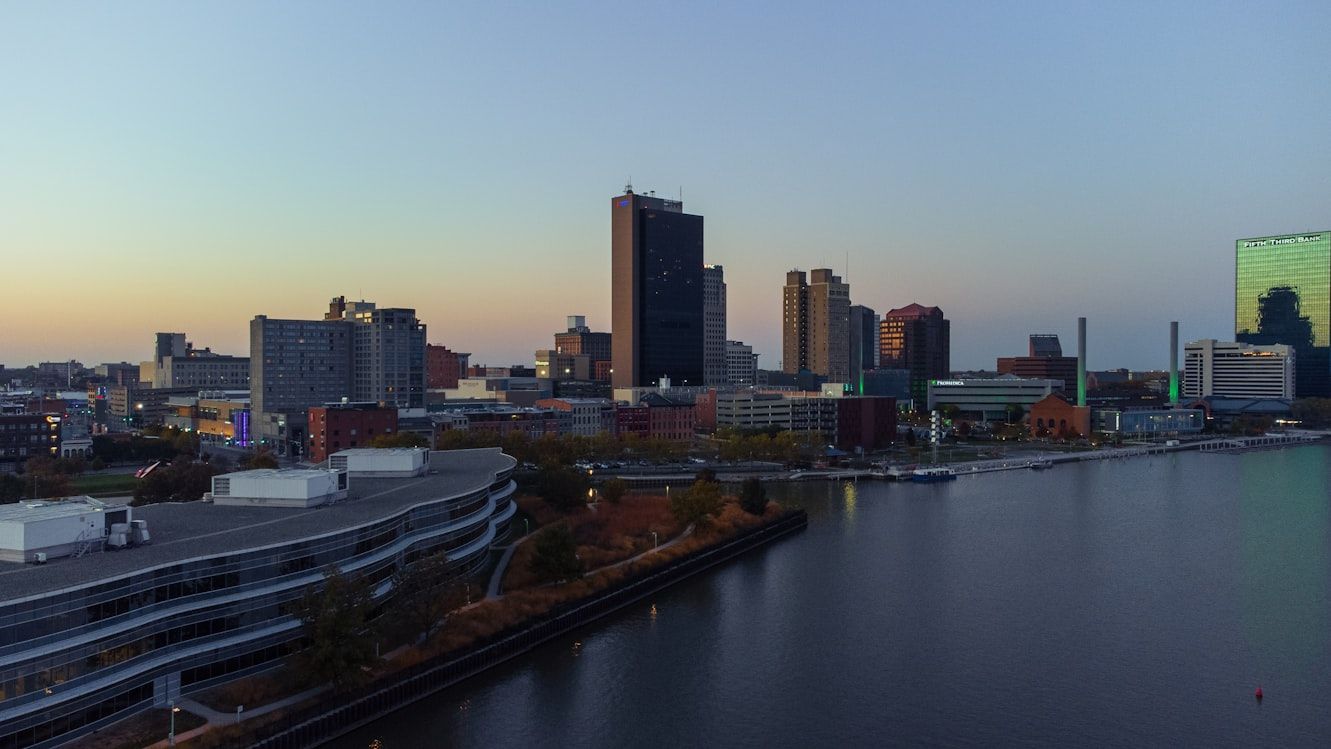
Image: Leo Escala

Believe it or not, Michigan and Ohio once squared off over a slim strip of land containing the city of Toledo . Militias mobilized, tempers flared, and political rhetoric soared past anything that the dispute really deserved.

The conflict produced only one injury: a sheriff was stabbed with a pocket knife. It ended with Michigan receiving the Upper Peninsula as compensation.

3
The Aroostook War (1838-39)
Image: Jason Abdilla

A mix of lumberjacks, militias, and confused officials sparked a border showdown between Maine and British Canada. Though the name sounds dramatic, the "war" consisted mostly of shouting, arrests, and paperwork .

Still, it lasted less than a year and recorded no combat deaths. Its odd blend of frontier folklore and diplomatic missteps gave it a reputation as one of America’s most harmless "wars."

4
Battle of Lake Erie (1813)
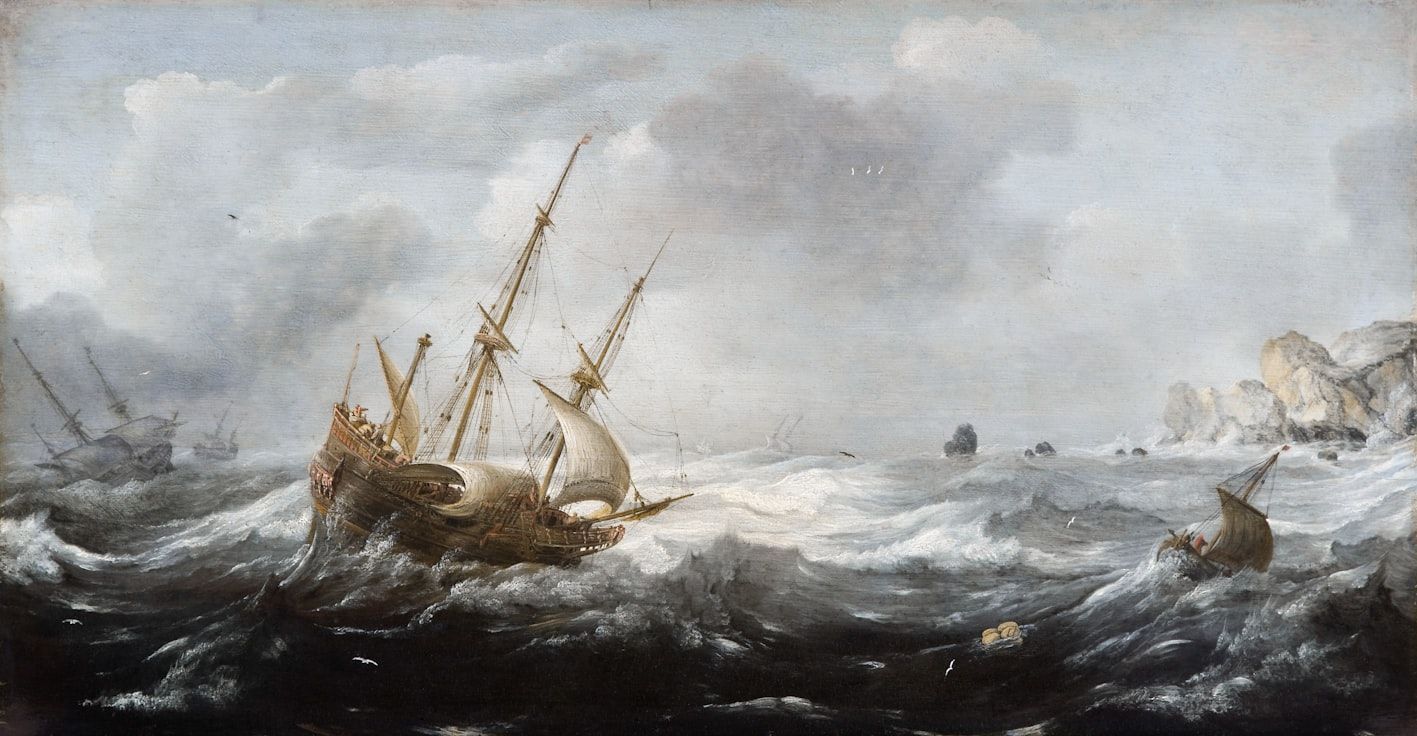
Image: National Historical Museum of Sweden (NHM)

In a fierce naval engagement that lasted only a few hours, Commodore Oliver Hazard Perry secured control of Lake Erie during the War of 1812 . His quick, decisive victory shifted momentum in the northern theater of the war.

The battle is remembered for its speed and for Perry’s bold message: "We have met the enemy, and they are ours."

5
Battle of Blair Mountain (1921)
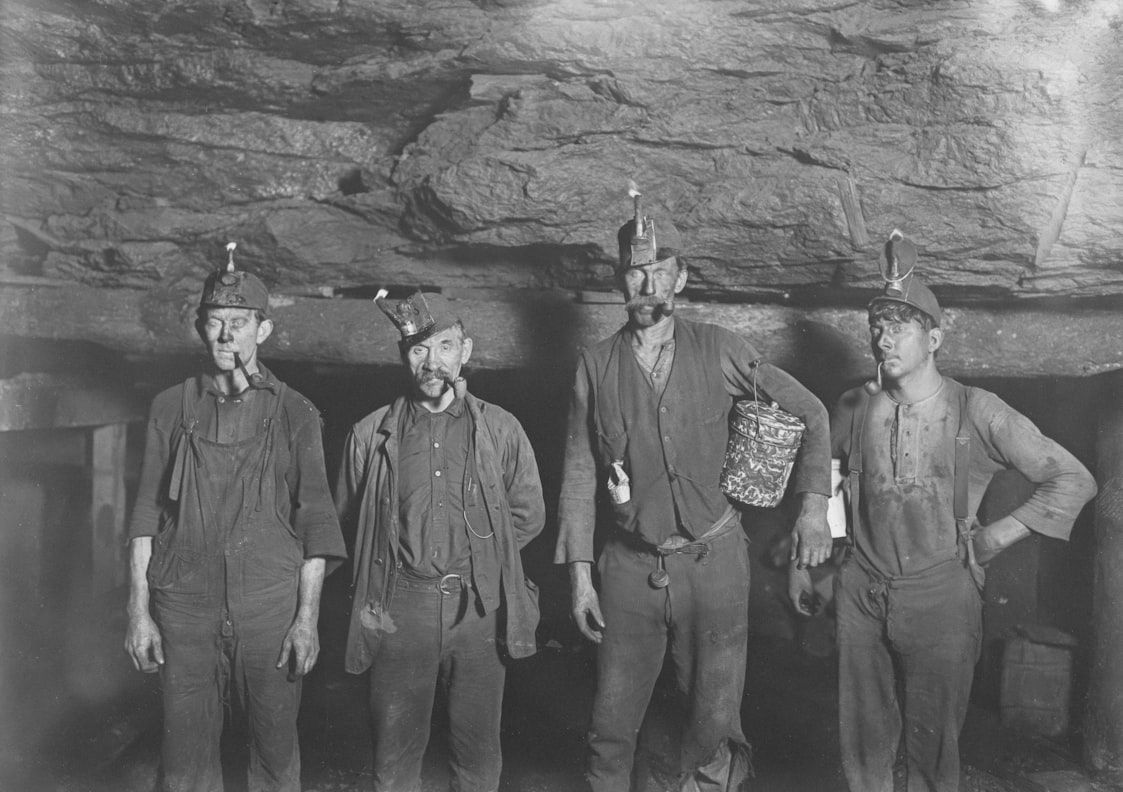
Image: Art Institute of Chicago

For five tense days in West Virginia, thousands of coal miners armed themselves against hired gunmen, local law enforcement, and eventually federal troops . It became the largest labor uprising in U.S. history.

Despite its scale, the conflict ended quickly once the Army intervened. Its strange blend of union struggle, machine guns, and biplanes made it one of the most dramatic yet short-lived labor battles ever fought.

6
Battle of Athens, Tennessee (1946)
Image: Thi Nguyen Duc

World War II veterans took matters into their own hands and clashed with a corrupt county political machine after years of election wrongdoing. In a single night of gunfire and sieges, the veterans seized the jail and exposed the fraud .

By morning, order was restored and democracy reclaimed. The brief uprising became a legendary example of ordinary Americans pushing back against local tyranny.

7
Shelling of Fort Stevens (1942)
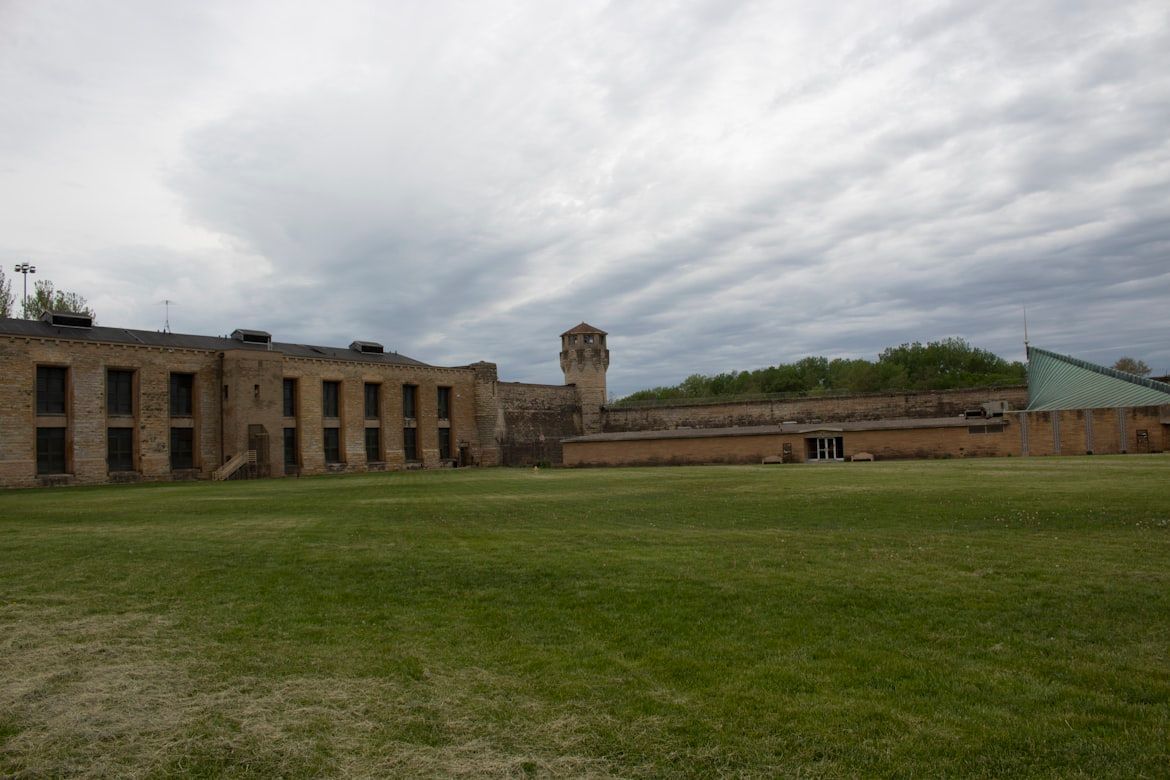
Image: Ray Graciano

During World War II, a Japanese submarine surfaced off the Oregon coast and fired on Fort Stevens for roughly fifteen minutes . The startled gunners held their fire to avoid revealing their positions.

No lives were lost, and damage was minimal. Still, the brief attack stands out as one of the only direct assaults on the U.S. mainland during the war.

8
Battle of Palmito Ranch (1865)
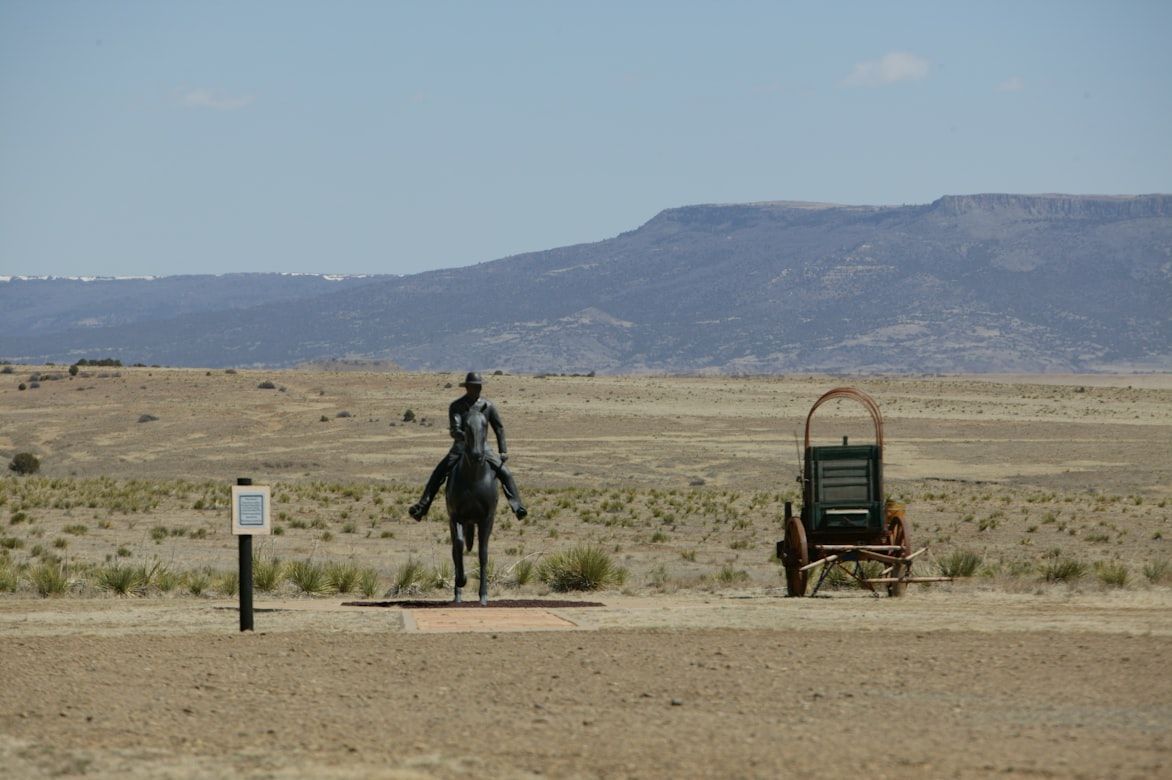
Image: Rosanne Rapata

Fought in Texas weeks after the Confederacy had effectively collapsed, this short skirmish featured U.S. and Confederate troops battling despite the war’s official end . Confusion and poor communication kept the fighting alive.

The engagement lasted only a few hours but became the Civil War’s final battle. Its odd timing makes it a historical footnote with a bizarre twist.

9
Battle of Ambos Nogales (1918)
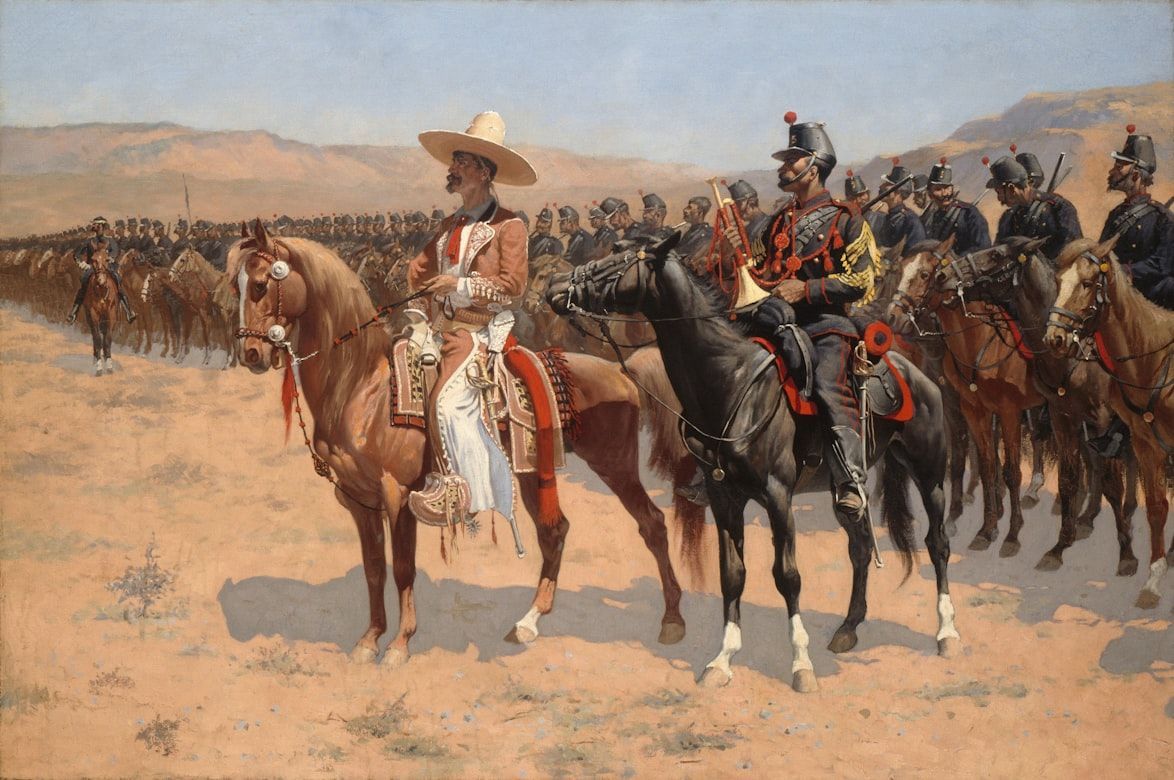
Image: Art Institute of Chicago

A border misunderstanding escalated into a sudden firefight between U.S. and Mexican troops in the twin towns of Nogales, Arizona, and Nogales, Sonora. The shooting lasted only a few hours but drew civilians into chaos.

The brief clash prompted both governments to rethink border security. It remains the only World War I-era battle fought on U.S. soil involving foreign troops .

10
The Great Locomotive Chase (1862)
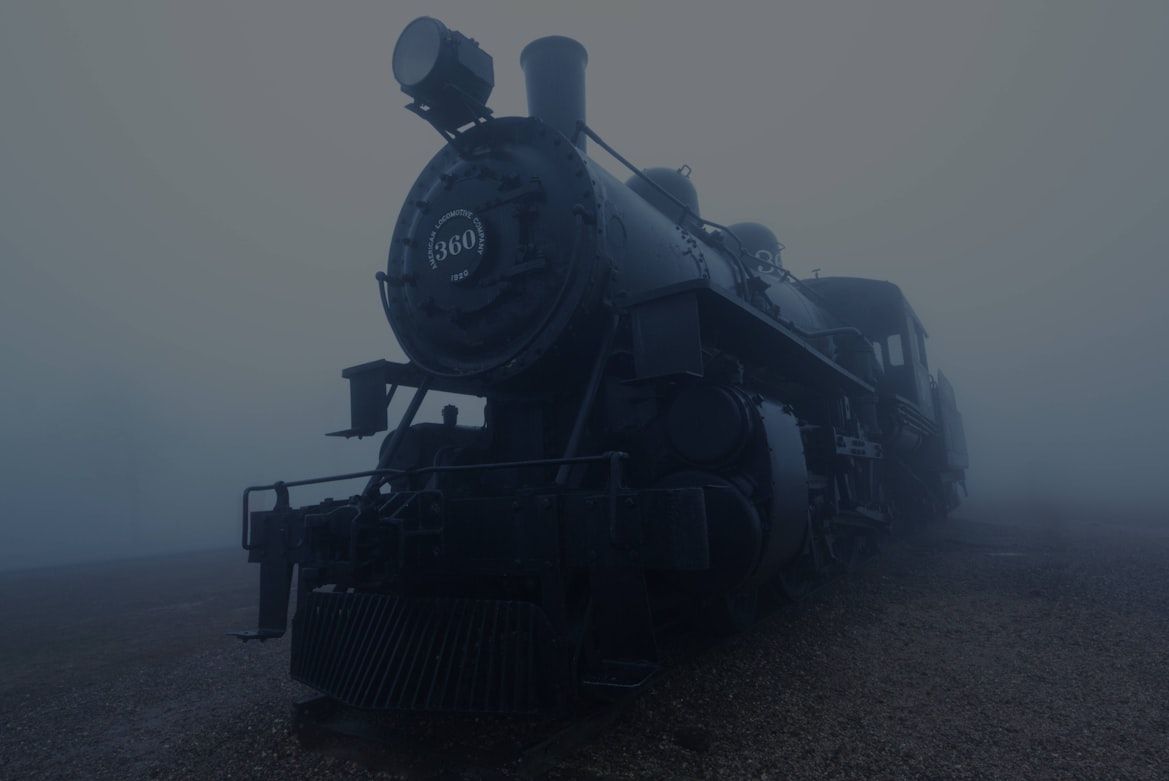
Image: Naveed Ahmed

Union raiders stole a Confederate locomotive and sparked a dramatic pursuit through northern Georgia. The "battle" unfolded across railroad tracks and small towns over the course of a few hours.

Though unconventional, it was officially a military operation and became legendary for its daring and scope. The episode showed how even a train theft could become an act of war.

11
Little Belt Affair (1811)
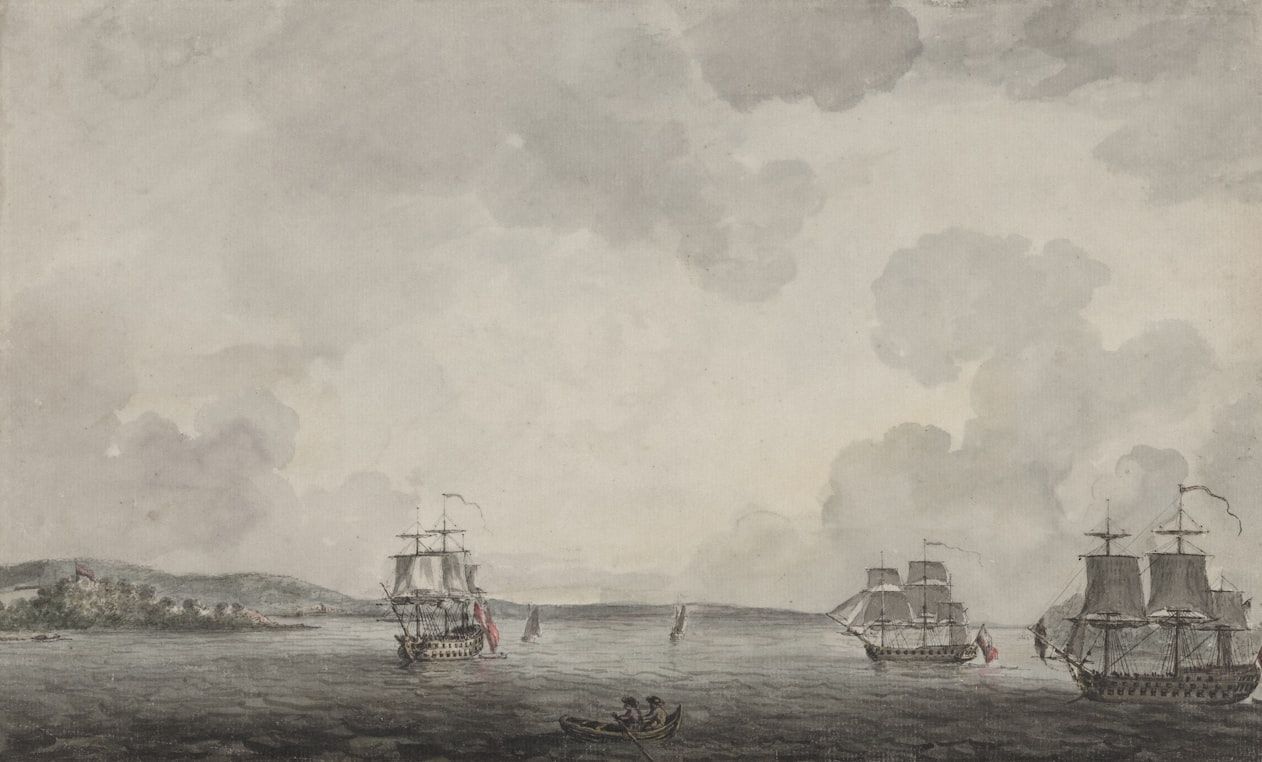
Image: The New York Public Library

This brief naval encounter between USS President and HMS Little Belt lasted less than an hour. Confusion over signals led to sudden gunfire and heavy damage to the British vessel.

The brief clash worsened tensions between the two nations and helped push the U.S. and Britain toward the War of 1812.

General General 3 min read

Banned in the USA

Would you ban velvet Elvis paintings? These towns really did it

Image: Dmitry Alexandrovich

The Land of the Free has had its fair share of strange bans over the years, and not all of them make sense today. From quirky laws to outright odd restrictions, plenty of everyday things have been outlawed at one point or another. Here are 12 unusual things that, believe it or not, were once banned in the U.S.

1
Sliced bread

Image: Laura Ockel

Not even the best of inventions are safe from odd bans. In 1943, the U.S. government temporarily banned pre-sliced bread as part of wartime resource conservation .

Thankfully, the ban only lasted a few months. Housewives, bakeries, and even newspapers complained, arguing that sliced bread was a necessity. The ban was lifted quickly due to public backlash.

2
Pinball machines

Image: Louie Castro-Garcia

Believe it or not, from the 1940s until the mid-1970s, pinball machines were outlawed in several major cities, including New York and Chicago. Officials claimed the machines promoted gambling and corruption .

Machines were confiscated and destroyed. The ban finally ended when it was proven that pinball was more skill-based than luck, leading to its revival as a popular arcade game.

3
Yo-Yos

Image: Eric Prouzet

During the 1930s, some U.S. towns banned yo-yos, believing they caused bad luck and distracted children from schoolwork . The fad was seen as both frivolous and superstitious.

Though short-lived, the bans show how something as harmless as a toy could spark moral panic and strange local laws.

4
Christmas

Image: Erwan Hesry

In the 1600s, the Puritans of Massachusetts Bay Colony banned Christmas , claiming it was rooted in pagan traditions and encouraged rowdy behavior .

Anyone caught celebrating risked punishment or fines. It wasn’t until the mid-1800s that Christmas gained widespread acceptance in the U.S.

5
Dancing after midnight

Image: Scott Broome

At different occasions during the 20th century, some cities enforced laws that restricted or outright banned late-night dancing . New York City’s "Cabaret Law" limited dancing to licensed venues only.

Authorities argued it was about maintaining order, but many saw it as cultural repression. By the 1990s, these laws faced strong opposition, and most have since been repealed, allowing nightlife to thrive.

6
Comic books

Image: Waldemar

Comic books have been a scapegoat for different things in different periods. For example, in the 1950s, they came under fire, accused of corrupting America’s youth . Parents, educators, and politicians believed violent and horror-themed comics encouraged delinquency.

Entire towns banned sales, and even public book burnings took place in different corners of the country.

7
Yellow margarine

Image: Marine Le Gac

Being a substitute for butter, margarine was heavily lobbied against by dairy farmers in the late 1800s. Several states passed laws banning margarine dyed yellow to resemble butter .

As a result, margarine was sold plain white, or consumers had to mix in dye packets themselves. These odd restrictions lasted well into the mid-1900s before finally being repealed.

8
Men’s long hair

Image: Siri louis

During the 1960s and 70s, schools across the U.S. cracked down on boys with long hair . Beatles-inspired styles were viewed as rebellious, unclean, and disruptive.

Some students were suspended or expelled over hair length. These policies reflected the cultural clashes of the era.

9
Left-handed writing

Image: Anna Savina

For much of the 19th and early 20th centuries, left-handed students were forced to switch hands . Teachers tied their left arms or punished them until they wrote with their right hand.

This practice was based on superstition and prejudice, with left-handedness considered "wrong" or even sinister.

10
Bathing suits above the knee

Image: Brett Jordan

In the early 1900s, strict laws dictated swimwear modesty at public beaches . Bathing suits that rose above the knee could result in fines or even arrest by "beach police."

Photographs from the time show officers measuring swimsuit lengths with rulers. The bans slowly disappeared as fashion and social norms shifted.

11
Coffee

Image: Jakub Dziubak

In the late 1600s, in Boston, coffee was briefly banned for being considered dangerous and unproductive . Authorities feared it encouraged idleness and vagrancy.

Coffeehouses were seen as gathering places for gossip and dissent. The ban didn’t last long, and coffee soon became a staple of American culture, eventually surpassing tea in popularity.

12
Velvet Elvis paintings

Image: Susan Mohr

In the 1970s and 80s, velvet Elvis paintings became a kitschy art craze. Some towns, embarrassed by the trend, tried banning their sale, calling them indecent or tacky .

Though the bans were rarely enforced, they reflected how taste and morality sometimes crossed into law.

General General 5 min read

Childhood collectibles turned gold

Ten American toys from the '70s and '80s that are now worth a fortune

Image: Huy Hung Trinh

Remember when your biggest worry was whether Mom would buy you that awesome toy you saw on Saturday morning cartoons? Well, if you held onto those childhood treasures (or if your parents saved them in the attic), you might be sitting on a small fortune . The toys that defined our generation have become hot collectibles, and some are worth serious cash today.

1
Star Wars Action Figures

Image: Brian McGowan

Those little plastic heroes from a galaxy far, far away weren't just toys: they were pure magic in your hands. Whether you had Luke Skywalker, Darth Vader, or the hard-to-find Boba Fett, these 3.75-inch figures from Kenner turned your bedroom floor into epic space battles.

Fast forward to today, and collectors are paying top dollar for these nostalgic treasures. A mint-condition figure still in its original packaging can fetch hundreds or even thousands of dollars . Even loose figures in decent shape can bring in $20 to $100 each, depending on the character. The rarest pieces, like the vinyl-caped Jawa or the rocket-firing Boba Fett prototype, have sold for tens of thousands at auction.

2
Cabbage Patch Kids

Image: camilo jimenez

The madness of 1983 is hard to forget—parents literally fighting in toy store aisles to grab one of these wrinkly-faced dolls for Christmas. With their yarn hair, chubby cheeks, and unique names, these dolls weren't just toys; they were family members who went everywhere with you.

Original Cabbage Patch Kids from the early '80s, especially the ones made by Coleco, are now highly sought after by collectors. Dolls in excellent condition with their original boxes and paperwork can sell for $100 to $500 , while rare editions or special characters can go for much more.

3
Atari 2600 Game Cartridges

Image: Alejandro Hikari

This chunky, black console with the wood paneling was the coolest thing you could own in the late '70s and early '80s. Games like Pac-Man, Space Invaders, and Pitfall! kept you glued to the TV for hours, even though the graphics were basically colored blocks moving around the screen.

Today, common titles might only fetch $5 to $20, but rare games can sell for hundreds or even thousands . The holy grail is "Air Raid," one of the rarest games ever made, which has sold for over $30,000.

4
Strawberry Shortcake Dolls

Image: Subhabrata Chowdhury

Strawberry Shortcake burst onto the scene in 1980 with her red hair, freckles, and signature striped stockings. Soon she had a whole crew of fruity friends like Blueberry Muffin, Raspberry Tart, and Huckleberry Pie.

These scented dolls from the original Kenner line are now collectible gems. Mint-condition dolls in their original packaging can sell for $50 to $200, depending on the character . Even loose dolls in good shape with their original outfits can bring in $20 to $50 each, especially if they still have a hint of that fruity smell.

5
Hot Wheels and Matchbox Cars

Image: I Nyoman Adi Wiraputra

Your collection probably sprawled across your bedroom floor in an elaborate city of orange tracks, loop-de-loops, and imaginary highways. Hot Wheels from Mattel and Matchbox cars from Lesney were the must-have toys for any kid who loved vehicles.

A single rare Hot Wheels car, like a 1968 "Cheetah" base Python or certain Redline editions, can sell for $100 to $1,000 or more . Even common models in excellent condition with their original packaging can fetch $10 to $50.

6
Transformers

Image: Arseny Togulev

"More than meets the eye!" That wasn't just a catchy tagline—it was the truth. Transformers were toys that did double duty: a cool robot that could morph into a vehicle, cassette player, or dinosaur with just a few twists and clicks.

Original Generation 1 Transformers from the mid-'80s are now hot collectibles. Figures in good condition with all their parts intact can sell for $50 to $200, while rare characters or complete sets in original packaging can go for much more . Optimus Prime in his original box can fetch $500 to $1,000 or higher.

7
G.I. Joe: A Real American Hero

Image: Justin Wilkens

The 1980s reboot of G.I. Joe brought the action figure down from 12 inches to a more manageable 3.75 inches, and kids went wild for them. Snake Eyes, Duke, Cobra Commander, and Storm Shadow became instant icons. These figures came with tons of accessories—guns, backpacks, helmets—that were ridiculously easy to lose.

Today's collectors are willing to pay good money for these patriotic warriors. Complete figures with all their original accessories can sell for $15 to $100 each, depending on rarity. Mint-on-card figures (still sealed in packaging) are where the real value lies, often fetching $50 to $300 or more for rare characters . The U.S.S. Flagg, if complete in its box, can sell for over $1,000.

8
My Little Pony

Image: Kateryna Hliznitsova

These colorful little horses with brushable manes and tails captured hearts when they debuted in 1983. Each pony had its own name, personality, and unique symbol on its flank.

Original Generation 1 ponies from the '80s are now beloved collectibles among a dedicated fanbase. Common ponies in good condition can sell for $10 to $30 each, while rare ponies, especially those from early releases or special editions, can go for $100 to $500 .

9
Rubik's Cube

Image: William Warby

The Rubik's Cube became a sensation in 1980, and suddenly everyone was twisting and turning those colorful squares, trying to get each side to match. Some kids could solve it in minutes; most of us just peeled off the stickers and stuck them back on in the right places (come on, you know you did it).

Original Rubik's Cubes from the early '80s, especially early editions made in Hungary, have become collectible. While standard cubes aren't worth a fortune, vintage ones in pristine condition with original packaging can sell for $50 to $150 . Special editions, like the original wooden prototype or cubes signed by inventor Ernő Rubik, are worth much more.

10
Care Bears

Image: Oxana Lyashenko

These huggable bears with symbols on their bellies taught us about feelings and friendship. Each Care Bear represented a different emotion or value: Tenderheart Bear had a heart, Grumpy Bear had a rain cloud, and Cheer Bear had a rainbow. The stuffed animals, along with the TV shows and movies, made Care Bears a phenomenon.

Vintage Care Bears from the original 1983 Kenner line are now sought-after collectibles. Plush bears in excellent condition with their original tags can sell for $30 to $100, while rare bears or special editions can go higher. Complete sets, limited editions like the birthday bears, or bears with rare belly badges are particularly prized.

Explore more American facts

Choose your favorite category!

General
General

As American as apple pie—the very best America has to offer!

Culture
Culture

Delve into the astounding richness of American lore.

Geography
Geography

Hop in and explore vast and diverse American landscapes.

History
History

Discover the key moments that shaped the United States.