What are they actually named?
Is it not the Statue of Liberty? 10 alternate names of iconic landmarks
Image: Cayetano Gil
All across America, we can find iconic landmarks known by everyone, at least by name . But, which name? Like people, some of these landmarks have a nickname so used that many often forget what they are officially called. In other cases, the official name coexists with an ancestral name. Here are ten examples of double-named landmarks!
1
Mt. McKinley/Denali
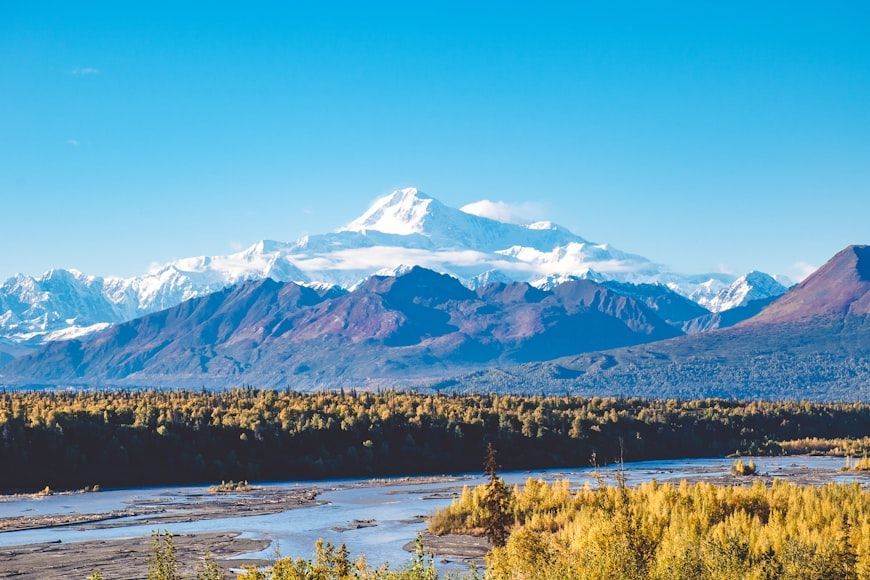
This Alaskan mountain has changed names several times. Historically called Denali (meaning ‘the big one’) by the Koyukon Athabaskan tribe, it was referred to as Bolshaya Gora (‘big mountain’) by the Russians. After the Alaska purchase, it was temporarily named Densmore's Mountain before gaining the name McKinley in support of the then-presidential candidate. It was renamed Denali in the 1970s at the state level and in 2015 at the federal level, before reverting to McKinley in 2024, although Denali is still the name of the National park that houses it . With this many changes, it’s no wonder some people still mix the names.
2
Liberty Enlightening the World/The Statue of Liberty
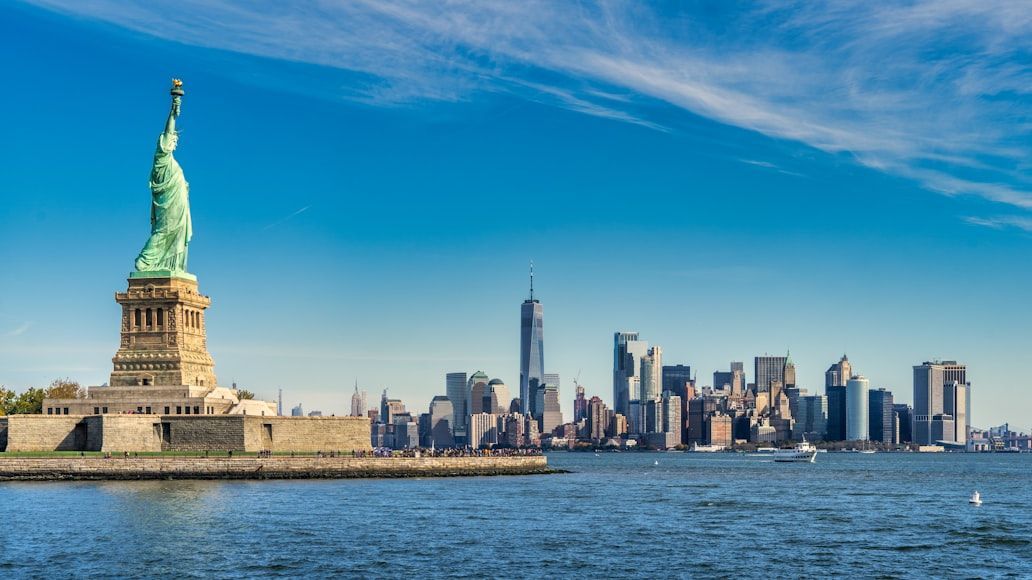
This statue is one of the indisputable icons of the USA and of New York City, but not everyone knows that ‘The Statue of Liberty’ is just a popular name. As a gift from France, it was named La Liberté éclairant le monde , or ‘Liberty Enlightening the World’ , but no matter what it’s called, it has become an iconic symbol of American values.
3
Alcatraz Island/The Rock
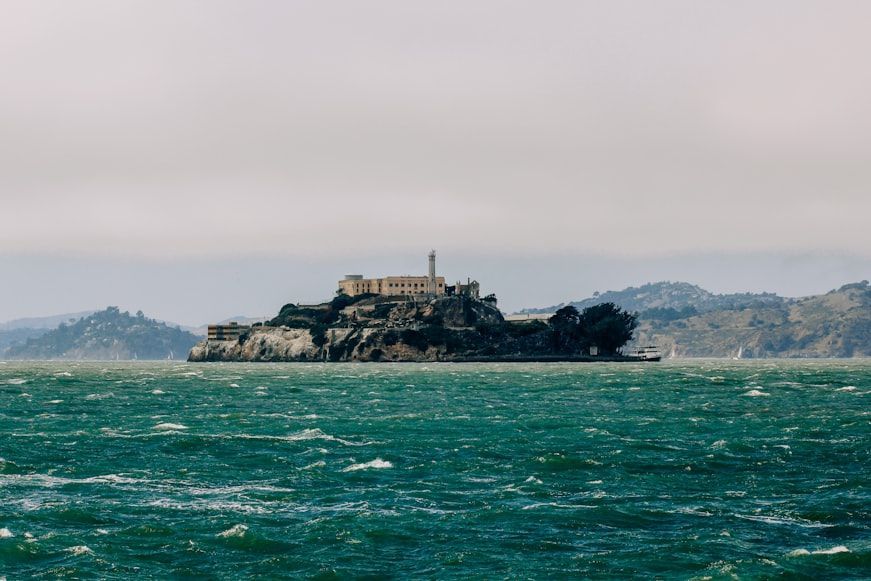
One of the most infamous American prisons, Alcatraz Island, is located less than two miles from the San Francisco coast. Spanish explorer Juan Manuel de Ayala named it Isla de los Alcatraces or Island of the Pelicans due to the prevalence of these birds. After becoming U.S. territory, Alcatraz Island became a military fort, and then a federal prison that housed some of America’s most notorious criminals. While many believe that it's popularly called The Rock because it was impossible to escape, the nickname is simply due to its rocky appearance and its isolated location.
4
Mt. Rainier/Tahoma
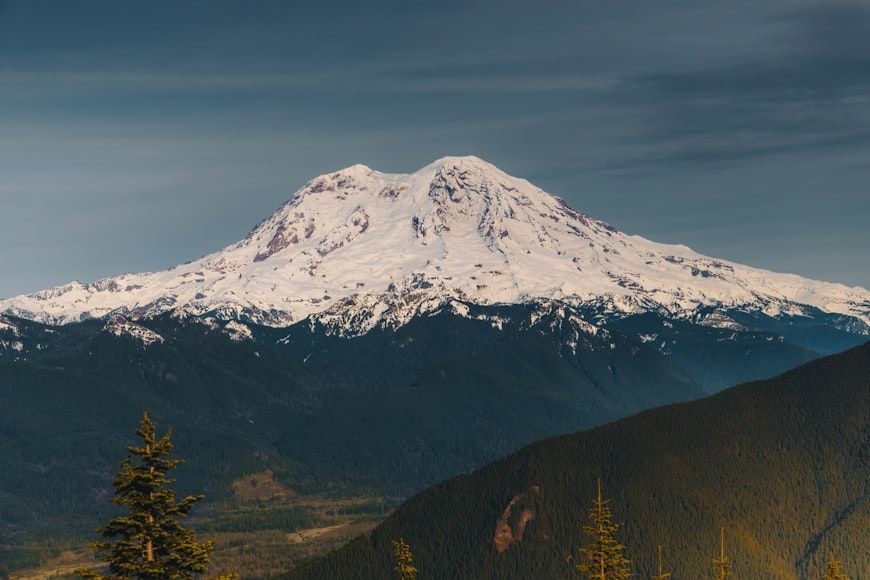
Located in the Mount Rainier National Park, Washington, Mt. Rainier is the tallest mountain (and volcano) in the Cascade Range. Native American tribes of the area have given numerous names to this peak, but the most prominent one is Tahoma or Tacoma , a name still used by some. Officially, however, it is called Mt. Rainier , a name given by the British explorer George Vancouver in the 1790s.
5
Lake Superior/Gitche Gumee
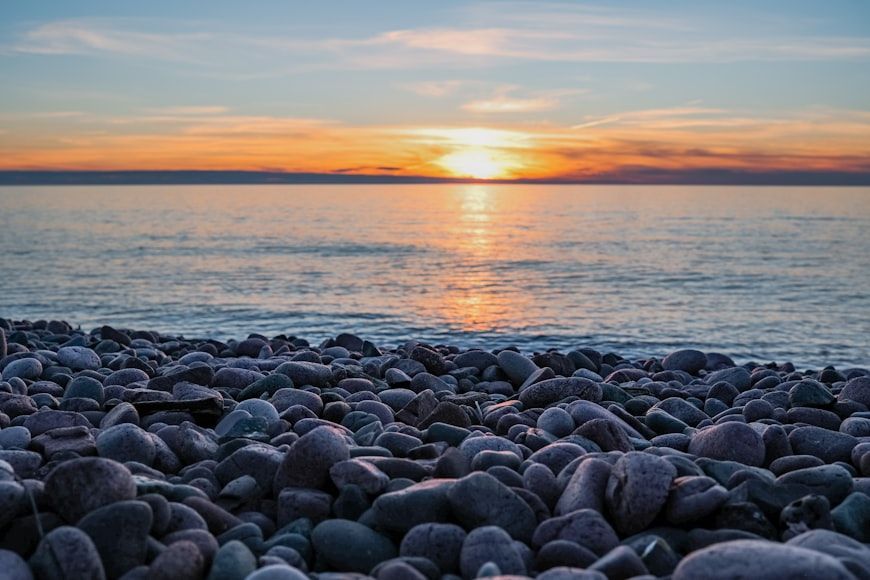
The largest of the Great Lakes, Lake Superior, is one of the biggest freshwater reserves in the world. Its current name originated when French explorers, after traversing Lake Huron, called this lake le lac supérieur (‘the lake above’). After the French and Indian War, the British simply translated the name. However, this lake also has a native name, usually transliterated as Gitche Gumee, a name used by the poet Longfellow in his work The Song of Hiawatha .
6
Mt. Rushmore/The Six Grandfathers
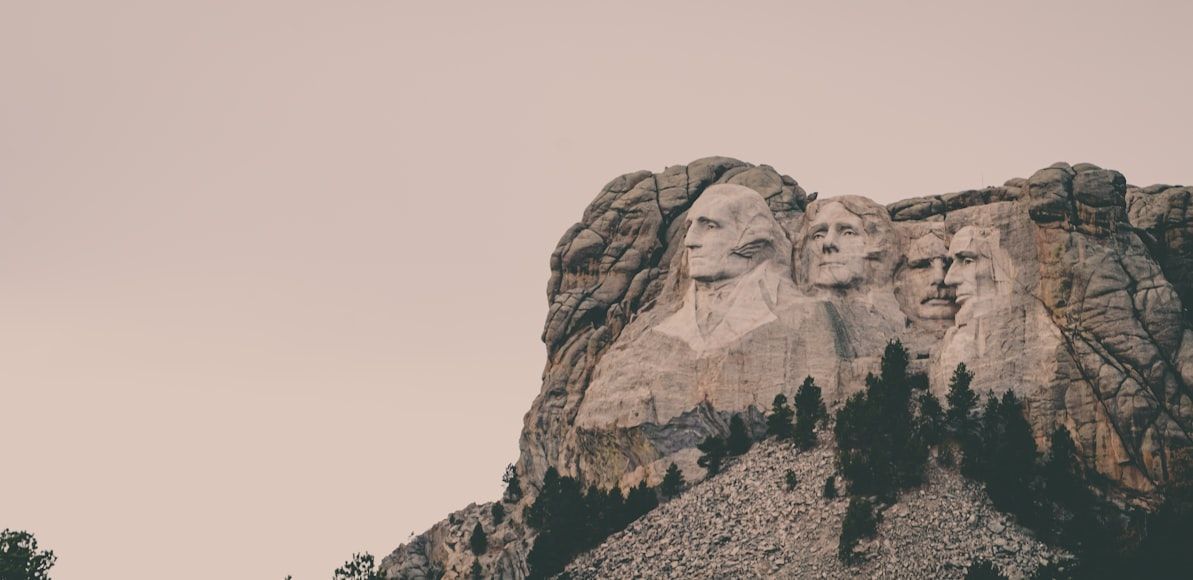
This mountain has been considered a sacred place by many tribes of the region —such as the Arapaho, Cheyenne, or Lakota Sioux— who named it ‘The Six Grandfathers’ after their ancestral deities . The place gained its current name when Charles E. Rushmore, a lawyer surveilling the area as a representative of a mining company, asked the name of the mountain. His guide replied that it had no name, but it would from that day be called ‘Rushmore’. The name stuck, and was officially recognized a few decades later.
7
Mission San Antonio de Valero/The Alamo
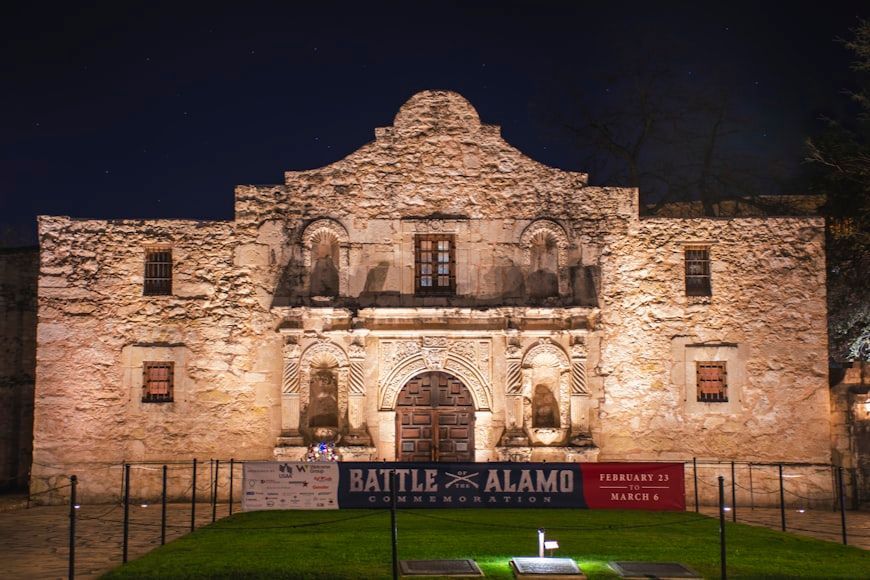
The battle of the Alamo is a well-known episode in Texan history, and its location is considered a shrine to Texan valor and liberty. However, what many don’t know is that the place is called Mission San Antonio de Valero , a name given by the Spanish. Where does the ‘Alamo’ name come from? After the place stopped being used as a Catholic mission, it became a military fortress, housing a military unit nicknamed Álamo de Parras after their city of origin, a nickname that extended to the site.
8
Cloud Gate/The Bean
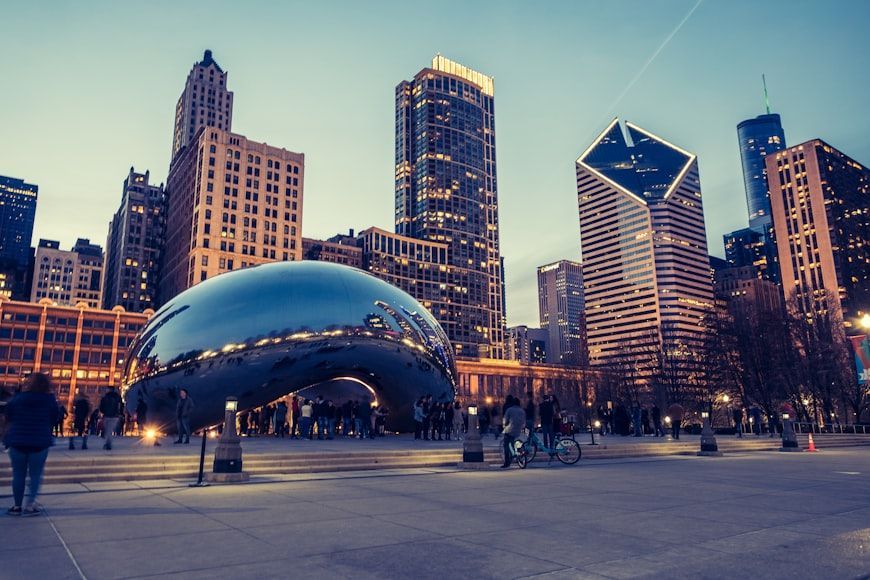
Chicago regulars (and even those who never set foot in Chicago) know that The Bean is as iconic as it gets when talking about the city. Inspired by liquid mercury, this impressive sculpture might be shaped like a ginormous jellybean, but its official name is Cloud Gate . The sculptor, Anish Kapoor, initially disliked the popular nickname, but he has reportedly come to terms with it, even saying that he now calls it ‘the Bean’ too.
9
State House Bell/Liberty Bell
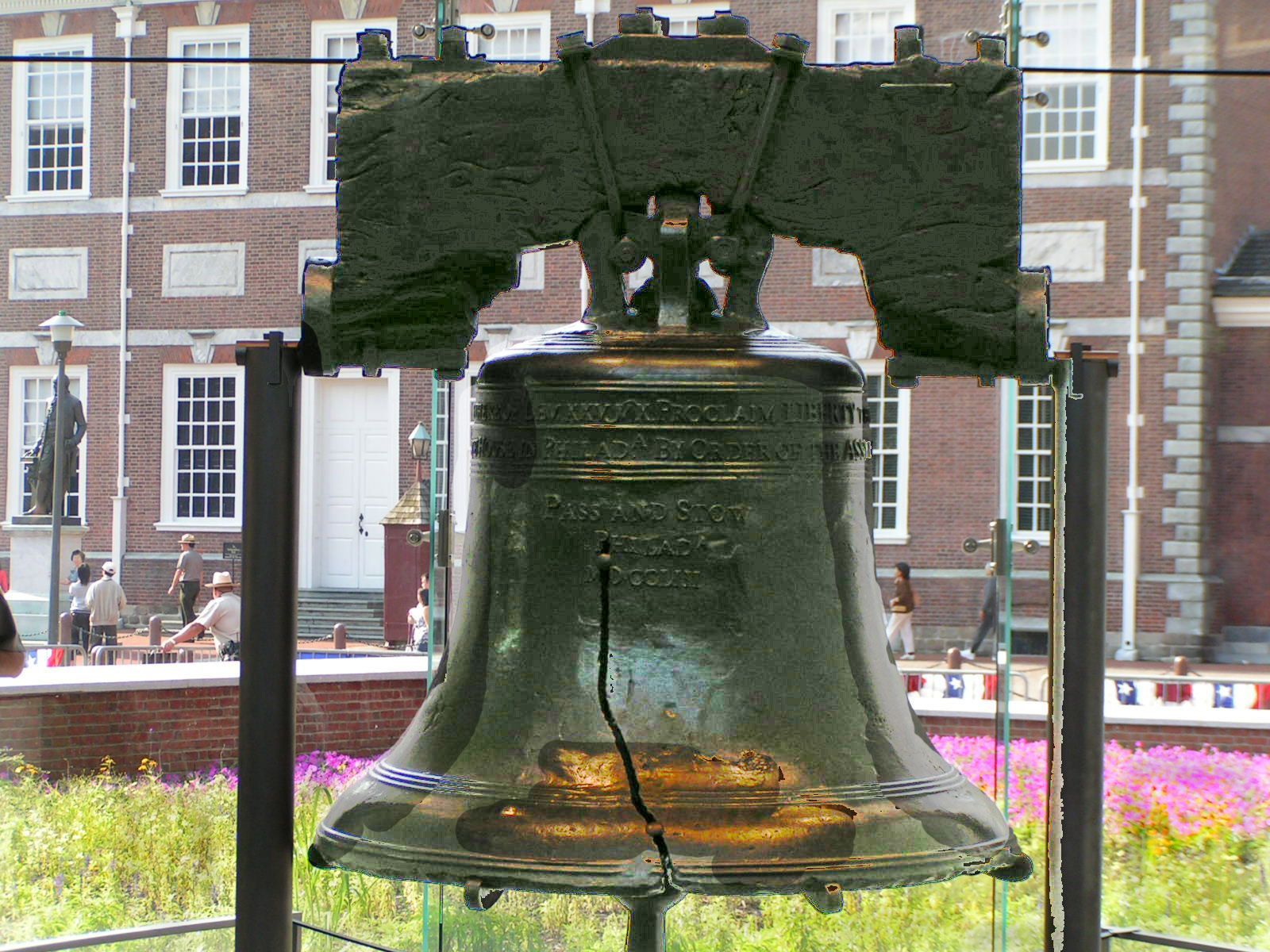
At its birth, this bell was simply the bell of the Pennsylvania State House (now Independence Hall). Cast in the 18th century, it cracked the first time it was rung. It was recast twice, but it cracked again in the 19th century. Allegedly rung after the Declaration of Independence, it was hidden during the Revolutionary War, and it changed hands several times in the following century. Despite its popular association with the American Revolution, the ‘Liberty Bell’ name was actually given by anti-slavery groups , who took it as a symbol due to its inscription reading "Proclaim Liberty throughout all the land unto all the inhabitants thereof."
10
Cape Canaveral/Cape Kennedy
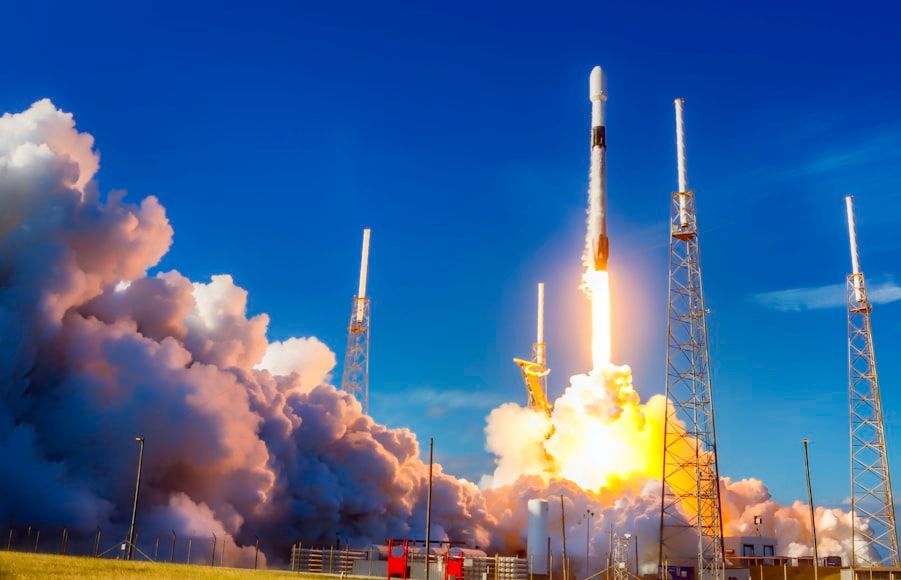
Originally named Cabo Cañaveral by the Spanish after its abundance of canes, its name was simply anglicized after the territory became part of the United States. In the 20th century, Cape Canaveral became the center of a series of missile and rocket tests, and it was the launch site of the Apollo 11 mission. A few days after J.F.K.’s assassination, the newly-instated President Johnson publicly announced that the cape would be renamed ‘Cape Kennedy’ as a memorial . The name change was not well-received by local Floridians, and the original name was reinstated a decade later, with the full support of the Kennedy family. The NASA space center is still named after President Kennedy.