Geography Geography 3 min read

10 American train stations that are a work of art
Image: Brady Hood

Many of America's train stations are much more than just transit hubs; they are authentic architectural marvels with distinct designs and rich histories. Built mostly in the first half of the 20th century, these spaces reflect the culture and confidence in the future of our nation. Would you like to know more? Join us as we go through 10 railway stations that make this country proud.

1
Union Station, Washington, D.C.
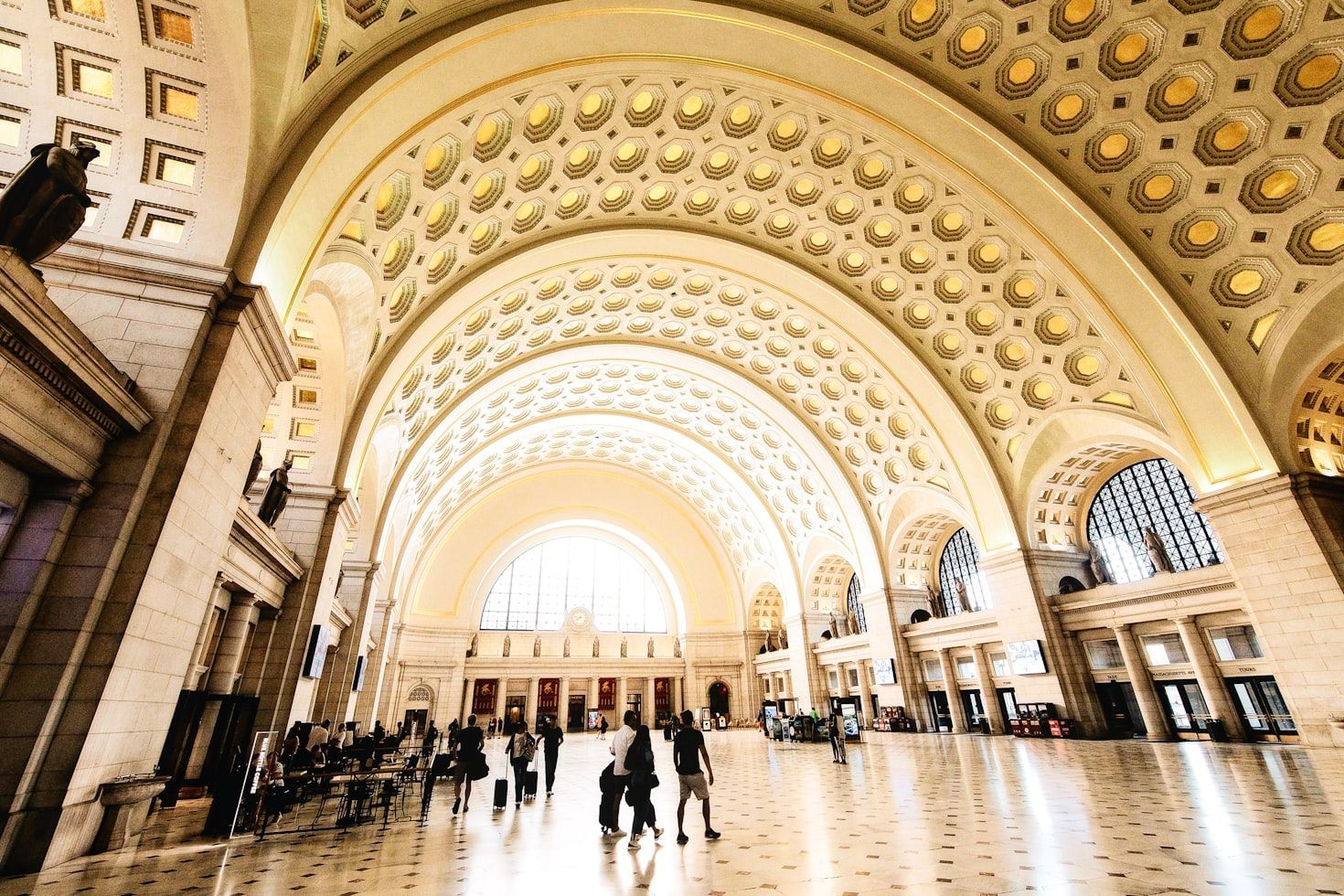
Image: Caleb Fisher

Washington Union Station, opened in 1907, is a fine example of Beaux-Arts architecture. Built to serve as one of the busiest transit hubs in the country, no expense was spared. The architect was inspired by ancient Roman baths. The main hall is guarded by rows of marble centurions, and the coffered ceiling is laced with gold leaf. If you want to contemplate marvellous architecture while having lunch alongside city workers and members of Congress, this is the place!

2
Penn Station, New York City

Image: c

Probably one of the world’s greatest railway stations was built in New York in 1910. And we are not talking about the famous Grand Central Terminal. The original Beaux-Arts building that was once home to Penn Station in Manhattan was an architectural masterpiece. It boasted grandiose interiors, huge waiting areas, and granite Doric columns. Unfortunately, in 1963, it was demolished to make room for Madison Square Garden, forcing the station to go underground.

3
Penn Station, Newark
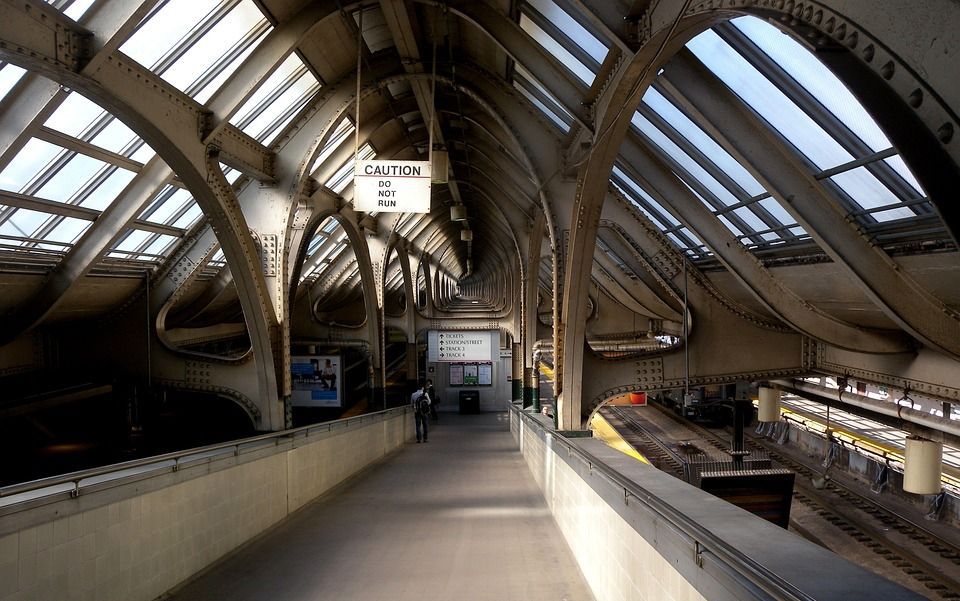
Image: Pixabay

Penn Station in New York may not have survived, but a smaller-scale version still stands in Newark. New Jersey’s Neoclassical and Art Deco marvel was built in 1935 by the same architectural firm as the one in Manhattan. Featuring ornate archways, red terrazzo flooring, and green terracotta decorations, it may be less grandiose than its predecessor, but it still maintains much of its glamour.

4
30th Street Station, Philadelphia
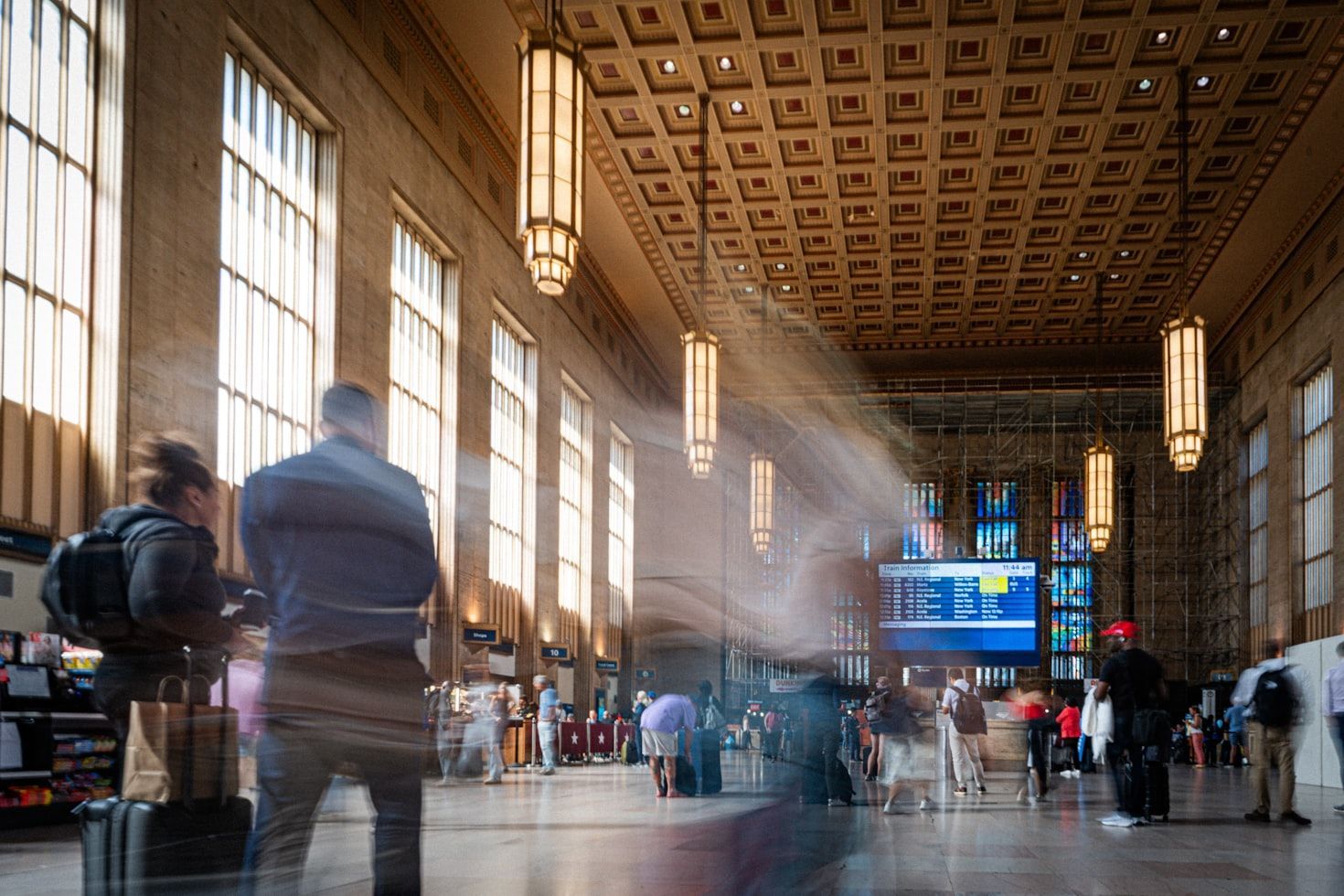
Image: Nils Huenerfuerst

Completed in 1933, 30th Street Station in Philadelphia features a Neoclassical facade framed by 70-foot Corinthian columns. Inside, a spectacular Art Deco main concourse with a coffered ceiling adds to the station’s opulence. Fortunately, this terminal managed to preserve its former glory, and it is still in use today.

5
Main Street Station, Richmond
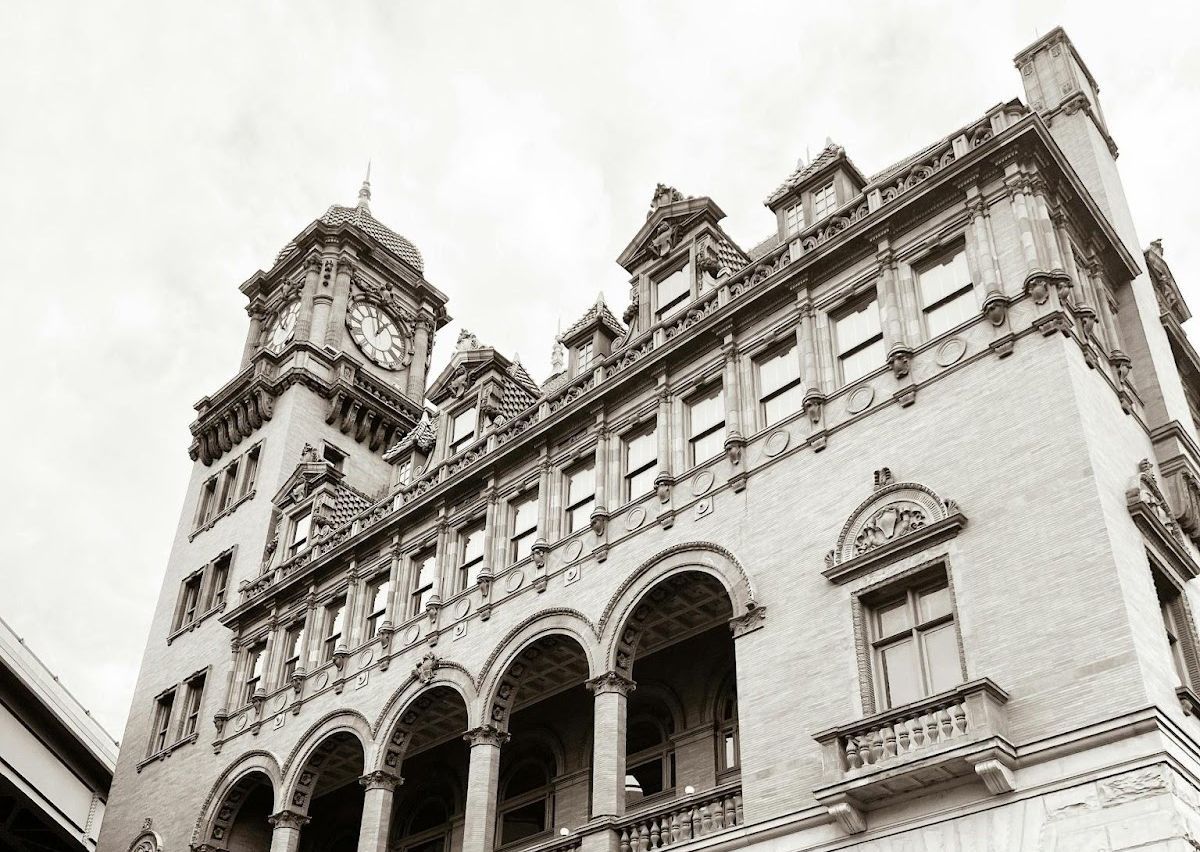
Image: Tangie Bodden

Main Street Station’s second Renaissance Revival architecture lights up the capital city of Virginia. Built at the turn of the century, it stands out mainly for its 110-foot brick clock tower. Past its glory days, it was neglected and suffered several damages, such as floods and fires. Fortunately, in 2003 it was restored, and today it is once again a major transit hub.

6
Birmingham Terminal Station
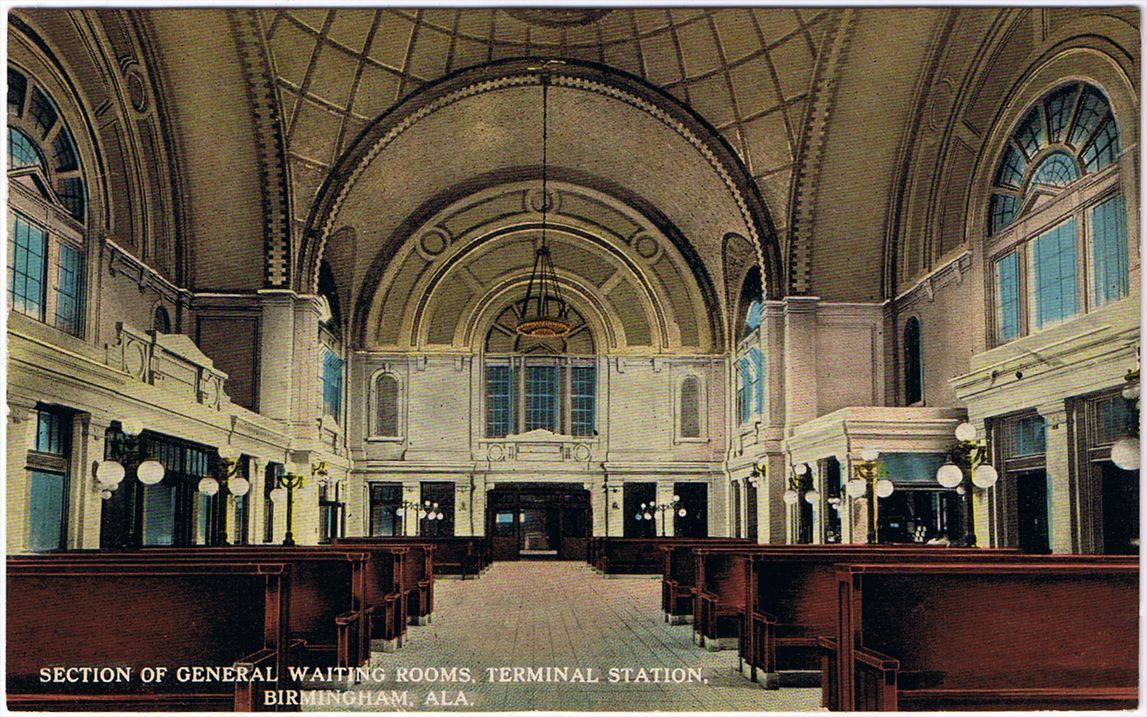
Image: Self-scanned, Public domain, via Wikimedia Commons

Meant to be travelers' first impression of the city, Birmingham Terminal Station once managed to astonish and amaze. Built in a Byzantine, Beaux-Arts style, it operated from 1909 to the 1950s. As automobile and air travel flourished, the station fell into disuse and was ultimately demolished in 1969 to make way for a new highway. A huge loss for the Magic City.

7
King Street Station, Seattle
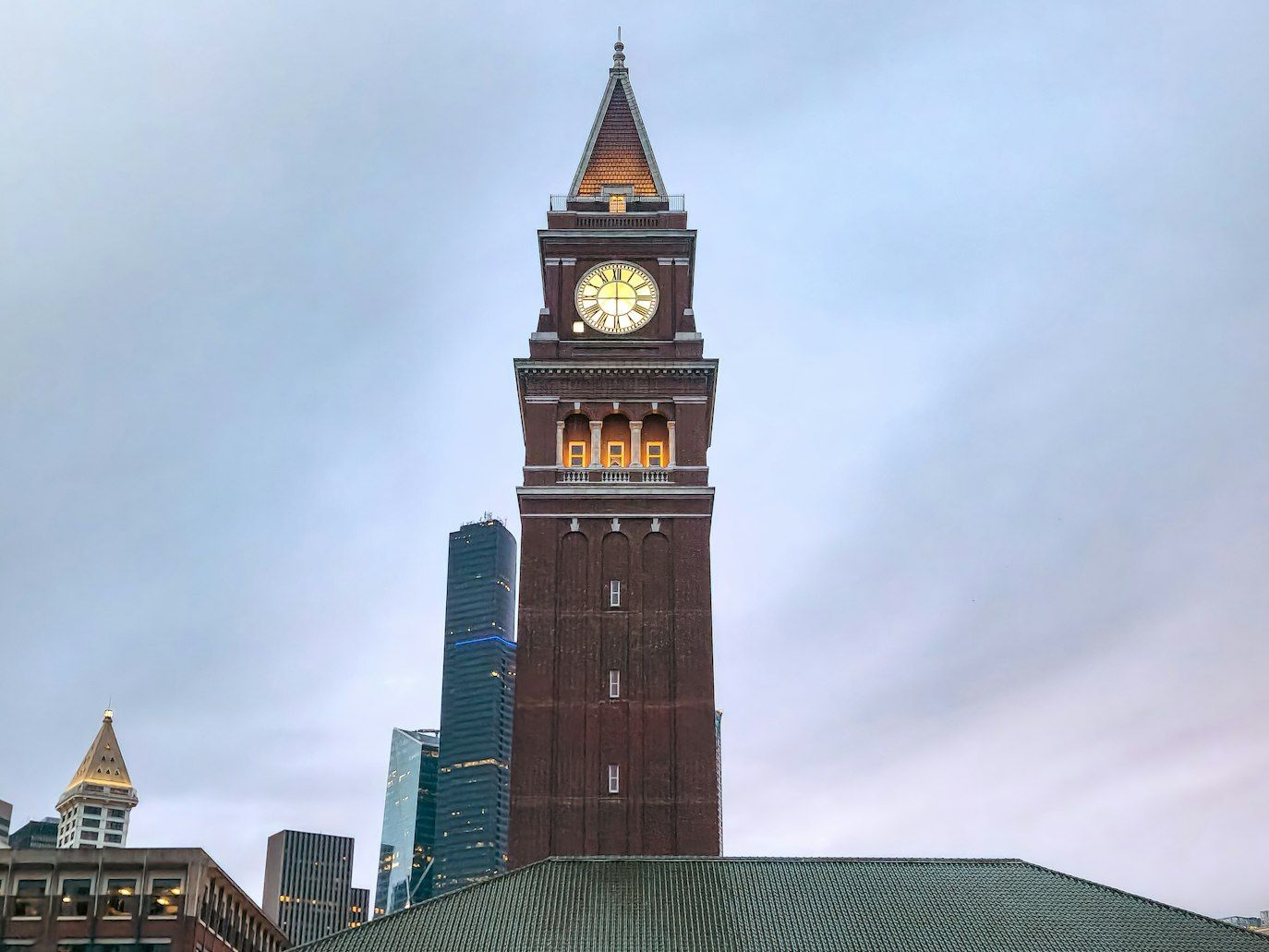
Image: Zoshua Colah

King Street Station in Seattle was built at the beginning of the 20th century with a mix of architectural styles. Its main feature is a 242-foot tower modeled after the grand Campanile di San Marco in Venice. King Street Station also boasts intricate terrazzo and mosaic floors and ornamental plaster ceilings that were restored in 2010 to their former splendor.

8
Cincinnati Union Terminal
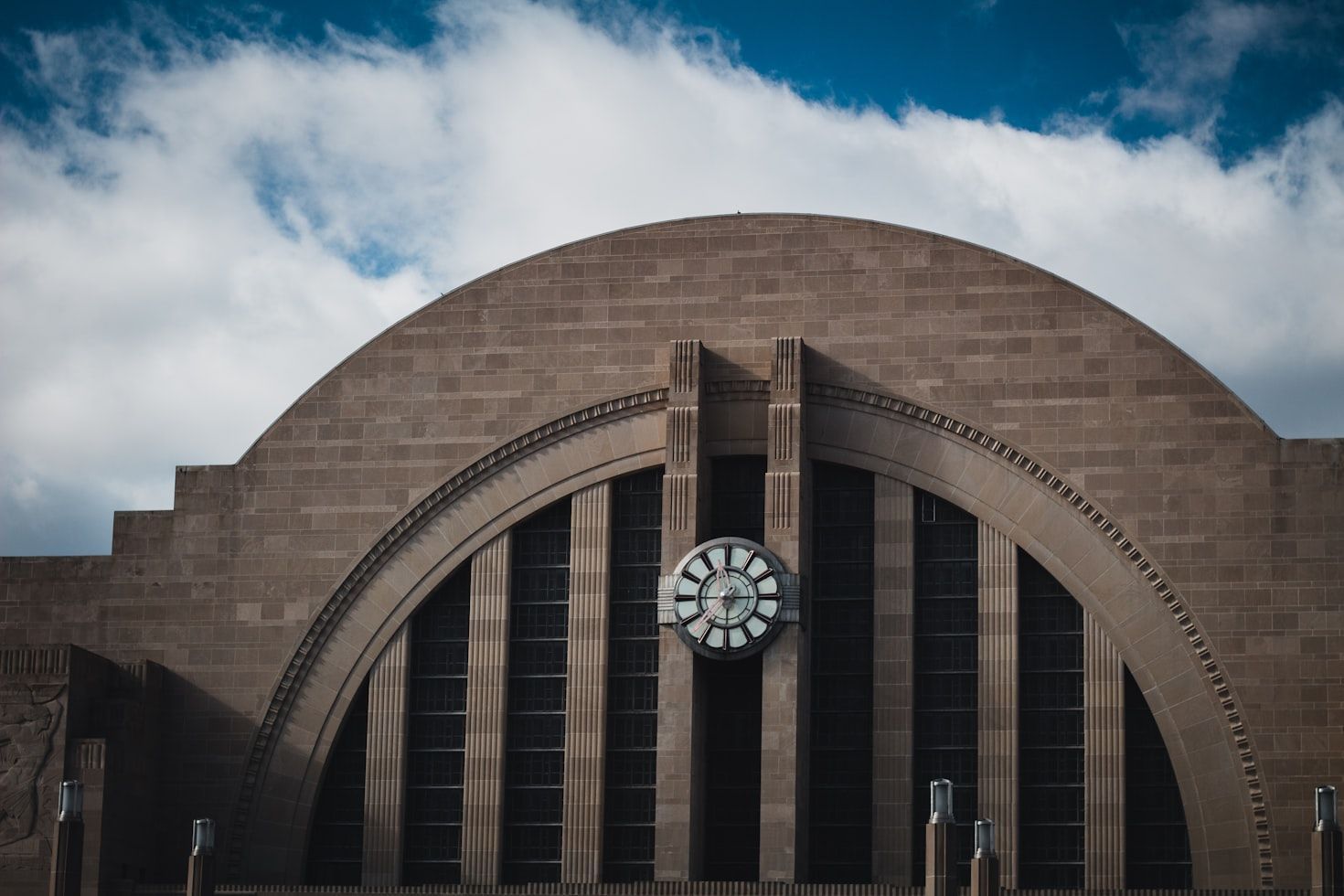
Image: Sean Foster

Cincinnati Union Terminal in Ohio is one of the boldest examples of Art Deco architecture in the United States. Its ten-story, half-domed entrance, green terrazzo, and the large rotunda decorated with industrial murals by Winold Reiss make this station a true architectural masterpiece. In fact, it is considered the greatest work of Alfred T. Fellheimer, who had previously designed Grand Central Terminal in New York City.

9
Union Station, Los Angeles
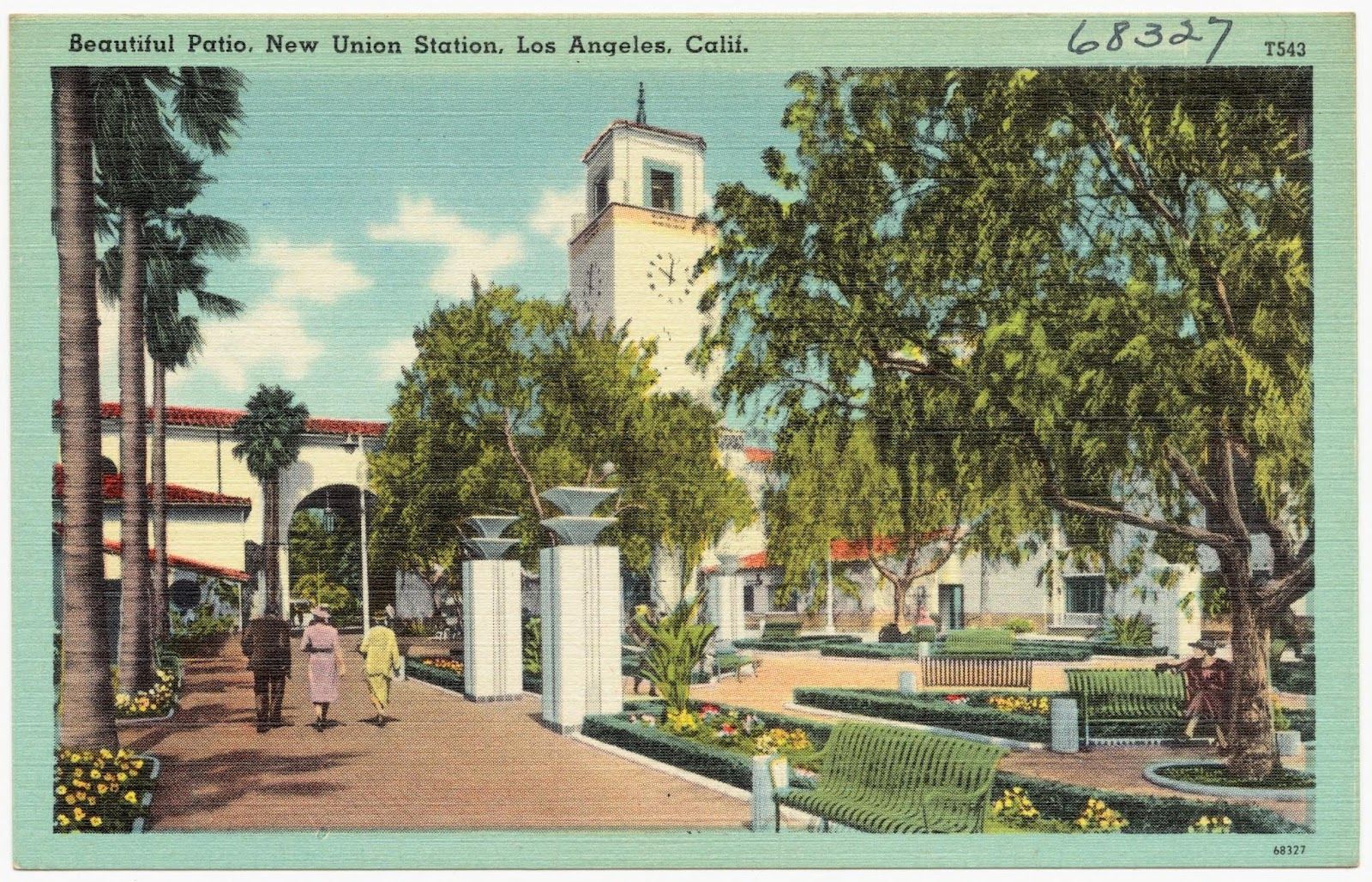
Image: Tichnor Brothers, Publisher, Public domain, via Wikimedia Commons

With a unique "Mission Moderne" style, Los Angeles’ main railroad station blends Spanish Colonial and Art Deco influences. Opened in 1939, it was built with a mix of terracotta and marble. It also features intricate tilework, beautiful courtyards, and a prominent 125-foot clock tower. Certainly a fine example of Southern California’s glamour.

10
Grand Central Terminal, New York City
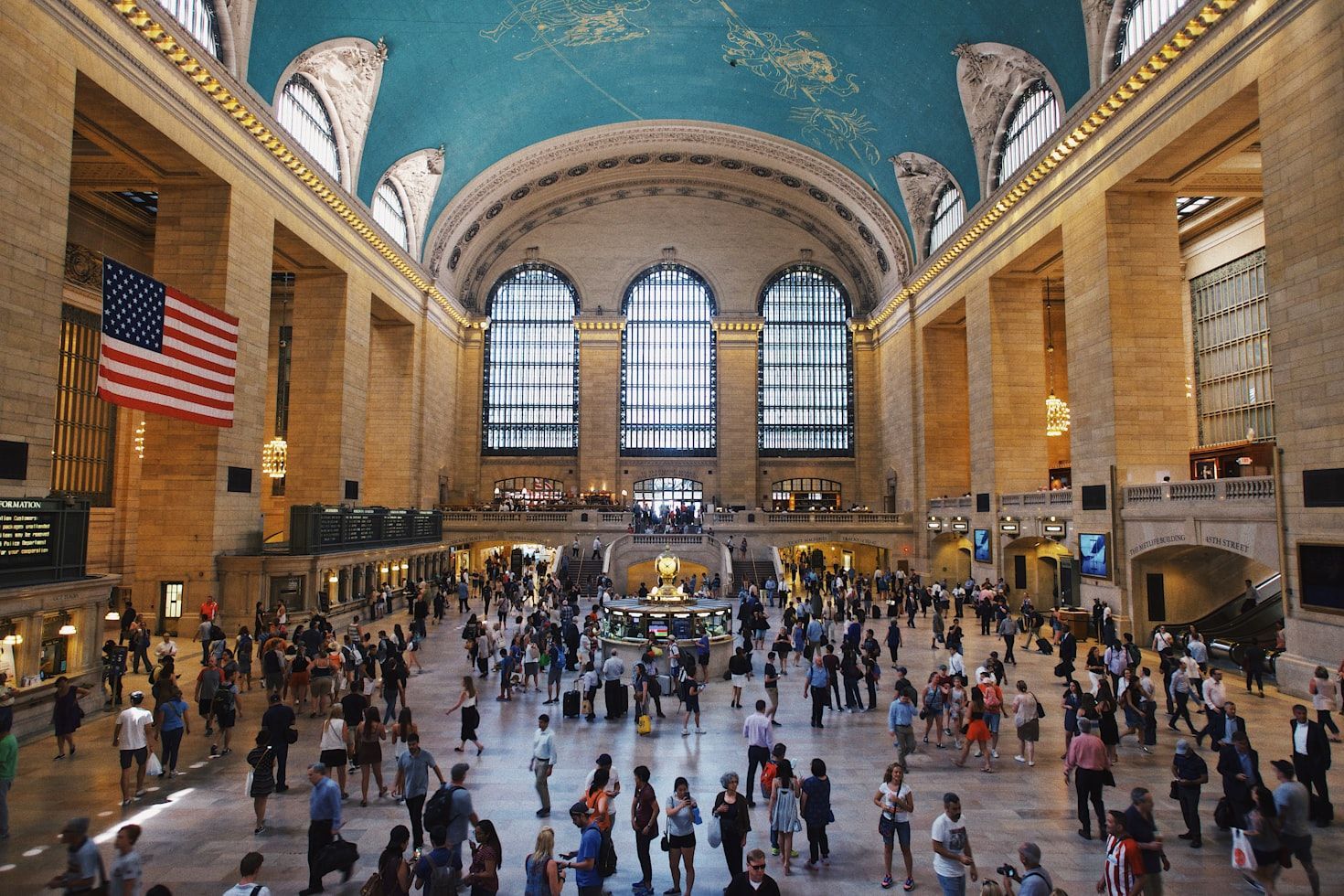
Image: Robert Bye

One of the nation’s busiest stations, New York City’s Grand Central, is famous for its magnificent Beaux-Arts style. The terminal, located in Midtown Manhattan, opened in 1913. It features a signature four-faced Tiffany clock and a celestial dome above the main concourse that draws the sighs of travelers from all over the world.


History History 3 min read

Leeches are not a cure

From mercury to leeches: 12 historical cures deadlier than the disease

Image: garten-gg

Friedrich Nietzsche’s famous saying, "What doesn’t kill you makes you stronger," may be true in many aspects of life, but it certainly does not apply to everything, as our ancestors perilously discovered. Modern medicine required a lot of experimentation to get to where it is, and a lot of things that were once considered beneficial were, in fact, not. Believe it or not, these 12 procedures were once common practice. Thankfully, that is no longer the case.

1
Rabies

Image: Samuell Morgenstern

Rabies-infected people and animals cannot swallow water. This is why rabid dogs drool at the mouth, because they are unable to swallow.

In the ancient world, a "cure" for rabies involved forcibly submerging people in bodies of water to force the liquid intake . Quite often, the consequence, as you might have guessed, was death by drowning.

2
Bloodletting

Image: David Trinks

In the days when barbers were also designated surgeons, bloodletting was a common cure for multiple conditions. This gruesome technique was performed not just using surgical tools but also by using leeches , which were directly applied on the human body , to suck blood out of the wretched individuals who required treatment.

3
Madstones

Image: Atul Vinayak

Folk remedies were common in a time when seeking professional medical help was a luxury for most people. Popular in mid-19th-century America, madstones were big hairballs extracted from the guts of goats and deer .

These objects were believed to possess medicinal properties, such as curing rabies and serving as an antidote to various poisons.

4
Chloroform

Image: Carlos Felipe Ramírez Mesa

Many substances that we now recognize as poisonous were once believed to be beneficial to health. During the 19th century, chloroform was commonly used as an anesthetic in surgeries .

However, later studies revealed that long-term exposure to chloroform could cause liver and kidney damage, respiratory depression, and may even increase the risk of cancer.

5
Arsenic

Image: Denise Chan

Another poisonous substance once thought to be beneficial was arsenic, which was used to treat malaria, syphilis, and other ailments during the 19th and early 20th centuries.

However, it was later discovered that arsenic exposure could lead to poisoning, causing severe health complications and even death.

6
Mercury

Image: Benjamin Hibbert-Hingston

Similar to chloroform and arsenic, mercury was once thought to be beneficial to the human body. However, as scientific understanding advanced, its harmful effects became widely known .

Today, we know that mercury is highly toxic and can cause severe damage to the kidneys and nervous system.

7
Urine

Image: Fotografía de Alimentos

Drinking urine for medicinal purposes was common in ancient Egypt, Greece, and Rome, where it was believed to have therapeutic benefits and was used as a remedy for various health conditions, including kidney and liver problems .

8
Trepanning

Image: Mathew Schwartz

Trepanning, a common medical practice in ancient civilizations, involved drilling a hole in the skull to relieve pressure or treat a variety of medical ailments such as headaches, seizures, and mental disorders .

However, due to the lack of modern anesthesia and surgical tools, the procedure was extremely dangerous and carried significant risks.

9
Cupping

Image: Katherine Hanlon

Creating a vacuum on the skin using heated glass cups was a popular therapy for various conditions, including pain, inflammation, respiratory problems, and digestive disorders . While not a particularly harmful technique, aside from the markings left on the skin, its benefits have not been scientifically proven.

10
Mummy powder

Image: Narciso Arellano

In medieval times, it was commonly believed that "mummy powder" possessed healing properties. This substance was made from ground mummies obtained from Egypt and was thought to be particularly effective in treating wounds, headaches, and digestive issues .

11
Nightshade

Image: Georg Eiermann

Nightshade is a poisonous plant with soothing properties, which was used as a pain reliever as it can induce a state of calm in the user.

However, this plant is also highly toxic and can cause hallucinations, delirium, and even death if consumed in large quantities.

12
Tobacco

Image: Juano colombo

It might be hard to believe today, but back in the 1600s, schoolchildren were encouraged to smoke cigarettes , which were then thought to be disinfectants.

Cigarettes were also believed to be beneficial for both the lungs and the mind. Thankfully, we now know better.

Geography Geography 5 min read

Are you brave enough?

Only for adventurers: These are 10 of the harshest American landscapes!

Image: Soly Moses

There’s no denying that American landscapes are beautiful . However, while the stunning wonder of these 10 locations is undeniable, they are definitely not for the faint of heart. These places are perfect for adventurers, for those with the urge to push themselves and explore harsh yet rewarding terrains. With that in mind, here’s our selection of 10 of the most demanding and harsh American National Parks, hoping to awaken your adventurous spirit and offer a glimpse of their beauty so you can enjoy it from the comfort and safety of your home. Enjoy!

1
Mojave Desert

Image: Paulius Dragunas

The possibility of being stranded in the desert has always terrified humankind. Can you imagine being completely alone in the harsh and unforgiving heat? Luckily, nowadays it’s extremely difficult to get lost in the Mojave Desert . However, that doesn’t mean visiting this gorgeous landscape isn’t a demanding endeavor.

The Mojave Desert spans four different western states and is crossed by the Colorado and Mojave rivers. One of its most famous locations is the area known as Death Valley , the point of lowest elevation in North America and the hottest place on Earth during the summer.

2
Mount Rainier

Image: Taylor

Also known as Tahoma, Mount Rainier National Park is located approximately 59 miles from Seattle. As you might guess, the main attraction of this park is the titular Mount Rainier, the highest mountain in the state of Washington and a formidable challenge for daring adventurers.

Mount Rainier’s official summit elevation is 14,410 feet, and it is one of the most popular climbing spots in the world. That doesn’t mean it is an easy climb—quite the contrary, in fact. In order to reach the summit, climbers must traverse glaciers similar to those found in southern Alaska. Of the approximately 11,000 climbers who attempt to summit Mount Rainier each year, only about 50% succeed.

3
Gates of the Arctic National Park

Image: Sauvage

The northernmost park in the United States, Gates of the Arctic National Park, is definitely hard to reach. In fact, it is the least visited park in the country due to its remoteness and lack of infrastructure.

In any case, camping and hiking are allowed in the park, though they are not for the faint of heart. The extreme temperatures, with an annual minimum average of −42.6 °F, make it a challenging yet alluring landscape for those seeking adventure.

4
Glacier National Park

Image: Michael Kirsh

While Montana’s Glacier National Park offers recreational opportunities for people of all ages, including kayaking, fly fishing, and hiking, many tourists visit the park seeking a more thrilling experience. They aren’t disappointed, as the park features numerous climbing challenges, including five peaks over 10,000 feet .

However, we recommend visiting during the tourist season. In winter, temperatures can plummet, with a historical low of -38°F. Additionally, the area is prone to sudden temperature changes, which can pose challenges for adventurers.

5
Lake Clark National Park

Image: Clayton Manche

Much like Glacier National Park, Lake Clark is not necessarily a severe environment during the tourist season. It offers a variety of recreational activities, ranging from bird-watching to more thrilling pursuits like kayaking and rafting. However, the extremely low temperatures and intense snowfall make this park much harsher during the winter months.

With a record-low temperature of -18°F, Lake Clark becomes inhospitable during the colder months. Not only that, but the park is not accessible by roads; only air taxis and boats can reach it.

6
Big Bend National Park

Image: Simon Hurry

As with many other parks on this list, we should start with a small disclaimer: Don’t be discouraged from visiting Big Bend National Park . Not that you need our warning—after all, half a million tourists enjoy the park's magnificence every year. However, a point should be made that the harsh desert conditions of Big Bend do provide a challenge that should not be overlooked.

According to Search & Rescue team reports, 1 in 1,000 visitors requires assistance of some kind. Although most of this assistance is not life-threatening (often involving mild dehydration), it highlights the importance of taking necessary precautions when visiting the park.

7
Rocky Mountain National Park

Image: Michael Kirsh

Located in the heart of Colorado , Rocky Mountain National Park offers unmatched views of the stunning Rocky Mountains, as well as numerous alpine lakes and lush forests that completely surround the park. However, there are many hazards you should be aware of if you plan to visit this beautiful location.

Visitors should be cautious of steep cliffs, falling rocks, cold temperatures, and adverse snow conditions. Additionally, the area is infamous for its recurring wildfires, so campers must be careful not to leave anything that might increase the risk of fire.

8
Great Basin National Park

Image: Shawn Powar

The arid beauty of Great Basin National Park is truly second to none. Although it is located in a desert area , the plants and vegetation have majestically adapted to the dry climate. With that in mind, you can also adapt and thoroughly enjoy this park if you keep these safety suggestions in mind.

We’ll mention just some of the safety tips recommended by the National Park Service for visiting Great Basin: For starters, remember that cell phone service is limited, so don’t rely entirely on your phone. Also, be mindful of sun exposure and take precautions to avoid sunburn and dehydration. One last thing: Like all desserts, heat is not the only concern. The park’s temperature drops significantly at night, so try to not be caught in the open when the sun goes down.

9
Voyageurs National Park

Image: Tim Umphreys

Located in northern Minnesota, right on the border with Canada, Voyageurs National Park was named after the French-Canadian fur traders who frequently traveled the area. It is particularly famous for its many lakes , which offer activities like kayaking, canoeing, and fishing.

However, there are a few dangers that boaters should be aware of, such as the many hazardous rocks hidden in the water. Additionally, during the winter season, many visit the park to engage in snowmobiling, which must be practiced carefully to avoid any soft spots.

10
Kobuk Valley National Park

Image: Adrià Masi

Kobuk Valley National Park is as massive as it is undeveloped. Although the park is larger than the state of Delaware, there are no roads leading to it , nor any internal roads or trails within the park. Visitors must arrive by air taxi, weather permitting, and bring all their gear and supplies if they intend to backpack, camp, or boat.

Not only that, the weather conditions in the park can be extreme, even during the summer, and are completely unpredictable. In any case, as with all the other parks in this article, we don’t want to dissuade you from visiting Kobuk Valley if you choose to. We simply want to emphasize the importance of keeping safety a paramount priority during your trip.

Explore more American facts

Choose your favorite category!

General
General

As American as apple pie—the very best America has to offer!

Culture
Culture

Delve into the astounding richness of American lore.

Geography
Geography

Hop in and explore vast and diverse American landscapes.

History
History

Discover the key moments that shaped the United States.