General General 3 min read

Money matters

In cash we trust: The hidden history of American money
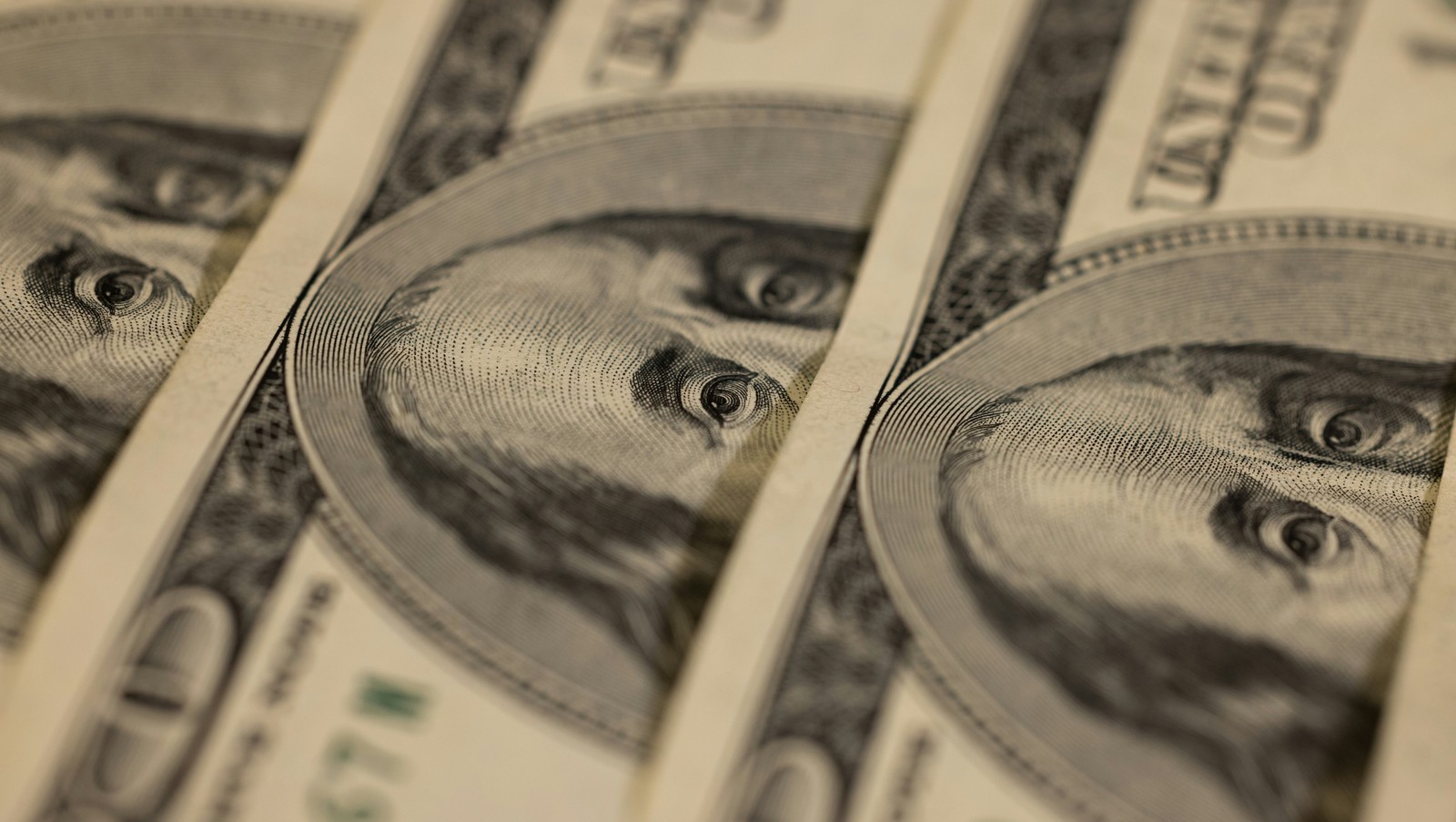
Image: engin akyurt

We handle money every day but rarely stop to think about where it all came from. Every coin and bill in your wallet has a story to tell . Some are serious, some are funny, and some are just plain surprising. From hidden symbols to sky-high denominations, here are ten true stories about US currency that might make you look at your wallet a little differently.

1
In God we trust
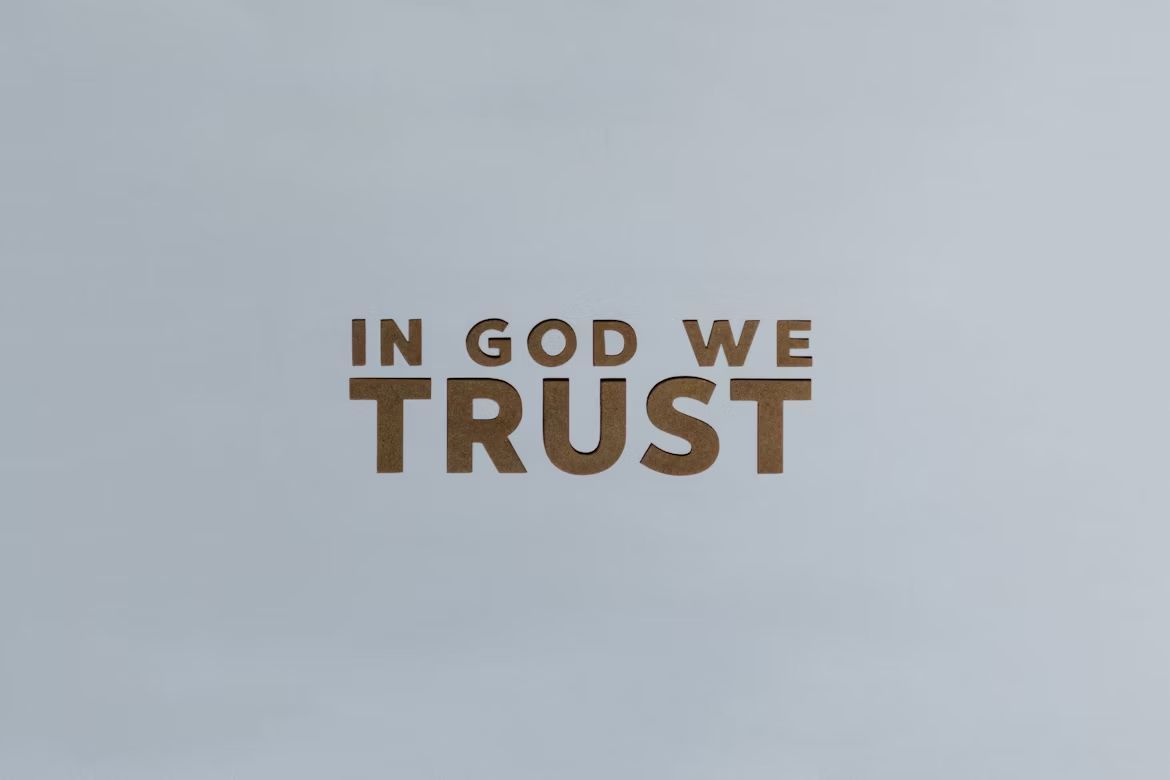
Image: Kelly Sikkema

The famous phrase "In God We Trust" hasn’t always been part of our money. It first showed up on some coins during the Civil War , when the country was looking for hope in tough times. It didn’t become standard on all bills and coins until 1955, during another period of strong religious feeling. Today, it’s part of our national identity and one of the most recognized mottos in the world.

2
The all-seeing eye on the dollar
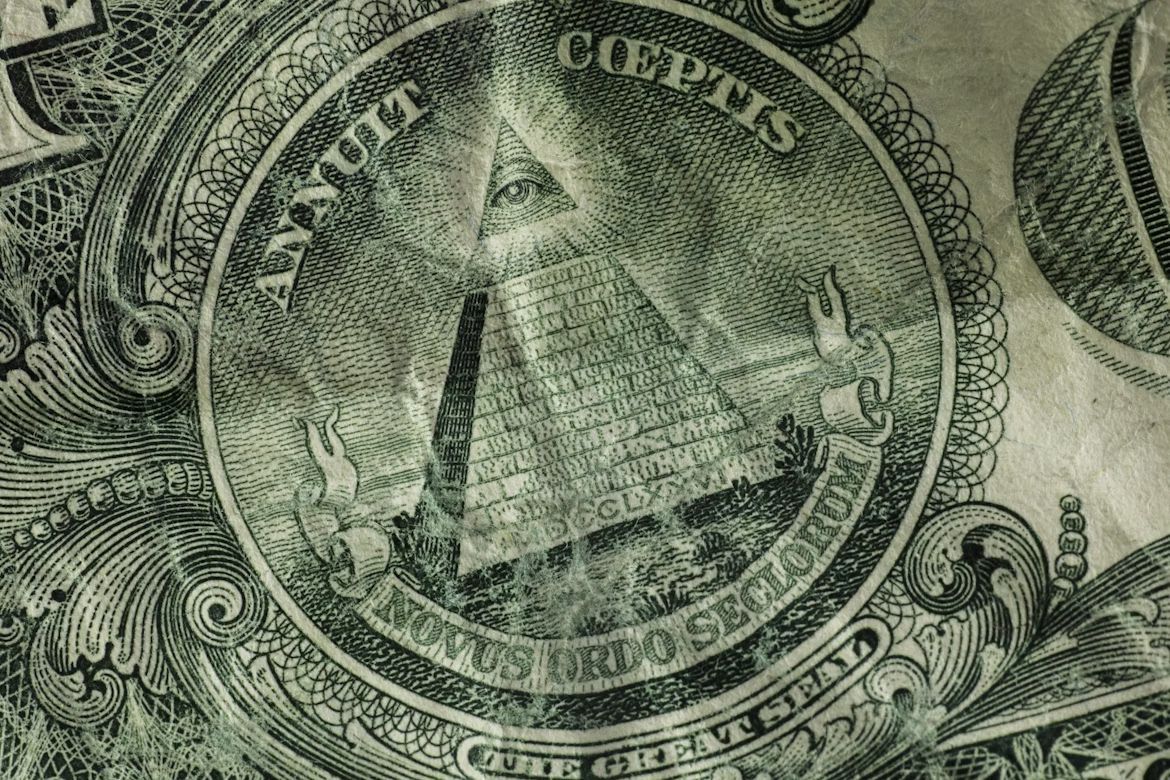
Image: Thought Catalog

That little pyramid with an eye floating above it on the one-dollar bill has sparked plenty of wild theories, but the truth is rooted in history. Known as the "Eye of Providence," it represents divine guidance and watchfulness . The Founding Fathers saw it as a symbol of wisdom and protection.

3
The Secret Service started with cash, not presidents
Image: Collin

When the Secret Service was created in 1865, it had nothing to do with protecting the president. Its original job was to fight counterfeit currency , which had become a huge problem during the Civil War. Back then, nearly one in three bills was fake! The agency did its job so well that it built the foundation for the secure money system we have today.

4
The $10,000 bill that once roamed the banks
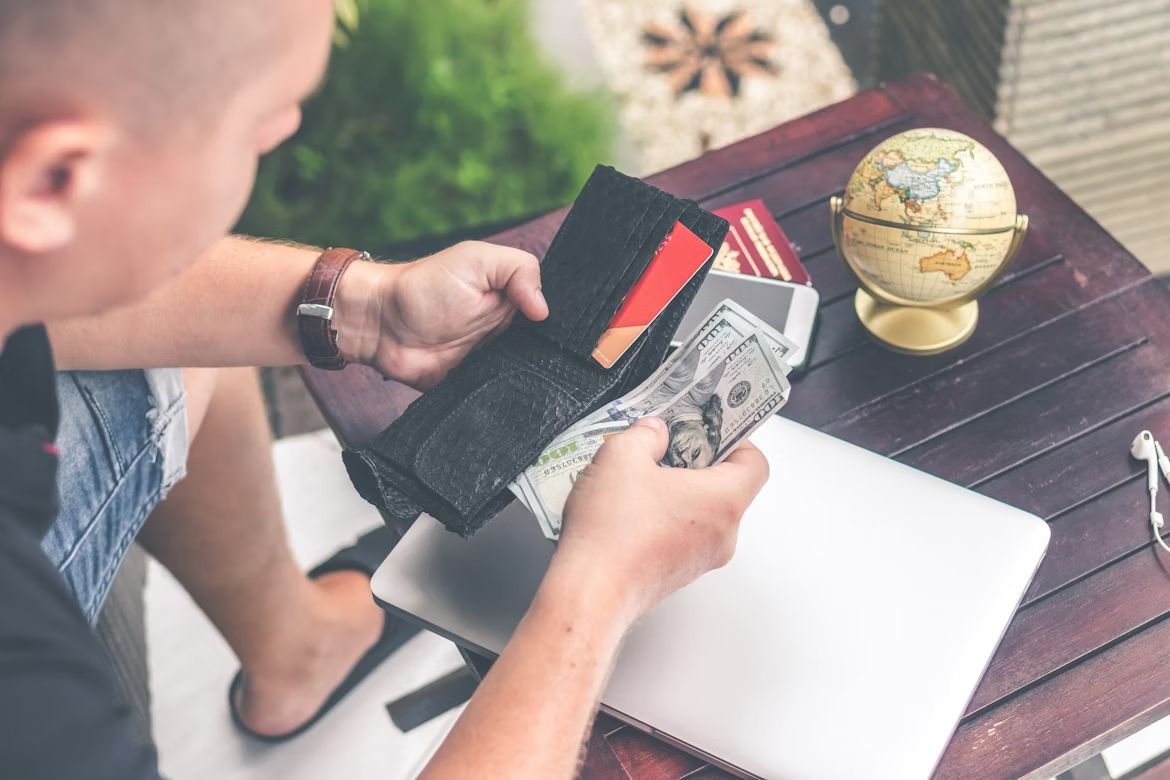
Image: Artem Beliaikin

Yes, there really was a $10,000 bill, and it carried the face of Salmon P. Chase, who served as Lincoln’s Treasury Secretary . It was never meant for everyday use at the store, of course. Banks used it for large transfers between Federal Reserve branches. Although it’s been out of circulation for decades, collectors still love to get their hands on one.

5
Fighting fakes with science
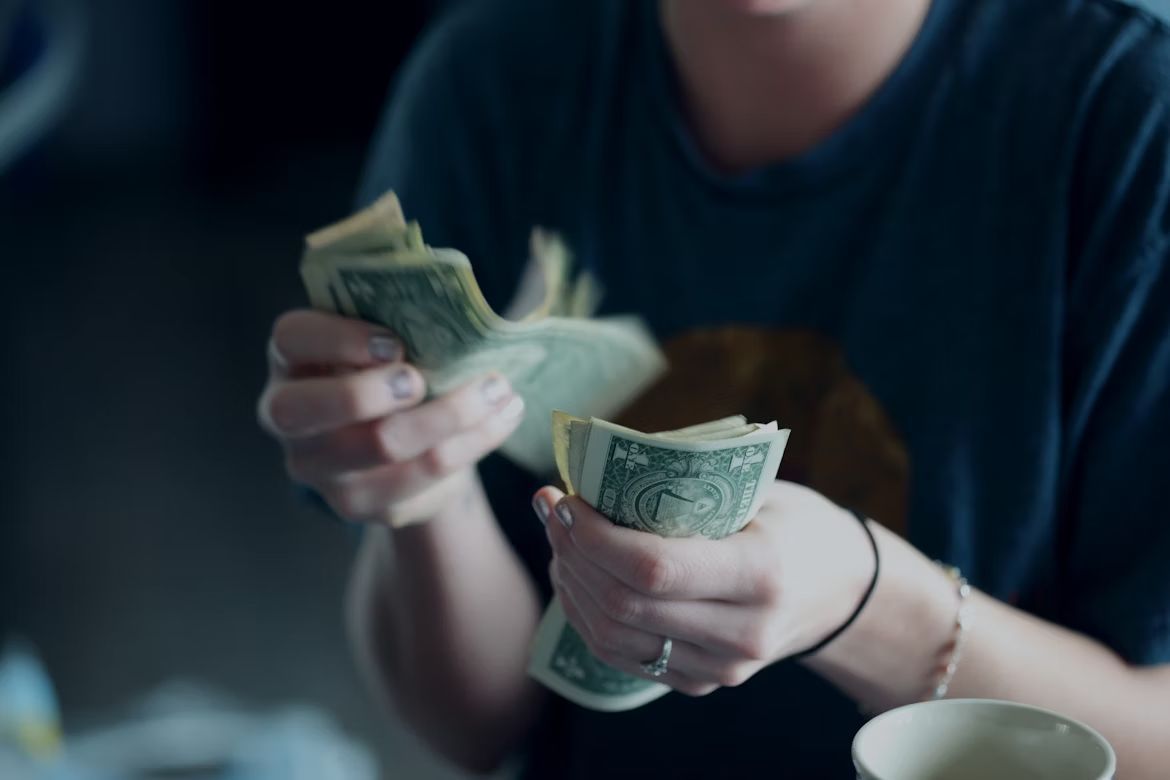
Image: Alexander Grey

Counterfeiting has been a problem since the first coins were made, but modern bills are loaded with clever security tricks . Watermarks, color-shifting ink, and hidden security threads help stop fake money before it spreads. If you tilt a newer bill in the light, you’ll see colors shift and patterns appear. It’s not just decoration, it’s actually protection.

6
Paper money doesn’t live forever
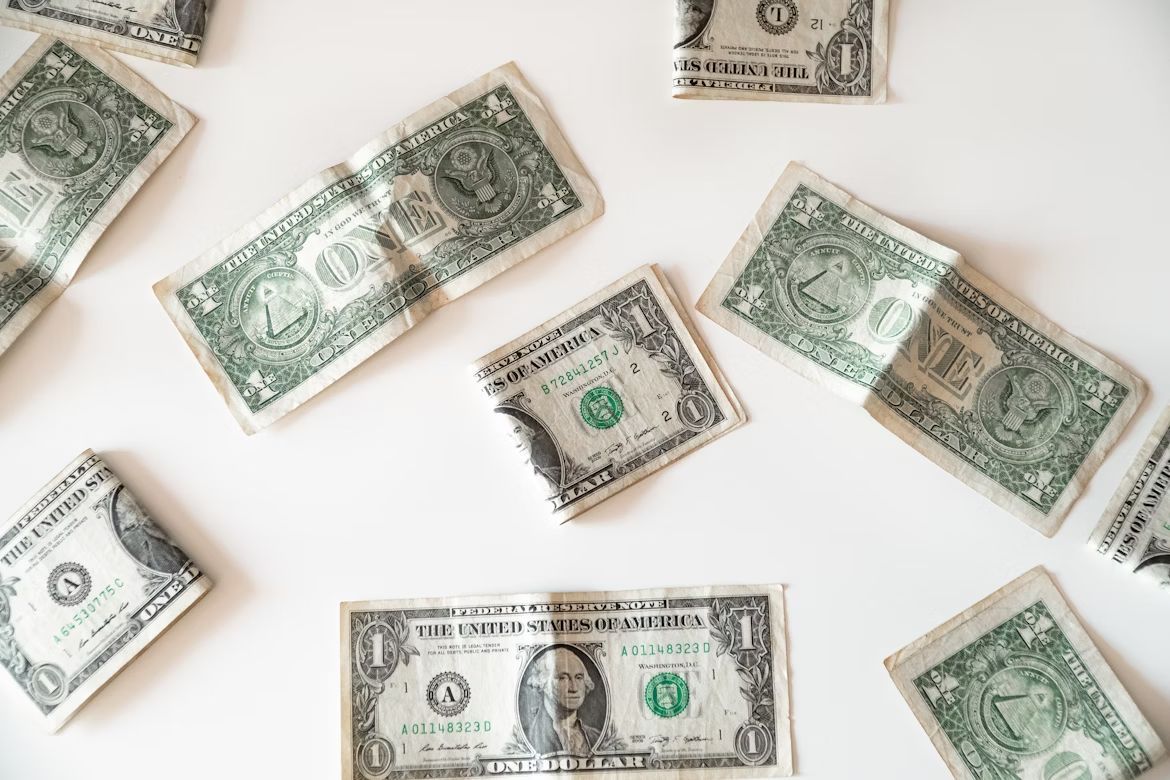
Image: Emilio Takas

Every bill has a limited lifespan. A $1 bill lasts about five years before it wears out, while higher denominations tend to last longer since people handle them less often. When a bill becomes too soft or torn, the Federal Reserve removes it from circulation and replaces it with a new one. Check your wallet and see if any of your bills need changing!

7
Tiny text with a big job
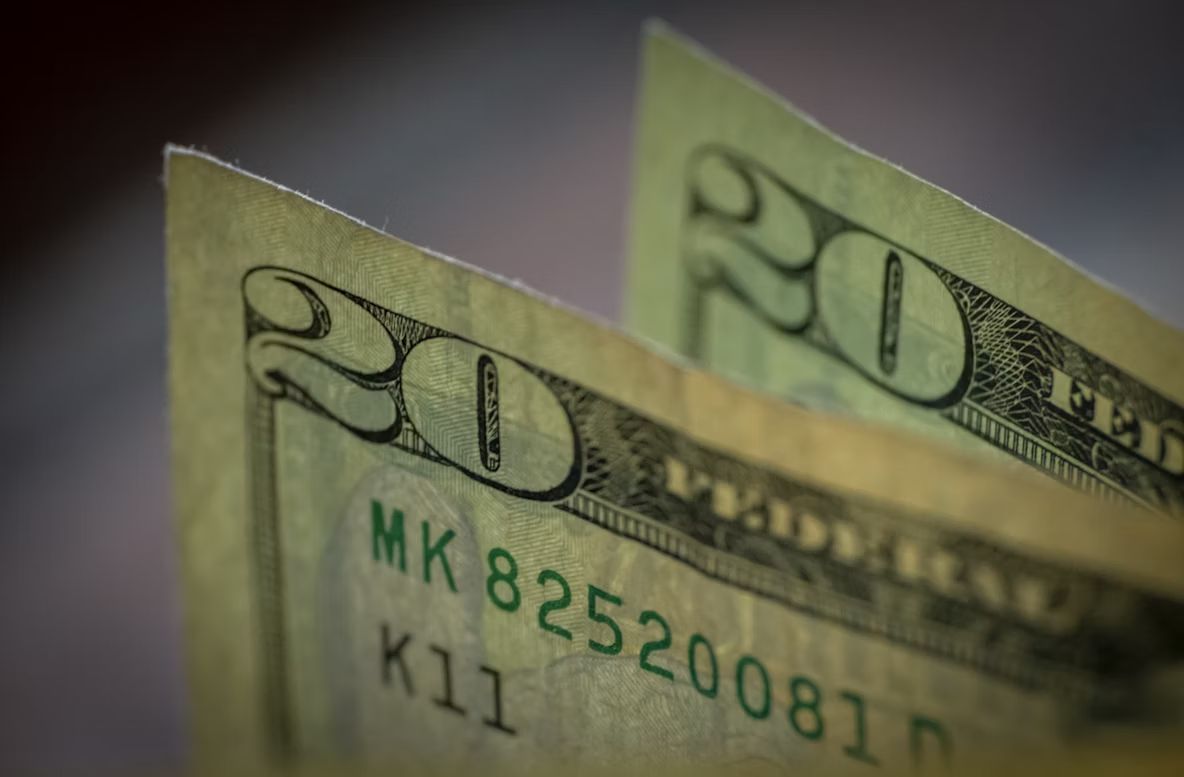
Image: Pete Alexopoulos

If you look very closely at your bills, you might spot lines of tiny printed words around the portraits and borders. That’s called microprinting. It’s so small that it’s nearly impossible to copy accurately. Most people never notice it, but it’s one of the details that protects the money from being easily counterfeited.

8
The penny paradox
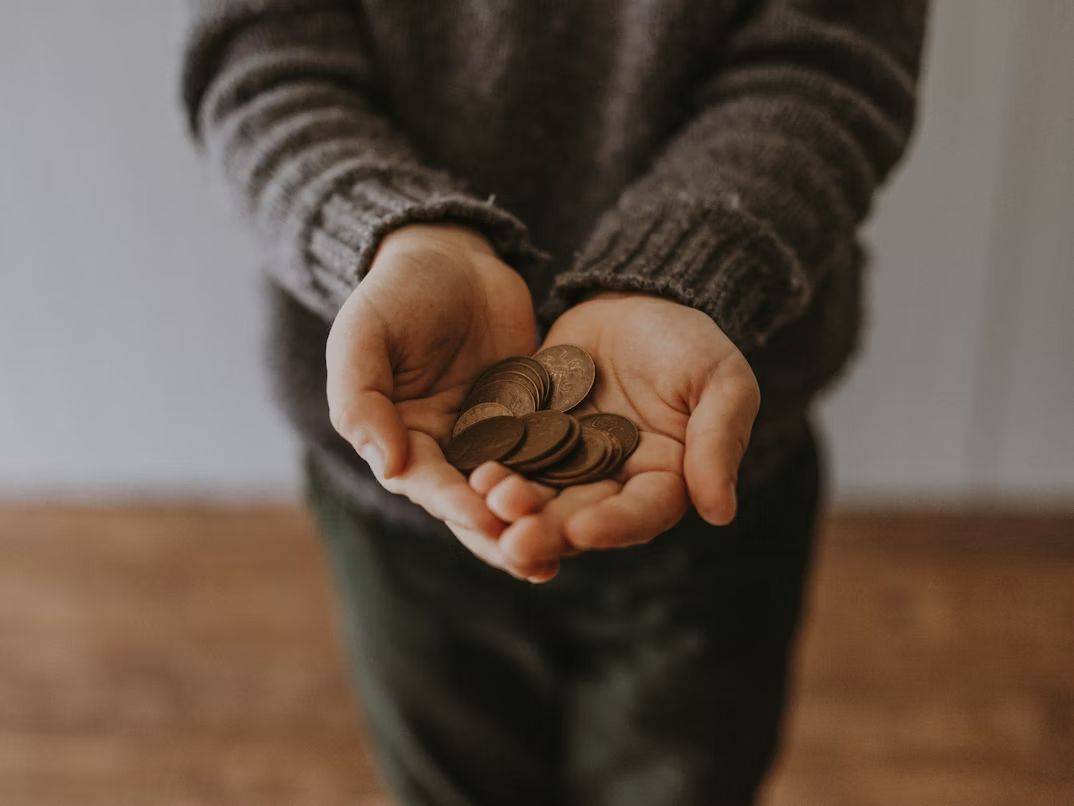
Image: Annie Spratt

It’s funny to think about, but a single penny costs more than one cent to make. The mix of copper and zinc isn’t cheap , and that’s been true for years. Some even say it’s time to retire the penny, while others can’t imagine America without it. Maybe it’s more than money. Maybe it’s nostalgia that keeps Lincoln’s little coin alive. What do you think?

9
When spare change becomes treasure
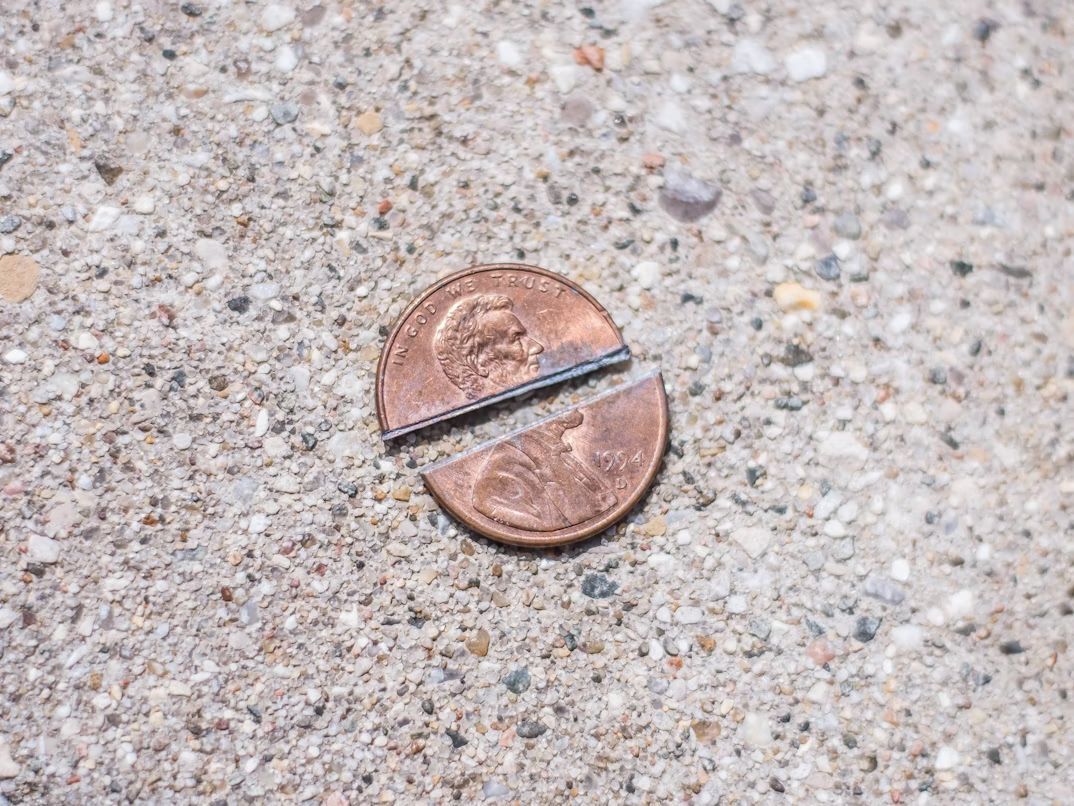
Image: Gio Bartlett

Sometimes a coin is worth far more than its face value. The 1913 Liberty Head nickel is one of the best examples. Only five of them exist, and one sold for over four million dollars! Collectors spend years searching for coins like that. It’s part history lesson, part treasure hunt. It may look like an ordinary coin, but it’s really priceless!

10
A woman’s face finally gets her due

Image: Kirt Morris

For most of our history, only men appeared on our currency. However, that’s changing. There are renewed efforts to redesign the twenty-dollar bill and feature Harriet Tubman in it, the fearless leader of the Underground Railroad. Even if it’s not official yet, it’s an important step toward showing the full story of America.
Culture Culture 4 min read

Seudonyms for life

Behind made-up names: Stars who changed their original names and why

Image: Matt Botsford

Much like Bruce Wayne hid behind Batman, many celebrities whose careers we’ve followed through the years bear made-up names . Was it to protect their family names from stardom? Was it to wear the personas as costumes they could hang at the door? Let’s look into fake and real names of well-known icons and see, if known, why they chose to do it.

1
Stevie Wonder

Image: Osman Rana

The musical genius behind hits like "Superstition" and "Isn't She Lovely," Stevie Wonder, was born Stevland Hardaway Judkins.

Blind from infancy, he was a child prodigy, signed to Motown Records at just 11 years old. They decided to rebrand him as "Little Stevie Wonder." Isn’t that how a legend gets made?

2
Muhammad Ali

Image: engin akyurt

"The Greatest," Muhammad Ali, known for his legendary boxing career and his outspoken personality, was born Cassius Clay.

After converting to Islam, he refused to keep his birth name and rebranded himself as Muhammad Ali. He floated like a butterfly, stung like a bee, and certainly wasn't shy about making a statement!

3
Whoopi Goldberg

Image: asim alnamat

The hilarious and outspoken Whoopi Goldberg, known for her roles in films like The Color Purple and Ghost , was called Caryn Elaine Johnson at birth.

If her name reminds you of a Whoopee Cushion, here’s where you learn that that was intentional. Her friends called her that –Whoopi Cushion– and she wanted it to be her stage name, but her mom convinced her to take herself more seriously and use one of her family surnames, Goldberg.

4
Lady Gaga

Image: Hrayr Movsisyan

The queen of pop, Lady Gaga, known for her outrageous fashion style and catchy hits like "Bad Romance" and "Born This Way," was born Stefani Joanne Angelina Germanotta. Elegant, but still a mouthful when you are trying to become the next Madonna.

While designing her legendary persona, she was inspired by the Queen song "Radio Ga Ga," and she stuck with that name. It does fit her theatrical aesthetic much better than Stefani Germanotta, doesn't it?

5
Prince

Image: ROMBO

This one is less of a story than you might imagine —Prince’s first name was, indeed, Prince. The Purple One was born Prince Rogers Nelson, just like his father, a jazz musician who performed under the stage name "Prince Rogers." So, that name was taken.

He rose to fame as simply "Prince," although some remember him as "The Artist Formerly Known as Prince (TAFKAP)," which he established as his name after a dispute with Warner Bros Records.

6
Bob Dylan

Image: Samuel Ramos

The voice of a generation, Bob Dylan, known for his poetic lyrics and iconic songs like "Blowin' in the Wind," was born Robert Allen Zimmerman.

Did he choose the name after Dylan Thomas? No, the musician eventually confessed he’d never read much of the poet. Toying around with his first surname, Allen, Bob had been trying to decide whether to call himself "Bob Allen" or "Bob Allyn," until he realized "Dylan" was, in his words, stronger.

7
Meg Ryan

Image: Kit Suman

America's sweetheart, Meg Ryan, known for her roles in romantic comedies like Sleepless in Seattle and You've Got Mail , was born Margaret Mary Emily Anne Hyra.

When you have such a long name, you have to make some decisions. She first presented herself as "Margaret Hyra", but when registering for the Screen Actors Guild, Margaret became Meg, and her dad’s surname was replaced by the maiden name of her grandma, Ryan.

8
Demi Moore

Image: Bruno Mattos

Actress Demi Moore was born Demetria Gene Guynes. She shortened her first name to Demi when she began her acting career and adopted the surname Moore from her first husband, Freddy Moore.

The Moores eventually separated, but Demi decided to carry the surname on throughout her career.

9
Brad Pitt

Image: Amjith S

Did you know that Brad Pitt might easily have been known as "Bill Pitt"? Or "Willy Pitt"? We surely prefer Brad!

Hollywood’s heartthrob was born William Bradley Pitt. Early in his career, he presented himself with his full name, but eventually, he dropped the "William." He went on to become a multi-awarded and beloved movie star and producer.

10
Winona Ryder

Image: Elviss Railijs Bitāns

The quirky and talented Winona Ryder, known for her roles in films like Beetlejuice and Girl, Interrupted , was born Winona Laura Horowitz.

Why did she choose "Ryder" for her movie credits? She says that she picked the name out of a Mitch Ryder record her dad loved. Seems whimsical, but remember: She was only a teenager when she rose to fame!

11
Emma Stone

Image: Mirko Fabian

Academy Award-winning actress Emma Stone, known for her roles in films like La La Land and Easy A , was born Emily Jean Stone.

She would have signed up with her real name proudly, but when she went to register with the Screen Actors Guild, she found that Emily Stone was taken. She decided to go for the next best thing and name herself after her favorite Spice Girl, Emma Bunton.

General General 4 min read

State treasures

Did you know Kool-Aid is a state symbol? You won’t believe the rest!

Image: Marek Studzinski

We all know about state birds and flowers, but have you ever wondered who comes up with those "official state symbols" we hear about from time to time? Who made jousting an official sport? How many states chose milk as their official beverage? These symbols often have fascinating histories, some going back centuries, of course. Whether they’re strange, funny, or just oddly specific, they all have a story to tell. And we’ve gathered some here!

1
Kool-Aid

Image: Aibek Skakov

Nebraska takes pride in its sweetest invention : Kool-Aid. Created in 1927 in Hastings, the fruity drink became a household favorite. In 1998, Nebraska made it the official state soft drink, much to the delight of nostalgia lovers.

Every August, Hastings hosts the Kool-Aid Days Festival, complete with giant pitchers and endless flavors. The "Kool-Aid Man" himself even made an appearance at the declaration ceremony! Despite some pushback from health advocates, the sugary drink remains an iconic American beverage.

2
Gusty the Cartoon

Image: Afif Ramdhasuma

Oklahoma’s state cartoon character is Gusty , a little weather-forecasting doodle, do you know him? Created by a Tulsa weatherman in the 1950s, Gusty reflected the day’s forecast, holding an umbrella, bracing for tornadoes, or sweating in the heat.

His hand-drawn charm lasted for decades, earning him a place in the Smithsonian. In 2005, Oklahoma made Gusty the official state cartoon character. For Oklahomans, he’s as much a part of the forecast as the storm warnings!

3
Whoopie Pie

Image: Holly Spangler

Maine takes its desserts seriously. So seriously that in 2011, the state named the whoopie pie its official treat . This fluffy confection consists of two chocolate cake rounds sandwiching a creamy white filling.

It’s been a local favorite since the 1920s, though Pennsylvania also claims to have invented it. Maine, however, celebrates its whoopie pie heritage with an annual festival featuring the world’s largest whoopie pie. The origins of the name are debated, but regardless, it’s a nostalgic, delicious bite of history. And yes, it pairs perfectly with a cup of coffee!

4
Tully Monster

Image: Jacqueline Martinez

Illinois’ state fossil sounds like something out of a sci-fi movie: the Tully Monster. This strange, ancient sea creature swam in Illinois’ prehistoric waters about 300 million years ago. Discovered in 1958, its worm-like body, stalked eyes, and pincer-like mouth left scientists scratching their heads for decades.

It wasn’t until 2016 that researchers finally identified it as a vertebrate, possibly related to lampreys, a fish. Named after its discoverer, Francis Tully, this oddball fossil became Illinois’ official state fossil in 1989. How weird is that?

5
Clogging

Image: Ahmad Odeh

Forget the square dance, North Carolina’s official folk dance is clogging , and it’s as energetic as it sounds. This fast-paced footwork evolved from Appalachian traditions and is often performed to bluegrass music.

Clog dancers wear special shoes with taps to create a percussive beat while they move. The style has roots in Irish, English, and African dance, blending cultures into a wonderful American tradition. If you ever visit a North Carolina festival, you’ll likely see folks kicking up their heels to some lively fiddle tunes.

6
Brewer’s Yeast

Image: National Institute of Allergy and Infectious Diseases

Oregon took a microscopic approach to state symbols when it named brewer’s yeast its official microbe in 2013. This tiny fungus, scientifically called Saccharomyces cerevisiae , is the secret behind beer and bread. You like it now, huh?

It ferments sugars, producing alcohol and carbon dioxide, making it essential to Oregon’s craft beer scene. The decision wasn’t just for fun; it’s also that beer contributes billions to the state’s economy. Just to follow the trend, Illinois later named a mold used in penicillin production as its own state microbe. Apparently, microbes deserve their moment in the spotlight, too!

7
Jousting

Image: Casper Johansson

In a move straight out of the Middle Ages, Maryland named jousting its official state sport in 1962. Yes, that jousting you’re thinking of, knights on horseback charging at each other with lances.

While modern jousting is more about precision than knocking opponents off their steeds, it still draws a crowd. Today’s version involves riders aiming to spear small rings while galloping at full speed. Don’t worry, in 2004, lacrosse also became the state’s official team sport, but jousting still holds its title.

8
The Teddy Bear

Image: Izabelly Marques

Mississippi’s official state toy, the teddy bear, has an adorable backstory. It all began in 1902 when President Theodore Roosevelt refused to shoot a bear during a hunting trip. A political cartoon about the event went viral (for its time), inspiring a Brooklyn couple to create "Teddy’s Bear."

The stuffed animal became a national sensation, and the name stuck. A century later, Mississippi made it official, naming the teddy bear its state toy in 2002. It’s a rare example of a state symbol with a direct presidential connection. But cute anyways!

9
Milk

Image: Anita Jankovic

Believe it or not, 22 states claim milk as their official beverage . But it has nothing to do with keeping the bones strong! This dairy dominance started in the 1980s when milk industry lobbyists pushed for recognition.

While it’s a wholesome, calcium-packed choice, it’s not the most exciting. Some states, like Rhode Island (coffee milk) and Alabama (whiskey), took a more unique approach to the state beverage. Now, whether you drink it or not, milk has certainly made its mark on state symbols. And hey, at least it pairs well with cookies!

10
Natchitoches Meat Pie

Image: Patryk Pastewski

When you think of Louisiana cuisine, you probably think of gumbo or jambalaya, but did you know the state also has an official meat pie ? The Natchitoches meat pie is a deep-fried delight filled with seasoned pork and beef.

It dates back to the late 1700s, and it was named after the local Natchitoches Indian tribe. Declared a state symbol in 2003, it’s celebrated every September at the Natchitoches Meat Pie Festival. The festival features music, cooking competitions, and, of course, a meat pie eating contest!

Explore more American facts

Choose your favorite category!

General
General

As American as apple pie—the very best America has to offer!

Culture
Culture

Delve into the astounding richness of American lore.

Geography
Geography

Hop in and explore vast and diverse American landscapes.

History
History

Discover the key moments that shaped the United States.