Culture Culture 4 min read

Your beloved TV locations, in real life

I bet you didn't know these TV locations are real places you can visit
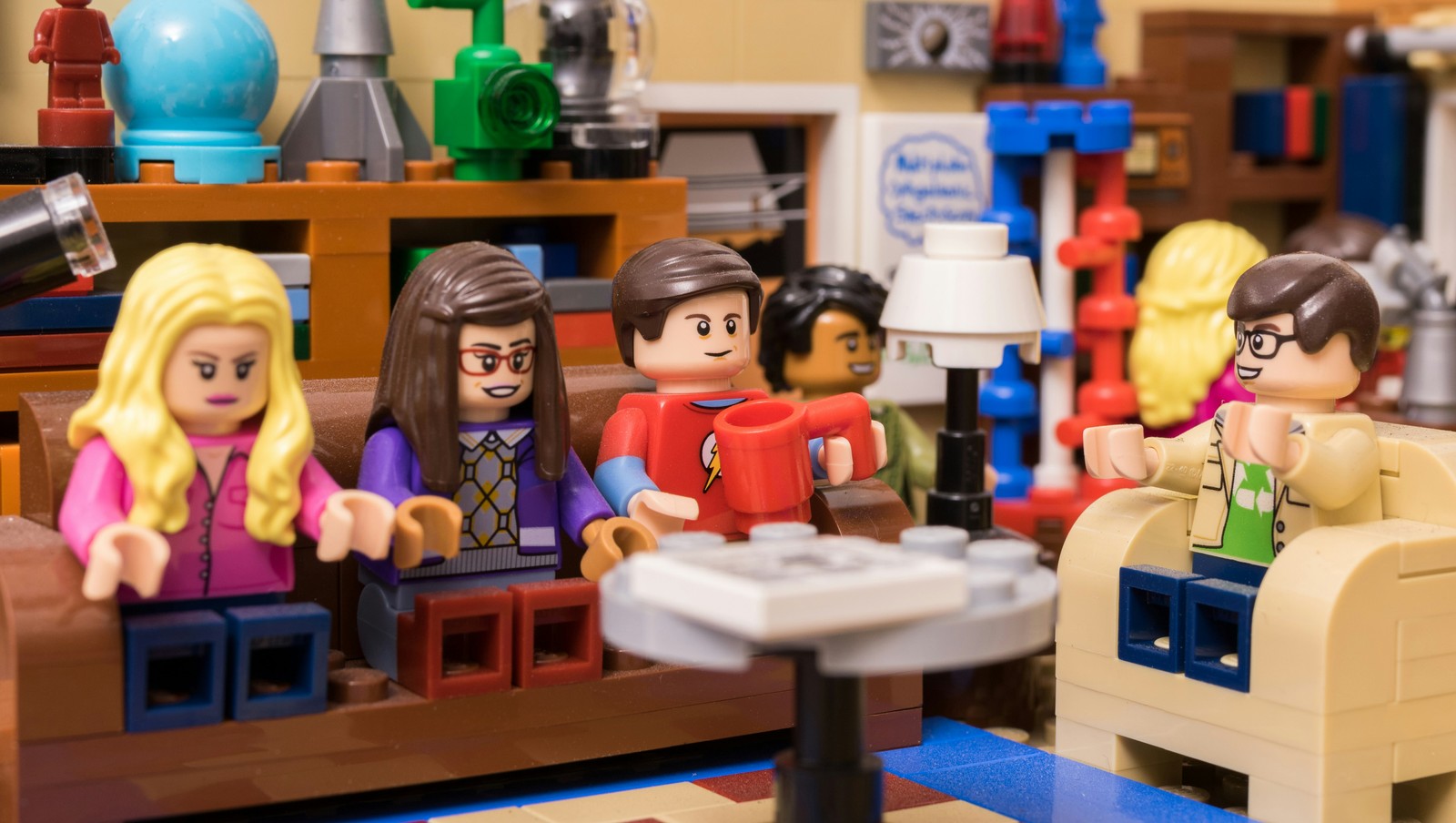
Image: Ben Griffiths

Ever wondered what it would be like to walk in the footsteps of your favorite TV characters? Well, pack your bags and grab your camera, because these iconic television locations are real places you can visit across America . From diners to crime scenes to small-town squares, these spots bring your beloved shows to life in ways that'll make you feel like you've stepped right into the screen.

1
The diner from "Seinfeld" - New York City
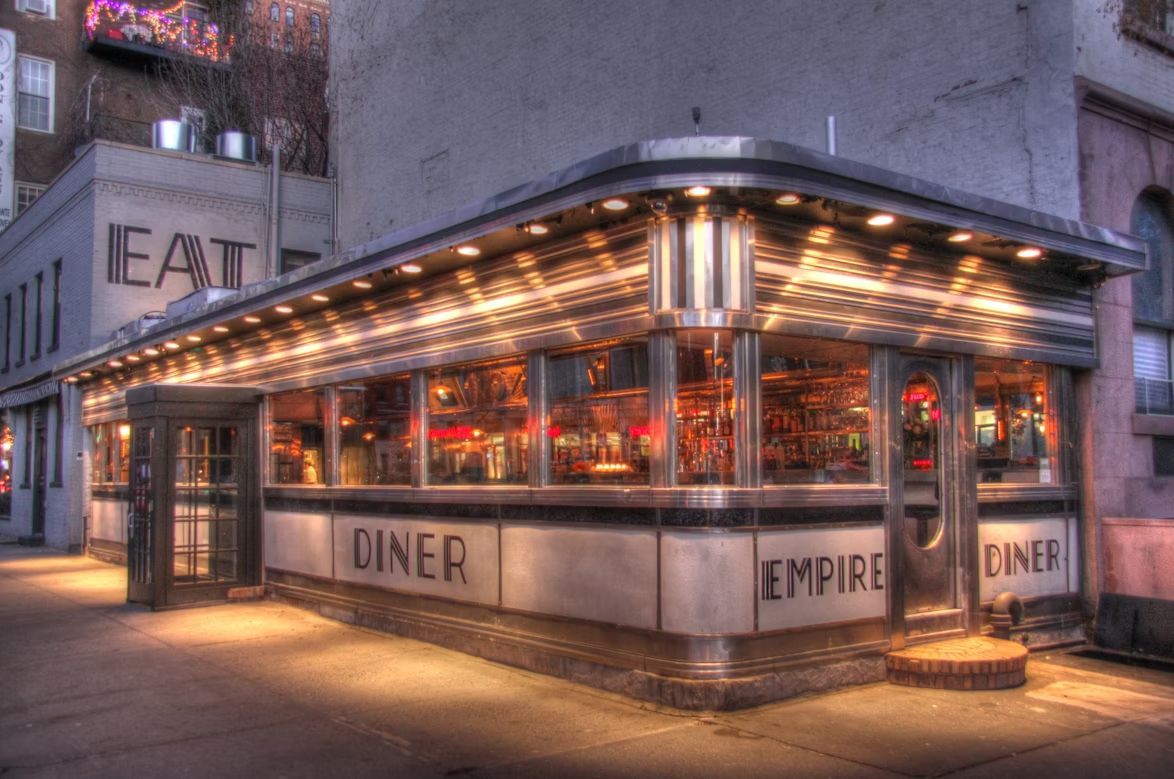
Image: Peter Bond

Remember Tom's Restaurant, where Jerry, George, Elaine, and Kramer hatched their hilariously terrible plans over coffee and endless conversations about nothing ? It's a real place!

The restaurant has embraced its TV fame, and fans from around the world stop by daily to snap photos and enjoy a meal where sitcom history was made. Fair warning: the actual interior looks nothing like the show, but you’re still eating where Seinfeld characters theoretically ate!

2
Central Perk from "Friends" - Times Square, New York City
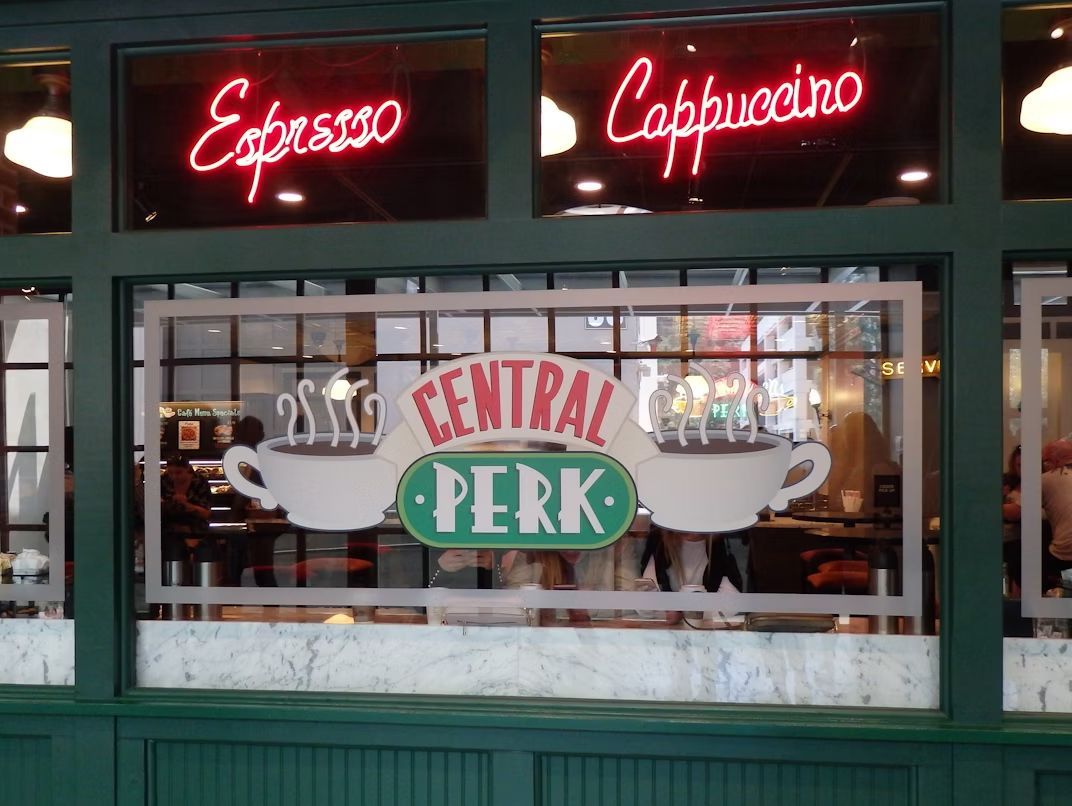
Image: Ilse Orsel

Friends fans, your dreams have come true: Central Perk now has a permanent location in Times Square where you can actually grab your morning coffee! Located at the northeast corner of 7th Avenue and 47th Street, this is the real deal—a functioning coffeehouse where you can sit near that iconic orange couch and pretend you're part of the gang. There's also a sister location in Boston, so if you're in either city, you can finally experience the coffee shop that was supposedly right there in New York all along.

3
The "Breaking Bad" car wash - Albuquerque, New Mexico
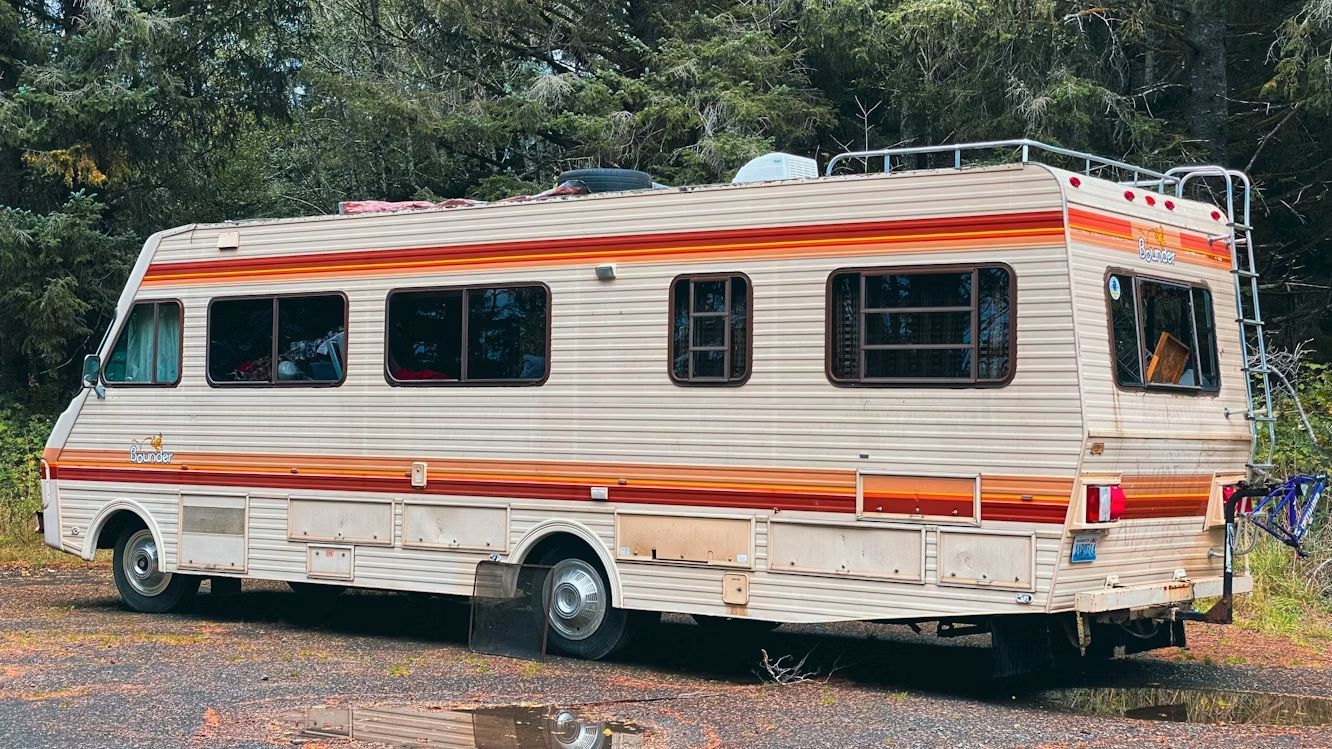
Image: Juliann Hervio

Walter White's car wash empire might have been built on crystal meth money, but the actual building is squeaky clean and still operating! Mister Car Wash (formerly Octopus Car Wash) at 9516 Snow Heights Circle NE in Albuquerque is where they filmed those tense scenes of Walt and Skyler's legitimate business venture. You can even get your car washed at the same spot where some of TV's most dramatic moments unfolded.

4
Luke's Diner from "Gilmore Girls" - Unionville, Ontario (okay, Canada, but close enough!)
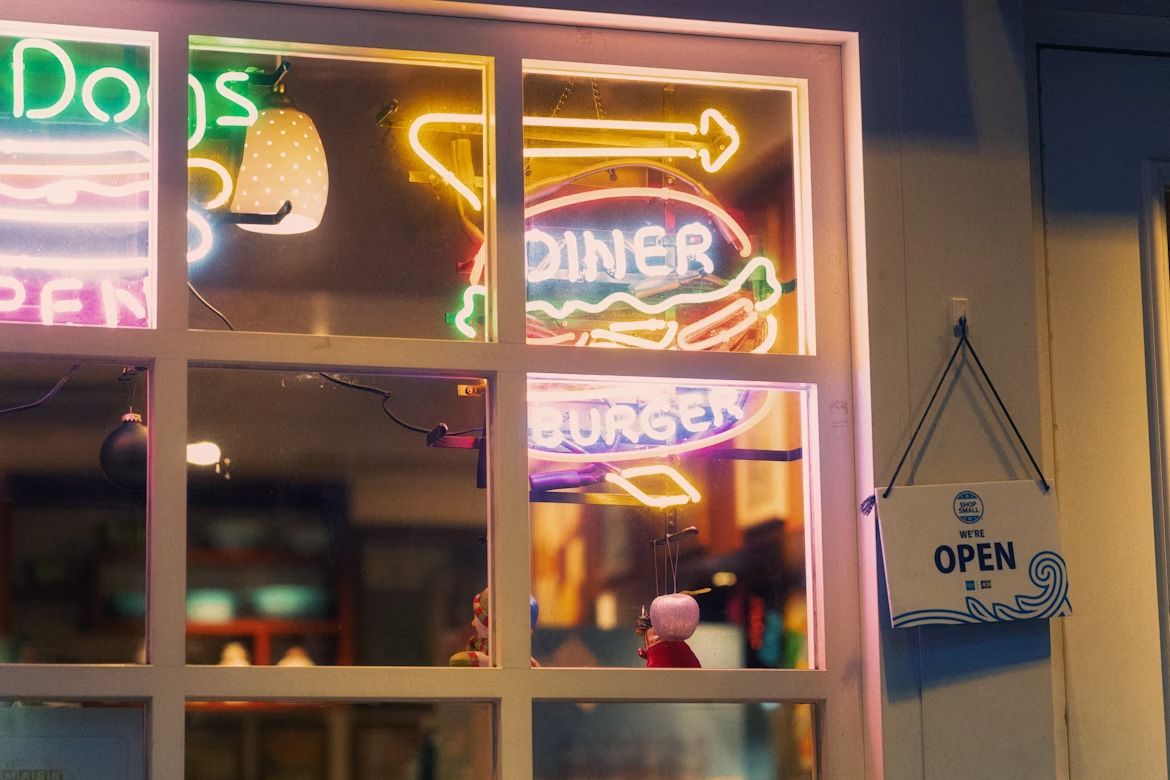
Image: ayumi kubo

Coffee addicts and fast-talking fans of Gilmore Girls will be thrilled to know that Luke's Diner is real sort of . The exterior shots were filmed at a building in Unionville, Ontario, just outside Toronto. The charming small-town main street where the diner sits perfectly captured that Stars Hollow magic, even if it technically wasn’t in Connecticut. The building now houses different businesses, but the streetscape remains wonderfully quaint and photogenic.

5
The "Full House" house - San Francisco, California
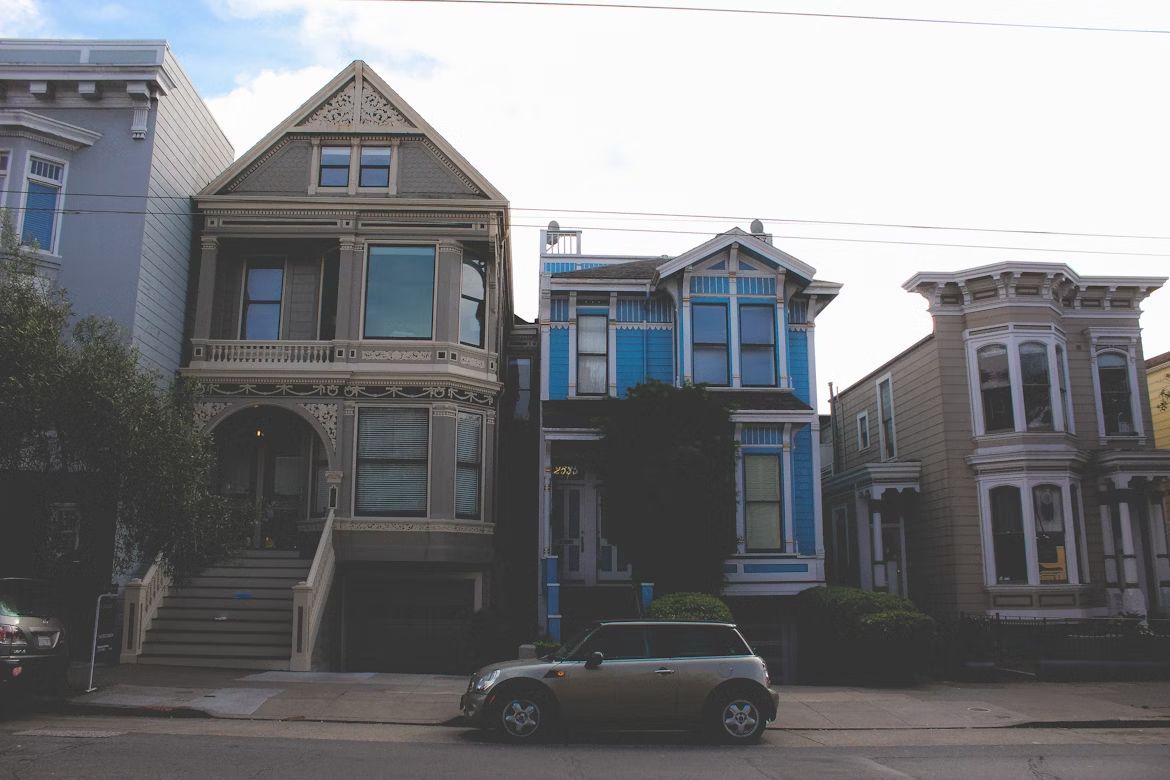
Image: Kyle Smith

The Tanner family's iconic Victorian home, with its unforgettable Painted Lady facade, is absolutely real and stands at 1709 Broderick Street in San Francisco's Lower Pacific Heights neighborhood. While the interior scenes were filmed on a set, the exterior is the genuine article and has become one of the most photographed houses in the city. Fans regularly make pilgrimages to stand across the street and recreate that opening credits moment.

6
Courthouse Square from "Back to the Future" - Universal Studios, California
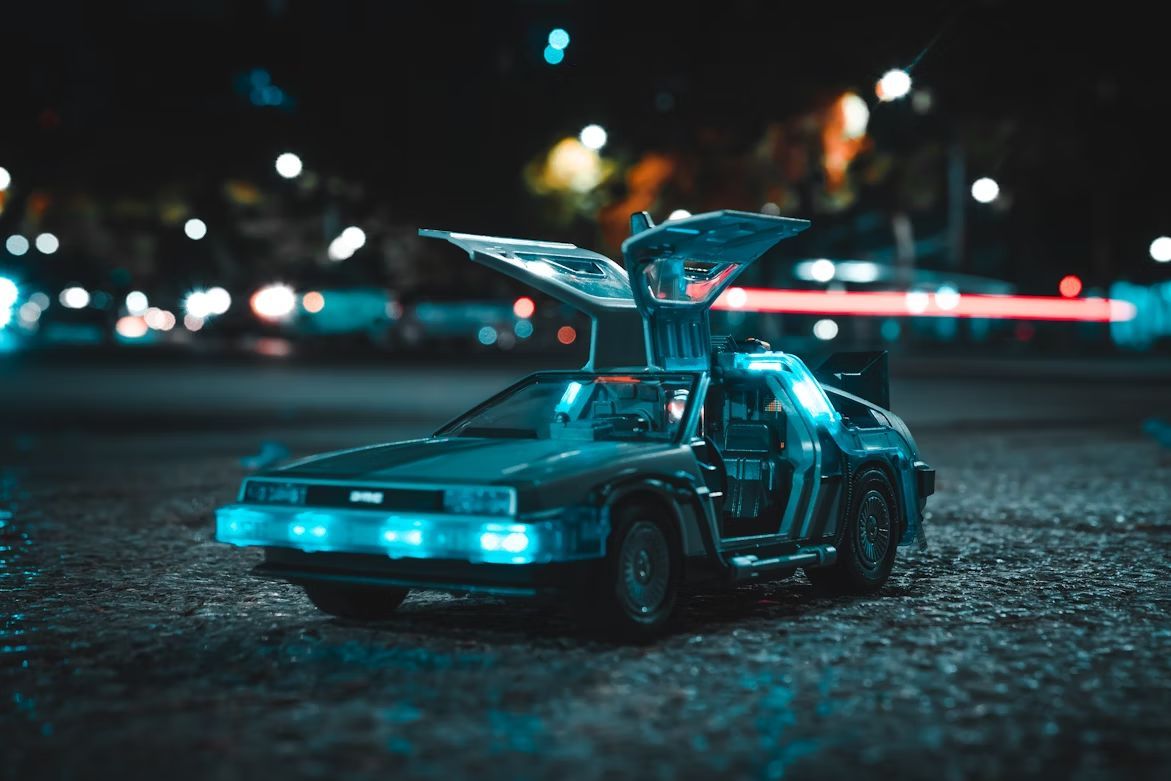
Image: Roger Ce

Doc Brown's time-traveling DeLorean circles around Hill Valley's Courthouse Square in one of cinema's most memorable scenes, and you can visit that exact spot! The Courthouse Square is a standing set on the Universal Studios backlot in Los Angeles , and has been used in countless productions over the decades. On the studio tour, you'll recognize it instantly—it’s where Marty McFly skateboarded through 1955 and where the clock tower still stands.

7
Katz's Delicatessen from "When Harry Met Sally" - New York City
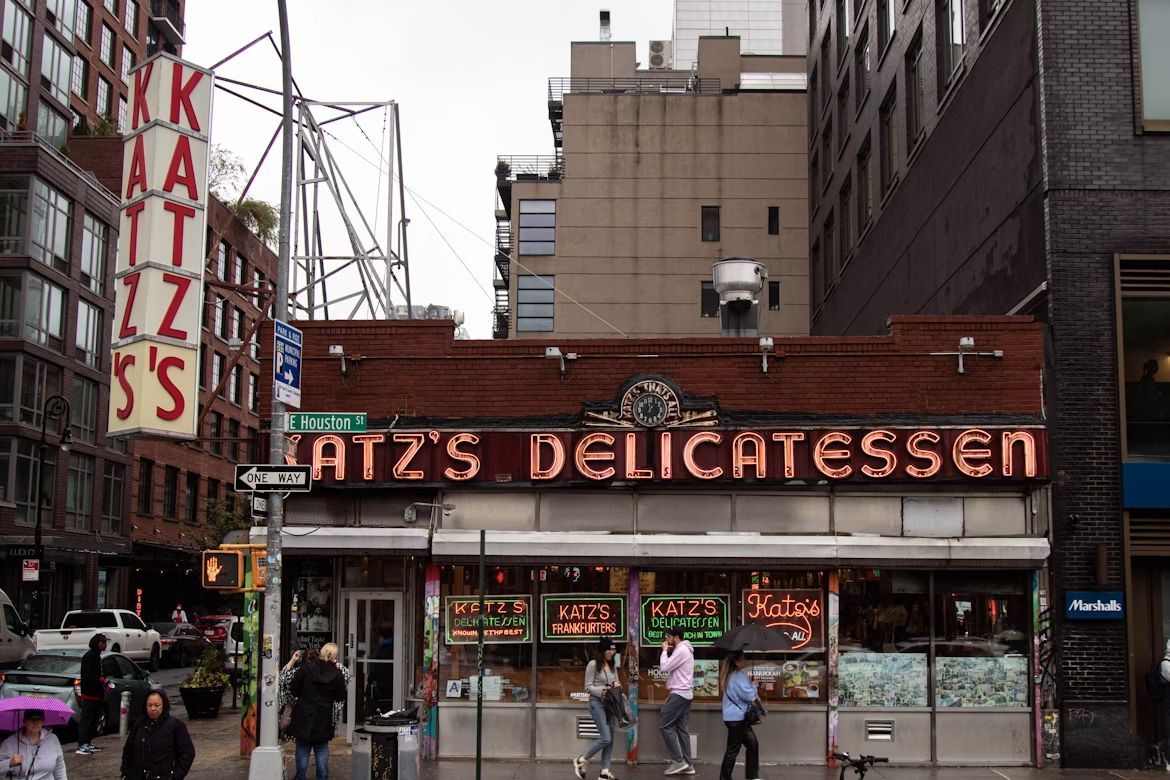
Image: Michał Kubiak

"I'll have what she's having" became one of the most famous movie lines ever uttered in a restaurant, and you can eat at that very same spot! Katz's Delicatessen, located at 205 East Houston Street on Manhattan's Lower East Side, is where Meg Ryan filmed that unforgettable scene. The deli has been serving up massive pastrami sandwiches since 1888, and they’ve marked the table where the scene was filmed with a sign that reads, "Where Harry met Sally… hope you have what she had!"

8
The "Twin Peaks" Double R Diner - North Bend, Washington
Image: DJ Paine

Fans of David Lynch's surreal masterpiece can grab a slice of cherry pie and "a damn fine cup of coffee" at Twede's Cafe in North Bend, Washington . This is the actual diner used for exterior and some interior shots of the Double R Diner, where Agent Cooper discussed his dreams and Deputy Hawk dispensed wisdom. After a 2000 fire, the diner was rebuilt and renovated, but it has maintained its Twin Peaks connection, which continues to draw fans from around the world.

9
The "Cheers" bar - Boston, Massachusetts
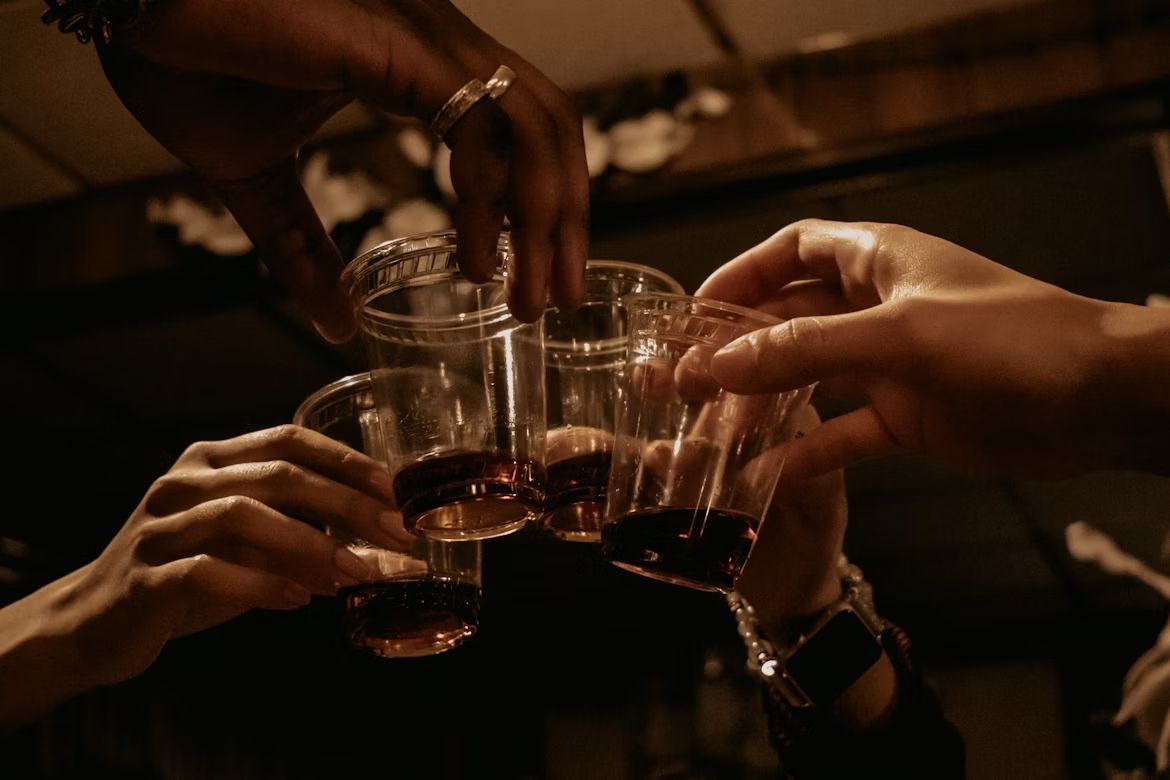
Image: Savann Prak

Sometimes you really do want to go where everybody knows your name, and you can do exactly that in Boston! T he Bull & Finch Pub, located at 84 Beacon Street beneath the Hampshire House, is the real bar that inspired the exterior of Cheers . There's even a replica Cheers bar in Faneuil Hall Marketplace for tourists who want the full experience.

Here’s the catch: the interior of the Bull & Finch Pub looks nothing like the TV show—those scenes were all filmed on a Hollywood soundstage. But the Faneuil Hall location recreated the TV set’s interior, so if you want to feel like you’re really stepping into the show, that’s your best bet.

10
The Biltmore Hotel from "Mad Men" - Los Angeles, California
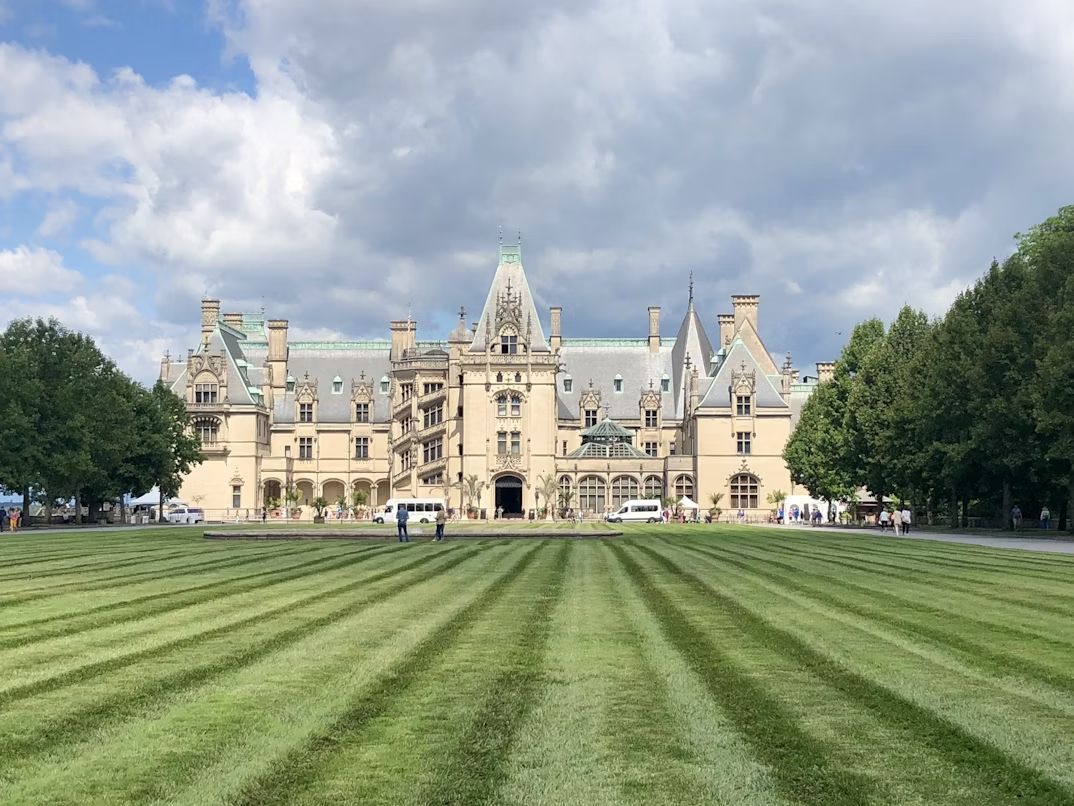
Image: Stephanie Klepacki

Don Draper and the gang from Sterling Cooper certainly knew how to pick a sophisticated meeting spot, and the Millennium Biltmore Hotel in downtown Los Angeles was one of their favorites.

The Biltmore is still a functioning luxury hotel where you can book a room, grab a cocktail at the bar, or simply wander through the stunning public spaces. It has hosted Academy Awards ceremonies, presidential candidates, and countless Hollywood events over its nearly 100-year history.
History History 3 min read

Lawn and order

How the American lawn was born: 10 moments that shaped our frontyards

Image: Gunnar Ridderström

The American lawn didn’t sprout overnight. It grew from European ideals, industrial changes, suburban planning, and clever marketing. From elite colonial estates to postwar tract homes, each step shaped how grass became a national obsession. Here are 10 factual milestones that explain how a simple patch of green became a defining feature of U.S. domestic life.

1
European origins

Image: Martin Zenker

Lawns — and by lawns we mean closely mown grassy spaces — began appearing in 17th- and 18th-century Britain and France as signs of wealth. This was because only aristocrats or large estates could afford to keep grass short and manageable.

Before mechanized tools, scythes, shears, or grazing animals were used to maintain lawns, so turf was largely limited to those who could own the necessary manpower or animals. Early American colonists imported these aesthetics and tried to replicate them in their architecture and homes, albeit less formally.

2
Public parks set the bar

Image: Carl Newton

Early urban park designers, strongly influenced by European landscaping ideas, laid out wide expanses of turf in city parks, showing the public a "civilized" green aesthetic. That made clipped lawns part of the civic-space ideal, and not just a private luxury.

These parks helped cement the association between grass lawns, order, leisure, and modern urban life in American culture.

3
Mechanical breakthroughs

Image: Daniel Watson

In 1830, English engineer Edwin Beard Budding patented the first mechanical lawn mower, inspired by a wool-mill reel used to trim cloth.

Budding’s design used a cylinder of blades powered by a rear roller, making it easier to cut grass evenly, and largely replaced laborious scything or grazing, cutting down the cost of maintaining such status symbols in the process.

4
Et pluribus lawnus

Image: Gang Hao

Once affordable lawn mowers—including lighter push-mower variants in America—became popular, maintaining a lawn became feasible for aspiring middle-class homeowners.

This sparked a major transformation in both private and public architecture, as many well-to-do homes that before could not afford it began attempting to replicate the European lawn style in some fashion or another.

5
Suburban dreams

Image: Venrick Azcueta

For decades, lawns remained a steady feature of American architecture and green-space design; however, it wasn’t until after WWII that the true lawn boom began. Returning veterans and government-backed mortgages fueled rapidly expanding suburbs.

Developer William Jaird Levitt and his company built thousands of nearly identical homes, each with its own front and back lawn. By the 1950s and ’60s, lawns had become central to the "American Dream," symbolizing stability, middle-class respectability, and neighborhood uniformity.

6
A bit of chemical help

Image: Victor Furtuna

After the war, synthetic fertilizers (derived partly from wartime chemical technologies) became widely available to consumers, enabling lush, uniform lawns even in soil and climate conditions unsuited to grass.

This lowered the barrier to achieving a "perfect" lawn, further popularizing lawns as part of the American identity and raising the expectations of what the perfect lawn should look like.

7
Begone, pesky weeds!

Image: Dmitry Burdakov

In addition to fertilizers, in 1944, researchers discovered 2,4‑Dichlorophenoxyacetic acid (2,4-D), the first widely effective selective herbicide — killing broadleaf weeds while leaving grasses largely unharmed.

Deployed commercially soon after WWII, 2,4-D made maintaining uniform, weed-free lawns much easier and was quickly adopted in home lawn products.

8
Thou shalt keep thy lawn green

Image: Tiago Rodrigues

As suburbs proliferated, lawn maintenance became a shared social norm — homeowners' associations and neighborhood covenants often started to expect regular mowing and upkeep.

Keeping a well-groomed lawn became not just an aesthetic choice but also a mark of civic responsibility and conformity to norms.

9
Environmental worries

Image: Rémi Müller

By the mid- to late 20th century, the ecological cost of the lawn aesthetic became visible: heavy water use for irrigation, chemical runoff from fertilizers and herbicides, and reduced biodiversity as a consequence.

These drawbacks spurred both scientific and public debate about the sustainability of the traditional lawn model — especially in water-scarce regions, where it was both impractical and resource-intensive.

10
The birth of mixed lawns

Image: Ruben Sukatendel

Growing environmental awareness, droughts, and changing tastes have prompted many homeowners and municipalities to adopt drought-tolerant landscaping, native plants, or mixed-species yards instead of the traditional uniform turf.

As a result, today the "ideal lawn" is evolving as we speak: classic turfgrass still remains common, but alternative yard styles now offer more varied ecological, economic, and aesthetic options.

General General 3 min read

Presidential possibilities

Can the US President drive? Play a true or false game with us!

Image: Donghun Shin

The president of the United States might hold the most powerful job in the world, but that doesn’t mean they can do whatever they please . From driving cars to opening windows, some of their daily limits are downright surprising. Let’s play a quick "True or False" game and see which presidential privileges are real and which ones belong in the rumor bin.

1
Fact: Presidents can drive

Image: Jessica Furtney

It sounds fun to imagine the president taking the wheel for a spin around town, right? Maybe a quiet drive to clear their head or grab a meal in secret behind the tinted glass. But can they really do that?

2
Answer: False

Image: Rolando Garrido

Presidents haven’t been allowed to drive on public roads since Lyndon B. Johnson, but they can still enjoy a little time behind the wheel inside fenced areas like Camp David or their own ranch. George W. Bush often drove around his property in Texas, with the Secret Service keeping a close watch, of course!

3
Fact: Presidents can’t attend their kids’ plays or games

Image: Philip White

Yes, we know presidential tasks are of utmost importance, but we can all agree family moments matter just as much, even in the White House. So, do you think the president can really attend a school play or a kid’s soccer game?

4
Answer: True

Image: Ludo Poiré

It’s true, they can’t unless it’s under very controlled conditions . Public outings cause too much security chaos, so these events usually happen privately. Some presidential kids even had classrooms right inside the White House so their parents could drop in for a visit without turning it into a national operation.

5
Fact: Presidents can open the windows whenever they want

Image: Da-shika

Opening a window is one of the most innocent acts one can carry out, and surely, after long meetings and speeches, a little fresh air would be nice. Can the president roll down a window in the White House or a car?

6
Answer: False

Image: Gabriele Proietti Mattia

That simple act is off-limits for security reasons , of course. Michelle Obama once said her security team gave her a five-minute "window treat" on a drive to Camp David, and it felt like freedom. The rest of the time, those windows stay shut tight.

7
Fact: Presidents can’t use commercial airlines

Image: Shutr

You know Air Force One is specifically designed for the President, and you also know that every president travels constantly , but can they ever hop on a regular American Airlines flight like the rest of us?

8
Answer: True

Image: avid Lusvardi

They absolutely can’t fly commercial, but they do take plenty of flights on Air Force One and Marine One. These aircraft are packed with communication systems , security measures, and comfort most travelers can only dream about. It’s safe to say they don’t miss boarding lines.

9
Fact: Presidents can use regular gadgets from the store

Image: Azwedo L.LC

Whoever the president is, when they get to the White House, they already have a phone. So, they must be able to use regular phones . Or, for example, a brand-new iPhone or tablet seems harmless enough. Surely the president can pick one up and start scrolling. Do you think this is true or false?

10
Answer: False

Image: Eirik Solheim

Standard devices aren’t secure enough. Presidents use specially modified versions that can’t be hacked. Barack Obama had a limited-access BlackBerry, and Joe Biden’s smartwatch and the Peloton were both customized for safety. Even the leader of the free world has tech limits.

11
Fact: Presidents can block people on social media

Image: Swello

Alright, so a new president is in office, and they get a brand new secure phone. But with millions of online followers, it must be tempting to block a few loud voices . Surely the president has that right.

12
Answer: False

Image: Daniel Romero

Nope. A federal court decided that official social media accounts are public forums , which means blocking users violates the First Amendment. Presidents have to let everyone speak their mind, even if the comments section gets a little rowdy.

Explore more American facts

Choose your favorite category!

General
General

As American as apple pie—the very best America has to offer!

Culture
Culture

Delve into the astounding richness of American lore.

Geography
Geography

Hop in and explore vast and diverse American landscapes.

History
History

Discover the key moments that shaped the United States.