General General 4 min read

Which tradition is your favorite?

From Groundhog Day to roadkill cookoff: 12 weird traditions in America
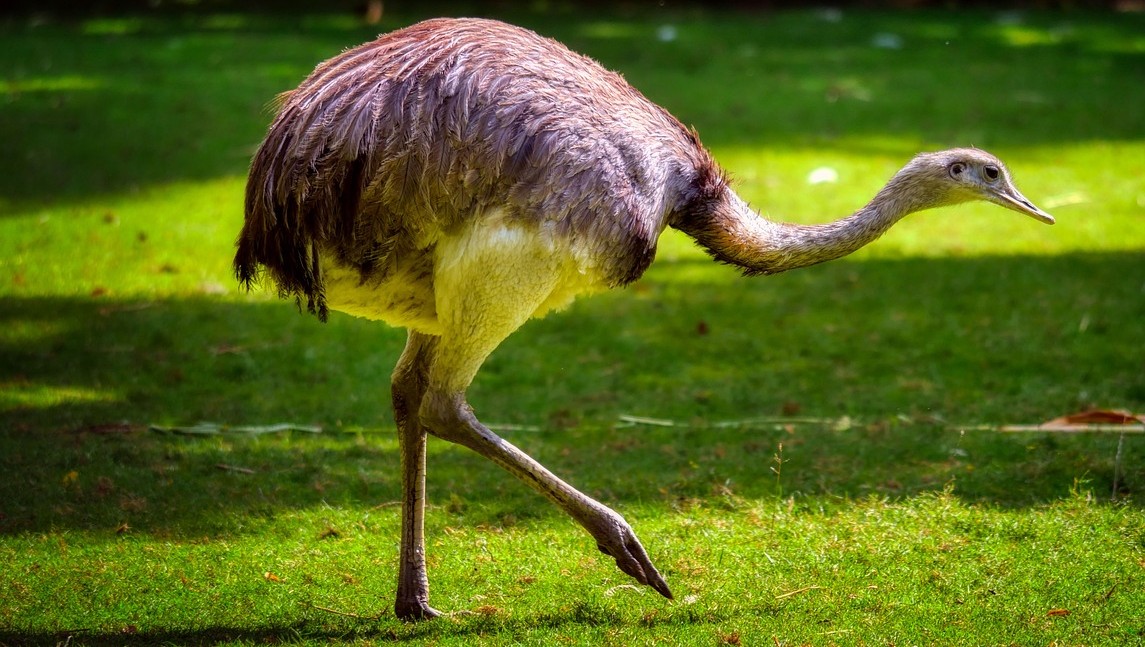
Image: fietzfotos

America is known for its bold personality, and that spirit shows up in some quirky traditions. From competitive eating contests to cherry pit spitting, and those perfectly posed (and sometimes hilariously awkward) holiday family cards, there's no shortage of ways people across the country celebrate and have fun. Do you participate in any of these 13 traditions?

1
Competitive eating
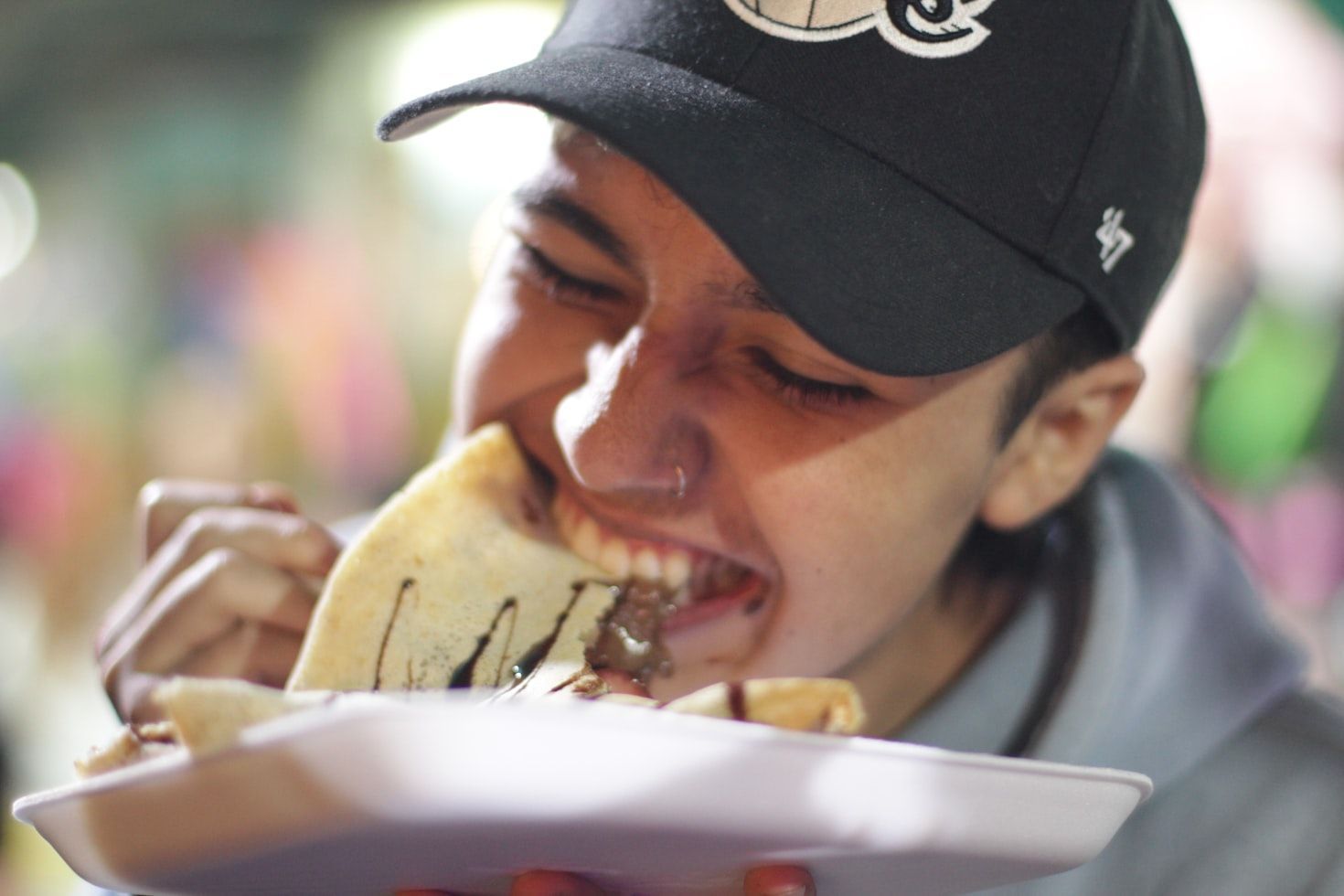
Image: Gigi

Nathan’s Famous claims to have hosted its first Fourth of July hot dog-eating contest in 1916 at Coney Island. According to legend, four immigrants took part to prove who was the most patriotic . The winner, an Irishman, downed 13 hot dogs to claim the title.

Though this origin story was likely an invention for publicity, this quirky event has grown into the beginnings of what would become a long-standing American tradition.

2
Turkey pardoning
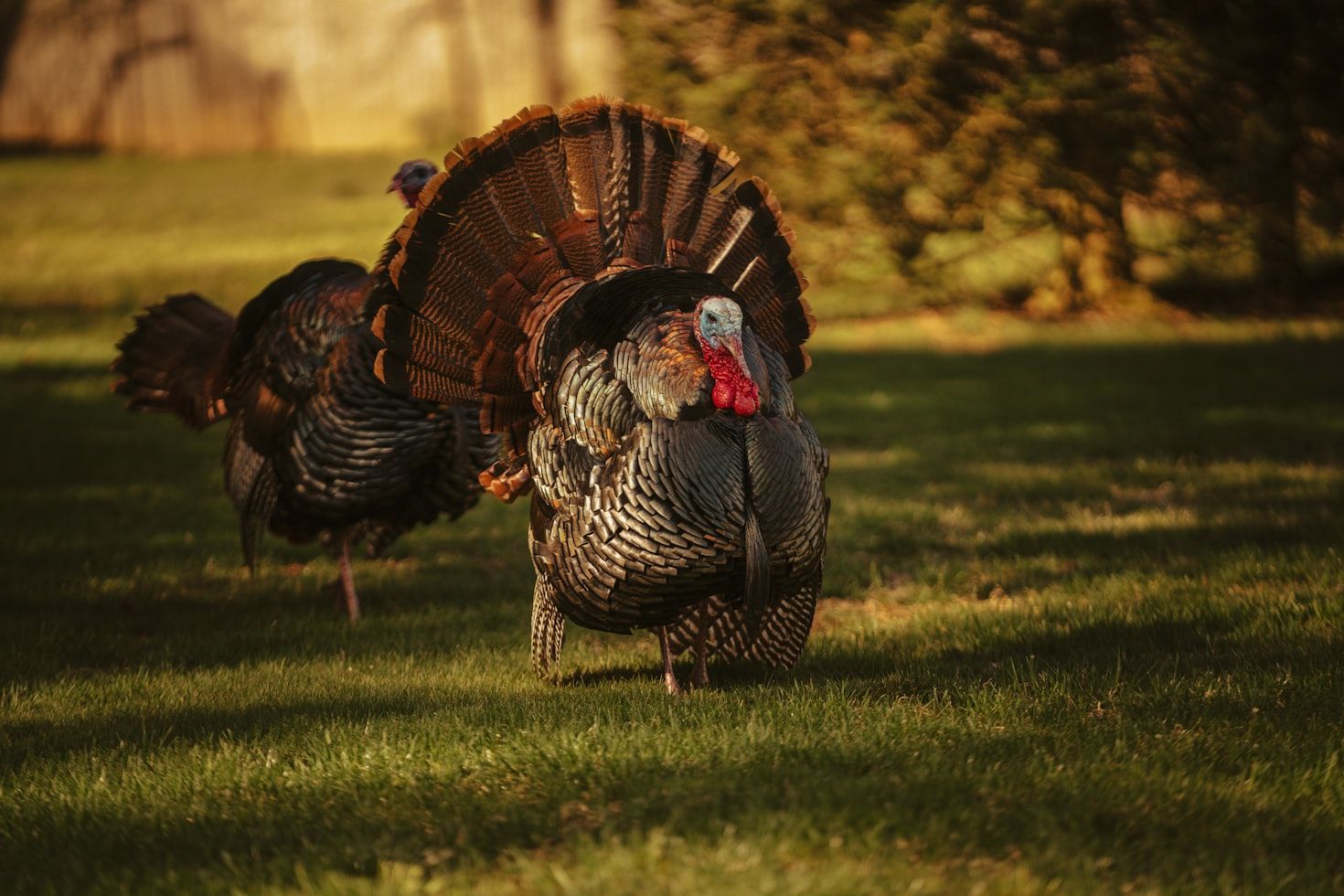
Image: Tyler Donaghy

The tradition of pardoning a turkey dates back to 1863, when President Abraham Lincoln reportedly spared a bird after his son Tad begged for its life . Originally meant for Christmas dinner, the turkey was saved thanks to Tad’s compassion.

While a few later presidents, including Harry Truman and John F. Kennedy, also chose to spare turkeys, it wasn’t until 1989 that President George H.W. Bush made the turkey pardon an official White House tradition.

3
Groundhog Day
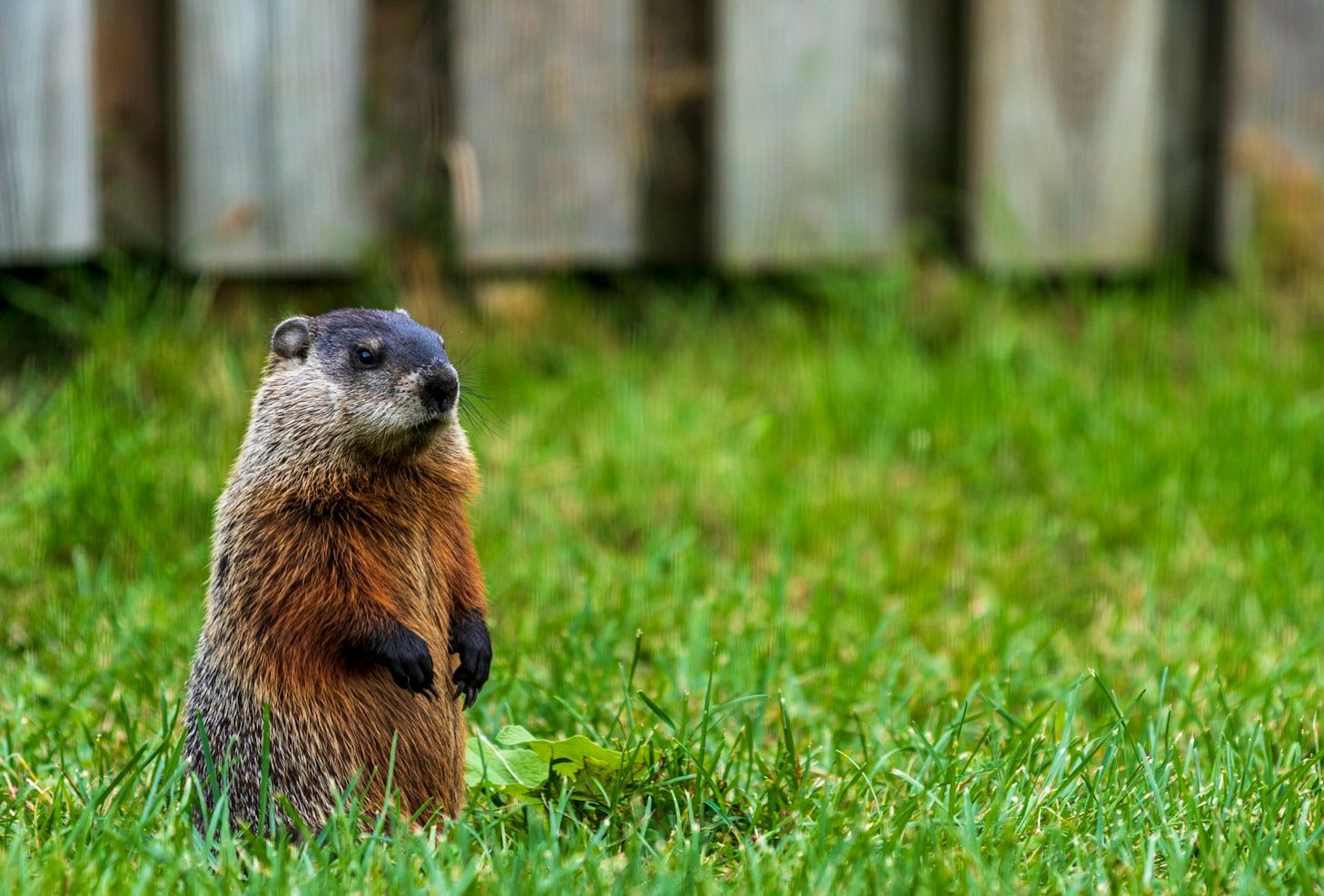
Image: Camerauthor Photos

Groundhog Day centers around a groundhog named Punxsutawney Phil , who is said to predict the weather each February 2nd . If Phil sees his shadow, it signals six more weeks of winter; if not, spring is supposedly on its way.

The tradition began when newspaper editor Clymer Freas pitched the idea to the Punxsutawney Groundhog Club in the late 1800s. Despite its popularity, Phil’s weather predictions have only been accurate about 39% of the time, according to the National Climatic Data Center.

4
Pickle-shaped ornaments on Christmas trees
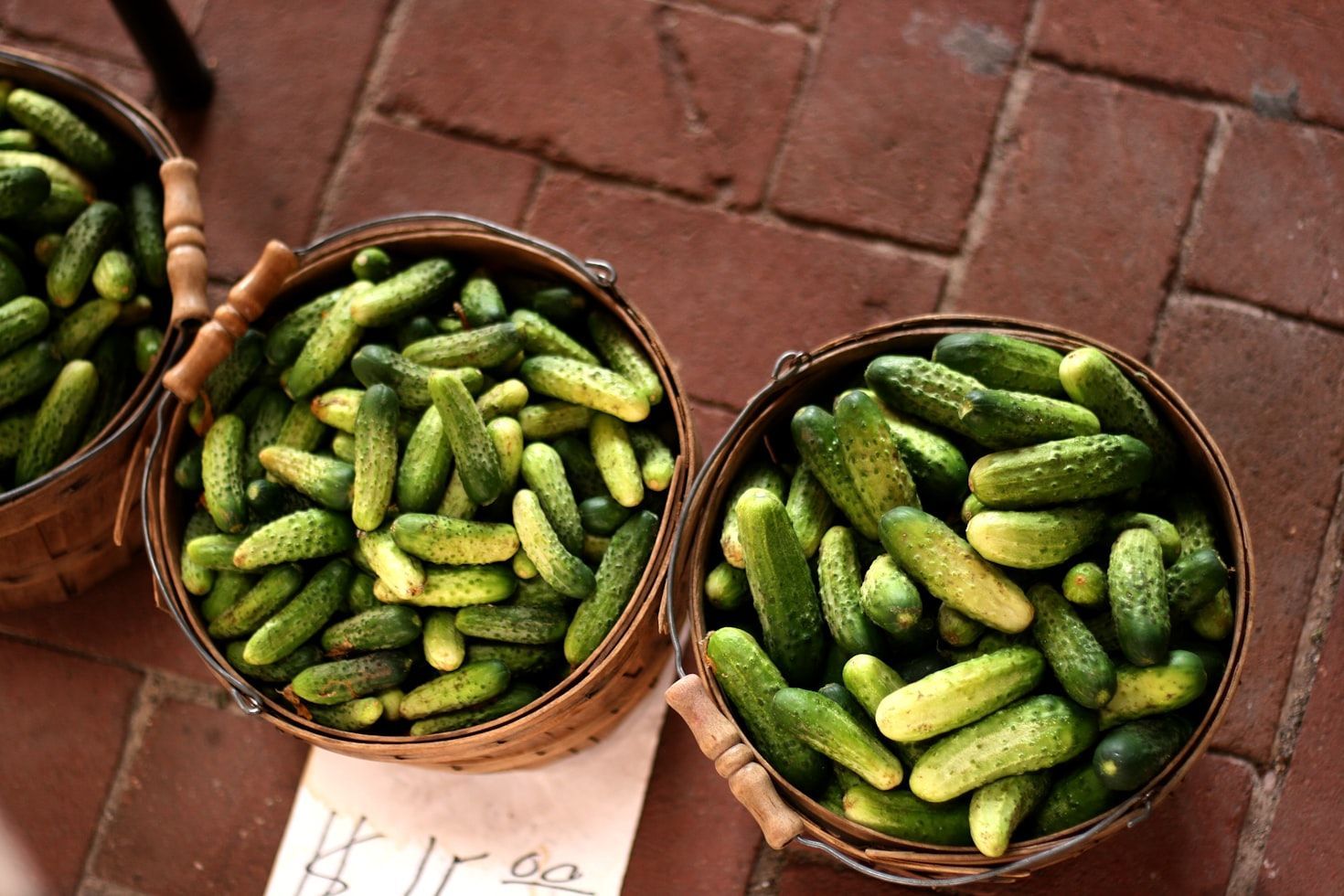
Image: Drew Geraets

The Christmas pickle tradition is believed to have started as a clever marketing move by Woolworths. After receiving a large stock of pickle-shaped ornaments , the store invented a festive game to help sell them.

They encouraged families to hide the pickle in their Christmas tree, with a small prize going to whoever found it first. What began as a sales tactic eventually became a quirky holiday tradition in many American homes.

5
Alaska's Nenana Ice Classic

Image: Ariane Frei

The tradition began in 1917, when a group of railroad engineers placed bets on when the ice on Alaska’s Nenana River would break . They wagered a total of $800, trying to predict the exact date, hour, and minute of the thaw.

What started as a friendly bet turned into an annual event known as the Nenana Ice Classic. Today, it’s a major Alaskan tradition that draws thousands of participants each year—and offers a jackpot that can exceed $300,000.

6
Cherry pit spitting
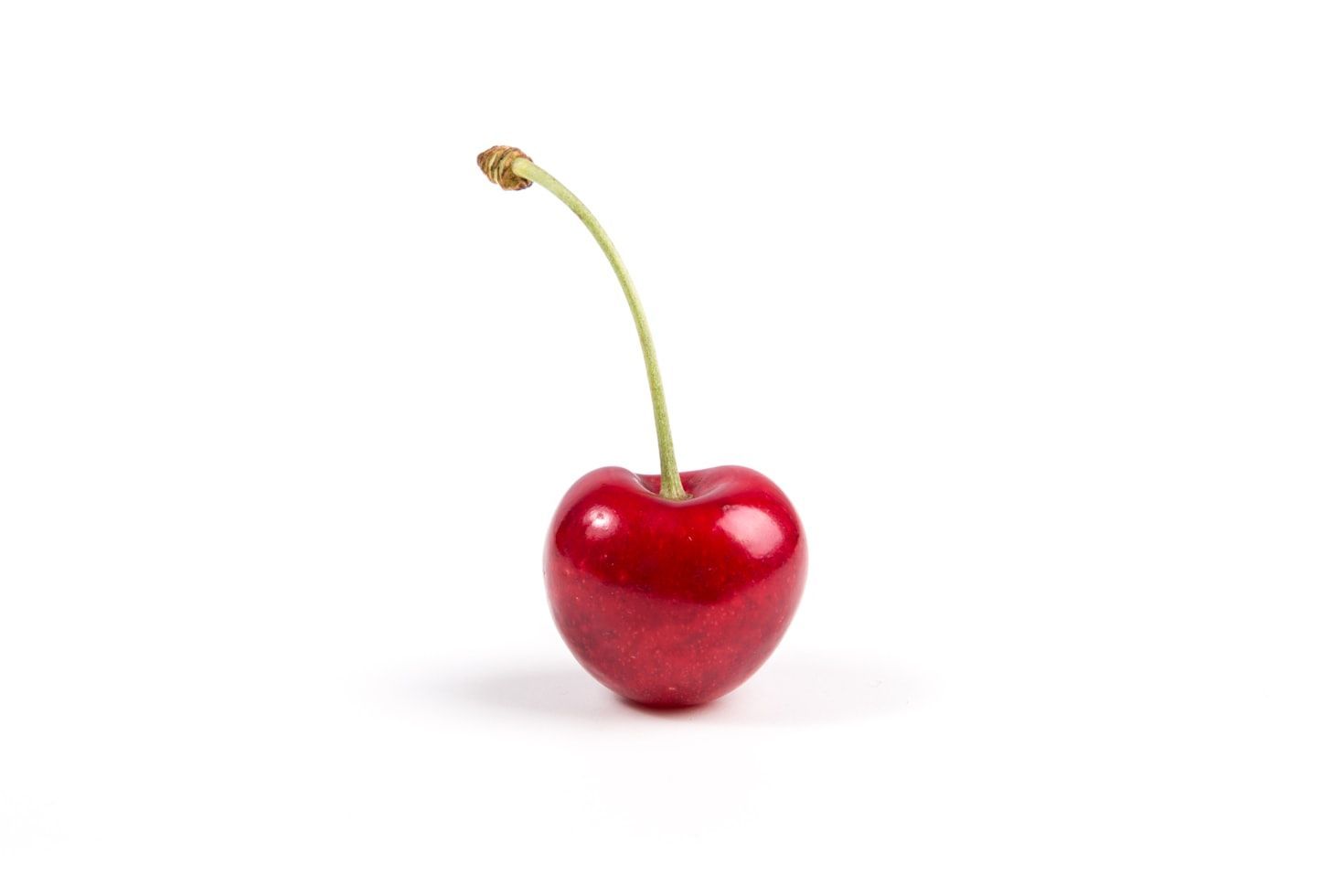
Image: Quaritsch Photography

During cherry season, cherry pit spitting contests pop up across the U.S., inviting participants to launch pits as far as they can —or even try to hit specific targets. These contests are famously held at events like the International Cherry Pit Spitting Championship in Eau Claire, Michigan, which began in 1974.

It’s a lighthearted test of skill that draws crowds in search of classic summer fun.

7
Tailgate parties
Image: Zachary Keimig

For many American sports fans—especially at football games—just attending isn’t enough. Hours before kickoff, parking lots fill with fans decked out in team colors , grilling food , and enjoying drinks as part of the pregame ritual known as tailgating.

Some tailgaters go all out, bringing TVs, sound systems, and even satellite dishes to create the ultimate game-day setup.

8
Black Friday shopping spree

Image: Erik Mclean

Just hours after Thanksgiving feasts wrap up, millions of Americans shift into shopping mode for Black Friday. This massive retail event kicks off a weekend spree that also includes Small Business Saturday and Cyber Monday—newer traditions that have quickly gained traction.

9
Holiday family cards
Image: Community Archives of Belleville and Hastings County

One beloved holiday tradition in the U.S. is sending and receiving festive family photo cards . These often feature coordinated outfits and include a short update on the family’s highlights from the past year—even from people you may barely remember.

10
Ostrich racing
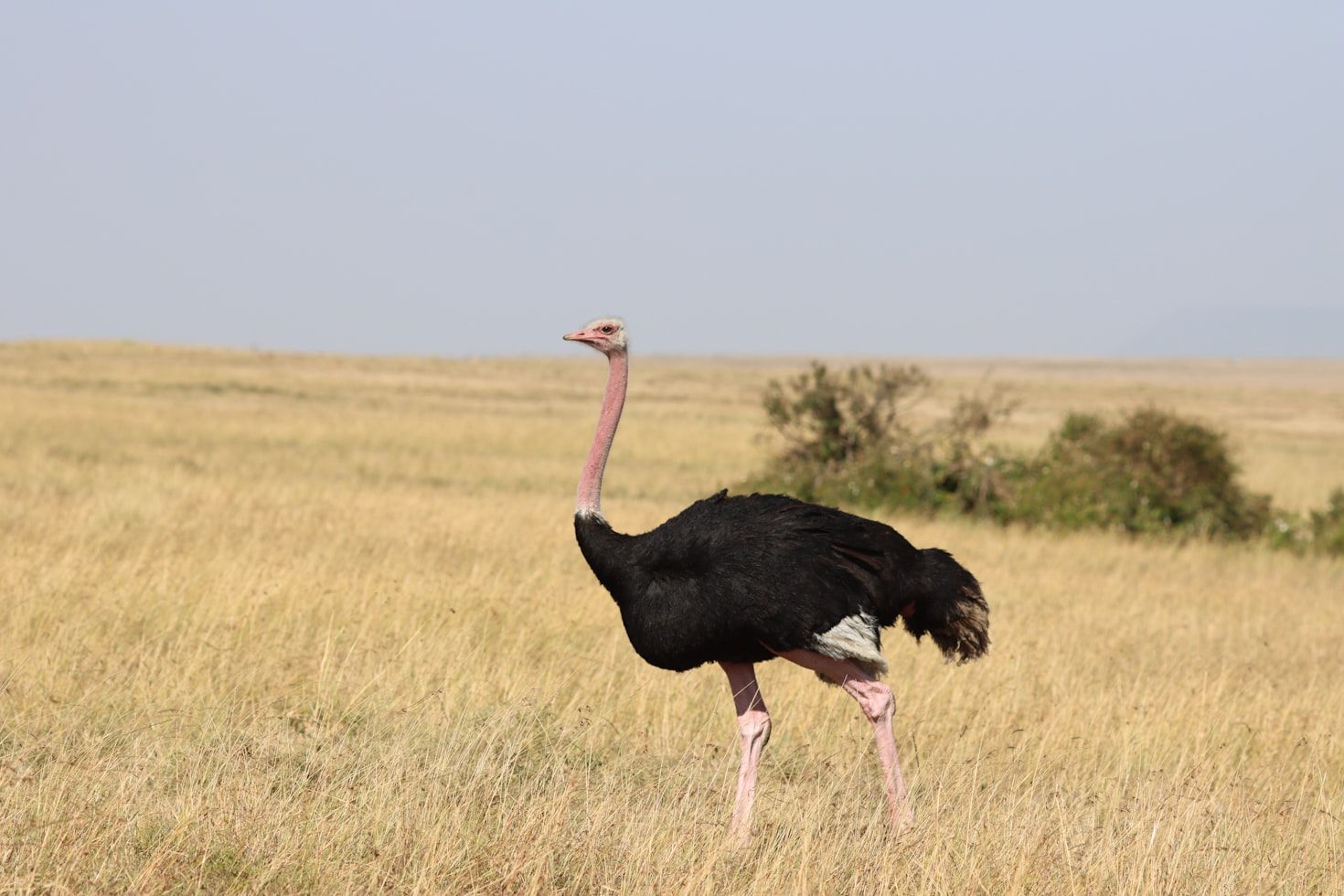
Image: Dominic Yegon

Ostriches were introduced to the U.S. in the 1880s, and it didn’t take long for people to start racing them. These unusual competitions sprang up in several states and quickly gained attention for their novelty.

Today, the most well-known event is the Chandler Ostrich Festival in Arizona , which has been running for decades. As of 2024, it marked its 36th year, continuing the quirky tradition with a modern twist.

11
Roadkill cook-off
Image: Christoph Wick

With abundant wildlife and countless vehicles on American roads, animal collisions are an unfortunate reality. But in Marlinton, West Virginia, locals have found a unique way to turn that misfortune into a celebration.

Every September, the town hosts the Roadkill Cook-off, where adventurous eaters can sample dishes like squirrel gravy on biscuits, teriyaki bear, or deer sausage —all made from animals legally collected after road accidents.

12
Pumpkin chucking
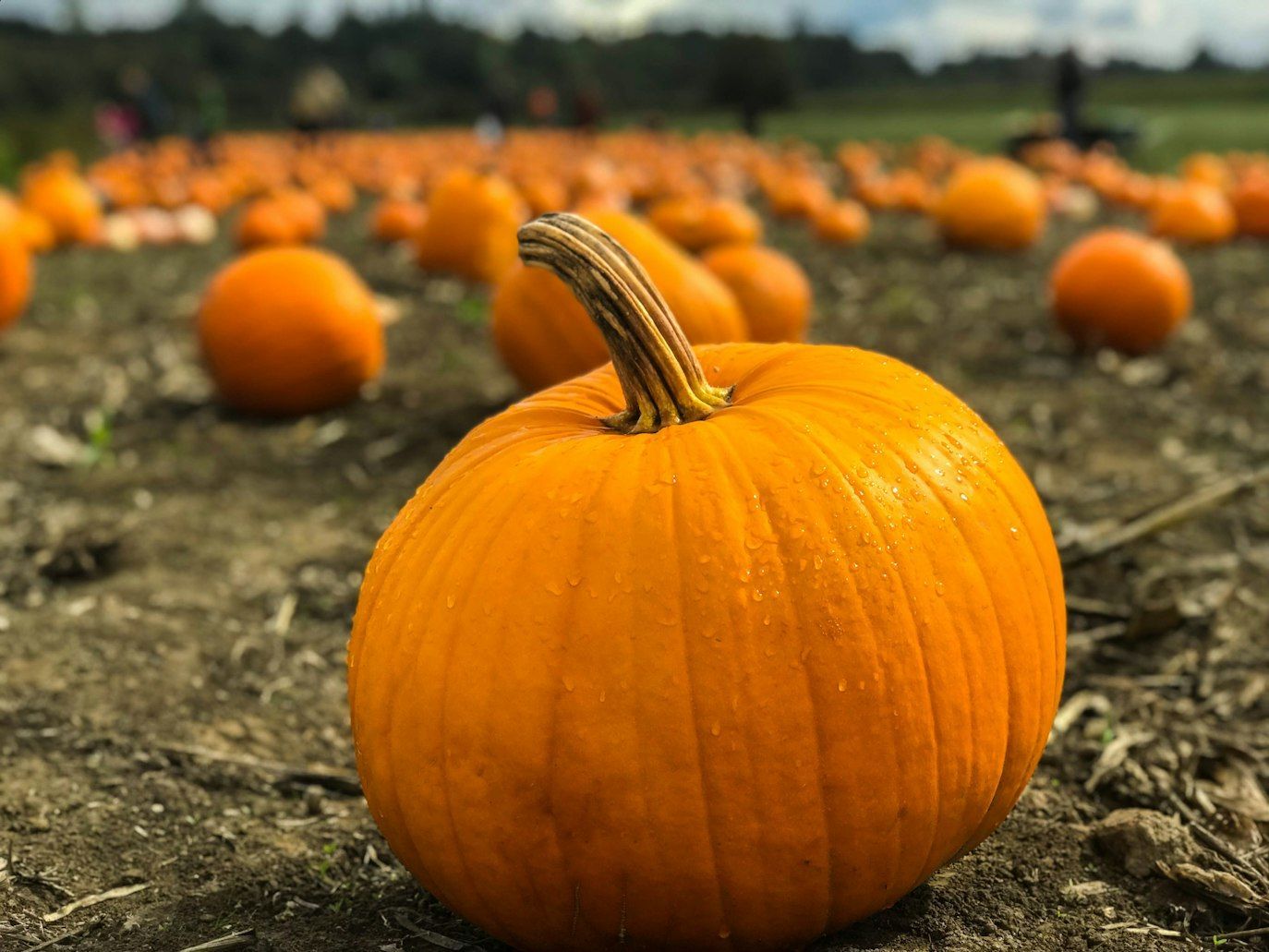
Image: Marius Ciocirlan

In America, pumpkins aren’t just for pies and lattes—they’re also launched through the air in a tradition known as pumpkin chucking.

The largest and original event, Punkin Chunkin, originated in Delaware, where teams use contraptions like trebuchets, catapults, and air cannons to hurl pumpkins as far as possible .

General General 3 min read

Big names for small creatures

Bird is the word: 10 American bird names explained

Image: Dulcey Lima

A world without birds would be a gloomy one, indeed. These feathered friends grace our skies and brighten our days with their songs, not to mention the important environmental roles they fulfill. The names we give them often showcase their characteristics or pay homage to the people who discovered them. Scroll on to learn about ten of the most common birds and their names. How many of these did you know?

1
Mourning Dove

Image: Anish Lakkapragada

The melancholic name of the mourning dove comes from its sad call , which the casual listener might mistake for an owl. Mourning Doves inhabit a wide range of open habitats, including suburbs and urban parks.

Their call is generally referred to as the "perch coo," a song sung by an unmated male from a perch. These birds have other well-known nicknames, such as "turtle doves" and "rain doves."

2
Northern Mockingbird

Image: Tyler Jamieson Moulton

More than just mockers, mockingbirds are expert singers, continuously adding new imitations of other birds' songs to their repertoires and sometimes mimicking unnatural sounds, such as car alarms. Northern mockingbirds may learn up to 200 different sounds.

These medium-sized, long-tailed gray songbirds prefer open habitats with a scattering of shrubs and small trees. They eat a wide variety of fruits, invertebrates, and even small vertebrates, such as lizards.

3
White-breasted Nuthatch

Image: Patrice Bouchard

You can recognize this bird by its white face and underside, bluish back and wings, dark crown, nasal "yank-yank" call, and its habit of creeping down tree trunks headfirst.

The name "nuthatch" is derived from "nut hacker," reflecting the bird's method of opening up nuts by jamming them into a crevice and then hammering at them.

4
Downy Woodpecker

Image: Joshua J. Cotten

The smallest woodpecker in North America, the Downy Woodpecker is a stubby-billed, black-and-white bird that inhabits deciduous woods and tree-filled urban and suburban parklands. It forages on trees, shrubs, and large weeds for insects and other arthropods.

The "downy" in this bird's common name refers to the soft, white feathers of its long, white back stripe . The "woodpecker" part refers to the fact that this bird pecks bark, looking for termites hidden underneath it.

5
House Finch

Image: Patrice Bouchard

Originally found only in the West, the House Finch was introduced to the eastern U.S. in 1939, when a few individuals were released from a pet store. The word "finch" comes from the German idiom fink , which refers to a lively or cheerful person —a description that certainly fits this active and gregarious songbird. The term "house" refers to the bird’s tendency to hang around human dwellings.

6
Song Sparrow

Image: Patrick Fobian

Song Sparrows, as their name suggests, sing a cheerful and recognizable song. Although these birds can be found in a wide range of habitats, their favorite spots are often close to streams and other sources of fresh water.

The English word "sparrow" derives from the Anglo-Saxon word spearwa . This term means "flutterer," an apt description for this active songbird.

7
Ruby-throated Hummingbird

Image: Joshua J. Cotten

The only hummingbird that regularly breeds in the eastern U.S. is the Ruby-throated Hummingbird. The male's metallic-looking red throat, or "gorget," explains the first part of the name. And the hummingbird part comes from the humming sound their wings make as they fly.

8
Blue Jay

Image: David Bridle

The "bullies" of the birdfeeder, Blue Jays' name comes from the bird's noisy, garrulous nature. This term has also been applied to other birds of the same family, which are generally gregarious as well.

Before approaching a feeder, Blue Jays often give harsh calls that sound like those of hawks, perhaps to scare off other birds that might compete for access to the bird seed.

9
Tufted Titmouse

Image: Paul Crook

These curiously named birds form longer-lasting family units than many other songbirds, with their younglings sometimes even hanging around for a second year to help raise younger siblings. The "titmouse" name has nothing to do with rodents, but instead comes from an Old English phrase meaning "small bird."

10
Spotted Towhee

Image: Anish Lakkapragada

Spotted Towhees are members of the sparrow family. These birds have dark heads and backs, white spots on their wings, rusty sides, and striking red eyes. Their song is a simple trill.

The name "towhee" is a simulation of the bird's call and it was coined in 1731 by the naturalist and bird artist, Mark Catesby.

General General 3 min read

About the Star-Spangled Banner

Did you know these 11 obscure facts about our National Anthem?

Image: RDNE Stock project

How much do you really know about "The Star-Spangled Banner" ? It’s the song that kicks off baseball games, gives stadiums goosebumps, and has been passionately performed—or completely butchered—by countless singers. Its colorful story starts by crossing a poem and the tune of a British drinking song, runs through an electric guitar at Woodstock in the 60s, and keeps going. Read on to discover some surprising facts about America’s most patriotic anthem!

1
It had a different name

Image: Luke Michael

Originally, the lyrics came from a poem titled "Defence of Fort M’Henry," written by Francis Scott Key in 1814 after he witnessed the bombardment of Fort McHenry during the War of 1812. The sight of the American flag still flying after the battle inspired him.

The poem was printed in newspapers and set to music, but it wasn’t until more than a century later that it officially became the national anthem we know today.

2
It has four verses

Image: Serena Koi

Most of us only belt out the first one, but did you know "The Star-Spangled Banner" actually has four verses? The other three are rarely heard .

Francis Scott Key wrote additional verses exploring themes of resilience and freedom, but most people have never read those stanzas.

3
Key wasn’t a musician

Image: Steve Johnson

Contrary to what you might expect from the author of the nation’s most patriotic song, Francis Scott Key wasn’t a musician .

He was a lawyer and an amateur poet. He didn’t collaborate with a composer or choose a melody to set his lyrics to, either. He simply wrote the poem, which was later published nationally by The Analectic Magazine .

4
The tune was actually borrowed

Image: Ylanite Koppens

So how did the anthem get its music, then? A relative of Key realized that the lyrics of his poem fit perfectly with the tune of an already popular song, "To Anacreon in Heaven."

That song was actually a British drinking tune frequently sung in 18th-century gentlemen’s clubs. The melody was catchy, but its origins were anything but patriotic.

5
It was first sung in a Baltimore tavern

Image: andrew welch

One account claims that the anthem’s first public performance wasn’t at a grand concert or a government event, but in a Baltimore tavern in 1814.

According to the story, just weeks after Key wrote the lyrics, a local actor sang them to the tune of "To Anacreon in Heaven." The crowd loved it, and the song quickly spread.

6
It wasn’t the first choice

Image: Wesley Tingey

Believe it or not, "The Star-Spangled Banner" wasn’t America’s first choice for a national anthem. For over a century, songs like "Hail, Columbia" and "My Country, ’Tis of Thee" filled the role. It wasn’t until 1931 that Congress, under President Herbert Hoover, officially designated Key’s anthem as the nation’s song.

7
The tradition of singing it before sports

Image: Frankie Lopez

The tradition of singing the anthem at sporting events began during the 1918 World Series . The crowd’s emotional response was so powerful that more and more baseball games adopted the practice.

Today, it’s hard to imagine a baseball game without it. Many other sports—including American football, hockey, and basketball—have since followed suit.

8
Aretha Franklin’s rendition is the longest

Image: Stas Knop

Aretha Franklin's rendition of "Star-Spangled Banner" is the longest recorded performance of the national anthem, lasting an impressive 4 minutes and 55 seconds . In contrast, most renditions take under two minutes!

She performed it in 2016 at an NFL game, breaking the previous record set by Alicia Keys three years earlier, whose version lasted 2 minutes and 36 seconds.

9
An unsuspected first recording voice

Image: Sudhith Xavier

The first known recording of "The Star-Spangled Banner" was made in 1915 by Margaret Woodrow Wilson . Yes, the daughter of President Woodrow Wilson.

Her rendition, though not as polished as modern versions, marked the anthem’s entry into the world of recorded music. Who would have thought the president’s daughter would be a trailblazer?

10
Jimi Hendrix’s Woodstock performance

Image: Xie lipton

Jimi Hendrix’s electric guitar rendition of "The Star-Spangled Banner" at Woodstock in 1969 remains one of the most famous—and controversial—performances of the anthem.

His distorted, soulful, and modern interpretation hypnotized the crowds and became a powerful cultural statement amid the turbulence of the 1960s. Some saw it as a protest; others, as a masterpiece. Either way, we still talk about it.

11
A song for all occasions

Image: frank mckenna

Originally, "The Star-Spangled Banner" wasn’t intended solely as a national anthem. It was a patriotic song for all occasions —political rallies, public celebrations, and more. The anthem is as popular as it is versatile, and so it has been played in endless scenarios—and in countless versions!

Explore more American facts

Choose your favorite category!

General
General

As American as apple pie—the very best America has to offer!

Culture
Culture

Delve into the astounding richness of American lore.

Geography
Geography

Hop in and explore vast and diverse American landscapes.

History
History

Discover the key moments that shaped the United States.