General General 4 min read

Hidden stories and unexpected details from across the U.S.

How well do you know the US? These 10 facts might surprise you
Image: Jametlene Reskp

America is made up of 50 states, each with its own history, culture, and unique quirks. While many people know about their capitals, nicknames, and most famous landmarks, there are plenty of lesser-known facts that make each state stand out. Unusual laws, surprising geographic features, and record-breaking claims reveal a side of the country that many are unfamiliar with. Here are 10 surprising facts about different states that might shine a new light on what you know about America.

1
Alaska has more coastline than the rest of the U.S. combined
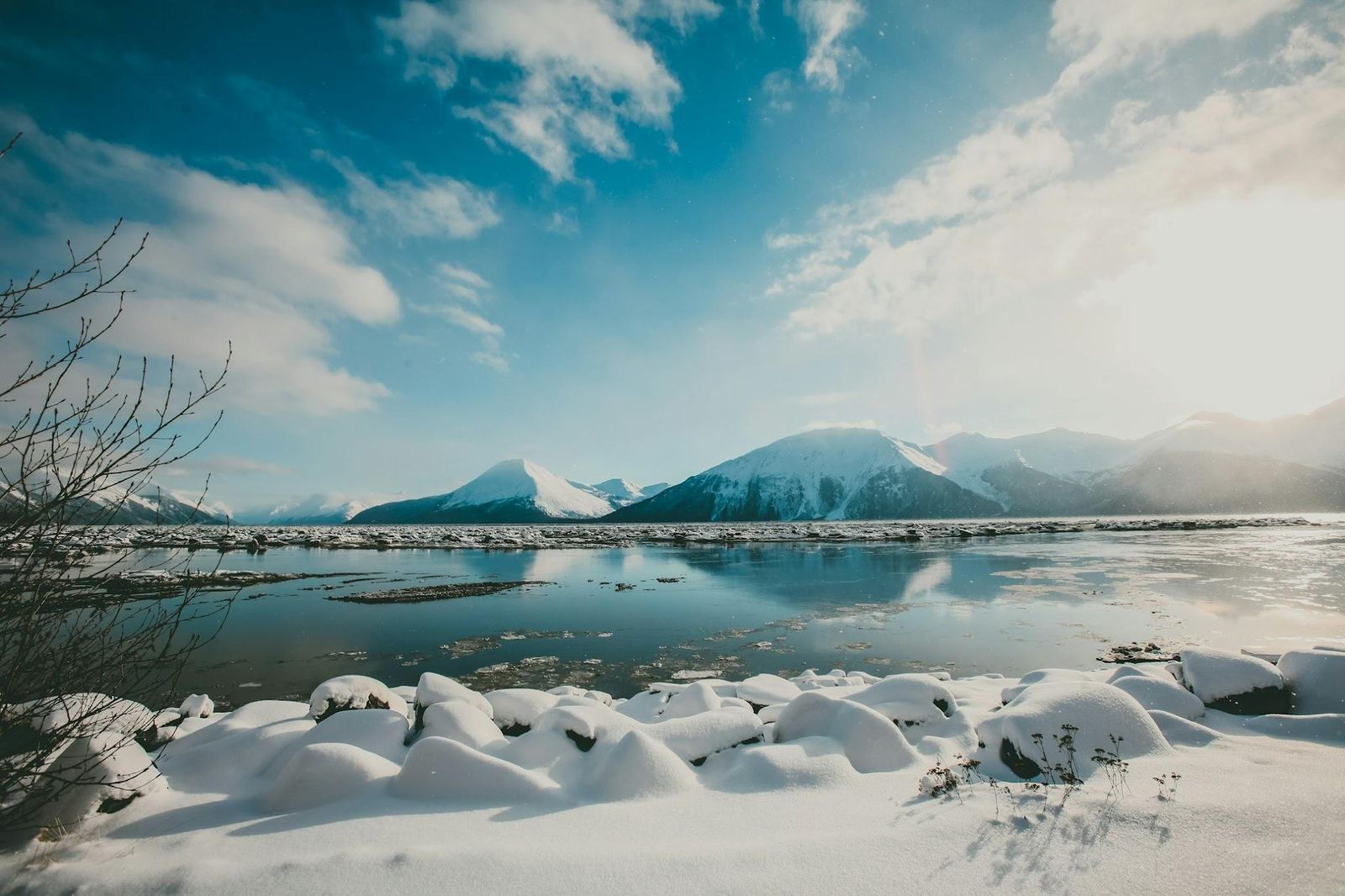
Image: Rod Long

Alaska’s size is already impressive: it’s the largest state in the country by far, over twice the size of Texas (the second largest state by area). But what surprises many people is just how much coastline it has.

With over 33,900 miles of shoreline, including islands, Alaska has more coastline than all the other U.S. states combined. Its rugged shores stretch along the Arctic Ocean, the Pacific Ocean, and the Bering Sea.

2
Arizona is home to one of the best-preserved meteor craters
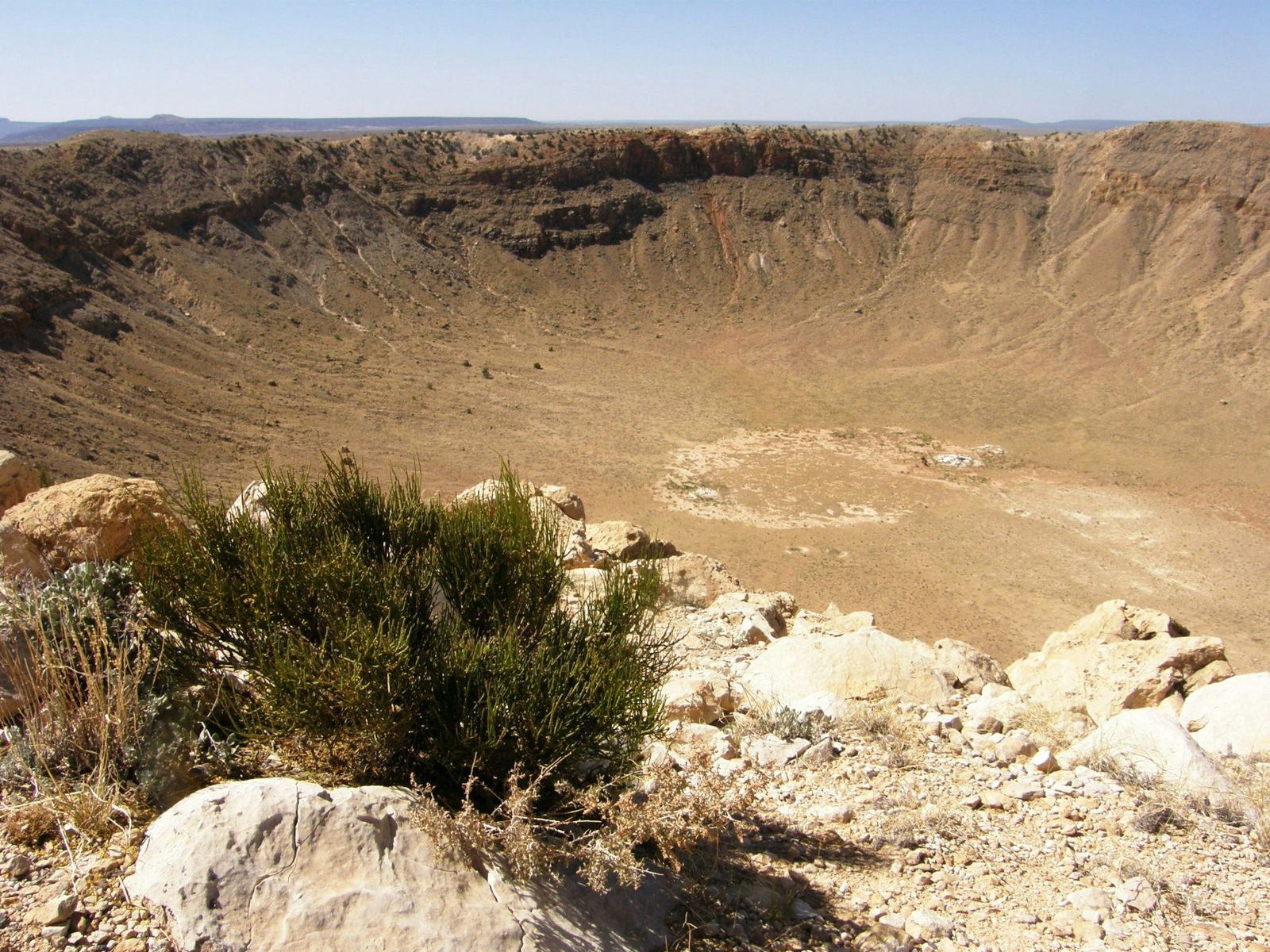
Image: John Ballem - a collection of personal photos

Arizona’s desert landscape holds one of the most famous impact sites on Earth: Meteor Crater. This massive depression, measuring about 3,900 feet across and more than 500 feet deep, was formed around 50,000 years ago when a large iron meteorite struck the ground with unimaginable force. It’s so well preserved that scientists have used it to study planetary impacts for decades.

3
California has the tallest, largest, and oldest trees
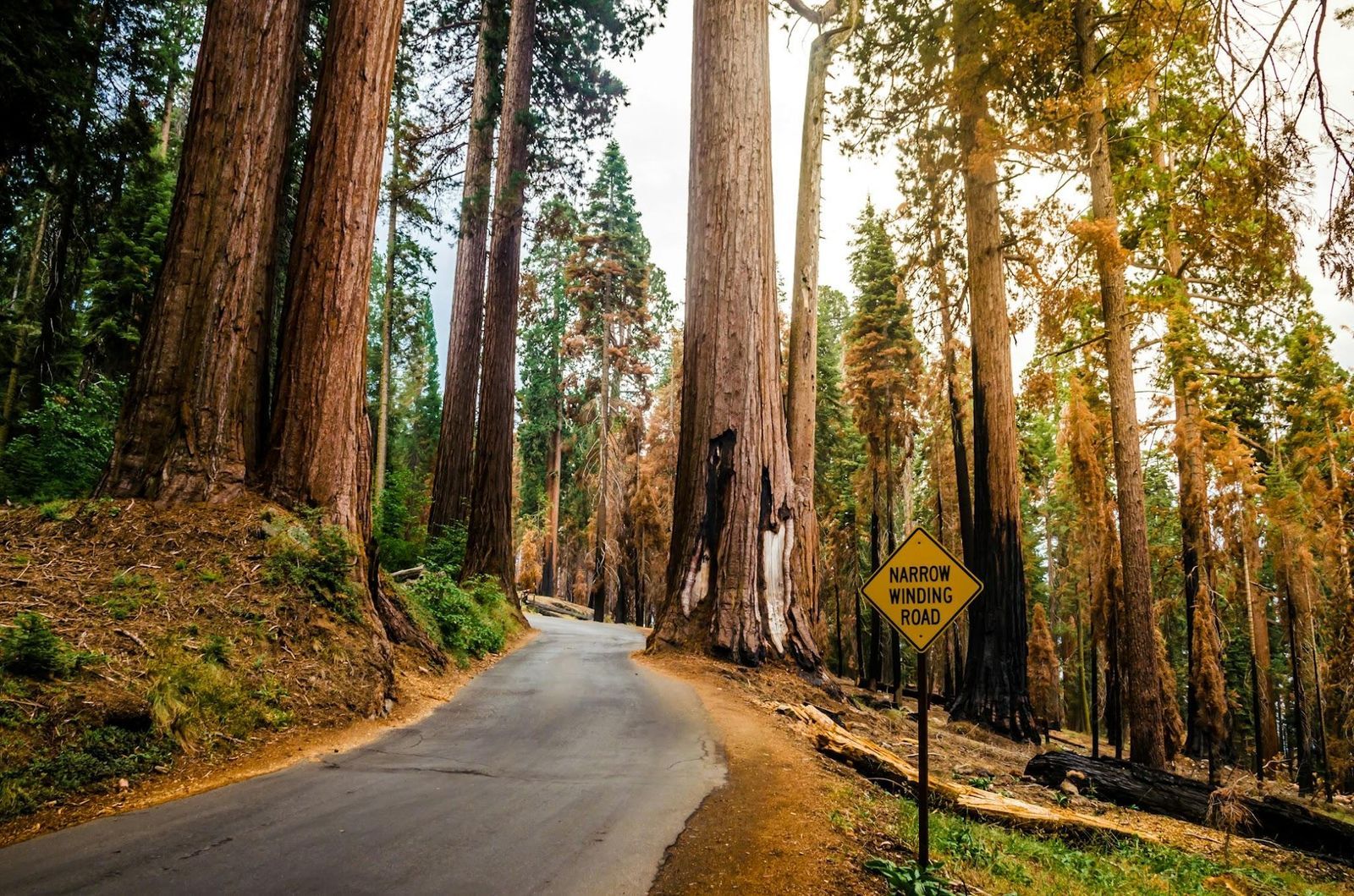
Image: Venki Allu

California is home to some incredible tree-based records. On the northern coast, redwoods grow routinely over 300 feet, and represent the tallest tree species on Earth. In addition, giant sequoias hold the record for the largest trees by volume, and bristlecone pines in eastern California are among the oldest living trees on the planet, some reaching more than 4,800 years of age.

4
Colorado contains the highest paved road in North America
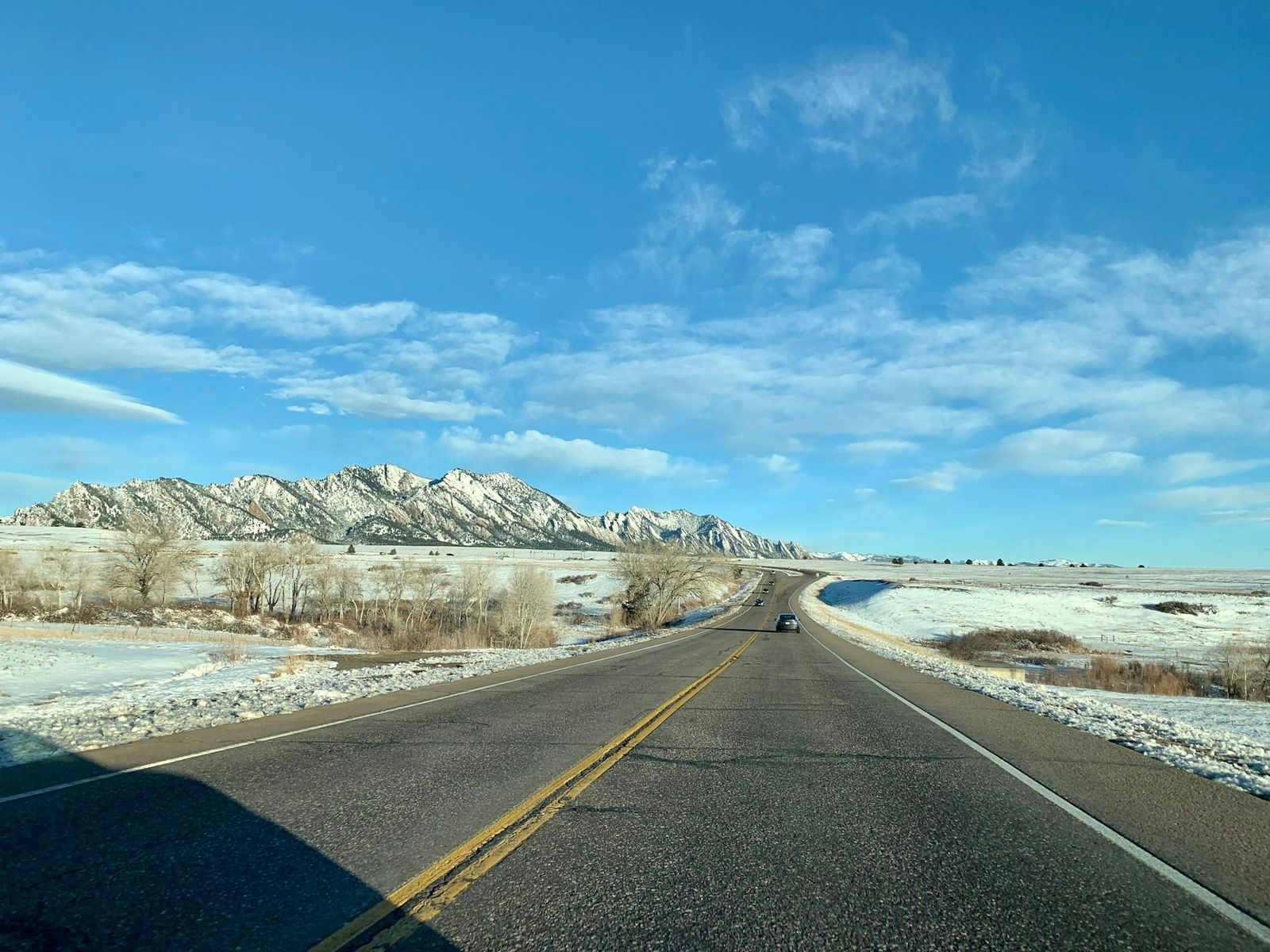
Image: Jonathan Speek

Colorado’s mountainous terrain makes it a paradise for scenic drives, but one road stands above all the rest. Literally.

The Mount Blue Sky Scenic Byway climbs to over 14,000 feet above sea level, making it the highest paved road in North America. It visits Echo Lake Park, the Mount Goliath Natural Area, the Dos Chappell Nature Center, and Summit Lake Park, and culminates in the highest peak of the region, Mount Blue Sky (formerly known as Mount Evans). A fee is charged to travel State Highway 5 to the summit, and vehicles over 30 feet long are not allowed for safety reasons.

5
Florida is the only state that borders both the Atlantic and the Gulf
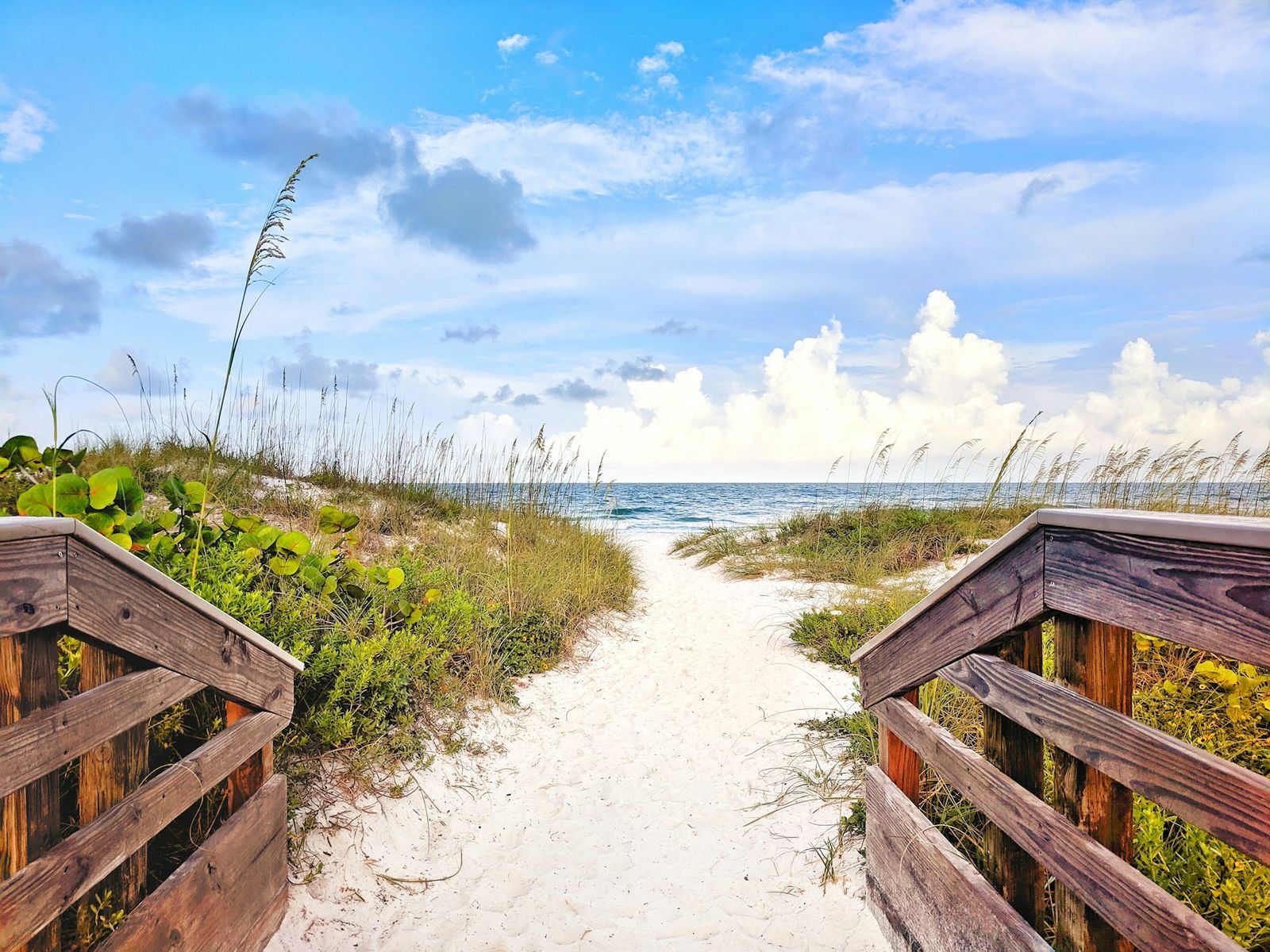
Image: Igor Oliyarnik

Florida’s location gives it a special geographic distinction. It is the only U.S. state that borders both the Atlantic Ocean and the Gulf of America, known globally as the Gulf of Mexico.

This unique positioning helps explain why Florida has so many beaches, marine ecosystems, and one of the longest coastlines in the country, second only to the aforementioned Alaska.

6
Hawaii grows coffee commercially
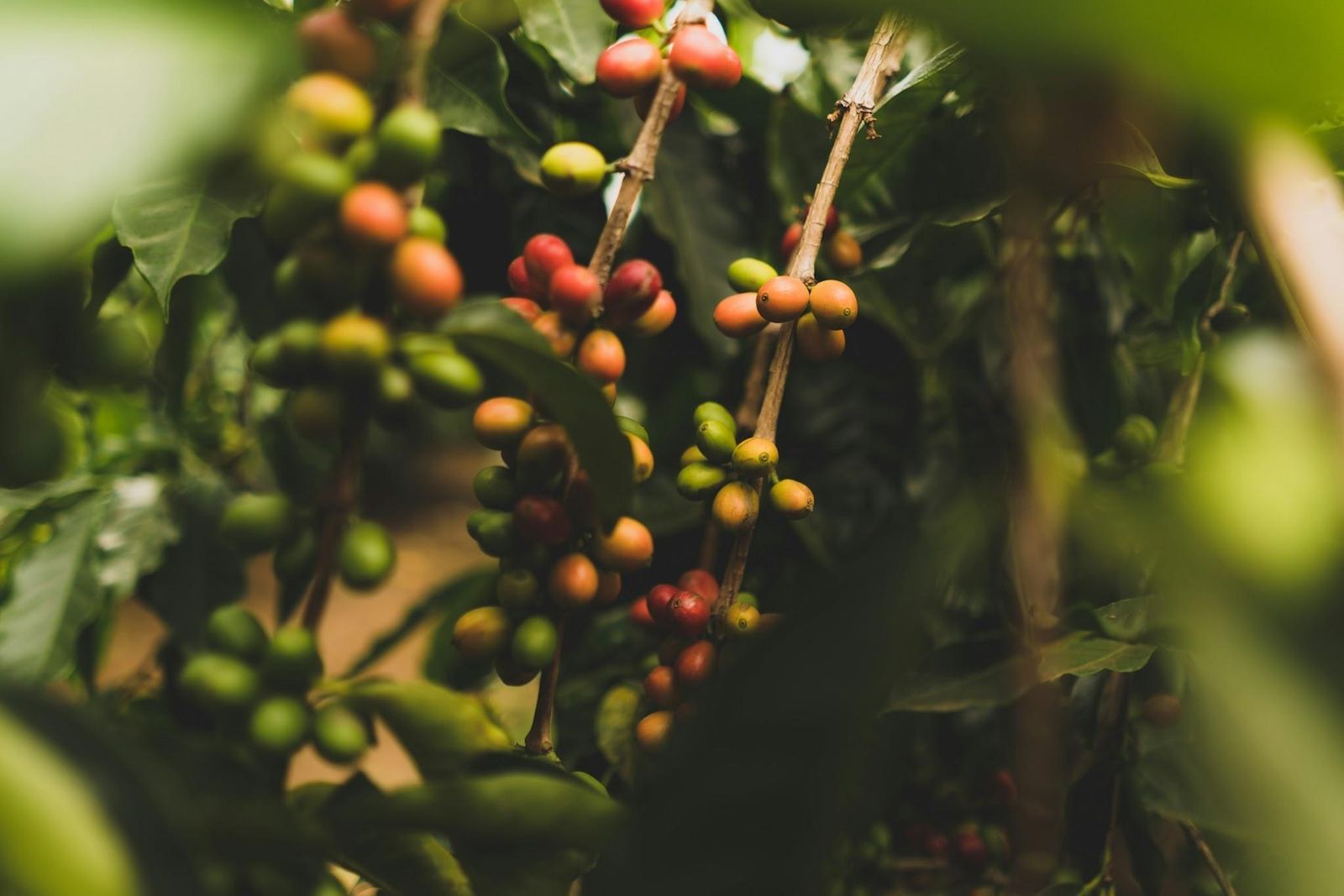
Image: Clint McKoy

Coffee production in the United States is rare, but Hawaii, sitting in the Pacific Ocean about 2,000 miles southwest of the U.S. mainland, is one of the few places where it happens on a large scale. The state’s volcanic soil and tropical climate make perfect conditions for growing coffee, especially the famous Kona coffee grown on the slopes of volcanoes on the Big Island.

7
Kansas is flatter than a pancake
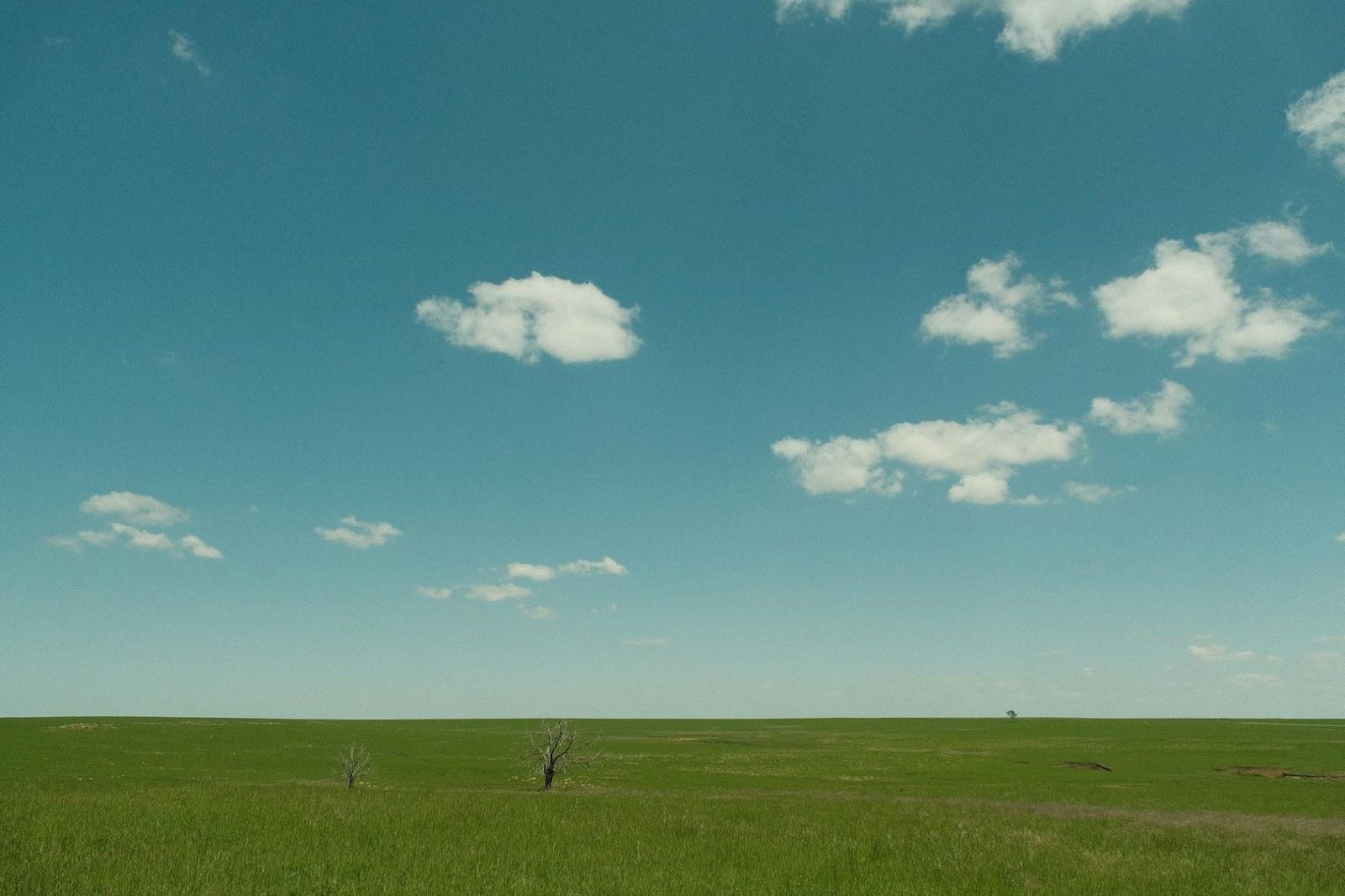
Image: Joel Heaps

Kansas has long been joked about as being extremely flat. But, in 2003, researchers from the geography departments of Texas State University and Arizona State University took the matter to the lab. They worked to mathematically determine if Kansas is actually flatter than a standard pancake purchased from IHOP.

The researchers concluded that, mathematically speaking, Kansas is actually flatter than a pancake when measured over large distances. The study became famous for both its humor and its unusual approach.

8
Louisiana has parishes instead of counties
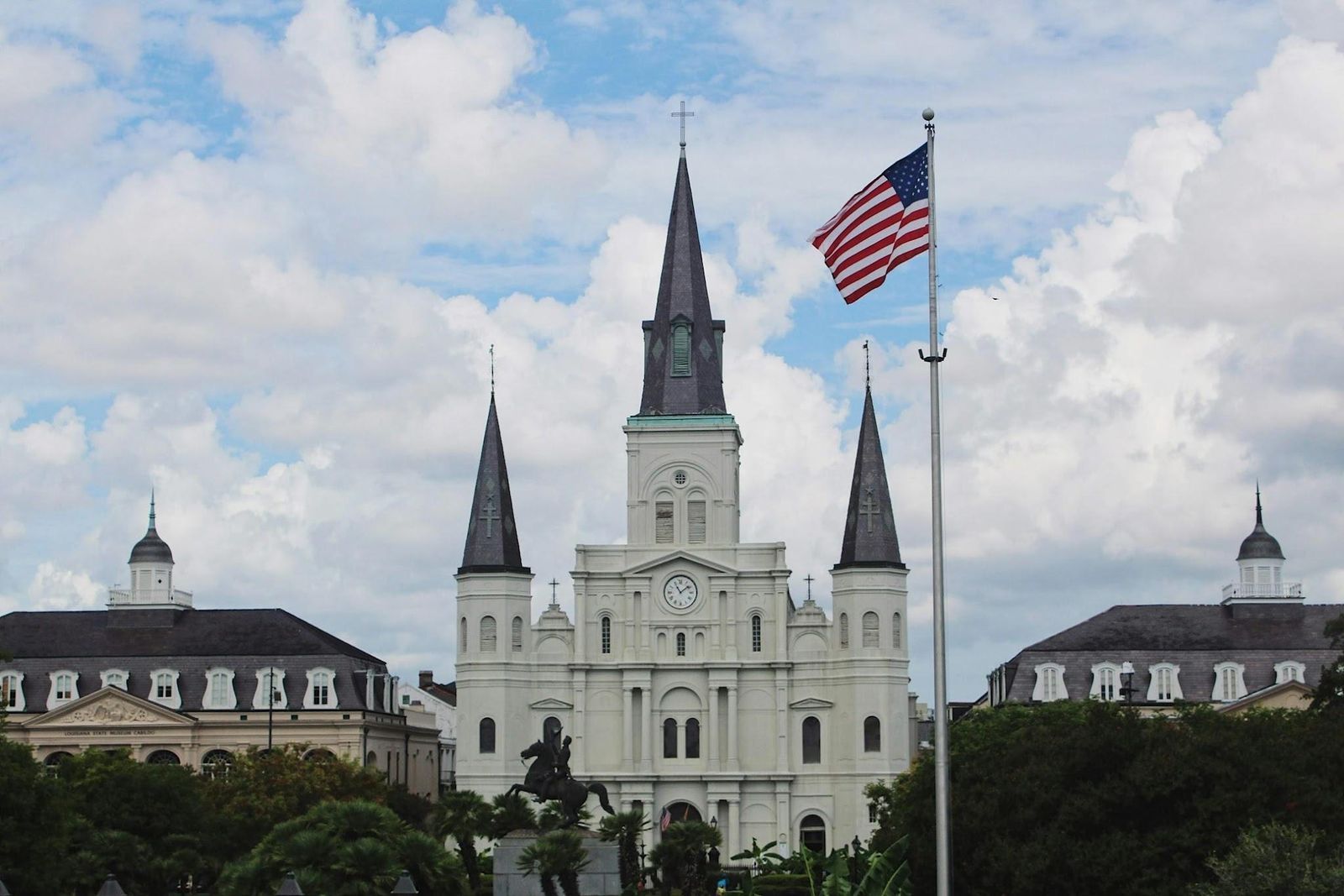
Image: Heather Doty

48 of the states divide their local governments into counties. Alaska uses the term boroughs. Louisiana, however, is divided into parishes . The reason lies with the state's early history with the Roman Catholic Church.

A parish , in many Christian denominations, is a territory under the care and jurisdiction of a priest. Before the Louisiana Purchase in 1803, the region had been under both French and Spanish influence, both Catholic countries. When the state of Louisiana joined the Union in 1812, it had already inherited an organized system of administrative units derived from those used by the Catholic church. Eventually, when a new state constitution was ratified in 1845, local tradition won, and the name parish stuck.

9
Nevada is the most mountainous state
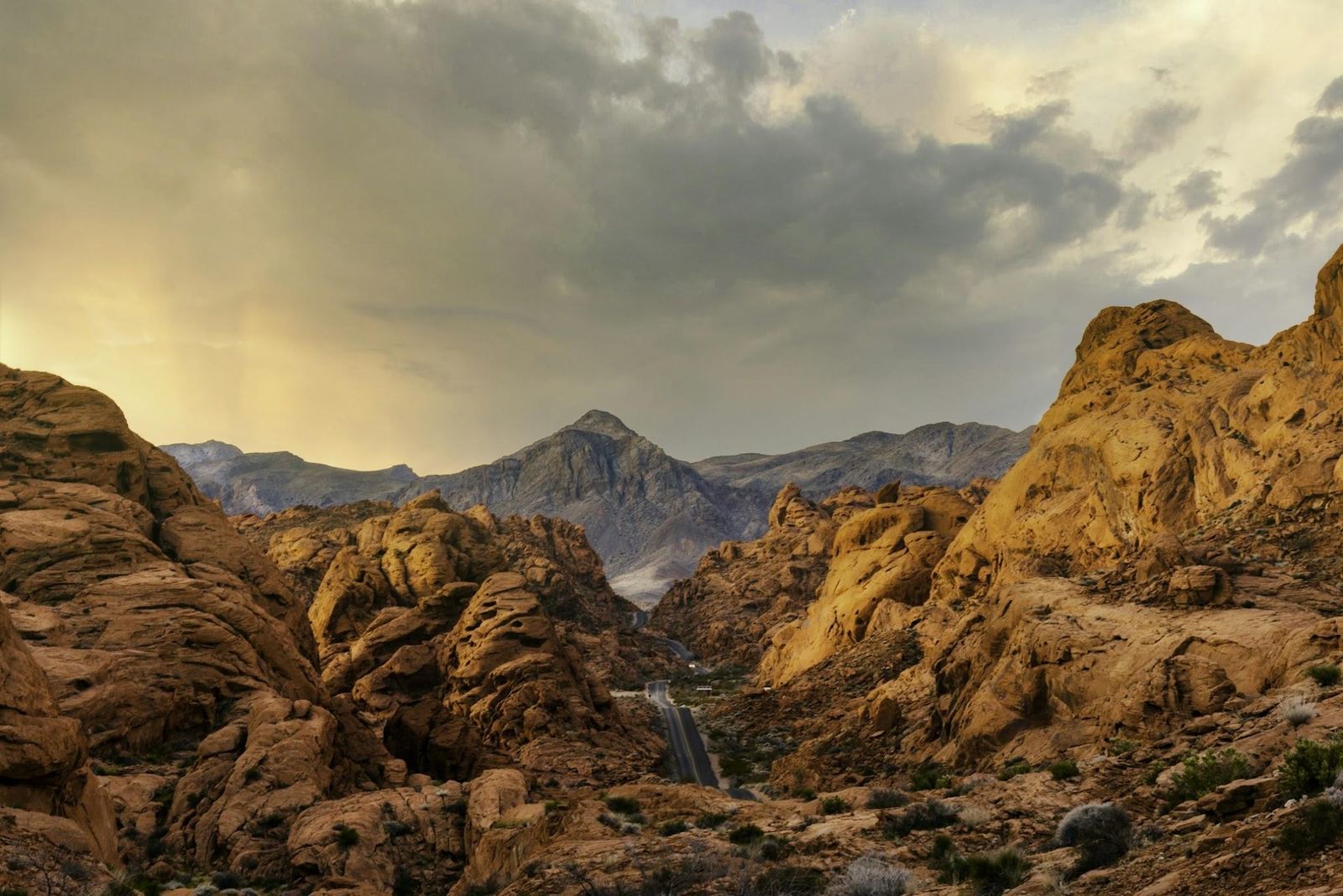
Image: joel protasio

When people think of Nevada, they often picture either endless deserts or the chaotic energy of Las Vegas, with its world-famous hotels and casinos. But Nevada is a very large state (the 7th largest overall), and its 110,572 square miles are filled with mountains.

Nevada contains more mountain ranges than any other state in the country, over 300 of them, thanks to the geological stretching of the Basin and Range region. These mountain ranges create isolated valleys that serve as refuges for endemic species.

10
Oregon has a lake inside a volcano
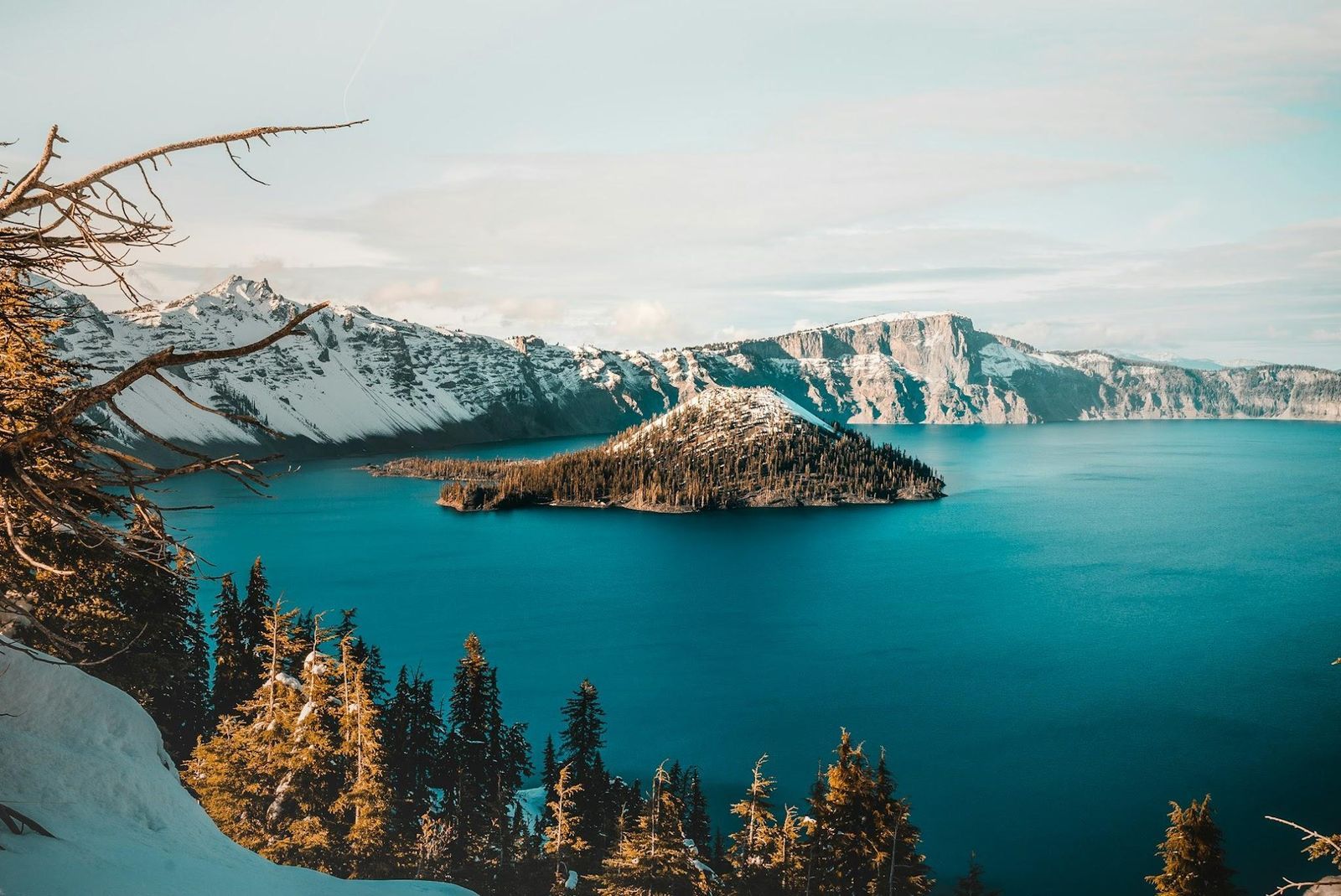
Image: Jeff Hopper

Oregon is home to Crater Lake, one of the many stunning natural sights in the US. It formed inside the collapsed caldera of an ancient volcano called Mount Mazama. No river flows in or out of the lake; the system stays stable because evaporation is compensated by rain and snowfall.

Crater Lake is the deepest lake in America, reaching depths of nearly 2,000 feet, and its intense blue and water clarity solidify it as one of the country's most sought-after tourist destinations.
General General 7 min read

From blueprint to backstory

Bridges with fascinating backstories across the US

Image: Hari Manivannan

America's bridges are more than just ways to get from point A to point B—they're monuments to human ingenuity, determination, and sometimes sheer stubbornness. Underneath their steel cables and concrete pillars lie history-making stories of tragedy, triumph, and political intrigue. Let's explore ten famous bridges whose backstories are as captivating as their engineering , revealing the human drama behind these iconic structures.

1
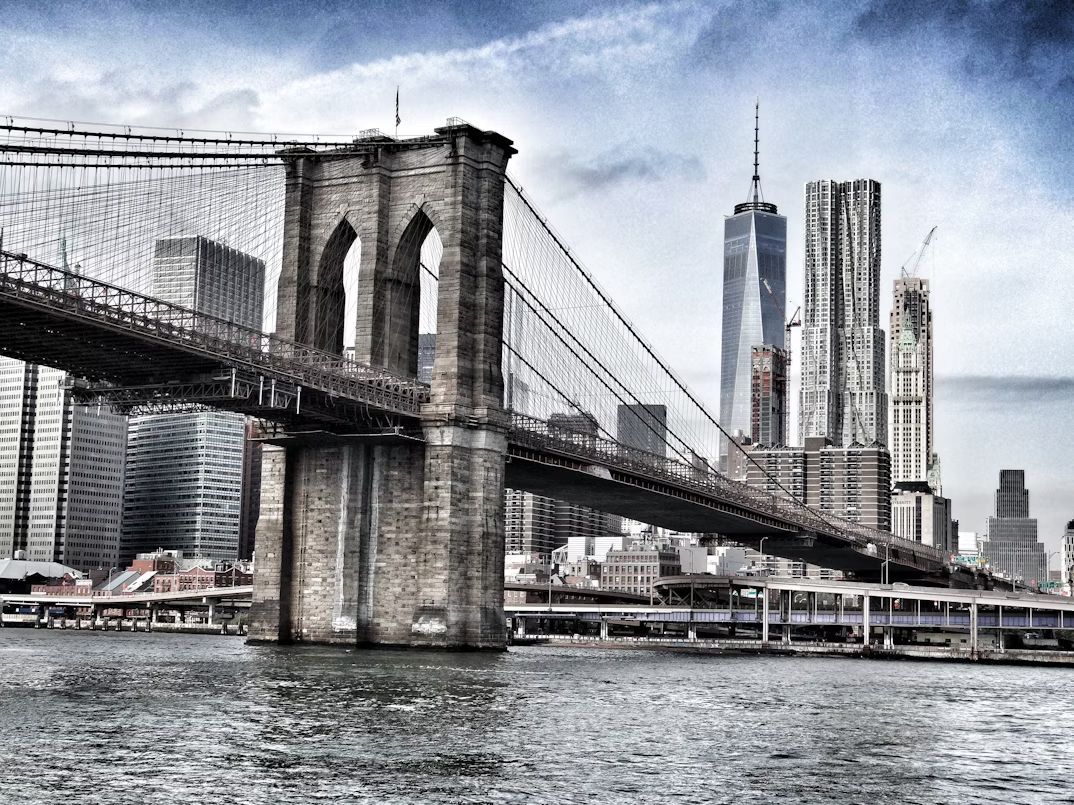
Brooklyn Bridge, New York: A family affair with an undersung heroine

Image: Hannes Richter

Designer John Roebling died from tetanus after his foot was crushed during the initial survey in 1869, leaving his son, Washington, to complete the project. Then Washington developed debilitating "caisson disease" (the bends) from working in the underwater pressurized chambers, leaving him bedridden and barely able to speak. For the next eleven years, he directed construction from his apartment window through a telescope, while his wife Emily became his voice , learning advanced mathematics and engineering to communicate his instructions to the workers.

Emily Roebling essentially became America's first female field engineer, though she received no official title or recognition at the time. She walked the bridge on opening day in 1883, carrying a rooster as a symbol of victory—a moment that should have cemented her place in history but was largely forgotten until recently.

2
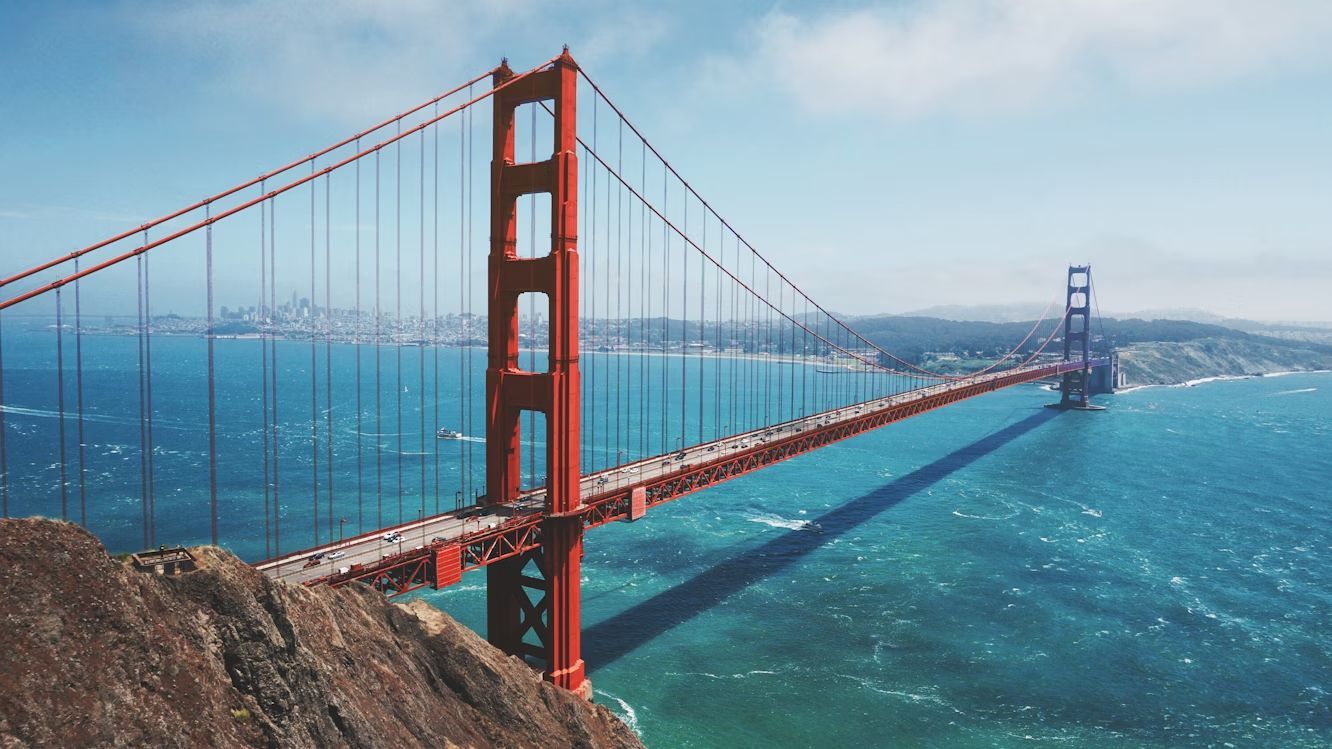
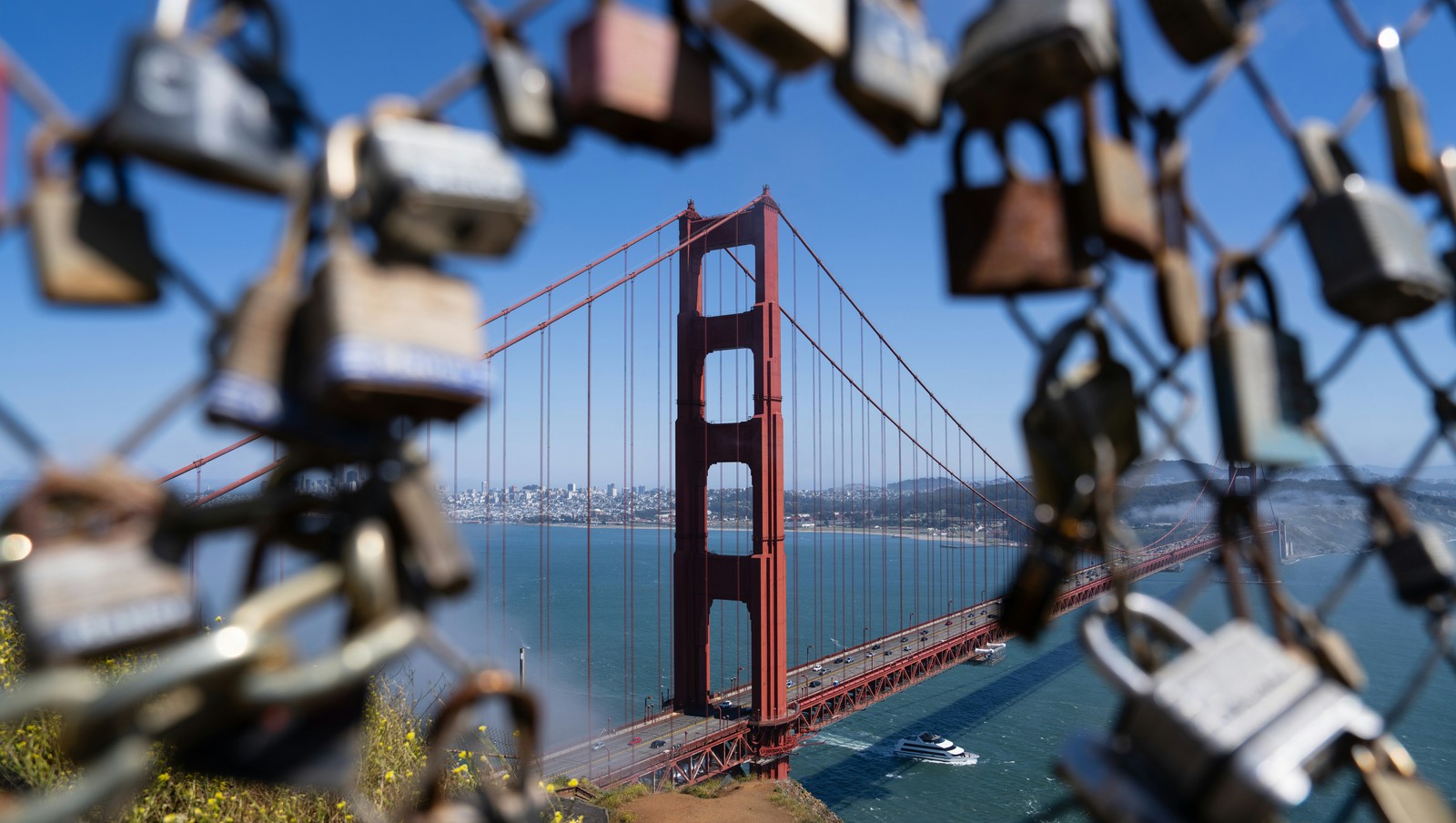
Golden Gate Bridge, San Francisco: They said it couldn't be built

Image: Maarten van den Heuvel

Engineers insisted it was impossible: the water was too deep, the currents too strong, the fog too thick. Joseph Strauss, the chief engineer, was mocked by colleagues who called his design "Strauss's Folly." The Navy opposed it, claiming it would obstruct their ships. Environmentalists feared it would ruin the bay's natural beauty. Ferry operators lobbied against it, worried about losing their livelihoods.

Yet construction began in 1933, during the Great Depression, providing thousands of jobs when they were desperately needed. Strauss installed a revolutionary safety net beneath the bridge, saving nineteen men who became known as the "Halfway to Hell Club." Tragically, ten other workers still died when a section of scaffolding fell through the net near the end of construction. When it opened in 1937, the bridge was the longest suspension span in the world . Strauss died just one year after the bridge opened, worn out by the battle to build his "impossible" dream.

3
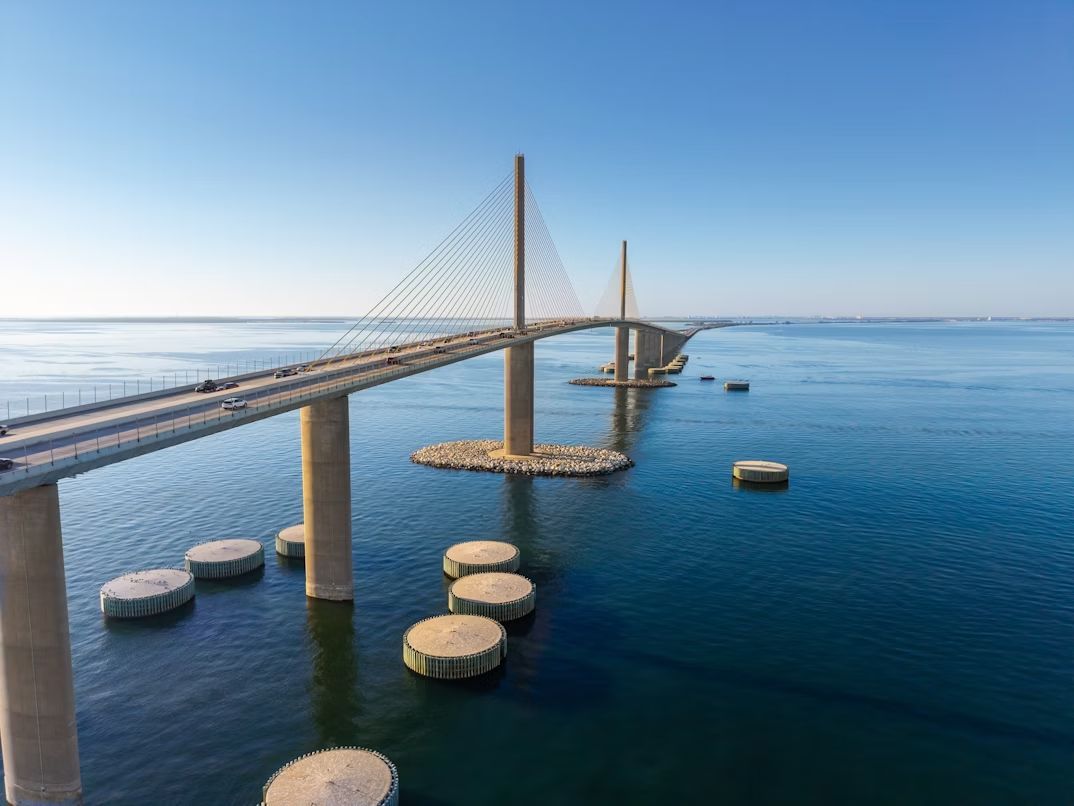
Sunshine Skyway Bridge, Florida: Rising from tragedy

Image: Joseph Corl

On a foggy May morning in 1980, the freighter MV Summit Venture lost radar during a violent thunderstorm and slammed into the Sunshine Skyway Bridge. A 1,400-foot section of the bridge collapsed into Tampa Bay , sending six cars, a truck, and a Greyhound bus plummeting 150 feet into the water below. Thirty-five people died instantly. The only survivor was a truck driver whose vehicle teetered on the broken edge.

Rather than simply repair the damaged bridge, Florida decided to build an entirely new one. The new Sunshine Skyway, completed in 1987, features massive concrete "dolphins"—protective barriers designed to absorb ship impacts and prevent another catastrophe. The old bridge's remaining sections were converted into fishing piers, now popular spots where anglers cast lines into the same waters where so many lives were lost.

4
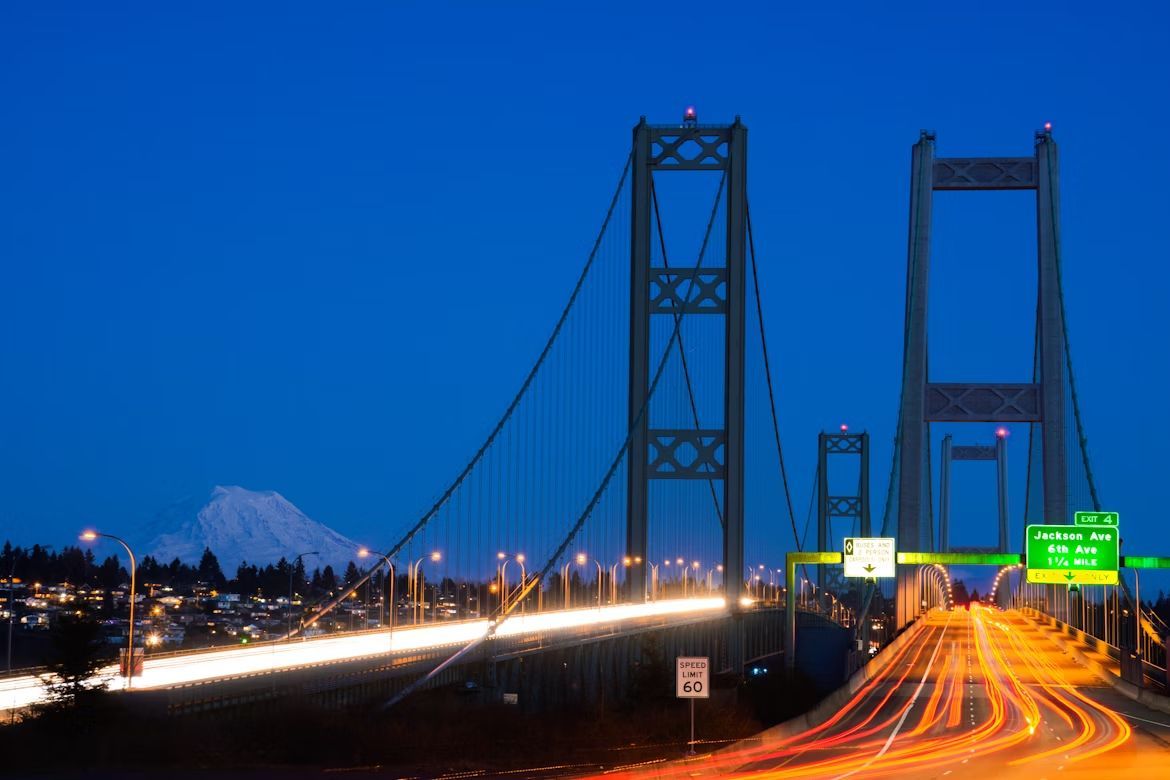
Tacoma Narrows Bridge, Washington - Galloping Gertie's fatal dance

Image: Taylor Prince

From the moment the Tacoma Narrows Bridge opened in July 1940, it moved—undulating, twisting, and bucking in the wind like a living thing. This rhythmic, vertical bouncing reminded locals of a galloping horse, thus earning the bridge the nickname 'Galloping Gertie.' Engineers knew about the movement but considered it within acceptable limits. For four months, Gertie galloped along, becoming a tourist attraction and a source of local pride. Then came November 7, 1940.

In 40-mph winds, the bridge entered an aeroelastic fluttering that tore it apart in spectacular fashion. The only casualty was a three-legged black Cocker Spaniel named Tubby, left in a car by his owner, who fled on foot. Film footage of the collapse became required viewing in engineering schools worldwide. A new bridge opened in 1950 with crucial design changes, and in 2007, a parallel span was added.

5
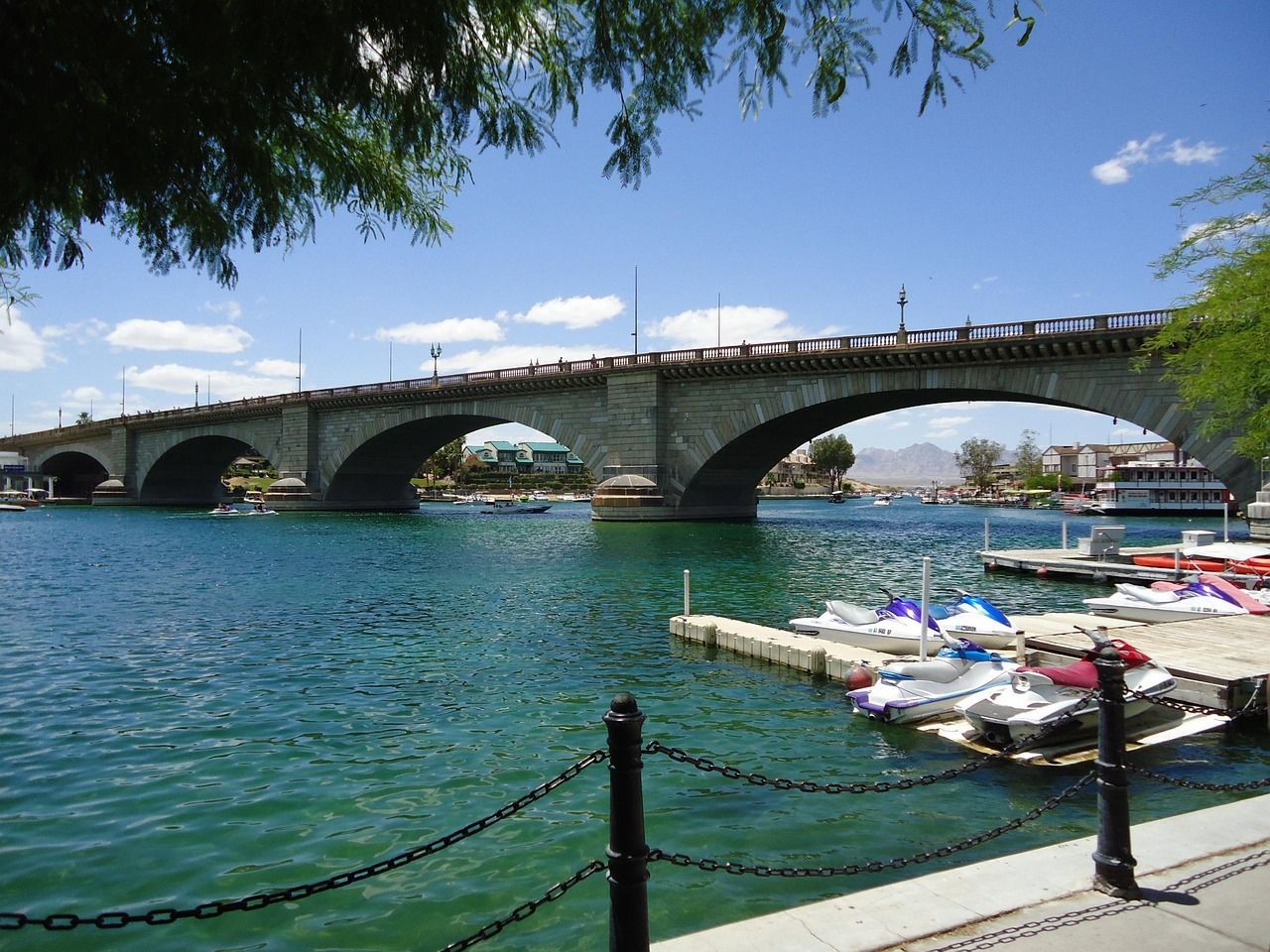
London Bridge, Arizona: The bridge they bought by mistake

Image: SoCali

American entrepreneur Robert McCulloch bought London Bridge in 1968 for $2.46 million and had it shipped, stone by stone, from London to Lake Havasu City, Arizona . Urban legend claims McCulloch thought he was buying the iconic Tower Bridge and was disappointed when his purchase turned out to be the relatively plain London Bridge. While McCulloch denied this, the story persists because it's too good not to be true.

The bridge was disassembled into 10,000 tons of granite blocks, each numbered and shipped across the Atlantic. Workers reassembled it in the Arizona desert like a giant jigsaw puzzle, creating a channel beneath it afterward to make it an actual functioning bridge.

6
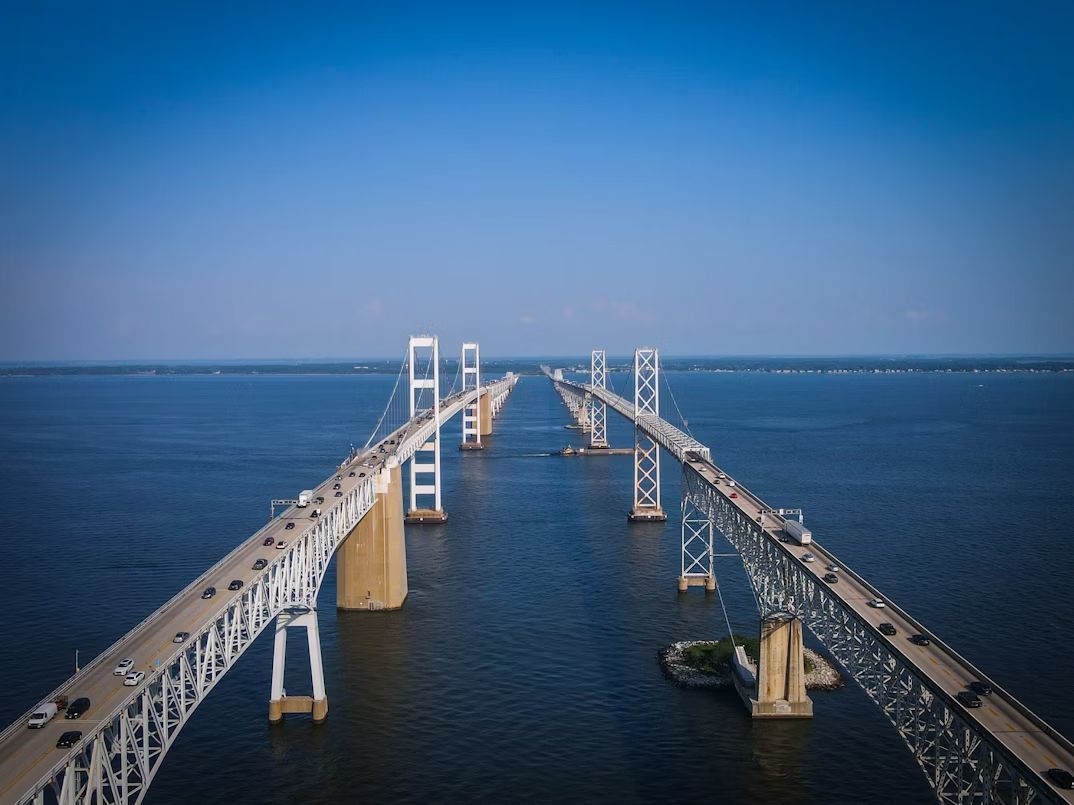
Chesapeake Bay Bridge-Tunnel, Virginia: Engineering ambition gone mad

Image: Max Shein

When engineers proposed building a crossing for the 17.6-mile-wide mouth of Chesapeake Bay, skeptics called it impossible. The crossing would need to accommodate massive naval and commercial ships heading to Norfolk, one of America's busiest ports, while also withstanding hurricanes and ocean storms. The solution was audacious: build a structure that would be partly bridge and partly tunnel, diving beneath the water at two points to allow ship traffic through .

The completed structure, opened in 1964, includes two mile-long tunnels, nearly 12 miles of trestle bridges, four man-made islands, and multiple high-level bridges—all exposed to the open Atlantic Ocean. It was immediately declared one of the "Seven Engineering Wonders of the Modern World."

7
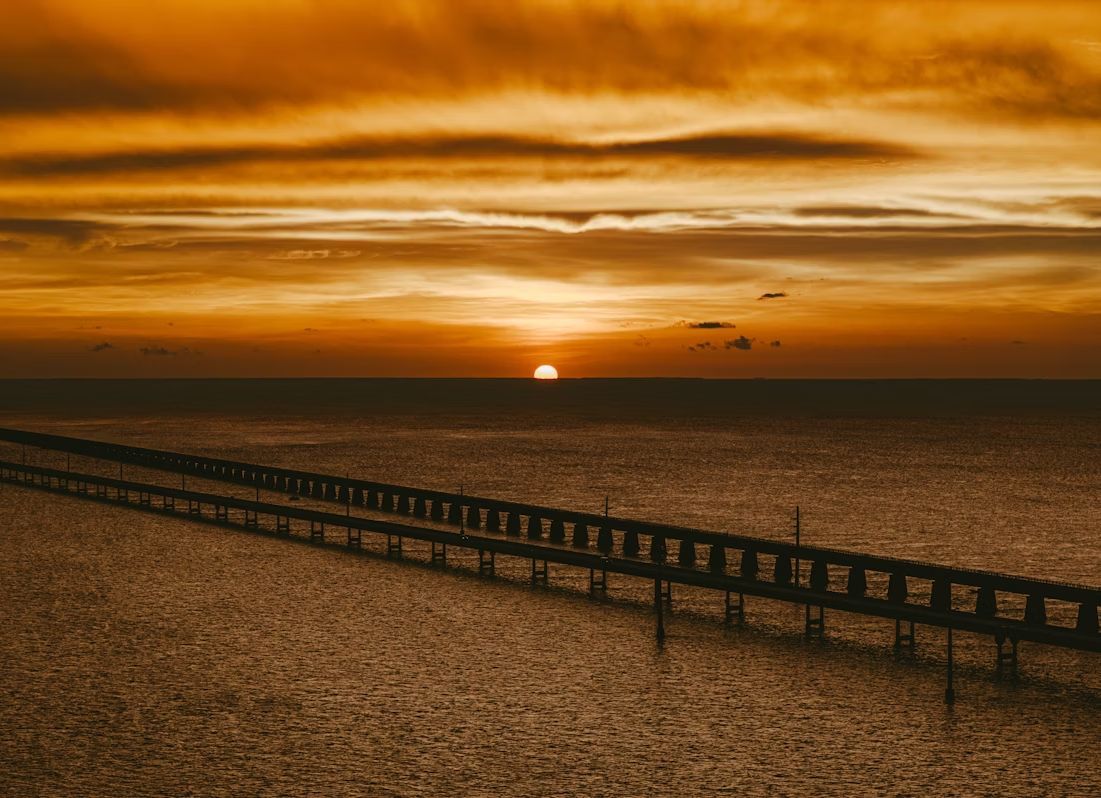
Seven Mile Bridge, Florida Keys: Flagler's folly made real

Image: Nils Huenerfuerst

Henry Flagler's dream of extending his railroad to Key West was called "Flagler's Folly" by critics. But Flagler, already wealthy from Standard Oil, was determined to connect the Keys to mainland Florida. Construction began in 1905, facing hurricanes, mosquitoes, brutal heat, and the challenge of building in water up to 40 feet deep. The worst disaster came in 1906 when a hurricane killed over 100 workers—mostly immigrant laborers, whose tragic deaths barely made headlines at the time.

The railroad finally reached Key West in 1912, a year before Flagler's death. For 23 years, it carried tourists and freight until the monster Labor Day Hurricane of 1935 destroyed much of the track, killing hundreds. Rather than rebuild the railway, the state converted the route into the Overseas Highway, with the Seven Mile Bridge becoming its centerpiece . The original bridge served cars until 1982, when a new parallel bridge opened.

8
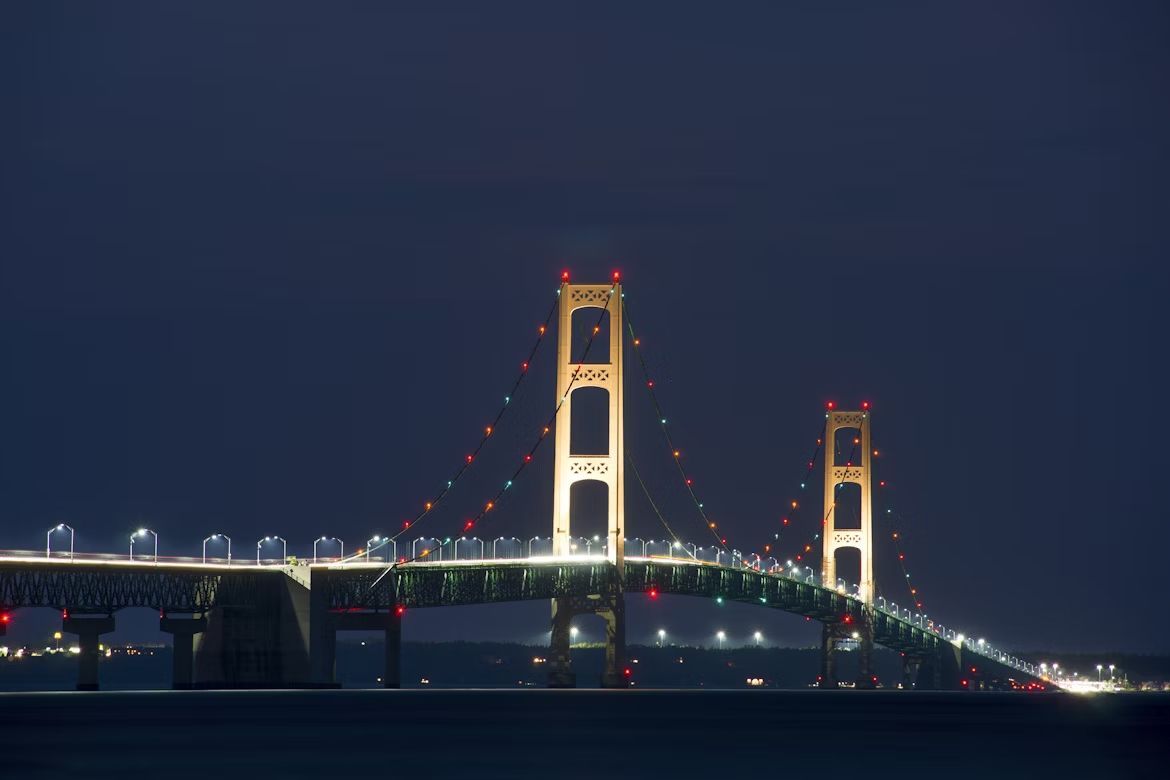
Mackinac Bridge, Michigan: The bridge that refused to die

Image: Rudolph Arnstein

Dreams of a bridge between Michigan's Upper and Lower peninsulas dated back to the 1880s, but the five-mile strait seemed unbridgeable. The Great Depression killed early plans, and World War II delayed them further. By the 1950s, the project had died and been resurrected so many times that locals joked it would never happen. Then, engineer David Steinman took on the challenge, designing a suspension bridge that would span the straits despite brutal weather, thick ice, and deep water .

Construction from 1954 to 1957 employed 3,500 workers at its peak. Opening day in 1957 drew 50,000 people, and Governor G. Mennen Williams walked across alongside bridge workers. "Mighty Mac" became Michigan's symbol, though high winds remain dangerous—two vehicles have been blown off in separate incidents, leading to the bridge authority offering free transport for nervous drivers during storms.

9
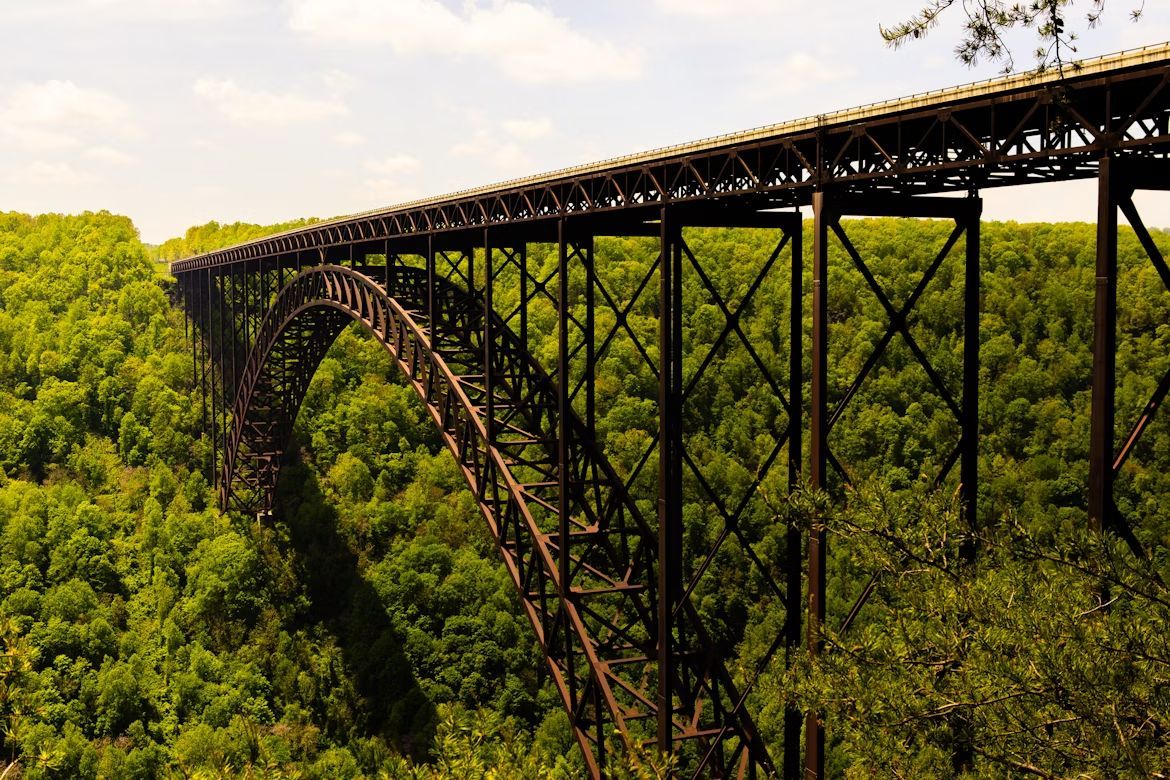
New River Gorge Bridge, West Virginia: The bridge that became a party

Image: Steve Wrzeszczynski

When the New River Gorge Bridge opened in 1977, it was the world's longest single-span arch bridge and the highest vehicular bridge in the Americas at 876 feet above the New River. The structure cut a 40-minute winding drive down to one minute, transforming the region's economy. But locals decided the bridge's annual achievement deserved an equally monumental celebration. Thus "Bridge Day" was born: a festival where the bridge closes to traffic and people are legally allowed to BASE jump and rappel off it.

Every third Saturday in October, up to 200,000 people descend on the tiny town of Fayetteville (population 2,800) to watch hundreds of BASE jumpers leap off the bridge . It's the largest extreme sports event in the world and the only day of the year when BASE jumping is legal in the U.S.

10
Navajo Bridge, Arizona: The bridge to nowhere that changed everything

Image: Karina G

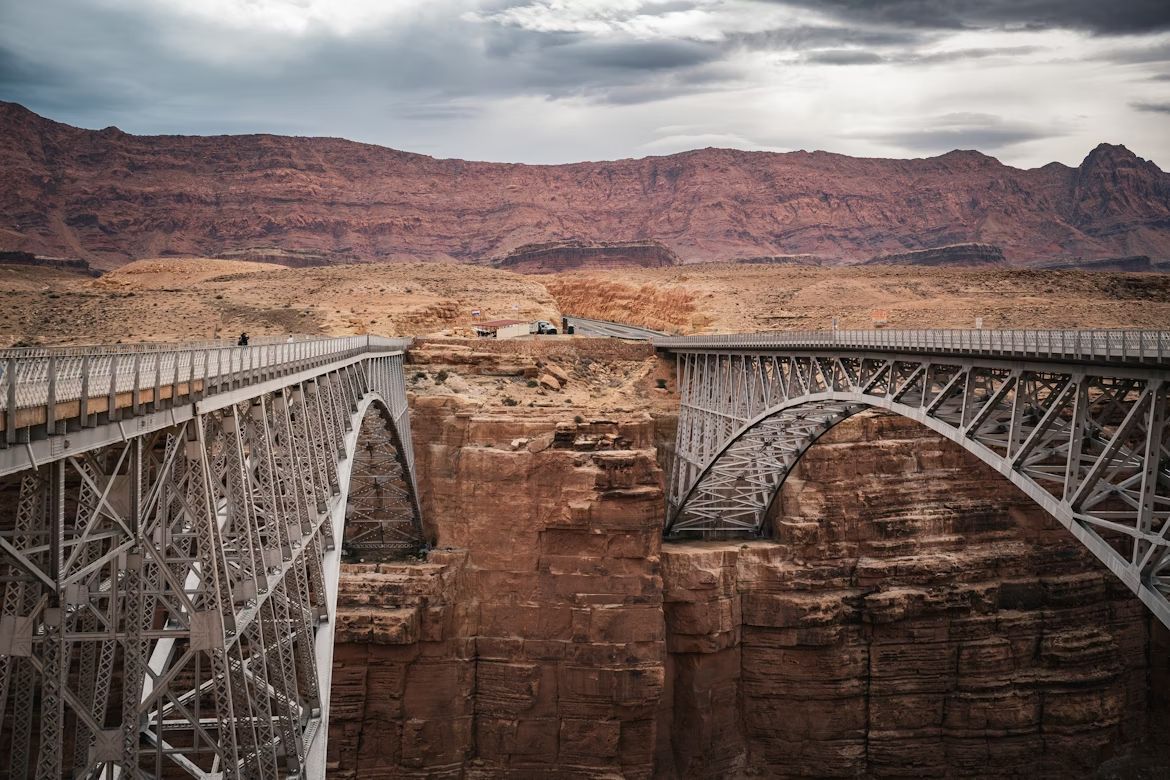
When the original Navajo Bridge opened in 1929, the closest town was 130 miles away, and the bridge spanned a remote section of the Colorado River in northern Arizona. Critics called it the "bridge to nowhere." But the bridge had a crucial purpose: it was the only crossing of the Colorado River for 600 miles, making it essential for anyone traveling between Utah and Arizona without taking a massive detour.

Over the course of decades, it became a vital link for Navajo Nation residents accessing healthcare, education, and commerce . It also opened the North Rim of the Grand Canyon to tourists, transforming the region's economy. By the 1990s, the original bridge couldn't handle modern traffic, so a parallel span opened in 1995. Rather than demolish the original, it was converted to a pedestrian bridge where you can look straight down 467 feet to the Colorado River.

Culture Culture 6 min read

GAME CHANGERS

Discover 10 Of The Most Iconic & Successful American Products!

Image: Mike Petrucci

In this global and modern marketplace we live in, the products a nation makes almost act as ambassadors, showing the wonders of their countries of origin to the rest of the world. In that regard, America is no exception. Quite the contrary: Many of the world’s most cherished products were created in our country, and they are excellent representatives of what it truly means to live in America.

We have selected ten of the products that showcase all our ingenuity and proudly display the wonders of the American dream. Enjoy!

1
iPhone

Image: Bagus Hernawan

We’ll start with a game changer . On January 9, 2007, Apple founder Steve Jobs took the stage at the Macworld convention in San Francisco and announced "We're going to make some history together today". During the unveiling of the very first iPhone in 2007, Jobs was fully aware of how innovative his new product was , but he couldn’t have possibly imagined the scale of the technological revolution that was brought forward by the iPhone.

Perhaps the most groundbreaking aspect of the iPhone was its seemingly simple design: it effortlessly combined a cell phone and an iPod (another technological marvel in its own right), and it also added internet connectivity and browsing capabilities. To this day, Apple is still considered at the forefront of smartphone innovation, regularly releasing new groundbreaking iPhone models.

2
Air Jordans

Image: Flow Clark

Few brand logos are as instantly recognizable as Nike’s iconic "Swoosh". However, in 1985, Nike decided to raise the bet and create another groundbreaking logo that simply showed the silhouette of basketball legend Michael Jordan doing what he does best. And with this, the legend of the Air Jordan, probably the most iconic basketball shoe in history, was born.

Nike designed these shoes for Michael Jordan’s time with the Chicago Bulls and released them to the public in 1985. Since the release of the Air Jordan I, the "Jumpman" logo has graced over 35 different iterations of these quintessential shoes, with absolutely no signs of stopping.

3
Big Mac

Image: Brett Jordan

In 1967, in the city of Uniontown, Pennsylvania, a small McDonald’s restaurant debuted a new burger, which featured two beef patties, pickles, minced onions, and a slightly mysterious "special sauce". It was only a year later that this local burger was added to the menu of all McDonald’s in the United States, where it would become the company’s undisputable flagship product . At that moment, the legend of the Big Mac was born.

It might surprise you to learn that such an iconic burger actually had two previous names that failed with the public: the "Aristocrat" and the "Blue Ribbon Burger". It received its first and final name from Esther Rose, a 21-year-old McDonald’s advertising secretary. The Big Mac has become such an international icon , featured in almost every country around the world, that economists use what is known as the "Big Mac index" to survey a nation’s inflation based on the price of a Big Mac there.

4
Coca-Cola

Image: Maximilian Bruck

In 1885, when Colonel John Pemberton started selling the first version of its iconic drink from his drugstore in Columbus, Georgia, he advertised Coca-Cola in many different ways: first, as the "temperance drink", a non-alcoholic beverage that the growing temperance movement could enjoy, and then as a miraculous patent medicine that could provide the cure to many diseases. Little did he know that, almost 140 years after its invention, Coca-Cola would become a product that needs no introduction.

Coca-Cola is one of the most famous non-alcoholic beverages, available in practically every single country around the world. Not only that, it is the very first drink of its kind, having inspired thousands of different cola drinks since its commercialization. However, no one was ever close to copying its distinctive flavor, and probably no one ever will: its highly classified formula is one the most well-kept secrets in history.

5
Budweiser

Image: Blake Guidry

There is a reason why Budweiser is still known by its timeless nickname "The King of Beers". No beer is as instantly associated with America as Budweiser is, and with good reason: First bottled in 1876, Budweiser is the very first national beer brand in the United States.

Curiously, you might have noticed that in some places outside the United States, Budweiser is marketed as "Bud" . The reason behind this is an actual legal battle between the American Budweiser and Budweiser Budvar, a brewery located in the Czech city of České Budějovice, from which the name "Budweiser" comes.

6
Gillette

Image: Brett Jordan

How could a man named "King Camp Gillette" not live in history? Such a flamboyant and unique name truly demands to be remembered and, luckily, this essential personal care brand has proudly kept this name alive for over 120 years now, forever remembered after King C. Gillette’s groundbreaking and bestselling safety razor model.

The start of the 1900s saw Gillette’s safety razor jump to popularity, thanks to its groundbreaking design that allowed disposable blades that could be easily changed. This design quickly became the industry standard, particularly after the U.S. Army started issuing Gillette shaving kits to American soldiers.

7
Starbucks

Image: USAMA AKRAM

Who knew that a secondary character from Herman Melville’s "Moby Dick" would one day inspire one of the biggest coffee companies in the world? Millions of white Starbucks cups decorated with their green logo satiate the caffeinated needs of thousands of people every day.

It is a rather daunting task to choose Starbucks’ most iconic drink: We could go for its seasonal "Pumpkin Spice Latte", or for its refreshing, ice-cold "Caramel Frappucino". Whichever drink is your favorite, you’ll know you are enjoying one of the world’s most famous products whenever you see that iconic twin-tailed mermaid in your cup.

8
Wilson Football

Image: John Torcasio

There’s probably no need to say that Wilson is the quintessential brand associated with American football: After all, the company has been the official game ball supplier for the NFL since 1941. That means that Wilson's Football has been featured in practically every single Super Bowl since the very first one was held in 1967.

You probably already know that this iconic ball has a name: Every single Wilson ball used by the NFL has been known by the nickname "The Duke" , which has been emblazoned on every football since 2006. This is in reference to Wellington Mara, the legendary owner of the New York Giants who helped arrange the business connection between Wilson and the NFL.

9
Ben and Jerry’s

Image: Hybrid Storytellers

The story of this ice cream company is the story of two lifelong friends . Since their childhood in Merrick, New York, Ben Cohen, and Jerry Greenfield had always been inseparable, so much so that they decided to jointly open an ice cream parlor in Burlington, Vermont in 1978. Nowadays, the names of these two friends have truly become indivisible, as they both contribute 50% to the name of one of the most famous ice cream brands in the world.

Ben & Jerry’s is particularly famous for their unique flavors and the chunks of sweet treats mixed with their ice cream. The company also holds its beloved annual "Free Cone Day" event, held in all "Ben & Jerry’s" parlors across the world.

10
Louisville Slugger baseball bats

Image: Diana Polekhina

We’ll end this list with an American classic . In 1855, woodworker J. F. Hillerich opened his shop in Louisville, Kentucky. According to the company legend, Hillerich’s 17-year-old son Bud slipped away from the shop to watch the Louisville Eclipse baseball team play. It was during this game that the team's star batter, Pete "Louisville Slugger" Browning, broke his bat, so Bud invited him to his father’s shop to make him a new one.

The rest is history: Browning and the rest of the team adored the new bat, and the company started manufacturing their now-iconic "Louisville Slugger" bats. Just like with Wilson footballs, these bats are synonymous with "America’s favorite pastime". In case you are curious, you can learn more about this American icon by visiting the Louisville Slugger Museum & Factory, where you can also discover the world’s largest baseball bat!

Explore more American facts

Choose your favorite category!

General
General

As American as apple pie—the very best America has to offer!

Culture
Culture

Delve into the astounding richness of American lore.

Geography
Geography

Hop in and explore vast and diverse American landscapes.

History
History

Discover the key moments that shaped the United States.