Black blood
How oil powered the world: a story of America’s most lucrative industry
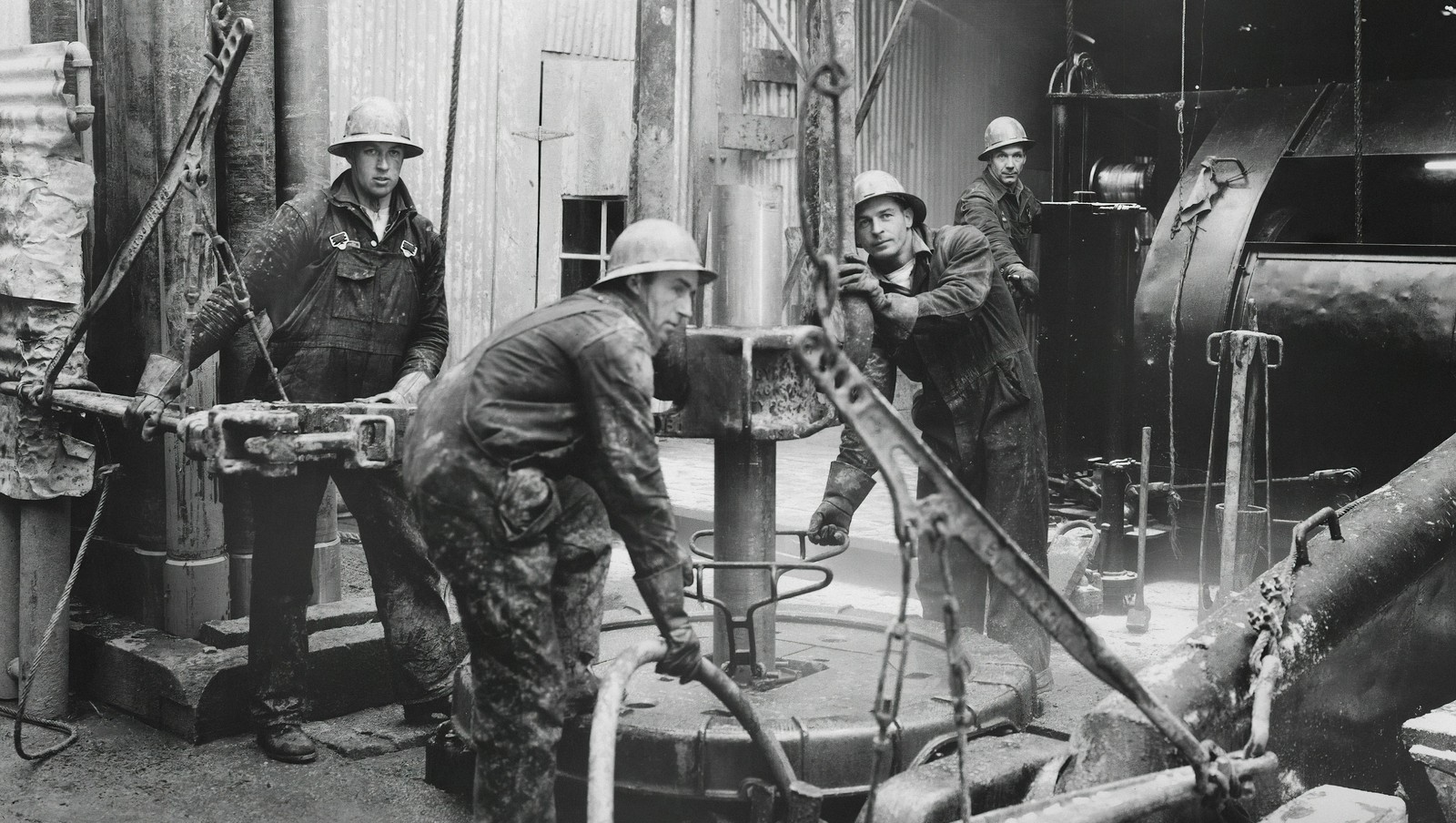
Image: Provincial Archives of Alberta
Since the first oil well was drilled, the United States’ crude oil industry has been a story of ambition, innovation, and power. Here are 10 pivotal moments—from the first black gold gush to the modern shale surge—that defined the role of oil in America.
1
1851: Early refining emerges

Image: Cedrik Wesche
Just before the drilling boom, chemists like Samuel Kier developed small stills to refine crude oil into kerosene for lamps.
That innovation turned oil from a curiosity into a practical commodity. Kerosene replaced whale oil, making lighting cheaper and more widely available, and it created demand for a reliable crude supply.
2
1859: First commercial well
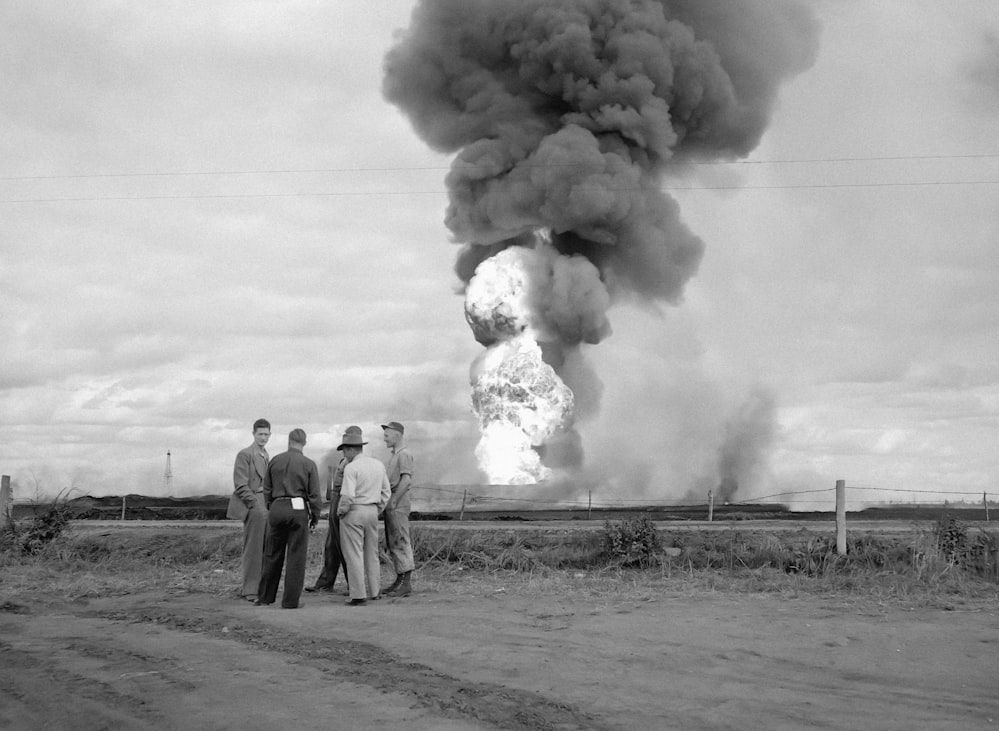
Image: Provincial Archives of Alberta
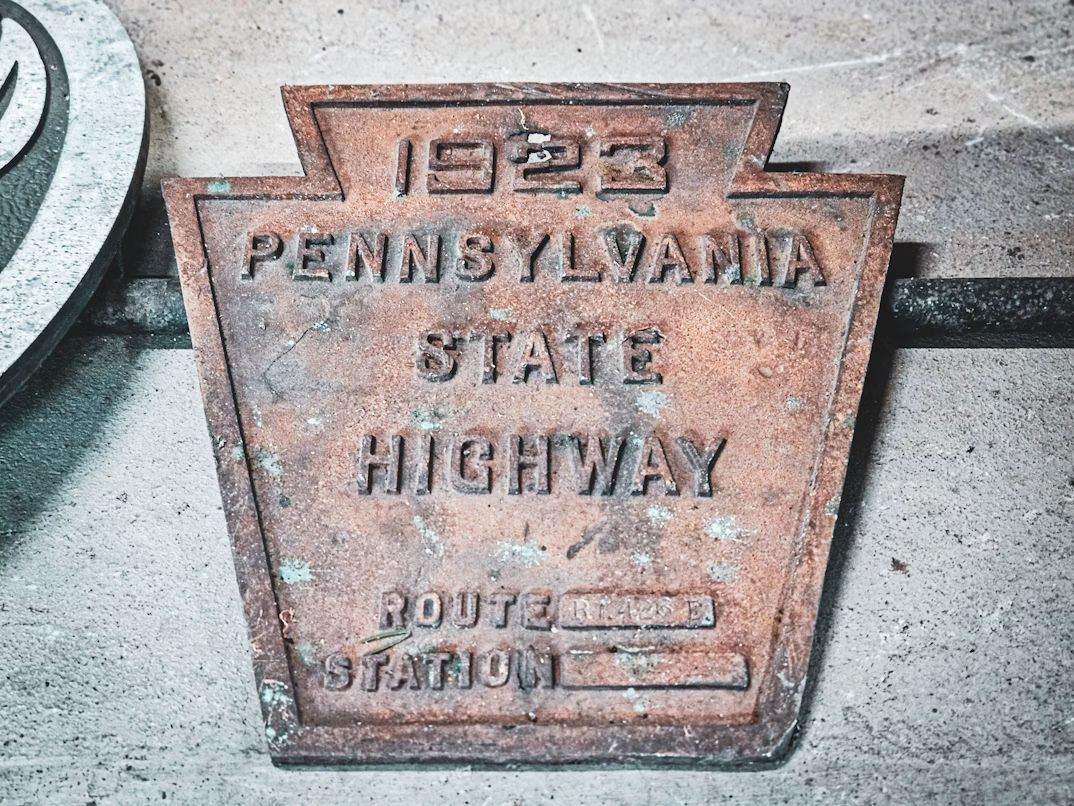
On August 27, 1859, Drake Well near Titusville, Pennsylvania, drilled by Edwin L. Drake, became the first purposefully drilled commercial oil well in U.S. history.
This moment ignited the first true American oil boom. Suddenly, it was possible to produce large volumes of crude—not just collect surface seepage—and to refine it into useful fuels.
3
1860s–1870s: Pennsylvania oil rush
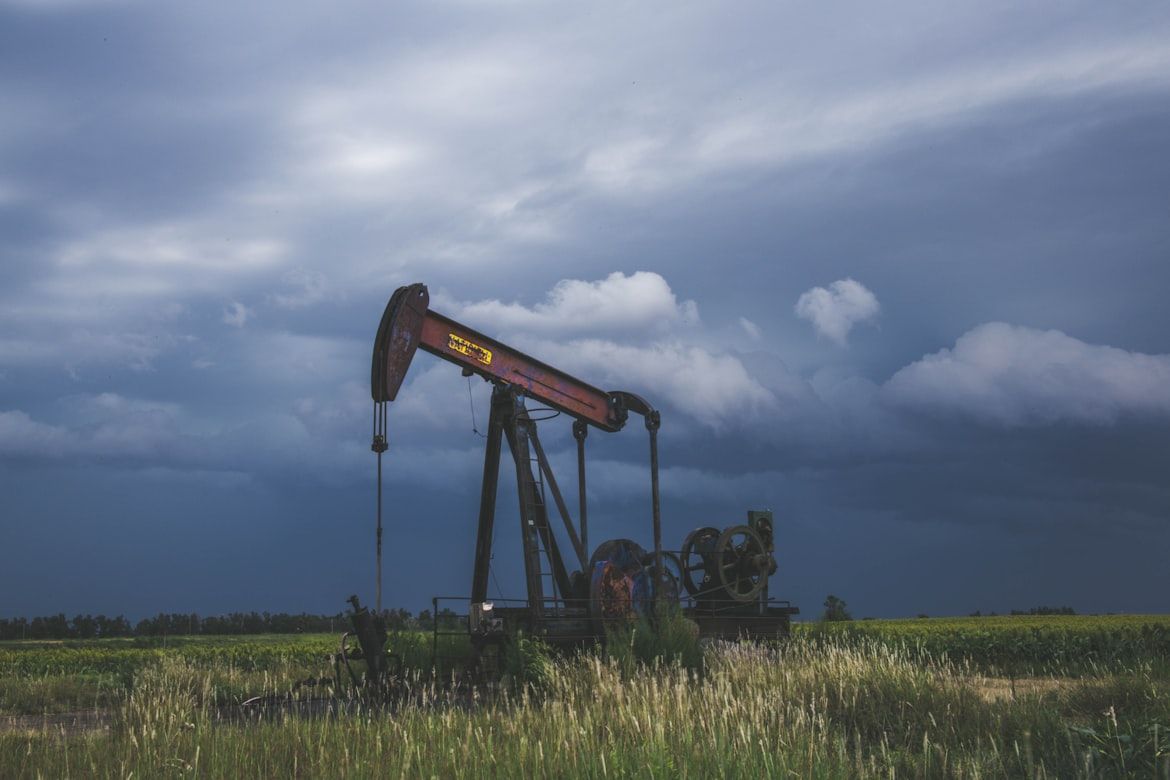
Image: Jeff W
Word of the Drake success spread fast, and drilling spiked throughout Pennsylvania. Towns such as Titusville swelled almost overnight as wells and refineries spread along Oil Creek Valley.
Railroads extended into western Pennsylvania to transport oil across the country, embedding petroleum into America’s emerging industrial infrastructure.
4
1890s: Dawn of the automobile
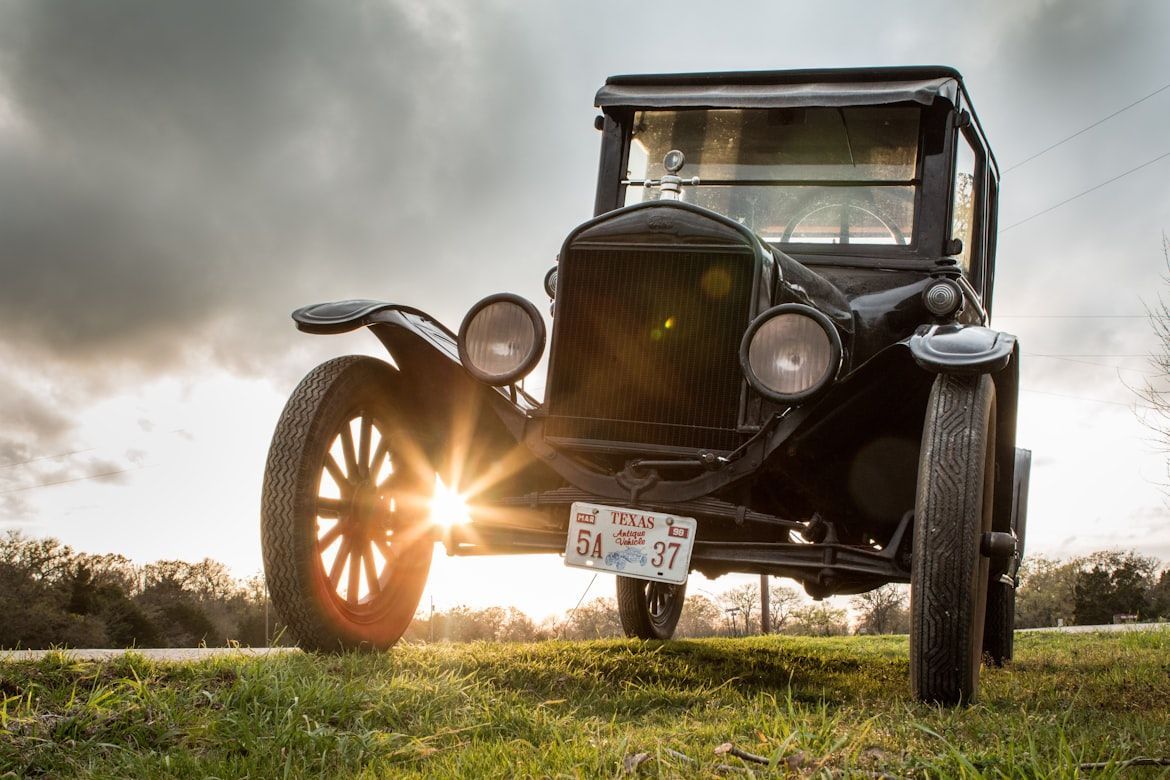
Image: Matthew Lancaster
By the 1890s and into the early 20th century, the rise of the automobile created growing demand for gasoline , which had previously been a relatively minor byproduct of crude oil refining.
This shift moved oil’s primary role away from lighting and industrial lubrication and toward transportation fuel , setting the stage for petroleum to dominate America’s energy needs in the decades that followed.
5
1900s–1910s: Rise of big oil companies
Image: Russel Bailo
Following early successes, oil refining and distribution consolidated. Firms like Standard Oil Company rose to dominate refining, pipelines, and distribution networks.
At the same time, new oil fields and competition still challenged monopolies and spread oil wealth and infrastructure across more regions of the country.
6
1914–1945: Oil & war
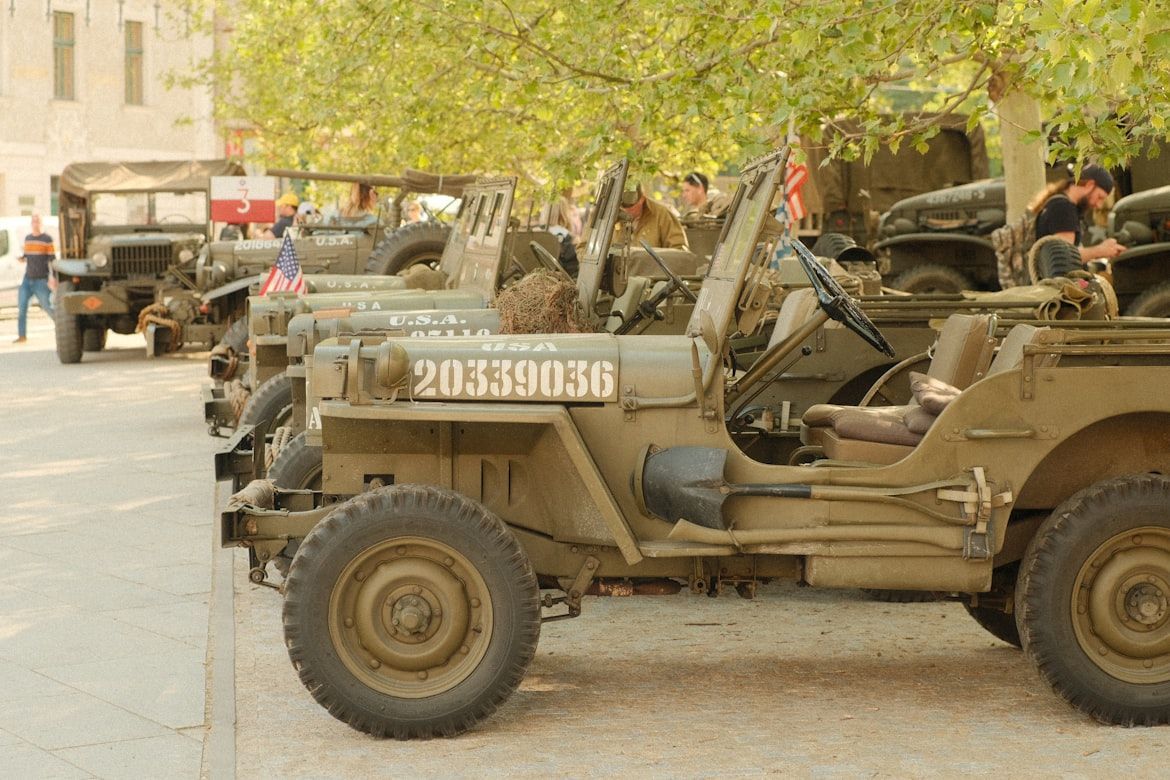
Image: Roman
During both World War I and World War II, U.S. oil production and refining capacity became critical to the Allied war effort , fueling ships, vehicles, aircraft, and manufacturing.
That strategic role cemented oil’s position not only in industry but also in American global power, military strategy, and foreign policy.
7
1960: A global oil cartel forms
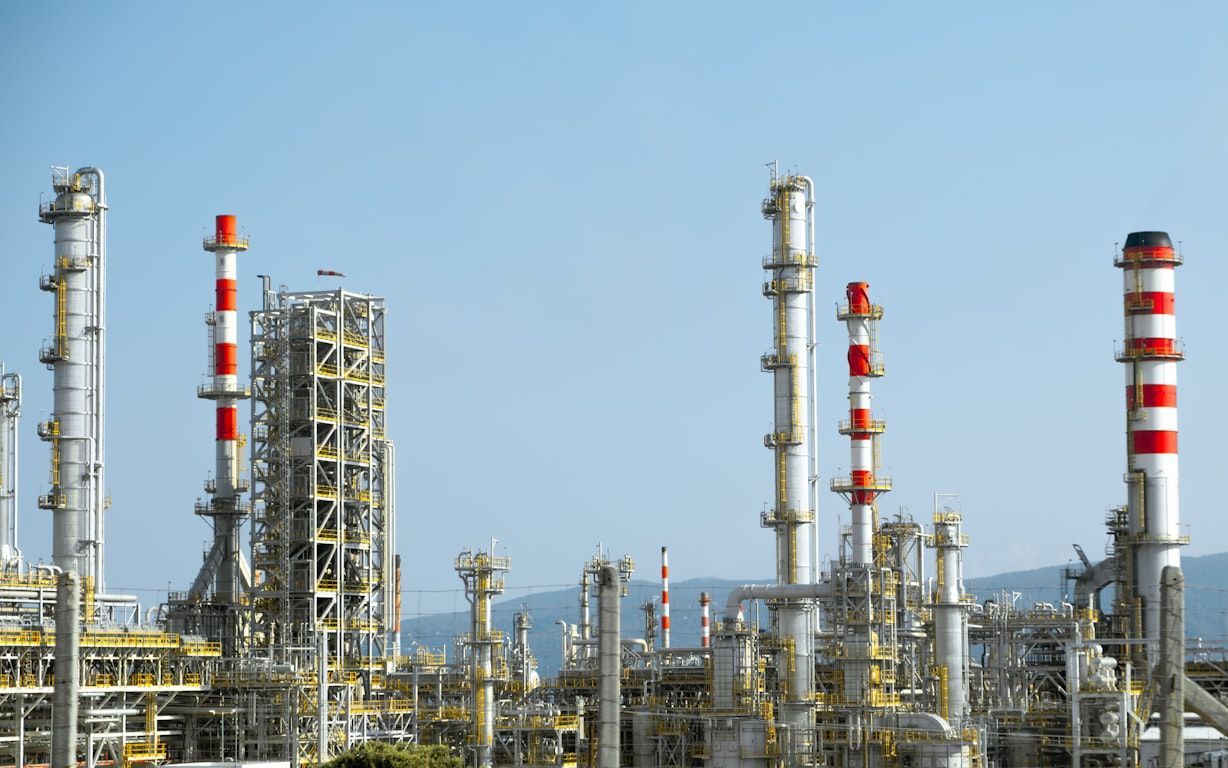
Image: Christian Harb
On September 14, 1960, the main oil‑exporting nations formed the Organization of the Petroleum Exporting Countries (OPEC) to coordinate oil production and influence prices globally.
Though initially limited in power, OPEC’s rise began to challenge American dominance , setting the stage for decades of geopolitical tension around oil supply.
8
1969: Santa Barbara oil spill
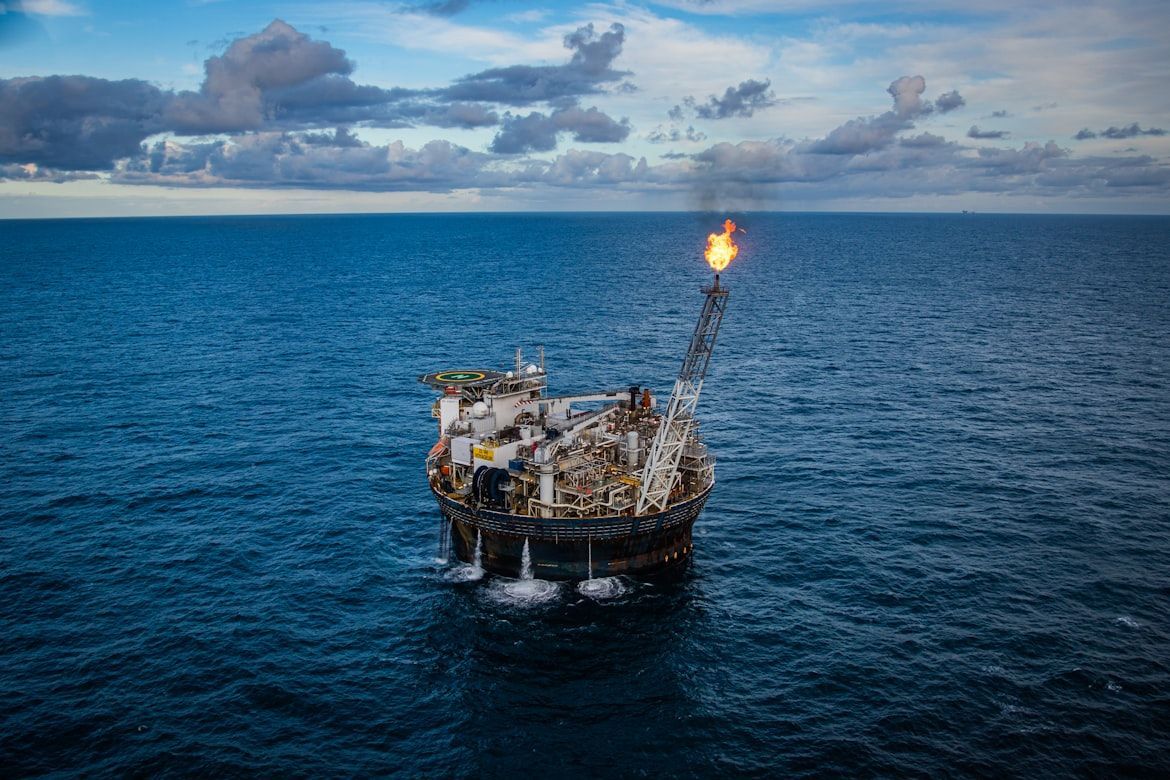
Image: matt brown
In early 1969, a blowout from an offshore drilling platform released tens of thousands of barrels of oil into the waters off California’s coast, devastating marine life and beaches.
The resulting public outrage helped trigger a surge in environmental awareness and regulation, marking a turning point in how the oil industry was perceived socially and politically.
9
1970–1973: Peak and decline
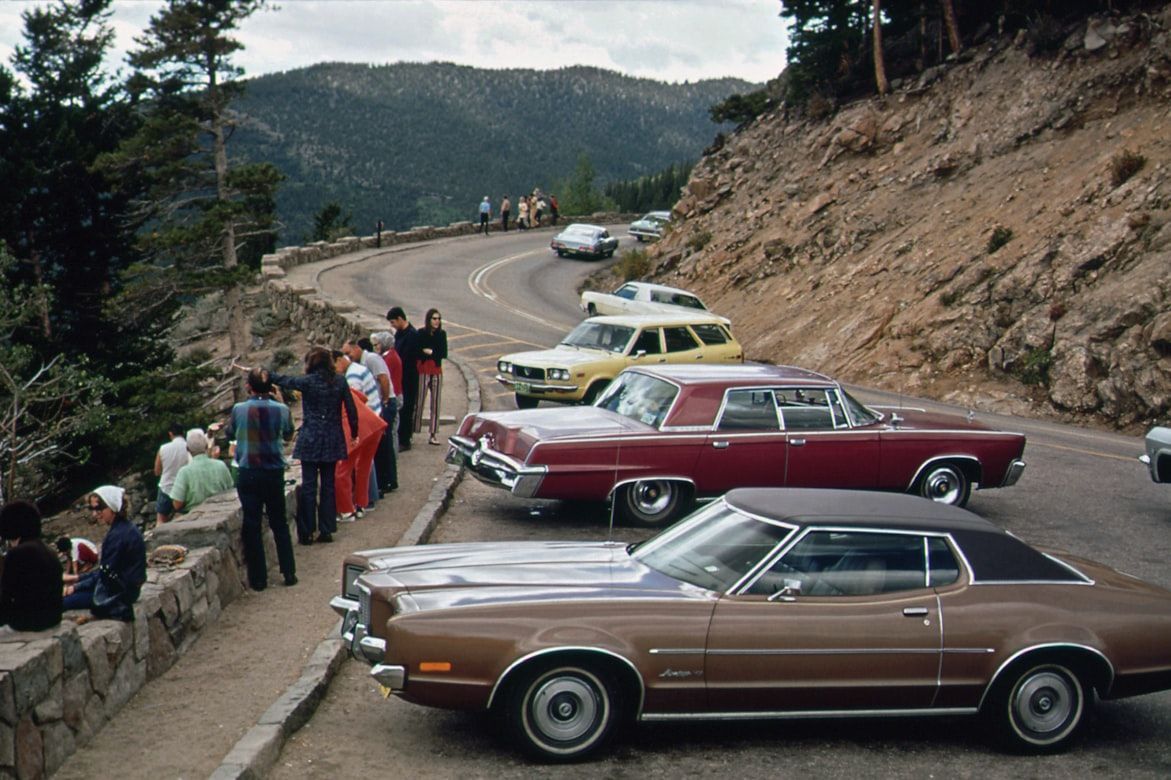
Image: Documerica
By 1970, U.S. conventional oil production reached its peak, but soon after began a decline as domestic fields matured and couldn’t keep up with the growing demand.
As American production fell, the country gradually became more reliant on foreign oil, a shift that would have major economic and political repercussions.
10
2000s–2010s: Top oil producer again
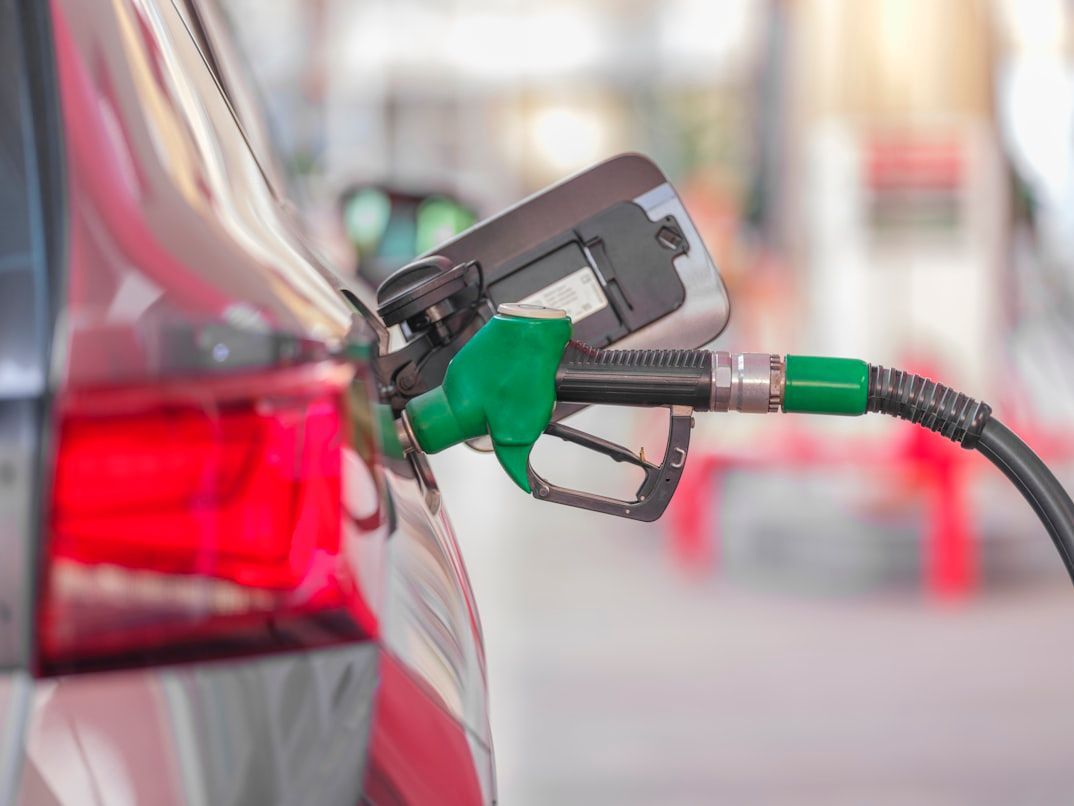
Image: engin akyurt
In the early 2000s, engineers refined techniques like hydraulic fracturing and horizontal drilling. This unlocked vast shale‑oil and shale‑gas reserves previously uneconomical to tap.
From about 2010 onward, U.S. crude oil production rose sharply, reversing decades of decline. By 2019, the country was producing at levels not seen since the early 1970s.