Culture Culture 3 min read

Fashion statements

The king of pop, and the queen of the blowout: 10 celebrated styles!
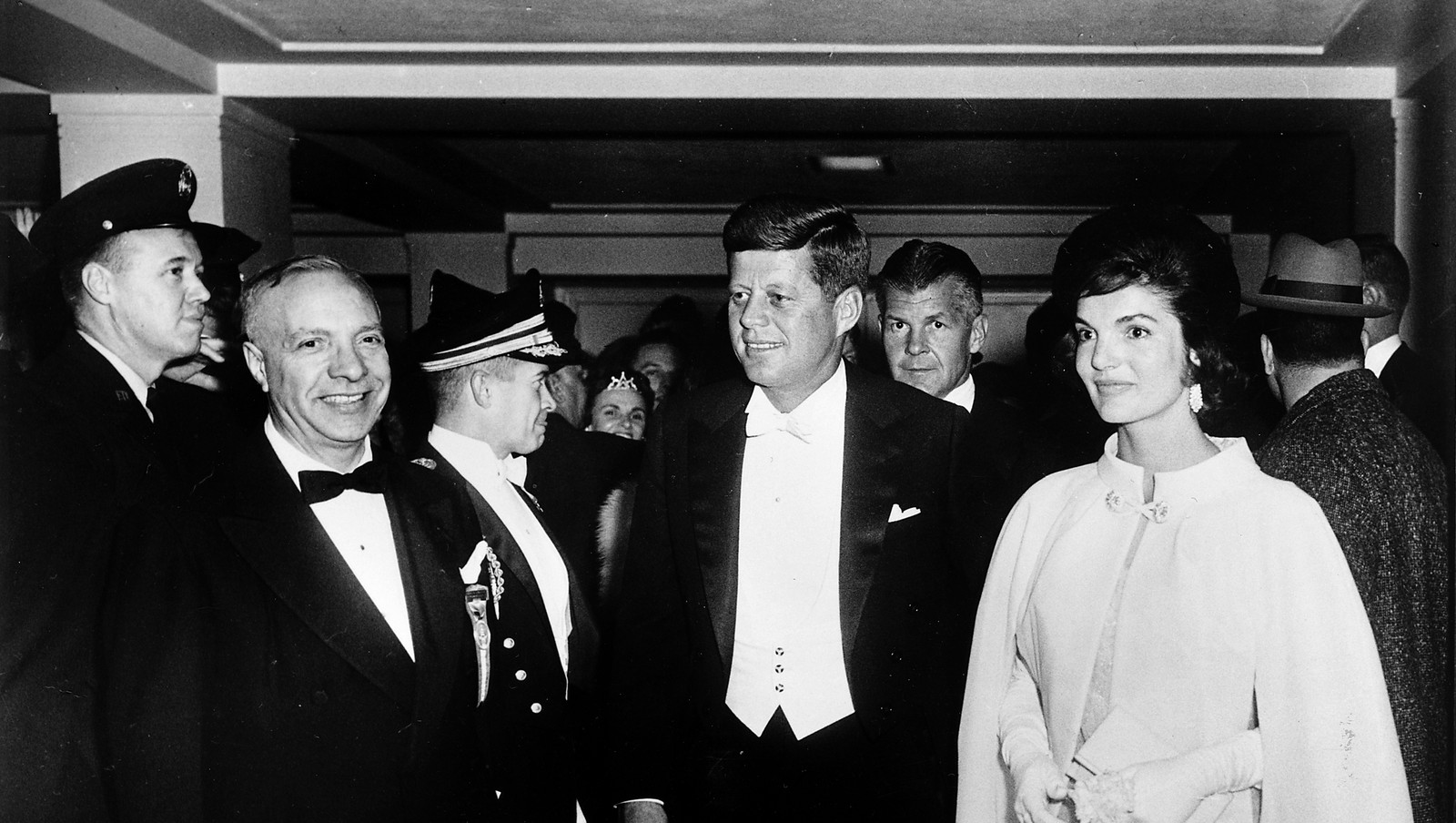
Image: Abbie Rowe, National Park Service, Public domain, via Wikimedia Commons

For some, style is something superficial. But history shows us otherwise: Elvis’s legendary pompadour, Jackie’s chic pillbox hat, and Marilyn’s unforgettable white dress are just a few examples of how some Americans have shaped the way the world sees fashion. Before them, very few people used clothing as self-expression. But they came to change the idea of personal style forever.

1
Marilyn Monroe
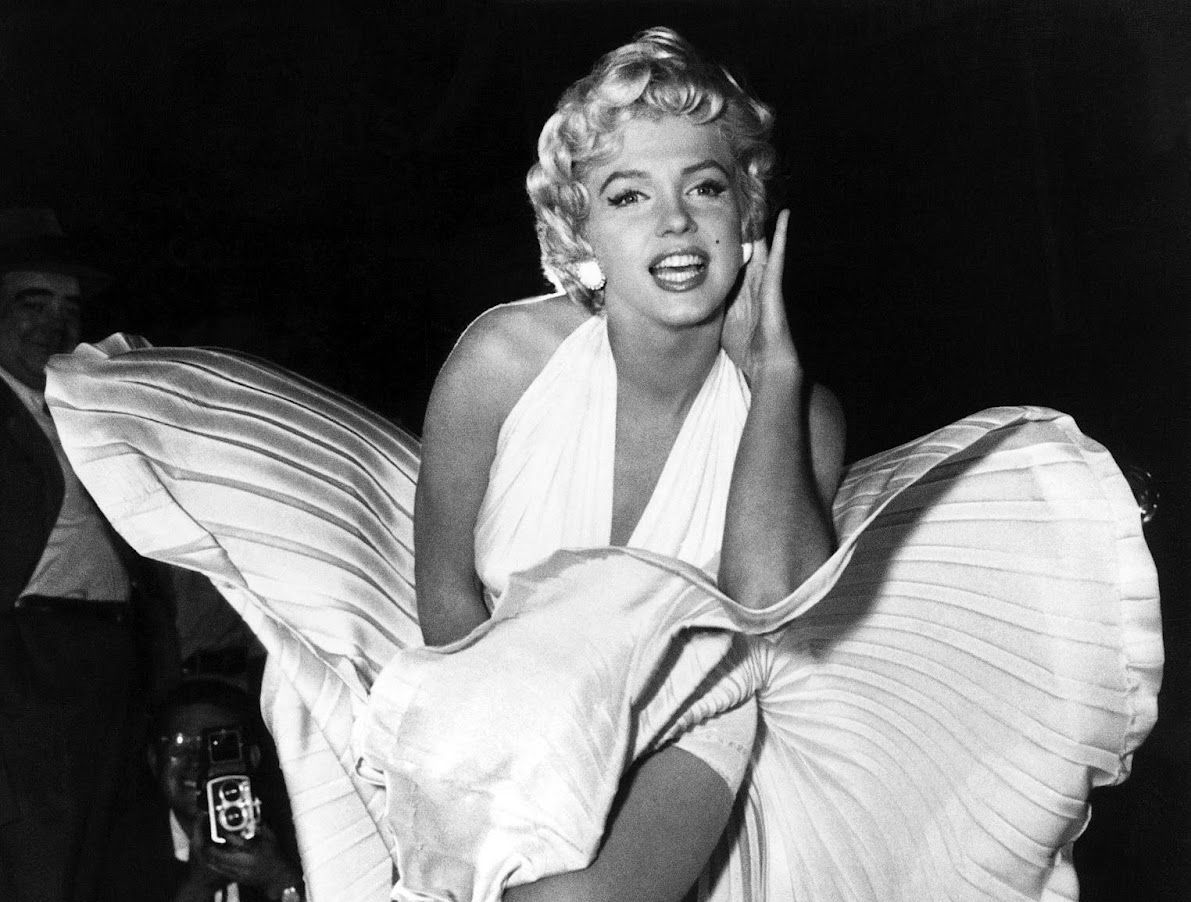
Image: Sam Shaw, Public domain, via Wikimedia Commons

When we think of her, one iconic garment immediately comes to mind: her white halter dress . This image, now a key part of American pop-culture history, comes from the 1955 film The Seven Year Itch, in which she stands over a New York City subway grate as a gust of wind blows her dress upward.

2
Elvis Presley
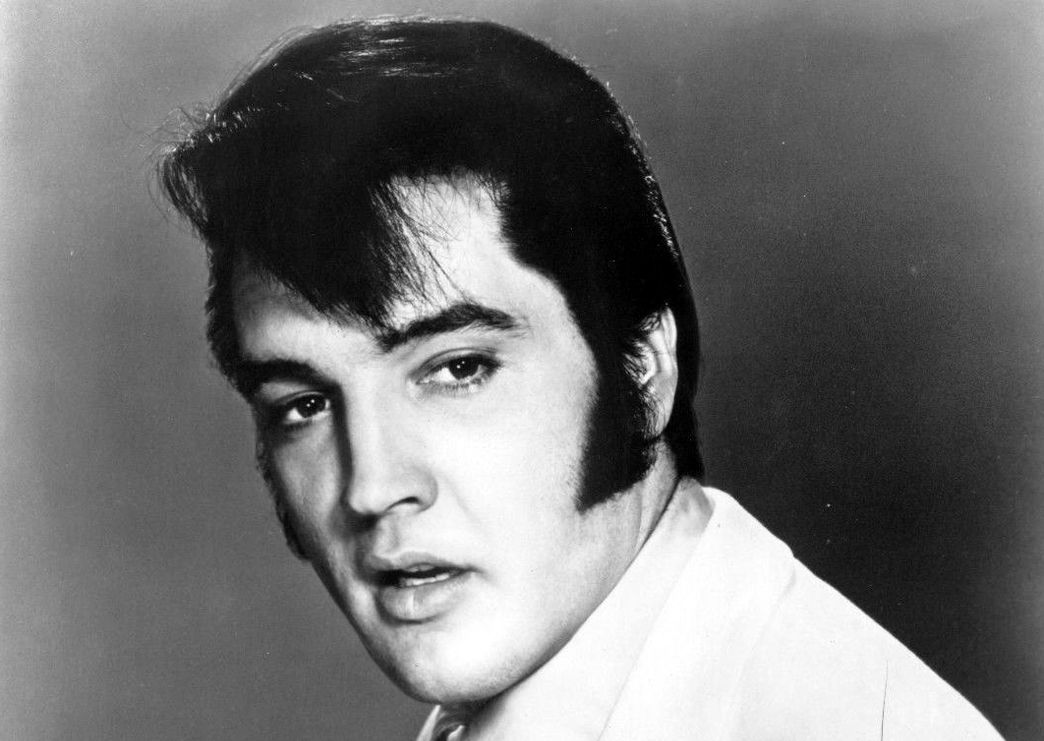
Image: MGM, Public domain, via Wikimedia Commons

His style made such an impact that it became a symbol in its own right. Just a high pompadour and a flashy jumpsuit with flared pants are enough for anyone to recognize a reference to Elvis, the King of Rock and Roll. But here’s something you might not know: when he was young, Elvis’ natural hair color was blonde!

3
Jackie Kennedy
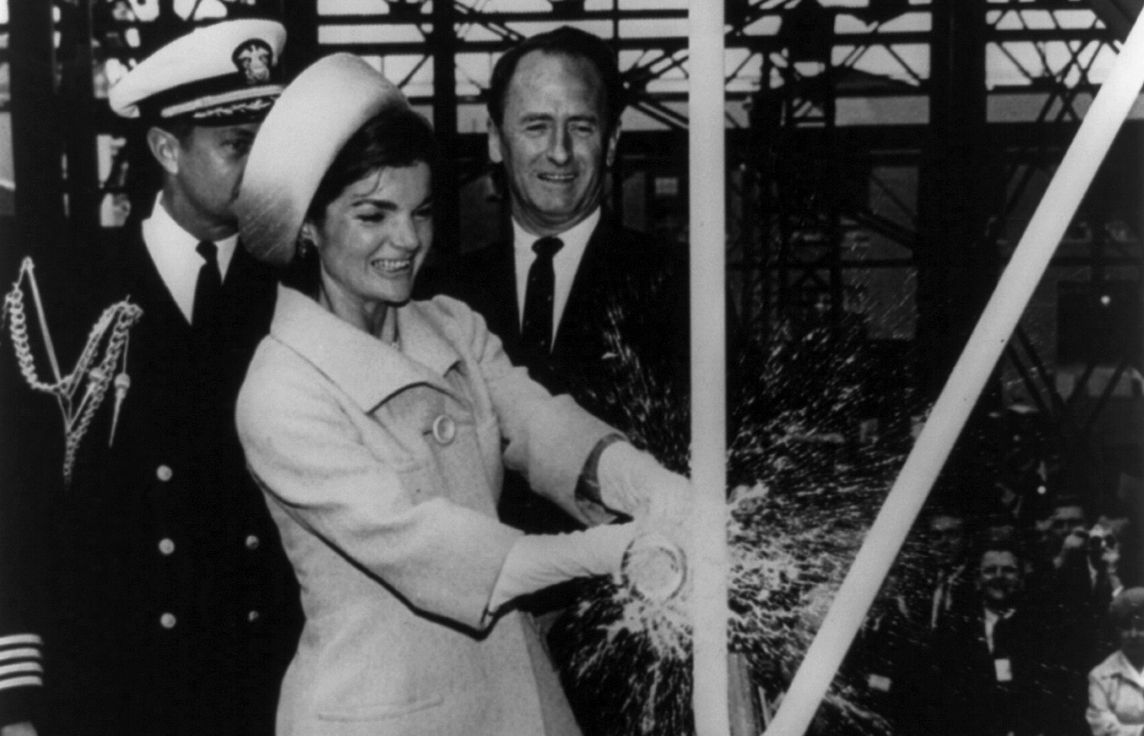
Image: U.S. Navy, Public domain, via Wikimedia Commons

When talking about fashion icons, Jackie Kennedy has to be on the list. Her classic pillbox hat became famous worldwide in 1961, when she wore it to her husband’s inauguration. Beyond the hat, her elegance shone through her tailored suits, pearl necklaces, and cat-eye sunglasses.

4
Frank Sinatra

Image: William P. Gottlieb, Public domain, via Wikimedia Commons

If someone says "fedora," we think of Sinatra. His suits were sharp and extremely elegant, sure, but it was that slightly tilted hat that stole the show. We have to say that no one ever wore a fedora quite like he did!

5
Steve Jobs

Image: AB

Turtlenecks aren’t for everyone, we know. But there was a man who knew how to wear them with unmistakable style. Steve Jobs made the black turtleneck his signature look; he wore it so consistently that it became his personal "uniform." In addition, each one was custom-made by Japanese designer Issey Miyake.

6
Johnny Cash

Image: Heinrich Klaffs, CC BY-SA 2.0 <https://creativecommons.org/licenses/by-sa/2.0>, via Wikimedia Commons

It’s no wonder Johnny Cash earned the nickname "The Man in Black." His style was not only elegant, but it was also extremely cool, thanks to his signature all-black wardrobe. Every item, from head to toe, was that color. Many tried to imitate him, but none could match him.

7
Farrah Fawcett
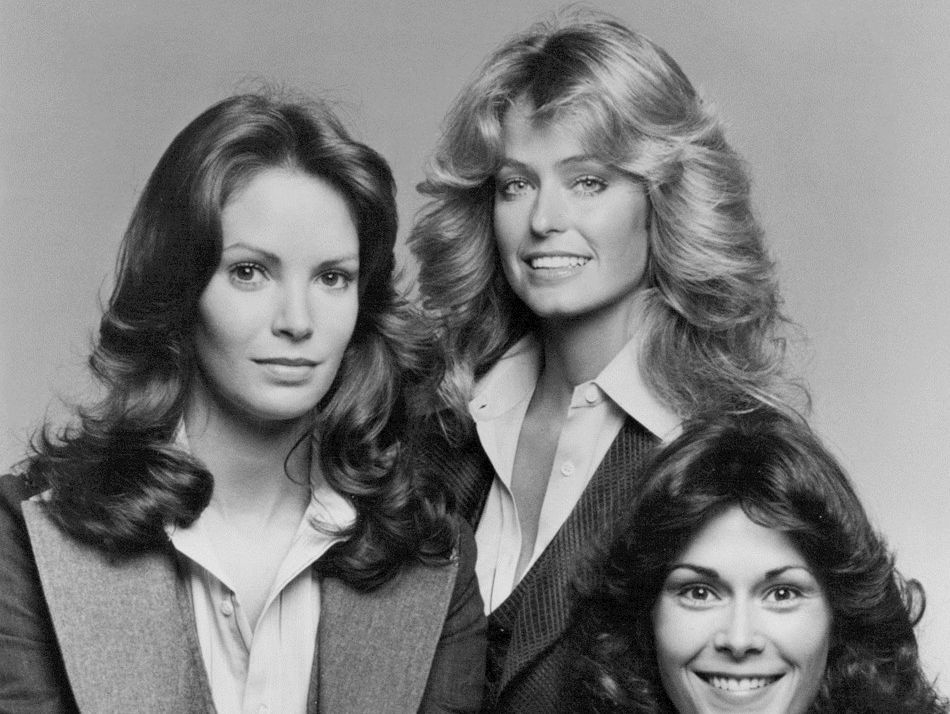
Image: ABC Television, Public domain, via Wikimedia Commons

Her smile was lovely, but her hair is what everyone remembers most. Farrah Fawcett set the standard for ’70s and early ’80s hairstyles with her famous feathered, voluminous blowout that turned heads everywhere she went.

8
Bob Dylan

Image: Rowland Scherman, Public domain, via Wikimedia Commons

Bob Dylan doesn’t need flashy clothes to make a style statement. What really defines his look is that carefree, rebellious vibe, especially his voluminous hair, as seen in photos from his youth and even today. Of course, his guitar and harmonica were constants throughout his career, helping to shape his unmistakable image.

9
Michael Jackson
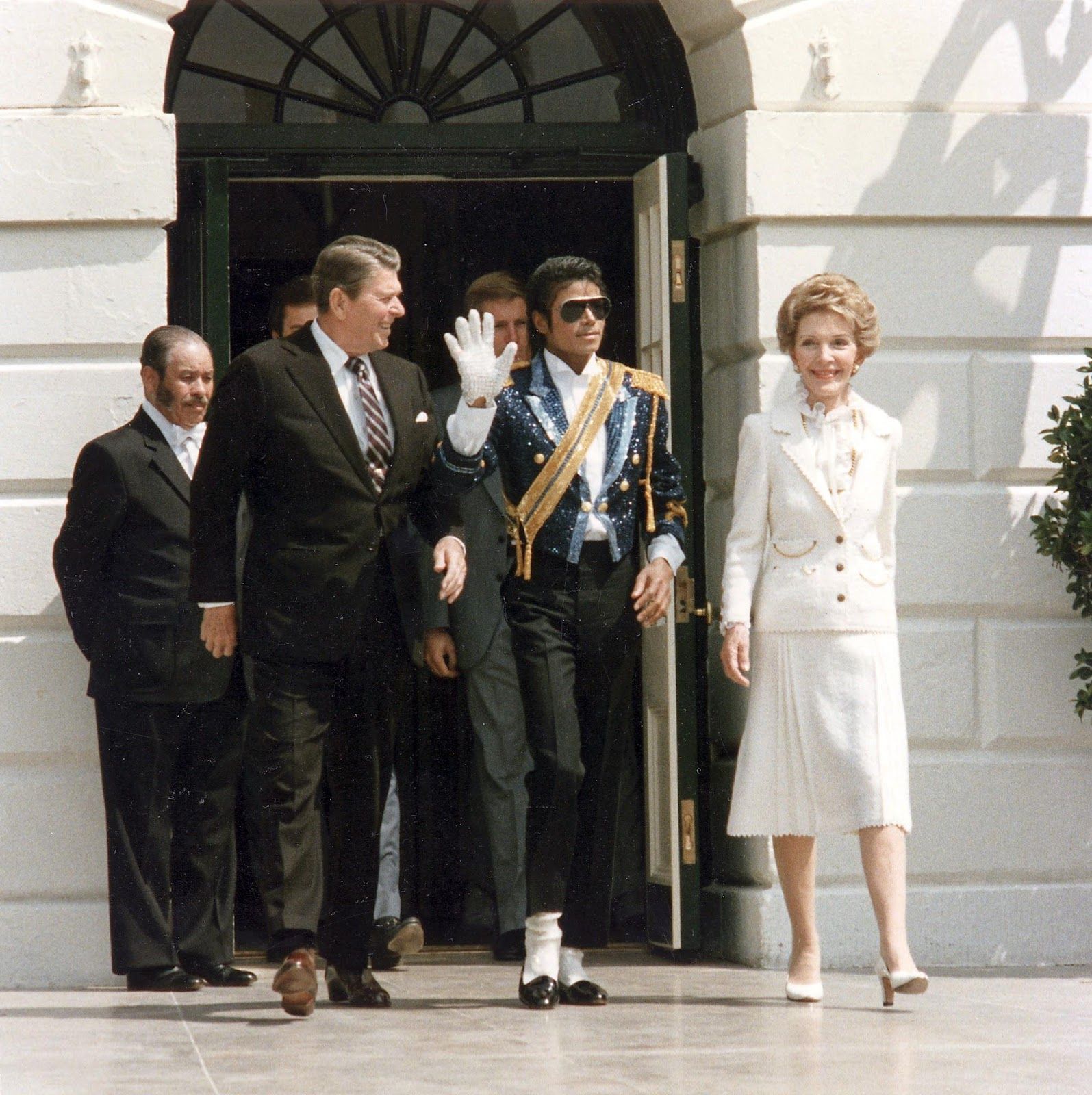
Image: White House Photo Office, Public domain, via Wikimedia Commons

Michael Jackson was the definition of style. We could fill an entire article talking about his clothing and accessories, but one item set him apart: his single white glove. Covered in numerous sparkling Swarovski crystals, he first wore it in the early ’80s, perfectly complementing his legendary dance moves.

10
Buddy Holly
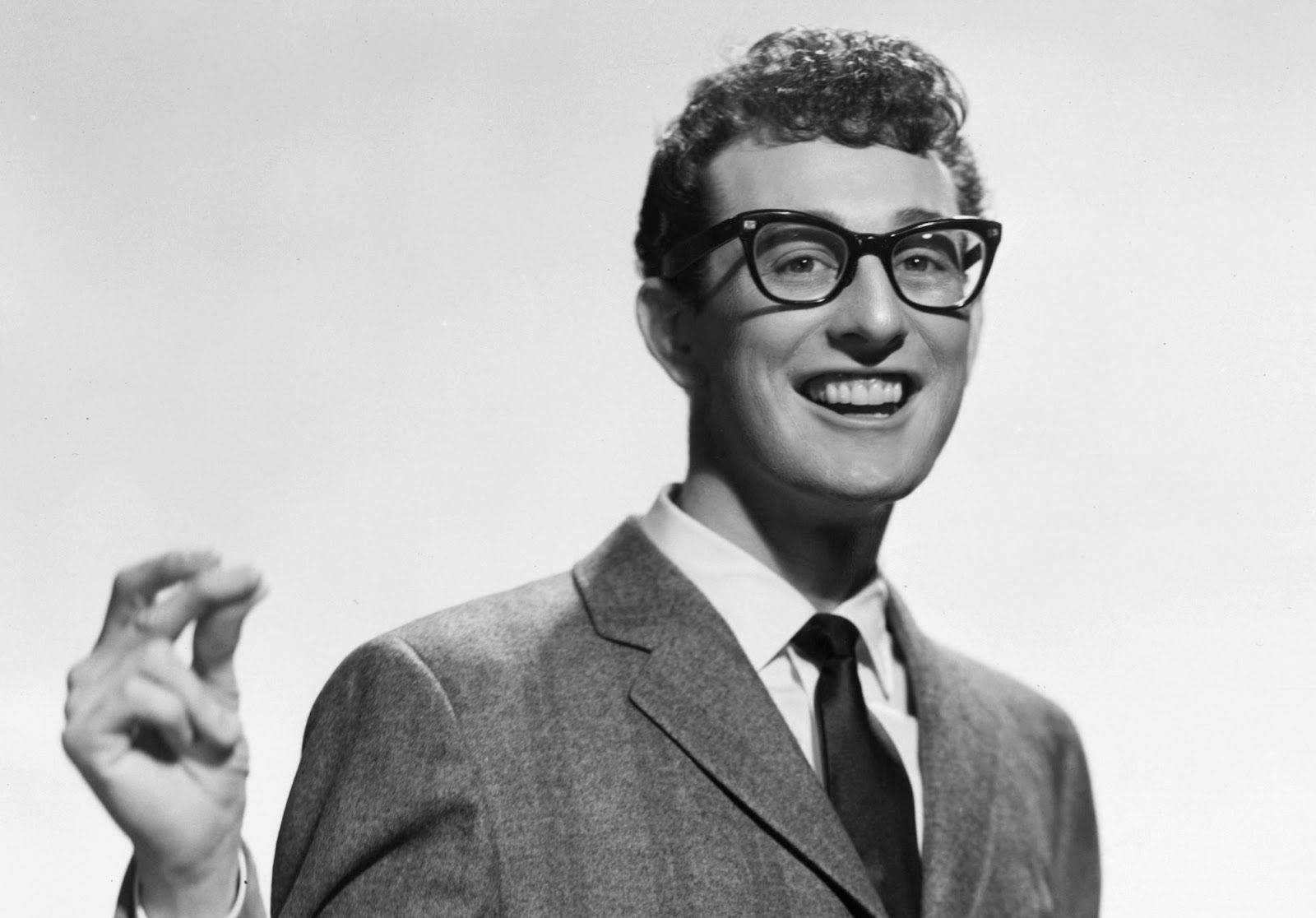
Image: Buddy_Holly_Brunswick_Records.jpg: Brunswick Recordsderivative work: GDuwenTell me!, Public domain, via Wikimedia Commons

Who knew a pair of thick black-rimmed glasses could make someone an icon? That’s exactly what happened with Buddy Holly. He didn’t just keep wearing them after reaching fame; he turned them into the key item that defined his image. We can’t imagine his face without them!

General General 3 min read

Which is your go-to flavor?

Go beyond mozzarella and pepperoni with these 10 delicious pizzas

Image: Nataliya Vaitkevich

Yes, pepperoni is great. So are Margherita, mozzarella, Neapolitan, and Chicago deep-dish. But what about the lesser-known relatives of the pizza family? There are words of praise to be said for Mexican pizza with its chorizo topping or fragrant pesto pizza with pine nuts. Venture beyond the classics and take a look at these 10 mouth-watering slices of heaven. Have you ever tried any of these?

1
BBQ Chicken Pizza

Image: Daniel Hooper 🌊

Not all great flavors match, but pizza and barbecue chicken certainly do. This delightful fusion features tangy BBQ sauce, tender grilled chicken, and often sweet onions , creating a perfect balance of sweet and savory.

Some recipes are known to include smoked bacon or sweet corn, adding an extra layer of flavor. It’s a modern, flavorful twist on traditional pizza.

2
Supreme Pizza

Image: Klara Kulikova

The name itself sets the stage for a memorable flavor, and this pizza does not disappoint. Supreme Pizza is a hearty option designed to satisfy everyone. It combines several toppings, including pepperoni, sausage, onions, peppers, and mushrooms .

While it can be made at home, the sheer number of ingredients might make it easier to enjoy from your local pizzeria.

3
White Sauce Pizza

Image: Ivan Torres

The omnipresent tomato sauce, which gives a noble base flavor to our pizza toppings, is set aside for this iteration and trades seats with a creamy white sauce instead.

Combine olive oil and garlic to coat the dough or make a homemade white sauce. This white pizza version can use a ricotta cheese base. Keep the toppings simple so the sauce remains the star—think mozzarella cheese, roasted cherry tomatoes, and fresh herbs.

4
Pickle Pizza

Image: SuckerPunch Gourmet

Another flavor that shouldn't work—but does—is a pizza topped with pickled cucumbers. Some pizza joints across the country offer this unique version that uses pickles and spices as its topping .

The pizza is completed with the classic tomato sauce and a light cheese, to avoid clashing too much with the vinegar from the pickles.

5
Grilled Pizza

Image: Revolve Pizza Oven

Unlike the previous versions, the distinctive flavor of this pizza comes from its unique cooking method. The stretched dough is placed directly on the grates over hot coals , cooking it on one side, flipping the dough, and topping it in reverse—cheese first, sauce second. After this, the pizza goes back to the grates in order for the other side to cook and for the cheese to melt.

The resulting pizza is a crispy, airy, well-charred delight with a smoky flavor. Grilled pizza can be topped with virtually any ingredient according to personal preferences.

6
Green Peppers Pizza

Image: Anna Evans

A healthy and popular pizza topping in America, green peppers bring a crispy and refreshing dimension to any slice. Combined with onions and maybe even mushrooms they create an extremely flavorful, crispy, and crunchy ingredient that adds a refreshing dimension to a pizza.

7
Mexican Pizza

Image: Nik Owens

Mexican food is often associated with tacos, guacamole, nachos, and other delicious treats but Mexican pizza is a force to be reckoned with, too. The main ingredients are chorizo, jalapeños, pepperoni, red onion, and cannellini beans . It’s spicy and tangy, with a satisfying texture thanks to the ground meat and beans.

If you ever see this on the menu, don’t hesitate—go for it! You won’t regret it.

8
Burrata Pizza

Image: Klara Kulikova

Burrata cheese is like the supreme version of mozzarella: creamy, soft, and utterly delicious. A good burrata pizza includes cherry tomatoes, pistachio mortadella, and, of course, burrata cheese .

It’s not often you’ll find this on your local pizzeria’s menu, so if you spot it and want to try something special, give it a shot!

9
Greek Pizza

Image: Brenna Huff

Mediterranean cuisine goes beyond Italian flavors and Greek pizza adds some interesting ingredients to the recipe. This version is characterized by its thick, slightly wet dough, greasy cheese, and tomato sauce with a strong taste of oregano .

The typical ingredients for Greek pizza include artichokes, feta cheese, and Kalamata olives.

10
Pesto Pizza

Image: Klara Kulikova

If you associate pesto with pasta rather than pizza, you are not alone. But, as a fellow Italian specialty, pizza also benefits greatly from this aromatic sauce and its ingredients. The rich flavors of cheese and pine nuts in pesto complement the basic ingredients of a cheese pizza perfectly. Topped with parmesan cheese, mushrooms, and oregano , this pizza is nothing short of amazing.

History History 5 min read

MILLION DOLLAR ARTICLE

10 Fun Facts about American Currency

Image: Jp Valery

We bet you have never stopped to think about the dollar bills and coins you carry in your pocket, even if you do use them every day. The U.S. currency has purchasing power, of course, but it is also full of interesting facts and quirky details that are a testimony of the nation’s culture, history, and values.

Do you know how many folds it takes for a U.S. bill to tear? Do you know what the bills are made of? In this article, we’ll go through some of the most interesting facts about the history of our money. Read on and find them out!

1
Money Materials

Image: Jorge Salvador

We call them paper bills, but do they undergo the same process as any other paper? Naturally, they don’t. U.S. bills are mainly made of two materials: 75% of their composition is cotton and the 25% left is linen. Besides, they have randomly disbursed red and blue security fibers embedded in the paper.

This special blend is made by only one company in America and that is Crane & Co . The company, based in Massachusetts patented this special blend and it has been the sole provider of paper for currency since 1879.

2
Origin of the U.S. dollar symbol

Image: Paris Bilal

The dollar sign is a matter of debate. One line or two across a capital S, the symbol is today a worldwide sign for money, but where does it come from?

Even if there are several theories as to where the U.S. dollar symbol comes from, all of them agree that it was derived from the Spanish peso . When the time came, and the new nation needed its own currency, the basis was that of the Spanish coinage, which was the most common currency in the colonies before the country’s independence.

The adoption of the sign was made official in 1785, and today, the United States is not the only country that uses this symbol, Canada, Australia, and New Zealand do too!

3
Who appears on the bills?

Image: AR

Having your face forever stamped on the little piece of paper that rules the world should be a milestone in your career, right? However, there were certain rules as to who qualifies to be granted this honor .

Probably, the most surprising, yet the most logical one is that no living person can be portrayed in American currency. Since the Founding Fathers considered it unpatriotic to be portrayed while alive, this was first a tradition and then made official in an Act of Congress in 1866 .

However, contrary to popular belief, this honor is not only reserved for presidents! Anyone who contributes to the nation can be portrayed.

4
Folding Papers

Image: Emilio Takas

Bills come and go all the time. We take them out of our pockets and put them in our purses only to take them out again a few hours later and give them to the shop assistant. For a life that busy, we can only hope the paper is tough enough , right?

Well, as a matter of fact, it is. Compared to regular paper, which can only be folded 400 times before it breaks, money paper can be folded up to 8,000 times before it breaks .

It's not that you’re going to try it out and see, but you can rest assured: Fold your bills away, they can handle it!

5
Damaged Goods

Image: Jp Valery

Even if they can be folded that many times, the life of bills is limited, not to mention accidents happen. Who hasn’t sent a bill to the washing machine by chance?

So, what happens when a bill is damaged? Well, at least 50% of it has to be clearly identifiable for the bank to replace it , otherwise, you’ll just lose your money. You don’t feel like folding them much now, right?

On the other hand, and mainly due to time damage, at least 70% of the new bills are used to replace old bills . These bills, once taken out of circulation are shredded and sent to companies that can recycle them!

6
Security Features

Image: Colin Watts

Counterfeiting has been a problem ever since paper money was created and statistics about which countries counterfeited most of the money are simply shocking. But we won’t get into that.

What we will say is that thanks to technological advancement, the U.S. bill is getting harder and harder to counterfeit. In modern bills, there are at least six security features which are: UV security ribbon, raised printing, microprinting, 3D security ribbon, color-shifting ink, and traditional watermarks. Do you pay attention to them?

7
U.S. Coins

Image: Kenny Eliason

Coin production in America is in charge of the U.S. Mint and there are four production facilities across the country. They are located in Philadelphia, Denver, San Francisco, and West Point.

It is estimated that every year the Mint produces about 16 trillion coins which are valued at over $1.09 billion dollars. What is truly impressive is that Americans throw away an estimated 62 million dollars worth of coins every day!

They may not be worth much alone but don’t throw them away, all of them together can make you rich!

8
Green Ink

Image: maria pagan

Have you ever wondered why the U.S. dollar bills were green? It is not about design or aesthetics, even if we think they look pretty.

The decision to use green ink was a matter of security, in order to prevent counterfeiting. Back then, black and white ink made it easier to create photographic fakes. For that reason, green was the color of choice, and, when paper money was standardized in 1929, it had great acceptance due to the positive connotations of the color . Do you like it?

9
Andrew Jackson’s Take on Paper Money

Image: Elsa Olofsson

Every denomination has an important figure stamped on the front. In the case of the 20-dollar bill, Andrew Jackson was the chosen one.

Jackson was the seventh president of the United States and, even if it is not a rule that only presidents can be portrayed, his contributions gained him this honor.

Ironically, Jackson was not in favor of using paper money. For him, only gold and silver coins should have remained legal tender. After learning this, one can only assume he wouldn’t be so happy to be the face of the 20-dollar bill, right?

10
Facelifts and redesigns

Image: Kenny Eliason

One of the ways of keeping paper money safe and hard to counterfeit is by giving the bills new designs.

New faces were expected to appear in future bills, but, in the meantime, the changes always had to do with the proportions of the elements within each denomination. Bigger faces, rearrangement of the signatures, stuff like that.

Now, these changes and facelifts haven’t reached all the bills. 1-dollar bills haven’t been changed or redesigned ever since 1929. Why is that? Because it is not worth the trouble for criminals to counterfeit. One dollar won’t take them too far!

Explore more American facts

Choose your favorite category!

General
General

As American as apple pie—the very best America has to offer!

Culture
Culture

Delve into the astounding richness of American lore.

Geography
Geography

Hop in and explore vast and diverse American landscapes.

History
History

Discover the key moments that shaped the United States.