Wild words
Hold your horses! 10 phrases born on the American frontier
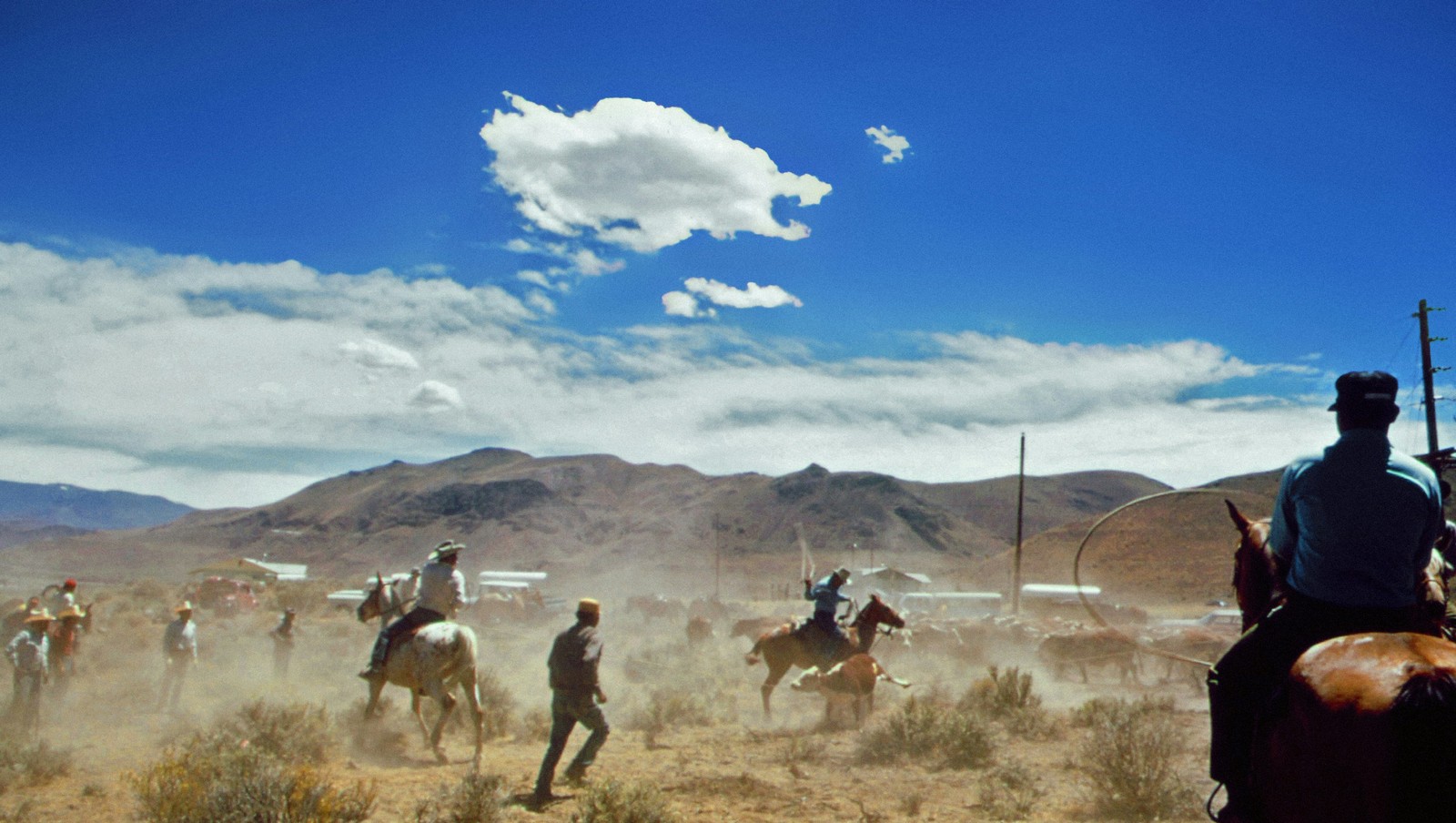
Image: Documerica
The American frontier shaped more than just maps—it shaped the way people talked. From cattle trails to mining camps, settlers coined many blunt and vivid expressions that have stuck. These everyday phrases still carry the grit of survival, the humor of hardship, and the improvisation of a world built fast. Here are 10 common sayings whose roots run straight into frontier soil.
1
Circle the wagons
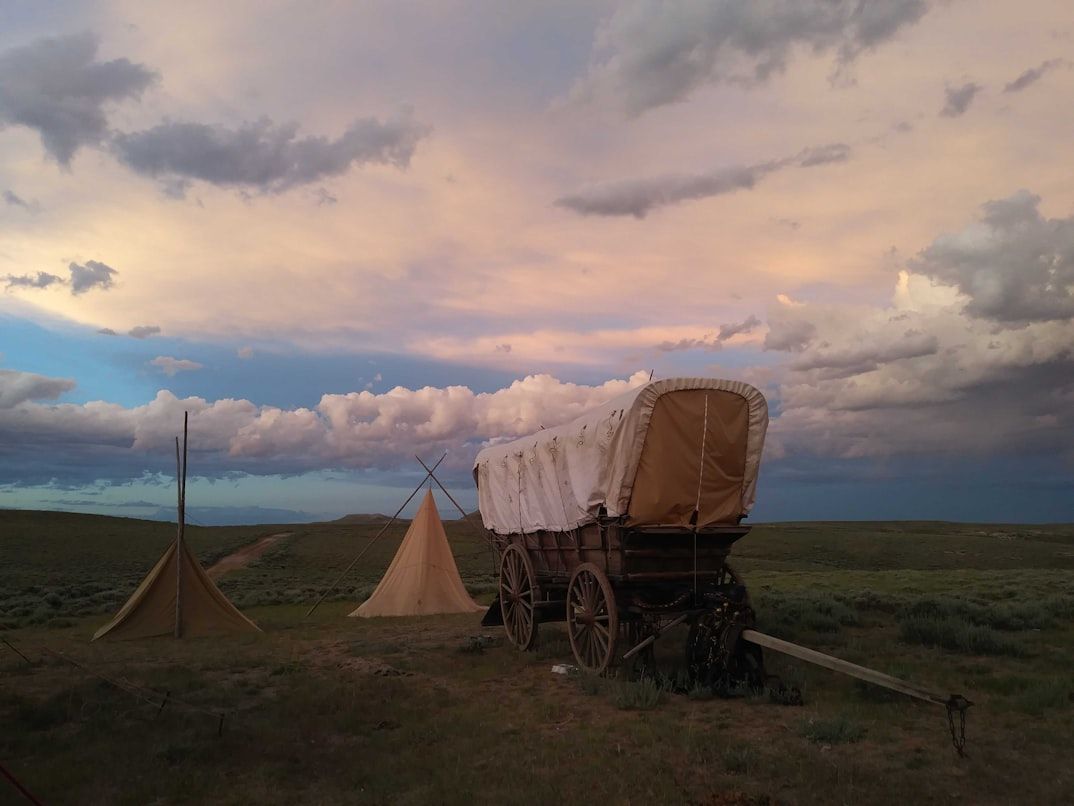
Image: Dana Davis
Pioneer wagon trains literally circled their wagons at night for protection.
Creating a closed ring helped shield families, livestock, and supplies from raids, wild animals, and harsh weather—and the formation later evolved into a metaphor for any type of unified, defensive action.
2
Hold your horses
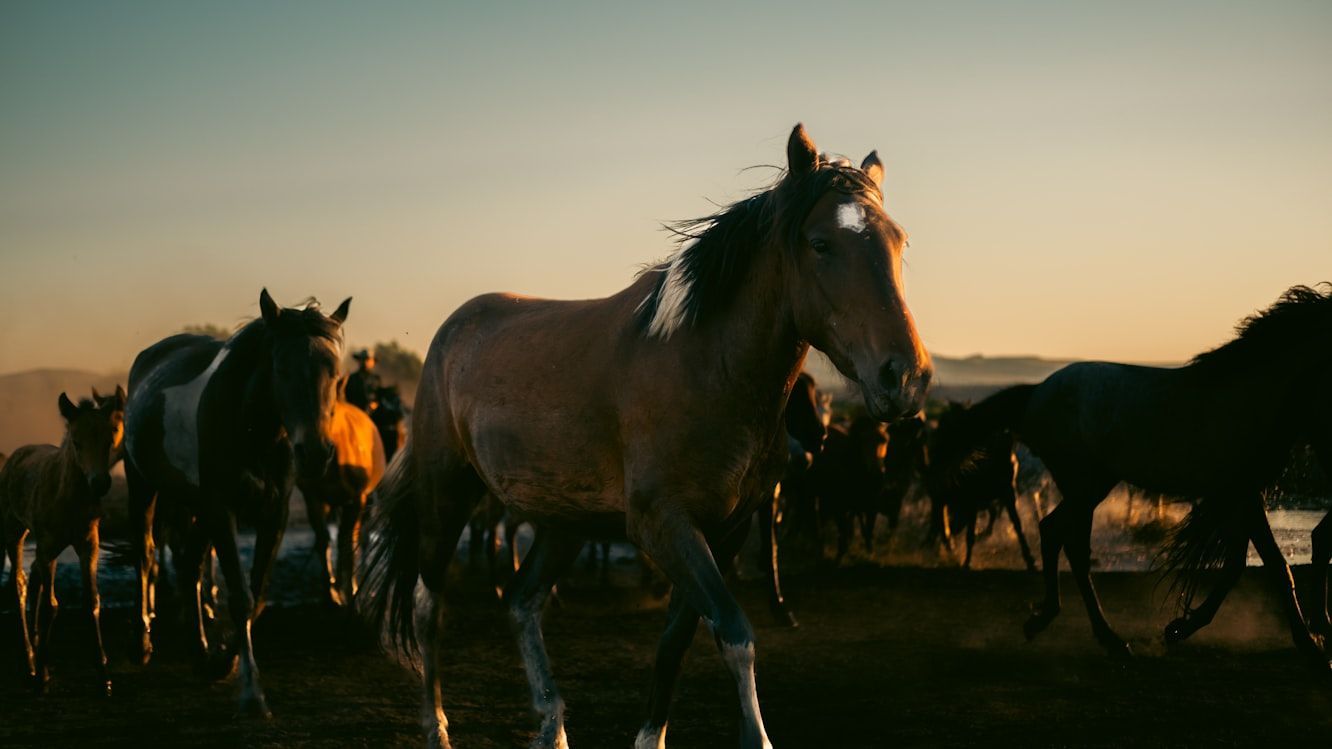
Image: Cemrecan Yurtman
Frontier riders needed to keep horses steady at all times, but particularly in chaotic and potentially dangerous settings like stage stops and river crossings.
By the mid-1800s, the phrase became a common command, later evolving into a figurative call for patience.
3
On the warpath
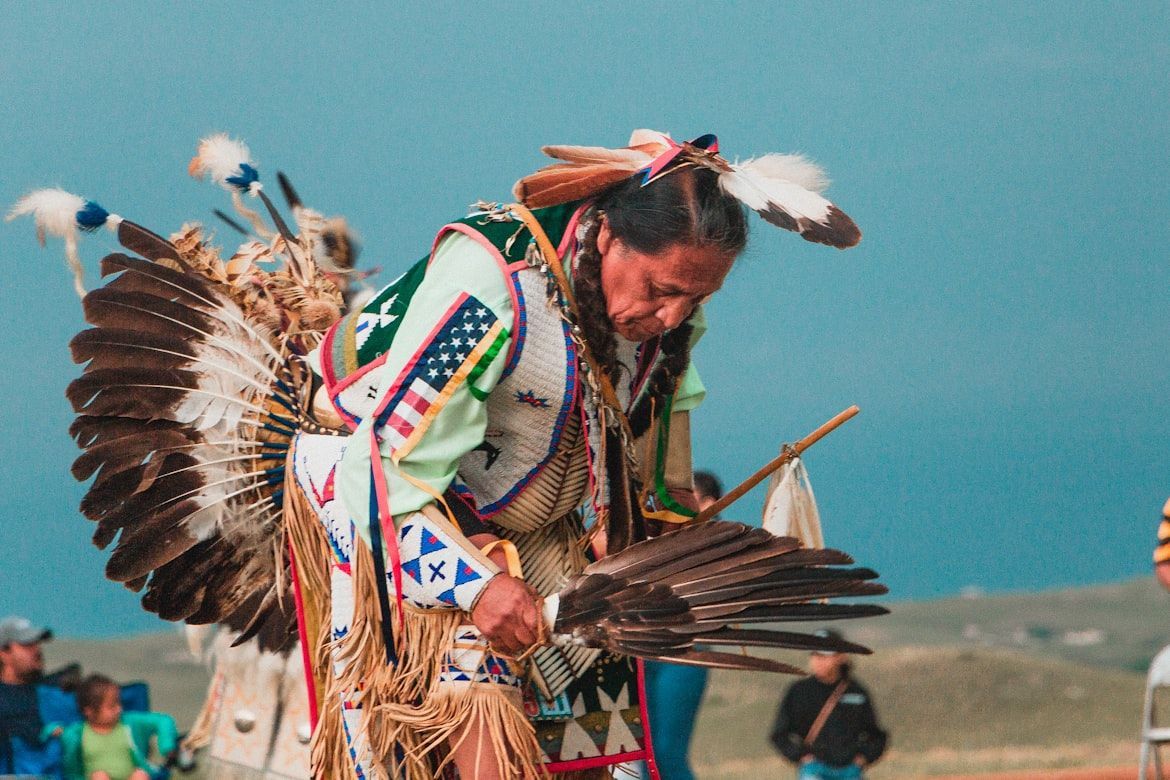
Image: Andrew James
This term originated as an English rendering of a Native American expression for wartime mobilization—specifically the route or course taken toward an impending conflict.
Euro-American settlers later adopted the phrase, and by the late 19th, century newspapers were using it metaphorically to describe anyone behaving aggressively or angrily.
4
Branding iron
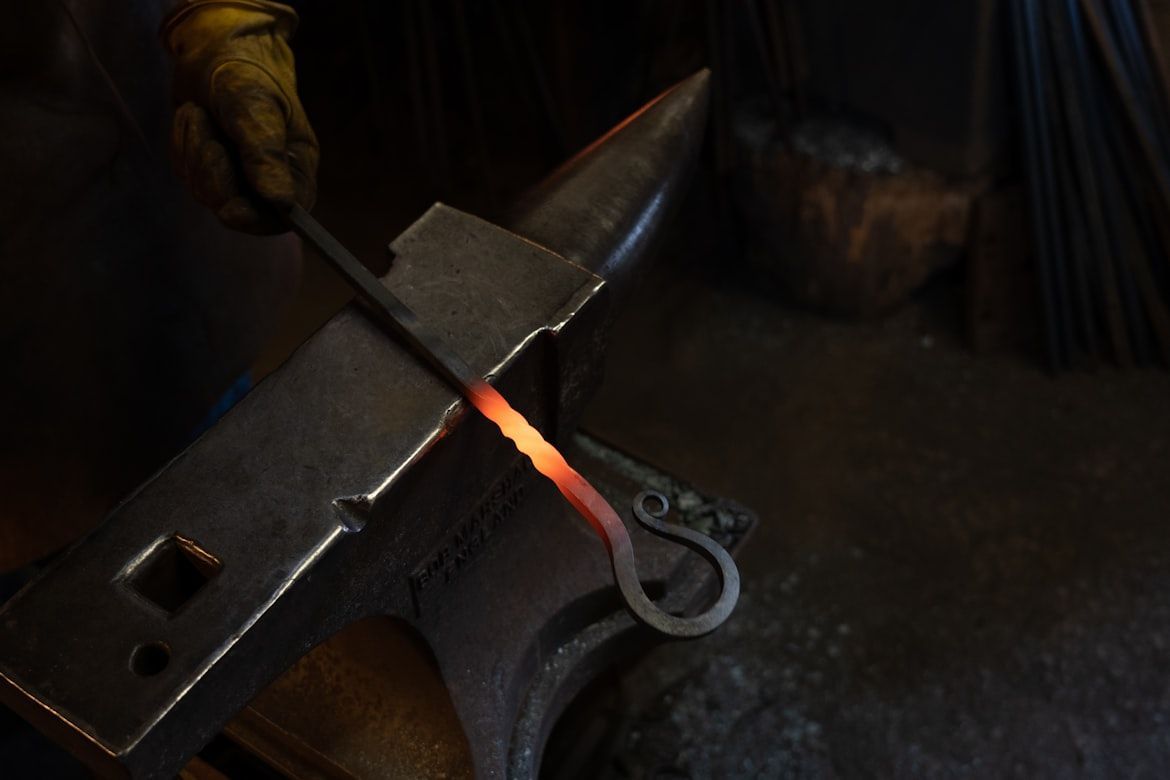
Image: Jonny Gios
Ever wonder where the term "brand name" comes from? Frontier ranchers used heated irons to mark ownership on their cattle.
The idea of a distinctive identifying mark later moved into the commercial world, where "brand name" came to signify a recognizable product or company identity.
5
Come hell or high water
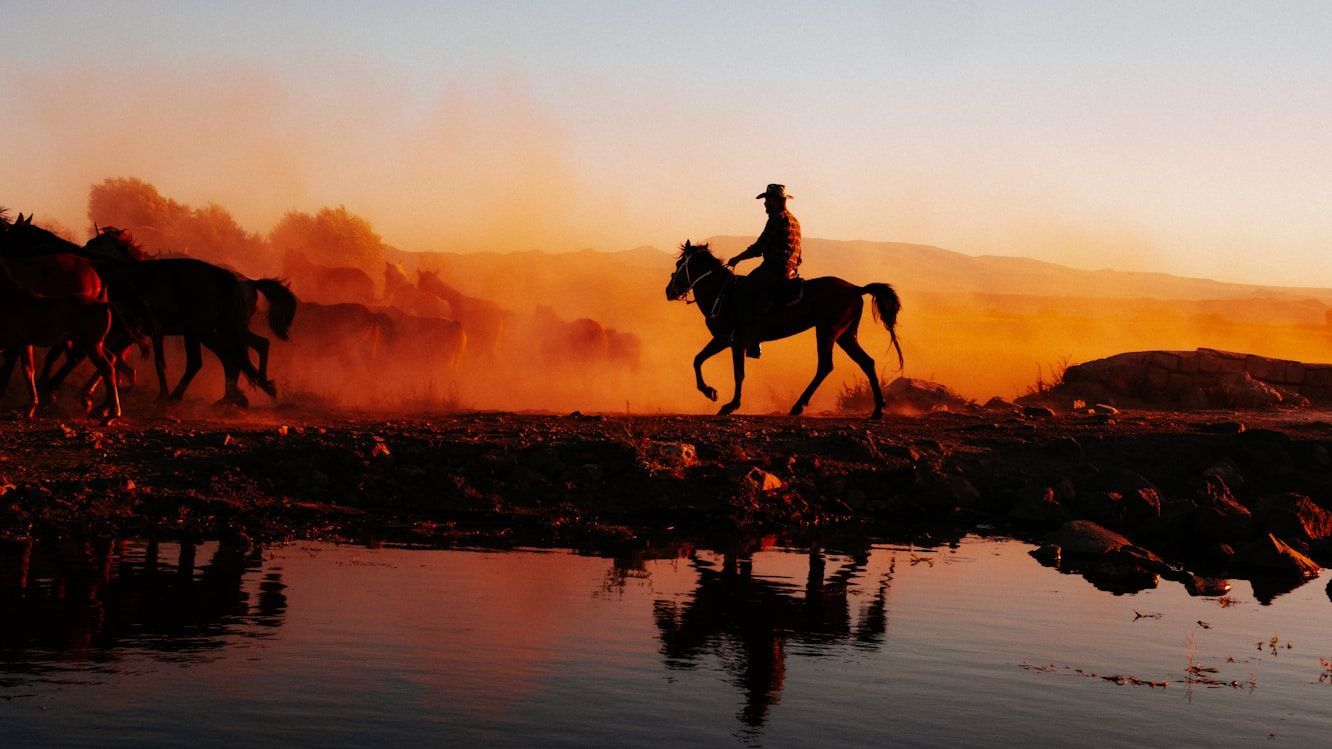
Image: Furkan Elveren
Ranchers driving cattle across rough terrain used this phrase to signal determination despite floods, storms, conflict, and whatever else the wild frontier could throw at them.
The earliest known printed use appears in an 1882 issue of The Burlington Weekly Hawk Eye, an Iowa newspaper. Railroads later adopted it in contracts requiring delivery despite natural obstacles.
6
Riding shotgun
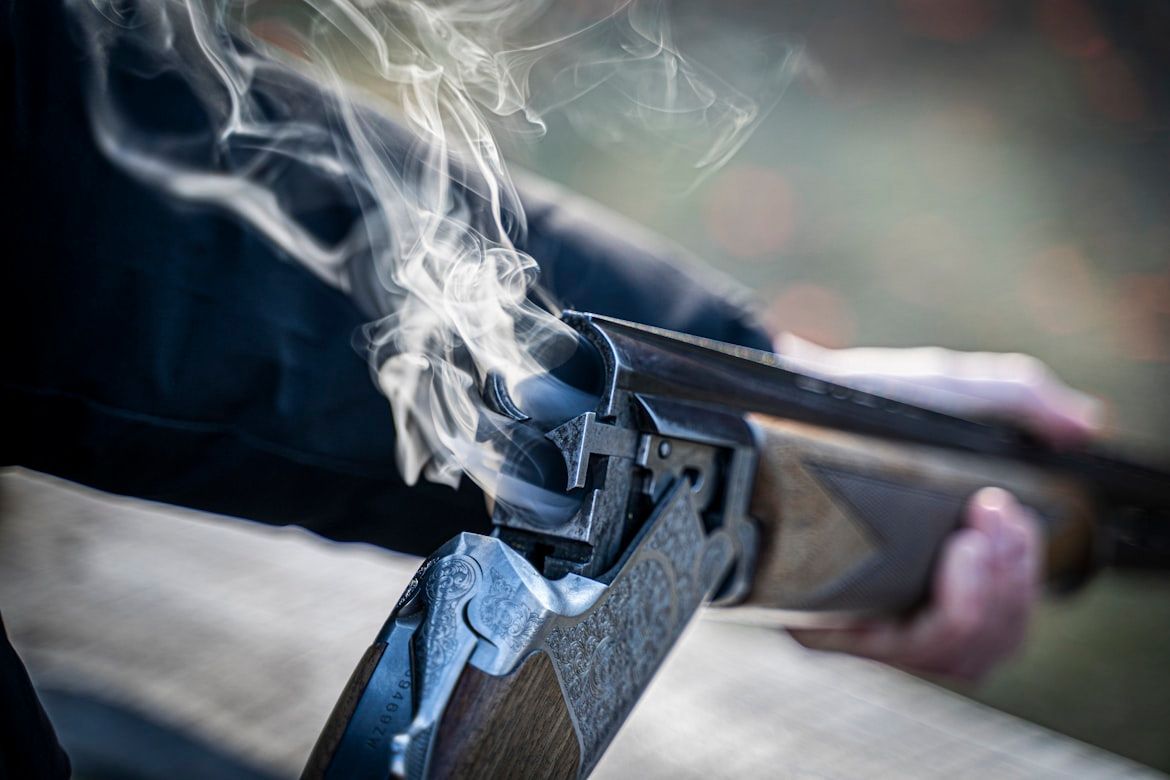
Image: Paul Einerhand
In Wyatt Earp’s era, the seat beside a stagecoach driver was reserved for an armed guard carrying a shotgun to deter bandits.
By the early 20th century, the job had vanished, but the expression endured as a casual claim for the front passenger seat.
7
Belly up to the bar
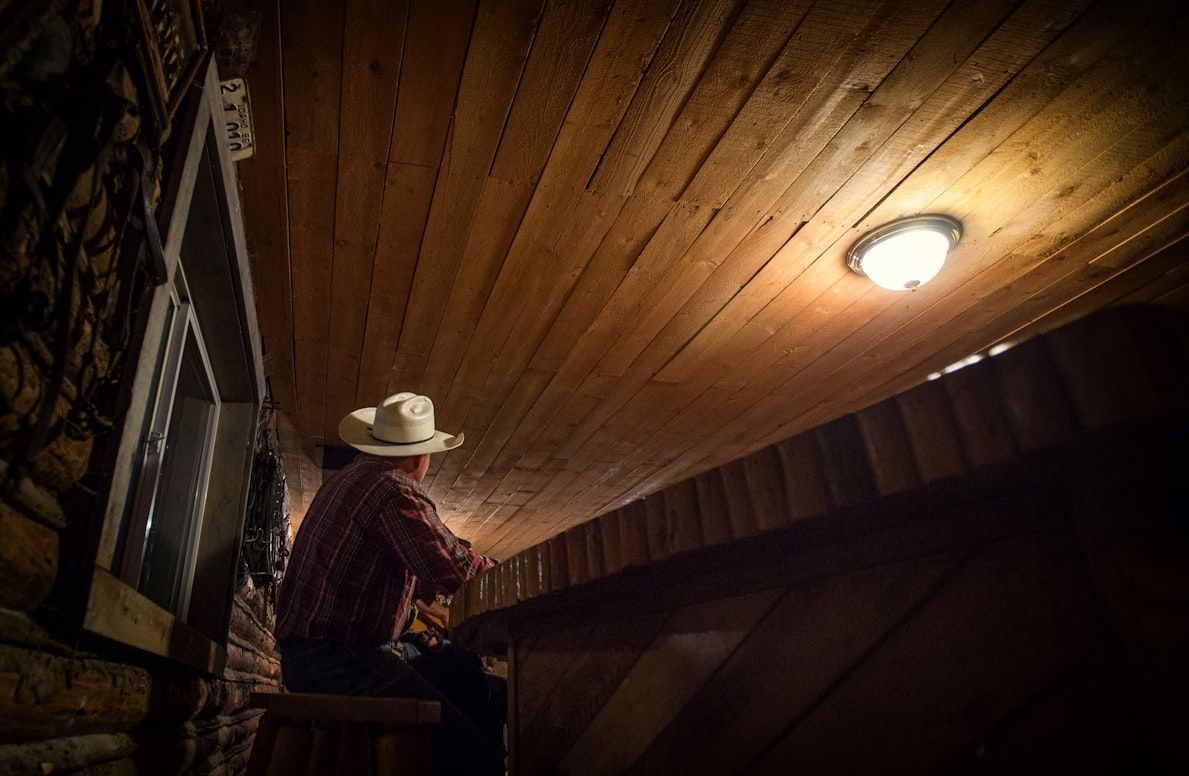
Image: Vidar Nordli-Mathisen
Saloon bars on the frontier often lacked stools, so patrons had to stand and lean their bellies directly against the counter.
The phrase soon came to mean approaching something boldly, whether at a bar or any other challenge.
8
Kick the bucket
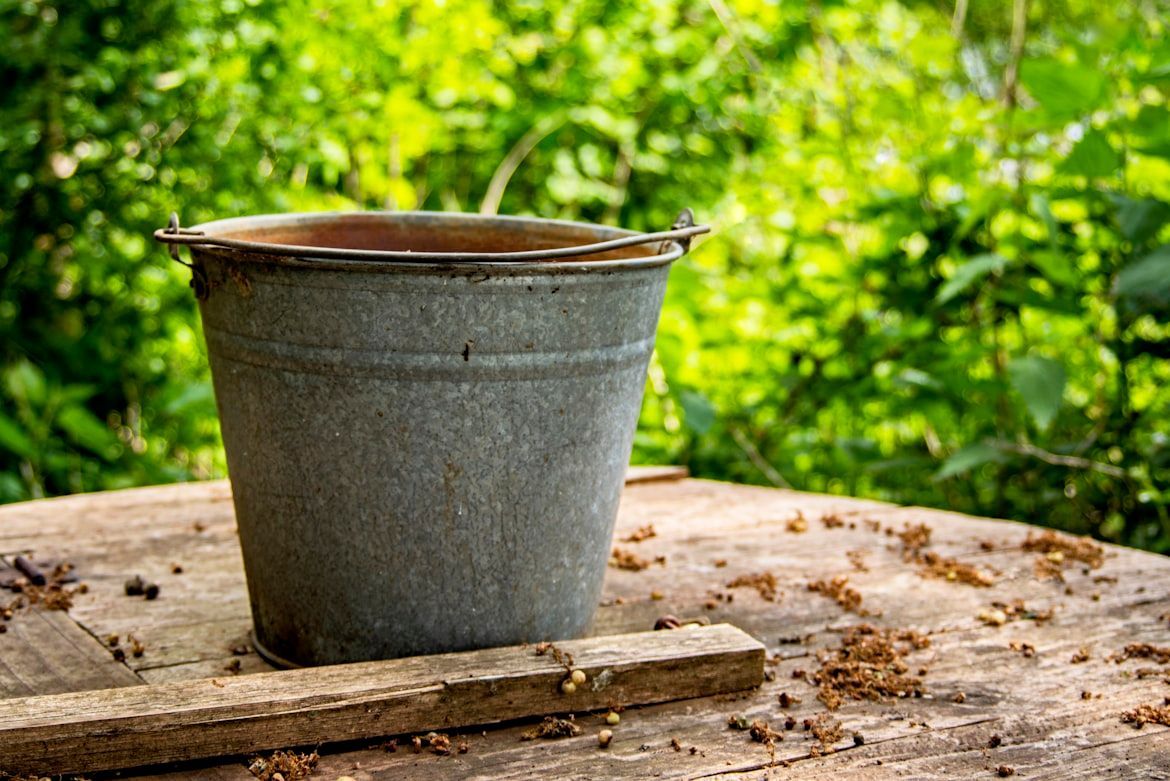
Image: Lucas van Oort
Rural butchers often suspended animals from a beam called a "bucket," and they sometimes kicked during slaughter.
The phrase was popular on farms and frontier towns, eventually becoming a euphemism for dying.
9
Dead ringer
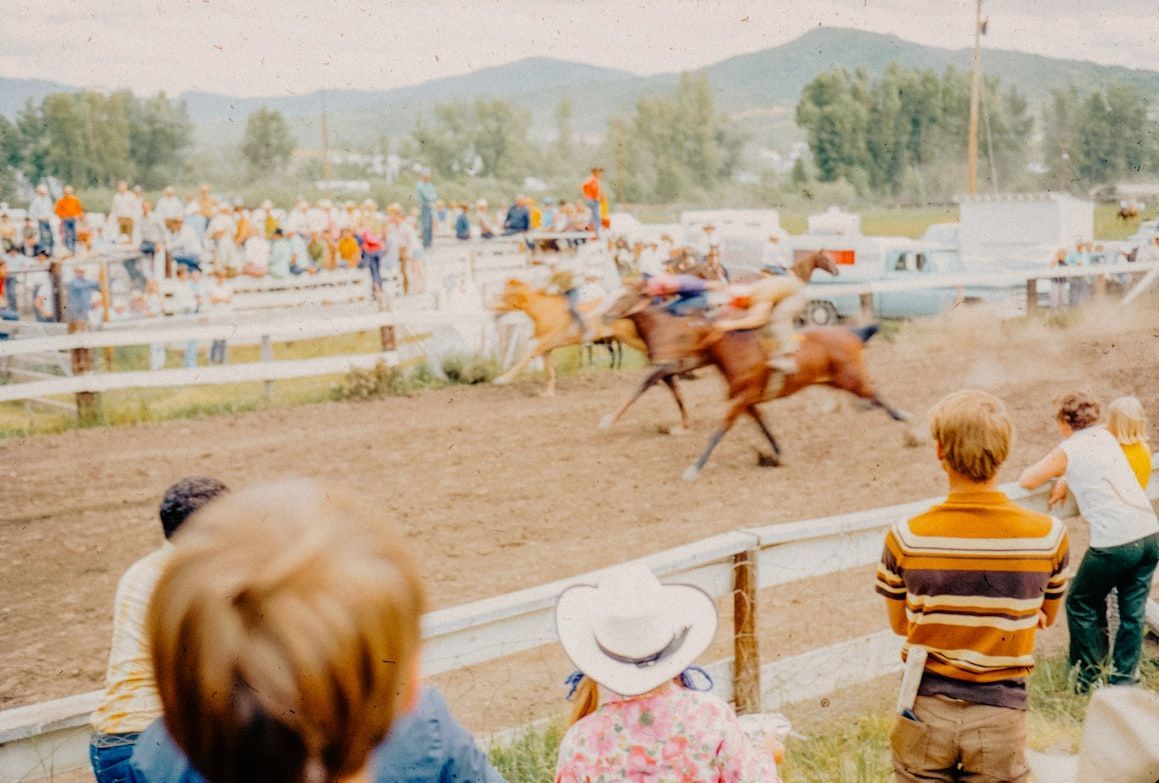
Image: Annie Spratt
Frontier horse racers engaged in plenty of shady practices—and one of the most common was substituting a horse with a look-alike, a "ringer," to scam bets.
When the substitute was an exceptionally close match, it was called a "dead ringer," emphasizing its perfect likeness.
10
High noon
Image: CHUTTERSNAP
Before standardized clocks or reliable rail schedules, "high noon" was an easy way to tell time by noting the sun at its highest point.
It also became associated with showdowns and other events because midday offered the clearest visibility.