General General 4 min read

Unplugging in nature

Here's why off-the-grid cabins do better than any other vacation stay
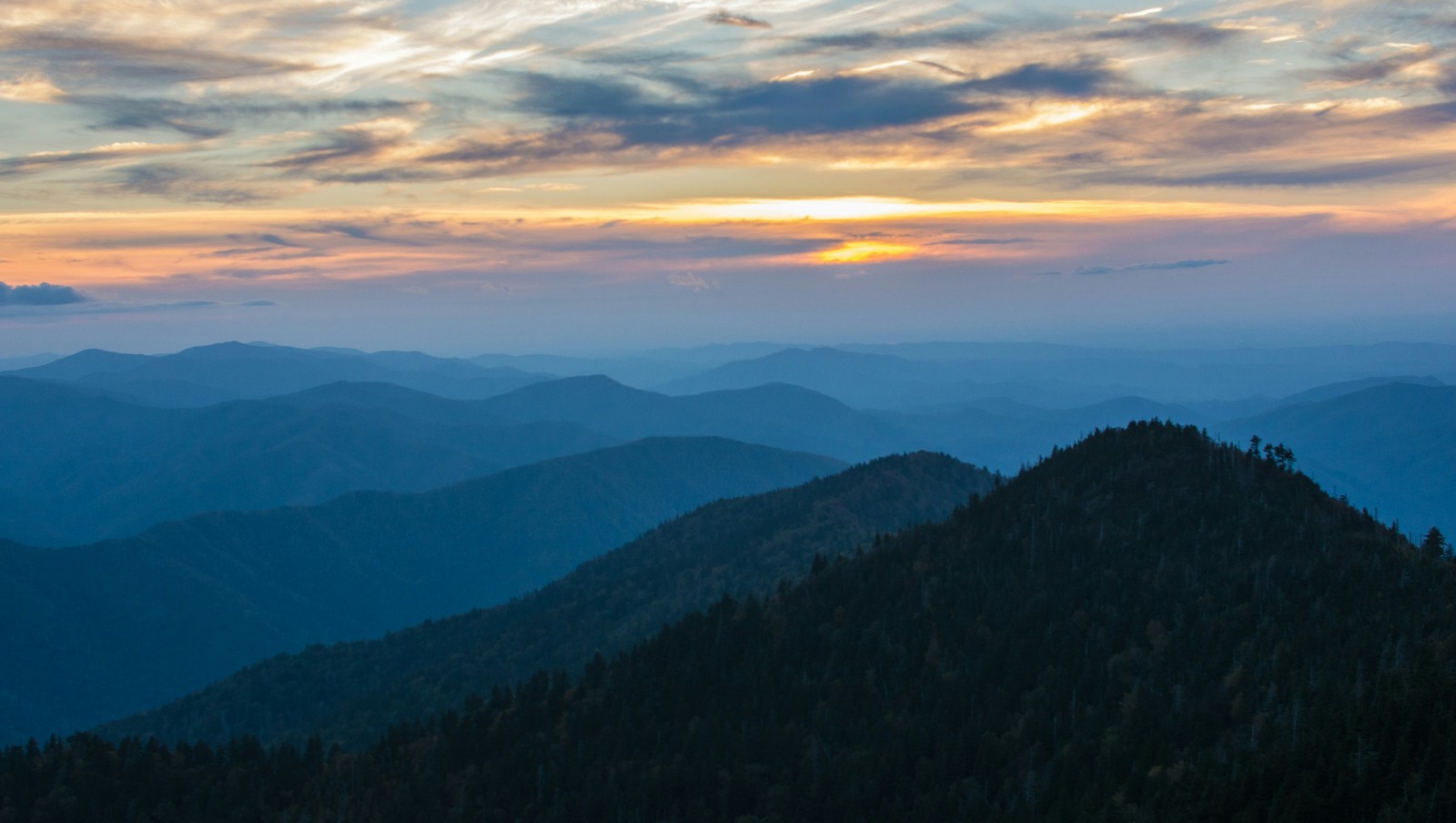
Image: Chris Reid

These days, "getting away" often just means answering emails from a different zip code. If you are craving something new and different, an off-the-grid retreat—whether it’s a remote cabin, a secluded tent site, or a rustic forest yurt—is the ultimate reset button. It’s a chance to start more meaningful conversations with your loved ones, resting your thumb from doomscrolling, or simply to rediscover what it feels like to be truly free and present . Read on to discover the ten life-changing benefits that happen the moment you turn your phone off for good.

1
Your thumb gets a much-needed break

Image: Plann

After years of scrolling through everyone's vacation photos, your thumb has basically been doing cardio. Whether you’re relaxing in a place like the Southern Appalachians or the Pacific Northwest, that overworked digit finally gets to rest . Without service, you'll discover it has other talents, such as turning actual pages in a book or striking a match to start an evening fire.

The first day feels weird, like you've forgotten your wallet. By day two, you'll notice your hand isn't automatically reaching for your pocket every five minutes.

2
Mornings without emails are magical

Image: Brett Jordan

Imagine waking up without that immediate cortisol spike from seeing 47 unread emails. In a no-service cabin, your morning starts with coffee on the porch and actual bird sounds instead of notification pings.

Your boss's "urgent" request about the quarterly report can wait until Monday. Mother Nature doesn't have Wi-Fi, and honestly, she's doing just fine without it.

3
Conversations get interesting again

Image: Priscilla Du Preez

Without phones to fact-check every debate, dinner conversations become adventures . You'll actually have to remember things or admit you don't know something. Someone will insist that a movie came out in 1987, someone else swears it was '89, and you'll never resolve it.

The beauty is, it doesn't matter. You're too busy laughing and telling stories to care who's right.

4
You sleep as you did in your twenties

Image: Slaapwijsheid.nl

Without blue light blasting your eyeballs until midnight, your body remembers how to sleep properly . The mountain air helps too: There's something about that fresh, pine-scented breeze that works better than any sleep app.

You'll wake up actually rested instead of groggy. No 3 a.m. phone checks, no falling down social media rabbit holes when you should be sleeping—just solid, deep, restorative rest.

5
The stars will blow your mind
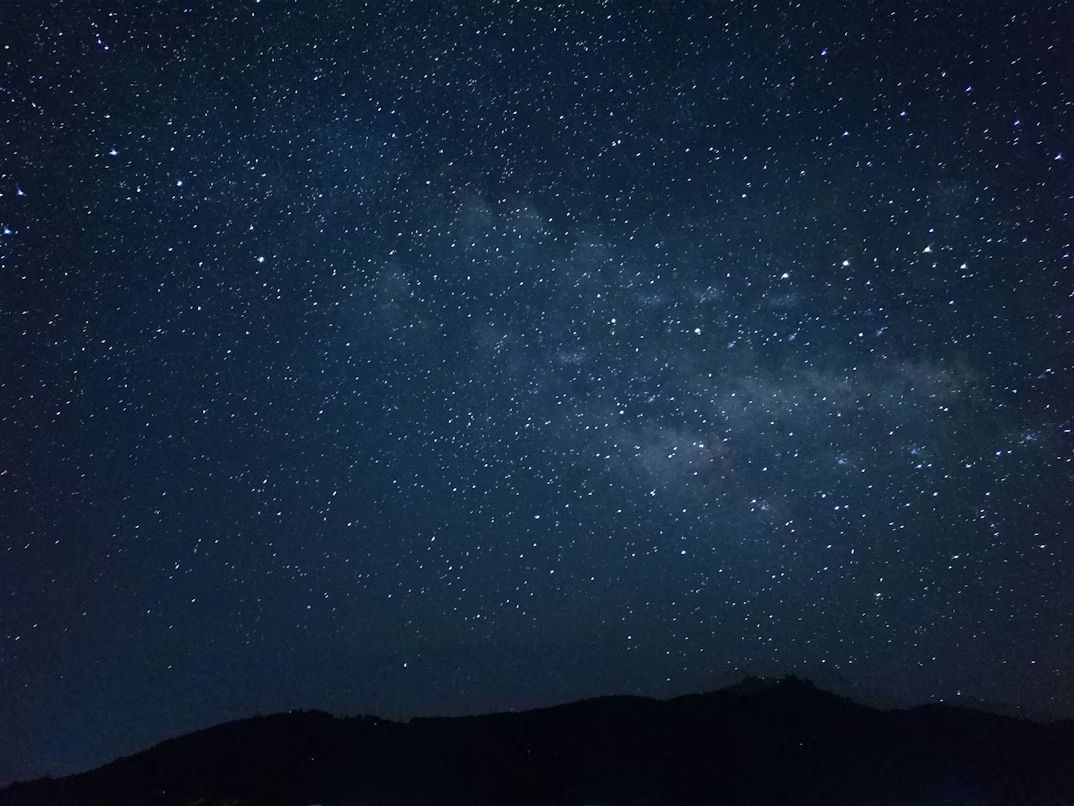
Image: Calwaen Liew

City lights and phone screens have stolen the night sky from us. Out in the deep wilderness, with zero light pollution and nothing to scroll through, you'll actually look up. The Milky Way isn't just a candy bar; it's a river of stars you can see with your naked eye.

Bring a blanket, lie on your back, and prepare to feel wonderfully small. You might even see a shooting star, and without your phone, you'll actually experience the moment instead of trying to photograph it .

6
Reignite your relationship with your partner
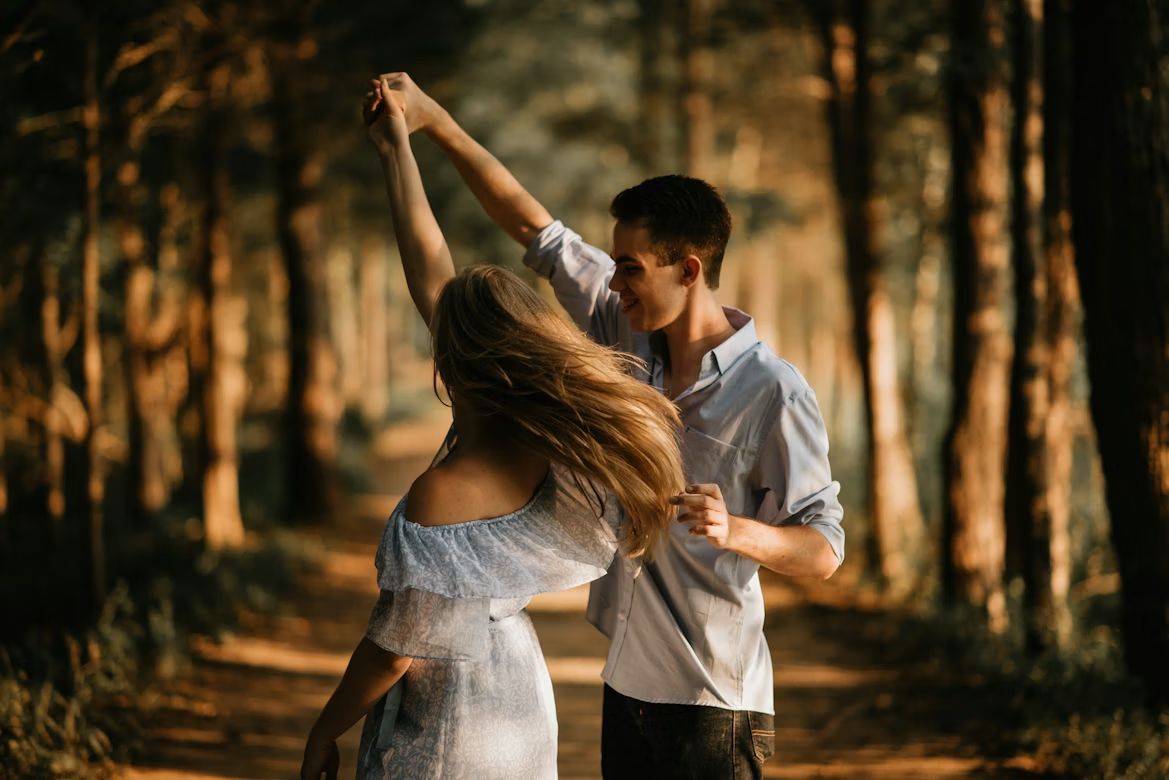
Image: Scott Broome

When you can't zone out on your phone, you have to actually talk to each other . Crazy concept, right? You'll remember why you liked this person in the first place. Without digital distractions, you might have conversations that go deeper than "what do you want for dinner?"

Plus, there's something romantic about being genuinely unreachable together. It's just the two of you against the mountains, like you're the last people on Earth.

7
Boredom becomes interesting

Image: Thomas Park

Here's something nobody tells you: Boredom is actually good for you . When your brain isn't constantly entertained, it starts wandering into interesting territory. You might finally figure out that problem at work, or remember a dream you had, or just notice how pretty the light looks through the trees.

Kids used to complain they were bored, and their parents said, "Go outside and find something to do." Turns out that advice works for adults, too. You'll be amazed at what you notice when you're not staring at a screen.

8
Real books make a comeback

Image: Matias North

Without the internet's constant interruptions, you'll rediscover what it's like to lose yourself in a story for hours . No tabs to check, no notifications to dismiss. Just you and the page.

There's something satisfying about the physical act of turning pages that a Kindle just can't match, especially with a wood fire crackling nearby.

9
Board games don't seem lame anymore
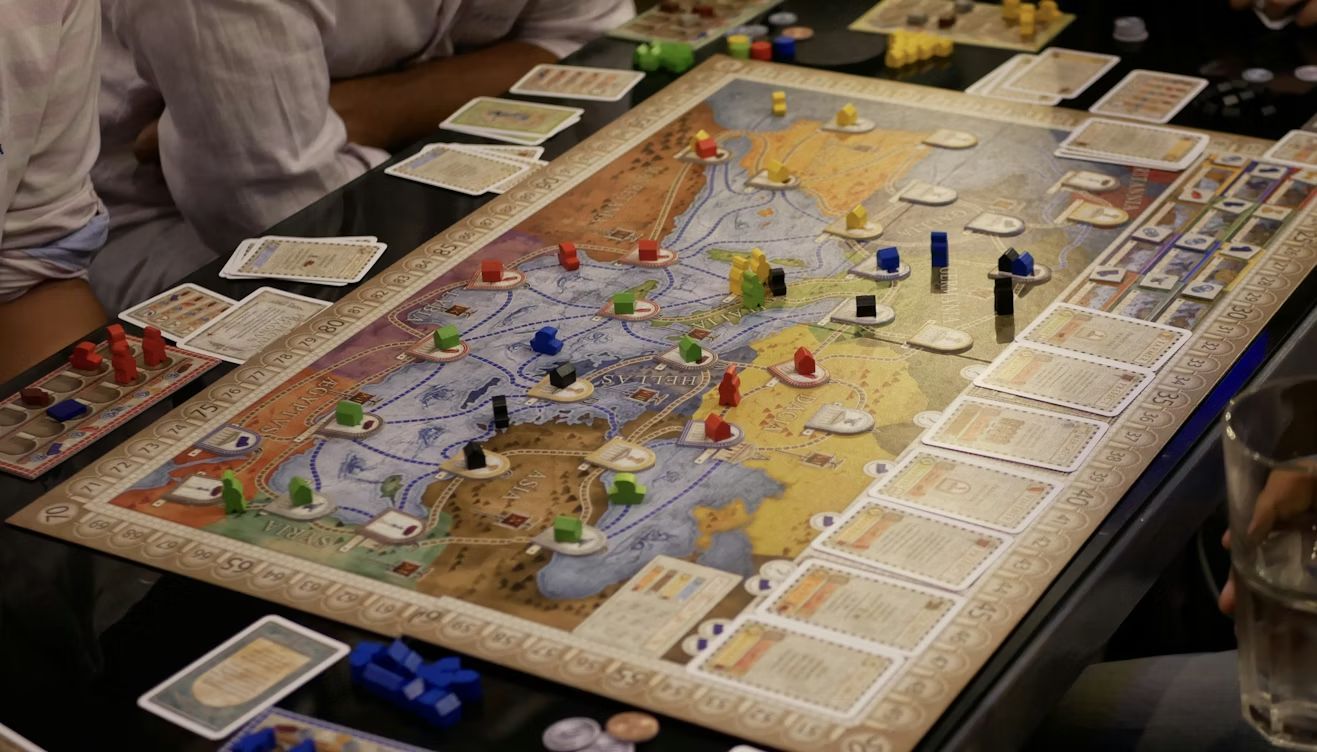
Image: Karthik Balakrishnan

Suddenly, that dusty Scrabble set in the cabin's closet looks pretty appealing. When your entertainment options shrink, simple pleasures expand. You'll find yourself actually enjoying a game of cards or Monopoly.

10
You return home as a better version of yourself

Image: Shane Ryan Herilalaina

After a few days off the grid, you'll notice something strange: you don't immediately need to check everything you missed. The world kept spinning without your constant monitoring, and that's oddly liberating. You might even keep your phone on silent for a while.

That mountain calm sticks with you, at least for a few days. You'll find yourself less anxious, more present , maybe even a little smug about your digital detox.
Culture Culture 4 min read

Who do you miss the most?

Where are they now? 11 famous personalities who have vanished

Image: GreenCardShow

Sometimes you don’t even realize that some actresses and actors have retired or decided to slow things down a bit since their image is constantly present in films, series, and more. But they do. As glamorous and rewarding as their job might be, stars do get tired and either take a final bow from the limelight or, at the very least, choose to take it easier. The following 11 actresses and actors have either retired or decided that a calmer pace suits them better. Which one do you miss the most?

1
Mr. T

Image: Richard R

If you were watching TV in the 1980s, you knew Mr. T. Actor Laurence Tureaud rose to fame as B.A. Baracus in the hit TV series The A-Team and as boxer Clubber Lang in the 1982 film Rocky III .

In 2006, he starred in the TV Land reality show I Pity the Fool , named after his famous catchphrase.

2
Richard Dean Anderson

Image: Nipun Haldar

The man who sold a thousand Swiss Army knives— MacGyver himself, Richard Dean Anderson was a household name in the 1980s. He later became well-known to another set of fans for his role in the Stargate Atlantis series.

These days, Richard Dean Anderson occasionally appears in small roles. He also serves on the Board of Advisors for the Sea Shepherd Conservation Society, which is dedicated to protecting marine life and raising public awareness about the dangers it faces.

3
Haley Joel Osment

Image: Laercio Cavalcanti

Remember the kid who said, " I see dead people " in M. Night Shyamalan’s The Sixth Sense ? That’s him—Haley Joel Osment. He was nominated for Best Supporting Actor at just 11 years old for that unforgettable performance.

Since then, Osment has grown up and taken on smaller roles in Tusk , Silicon Valley , and Future Man .

4
Jason Priestley

Image: David Vives

One of the most recognizable faces of the 1990s, Jason Priestley rose to fame through his role in the TV series Beverly Hills, 90210 . Since then, he has taken on smaller roles and he recently starred in the Canadian TV series Private Eyes .

5
Emilio Estevez

Image: Taylor Brandon

Emilio Estevez chose to use his family’s real last name, Estevez, rather than the one adopted by his father, Martin Sheen , or his brother, Charlie Sheen . But still, people knew exactly who he was. In the 1980s and ’90s, his face was everywhere as a member of the Brat Pack, starring in The Breakfast Club , St. Elmo’s Fire , and The Outsiders .

Since then, he has taken on a few minor roles and maintained a lower profile.

6
Michael J. Fox

Image: Roger Ce

Despite stepping away from acting several years ago due to his Parkinson’s diagnosis, Michael J. Fox has remained a beloved public figure, thanks in no small part to his natural charisma and iconic role as _Back to the Future_’s Marty McFly . The Canadian star has since become a prominent advocate for Parkinson’s research and a cure.

7
Rick Moranis

Image: Erik Mclean

For a while, Rick Moranis was everywhere: Ghostbusters , Spaceballs , Little Shop of Horrors , Honey, I Shrunk the Kids , Parenthood ... But after becoming a widower in the 1990s, he shifted his focus to fatherhood and stepped away from the spotlight. Every few years, there’s talk of him making a comeback, and it appears that, finally, this may come true in the long-awaited sequel to Spaceballs . We can all hope, right?

8
Jane Fonda

Image: bruce mars

Jane Fonda rose to fame in the 1960s and ’70s through her work as an actress and model . In the 1980s, she released her first exercise video, which went on to become the most successful workout tape of all time.

Since then, she has appeared in several films and Broadway productions, while continuing her work in activism and philanthropy. In recent years, Fonda starred in the Netflix series, which ran for seven seasons, Grace and Frankie, with Lily Tomlin.

9
Talia Shire

Image: Nathz Guardia

A highly recognizable actress in the 1970s, Talia Shire played leading roles in The Godfather and Rocky , along with their sequels. Since then, she has continued acting in films, though mostly in smaller roles. In 2024, she appeared in Megalopolis , directed by her brother Francis Ford Coppola.

10
Daniel Day-Lewis

Image: Jez Timms

Daniel Day-Lewis, one of the most acclaimed actors of his generation, has won three Academy Awards for Best Actor for his roles in My Left Foot (1989), There Will Be Blood (2007), and Lincoln (2012). He announced his retirement from acting in 2017. After thanking his collaborators, he quietly left the movie business to dedicate himself to learning the craft of cobbling .

However, in October 2024, he made a notable return to acting by starring in Anemone , a film directed by his son, Ronan Day-Lewis, that has yet to be released.

11
Bridget Fonda

Image: Tore F

The second Fonda on our list is also the final entry: Bridget Fonda retired from Hollywood in 2002 to start a family with her husband, composer Danny Elfman. More than two decades later, Fonda has stated that she has no plans to return to the big screen. As she put it, "I don’t think [there’s any chance]. It’s too nice being a civilian."

Geography Geography 5 min read

Are you brave enough?

Only for adventurers: These are 10 of the harshest American landscapes!

Image: Soly Moses

There’s no denying that American landscapes are beautiful . However, while the stunning wonder of these 10 locations is undeniable, they are definitely not for the faint of heart. These places are perfect for adventurers, for those with the urge to push themselves and explore harsh yet rewarding terrains. With that in mind, here’s our selection of 10 of the most demanding and harsh American National Parks, hoping to awaken your adventurous spirit and offer a glimpse of their beauty so you can enjoy it from the comfort and safety of your home. Enjoy!

1
Mojave Desert

Image: Paulius Dragunas

The possibility of being stranded in the desert has always terrified humankind. Can you imagine being completely alone in the harsh and unforgiving heat? Luckily, nowadays it’s extremely difficult to get lost in the Mojave Desert . However, that doesn’t mean visiting this gorgeous landscape isn’t a demanding endeavor.

The Mojave Desert spans four different western states and is crossed by the Colorado and Mojave rivers. One of its most famous locations is the area known as Death Valley , the point of lowest elevation in North America and the hottest place on Earth during the summer.

2
Mount Rainier

Image: Taylor

Also known as Tahoma, Mount Rainier National Park is located approximately 59 miles from Seattle. As you might guess, the main attraction of this park is the titular Mount Rainier, the highest mountain in the state of Washington and a formidable challenge for daring adventurers.

Mount Rainier’s official summit elevation is 14,410 feet, and it is one of the most popular climbing spots in the world. That doesn’t mean it is an easy climb—quite the contrary, in fact. In order to reach the summit, climbers must traverse glaciers similar to those found in southern Alaska. Of the approximately 11,000 climbers who attempt to summit Mount Rainier each year, only about 50% succeed.

3
Gates of the Arctic National Park

Image: Sauvage

The northernmost park in the United States, Gates of the Arctic National Park, is definitely hard to reach. In fact, it is the least visited park in the country due to its remoteness and lack of infrastructure.

In any case, camping and hiking are allowed in the park, though they are not for the faint of heart. The extreme temperatures, with an annual minimum average of −42.6 °F, make it a challenging yet alluring landscape for those seeking adventure.

4
Glacier National Park

Image: Michael Kirsh

While Montana’s Glacier National Park offers recreational opportunities for people of all ages, including kayaking, fly fishing, and hiking, many tourists visit the park seeking a more thrilling experience. They aren’t disappointed, as the park features numerous climbing challenges, including five peaks over 10,000 feet .

However, we recommend visiting during the tourist season. In winter, temperatures can plummet, with a historical low of -38°F. Additionally, the area is prone to sudden temperature changes, which can pose challenges for adventurers.

5
Lake Clark National Park

Image: Clayton Manche

Much like Glacier National Park, Lake Clark is not necessarily a severe environment during the tourist season. It offers a variety of recreational activities, ranging from bird-watching to more thrilling pursuits like kayaking and rafting. However, the extremely low temperatures and intense snowfall make this park much harsher during the winter months.

With a record-low temperature of -18°F, Lake Clark becomes inhospitable during the colder months. Not only that, but the park is not accessible by roads; only air taxis and boats can reach it.

6
Big Bend National Park

Image: Simon Hurry

As with many other parks on this list, we should start with a small disclaimer: Don’t be discouraged from visiting Big Bend National Park . Not that you need our warning—after all, half a million tourists enjoy the park's magnificence every year. However, a point should be made that the harsh desert conditions of Big Bend do provide a challenge that should not be overlooked.

According to Search & Rescue team reports, 1 in 1,000 visitors requires assistance of some kind. Although most of this assistance is not life-threatening (often involving mild dehydration), it highlights the importance of taking necessary precautions when visiting the park.

7
Rocky Mountain National Park

Image: Michael Kirsh

Located in the heart of Colorado , Rocky Mountain National Park offers unmatched views of the stunning Rocky Mountains, as well as numerous alpine lakes and lush forests that completely surround the park. However, there are many hazards you should be aware of if you plan to visit this beautiful location.

Visitors should be cautious of steep cliffs, falling rocks, cold temperatures, and adverse snow conditions. Additionally, the area is infamous for its recurring wildfires, so campers must be careful not to leave anything that might increase the risk of fire.

8
Great Basin National Park

Image: Shawn Powar

The arid beauty of Great Basin National Park is truly second to none. Although it is located in a desert area , the plants and vegetation have majestically adapted to the dry climate. With that in mind, you can also adapt and thoroughly enjoy this park if you keep these safety suggestions in mind.

We’ll mention just some of the safety tips recommended by the National Park Service for visiting Great Basin: For starters, remember that cell phone service is limited, so don’t rely entirely on your phone. Also, be mindful of sun exposure and take precautions to avoid sunburn and dehydration. One last thing: Like all desserts, heat is not the only concern. The park’s temperature drops significantly at night, so try to not be caught in the open when the sun goes down.

9
Voyageurs National Park

Image: Tim Umphreys

Located in northern Minnesota, right on the border with Canada, Voyageurs National Park was named after the French-Canadian fur traders who frequently traveled the area. It is particularly famous for its many lakes , which offer activities like kayaking, canoeing, and fishing.

However, there are a few dangers that boaters should be aware of, such as the many hazardous rocks hidden in the water. Additionally, during the winter season, many visit the park to engage in snowmobiling, which must be practiced carefully to avoid any soft spots.

10
Kobuk Valley National Park

Image: Adrià Masi

Kobuk Valley National Park is as massive as it is undeveloped. Although the park is larger than the state of Delaware, there are no roads leading to it , nor any internal roads or trails within the park. Visitors must arrive by air taxi, weather permitting, and bring all their gear and supplies if they intend to backpack, camp, or boat.

Not only that, the weather conditions in the park can be extreme, even during the summer, and are completely unpredictable. In any case, as with all the other parks in this article, we don’t want to dissuade you from visiting Kobuk Valley if you choose to. We simply want to emphasize the importance of keeping safety a paramount priority during your trip.

Explore more American facts

Choose your favorite category!

General
General

As American as apple pie—the very best America has to offer!

Culture
Culture

Delve into the astounding richness of American lore.

Geography
Geography

Hop in and explore vast and diverse American landscapes.

History
History

Discover the key moments that shaped the United States.