From fame to oblivion
Forgotten, not gone: 10 American heroes who changed history
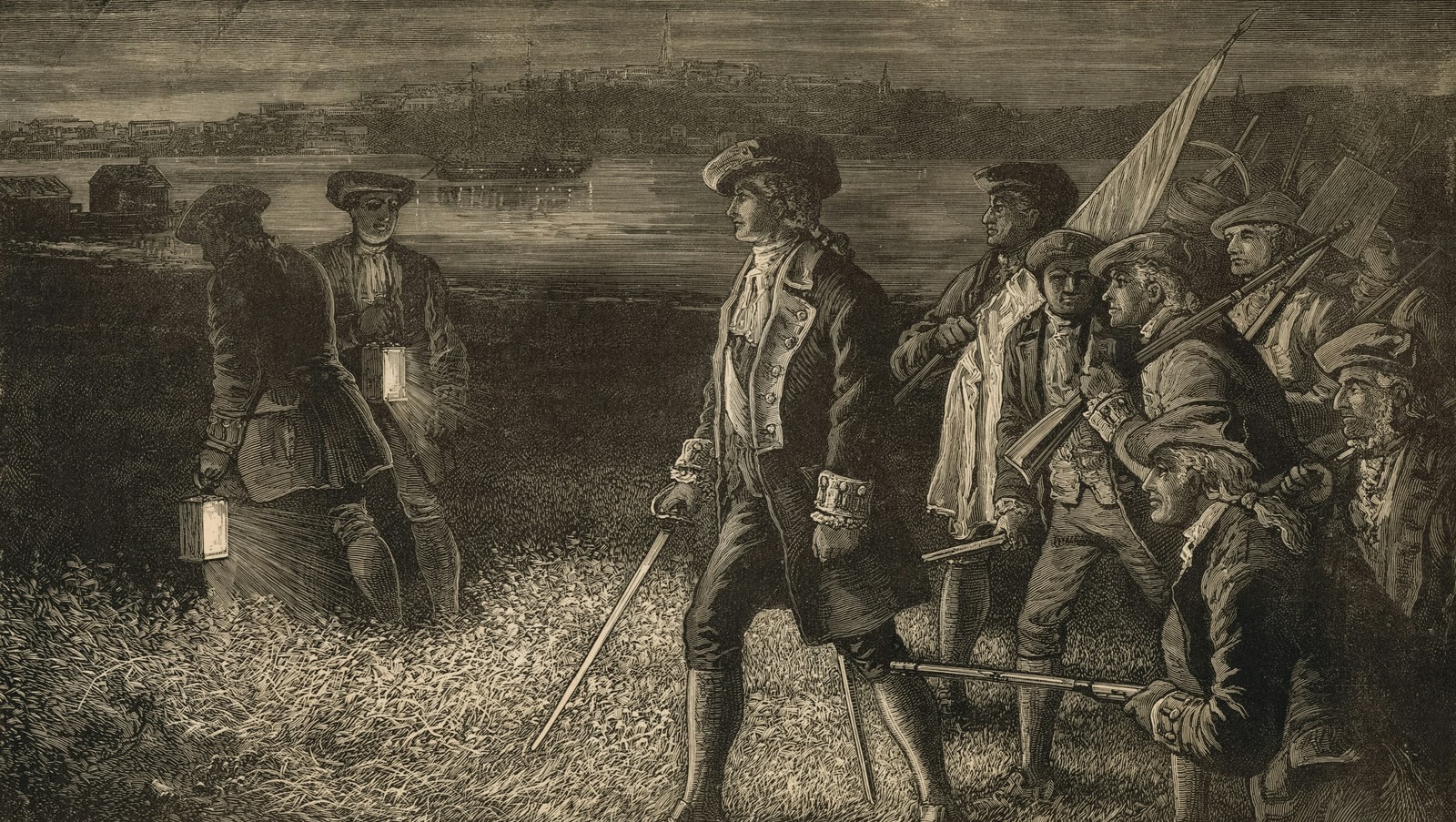
Image: The New York Public Library
America has produced more than its fair share of legends, but not all are remembered equally. From pioneers of technology to forgotten war heroes, each of these names once meant something big in the U.S. Here's a look at 10 American icons whose legacies deserve a second glance.
1
Hedy Lamarr

Image: Geoffroy Berlioz
Best known for her 1930s–40s film career, Hollywood icon Hedy Lamarr also co-invented frequency-hopping spread spectrum technology to prevent enemy jamming in WWII. And if you think it’s no big deal, know it’s the basis for modern Bluetooth and Wi-Fi!
While largely overlooked as an inventor at her time, she was posthumously inducted into the National Inventors Hall of Fame in 2014.
2
Sybil Ludington

Image: Taylor Brandon
According to many historians, at just 16 years old, Sybil Ludington rode about 40 miles through the night in 1777 to alert American militia of a British attack on Danbury, Connecticut.
This would make her ride roughly twice as long as Paul Revere’s . While some scholars question the veracity of her story, a statue stands in her honor in Putnam County, New York.
3
Bass Reeves

Image: Pramod Tiwari
Born into slavery in 1838, Reeves became one of the first Black U.S. Deputy Marshals west of the Mississippi. He made over 3,000 arrests during his law enforcement career.
Many historians believe his exploits may have inspired the Lone Ranger character, although his name rarely appears in history textbooks.
4
Mary Edwards Walker

Image: David Trinks
A Civil War surgeon and suffragist, Walker treated soldiers on the front lines and was even captured as a prisoner of war.
In 1865, she became the first woman to ever receive the Medal of Honor. Her unorthodox dress style and fearless activism made her a striking figure in 19th-century America.
5
Clara Barton

Image: Kevin Paes
Known as the "Angel of the Battlefield," Barton provided medical care during the Civil War and later founded the American Red Cross in 1881.
Though once a household name, her legacy has faded compared to other, more widely remembered wartime figures.
6
Joshua Lawrence Chamberlain

Image: Chris Chow
A college professor turned Union colonel, Chamberlain famously held Little Round Top during the Battle of Gettysburg, a pivotal moment in the Civil War.
He was awarded the Medal of Honor and later became governor of Maine, but his unexpected battlefield brilliance is often overlooked in Civil War discussions.
7
Robert Smalls

Image: Ian Hutchinson
In 1862, Smalls, a formerly enslaved sailor, seized a Confederate ship and delivered it to Union forces, securing freedom for himself and his crew.
He later served five terms in Congress, advocating for Black education and civil rights.
8
Harvey Wiley

Image: Diana Polekhina
Known as the "Father of the FDA," Harvey Wiley was a chief chemist in the late 1800s whose "Poison Squad" tested various food additives, leading to the 1906 Pure Food and Drug Act.
This law laid the foundation for the FDA and led to the removal of many dangerous substances from consumer products. Notably, it prompted Coca-Cola to eliminate cocaine from its formula in the early 20th century.
9
George Washington Carver

Image: Dan Meyers
More than just being associated with peanuts, George Washington Carver developed numerous innovative crop rotation methods and created over 300 uses for peanuts, sweet potatoes, and other plants to help Southern agriculture recover after the Civil War.
10
Joe Medicine Crow

Image: Boston Public Library
The last war chief of the Crow Nation, Joe Medicine Crow, completed several traditional war deeds during WWII—including counting coup and stealing enemy horses —and earned both the Bronze Star and the French Légion d’honneur.
Part of his legacy was bridging Native American warrior traditions with modern military service, honoring both cultural heritage and patriotic duty.